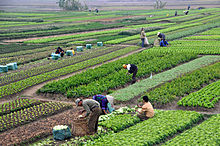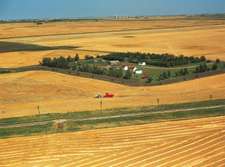
Top 5 Major types of Farming.

Types of agriculture in India:

Agriculture is one of the most important fields in India as well as everywhere on earth. Without agriculture, we can’t imagine the world. So, it is compulsory to know the importance of various types of agriculture in India.

1. Primitive Subsistence farming

Primitive Subsistence Farming: This type of farming is practiced on small patches of land. Primitive tools and family/community labour are used in this type of farming. The farming mainly depends on monsoon and natural fertility of soil.

2.Dry farming

Dry farming or Dry Land Farming refers to an improved system of cultivation whereby maximum amount of water is conserved by soil and water management. It involves efficient system of soil and crop management in the regions of low land and uneven distributed rainfall.

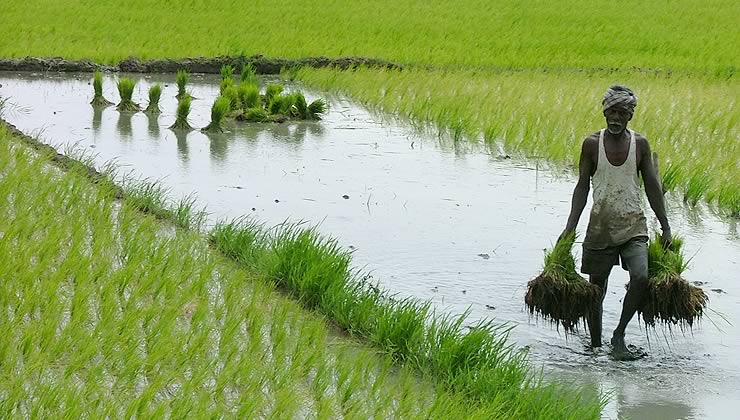
3.Wet farming


Wet Farming is practiced in the areas of alluvial soils where annual average rainfall is more than 200cm. Here, more than one crop is grown in a year because enough amount of moisture in the soil is available. Rice and jute are the main crops of these types of farming.

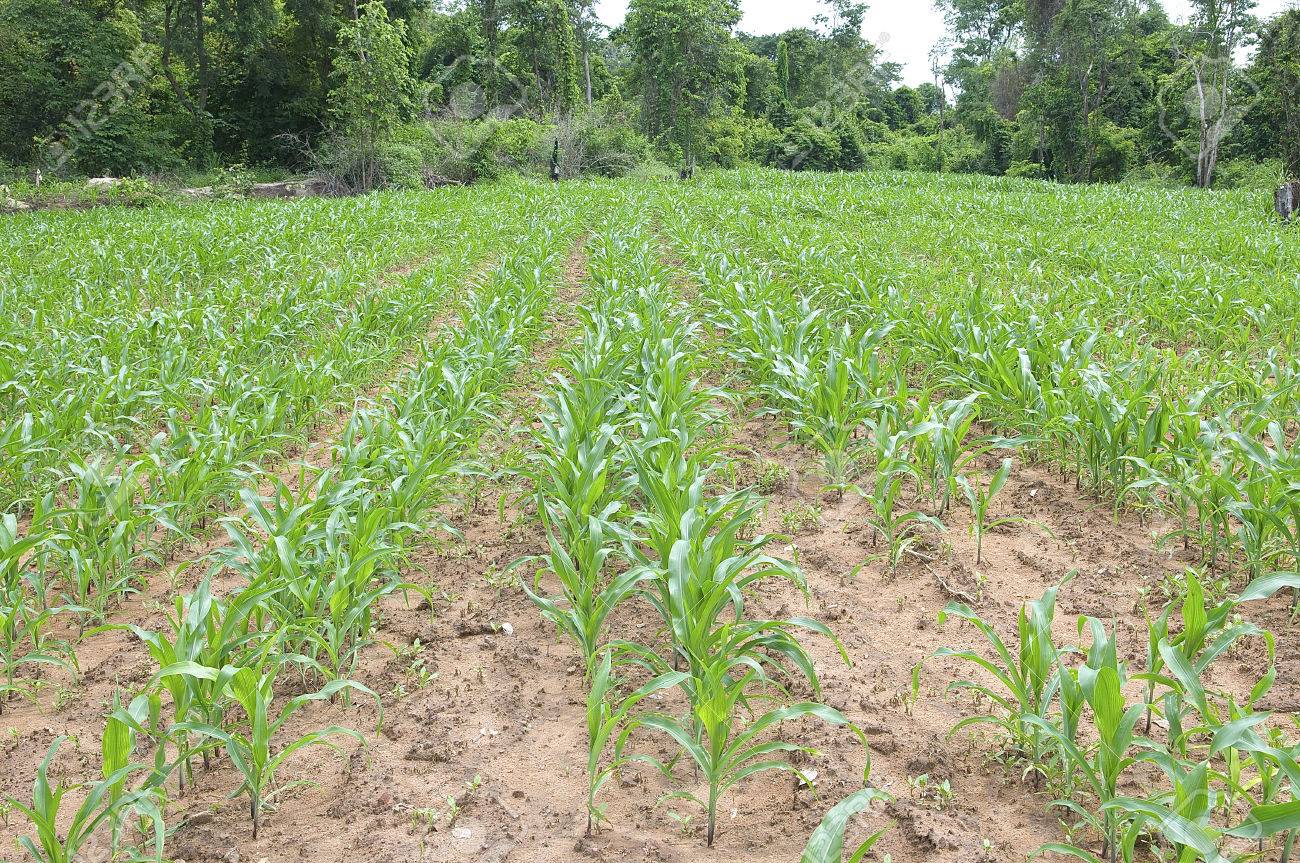
4.Shifting agriculture

Shifting agriculture is a system of cultivation in which a plot of land is cleared and cultivated for a short period of time, then abandoned and allowed to revert to producing its normal vegetation while the cultivator moves on to another plot.

5.Mixed and Multiple Agriculture

Mixed cropping is the practice of cultivating more than one crop, that is growing of two or more crops simultaneously in the same field

Agriculture In India

Agriculture is the most important sector of India and largest contributor to India’s GDP and overall growth of socio-economic sector. It has played a significant role in providing livelihood to two-thirds of the population
India has been greatly dependent on agriculture for food production and imports. Green Revolution took place to improve Indian agriculture in 1960’s due to food crisis. This revolution involved adopting new irrigation facilities, high-yielding variety of seeds, better technologies, proper fertilizer and pesticide usage. This initiative steadily increased wheat and rice production in India. According to the recent survey, total food production during 2020-2021 year was approximately 296 million tones. India is among the 15 leading countries in the world to export agriculture products. Year 2020 has marked a high investment in the agricultural sector. Major companies like Nestle and Haldiram had made major investment in food industry.

Government initiatives to improve agriculture


Pradhan Mantri Mandhan Yojana was launched for small farmers. Under this initiative, farmers between the age of 18 to 40 will have to contribute Rs 55 to Rs 200 and by the time they reach their retirement age i.e., 60 years they will receive Rs3000 per month as pension.


Pradhan Mantri Kisan Samman Nidhi Yojana was launched to provide Rs 60,000 to those farmers who own less than two hectares of land in three installments.


On 1st July, 2015, Pradhan Mantri Krishi Sinchai Yojana was launched to provide better irrigation supply solutions to farmers. As per the budget of 2021-2022, Rs 4000 crore was enforced towards this this initiative.


To promote organic cultivation among a group of farmers in India, Paramparagat Krishi Vikas Yojana was launched. This inititiave is believed to increase domestic production.


National Animal Disease Control Programme was launched by Prime Minister Narendra Modi to work toward animal diseases related to foot, mouth in livestock.


Animal husbandry industry development was vital. Funds have been announced to improve this industry.
Electronic National Agriculture Market (e-NAM) launched in 2016 enabled e-marketing that provides a combined market for all the food products at a national level.


These initiatives have been helpful to farmers. Such programmes have given big relief to farmers and are continuing to support during this global pandemic.


Covid-19 impact on agriculture


Coronavirus has an adverse impact on many sectors, however growth in agriculture had been unpredictable due to distinction in essential and non-essential goods. During lockdown, many farmers had to throw out their yield to lack of transportation services and restrictions imposed on inter-city travel. Uncertainties in market was observed because of scarcity of money. Initially, certain productions could not make it to the market due to inability to sell it during lockdown. This resulted in increase in overall prices. Consumers had lost their jobs or went through salary cuts, which forced them to prioritize their need according their ability to pay. Demand for non-essential products had reduced has it did not fit in the priority list. Hoarding patterns were adopted by consumers due to uncontrollable demand for essential goods. Despite higher prices of essential goods, people consumed it by shortening demand for non-essential. Pulses, wheat flour, rice and had about 5%- rise in prices post-lockdown. Edible oil prices lowered with removal of restrictions and free distribution of food grains.


Covid has ruined overall food production and food imports. It has damaged Indian and global agricultural system. Farmers have been severely impacted by Coronavirus. Agriculture has not completely recovered but seems to gradually improve post-lockdown.

Urban Agriculture

Urban agriculture can be described as the agricultural practices to producing fresh food or other agricultural products in urban areas and their surrounding regions (peri-urban). This can function centrally where plants can be grown and animal husbandry, horticulture, and aquaculture can be practiced. It also involves the processing, packaging, marketing, and delivery of food. In purview urban agriculture extends to establish food production sites within the city’s sphere.

As more land area is getting urbanized and larger number of people are coming to the urban areas to reside. It becomes very critical to properly utilize the space in our cities and suburban areas. Research in the last two decades is has proven that Urban agriculture can be a viable option for food production. It can also help in decreasing the effects of climate change and make the food supply chain more efficient.  Proper land use and spatial planning are crucial to practice this effectively. There are various methods to practice urban agriculture including ground-level farming, hydroponic farming, rooftop farming, vertical farming, greenhouses, and other new technologies.

As cities are expanding, this has created new sets of issues like the urban heat island effect, waste management, lack of biodiversity, and high levels of air pollution. With more people moving around the urban space, this has also increased carbon emissions. With urban agriculture, we can try to offset some of the adverse effects of these problems. This kind of agriculture is now being practiced in many cities. Cities like Tokyo, Seoul, and Sao Paulo have their own urban agriculture initiatives. But one of the cities is betting on urban farming in Singapore. The city-state currently imports 90 percent of its food. This also means that any kind of geopolitical tension or a global crisis can severely affect the food supply of Singapore. This means that growing own food becomes critical and essential. Due to this, the Singaporean government has envisioned an ambitious goal to produce 30 percent of its food in the city itself by 2030. This is a special challenge in Singapore’s care due to its tiny land area and highly urbanized population. The city has almost non-existent agriculture land and this is why the focus of food production is on the unutilized urban spaces, on top of shopping malls, hotels, schools, homes, rooftops in parking lots across the city, etc.

In 2009 Singapore government launched a program that incentivizes injecting greenery into development projects across the nation The program was aptly named ‘Landscaping for Urban Spaces and High-Rises’ (LUSH). Their current initiative to build urban food-growing areas within the city will be built upon this program.

Some of the benefits that Urban farming enjoys are immunity from water pollution, a better-controlled environment from the physical forces, and minimal to no use of pesticides and insecticides. But there are some limitations as well. This type of farming can be quite energy-intensive and the outputs can be comparatively lower than traditional farming. This also makes it more expensive.

To make Urban farming more effective governments will also need policies that will make use of the maximum amount of land across the city. Hydroponic farming can be a very effective way to rapidly scale the production where plants are grown with the help of water and the additional nutrients and minerals are added to the water to substitute soil. Additional Urban farming can also help in reducing carbon emissions and making cities cooler. Private firm involvement can also help in stepping up the scale of this kind of farming. This will be the step towards sustainable food production in the cities of the future but to make this happen greater involvement across the citizens and sectors will be needed.

References:

Mokshagundam Visvesvaraya

“15 September Engineer’s Day ”

Nation celebrates Engineer’s Day on September 15 to commemorate the birth anniversary of the greatest Indian Engineer Bharat Ratna Mokshagundam Visvesvaraya.

BORN — 15 September 1860
Muddenahalli, Chikkaballapura, Kingdom of Mysore (now Karnataka, India)
DIED — 14 April 1962 (aged 101)
Bangalore, Karnataka, India
Nationality — Indian
EDUCATION — Central College, Bangalore
College of Engineering, Pune
University of Madras
University of Bombay
PROFESSION — Civil engineer and statesman
AWARDS — Bharat Ratna (1955)

contributions of Sir M.Visvesvaraya

Sir M V was the architect of the Great Krishna Raja Sagara Dam in Mysuru.He designed a flood protection system for the city of Hyderabad by Mussi River.

Hybrid variety of seeds: He was a great force behind developing varieties of Wheat and Rice, which were capable of sustaining variable temperatures, diseases and also gave high yield for the farmers.
Food security: India was highly dependent on foreign imports of food grains to be supplied for the population. The green revolution, headed by Dr Swaminathan, was successful in making India a food grain sufficient economy.

Agriculture Distress in India

Agrarian distress in India, built-up over time, has further deteriorated recently. … The underlying reasons for agrarian distress in India are: a) unviable agriculture; b) ineffective Minimum Support Prices (MSP) system; c) adverse terms of trade; d) rural indebtedness; and e) inefficient value chain in agriculture.

Agriculture has been a key contributor to India’s growth story, where 650 million people or 58 per cent of Indian households are directly or indirectly dependent on agriculture. In recent years, crop failures, indebtedness, non-remunerative prices, and low returns have resulted in agrarian distress in most parts of the country. Despite the government introducing several reforms in the sector, challenges continue to exist.

The Indian agriculture sector is confronted with high price volatility, climate risk, and indebtedness. It is currently suffering from a period of crisis that has not only affected the overall productivity but also led to a massive reduction in farmers’ income. Since the majority of farmers are small and marginal with declining and fragmenting landholding, these uncertainties make it even more risk-prone.Some of the key initiatives rolled out by the government to mitigate agriculture distress and safeguard the interest of farmers in 2019 were:

Fasal Bima Yojana

It was a scheme introduced in 2016, keeping in mind that farmers are vulnerable to the vagaries of nature and need insurance support for crop loss. Under this scheme, farmers are provided financial support in the event of crop failure. They are required to pay a uniform premium of 2 per cent for kharif crops, 1.5 per cent for rabi crops, and 5 per cent for commercial and horticultural produce, with the balance being incurred by the government.

A close assessment of the scheme and its implementation shows that though the scheme provides much-needed relief as it protects the farmer from loss of income due to unavoidable risk, it does not guarantee any assured income for the produce. Being only a yield protection insurance, this scheme is not holistic and fails to provide revenue protection. Incorporation of technology through remote-sensing, drones, satellite imagery, and digitisation of land records should be promoted for effective implementation of the PMFBY.

Additionally, a regulatory framework that unifies the insurance system covering yield and price risk will ensure increased participation. The Government has taken steps to make the scheme effective, but hurdles remain in its effective implementation.

Krishi Sinchayee Yojana

Though the scheme focuses on assured irrigation through reduced water wastage and improving efficiency, it has so far failed to deliver on its promises. The target was to create irrigation potential for additional 4,293 thousand hectares by December19, but only 67 percent of the target has been completed.

Overall, PMKSY has set the target to achieve 99 irrigation projects by December19 to improve the irrigation coverage in the country. Land acquisition and delay in tendering process are the main reasons cited for the delay in the completion of the projects.

Kisan Samman Nidhi

The scheme promises direct payment of ₹6,000 per year in three equal instalments of ₹2,000 each to small and marginal landholding families. The scheme is geared towards inducing behaviour change through a nudge effect, as mentioned in the Economic Survey 2019 to make government schemes more effective. E-NAM aims to facilitate better price discovery, a nationwide electronic trading portal that links all APMCs (Agricultural Produce Marketing Committees) was developed under the name of E-Nam. The farmers are given the freedom to sell their produce without the intervention of any middlemen and with more options to sell, thus helping them get a more competitive return for their produce. A closer assessment of this initiative shows that e-NAM is facing significant challenges. Most of the e-NAM transactions are settled outside the system payment gateway; the farmers are not paid in full and on time. The account integration is the key to ensure the online platform succeeds. Moreover, it should also ensure that the entire ecosystem, including assaying and grading of produce works in tandem to ensure all India participation works. There is a need to strengthen the platform through significant investment in infrastructure, the up-gradation of mandis, and driving awareness among farmers’ welfare.

India has multiple hurdles in the path of equitable growth of its primary sector. But there are avenues through which productivity can be increased, and the growth of farmers’ income is attainable, even with the existing constraints. The development of the agriculture sector should be the focus area.

The government bodies, private players and agri start-ups working with the farmers can together transform the sector’s outlook. Along with this, we need a framework that is timely, consistent and improves the farmer’s income and hence quality of life.

The case of magahi betel leaf (paan)

Magahi betel leaf (Paan) is an variety of betel grown in south Bihar region and mostly in Aurangabad, Gaya and Nalanda districts. This paan, is about 3.5 to 9.5 inches in size. It’s non-fibrous, sweeter, tastier and the soft.it got GI tagged in 2018 alongwith Jardalu mango and katarni rice

Magahi paan was popular even during ancient times. It is claimed that prince Vijai Mal was fond of Magahi paan and it is mentioned in the 1884 book of GA Grierson, an Irish administrator and linguist in British India. Several other references had been cited in the journal to establish Magahi paan being an exclusive produce of Magadh region

Magahi paan is sown during March-May each year, with leaves plucked during January-March. Each plant can give 40-60 leaves, yielding 500 dholis per year per katha .Every year, farmers have to sow new plants. When everything goes well, farmers can earn Rs 70,000-1,00,000 from one katha of land.

Problems encountered by betel leaf (paan) farmers

There is lack of insurance or MSP facility to the farmers. it is highly susceptible to bad weather conditions and is classified as  horticulture, not agriculture product. Money is paid in installments by the buyer and  Sometimes money is paid after one and a half years to the farmers.

Number of paan farmers is on the decline because of lack of any state help to ease their high cost of production, as the plant requires an artificial conservatory to grow.

Future ahead

A tie up between Agricultural and Processed Food Products Export Development Authority (APEDA) and Bihar Agricultural University (sabaur) is currently under process. Plan is to export GI tagged products Makhana, Jardalu Mango, Shear Rice, Litchi and Magahi Pan.

Let’s hope the things gets better and government policies should be made and implemented in a way keeping the problems faced by farmers and their needs at centre. Then, only these betel growing farmers will get benefitted from those government benefits.

Health and Fitness

Staying healthy and fit are directly proportional to each other. In order to lead a healthy and fit life we need to focus on some prime practices which will not only make us physically fit but will also provide us with peace of mind. Staying heathy and fit keeps us away from diseases and thus its medications and side effects. A healthy body homes a healthy mind, and a healthy mind boosts the productive thoughts help us to deal life with positivity in a healthy way. But staying healthy and fit requires discipline, one must have a balanced diet, eating less never makes someone healthy and fit whereas eating the right nutritious food in the right quantity does so. A healthy diet must constitute of all the five nutrients as well as water and roughage. Starving is highly not recommended, giving the body the required nutrients is important. In order to stay fit and healthy one must also regularly practice yoga and physical exercise; these enables movement of each and every part of the body and thus ensures its flexibility also ensures growth and increases stamina. Staying away from negative environment and people is another major practice which is encouraged in order to ensure a healthy and fit body.

If you want to start your journey a having a better body to feel great, here are some tips :

* Exercise daily for at least an hour

* Eat the Right foods and portion each meal.

* keep track of calories and food intake per day.

* Be sure to get sleep.

* Stay motivated.

5 components of physical Fitness :

* cardiovascular Endurance.

* Musular strength.

* Muscular endurance.

* Flexibility

* Body composition.

* The difference between fitness and health is Health is defined as a state of complete mental, physical and social well- being, not merely the absence of illness or infirmity. Fitness is the ability to meet the demands of the environment.

* The connection between health and fitness is physical fitness, by its very nature, significantly strengthens the bod’s immune system. Therefore, it may substantially reduce the likelihood of liness and disesase, and well as improve the way the body copes with illnesses when they occur.

* The three categories of health fitness and wellbeing is physical, emotional and social wellbeing.

Why is health and fitness so important?

Regular exercise and physical activity promotes strong muscles and bones. It improves respiratory, cardiovascular health, and overall health. Staying active can also help you maintain a healthy weight reduce your risk for type 2 diabetes heart disease and reduce your risk for some cancers.

* There are six skill- related fitness components: agility, balance, coordination speed, power and reaction time. skilled athletes typically excel in all six areas. Agility is the ability to rapidly and accurately change the direction of the body

* The principles of specificity, progression, overload, adaption, and reversibility are why practising frequently and consistenly are so important if you want to improve your performance.

The health benifits of exercise :

* helps you contro your weight.

* Reduce your risk of heart disease.

* Help your body manage blood sugar and insulin levels.

* Help you quiet smoking

* Improve your mental helath and mood.

* Help keep your thinking , learning and judgement skills sharp as your age.

* Exercise prescription is based on 5 priniciples are type, duration, frequency, intensity and volume.

So stay healthy and stay safe . This pandemic days wants more food to our bodies to get more immunity. Be fit and Be happy . We fight with this covid with our lifes . Be strong these are all will helps to us.

Ethanol – The new White Gold

Recently the central government has released an expert committee report on the Roadmap for Ethanol Blending in India by 2025.

The roadmap proposes a gradual rollout of ethanol-blended fuel to achieve E10 fuel supply by April 2022 and phased rollout of E20 from April 2023 to April 2025.

What makes Ethanol so important?

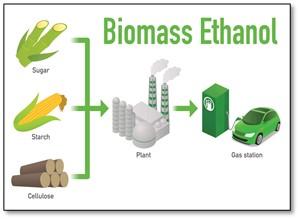
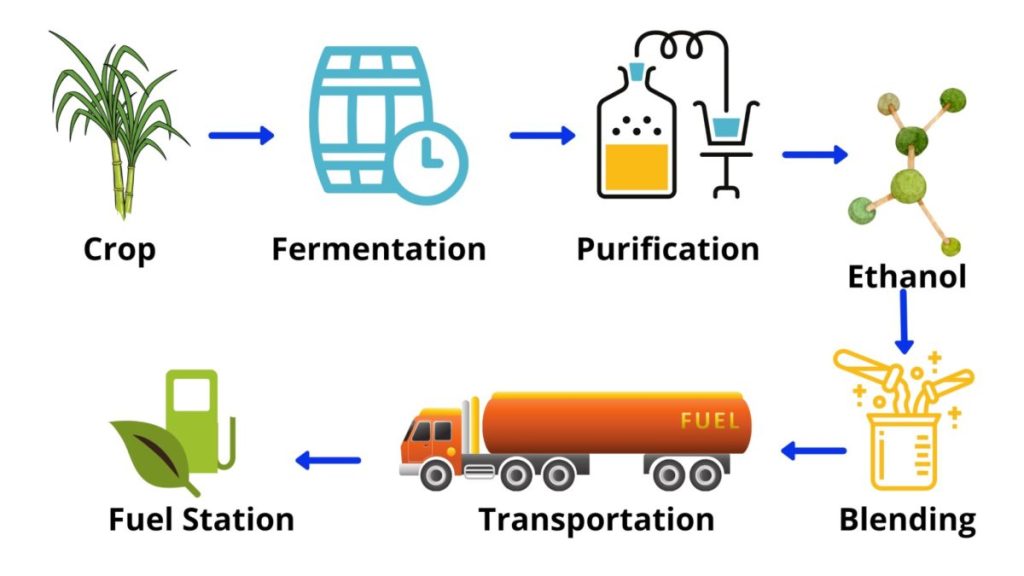
Ethanol is one of the principal biofuels, which is naturally produced by the fermentation of sugars by yeasts or via petrochemical processes such as ethylene hydration.

Ethanol can be produced from sugarcane, maize, wheat, etc which are having high starch content. In India, ethanol is mainly produced from sugarcane molasses by fermentation process.

Reasons for Ethanol Blending

Energy Sufficiency – It is estimated that a 5% blending can result in replacement of around 1.8 million Barrels of crude oil, Ethanol blending in fuels could reduce our dependency on imported fuel.

Green Fuel – As the ethanol molecule contains oxygen, it allows the engine to more completely combust the fuel, resulting in fewer emissions and thereby reducing the occurrence of environmental pollution. The renewable ethanol content, which is a by-product of the sugar industry, is expected to result in a net reduction in the emission of carbon dioxide, carbon monoxide (CO) and hydrocarbons (HC) which can help us reach our green targets faster.

Incentives for Farmers – The oil companies will procure ethanol from farmers that benefits the sugarcane farmers.

Protection against the fluctuating oil prices – Since most of our fuel is imported Ethanol blending can reduce on the oil bill and protect us against the sky rocketing oil prices.

India’s Blending Target

The Government of India has advanced the target for 20% ethanol blending in petrol (also called E20) to 2025 from 2030.

Currently, 8.5% of ethanol is blended with petrol in India.

Hence the roadmap proposes a gradual rollout of ethanol-blended fuel to achieve E10 fuel supply by April 2022 and phased rollout of E20 from April 2023 to April 2025

Challenges for Ethanol Blending

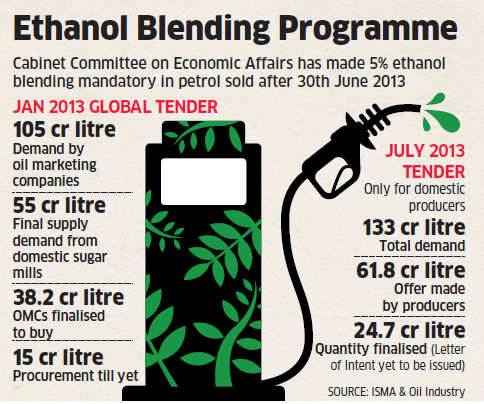
Less Production: Currently, domestic production of bioethanol is not sufficient to meet the demand for bio-ethanol for blending with petrol at Indian OMCs. Sugar mills, which are the key domestic suppliers of bio-ethanol to OMCs, are able to supply only 57.6% of the total demand. Sugar mills do not have the financial stability to invest in biofuel plants.

Water Crisis – Since sugarcane is an water intensive crop it will cause an environmental damage.

Compromise on sugar crystals – Since the availability of the crop is less it will lead to companies concentrating on Ethanol production more than sugar leading to price hike of sugar.

Management Issues – Ethanol being a highly flammable liquid marks obligatory safety and risk assessment measures during all phases of production, storage and transportation, thus increasing the cost and risk factor.

Steps taken by the Government

The government of India has advanced the target for 20 per cent ethanol blending in petrol (also called E20) to 2025 from 2030.

The central government has released an expert committee report on the Roadmap for Ethanol Blending in India by 2025. The roadmap proposes a gradual rollout of ethanol-blended fuel to achieve E10 fuel supply by April 2022 and phased rollout of E20 from April 2023 to April 2025.

The Ministry of Petroleum & Natural Gas (MoP&NG) had instituted an Expert Group to study the issues such as pricing of ethanol, matching pace of the automobile industry to manufacture vehicles with new engines with the supply of ethanol, pricing of such vehicles, fuel efficiency of different engines etc.

The Cabinet Committee on Economic Affairs (CCEA) has approved Pradhan Mantri JI-VAN (Jaiv Indhan- Vatavaran Anukool fasal awashesh Nivaran) Yojana to create an ecosystem for setting up commercial projects and boost to Research and Development in Ethanol sector.

The three public OMCs Indian Oil Corporation Ltd. Bharat Petroleum Corporation Ltd. and Hindustan Petroleum Corporation Ltd. are currently in the process of setting up bioethanol plants.

Initiatives of the Corporates

Balarampur Chinni has planned to setup its 5th Distillery unit in Uttar Pradesh to produce ethanol.

Dalmia Bharat Sugar has planned to double its ethanol manufacturing capacity by January 2022.

Dwarikesh Sugar has planned to sell 0.05 billion litres of ethanol in FY22 vs 0.03 billion litres in FY21.

Conclusion

Bioethanol not only provides a clean source of energy, but also increases income to farmers and help meet the aim of doubling the farmers income by 2020 and prevent them from having to burn agricultural waste which can be a major source of air pollution.

It has not just helped us reduce the import bill, also reduced our carbon footprint.

Though Ethanol production from sugarcane is water intensive, hence the Government can focus on non-cane sources to produce ethanol. Alternative feedstock like agricultural waste, recycled cooking oil, provides for more environmentally friendly bio-fuels.

India has an untapped resource of Ethanol, efficient use of resource could help the economy in huge. We can start utilising our resource by incentivising both public and private players to set up ethanol production facilities.

Future of Indian agriculture

Agriculture in India is livelihood for a majority of the population and can never be underestimated.
Although its contribution in the gross domestic product (GDP) has reduced to less than 20 per cent and contribution of other sectors increased at a faster rate, agricultural production has grown. This has made us self-sufficient and taken us from being a begging bowl for food after independence to a net exporter of agriculture and allied products.

Total foodgrain production in the country is estimated to be a record 291.95 million tonnes, according to the second advance estimates for 2019-20. This is news to be happy about but as per the estimates of Indian Council for Agricultural Research (ICAR), demand for foodgrain would increase to 345 million tonnes by 2030.

Increasing population, increasing average income and globalisation effects in India will increase demand for quantity, quality and nutritious food, and variety of food. Therefore, pressure on decreasing available cultivable land to produce more quantity, variety and quality of food will keep on increasing.

India is blessed with large arable land with 15 agro-climatic zones as defined by ICAR, having almost all types of weather conditions, soil types and capable of growing a variety of crops. India is the top producer of milk, spices, pulses, tea, cashew and jute, and the second-largest producer of rice, wheat, oilseeds, fruits and vegetables, sugarcane and cotton.

In spite of all these facts, the average productivity of many crops in India is quite low. The country’s population in the next decade is expected to become the largest in the world and providing food for them will be a very prime issue. Farmers are still not able to earn respectable earnings.

Even after over seven decades of planning since the independence, majority of the farmers are still facing problems of poor production and/or poor returns. Major constraints in Indian agriculture are:

According to 2010-11 Agriculture Census, the total number of operational holdings was 138.35 million with average size of 1.15 hectares (ha). Of the total holdings, 85 per cent are in marginal and small farm categories of less than 2 ha (GOI, 2014).
Farming for subsistence which makes scale of economy in question with majority of small holdings.
Low-access of credit and prominent role of unorganised creditors affecting decisions of farmers in purchasing of inputs and selling of outputs
Less use of technology, mechanisation and poor productivity for which first two points are of major concern
Very less value addition as compared to developed countries and negligible primary-level processing at farmers level.
Poor infrastructure for farming making more dependence on weather, marketing and supply chain suitable for high value crops.
Future of agriculture is a very important question for the planners and all other stakeholders. Government and other organisations are trying to address the key challenges of agriculture in India, including small holdings of farmers, primary and secondary processing, supply chain, infrastructure supporting the efficient use of resources and marketing, reducing intermediaries in the market. There is a need for work on cost-effective technologies with environmental protection and on conserving our natural resources.

The reforms towards privatisation, liberalisation and globalisation affected inputs market at a faster pace. Agricultural marketing reforms after 2003 made changes in marketing of agricultural outputs by permitting private investment in developing markets, contract farming and futures trading, etc. These amendments in marketing acts have brought about some changes but the rate is less.

Along with this, the information technology revolution in India, new technologies in agriculture, private investments especially on research and development, government efforts to rejuvenate the cooperative movement to address the problems of small holdings and small produce etc are changing face of agriculture in India.

Many startups in agriculture by highly educated young ones show that they are able to understand the high potential of putting money and efforts in this sector. Cumulative effects of technology over the next decade will change the face of agriculture.

All the constraints in agriculture make the productivity and returns complex but still a high untapped potential is there in India’s agriculture sector.

Advantageous weather and soil conditions, high demand for food, untapped opportunities, various fiscal incentives given by the government for inputs, production infrastructure, availability of cheap credit facilities and for marketing and export promotion are attracting many individuals, big companies, startups and entrepreneurial ventures to do a lot of investments on innovations, inventions, research and development and on other aspects of business.

The efforts are being done to convert all the challenges in agriculture into opportunities and this process is the future of agriculture.

Key trends expected

1. Changing demand due to increase in incomes, globalisation and health consciousness is affecting and going to affect more the production in future. Demand for fruits and vegetables, dairy products, fish and meat is going to increase in future.

2. Researches, technology improvements, protected cultivation of high value greens and other vegetables will be more. There will be more demand of processed and affordable quality products.

3. More competition will be there among private companies giving innovative products, better seeds, fertilisers, plant protection chemicals, customised farm machinery and feed for animals etc in cost effective ways at competitive prices giving more returns on investment by farmers. Use of biotechnology and breeding will be very important in developing eco-friendly and disease resistant, climate resilient, more nutritious and tastier crop varieties.

4. Some technologies will be frequently and widely used in future and some will become common in a short time while some will take time to mature. For producing the same products in other way so as to use resources judiciously and using new resources also like hydroponics, use of plastics and bio-plastics in production. There will be more of vertical and urban farming and there will also be efforts in long term to find new areas for production like barren deserts and seawater.

5. Precision farming with soil testing-based decisions, automation using artificial intelligence will be focused for precise application inputs in agriculture. Sensors and drones will be used for precision, quality, environment in cost effective manner.

Small and marginal farmers will also be using these technologies with the help of private players, government or farmer producer organisations (FPO). Use of GPS technology, drones, robots etc controlled by smart phones etc can make life of farmers easy and exciting with good results. These advanced devices will make agriculture be more profitable, easy and environmentally friendly.

6. Use nano-technology for enhancement of food quality and safety, efficient use of inputs will be in near future. Nano-materials in agriculture will reduce the wastage in use of chemicals, minimise nutrient losses in fertilisation and will be used to increase yield through pest and nutrient management. IFFCO has already done successful tests in nano-fertilisers.

7. India has improved remarkably in its digital connectivity and market access has become very easy. The number of internet users is projected to reach 666.4 million in 2025. Farmers will be behaving more smartly with mobiles in hands and would be able to be more aware and connected with different stake holders. Government will be making wide use of digital technology for generating awareness among farmers, information sharing, government schemes using digital technology for direct transfers of money.

8. There will certainly be more work by government, village communities, agri startups and private players in conserving sharply depleting water resource. Use of digital technology can make revolution in this direction. There will be use of satellites, IoT, drones for better collection of data regarding soil health, crop area and yield which will make cost for insurers less with better estimations and system will be more exact and effective.

9. There will be more of niche marketers in operations, area, and crop specific small equipments which will make operations even at small farms easier and efficient.
Food wastage will be less and better use of waste materials in agriculture will be more. Number of warehouses in private sector will be more and linkages between government and private warehouses will be increasing. This will help in balancing supply with demand and stabilisation of prices of agri-outputs in the market.

10. Retailing in agriculture will largely be digitalised. A study estimates that over 90 per cent of kirana stores across the country will be digitalised by 2025 with modern traceable logistics and transparent supply chain. Many players have already taking kiranastores to the door steps of consumers like Amazon and Jio Mart.

Question arises whether farmers will be able to make use of modern technologies in a country where education, holding size, infrastructure, low level of technology adoption and many other constraints are there.

Excess Irrigation Over North India Shifting Monsoon Towards North West – report

Excess Irrigation Over North India Shifting Monsoon Towards North West

According to a report of climate researchers, heavy irrigation in north India could be the reason for shifting monsoon to the North West part of the subcontinent, increasing the land temperature in central India. These meteorological threats may lead to crop failure.

One of the chief causes of monsoons is the difference between annual temperature trends over land and sea. As peddy irrigation in North India starts way before the monsoon, the irrigated land remains flooded with water during this time. As the water evaporates, land tends to cool during the period of August-September.

It’s known that air travels from a high-pressure zone to a low-pressure zone. (Gravity plays the role here)

Low pressure is associated with rising air and high pressure associated with sinking air. Thus, when the land is hotter than the sea, the pressure difference is created.

Air carrying water vapours from the high-pressure zone travels to the low-pressure zone resulting in rising air which is linked to cloud formation that causes rain.

Notwithstanding the previous pattern, the sinking air is unlikely to travel north due to cooling; rather it goes toward the northwest region which is hotter than North India.

These hazardous trends and shifting the monsoon could pose great threats not only to the farmers but also to the people living there. Excessive irrigation can lead to water scarcity that needs to be debated.

Minimum Support Price

Minimum support price or MSP is the guaranteed price at which farmers can sell their produce and goods. The government buys the crops from the farmers at pre-set prices to save the farmers from price fluctuations or lack of market access. These price fluctuations occur due to poor market integration, poor monsoon and lack of information. The Commission for Agricultural Costs and Prices (CACP) fixes the MSP for various crops twice a year. These crops include wheat, maize, bajra, ragi, groundnut, cotton, jute etc. MSP was introduced in 1966 when India was facing a deficit in crop production. In the wake of the Green Revolution, the Indian Government realised that they needed to give some incentives to farmers to grow labour intensive crops like wheat and paddy. These crops also didn’t fetch good prices in the market.

The CACP while fixing the prices, takes into consideration some costs. These costs are:-

A2: Expenses incurred on seeds, fertilisers, labour, irrigation and fuel

A2+FL: A2 costs and also includes the value of unpaid family labour

C2: Includes A2+FL and revenue on owned land and interest on fixed capital that is foregone.

The CACP generally uses A2+FL while fixing the MSPs for several crops. C2 costs are kept as a benchmark to check if the recommended prices cover the costs in major producing states. Various other Ministries and Departments also help the CACP in determining the MSPs. In the last decade, the growth rate of MSPs has consistently been declining for both rabi and kharif crops.

Advantages of MSP- MSPs provide an incentive for farmers to grow a crop which may be in short supply, It has helped in transferring incomes to the rural areas, It leads to crop rotation, Profits coming from MSP can be invested in new machinery and equipment by the farmer and also can prevent farmer suicides.

Disadvantages of MSP- Only 6% of Indian farmers actually sell at MSP because of the lack of awareness, As the MSP is announced just before the sowing season many farmers may have started growing some other crop, lack of government machinery and procurement measures, some states benefit more than others.

In the future a higher budget must be allocated toward MSP and adopt a more scientific approach to increase product per hectare. Awareness must be spread about crop diversification as this can prevent supply shocks. Modern warehousing infrastructure is needed like storage facilities and weighing bridges to extend shelf life and prevent rotting of crops. Lastly, MSP should be fixed based on current costs and not on historical costs. These are some ways the MSP system can be improved.

Permaculture

Permaculture is a fusion of the words ‘Permanent’ and ‘culture’. The term was devised by Bill Mollison and David Holmgren in 1978. In Mollison’s words, permaculture can be defined as the “conscious design and maintenance of agriculturally productive ecosystems which have the diversity, stability, and resilience of natural ecosystems. All this is achieved with a harmonious integration of landscape and people sustainably. The farms are designed in such a way that it promotes the coexistence of competing plants species. Currently, more than 3 million people practice permaculture across 140 countries.

Permaculture benefits claims

The practitioners of permaculture claim that as the population is increasing, there is increasing pressure to produce more food. The modern method of monoculture is not a sustainable method of growing food where a large area of land is used for only one crop and lots of chemical fertilizers are required to sustain the crop production. This also puts immense pressure on the topsoil and the soil loses its fertility and more fertilizers are required to maintain the productivity and output. Monoculture is discouraged by permaculturists because it promotes farming with a commercial-driven mindset and only selected varieties of crops and plants are grown that are commercially viable. Sometimes wild and uncultivated foods like tubers and millets are sidelined from the people’s diet even though when they are just if not more nutritious than any other food. Practicing permaculture can help small farmers to be more self-sufficient in producing their food and not rely on external input. Farmers also get the opportunity to grow large varieties of fruits, grain, and vegetables under a single roof. But it’s more than just self-sufficiency and the farm itself generates manure and this helps in saving the fertilizer costs. There is even more, as perennial plants are a structural part of the permaculture, this means that plants don’t require regular tending. This reduces the labor expenses as well. It also allows the plants to endure harsh weather conditions like the heavy downpour in monsoons or winters.

Challenges and future

Modern conventional agriculture science has been a boon in terms of production quantity as a whole but still, there are lots of problems that we are facing right now due to the use this form of farming. The focus should also be on the quality first and then quantity. What modern agriculture science has done is that it has separated the farmer from the soil. The focus and research are on the yields and nutritive properties of plants. Food has to come from the soil and most of the solutions are available in nature itself. Permaculture provides a pragmatic and efficient way for our subsistence farmers to produce food. In India where small farmers are the majority and they will also face immense pressure from the dangers of climate change and the increasing constraints on resources, epically water. Then there is the monetary issue as well. Permaculture helps in this case as the food is closer to the producer and there is less wastage of food. This makes food production economical and sustainable in a long run. Still replacing permaculture with traditional agriculture will not be easy and practical, but with small steps, it can emerge as a viable way to produce food and maintaining the ecology of the planet.

agriculture

Agriculture is both art and science of cultivating plants and livestock i.e., growing crops and raising livestock. The cultivated plant and animal products are marketed for people use. Agriculture provides the most of world`s food and fabrics. It also provides leather, wood and paper products also.

Before agriculture, humans were filling their stomach by searching for food here and there, wandering and hunting like every other animals. But 11,500 years ago humans gradually stared learning growing cereals and roots and started to settle down in one place. They also started domestication of animals around 10,000 years ago. according to scholars first domesticated plant was rice or corn. And first domesticated animal would be dog , which helped for hunting. After dogs, sheep, goats, pigs and cattle were also domesticated. first animal domestication was for meat but then gradually usage of milk and fur also started. Oxen were then domesticated for pulling and transportation.

” You know, farming looks mighty easy when your plow is a pencil, and you’re a thousand miles away from the corn field.”

Dwight D. Eisenhower

Agriculture enabled production of large amount of food which may have motivated humans to settle down and shift to agriculture for survival . But scholars think climate change made that shift happen. Production of in large amounts may have introduced the concepts of stocking for future and trading. Barter system, the exchange of products and services arose and this may have promoted growing different products. Wherever the agriculture flourished, humans came in groups and the economy and trade grew, small villages were formed and civilizations happened.

“When tillage begins, other arts follow. The farmers, therefore, are the founders of human civilization.”

Danial Webster

Development of tools are also one of the things that accelerated the growth of agriculture. Fire is one of the greatest invention and earliest tool used in agriculture. Small equipment like axes of bone, stone, iron, bronze were invented. To store the products, pots and vessels were made. Around 5500 BCE Mesopotamian farmers developed simple irrigation. A not so famous tool called shaduf, was important for irrigation and now also it is used in some parts of the world. Jethro Tull from England invented horse drawn seed drill which helped to replace planting seeds with hands. Cyrus McCormick invented mechanical reapers that helped to modernize grain cutting process.

Now, new inventions of science and technology have revolutionized agriculture. Some of the ancient cultures knew breeding of animals and plants from centuries. Gregor Mendel’s experiments then proved that crops can be improved through implementation of techniques of genetics. Scientific advances of the modern world increased the yield to an another level. introduction of gasoline and electricity and machinery powered by them replaced animals.

Further introduction of chemicals to control pests and protect crops from getting ruined increased the shelf life of the food products. Synthesis of fertilizers with elements that are essential for plants growth like potassium, nitrogen, phosphorus further increased yield. Development of different and new strains by genetic modification lead to the green revolution. Dr. Norman Borlaug is father of green revolution of the world. For India, M. S. Swaminathan, popularly known as father of green revolution, lead to the latter by producing a new strain of wheat.

agriculture is the backbone of any economy. growing population of every region will have basic necessities to be fulfilled and agriculture is holds the power to provide all that. Improvement in agriculture increases food security of the country and hence its prosperity.

FARM BILLS – 2020


The Farm Bills 2020 is a combination of three agricultural bills passed by the Indian parliament in September 2020. The three bills are : 1] Farmers’ Produce Trade and Commerce (Promotion and Facilitation) Bill, 2020 2] Farmers’ (Empowerment and Protection) Agreement on Price Assurance and Farm Services Bill, 2020 3] Essential Commodities (Amendment) Bill, 2020.    


These bills were introduced by Mr. Narendra Singh Tomer, the Minister of Agriculture and Farmers Welfare. First enacted by Lok Sabha on 17th September, 2020 and then by Rajya Sabha on 20th September, 2020 and Accent was given by the President Ram Nath Kovind on 24th September, 2020. These three bills have been passed by the parliament aiming at introducing reforms in the agricultural sector. 

These reforms are considered to be important since 60% of the population works in the agriculture industry. This sector also contributes about 18% of the country’s GDP. The laws claim to bring farmers closer to the market by changing where they can sell, the ability to store produce and whether they can enter into contracts.  


FARMERS’ PRODUCE TRADE AND COMMERCE (PROMOTION AND FACILITATION) BILL’, 2020

This law allows farmers to sell anywhere within the country under the ‘One Nation One Market’ concept. The ECA initially restricted farmers from selling anywhere other than government-approved  mandi’s. These government approved mandis’ are called ‘Agriculture Product Market committees’ [APMC]. An APMC is a state-operated market where farmers are allowed to sell their produce to traders or middlemen. These middlemen then sell their produce to consumers throughout the country. 

According to this Act any person with a “PAN card” is able to enter in direct trade with farmers whether through e-commerce platforms or physical trade. Farmers will not be charged any levy for sale of their produce. 


Key Features : 

Trade of farmers produce: The Ordinance allows intra-state and inter-state trade of farmers’ produce outside the physical premises of market yards run by market committees formed under the state APMC Acts and other markets notified under the state APMC Acts.  Such trade can be conducted in an ‘outside trade area’, i.e., any place of production, collection, and aggregation of farmers’ produce including farm gates, factory premises, warehouses, silos, and cold storages. 

Electronic trading: The Ordinance permits electronic trading of scheduled farmers’ produce (agricultural produce regulated under any state APMC Act) in the specified trade area.  An electronic trading and transaction platform may be set up to facilitate the direct and online buying and selling of such produce through electronic devices and internet.  The following entities may establish and operate such platforms: (i) companies, partnership firms, or registered societies, having permanent account number under the Income Tax Act, 1961 or any other document notified by the central government. (ii) a farmer producer organisation or agricultural cooperative society. 

Market fee abolished: The Ordinance prohibits state governments from levying any market fee, cess or levy on farmers, traders, and electronic trading platforms for trade of farmers’ produce conducted in an ‘outside trade area’. 

Efficient payment mechanism : According to this act, the trader shall pay on the same day as delivery of farming produce, if not payment shall be done within three working days and a receipt should be given on the same as of delivery. 


THE FARMERS (EMPOWERMENT AND PROTECTION) AGREEMENT OF PRICE ASSURANCE AND FARM SERVICES BILL, 2020:

This bill ensures that farmers are allowed to enter into contracts with buyers. Farming will be carried out on the basis of agreement between buyers and producers. One of the greatest advantages that the farmers receive through this is the price assurance even before sowing his crops. The scope of contract farming is huge as MNC’s regularly get into contracts with farmers in order to ensure they receive specified types of produce. For eg., Mcdonalds uses only a specified kind of potatoes for their Fries and gets them grown accordingly. Similarly, other chains too require specified produce and would prefer to be directly in touch with farmers rather than traders to ensure that they are organic and fresh. 


Key Features : 

Farming agreement: The Ordinance provides for a farming agreement between a farmer and buyer prior to the production or rearing of any farm produce.  The minimum period of an agreement will be one crop season, or one production cycle of livestock.  The maximum period is five years, unless the production cycle is more than five years. 

Pricing of farming produce: The price of farming produce should be mentioned in the agreement.  For prices subjected to variation, a guaranteed price for the produce and a clear reference for any additional amount above the guaranteed price must be specified in the agreement.  Further, the process of price determination must be mentioned in the agreement. Dispute Settlement: A farming agreement must provide for a conciliation board as well as a conciliation process for settlement of disputes. The Board should have a fair and balanced representation of parties to the agreement.  At first, all disputes must be referred to the board for resolution.  If the dispute remains unresolved by the Board after thirty days, parties may approach the Sub-divisional Magistrate for resolution.  Parties will have a right to appeal to an Appellate Authority against decisions of the Magistrate.  Both the Magistrate and Appellate Authority will be required to dispose of a dispute within thirty days from the receipt of application.  The Magistrate or the Appellate Authority may impose certain penalties on the party contravening the agreement.  However, no action can be taken against the agricultural land of farmer for recovery of any dues.


ESSENTIAL COMMODITIIES (AMENDMENT) BILL, 2020:

Of all the 3 bills that have been passed, it is the ECA which was long overdue. The ECA has its roots in World War II where laws were implemented by the British to exploit the supply within the country. The bill places restrictions on the storage of essential commodities like pulses, oilseeds, onions, etc but has now been amended. The amended ECA reduces the power that states and the center have. 


Key Features :

Regulation of food items: The Essential Commodities Act, 1955 empowers the central government to designate certain commodities (such as food items, fertilizers, and petroleum products) as essential commodities. The central government may regulate or prohibit the production, supply, distribution, trade, and commerce of such essential commodities. The new Ordinance provides that the central government may regulate the supply of certain food items including cereals, pulses, potatoes, onions, edible oilseeds, and oils, only under extraordinary circumstances. These include war, famine, extraordinary price rise and natural calamity of grave nature.

Stock limit: The Ordinance requires that imposition of any stock limit on agricultural produce must be based on price rise. A stock limit may be imposed only if there is: (i) a 100% increase in retail price of horticultural produce; and (ii) a 50% increase in the retail price of non-perishable agricultural food items. The increase will be calculated over the price prevailing immediately preceding twelve months, or the average retail price of the last five years, whichever is lower. 


What were the reasons for protests ?  The farmers have been apprehensive about these bills. The biggest concern here is the Minimum Support Price (MSP). The government offers to buy 23  products at MSP to support farmers. But in reality, only wheat and rice are purchased by the government. Haryana And Punjab are the biggest benefactors of this scheme. With permission to trade outside mandi, traders will only trade outside because there is no provision of MSP while dealing with private players. This might lead to farmers being underpaid again.  

Farmers have this fear that’s why protests are happening. But with relating to MSP only 6% of farmers in India know about this provision and they get to benefit from this. The implementation is really not good. Farmers are also concerned about the upper hand of the agri-businesses and big retailers in negotiations. They feel this would put them at a disadvantage. They also say that the companies may dictate the prices and the benefits of small farmers may reduce due to engagement of sponsors with them. One of the reasons why there has been a lot of uproar throughout the country is due to the unconstitutional way in which the laws were passed as it is the state governments that regulate these aspects. 


The government should have included the opposition and also taken into account the voice of farmers in order to plug the loopholes in the bills.This would not only create an assisted approach towards privatizing the sector but also avoid further exploitation. But unfortunately, the bills due to not being communicated appropriately have created an air of mistrust between the ruling, opposition, and the farmers. 


Who were protesting ?

Farm organisations like Bharatiya Kisan Union (BKU) and big agricultural bodies like the All India Kisan Sangharsh Coordination Committee (AIKSCC) and some section of farmers are opposing the bill. They say these bills will help no one, except big corporates and destroy farmers’ livelihood. v Protests are largely limited to Punjab, Haryana and Madhya Pradesh. This is because it is in these states that farmers rely on MSP and have strong market systems based on APMC’s. 

Thousands of farmers in Punjab, Haryana and several other states are on the roads to protest against three farm ordinances which were presented in the Lok Sabha. The opposition and many farmer unions have threatened to protest till the controversial ordinances are withdrawn. Bihar, Kerala, and Manipur do not follow the APMC system at all. In India, the state governments have the power to regulate agricultural markets and fairs. Hence different states have different approaches towards this. Besides the farmers, the commission agents are also opposing these ordinances. They also fear that the new laws will bypass their business and they will be rendered jobless. State governments also seem to be opposing the bills as they will lose mandi tax which is a huge source of revenue. 


Impact on the economy:

Agriculture plays an important part in India’s economy and at present, it is among the top two farm producers in the world. This sector provides approximately 42% of the total number of jobs available in India and contributes around 15 % to the GDP. GDP shrank by a whopping 23.9 % according to the National Statistical Office’s released estimates for the first quarter. It was expected due to COVID-19 pandemic and the near cessation of economic activities. But what comes as a silver lining is the exceptional show of the agriculture sector. If India has to come out of the serious economic crisis, the answer does not lie in the economies of the urban or of the extractive economies of the capital. The answer lies in the revival of rural India with dignity and respect. The country cannot survive if the rural sector falls and chances of such an event happening today can only be prevented with policies initiated with empathy and care. 


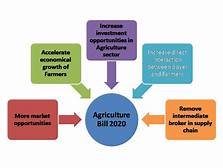
India’s agricultural sector has been liberalized and sort of privatised by the new Farmers bill 2020 by eliminating the dangerous middlemen, facilitating better realizations for farmers, attracting investment and enhancing technology in the sector. The three Farm bills are expected to bring revolutionary changes to the agrarian context and help double farmers’ incomes. There is a need to restore the shaken confidence of the agrarian sector and by implementing the three farm bills, they will break the monopoly of APMC markets/mandis and they will allow private companies to get into the agricultural produce supply chain by offering competitive prices and it will give a choice to the farmers to sell their produce for higher prices. It will also help introduce new technologies in the agriculture sector through private investment. 

This move is being hailed as the liberalization of agriculture trade and is being compared with 1991 economic reforms. New farm bills limit government intervention as the government cannot ban exports when the prices of a commodity increase and this will ensure more money to the farmers. The new farm bill will help the farmers who are debt-ridden and starved of funding by providing them with a competitive market. The three Agri bills if taken together can-do wonders for open agriculture trade and have the potential to double farmers income and will definitely feed the Indian economy. 


Conclusion:  

The purchase by organised retailers curtails the length of the supply chain, giving better prices to farmers and asking for lower prices from consumers. It is witnessed that middlemen charge higher prices than organised retail players. Also, contract farming by corporates implies that the corporate will provide technology to the farmers to improve their yield. This benefits both, the farmer through increased yield and the corporate, who can get higher production from suppliers. So the new Farmers bill will be a boon for the economy.   However, these 3 acts will prove beneficial only if the government addresses the loopholes of these acts. 

The loopholes of these acts are quite concerning and the government should discuss the same with farmers to be more efficient and effective. The government should form a proper mechanism for contract farming so no farmer is exploited by big greedy corporates. To solve disputes between farmers and traders the government should establish a different regulatory body rather than Sub-Divisional Magistrate. The MSP  system is flawed and even though the government recently said that they are not repealing MSP but still they need to address the fact that only 6% of Farmers are getting benefits. 

                                                                                       The government should Implement this scheme more effectively by spreading awareness with the help of Gram panchayat so that the smallest of farmers will know about this and will get the benefit. Farmers in our country are not united. Just like AMUL or National Egg Coordination Committee farmers should form a nationwide group or local groups to deal with big traders. Effective implementation is necessary. Right now, India is going through a food surplus still people are going to sleep hungry. This is because of the mismanagement of the government.


 

Covid 19 – A rollercoaster for Agriculture

The whole world is dealing with the vigorous impact of covid 19.Thecorona virus has a huge impact in all the sectors.It shattered the whole world. It also made a great impact on Agricultural sector.


The agricultural chain in India has been adversely affected by the Covid 19 crisis and the lockdown.

Farmers are the backbone of our nation. Agriculture remains a central pillar of our economy. It provides food need of our nation and also export agricultural products all over the world. It faced severe problem due to the restrictions on domestic and international travel. 


At the beginning of lockdown, it was the peak of Rabi seasonseason in India and crops like wheat, paddy, gram, lentil, mustard, etc. we’re at harvestable stage. It’s also the time when the farm harvests reach the market yards. So it became the most critical challenge for Government to ensure proper supply of agricultural products.


When the nationwide lockdown was announced, a mass exodus of migrant labour were back to their hometown. The harvesting process was totally off balance, resulting in major issues. The next season sowing process also interrupted due to this.


This situation can be dealt by using machinery for sowing process and harvesting which includes less man power. This helps to overcome the lack of labourers.


The sale of dairy products, fish, poultry, etc. has also been hit during the lockdown period as the uptake by the organized industry has been affected due to shortage of labourers and transport issues.

The impact on agricultural sector resulted in food shortage and increased prices of food commodities. It affected the consumption pattern. To strengthen the sector we can follow some measures. The strategies are

  1. Risk management
  2. Stakeholder partnerships
  3. Financial reforms
  4. Buffer stocks
  5. Investment
  6. Collective farming
  7. Family farming
  8. Secondary agriculture
  9. Social safety net
  10. Staggered procurement and pricing

People living on agriculture and allied activities, mostly those losing their income from informal employment at this lockdown period, have to be provided with alternative avenues (cash transfer) till the economy bounces back. To sustain the demand for agricultural commodities, investment in key logistics must be enhanced.