Factors used in this face wash are Caffeine, Neem, Argan Painting and Vitamin E. These all factor are skin-friendly. They not only clean your skin but also secure your skin. It’s extremely delicate to the skin, makes the skin smoother and vigour.
Want to know more about them , then start some reading .
Introduction
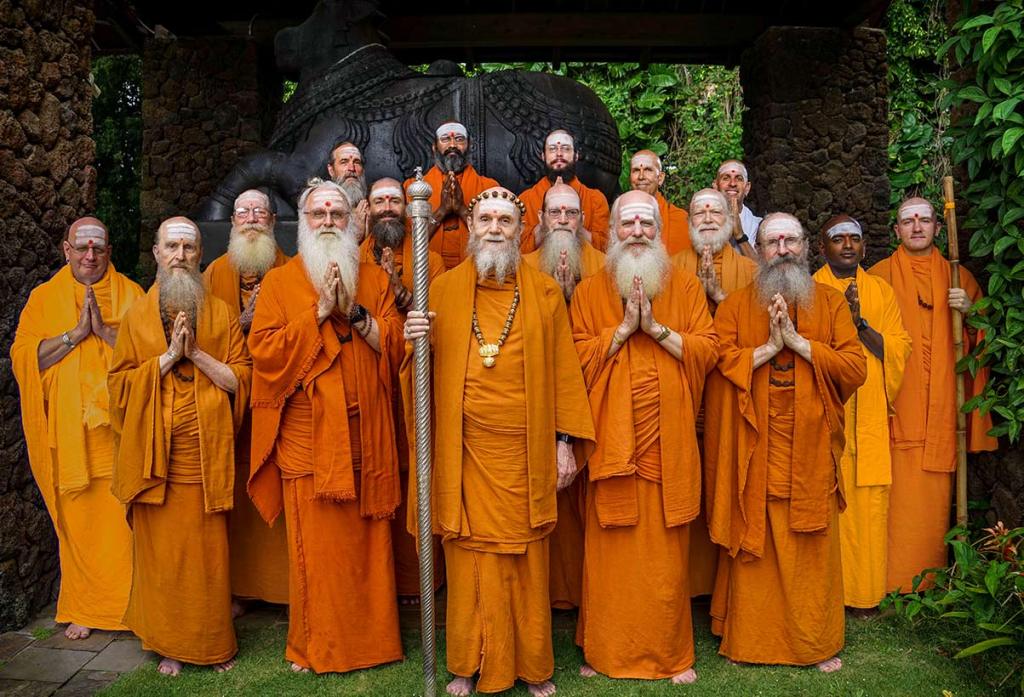
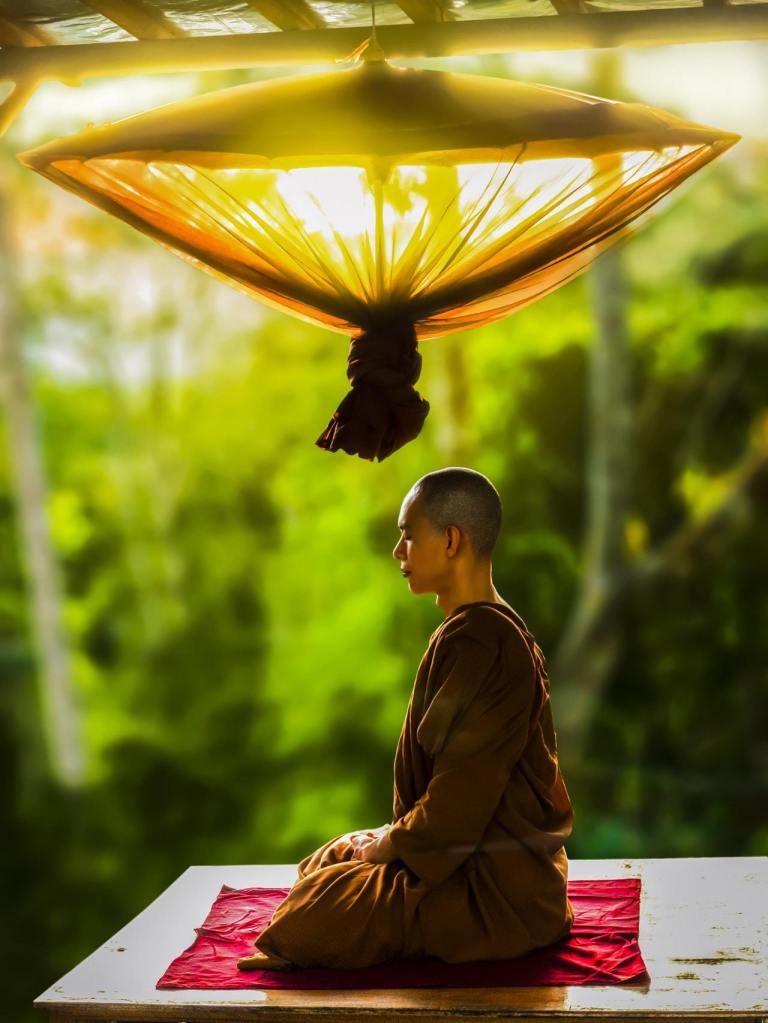
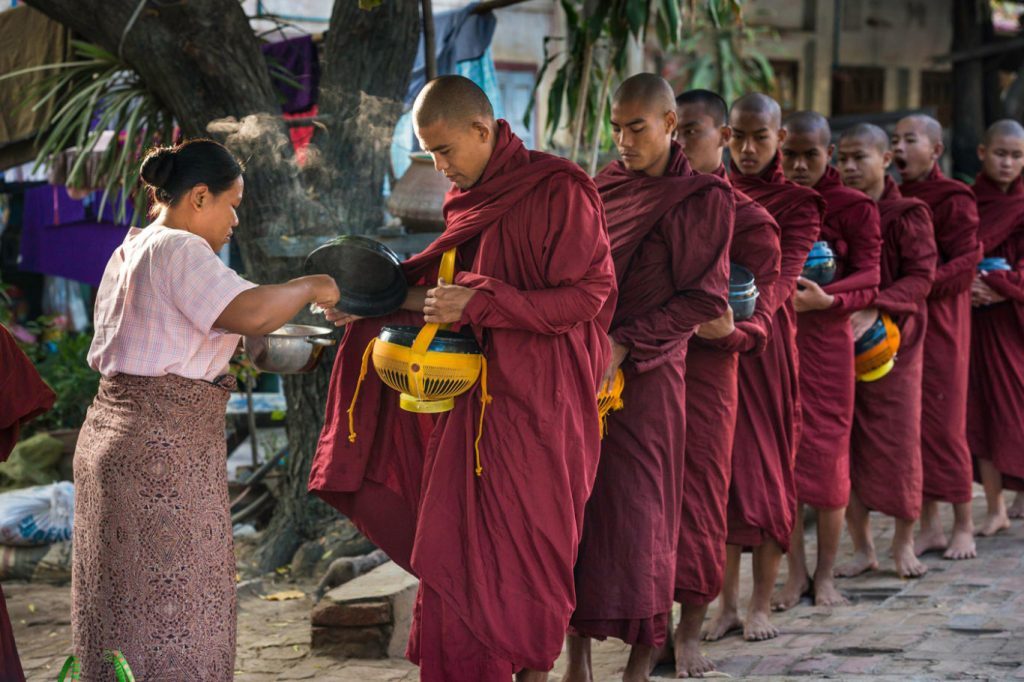
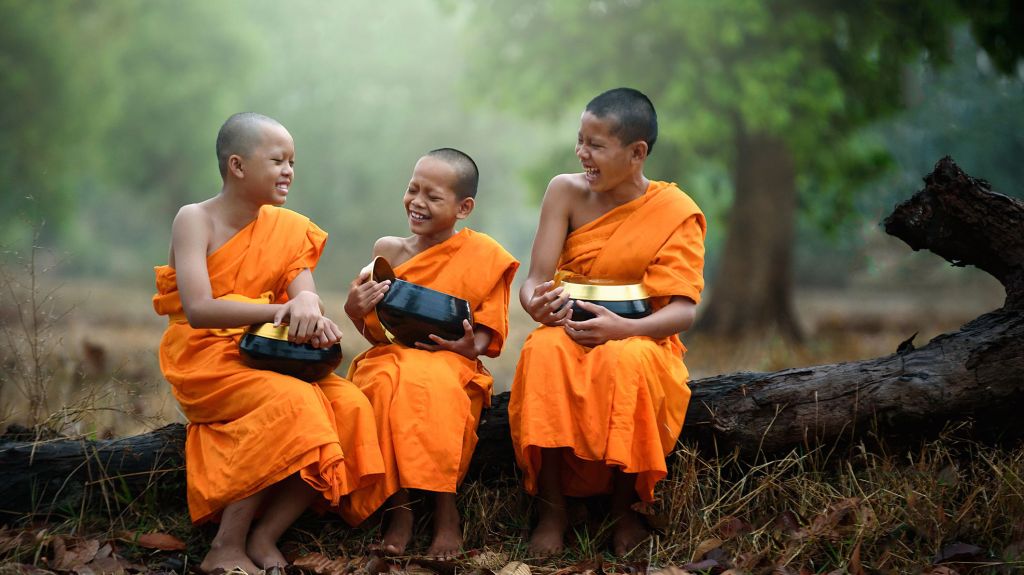
A monk is a person who practices religious asceticism by monastic living, either alone or with any number of other monks . A monk may be a person who decides to dedicate his life to serving all other living beings, or to be an ascetic who voluntarily chooses to leave mainstream society and live his or her life in prayer and contemplation. The concept is ancient and can be seen in many religions and in philosophy.
In simple words , A monk is a man who devoted part or all of his life to a religion. The word comes from Ancient Greek, and can be translated as solitary. In Greek, the word can apply to women, but in modern English it is mainly used for men. The word nun is usually used for female monastics. Monks practice asceticism. They either live alone, or together with other monks who share the same ideals. Monks can be found in different religions, most often in Buddhism, Christianity, Hinduism, Jainism and Taoism.
There living
Monks usually follow rules and regulations for convenient life. As a monk you must obey these rules .
Poverty: the monk cannot own anything.
Chastity: the monk cannot have sex or a sexual relationship and cannot start a family or get married.
Solitude: the monk should always be alone. Some monks choose to not follow this law.
Silence: the monk shall not speak unless it is necessary.
Generosity: the monk should always help other people.
Stillness: the monk cannot travel far unless it is necessary. Sometimes this means that the monk must be cloistered which means that they must not leave their monastery (especially Warsa period). Sometimes they can be allowed to leave, but must not go very far.
Duty: The monk must do some things every day. For example, the monk must pray or meditate and must do some work.
Indian monks
One of the finest and versatile monk in India was Swami Vivekananda . Swami Vivekananda was greatly inspired by Ramakrishna. For Swami, Ramakrishna was just a plain and simple villager, who was a part of the Kali temple. However, his intense spiritual practices intrigued Swami.
For five years, Swami learnt everything from his master, Ramakrishna. After his master left the world, everyone looked up to Swami. He urged the followers of Ramakrishna to leave the worldly pleasures and look up to God.
“You cannot believe in God until you believe in yourself.”
His saying intrigued just not one nation but the whole world .
Life lessons
Being a monk , gives you a pleasure of being yourself . We live in the world where we get pleasure from materialistic things . We become selfish , ruthless, dull, lifeless and worthless. You have to believe in yourself in order to excel in life.
Start learning from lessons.
When you start to do meditation you recognize the egotistical mind.
Trying until you get it right.
The answer to your question is inside of you.
Real wisdom in life comes from doing something and failing.
We must be both compassionate and resilient.
Patience is a virtue.
Detach from your ego.
Happiness come from within, and also comes from outside.
The five-year plans are a sequence of economic and social development initiatives furnished by the CCP (Chinese Communist Party) since 1949. The five-year plans were inspired by the five-year plans from the USSR and the focus was on launching new schemes, reforms and setting new growth targets.
Since the 11th five-year plan (2006-2010), the Chinese government has mentioned it as ‘Guidelines’ instead of plans. Currently China is on its 14th five-year plan/ guidelines. Unlike the previous five year plans, there is no specific GDP growth target and instead, the government announced that growth would be kept in “reasonable range” and an annual target would be set based on the specific conditions each year. The focus of the current plan is on self-sufficiency as the country had to endure difficulty after the United States had restricted China’s major chip makers from using American technology. Other areas of focus will be on the above 7 percent growth in the research and development spending. The government will also try to raise the urban residents to 65 percent of the population while maintaining green development and increasing the life expectancy by 1 year. Infrastructure will also be an area of priority with a focus on high-quality development of the belt and road initiative.
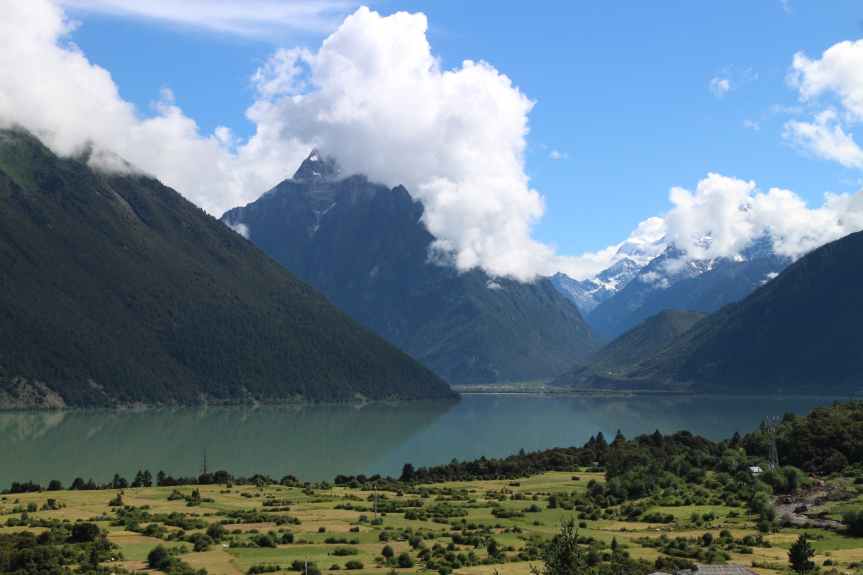
One of the biggest infrastructure projects of the 14th The five-year plan (2021-2025) has been officially approved to build a series of dams in the lower reaches of the Yarlung Zangbo River, as the Brahmaputra is known in Tibet before it flows into India.
The proposed dam would be in Medog, Tibet region will have a maximum possible capacity of 60 gigawatts and could potentially produce 300 billion kWh annually. The location is an area called ‘the great bend’ also known as ‘Yarlung Tsangpo Grand Canyon’ where the river goes through a very drastic U-turn and then the river descents from an elevation of 3000 meters to around 800 meters. Due to the drastic elevation change, the river flow is quite strong and is also an ideal location to build the dam.
The location of the dam could be a strategically risky move by china as it is very close to the Indian border but the other issue is that this proposed dam can undermine the water security of India. India relies heavily on the Brahmaputra River for agriculture and various other purposes. Due to this, the proposed Dibang Dam by India in downstream (Arunachal Pradesh) might be the solution to offset the effect of the Chinese proposed dam. Although the majority of the catchment area of Brahmaputra is on the Indian side there is still the issue of water flow from the upstream as Assam usually suffers from floods in the rainy season and any additional water flow from the Chinese dam would make the situation worse. The problem will not only affect India but also Bangladesh due to its low-lying land and flood-prone region. Problem is that the region is ecologically diverse and sensitive and any kind of development in this region will negatively affect the ecology of this region. Due to turbulent tectonic plates, there are high chances of landslides and earthquakes as well. India will have to be vigilant and develop its strategy according to the developments on the Chinese side.
Being a part of a mixed economy , where politics tend to exploit the peace between different religions and so on …….. .
“India was the motherland of our race, and Sanskrit the mother of Europe’s languages: she was the mother of our philosophy; mother, through the Arabs, of much of our mathematics; mother, through the Buddha, of the ideals embodied in Christianity; mother, through the village community, of self-government and democracy. Mother India is in many ways the mother of us all.”
Will Durant, American historian
And now you want to know why I am being so dramatic over such things . Well , if you want to know than start reading the editorial .
Introduction
Indians say it is important to respect all religions, but major religious groups see little in common and want to live separately
More than 70 years after India became free from colonial rule, Indians generally feel their country has lived up to one of its post-independence ideals: a society where followers of many religions can live and practice freely.
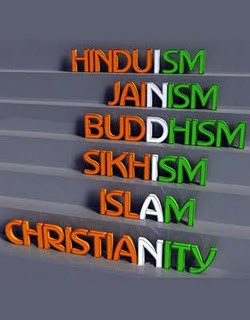
Religion has historically influenced Indian society on a political, cultural and economic level. There is a sense of pride associated with the country’s rich religious history as the traditions of Hinduism, Buddhism, Sikhism and Jainism all emerged out of India. Moreover, while a majority of people in India identify as Hindu (79.8%), the medley of religions that exist within the country continually impact contemporary society.
Census
The 2011 Indian census indicated that 79.8% of Indians identified as Hindu, 14.2% identified as Muslim and 2.3% identified as Christian. A further 1.7% of the population identified as Sikh, 0.7% identified as Buddhist and 0.37% identified as Jain. Due to the massive population size of India, religious minorities still represent a significant number of people. For example, although only 0.37% of India may identify with Jainism, that still equates to over 4 million people. While not all religions in India can be discussed in detail, the following provides an overview of the major religions in the country as well as sizable religions that originated in India.
Social beliefs
“India has two million gods and worships them all. In religion all other countries are paupers; India is the only millionaire.”
Mark Twain
Karma, Acceptance and Personal Choice . Many Indians tend to have a sense of acceptance towards one’s life position or a belief that, due to actions in one’s past life, good or bad personal circumstances are deserved. This attitude partly stems from religious ideas such as ‘karma’ (the idea that one’s actions will affect their current or future life) and ‘samsara’ (the cycle of rebirth).
The interplay of these social, cultural and religious factors allows people to be accepting of life events and trajectories. However, this is not to be interpreted as Indians being unwilling to take responsibility for life circumstances. Many often contemplate how their actions may impact their future and make decisions accordingly. Some of India’s youth are challenging a fatalistic perspective by asserting their free will to choose their vocation, spouse and other life factors. Indeed, as social mobility becomes more common, there is a growing belief that one can change their circumstances.
It’s Role
Religion plays a major role in the Indian way of life. Rituals, worship, and other religious activities are very prominent in an individual’s daily life; it is also a principal organizer of social life. The degree of religiosity varies amongst individuals; in recent decades, religious orthodoxy and observances have become less common in Indian society, particularly amongst young urban-dwellers. As of the politics , they play with religion , people’s belief and with their trust .
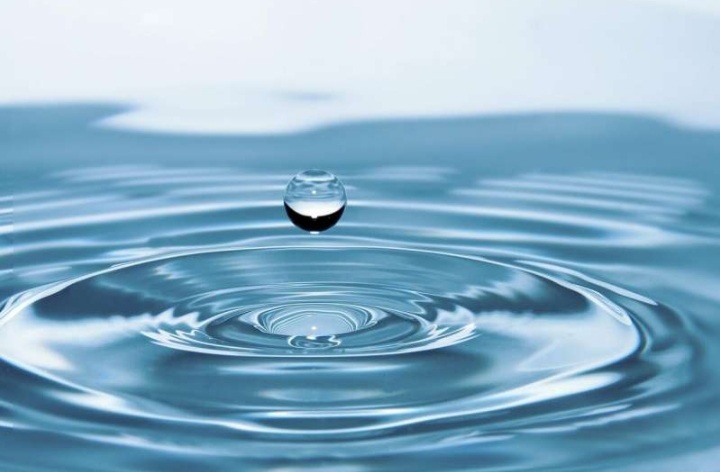
Water is the basic needs of the individual for the Survival. Some of the things like oxygen, water, food are very essential for the individual to live. After the oxygen, water is very much important for the individual survival and for the whole environment as well. Water is used in the daily basis for many of the activities like drinking, cleaning, watering, and also for some of the electric purposes etc.
There are plenty of water in the seas but there is no use of them. Because, all the seawater are salty and not food for drinking purpose. They can be made for drinking by some of the beautification methods which takes lots of processes and also the time. Scarcity of the water is not only the India’s problem but also the global problem.
If the wasteage of water is continued in the same way, there will be a day where no water can be found for drinking purposes and for some of the utility purposes. Most of the people waste water without any need. Using water for the purposes are all good but Wasting the water without any reason is a bad habit that an individual must not develop. It is very easy to waste water rather than saving the drop.
The main sources of water are surface water, ground water and rain water.
Importance of water :
Water is very important to the human body. Every one of your cells,organs and tissues use water to help with temperature regulation, keeping hydrated and maintaining bodily functions. In addition, water acts as a lubricant and cushions your joints. Driniking water is great for your overall health. Because your body loses water through breathing, sweating, and digestion, it’s important to rehydrate by drinking fluids and eating foods that contain water.
Water delivers important nutrients to all of our cells,especially muscle cells, postponing muscle fatigue. Water helps weight loss. Water helps you feel full longer,without adding any additional calories.
Benefits of Drinking water :
* Increases Energy & Relieves Fatigue. Since your brain is mostly water, drinking it helps you think, focus and concentrate better and be more alert.
* promotes weight loss.
* Flushes out Toxins.
* Improves skin complexion
* Maintains Regularity.
Best source of water :
1. Watermelon – water content : 92%
2. Strawberries – water content : 91%
3.cantaloupe – water content : 90%
4.peaches – water content : 89%
5.oranges – water content : 88%
6. Skim Milk – water content : 91%
7. Cucumber – water content : 95%
8. Lettuce – water content : 96%
9. Broths and soups – water content : 92%
10. Zucchini – water content : 94%
11. Celery – water content : 95%
12. Plain yogurt – water content: 88%
13. Tomatoes – water content : 94%
14. Bell peppers – water content : 92%
15.cauliflower – water content : 92%
16. Cabbage – water content : 92%
17. Grape fruit – water content : 88%
18. Coconut water- water content : 95%
19. Cottage cheese – water content: 80%
Disadvantages of water :
It is said that too much consumption of water can lead to fluid overload in the body and imbalance in the body. Excess water can lead it lower sodium levels in the body, which may further lead to nause, vomthing, cramps, fatigue. This condition is known as hyponatremia.
The best method to save water is to use in limited amounts. That is, to limit the water without wasting much water.
Today that is ,on 5th July 2021 , Arunachal Pradesh is celebrating three day festival called Dree. It is said to be most auspicious festival of Apatani tribe ( of the tribe that resided in Arunachal Pradesh). Dree is celebrated in order to bring a bountiful harvest season, hence Apatani offers prayers to four Gods they follow — Tamu, Harmiang, Metti and Danyi. This three day long festival is joyously celebrated with traditional clothes worn by women and children.
The reason behind the celebration of Dree is just as sacred as the festival itself. It is believed that two person i.e. Aane Donw and Abba Lwba when first set for the journey of cultivation they had to face many challenges and hurdles. Not only they had difficulty in finding the right seed, they also had to fight a Demon called Pyokun Pembo Pyoyi Tadu . This demon was eliminated with great efforts but their struggle was far from over. From the stomach of demon emerged swarms of insects and pest and rice birds. They attacked the crops in the field which led to poor harvest and subsequent hunger and famine. It was in order to alleviate the impending hunger and famine that a series of rituals were observed in the month of Dree
Thus this festival is celebrated to have good harvest. It is celebrated with such enthusiasm and exuberance that whoever visits Ziro ( place in Lower Subansiri district , where most Apatani Tribe resides) at this time could feel the radiance of happiness and joy. Throughout this festival games and sports are actively partaken that make the festival more interesting and entertaining.
Osian village in Jodhpur district in Rajasthan is a delight for those who love historical architecture and the fact that you get to see all of it in an oasis in the Thar Desert makes it a double whammy. The 8th to 11th century temples there make this village a must-visit destination.
Tarkarli, Maharashtra
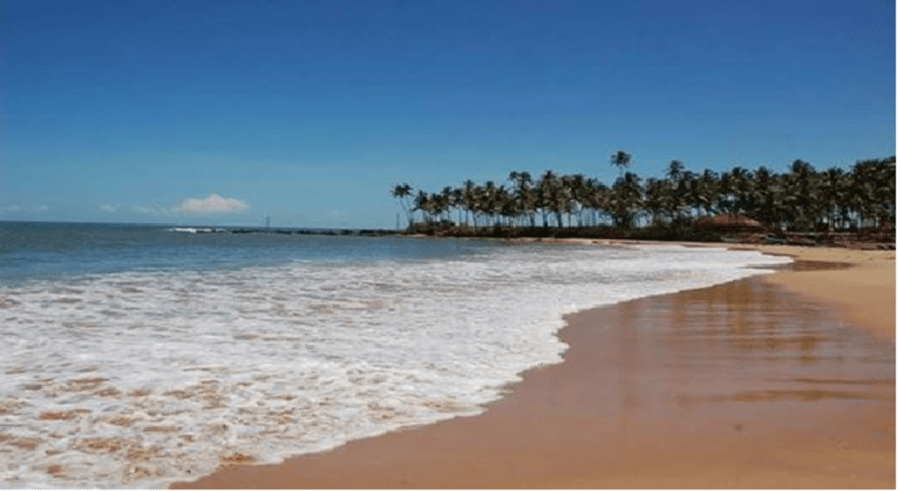
Frankly, almost any beach on the Konkan coast could have qualified for this spot. Tarkarli, in Sindhudurg district in Maharashtra, with its pristine waters, long and narrow beaches with Shuru trees in the background, managed to earn some extra points. It’s one of the most peaceful and non-commercialized beaches in India.
Gavi, Kerala
We usually associate trekking with mountains and hills. But this is one wildlife trek you wouldn’t want to miss. Located in Pathanamthitta district in Kerala, on the highway connecting Kollam and Madurai, Gavi is part of the Periyar Tiger Reserve. It is said that the only two gopher trees in India can be found in Gavi.
Kasar Devi/Crank’s Ridge, Uttarakhand
If you’re interested in the hippie-way of life but are tired of the huge number of tourists in Himachal Pradesh, you need to make it a point to visit Kasar Devi village near Almora in Uttarakhand. Crank’s Ridge, or Hippie Hill as the locals call it, on the way to Kasar Devi temple is also a historical place for hippies. Legends like Allen Ginsberg, Bob Dylan and Cat Stevens are some of the few people who visited this place during the peak of the Hippie movement in the sixties.
Lonar Crater, Maharashtra
Located in Buldana district in Maharashtra, the Lonar Crater Lake was formed around 570,000 years ago due to a meteor impact. Owing to its high concentration of carbonate salts it’s categorized as a saline soda lake. So, it’s a soda lake formed by a crater.
Krem Mawmluh & Krem Ri Blai, Meghalaya
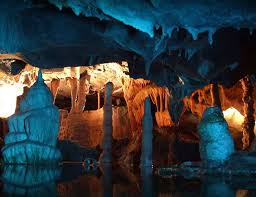
Cave exploration hasn’t taken off in a big way in India, which is really surprising considering there are so many options to do so in this country. Krem Mawmluh and Krem Ri Blai, in Mehgalaya, are natural horizontal and vertical caves respectively. Make it a point to visit them at least once in your life.
Ziro, Arunachal Pradesh
Ziro is a town in the Lower Subansiri district in Arunachal Pradesh and it has been hosting the Ziro Festival of Music for the past three years. But here’s the thing – the quaint little town is so attractive, that even without a crowd pulling event, it would find a spot on this list.
Wayanad, Kerala
This piece of trivia goes out especially to those trying to escape the city life for a while – Wayanad district is only 3.79% urbanized. Yep, lots of greenery here. Ancient history geeks can also trip out on the Edakkal caves where they can see actual pictorial writings from the Neolithic period.
Unakoti, Tripura
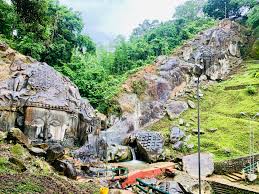
The stone carvings in Unakoti in Tripura are one of the most detailed ones in India and yet, this place is rarely visited. As per Hindu mythology, when Lord Shiva was going to Kashi along with one crore gods and goddesses, he made a night halt at this location. He asked all of them to wake up before sun rise. It is said that in the morning, except Shiva himself, no one else woke up on time. So Shiva set out for Kashi on his own cursing the others to become stone images. Perfect for both spirituality and history enthusiasts, this is truly one of the most underrated places in the country.
India is full of awe-inspiring places to enthral and inspire visitors. And, given the vast expanse and sheer diversity of this South Asian country, there are plenty of untouched and unexplored places. From the great Himalayan range in the north to the shimmering coastline of Indian Ocean in the south, and from the Gulf of Kutch in the west to the shores of the Bay of Bengal in the east, India is home to countless destinations.
Here I bring some of the unexplored and must visit destinations all over India
JAWAI, Rajasthan
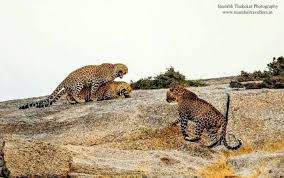
An unmissable place for wildlife enthusiasts is Jawai, located in the Pali district of Rajasthan. This is one of the best places in the country to spot a leopard in the daytime, so it is called the ‘Leopard Hills of India’. Several migratory birds and wild animals are found in the area, including cranes, flamingos, sloth bears, antelopes, and Indian wolves. Considered among one of the lesser known tourist destinations, this place deserves much more attention than it gets. It’s a perfect destination providing solitude and natural beauty in a place away from the artificial and busy lifestyle of cities.
Activities to do
Leopard safari
Bird watching from jawai dam as a lot of migrating birds are spotted here
Best Time to Visit
Although Jawai is open from early September to mid of May, the best time to come here is from October to early April as the weather is less humid while the nights could be chilly.
How to Reach
Jawai Bandh is 392 kms away from Jaipur. For air travelers, there is no direct flight but the nearest airport is Udaipur from where you can get a cab to Jawai Bandh. Besides, there are 3 direct trains plying from Jaipur to Jawai Bandh but if you are traveling by bus, the only option is to reach Sirohi and then take a taxi up to Jawai Bandh.
2. TARKALI, Maharashtra
In the Sindhudurg district of Maharashtra, Tarkali is a seaside destination with numerous pristine white sand beaches, calm waters full of marine life and lush greenery. Few years ago, Tarkarli beach is declared as a Queen Beach of Konkan region. Monthly, Thousands of tourists are visiting this place to rejuvenate and enjoy thrill of water sports activities. Besides chilling out by the beach, you can go scuba diving and get up close with colourful tropical fish, turtles and other marine creatures, or indulge in water sports like kayaking, jet-skiing, parasailing, speed boat rides or banana boat rides. If you visit between February and October you can spot dolphins also, don’t forget to treat your taste buds with local Malvani cuisine.
Activities to do
Scuba diving
Snorkling
Parasailing
bison national park
dolphin spotting
Best time to visit
Winter is the best season for visiting Tarkarli. The months from October to March is when Tarkarli becomes an ideal holiday destination. Monsoons can also be a favourable time for planning a trip, although the heavy rainfall might ruin your plans. The summers, though, are the least advisable time to visit Tarkarli, owing to the scorching heat and the unbearable humidity.
How to reach
The nearest airport is Dabolim Airport in Goa. By rail, Tarkarli can be accessed from Sindhudurg and also from Kudal and Kankavli by the Konkan Railway. Tarkarli is easily accessible by road from Malvan by bus and rickshaw. Tarkarli is 475 km (Panvel Kochi Road, NH 17) and 576 km (Mumbai Kohlapur Road NH 4) away from Mumbai. Daily private, luxury and State Transport bus service available from various parts of Goa, Mumbai, Pune to Malvan.
3. BHALUKPONG, Arunachal Pradesh
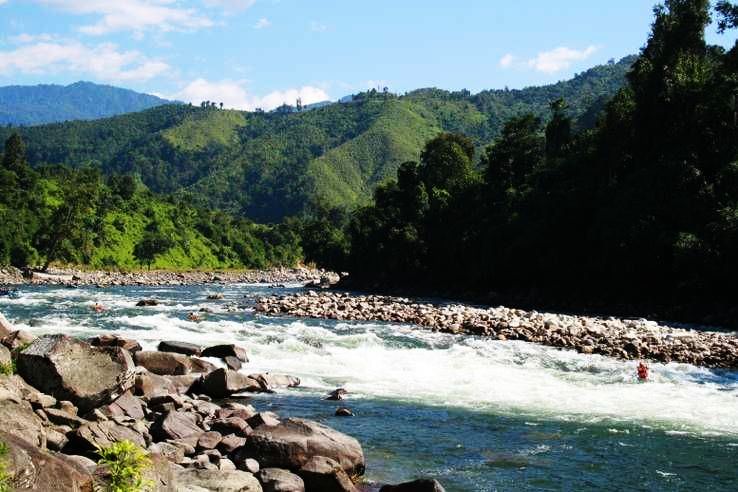
Bhalukpung is a small town located along the southern reaches of the Himalayas in West Kameng district of Arunachal Pradesh in India. Apart from being the nature lover’s paradise, Bhalukpong can provide you a complete experience with wildlife and a host of activities complimenting its natural beauty and the environment of a place lesser known.
The Kameng River running in the forest surrounding it makes the town even more attractive. In Bhalukpong you’ll find yourself making the most of hiking, trekking, camping and fishing.
Activities to do
Sesaa orchid sanctuary
Fish angling and river rafting
Pakhui Game Sanctuary
Best time to visit
October-March is the best period to visit. The Aka tribal festival takes place in March and is a major attraction for tourists.
How to reach
The nearest airport, as well as railway station, are at Tezpur. Cabs and busses ply periodically up and down to Bhalukpong. However, many prefer to drive down to the charming city. The road goes via NH 37 which is in excellent condition. The drive is an exciting one by itself as the road passes by the famous Kaziranga National Park.
4.SKANDAGIRI HILLS
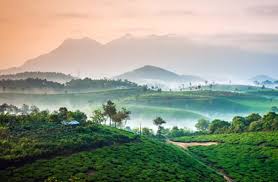
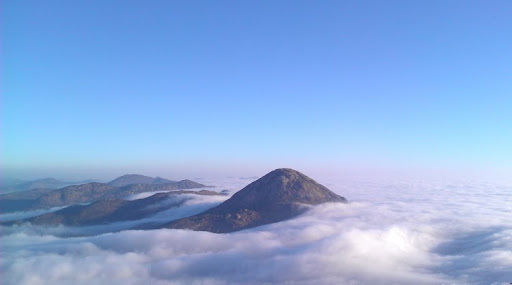
The picturesque Skandagiri Hills are much much-loved for the view of a golden sunrise and fluffy beds of clouds. Located about 70 km from Bangaluru city, the peak is at an altitude of about 1350 meters. With beautiful scenery, these hills have the potential to allure trekkers around the world. site makes for a perfect holiday spot for the adventurer and naturalist.
Activities to do
You can go trekking along the ridges and pass through the valley and take in the stunning view of the Deccan Plateau.
Get a perfect sight of the gorgeous sunrise accompanied by a wall of mist in the morning
Gazing at the star-studded skies
How to reach
The nearest railway station and airport to Skandagiri Hills lies in Bangalore. Hence, one can reach bangalore by means of flight or train and then take up the roadways for covering the additional distance. The distance of Skandagiri Hills from Bangalore is approximately 62 Kms.
5. SPITI VALLEY, Himachal Pradesh
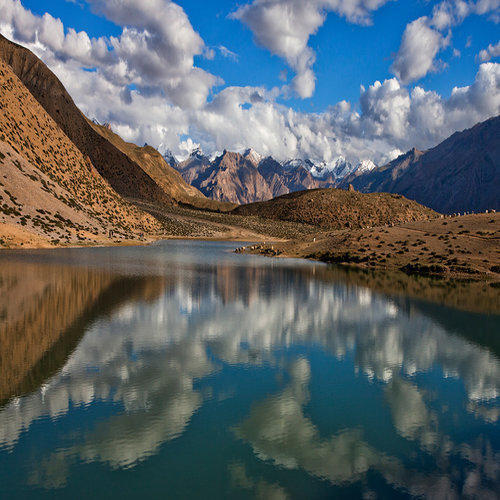
Spiti Valley is a cold desert mountain valley located high in the Himalayas in the north-eastern part of the northern Indian state of Himachal Pradesh. It is a very unconventional tourist destinations of this list. The Spiti Valley is the blood of the attraction providing mind-soothing views, picnic spots, trekking routes, camping regions and so on. Lahaul and Spiti district is surrounded by high mountain ranges. The Rohtang Pass, at 13,054 feet (3,979 m), separates Lahul and Spiti from the Kullu Valley. Lahul and Spiti are cut off from each other by the higher Kunzum Pass, at 15,059 feet .To add more beauty to this place, you can find monasteries that allow tourists to stay in the dorms, explore the buildings, join the rituals and live like a hermit.
If desired, you could trek up to the top to spot the glaciers of the region. If you looking for some serenity in your vacation? It is time to add Spiti to your bucket list.
Activities to do
Visit ancient Buddhist monasteries
Camp at Chandra Taal Lake
Bike and trek in nature
Visit a mummy in the village of Giu
Best time to visit
The best time to visit Spiti is from March to June. The ones who are into a relaxing vacation should visit Spiti during this season when the temperature ranges from 0 – 15-degree Celcius, which starts from March and lasts until June. Winters in Spiti are for the daring.
Dr. Harsh Vardhan, Union Minister of Health and Family Welfare held a high level meeting today with Arunachal Pradesh, Assam, Manipur, Meghalaya, Mizoram, Nagaland, Tripura and Sikkim to review the status of COVID-19 in the north-eastern States along with the measures being taken for its containment and management, in the presence of Sh. Ashwini Kumar Choubey, MoS (HFW), here today. The review meeting (over video conferencing) was attended by Dr. R Lalthangliana, Health Minister of Mizoram, Sh. Alo Libang, Health Minister of Arunachal Pradesh, and Shri Piyush Hazarika, MoS, Health and Family Welfare, Assam along with senior officers from the eight States.
At the outset, Dr. Harsh Vardhan appreciated the dedication of all the States in combating COVID-19 in the country. “It is a huge relief and very encouraging to see green zones in most North Eastern States. As of date, only Assam and Tripura have active COVID-19 cases; the other States are all in the green zone. Let us focus and work together by converting the orange zones to green zones and maintain the protective status across the States”, he stated. Dr Harsh Vardhan stated that as on 9th May 2020, a total of 59,662 cases have been reported from the country in which 17,847 persons have been cured and 1,981 deaths had occurred. In the last 24 hours, 3,320 new confirmed cases have been added and 1307 patients were found cured. He added that the fatality rate is 3.3% and recovery rate is 29.9%. He also added that (as of yesterday) there are 2.41% present active COVID-19 patients in ICU, 0.38% on ventilators and 1.88% on oxygen support. Dr. Harsh Vardhan also said, “The testing capacity has increased in the country and it is 95,000 tests per day with 332 Government laboratories and 121 private laboratories. Cumulatively, 15,25,631 tests have been done so far for COVID-19.”
During the detailed interaction with the NE States, they highlighted various issues related to testing facilities, health infrastructure, surveillance, contact tracing etc., and also shared their best practices. Dr Harsh Vardhan mentioned about the various measures taken by the Centre to combat COVID-19 so far. “Political commitment at the highest levels of the Government, led by the Hon’ble Prime Minister Shri Narendra Modi is leading the government’s response against Novel Coronavirus Disease (COVID-19). India is prepared and fighting with the pandemic through its various timely measures and sturdy systems of surveillance for Novel Coronavirus”. Dr. Harsh Vardhan said.
The Union Health Minister informed that appropriate measures are being taken to combat COVID-19 and with the cohesive efforts of both Centre and States, adequately growing numbers of dedicated COVID hospitals, Isolation & ICU beds and Quarantine centres being identified and developed. These provide us the assurance that the country is well-prepared to face any eventuality due to COVID-19. Centre is also supporting by providing sufficient number of masks & Personal Protective Equipments, Ventilators etc. to the States/ UTs / Central Institutions, he further added.
To maintain the positive status of COVID-19 management in the North East, Dr. Harsh Vardhan advised the States to ensure that the returning migrant labourers, students and those returning from abroad should be screened and quarantined as per the guidelines and protocol laid down by the by Ministry of Health and Family Welfare and Ministry of External Affairs. He also stated that the guidelines for discharging patients is also revised and needs to be followed by all the States.
Dr. Harsh Vardhan stated, “While some states have worked in this direction, others need to focus on more effective surveillance, contact tracing, house to house survey and early diagnosis”. He said, “Surveillance for Severe Acute Respiratory Infections (SARI)/ Influenza Like Illness (ILI) should be intensified in unaffected districts and districts which have not reported cases from last 14 days and more through the IDSP network in collaboration with Medical College Hospitals”, he added. He urged States to aggressively pursue the download of Aarogya Setu app to aid contact tracing and surveillance, and for self assessment by people. He advised the States to put the information of the earmarked facilities for COVID-19 like the dedicated COVID hospitals, COVID Health Centres and Care Centers in public domain to help people access the services. The States were informed that funds have been allocated by Minister of DONER (Ministry of DoNER) for strengthening of the health infrastructure, and states need to submit their proposals for availing of funds under this fund.
For the States that have international borders, Dr Harsh Vardhan stated that these States need to take adequate measures at the border areas to prevent exposure by conducting screening of all individual entering the State at entry points and following quarantine protocol as per the guidelines.
The States were reminded that in addition to the COVID-19 care, non-COVID-19 health services were equally important and should not be neglected. Due attention was required to be paid to health care services such as ANCs for pregnant women, immunization drives, OPD/IPD services, screening of NCDs and TB diagnosis and treatment. Adequate measures for prevention of vector borne diseases also need to be taken, they were advised. Also, facilities of telemedicine and tele-counselling could be used for reaching to a larger population for their healthcare needs. States were also advised to ensure that payments, salaries and incentives were paid to the healthcare staff, paramedics and other healthcare workers, for which States were also advised to ensure that the NHM funds were transferred to the Health Department. States were also informed that helpline number 104 in addition to 1075 can be used for grievance redressal for non-COVID essential services, and for providing the needed information to the people on their location etc. States were also advised to keep adequate stock of essential medicines and explore home delivery by engaging volunteers for the purpose.
In view of the larger prevalence of non-smoking tobacco usage in some of the states, Dr Harsh Vardhan advised the States to ensure that concrete actions were taken for prohibiting their wide usage and for prohibiting spitting in public places which shall help in preventing spread of COVID-19. Strong reforms are needed in this direction, he stated. He appreciated the effort of States that have banned the use of chewing tobacco and imposition of fine for spitting in public places.
Ms. Preeti Sudan, Secretary (HFW), Shri Rajesh Bhushan, OSD (HFW), Ms. Vandana Gurnani, AS & MD (NHM), Dr. Manohar Agnani, Joint Secretary (MoHFW), Dr. S.K. Singh, Director, NCDC along with Principal Secretary (Health) and other senior state health officials participated in the meeting.










 Eduindex
You must be logged in to post a comment.