An unexamined life is not worth living

 by Shashikant Nishant Sharma 

                                                       (Photo: Motivation Mentalist)

Well said by
Socrates.

An
unexamined human life is deprived of the meaning and purpose of existence. The
ability to introspect removes the individualistic absurdity by invoking a
commitment to moral integrity and social solidarity.

 Just like a seed
needs soil, sunlight and water for its germination, human life needs
introspection and examination for its growth. A greater understanding of the
experiences gained in the life at any particular time, enriches one’s
engagement with self and the universe.

Mahatma Gandhi’s
examination of self through his autobiography, “My experiments with
truth”, highlights the significance of reflection on life. Mahatma Gandhi
was not only able to map his weaknesses and vulnerabilities through the
examination, but was also able to question his prejudices and understand his
strength as a human being.

 This very ability
to reflect on life adds more depth to the character of Arjun in Mahabharat than
most of the other characters. Instead of following the norms and fighting with
his clan, Arjun questions the meaninglessness of the war and the purpose of his
life.

 The fast-changing
societies and consumerist culture in the contemporary world leave less time for
human beings to examine and think about the changes. Adaptation to changes have
become automatic and unquestionable.

 The quotation has
strong relevance in the present times where human beings are burdened with the
histories of war, colonisation, nationalisation, erosion of morality in the
scientific and technological advancements and the sense of spiritual
uprootedness. 

It is in these
times that one needs to dwell deeper into the conscience to find the purpose of
existence and engage in a more meaningful manner with the society.


Butterflies🦋

Have you ever seen a baby butterfly? Me neither because they don’t exist🤭. Butterfly is the adult form of caterpillar. But who gave butterflies the right to be this beautiful🥺, they are a treat to eyes. All the colors they display with so much variety in shapes and patterns is just breathtaking. They indicate biodiversity but sadly the change in climate and the shift in weather is slowly making these creatures to go extinct. Since, they are known to react quickly on climate change and to see them struggling to survive is a serious indication and warning of global warming.

Photo by Madison Inouye on Pexels.com

let’s look at some amazing facts about butterflies.

Butterflies can fly with a speed of 12 miles per hour.Their size can differ from as tiny as 1/8 inch to a huge 12 inches.

Their wings are made up a substance called chitin and are transparent in real. All the colors we see are a reflection of various colors through the thousands of scales present in them.

Photo by Suzy Hazelwood on Pexels.com

There are about 24,000 butterfly species on this earth. Antarctica is the only place to be devoid of their presence.

The Monarch Butterfly Biosphere Reserve is located in Mexico. Millions of butterflies travel from Texas. The trees are filled with butterflies and appear orange in color. The goal of reserve is to protect the butterfly species and their habitat.

They have their taste receptors on their feet. Their legs help them in locating the best plants and are evn used by them to choose plants for laying eggs.

Photo by Quang Nguyen Vinh on Pexels.com

Their average lifespan is of a 3-4 weeks. One species of butterfly lives only upto 24 hours and some migratory butterflies can live for about 8 months.

Butterflies are cold blooded hence, require ideal settings. They can’t fly if their temperature is less than 85 degrees. Some species migrate to warm places when the temperature begins to drop.

Photo by Pixabay on Pexels.com

Butterflies are health conscious and so they follow liquid diet. Lol. Actually they don’t have the necessary apparatus that helps in chewing instead they have a straw like structure that helps them in sucking nectar from flowers.

Their wings are a great defense against enemies. All the color and patterns are actually to scare predators away. And also they have 4 wings not 2. Forewings, that are close to the head and hindwings, at the back.

Photo by Aenic Visuals on Pexels.com

Tips to learn a new language faster

Learning a new language often considered as really tough task, but is it true? Maybe for some, but the real truth is if followed right resources and direction is definitely an task to do so. So for this here are some tips that might help you.

1) Know about the language that you are going to learn

By writing this I mean one should know what language is he or she going to learn. If you have clear idea of what actually you are going to learn will help you to set almost perfect goals which will ultimately help you to do what you want.

2) Set goals

Setting goals to learn a new language will help you to go far and keep yourself ahead. Goal setting should be done after being familiar by the subject.

3) Set small goals

Setting small goals will help you to complete your work on given time. Setting small goals will also help you to analyse yourself and keep your records on track.

4) Analyse yourself

Analysing is an art if done properly will take you way to far. Whenever do things do them on time and analyse what mistakes you make or what are the problem that you have encountered.

5) Challenge yourself

This part will help you to grow. grow beyond your limits. But one thing to keep in mind while doing so is do not challenge yourself more than what will harm you. Doing this in moderation will definitely help but if done excessive will also harm.

6) Use the language as frequently as you can

If you do so it will help you to retain things faster. It will also help you to clear your vocabulary and pronunciation and also will help you to keep everything you learn stored in your brain for a long time.

7) Test yourself

At the end complete your learning and test your self this will help you to know how much you have learn about the language.

Hope you will like my blog follow the steps and go ahead. Happy learning!

Top 5 venomous snake species

Snake are deadliest animal. Whenever one encounters it many get hurt or you can easily say they are dangerous to humans. They have aggressive nature. They are very dangerous especially for rural area people’s. There are estimated 3,500 snake species out of which 600 are venomous. Their estimated yearly attacks ranges from 53 lakhs to 54 lakhs, out of which more than 1 lakh people die due to their attack.

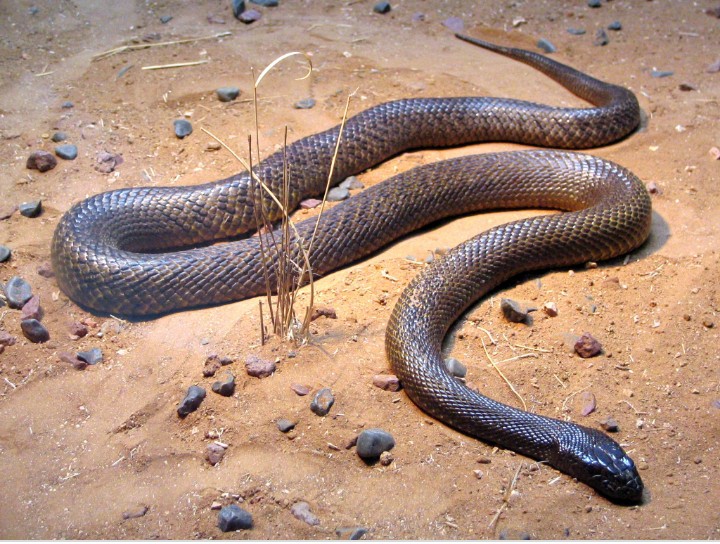
1) Inland Taipan

They are also known as fierce snake. They has the most toxic venom in the world. The average quantity venom give by this snake is 44mg while the most given is 110mg, which is enough to kill 100 people. Its venom consists of neurotoxins, Hemotoxins (procoagulants) affecting the blood, myotoxin affecting the muscles, nephrotoxins affecting the kidneys and hemorrhaggins causing hemorrhage. Its venom paralysis the body and cause hemorrhage. It is found in Australia.

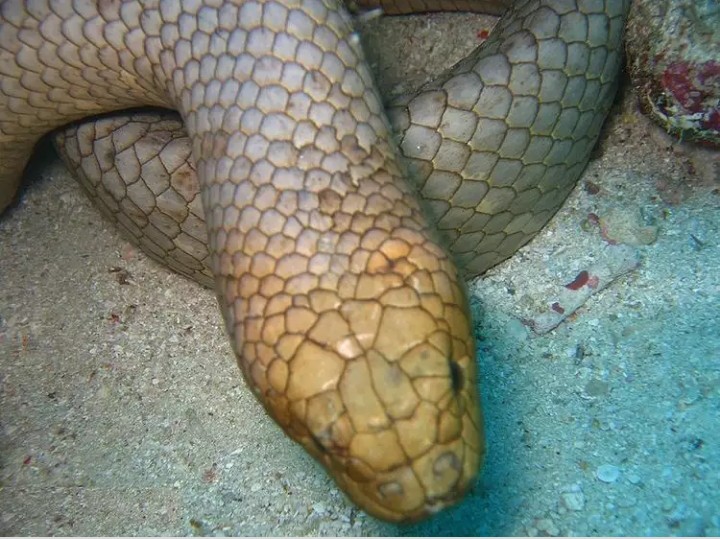
2) Dubois sea snake

Dubois sea snake is also known as reef shallow sea snake. It is a species of venomous sea snake. Adult sea snake grows upto 4.86ft but usually grow upto 2.6ft. It is most venomous sea snake and one of the top three most venomous snakes in the world. The venom is lethal and contains neurotoxin that act on the nerve cell, myotoxins acting on muscles. The venom of this snake paralysis the respiratory system which ultimately cause death of the person. They feed on fish and swallow the whole fish. True incident of sea snake bite has not been recorded but they might have caused bite in rural area where taking record might not be possible. They are not aggressive but can bite if feel threatened or surprised. Fisherman’s are more likely to get trapped in their bites often when they try to remove them from fishing net. They are found in Australia, and some parts of Indian Ocean and Timor sea.

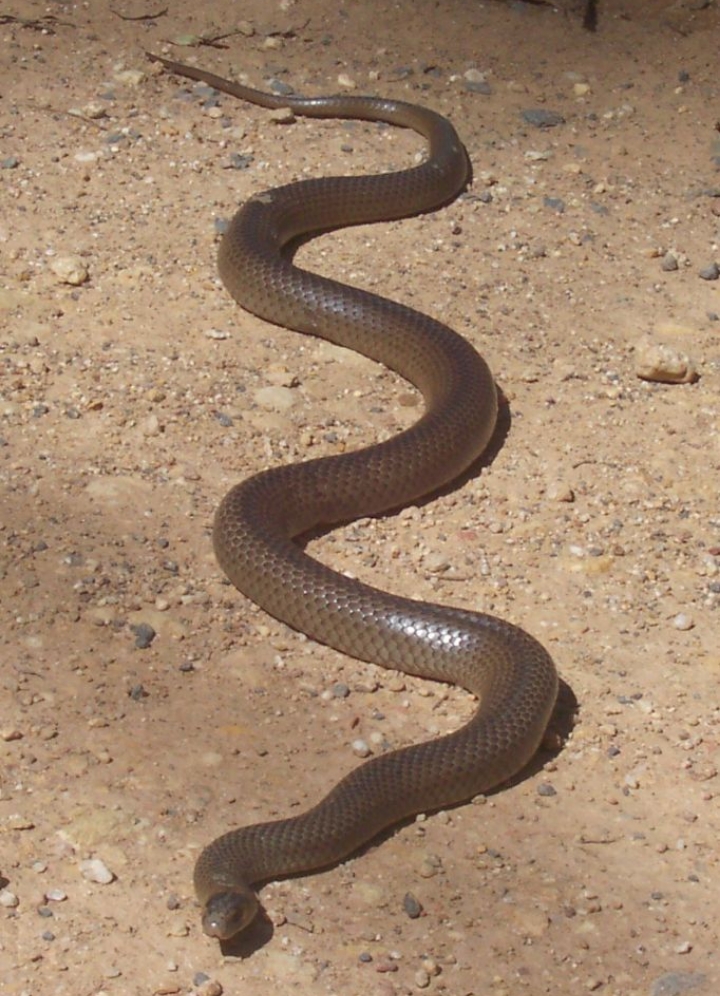
3) Eastern brown snake

Eastern brown snake or also known as common brown snake. This snake is highly venomous snake in the family Elapidae. Adult eastern brown snake goes upto 2m or 7ft. The venom of the snake mainly affects the circulatory system, coagulopathy, hemorrhage, cardiovascular collapse and cardiac arrest mainly the death occurs due to cardiac arrest. And one of the main components of venom is prothombinase which breaks down prothrombin. It is responsible for about 60% of snake bite death in Australia. They are native to eastern and central Australia and southern New Guinea.

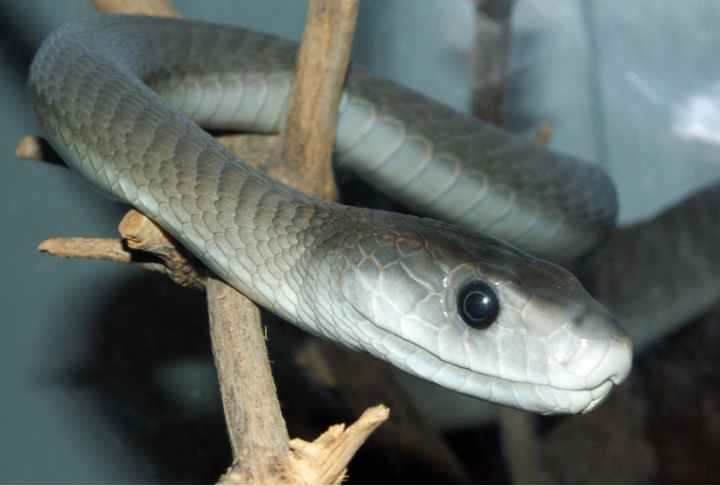
4) Black mamba

Black mamba also belongs to highly venomous species of family Elapidae. It is second longest venomous snake after king cobra. It grows upto 2m (6ft 7in) and commonly grow to 3m (9ft 10in). Its colour varies from grey to dark brown and it’s species is both terrestrial and arboreal (found on trees). It is native to parts of Sub Sahara Africa. Its venom is composed of neurotoxins and it’s induce symptoms within ten minutes and is frequently fatal. This species of snake is aggressive but only attack when threatened or cornered. It constantly bites more than once and it’s bite derive 100mg-120mg of venom, the highest venom recorded is 400mg. It is considered as snake of medical importance by World Health Organization. Its venom if not treated on time will result in respiratory failure, cardiovascular collapse and ultimately death.

5) Boomslang

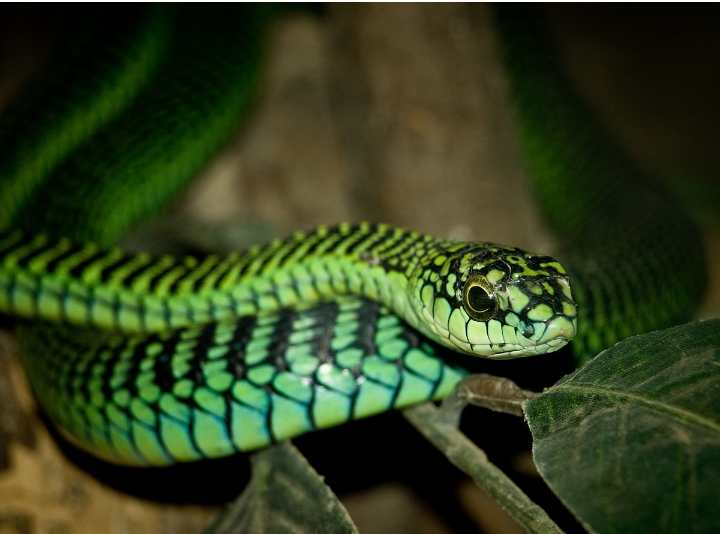
Boomslang snake is one of the venomous snake of family Colubridae Average adult Boomslang is 100-160 cm in total length and exceeds to 183cm. Colouration is very different like males are light green with black or blue scale edge while females may be brown. Their weight varies from 175 to 510 g. The Boomslang snake is able to open its jaws up to 170 degree when butting. It is found in sub Saharan Africa, south africa, Botswana and Namibia. Its venom is hemotoxin and disables coagulation process and the victim die as a result of internal or external bleeding. Its venom cause hemorrhaging in to tissue such as muscles and the brain tissue. Its venom is slow acting. This snake is timid and only bite if attempted to handle, catch or kill.

Important Landmarks of Indian Freedom Struggle

A freedom movement is any organized effort within a society to promote, or attain, liberation or independence, based on social, political, economic, religious, or other ideological grounds. The Indian independence movement was a series of historic events with the ultimate aim of ending the British rule in India. The movement spanned from 1857 to 1947. The first nationalistic revolutionary movement for Indian Independence emerged from Bengal.

In ancient times, people from all over the world were keen to come to India. The Persians followed by the Iranians and Parsis immigrated to India. Lastly, the Britishers came and ruled over India for nearly 200 years. After the battle of Plassey in 1757, the British achieved political power in India.

Revolt of 1857

The Revolt of 1857 is also known as The Great Revolt of 1857 or the Sepoy mutiny of 1857. The sepoys of India who were oppressed by the British for a long time revolted. The 1st initiative was taken by sepoy Mangal Pandey . He had shot a British general. The British had ordered to arrest Mangal Pandey but the Indian sepoys did not follow his instructions. Under the leadership of Mangal Pandey on 29 March 1857 the Indian sepoys marched to Delhi and made the nawab of Delhi the emperor of India. After that many revolts broke out in India. But the British had been successful In suppressing all of them. The Bengali middle class people were however apathetic to the revolt of 1857. Even they did not want the revolt to be successful. This was because they feared that if the British would go back then India would return to Its age of darkness again .the little money and status that they had acquired during the British rule would be lost. Although the Revolt of 1857 was unsuccessful It is in some cases identified as the First War of Independence.

Indian National Congress Formed 1885

The Indian National Congress is a broadly based political party in India . Founded in 1885, it was the first modern nationalist movement to emerge in the British Empire in Asia and Africa . From the late 19th century, and especially after 1920, under the leadership of Mahatma Gandhi, Congress became the principal leader of the Indian independence movement. After India’s independence in 1947, Congress formed the central government of India, and many regional state governments. Congress became India’s dominant political party; as of 2015, in the 15 general elections since Independence, it has won an outright majority on six occasions and has led the ruling coalition a further four times, heading the central government for 49 years. There have been seven Congress Prime Ministers, the first being Jawaharlal Nehru (1947–1964), and the most recent Manmohan Singh (2004–2014). Although It did not fare well in the last general elections in India in 2014, it remains one of two major, nationwide, political parties In India, along with the right-wing, Hindu nationalist, Bhartiya Janata Party (BJP).

Partition Of Bengal 1905

Bengal was partitioned in 1905 by Lord Curzon, based on the Riley Report of 1904 which stayed that ‘ Bengal United is a power : Bengal divided will pull in several different ways.’ East Bengal was given to the Muslims and West Bengal to the Hindus. The reason given to the people was that the partition was necessary for administrative convenience. But the real reason was because Bengal was the center of all Revolutionary activity. The Partition of Bengal created widespread education among the people of Bengal. Hindus and Muslims came out Into the street singing Vande Mataram. The movement soon spread to other parts of India. People decided to Boycott foreign goods and Institutions and use Indian goods. Thus the movement came to be called the Swadeshi Movement. The success of the movement led some National leads to advocate ‘revolutionary terrorism’ as a means to end British rule. Bengal was reunited In 1911.

Formation Of Muslim League 1906

After the Revolt of 1857, the British government followed a policy of ‘divide and rule’. In the beginning, Muslims were discriminated against. They were kept out of the army and the services. However, when the nationalist movement started, the policy of the government underwent a change. The government branded the Congress as a Hindu dominated Party and encouraged the upper class Muslims to start their own organization against the Congress. The partition of Bengal led to a united protest movement. At the Calcutta session of the congress in 1906, a large number of Muslim delegates participated. Mohammad Ali Jinnah moved an amendment opposing reservation of seats, which was accepted. Any-how the Influence of the communal elements among Muslims became strong. The Muslim leadership feared that, by opposing the British government, the Muslim middle and upper class’s economic interests would suffer. The encouragement given to upper class’s Muslims led to the formation of the Muslim League. On 30th December 1906, the Muslim League was formed.


The main objects of the Muslim League were :
(I) To create feeling of loyalty to the British government.
(ii) To protect and advance the political rights and interests of the Muslims of India.
(Iii) To prevent the rise among Muslims of India of any feelings of hostility towards other communities.

Split of Congress 1907

The Indian National Congress (INC), which was established in 1885 by A.O Hume, was divided into two groups(in the year 1907) mainly by extremists and moderates at the Surat Session of the Congress. The period of 1885-1905 was known as the period of the moderates as moderates dominated the Indian National Congress. These Moderates used petition, prayers, meetings, leaflets and pamphlets memorandum and delegations to present their demands in front of the British government. Moderates were not able to achieve notable goals other than the expansion of the legislative council by the Indian Council Act of 1892. This created dis-satisfaction among the people. In 1907 the INC meeting was to be held In Nagpur and the extremists wanted Lala Lajpat Rai and Bal Gangadhar Tilak as president. But moderates wanted Rash Bihari Ghosh to be president. Gopal Krishna Gokhale changed the meeting place from Nagpur to Surat fearing that If Nagpur was to be held as meeting place then Bal Gangadhar Tilak would become President. The partition of Bengal became the rise of extremism In INC.

India’s Capital shifted From Kolkata to Delhi  1911

Calcutta (now Kolkata) was the capital of India during the British Raj until December 1911. Calcutta had become the epicenter of the nationalist movements since the late nineteenth century led to the Partition of Bengal by then Viceroy of British India Lord Curzon. This created massive political and religious upsurge Including political assassinations of British officials in Calcutta. The anti-colonial sentiments amongst public leading to complete boycott of British goods forced the colonial government to reunite the Bengal partition and Immediate shift of the capital to New Delhi. 

Delhi-Lahore Conspiracy 1912

The Delhi Conspiracy case, also known as the Delhi-Lahore Conspiracy, refers to a conspiracy in 1912 to assassinate the then Viceroy of India, Lord Hardinge, on the occasion of transferring the capital of British India from Calcutta to New Delhi. Hatched by the Indian revolutionary underground in Bengal and Punjab and headed by Rash Behari Bose, the conspiracy culminated on the attempted assassination on 23 December 1912 when a homemade bomb was thrown into the Viceroy’s Howdah when the ceremonial procession moved through the Chandni Chowk suburb of Delhi. Although injured in the attempt, the Viceroy escaped with flesh wounds, but his Mahout was killed In the attack. Lady Harding was unscathed. Lord Harding himself was injured all over the back, legs, and head by fragments of the bomb, the flesh on his shoulders being torn in strips. In the aftermath of the event, efforts were made to destroy the Bengali and Punjabi revolutionary underground, which came under Intense pressure for some time. Rash Behari successfully evaded capture for nearly three years, becoming Involved in the Ghadir conspiracy before it was uncovered, and fleeing to Japan In 1916.

Formation of Ghadir Party 1913

The Ghadir Movement was an important episode in India’s freedom struggle. A ship named Komagata Maru, filled with Indian immigrants was turned back from Canada. As the ship returned to India several of its passengers were killed or arrested in a clash with the British police. This incident made the Ghadir Party proclaim war and inspired thousands of Indian immigrants to come back and organize an armed rebellion against British Imperialism. However, this movement was crushed. This article deals with the important events of Ghadir Movement. Original name of Ghadir Party was Pacific Coast Hindustan Association. The founding president of Ghadir Party was Sohan Singh Bhakna and Lala Hardayal was the co-founder of this party. Headquarters of the movement were set up at Yugantar Ashram In San Francisco.

Hindu-German Conspiracy 1914-1917

The Hindu–German Conspiracy was a series of plans between 1914 and 1917 by Indian nationalist groups to attempt Pan-Indian rebellion against the British Raj during World War I, formulated between the Indian revolutionary underground and exiled or self-exiled nationalists who formed, in the United States, the Ghadir Party, and in Germany, the Indian independence committee, in the decade preceding the Great War. The conspiracy was drawn up at the beginning of the war, with extensive support from the German Foreign Office, the German consulate in San Francisco, as well as some support from Ottoman Turkey and the Irish republican movement. The most prominent plan attempted to foment unrest and trigger a Pan-Indian mutiny In the British Indian Army from Punjab to Singapore. This plot was planned to be executed in February 1915 with the aim of overthrowing British rule over the Indian subcontinent. The February mutiny was ultimately thwarted when British Intelligence infiltrated the Ghadarite movement and arrested key figures. Mutinies In smaller units and garrisons within India were also crushed.

Rowlett Satyagraha  1919

Rowlett Acts, (February 1919), legislation passed by the Imperial Legislative Council, the legislature of British India. The acts allowed certain political cases to be tried without juries and permitted internment of suspects without trial.
Sedition Act 1870. The Sedition Act, allowed the government to arrest or detain any person without a fair trial In the court who was seen protesting or criticizing the British authority. In 1919 Gandhiji gave a call for a Satyagraha against the Rowlett Act, passed by the British. The Act restricted the freedom of expression and strengthened police powers. Mahatma Gandhi, Mohammad Ali Jinnah and others strongly opposed this Act.

Jallianwala Bagh Massacre 1919

The Jallianwalah Bagh Massacre, also known as the Amritsar Massacre was a massacre that happened in Amritsar, in 1919. It is named after the Jallianwala Bagh [Temple] in the northern Indian city of Amritsar. On April 13, 1919, British Indian Army soldiers started shooting at an unarmed gathering of men, women and children. The person in charge was Brigadier-General Reginald Dyer, the military commander of Amritsar. The shooting lasted about ten minutes. According to official British Raj sources, 379 people were killed. According to other sources, there were over 1,000 deaths, with more than 2,000 wounded, and Civil Surgeon Dr. Smith said that there were 1,526 casualties.

The Khilafat Movement 1919-1924

The Khilafat Movement was organized by the Ali brothers – Mohammed Ali and Shaukat Ali in protest against the injustices done to Turkey (which had fought against Britain) after the First World War. Turkey was important to the Indian Muslims as the Sultan of Turkey was also the ‘Caliph’ (or Khalifa) and was the head of the Muslims throughout the world. The Khilafat leaders put pressure upon the British government to give better treatment to Turkey. Through this demand, Muslims were drawn Into the national movement in large numbers. The movement become a part of the national movement. The Congress leaders joined In the agitation and helped in organizing It throughout the country.

Non-cooperation Movement 1920-1922

In the year 1921 M.K. Gandhi launched the non-cooperation Movement in India. He made an appeal to the Indian people that since the rule of Britishers in India came with the cooperation of Indians, thus, the only way to end the British rule in India is non-cooperation. This movement was launched in different phases. In the first phase, the Indian people who were awarded by the British government In their field began surrendering their titles of honors. The second stage included the boycott of civil services,  congressional assemblies, courts, foreign goods and schools. In the third stage, It was believed that if the administration practiced suppression, a complete civil disobedience drive would be launched by the nationalist leaders.

Chauri Chauri Killing 1922

The Chauri Chauri incident occurred at Chauri Chauri in the Gorakhpur district of the United Province, British India on 4 February 1922, when a large group of protesters, participating in the Non-cooperation movement, clashed with police, who opened fire. In retaliation the demonstrators attacked and set fire to a police station, killing all of Its occupants. The incident led to the deaths of three civilians and 22 or 23 policemen. the Indian National Congress halted the Non-cooperation Movement on the national level as a direct result of this Incident.

Rastriya Swayamsevak Sangh (RSS) was founded 1925

Rastriya Swayamsevak Sangh, abbreviated as RSS “National Volunteer Organisation” or “National Patriotic Organisation”, is an Indian right-wing, Hindu nationalist, paramilitary volunteer organisation that is widely regarded as the parent organisation of the ruling party of India, the Bhartiya Janata Party. The RSS is one of the principal organizations of the Sangh Parivar group. Founded on 27 September 1925, and claiming a commitment to selfless service to India. The organisation Is the world’s largest voluntary missionary organization. The initial impetus was to provide character training through Hindu discipline and to unite the Hindu community to form a Hindu Rashtra (Hindu nation). The organisation promotes the Ideals of upholding Indian culture and the values of a civil society and propagates the ideology of Hindutva, to “strengthen” the majority Hindu community.

Simon Commission 1927

Simon commission is one of the factors leading to the civil disobedience movement. This commission was appointed in November, 1927. It is named after Sir John Simon, who was the chairman of the commission. It was appointed by the British Government to investigate the need for further constitutional reforms. The commission had seven British members but no Indian members. This was seen as a deliberate move to insult the self-respect of Indians ◦In 1927, the Congress decides to boycott the commission ‘at every stage and In every form’. Even the Muslim League agreed to boycott the commission. Next year, an ‘All India Hartal’ was organized by the people. When the commission reached Mumbai, people greeted the commission with slogan “Simon Go Back”. During these protests and hartals. Lala Lajpat Rai was arrested and beaten up. Finally, the commission was sent back with some suggestions and recommendations. 

Declaration of Poorna Swaraj 1929

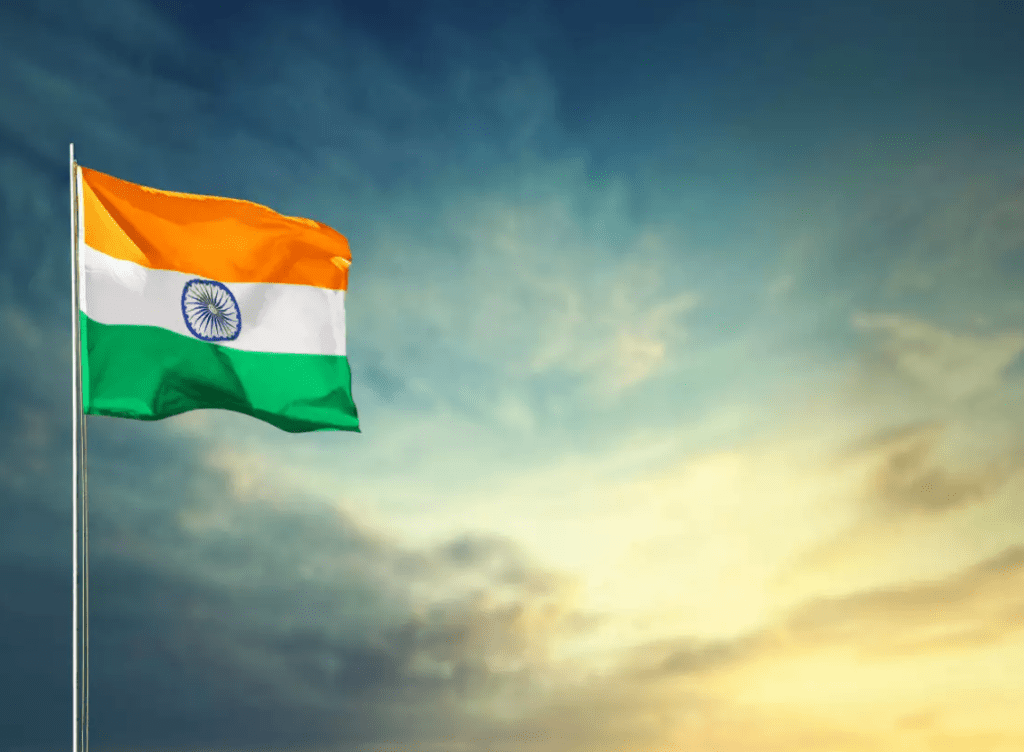
The Purna Swaraj declaration ( or Declaration of the Independence of India, was promulgated by the Indian National Congress on 19 December 1929, resolving the Congress and Indian nationalists to fight for Purna Swaraj, or complete self-rule independent of the British Empire. ◦The flag of India was hoisted by Jawaharlal Nehru on 31 December 1929 on the banks of Ravi river, In Lahore, modern-day Pakistan. The Congress asked the people of India to observe 26th of January as Independence Day(see Legacy). The flag of India was hoisted publicly across India by Congress volunteers, nationalists and the public. But Bhagat Singh was the first person who gave call to purna swaraj (total Independence).

Beginning of Civil Disobedience Movement 1930

Launched on April 6, 1930, the Civil Disobedience Movement was the most significant movement in the freedom struggle of India. The formation of the Simon Commission, Demand for Dominion Status and Protests against the arrest of social revolutionaries was the three most important causes of this movement. Moreover, the newly introduced salt laws played an important role in launching the Civil Disobedience Movement. According to the new laws the Indian people were required to buy the vital mineral salt, on which the British government was practicing a monopoly. As salt was the basic need for all the sections of the society people under the leadership of M.K. Gandhi launched a March known as the “Dandi March” against the unjust laws of the British government.
This march was joined by thousands of Indians. Therefore, on April 6, 1930, Gandhi formally launched the Civil Disobedience Movement. The main objective of the Civil Disobedience movement Is that the people wanted to break the unjust laws such as the salt tax law. In support of this movement, Indian people continued the production of salt and boycotted foreign clothes and goods. Farmers of India denied paying revenue and Chowkidari taxes. Indian administrators quit their jobs and In many states, tribal people violated forest laws.

The First Round Table Conference was held in London 1930

First Round Table Conference was first among the three such conferences organized between 1930 and 1932 by British government towards constitutional reforms in India. These conferences were conducted as per 1930 report of Simon Commission. First Round Table Conference was held between November 1930and January 1931. It was officially inaugurated on November 12, 1930 at House of Lords at London by the British King (George V) and was chaired by then British Prime Minister, Ramsay MacDonald.

Participants The participants of the First Round Table conference Included :

  1. Total 16 delegates from three British Political Parties
  2. Total 74 delegate from India comprising 3.58 delegates from political parties In India 4.16 delegates from princely states

Second Round Table Conference was held 1931

The second round table conference was held in London (September 1931 – December 1931). Gandhiji represented the Indian National Congress. Gandhiji said that congress alone represented the political India. The untouchable of India are Hindus and does not need label of minorities and there is no need for spate electorate or special safeguard for Muslims or other minorities. This was rejected by other Indian participants. Gandhiji returned back empty handed, disappointed from the proceedings. However, the discussions lead to the passing of Government of India Act, 1935.

The Gandhi-Irwin Pact 1931

After the failure of First Round Table Conference efforts were made by the Government to make an agreement that  the congress  would attend the next Round Table Conference. The Viceroy, Lord Irwin, was authorised to hold talks with Mahatma Gandhi. Finally, Gandhi and Irwin made an agreement on 5 March 1931. The agreement is called Gandhi-Irwin pact. By this pact Government agreed to release most of the civil disobedience volunteers, against whom there was no allegation of violence. The Congress suspended the Civil Disobedience Movement and agreed to participate In the second Round Table Conference.

Poona Pact 1932

The Poona Pact refers to an agreement between B. R. Ambedkar and Mahatma Gandhi on behalf of depressed classes and caste Hindu leaders on the reservation of electoral seats for the depressed classes in the legislature of British India government. Contrary to popular belief, Mahatma Gandhi was not involved in signing the pact. It was made on 24 September 1932 at Yerwada Central Jail in Pune, India. It was signed by B.R Ambedkar on behalf of the depressed classes and Madan Mohan Malviya on behalf of the Caste Hindus as a means to end the fast that Gandhi was undertaking In jail as a protest against the decision by British prime minister Ramsay MacDonald to give separate electorates to depressed classes for the election of members of provincial legislative assemblies In British India. They finally agreed upon 148 electoral seats.

Government of India Act was passed 1935

In August 1935, the British gove3rnment announced the Government of India Act.

The main provisions of this act were :

  1. India was to become a federation if more than 50 per cent of the Princely States decide to join it.
  2. Provincial autonomy was granted. The ministers of provincial government s were to be responsible to the legislature. The power of the legislature was also increased. But the right to vote remained limited (only 14 per cent people had voting rights).
  3. Diarchy was abolished at the provincial level but Introduced at the Centre. The Viceroy became more powerful and was not to be responsible to the legislature.

The Act was rejected by the Congress. It, however, decided to contest the elections of the provincial legislative assemblies In AD 1937. The Muslim League also contested these elections.

Quit India Movement 1942

In August 1942, Gandhiji launched the Quit India Movement (“Bharat Chhodo Andolan”).
A resolution was passed on 8 August 1942 in Bombay by the All India Congress Committee, declaring its demand for an immediate end of British rule. The Congress decided to organize a mass struggle on non-violent lines on the widest possible scale. Gandhiji’s slogan of ‘Do or Die’ (‘Karo ya Maro’) inspired the nation. Every man, women and child began dreaming of a free India. The government’s response to the movement was quick. The Congress was banned and most of its leaders were arrested before they could start mobilizing the people. The people, however, were unstoppable. There were hartals and demonstrations all over the country. The people attacked all symbols of the British government such as railway stations, law courts and police stations. Railway lines were damaged and telegraph lines were cut. In some places, people even set up their Independent government. The movement was most widespread in Uttar Pradesh, Bihar, Bengal, Bombay, Odisha and Andhra Pradesh. Places such as Ballia, Tamluk, Satara, Dharwar, Balasore and Talcher were freed from British rule and the people there formed their own governments. The British responded with terrible brutality. The army was called out to assist the police. There were lathi-charges and firing at the unarmed demonstrators.

Cripps Mission 1942

The Cripps Mission was a failed attempt in late March 1942 by the British government to secure full Indian cooperation and support for their efforts in World War II. The mission was headed by a senior minister Sir Stafford Cripps, Lord Privy Seal and leader of the House of Commons. Cripps belonged to the left-wing Labour Party, traditionally sympathetic to Indian self-rule, but was also a member of the coalition War Cabinet led by the Prime Minister Winston Churchill, who had long been the leader of the movement to block Indian independence. Cripps was sent to negotiate an agreement with the nationalist Congress leaders, who spoke for the majority Indians, and Muhammad Ali Jinnah and the Muslim League, who spoke for the minority Muslim population comprising 35% of the total population. Cripps worked to keep India loyal to the British war effort In exchange for a promise of elections and full self-government (Dominion status) once the war was over. Cripps discussed the proposals, which he had drafted himself, with the Indian leaders and published them. Both the major parties rejected his proposals, and they were also unacceptable to Churchill; no middle way was found and the mission failed. Congress moved towards the Quit India movement whereby it refused to cooperate In the war effort; in response, the British imprisoned practically the entire Congress leadership for the duration of the war. Jinnah and the Muslims, to whom Cripps had offered the right to opt out of a future Union, supported the war effort and gained In status in British eyes. He was surprised to see that the right to opt out of a future Union was Included.

The great Bengal Famine 1943

The Bengal famine of 1943 was a major famine in the Bengal province in British India during World War II. An estimated 2.1–3 million, out of a population of 60.3 million, died of starvation, malaria and other diseases aggravated by malnutrition, population displacement, unsanitary conditions and lack of health care. Millions were Impoverished as the crisis overwhelmed large segments of the economy and social fabric. Historians have frequently characterised the famine as “man-made”, asserting that wartime colonial policies created and then exacerbated the crisis. A minority view holds that the famine arose from natural causes.

India gained its freedom from British rule  1947

India got its freedom from the British Rule on 15th August, 1947. Hence, we celebrate our Independence Day on 15th of August every year. There is national holiday on Independence Day. We all know that Freedom is not free. It took years of efforts, non-violence and other movement by our national freedom fighter to attain Freedom. On 15th of August, 1947, Pandit Jawaharlal Nehru raised the tri-color national flag of India at Red Fort, Delhi. There the National Flag Is hoisted and the National anthem is sung in chorus. Everybody takes a new oath to serve the country and to do everything to uplift her glory. The elders remember the martyrs who sacrificed their lives in the struggle for independence. They pay homage to the great leaders who suffered a lot to win our freedom. This day also Inspires us to follow the teaching of peace and non-violence that was preached by Mahatma Gandhi, the father of our nation.


Disaster & Disaster Management

A disaster is a sudden, calamitous event that seriously disrupts the functioning of a community or society and causes human, material, and economic or environmental losses that exceed the community’s or society’s ability to cope using its own resources. Though often caused by nature, disasters can have human origins.

The word disaster implies a sudden overwhelming and unforeseen event. At the household level, a disaster could result in a major illness, death, a substantial economic or social misfortune. At the community level, it could be a flood, a fire, a collapse of buildings in an earthquake, the destruction of livelihoods, an epidemic or displacement through conflict. When occurring at district or provincial level, a large number of people can be affected. Most disasters result in the inability of those affected to cope with outside assistance. At the household level, this could mean dealing with the help from neighbours. At the national level, it could mean assistance from organizations, various non-governmental organizations (NGOs) and government agencies themselves. As the limiting factor in disaster response is often the coping capacity of those affected, improving their resilience when responding to disasters is a key approach to lessening the consequence of a disaster.

There is no single measure of a disaster that can capture the full scope of a disaster. A common measure is the number of people killed or affected. The individual will consider the impact on his or her family and livelihood. Disaster managers will assess the speed and success of the disaster response. Economists will measure physical loss to houses and buildings and loss of production. Politicians will assess political damage from a poor response by state agencies. Health workers will consider the resources required to contain an outbreak of Ebola or Coronavirus. Others may focus on the nature of the hazard, the social consequences and the impact to specific elements of the infrastructure. To think seriously about a disaster means we must consider all affected and their losses both in the immediate and the longer term.

A disaster may occur with or without a warning phase. A response is made following a disaster. The response may be helped substantially by any preparedness actions which were made before the disaster occurred. Relief activities occur during the emergency phase, which follows the impact of the disaster.

General Effects of Disasters

 The typical effects of disasters may be one or more of the following :

  • Loss of life
  • Injury
  • Destruction of property, plantations and crops
  • Disruption of production, lifestyle & transport
  • Loss of livelihood and occupation to people
  • Disruption to essential services like electricity, water supply and gas supply
  • Damage to national infrastructure
  • Disruption of communication and other networks
  • Disruption to government systems and schemes
  • Shortage of food resources
  • Spreading of diseases
  • National economic loss
  • Sociological effects
  • Psychological after effects.

Types of Disasters

There are 2 major types of disasters :

1. Natural Disasters

A natural disaster can be defined as a major event brought about by the natural processes of the Earth that causes widespread destruction to the environment and loss of life. The list of natural disasters include weather phenomena such as tropical storms, extreme heat or extreme cold, winds, floods, earthquakes, landslides and volcanic eruptions.

Management of Natural Disasters

  • Early warning systems can alert costal populations of approaching tsunamis and they can give populations time to be evacuated from danger areas.
  • Responsible land use can reduce the risk of landslips caused by unchecked felling of trees. For other events classified as natural disasters, risks can be dramatically reduced through careful planning.
  • Construction codes when enforced can reduce loss from earthquakes. Governments can institute measures to assist in extreme cold and extreme heat.
  • Food security programmes can protect a population against food crisis arising from pests and failed crops.
  • Surveillance systems and high coverage by routine immunization programmes can help prevent outbreaks of disease.
  • Social programmes can reduce vulnerability to disasters which otherwise could not be controlled.

Types of natural disaster

Natural disasters may be broadly grouped into major and minor types depending upon their potential to cause damage to human life and property. The disasters like earthquakes, volcanic eruptions, droughts, floods and cyclones could be regarded as major types. The disasters like hailstorms, avalanches, landslides, fire accidents, etc. whose impact is localised and the intensity of the damage is much less than the others may be categorized as minor disasters.

Natural disasters can be categorised into 4 parts :

  • Geophysical (e.g., Earthquakes, Landslides, Tsunamis and Volcanic Activity)
  • Hydrological (e.g., Avalanches and Floods)
  • Climatological (e.g., Extreme Temperatures, Drought and Wildfires)
  • Meteorological (e.g., Cyclones and Storms/Wave Surges)

2. Man-Made Disasters

Man-made disasters are extreme hazardous events that are caused by human beings. Some examples of man-made disaster emergencies include chemical spills, hazardous material spills, explosions, chemical or biological attacks, nuclear blast, train accidents, plane crashes, or groundwater contamination.
Man-made disasters have an element of human intent, negligence, or error involving a failure of a man-made system, as opposed to natural disasters resulting from natural hazards. Such man-made disasters are crime, arson, civil disorder, terrorism, war, biological/chemical threat, cyber-attacks, etc.

Man-made disasters can be caused by :

  • Environmental Degradation
  • Pollution
  • Accidents (e.g., Industrial, Technological and Transport usually involving the production, use or transport of hazardous materials)

Though weather and geologically related disasters are considered to have generated the greatest number of deaths and economic loss, disasters generated by humans are increasing in importance. As society has become more complex, it is evident that people are increasingly responsible, directly or indirectly, for the consequences of events previously ascribed to forces beyond their control. Globalization is now carrying industrial production to previously agrarian societies. The risk from the unintended release of hazardous materials is becoming ever more widespread. Potentially hazardous products are now available in communities and populations which do not have adequate regulations governing their use and, in fact, may not even be aware of their presence or health risks. Rapidly increasing transport of people and commodities across continents means that transportation disasters pose increasing threats to millions.

Disaster Management

Disaster Management can be defined as the organization and management of resources and responsibilities for dealing with all humanitarian aspects of emergencies, in particular preparedness, response and recovery in order to lessen the impact of disasters.

Disaster management conveys the important idea that protecting populations and property also involves the estimation of risks, preparation, activities which will mitigate the consequences of predictable hazards and post-disaster reconstruction in a way that will decrease vulnerabilities. An important goal is building a culture of awareness that preparation is not only possible, but also will greatly reduce the consequences from disasters in terms of human and economic loss.

An effective response to disaster begins with effective planning, but must include many other steps. Each of these steps depends on the strength of other links in the disaster management chain. While no one organization or group ‘owns’ a disaster, the ultimate responsibility rests with governments to protect its people against disaster. No government can carry out these responsibilities without cooperating with many other groups in a country. Disaster management planning is often seen as a separate activity from the main functions of governments and organizations.

Conclusion :

Disaster management is the only way to mitigate the effects of all these hazards. Advance planning is always needed to keep the items of emergency for any disaster. Guidelines are also to be prepared in the form of booklets and circulated to the educated individuals. Awareness camps are to be organised for public. Training is yet another initiative. Training involves the duties and responsibilities, efforts to sustain, role of employees/NGOs, risks, errors, behavioural patterns, recovery techniques, communication channels, safety rules, priorities and security measures. Knowledge of water quality, sanitation, first aid, emergency medicines, electricity controls and gas usage are needed. Evacuation, reporting and alert procedures, are the other major initiatives. Proper insurance policies, alterations to existing buildings, changes in business locations and other resources are to be planned, for future disaster mitigation.
Book review: A novel: It ends with us

BOOK:- It ends with us

AUTHOR:- Colleen Hoover

GENRES:- It is a standalone contemporary romance novel, fiction.

RELEASE DATE:- 2nd August, 2016.

ADAPTATIONS:- It ends with us (play) and It ends with us (movie).

MAIN CHARACTERS:- Lily Bloom ( female protagonist), Ryle Kincaid ( Lily’s husband, a surgeon) & Atlas Corrigan ( Lily’s teenage love interest, a homeless boy later owner of a restraunt). And many supporting characters like Lily’s father, her mother, ryle’s sister, his sister’s husband, ryle’s mother.

Fifteen seconds, That’s all it takes to completely change everything about a person. Fifteen seconds that we’ll never get back.”

– Line said by the protagonist Lily in the book.

SUMMARY:-

The book starts with introducing the female protagonist Lily Bloom. Lily is a twenty-three year old business graduate. She has grown up in an abusive family where her father was usually abusive towards her mother. At the age of fifteen she fell in love with Atlas, a eighteen year old homeless boy from her neighbourhood. She cares for Atlas. She loved him so much. But he left her promising to come to her when he will join military. She was all alone at this time but she didn’t loose hope. She left her past life and started her own flower business in Boston.

In Boston, she met Ryle, a neurosurgeon and soon fall in love with him. But he was not ready to be in a relationship and they parted their ways. After six months, Lily hired an employee named Allysa, who was Ryle’s sister. After many encounters Ryle finally realised that he can’t live without Lily so decided to marry her. Everything was perfect, the romance between Ryle and Lily was increasing day by day. One day Ryle decided to meet Lily and her mother, there she encounters Atlas, and was not able to control her feelings, which was not loves by Ryle for sure. Slowly he started to abuse her,Whenever he can. Lily always told herself that she was not like her mother and Ryle was not like her father.

She started to live with Ryle and she found a deep dark past of Ryle and was shocked. His behaviour towards Lily was being more and more abusive day by day until one day when he can’t control himself and almost raped her. She asked Atlas help in that situation and found that she was pregnant. She doesn’t know whether to love Ryle or hate him for his behaviour. After two months she witnessed a knock on her door and she was sacred to find that he was none other than Ryle. He told her that he just came to talk to her and he did so, but she wasn’t happy with it. She missed him. But also she cannot forget what he did to her. And the story continues how ryle’s sister and Lily’s mother help her, how she allowed Ryle to be with her in her pregnancy dates, how she told Ryle what she felt about him.

BOOK REVIEW:-

Overall the book is just beyond fabulous The characters, the narration and everything seems to be perfect. I personally loved the character of Lily and Atlas. Lily’s strong decision and ability to do justice to herself and her daughter was remarkable. The narration was so strong that you will personally think of yourself in the characters place.

Firstly while reading the book I thought it will be just an average but as soon the book started every single page hooked me to read more and more. Especially I loved the narration it was just awesome. The character of Lily was so very incredible. Atlas has great chemistry with Lily like after so long they had the same feelings for each other.

This is the must read book though sometimes the story didn’t bother me but it was such a great piece of writing that can’t be expressed in words. I hadn’t given the spoiler because it would be far better to read and enjoy it at the same time.

How to become A Leader

Photo by Rebrand Cities on Pexels.com

Transformational leaders are positive, empowering, and inspiring. They value followers and inspire them to perform better. So what can you do to embrace these valued leadership qualities and become a stronger and more effective leader?

Understand Your Leadership Style: Understanding your current leadership style is essential. What are your strengths? Which areas need some improvement? One way to start assessing your skills is to take this leadership style quiz to get a general idea of how you lead.

Once you have completed the quiz, read about the major characteristics of your dominant style. Are these qualities helping or hindering your leadership? Once you’ve determined which areas need some work, you can begin looking for ways to improve your leadership abilities.

Encourage Creativity: One way to foster creativity is to offer challenges to group members, making sure that the goals are within the grasp of their abilities. The purpose of this type of exercise is to get people to stretch their limits but not become discouraged by barriers to success.

Show Passion: You can develop this leadership quality by thinking of different ways that you can express your zeal. Let people know that you care about their progress. When one person shares something with the rest of the group, be sure to tell them how much you appreciate such contributions.

Communicate Effectively: Another important quality of transformational leadership involves a focus on providing one-on-one communication with group members. Transformational leadership is effective when leaders are able to communicate their vision to followers, who then feel inspired and motivated by this vision.

Part of the trust-building process is creating an environment where it’s safe to take risks and allows you and your employees to comfortably exchange candid, honest and direct feedback without the fear of being punished.

It’s important you provide ample channels for two-way communication between employees and managers, and also solicit and reward them for their ideas and contributions. This facilitates progress toward reaching organizational goals. As a leader, you should foster trust and cooperation. Leaders can paint a vision of the future that inspires the team to do whatever it takes to get there.

And as a coach, you have to inspire action that will help execute that goal. Reinforce an honest and candid environment without taking information personally. Equally treat everyone like you would want to be treated.

Give credit where credit is due. Say “thank you,” be encouraging, and try to put yourself in their shoes to better understand their everyday challenges.

You have to support and assist your team. Give them the confidence to take risks and speak up without being punished.

When the mistake is yours, take ownership. Don’t try to blame someone else, the situation or a circumstance.

Be credible – people want to follow an honest leader. Be candid about why things didn’t work out, learn from the mistake and move on. People will trust someone who actively displays honesty. As you work toward developing some of these leadership qualities, don’t forget to look to your followers for feedback and inspiration. Pay attention to the things that have been effective in the past and always be on the lookout for new ways to inspire, motivate, and reward group members.
Top motivational quotes to awaken the beast hiding in you

Motivation is something that helps you grow. Not only from inside but also from all aspects, all ups and downs in your life, whenever you feel low why do you need motivation? Have you ever thought about it. Here, is the answer because motivation is something that helps you to grow, that helps you to be you, that makes you. It has the power to awaken the beast hiding inside you.

Your perspective with either become prison or your passport.

-Steven Furtick

Realise deeply that the present moment is all that you ever have.

– Eckhart Tolle

How you love yourself is how you teach others to love you.

– Rupil Kaur

The Secret of your success is determined by your daily agenda.

– John C. Maxwell

Burn the past, Turn the page, Move on.”

– Safura Arsh

Act as what you do makes a difference, IT DOES.”

– William James

Excessive fear is always powerless.”

– Aeschylus

A good Education is the foundation of better future.”

– Elizabeth Warren

Between thinking and seeing there is a place called knowing.”

– Carolyn Myss

You can’t build a reputation on what you are going to do.”

– Henry Ford

Believe you can and you are halfway there.”

– Theodore Roosevelt

Take care of your body, It is the only place you have to live.”

– Jim Rohn

If you hear a voice within you say ‘ you cannot paint,’ then by all means paint and that voice will be silenced.”

– Vincent Van Gogh

Ofcourse motivation is not permanent. But then, neither is bathing: but it is something you should do on a regular basis.”

– Zig Ziglar

The only way to do a great work is to love what you do.”

– Steve Jobs

It’s not the load that breaks you down, it’s the way you carry it.”

– Lou Haltz

Nothing will work unless you do.”

– Mayo Angelo

Do one thing everyday that scares you.”

– Anonymous

If you are not willing to risk the usual, you will have to settle for the ordinary.”

– Jim Rohn

When I hear somebody sigh, ‘ Life is hard,’ I am always tempted to ask, ‘Compared to what?’

– Sydney Harris

Success is walking from failure to failure with no loss of enthusiasm.”

– Winston Churchill

All progress takes place outside the comfort zone.”

– Michael John Bobak

The only place where success comes before work is in the dictionary.”

– Vidal Sassoon

Here are some of the motivational quotes that if you implement in your lives will be successful for sure. Motivation will help you to achieve all your goals and so are these quotes.

“MOMOS” – The Capital’s Obsession!


Delhi being the National Capital always wins the race, even for the obsession of momos- Delhi is on Number 1! Delhi has a forever- kind of love for momos! Street- food is the Highlight of our culture, and momos are always the go to street food for most of the citizens out there. The love and insanity for momos has been increasing, as momos always gives us it’s different character on different seasons – be it summer, winter or rainy season, eating momos always gives us different feelings in every season! Delhites has unconditional love for momos. When it comes to food, every state has its own specialty of street food or cuisine and it holds a special place in our hearts. Be it Mumbai’s Vada Pav or Kolkata’s Kathi Roll, we always have a fond memory with each of these dishes. But then some dishes are not only our comfort food, but they are also famous for being tasty, delicious, crispy , soft and what not! And one such dish is momo. We cannot eat enough of momos, be it steamed momos or fried momos, our love for momo is completely different. Evening is always the time for 1 plate momos be it the chicken one or the veg one, momos holds a precious place in our hearts when it comes to evening snacks! Trust me, the mouth watering taste of momos served with spicy chutney is all you need on a bad day! Momos are dumplings native to Tibet and Nepal. Traditionally, momo is prepared with minced meat filling, but now, one can find number of variations. If you enjoy momos and are thinking about going to the nearest momo joint to hog on some, you should certainly visit these places in Delhi to eat some unforgettable momos!

BEST PLACES TO EAT MOMOS IN DELHI!!

  1. DILLI HAAT
Place: Dilli haat, Sri Aurobindo marg, Kidwai nagar.

Dilli haat is the place where you can get each and every type of dishes and cuisines from different states. Every state has its own Cafe with its own food specialty of the state! Dilli haat is the place where you can get the feeling of eating typical Darjeeling chicken momos with the soup while literally sitting in New Delhi, you’ll literally feel that you are enjoying the chilly evenings in Darjeeling and are eating hot and spicy chicken Darjeeling momos in order to warm yourself and to enjoy the thin yet soft outer layering of the momos, with the juicy filling of chicken inside, and of course with the spicy yet sweet chutney that will surely make you cry!
There are several momo joints such as ‘Nagaland Old’, ‘Sikkim Tourism Tashi Delek Food Stall’, ‘Manipur Food Stall’ and others that sell mouth-watering momos.  

2. DOLMA AUNTY MOMOS

How can someone lives in Delhi and haven’t ate momos from Dolma aunty?? Haha, it’s surely not possible at all! Dolma aunty Momos, The first ever momos stall in Delhi, dolma aunty momos is mainly known for its Chicken & Veg momos which are worth the taste! These are the cheapest yet the tastiest momos you’ll ever get in Delhi. The ambience here isn’t so well, but as dolma aunty momos is located in Lajpat Nagar 2, the famous south Delhi market of Delhi, you can shop here! Dolma aunty still has maintained its taste since the day she started selling the momos for the first time. The taste has become more prominent and delicious. Since so many years of working, dolma aunty has opened 2 stalls- one in the most famous -Kamla Nagar market in north Delhi, and the second is in Janpath, CP.

3. DEPAULS, JANPATH

Place: Chinky momos, Depauls, Janpath

Janpath, the most famous market known for cheap yet bomb clothes for girls located in the centre of Connaught Place. Depauls in Janpath is the most crowded place, people even stand in a queue to order for their momos. It’s is also known for the cheap yet tastiest momos ever. People here literally come, not to buy clothes from Janpath but to eat momos from depauls!Along with momos you can also buy the most famous cold coffee of delhi from depauls which serves in various flavours!

4. BROWN SUGAR, GK

India’s first ever healthiest momos, you all will wonder that momos? And healthy?! Ofcourse, Brown sugar sells momos made up of wheat! Yes, you’ve heard it right , it’s WHEAT. And don’t you dare to think that momos made up of wheat will be in a very thick structure, no not at all! Wheat momos here are served with thin outer layer made up of wheat, which is healthy and the spicy serving is not like the common red- spicy one, brown sugar provides the spiciest chutney made with sesame seeds and green chillies! These wheat momos are worth to taste , different from others yet the best momos ever! The range of brown sugar momos lies from Rs 120 – Rs 340.

5. QDs

Place: QDs , Any outlet in Delhi.

If you visit QDs then you’ll notice that a hot and famous selling item here, that you will spot on every table is their signature Tandoori Momo. This is why they always place a bottle of mint chutney along with the red chilly garlic chutney on every table that serve as the best accompaniments to Tandoori Momos. Their momos are quite big in size and loaded with a spicy masala. Their chutney will bring tears from your eyes for sure!!

I’m sure you’ve loved reading this, now make a plan to visit all these places and eat different types of momos!! All the momos freak, go grab your plates, and don’t forget to take a water bottle to calm yourself after eating the juicy momos with the spiciest chutney!!!


-SUKHMANI PANESAR

Affordable places to visit in india

India the land of culture, heritage, devotion and beauty. There are many beautiful places to visit in India and we cannot talk about all places in this article. So, here are 4 affordable places to visit. If you are travel lover then this is great for you all.

1) Goa

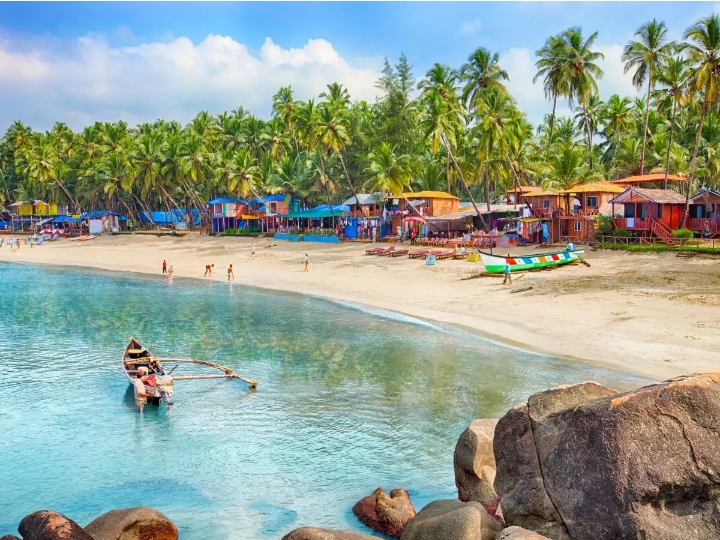
Goa is one of the cheapest country to visit. Alcohol is also very cheap here. You can have unlimited fun and crazy party all night and can even return with full pocket. The best time of the year to visit is October to March. Must visit places to visit is Calangute Beach, Fort Aguada, Dudhsagar falls, Anjuna beach. Goa is also known for its cruise and its water sports. You can check many websites for price. Average 4 days/ 3 Nights will cost you around 12,000 per adult on twin sharing with many amenities.

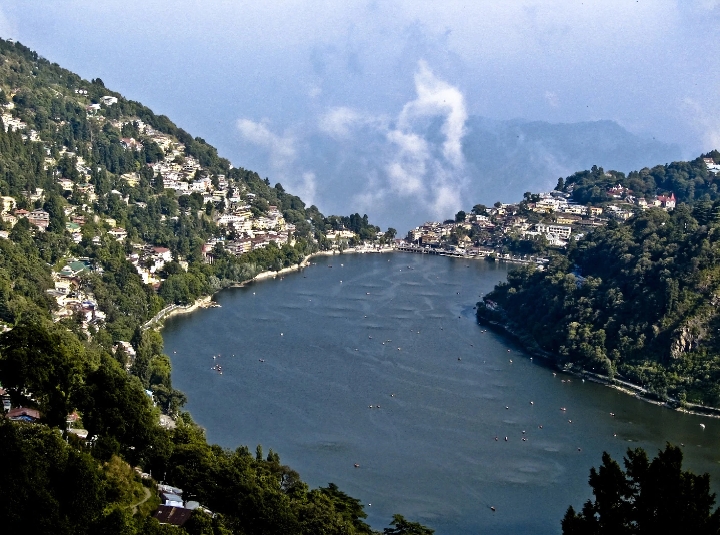
2) Nainital, uttarakhand

Nainital is famous for its misty lakes and mountains. Nainital is very beautiful hill station. It is also known for its cheap hotels and meals. You can do boating here at barely any cost. The area of interest lies in its name which it has gotten from the eye shaped Lake the Naini Lake thus due to this eye shaped Lake it’s called Nainital. Must visit places include Naini Lake, Tiffin top, Snow view point, Mall road, Eco cave gardens and High Altitude zoo. Average 3 days/ 2 Nights will cost you around 4,500 Rs per adult on twin sharing with other amenities as well. It can be seen that how much affordable is this place. Best time to visit is throughout the year.

3) Udaipur, Rajasthan

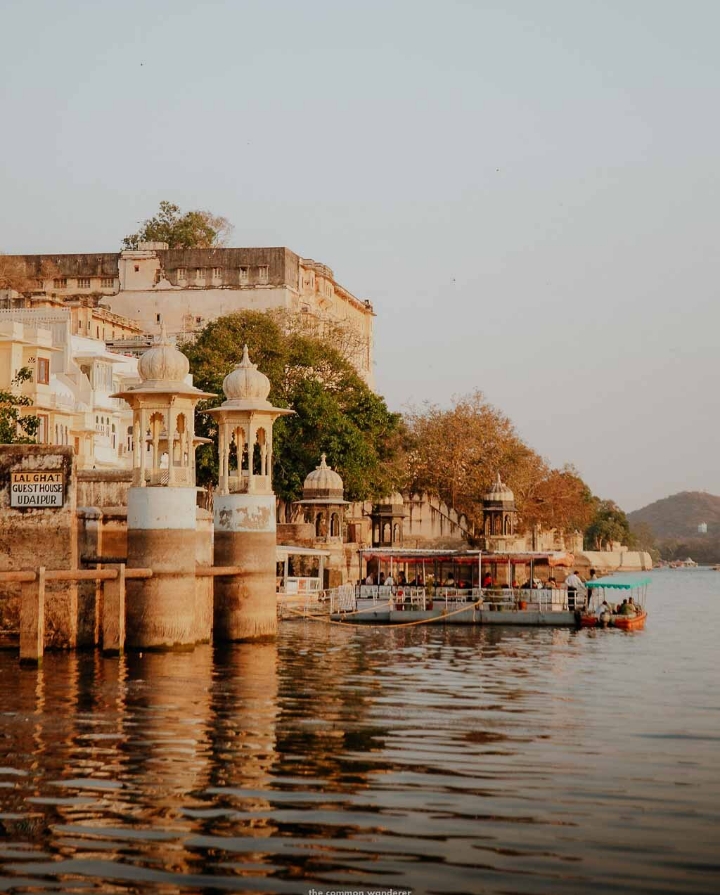
Udaipur also know as city of lakes. It is also called as Venice of East. It is also termed as jewel. It has abundance of natural beauty, awesome architecture and breathtaking temples. Must visit places include Lake pichola, City Palace, Fateh Sagar Lake, Jaisamand Lake, Sajjangarh palace, Jagdish temple. In addition to this it cost very less on average 6 days/ 5 night stay cost you around 17,700 INR per adult on twin sharing. Best time to visit is from October to March.

4) Darjeeling, West Bengal

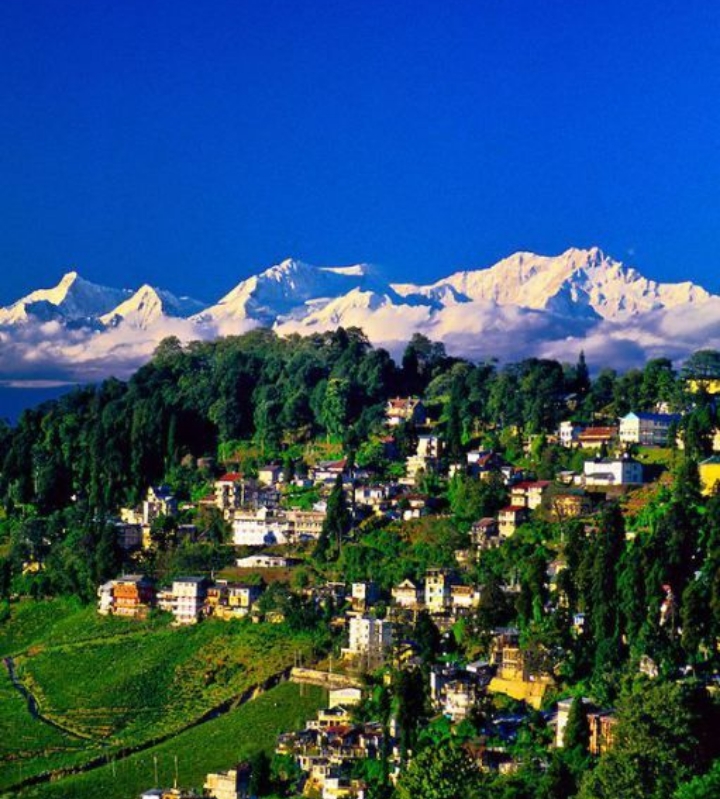
Darjeeling also know as Queen of Himalayas, has jaw dropping and mesmerizing sunrises, the breathtaking beauty of the hills, the charm of past and all those beautiful smile of beautiful people. It is one of the most appealing hill station. And all chai lovers it offers best quality chai. Hotels and lodges are at reasonable price and it’s also cheap. Must visit places include Darjeeling Himalayan railway, Tiger hill, Batasia loop, Himalayan mounteering institute, Darjeeling ropeway and Nightingale park. Average 4 days/ 5 nights will cost around 8,375 Rs per adult on twin sharing. Best time to visit is from February to March and September to December.

So these are the places that have jaw dropping and breathtaking beauty. Apart from this they are also very affordable and hence you can easily visit with low money in your pocket. You can even check rates on different websites and there you may can get offers too. Hope you all like it.

Online Classes : Boon or Bane?

Coronavirus is changing the world in unprecedented ways. COVID-19 has its impact on all segments of life. It has also strongly affected whole education system. The sudden impact of corona pandemic in our country not only affects the global economy but harshly damaged our physical, social and mental well-being. The whole education system has been suddenly shifted digitally which is a huge challenge for both the students and teachers. The education system has been turned upside down. Students tend to lose their interest in online learning and it’s very challenging for the engagement of students.  

Online education has also proven to be a boon for people who were craving for some ‘me time’ amidst this hustle of life. This could be a great time to work on getting regular sleep, regular exercise, healthy nutrition, and getting regular work hours. We can finally enjoy that hobby that we never got around to. Online classes can often be more cost-effective than traditional classes and can be done at a pace the student is comfortable with.

Advantages of Online Classes

  1.  Online classes are convenient.

The biggest advantage of an online classes is that your classroom and instructor (theoretically) are available 24 hours a day, seven days a week. Your only excuse for missing class is not getting online. Otherwise, everything is available to you. You can get announcements, access notes, review assignments, take practice quizzes, discuss questions, chat with fellow students and study any time you want. Other than certain due dates, you make your own schedule for completing the requirements of the course.

2. Online classes offer flexibility.

You can study any time you want. You can study with whomever you want. You can study wearing anything you want. Online courses give you the flexibility to spend time with work, family, friends, significant others or any other activity you like.

3. Online classes offer flexibility.

You can study any time you want. You can study with whomever you want. You can study wearing anything you want. Online courses give you the flexibility to spend time with work, family, friends, significant others or any other activity you like.

4. Online classes have financial benefits.

Although you may think that buying a computer and paying for Internet access is pretty expensive, consider what it would cost you to reach to the campus. Consider the costs of eating out versus eating at home. These are very tangible benefits of having access to education at home.

5. Online courses teach you to be self-disciplined.

Most of us put off the things we need to do until the very last moment. When it comes to education, the last moment is the worst possible moment to learn. Sometimes that lesson is learned the hard way in the form of poor performance on an exam or assignment. But ultimately, you succeed because you realize the importance of doing things on time or even ahead of time. That self-realization propels your success in an online course. No one is there looking over your shoulder to tell you to go online and study. No one is there to make you ask questions or post responses. The motivation to study in an online course comes from you. It’s something we call student-centered or active learning. The online student takes responsibility for their course of studies and matures into an individual for whom learning and accomplishment are highly valued. In short, your success depends on you.

Disadvantages of Online Classes

  1. Online classes make it easier to procrastinate.

Procrastination will chop you to bits in an online course. There is no one to tell you to get to class on time. There is no one reminding you that assignments are due or that exams are coming. It’s easy to put off reading and assignments in the online environment. Before you know it, weeks have gone by, you haven’t done any homework and its exam time.

2. Online classes require you to be responsible for your own learning.

Only you are responsible for your learning. No one can force it on you. No one can make you study. Teachers can share a little knowledge and experience, show you a few tools and hope you get it. The spark and desire to pursue your dreams must be yours. So, the real disadvantage is that you might not own up to it. You might not take responsibility for your studies and your goals. You might get way behind and never catch up.

3. Online classes require more time than on-campus classes.

Believe it or not, you will spend more time studying and completing assignments in the online environment than you will in an on-campus course. If you are sitting in a classroom, it’s likely that you’ll miss a good percentage of what the teacher says, no matter how focused you are. It’s human nature to zone out for brief periods of time. When you are reading, you will have a tendency to go back over the notes if you miss something and that takes more time. The point is that you will likely learn more in an online environment, but you will have to make a greater effort to accomplish that learning.

4. Online classes may create a sense of isolation.

In an online class, no one can hear you scream. And that causes discomfort for some online students. Studying alone with only the computer as your companion can be terrifying. There’s no whispering in the back of the room, no commanding presence at the front of the classroom pleading for everyone to listen. The online environment is a much different atmosphere that takes some getting used to.

5. Lack of communicational skill development in online students

E-Learning methods are proven to be highly effective at improving the academic knowledge of the students. However, developing the communicational skills of the students is an area often neglected during online lessons. Due to the lack of face-to-face communication between peers, students and teachers in an online setting, the students might find that they are unable to work effectively in a team setting. Neglecting the communicational skills of the students will inevitably lead to many graduates who excel in theoretical knowledge, but who fail to pass their knowledge on to others.

How to write good blog posts?


Writing a blog post is a little like driving; you can study the highway code (or read articles telling you how to write a blog post) for months, but nothing can prepare you for the real thing like getting behind the wheel and hitting the open road. Or something.

“Wait for it… wait for it… BASS DROP.”

Now that I’m done thoroughly mangling that vague metaphor, let’s get down to business. You know you need to start blogging to grow your business, but you don’t know-how. In today’s article, I’ll show you how to write a great blog post in five simple steps that people will actually want to read. So let’s get started:-

  • Step 1- Planning
          First, a disclaimer – the entire process of writing a blog post often takes more than a             couple of  hours, even if you can type eighty words per minute and your writing skills           are sharp. From the seed of the idea to finally hitting “Publish,” you might spend                   several days or maybe even a week “writing” a blog post, but it’s important to spend             those vital hours planning your post and even thinking about your post (yes, thinking             counts as working if you’re a blogger) before you actually write it.

        Long before you sit down to put digital pen to paper, you need to make sure you                    have everything you need to sit down and write. Many new bloggers overlook                       the planning process, and while you might be able to get away with skipping the                  planning stage, doing your homework will actually save you time further down the                  road and help you develop good blogging habits.

  • Step 2- Writing a Great Headline

         Everyone and their grandmother have an opinion about headlines. Some say you                   should be as specific as possible (to avoid misleading your readers and manage their             expectations), while others recommend taking a more abstract approach. Vague                     headlines might work just fine if you’re Barkha Dutt, but for most of us, being                       specific is better. There are two main approaches you can take to writing blog post                 headlines. You can either decide on your final headline before you write the rest of                 your post (and use your headline to structure your outline), or you can write your blog           post with a working title and see what fits when you’re done.

  • Step 3- The Writing Part

         So, you’ve done your research, settled on a headline (or at least a working title), and             now you’re ready to actually write a blog post. So get to it. Similarly to headlines,                 there are two main approaches to writing a blog post. You can either sit down and                 write an entire draft in a single sitting (my preferred workflow), or you can chip away           at it gradually over time. There is no right or wrong answer here – only whatever                   works for you. However, I’d recommend getting as much done in one session as                   possible. This makes it easier to stay focused on the topic, minimizes the chance that             you’ll forget crucial points, and also lets you get the damned thing out of your hair                 faster.

  • Step 4- Using Image Effectively 

         Writing for the web is an entirely different animal than writing for print. Oftentimes,             people simply don’t have the time, will, or ability to focus on lengthy blog posts                   without some visual stimulation. Even a well-formatted blog post consisting solely of           text is likely to send your reader screaming back to Reddit or Twitter within minutes,             which is why it’s so important to include images in your posts.

  • Step 5- The Editing Part

         Actually writing a blog post is hard. Editing a blog post is harder. Many people                     mistakenly assume that editing is simply striking through sentences that don’t work or           fixing grammatical errors. Although sentence structure and grammar are both very                 important, editing is about seeing the piece as a whole and, sometimes, being willing             to sacrifice words (and the hours it took to write them) for the sake of cohesion.

Lastly one should always express his thoughts in his blogs as the blog will reflect the writer’s personality. Follow all the points and I can bet that you’ll definitely ace at writing blogs.

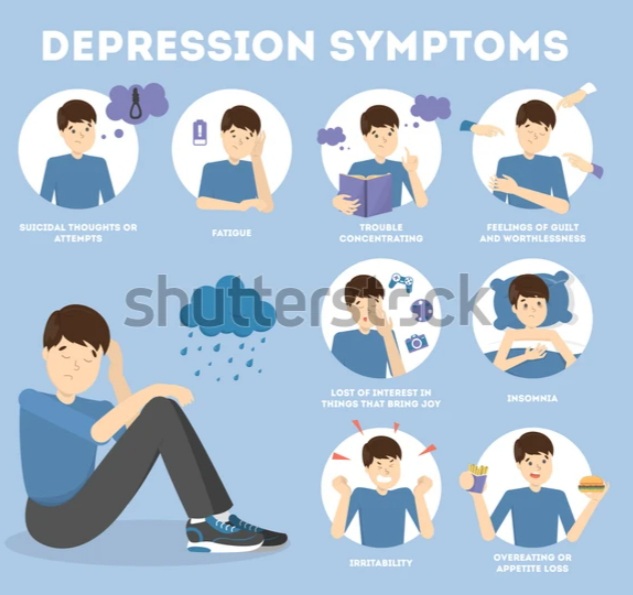
Depression

Depression and anxiety are very common problem these days starting from teenager to elderly adults anyone and everyone can face this at any point in life and they equally affect us as any physical disease does, many people don’t take mental health seriously but it is outmost necessary to do so. Here are a few simple daily habits which will help you to deal with depression:

  1. Stay away from negative thoughts, and always try to focus on the filled part of the glass and try not to worry about the empty.
  2. Practice meditation regularly it helps to calm one’s mind and helps in relaxing the brain.
  3. Try to stay out from field where you feel irritated and also do try ignoring unnecessary mess.
  4. Physical exercising is a must for a healthy mind as it keeps the body fit and also helps keeping negativity away.
  5. The physical environment where one spends time and the company of people with which one spend time also plays a key role in determining the and dealing with depression issues.
  6. One must also take care of the diet, consuming fresh fruits and vegetables are highly recommended and one must take care that proper diet is consumed.

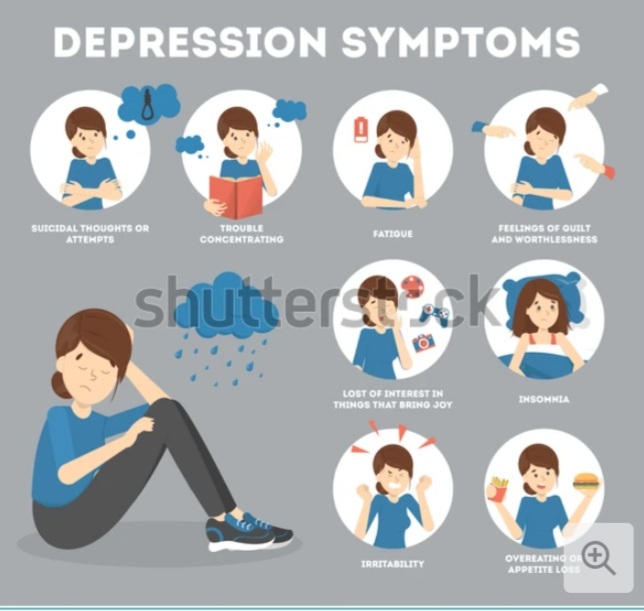
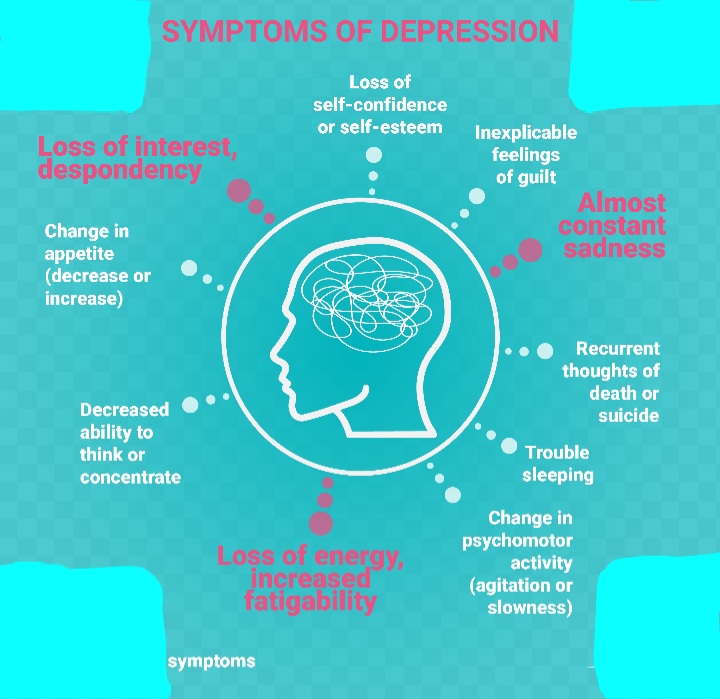
Depression symptoms :

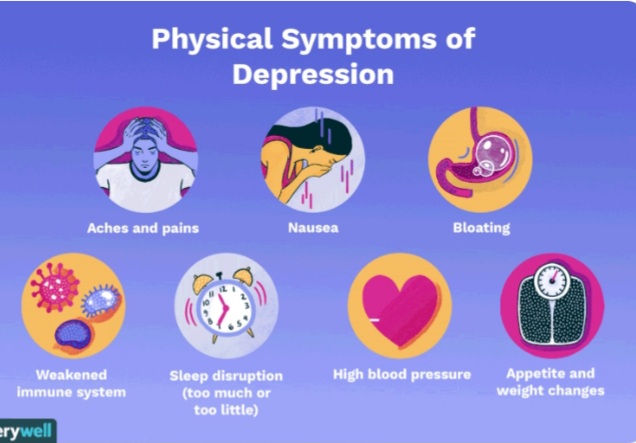
Depression can be more than a constant state of sadness or feeling ” blue”. Major depression cane cause a variety of symptoms. Some affect your mood, and others afect your body. Symptoms may also be onging or come and go. The symptoms of depression can be experienced differently among men, women and children differently.

Men may experience symptoms related to their:

* Mood, such as anger, aggressive, irritability, anxiousness, restlessness.

* Emotional well- being such as feeling empty, sad, hopeless.

* Behavior, such as loss of interest, no longer finding pleasure in favorite activites feeling tired easily , thiughts of suicide, drinking- execessively , using drugs, engaging in high- risk activities.

* sexual interest, such as reduced sexual desire, lack of sexual performance

* cognitive abilities , such as inability to concentrate, difficulty completeing tasks, delayed responses during- conversations.

* sleep patterns, such as insomina, restless slepp, excessive sleepiness, not sleeping through the night.

* physical well- being, such as fatigue, pains, headache, digestive problems.

Women may experience symptoms related to their:

* mood, such as irritability

* emotional well- being, such as feeling sad or empty, anxious or hopless.

* congnitive abilities,such asthinking or talking more slowly

* behavior, such as loss of interest in activities, withdrawing from social engagements, thoughts of suicide

* sleep patterns, such as difficultu sleeping through the night, waling early, sleeping too much.

* physical well- being, such as decreases energy, greater fatigue, changes in appetite, weight changes, aches,pain, headaches, increased cramps.

Children may dxperiences symptoms related to their :

* mood such as irritability, anger, mood swings, crying.

* emotional well- being, such as feelings of incompetence or despair, crying, intense sadness

* behavior, such as gettkng into trouble at school or refusing to go to school, avoiding friends or siblings thoughts of death or suicide.

* cognitive abilities, such as difficulty concentrating, decline in school performance, changes in grades.

* sleep patterns, such as difficulty sleeping or sleeping too much

*physical well- being, such as loss of energy digestive problems, changes in appetite, weight loss or gain.

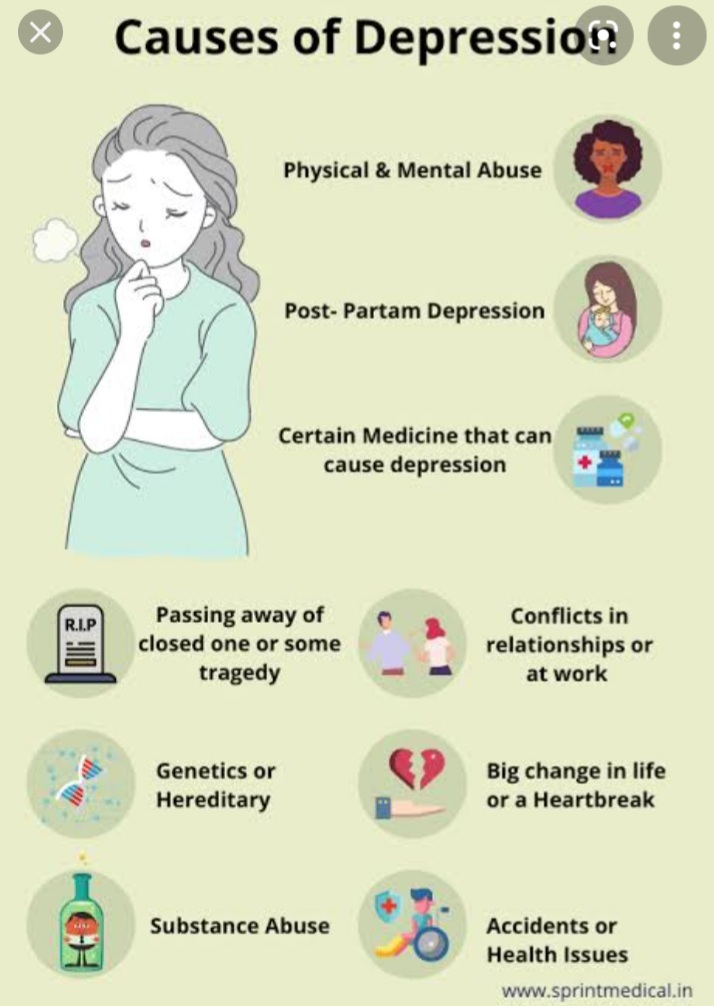
Depression causes :

There are several possible causes of depression. They can range from biological to circumstantial.

Common causes include ;

* Family history :

You’re at a higher risk for developing depression if you hace a family history of depression or another mood disorder.

* Early childhood trauma :

Some events affect the way your body reacts to fear and stressful situations

* Brain structure :

There’s a greater risk for depression if her frontal lobe of your brain is less active.

* Medical conditions :

Certain conditions may put you at higher risk, such as chronic illness, insomia, chroinc pain or attention- deficit hyperactivity disorder

* Drug use :

A history of drug or alcohol misuse can affect your risk.

Many factors can influence feelings of depression, as well as who develops the condition . The causes of depression are often tied to other elements of your health. Depression can be linked with to other health problems, your healthcare provider may also conduct a physical examination and order blood work.

Types of depression :

Depression can be broken into categories depending on the severity of symptoms. Some people experience mild and temporary episodes, whike other experience severs and ongoing depressive episodes.

There are two main types. Major depressive disorder and persistent depressive disorder .

Major depressive disorder :

Major depressive disorder is the more severe form of depression. It’s characterized by persistant feelings of sadness, hoplessness and worthlessness that dont’t go away on their own.

Persistent depressive disorder :

Persistent depressive disorder ( pDD) used to be called dysthymia. It is a milder, but chronic, form of depression.

It’s common for people with PDD to

* lose interest in normal daily activites.

* feel hopless

* lack productivity

* haveclow self- esteem

Depression can be treated successfully, but it’s important to stick your treatment plan.

Treatment for depression :

Living with depression can be difficult, but treatment can help improve your quality of life. Talk to your health care provider about possible options. You may successfully manage symptoms with one form of treatment ,or may find that a combinations of treatment works best.

Ideal student

An ideal student is one who is good at skills and an motivation to everyone in the class. Schooling is one of the best blessings that a child can have. It is one of the best feelings which no others can have.

The ideal student is the one who respects others feelings and who will be obedient in many of the situations.

The student’s relation with the teacher is a great one. A student must maintain a healthy relationship with the teachers. Teachers play a very important role in making the student perfect and make them to understand the need of the situation. Teachers help the students to reach their desired goals and in any situation teacher motivates a student to get up and stand in all the ups and downs. Like that of the mother and the father, the teacher also feels equally happy when their student acheives high in their life and when they reach their desired goals.

An ideal student will never feel low at the failures. Instead, they will take their mistakes as an experience and will continue the hard work.

Some of the qualities that make an ideal student are :

  1. Hard work
  2. Discipline
  3. Taking responsibility
  4. Maintaining friendly relationships
  5. Respecting everyone
  6. Raising diubts without features.

SOME QUALITIES THAT MAKE AN IDEAL STUDENT FOR KIDS :

  1. • Ideal student traits make him uniqu, anong others.
    • It is believed that an ideal student will never waste his time and energy on non- productive things.
    • The ideal student has inborn winning qualities.
    • Ideal students will always goal- oriented. Thys, they play according to actions to reach their goals.
    • It is proven that ideal students will punctual in school and always on time regularly.
    • He respects everyone. He also obeys their instructions and others.
    • Ideal students are not bookwarms. They keenly observe and read wisely.
    • Ideal students take his studies with all seriousness. They dont’t allow any other activites to disturb them
    • Ideal students always seek the teacher’s guidance. Also, they believe in the knowledge of their teachers.
  2. SOME QUALITIES THAT MAKE AN IDEAL STUDENT FOR SCHOOL STUDENTS :
  1. • Ideal students are always thirsty to gain knowledge.
  2. • They always strive to reach their goals
    • Ideal students always dedicated to their education and work.
    • Ideal students behave well and very attentive in classes. They always listen to their teachers while classes are going on
    • They never hesitate to raise their doubts about studies if they feel some difficulty in understanding.
    • one of the best things about ideal students is that they are very friendly. Also, they help yo his friends regarding studies.
    • Ideal students are creative and think out of the box for any completion of tasks.
    • He always inspire eveyone and attracts the teachers and elders easily.
    • Ideal students are very responsible and underdtand the value of every wird from their elders.
  3. SOME QUALITIES THAT MAKE IDEAL STUDENT FO HIGHER CLASS STUDENTS :

• Ideal students are always fit both physically and mentally.
• Ideal students can differentiate between what is right and what is wrong .
• Ideal students always keep friendly relations with othet students even though he has many competitors
• He always maintains his promise and never feels proud of his awards and achievements.
• Ideal students will nevet trust in superstitions, but believe beliefs. It is because they think very logically abd ratinally.
• An ideal students tries to improvr in all aspects of his life and to reach goals.
• Ideal students show affection and respect towards their elders and parents.
• Ideal students read a lot of books.
• The ideal students will take responsibility for their society and country.
• An ideal student will never look fir shortcuts. They believe that hard work is the only way to succeed in life.


In simple terms, an ideal students is science towards academics and maintains friendly relations with teachers and elders. Aldo, an ideal student will have leadership and communication skills.
The role of an ideal student is both attentibe and punctual in duties. He goes to his school, college or university in time. He attends the classes on regular basis .