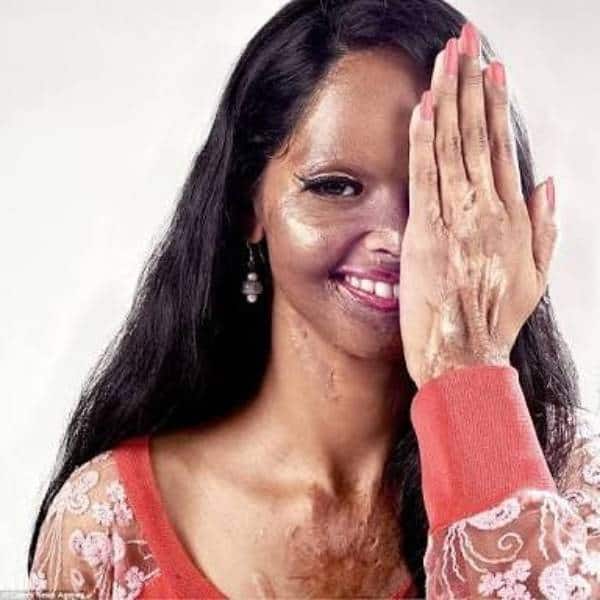
A Survivor : The Story of Lakshmi Agarwal

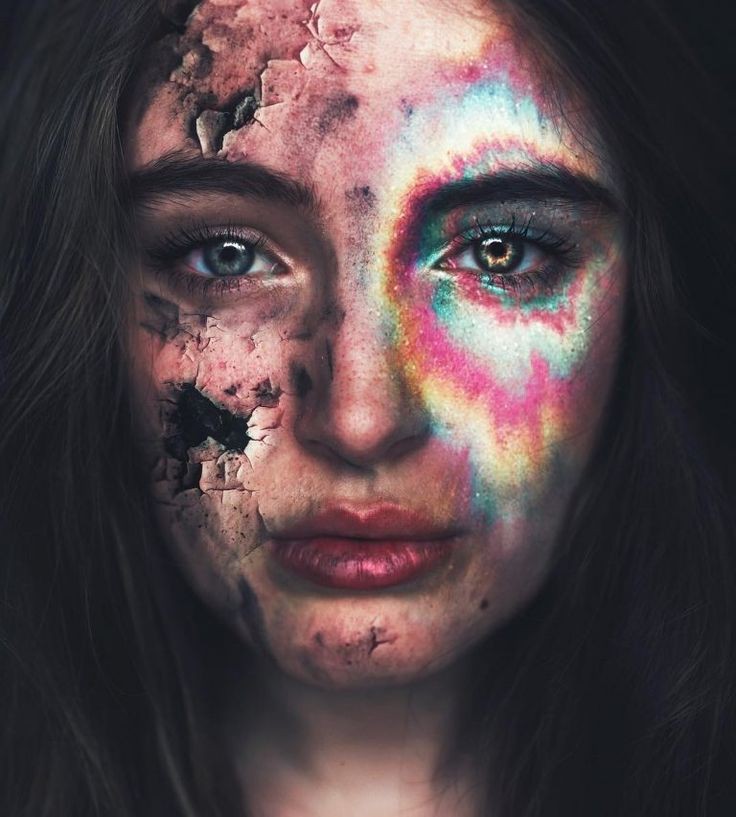
She was just a 15 year old girl . A girl , full of life . But what happened to her .

It’s her story . A story of a survivor.

She was powerful not because she wasn’t scared but because she went on so strongly, despite the fear.”

– Atticus

At the age of 15 , when a girl or a boy makes happy memories and learn about life . She was attacked in the market full of people . She was attacked because she rejected an old jerk of 32 years old.

A 32 year old proposed a marriage proposal to a 15 year old girl , who lives near the neighborhood. She ignored and rejected him and he planned an acid attack .

Her name is Lakshmi Agarwal , she was attacked at the age of 15 in 2005 in New Delhi after rejecting the romantic advances of Naeem Khan . She didn’t inform anyone about the scenario because she believed her parents and society would have blamed her and stopped her study .
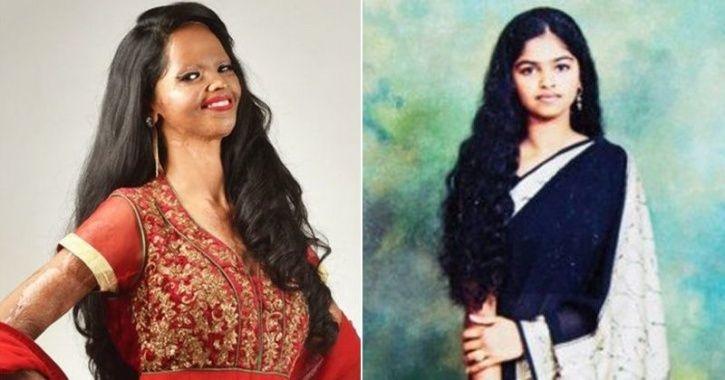
After 10 months , Lakshmi was in the market and Naeem asked her again through message about the marriage proposal but she didn’t respond . And in no time , Kamran (Naeem’s older brother ) and his girlfriend attacked her with acid . He was in the motorcycle and his girlfriend Rakhi threw acid on Lakshmi , when Kamran called her name and she looked behind for response.

She fainted on the road and when she regain consciousness she went middle of the road asked for help and met with multiple accidents but no one stopped to help her . She was burning in fire and her skin was melting.

A man named Arun Singh called PCR and told police about the situation . Someone threw water to help her but it turned out opposite and the acid burnt her neck . Arun think it might be late , so he helped her on the backseat of his car , later the seat cover turned into black hole due to the acid .

Arun admitted her in the hospital , called police and her family . Lakshmi went through many surgeries and operations including eye surgery. Four days later Naeem Khan got arrested but was bailed after a month later .

Protests and media attention.

After many protests and media attention Naeem got life imprisonment .

Lakshmi’s story was one of the series in the Hindustan Times. Lakshmi was scared after the attack because most of her face and body parts were not same as before . But she didn’t loose hope ,she fought for justice , asked for help for the victims of acid attacks and pleaded the law for the ban on sale of acid.

Meanwhile government failed to frame policies on acid sale and chemical attacks .

Seriousness is not seen on the part of the government in handling the issue,” the bench headed by Justice RM Lodha.
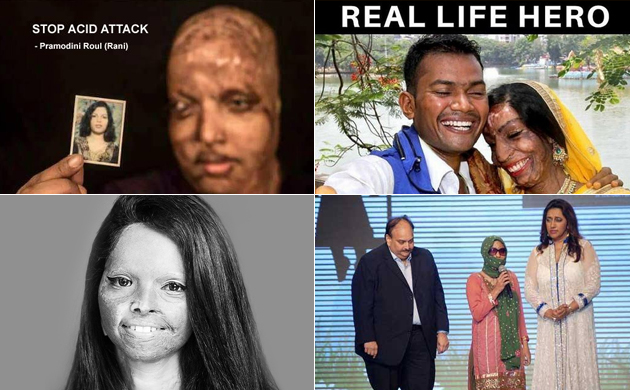
In 2013 , the plea of Agarwal was heard and later claims that “ Acid is freely available in shops. Our own volunteers have gone and purchased acid easily. In fact, I have myself purchased acid,” she said. “We have launched a new initiative called ‘Shoot Acid’.

After , the law passed by Supreme court . Lakshmi founded NGO named Chhanv Foundation to help acid attack survivors in India.

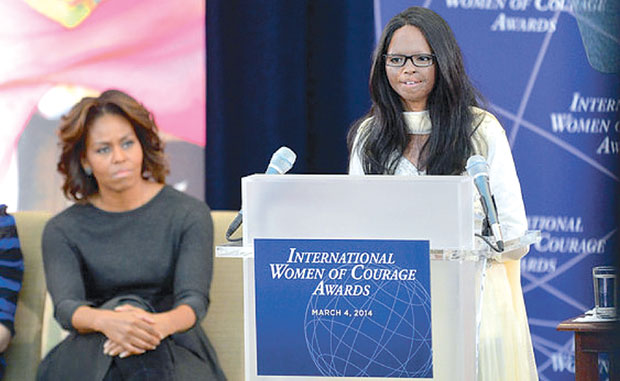
In 2019, she was honored with the International Women Empowerment Award from the Ministry of Women and Child Development, the Ministry of Drinking Water and Sanitation and UNICEF for her campaign of Stop Acid Sale. In 2014, she received the International Women of Courage award at the hands of First Lady Michelle Obama.
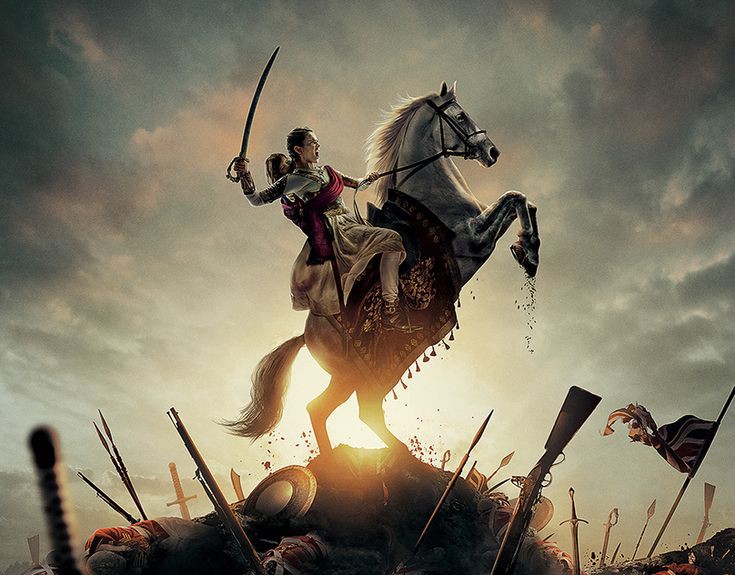
And the movie Chhapaak is based on her life and stars Deepika Padukone in her role.

“And one day she discovered that she was fierce, and strong, and full of fire, and that not even she could hold herself back because her passion burned brighter than her fears.”

– Mark Anthony

Link

Lifestyle.

Lifestyle often refers to:

Lifestyle (sociology), the way a person lives
Otium, ancient Roman concept of a lifestyle
Style of life, dealing with the dynamics of personality.

Lifestyle is the interests, opinions, behaviours, and behavioural orientations of an individual, group, or culture. The term was introduced by Austrian psychologist Alfred Adler in his 1929 book, The Case of Miss R., with the meaning of “a person’s basic character as established early in childhood”. The broader sense of lifestyle as a “way or style of living” has been documented since 1961. Lifestyle is a combination of determining intangible or tangible factors. Tangible factors relate specifically to demographic variables, i.e. an individual’s demographic profile, whereas intangible factors concern the psychological aspects of an individual such as personal values, preferences, and outlooks.

But why does everyone wants a good standard of living life. As in this is a mental tandancy human wants are unlimited. And the resources are scarce but that doesn’t matter the thing is lifestyle as all of us want to live a good life eat what we want Live where we want and spend the whole money where we want to the best.

Lifestyle may also refer to:

*Lifestyle business, a business that is set up and run with the aim of sustaining a particular level of income.
*Lifestyle center, a shopping center or mixed-used commercial development that combines the traditional retail functions of a shopping mall with leisure amenities.
*Lifestyle (department store), a retail fashion brand which is part of the Dubai-based Landmark Group.

And many more, but all this centers, businesses offers the best for an individual’s lifestyle.

SPACE-TIME-GRAVITY

Gravity is the curvature of space time-

According to Albert Einstein’s general theory of relativity, gravity is no longer a force that acts on massive bodies, as viewed by Isaac Newton’s universal gravitation. Instead, general relativity links gravity to the geometry of spacetime itself, and particularly to its curvature.

In classical physics, time proceeds constantly and independently for all objects. In relativity, spacetime is a four-dimensional continuum combining the familiar three dimensions of space with the dimension of time.

To account for gravity in relativity, the structure of this four-dimensional spacetime must be extended beyond the rules of classical geometry, where parallel lines never meet and the sum of a triangle’s angles is 180°. In general relativity, spacetime is not ‘flat’ but is curved by the presence of massive bodies.

This artistic representation visualises spacetime as a simplified, two-dimensional surface, which is being distorted by the presence of three massive bodies, represented as coloured spheres. The distortion caused by each sphere is proportional to its mass.

The curvature of spacetime influences the motion of massive bodies within it; in turn, as massive bodies move in spacetime, the curvature changes and the geometry of spacetime is in constant evolution. Gravity then provides a description of the dynamic interaction between matter and spacetime.

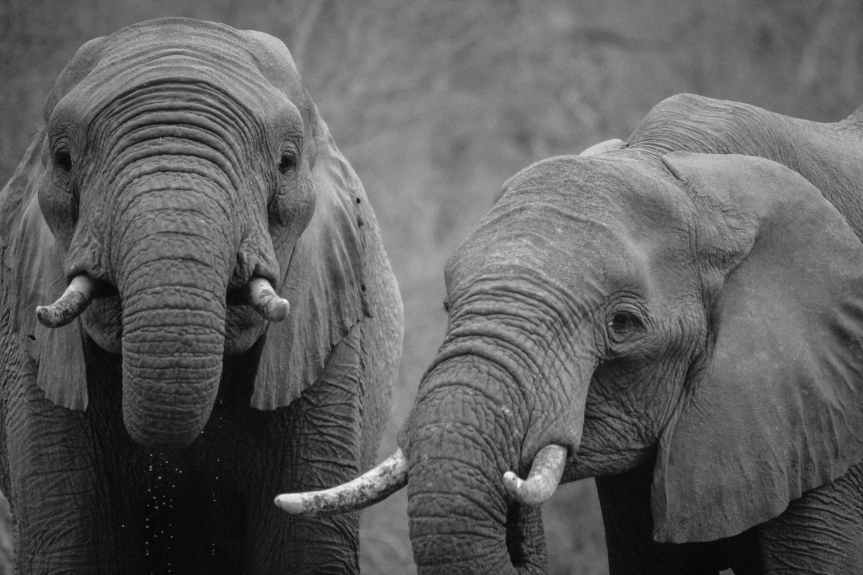
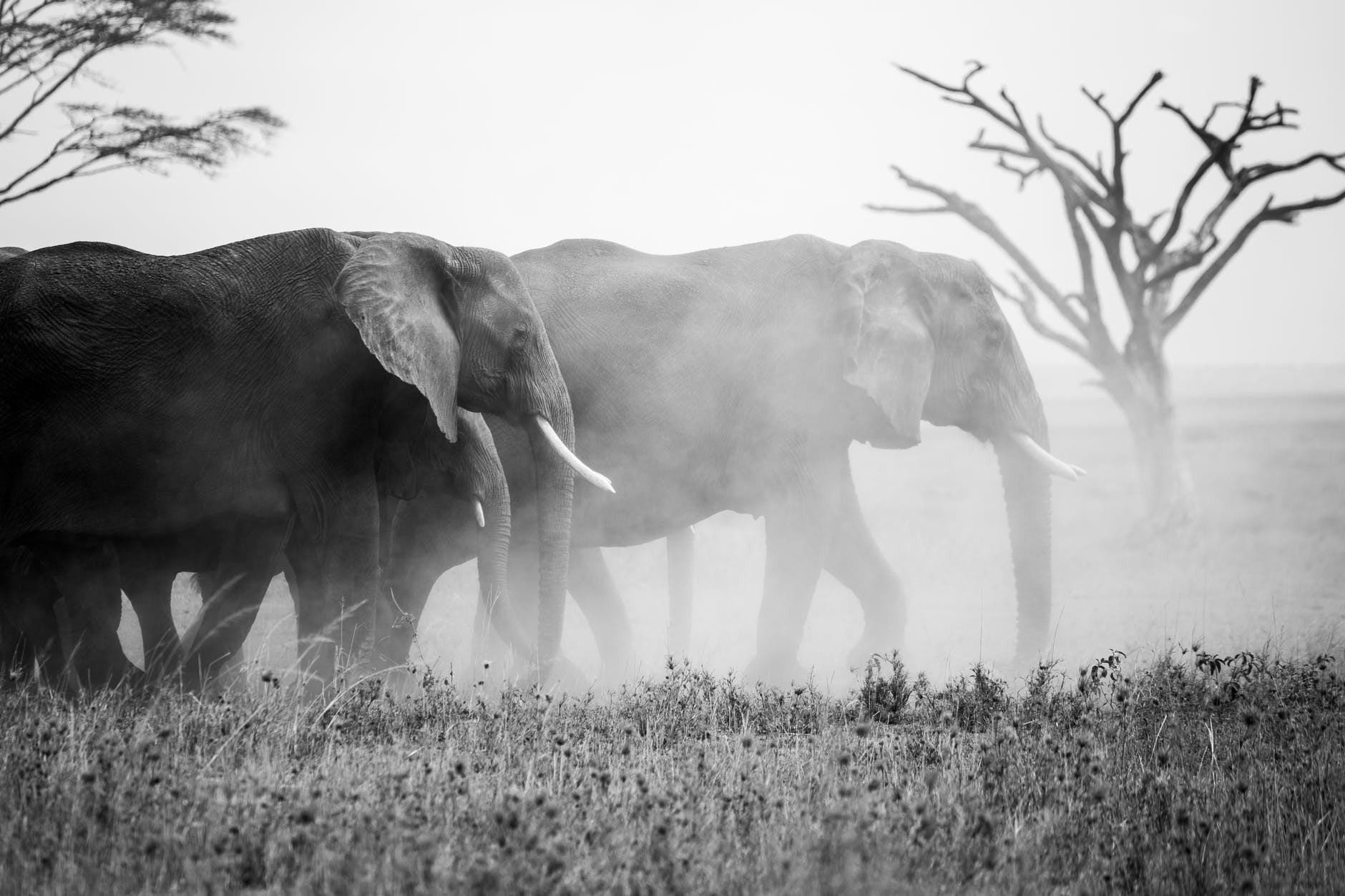
Behind every ivory trinket-is a dead elephant?

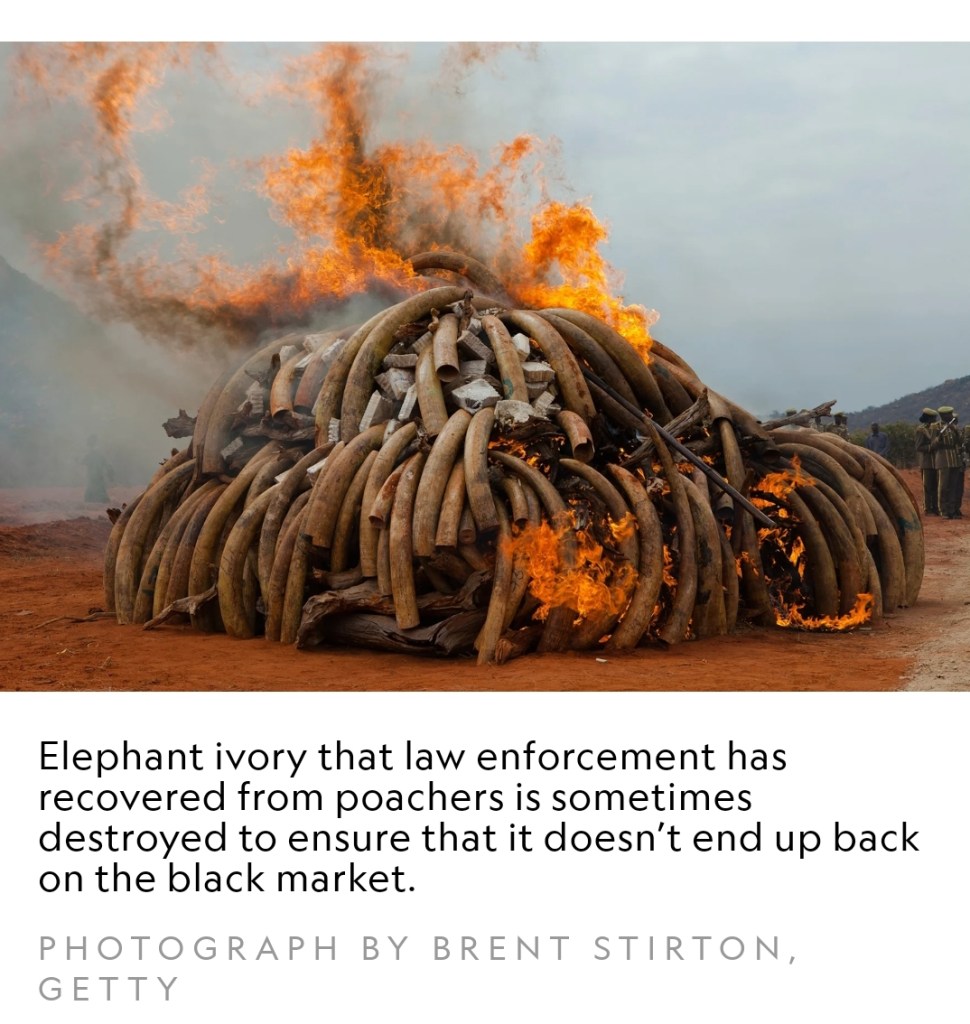
It is distressing to see the plight of the tusk-bearing animals these days. Numerous news headlines are daily highlighting the illegal smuggling of ivory. The extortionate value and demand of the ivories are not only in India, but also in the international markets. Wild animals are mercilessly being poached on a massive scale, possessing a major existential threat to wildlife. But do we really care or do enough to stop this inhumane and selfish act?

Let us first understand the connotation of the word ‘poaching’.

Poaching, in simple words, is the illicit act of killing, shooting, hunting or capturing of animals. The aim of this illegal act is mainly for the purpose of trade of animal products like skin, teeth, horn, bone, etc. Poaching plays a decisive role in being a contributor to biodiversity loss. Due to this felonious act, the number of extinctions has increased dramatically over the past decades. It is necessary to understand that poaching is not only about the uncontrolled killing of protected animals or endangered animals but any unlawful killing of animals.

Smuggling of elephant tusks

In India, poaching of elephants is very common and a major challenge to be combated. Ivory trade is in high demand mostly in the Asian countries. About 20,000 elephants are mercilessly killed every single year for their tusks. These ivory tusks are then smuggled in the international markets to eventually end up as ivory trinkets.

Ivory trade has been in practise for millennia. In the 14th century BCE, the exportation of ivory and slaves from Africa and Asia were done extensively. The freshly captured slaves along with the tusks were sold. The ivory was then used to make ornaments and aesthetically pleasing commodities.

On July 6, 2016, a complete ban on commercial trade in African elephant ivory went into effect in the United States. The African elephant population has decreased dramatically. Near about 350,000 elephants are left in Africa, as per 2019 data. It is quite shocking to know that 10,000 to 20,000 elephants are slain every year. Elephant numbers have dropped by 62% over the last decade, and if not brought under control, then they’ll be extinct by the end of the next decade.

Major countries where these tusks are sold

China is the biggest consumer market for ivory products. However, a ban was enforced on ivory trade by China in the year 2017. But it is evident that ivory is in high demand in many countries. Illegal selling of ivory is still rampant. In the year 2011, a whopping amount of 100kg of ivory was seized by Tanzanian officials. That same year several countries including Tanzania and Kenya seized a total of 17 ivory shipments weighing 800 kg.

According to surveys and in-depth interviews the demand for ivory is known to be concentrated in: China, Thailand, Vietnam, the Philippines, and the United States.

Last year, about 8.8 tonnes of ivory items were seized in Singapore.


The adverse effects of tusk-removal on the elephants

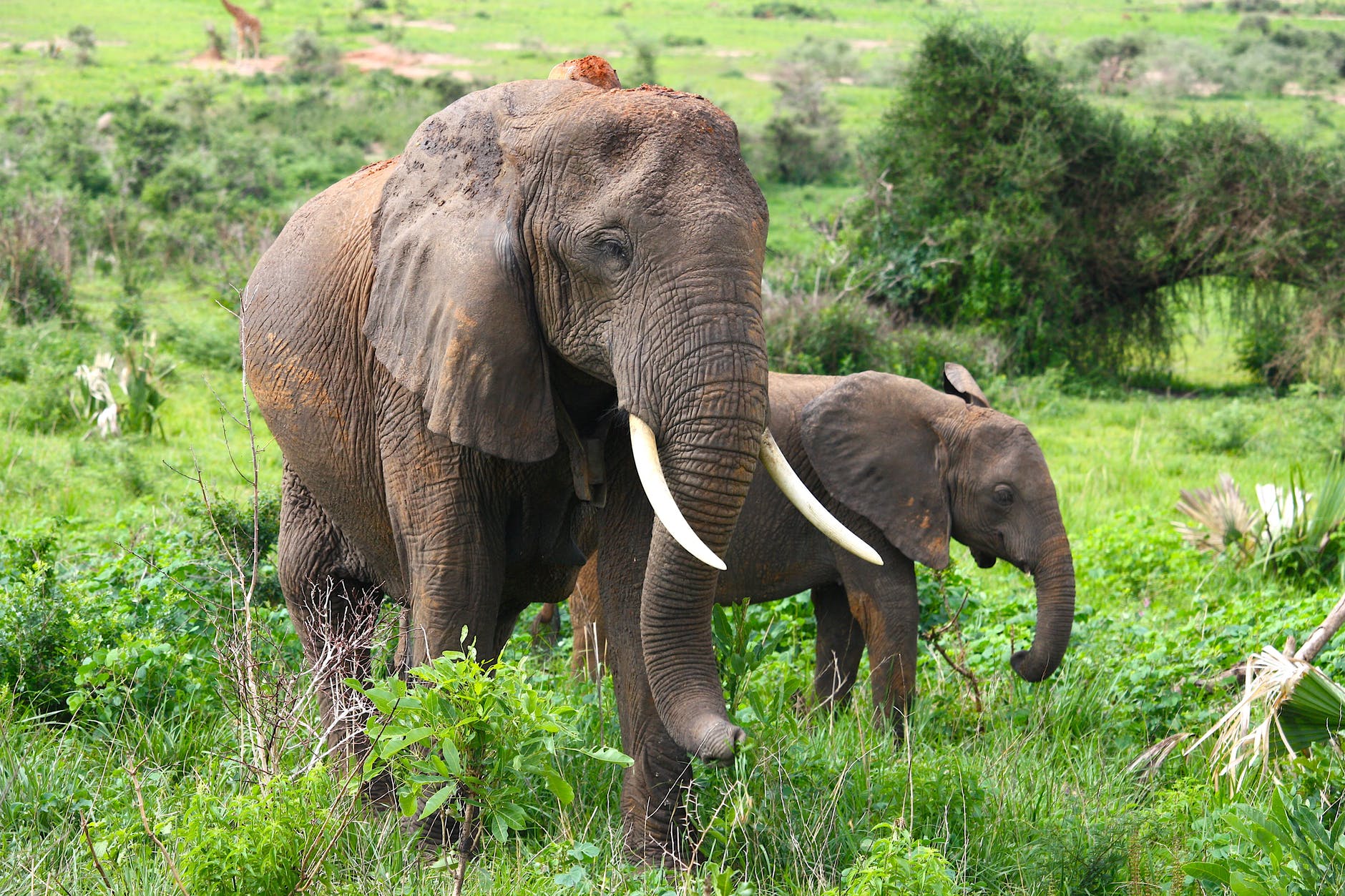
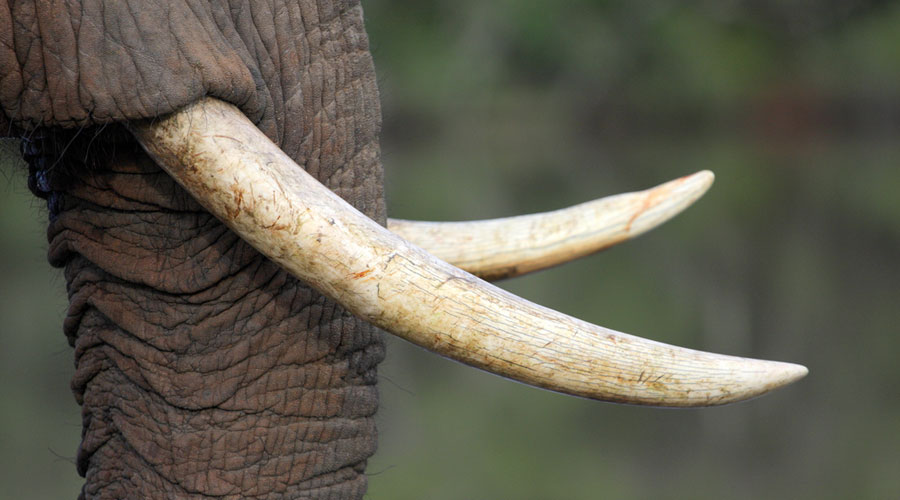
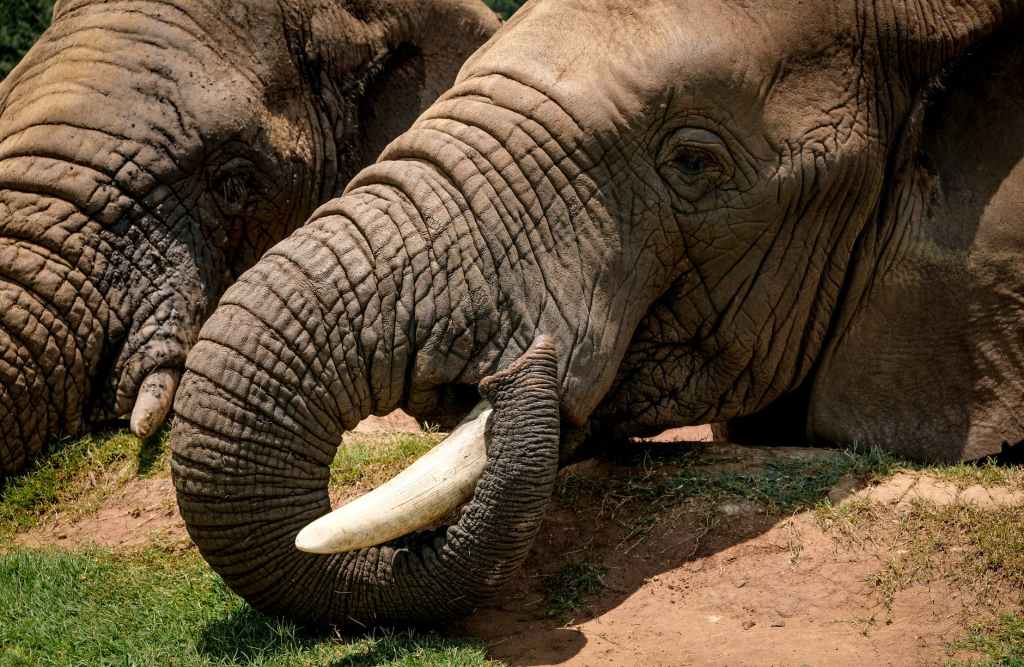
I am sure that we have all seen the majestic elephants flaunting big, off-white tusks on either side of their trunks. These tusks are both beautiful on the elephant and of utmost importance in the species’ survival.

Many poachers claim that there are no after effects of tusk-removal. Either the elephants are killed or sedated before removing their beautiful tusks.

An elephant’s tusk is deeply embedded in its skull. When the tusks are removed, there is a big hole left afterwards. The hole is big enough to stick your arm into it. If the tusks are removed at the point where it protrudes from the head, the nerve is exposed. Either way, now the wound is open and vulnerable to all sorts of infection. So, even though the elephant remains alive it is still at risk. Now, suppose there is an ivory poacher. Any poacher will want as much ivory as he can acquire with as little risk as possible. If he opts for the removal of the tusk completely, he/she will have to completely sedate or kill the elephant, because of little time and the fear of getting caught.

But is it just the elephants?

The answer is a ‘Big No’. Ivory has been valuable since ancient times in art and manufacturing a range of items and artefacts. Though elephant ivory is the most important source, ivory of walruses, mammoth, killer whale, sperm whale, hippopotamus, narwhal and warthog are used as well.

The international and national trade of ivory of threatened species such as African and Asian elephants is illegal.

Read about ivory trade and other tusk bearing species at- https://en.m.wikipedia.org/wiki/Ivory_trade#:~:text=The%20ivory%20trade%20is%20the,resulting%20in%20restrictions%20and%20bans.


SOME ATTRACTIONS OF ISTANBUL-TURKEY

The incredible Istanbul

Istanbul is the main attraction of Turkey. Istanbul is the center of this country for its culture,economic status and history. Also Istanbul is the capital city. According to history , in 657 BCE , Istanbul was founded as Byzantion by Megarian colonists. Later it became Istanbul .

Galata tower

Istanbul is a country which is covered by empires across the centuries and stands in both Europe and Asia. It is one of the most popular travel spots in the World. Some popular and attractive tourist spots are- Aya Sophia, Topkapi Palace, Basilica Cistern, Blue Mosque,Istanbul Archaeology Museum, Hippodrome,Süleymaniye Mosque,Grand Bazaar,Spice Bazaar,Chora Church,Dolmabahçe Palace,Little Aya Sofya,Museum of Turkish and Islamic Arts,Rüstem Pasa Mosque,Yedikule Fortress,Galata Tower,Carpet Museum,Fatih Mosque,Pera Museum,Istiklal Caddesi and Taksim,Üsküdar and most popular Cappadocia hot balloon.

Let’s be introduce with some of them-

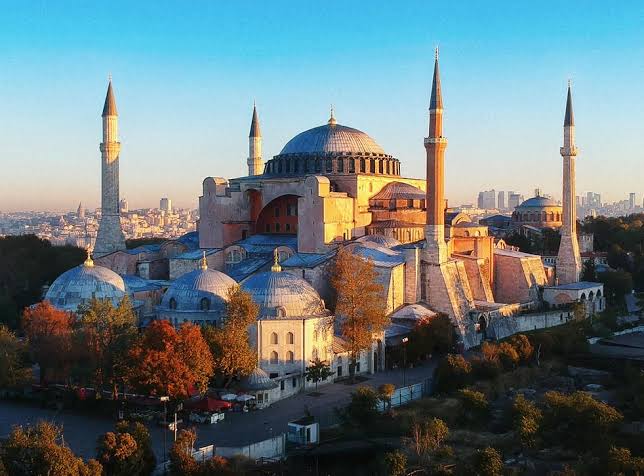
Aya Sofya or Hagia Sophia

Aya Sofya or Hagia Sophia

According to history in AD 536, for the 1st time  when the Byzantine Emperor Justinian entered his finished church, he cried out “Glory to God that I have been judged worthy of such a work. Oh Solomon, I have outdone you!” Aya Sofya or Hagia Sophia means ‘holy wisdom’. It is a domed monument of Constantinople (6th century AD). It was the emperor’s swaggering statement to the world of the wealth and technical ability of his empire. Tradition maintained that the area surrounding the emperor’s throne within the church was the official center of the world.

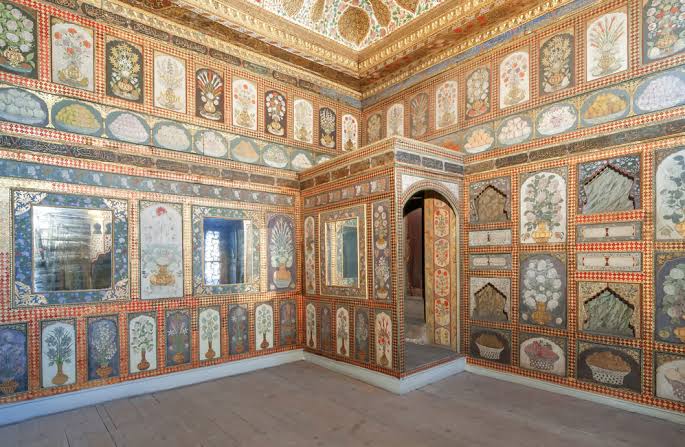
 Topkapi Palace 

The Topkapi Palace is a large museum in the east of the Fatih district of Istanbul in Turkey, there are the imperial collections of the Ottoman Empire and maintains an extensive collection of books and manuscripts in its library.

Topkapi Palace

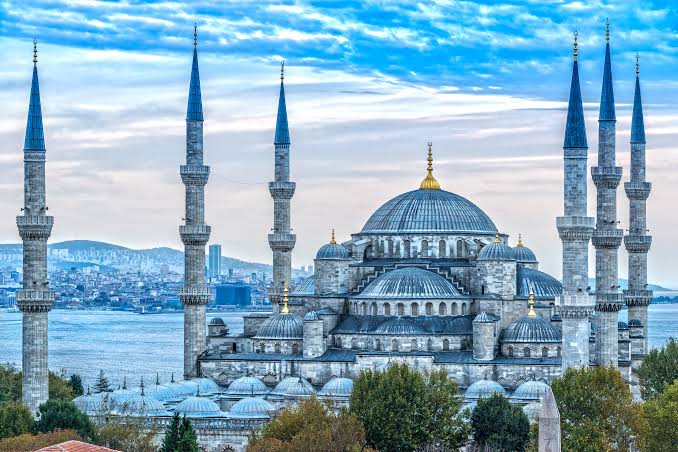
The Blue Mosquewhich

The Blue Mosquewhich

The Blue Mosquewhich is called Sultanahmet Camii in Turkish is an historical mosque in Istanbul .For the blue tiles surrounding the wall  it is known as Blue Mosque. It was situated between 1609 and 1616 years, like many other mosques, it also comprises a tomb of the founder, a madrasa and a hospice.

The Basilica Cistern

The Basilica Cistern

The Basilica Cistern is the largest among the ancient cisterns beneath the city which provided a water filtration system for the nearby buildings. This underground chamber measures approximately 138 meters (453 ft) by 64.6 meters (212 ft) and is capable of holding 80,000 cubic meters (2,800,000 cu ft) of water. The ceiling is supported by 336 marble columns.

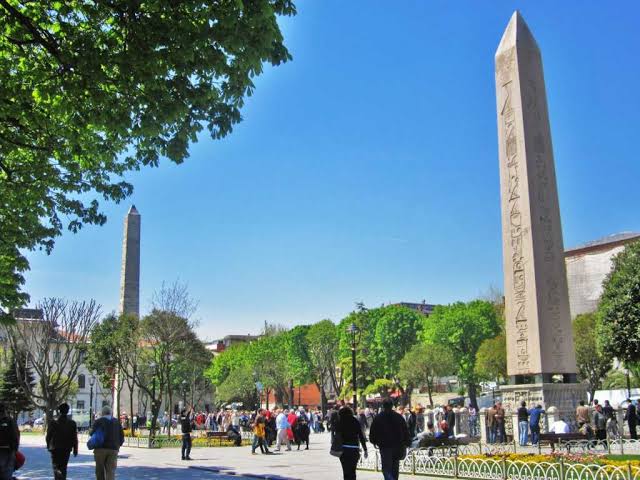
The Hippodrome

The Hippodrome

The Hippodrome’s name comes from Greek word hippos(horse) and dromos(course). It was an ancient Greek stadium for horse racing and chariot racing. But in present day  there isn’t much of the Hippodrome left to see, except for a small section of the gallery walls on the southern side, but the At Meydani (park), which now stands on the site, is home to a variety of monuments.

Archaeology Museum

Archaeology Museum

The Istanbul Archaeology Museums are a group of three archaeological museums which are  located in the Eminönü quarter of Istanbul, Turkey, near Gülhane Park and Topkapı Palace. The three museums are- in the main building the Archaeological museum, Museums of the Ancient Orient and Museum of Islamic Art.

Grand Bazaar

Grand Bazaar

In Istanbul, the Grand Bazaar is one of the largest and oldest covered markets in the world. It has a total area of 30,700 m2. There are 61 covered streets and over 4,000 shops attracting between 250,000 and 400,000 visitors daily.

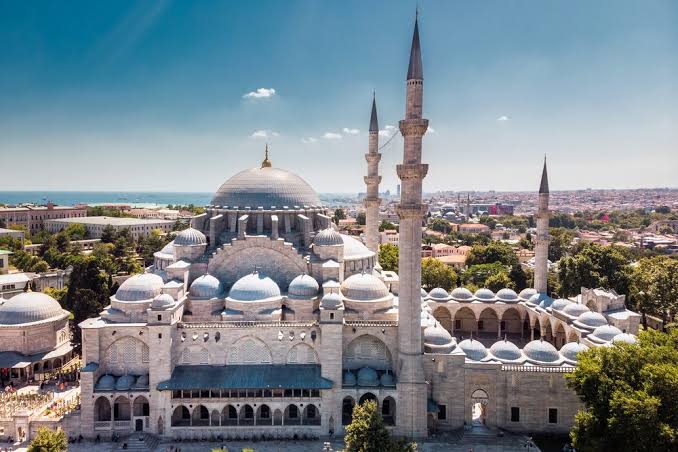
The Süleymaniye Camii 

The Süleymaniye Camii

The Süleymaniye Camii (Suleymaniye Mosque) is one of its most distinctive features with its truly staggering size which was built by the legendary architect, Mimar Sinan, it is one of his masterpieces and his largest design. It is not only the inspiring size that is impressive (the central dome stands 47m high), but also the elegantly decorated interior.  The sense of space and light is emphasized by the supporting semi-domes to the northwest and southeast and the monumental arched spaces to the southwest and northeast.

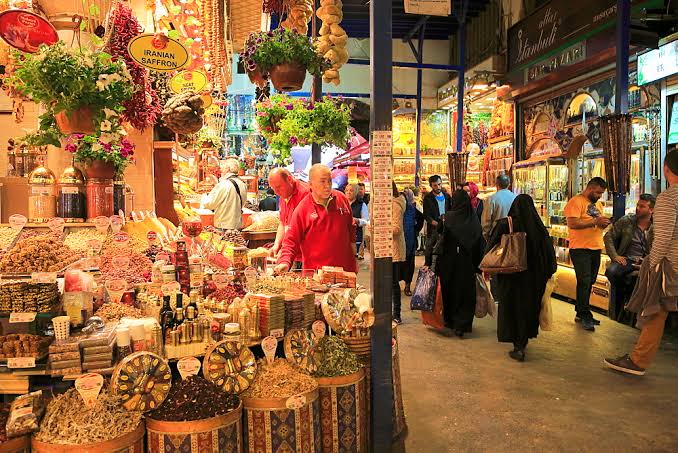
The Spice Bazaar 

The Spice Bazaar 

The Spice Bazaar  is one of the largest bazaars in this city. Located in the Eminönü quarter of the Fatih district, it is the most famous covered shopping complex after the Grand Bazaar.

Cappadocia

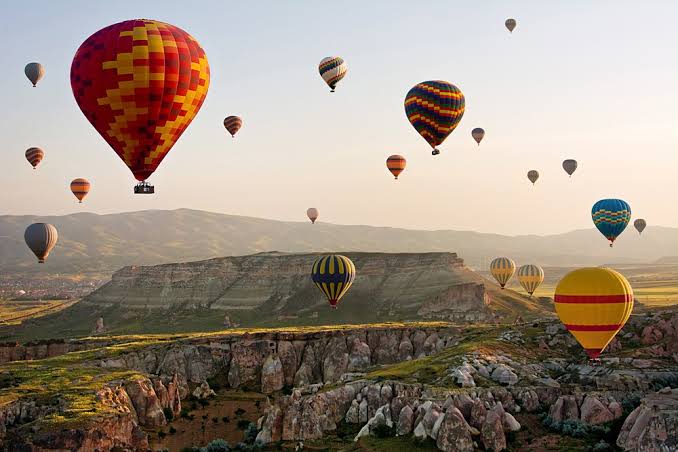
Cappadocia the hot balloons

Cappadocia is  in central Anatolia, in the heartland of what is now Turkey.The area is popular for the hot balloon ride. As it has many areas with unique geological, historic, and cultural features.Hot-air ballooning is very popular in Cappadocia and is available in Göreme. Trekking is enjoyed in Ihlara Valley, Monastery Valley (Guzelyurt), Ürgüp and Göreme.

So we must say Istanbul is incredible.

TERRACOTTA- LET’S COLLECT KNOWLEDGE ABOUT IT

Sparkle of Terracotta

TERRACOTTA- AN UNIQUE STYLE OF ART

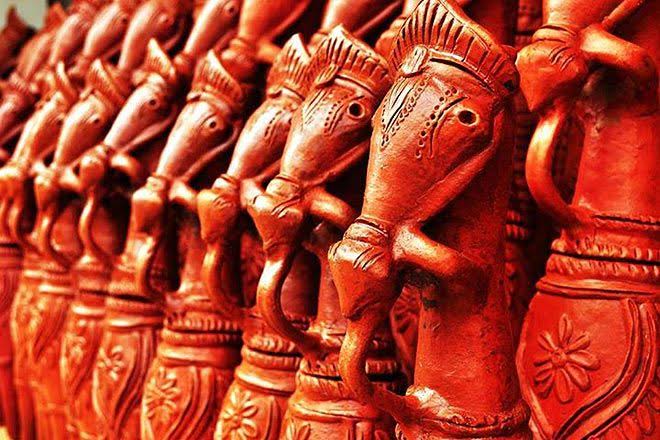
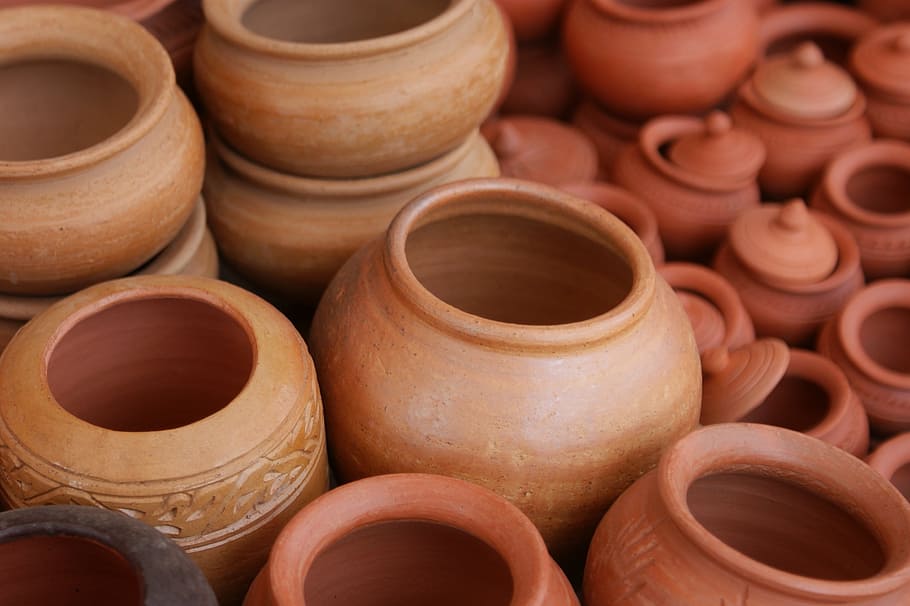
According to the dictionary the Terracotta art means hard,fired clay,brownish in colour when unglazed which is used to make architectural ornaments and facings, structural units, pottery and as a material for sculpture. The word ‘Terracotta’ came from Latin word ‘Terra-cotta’ and in Italian language Terrakotta means ‘baked-earth’.  

 Basically Terracotta is a type of earthenware or Ceramic pottery. At 1st we should have enough knowledge about earthenware. Earthenware is glazed or unglazed non-vitreous pottery which is made on fire below 1,200°C (2,190°F). So what do you say ? ‘baked-earth’ makes sense right? 

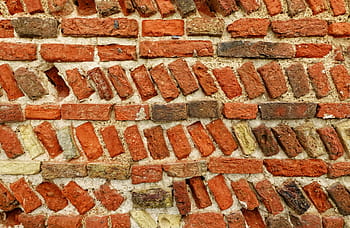
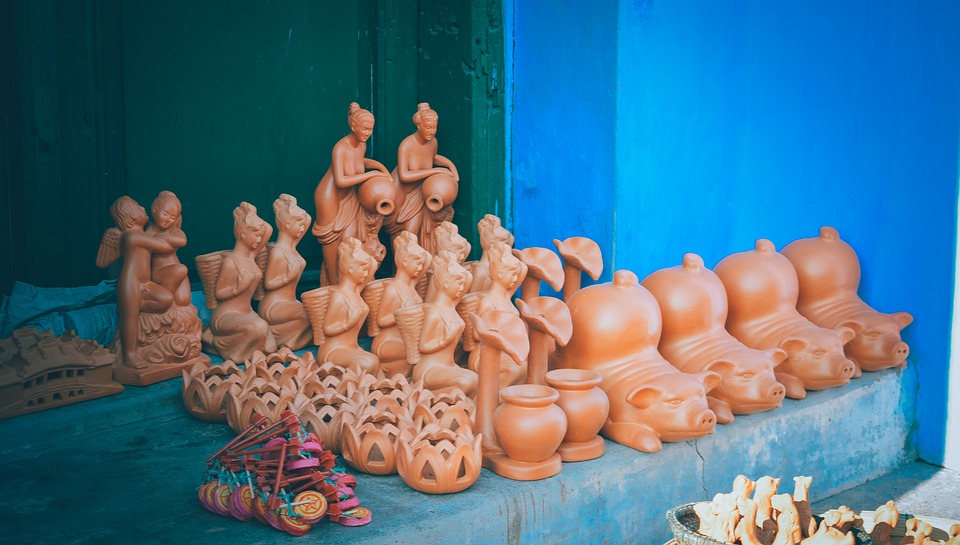
Normally Terracotta is used for sculpture making. But not only for sculpture but also for flower vas, doll,pot,water pipes, bricks,roofing tiles etc. Even there are also many temples of Terracotta. It is too flexible material for sculpture.Terracotta is usually a fairly coarse, porous type of clay. At first it has to be shaped then fired until hard. In the past, it was left to harden in the hot sun ,after that it was baked in primitive ovens. Ultimately, it was fired (at about 1000°C) in a special oven, kilns. After baking the clay became a brownish colour. Until it was glazed it was not watertight.terracotta is too simple than other bronze or other material work. 

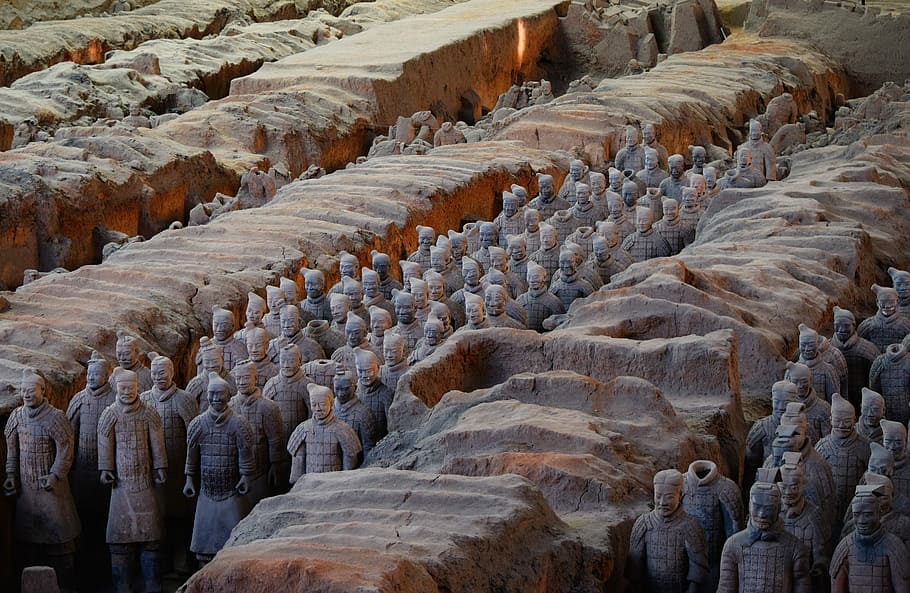
It was 1st used in Prehistoric art according to Venus of Dolni Vestonice (26,000-24,000 BCE) which was found buried in a layer of ash in Moravia at a paleolithic encampment. Some famous Terracotta figures are- The Thinker of Cernavoda(5000 BCE), The Enthroned Goddess Figurine(6000 BCE).Bronze and Iron Age artists kept the culture of the terracotta tradition, like the female fertility cult figures unearthed at Mohenjo-daro in Pakistan (3000-1500 BCE), and The Burney Relief (1950 BCE) from Ancient Mesopotamia. On the other hand we must say Chinese art created the biggest example of Terracotta art, those are-The Terracotta Army (246-208 BCE). Around the Mediterranean,such as early Egyptian, Minoan, Mycenaean, Greek and Etruscan cultures, employed terracotta for figurative works – such as the Tanagra Figurines from Boeotia in central Greece – besides  decorative art and architectural ornamentation.Particularly in the era of Hellenistic art (323-30 BCE) it was widely used by sculptors. It was also used in Early Christian art, for tomb reliefs (from c.200 CE). Terracotta is also famous in African sculpture, pre-Columbian art.

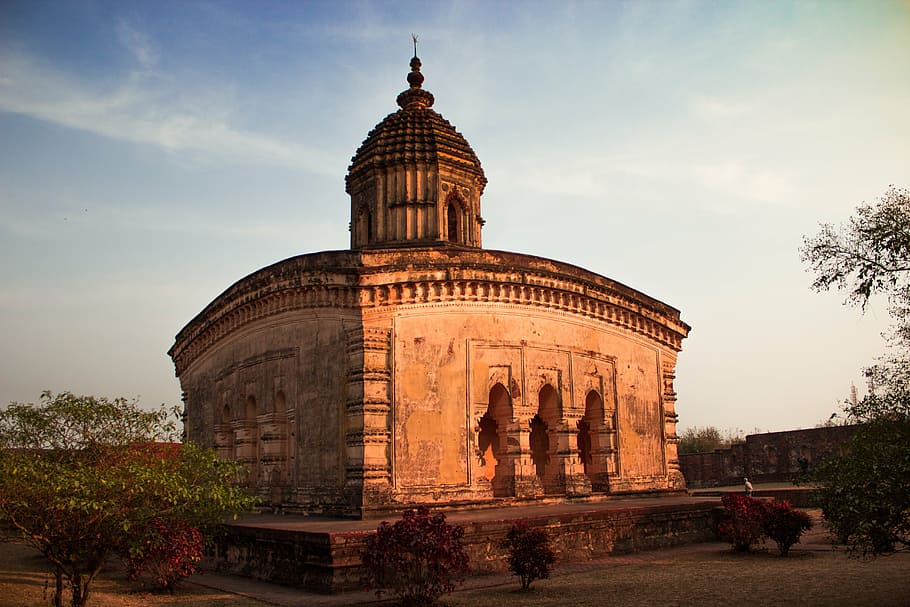
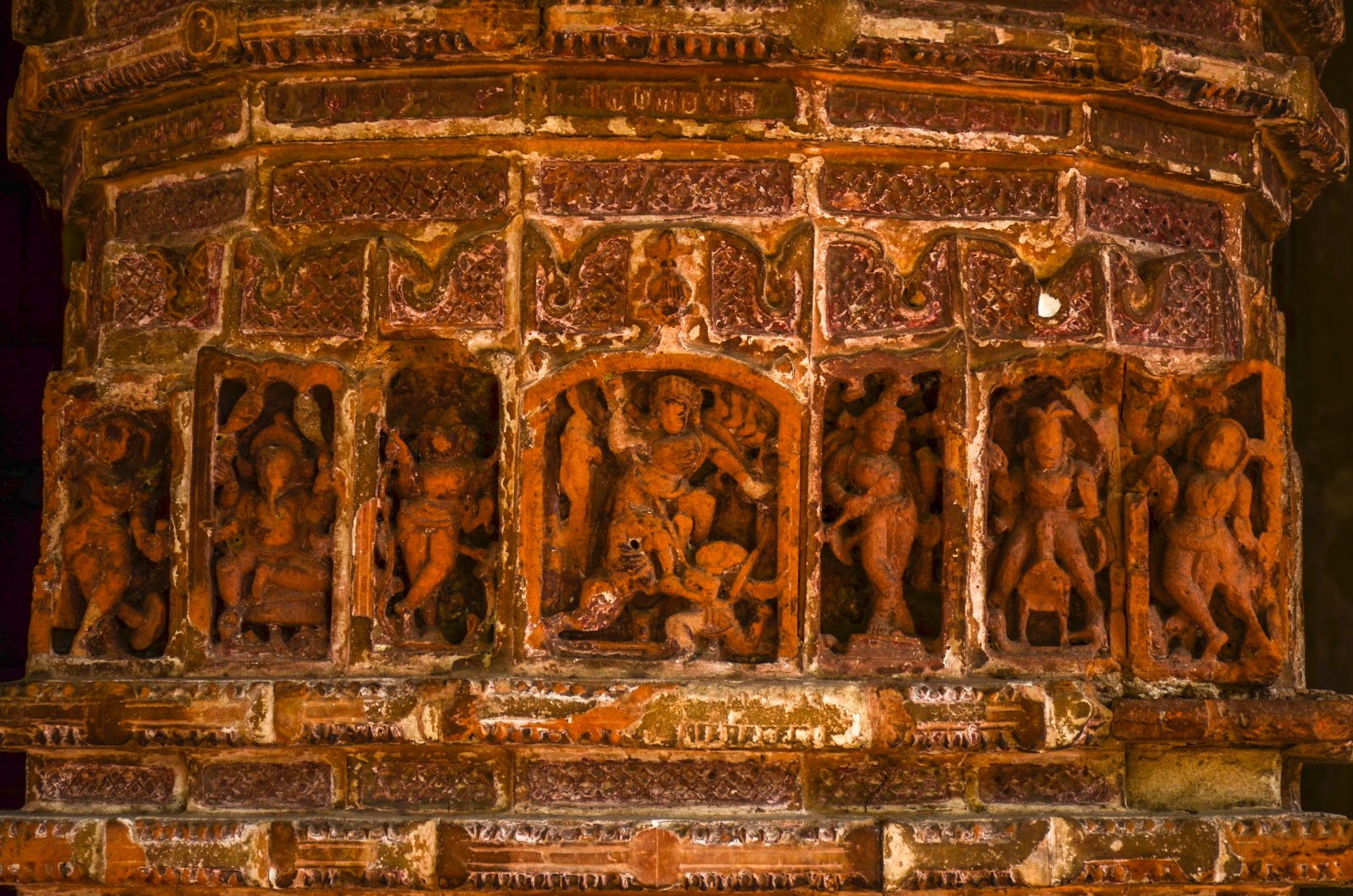
In India Terracotta is famous in the same way as in the past. In India Terracotta is a heritage culture. It is very common that there are many things of terracotta at most homes in India. ‘Bishnupur’ in West Bengal is a great source of Terracotta sculptures or other things. Murshidabad, Birbhum, Jessore, Digha (all are in West Bengal)  are also the treasure of Terracotta. There are also famous in Rajasthan, Bihar, Haryana, Himachal Pradesh, Odisha, Jammu and Kashmir etc.    

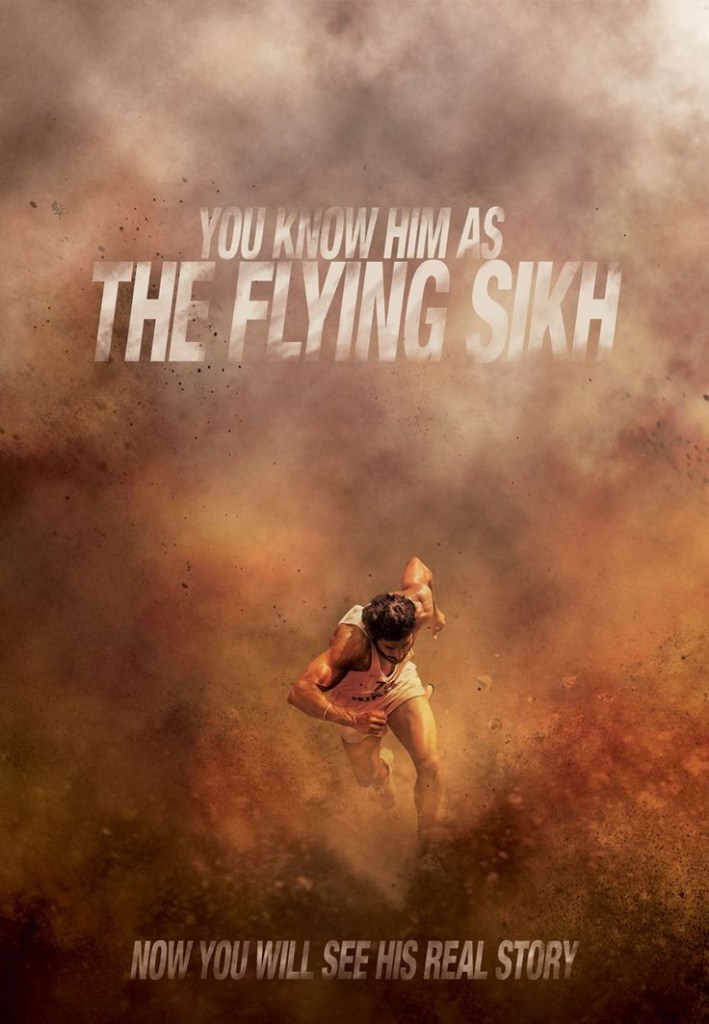
The Flying Sikh : The journey of MILKHA SINGH

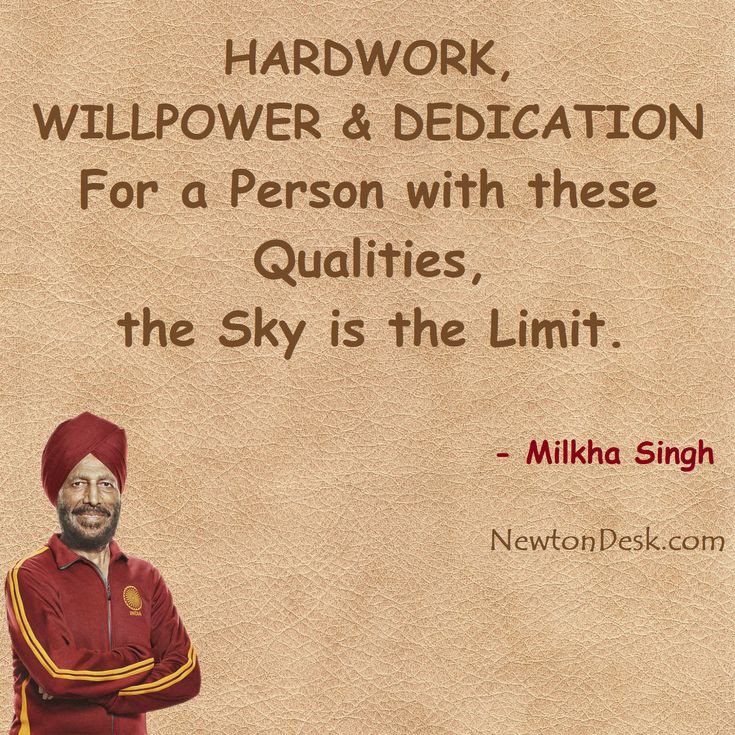
I was moved to tears by the thought that from being nobody the night before, I had become somebody.

– Milkha Singh

The beginning

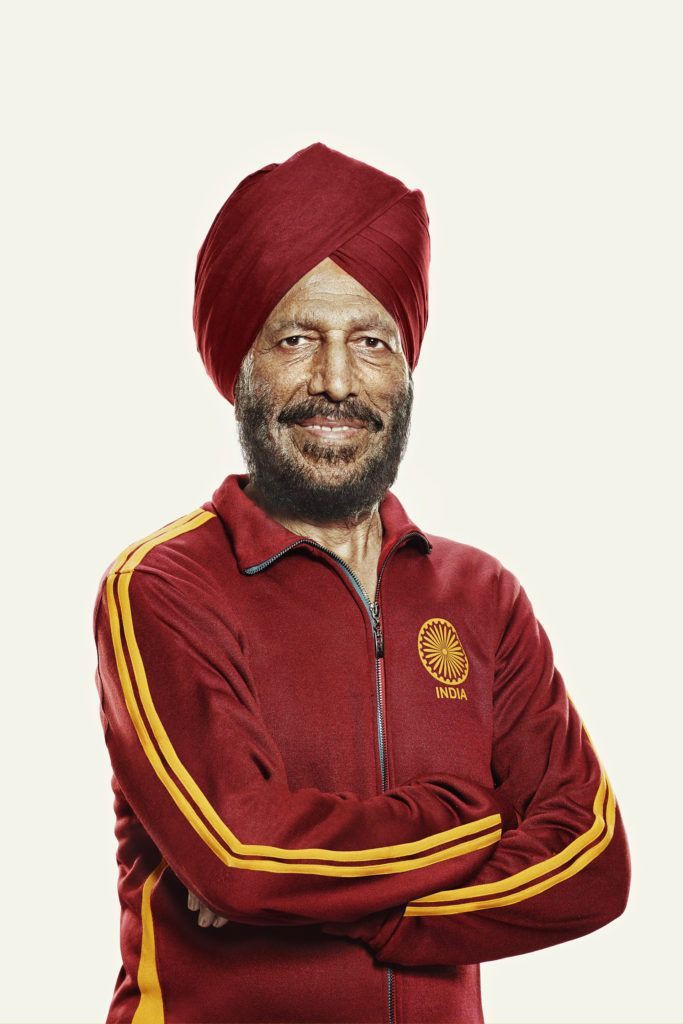
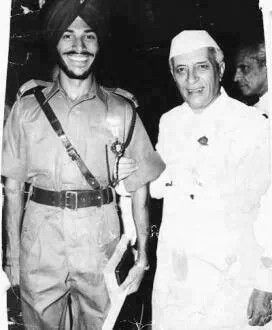
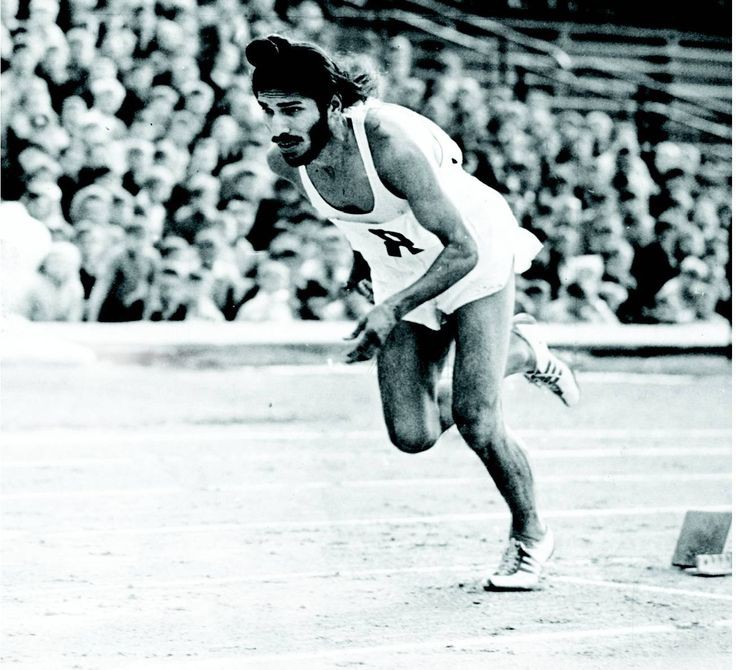
He was an athlete , an army officer and a proud citizen . He won for his motherland and inspired many . Yes , he was an inspiration and served for his nation .

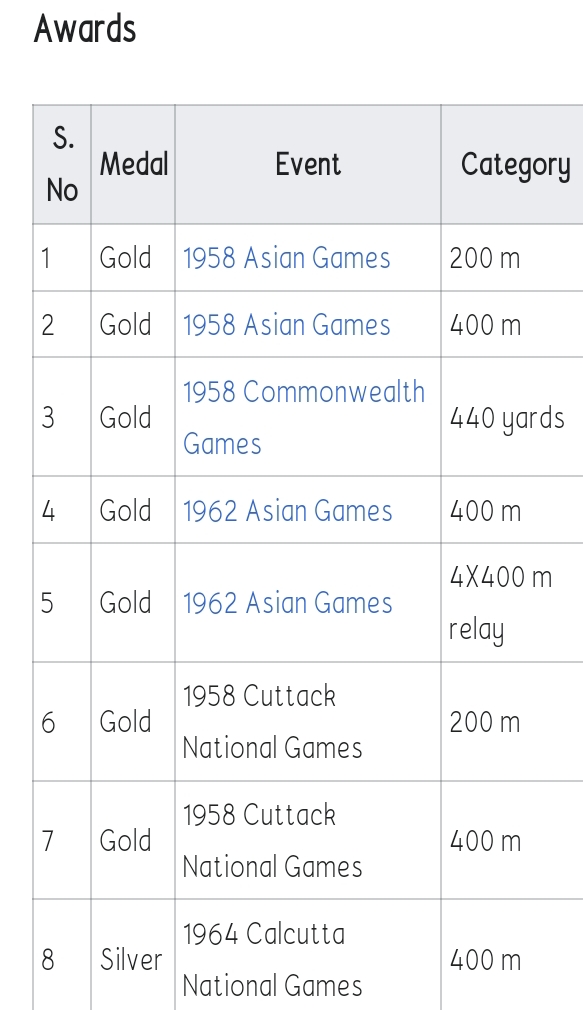
He was born in November 20,1929 in Govindpura , Punjab ( present – Punjab , Pakistan ) . He was one of his 15 siblings from whom 8 died during the partition . In early age , he moved to Delhi , India in 1947 .

He wasn’t interested in army or becoming one but wanted to prove himself and others that he can be the one . It was his forth attempt when he gained access and introduced to the athletic later .

He once said that “I came from a remote village, I didn’t know what running was, or the Olympics”. And that’s where he started his journey as an athlete .

Medal awards and Popularity

With many Olympic , National and International awards . Rather than his award Milkha Singh was quite popular in media . His powerful aura worked from sports men to the Ministry .

Later in his life he married Nirmal saini , a former captain of Indian women volleyball team and had three daughters and a son .

He became Director of sports in Punjab Ministry of Education and was awarded with Padmashri in 1959. He also turned down Arjuna award in 2001 by saying that it was to be awarded to younger atheletes rather than him.

An inspiration

As an athlete , he inspired young aspirants who want to become from Nothing to Something . He shared his ideas that before his first game he was just a runner but after he earn first postion he became Something from Nothing .

” I was moved to tears by the thought that from being nobody the night before, I had become somebody. “

-Milkha singh

He also co- wrote his biography with his daughter “THE RACE OF MY LIFE ” in 2013 . Which inspired “Bhaag Milkha Bhaag ” an autobiography film in 2013 . A trust had been founded for the poor and needy sports people in 2013 due to the recognition of film .

A day of loss

On June 18th ,2021 , we lost one of the legendary Indian icon , an ace of athlete due to the post covid – complication . “We are deeply indebted to the doctors at PGI for their valiant efforts and the love and prayers we received from across the world and from yourselves,” – statment given by his family .

PM Narendra Modi pay a tribute to MILKHA SINGH in his monthly radio program ‘Maan ki baat’ . He urged India to cheer and motivate for forthcoming Tokyo Olympics .

He said “When talking about the Olympics, how can we not remember Milkha Singh Ji. When he get hospitalized, I got a chance to speak to him, I had requested him to motivate the athletes going for Tokyo Olympics”

We lost one gem of our India but we didn’t lost his contribution to his motherland . He has given a lot and it’s our time to remember what gave to us .

Link:

A society that can breach the stereotype in India .

I never feel confined by gender, by labels, by expectations, by stereotypes. I’m free to be myself.

Princess Nokia

Introduction

During the last two decades it is said that to be a women is the most precious gift a human can have . To be able to give birth to another human being that lives inside precisely 9 months at most .

But their is another dispute that a women can only be a insider . That can fulfill the needs of the dominant society.

Isn’t these two statements are contradictory. In first one a women is a precious gift and in another she can only fullfill one’s needs but only in four walls .

Aren’t they human or a thing that can only live under the roof of men for living ?

Women have always played an important role in the society . Even in the ancient times , they were considered as an equal with the men . So what change , the air , the water , the life style or the mindset . We can also say that the stereotype mindset in society .

Years and years before people grew their ego and think about their individual benefits. Women lead life with virtue , wisdom and respect .
When it start

It was all not same as it was now , their were times when women rule the nation . But due to the foreign invasion , women suffer immensely . At the mediaeval times , women came to be confined within the four walls of the house .

Mediaeval period also known as ‘DARK AGE ‘ as very few women’s were found to be a ruler at that period . It was the period when women brought to the deeds where they made to be inferior to men .

They were raped and brutally killed by the demons who think they can dominate them .
Rani Padmavati, Jodha Bai, Gulbadan Begum, Nurjahan, Jahan Ara , Mumtaj Mahal, Razia Sultan , Jija Bai are some of the women who fought for their right , safety , people , family and love also saved many .

“And one day she discovered that she was fierce, and strong, and full of fire, and that not even she could hold herself back because her passion burned brighter than her fears.”
– Mark Anthony

Modern era

It’s a century of love , reliability , equality and most important individuality .

Then why women are always compared to the men . Why they questioned when they are innocent . ( Well not all are innocent and victim , just for those who are ) .

I do believe that men and women are different . Their differences doesn’t make them weak . It’s just a perspective and view of people that make them vulnerable .

But do women care , it’s their own life not to say that anyone means ANYONE can come and stamp their ‘so called ’ rules on them . Not against the male gender but to those who think they can dominate and lock them in four walls .

Not to say, if women lock men in four wall room . So what will happen to them . Umm. Let’s think , they run like a horse at the time when the room unlocked .

If OJO -MOJO can’t stay in their rooms can’t OLLE do the same . Yes she can , also kick their humpy dumpy bum.

Let’s end the topic and eat some more . It’s a 21st century donot let someone walk on you , you can stand for yourself .

“Don’t let anyone speak for you, and don’t rely on others to fight for you.”

– Michelle Obama

This editorial is written under one’s perspective . Neither against any gender nor in favour .

THE ART MACHINE- JAMINI ROY

The great artist and his great creation

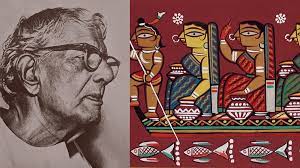
On 11th April of 1887 at Beliatore in Bankura,West Bengal the great Jamini Roy was born. His family was a simple middle class land-owner bengali family. He grew up with a lot of love for painting. His father , Ramanath Roy resigned Jamini Roy from the Government services  and was admitted to the Government College of Art in 1903 when he was 16 years only.

When he took admission in Art College then Abanindranath Tagore , the founder of Bengal School , was vice-principal of this college.Mr. Roy was taught under Abanindranath Tagore’s teaching. He was taught to print in the prevailing academic tradition by Abanindranath Tagore. He taught classical nudes and oil painting. In 1908 he finished his course and got a Diploma in Fine Art. 

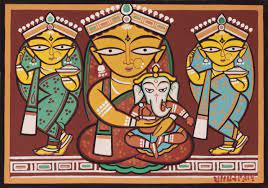
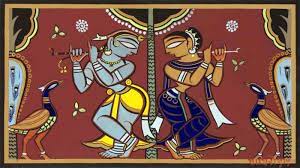
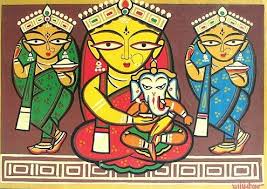
Jamini Roy started his painting with the western cultural art but his heart wanted to create something folk style traditional painting. He had a huge interest in traditional cultural  painting. Actually he got inspiration from ‘Kalighat Pat’ which is a kind of ‘Patachitra’ and it is drawn by bold sweeping brush-strokes. 

In the 1st stage of his career he painted portraits for commission but in depth he felt he was not satisfied with this. After that in 1925, he saw the ‘Kalighat Pat’ and was inspired by its style of painting.

Mr. Roy painted 20,000 paintings in his life for which he is famous by calling ‘Art Machine’. He focused always on the middle class culture or lifestyle for his painting. He believed that middle class ordinary people are more important than the higher class’ or Government because middle class people are the voice of his art. He did respect them too much. 

He had three motives: to capture the simplicity of middle class people in their daily life, to make them accessible to all over the people in India and lastly to give a own identity to the Indian Art. 

In 1938, it was his 1st art exhibition in Kolkata. In 1940, his painting came to a new light and became famous . He mixed up the Bengali middle class and the European community and it was the center of his art. After that in 1946 and in 1953 his art exhibited in London and New York City. His art was exhibited on international platforms and he was awarded by ‘Padma Bhusan’ in 1954. For most of his life he worked in Kolkata. We can see his art in many private and public collections like the London, Victoria and Albert museum .

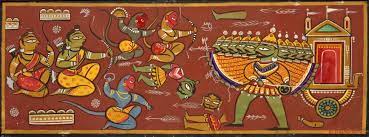
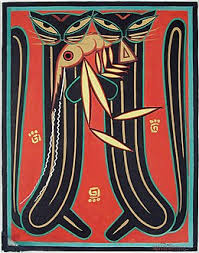
He liked to introduce himself as a ‘Patua’. His art collection is wonderful . In 1946, ‘Ramayana’ spread across 17 canvases. This painting is now displayed in the National Art Gallery .Jamini Roy created the ‘Dual Cats With One Crayfish’ series in 1968. In 1952 the ‘Bird and Two Companions’ standed out for its majestic indigo of Bengal. Besides these, ‘Crucifixion With Attendant Angels’ , ‘Krishna And Balaram’, ‘ Santal Boy With Drum’, ‘Krishna And Radha Series’ ‘Makara’, ‘St. Ann And The Blessed Virgin’, ‘Seated Woman In Sari’, ‘ Nol O Damayanti’ etc are famous creations .He was awarded by Viceroy’s gold medal in 1934 and Fellow of the Lalit Akademi in 1935. Unfortunately this wonderful personality passed away on 24rth April, 1972. 

THE GREAT ART OF JAMINI ROY

Indian Art Style

• Rajasthani miniature art

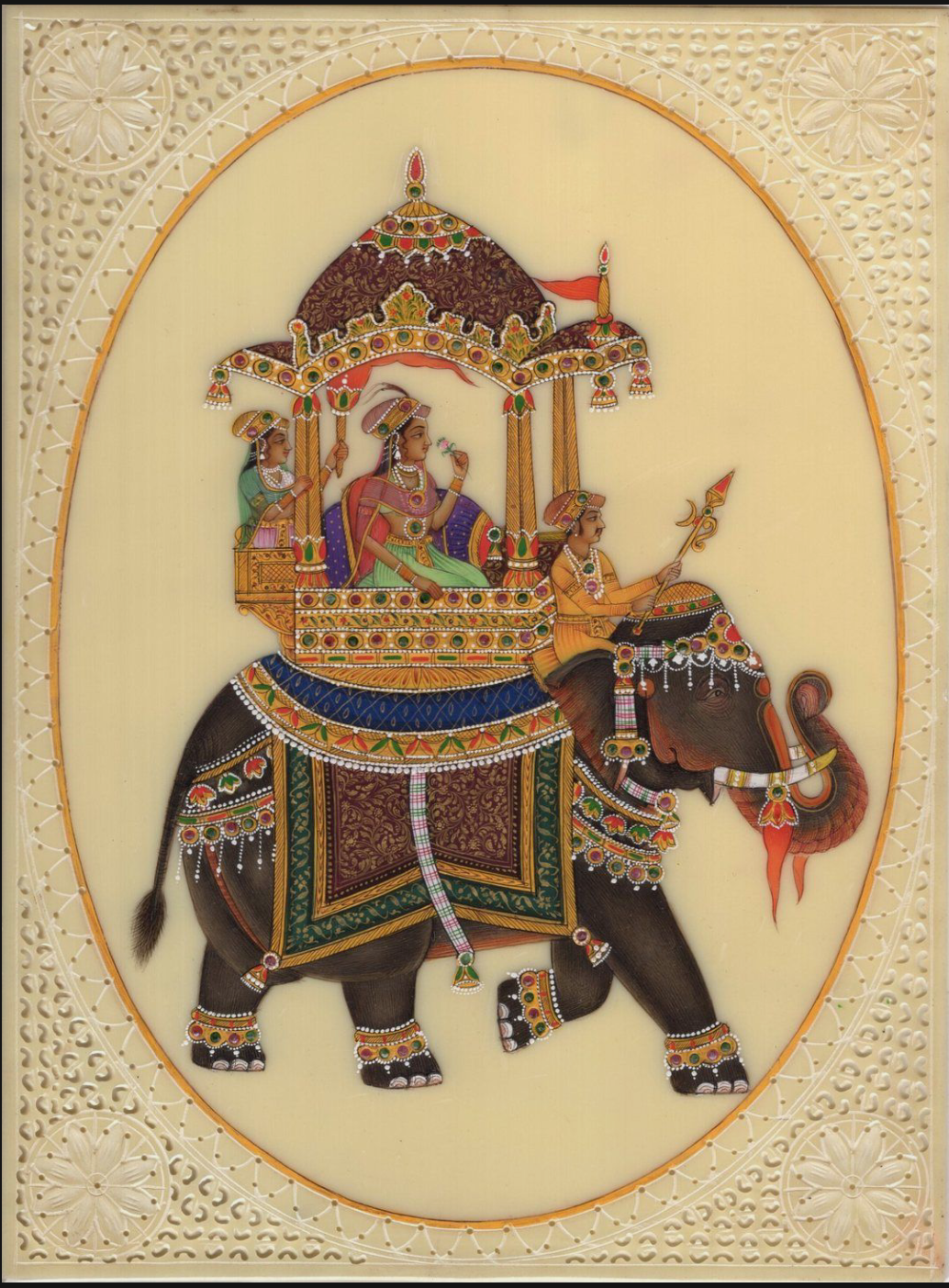
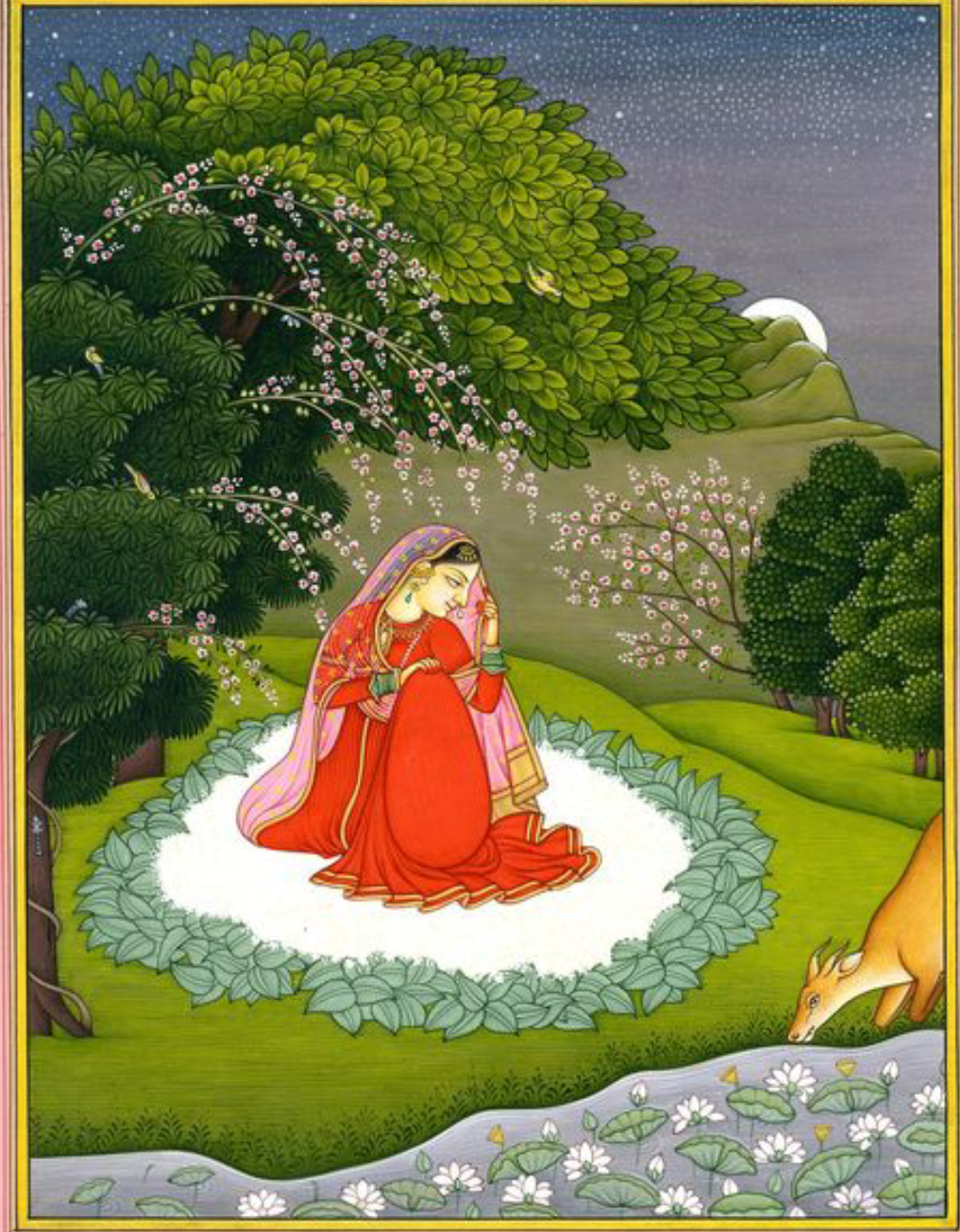
Rajasthan is one of the pioneer seats of miniature painting in India. Rajput painting, also known as Rajasthani painting, is a style of Indian painting evolved and flourished in the royal courts of Rajputana, India. Each Rajput kingdom evolved a distinct style but with certain common features. Rajput paintings depict a number of themes, events of epics like the Ramayana and the Mahabharata, Krishna’s life, beautiful landscapes and humans.

Miniatures in manuscripts or single sheets to be kept in albums were the preferred medium of Rajput painting but many paintings were done on the walls of palaces, inner chambers of the forts, havelis, particularly the havelis of Shekhawati, the forts and palaces built by Shekhawat Rajputs. The colours were extracted from certain minerals, plant sources and conch shells and were even derived by processing precious stones. Gold and silver were also used. The preparation of desired colours was a lengthy process, sometimes taking weeks. The brushes used were very fine.

• Pattachitra

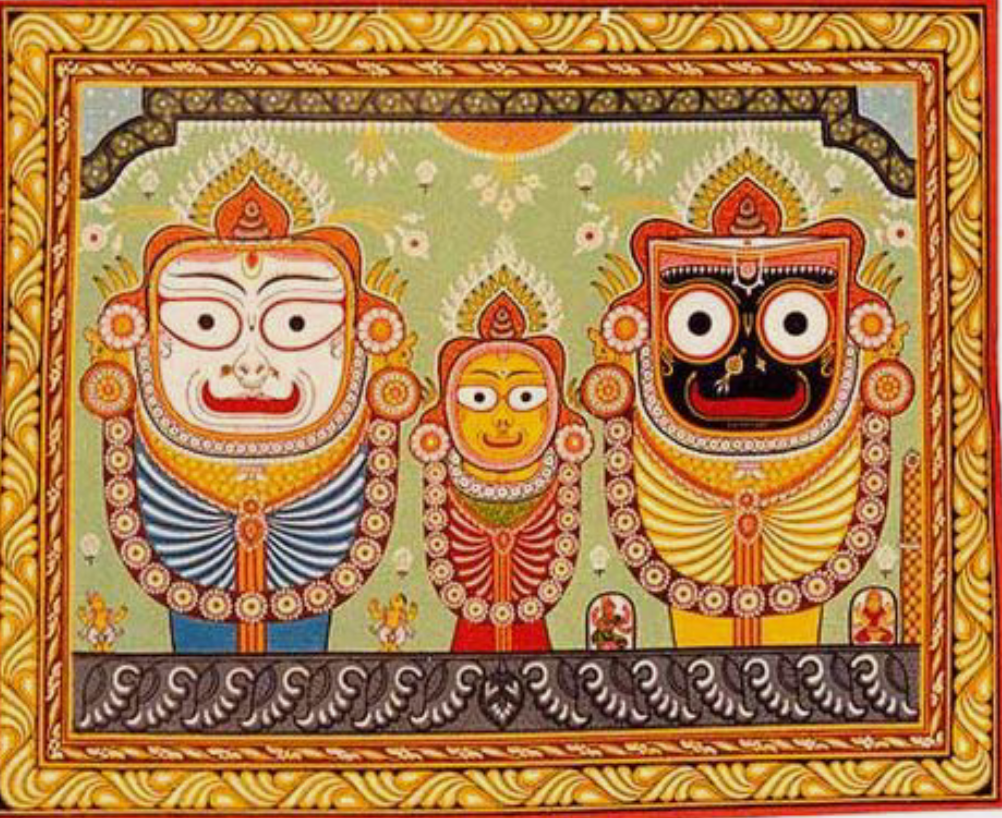
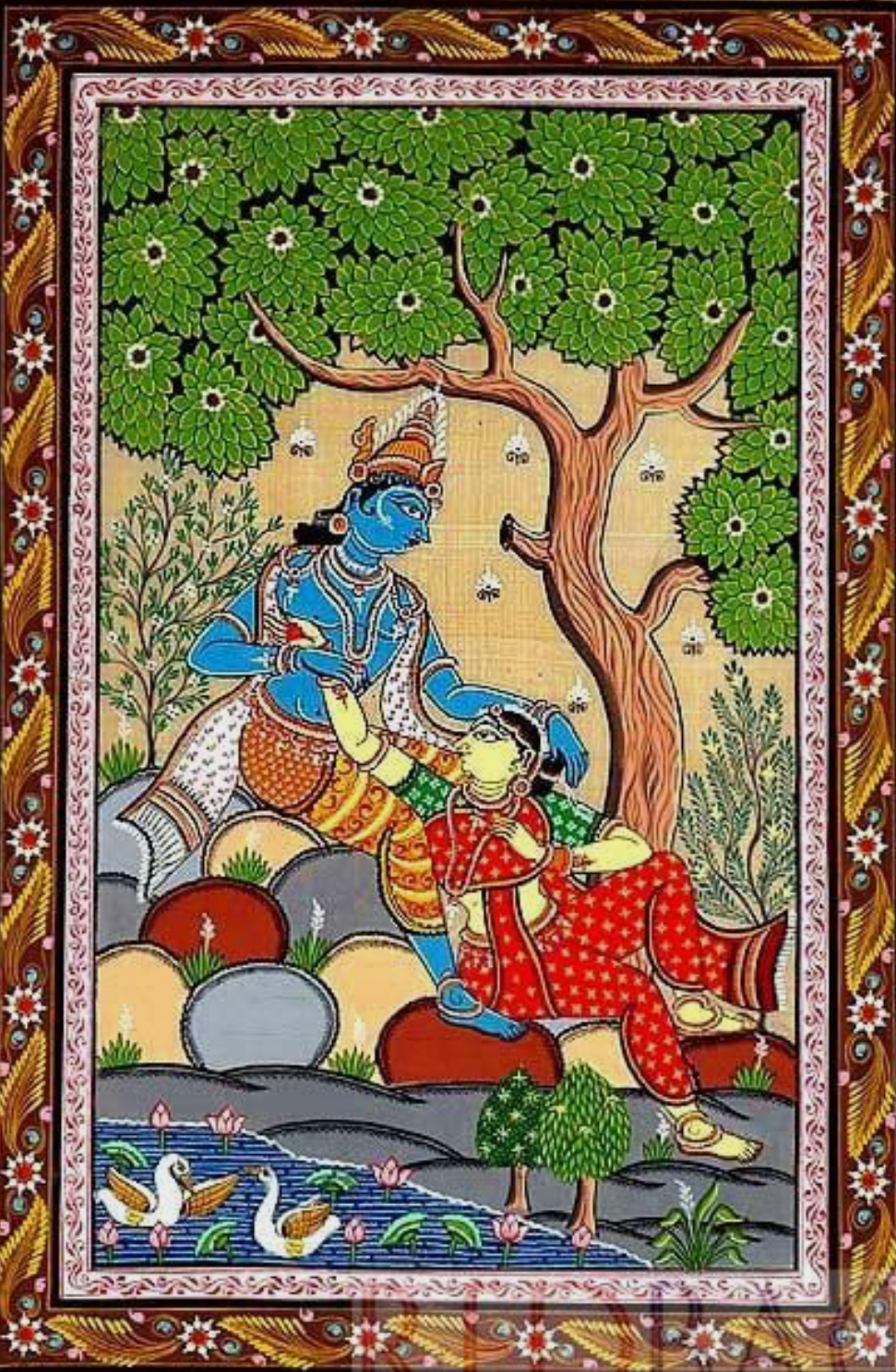
‘Pattachitra’ is a general term for traditional, cloth based scroll painting based in the eastern Indian state of Odisha. In the Sanskrit language, ‘patta’ literally means ‘cloth’ and ‘chitra’ means ‘ picture’. The pattachitra style of painting is one of the oldest and most popular art forms of Odisha.

All colours used in the paintings are natural and the paintings are made fully in the old traditional way by chitrakaras who are Oriya painters. Pattachitra is manifested by a rich colourful application, creative motifs and designs and portrayal of simple themes mostly mythological in depiction. The traditions of pattachitra paintings are more than a 1000 years old. Pattachitra paintings resemble the old murals of Odisha, especially those from the religious centres of Puri, Konark and Bhubaneswar regions, dating back to the 5th century BC. The best works are found in and around Puri, especially in the village of Raghurajpur. The theme of Oriya painting centers round the Jagannath cult and the Vaishnava cult. Since the beginning of pattachitra culture, Lord Jagannath, who is an incarnation of Lord Krishna, has been the major source of inspiration. In the 16th century, with the emergence of the Bhakti movement, the paintings of Radha and Krishna were painted in vibrant shades of orange, red and yellow. There are typical scenes and figures like Krishna, Gopi’s, elephants, trees and other creatures portrayed in these paintings. Krishna is always painted in blue and Gopis in light pink, purple or brown.

Thank you for reading. Have a nice day!🌼

Indian Folk Art

• Warli paintings

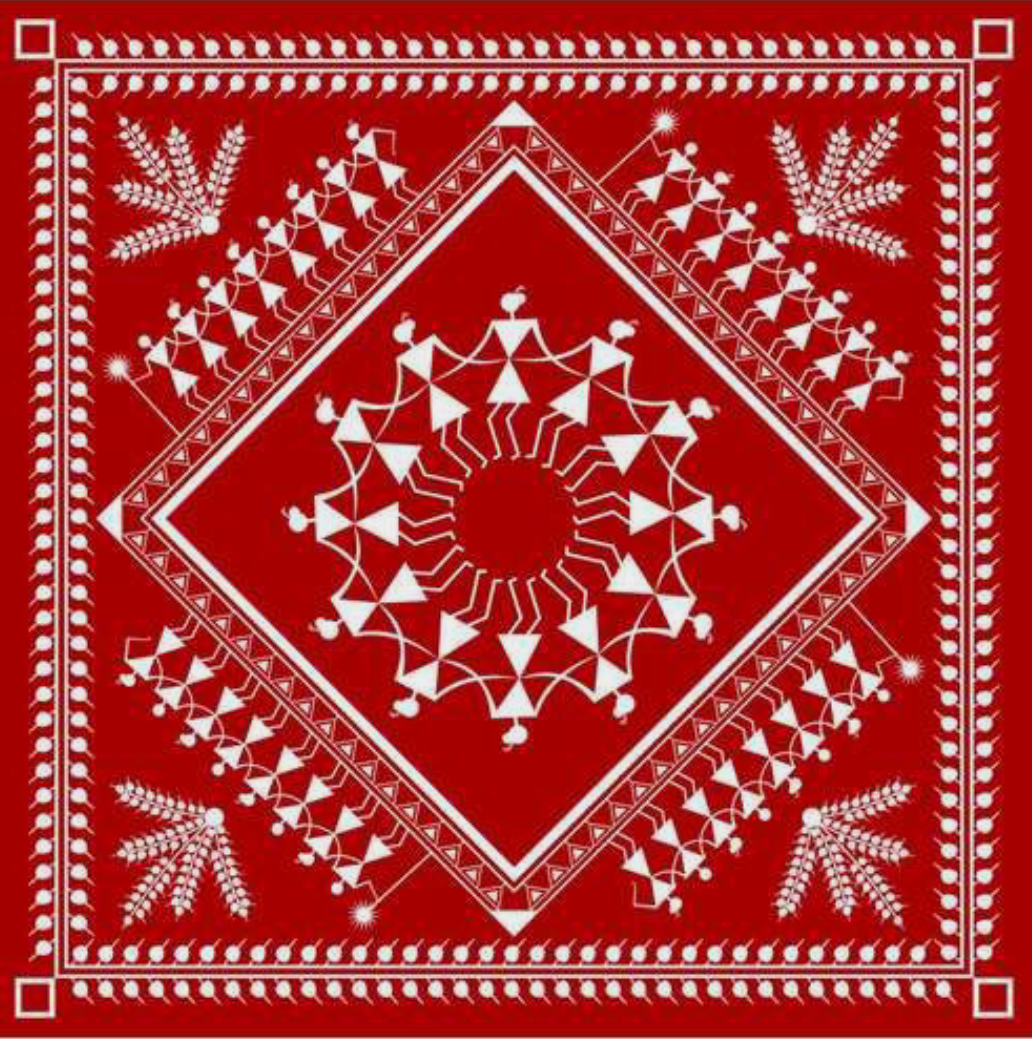
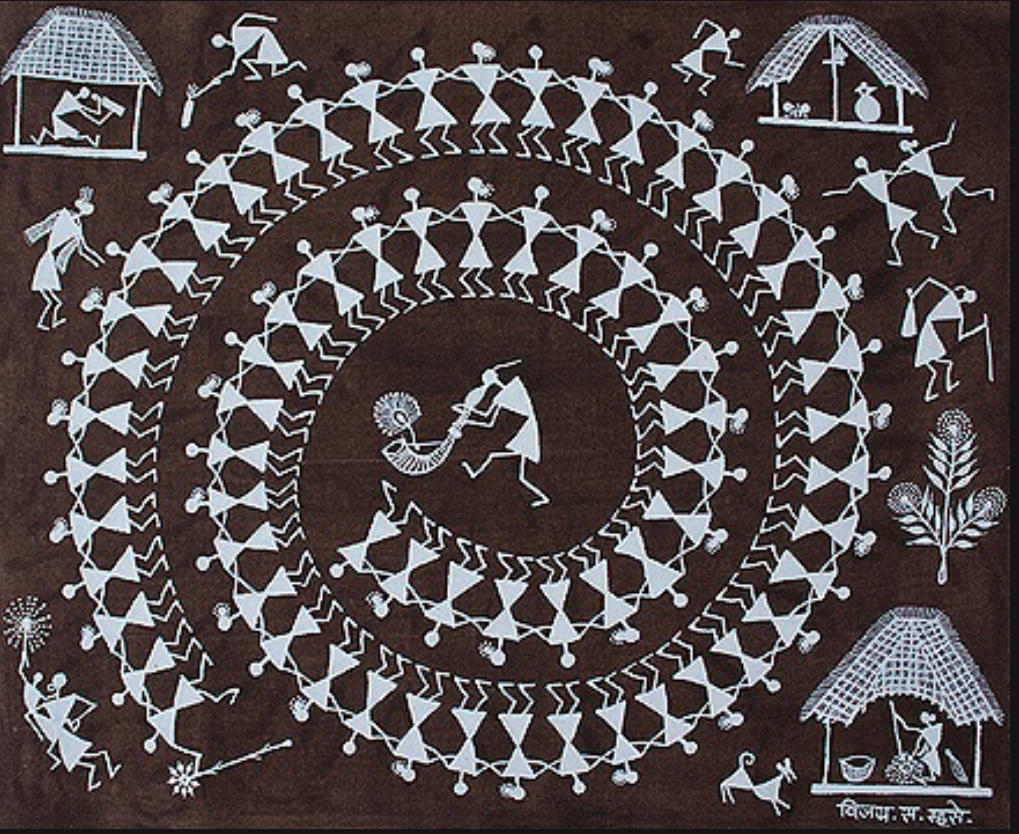
Warlis or Varlis are an indigenous tribes or adivasis living in the mountainous as well as coastal areas on the Maharastra-Gujarat border and surrounding areas. They have their own animistic beliefs, life, customs and traditions. As a result of acculturation, they have adopted many Hindu beliefs. Their extremely rudimentary Wall paintings use a very basic graphic vocabulary a circle, or triangle and a square. Their paintings were monosyllabic. The circle and the triangle come from the observation of nature, the circle representing the sun and the moon, the triangle derived from mountains and pointed trees. Only the square seems to be a different logic and seems to be a human invention, indicating a sacred enclosure or a piece of land.

The ritual paintings are usually done inside their huts. The walls are made of a mixture of branches, earth and cow dung making a red ochre background for wall paintings. Warlis use only white in their paintings. The white pigment used by them is a mixture of rice paste and water with gum as a binding. As the brush, they use a bamboo stick chewed at the end to make it as supple as a paintbrush. The wall paintings are done only on special occasions such as weddings or harvests. Warli art is the cultural intellectual property of the tribal community. Today, there is an urgent need for preserving this traditional knowledge in tribal communities across the globe. Now, Warli painting is registered with a geographical indication under the intellectual property rights act. With the use of technology and the concept of social entrepreneurship, tribals established the Warli Art Foundation, a non-profit company dedicated to Warli art and related activities.

• Cave paintings in India

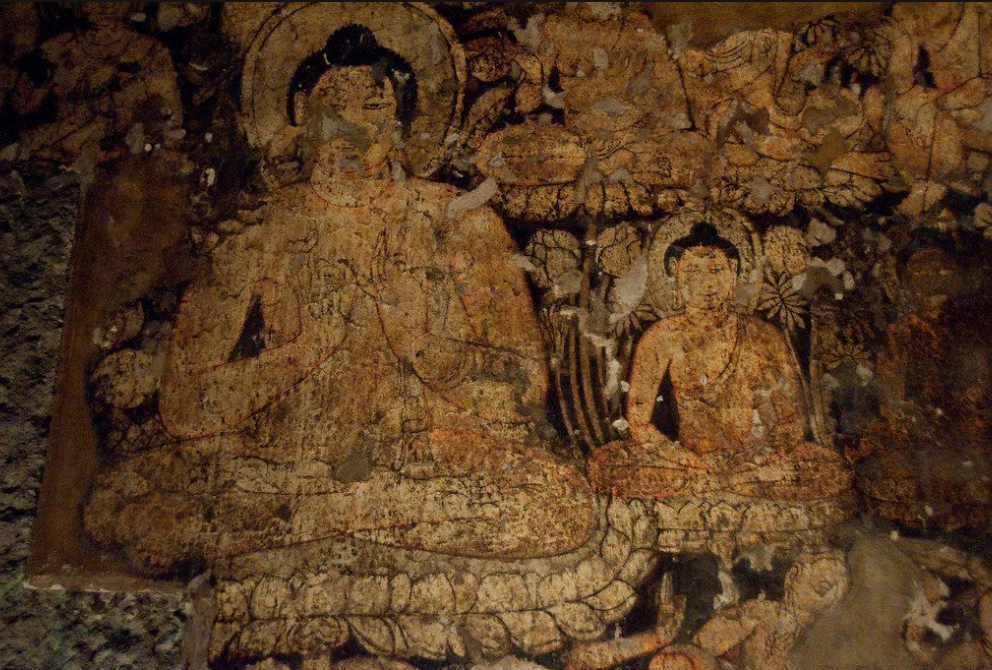
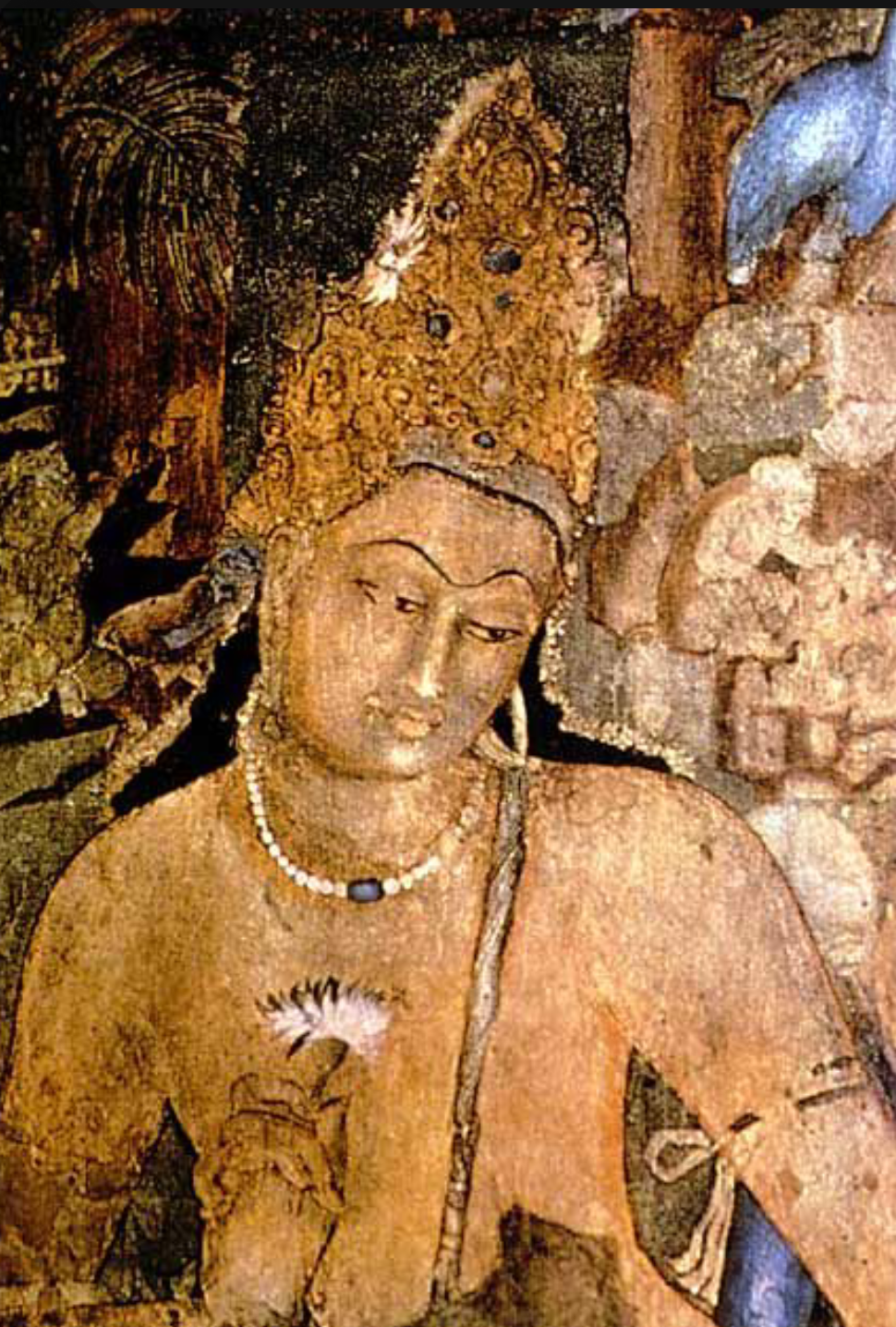
Almost all early painting in India survives in caves, as very few buildings from ancient India survive. The history of cave paintings in India or rock art range from drawings and paintings from prehistoric times – beginning around 30000 BCE in the caves of Central India, typified by those at the Bhimbetka rock shelters – to elaborate frescoes at sites such as the rock cut artificial caves at Ajanta and Ellora, prevalent as late as the 8th – 10th century CE. The frescoes of Ajanta are paintings in the Ajanta caves, which are situated near Aurangabad in Maharashtra. The caves are carved out of large rocks. Inside many of the caves are frescoes. Frescoes are paintings which are done on wet plaster in which colours become fixed on the walls and ceilings at Ajanta.

The paintings reflect different phases of Indian culture from Jain tirthankar Mahaveer’s birth to his Nirvana in the 8th century AD. The frescoes have degraded slightly due to the effect of flash photography. Photography here is not banned. The paintings depict themes of court life, feasting, processions, men and women at work, festivals and various natural scenes including animals and birds and flowers. The artists used shading to give a three-dimensional effect.

Similarly, beautiful frescoes have been found at the Bagh caves, 150 km away to the North of Ajanta. Though the themes in these paintings are both secular and religious, they do depict some aspects of Buddhist life and rituals. One of the most famous paintings show a procession of elephants. Another depicts a dancer and women musicians. These have been influenced by the Ajanta style of painting. These frescoes show a strong resemblance to the frescoes of Sigriya in Sri Lanka.

Thank you for reading. Have a nice day!🌼

Graphic design

Graphic design is the process of visual communication and problem solving through the use of type, space and image. The field is considered a subset of visual communication and communication design but sometimes the term ‘graphic design’ is used interchangeably with these due to overlapping skills involved. Graphic designers use various methods to create and combine words, symbols and images to create a visual arts and page layout techniques to produce a final result. Graphic design often refers to both the process (designing) by which the communication is created and the products (design) which are generated. Common uses of graphic design include identity, publications, print advertisements, posters, billboards, website graphics and elements, signs and product packaging. For example a product package might include a logo for other artwork organised text and pure design elements sketches images shapes and colour which unified the piece. Composition is one of the most important features of graphic design specially when using pre existing materials or diverse elements.

•Skills

A graphic design project me in work to stylisation and presentation of existing text and either pre existing imagery or images developed by the graphic designer. Artistic pieces can be incorporated in both traditional and digital forms which involves the use of visual arts typography and page layout techniques for publications and marketing for example a newspaper story begins with the journalist and photo journalist and then becomes the graphic designer job to organise the page into a reasonable layout and determine if any other graphic element should be required. In a magazine article or advertisement often the graphic designer or art director will commission photographers or illustrators to create original pieces just to be incorporated into the design layout or the designer may utilise stock imagery or photography. Contemporary design practice has been extended to the modern computer. Nearly all popular and ‘industry standard’ software programs used for graphic design since the early 1990’s are products of Adobe systems incorporated. They are Adobe Photoshop (a raster based program for photo editing), Adobe illustrator (a vector based program for drawing), Adobe InDesign ( a page layout program) and Adobe Dreamweaver (for webpage design).

Another major page layout tool is QuarkXPress (a product of Quark Inc. a separate company from Adobe). Both QuarkXPress and Adobe InDesign are often used in the final stage of the electronic design process. Raster images maybe edited in Adobe Photoshop, logos and illustrations in Adobe illustrator and the final product may be assembled in one of the major page layout programs. Most graphic designers entering the field since 1990 are expected to be proficient in at least one or two of these programs.

my work

Another one

•Occupation

Graphic design career paths cover all ends of the creative spectrum and often overlap. Employment within graphic design in walls workers performing specialised tasks such as design services publishing advertising and public relations. The main job responsibility of a graphic designer is the arrangement of visual elements in some type of media. The main job titles within the industry can vary and are often country specific. They can include graphic designer, are director, creative director former animator and the entry level production artist. Depending on the industry served commerce responsibilities may have different titles such as DTP associate and graphic artist But despite changes in the title graphic design principles remain consistent who start the responsibilities may come from early to specialised skills such as illustrations photography animation or interactive design. Today’s graduate in graphic design students are normally exposed to all these areas of graphic design and I guided to become familiar with all of them as well in order to be competitive. Graphic designers will face strong competition when applying for positions for organizations look for candidates with convincing talents and college level education post of field requirements consist of having strong portfolio and bachelors degree first of graphic designers can work in a variety of environments while many will work in companies devoted specifically to the industry such as design consultancies or branding agencies, others may work in publishing, marketing for other communication companies. Increasingly, special sense the introduction of personal computers to the industry commerce many graphic designers have found themselves working in non design oriented organizations as in house designers. Graphic designers may also work as freelance designers, working on their own terms, prices, ideas etc. A graphic designer reports to the art director, creative director or senior media creative. As a designer becomes more senior, he/she may spend less time designing media and more time leading and directing other designers on broader creative activities such as brand development and corporate identity development. Senior designers are often expected to interact more directly with clients, for example taking and interpreting briefs.

Thank you for reading. Have a nice day!🌼

Painting techniques

Techniques in watercolour paintings

#Washes

The most basic watercolour technique is the flat wash. It is reduced by first wetting the area of paper to be covered by the wash, then mixing sufficient pigment to easily fill the entire area. The pigment is applied to a sloping surface in slightly overlapping horizontal bands from the top down. Once complete, the wash should be left to dry and even itself out. Don’t be tempted to work back into a drawing wash, the results are usually disastrous! A variation on the basic wash is the graded wash. This technique requires the pigment to be diluted slightly with more water for each horizontal stroke. The result is a wash that fades out gradually and evenly.

#Glazing

Glazing is a similar watercolour technique Do a wash, but uses a thin, transparent pigment applied over dry existing washes. Its purpose is to adjust the colour and tone of the underlying wash. Non-staining, transparent pigments such as Rose Madder (or Permanent Rose), Cobalt Blue and or Auroline are ideal for glazing as they can be applied layer after led to achieve the desired effect. Be sure each layer is thoroughly dry before applying the next.

#Dropping in colour

This technique is simply the process of introducing a colour to a wet region of the painting and allowing it to blend bleed and feather without interruption. The result is sometimes and predictable but yields interesting and vibrant colour gradations That can’t be achieved by mixing the pigment on the palette.

#Wet-on-wet

Wet-on-wet is simply the process of applying pigment to wait paper. The results very from soft undefined shapes to slightly blurred marks, depending on how wet the paper is. The wet-on-wet technique can be applied over existing washes provided they are thoroughly dry. Simply wet the paper with the large brush and paint into the dampness. The soft marks made by painting wet in wet agreed for subtle background regions of your painting.

#Dry brush

Dry brush is almost the opposite watercolour technique to wet in wet. Here a brush loaded with pigment (and not too much water) is dragged over completely dry paper. The marks produced by this technique are very crisp and hard-edged. They will tend to come forward in your painting and so are best applied around the centre of interest.

#Lifting off

Most water colour pigments can be resolved and lifted off after they have dried. Staining colours such as Phthalo or Prussian blue, Alizarin, Windsor red, yellow or blue are difficult to remove and are best avoided for this technique. The process for lifting of his simple – wet the area to be removed with a brush and clean water, then blot the pigment away with attached. Using strips of paper to mask areas of pigment will produce interesting hard-edged lines and shapes.

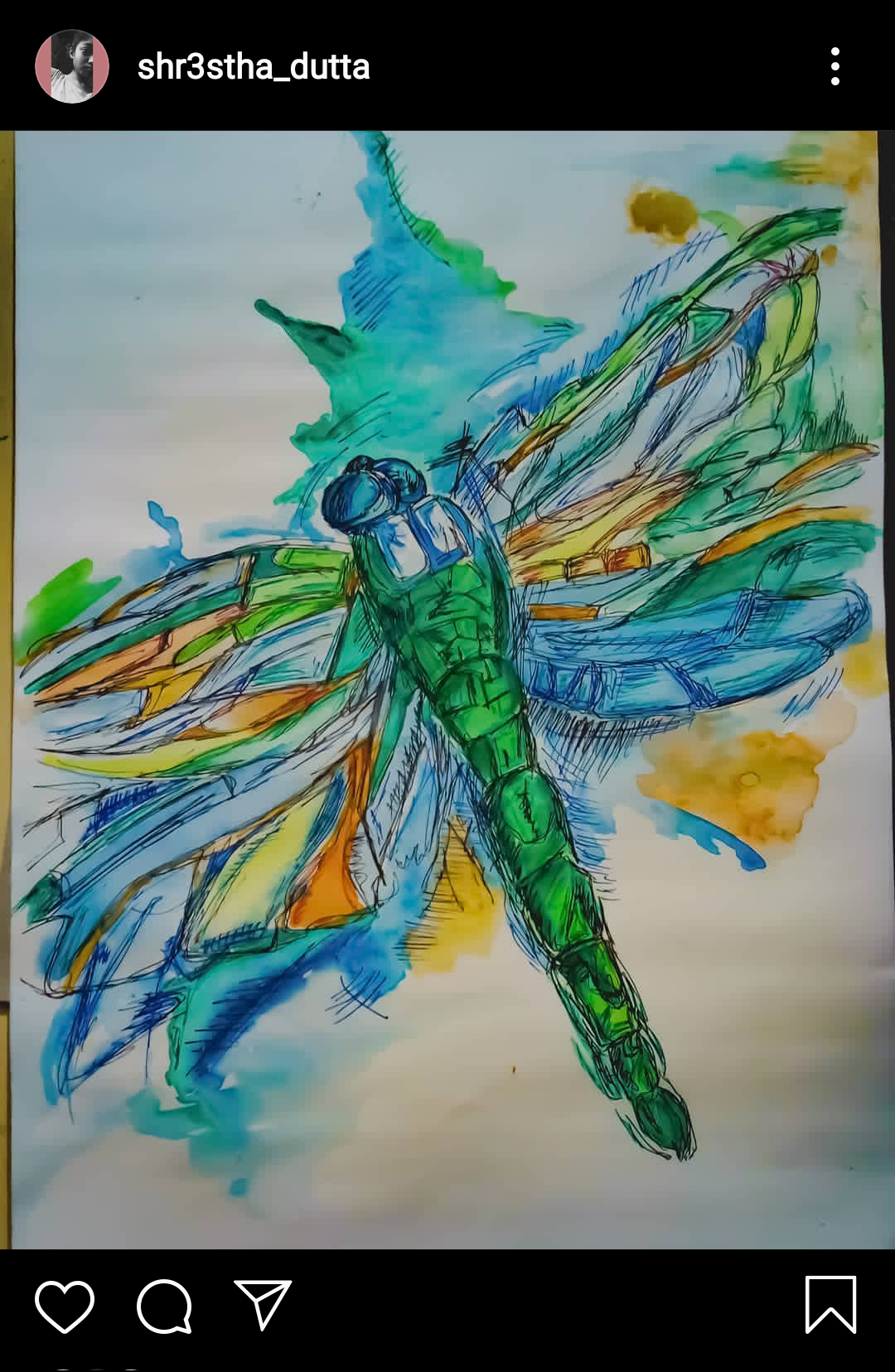
This is one of my watercolour paintings. I love experimenting with the medium.

Techniques in other kinds of painting

paints

As the name implies, pigments are already mixed with oil (usually linseed) in the tube, which makes for slow drying and easier blending. Clean up with turps or preferably and odourless solvent. Can be used straight from the tube (impasto) or thinly for underpainting or glazing. Usually used over canvas or board prepared with an acrylic or gas so undercoat. Retouch varnish may be used to even out the shine when finished. All other vanishes should not be applied until the paint has cured (around 6 months). Oils pretty much maintain their mixed colour once drive for, unlike water based paints which tend to dry darker or lighter than when wet.

#Poster colours

Poster colours contain a binder which remains water soluble when dry. Pigments used are generally of a courser quality than water colours and are therefore more opaque, specially pastel shades which are achieved by mixes that include white. Can be wetted again for further blending. Framing is usually as for water colours.

#Pastels

Here the pigments have been moulded into sticks using distilled water and a minimum of binders. Some are wrapped in waxed paper to prevent breakage. They come in square and round sticks and in pencil form full stock usually used on tinted pestle paper which has a texture (or ‘tooth’) to hold the dry granules of pigment. Spray fixatives prevent rubbing, button to dark in the pestle work. Framing is behind glass with the mat board to prevent the work from touching the glass.

#Acrylic painting

Painting executed in the medium of synthetic acrylic resins. Acrylics dry rapidly, serve as a vehicle for any kind of pigment, and are capable of giving both the transparent brilliance of watercolour and the density of oil paint. They are considered to be less affected by heat and other destructive forces than is oil paint. They found favour among artists who were concerned about the health risks posed by the handling of oil paints and the inhalation of fumes associated with them. Because of all these desirable characteristics, acrylic paints became immediately popular with artists when they were first commercially promoted in the 1960s.

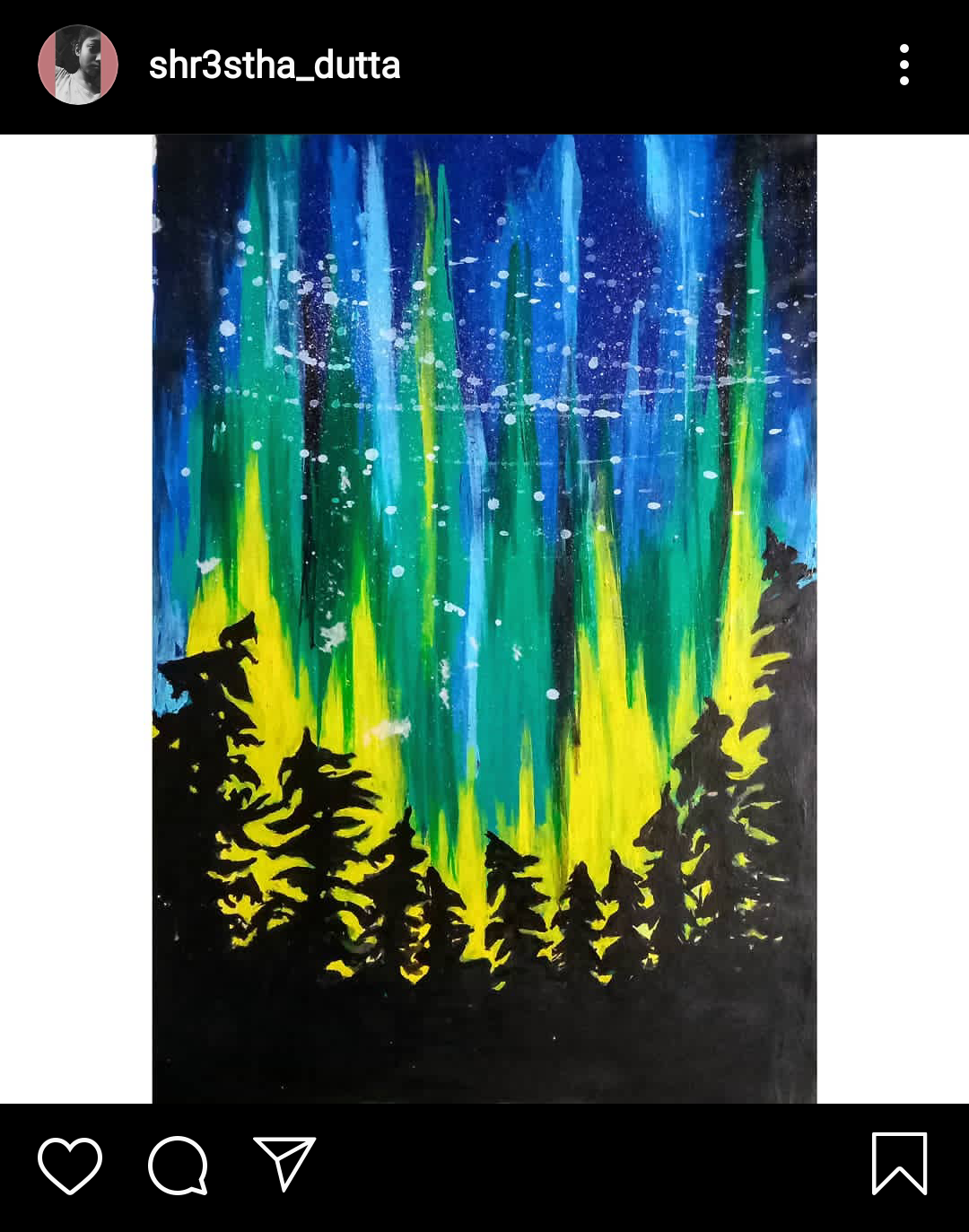
This is one of my acrylic paintings.

#Tempera painting

Painting executed with pigment ground in a water-miscible medium. The word tempera originally came from the word temper, which means ‘to bring to a desired consistency’. Dry pigments are made usable by ‘tempering’ them with a binding and adhesive vehicle. Such painting was distinguished from fresco painting, the colours for which contained no binder.

Thank you for reading. Have a nice day!🌼

Anniversaries (as of 2020)

•75th anniversary of end of World War 2 (1st September 1939 – 2nd September 1945 )

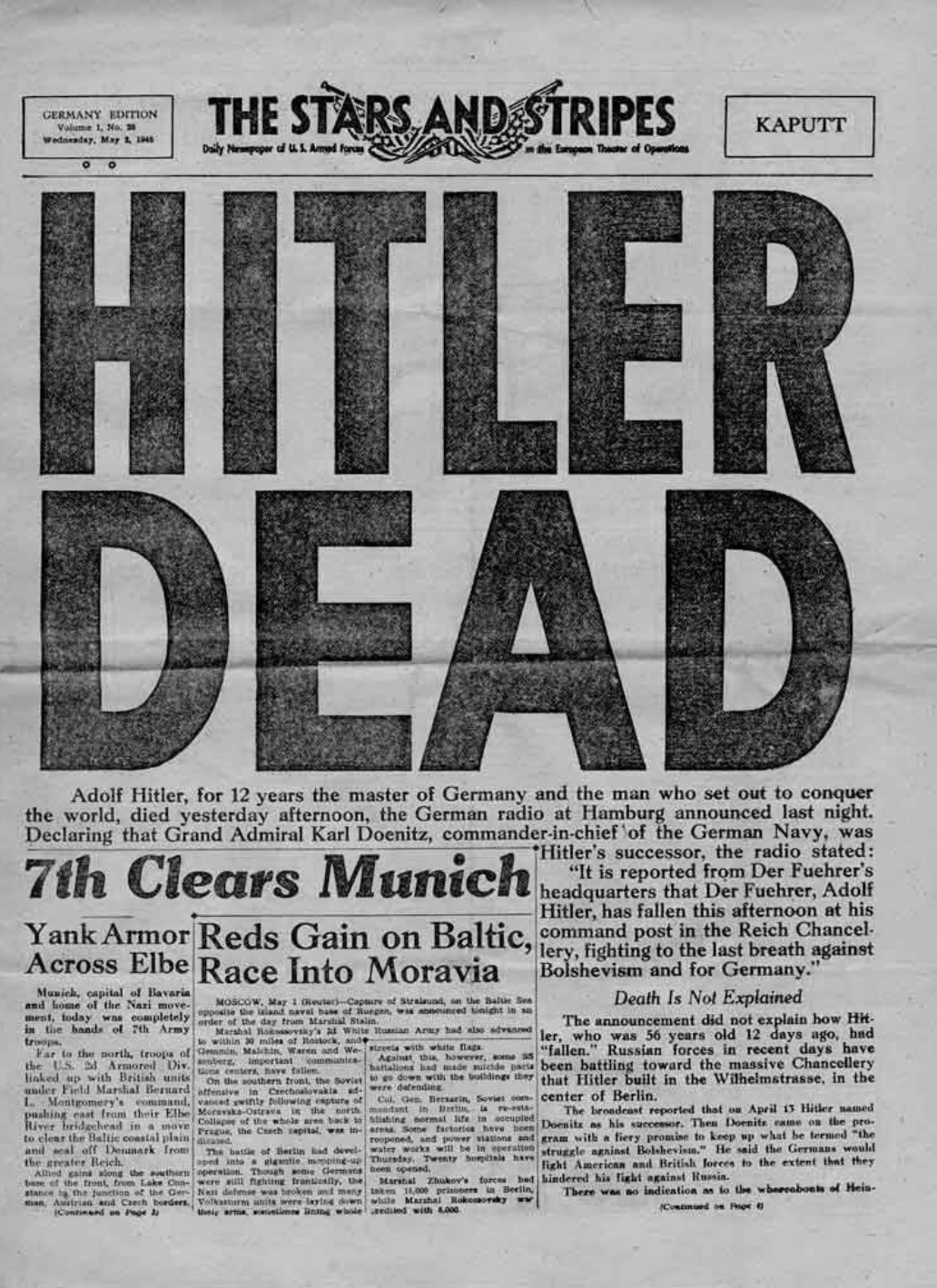
It involved vast majority of the world’s countries forming two different military forces – the Allies and the Axis. The Allied won causing the fall of Nazi Germany and also death of Hitler. It was the deadliest war in world history.

•100th birth anniversary of Isaac Asimov

Isaac Asimov was an American author and a professor of biochemistry at Boston University. Born on 2nd January, 1920 in Petrovichi, Russia. He was well known globally for his science fiction works including ‘I, Robot’, ‘Caves of steel’, ‘End of eternity’ etc. Some of his stories have been made into movies.

• 200th birth anniversary of Anne Bronte

Anne Bronte was an English novelist and poet and the youngest of the famous Bronte sisters. She was born on 17th January, 1820 in Thornton, UK. Some of her works include ‘The tenant of Wildfell hall’ and ‘Agnes Grey’.

•500th death anniversary of Italian artist Raphael

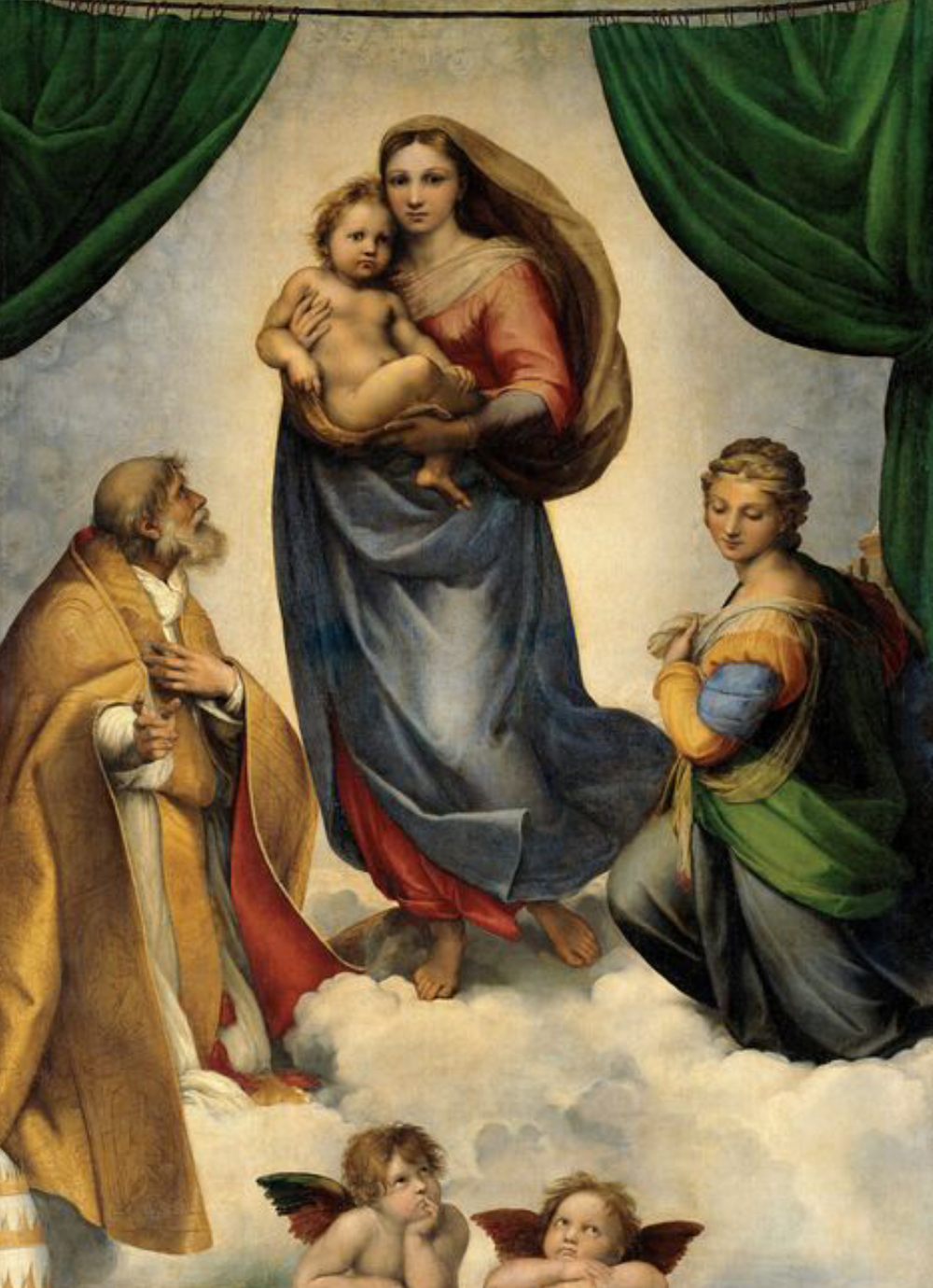
One of the Renaissance period painters, Raffaello Sanzio da Urbino was born on 6th April, 1483 and died on 6th April, 1520. St. Peter’s Basilica is one of his works. His notable artworks include ‘The school of Athens’, ‘The Sistine Madonna’ , ‘The marriage of the virgin’ etc.

•250th birth William Wordsworth

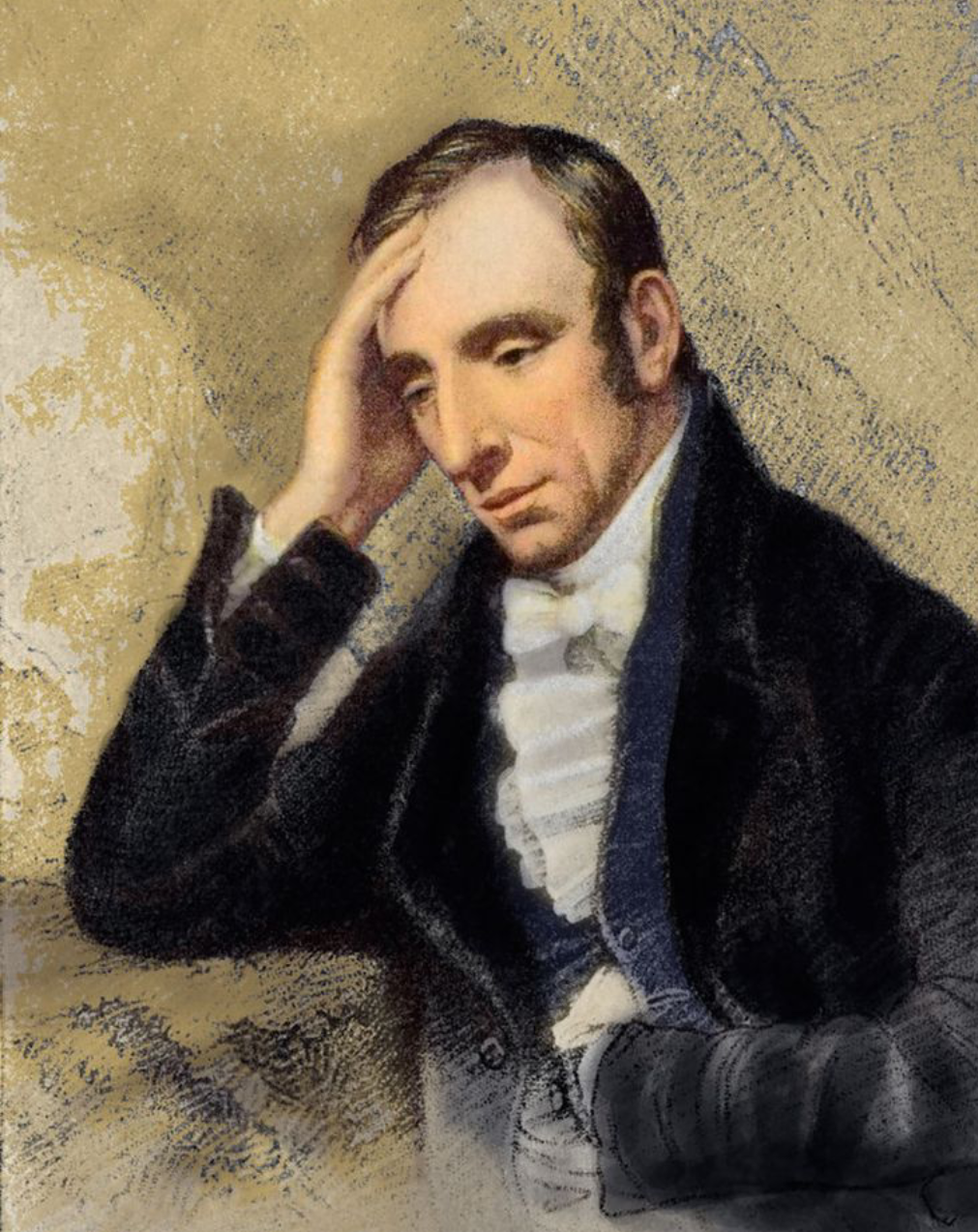
The very famous poem, ‘I wandered lonely as a cloud’ poet William Wordsworth was born on 7th April, 1770 in Cockermouth, UK. He was an English Romantic poet.

•200th birth Florence nightingale

The English social reformer, statistician and the founder of modern nursing was born on 12th May, 1820 in Florence, Italy. She worked hard and determined as a nurse and earned the title ‘Lady with the Lamp’.

•150th death anniversary Charles Dickens

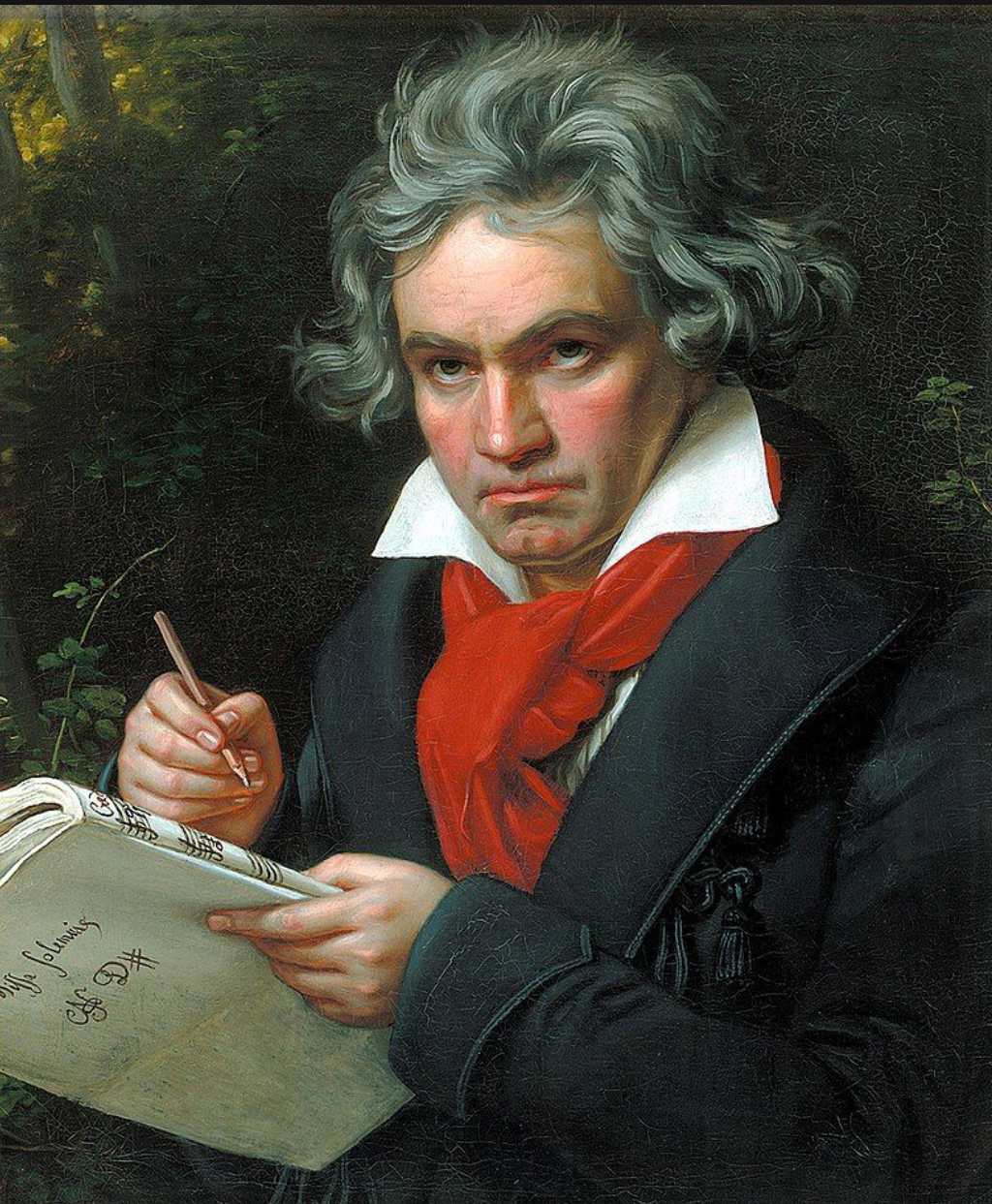
•250th birth anniversary of Ludwig van Beethoven

He was a German composer and pianist whose music ranks amongst the most performed classical music. Till date he remains the most admired composers in the history of western music. He was born in December 1770, Bonn, Germany.

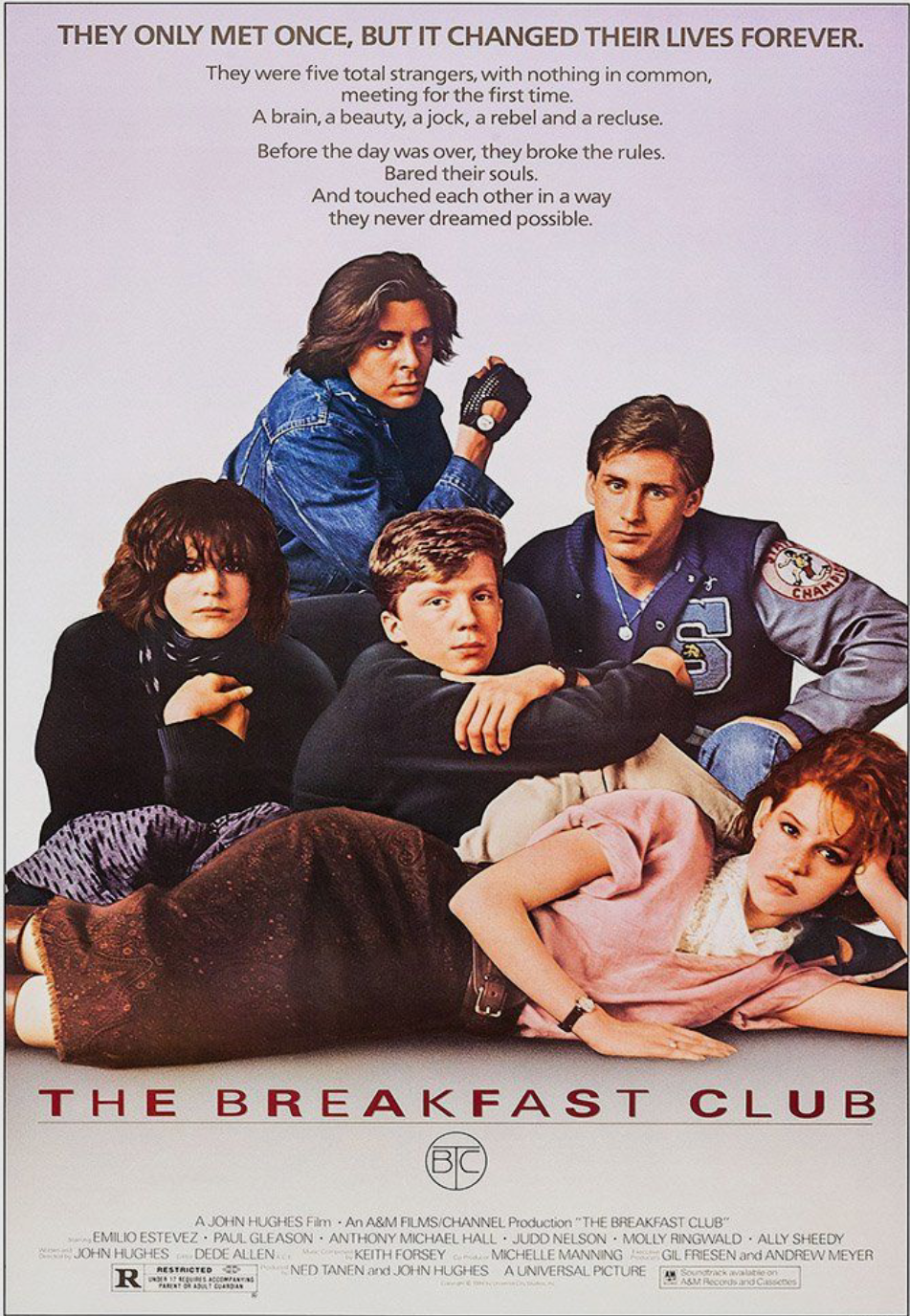
•Breakfast club is 35 now.

1985 The 1985 comedy and drama movie that has been a teenagers must watch since it’s release in 1985.

Thank you for reading. Have a nice day!🌼