Indian Folk Art

• Warli paintings

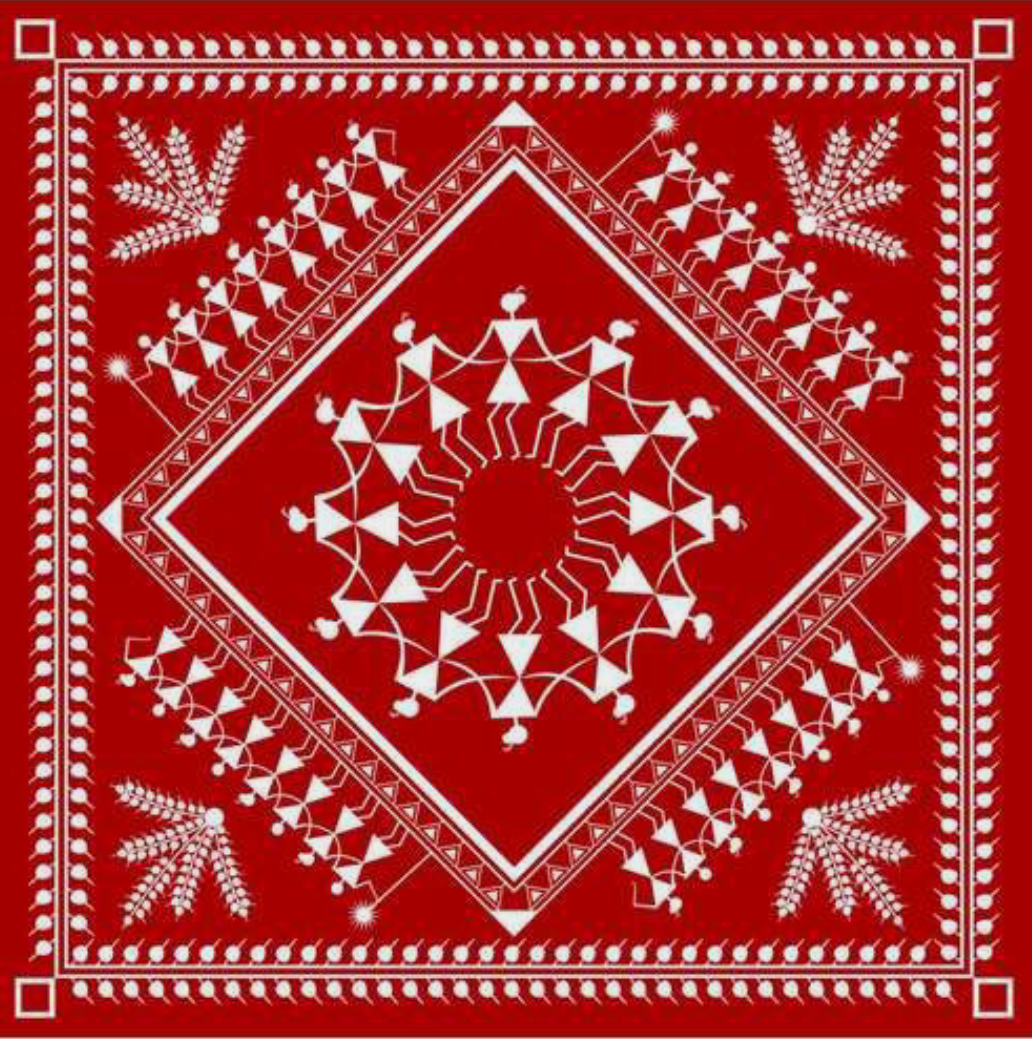
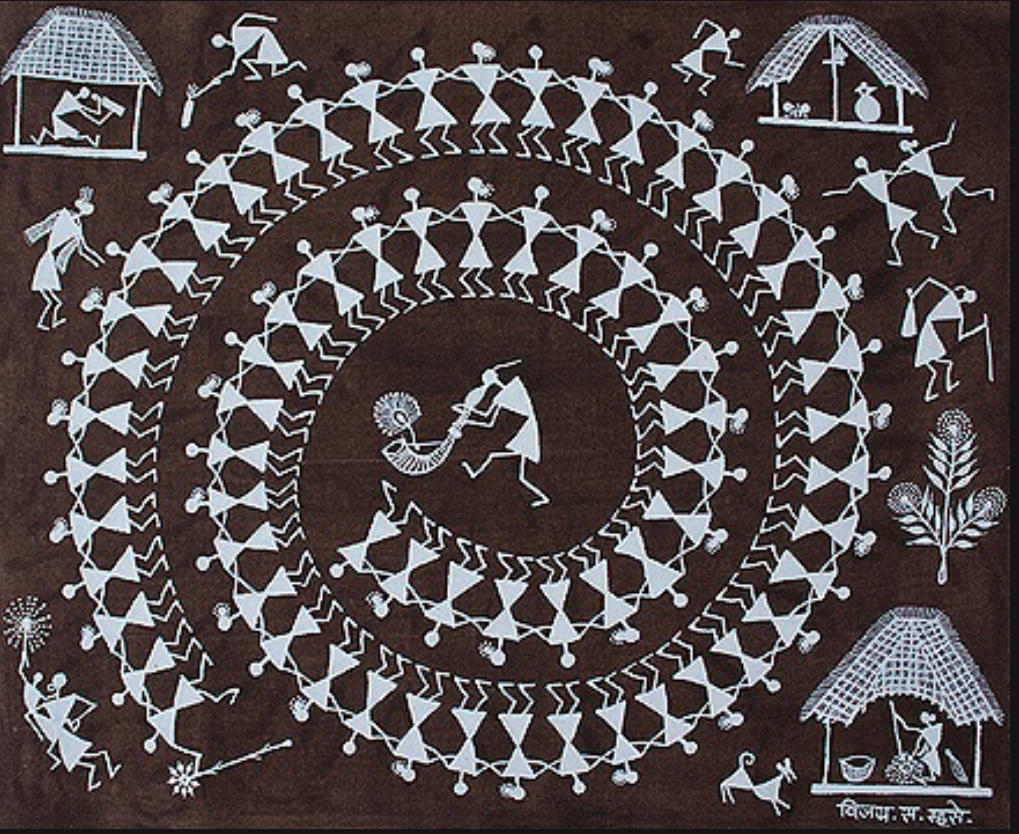
Warlis or Varlis are an indigenous tribes or adivasis living in the mountainous as well as coastal areas on the Maharastra-Gujarat border and surrounding areas. They have their own animistic beliefs, life, customs and traditions. As a result of acculturation, they have adopted many Hindu beliefs. Their extremely rudimentary Wall paintings use a very basic graphic vocabulary a circle, or triangle and a square. Their paintings were monosyllabic. The circle and the triangle come from the observation of nature, the circle representing the sun and the moon, the triangle derived from mountains and pointed trees. Only the square seems to be a different logic and seems to be a human invention, indicating a sacred enclosure or a piece of land.

The ritual paintings are usually done inside their huts. The walls are made of a mixture of branches, earth and cow dung making a red ochre background for wall paintings. Warlis use only white in their paintings. The white pigment used by them is a mixture of rice paste and water with gum as a binding. As the brush, they use a bamboo stick chewed at the end to make it as supple as a paintbrush. The wall paintings are done only on special occasions such as weddings or harvests. Warli art is the cultural intellectual property of the tribal community. Today, there is an urgent need for preserving this traditional knowledge in tribal communities across the globe. Now, Warli painting is registered with a geographical indication under the intellectual property rights act. With the use of technology and the concept of social entrepreneurship, tribals established the Warli Art Foundation, a non-profit company dedicated to Warli art and related activities.
• Cave paintings in India

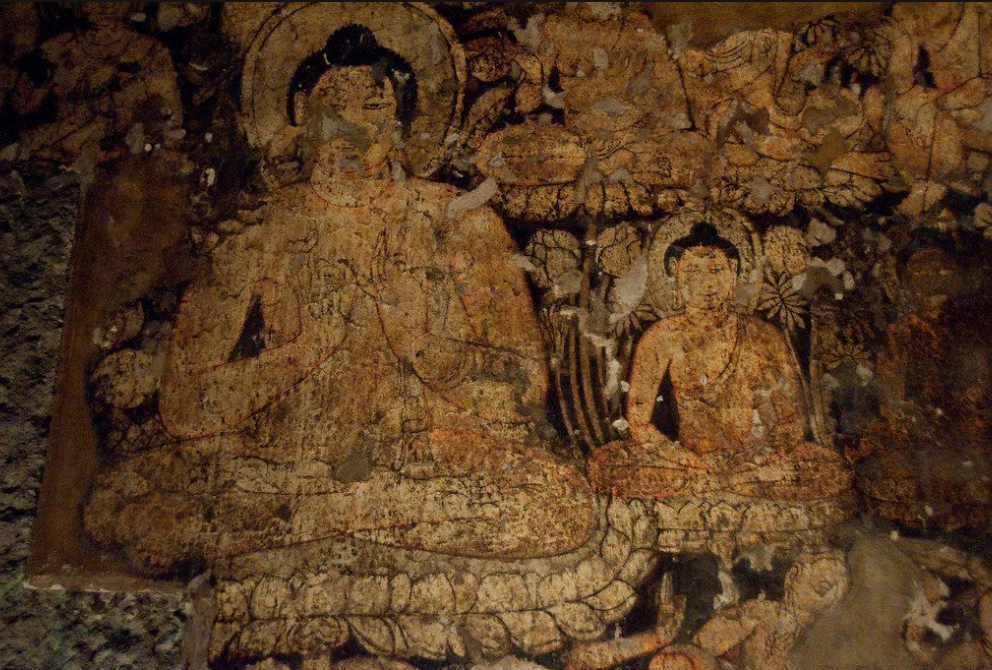
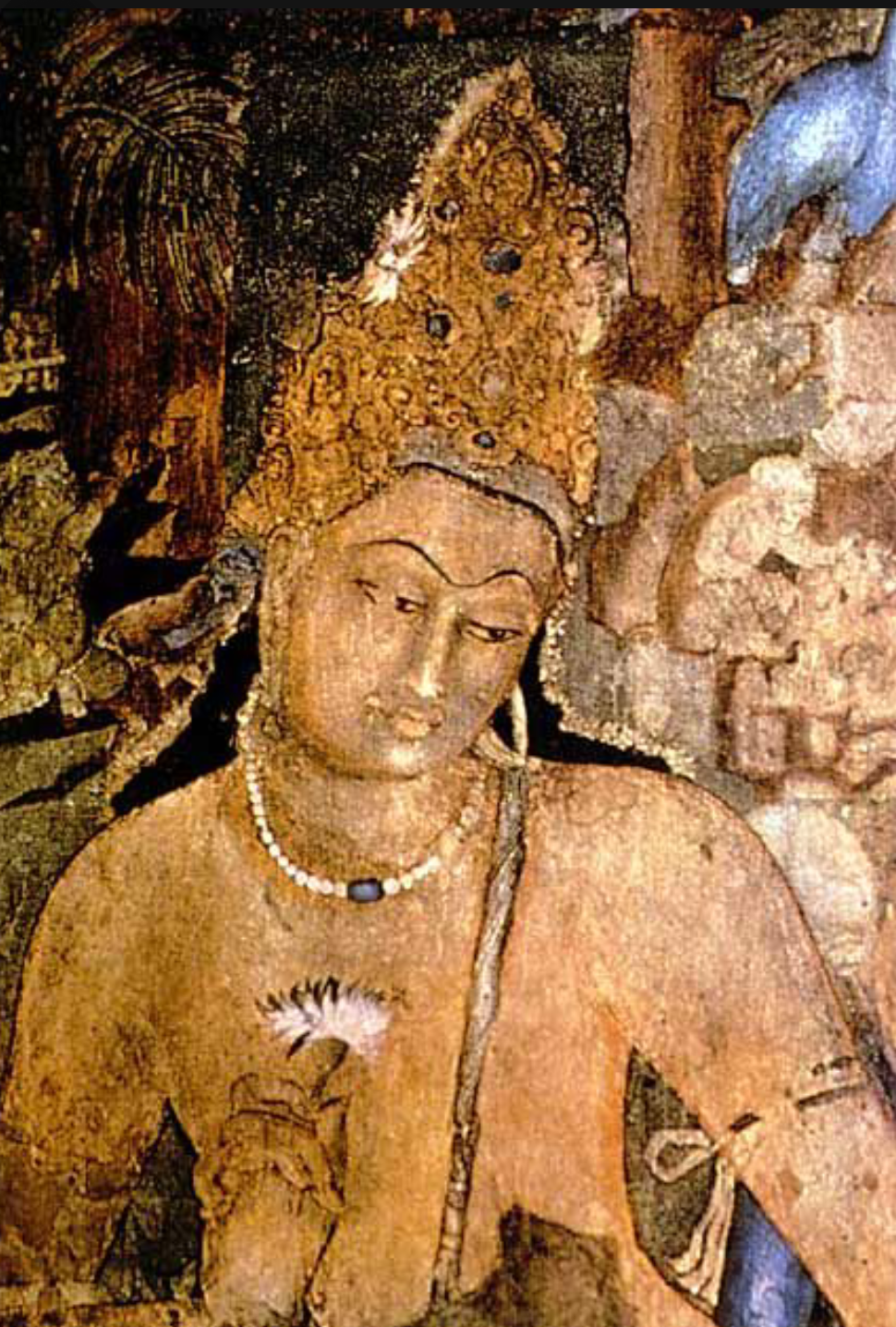
Almost all early painting in India survives in caves, as very few buildings from ancient India survive. The history of cave paintings in India or rock art range from drawings and paintings from prehistoric times – beginning around 30000 BCE in the caves of Central India, typified by those at the Bhimbetka rock shelters – to elaborate frescoes at sites such as the rock cut artificial caves at Ajanta and Ellora, prevalent as late as the 8th – 10th century CE. The frescoes of Ajanta are paintings in the Ajanta caves, which are situated near Aurangabad in Maharashtra. The caves are carved out of large rocks. Inside many of the caves are frescoes. Frescoes are paintings which are done on wet plaster in which colours become fixed on the walls and ceilings at Ajanta.

The paintings reflect different phases of Indian culture from Jain tirthankar Mahaveer’s birth to his Nirvana in the 8th century AD. The frescoes have degraded slightly due to the effect of flash photography. Photography here is not banned. The paintings depict themes of court life, feasting, processions, men and women at work, festivals and various natural scenes including animals and birds and flowers. The artists used shading to give a three-dimensional effect.
Similarly, beautiful frescoes have been found at the Bagh caves, 150 km away to the North of Ajanta. Though the themes in these paintings are both secular and religious, they do depict some aspects of Buddhist life and rituals. One of the most famous paintings show a procession of elephants. Another depicts a dancer and women musicians. These have been influenced by the Ajanta style of painting. These frescoes show a strong resemblance to the frescoes of Sigriya in Sri Lanka.
Thank you for reading. Have a nice day!🌼
Graphic design

Graphic design is the process of visual communication and problem solving through the use of type, space and image. The field is considered a subset of visual communication and communication design but sometimes the term ‘graphic design’ is used interchangeably with these due to overlapping skills involved. Graphic designers use various methods to create and combine words, symbols and images to create a visual arts and page layout techniques to produce a final result. Graphic design often refers to both the process (designing) by which the communication is created and the products (design) which are generated. Common uses of graphic design include identity, publications, print advertisements, posters, billboards, website graphics and elements, signs and product packaging. For example a product package might include a logo for other artwork organised text and pure design elements sketches images shapes and colour which unified the piece. Composition is one of the most important features of graphic design specially when using pre existing materials or diverse elements.

•Skills

A graphic design project me in work to stylisation and presentation of existing text and either pre existing imagery or images developed by the graphic designer. Artistic pieces can be incorporated in both traditional and digital forms which involves the use of visual arts typography and page layout techniques for publications and marketing for example a newspaper story begins with the journalist and photo journalist and then becomes the graphic designer job to organise the page into a reasonable layout and determine if any other graphic element should be required. In a magazine article or advertisement often the graphic designer or art director will commission photographers or illustrators to create original pieces just to be incorporated into the design layout or the designer may utilise stock imagery or photography. Contemporary design practice has been extended to the modern computer. Nearly all popular and ‘industry standard’ software programs used for graphic design since the early 1990’s are products of Adobe systems incorporated. They are Adobe Photoshop (a raster based program for photo editing), Adobe illustrator (a vector based program for drawing), Adobe InDesign ( a page layout program) and Adobe Dreamweaver (for webpage design).

Another major page layout tool is QuarkXPress (a product of Quark Inc. a separate company from Adobe). Both QuarkXPress and Adobe InDesign are often used in the final stage of the electronic design process. Raster images maybe edited in Adobe Photoshop, logos and illustrations in Adobe illustrator and the final product may be assembled in one of the major page layout programs. Most graphic designers entering the field since 1990 are expected to be proficient in at least one or two of these programs.

my work

Another one

•Occupation

Graphic design career paths cover all ends of the creative spectrum and often overlap. Employment within graphic design in walls workers performing specialised tasks such as design services publishing advertising and public relations. The main job responsibility of a graphic designer is the arrangement of visual elements in some type of media. The main job titles within the industry can vary and are often country specific. They can include graphic designer, are director, creative director former animator and the entry level production artist. Depending on the industry served commerce responsibilities may have different titles such as DTP associate and graphic artist But despite changes in the title graphic design principles remain consistent who start the responsibilities may come from early to specialised skills such as illustrations photography animation or interactive design. Today’s graduate in graphic design students are normally exposed to all these areas of graphic design and I guided to become familiar with all of them as well in order to be competitive. Graphic designers will face strong competition when applying for positions for organizations look for candidates with convincing talents and college level education post of field requirements consist of having strong portfolio and bachelors degree first of graphic designers can work in a variety of environments while many will work in companies devoted specifically to the industry such as design consultancies or branding agencies, others may work in publishing, marketing for other communication companies. Increasingly, special sense the introduction of personal computers to the industry commerce many graphic designers have found themselves working in non design oriented organizations as in house designers. Graphic designers may also work as freelance designers, working on their own terms, prices, ideas etc. A graphic designer reports to the art director, creative director or senior media creative. As a designer becomes more senior, he/she may spend less time designing media and more time leading and directing other designers on broader creative activities such as brand development and corporate identity development. Senior designers are often expected to interact more directly with clients, for example taking and interpreting briefs.

Thank you for reading. Have a nice day!🌼

Painting techniques

Techniques in watercolour paintings

#Washes

The most basic watercolour technique is the flat wash. It is reduced by first wetting the area of paper to be covered by the wash, then mixing sufficient pigment to easily fill the entire area. The pigment is applied to a sloping surface in slightly overlapping horizontal bands from the top down. Once complete, the wash should be left to dry and even itself out. Don’t be tempted to work back into a drawing wash, the results are usually disastrous! A variation on the basic wash is the graded wash. This technique requires the pigment to be diluted slightly with more water for each horizontal stroke. The result is a wash that fades out gradually and evenly.

#Glazing

Glazing is a similar watercolour technique Do a wash, but uses a thin, transparent pigment applied over dry existing washes. Its purpose is to adjust the colour and tone of the underlying wash. Non-staining, transparent pigments such as Rose Madder (or Permanent Rose), Cobalt Blue and or Auroline are ideal for glazing as they can be applied layer after led to achieve the desired effect. Be sure each layer is thoroughly dry before applying the next.

#Dropping in colour

This technique is simply the process of introducing a colour to a wet region of the painting and allowing it to blend bleed and feather without interruption. The result is sometimes and predictable but yields interesting and vibrant colour gradations That can’t be achieved by mixing the pigment on the palette.

#Wet-on-wet

Wet-on-wet is simply the process of applying pigment to wait paper. The results very from soft undefined shapes to slightly blurred marks, depending on how wet the paper is. The wet-on-wet technique can be applied over existing washes provided they are thoroughly dry. Simply wet the paper with the large brush and paint into the dampness. The soft marks made by painting wet in wet agreed for subtle background regions of your painting.

#Dry brush

Dry brush is almost the opposite watercolour technique to wet in wet. Here a brush loaded with pigment (and not too much water) is dragged over completely dry paper. The marks produced by this technique are very crisp and hard-edged. They will tend to come forward in your painting and so are best applied around the centre of interest.

#Lifting off

Most water colour pigments can be resolved and lifted off after they have dried. Staining colours such as Phthalo or Prussian blue, Alizarin, Windsor red, yellow or blue are difficult to remove and are best avoided for this technique. The process for lifting of his simple – wet the area to be removed with a brush and clean water, then blot the pigment away with attached. Using strips of paper to mask areas of pigment will produce interesting hard-edged lines and shapes.

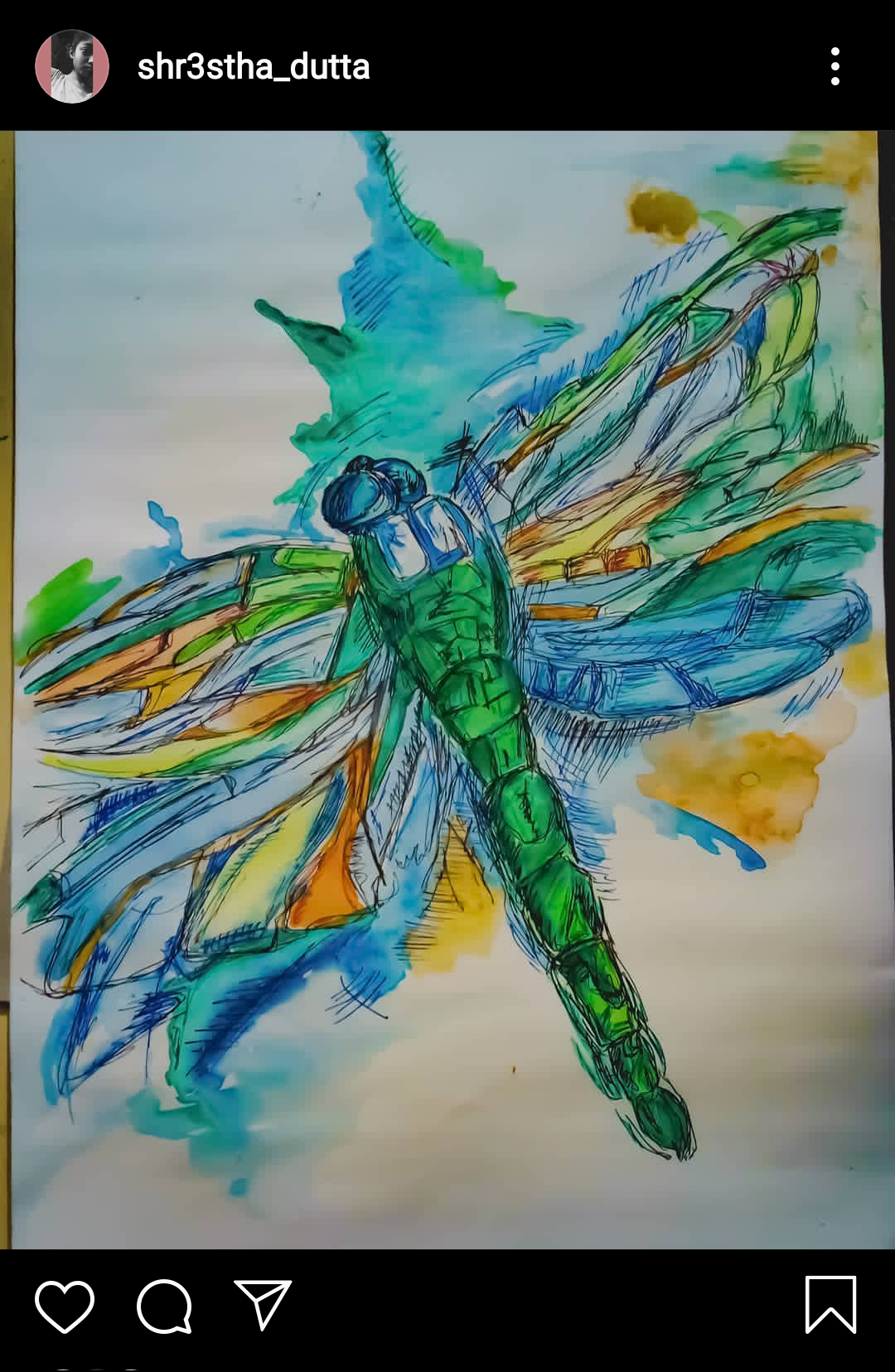
This is one of my watercolour paintings. I love experimenting with the medium.

Techniques in other kinds of painting

paints

As the name implies, pigments are already mixed with oil (usually linseed) in the tube, which makes for slow drying and easier blending. Clean up with turps or preferably and odourless solvent. Can be used straight from the tube (impasto) or thinly for underpainting or glazing. Usually used over canvas or board prepared with an acrylic or gas so undercoat. Retouch varnish may be used to even out the shine when finished. All other vanishes should not be applied until the paint has cured (around 6 months). Oils pretty much maintain their mixed colour once drive for, unlike water based paints which tend to dry darker or lighter than when wet.

#Poster colours

Poster colours contain a binder which remains water soluble when dry. Pigments used are generally of a courser quality than water colours and are therefore more opaque, specially pastel shades which are achieved by mixes that include white. Can be wetted again for further blending. Framing is usually as for water colours.

#Pastels

Here the pigments have been moulded into sticks using distilled water and a minimum of binders. Some are wrapped in waxed paper to prevent breakage. They come in square and round sticks and in pencil form full stock usually used on tinted pestle paper which has a texture (or ‘tooth’) to hold the dry granules of pigment. Spray fixatives prevent rubbing, button to dark in the pestle work. Framing is behind glass with the mat board to prevent the work from touching the glass.

#Acrylic painting

Painting executed in the medium of synthetic acrylic resins. Acrylics dry rapidly, serve as a vehicle for any kind of pigment, and are capable of giving both the transparent brilliance of watercolour and the density of oil paint. They are considered to be less affected by heat and other destructive forces than is oil paint. They found favour among artists who were concerned about the health risks posed by the handling of oil paints and the inhalation of fumes associated with them. Because of all these desirable characteristics, acrylic paints became immediately popular with artists when they were first commercially promoted in the 1960s.

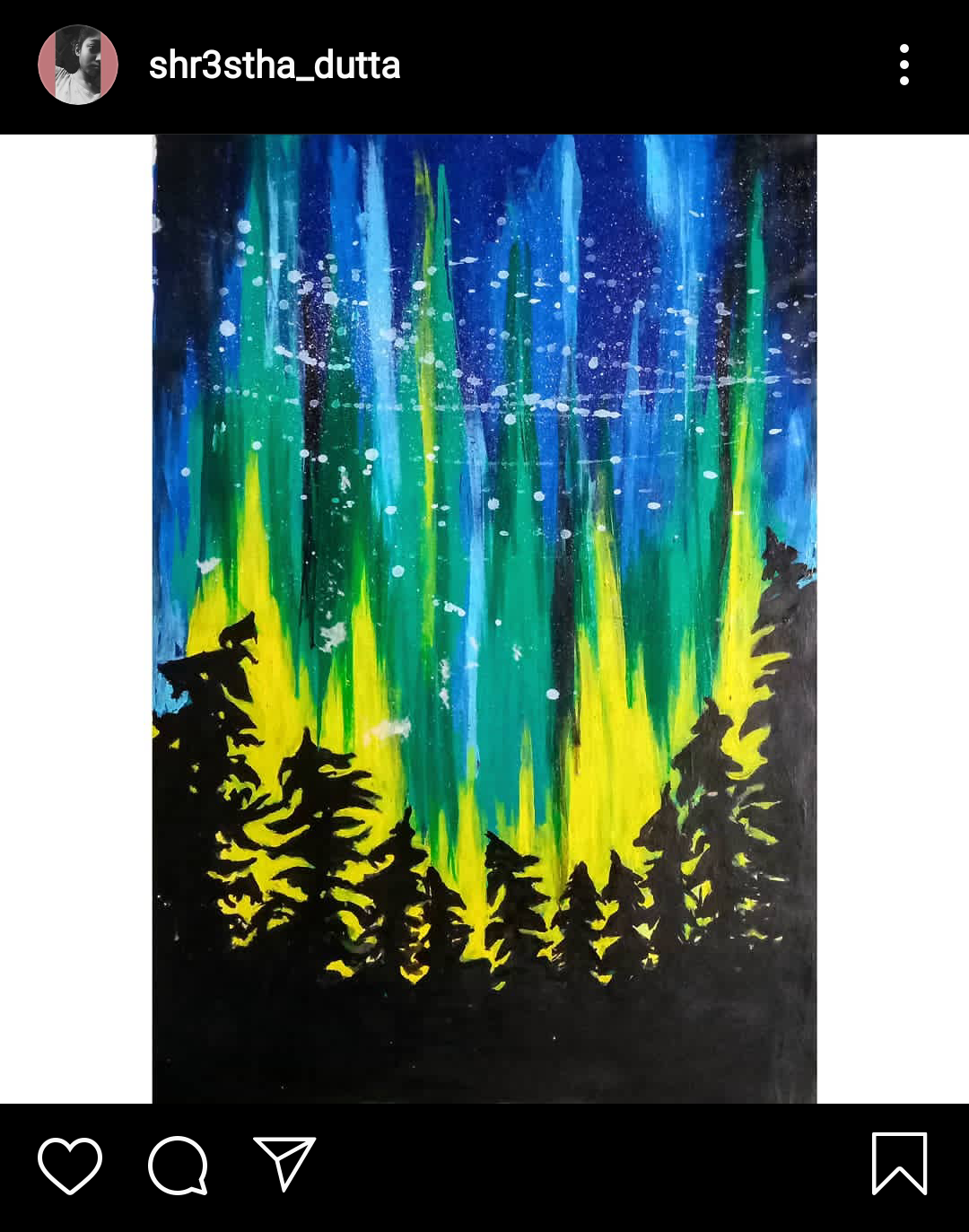
This is one of my acrylic paintings.

#Tempera painting

Painting executed with pigment ground in a water-miscible medium. The word tempera originally came from the word temper, which means ‘to bring to a desired consistency’. Dry pigments are made usable by ‘tempering’ them with a binding and adhesive vehicle. Such painting was distinguished from fresco painting, the colours for which contained no binder.

Thank you for reading. Have a nice day!🌼
Anniversaries (as of 2020)

•75th anniversary of end of World War 2 (1st September 1939 – 2nd September 1945 )

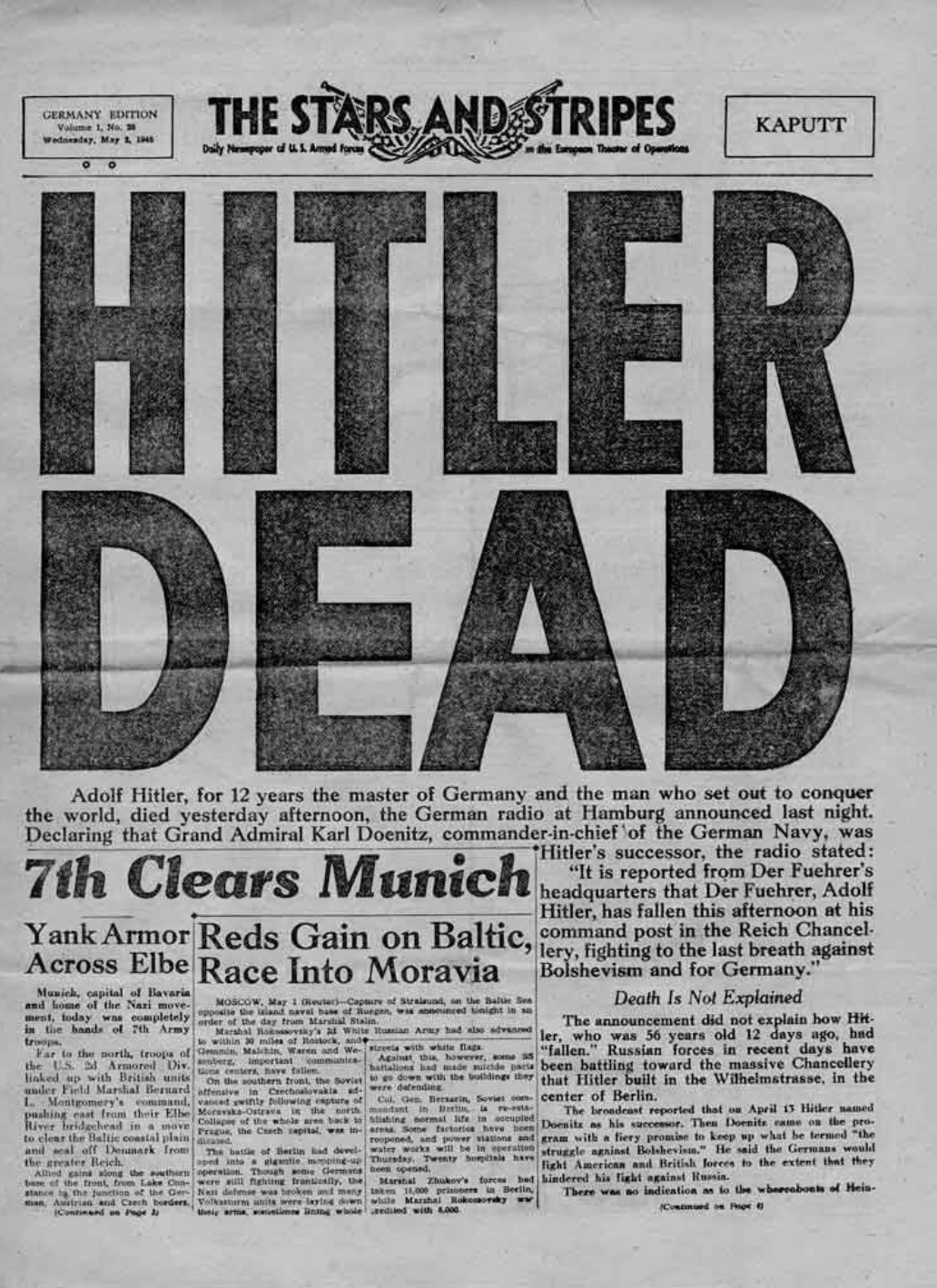
It involved vast majority of the world’s countries forming two different military forces – the Allies and the Axis. The Allied won causing the fall of Nazi Germany and also death of Hitler. It was the deadliest war in world history.

•100th birth anniversary of Isaac Asimov

Isaac Asimov was an American author and a professor of biochemistry at Boston University. Born on 2nd January, 1920 in Petrovichi, Russia. He was well known globally for his science fiction works including ‘I, Robot’, ‘Caves of steel’, ‘End of eternity’ etc. Some of his stories have been made into movies.

• 200th birth anniversary of Anne Bronte

Anne Bronte was an English novelist and poet and the youngest of the famous Bronte sisters. She was born on 17th January, 1820 in Thornton, UK. Some of her works include ‘The tenant of Wildfell hall’ and ‘Agnes Grey’.

•500th death anniversary of Italian artist Raphael

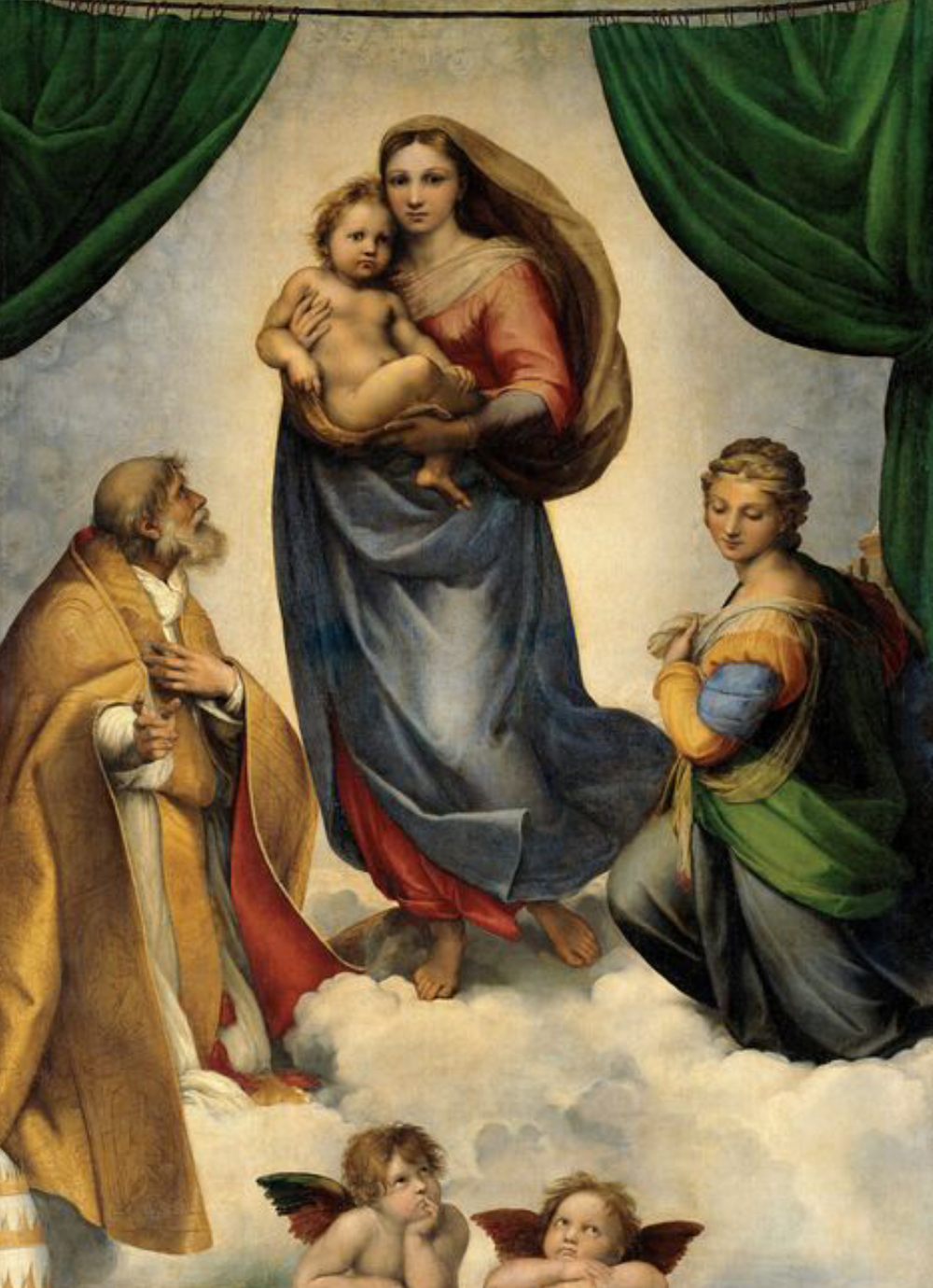
One of the Renaissance period painters, Raffaello Sanzio da Urbino was born on 6th April, 1483 and died on 6th April, 1520. St. Peter’s Basilica is one of his works. His notable artworks include ‘The school of Athens’, ‘The Sistine Madonna’ , ‘The marriage of the virgin’ etc.

•250th birth William Wordsworth

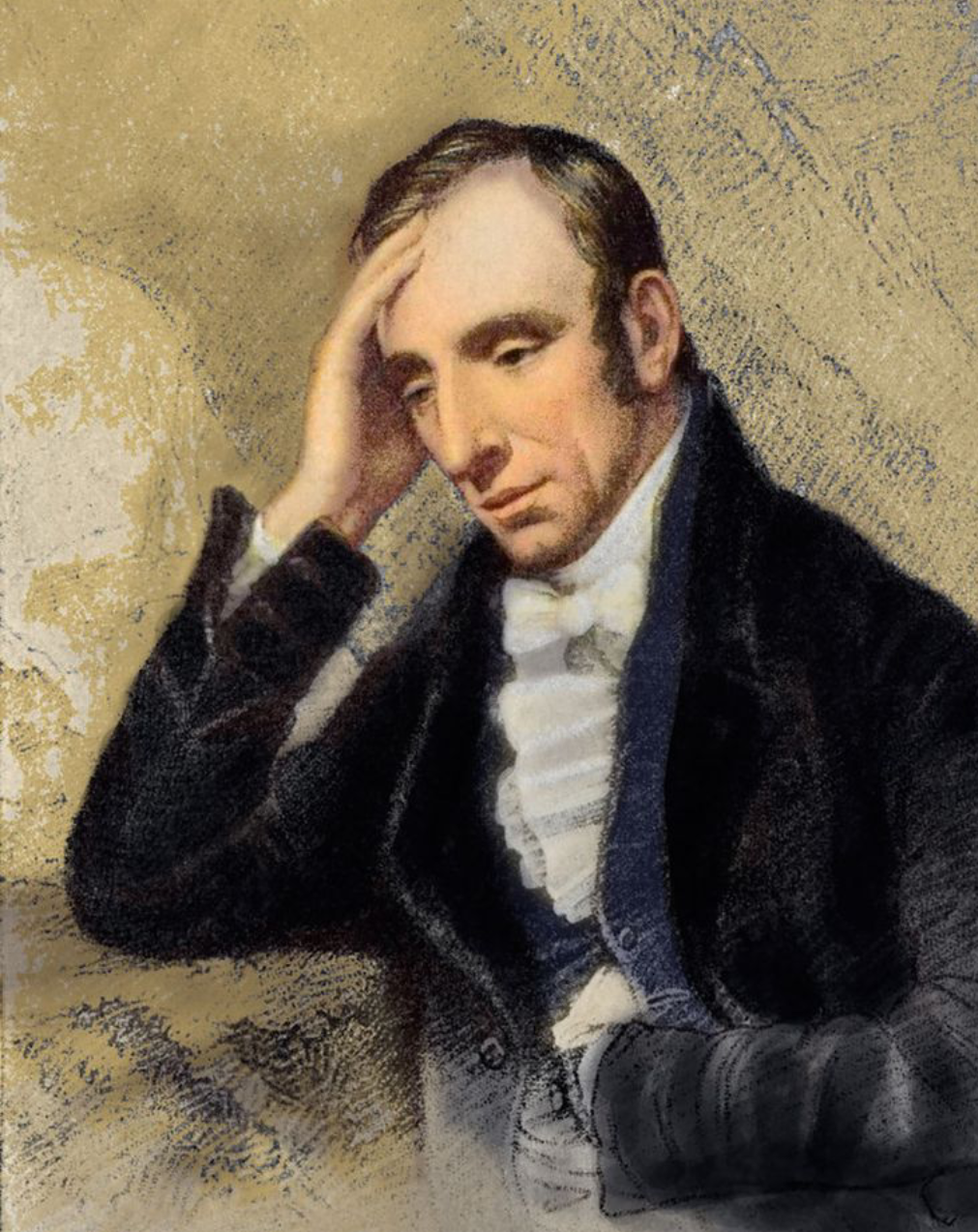
The very famous poem, ‘I wandered lonely as a cloud’ poet William Wordsworth was born on 7th April, 1770 in Cockermouth, UK. He was an English Romantic poet.

•200th birth Florence nightingale

The English social reformer, statistician and the founder of modern nursing was born on 12th May, 1820 in Florence, Italy. She worked hard and determined as a nurse and earned the title ‘Lady with the Lamp’.

•150th death anniversary Charles Dickens

•250th birth anniversary of Ludwig van Beethoven

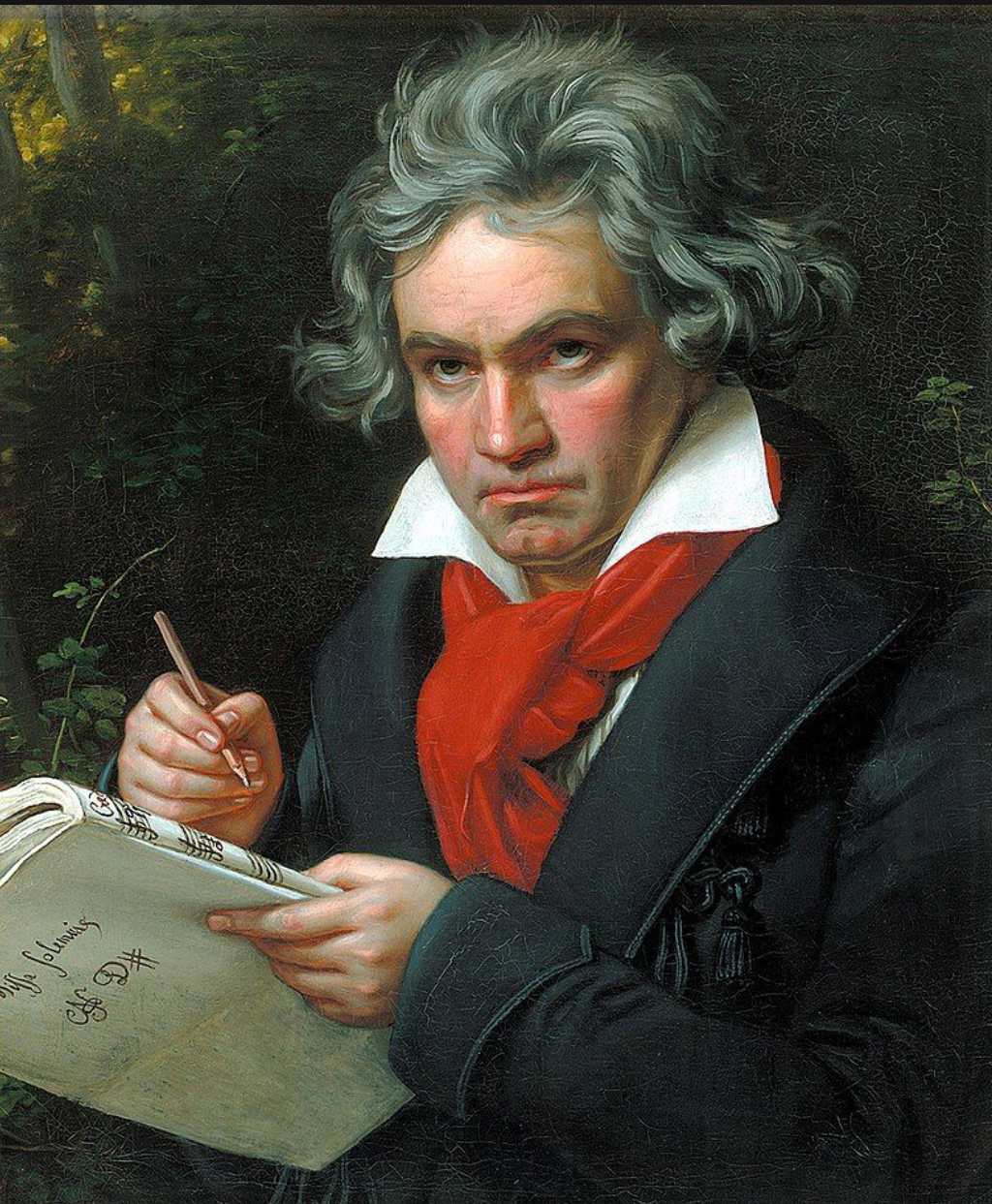
He was a German composer and pianist whose music ranks amongst the most performed classical music. Till date he remains the most admired composers in the history of western music. He was born in December 1770, Bonn, Germany.

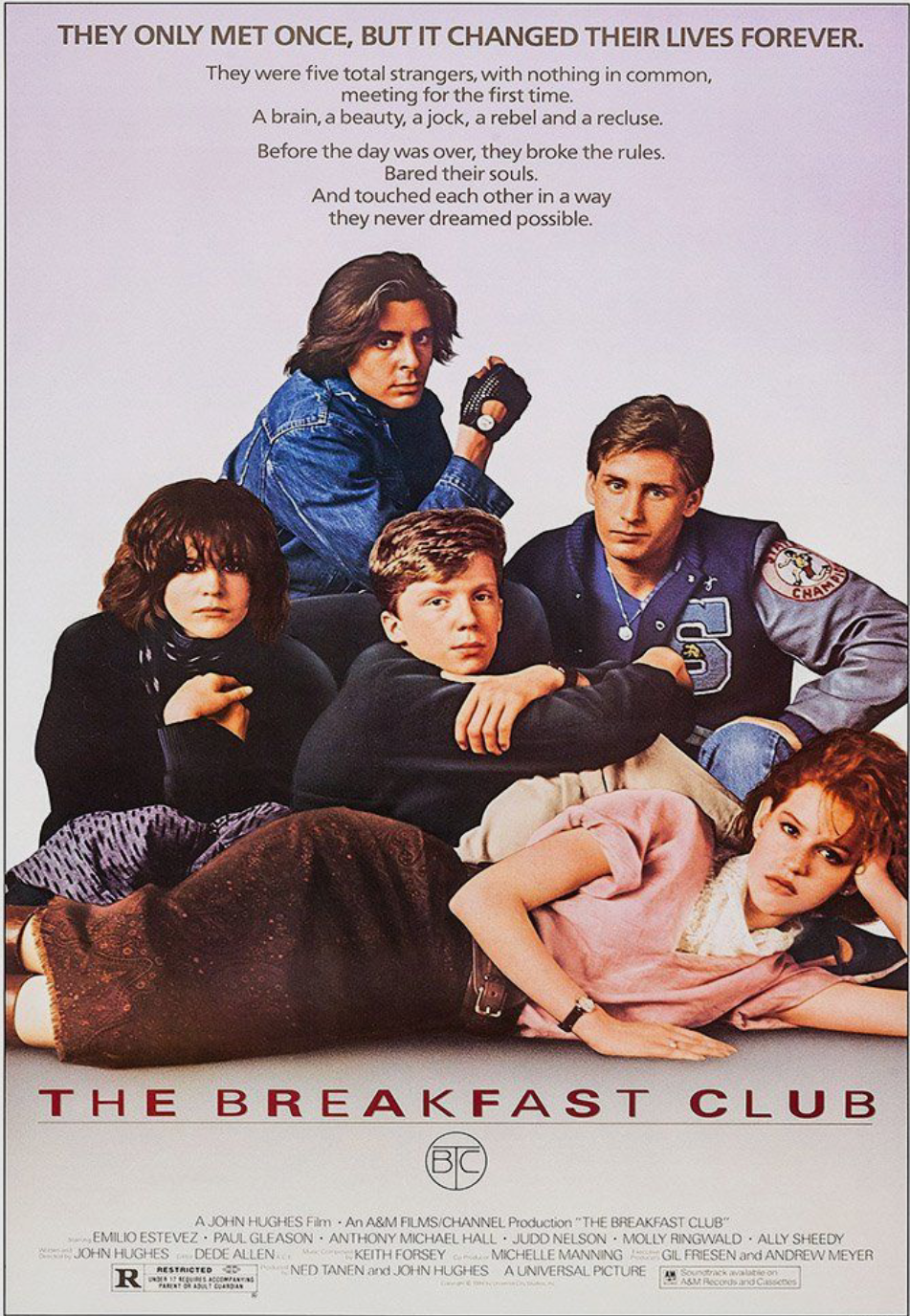
•Breakfast club is 35 now.

1985 The 1985 comedy and drama movie that has been a teenagers must watch since it’s release in 1985.

Thank you for reading. Have a nice day!🌼
Evolution

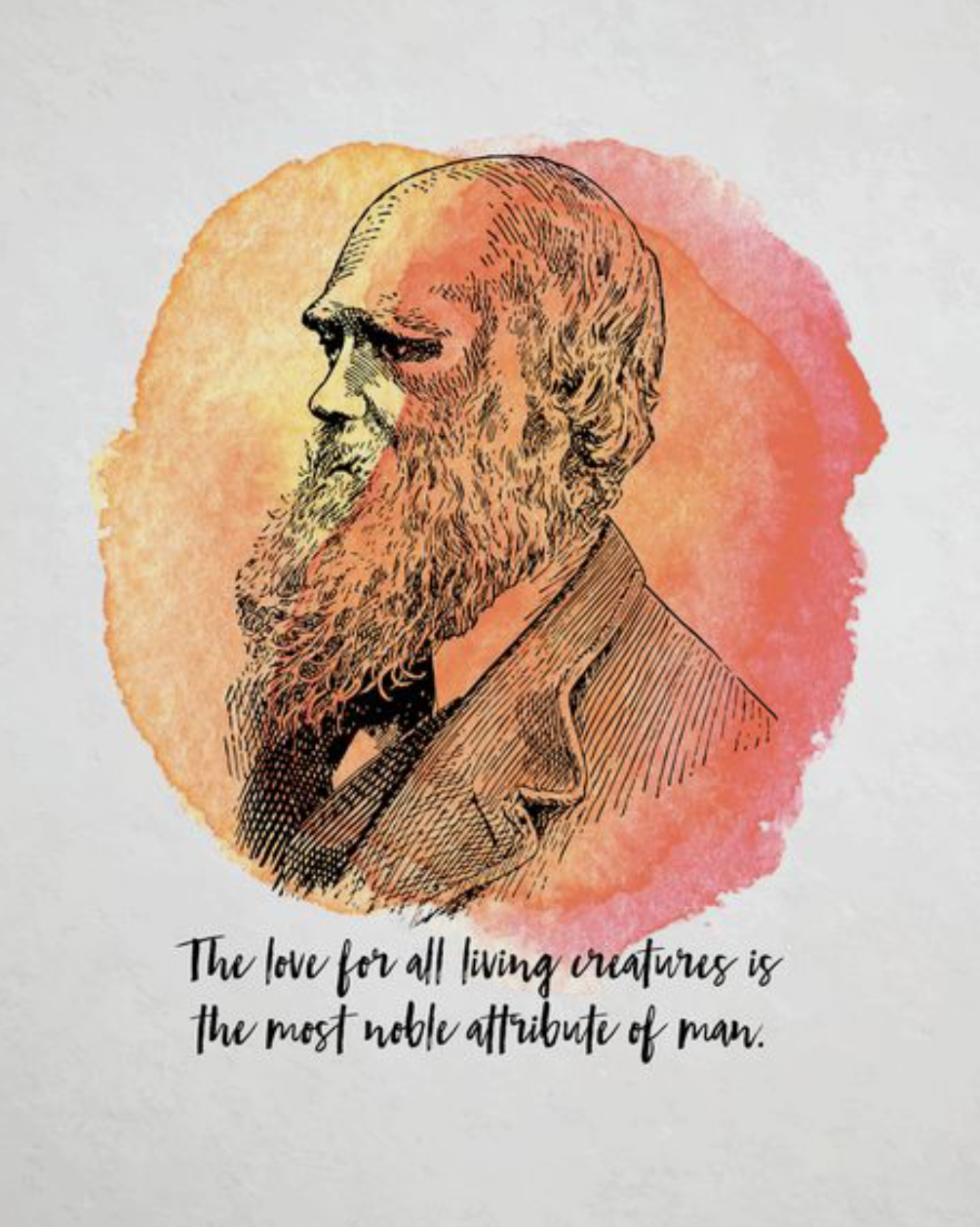
When you think of evolution the first name that comes to one’s mind is that of Charles Darwin. However, the fact is that he was not the first person to put forward the idea of evolution. Lamarck had suggested it earlier but the concept was not popular. In fact zoology professor Robert Grant lost his job because he supported Lamarck theory! An anonymous work titled, ‘The Vestiges of creation’ was ridiculed. It was Charles Darwin who first made the theory acceptable and he was able to do so because he supported it with a huge amount of evidence. Darwin, an English naturalist put forward his theory in a book titled ‘On the origin of the species’. He established that all species descended from common ancestors and that the different species evolved through a process he called natural selection. Darwin’s theory gained acceptance because it was able to explain the diversity of life.

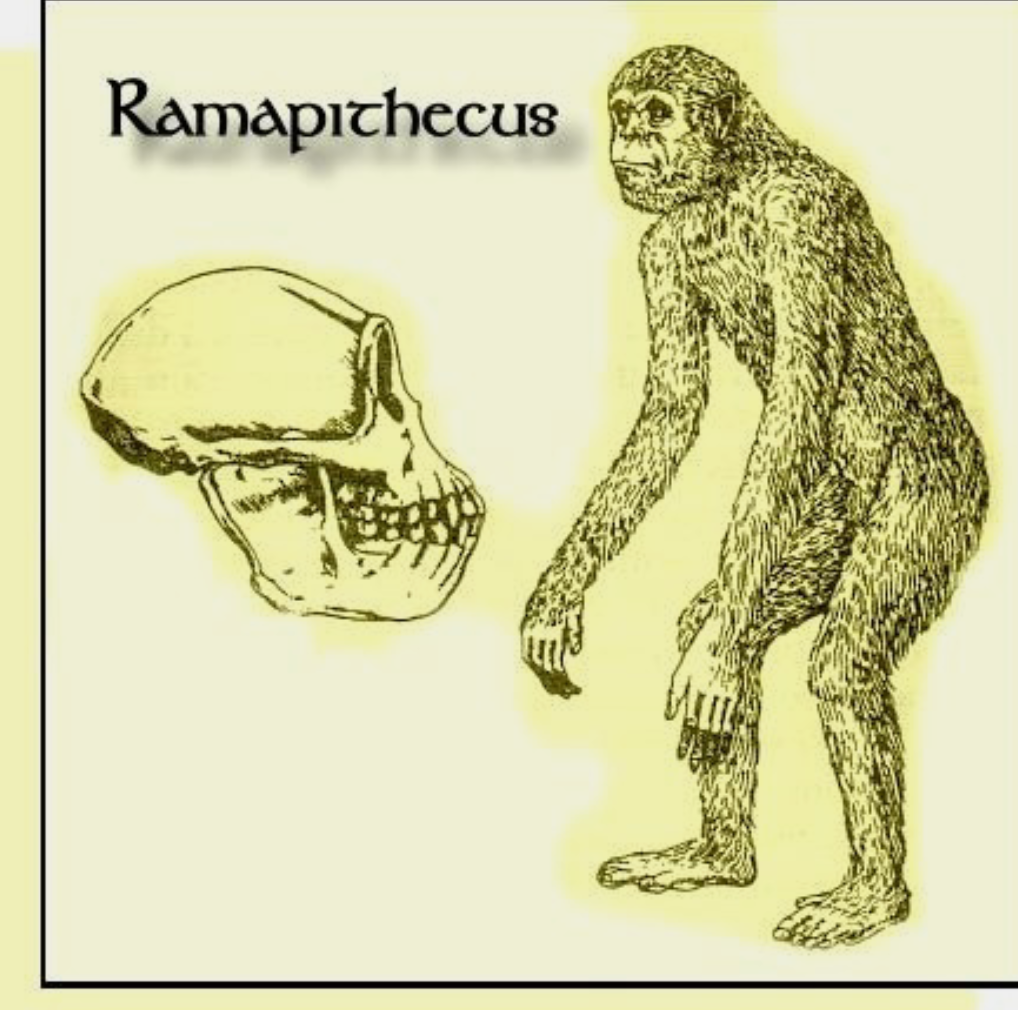
Ramapithecus belongs to an extent group of primates that lived from about 12 to 14 million years ago. Fossils of Ramapithecus were discovered in India and Africa beginning in 1932. Fossil evidence suggested that it had a short face, heavy jaws and enamelled teeth like hominids. Its importance lies in the fact that it was regarded as a possible ancestor of Australopithecus and therefore of modern humans. Later for sale finds indicated that Ramapithecus was more closely related to the orangutan and Ramapithecus is now regarded by many as a member of a group known as Sivapithecus.


It has been long known that humans share a common ancestor with apes but it was only in the last 30 years that techniques for develop to provide strong evidence in support of the theory that humans are more closely related to chimpanzees than they are to gorillas orangutans or Gibbons. The DNA of a chimpanzee is 98% identical to that of a human being. However our bodies adapted for walking on 2 legs. This is possible because the lower portion of the human body evolved to facilitate load bearing and balancing while walking upright. Chimpanzees not only share most of our genes they seem to be able to handle tools and they are able to grasp language pretty well too. Now researchers have found that we share a similar brain pattern when communicating. But in spite of these similarities there are clear differences in body structure intellect and behaviour.


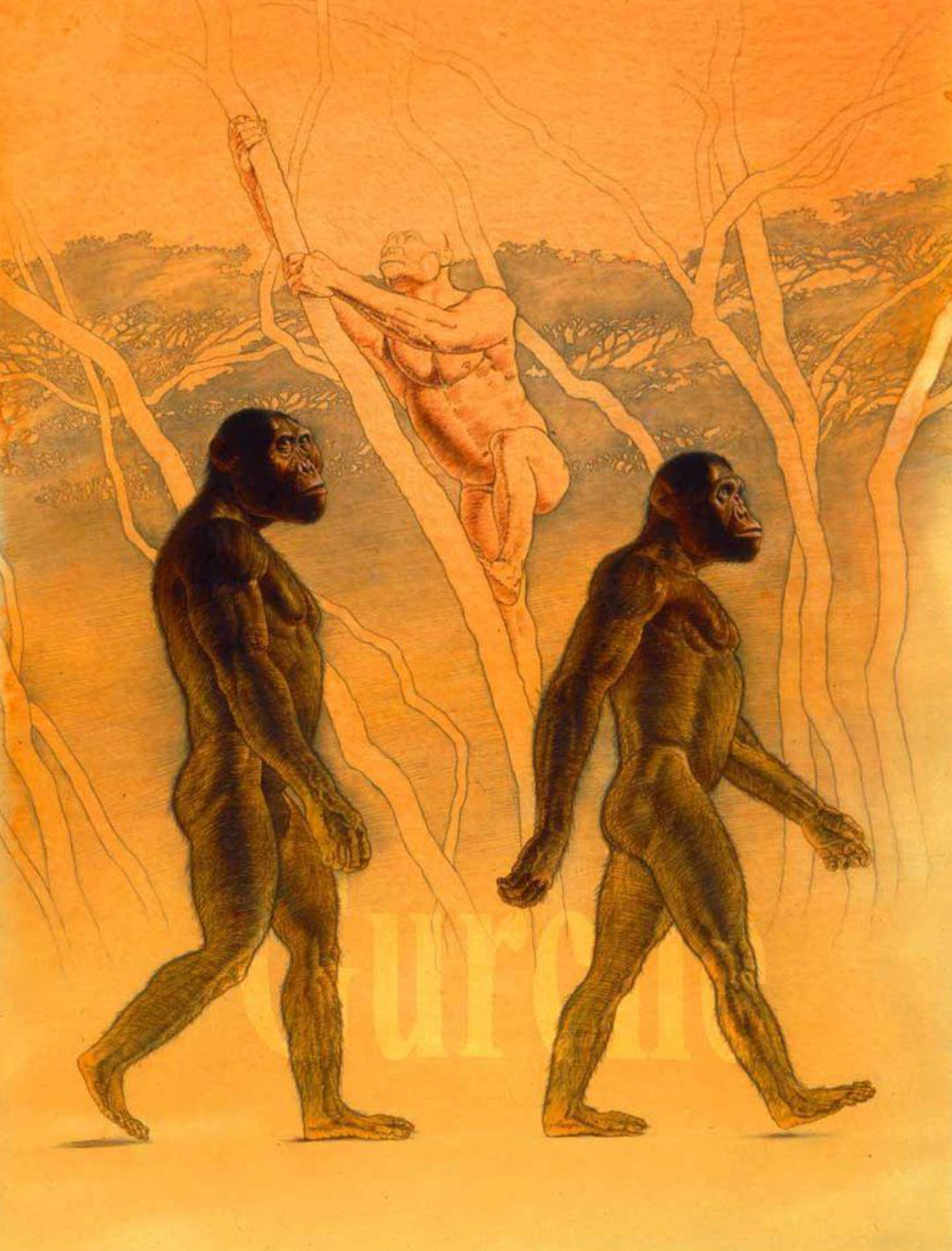
Australopithecus was an early hominid which is now extinct. Fossil evidence suggests that these individuals lived from approximately 4- 2 million years ago after evolving on the continent of Africa. Sense the fossils were recovered from south Africa they were called south African man apes or australopithecines. Australopithecines are believed to have been around 1 to 1.5 metre tall and probably fed on leaves fruits and the remaining of dead animals. Their brains were larger than those of apes but smaller than human brains while their teeth would like human teeth it is believed that Australopithecus eventually evolved into modern humans.


Neanderthal man first appeared in Africa about 200,000 years ago and migrated to the rest of the world around 100,000 years ago. The name Neanderthal comes from Neander valley where an early skull was found. Neanderthals would different from other species of early man. They were much taller and very strong for stop the brains were actually larger than ours are today. They were marvellous hunters. They often used caves as their homes. They were adept at fire making and probably cooked their food routinely. Neanderthals buried their dead. The Neanderthals died out by around 30,000 BC.
Cro-Magnon man lived some 40,000 -10,000 years ago. Their remains were first found in France in 1868 and then throughout other parts of Europe.

Cro-Magnon man was anatomically identical to modern humans and deferred significantly from Neanderthal man who disappeared in the fossil record shortly after Cro-Magnons appearance. Cromagnon man was tall and had an erect posture. He had a prominent chin a surprising forehead and skull shaped like hours. These man was killed hunters toolmakers and artists. Cro-Magnon man was a true human and looked just like us. He is represented by the remains of 5 individuals found in March 18683 adult males one adult female and one child.


•First family.
In 1975 Donald Johansson discovered the remains of at least 13 individuals of all ages at her there in Ethiopia. The sizes of the specimens varied greatly and Johansson believed that they all belong to a single species Australopithecus afarensis in which men were much larger than the females.

Thank you for reading. Have a nice day!🌼

Paradox…

A logically self contradicting statement is a paradox. Also known as antinomy. You can say it is a sentence that runs contrary to one’s expectations. Actually it’s just a smart mess. It does have valid reasoning but leads to a self contradictory or a logically unacceptable conclusion. It might seem absurd but is kind of the ultimate truth. That’s what makes it all the more interesting.

Let’s see some of the many interesting paradoxes that exist and try to understand them.

•Achilles and the tortoise 🐢🏃

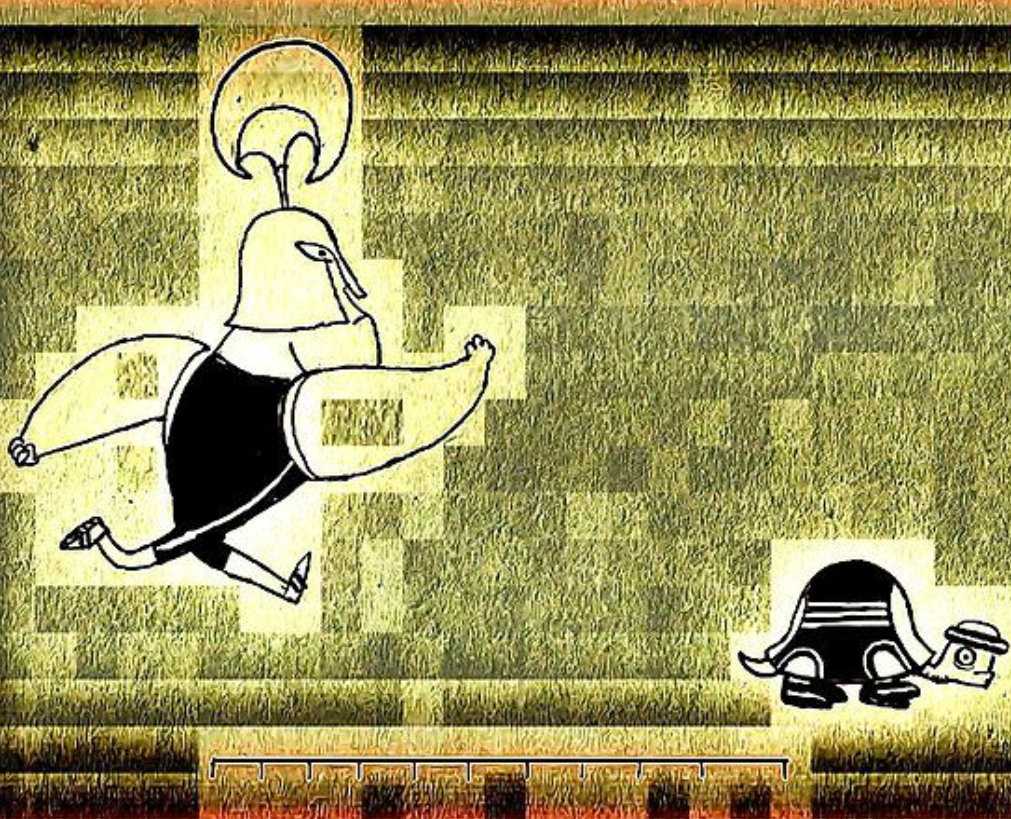
One of the “greatest” there is. It was put forward by the Greek philosopher Zeno of Elea in the 5th century BC. It so happens that the great hero Achilles challenges a tortoise to a footrace. Being the hero that he is, he allows the tortoise a headstart of 500m. No doubt, when the race starts, Achilles is at a must faster speed than the tortoise such that by the time he has reached the 500m mark, the tortoise has only walked 50m further than him. When he has reached 555m mark, the tortoise has walked another 0.5m, then 0.25m, then 0.125 m and so on. It is a chain of such infinite small distances with the tortoise always moving forwards while Achilles always has to catch up. Now, logically, Achilles can never overtake the tortoise. Except, of course, intuitively he can overtake.

Don’t think of it in terms of distances and races but rather as an example of how finite value can always be divided an infinite number of times, no matter how small its divisions might become!

•Birthday paradox 🎉🎂

This is personal favourite. It is maths based by the way. Probability to be specific. You have already heard of this probably. It goes like this that in a group of 23 randomly selected people there is a 50% chance two of their birthdays match. Interesting? Wait. In a group of 367 random people there is a 100% possibility atleast two of their birthdays match. Sounds like such a small number. It counts as a paradox because we can’t handle such numbers.

•Crocodile paradox 🐊

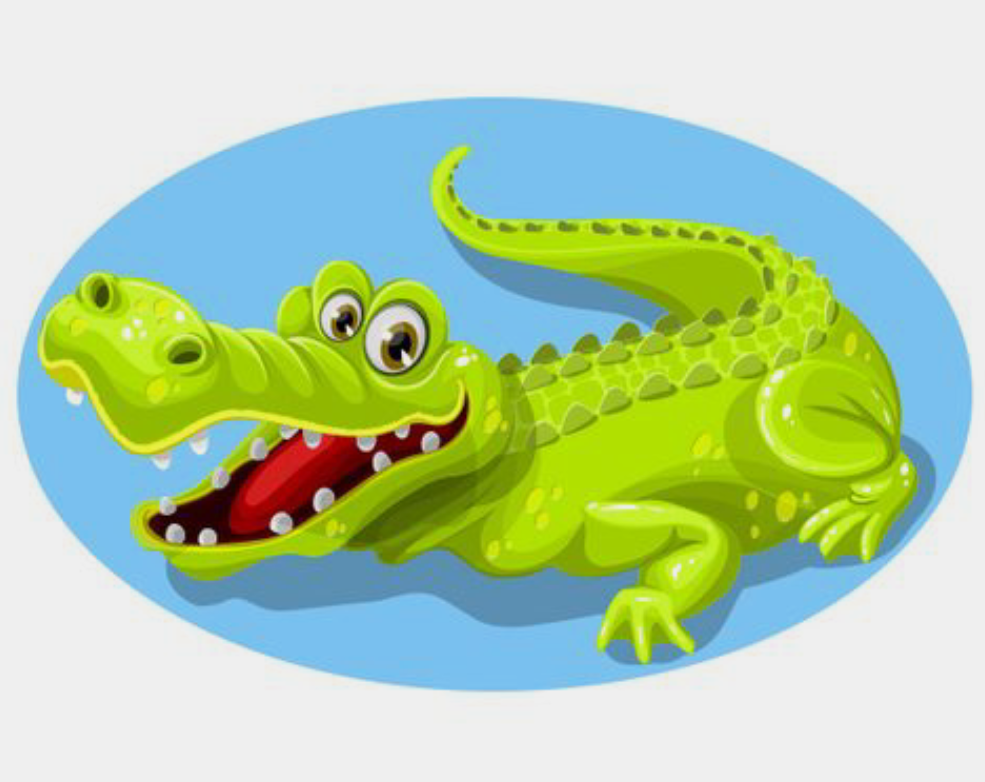
A crocodile snatches a young boy from the riverbank. Pretty common situation right? Anyways, his mother pleads with the crocodile to return the boy. The crocodile being in a fun mood, wants the mother to guess if he will return the boy or not. Takes one guess to get the boy out safely. It looks simple – the mother guesses he will return the boy, if she is right she gets the boy, if she is wrong, the crocodile gets the boy. If she answers that the crocodile will not return him, however, we end up with a paradox!

If she is right and the crocodile never intended to return her child, then the crocodile has to return him but in doing so breaks his word and contradicts the mother’s answer. And if she is indeed wrong and the crocodile did intended to return the boy, the crocodile must then keep him even though he intended not to, thereby also breaking his word. It’s a brain twisting dilemma.

•Paradox of fiction 🎟️📕

Are you fixated with the harry potter characters? You ofcourse have a crush on the Marvel or DC comic characters. Oh or did you cry when Augustus died?

So here is the paradox. Point 1 People have emotional responses to characters, objects, events etc. which are fictitious. Point 2 In order to be emotionally moved, we must believe that these characters or events by no way exists in real. Point 3 No person who takes characters to be fictional at the same time believes that they are real. All three of these points one at a time can be true. If any two points are considered to be true then the third must be false or else produce a contradiction. There exist various proposed solutions to this paradox such as pretend theory or thought theory or illusion theory.

•The card paradox 🃏

This one is a little bit similar to the crocodile paradox. A little. So I say we have a card with us. On one side, the front side, “the sentence on the other side of this card is TRUE” written on it. You flip and “the sentence on the other side of this card is FALSE”. You take one as true and it leads to a paradox!

Thank you for reading. Have a nice day!🌼

Anniversaries (as of 2019)

150th birth anniversary

•Mahatma Gandhi, the father of our nation is an inspiring person, who shaped world history. Gandhiji stands out among the great men of the world as a symbol of non violent resistance to political and social repression. Mohandas Karamchand Gandhi was born on October 2nd, 1869 in Gujarat. He became the leader of a movement that attracted millions in the struggle for freedom. He was strong advocate of non-violence. India got freedom on August 15th, 1947. Gandhiji was assassinated on January 30th, 1948.

100th birth anniversary

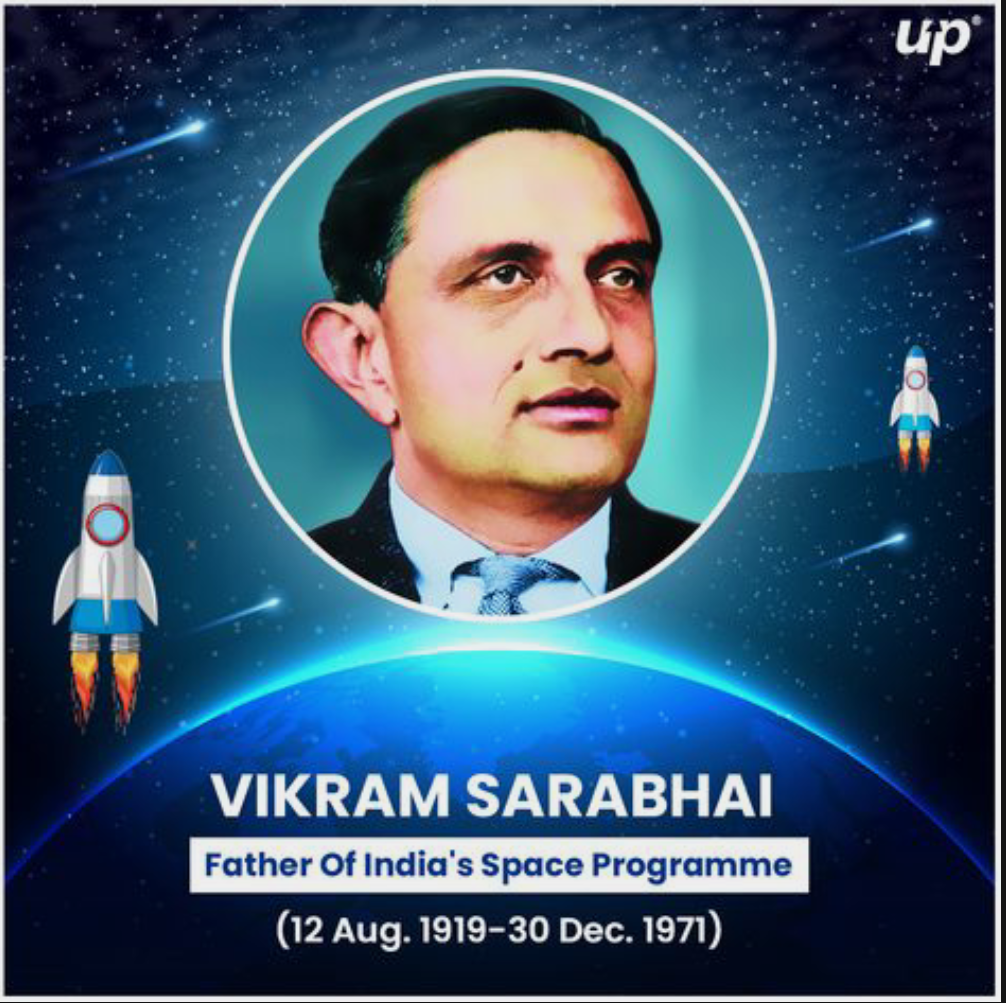
• The year 2019 marks the 100th birth anniversary of Dr. Vikram Sarabhai, the father of the Indian space programme. He was born on 12th August, 1919. Dr. Sarabhai has put India on the international map in the field of space research. In 1962, he became chairman of the Indian National committee for space research. The establishment of the Indian space research organisation, also known as ISRO, was one of his greatest achievements. Dr. Sarabhai died on 30th December 1971.

500th death anniversary

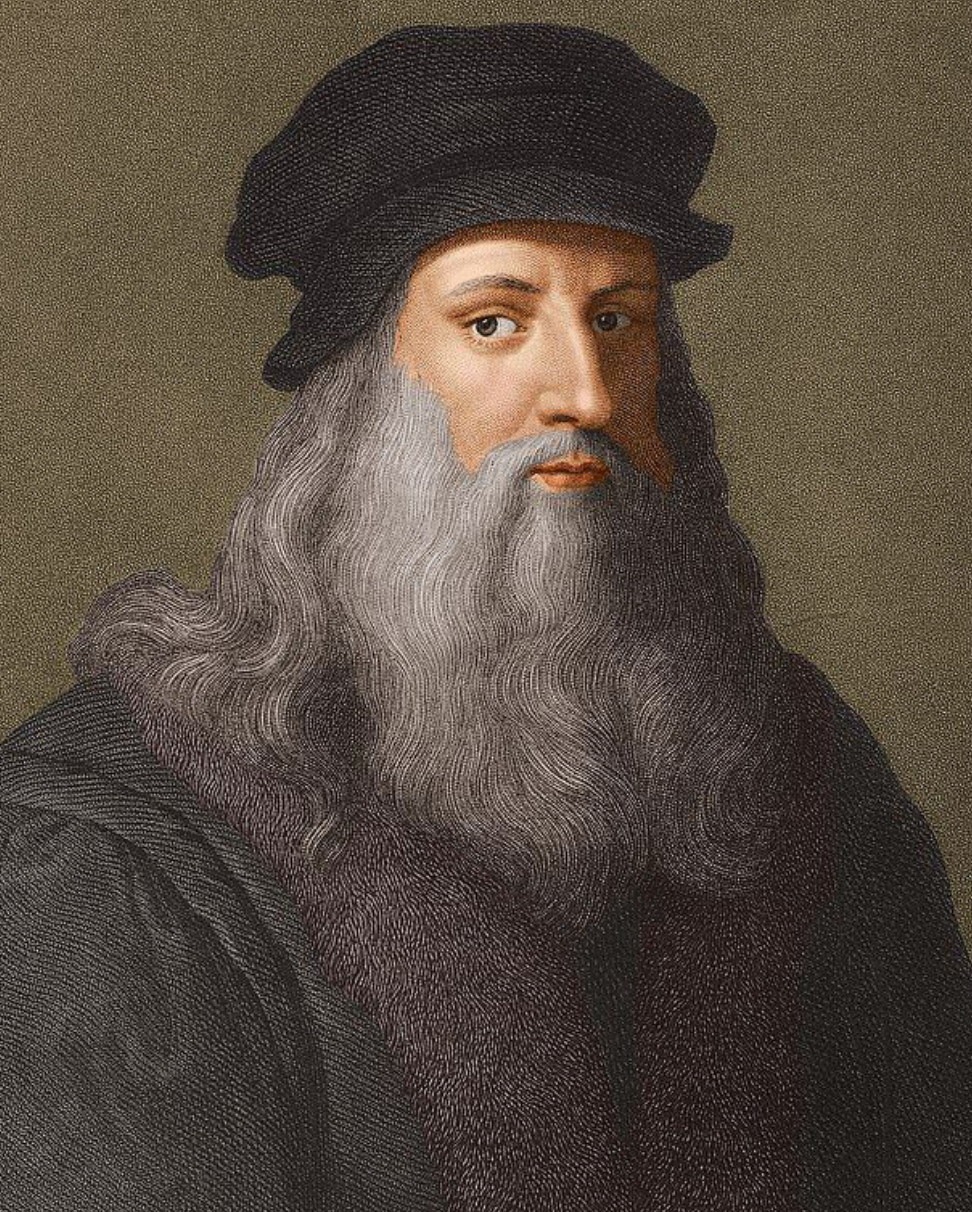
• Leonardo da Vinci was perhaps the most widely talented person ever to have lived. He was a consummate painter and sculptor, a great inventor, military engineer, scientist, botanist and mathematician! He lived during the Renaissance in Italy and while working in Milan as an artist, he began writing texts for his students and apprentices. His notebooks covered more than 1000 pages of observations and illustrations. They remained unpublished for more than a century and were printed only after his death. He was born on April 15th 1452 and died on May 2nd 1519.

150th anniversary

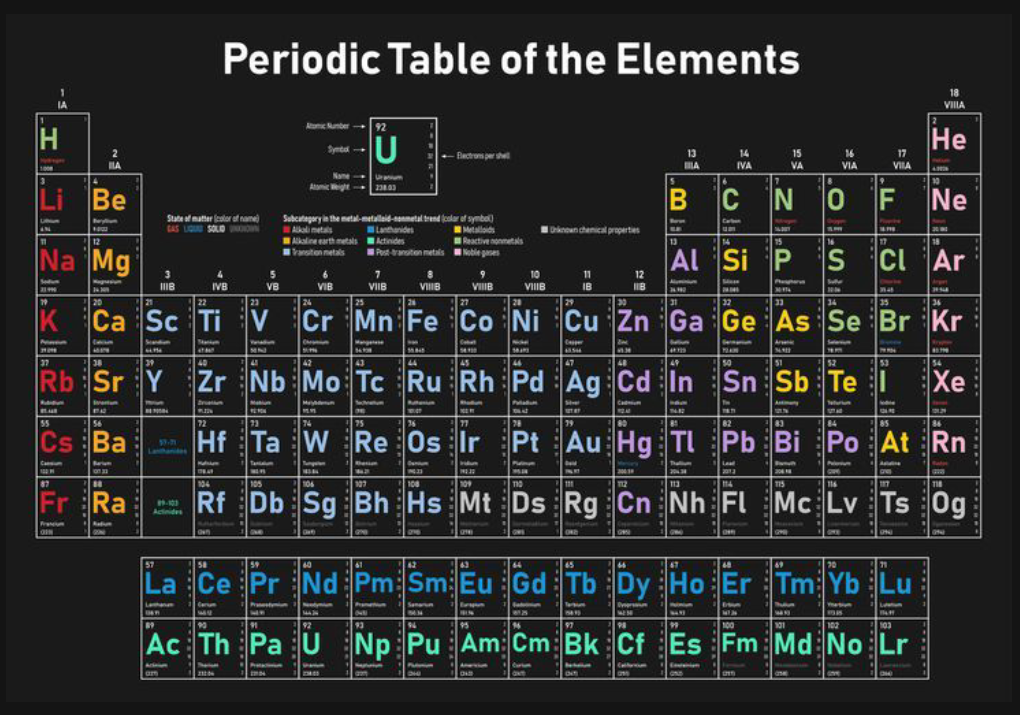
• The period table gives us information about element symbols and atomic weights. It brings order to information about the chemical elements and helps chemists to understand why elements react as they do. The milestone in the development of the periodic table was set by the Russian chemist Dmitri Mendeleev in 1869, who is acknowledged as the ‘father’ of periodic table though the title is also claimed by the German scientist Lothar Meyer. Today, the periodic table organizes the elements by order of increasing atomic number.

150th year of publication

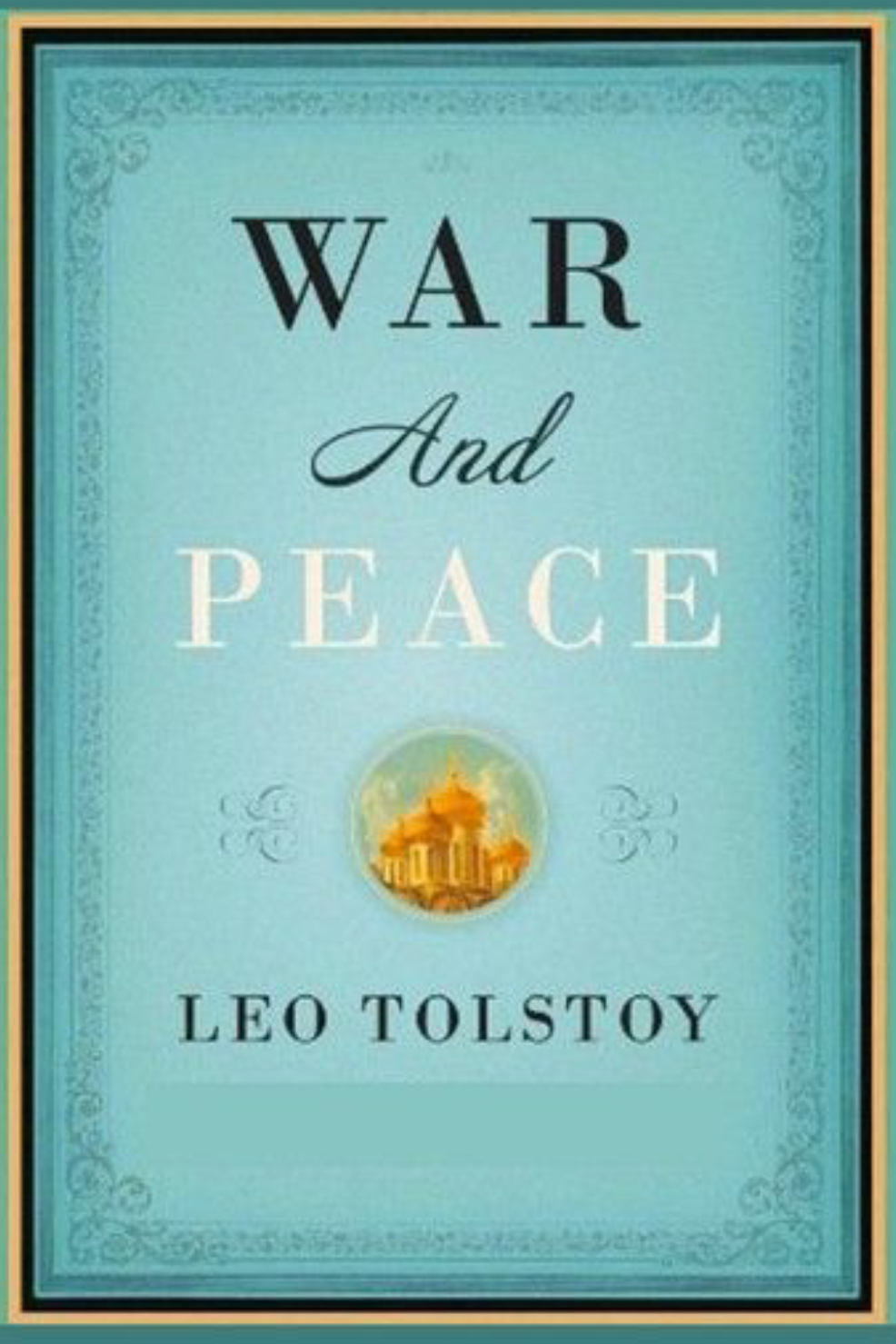
• 2019 marks the 150th year of one of the greatest novels ever written – Leo Tolstoy’s ‘War and Peace’. This classic work from Russia was first published in the book form in 1869. Tolstoy took almost 7 years to finish this epic work and a Russian magazine named ‘Messenger’ serialised some portions of it during 1865-67. But the full novel came out as a book only in 1869. The story woven around Napoleon’s invasion of Russia covers a period of over 15 years. The unique literary style and the historical context make ‘War and Peace’ a monumental work.
125th year of publication

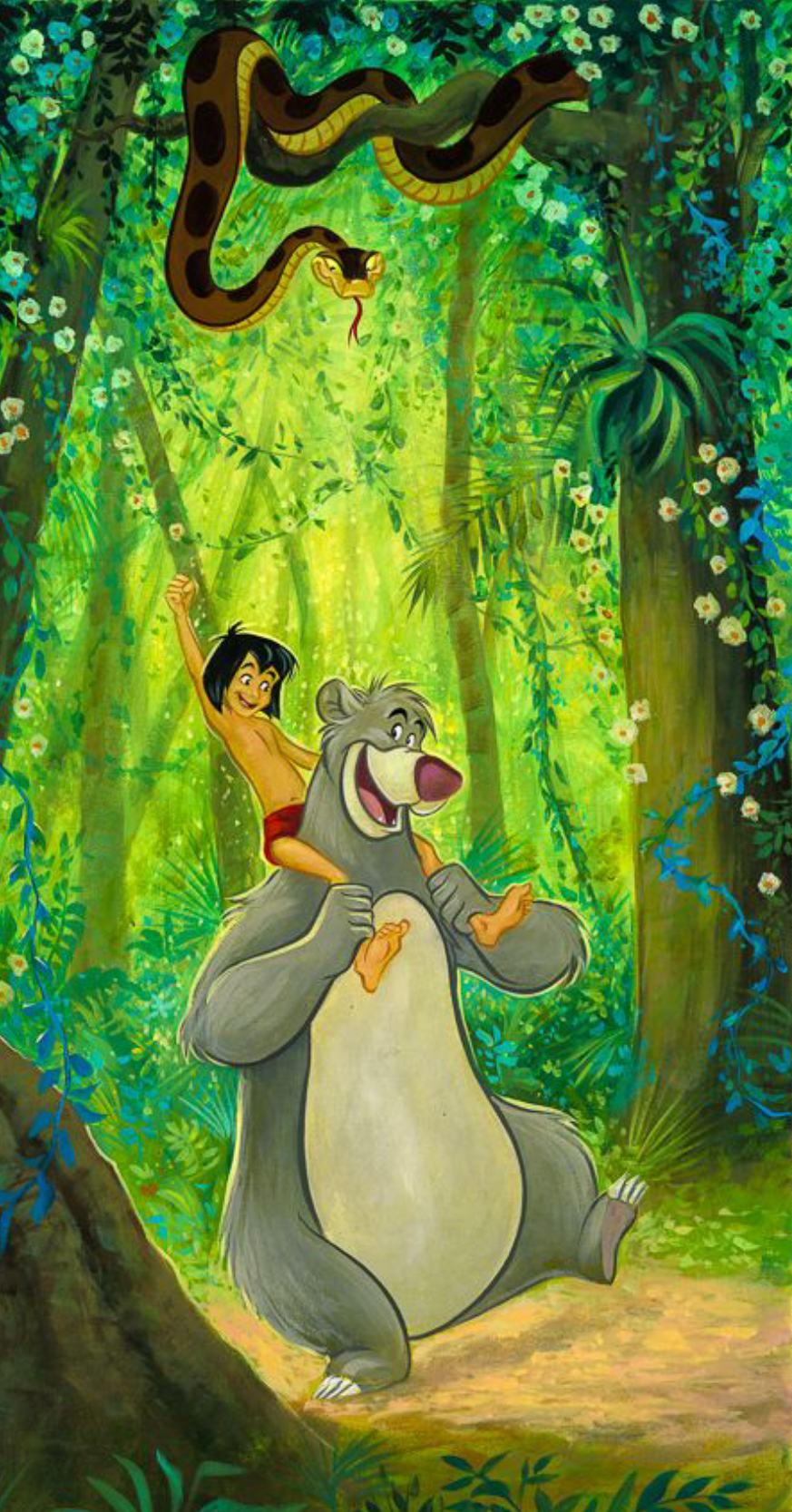
• Is there anyone who isn’t familiar with the famous character ‘Mowgli’? Hopefully none. The main character of the evergreen ‘Jungle Book’, a collection of stories written by Rudyard Kipling is a huge part of our childhood. ‘The Jungle Book’ was first published in 1894.

100th anniversary

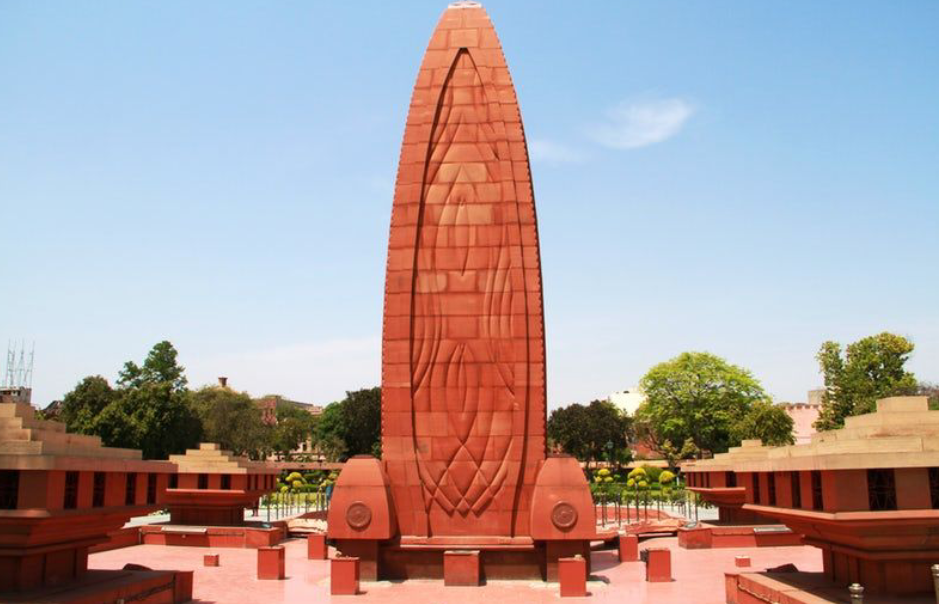
• The Jallianwala Bagh massacre was a turning point in our freedom movement. The British troops under the command of Colonel Reginald Dyer, opened fire on unarmed Indians on 13th April 1919. This event took place in the heart of Amritsar. Hundreds were killed and thousands injured. This was followed by widespread protests across a grieving country. Many Indians became convienced that the British had to be paid back in their own coin that violence has to be met with violence. The 100th anniversary of that cruel incident fell last year.

300th year of publication

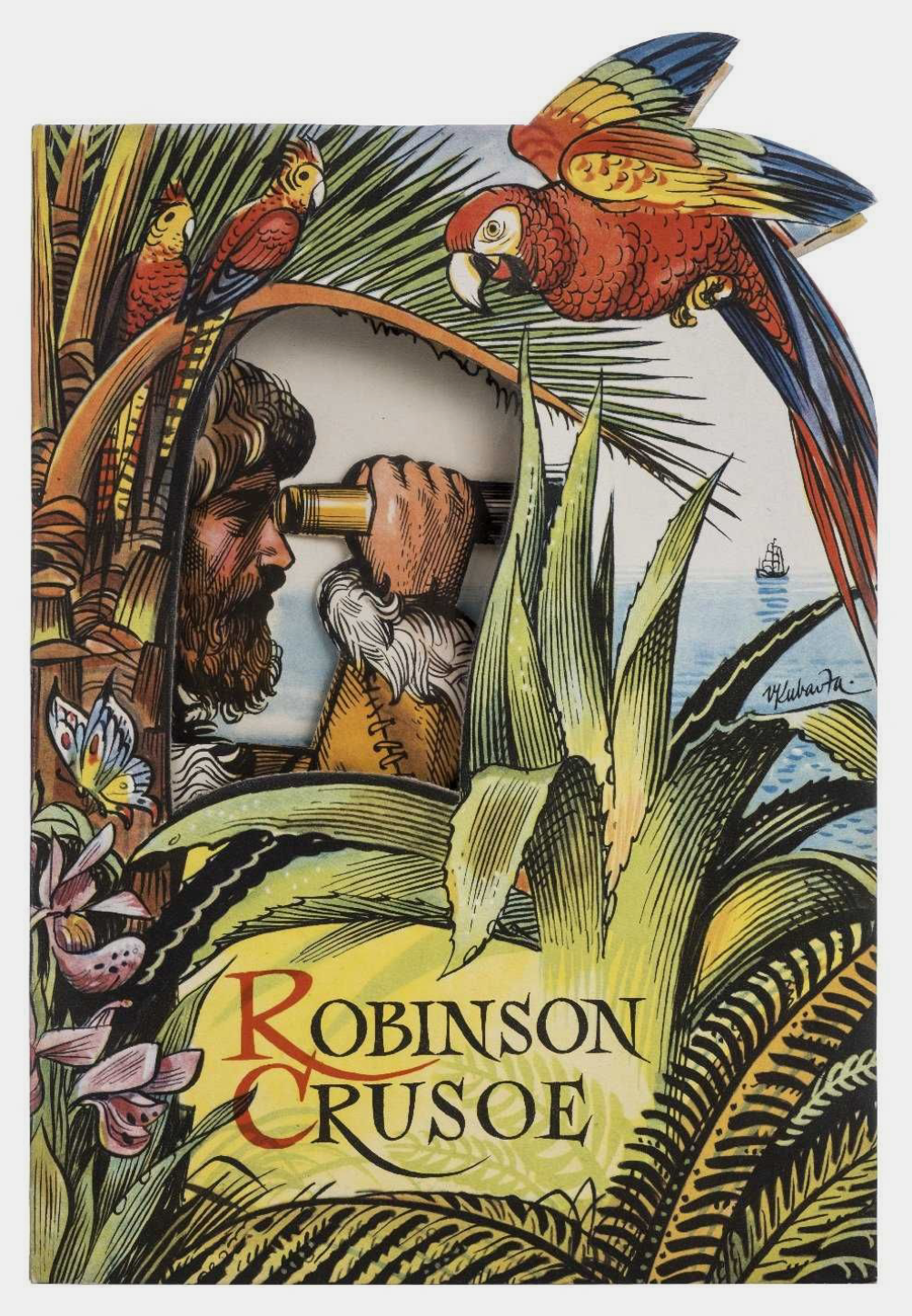
• Daniel Defoe’s ‘Robinson Crusoe’ has fascinated readers around the world for the last 300 years. Daniel Defoe was an English writer, famous for his novel Robinson Crusoe that was published in 1791. One reason for it’s popularity is that it us packed with excitement and adventure, with sailing ships, stormy seas and guns. Without doubt, Defoe’s ‘Robinson Crusoe’ established a realistic style of fiction and set the tone for modern novels.

Thank you for reading. Have a nice day!🌼

Small yet distinct

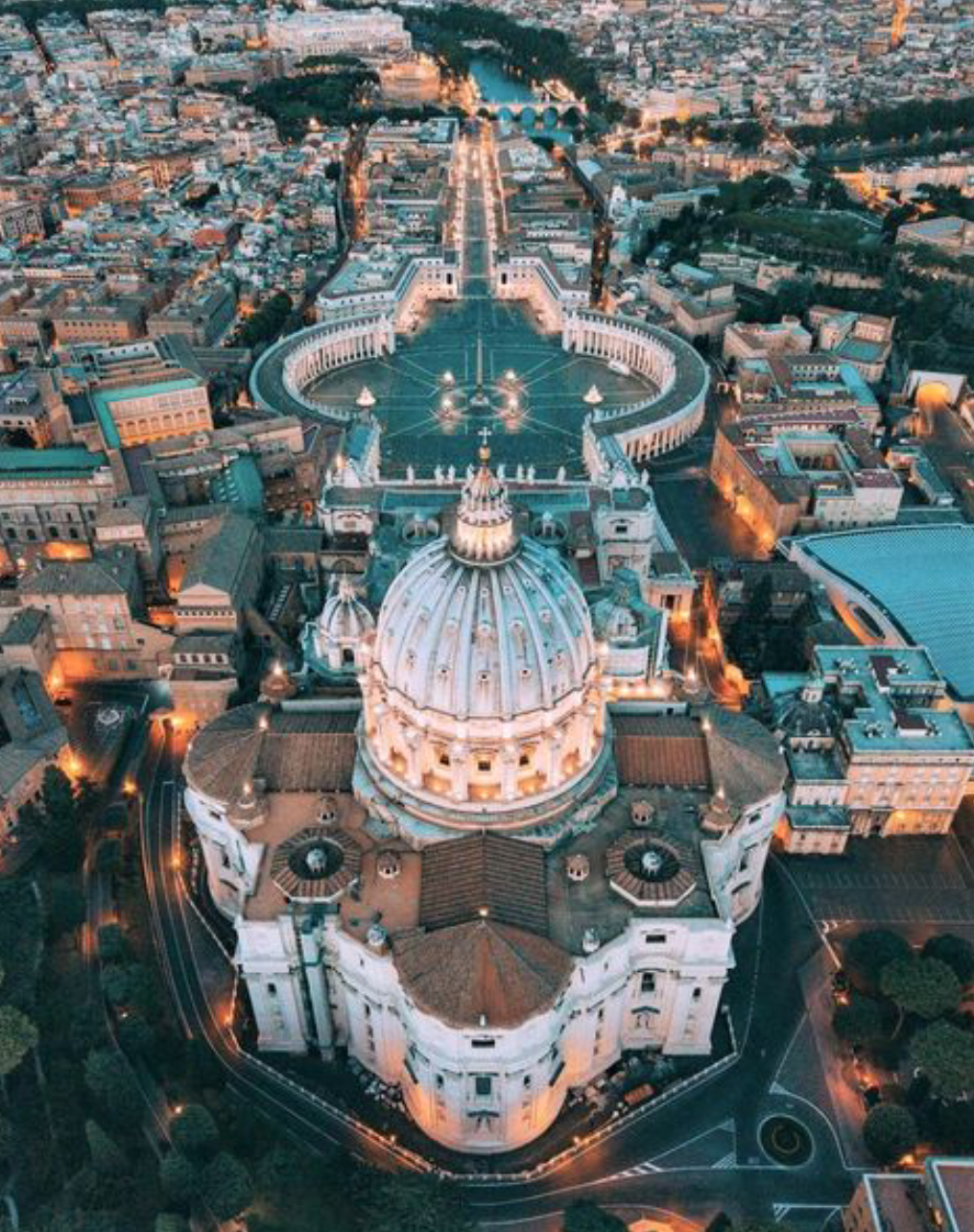
The word ‘country’ makes one think of a large land mass. However, not every country is huge. There are some countries that are really small in size. They are so tiny, that some of them can even be covered by foot! Some of these countries can fit entirely within the city of another country. The smallest country in the world, the Vatican City, for example, can fit into the city of Rome, capital of Italy. Many of these countries are only small in size. With their wealth and natural resources, they can even compete with any of the larger countries. So, here’s a showcase of some of the small, yet distinct countries.

• Vatican City

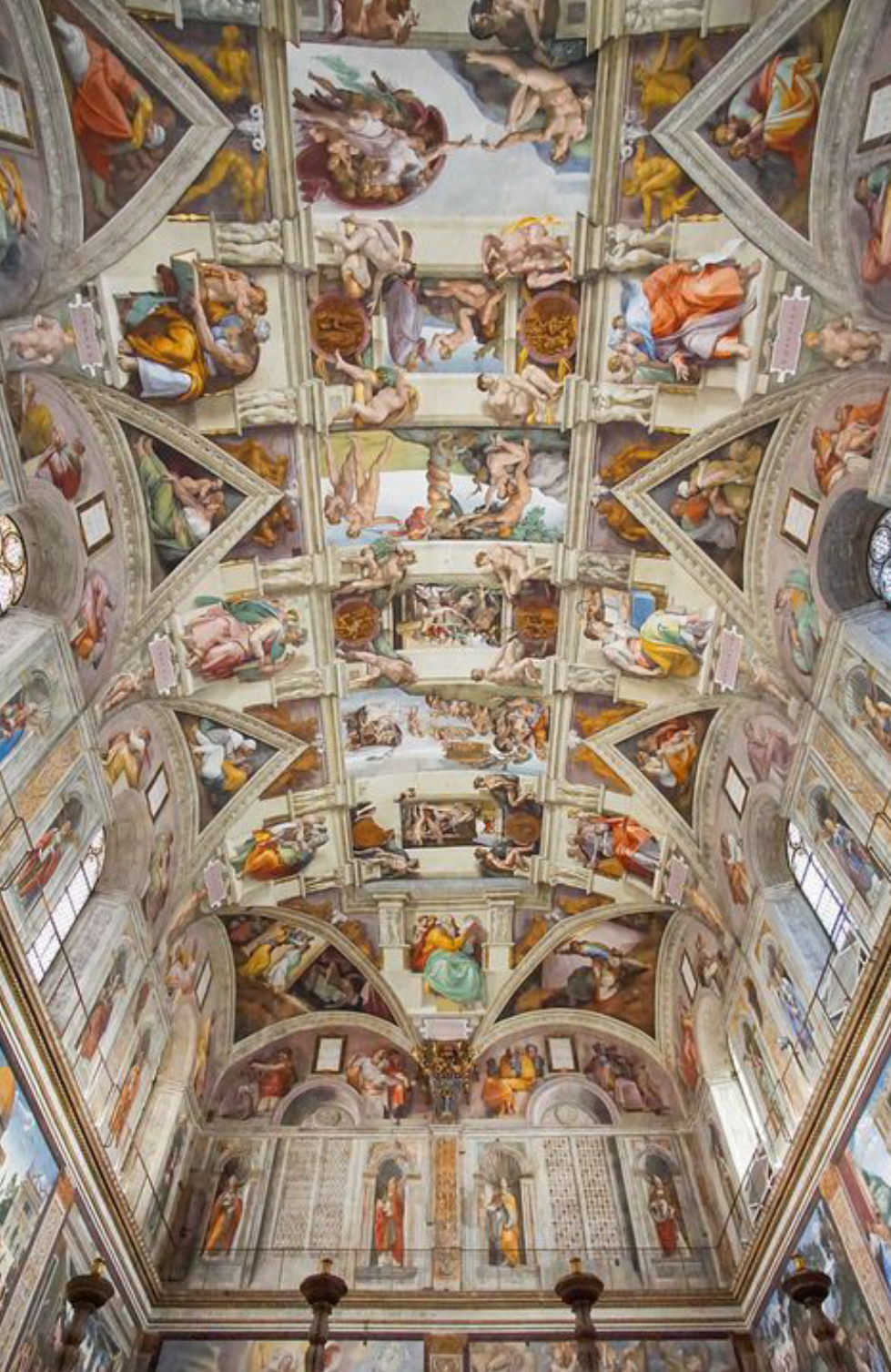
Vatican City is the world’s smallest fully independent nation state. It is also the smallest by population. Situated on the western bank of the Tiber river, the Vatican City’s 3.2 kilometre border is landlocked by Italy. The Vatican City has served as the official home of the pope of the Catholic church since 1377. However, Vatican City was not declared an independent state until the Lateran treaty of 1929 which created the independent state of Vatican City for the Catholic church. Today nearly 75% of the Vatican’s citizens are members of the clergy. Along with the centuries old buildings and gardens the Vatican maintains its own banking and telephone systems post office pharmacy newspaper and radio and television stations. Its 600 citizens include the members of the Swiss guard a security detail charged with protecting the Pope since 1506. The most significant building in Vatican City is Saint Peter’s Basilica. It is the Italian language that is used by most of those located within the state however the official documents are written in Latin.

• South Korea

Compared to the giants of Asia like India and China, South Korea is much smaller in size. Its total area is 100,032 square kilometres. South Korea has one pf the most homogeneous populations in the world which are thought to be descended from several Mongol tribes that migrated from central Asia. Tourism is a fast growing industry in South Korea.

• Portugal

Portugal is a sovereign state in Western Europe. It comprises of the continental part of Portugal on the western coast of the Iberian Peninsula and the small archipelagos of Madeira and the Azores in the Atlantic Ocean.

• Hungary

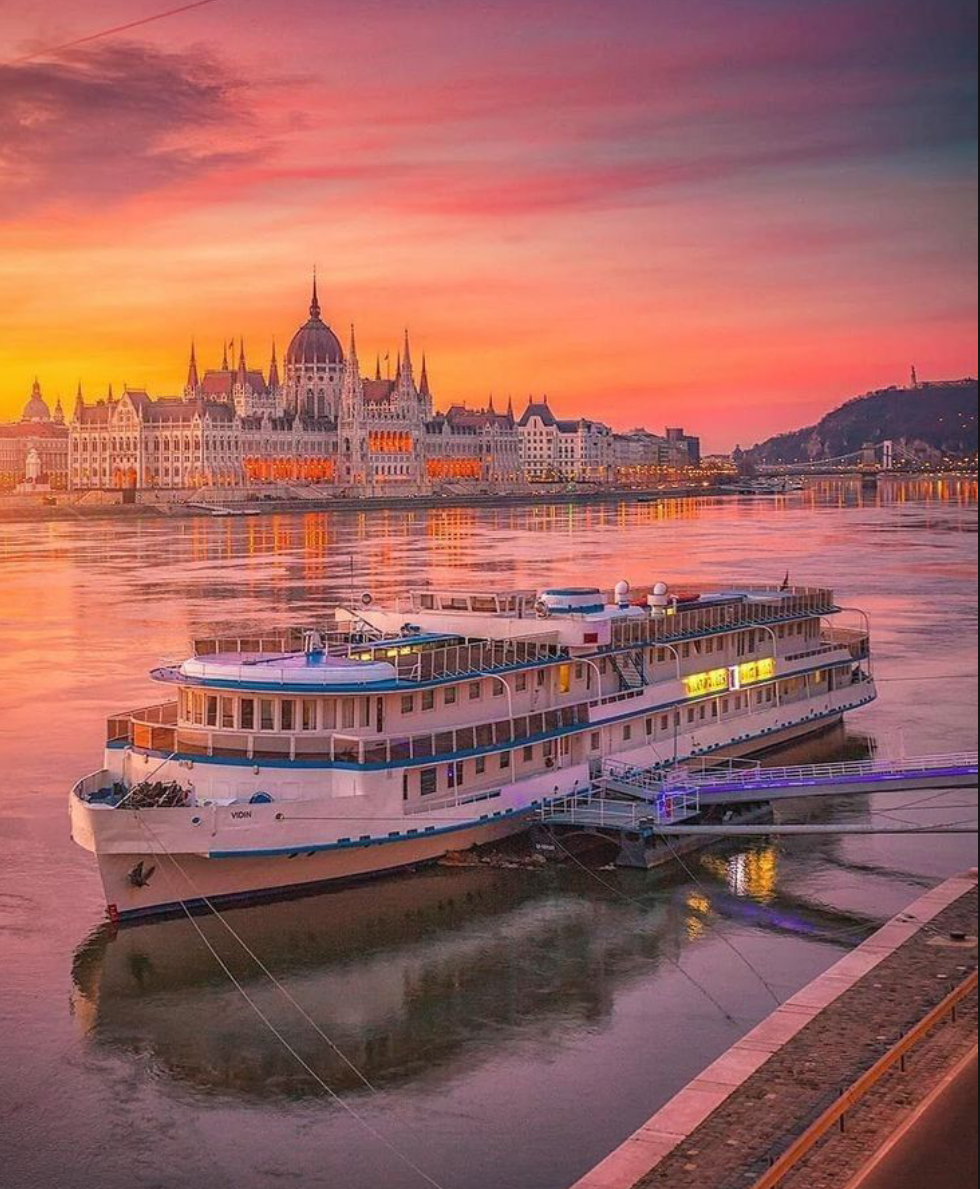
The name “Hungary” may very well come from the medieval Latin word ‘Hungaria’ which translates as “Land of Huns”. Another source states that the name is derived from the Turkish words on ‘Ogur’ meaning ‘ten arrows’ or ‘ten people’

• UAE

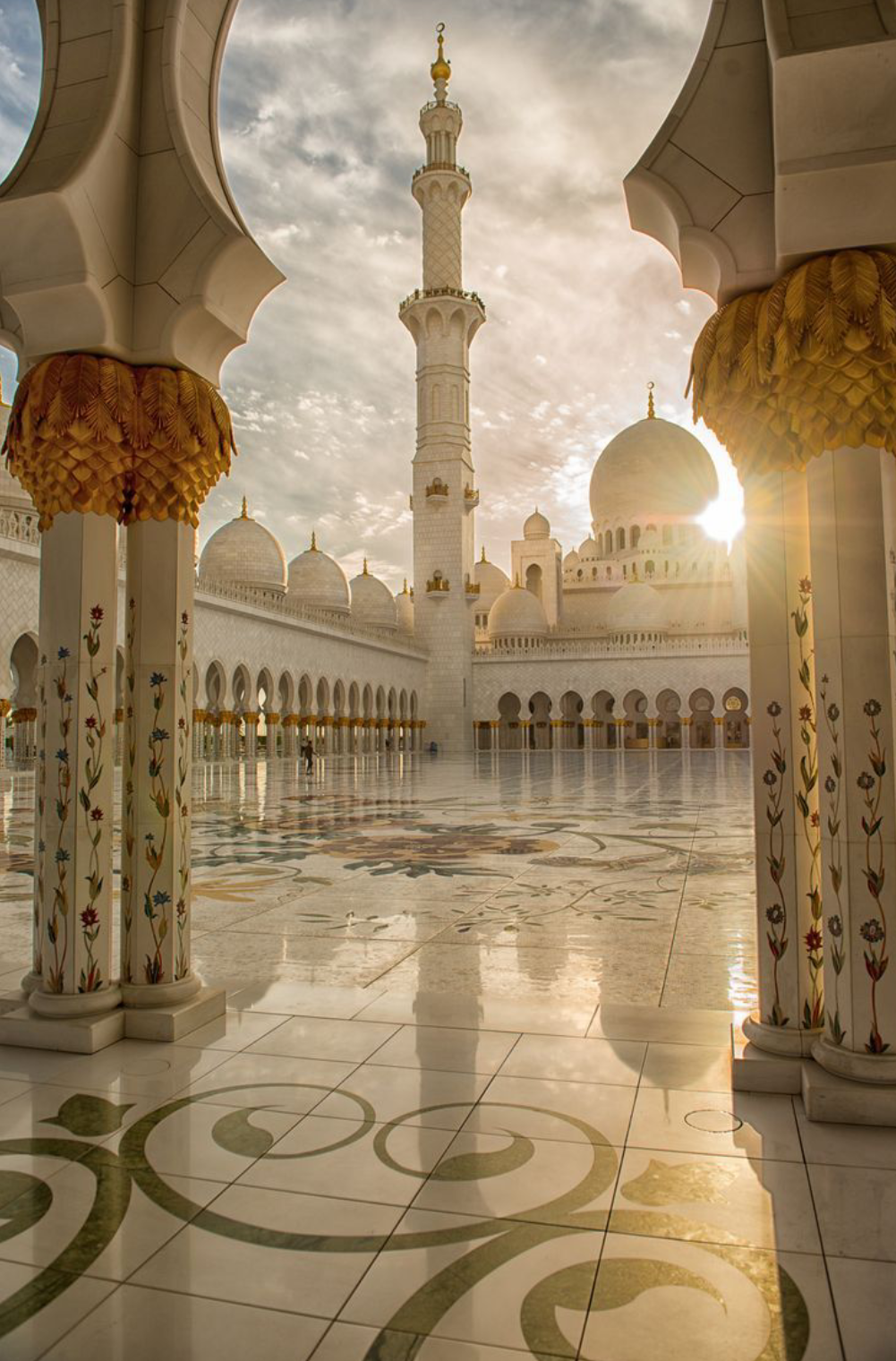
The United Arab Emirates is a constitutional federation of seven Emirates; Abu Dhabi, Dubai, Sharjah, Ajman, Umm al-Quwain, Ras al-Khaimah and Fujairah. The federation was formally established on 2nd December, 1971. The UAE’s oil reserves are the seventh largest in the world while its natural gas reserves are the worlds seventeen largest. The Dubai police fleet includes Lamborghini, a Ferrari and a Bentley. This is to allow them to catch speeders who can outrun other cars.

• Dominican republic

The island of Hispaniola, the second largest island of the Antilles in the Caribbean contains two separate countries, the Dominican republic and Haiti. The Dominican republic is the only country in the world to have an image of the Holy Bible on its national flag.

• Panama • Georgia • Ireland • Iceland • Sri Lanka • Costa Rica • Bhutan • Switzerland • Belgium • Israel • Fiji • Qatar • Jamaica • Singapore • Maldives …to name a few others.

Thank you for reading. Have a nice day!🌼

Mysteries (II)

Part one was : http://eduindexnews.com/2020/09/14/bermuda-triangle-and-other-mysteries/

• Indian rope trick

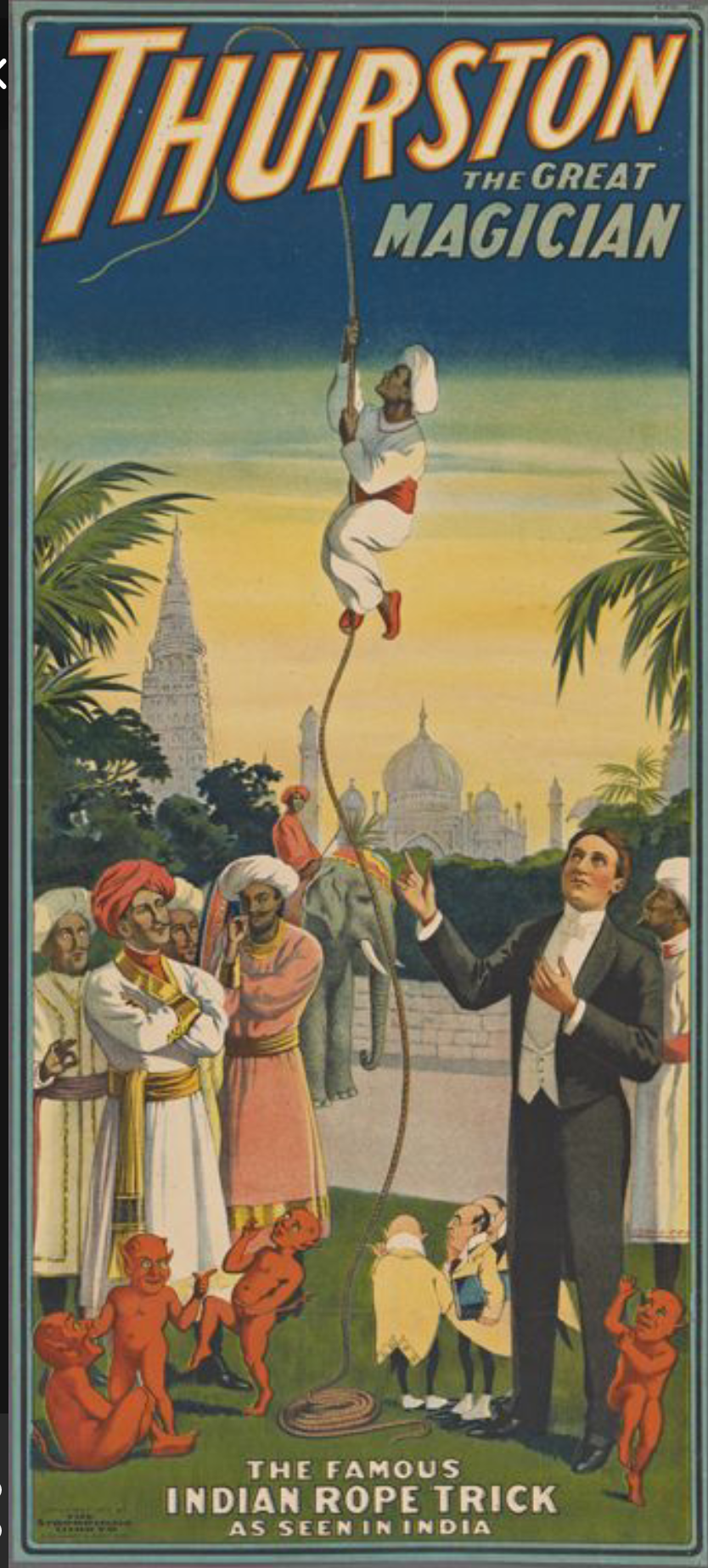
India is a land of countless mysteries that have puzzled the rest of the world. Perhaps the most enduring of these mysteries is that of the ‘Indian rope trick’. In the classic version of Indian rope trick, a rope is thrown into the air where it remains rigid. A young boy then climbs the rope, only to disappear at the top. The performer quickly follows him only to disappear when he reaches the top of the vertical rope! Shortly after, pieces of the boy’s body fall from the sky and land on the ground at the bottom of the rope. A few seconds later, the performer is seen climbing down the rope with a blood stained knife in his hand. On reaching firm ground, the performer utters a magic word and the rope falls limp to the ground. He then gathers up the pieces of the boy’s body and bundles them under a sheet. Within seconds, the sheet is lifted and the boy appears completely whole and unharmed! Travellers to India have described this amazing trick for over 600 years, but there is considerable doubt as to whether the trick is fact or fantasy.

• Shroud of Turin

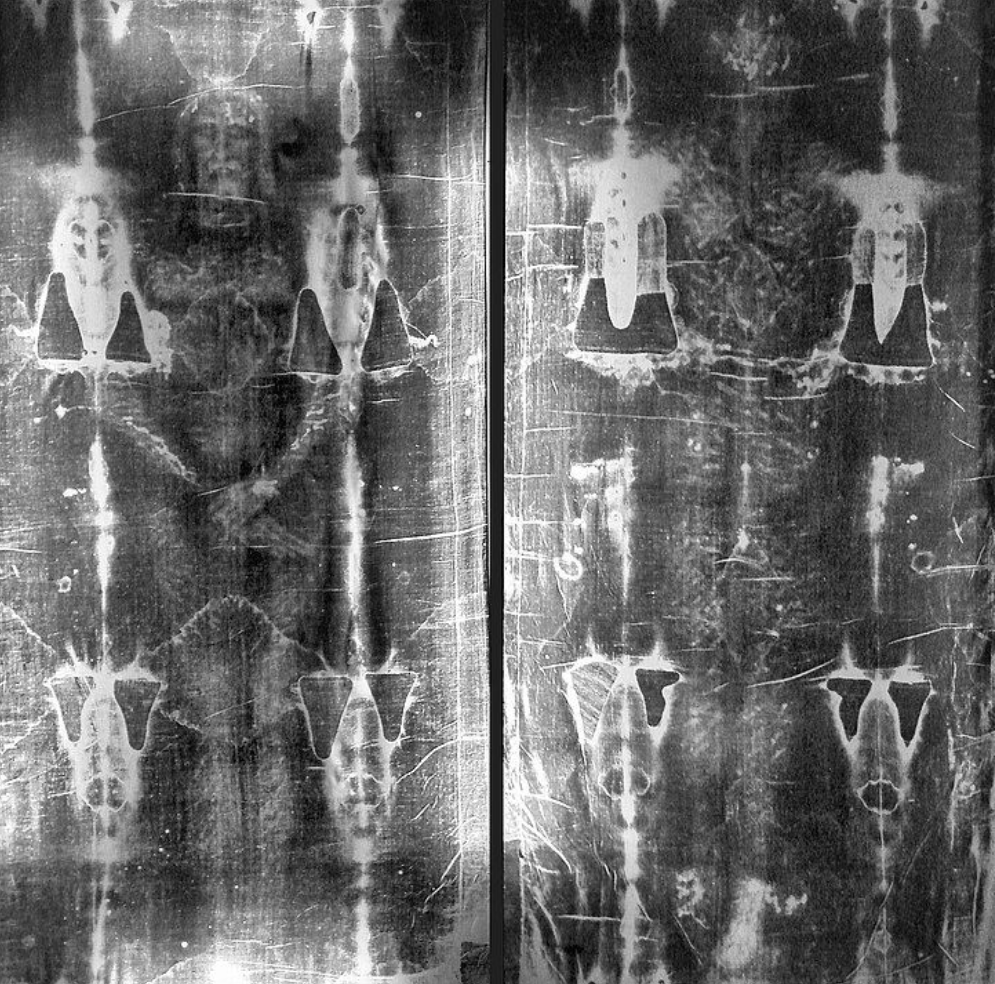
The shroud of Turin is reputedly the cloth in which Jesus Christ was wrapped and buried. The shroud is 4.34 meters long and it bears the image of a man with wounds similar to those suffered by Jesus Christ. The shroud is unquestionably old. Its history is known from the year 1357, when it surfaced in the tiny village of Lirey, France. Today, it is kept in a silver chest in the Cathedral of Saint John, the Baptist in Turin, Italy, where it has been since 1578.

Does the shroud really show the face of Jesus? No one really knows. Although, many scientists have expressed doubts about the accuracy of the image, millions believe it to be divine and it has been a religious relic since the middle ages.

• Loch Ness monster

As far back as the 17th century, people have reported seeing a monster in the Loch Ness in Scotland. Loch means lake in Scotland. This is the largest freshwater lake in the UK. But, rather than being known for its size, it is famous for the mysterious legend of the Loch Ness monster or Nessie.

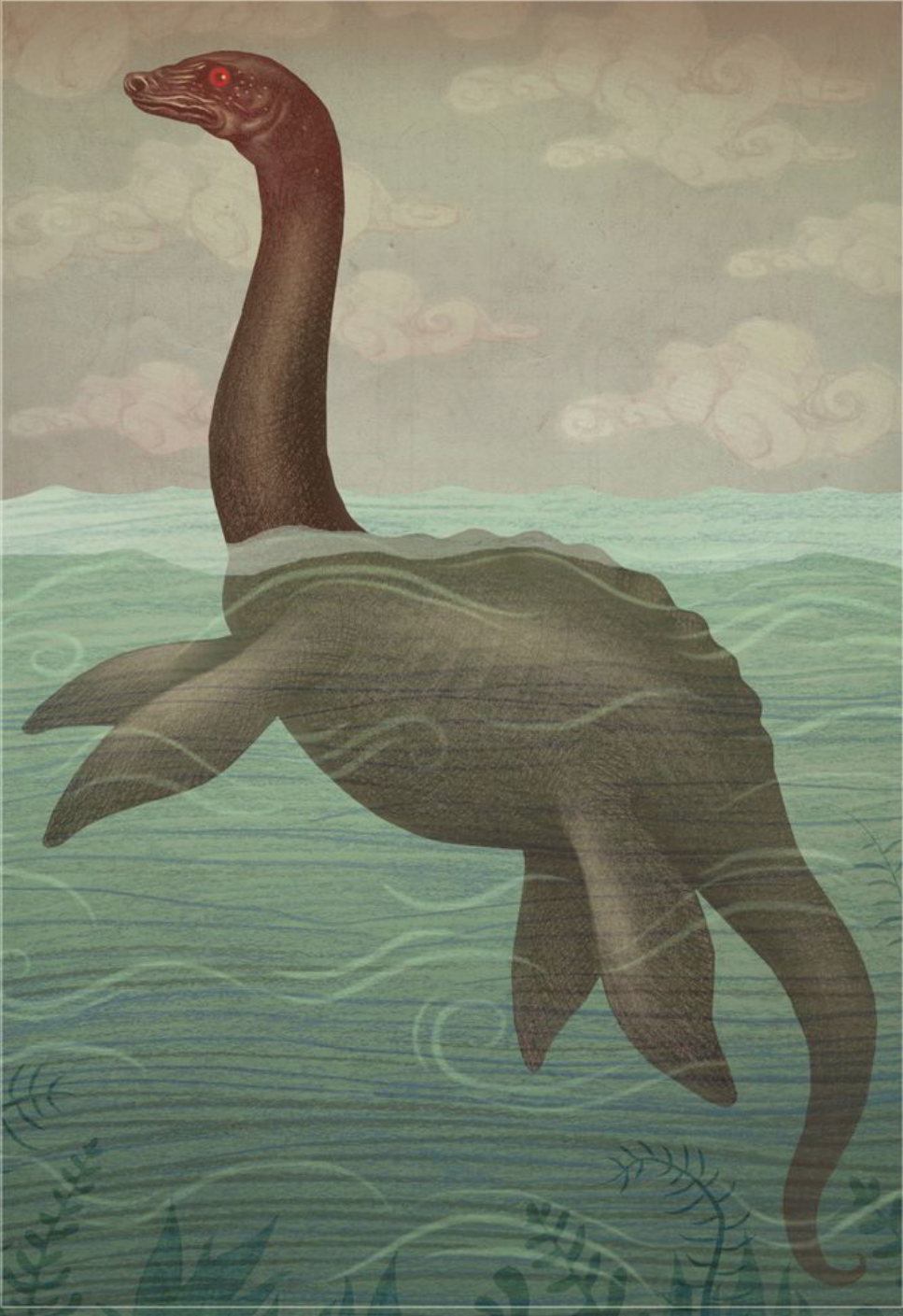
For thousands of years, people have reported catching glimpse of a huge creature. This creature is said to have a small head, a long neck and an immense body with flippers. Some people have shared photos they claim to have taken of this huge creature. The legend is so great that even scientists have been intrigued and many have conducted experiments and come up with theories to try and explain what people could be witnessing.

One explanation is that the monster could be a prehistoric creature called plesiosaur, an animal that has been considered to be extinct. Maybe one of these creatures managed to survive in the Loch Ness Lake, who knows?

Thank you for reading. Have a nice day!🌼

Curiosity (science)

• Why do we wake up from sleep?

Sleep is essential to give the brain and nerves some rest. While we sleep, our bodies too, get a chance to recover from the fatigue caused by daily activities. When we are well rested, both physically and mentally, we wake up. Sometimes, we wake up because we feel cold or hungry or because a bad dream has made us afraid.

To sum up, we all have an internal body clock that tells our brain to wake our bodies up after a certain amount of time. However, some things or situations such as noise, temperature in the room or sunshine interrupt our sleep and wake us up too.

• Why doesn’t glue stick to the insides of the bottle?

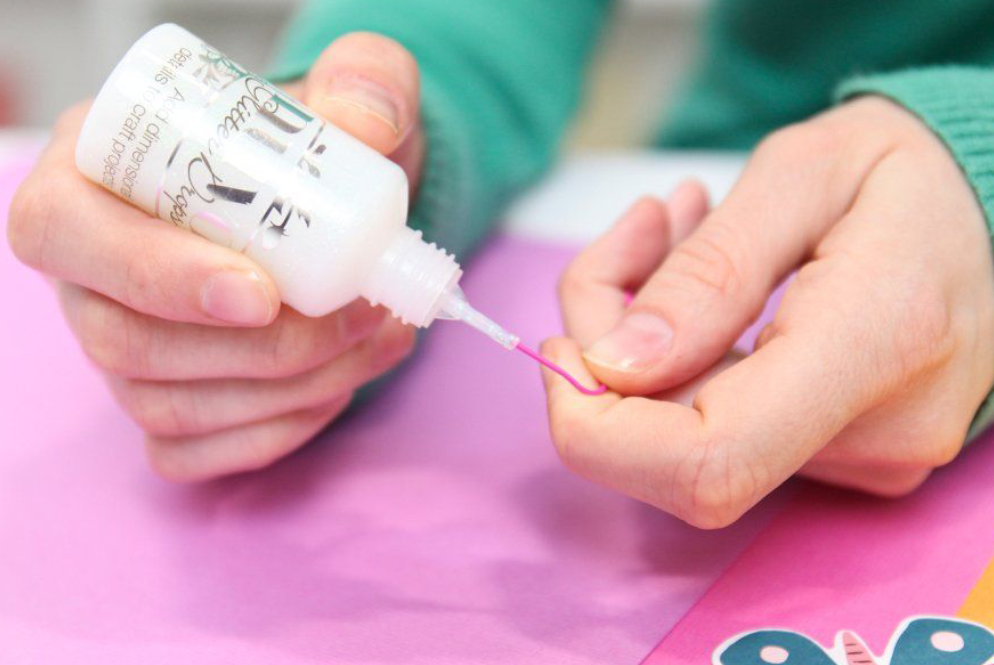
The regular white glue that we use is made up of a variety of chemicals that are either sticky or stretchy. White glue also contains water. Water acts as a solvent that keeps the glue liquid until you want it to stick. When you put glue on a piece of paper, the water in it is exposed to air. The water eventually evaporates and as it does so, the glue dries and hardens and holds the things that need to be glued, stuck together.

When the glue is inside the bottle, there’s not enough air inside the bottle to cause the water to evaporate to make the glue sticky. The bottle protects the glue from the air and keeps the glue runny. This is also why if you’ve ever left the top off a glue bottle for a while, the next time you try to use the glue, it would have dried up.

• Why do the lights of a distant town appear to twinkle?

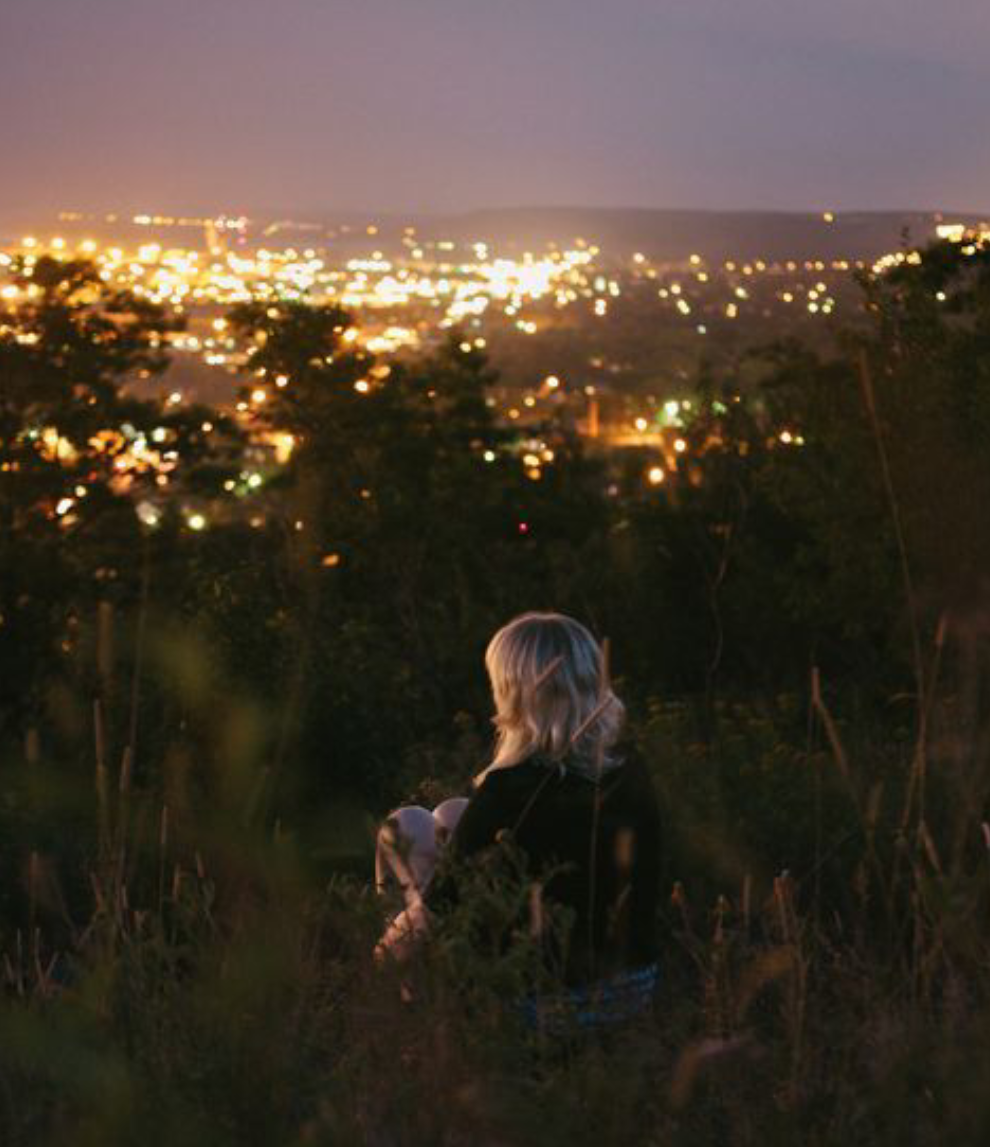
When you are traveling at night, the lights of towns in the distance appear to twinkle. This is because of the constant movement of air above towns. The air above towns is warm, as a result of the heat given off from buildings. Warm air keeps moving up to be replaced by cold air which then gets heated and rises. This constant movement of air is known as turbulence.

When we are near a town or in it, we don’t notice the turbulence because it is quite small and the lights are nearly. However, when we are some distance away, the lights are far away too. They appear as only pinpricks. The warm and cold air that make up the turbulence above the town have different densities and light passing through the layers is bent at different angles because of this difference. As a result it appears as though the lights of the distant town are twinkling.

• Why do clouds have different shapes?

Clouds are made up of tiny droplets of water vapour or ice particles or both. The shape of the cloud depends on its height and temperature. Cumuliform clouds are shaped liked mushrooms and are formed when rising warm air cools as it goes up. Stratiform clouds come in flat, dull layers and are formed when air sinks in a high pressure area, creating a layer of cold air near the ground that doesn’t rise or rises only very slowly. Cirriform clouds are clouds that have risen on a front or tropical cyclone and frozen into ice crystals at very high altitude. They look like thin hair. The shape of cloud also depends on the time of the day.

Towards evening, clouds tend to be thinner and flatter than during daytime. Changes in wind patterns also change the shapes of cloud.

Thank you for reading. Have a nice day!🌼

Vaccination and COVID-19

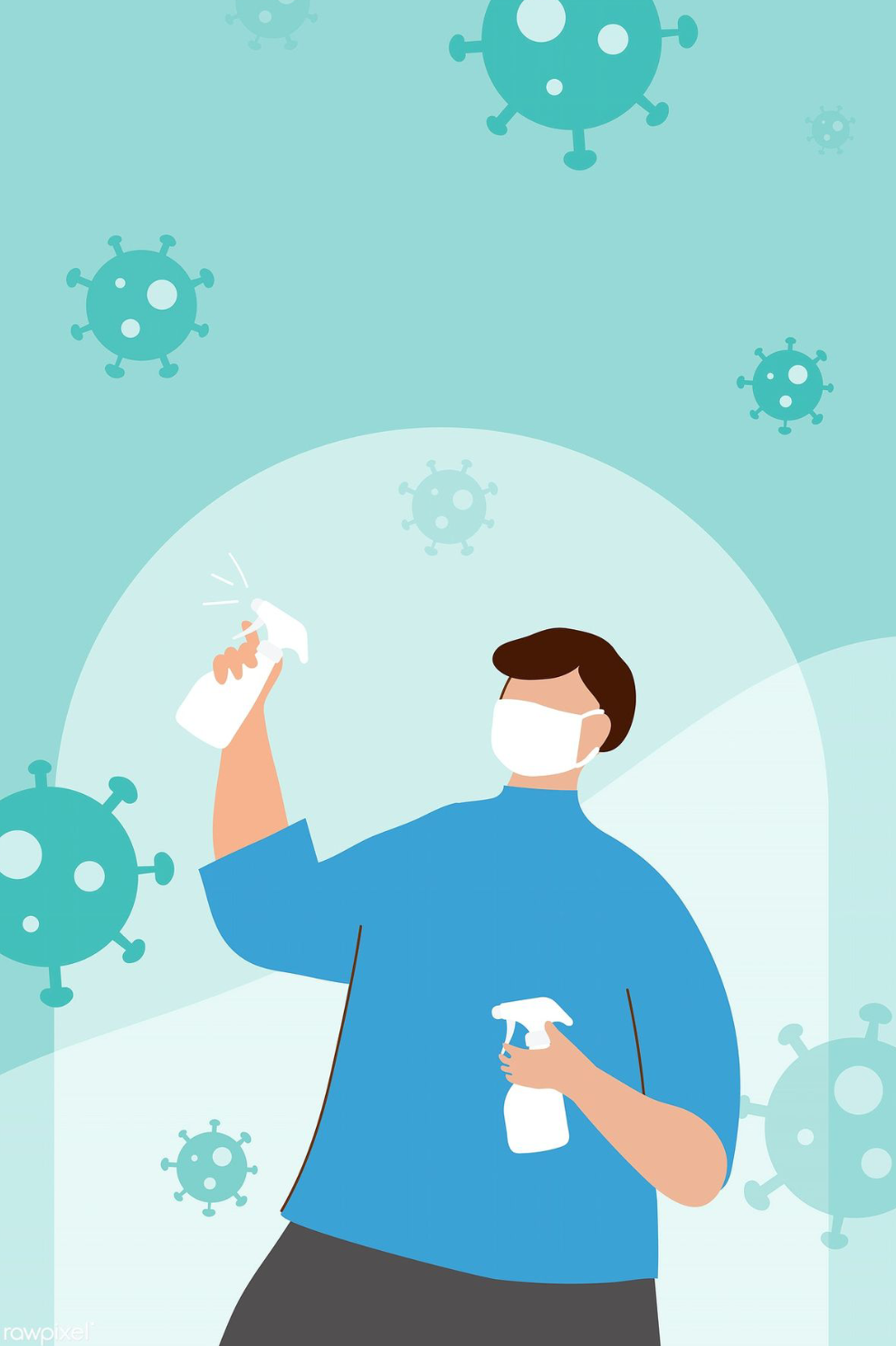
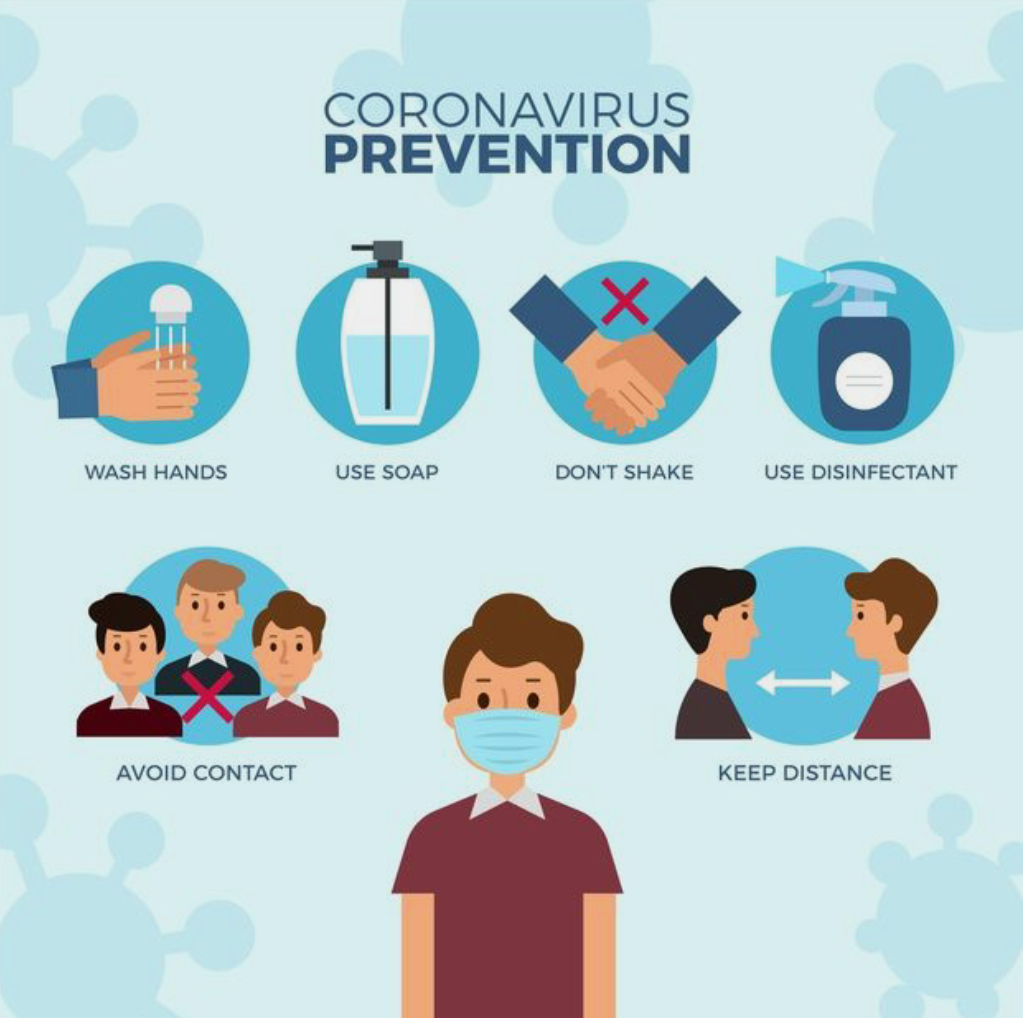
How long has it been since we went to school met our friends or had a family dinner at some restaurant? Since March 2020, we have all been advised to stay home and sanitise ourselves in order to stay safe. Sanitizers and masks have been added to our daily use products, all because of one tiny yet dangerous virus Covid-19!

The world is now waiting anxiously for a vaccine against this dreaded virus. Researchers around the world are working round the clock to develop vaccines to combat the pandemic. Currently, more than 165 vaccines against the corona virus are under process and 27 vaccines are undergoing human trials. Vaccines typically require years of research and testing before reaching the clinic. Today, scientists all over the world are racing to produce a safe and effective vaccine by next year.

When did the efforts start

Efforts to make a successful Covid-19 vaccine began in January 2020 with the deciphering of the SARS-CoV -2 genome. The first vaccine safety trials in humans started in March but the road ahead remains uncertain. Some trials will fail and others may end without a clear result. But a few may succeed in stimulating the immune system to produce effective antibodies against the virus.

• India and vaccine against Covid-19

Like many other countries, India too is immersed in the efforts to develop successful vaccines to counter Covid-19. Thirty different Indian companies are trying to produce a vaccine to fight the infection. 7 out of these have received approval from the World Health Organization. These vaccines are in different stages of testing and clinical trials now.

COVAXIN

COVAXIN is developed by Hyderabad based Bharat Biotech International Limited in collaboration with ICMR and NIV, Pune. This is the first vaccine from India to get regulatory approval. The vaccine makes us an inactive version of a virus to spike up production of antibodies in the host body. It recently initiated Phase I and Phase II of clinical testing.

ZyCoV-D

ZyCoV-D is being developed by Zydus Cadila based in Ahmedabad. The Phase I trials of the vaccine have already begun. Extensive research was done regarding the same in collaboration with medical labs in Europe and US.

• Russia and vaccine against Covid-19

Russia is one of the countries worst affected by Covid-19. The country has been pushing extensively for a Covid-19 vaccine for quite some time now; Russia too is a part of the race to produce the world’s first Covid vaccine. It is possible that Russia would be ready with its first domestic corona virus vaccine soon. The clinical trials were conducted by the Gamaleya National Research centre of Epidemiology and microbiology. There seem to be no reports of side effects on the volunteers. All the participants showed immunity and the country is planning for the serial production of the vaccine by September. By the beginning of next year, Russia hopes to manufacture several million doses of corona virus vaccines per month.

• Oxford University’s efforts to develop a vaccine

The university of Oxford has partnered with AstraZeneca, a British-Swedish pharmaceutical company to develop an adenovirus vector vaccine to combat Covid-19. The vaccine prototype is currently in Phase III of testing. Trials of the vaccine developed by Oxford University show it can trigger an immune response. The vaccine which has so far been found to be safe and effective is expected to be made available for the masses by the end of 2020. This vaccine would also be the first such vaccine to have a large scale testing in India. The observatory data for this vaccine is expected to be available by November this year. The company has tied up with Pune based serum institute of India to mass produce the vaccine once the company gets required approvals and licensing from medical boards.

• Some methods used to make vaccines for Covid-19

Different scientists across the world try different techniques and formulas to develop vaccines. The Oxford researchers have put small sections of the corona virus genetic code into a harmless virus that infects chimpanzees. They appear to have developed a safe virus that looks enough like the corona virus to produce an immune system. Some other scientists have used pieces of raw genetic code, either DNA or RNA. When these are injected into the body it would start producing bits of viral proteins which the immune system can learn to fight. There is also work on corona virus vaccines called ‘plug and play’ vaccines. This method is new and less tested.
Thank you for reading. Have a nice day!🌼
Story of the two most expensive spices

Saffron

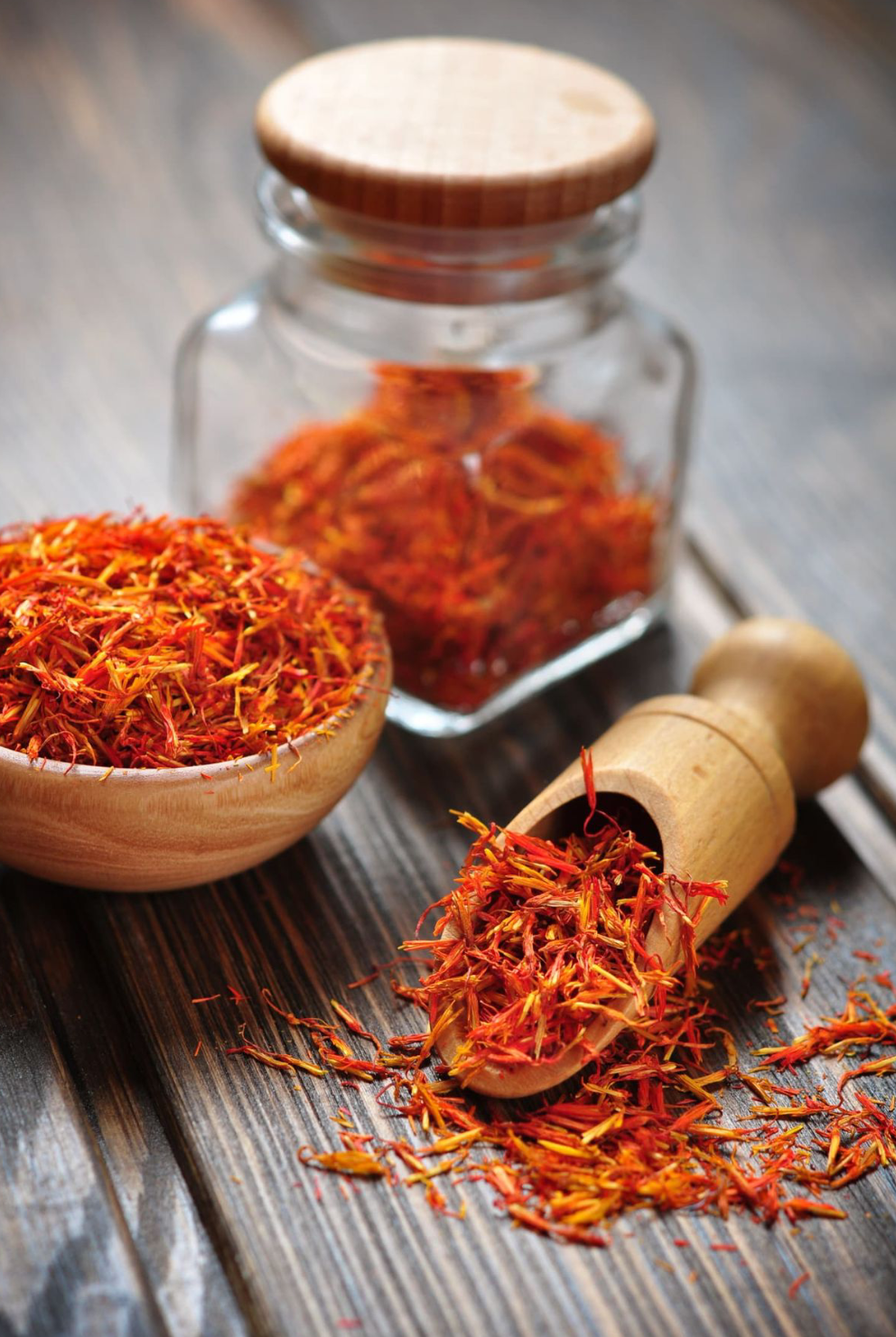
One pound of saffron costs you $5000. It is the most expensive spice next comes vanilla. Saffron is a complicated spice to harvest. Harvesting saffron needs a lot of hand work to pick up the flowers, separate the saffron that is the dried stigma or the female part of the flower. Saffron comes from the saffron crocus flower and each flower has 3 stigmas. The yield of saffron is very low. One pound of saffron requires 170000 flowers. These flowers bloom over a six week period from late September to early December. There is a specific time to day to harvest them. High relative humidity and sunlight can break the chemical structure in the saffron. Early morning is preferably the best time to harvest them.

90% of the world’s saffron is grown in arid fields in Iran. It is so because workers are available and for cheap. But it’s mostly like slavery. Most workers are women getting five dollars a day. Not only Iran, it’s grown in Morocco, Spain, Italy, the Netherlands, Afghanistan, India and even in United States. Though many Americans have never eaten saffron, the US imports large amount of saffron. Saffron has a resistance to cold weather.

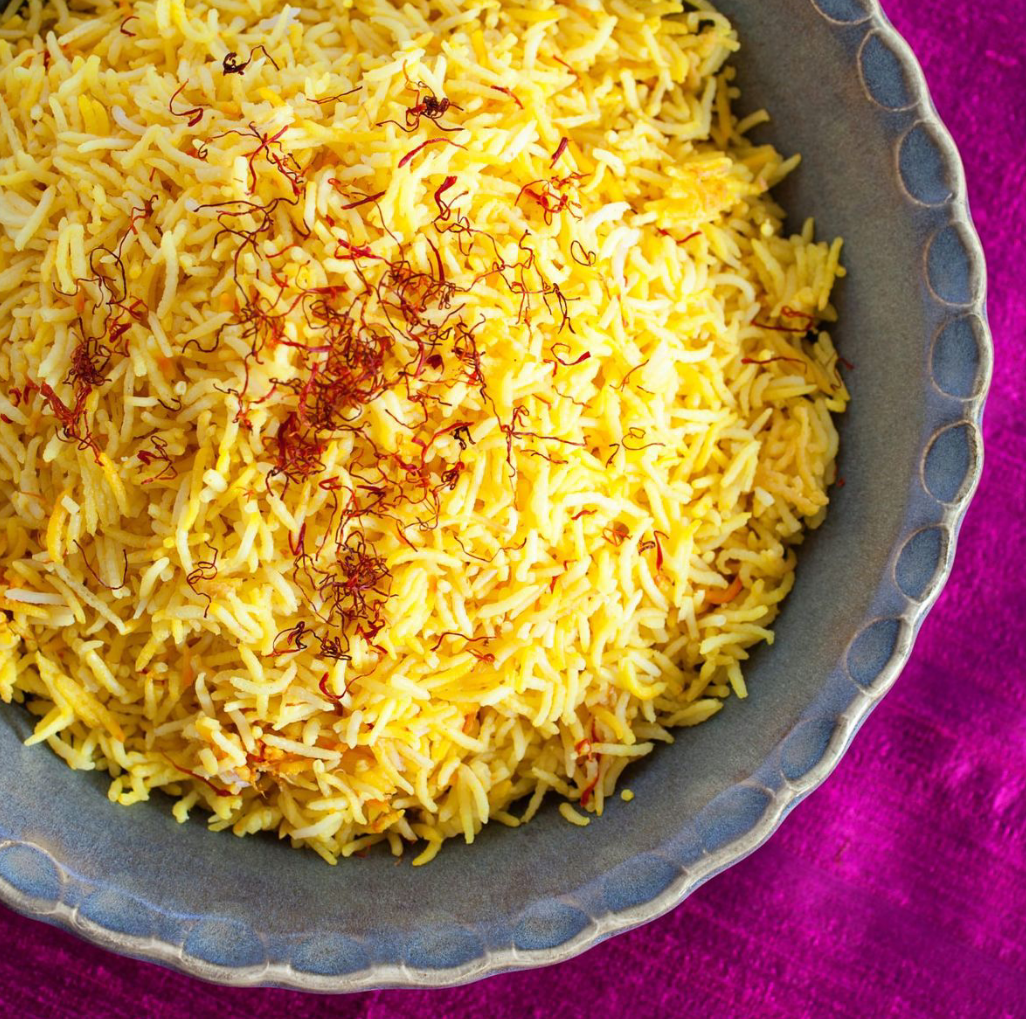
Over centuries saffron has proven useful in many situations. Most commonly used in cooking. Middle east Asian countries have a lot of food containing saffron. When saffron is broken down it creates a golden dye. Which is how when used in cooking it gives a different kind of colour and taste and smell to it.

Saffron contains some chemical components which are really expensive like picrocrocin, crocin and safranal. These are the main components responsible for the taste, smell and colour.

People have tried passing turmeric, red marigold petals, and lily flower stigma as saffron. But the flavour and dye is totally different. In large quantities, saffron can be a potent happiness inducing narcotic. Research suggests it may help reduce the symptoms for Alzheimer’s, depression and PMS.

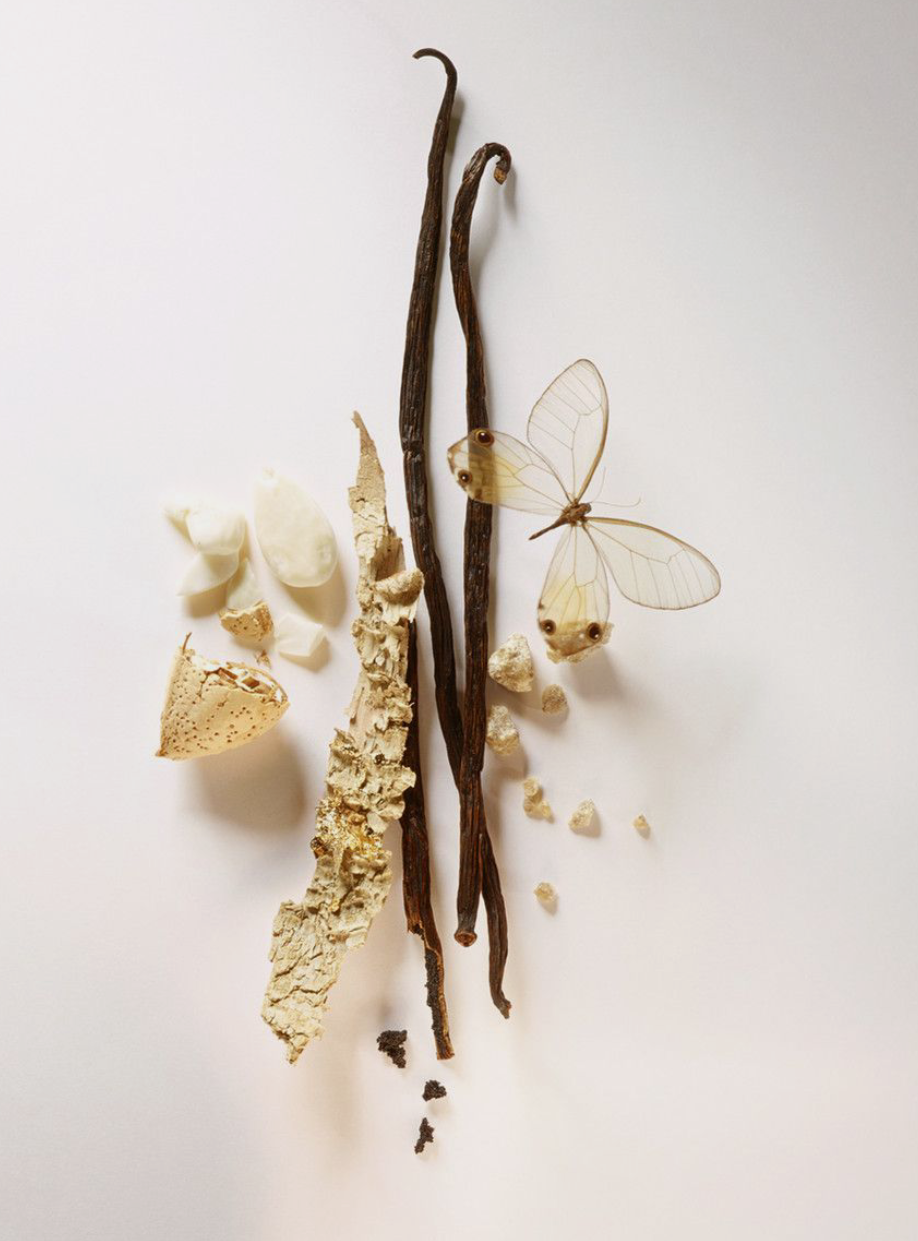
Vanilla

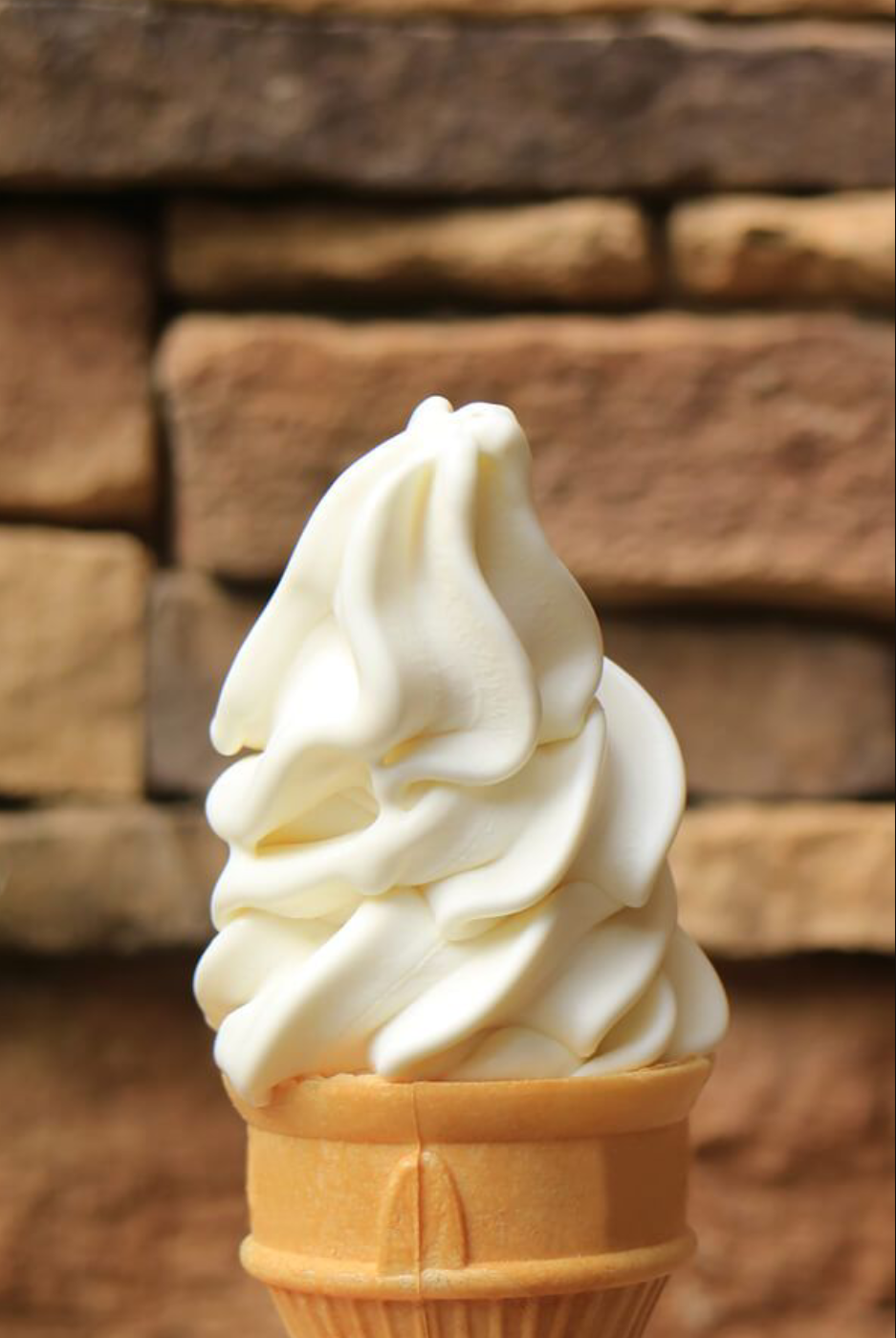
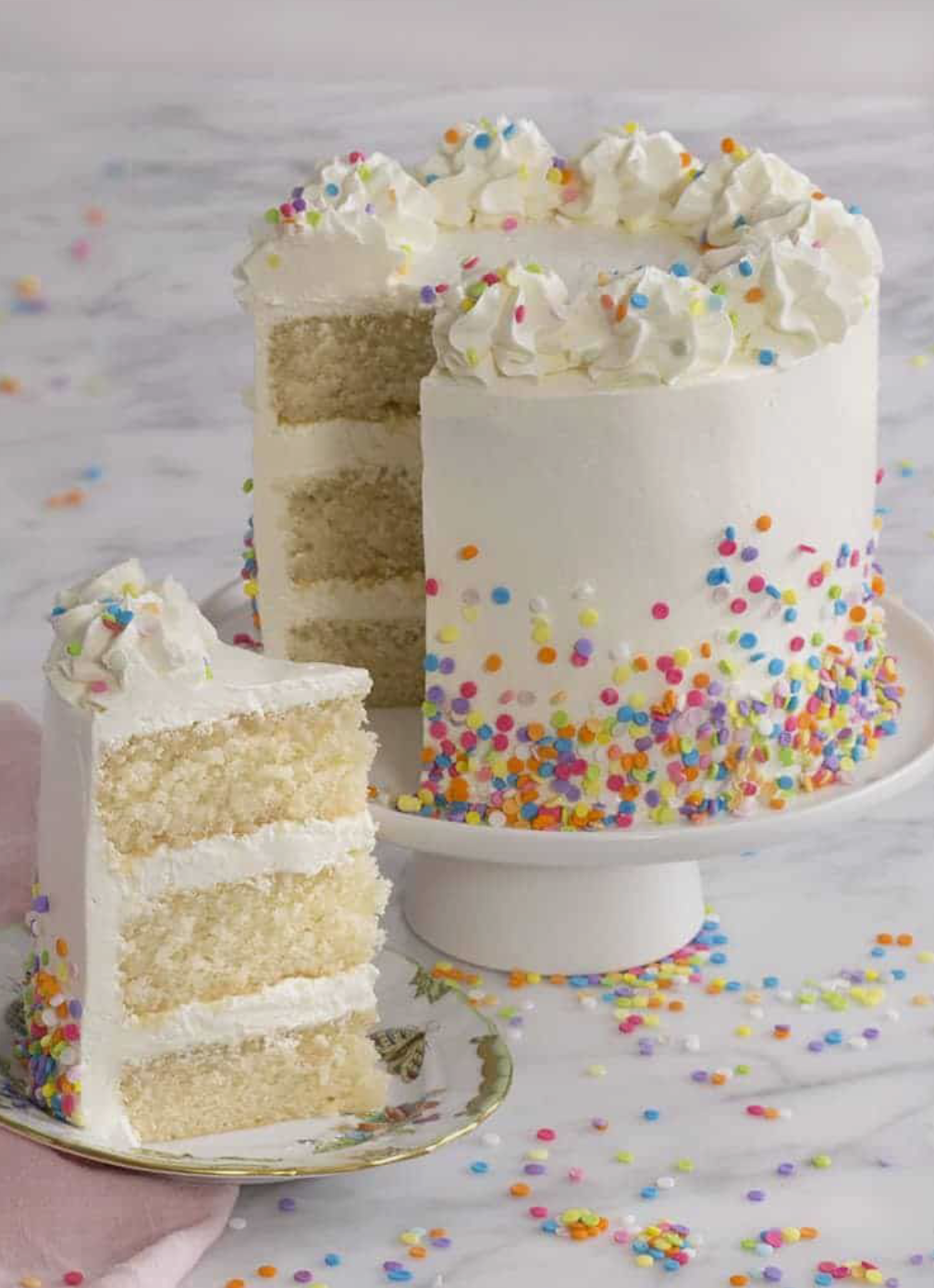
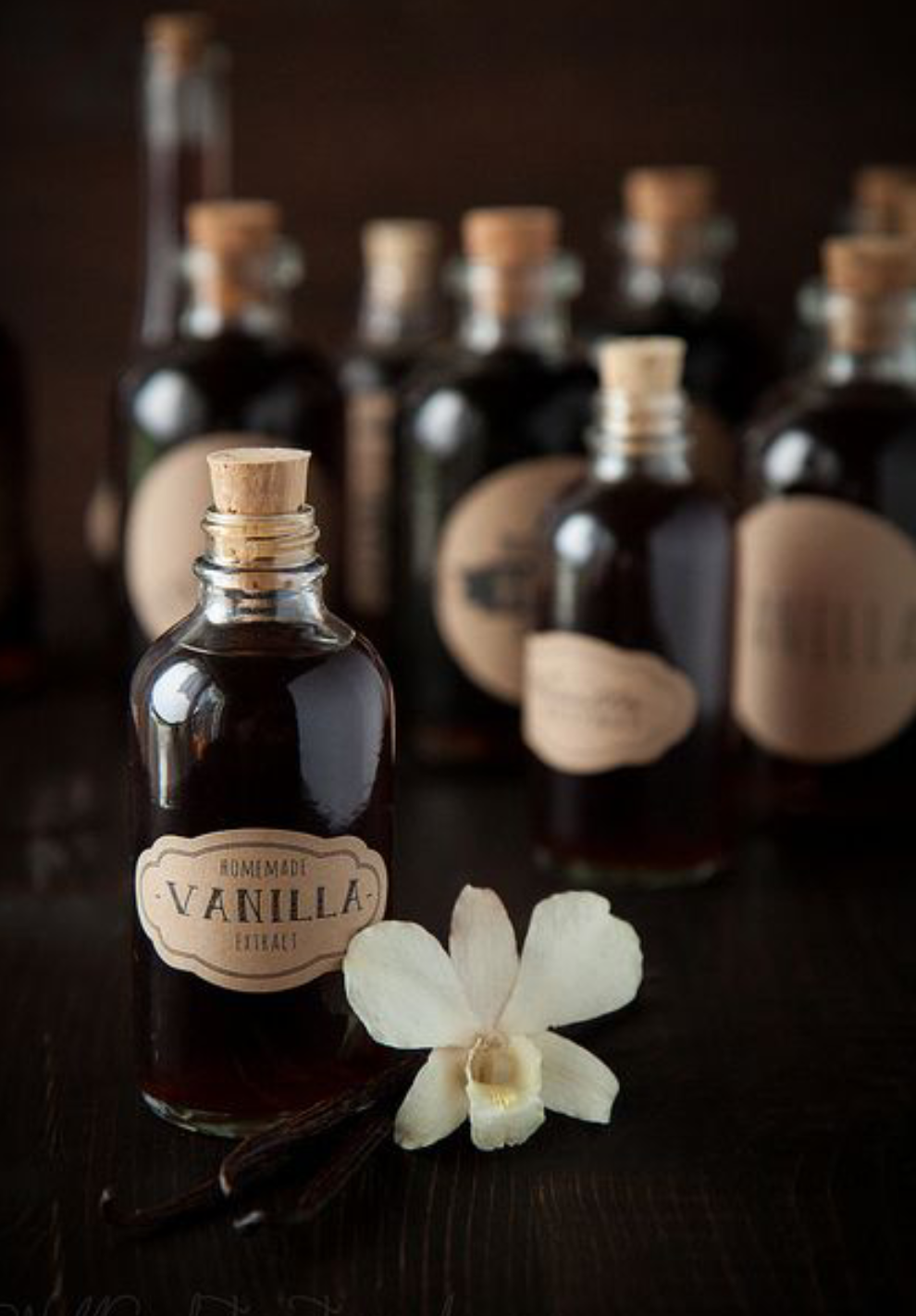
From ice cream to cakes and even perfume, vanilla is the go-to flavour of the world. In recent years, the price of natural vanilla has shot up. At one point it was more expensive than silver by weight. 80% of the world’s vanilla is grown in the perfectly suited climate of the north east region of Madagascar. It’s the country’s primary export crop. In 2014, vanilla was $80 a kilo. Three years later it was $600. Today its around $500. The price rise is due in part to global demand. The trend of eating naturally means that food companies have shunned synthetic flavouring in favour of the real deal.

Price fluctuations affect producers of agricultural commodities everywhere but vanilla is particularly volatile. In just a few weeks the price can jump or plummet by over 20%. Liberalisation is one reason for such movements. The Malagasy government once regulated the vanilla industry and it’s price. But now the price is negotiated at the point of sale which makes for a freer market but a more volatile one. It’s also a tiny industry. A single cyclone can knock up the entire crop within Madagascar. It’s also a difficult and delicate crop to grow.

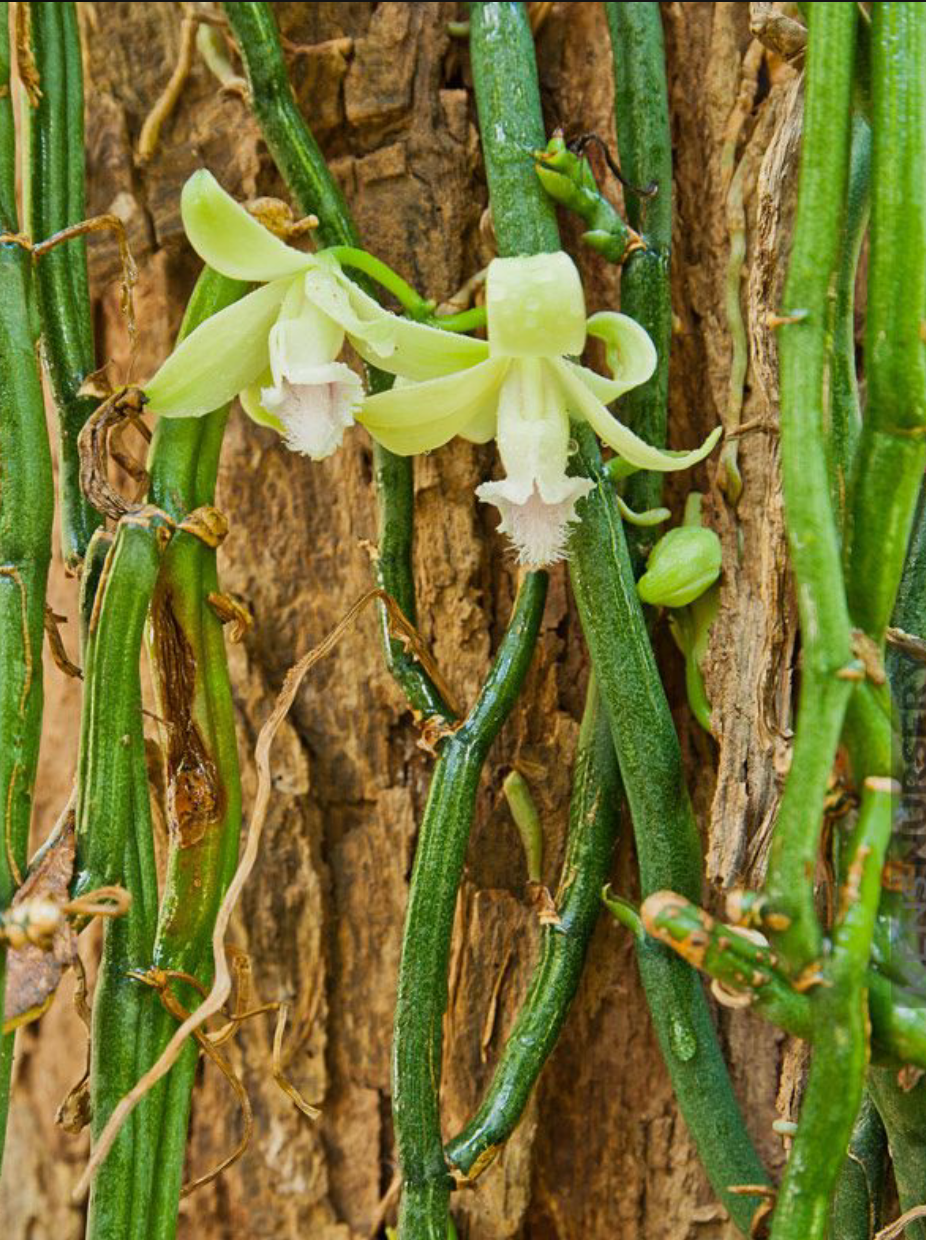
Vanilla is an orchid that needs to be hand pollinated. This is a really labour intensive practice. It takes roughly six months to grow it on the vine and then six months of manual post harvesting. The interesting thing about vanilla is that it needs to be taken off the vine when it is almost rotted!

The growers have to contend with another problem. Thieves are targeting vanilla crops. So Malagasy now have to sleep out in their vanilla fields. They can’t rely on those who are changed from the state to protect them or their crops. Some farmers have resorted to harvesting the beans before they’re ripe but this produces a poorer quality vanilla and ultimately pushes down the price. The combination of deteriorating quality and high prices is having an effect. The vanilla price bubble may burst. If the price continues to stay high there’s a number of scenarios that will play out. Continuation of current situation will cause an unstable market. Otherwise the corporate sectors step in, try to regulate the market in some way that may stabilise prices and also quality. Or the market may crash out.

Big buyers that provide vanilla are now working directly with farmers in a bid to gain greater control over quality. Other companies have started to look elsewhere for their natural vanilla. Indonesia, Uganda and even the Netherlands are growing the crop. For a century Madagascar has enjoyed a near monopoly on vanilla. But this industry maybe in line for radical overhaul.

Thank you for reading. Have a nice day!🌼

Should commercial surrogacy be banned in India?

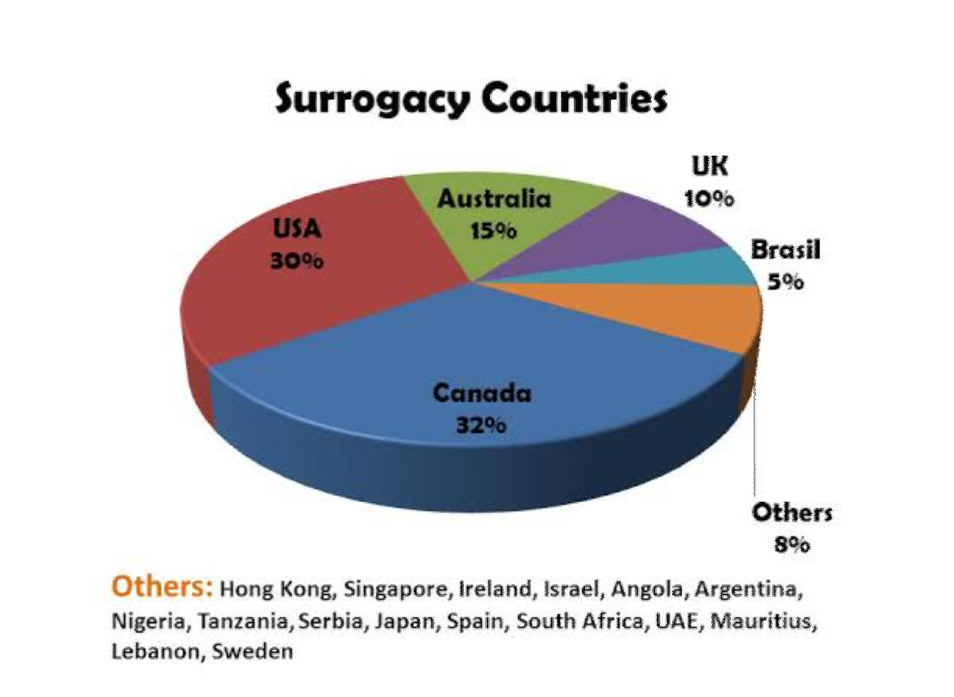
Commercial surrogacy is the process by which an individual or couple pays a fee to a woman in exchange for her carrying and delivering a baby. At birth the child, homo-sexual couples, and single people who wish to be parents are the most common types of people who seek surrogate mothers.

Commercial surrogacy has been legal in India from 2002 onwards but due to unethical practices, a bill has been approved by the Union Cabinet in August 2016. This one lapsed when Parliament adjourned without taking the measure for a vote.

The new proposal came in 2019 that is to ban commercial surrogacy. The Indian minister of health has called the 2019 bill a “need of the hour” citing a rough estimate that between 2000 to 3000 unregulated clinics currently operate in the country. Under the new law anyone who performs or promotes this would be punished with up to 10 year of imprisonment and a fine up to one million rupees. The surrogacy bill’s provision restricting surrogacy to married heterosexual couples within strict age ranges also discriminates against members of L G B T community, older couples and unmarried people who might seek to have a child. The bill goes against the principles of equality provided under Article 14 of the Indian constitution.

Regulation, not ban, is needed. The commercial surrogacy in India needs a regulation and stricter rules that could ensure good care and pay to the woman alone and not agents or others. Good clinical facilities for the surrogate mother and a healthy environment where she could stay safely before and after delivery could lessen exploitation. There is no provision in the law about the custody of the child if the couple later refuse to accept it if the child is mentally challenged or born with a defect. People who hire surrogates have a need to do so due to medical reasons. It is not their choice. Regulation on this practice is very much needed and must be done to close loopholes due to which exploitation of surrogate mothers is taking place.

Indian society is yet to progress so much as to accept surrogate motherhood. The woman who rents her womb even if for the cause of humanity towards an unfortunate couple will never be accepted in society when she goes back to her normal life. People will look down on her and she may probably not be able to find a husband, if she was unmarried at the time of surrogacy. We need to be broad-minded and accept these women and respect their choice of renting their wombs.

Giving women a safe and free environment for surrogacy can help in curbing the evils attached and the industry could do well along with giving good money to such poor women so that they can make their lives better as well as give prosperity to their families.

Thank you for reading. Have a nice day!

The New Consumer Protection Act,2019 in India is an upper hand and an added advantage for the consumers in manifold ways

The Consumers can now cheer as the Consumer Protection Act, 2019 has recently replaced the three decade old Consumer Protection Act, 1986. The Consumer Protection Act, 2019 which came into effect on Monday (July 20) has replaced the earlier Consumer Protection Act, 1986.

The new Act as per the Experts say that “it gives more power to the consumers”. It seeks to revamp the process of administration and settlement of consumer disputes, with strict penalties, including jail term for adulteration and misleading ads by firms.

On July 20, 2020 certain provisions of the Consumer Protection Act, 2019 came into force as notified by the Central Government. Following the the key features of the relevant provisions:-

Key features of the Consumer Protection Act, 2019 which came into effect on July 20, 2020:-

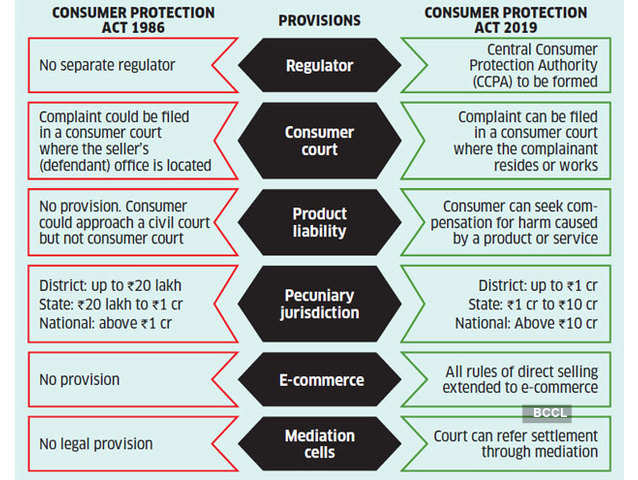
1) Consumers can now institute a complaint from where they reside or work for gain.

2) The original pecuniary jurisdiction of the District Commissions has increased upto ₹1 crore from ₹20 lakh earlier.

3) The Pecuniary jurisdiction of State Commissions has been increased from ₹1 crore to Rs. 10 crore.

4) The National Commission can hear cases above ₹10 crore when compared to above ₹1 crore earlier.

5) While the provisions relating to e-commerce are not yet notified, a section relating to electronic service provider (covering software services, electronic payments) is notified.

6) The opposite party needs to deposit 50% of the amount ordered by the District Commission before filing an appeal before the State Commission. Earlier, the ceiling was a maximum of ₹25,000, which has been removed.

7) The limitation period for filing of appeals to the State Commission has been increased from 30 days to 45 days.

8) The Parties can be allowed to settle the disputes through mediation.

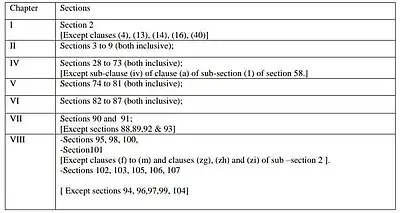
Following are the Sections which came into force:

Consumer Protection Act 2019- Sections to come into force from July 20,2020

Above mentioned provisions pertain to the Consumer Protection Councils, Consumer Disputes Redressal Forum, Mediation, Product Liability, punishment for manufacturing, selling, distributing etc spurious good or products which contain adulterant.

As per the rules, the e-commerce players will have to display the total ‘price’ of goods and services offered for sale along with break-up of other charges. Only a few certain miscellaneous provisions with regards and respect to the powers of the Central and State Government to make the rules and regulations have also been enforced.

On misleading advertisements there is provision for jail term and fine for manufacturers. There is no provision for jail for celebrities but they could be banned for endorsing products if it is found to be misleading.

For the first time there will be an exclusive law dealing with Product Liability. A manufacturer or product service provider or product seller will now be responsible to compensate for an injury or damage caused by the defective product or deficiency in services.

The Act has also defined an “e-commerce” as the buying or selling of goods or services including the digital products over digital or electronic networks. The existing definition of e-commerce has been adopted from India’s FDI Guidelines on e-commerce.

The definition of ‘e-commerce Entity’ as provided under the FDI Guidelines includes inventory and market place models.

There is also a provision for class action law suit for ensuring that rights of consumers are not infringed upon. The authority will have power to impose a penalty on a manufacturer or an endorser of up to 10 lakh rupees and imprisonment for up to two years for a false or misleading advertisement.

WEBSITES REFERRED

1)https://consumeraffairs.nic.in/acts-and-rules/consumer-protection

2)https://www.barandbench.com/news/law-policy/provisions-under-consumer-protection-act-2019-to-come-into-force-on-july-20-2020-centre-notifies

3)https://www.google.com/amp/s/www.thehindu.com/news/national/tamil-nadu/new-consumer-protection-act-gives-more-power-to-consumers-experts-say/article32135908.ece/amp/

4)https://www.google.com/amp/s/www.livemint.com/news/india/consumer-protection-act-rules-for-e-retailers-to-be-effective-by-this-weekend/amp-11595291549084.html

5)https://www.google.com/amp/s/zeenews.india.com/economy/new-consumer-protection-act-2019-comes-into-force-today-know-how-it-will-benefit-you-2297012.html/amp

6)https://www.google.com/amp/s/m.economictimes.com/wealth/spend/heres-how-consumers-will-benefit-under-the-new-consumer-protection-act/amp_articleshow/70711304.cms

7)https://www.google.com/search?q=consumer+protection+act%2C2019&tbm=isch&ved=2ahUKEwjOhv7-sN7qAhVIH3IKHTOCBfMQ2-cCegQIABAC&oq=Consumer&gs_lcp=ChJtb2JpbGUtZ3dzLXdpei1pbWcQARgAMgQIIxAnMgUIABCxAzIFCAAQsQMyBQgAELEDMgUIABCxAzoHCCMQ6gIQJzoCCAA6BwgAELEDEEM6BAgAEENQ0xRYzipg1jBoAnAAeACAAZABiAGHCJIBAzAuOJgBAKABAbABBcABAQ&sclient=mobile-gws-wiz-img&ei=e-QWX47dJsi-yAOzhJaYDw&bih=682&biw=393&prmd=ivn#imgrc=eILduqMFjleJaM

8)https://www.vecteezy.com/free-vector/consumer

9)https://www.google.com/amp/s/www.livelaw.in/amp/news-updates/most-provisions-of-consumer-protection-act-to-come-into-force-160003

Self Confidence:- A must to have trait


If you want a definition of Self Confidence from Webster’s Dictionary or other primary sources – Google it… your question will be answered…

In my not so humble opinion, those definitions will be precise, accurate, and likely are far more measurable than any answer I will come up with.

Nevertheless, here are my thoughts regarding Self-Confidence…

A few thoughts on what is NOT Self Confidence…

It is being cocky, and rude…

It is not being obliviously obnoxious towards others in your life, taking advantage of and/or walking over anyone and everyone that is in your path.

If you have read any of my prior answers, I am REALLY big on the 3 Step Process of 1. Forgiveness of others and self; 2. Attitude of Gratitude; and 3. Hope, Dreams, Vision for the future. If these ideas are NEW to you, find an earlier answer for more information…

Self Confidence is the result of an awareness of…

1)WHO you are

2)What you value

Your Major Definite Purpose – what ignites a white-hot desire in your heart? See “Think and Grow Rich” by Napoleon Hill for more information

Your dreams, vision and hope for the future.

With some idea of these notions, one can set out in the general direction of their dreams and be confident that they are living a sincere, authentic life. Remain focused on the living in the present, and enjoying the journey moment by moment.

To be backed it up, I would like to mention what one of my super close friend “Rashi Sharma”said to me , who literally help me growing as a person, and I am blessed to have her as my closest friend and take this opportunity to thank her for the motivation and support she provides. She said “You got to have your own stand & influence other through that in order to improve self confidence. And that hit me up, and the same advice I want to give my readers out here.

Not fixating on the “cursed hows” (see Mike Dooley), or allowing yourself to be “should” upon by others… but living your life…

Self confidence is a humble sense of being true to oneself, asking 2 questions when faced with any decision…

Is this moving me toward or away from my Major Definite Purpose?

If I had no fear, what would I do? (Too many dreams are dead on arrival due to fear and anxiety blocking us from taking ANY action towards making them come true. Life is risky… there are no guarantees… but overcoming our doubts and fears will move us significantly closer to our dreams than wallowing in fear, doubt and anxiety.