New era of socially responsible toys

Buy Wooden Shape & Number House: Educational Puzzle Set Toy – Shumee

A child’s play is not simply a reproduction of what he has experienced, but a creative reworking of the impressions he has acquired.

~Lev Vygotsky

As rightly quoted by Soviet psychologist Lev Vygotsky a child not only reproduces what he has experienced but also shows the impressions they have formed through their actions. That time has passed when people believed that a child cannot understand the things happening around them. Due to this misconception, very less effort was taken to make shape their concept formation in a socially responsible manner.

As a result of the research conducted around the world people have reached to a conclusion that childhood is the period when a major portion of the concept formation takes place. This realization has developed a demand for toys which could contribute towards a positive outlook development. Realizing this rising demand several brands have shifted towards developing socially responsible toys.

Let us look into some examples:

Barbie dolls

Mattel Inc., the company producing Barbie dolls, has released a wide range of inclusive dolls which are different from conventional dolls. The company has introduced dolls of three sizes slim, broad and original. It has also released dolls in wheel chair as well as with artificial limb. The company has also tried to make it more inclusive by providing dolls in different skin tones, hair types and eye color. Apart from this, they have also introduced Moschino Barbie which caters towards boys, thereby breaking the stereotype that dolls are not meant for boys.

Lego

The company which sells building blocks have decided to make their products gender neutral after realizing the need for gender equality. It has also promised to shift from plastic packaging to other alternatives. The company’s initiative to produce sustainable bricks will also contribute towards reduction of carbon footprint of one of the biggest toy manufacturers.

Mega bloks Green Town Line

It is a set of carbon neutral construction toys for preschoolers. Mega Bloks bought carbon offsets from the Darkwood Forests conservation project in Canada to get this label. The manufacturers have specified that the toys are made from a minimum of 56% plant-based materials rather than plastic.

Hasbro

Hasbro is a company dealing with wide variety of toys and they adopt a whole lot of activities towards sustainability. Its major initiative is to replace plastic packaging with environmentally friendly materials. It also provides provisions for recycling the toys by collecting the toys and creating new toys from them. It also checks for the environment assessment of their suppliers.

Colors of the world- skin tone crayons

This is a pack of crayons which provides twenty-four shades. What makes it different from other crayons is that it has 24 skin colours from extra light to deepest. It helps to develop a sense of inclusion and generate a non-discriminatory mindset among the children. It helps children to realize that it is normal to have all shades of skin and not strive for achieving the so called “ideal” skin shade.

Similarly, several companies have initiated different measures to make their toys inclusive and climate conscious. The indigenous toys of our country could also be an alternative in this new era.

Being grownups, it is our duty to promote ethical products and thereby assist in positive concept formation of our upcoming generation.

Let us make use of the available resources and pave way for a compassionate, inclusive and climate conscious generation.
New era of socially responsible toys

Buy Wooden Shape & Number House: Educational Puzzle Set Toy – Shumee

A child’s play is not simply a reproduction of what he has experienced, but a creative reworking of the impressions he has acquired.

~Lev Vygotsky

As rightly quoted by Soviet psychologist Lev Vygotsky a child not only reproduces what he has experienced but also shows the impressions they have formed through their actions. That time has passed when people believed that a child cannot understand the things happening around them. Due to this misconception, very less effort was taken to make shape their concept formation in a socially responsible manner.

As a result of the research conducted around the world people have reached to a conclusion that childhood is the period when a major portion of the concept formation takes place. This realization has developed a demand for toys which could contribute towards a positive outlook development. Realizing this rising demand several brands have shifted towards developing socially responsible toys.

Let us look into some examples:

Barbie dolls

Mattel Inc., the company producing Barbie dolls, has released a wide range of inclusive dolls which are different from conventional dolls. The company has introduced dolls of three sizes slim, broad and original. It has also released dolls in wheel chair as well as with artificial limb. The company has also tried to make it more inclusive by providing dolls in different skin tones, hair types and eye color. Apart from this, they have also introduced Moschino Barbie which caters towards boys, thereby breaking the stereotype that dolls are not meant for boys.

Lego

The company which sells building blocks have decided to make their products gender neutral after realizing the need for gender equality. It has also promised to shift from plastic packaging to other alternatives. The company’s initiative to produce sustainable bricks will also contribute towards reduction of carbon footprint of one of the biggest toy manufacturers.

Mega bloks Green Town Line

It is a set of carbon neutral construction toys for preschoolers. Mega Bloks bought carbon offsets from the Darkwood Forests conservation project in Canada to get this label. The manufacturers have specified that the toys are made from a minimum of 56% plant-based materials rather than plastic.

Hasbro

Hasbro is a company dealing with wide variety of toys and they adopt a whole lot of activities towards sustainability. Its major initiative is to replace plastic packaging with environmentally friendly materials. It also provides provisions for recycling the toys by collecting the toys and creating new toys from them. It also checks for the environment assessment of their suppliers.

Colors of the world- skin tone crayons

This is a pack of crayons which provides twenty-four shades. What makes it different from other crayons is that it has 24 skin colours from extra light to deepest. It helps to develop a sense of inclusion and generate a non-discriminatory mindset among the children. It helps children to realize that it is normal to have all shades of skin and not strive for achieving the so called “ideal” skin shade.

Similarly, several companies have initiated different measures to make their toys inclusive and climate conscious. The indigenous toys of our country could also be an alternative in this new era.

Being grownups, it is our duty to promote ethical products and thereby assist in positive concept formation of our upcoming generation.

Let us make use of the available resources and pave way for a compassionate, inclusive and climate conscious generation.
Make in India

All You Need To Know About 'Make In India' - iPleaders
source: Google

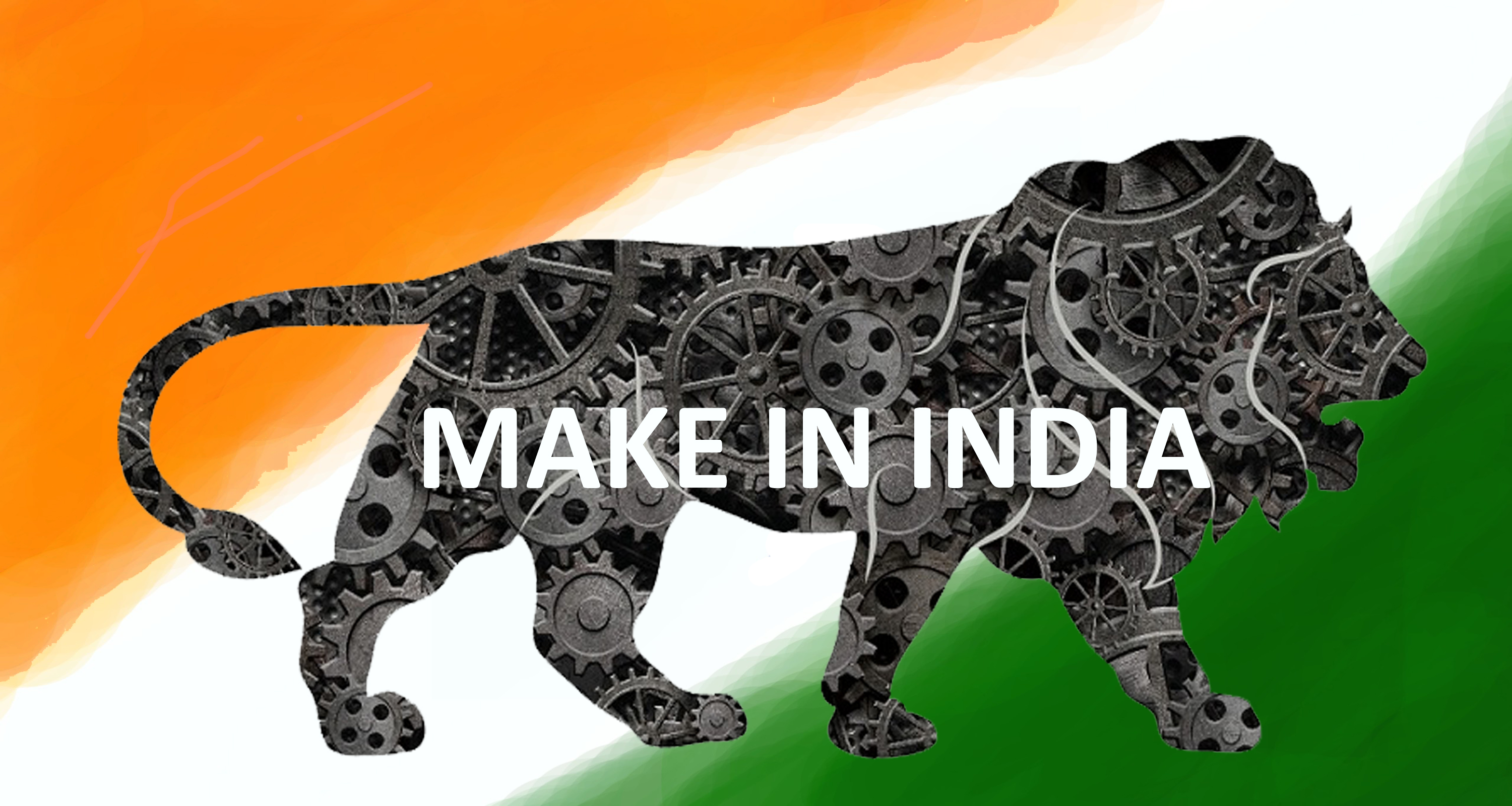
As India is completing her 75th year of independence, the government has put all its focus on making India self-reliant. In 1950, since the very first plan formulated by planning commission, self-reliance was given due importance. From a broken agrarian economy India has built up an economy which is seventh largest in the world. However, the fact is that it is not sufficient to meet the growing needs of 140 crore population of the country.

India is forced to depend on other nations to meet many of its needs even at present. This solidifies the need for an initiative to boost India’s production. Recognising this urge, the government of India has initiated the scheme termed “Make in India”.

Make in India aims to promote the manufacturer to develop, manufacture and assemble products domestically. It not only emphasizes on production but also focuses on innovation and research. Under this scheme government provides market for goods made in India and also markets them in international markets. “Make in India” had three stated objectives:

  • to increase the manufacturing sector’s growth rate to 12-14% per annum;
  • to create 100 million additional manufacturing jobs in the economy by 2022;
  • to ensure that the manufacturing sector’s contribution to GDP is increased to 25% by 2022 (later revised to 2025).

In order to achieve this objectives government of India has initiated several programs like:

Sagarmala

Sagarmala Programme aims to provide enhanced connectivity between the ports and the domestic production& consumption centres. The programme envisages unlocking the potential of waterways and the coastline to minimize infrastructural investments required to meet these targets.

Bharatmala

The Bharatmala Pariyojana is a centrally-sponsored and funded Road and Highways project of the Government of India.[1] The total investment for 83,677 km committed new highways is estimated at ₹10.63 lakh crore, making it the single largest outlay for a government road construction scheme.

Digital India

Digital India is a campaign launched by the Government of India in order to ensure the Government’s services are made available to citizens electronically by improved online infrastructure and by increasing Internet connectivity or making the country digitally empowered in the field of technology.[1][2] The initiative includes plans to connect rural areas with high-speed internet networks. It consists of three core components: the development of secure and stable digital infrastructure, delivering government services digitally, and universal digital literacy.

Freight corridors and Industrial corridors

These are infrastructure projects to facilitate easy movement of goods as well as infrastructural setup for business investments

UDAN RCS

Ude Desh ka Aam Naagrik (Hindustani for “Let the common citizens of the country fly”), known by its acronym UDAN (Hindi for “flight”) is a regional airport development program of the Government of India and part of the Regional Connectivity Scheme (RCS) of upgrading under-serviced air routes. Its goal is to make air travel affordable and widespread, to boost inclusive national economic development, job growth and air transport infrastructure development of all regions and states of India.

Last two years was the period when we realised the importance of self-reliance the most. During lockdown when international borders were closed there was shortage of many goods. On successful implementation of this initiative India could be able to meet its own needs along with the needs of the world. So let us hope that on the eve of 100th year of independence India would be a global leader with an economy sufficient to meet the demand of the world.

Let us conclude on the note that self-reliance is the most important thing a country as well as an individual should strive for.

CAN COMMERCE GO GREEN?

https://www.google.com/url?sa=i&url=https%3A%2F%2Fwww.itweb.co.za%2Fcontent%2Fj5alr7QaXJO7pYQk&psig=AOvVaw2iREPnrEK5Dq-jaHMsCtiy&ust=1650781846280000&source=images&cd=vfe&ved=0CAwQjRxqFwoTCLDxoeXHqfcCFQAAAAAdAAAAABAI
Source: Google

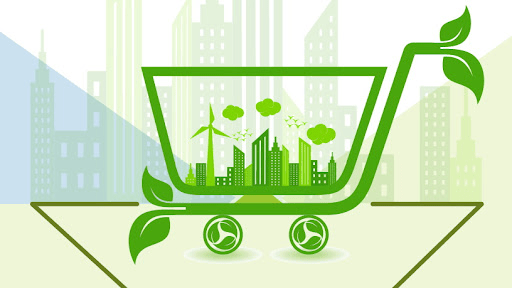
The color green is often associated with sustainability and environment protection. Similarly, when we refer to commerce, we often associate it with exploitation of environment. But with change in time commerce has also realized the need for going green.

Recognizing the urge of the hour commerce has also developed a whole lot of initiatives. Recently, several branches of commerce have evolved with the idea of going green. These require the co operation of entire community as it involves an overall shift in the practices.

Let us look into some of these areas:

Green consumerism

Green consumerism deals with the process in which consumers demand products and services that have undergone an eco-friendly production process or one that involves recycling and safeguarding the planets’ resources. The green consumer is an opinion leader and a careful shopper who seeks information on products. Including information from advertising about the green aspects of products. If you want to be a green consumer start with small initiatives like avoid demanding plastic carry bags, start using paraben free products, etc. There Is a direct environmental impact of green behaviors. The growing environmental hazards, associated with the ever-growing consumption of such poisonous produces, have been creating several health-related problems, giving way to greater concerns over the consumption of these products among the people.

Green governance

The inculcation of green initiatives with corporate governance is termed as green governance. In India the provisions of Information technology act have led to the growth of green governance. The act promotes usage of digital documents and provides legal validity for digital signature. It has also laid down provisions for regulating hard copy of documents. Similarly, several initiatives are adopted around the world in the field of corporate governance to promote green initiatives.

Green marketing

Green marketing is the marketing of products that are presumed to be environmentally safe. It incorporates a broad range of activities, including product modification, changes to the production process, sustainable packaging, as well as modifying advertising. It not only refocuses, adjust or enhance existing marketing thinking and practices but also provides a substantially different perspective. In a broader sense, eco marketing belong to the group of approaches which seek to address the lack of fit between marketing as it is currently practiced and the ecological and social realities of the wider marketing environment. 

Green finance

Green financing is emerging as on equivalent to socially responsible investing Eco-investing or green investing, is a form of socially responsible investing where investments are made in companies that support or provide environmentally friendly products and practices. These companies encourage new technologies that support the transition from carbon dependence to more sustainable alternatives. Green finance is “any structured financial activity that has been created to ensure a better environmental outcome.” Green financing could be promoted through changes In  countries regulatory frameworks, harmonizing public financial incentives, increases in green financing from different sectors, alignment of public sector financing decision-making with the environmental dimension of the Sustainable Development Goals, increases in investment In clean and green technologies, financing for sustainable natural resource-based green economies and climate smart blue economy, increase use of green bonds, and soon.

Along with the shift in global thoughts, commerce and its allied activities have also moved towards green alternatives. Recognizing the need for climate resilient initiatives we all should assist the businesses in adopting the above initiatives.

Rather than putting the blame on a particular industry or sector, let us all join our hands in making our earth greener. Ultimately it’s the implementation of these initiatives that matter the most.

Category management in supermarkets: what's important for newcomers to know?

Category management is a categorisation of products according to buyers’ shopping habits. It is used within any retail store, including the supermarket or its website with the possibility of ordering goods for home delivery. Category management for one retail chain (for example, several supermarkets) is similar to physical stores and online trading. However, the categories may vary from point to point. This is because it depends on the customers who often visit the store.

What does a manager have to know when starting to work on categories in the supermarket?

It’s going to be difficult to analyze customer segments

Simply because they are going to be buying goods offline. When you move at least 50 per cent of your goods online to collect goods in-store or pay for home delivery, the whole situation will improve. Although, this still does not guarantee that the customer segments will meet your expectations. Yes, you can track customers through recurring patterns in receipts. You can also come up with hypotheses based on the data obtained from your competitors and other market analyses. Still, you won’t be able to study your customers under a microscope.

The cost of a product will often take precedence over its other qualities

It is a major problem for category management in supermarkets and retail in general. Most likely, grocery store visitors care more about the product’s price, and low cost always wins over other characteristics. Therefore, it will be more challenging to create categories: inevitably, you should be guided by the price of the goods.

At some point, it will be difficult to fight off competitors

You will be selling the same items which are available in other supermarkets. Some manufacturers may agree to cooperate exclusively with your chain of stores; however, this is unlikely because this arrangement is simply unprofitable for the supplier. Moreover, it’s impossible to lower the bar and start undercutting, that is, trading at a loss. After all, a business needs to earn money. In some instances, it may only be achievable through introducing discounts.

You will be able to test hypotheses only on a small number of consumers

Why? Most trade will occur in offline stores rather than in their online equivalents. And this, as we remember, complicates the task of marketers and, unfortunately, category managers. Only a small percentage of consumers shop online. That makes sense: you have to pay for delivery. You can’t select your products or ensure that all your fruit and vegetables are intact. Your delivery guy might also be late or you may face logistical problems like mixed-up orders.

How can you test your hypotheses on those customers who have turned to your supermarket website? First, you have to study your portal analytics: how users have found you, how they behave on the site, which tabs they open first, and how their filter products in various categories. If you have social media accounts, be sure to use them. The statistics offered by Instagram will demonstrate who your customers are and how they behave. By understanding the core of your audience accessing your resources, you can create category management hypotheses and test them on users before displaying the goods in stores. Of course, many of your customers will not shop online. Still, you can learn all about them, for example, through their choice of purchases on receipts.

The variety of categories will depend on the location of the supermarket

This limits your ability to influence the profits of the business. The categories will depend largely on areas where your shops are located, as well as people who live there and their buying power. For example, it is pointless to introduce a category of personal care products if jars of face cream have been sitting on the shelves for months in a particular store. It makes no sense to reduce the number of household goods with an above-average price tag if they sell like hotcakes. If you work in a supermarket in a deprived area, be prepared for a succession of identical categories with low-cost products.

Start learning category management now to secure a job within this field in a few weeks! This area has been actively booming in India and the surrounding regions. Therefore, your knowledge will definitely be in demand.

Start-up to Success: Ola Cabs

Gone are the days when commuting without a personal vehicle, used to be an issue for city dwellers. Either they had to resort to public transport which is not always the safest option, or book rental car services way before the trip for enormous amounts. Now with the coming up of app based cab riding services, voyaging has become easier for city dwellers.

And Ola is one of the key players in the market in regard to cab services. It is the first Indian cab aggregator company. Ola has made it much easier for the public to book cab at their own convenience. The company started in 2010 by Bhavish Aggarwal and Ankit Bhatia, and since then it has been bridging the gap between cabs and commuters.

Ola partners with a number of taxi drivers and owners, and with the help of their app they allows people to book cabs by entering their pick up location and destination. Ola has users in over 250 Indian cities and employs more than 2.5 million driver-partners.

How did it start ?

It all started when Bhavish Aggarwal while journeying from Bandipur to Bangalore, was left abandoned in his journey by his driver. This was because the driver was renegotiating the already decided payment. This unfortunate incident lead him to come up with a economical and satisfying cab service. And thus, Ola cabs was born.

The founders of Ola, Bhavish Aggarwal and Ankit Bhatia are both IIT Mumbai graduates, and launched Ola in December 2010. Both of them became the youngest billionaires of India, at the age of 25 and 26.

The name of the company is driven from the Spanish word ‘Hola’ that translates to ‘Hello’. The name ‘Ola’ probably indicates their services as easy and simple to use. Their logo is simple yet elegant and has the ‘O’ in the shape of a tyre.

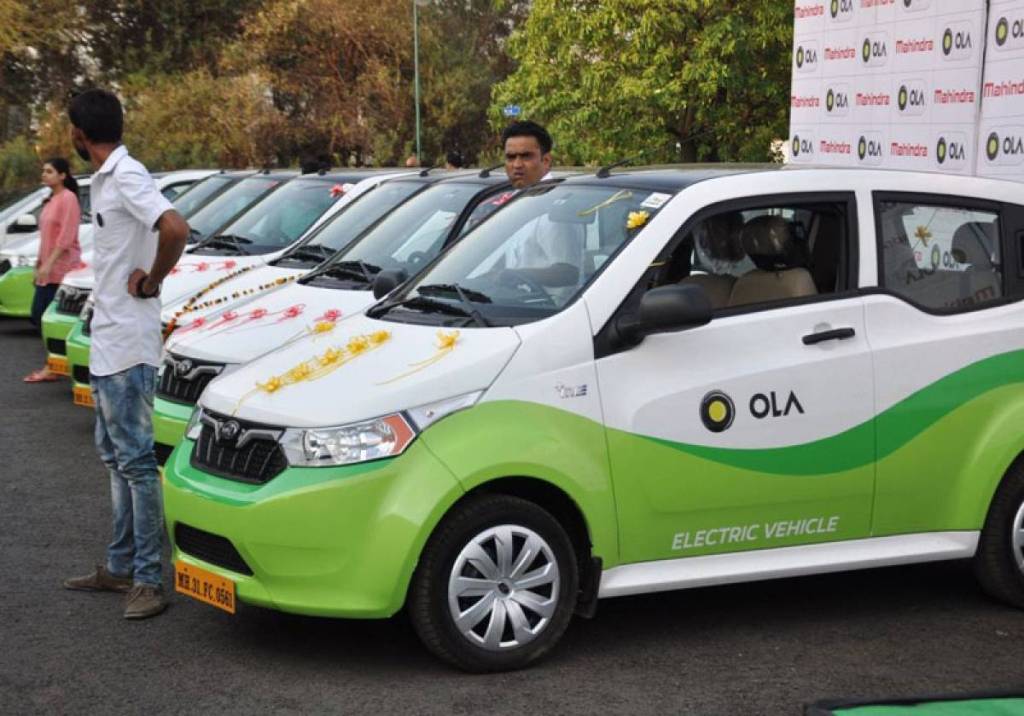
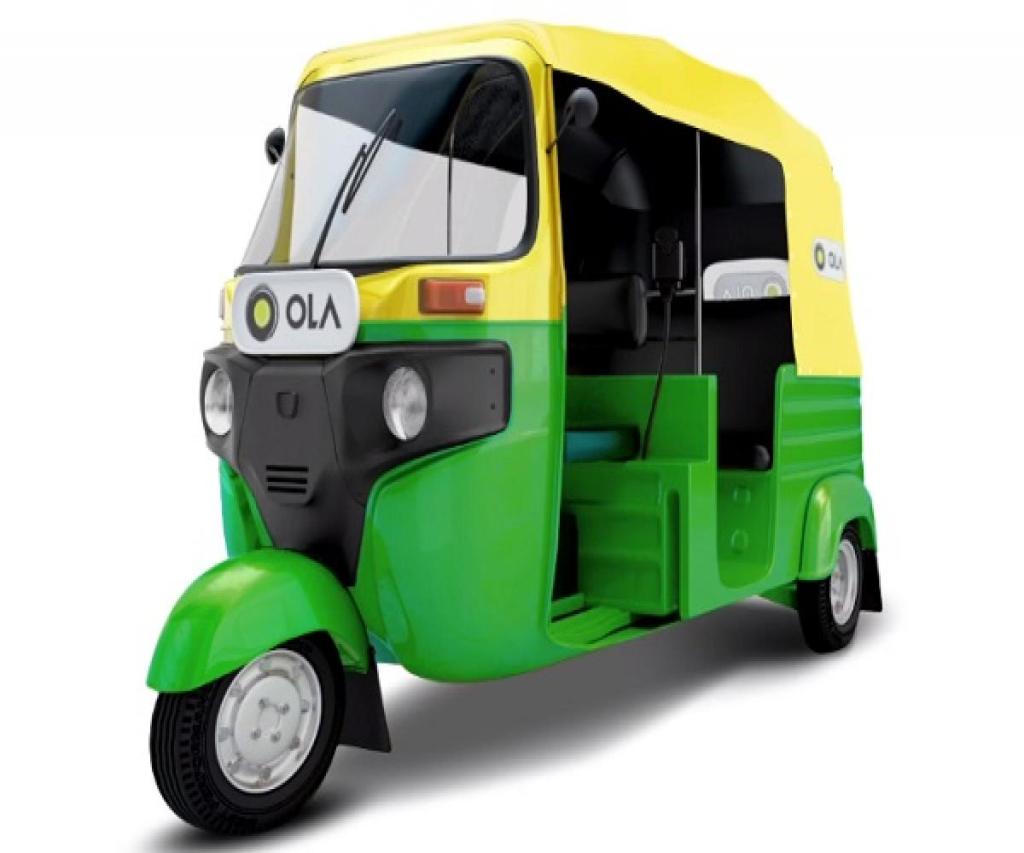
Ola has a wide range of car categories to choose from, such as hatchback, sedan, SUV and more. Travellers choose them depending on their budget and number of people travelling. For travelling within the city, people can hire cabs, bikes, autos and even e-rickshaws through Ola.

Challenges and Competitors

In the initial day of the start up they had to code for long hours and sometimes 48 hours straight. They even had to drive customers to their desired locations at times because the drivers did not show up. As much as Ola wanted to spread their services across India, they faced the issue of internet connectivity in smaller town. Thus, they designed the app so that I could accommodate network connectivity in smaller towns. However, after bagging an investment worth 2 crores, things were finally in track and there was no looking back.  

Every business has its fair share of competitors and so does Ola. Uber is Ola’s biggest competitor. There are other players in the Indian market such as, Meru Cabs, Zoomcars, PeIndia Cabs, Carzonerent and more. Rapido is increasing taking over the bike taxi segment as well, which is the competitor to Ola’s bike services.

Needless to say, just like most businesses, Ola too had to bear the burnt of the COVID-19 pandemic. The travel and transport sector was hit severely with the pandemic as there were repeated lockdowns and curfews affecting its revenue generation. However, with the upliftment of lockdowns and curfews, it is believed that Ola will regain its revenue generation soon.  
Addition and Expansions

In spite of facing ups and downs through out the years Ola manages to sail through smoothly. Over the years Ola introduced new services in ‘Ola pedal’, which is a huge success in IIT Kanpur and IIT Madras campuses. They have also introduced the option to book cabs on an hourly basis to travel out of the city and have named the segment ‘Ola outstation’.

‘Ola money’ was also introduced and the product includes Ola money credit card, Ola money post-paid, Ola money mobile wallet and Ola money hospicash. Ola launched ‘Ola corporates’ in 2016, where employees book their rides through Ola, and the fare is deducted from the company’s Ola corporate prepaid account.

In March 2015 Ola acquired ‘TaxiForSure’, another taxi aggregator for $200 million, and maintained its stand in the country’s cab hailing market. Another impressive deal was when Ola acquired Foodpanda-India, an food delivery aggregator in 2017 at a valuation of $40-$50 million. In 2018 onwards, Ola expanded its services overseas in countries of New Zealand, Australia and United Kingdom.

                     Clocking more than 150,000 bookings per day, Ola holds a little less than half of the Indian market (as of the Uber’s 2020 report). The CEO of Ola Bhavish Aggarwal has disclosed that the company is planning on initiating an IPO in the coming years. Ola plans on further expanding their services in remote areas, making India travel luxuriously on a budget.  

Contemporary Fashion: The Minimalist’s Coverbook

Models walk the runway at the 3.1 Phillip Lim Fashion Show during Mercedes-Benz Fashion Week Fall 2015 at Skylight Clarkson SQ. on February 16, 2015 in the Brooklyn borough of New York City.

Introduction

The sense of fashion never goes out-of-date for a true fashionista. Among the Millions of fashion lingos in today’s market , one that often dominantly buzzes around, is the term “Contemporary Fashion”.Meant to describe labels with a designer aesthetic and more accessible price points and we use the term “accessible” loosely, with most pieces averaging out around $500 , the term means big bucks where the fashion industry’s concerned, having become one of the biggest areas people spend their money in the last few years.

What Contemporary Fashion Is

Contemporary apparel is clothing that is accessible, in price and in terms of the way people wear it. The contemporary category often contains more modern-style clothes compared to the higher end luxury market. The voice of the contemporary industry is a bit more modern and a tad younger. Contemporary brands appeal to both the luxury shopper and the new breed of aspirational shopper.  This tier has become a go-to for women who can no longer justify shelling out huge amounts of cash on designer garb. It is also appealing to people bored of regular fashion and who are prepared to spend that little bit extra for something that will last.

A great contemporary brand is one with a unique look and feel. Garments and accessories will have interesting construction details and a good-quality finish. The collections are in line with seasonal trends but also incorporate signature items that consumers immediately recognize and associate with the designer brand.

A Harpen Fashion Show

Is It Futurist: The Sustainability Question

In fashion, the term ‘futuristic’ is often used to describe avant-garde clothing designs. It could refer to several things, such as the clothing’s method of production, the materials used, or the garment’s design. Futurism can even refer to the 20th century Italian art movement, and indeed, this movement addressed the problem of designing fashion for the 20th century. We would learn much by examining Futurist fashions in order to understand its legacy in relation to contemporary fashion designers viewed as futuristic today. This paper will review this legacy by looking at five specific examples—Italian Futurists and their contribution to classless and genderless fashion; French designer Yves Saint Laurent’s iconic minidress inspired by the De Stijl art movement; fashion designed specifically for women with active lifestyles; technological advancement and space exploration seen in the designs of André Courrèges and Pierre Cardin; and advancements in textile manufacturing during the late 20th and early 21st century in relation to Karl Lagerfeld, Donatella Versace, and Hussein Chalayan. This leads to the primary analysis of Iris van Herpen and other contemporary designers including Noa Raviv and Neri Oxman. Their designs will be discussed in relation to the problem of labelling fashion as futuristic.

A Paris Georgia Apparel

Challenges of Contemporary Fashion

The contemporary brands fashion market is clearly brimming with a high level of competition. The up-and-coming contemporary designers are forced to continuously compete with older, established luxury brands in the targeting of the younger generation of consumers. The contemporary market began out of consumers’ need and want to own versatile clothing that could be worn on a daily basis.  Stylish consumers were hungry for locating a head-to-toe outfit that luxury brands create, but could be sold at a more reasonable tag.

Simone Racha Catwalk Show at London Fashion Week

Scopes of Contemporary Fashion

Due to the fact that contemporary brands appeal to several groups of consumers, this industry will continue to see global opportunities. Fashion editors and industry insiders agree that contemporary brands have stolen the limelight and are helping to bridge the gap between luxury brands and main street.

Not only will contemporary labels allow you to up your designer arsenal without forcing you to exist on an exclusively Kraft Dinner diet, but the pieces are also constructed with everyday wear in mind (no couture-like assembly required). Not to mention that contemporary lines still boast that oh-so-coveted designer aesthetic and quality craftsmanship—perfect if you’re looking to break away from the usual suspects in fast fashion retail.

Famous Contemporary Fashion Designers and Their Works

Carven: Founded in 1945 in Paris, Carven has enjoyed a resurgence since the hiring of designer Guillaume Henry in 2009, who transformed the house from old-school couturier into the cool girl’s label du jour.

Carven Spring 2014 ready-to-wear collection
Carven Fall-Winter 2015-16 collection

N°21:  Started in 2010 in Milan by designer Alessandro Dell’Acqua, the brand offers a smorgasbord of whimsical designs that can be effortless.

N°21 Spring- Summer 2018 collection
N°21 Spring-Summer 2021 collection

Jonathan Simkhai: Starting from NYC His first womenswear collection was shown in 2010, where Simkhai debuted his take on dressing for today’s cosmopolitan woman. A master at tailoring oversized pieces to flatter the female form, his designs run the gamut from exaggerated boxer shorts to basketball jerseys.

Simkhai Fall 2017 collection
Simkhai Fall 2020 ready-to-wear collection

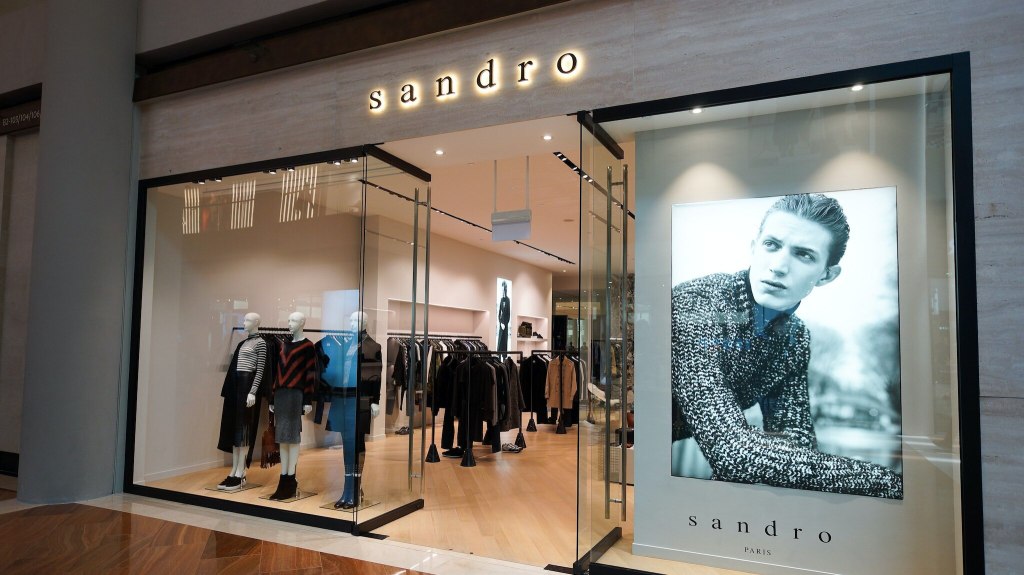
Sandro : Launched by husband-and-wife duo Didier and Evelyne Chétrite, Sandro is a well-known and popular brand in the contemporary market.  Since its launch in 1984 (in the Marais district of Paris), the label has gathered a cult following with women charmed by its insouciant, season less separates and rock’n’roll aesthetic. Sandro has stores worldwide in places such as New York and Japan, and a flagship store based in Covent Garden, central London.

A Sandro Store
Sandro Spring-Summer 2021 Menswear Collection

Conclusion

Consumers want to feel like they own something special and unique. They want exclusive quality labels that are not mass produced, yet are still affordable.  It is important to keep in mind that this category is less expensive then higher tiers such as Haute Couture, but the prices are clearly higher than budget collections.The changing demographic of fashion consumers and the rise of contemporary brands. To stay in the game, luxury fashion marketers must compete on a global scale.

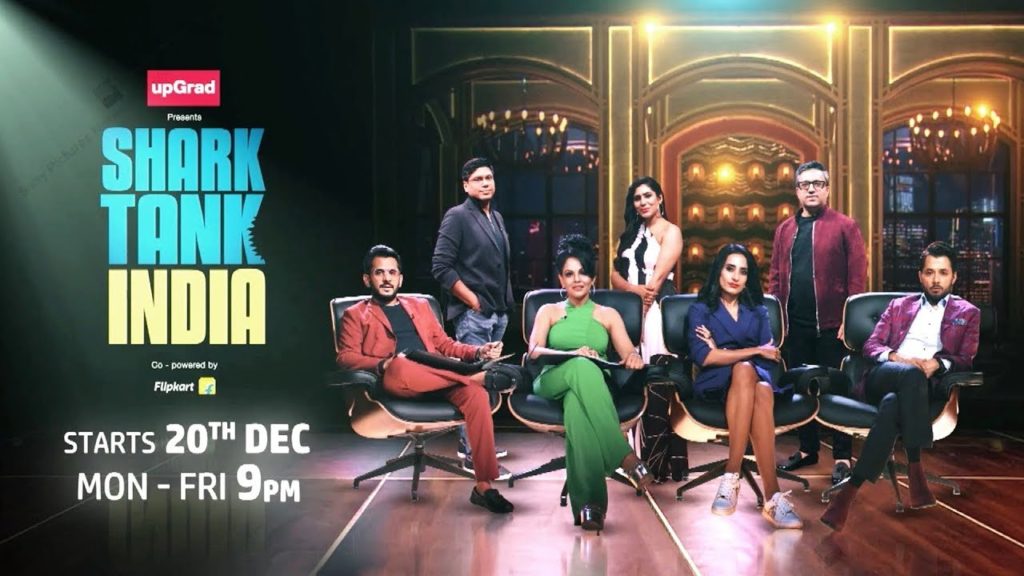
Shark Tank: India

A one of a kind business reality TV series that has got India hooked is Shark Tank, India. Shark Tank is a series were aspiring entrepreneurs pitch in their business models to a panel of investors whom they refer to as Sharks, and persuade them to invest in their ideas. Shark tanks provides budding entrepreneurs the opportunity to secure the deals that would make them successful businesses.

This reality show is the Indian franchise of the American business reality show of the same name, which first aired in 2009. The Indian version is broadcasted on Sony Entertainment Television (SET), and is available online on its respected OTT platform and YouTube.

About the Sharks

The Indian version has seven panellist on board. All the panellists are giants in their respective area of business and hence, Sharks. The list includes:

  • Ashneer Grover- founder and Co-founder of BharatPe
  • Anupam Mittal- founder and CEO of People Group Shaddi.com
  • Aman Gupta- Co-founder and CMO of boat
  • Vineeta Singh- Co-founder and CEO of Sugar Cosmetics
  • Namita Thapar- Executive Director of Emcure Pharmaceuticals
  • Ghazal Alagh- Co-founder and CIO of Mama Earth
  • Peyush Bansal-  Founder and CEO of Lenskart

All the Sharks brought on the table their area of expertise to help the entrepreneurs with their venture along with investment for a reasonable percentage of equity.

The investments

The show helped 67 start-ups bag funding for their venture which is estimated to be at 41.98 crores in total. The highest investments were made for 1 crore to 10 start-ups. The start-ups that bagged the investment were genuine problem solvers whose product or service could help the nation along with generating enough revenue and profit.

The investments ranged from ice popsicles, sugar free ice creams, Ed tech apps, textiles, braille literacy device, canned cocktail, lounge wears, and more. The Sharks invested in a wide variety of start ups in exchange for reasonable, and sometimes negotiable equity.

However, there were instances were participants had to head back with no investment, nevertheless the participants received constructive criticism from the Sharks for their start up, and to further establish it.

Success of the Show

The show has been a massive success and there are possible rumours of a second season. The show has 9 point rating on IMDB, and a substantially good TRP ratings. The show first aired from 21st December 2021, and has 35 episodes.

There were 50,000 plus applicants out of which 198 candidates for selected for the show. And after the massive success of the first season, the application number is only expected to increase in the possible next season.

The presence and popularity of the show was also felt on social media, as feeds  and homepages were flooded with relevant and funny memes made from Shark Tank India. This is one of the reason the show gained a massive audience, and helped connect with the youth on a closer level and inspired more entrepreneurs to follow their entrepreneurial venture.

                     Shark Thank India not only entertained but also provided crucial business advice to entrepreneurs both on the show and the ones outside who just started with their entrepreneurial journey. Such reality shows truly justify entertainment with a purpose.

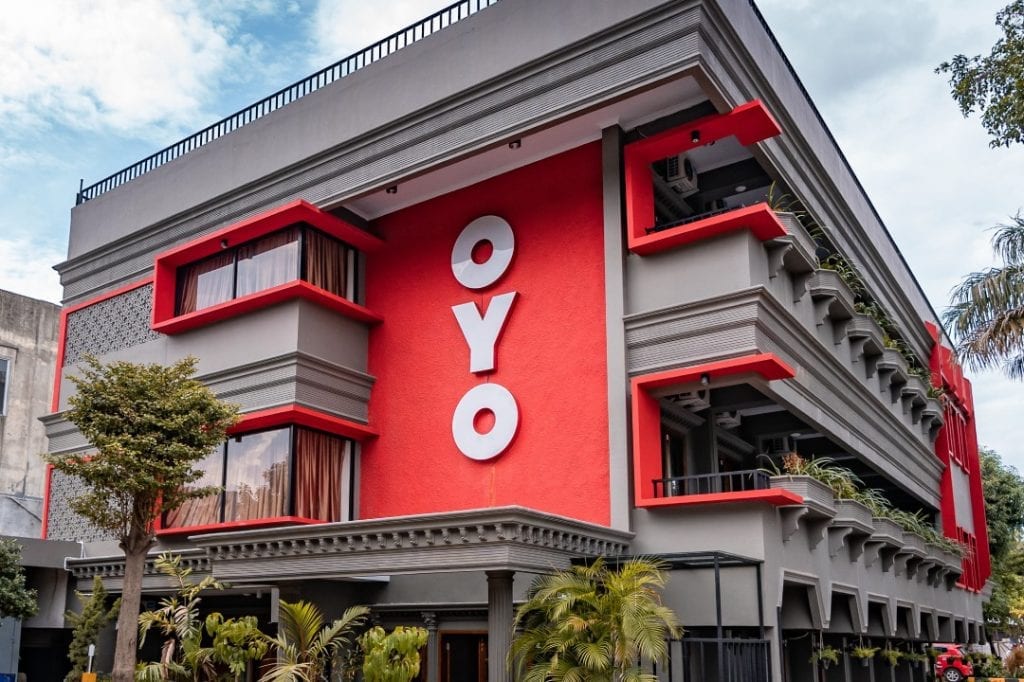
Start-up to success: OYO

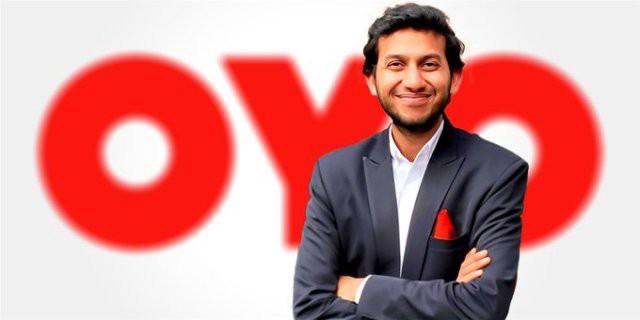
OYO Hotels and Homes is one of the first choices that comes to our mind when we think of affordable and comfortable accommodation while on a vacation. The success of OYO as a hospitability empire has been enormous, and it has been growing ever since the inception of the company in 2013 by Ritesh Agarwal.

OYO stands for ‘On Your Own’. And OYO has been a leading venture in the avenue of budget-friendly rooms along with offering commendable hospitability services. The company has been adding ways to improve its quality and services for the consumers over the years.

The origin of OYO

Ritesh Agarwal aspired to be a coder, and left for Kota in 2009. However he later realised that coding was not for him. Meanwhile he wrote and published his book ‘Indian Engineering Colleges: A Complete Encyclopaedia of Top 100 Engineering Colleges’, which turned out to be a hit. He was then selected for Asian Science Camp held at Tat Institute of Fundamental Research, Mumbai. Later he was among 20 students under 20 who received Thiel Fellowship with a sum of $100.000 for two years. Thus providing him with the resources to drop out of college to start something of his own.

Since Ritesh Agrawal travelled a lot and stayed in different hotels, he realised the poor condition of the hospitality sector, and was motivated to start Oravel Stays in 2011, which was later relaunched as OYO Hotels and Homes in 2013. He envisioned OYO as the all-encompassing accommodation system where people could enjoy all the best facilities of hospitality sector in a budget.

Eventually OYO spread all over India, generating revenue of 51 lacs in 2013-14 and 2.4 Crores in 2014-15. OYO also bagged investment from big shot companies like Lightspeed India, Sequoia, Softback and most recently Microsoft in 2021.

The Struggles of OYO

OYO did not become a success overnight. It had to endure its fair share of struggles and setbacks on its way to success. OYO was surrounded with allegations of cheating and fraud. In 2019, a Bengaluru hotelier accused OYO for not paying his dues. However, OYO rejected such claims.

Other instances includes the death of a national level shooter in an OYO hotel due to electrocution, and an OYO employee raping a women, and a few more. In all these cases OYO clarified its stand and coped with authorities to help with the investigations.  

Other then such instances of setbacks, OYO also had to deal with the obstacles of COVID-19. Like all businesses, the hospitality sector was also hit severely with the pandemic. The hospitality sector revenue generation was down by 50-60% in 2020, as a result the OYO employees had to go through a pay cut of 25%.

Success of OYO

After dealing with its fair share of struggles and shortcomings, OYO has established itself as the World’s third largest and fastest growing hotel chains and home and living spaces. After 8 years of business OYO operates in 800 cities in more than 80 countries. It has 23,000 hotels under, 850,000 rooms and 46,000 vacation homes worldwide.  

In 2019, OYO generated a revenue of $951 million, and is believed to revive itself from the effects of pandemic in the coming years. Ritesh Agarwal was declared the youngest CEO at 17, he was also declared the world’s youngest self-made Billionaire after Kylie Jenner in 2020. And he has a number of other titles to his name such as Forbes 30 under 30 and much more.

                      Nonetheless, the biggest takeaway is that, a teenager with an entrepreneurial mindset manifested his dreams into reality and made it big to a billion dollar industry. Ritesh Agarwal has an inspiring story that can surely encourage other young minds.

Porter’s Five Forces Model

Porter’s 5 Forces Model is a business model and a tool which helps in identifying main competitive forces of an industry or a sector. The 5 Forces Model is mainly used to create a corporate strategy which will help a company to enhance its long- term profitability.

Understanding Porter’s Five Forces Model

The 5 Forces Model was created by Harvard Business School’s Professor Michael E. Porter and was published in his book “Competitive Strategy: Techniques for Analyzing Industries and Competitors” in 1980. The model was created to explain why various industries are able to maintain varying level of profitability. Porter’s 5 Forces helps in analyzing the industry of the company so that a company can adjust their corporate strategy, boost their profitability and beat their competition.

What are the five forces of the Porter’s Model?

  • Competition in the industry
  • Potential of new entrants into the industry
  • Power of Suppliers
  • Power of Customers
  • Threat of substitute products

Competition in the Industry

For most industry, the level of competition in the industry determines the positioning of the product in the market. The intense the competition in the market, the more the company has to focus on innovation, marketing, price, etc. of the product. When the competition is less, a company has more authority to charge higher prices and establish the terms of deals in order to increase sales and profits.

Potential of New Entrants into the Industry

A company’s positioning is also affected by the new entrants in the market.  This in turn puts pressure on prices, costs, and the rate of investment needed to sustain a business within the industry. The less the time, money and effort it takes for a competitor to enter the market, more is the threat for a company to lose its market share. On the contrary, if there are strong barriers to entry in the industry, companies more secure about their market share.

Power of Suppliers

Power of suppliers in a market means how easily suppliers can increase the cost of the inputs. The suppliers’ power in the market is determined by the factors like number of suppliers in the market, uniqueness of the inputs they provide, cost of switching a supplier for a company. If the number of suppliers in an industry is less, a company would depend more on its current supplier, thus giving more power to supplier in terms of cost of inputs and other advantages in trade. However, if the suppliers are more in the market, then company has the advantage of switching the supplier in case the supplier increases the price or if a company finds a cheap supplier, thus keeping their input costs low and increasing their profitability.

Power of Customers

Customers are more powerful in an industry when there are less number of customers in an industry and more number of suppliers. Because the client base for a company is smaller and more strong, each customer has greater negotiating leverage to get better rates and deals. A company with a large number of smaller, independent consumers will find it easier to raise prices and increase profits.

Threat of Substitute Products

A substitute is a product or service that can be easily replaced with another by consumers. In economics, products are often substitutes if the demand for one product increases when the price of the other goes up. When there are no close substitutes in the market, a company can take advantage of charging higher prices. However, if there is availability of close substitutes, customers will switch to substitutes in case of increase of the prices of the products of a company.

Understanding Porter’s Five Forces and how they apply to a particular industry can help a company change its business plan to make better use of its resources and generate more profits for its shareholders.

Women Entrepreneurship in India

Confucius once said ‘Choose a job you like , and you will never have to work a single day in your life’, and this stands true for all the entrepreneurs out there, who are following their passion, and dedicating their time, sweat and blood for the creation of their product or service. Entrepreneurship is a field which requires the individual to accept ambiguity and challenge despite being exposed to uncertainties and criticisms.

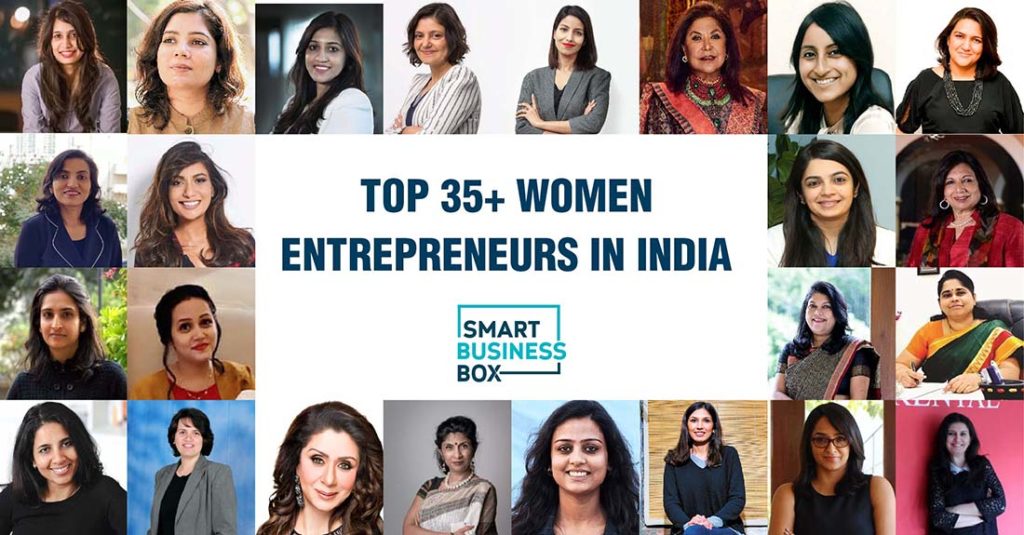
We all have heard and know of male entrepreneurs who envision their dreams into reality. However, this is not the case for the female counterpart. Female entrepreneurs have to break through centuries old conventions and take a stand for themselves to venture into the business world.

According to Forbes India, Women make up to 13.76 percent of entrepreneurs in India, this is fairly less than its male counterpart. However, it can be seen that the numbers are accelerating at an impressive rate.

Need of the Hour

According to an article by Times of India, Women owned business in India are likely to rise 90 percent in the next five years, as compared to the US (50%) and UK (24%). Such statistics are clearly impressive as it not only established the potential Indian women entrepreneur possess, but also encourages the younger generation to propagate venture on their own and not just depend on employers.  

The urge to have women entrepreneurs onboard will not only benefit to boast the economy of the country but also help to manifest the socio-political and economic development of women.

Government schemes for women entrepreneurs

The Government of India has launched substantial number of programs and schemes, that would benefit women entrepreneurs in India. According to an article by Indifi, GOI launches 9 such schemes that empowers women entrepreneurs. Few of the schemes are:

  1. Annapurna Scheme- this scheme provides loans to women in food catering industries who are still establishing their small scale business.  
  2. Dena Sakti Scheme- this scheme is for women entrepreneurs in the field of agriculture, retail, manufacturing or micro-credit business.
  3. Mudra Yojana Scheme- this scheme tries to improve the status of women by providing them loans to make them self-reliant and financially independent.

There are more such schemes that are especially catered to help empower women entrepreneurs coming from all walk of lives.

Pandemic and women entrepreneurs

The pandemic has affected employment all over the world, and women employees are no exception to it. With the on-going lockdowns many lot their jobs, and thus in order to make their living we could see a number of small women entrepreneurs trying to make their living by selling handmade masks, jewellery, embroidery, selling home cooked food on the streets and much more. This provided them the opportunity to be financially independent and make a living for themselves in their own terms. Although the sales and profit are not guaranteed, it at least helps them feed themselves, which is a better alternative to unemployment.

The pandemic also saw the rise of small urban-women owned businesses such as selling handmade crochets, macramé, resin products and much more, whose primary medium of marketing are through social networking sites. These are mainly owned by the young women who are treating it as a side hustle, along with focusing on their respective careers and educations. Thus, being self-reliant along with having a career alternative.

                   Being an entrepreneur requires a vision and dedication to achieve this goal. Falguni Nayyar started her entrepreneurship journey with Nykaa at the age of 50 and now she is one of the first two women self-made billionaires in India. Its never too late to start a venture of your own.

आज़ादी के खातिर – त्रिलोक कुमार

खून खौल जाता है
जब देश का कोई अपमान करे,

खून खौल जाता है
जब वीरो का कोई न  सम्मान करे,

बहुतो ने आज़ादी के खातिर
अपना लघु बहाया है

कितनो ने फासी को चूमा
कितनो ने गोली खाया है,

तब जाके हमने ये चैन के निंद पाया है
हम कदर करे उन वीरो का
हम सम्मान करे उन वीरो का
जिन्होंने सर्वस्य गवा के हमे ये समान दिलाया है,

तब जाके हैं कही अपना गर्व से सिर उठाया है
हमे अलख जागआना है

राष्ट्र प्रेम दिखलाना है
उन महान वीरो का बलिदान न व्यर्थ हो
दुश्मन चाहे कोई हो अपने प्रहार न पस्त हो,

भारत मा के वीर सिपाही हम करते आपका सम्मान 
आपने बढ़ाया है हम सबका मान

कुछ सपने देखे थे वीरो ने
ऐयसे राष्ट्र बनाना है

कोई न हो दुश्मन सबको अपनआ बतलाना है
कुछ भ्रस्ट लोगो ने मिलके सपने को अपमान किया
हम लोगो ने भी मिलके उनको है नकार दिया।।।

खून खौल जाता है
जब देश का कोई अपमान करे,

खून खौल जाता है
जब वीरो का कोई अपमान करे

कवि – श्री त्रिलोक कुमार


Intuition And Business

It gives us helpful advice and helps us make decisions quickly and easily, giving us crystal clear mental clarity that takes the stress out of knowing which path to take for our business. By relying on your intuition to make difficult decisions, you can combine your logic and intuition in powerful and bold ways. Get quick and easy results in your business by improving your intuition. This book is a business intuition assistant and not only does it explain the power of using intuition in your business, it also helps you develop your intuitive senses by providing you with practical actions you can take to use and trust your intuition.

If you ignore your business intuition, you may find it difficult to make decisions. While business owners, CEOs, and other business leaders tend to trust their instincts, this may not be the best way to make truly important decisions. The main reason is that strategic business decisions tend to be made in a competitive and unpredictable environment where the same decisions will not lead to the same results.

This is the opposite of rational decision making, where people use analysis, facts, and a step-by-step process to make a decision. Since we cannot know the right choice until a decision has been made and all the results have been revealed, the responsibility for making a decision seems even more serious. Without “records,” many business decisions must be made quickly and without historical support.

“With all the advances in analytics tools and big data, many people feel that there is no place for intuition and flair in business today. Decades ago, I may have thought otherwise, but over the years. that intuition can be just another tool in the business tool belt Over the years I have changed my mind and believe that intuition can be just another tool in the business tool belt.

A good definition of intuition is “the direct perception of truth or facts, independent of any process of reasoning; it is a direct grasp or a sharp and rapid penetration into something. The definition of intuition is “the direct perception of truth or facts, independent of any process of reasoning; it is a direct understanding or a sharp and quick understanding of something.

Intuition is the feeling of knowing what is right to do instinctively, without the need for conscious reasoning. Intuition is unique in that it links the emotional response of instinct to the intellectual response of analysis.

It is possible to use intuition to succeed in business, and many leaders attribute at least part of their success to intuition. So it turns out that using your business intuition will give you better results. Following your gut may seem like a gentle way to get things done, but it’s far from it.

To actually use your intuition productively, you need to do some serious work up front. Here are three ways to prepare to use the most powerful decision-making tool in business. To use your intuition, you first need to know who you are and what you want from life.

The more you can build a foundation of trusting your intuition, the better it will be able to make the right decisions time and time again. In business, it may be partly innate, partly acquired through years of experience, and can be quickly exploited. Developing this decision-making ability is one of the most important activities of business leaders.

“Intuition must accompany every decision to minimize possible short-term negative consequences if the best long-term outcomes are expected. Now, to be clear, we don’t recommend throwing numbers out the window and doing whatever you want with your heart. Eager…but we say that using a combination of logic and intuition can help you make the most powerful business decisions. Here are three steps you can take to implement an intuitive decision. Now let’s look at some business intelligence examples and see how you can use this Three sources of information make decisions.

By asking yourself these 7 questions, you will be able to hone your intuition so that you can better hear your inner feelings and make faster decisions in the future. It is not hard to find supporters or quotes from business men and women about following your intuition or trusting your intuition. However, there is one element of business that seems to take a backseat… intuition.

Remember that in the battle of logic and intuition, numbers only tell part of the story. In a world so dependent on numbers, companies seem to be forgetting the most important fact. In fact, 40% of executives say they still make intuitive decisions despite having access to deep business data.

The truth is that the conditions for intuitive experience are rarely found in an interview situation, in which case intuition should be taken for granted. Cecilia Young, a Canadian coach with 25 years of experience in business functions, reiterates the view that many C-suite directors use intuition when making decisions and either don’t know it or don’t talk about it too much for fear of being overruled. laugh. . The premise of the Yengs process is that people already have the answers, and by using the methods of reason and intuition, they will be able to see far beyond the abundance of information available in the external environment.

His research has shown that intuition is best used when entrepreneurs are faced with difficult or risky decisions where more information won’t make the choice easier. Researcher and associate professor Laura Huang found that entrepreneurs who make better decisions based on their intuition recognize that their instincts are based on objective and subjective information they already have. They also understand that intuition is not fast, impulsive and emotional. While they feel comfortable talking about it, it turns out that’s not usually the case in the corporate world.

You most likely won’t focus on your client’s problems, so when you help others, you can trust your instincts instead of solving your own problems. If you use your intuition to make decisions at a higher level, you will get rid of many decisions that need to be made at a lower level.

I think intuition is tangent, not waiting for what others say or making decisions based on results from other companies. In business, every time I go against my instincts and get into situations that don’t seem right to me, everything goes wrong.

Business Tools Worth The Money

In addition to easy-to-create online business presentations that can be hosted on your personal domain, they’ve released a suite of other online business tools and integrations that allow you to add your shopping cart directly to Pinterest, Twitter, Facebook, and your Embed directly into your existing website. Plus, they’ve now expanded to offer business owners plenty of email marketing tools, a Shopify-like online store builder, appointment software, and an app marketplace to simplify your business. Shopify is a turnkey business solution that allows you to sell products online.

It’s incredibly customizable and comes with a range of free resources, tools, and plugins to use as your business grows. For just $29 a month, it provides tools for everything from social media management to website design and, of course, payment processing. With plans starting at $6 per month, this is one of the most affordable accounting tools on the market when you first start an online business.

The above tools are just some of the ones worth investing in when starting and growing your online business. It’s important not to pay for something you don’t need, and paid subscriptions can get out of hand if you let them, but below are 5 tools worth investing in for your online business. Many aspiring entrepreneurs will obviously use free tools, but seasoned entrepreneurs know the importance of using paid services.

We know you might have a hard time seeing how free online tools can help you grow your offline-focused business. There are many tools that can help your online business run more efficiently and save you time. Fortunately, many of them offer a range of programs that are fairly affordable for aspiring entrepreneurs.

The goal is to find the tools that will do the job in the best possible way and not expose your online business to a crisis before it’s up and running. There are many great tools out there to help you write a business plan and map out how to turn your idea into a profitable business. There are many business tools that can help entrepreneurs better manage their business.

They range from mobile marketing tools to make sure you reach out to your customers to time management tools that let you keep track of your employees. There are so many options for technologies, tools and platforms to help you grow your business. As digital marketing becomes more and more popular over traditional marketing, it’s time to have the tools to help you succeed online. It won’t be easy, but using the right digital tools will help you compete with the big dogs.

Any tool that allows you to track a business digitally instead of manually is a big plus for busy business owners who want to save time by communicating and tracking their work and that of their employees. Online task management tools like Asana and Trello help you stay on top of to-do lists, project progress, and calendars. Task management tools are an easy and affordable way for small business owners to save time and money. With advances in automation through business tools, managers can keep their finger on the pulse with minimal manual maintenance so they can focus on the bigger picture of what really matters.

However, using dozens of business tools has many side effects, including high costs, lack of collaboration, and reduced productivity. In large companies, the problem is even greater: different business units often prefer to use different online tools for the same tasks. If your team uses dozens of business tools, they are more likely to deviate from the planned workflow.

The more digitized your business is, the more business software you tend to use. The secret is finding the right combination of tools to help you run your business in the most efficient way possible. With so many software platforms available, finding the right tool can be like looking for a needle in a haystack. We can’t tell you exactly which tools are worth the money for your business, but we can give you some key points to keep in mind when you’re shopping for tools.

Companies with two people working side-by-side in the same room may not need advanced cloud-based project management tools. If you run a small business and can stay organized with a Slack channel, then you probably don’t need a project management tool.

It is also worth noting that you should enjoy the process of experimenting with tools. Looking under the hood of new tools is a great way to challenge your ideas about how you run your business.

As your business grows, you may find that the tools you need to get the job done change. These tools, and only these tools, are the tools you need to invest your time, effort and money in. You, your team, and your business all need the same tools because, as I said, tools are not solutions. So, before you go any further, consider which tools are really important to the operation of your business at this stage of your business life cycle.

When running a business, having the right tools for the job can make or break the difference. You don’t need to be a cell phone expert or software developer to use technology to grow your business, whether you’re a local grocery store, a plumber or a toy maker, you can quickly and easily set up one of these tools to start managing your business operation. So, now that we’ve managed to remove all fears and cost considerations are no longer a hindrance, let’s take a look at some of the easiest to use and most importantly free business operations management tools.

We’ve come to the end of this list of the 5 most valuable business tools. When building an online business, you may realize that while many tools that claim to be free are good to some extent, there are some things that are better than paid tools or paid versions of tools. It can take a while to separate the grain from the straw and you will need to do your due diligence before signing up for this monthly or annual subscription, but ask any successful online entrepreneur how much they pay for a service or digital product and the list will most likely surprise you. . .

We hope this guide helped you equip your business with the right digital marketing tools. The latest business technology tools can help you run your business more efficiently and cost-effectively. In this article, Lisa gives us seven business technology tools that can help small business owners save time and money. This article will focus on the five most common reasons why companies should use fewer business tools.

GENERATION OF JOBS BY STARTUPS

 The number of jobs generated in last three years in the country, as reported by startups recognized by DPIIT, is as follows:

Year

Jobs Reported by Recognized Startups (as on 08th December 2021)

2018

93527

2019

142646

2020

169724

2021 

(till 08th December)

192427

Total

598324


There is no centralized compilation of information on year-wise contribution made by startups in the Gross Domestic Production of the country.


Government of India as part of Startup India initiative has implemented Fund of Funds for Startups (FFS) Scheme and Startup India Seed Fund Scheme (SISFS) across all States/UTs to promote private investment in the Startups through Alternative Investment Funds (AIFs) and incubators.

Under FFS, a corpus of Rs. 10,000 crore has been sanctioned, spread over 14th and 15th Finance Commission cycles. Small Industries Development Bank of India (SIDBI) is the nodal bank under this Scheme. The FFS Scheme does not directly provide financial assistance to startups, instead supports SEBI- registered Alternative Investment Funds (AIFs), who in turn invest money in growing Indian startups through equity and equity-linked instruments.

Under the Startup India Seed Fund Scheme (SISFS), Rs. 945 crore has been sanctioned for period of 4 years starting from 2021-22. The funds are released to Startups through approved Incubators.

Further, 49 key regulatory changes to enhance ease of doing business, raising capital and reducing compliance burden have been undertaken. This includes insurers, EPFO, non-government provident funds, superannuation, and gratuity funds to invest in AIFs, thereby enabling billions of dollars’ worth of domestic capital being made available for the Indian startup ecosystem. 

Furthermore, requirement of prior turnover and experience has been relaxed to encourage startups to participate for tenders. Startups have been exempted from requirement of earnest money deposit. ‘GeM Startup Runway’ has been launched with dedicated corner for startups to sell products and services to Government. As on 3rd October, 2021, 11,386 startups had been on boarded on GeM, with 93,908 orders from public entities.