Factors used in this face wash are Caffeine, Neem, Argan Painting and Vitamin E. These all factor are skin-friendly. They not only clean your skin but also secure your skin. It’s extremely delicate to the skin, makes the skin smoother and vigour.
“The unthinkable is that we’re distorting this atmospheric balance. We’re shifting the chemical balance so that we have more poisons in the atmosphere – ozones and acid rain on ground level – while we’re also changing the thermal climate of the earth through the greenhouse effect and – get this – simultaneously causing destruction of our primary filter of ultraviolet light. It’s incredible. Talk about the national-debt crisis – we’re piling up debts in the atmosphere, and the piper will want to be paid.”
~ Michael Oppenheimer
Introduction
Acid rain, or acid deposition, is a broad term that includes any form of precipitation with acidic components, such as sulfuric or nitric acid that fall to the ground from the atmosphere in wet or dry forms. This can include rain, snow, fog, hail or even dust that is acidic.
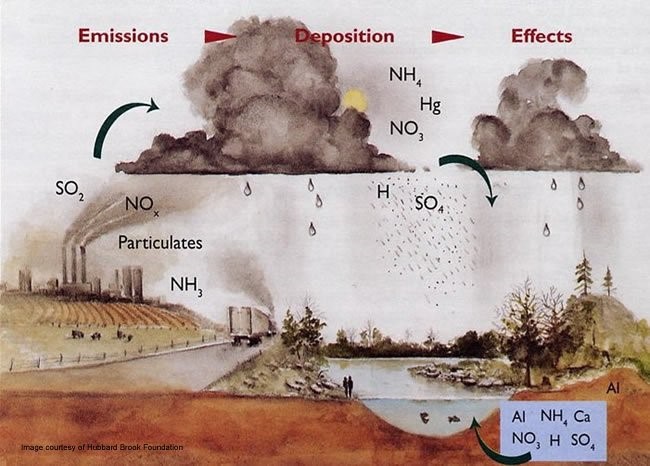
Acid rain is caused by a chemical reaction that begins when compounds like sulfur dioxide and nitrogen oxides are released into the air. These substances can rise very high into the atmosphere, where they mix and react with water, oxygen, and other chemicals to form more acidic pollutants, known as acid rain.
It can have harmful effects on plants, aquatic animals, and infrastructure.
Effects of Acid Rain
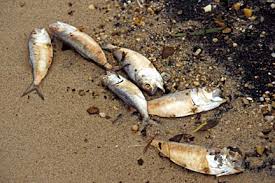
The ecological effects of acid rain are most clearly seen in aquatic environments, such as streams, lakes, and marshes where it can be harmful to fish and other wildlife. As it flows through the soil, acidic rain water can leach aluminum from soil clay particles and then flow into streams and lakes.
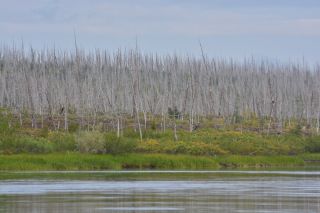
Acid rain has been shown to have adverse impacts on forests, freshwaters, and soils, killing insect and aquatic life-forms, causing paint to peel, corrosion of steel structures such as bridges, and weathering of stone buildings and statues as well as having impacts on human health.
Acid rain also causes the corrosion of water pipes. Which further results in leaching of heavy metals such as iron, lead and copper into drinking water.
Prevention
1. The only precaution that we can take against acid rain is having a check at the emission of oxides of nitrogen and sulphur. 2. We have so far seen the details of acid rain and its harmful effect on animals, plants and the monuments. 3. Being responsible citizens, one should be aware of the harmful effects they cause and of the industries which give out nitrogen and sulphur compound wastes unethically. 4.A great way to reduce acid rain is to produce energy without using fossil fuels. Instead, people can use renewable energy sources, such as solar and wind power. Renewable energy sources help reduce acid rain because they produce much less pollution.
Acid Rain in India
Analysis of rainwater samples from Nagpur, Mohanbari (in Assam), Allahabad, Visakhapatnam and Kodaikanal in the decade 2001-2012 showed a pH level varying from 4.77 to 5.32, indicating that these places have actually been receiving ‘acid rain’. Rainwater with pH below 5.65 is considered acidic.
As energy requirements in India will grow rapidly in tune with the economy, coal dependence is expected to increase threefold over the current level of consumption, making the clouds of acid rain heavier over many highly sensitive areas in the country – the northeast, parts of Bihar, Orissa, West Bengal ,etc ,.
The rains in the Indian Ocean and the Arabian Sea and the Bay of Bengal have become acidic. Studies show the importance to regularly monitor more places for acid rains. But the mechanism to study acid rains is at present inadequate in India. imd stations are not located in the most polluted areas in the country.
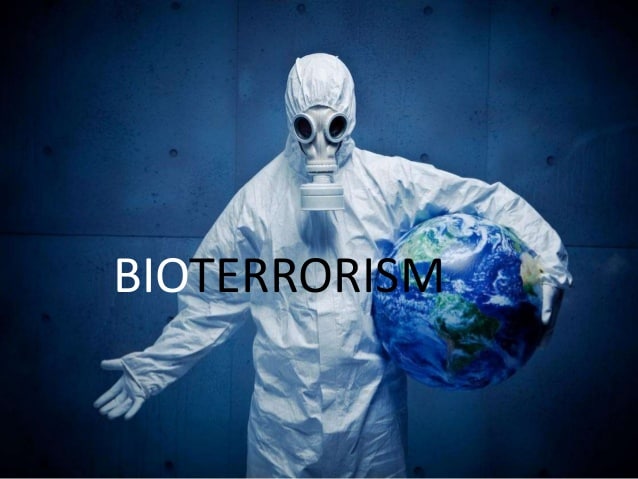
From the past two decades , it is stated that the threat of biological warfare is not a myth but a harsh reality of the world . Due to the outbreak , we can recognise the high risk and consequences of bioterrorism.
This editorial provides you the overview of bioterrorism , it’s symptoms , causes , measures and impact on humans in present scenario .
Introduction
A bioterrorism attack is the deliberate release of viruses, bacteria, or other germs to cause illness or death. These germs are often found in nature. But they can sometimes be made more harmful by increasing their ability to cause disease, spread, or resist medical treatment.
Biological agents spread through the air, water, or in food. Some can also spread from person to person. They can be very hard to detect. They don’t cause illness for several hours or days. Scientists worry that anthrax, botulism, Ebola and other hemorrhagic fever viruses, plague, or smallpox could be used as biological agents.
Despite patchy intelligence, France started its own biological weapons programme in the early 1920s. It was headed by Auguste Trillat, an inventive German-educated chemist who envisioned and tested the sustained virulence of airborne pathogens.
The goal of bioterrorism is usually to create fear and/or intimidate governments or societies for the purpose of gaining political, religious, or ideological goals. Bioterrorism may have a different effect on societies than would weapons such as explosives.
Symptoms
The symptoms of exposure to a biological agent might include sore throat, fever, double or blurred vision, rash or skin blisters, exhaustion, difficulty talking, confusion, descending muscle weakness, nausea, abdominal pain, vomiting, diarrhea, and coughing.
History
Historically, biological weapons have been a threat to humans for many centuries. At those times, very crude methods such as fecal matter, animal carcasses, etc. were used to contaminate water sources, but now the concentrated forms of biological agents such as dried spores and genetically modified organisms are available, which are fatal even in minute quantity.
During the Indo-Pakistan war of 1965, a scrub typhus outbreak in north-eastern India came under suspicion. India’s defense and intelligence outfits were alert to the outbreak of pneumonic plague – well known in biological warfare – in Surat and Bubonic plague in Beed in 1994, which caused several deaths and sizeable economic loss.
Prevention
There are some points that you need to consider during the outbreak :
If you become aware of a suspicious substance, quickly get away.
Cover your mouth and nose with layers of fabric that can filter the air but still allow breathing. Examples include two to three layers of cotton such as a t-shirt, handkerchief or towel.
Depending on the situation, wear a face mask to reduce inhaling or spreading germs.
If you have been exposed to a biological agent, remove and bag your clothes and personal items.
Follow official instructions for disposal of contaminated items.
Wash yourself with soap and water and put on clean clothes.
Contact authorities and seek medical assistance. You may be advised to stay away from others or even to quarantine.
If your symptoms match those described and you are in the group considered at risk, immediately seek emergency medical attention.
Follow the instructions of doctors and other public health officials. Avoid crowds.
Replacing traditional sources of energy completely with renewable energy is going to be a challenging task. However, by adding renewable energy to the grid and gradually increasing its contribution, we can realistically expect a future that is powered completely by green energy.
– Tulsi Tanti
A way to live a new life . Without any destruction , without worrying about the future . Live a life where we can grow together , develop a life with renewable resources.
Introduction
A renewable resource, also known as a flow resource, is a natural resource which will replenish to replace the portion depleted by usage and consumption, either through natural reproduction or other recurring processes in a finite amount of time in a human time scale.
When such recovery rate of resources is unlikely to ever exceed a human time scale, these are called perpetual resources. Renewable resources are a part of Earth’s natural environment and the largest components of its ecosphere. A positive life-cycle assessment is a key indicator of a resource’s sustainability.
Renewable resources are an energy source that cannot be depleted and are able to supply a continuous source of clean energy.
Renewable resources also produce clean energy, meaning less pollution and greenhouse gas emissions, which contribute to climate change.
Examples of renewable resources.
Biomass .
Biogas.
Tidal Energy.
Wind Energy.
Geothermal Energy.
Radiant Energy.
Hydro Electricity.
Compressed Natural Gas.
Types of renewable resources.
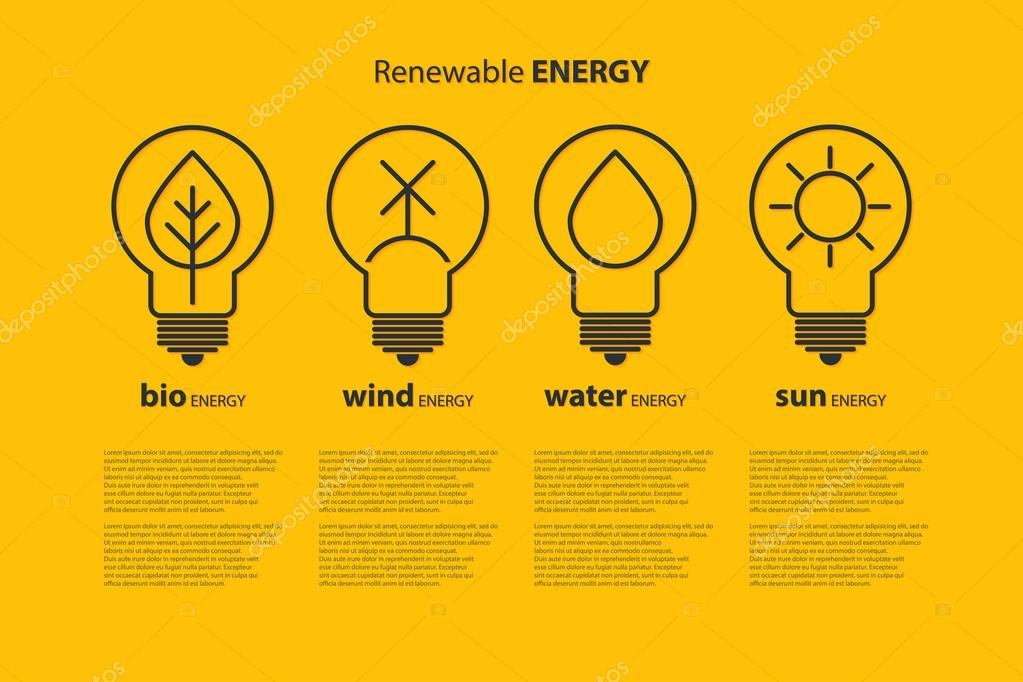
1) Solar energy. Sunlight is one of our planet’s most abundant and freely available energy resources. 2) Wind energy. Wind is a plentiful source of clean energy. 3) Hydro energy. 4) Tidal energy. 5) Geothermal energy. 6) Biomass Energy.
Impact of renewable resources.
Environmental impact
Renewable energy projects have also contributed in improving environmental impacts such as reduction of carbon dioxide gas, awakening community about the climate change. The study observed very small impacts on the people living in a particular area, tourism, cost of energy supply, and educational impacts. Significant impacts were observed in improvement of life standard, social bonds creation, and community development. They also observed that the renewable energy projects are complex to install and are local environmental and condition sensitive. Their forecasting, execution, and planning require more consideration and knowledge as compared to other projects.
Social impact
These resources also provide social benefits like improvement of health, according to choice of consumer, advancement in technologies, and opportunities for the work, but some basic considerations should be taken for the benefit of humans, for example, climate conditions, level of education and standard of living, and region whether urban or rural from agricultural point of view. Social aspects are the basic considerations for the development of any country. The following social benefits can be achieved by renewable energy systems: local employment, better health, job opportunities, and consumer choice.
Advantages of renewable resources.
Renewable energy won’t run out.
Maintenance requirements are lower.
Renewables save money.
Renewable energy has numerous health and environmental benefits.
Renewables lower reliance on foreign energy sources.
Higher upfront cost.
Intermittency.
Storage capabilities.
Conclusion
Renewable energy is becoming an important resource in all over the world . I do agree that people might exploit the resources for there own benefit . But the government is working on that aspect and trying to provide resources that can help our future households .
There are a lot of different ways of building a prosperous society, and some of them use much less energy than others. And it is possible and more practical to talk about rebuilding systems to use much less energy than it is to think about trying to meet greater demands of energy through clean energy alone.
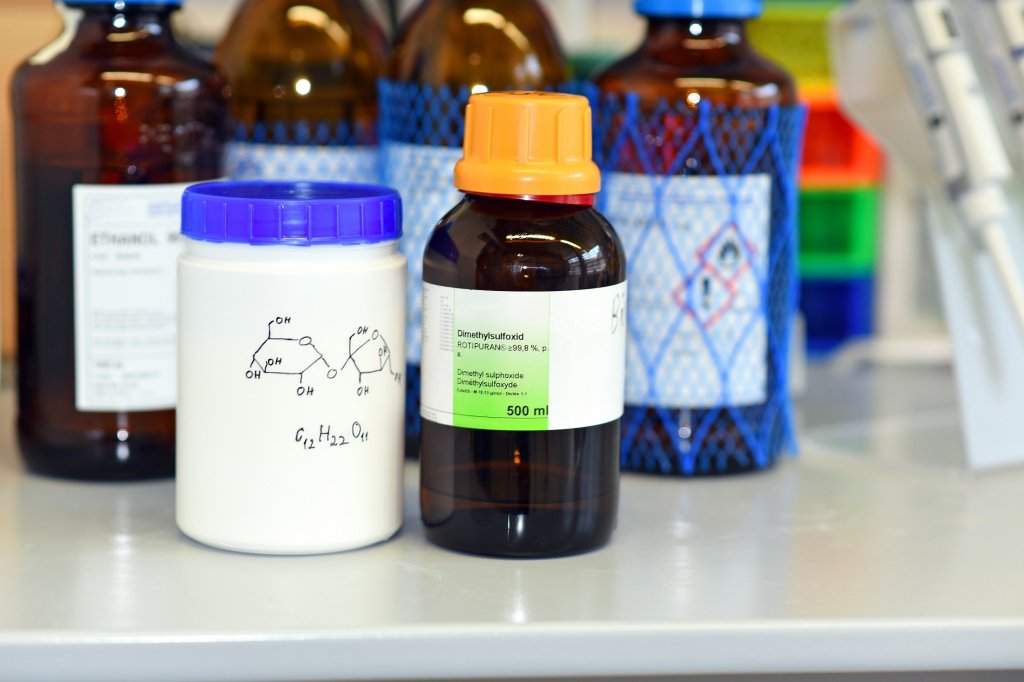
A chemical hazard is a (non-biological) substance that has the potential to cause harm to life or health. Chemicals are widely used in the home and in many other places. Exposure to chemicals can cause acute or long-term detrimental health effects. There are many types of hazardous chemicals, including neurotoxins, immune agents, dermatologic agents, carcinogens, reproductive toxins, systemic toxins, asthmagens, pneumoconiotic agents, and sensitizers. In the workplace, exposure to chemical hazards is a type of occupational hazard. The use of protective personal equipment(PPE) may substantially reduce the risk of damage from contact with hazardous materialsLong-term exposure to chemical hazards such as silica dust, engine exhausts, tobacco smoke, and lead (among others) have been shown to increase risk of heart disease, stroke, and high blood pressure.
The decisions you make concerning the use of chemicals in the laboratory should be based on an objective analysis of the hazards, rather than merely the perception of the risks involved. Once this has been accomplished, a reasonable means of controlling the hazards through experimental protocol, work practices, ventilation, use of protective clothing, etc., can be determined. In order to assess the hazards of a particular chemical, both the physical and health hazards of the chemical must be considered. Before using any chemical, the safety data sheet (SDS) or other appropriate resource should be reviewed to determine what conditions of use might pose a hazard. Accidents with hazardous chemicals can happen quickly and may be quite severe. The key to prevention of these accidents is awareness. Once the hazards are known, the risk of an accident may be reduced significantly by using safe work practices. The most common exposure route to chemicals in the work environment is through inhalation. Gas, vapour, mist, dust, fumes, and smoke can all be inhaled. Those with occupations involving physical work may inhale higher levels of chemicals if working in an area with contaminated air. This is because workers who do physical work will exchange over 10,000 litres of air over a 8-hour day, while workers who do not do physical work will exchange only 2,800 litres. If the air is contaminated in the workplace, more air exchange will lead to the inhalation of higher amounts of chemicals. Chemicals may be ingested when food or drink is contaminated by unwashed hands or from clothing or poor handling practices. Chemical exposure to the skin is a common workplace injury and may also occur in domestic situations with chemicals such as bleach or drain-cleaners.. The exposure of chemicals to the skin most often results in local irritation to the exposed area. In some exposures, the chemical will be absorbed through the skin and will result in poisoning. The eyes have a strong sensitivity to chemicals, and are consequently an area of high concern for chemical exposure. Chemical exposure to the eyes results in irritation and may result in burns and vision loss. Injection is an uncommon method of chemical exposure in the workplace. Chemicals can be injected into the skin when a worker is punctured by a sharp object, such as a needle. Chemical exposure through injection may result in the chemical entering directly into the bloodstream.
Types of Health Effects :-
A chronic health effect is an adverse health effect resulting from long-term exposure to a substance. Symptoms do not usually subside when the exposure stops. Examples of chronic health effects include asthma and cancer. Acute health effects can be observed immediately or soon after an exposure; often a large, brief exposure. Many times the symptoms will subside after the cause is removed, however, depending on the amount/dose, permanent damage or even death can occur from a single exposure. Examples of acute health effects include dizziness, skin irritation, and throat irritation. Keep in mind that a chemical may cause both acute and chronic effects. Health effects can vary depending on the organ, the dose level, frequency, duration, and route of exposure (inhalation, skin contact, etc.). Ethanol is an excellent example of a compound that causes varied health effects based on the parameters mentioned above. A small amount of ethanol (from alcoholic beverages) over several hours results in loss of coordination and impaired judgement; large one-time consumption leads to vomiting, unconsciousness, or even death; consumption over several days by a pregnant person can lead to birth defects; and chr:onic consumption over many years can lead to cirrhosis of the liver.
Signs and symptoms of chemical exposure:-
Signs of an exposure are external and can often be seen by you or others in the laboratory. They are objective and can sometimes be measurable. Signs of exposure sometimes include hives, puffiness, sneezing, etc. They are often temporary and can go away when the source of the exposure is removed. Symptoms are internal and are not visible to the naked eye. They are only felt by the person feeling them and examples include pain, dizziness, numbness, etc. Sometimes a sign can indicate a symptom. For example vomiting is a sign than indicates someone is feeling nauseated (symptom). There are different signs/symptoms of exposure to chemicals based on their hazards, reactivity, and the route of exposure. Many of the signs and symptoms of exposure to chemicals are similar, but there are some specific signs which are indicative of particular compounds. For example, osmium tetroxide vapors damage the cornea of the eye, can make your eyes feel gritty, and even turn them black. It is important to know the signs and symptoms of the chemicals with which you work and other chemicals in the laboratory to which you could potentially be exposed.
Symbols of chemical hazards:-
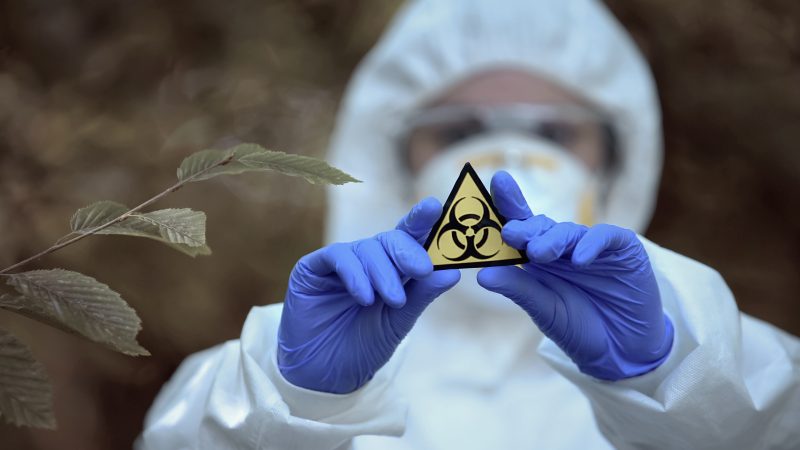
Hazard pictographs are a type of labeling system that alerts people at a glance that there are hazardous chemicals present. The symbols help identify whether the chemicals that are going to be in use may potentially cause physical harm, or harm to the environment. The symbols are distinctive, as they are shaped like diamonds with red borders. These signs can be divided into: 1. Explosive (exploding bomb) 2. Flammable (flame) 3. Oxidizing (flame above a circle) 4. Corrosive (corrosion of table and hand) 5. Acute toxicity (skull and crossbones) Hazardous to environment (dead tree and fish) 6. Health hazard/hazardous to the ozone layer (exclamation mark) 7. Serious health hazard (cross on a human silhouette) 8. Gas under pressure (gas cylinder)
These pictographs are also subdivided into class and categories for each classification. The assignments for each chemical depends on their type and their severity.
First aid :-
In case of emergency, it is recommended to understand first aid procedures in order to minimize any damage. Different types of chemicals can cause a variety of damage. Most sources agree that it is best to rinse any contacted skin or eye with water immediately. Currently, there is insufficient evidence of how long the rinsing should be done, as the degree of impacts will vary for substances such as corrosive chemicals. However, the recommended flush time is as follows: 1. 5 minutes – non- to mild irritants 2. 15 minutes – moderate to severe irritants and chemicals that cause acute toxicity 3. 30 minutes – most corrosives 4. 60minutes – strong alkalis such as sodium, potassium or calcium hydroxide.
Transporting the affected person to a health care facility may be important, depending on condition. In the case that the victim needs to be transported before the recommended flush time, then flushing should be done during the transportation process. Some chemical manufacturers may state the specific type of cleansing agent that is recommended.
MORE DIFFERENT KIND OF HAZARD :-
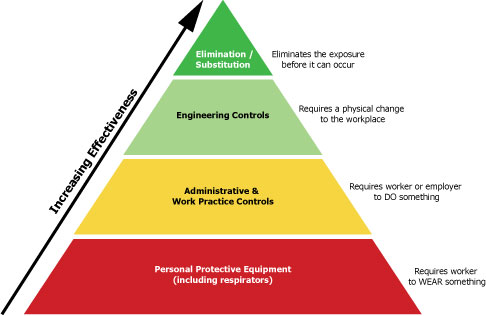
1. Anthropogenic hazard – Hazard caused by human action or inaction 2. Biocontainment – Physical containment of pathogenic organisms or agents in microbiology laboratories 3. Biological agent – Pathogen that can be weaponized 4. Biological hazard – Biological material that poses serious risks to the health of living organisms 5. Biosafety level – Level of the biocontainment precautions required to isolate dangerous biological agents 6. Chemical safety – means of ensuring that chemicals are safe 7. Hazard – Substance or situation which has the potential to cause harm to health, life, the environment, property, or any other value 8. Health hazard – Hazards that would affect the health of exposed persons.Hierarchy of hazard controls – System used in industry to eliminate or minimize exposure to hazards 9. Mechanical hazard – Hazard with a mechanical energy source 10. Occupational exposure banding – Process to assign chemicals into categories corresponding to permissible exposure concentrations 11. Occupational hazard – Hazard experienced in the workplace 12. Physical hazard – Hazard due to a physical agent 13.Planetary protection – Guiding principle in the design of an interplanetary mission, aiming to prevent biological contamination of both the target celestial body and the Earth 14. Psychosocial hazard – Occupational hazard to one’s psychological well-being Public health – Preventing disease, prolonging life and promoting health through organized efforts and informed choices of society and individuals .












 Eduindex
You must be logged in to post a comment.