Health experts says the next 40 days will be crucial for India amid covid surge in China.

.

There is still no clarity on what is happening in China, with experts raising alarm that the country is witnessing a steep increase in the number of COVID-19 cases due to coronavirus variant BF.7.

The Union Health Ministry has, however, said that the next 40 days will be crucial in India – with the country likely to witness a surge in January.

“In the past, whenever a NBCOVID-19 wave was reported in India, it used to hit us in 30-35 days, starting from East Asia, it used to hit Europe in 10 days, moving towards America and the Pacific region, and then finally hitting India which would normally take 30 days,” a senior health ministry official told media, requesting anonymity.

The official added that the number of deaths and hospitalisations is likely to be low this time, even if India is hit by a COVID wave by the end of January.

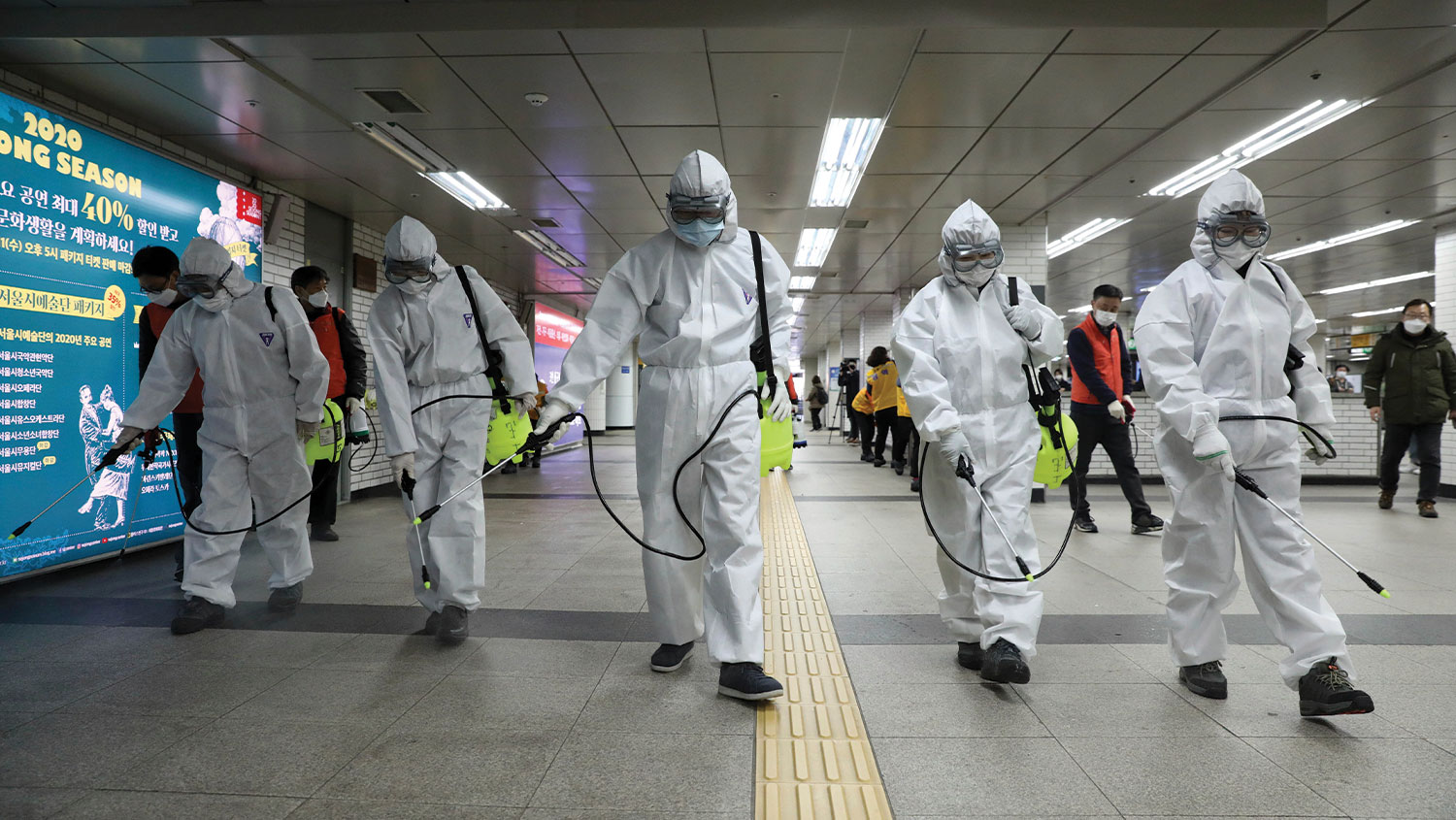
Meanwhile, the Ministry is likely to make mandatory, from next week, negative RT-PCR reports for passengers arriving from China, Hong Kong, Singapore, Japan, South Korea and Thailand.

Filling up of ‘air-suvidha’ forms and 72-hour prior RT-PCR testing could be mandatory for arrivals from these countries.

The government has made random coronavirus testing mandatory for two per cent of passengers arriving in each international flight from December 24. Union Health Minister Mansukh Mandaviya is likely to visit the Delhi airport to take stock of testing and screening facilities there.
Medical Experts suggests of second covid booster dose amid rising concern.

In a meeting with Union Health Minister Mansukh Mandaviya, doctors of the Indian Medical Association (IMA) suggested allowing people to take another booster dose of the COVID-19 vaccine. If approved, this would be the second booster dose, with the first one having been approved in early 2022. The meeting was held virtually between doctors, health experts, and the Union Health Minister on 26th dec to discuss preparedness as the apprehension of another COVID-19 wave seeps through the country.

In the meeting, the doctors stressed on the fact that despite the many efforts by the health system, only a small proportion of the population got their booster dose. Dr. Sahajanand Prashad Singh, President of IMA, said that only 30 percent of the population is covered with booster doses. He urged the Health Minister to take the necessary actions to vaccinate the maximum population with booster doses.

Nation to hold mock drill for covid emergency responses.

During a virtual meeting with health ministers and senior officials of states in view of the recent surge in coronavirus cases in some parts of the world, he said, “The Centre and states need to work in tandem and in a collaborative spirit as was done during the previous surges for Covid prevention and management.”

“A mock drill for an emergency response to deal with Covid 9 cases will be conducted at hospitals across the country on Tuesday, 27th December, the Union health minister Mansukh Mandaviya will also be participating in the Mock drill,” official sources told ANI.The mock drill is being conducted amid fear of a Covid surge in the country in the wake of a spurt of Covid cases reported in China and other countries. The Union Ministry in India has started taking several proactive steps in this direction.

According to officials, travel guidelines have been revised and issued. 2% random screening of international passengers to be re-initiated from Saturday, December 24, the random screening charges will be charged to the passengers.

World After the COVID 19 Pandemic

COVID-19 will reverse both of those trends, increasing the space both between countries and among people. Some will laud these changes for increasing safety and resilience. But a world that’s less global and fewer urban would even be less prosperous, less stable and fewer fulfilling. Future is shrouded in clouds of uncertainty, as resilient leaders steel oneself against all possible global outcomes, few are more prominent than others. These are two most predicted and certain scenarios of how the planet would begin of COVID 19. Less global, more isolated. Even before COVID-19, the decades-long trend toward ever-more globalization of trade, investment, supply chains and other people flow were starting to grind to a halt. We began to seem closer to range in terms of the products we produce and consume, the people with whom we interact, and where we get our energy and our money. In retrospect, we’ll come to look at the years right before the 2008 financial crisis as “peak globalization.” Since then, the mixture of recession, inequality and populism has created a growing anti-globalization and anti-immigration consensus in western countries, exemplified by the U.S. trade war with China. The reaction of developed economies to the coronavirus will only strengthen this consensus, as all things international are going to be viewed as incurring unnecessary and dangerous risks.

What WHO calling the coronavirus outbreak a pandemic means | Science News

What was a growing “anti-globalization” consensus is poised to crystalize into a “de-globalization” reality. We are being told this de-globalization will make us all more resilient. But it’ll also make us less prosperous — with less choice and better prices. it’s going to also make us less secure, as international cooperation will decrease and therefore the potential for international conflict will increase. Less density, more distance. Urbanization is probably going to be the opposite major casualty of the coronavirus. Unlike globalization, the trend of ever greater-urbanization was unaffected by the worldwide financial crisis. Even America — the land of all things suburban — joined the worldwide march into cities. People were interested in cities not just for economic opportunity but also for the urban lifestyle. After coronavirus, people are going to be more scared of crowded trains and buses, cafes and restaurants, theaters and stadiums, supermarkets and offices. Crowded spaces are the lifeblood of cities. But now crowds are seen as major health risks. People that have the power to exit the town will increasingly be tempted to try to do so. people that cannot leave will feel at increased risk, hunker down, and reduce their movements and contacts. it’s hard to believe Manhattan without the subway and 10-deep pedestrians on Fifth Avenue. But that will be the increasing post-COVID reality. De-urbanization would harm the economic process because cities generate enormous scale economies and have proved to be remarkably effective incubators of creativity and innovation. This might be particularly true in developing economies where the movement of individuals from rural areas to rapidly expanding cities has been perhaps the key driver of poverty reduction. But the shrinking of cities will produce other adverse effects too, from reducing cultural vibrancy and cosmopolitanism to exacerbating global climate change. Additionally, to be more productive, cities also tend to be more environmentally sustainable. A world that’s less global and fewer urban would be far less appealing to me, personally. But it’s also a world that might hurt economic prosperity, reduce shared understanding among disparate people, and increase the prospect of conflict among them. Our immediate reactions to COVID-19 will lead us to require both to de-globalize and to de-urbanize. But we must take fully under consideration the profound longer-term costs of doing so. Globalization and urbanization generate challenges we must confront, all the more so during a post-coronavirus world. the answer is to manage them, to not reverse them.

HUMAN TRAFFICKING DURING PANDEMIC

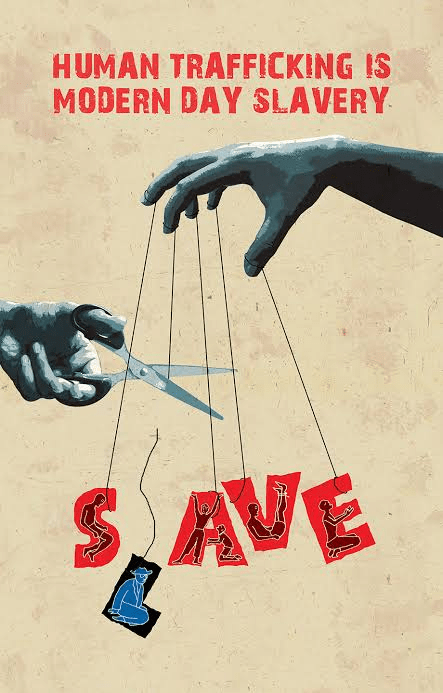
Human Trafficking is a major issue in India and Worldwide. Though, it has been there for ages, the reason for the need of immediate attention is the COVID – 19 Pandemic. The pandemic bought about various social and economical changes in India giving rise to human trafficking cases. The lockdown raised higher level of unemployment amongst daily wage earners. This further lead to effecting the economic background of such families, especially in the rural areas. Having no other source of income lead to desperation in people which made them promote human trafficking by selling their children, making them beg for money and sending their children for child labour. Moreover, the closure of schools increased human trafficking cases as there was no source of education for children. This gave the families and opportunity to use the children economically for labour and wed their girl child at an early age to save the future expenses. Absence of schools further increased the burden on families as many rural schools provided mid-day meal to their students. Absence of which made the children a further burden on the families and an additional stomach to feed. This made them give their children away in a hope for a better future for them and food for their children.


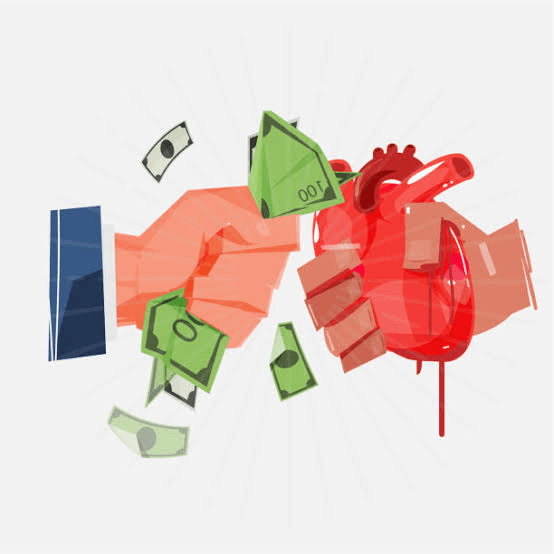
Along with such cases, many organ removal cases in the name of covid cases were found. Many physically fit people with weak financial backgrounds were falsely shown positive for corona virus and later declared dead because of the same. It was found that many traffickers removed organs from such bodies and declared them dead. Hence, this issue is important in the current times and require more attention than ever.

Yes, it’s difficult to step outside and help in this uncertain times but we individuals can start from our homes. The family domestic help, house help, workers, etc belong to rural and economically weak family backgrounds. Hence, talking to them and knowing about their lives can help us get a clear picture of their situation. We can educate them and spread awareness about the wrongs that they might be exposed to. This knowledge might help them be aware and spread the words to different people in their families and neighbourhood, that in turn might create a huge impact on the society as a whole.

Many a times people give into such situations where they willingly promote human trafficking, out of desperation and helplessness. As in case of a daily wage worker who has no other means to support his family economically might sell his child to survive. Hence, it is important to make them aware about various other way where they might get financial help without getting trapped into such rackets. There are government supports yojanas and schemes where they help such people, but in order to get help it is important to know about the availability of that help and that can only be done through awareness. It may not change the entire world scenario but one step by every citizen might make a huge impact altogether.

JOURNEY TO SANITY – SELF CARE

Imagine human mind as a bank account. In order to withdraw money from an account, we need a basic primary balance and we need to deposit from time to time in order to make future withdrawals. Similarly, human mind and body needs equal deposits of self-love, care and compassion in order to reflect that upon others. You cannot pour water from an empty pot. So, it is necessary to fill your pot before you pour it out.


The Social – Media and Magazine definition of self includes Hair-Care, Skin-Care, Spa sessions, etc but we often forget the most important part of our body that requires equal care and nurturing. Yes, our Mind. Our mind works 24/7 unlike our body, hence this calls for a special day to celebrate it’s success and hard work.
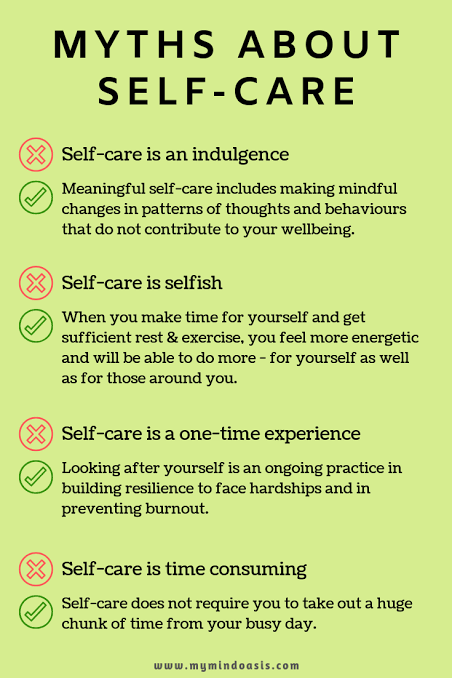
Self-care is a broad term. It involves any and everything that makes you happy. Be it having an ice cream, putting on a good hair mask or dancing in your bedroom to silly item numbers. The best part about it is that it doesn’t have to make sense to others.


It is okay to take a day off just to sit with yourself and do nothing.
It is okay to binge watch the new show you always wanted to see but never got enough time to do so.
It is okay to avoid social gatherings if it’s getting too much for you.
It is okay to sleep early and miss out on parties and night-life.
It is completely okay to avoid that person, phone call or that text to maintain the sanity of your mind.
It is okay to not be okay all the time


But what’s not okay, is to not listen to your heart and letting others decide what you do with your life. Self-care involves standing up to your beliefs unapologetically and living on your terms. It might not always be right but its worth a try. After all life’s too short to not live and sadly most of us are working on auto-pilot mode.
So, get up with the sun. Eat your favourite breakfast, binge on your most awaited show, go for long walks and dance to your favourite song till you sleep.

Do not forget to read more from the series : 🙂

JOURNEY TO SANITY – DOUBLE STANDARDS

JOURNEY TO SANITY – SUNSHINE 🌤️

JOURNEY TO SANITY – ACCEPTANCE

JOURNEY TO SANITY – MINDFULNESS

JOURNEY TO SANITY -JOURNALING

Manali flooded with tourist amid third wave warning; covid protocols getting ignored.

Inspite of third wave warning lakhs of tourists have thronged Himachal Pradesh in less than a month.Videos emerging from Manali and Shimla show that social distancing norms put in place to contain the coronavirus pandemic have gone for a toss.Highways choked, hotels fully booked after the Himachal Pradesh government relaxed Covid-19 related restrictions.Hotel occupancy in major tourist spots, including Shimla, Manali and Dharamshala, is almost full and tourists have been heading to less popular tourist spots in a bid to find accommodation and in guest houses.

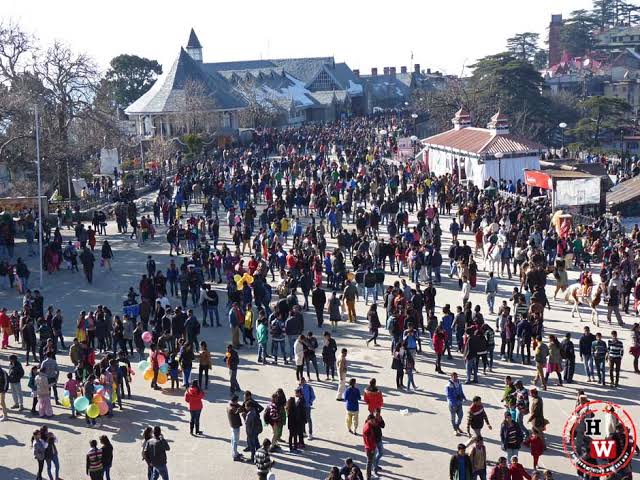
Even though the governments, health experts have been warning against large crowds, a sea of tourists was seen in Manali town in Kullu district as the Himachal Pradesh government eased COVID restrictions.the increase in the number of tourists has posed a challenge for the authorities who are struggling to ensure implementation of Covid protocols amid fears of an impending third wave of coronavirus infections.

Reason behind this huge influx of tourist

  1. The prime reason is that the Himachal administration has withdrawn the mandatory need of a negative RTPCR report and e-Covid pass to enter the hill state.
  2. Another reason, behind the rush of tourists, is the ongoing heatwave in North India.
  3. while the third reason is that some people fear that lockdown-like restrictions may be imposed if the third wave of coronavirus strikes the nation. So many have decided to use this opportunity to visit some places

Twitterati reaction

Social media was abuzz with pictures of crowded Manali markets and tourist spots. While some were concerned over the violation of Covid protocols by the tourists, others shared memes and took taunt at the carelessness of the public.

for more news related to covid vist the link👇

https://www.timesnownews.com/india/article/tourism-with-a-vengeance-in-himachal-pradesh-shimla-manali-jampacked-covid-protocols-thrown-to-wind/780836

https://news.google.com/covid19/map

BEST OF YOUTUBE – PART 1

TANMAY BHAT

He is one of the most hilarious stand-up comedian that I have come across. He is one of the co founder of a comedy group called All India Bakchod. His YouTube channel is a great source of free laughter therapy. His contents include daily vlogs, gaming streams, video reviews.

(Go and check out all parts of Mummy-Papa Pitai review, you’ll die laughing)

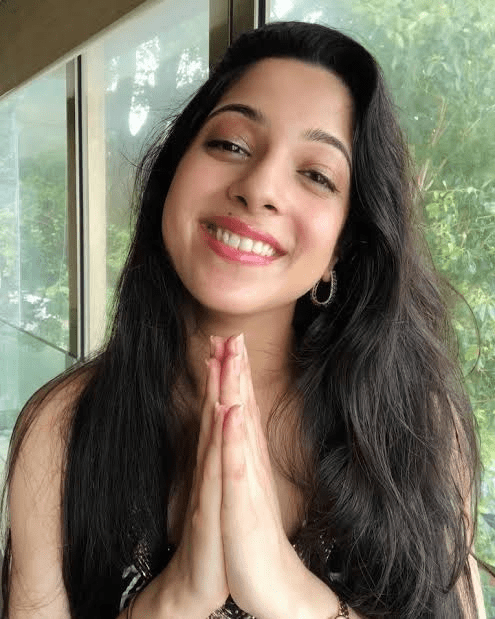
AVANTI NAGRAL


Avanti Nagral is a Artist, Song-writer, Influencer and a You-Tube who has completed a dual degree from Harvard University and Berklee College of Music. She uses her music to convey various social messages and creates YouTube contents to break the stereotyped norms by openly discussing sexual topics with her family members in a one-on-one interview, held in a very respectful manner.

(Check out her music video ‘Sun Toh Lo’)

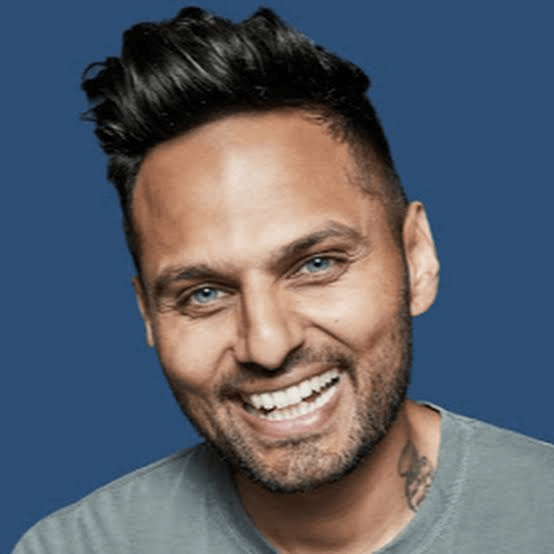
JAY SHETTY

Jay Shetty is a 33 years old monk turned into a life-coach, author, podcaster, you-tuber and an influencer. His channel is inspirational to people of every age group however, his videos focuses on teenagers and young adults. His content includes podcasts and clips where he provides insight on the topics of motivation, wisdom, love and relationships.

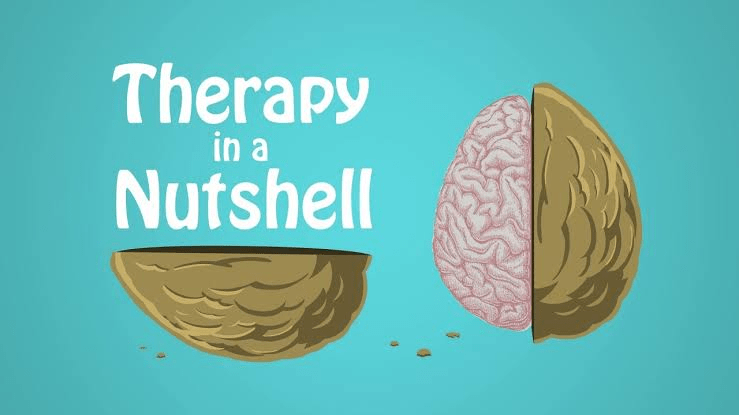
THERAPY IN A NUTSHELL

As the name suggests, Therapy in a Nutshell is a YouTube channel owned by Emma McAdam, a Licensed Therapist who makes weekly videos on mental health skills that are easy to understand via YouTube videos and Online Courses. It’s a good platform for people to learn new personal skills and live better. Her video’s cover various topics from Depression, Anxiety, OCD to Sleep disorders and ways to control them. It’s definitely a good investment for people who are curious to learn about mental health.


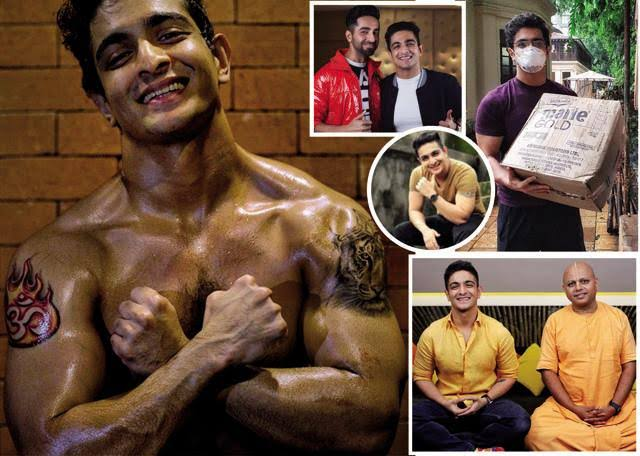
RANVEER ALLAHBADIA

Ranveer Allahbadia aka BeerBiceps is one of the most famous Indian Youtuber, fitness mentor, social media influencer, and entrepreneur. It’s one of the most informative channels that I have come across. It includes videos on a variety of topics from finance, fashion, etiquette, grooming to meditation, yoga, body-building. They conduct one-on-one podcasts with famous Celebrities, Nutritionists, Health Experts, Monks, etc. Hence, his channel is a good source of free knowledge.

JOURNEY TO SANITY – MINDFULNESS

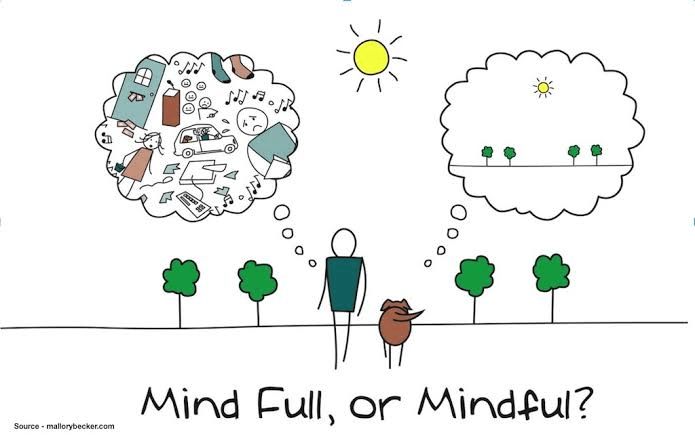
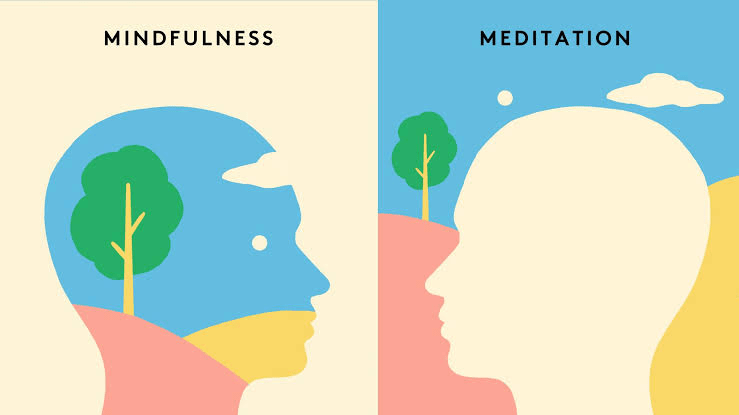
In the current world, we might have taken the term mindfulness too seriously in literal terms. We constantly keep our minds filled with news, gossips, shows and every other non-important thing in order to avoid the most important thing – OURSELVES. However, Mindfulness in reality is the art of being in the present both physically and mentally.
Many a times we get caught up in planning for the future or cherishing the past memories. It is good to remember old things and look forward to new experiences, but not at the expense of the present.
As it’s beautifully quoted by Master Oogway: “Yesterday is history, tomorrow is mystery but today is a gift. That is why it’s called Present”.

So, now the question that arises is, how to stop the urge to overthink?
To answer that, It’s hard to control your mind as the more you try to control it, the more it wonders. Kind of like caging a bird, who yarns for freedom. A good master is considered to be a person who sets the bird free and allows it to come back to him. Similarly, mindfulness does not mean the absence of distractions or complete numbness. It is the ability to be aware of the thought, accepting the thought and then, gently bringing it back to the present.

Other ways to be more mindful can be :

~ Eating with complete attention on the food you intake, without being distracted by television, phone, etc.

~ Avoid multitasking and juggling between different works.

~ Avoid using phones in the washroom (I know you do)

Though it might seem as we have just today to achieve everything possible and today will change our future but relax, listen to your heart. It might not be that bad to rest and enjoy life for once

Do not forget to read more from the series 🙂

JOURNEY TO SANITY – ACCEPTANCE

JOURNEY TO SANITY -JOURNALING

JOURNEY TO SANITY – SELF CARE

JOURNEY TO SANITY – DOUBLE STANDARDS

JOURNEY TO SANITY – SUNSHINE 🌤️

.

Monophobia-Reality of 2021

People were hurt financially as well as mentally by the prolonged lockdown. The truth is that financial losses can be recovered over time, but the mental disease that our generation is experiencing is not.

Covid-19 claimed the lives of around 3,923,238 people worldwide. Every day’s news digest about medical supply shortages and increasing covid instances broke people’s hearts. Such dire conditions were not restricted to those in hospitals; those in their safe havens of their homes were also not safe as they confronted a terrifying invisible monster spreading its arms and doing harm to their mental health.

Monophobia is the state where an individual fears to be alone. Even in a usually comforting place like home, can cause severe anxiety for people with this condition. People with monophobia need another person or other people around in order to feel safe. A person with this condition usually faces extreme anxiety.

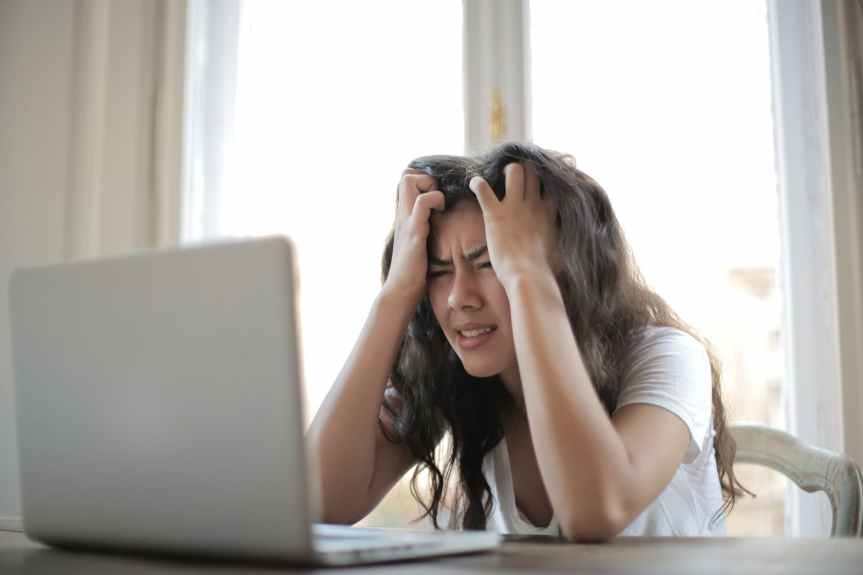
With the outbreak of the pandemic, practically all offline work moved online, and people needed time to acclimatise to this new reality. Even after settling in, many struggled to overcome feelings of loneliness and worry that were gradually taking over their minds as a result of a lack of social contacts and physical meetings. It is now universally accepted that physical meetings had a higher level of significance and will always be more valued than any texts, calls or video conferencing.

Because of this lack of interaction, the majority of people now fear being alone. We now understand the value of being surrounded by people, such as family and friends. It’s depressing to learn that many people have committed suicide as a result of loneliness and anxiety issues.

Monophobia is a side effect of the post-lockdown situation. Following the Lockdown, harsh realisations emerged that life is unpredictable and far too valuable to be taken for granted.

So, what is the current need? It is self-evident that we must widen the doors of our hearts and accept others. Acceptance is crucial; it may aid your family member or friend in recovering and reliving their experiences. Inquire of your relatives, acquaintances, or even a new acquaintance “Are you all right? And if you ever need to share something, I’m here to help.”

Make yourself a better companion by being a little kind to the individuals you interact with. Stop passing judgement on people during such trying times; you never know what they are going through. Also take good care of your own self in order to help others. As more the merrier. healthier the better.