Death as a lesson

Most would agree with me when I say, Steve Jobs was one of the most brilliant people, who went on to become an innovator and entrepreneur and a co-founder of Apple then worked for Pixar too.

Today, for the first time, I watched a motivating speech given by him.

What he said, and how he said is no doubt invaluable. But the points he made is what makes it so great, making it an inspiring array of words aimed for people from all walks of life.

Perhaps that is the reason, this video on YouTube had more than 1.3 crore views. And this was not even the original one, it had been edited to create a story. But the lessons he has learnt and the three stories he told made all the difference.
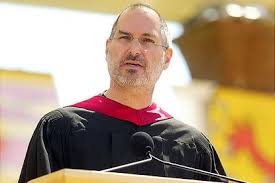
We all know the successful reviews of Apple company from their over priced gadgets which no doubt never fail to deliver what they promise. But the penance behind it’s creation is perhaps more interesting to know and yet many are not aware of it.

From what I understood, Jobs talked of circumstances that lead you to a place. The dots that you can connect months, years or sometimes even decades. He also talked of failure as a teacher, and the lessons it teaches.

Now all of these were a good expressions of wisdom, because most of would have heard of it or have been told about while growing up. In some cases, you must have felt them to be true as well.

But the last one, the quote that he read at the age of 17, which impacted him for the next 33 years when he gave the speech and probably till his death 5 years later.

If you live each day as if it were your last, someday you’ll most certainly be right.”

-unknown

He questioned himself every morning, if he was going to do the things he would be doing if it were his last?

And facing yourself in the mirror when you answer. Because everything we do daily has an impact for the rest of our lives.

Living our life as a boon, living each moment as if it is the last will no doubt make us more happy if not more successful. Because then you are free of all the chains that bind your potential. The fears and thoughts that hinder your growth.

You are not only less self conscious (as you have few hours left to live) but you become an outgoing individual. You grab the chances, even the unseen opportunities that come your way.

You live the day to its fullest.

Carpe Diem becomes your mantra. Keeps you going through the ups and downs.

Just look at what Jobs managed to do all by himself. There are countless other people who have managed to become great personalities despite the troubles they had to live through.

And that my friend is how you can unlock your true potential. Wishing you all the very best all of your life’s endeavours.

Image source : Google

Clean & Clear Foaming Face Wash

Clean & Clear Foaming Face Wash For Oily Skin, 150ml https://www.amazon.in/dp/B00CI3HDMU/ref=cm_sw_r_apan_glt_fabc_HKAP31DH2V0G6FYKDJP1

A pomade-free facial cleanser that removes extra slick to help heal and avert boils. Formulated specially for gushy and combination skin types, this detergent flushes supererogatory canvas and contaminations. It helps combat papules and prevents them from returning. The detergent has a gentle formula suitable for everyday use.

The "Dead Bird" Story

Smeared blood, shredded feathers. Clearly, the bird was dead. But wait the slight fluctuation of its chest, the slow blinking of its shiny black eyes. No, it was alive. I had been typing an English essay when I heard my dog’s loud barks and the flutter of wings. I had turned slightly at the noise and had found the barely breathing bird in front of me.


The shock came first. Mind racing, heart beating faster, blood draining from my face. I instinctively reached out my hand to hold it, like a long-lost keepsake from my youth. But then I remembered that birds had life, flesh, blood.

Death. Dare I say it out loud? Here, in my own home?

Within seconds, my reflexes kicked in. Get over the shock. Gloves, napkins, towels. Band-aid? How does one heal a bird? I rummaged through the house, keeping a wary eye on my dog. Donning yellow rubber gloves, I tentatively picked up the bird. Never mind the dog’s barks and protesting scratches, you need to save the bird. You need to ease its pain. But my mind was blank. I stroked the bird with a paper towel to clear away the blood, see the wound. The wings were crumpled, the feet mangled. A large gash extended close to its jugular rendering its breathing shallow, unsteady. The rising and falling of its small breast slowed. Was the bird dying? No, please, not yet. 

Why was this feeling so familiar, so tangible?

Oh. Yes. The long drive, the green hills, the white church, the funeral. The Indo-Christian mass, the resounding amens, the flower arrangements. Me, crying silently, huddled in the corner. The Massey family huddled around the casket. Apologies. So many apologies. Finally, the body lowered to rest. The body. Sahil Elson Massey. Still familiar, still tangible.

Hugging Sahil, I was a ghost, a statue. My brain and my body competed. Emotion wrestled with fact. Sahil Elson Massey, aged 18, my friend of four years, had died in a car crash on Sep. 12, 2020. Sahil was dead, I thought. Dead.

But I could still save the bird. My frantic actions heightened my senses, mobilized my spirit. Cupping the bird, I ran outside, hoping the cool air outdoors would suture every wound, cause the bird to miraculously fly away. Yet there lay the bird in my hands, still gasping, still dying. Bird, human, human, bird. What was the difference? Both were the same. Mortal.

But couldn’t I do something? Hold the bird longer, de-claw the dog? I wanted to go to my bedroom, confine myself to tears, replay my memories, never come out. The bird’s warmth faded away. Its heartbeat slowed along with its breath. For a long time, I stared thoughtlessly at it, so still in my hands.

Slowly, I dug a small hole in the black earth. As it disappeared under handfuls of dirt, my own heart grew stronger, my own breath more steady. The wind, the sky, the dampness of the soil on my hands whispered to me, “The bird is dead. Sahil has passed. But you are alive.” My breath, my heartbeat, my sweat sighed back, “I am alive. I am alive. I am alive.”

The "Dead Bird" Story

Smeared blood, shredded feathers. Clearly, the bird was dead. But wait the slight fluctuation of its chest, the slow blinking of its shiny black eyes. No, it was alive. I had been typing an English essay when I heard my dog’s loud barks and the flutter of wings. I had turned slightly at the noise and had found the barely breathing bird in front of me.


The shock came first. Mind racing, heart beating faster, blood draining from my face. I instinctively reached out my hand to hold it, like a long-lost keepsake from my youth. But then I remembered that birds had life, flesh, blood.

Death. Dare I say it out loud? Here, in my own home?

Within seconds, my reflexes kicked in. Get over the shock. Gloves, napkins, towels. Band-aid? How does one heal a bird? I rummaged through the house, keeping a wary eye on my dog. Donning yellow rubber gloves, I tentatively picked up the bird. Never mind the dog’s barks and protesting scratches, you need to save the bird. You need to ease its pain. But my mind was blank. I stroked the bird with a paper towel to clear away the blood, see the wound. The wings were crumpled, the feet mangled. A large gash extended close to its jugular rendering its breathing shallow, unsteady. The rising and falling of its small breast slowed. Was the bird dying? No, please, not yet. 

Why was this feeling so familiar, so tangible?

Oh. Yes. The long drive, the green hills, the white church, the funeral. The Indo-Christian mass, the resounding amens, the flower arrangements. Me, crying silently, huddled in the corner. The Massey family huddled around the casket. Apologies. So many apologies. Finally, the body lowered to rest. The body. Sahil Elson Massey. Still familiar, still tangible.

Hugging Sahil, I was a ghost, a statue. My brain and my body competed. Emotion wrestled with fact. Sahil Elson Massey, aged 18, my friend of four years, had died in a car crash on Sep. 12, 2020. Sahil was dead, I thought. Dead.

But I could still save the bird. My frantic actions heightened my senses, mobilized my spirit. Cupping the bird, I ran outside, hoping the cool air outdoors would suture every wound, cause the bird to miraculously fly away. Yet there lay the bird in my hands, still gasping, still dying. Bird, human, human, bird. What was the difference? Both were the same. Mortal.

But couldn’t I do something? Hold the bird longer, de-claw the dog? I wanted to go to my bedroom, confine myself to tears, replay my memories, never come out. The bird’s warmth faded away. Its heartbeat slowed along with its breath. For a long time, I stared thoughtlessly at it, so still in my hands.

Slowly, I dug a small hole in the black earth. As it disappeared under handfuls of dirt, my own heart grew stronger, my own breath more steady. The wind, the sky, the dampness of the soil on my hands whispered to me, “The bird is dead. Sahil has passed. But you are alive.” My breath, my heartbeat, my sweat sighed back, “I am alive. I am alive. I am alive.”

MARADONA: THE ARGENTINE BORN NEAPOLITAN

The world was in absolute shock and the Neapolitans couldn’t believe their senses when the world’s most expensive player moved to one of the world’s poorest cities and led the team which have never won a Serie A title to two Scudetti and a UEFA cup. The signing of Maradona itself was a huge reason for the people of Naples to celebrate but when he won them the titles they could’ve never imagined of, that’s the moment when the Argentine boy Diego Maradona became Santo Diego for them. With the streets of Naples painted in blue with flags and ribbons and chants hailing Diego pulsating everywhere, it took months for Neapolitans to fall back to their senses and accept that they have become the champions of Italy. And for one last time, Neapolitans were out on 25th November 2020, wearing the blue colour, carrying Diego’s photos and chanting his name through the streets of Naples, as their Saint, the greatest of all-time bid adieu to the mortal world.

Debates on Maradona’s might as a player and a person shall go on forever but for the city of Naples and its people, Maradona is so much more than just the greatest football player of all time. He will remain a godly figure, a ray of hope, an emotion that led them through their darkest times. He had the courage, conscience, and resilience to take football beyond the pitch and elevate it to a political act embarking millions of hearts with a sense of hope and feeling of redemption. 

From the slums of Buenos Aires to attaining the stature of a demigod for millions of Argentines and Neapolitans, Maradona was all a footballer could ever imagine of becoming. He has etched his name in golden scripts in the history of world football and the people of Naples, Argentina and football lovers across the globe through his charisma, leadership qualities and love for the game. Maradona might be flawed as a person but as a player, no one can ever reach the greatness he has achieved with a ball at his feet. He had qualities which no other footballing personalities can never boast about. He wasn’t a player but a politician who rebelled against the atrocities against the people. Football was just a medium for him. Diego’s might is beyond football and the politics of nations. Wherever he’s played, no one could ever own the player in Maradona. He was never a player for a particular club or country but the people, he represented them as one among them. That is the sole reason why the people of Napoli still celebrates Diego, decades after his departure, not as a person or a player but as Santo Diego, the Saint send by God to save them from all the atrocities. For Neapolitans, Maradona stays eternal, he’s the patron saint of Naples and champion of the people. And they celebrate him now and forever by singing,

‘OH, MAMMA, MAMMA, MAMMA, DO YOU KNOW WHY MY HEART BEATS?

‘I’VE SEEN MARADONA, I’VE SEEN MARADONA, AND MAMMA, I’M IN LOVE.’

Anniversaries (as of 2020)

•75th anniversary of end of World War 2 (1st September 1939 – 2nd September 1945 )

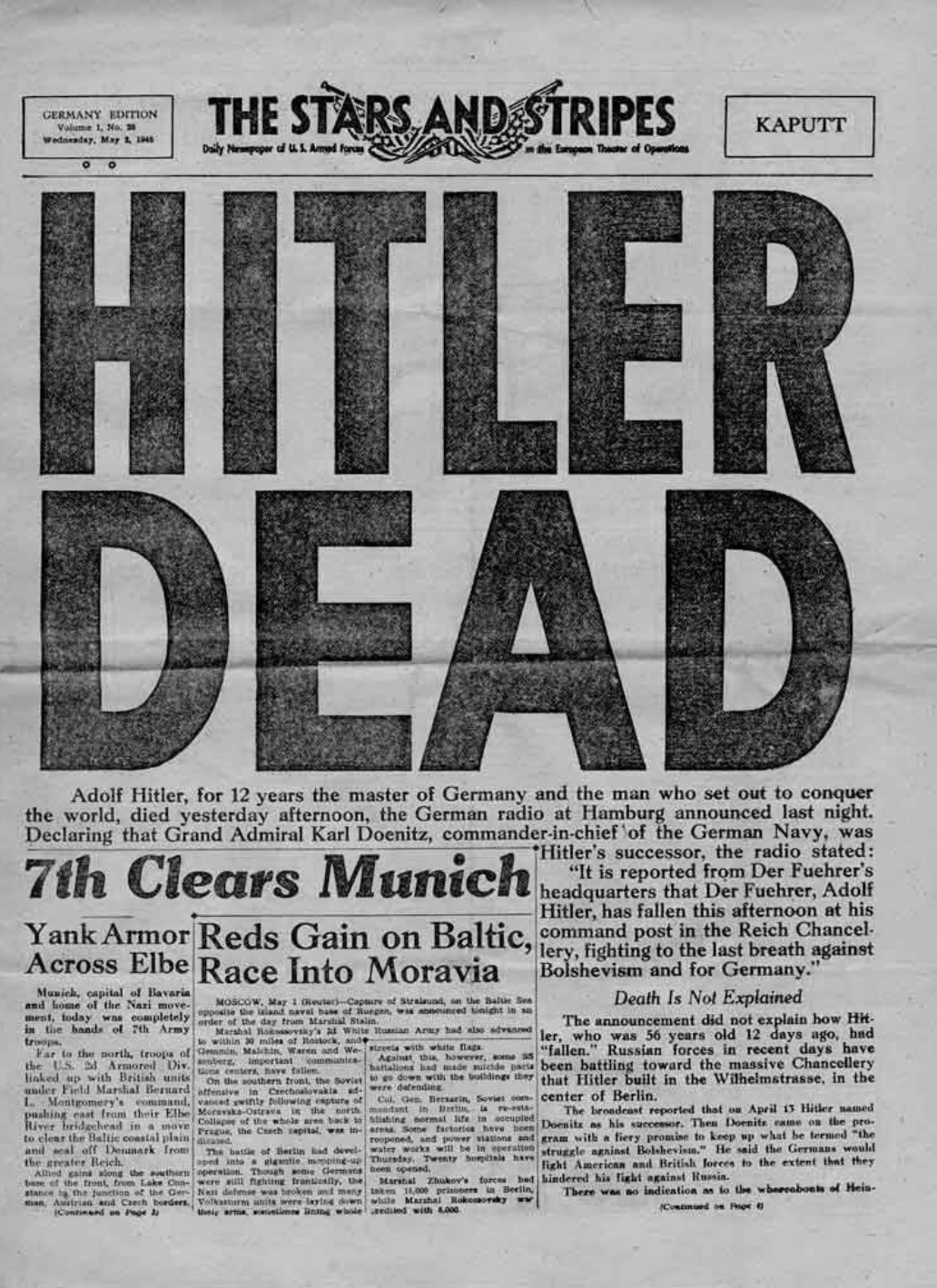
It involved vast majority of the world’s countries forming two different military forces – the Allies and the Axis. The Allied won causing the fall of Nazi Germany and also death of Hitler. It was the deadliest war in world history.

•100th birth anniversary of Isaac Asimov

Isaac Asimov was an American author and a professor of biochemistry at Boston University. Born on 2nd January, 1920 in Petrovichi, Russia. He was well known globally for his science fiction works including ‘I, Robot’, ‘Caves of steel’, ‘End of eternity’ etc. Some of his stories have been made into movies.

• 200th birth anniversary of Anne Bronte

Anne Bronte was an English novelist and poet and the youngest of the famous Bronte sisters. She was born on 17th January, 1820 in Thornton, UK. Some of her works include ‘The tenant of Wildfell hall’ and ‘Agnes Grey’.

•500th death anniversary of Italian artist Raphael

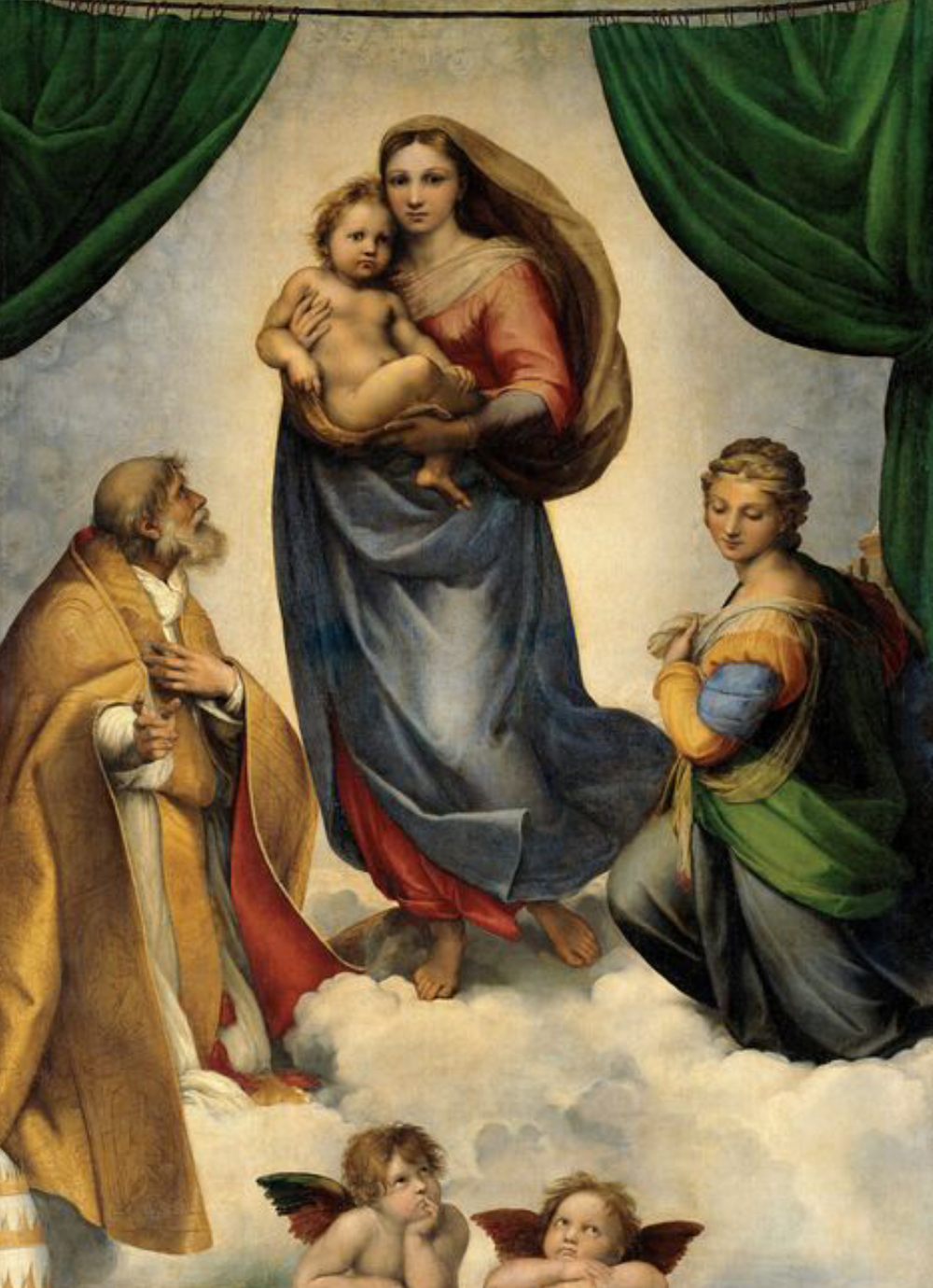
One of the Renaissance period painters, Raffaello Sanzio da Urbino was born on 6th April, 1483 and died on 6th April, 1520. St. Peter’s Basilica is one of his works. His notable artworks include ‘The school of Athens’, ‘The Sistine Madonna’ , ‘The marriage of the virgin’ etc.

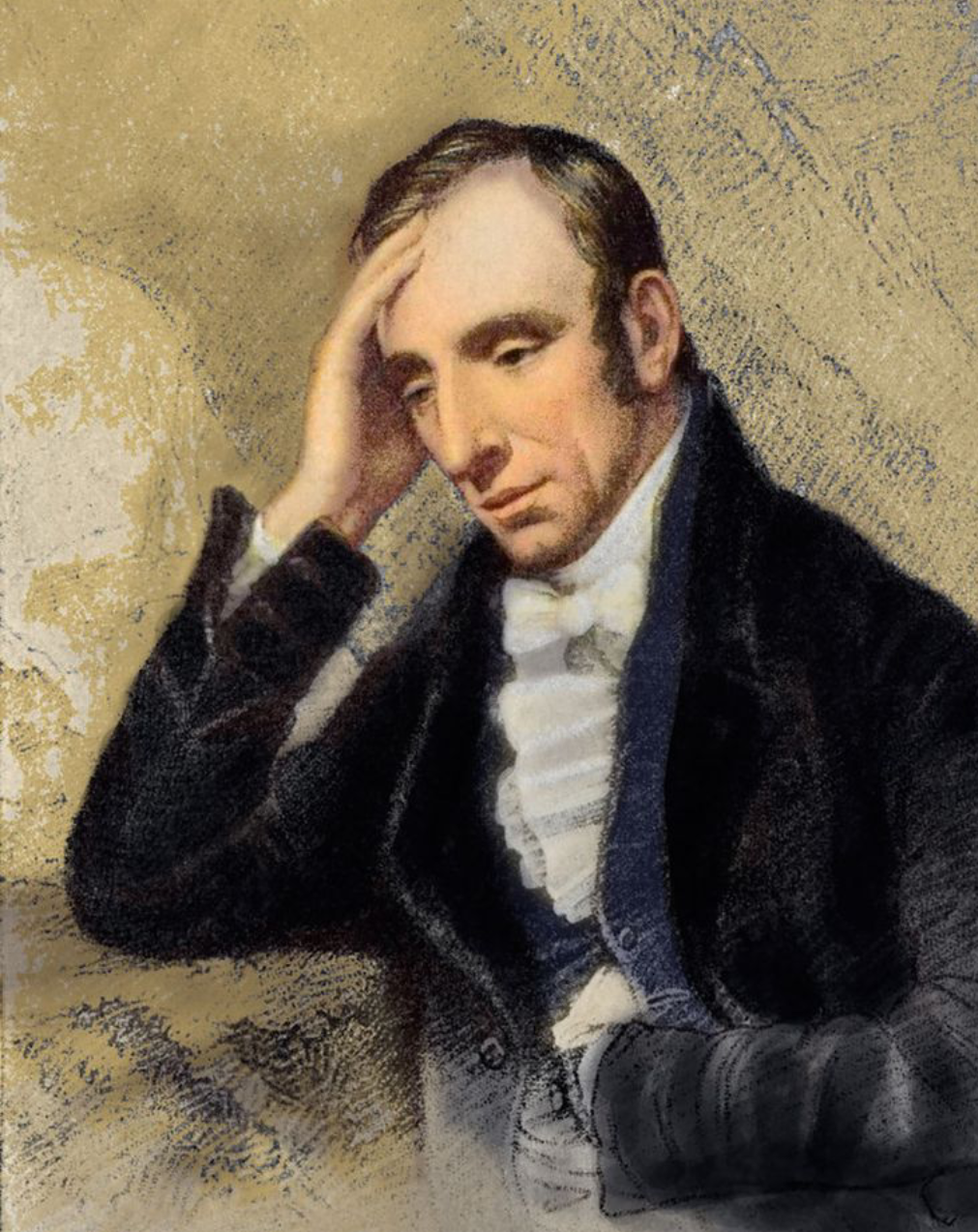
•250th birth William Wordsworth

The very famous poem, ‘I wandered lonely as a cloud’ poet William Wordsworth was born on 7th April, 1770 in Cockermouth, UK. He was an English Romantic poet.

•200th birth Florence nightingale

The English social reformer, statistician and the founder of modern nursing was born on 12th May, 1820 in Florence, Italy. She worked hard and determined as a nurse and earned the title ‘Lady with the Lamp’.

•150th death anniversary Charles Dickens

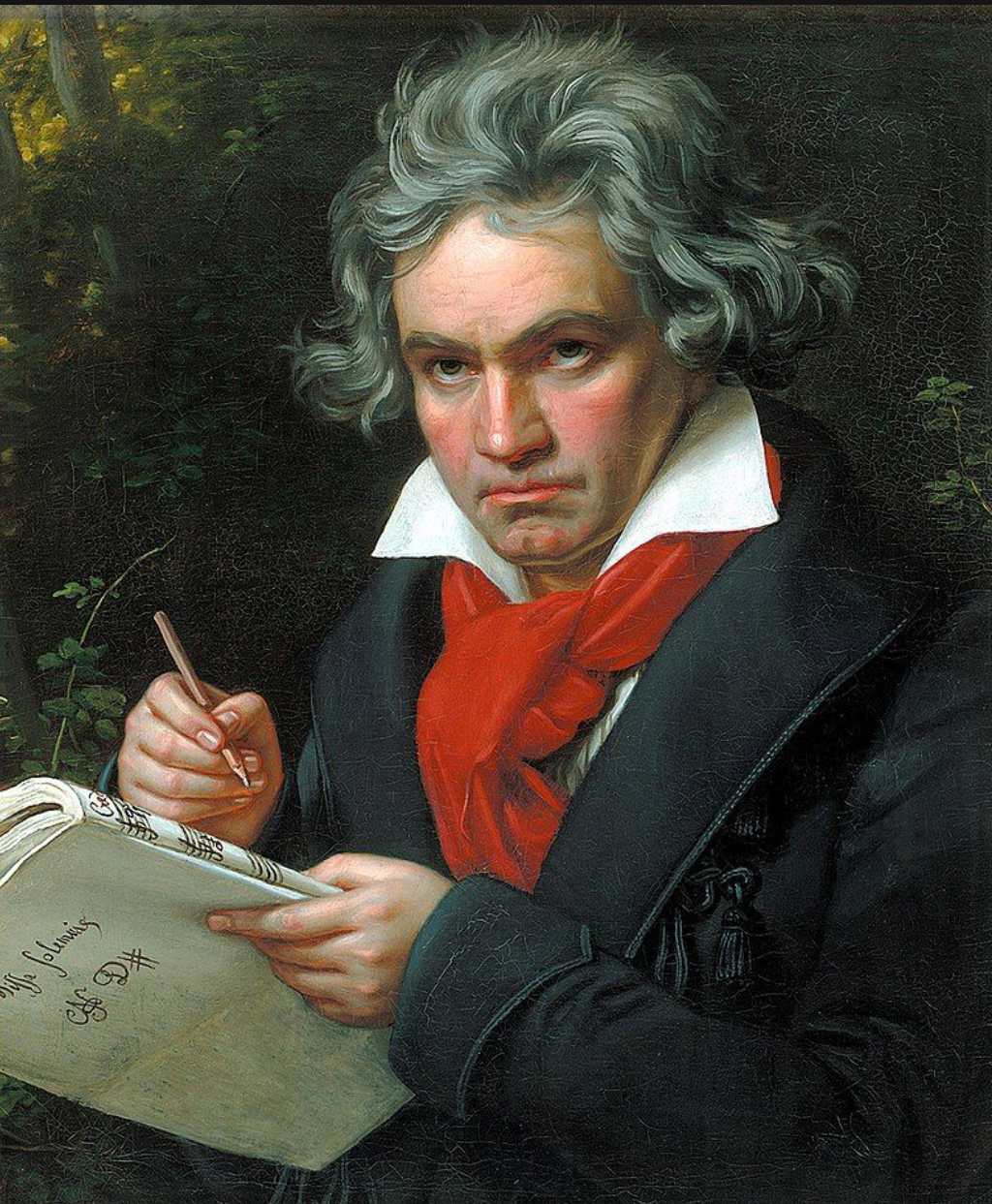
•250th birth anniversary of Ludwig van Beethoven

He was a German composer and pianist whose music ranks amongst the most performed classical music. Till date he remains the most admired composers in the history of western music. He was born in December 1770, Bonn, Germany.

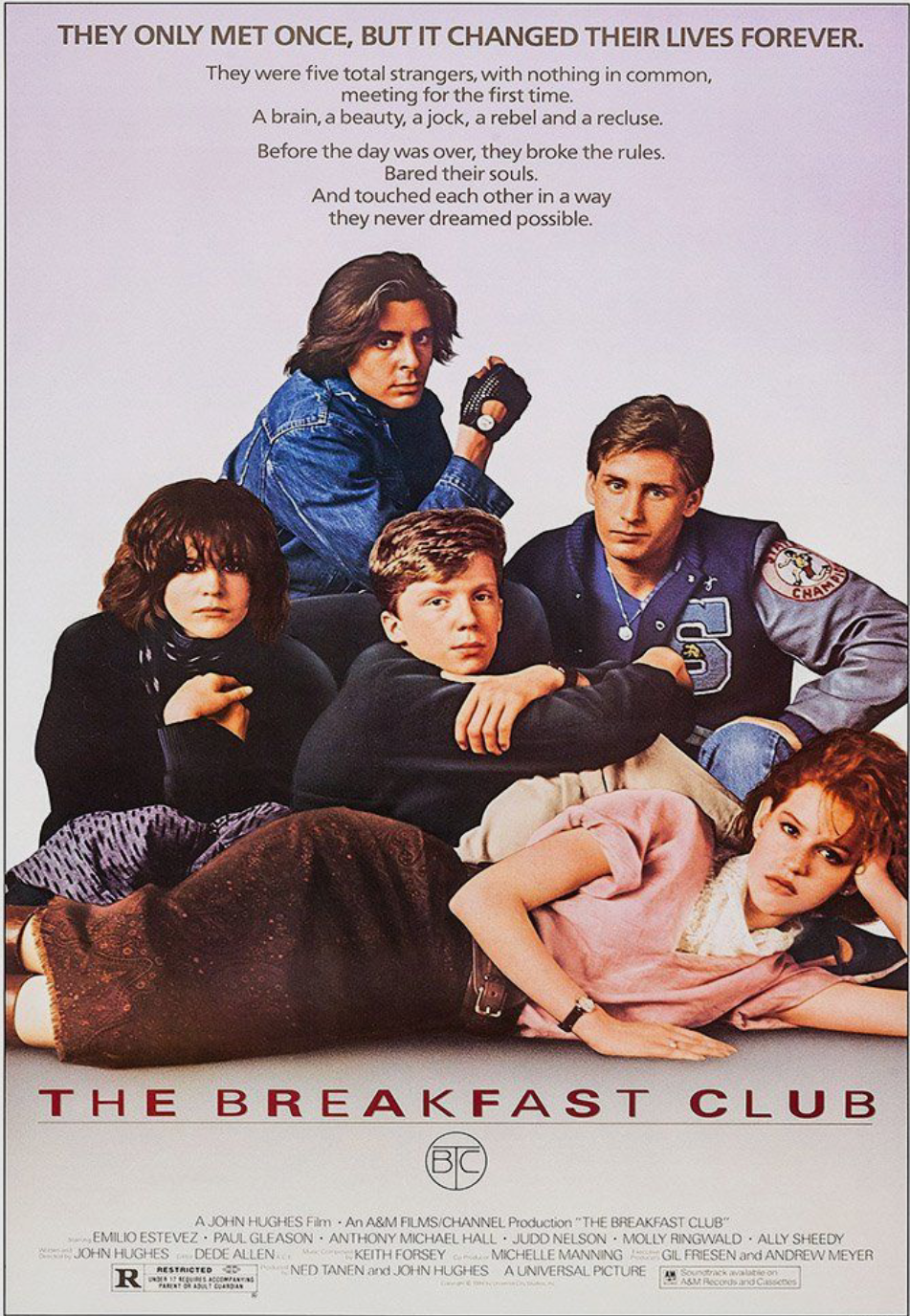
•Breakfast club is 35 now.

1985 The 1985 comedy and drama movie that has been a teenagers must watch since it’s release in 1985.

Thank you for reading. Have a nice day!🌼

Journey of a lifetime

They cut into the ocean in a perfectly perpendicular line. Their color changes depending on how much of the rock is submerged in water in low or high tides and how much sunlight reflects on their smooth surface, but it is always a version of black. They disappear when the moon brings the ocean far inland. In low tides more of them appear, covered in green moss that dries quickly in the summer sun. No one knows how much more is underground, perhaps a whole mountain, and that unknown brings me back to nursing the thought of my mother dying. I think of the underground mountain, how it expands towards the center of the earth, how it pushes deep into the waves towards the horizon, and I wonder if she even died.

It happened two decades ago. My father told me on the phone that Sunday that my mother kind of left. This is exactly how he described it, she left. He told me that he was getting ready for the Sunday early morning mass when my mother came back from the bathroom and went back to bed. She watched my father putting on his button-down shirt and with great excitement announced that she absolutely loved the flower pattern. My father paused because the shirt he was putting on was blue, plain blue. My mother marveled over the flower design, describing some of the flowers, including roses, and then announced with amusement that the flowers started moving—growing and blooming right there on my father’s shirt. In that moment my father knew that he would have to miss the Sunday mass. He sat on the bed next to my mother and they talked about the flowers on his shirt. My mother’s face betrayed nothing but the utmost delight. She touched my father’s arms and chest, all the places where the flowers were blooming. Soon, the flowers escaped my father’s shirt and spilled over the bed, covering the comforter and pillows. My mother’s eyes traced what was happening with happiness of a child. When she asked my father how it was possible, he thought she was asking about the flowers, but she wasn’t. She was asking how it was possible to see this much beauty at once. After flowers came people. She looked around the bedroom and asked my father who were all these people in the room, and he told her—with all the reason in the voice he could muster—that they came to visit because they loved her. She looked at the people she saw, at the flowers she saw, and then she looked at my father, straight into his eyes, and said: “Jurek, I am dying,” and she closed her eyes.

BAD DAY FOR POLITICAL PARTY:PRANAB MUKHERJEE DEATH(1935-2020)

Former President of India(13th) Pranab Mukherjee died on 31st August 2020 at the age of 84 after battling a long illness.In mid-August, he had undergone a brain surgery at the Army Research and Referral hospital in New Delhi. Hours before his death, hospital authorities said his condition had deteriorated and he was in a state of septic shock due to a lung infection.Prior to surgery, he tested COVID-19 positive on 10 August 2020.

His Personal Life :

Pranab Mukherjee was born on 11th December 1935 in the village of Mirati in Birbhum district in West Bengal. His father’s name is Kamada Kinkar Mukherjee, who was an activist in the Indian independence movement. His mother was Rajlakshmi Mukherjee. He married Suvra Mukherjee on 13 July 1957.

His Career :

Pranab Mukherjee took his education at Birbhum. He got MA degree in political science and history and also an LL.B degree from the department of law of the University of Calcutta. He began his career as a clerk in Post and Telegraph Department in Calcutta. He also worked as a journalist with the ‘Desher Dak’ before entering politics.

Pranab Mukherjee became a member of the Rajya Sabha in 1969. He was re-elected to the house in 1975, 1981, 1993 and 1999. He was appointed as Union Deputy Minister in 1973. He was appointed as Cabinet Ministers. He held many important posts in the government. He became the 13

th President of India on 25 July 2012.

His Honours:

National Honour:

1.Padhma Vibhushan-India’s second-highest civilian award in 2008

2.Bharat Ratan Award- India highest civilian in 2019.

Foreign Honours

1- Bangladesh Muktijuddho Sanmanona– Bangladesh Liberation War Honour in March 2013. 

2- Grand Cross of National Order of the Ivory Coast– highest state order of knighthood of the Ivory Coast in June 2016.  

3- Grand Collar of the Order of Makarios II– highest order of Merit awarded by Cyprus. 

Academic Honours

  • Hon.Doctor of Letters degree by the University of Wolverhampton, the UK in 2011.
  • Hon.D.Litt by Assam University in March 2012.
  • Hon.D.Litt. by Visvesvaraya Technological University; Belgaum, Karnataka in 2012
  • Hon.LL.D. by President of Bangladesh and Chancellor Md. Zillur Rahman at the University of Dhaka on 4 March 2013.
  • DCL (Doctor of Civil Law) (honoris causa) by University of Mauritius on 13 March 2013.
  • Hon.Doctorate by Istanbul University on 5 October 2013.
  • Honorary Doctorate from the University of Calcutta in on 28 November 2014.
  • Hon.Doctorate in Political Science by University of Jordan on 11 October 2015.
  • Hon.Doctorate by Al-Quds University of Ramallah, Palestine on 13 October 2015.
  • Hon. Doctorate by Hebrew University of Jerusalem, Israel on 15 October 2015.
  • Hon.Doctorate by Kathmandu University, Nepal on 3 November 2016.
  • Hon. Doctorate by Goa University on 25 April 2017.
  • D.Litt.(Honoris Causa) by the Jadavpur University on 24 December 2017.
  • Hon.D.Litt by University of Chittagong on 16 January 2018.

Other Recognitions

1- Best Finance Minister in World (1984)– a survey by Euromoney magazine. 

2- Finance Minister of Year for Asia (2010)– Emerging Markets, the daily newspaper of record for World Bank and IMF. 

3- Finance Minister of Year (2010) by the Banker. 

4- Honorary Citizenship of Abidjan, the Republic of Côte d’Ivoire in June 2016.

Pranab Mukherjee: Books Written

  1. Midterm Poll
  2. Beyond Survival: Emerging Dimensions of Indian Economy – 1984
  3. Off the Track – 1987
  4. The saga of Struggle and Sacrifice – 1992
  5. Challenges before the Nation – 1992[13]
  6. A Centenary History of the Indian National Congress – Vol. V: Volume-V: 1964-1984 – 2011
  7. Congress and the Making of the Indian Nation – 2011
  8. Thoughts and Reflections – 2014
  9. The Dramatic Decade: The Indira Gandhi Years – 2014
  10. Selected Speeches – Pranab Mukherjee – 2015
  11. The Turbulent Years: 1980 – 1996″ – 2016
  12. The Coalition Years

EUTHANASIA: DEATH WITH DIGNITY

ABSTRACT:

Death is not the opposite of life but a part of it – Haruki Murakani Euthanasia is the highly effective form of pain management which allows assisting people who are suffering from a painful and incurable disease or incapacitating physical disorder or allowing them to die. The concept of Euthanasia, Mercy killing comes from the very belief that losing some faculties are worse than losing one’s life. However, through with the religious belief against premature death and also a moral dilemma in respective to legalising Euthanasia across the globe, but it was considered the best way to go rather see a person degenerating to his fate which is worse than death. Hence, countries across the globe had legalized Euthanasia with strict rules and stringent legal sanctions.

INTRODUCTION:

The term Euthanasia has been derived from two Greek words ‘eu’ and ‘thanotos’, which means, “Good death.” The phrase Euthanasia was coined by Sir Francis Bacon. Euthanasia is requesting for the premature ending of life in the plight of suffering terminal illness who undergoes unbearable pain.

TYPES OF EUTHANASIA:

The dimension of Euthanasia encompasses from Voluntary Euthanasia: Euthanasia is performed with the patient’s consent. Further, the voluntary euthanasia is of two kinds Active Euthanasia: A person takes action to cause a patient’s death that is where a person intentionally intervenes to end someone’s life with the use of lethal substances or forces. Passive Euthanasia: Death is brought about by withholding or withdrawing treatment to let the person die.

Non-Voluntary Euthanasia:

The person is unable to give their consent as the patient is in a state of coma or are severely brain-damaged and so another person takes the decision on patient’s behalf, often because the ill person might have expressed the wish to end their lives previously in certain circumstances.

Involuntary Euthanasia:

This kind of Euthanasia is administered without asking consent or against the patient’s will. Involuntary Euthanasia is also termed as murder if conducted against the will of the patient.

Assisted Suicide:

Patient is provided help in dying Physician-Assisted Suicide: Doctor assists a patient in shortening their dying process.

The doctrine of Double Effect:

Doctor gives drugs to relieve symptoms even though this may shorten patient’s life.

Indirect Euthanasia:

The treatment provides side effects that would speed up the patient’s death. DNR order: Doctor is not required to resuscitate a patient if their heart stops. A living will: Person decides in advance to refuse life support system in case of a terminal illness.

DNR order:

Doctor is not required to resuscitate a patient if their heart stops.

A living will:

Person decides in advance to refuse life support system in case of a terminal illness.

LEGALITY OF EUTHANASIA ACROSS THE GLOBE

The subject of euthanasia has spun the world regarding legalising euthanasia. However, only a handful of countries has to grant citizens the right to die in cases of a terminal illness. The debate of legalising euthanasia cuts across complex and dynamic aspects such as legal, ethical, human rights, health, religious, economic, spiritual, social, and cultural aspects of civilised society. In April 2002, it was the Netherlands the first country to legalise euthanasia and assisted suicide. Belgium stood second in the same year and legalised Euthanasia with strict rules that doctor can assist patients to end their lives when they freely express their wish to die if they suffer intractable and unbearable pain and sometimes in a vegetative state.

EUTHANASIA: INDIAN SCENARIO

The issue of Euthanasia rose to prominence in India after Aruna Shanbaug’s case and several other noteworthy cases filing pleas demanding euthanasia but the case of Aruna Shanbaug’s was most alarming as she remained in a persistent vegetative state for 42years since 1973 when she was sexually assaulted. However, in 1996 the Supreme Court in its landmark judgement in the case of Gyan Kaur Vs State of Punjab[1] held that both euthanasia and assisted suicide is not lawful in India and confusingly stated.

“The right to life under article 21 of the constitution does not include the right to die. The court held that article 21 is a provision guaranteeing protection of life and personal liberty, and by no stretch of imagination can extinction of life be read into it. The right to live with dignity does include the right to die with dignity.” However, the court could not come up with any practical rules and passed the buck to lawmakers to come up with laws regulating euthanasia, and that’s how in 2006 the 196th report of law commission of India had brought out The Medical Treatment of Terminally ill patients (Protection of Patients and Medical practitioners) Bill 2006, but no law was made on euthanasia.

CONCLUSION:

Euthanasia is a form of a merciful killing or peaceful death which has raised significant controversies as for and against it. Nevertheless, despite some potential benefits of this process the analysis of Euthanasia reveals that the society as a whole should exercise some responsibility for such an activity as it is even morally challenging. Hence, it must be used only as a last resort to preserve harmony within the society, when faced with a complex medical, social and legal dilemma. There is also an urgent need to invest in our health care system as ‘Right to health’ is bestowed under ‘Right to life’ of our constitution.


[1] 1996 AIR 946

Zombies – A Myth or a Reality?

Have you watched the popular series – “The Walking Dead”? If you have watched it, you will definitely know what exactly I am talking about. If you do not know, I will just give a brief about it. It is a series about how survivors of zombie apocalypse are trying to escape and combat the threats from the zombies and how with time, human beings formed their own communities and groups and the rise of conflict between those communities. So basically this is a series about zombie apocalypse and how they are being termed as ‘walkers’ on earth.

So what exactly are these zombies? Do they exist for real or are they just a figment of imagination? From ages, zombies are being described as flesh eating corpse with a ravenous appetite, terrorizing on the grounds like a strong robot, looking to infest on flesh. Such creatures are almost dead and oozes every signs of inhumanity.

Are these new or have they always infested the earth? Well, history says that the stories of zombies first originated in Haiti culture, where the West African slaves were brought to work on Haiti’s sugar cane plantations. But they were treated so brutally, that their life or afterlife represents the zombie culture. Other says that the Ancient Greek Civilization was the first to experience this. In fact, many skeletons which were pinned down to ground using stones were unearthed, which kind of verifies their existence.

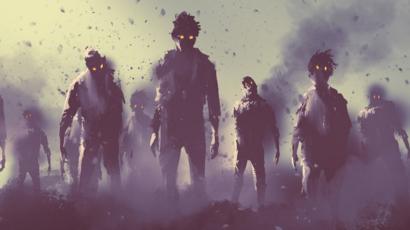
Who is prepared for a 'zombie apocalypse'? - BBC News
Zombie Apocalyse

But there do exists some true facts about the zombies and voodoo. Voodoo is practised as a religion in some cultures like Haiti where some people believe that zombies are people who are revived by a voodoo practitioner, Bokor. It is a concoction of herbs, bones, animal parts and especially ‘tetrodotoxin’ which is a deadly neurotoxin found in marine species, which if injected in high quantities can lead to paralysis and coma. It manifest zombie like qualities among the human beings. Thinking that infected person to be dead, they usually revive and thus rose the term ‘zombie’.

But is there even a bit of truth? Medical reports suggests so. One instance was that a person named Clairvius Narcisse, who was admitted to hospital due to acute respiratory problems in 1962, but later slipped into coma and being declared as dead, was buried later. 18 years later, a man goes to Angelina Narcisse and claims to be her brother. Upon verification by doctors, that he was buried alive, he was sent off to work in the sugar plantation.

Zombies might not exist as there have been no mention of these in Old Testament or New Testament but there have been mentions of resurrections of saints and sinners in Bible. So there is a very little evidence as to whether such zombies exists or if there is even a zombie apocalypse. Not only on religious books, since the eighteenth century, there have been various literatures of spirits and ghosts. Various movies were also made such as Night of the Living Dead and World War Z, just to name a few.

It is ultimately all about perception. Disasters have always caused such huge destruction and there is always this survival of the fittest psychology which goes among us. So it might be true that zombies do not exist, but then again who are we to judge history?

Death

What an unbelievable world it is,
How shortly they modify there ‘say’
By witnessing their multisided face,
Even My dead body was in shock ‘I must say’

They came to pay my body a ‘last visit’
But they ended up to converse about my peculiarities
Too soon, that too faded away
Even my dead was in shock ‘I must say’

“My wife is not moaning enough,”
“My Kid is into the phone,”
“How much balance I have left in the account,”
Their sobs disappeared and murmur took place
Even my dead body was in shock ‘I must say’

“Who will give me the shoulder,”
“Who will perform my rites,”
They were more eager to know about it,
It seemed it meant to them a lot.
My companion was crying, my little baby was almost unaware of
By seeing them paying adieu, I broke being a rock.

A messy circumstance: A deadly Drive-Thru

Yet another Monday went by, yet another black man in America dies from a police shooting. As the world saw their eyes open from the sadistic killing of George Floyd, people mobilized and hit the streets to protest. That too during a pandemic unlike any the world had ever seen. One could do well to understand the gravitas of the situation, the frustration of the people down on the streets, the fact that they choose to contract a deadly disease than to continue to suffer under a systemic abuse of their rights not just as a citizen but as a human being.

Photo by kat wilcox on Pexels.com

As the story has been seen, Rayshard Brooks, a black man from Atlanta, was shot dead near a drive thru at a local Wendy’s. The man was probably inebriated when he came by to the drive-thru and subsequently fell asleep. The other customers simply drove past him to place their orders as they weren’t really bothered by a man sleeping in his car. Soon a Wendy’s employee calls the police on Brooks. The police came, took him out of the car and talked to him. In the video, Rayshard can clearly be seen drunk, but still being respectful to the cops, and for a change the cops to were respectful of him and talking courteously. This went on for about 30 mins or so and it seemed it would have a normal ending and not result in the death of another black man. However, what happened next ensured that this was going to be yet another story with an abnormal ending that has become too common place when we see a black man interacting with the police. The police suddenly move to arrest him, and tase him. Rayshard slips from their grip, takes their taser and tries to run away. One of the officers shoots him not once, not twice but thrice and Brooks dies. At this point I guess everyone moves to their battle stations, the right portraying this as a black man being a criminal, and the left showing an innocent man dying at the hands of the police. But that is not the case, the story is messy. The fact that they talked to him for so long and things seemed so calm – he seemed respectful and cooperative, doing everything he could to be reasonable – he probably felt safe and that things would ride out okay.  Then suddenly they’re breaking this rapport they’ve built with him, doing a 180 and putting him under arrest.  He was drunk, and it upended how he thought things were going – fight or flight kicked in and he panicked.  It wasn’t the right thing to do, but I do think it was understandable.  The officer was unable to retain control of his Taser, but the ability of Rayshard to hurt anyone at that point was pretty minimal.  He was running away.  Lethal force ultimately didn’t belong anywhere in that equation. It was much more complicated than just a cop killing another black man; however, it was also more than just a case of a man breaking the law, threatening a cop, and dying for it. A situation like this requires close attention to detail and logical deduction to figure out if the actions were justified. In my opinion, this situation was not a hate crime, but a failure of our system to properly train cops to handle scenarios like this one. I ask that people on either side of this argument challenge what I am about to say. Rayshard Brooks broke the law by driving drunk. He resisted arrest, stole a cop’s taser and pointed it at them as he tried to escape. We can all agree that he should not have done this and should have been arrested. But was shooting him really the proper way to handle the situation? To answer this, the details need to be analysed and certain questions need to be addressed: Should the cop have really feared for his life when Brooks pointed a taser at him? How does a drunk man not only escape from the custody of two cops, but also take one of their tasers? What is the worst-case scenario if Brooks escapes? And does tasing a cop warrant a death sentence? I would answer these by saying that shooting Rayshard Brooks was not the proper way to handle the situation. The officer was not in a life-threatening situation and if you are going to shoot and kill somebody, it should only be as a last resort because of a real threat. In regards to his escape, I wonder how two trained officers failed to properly detain a drunk man and allow him to take one of their weapons. And in situations like this, why is the first option to shoot someone? Worst case scenario is he gets away with a taser. Shouldn’t they chase him down, call for backup, or at the very worst shoot him once and not three times? Seriously think about that, why do cops have to instantly shoot someone who is breaking the law? Doesn’t there have to be a trial with a judge and jury to determine if someone’s actions warrant a death sentence? Why do cops get to make this decision on impulse? And why do they need qualified immunity for when they do kill someone? If you are in real danger and need your gun, you don’t worry about the trouble you get in for using your weapon because it is either your life or theirs. If you have to question whether using your weapon is justified, then you probably don’t need to use your weapon.

Now this may have been swept under the rug under normal circumstances, but due to the current scenario it seems vital that this be thought about.

What happens next is for all of us to see.

What to do at the time of depression!!!

If you’re depressed to feel a little bit better and I want to make sure you understand what those are but first I want to start by helping you understand what the typical signs and symptoms are:

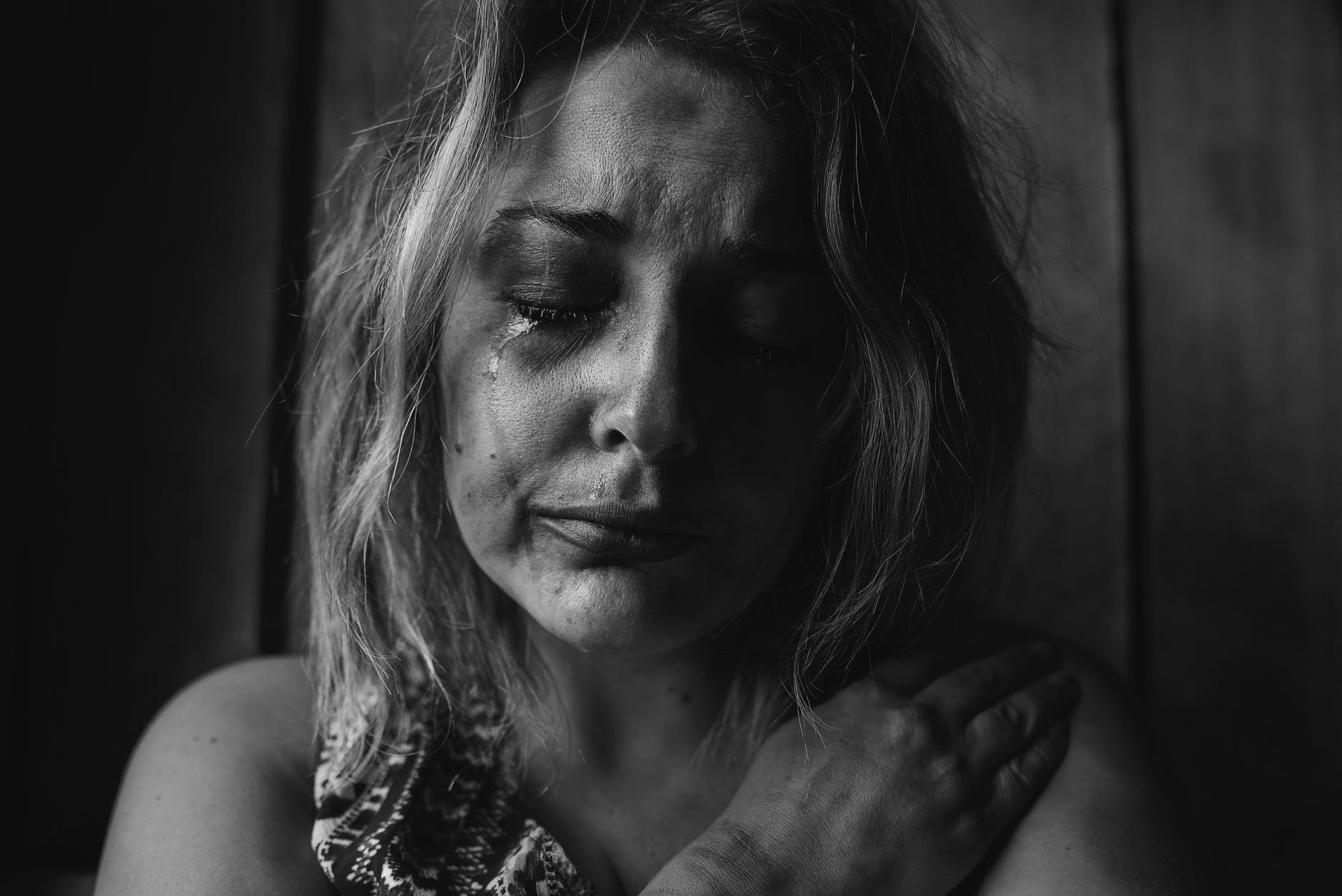
1- One of the most common signs of depression is a feeling of sadness or irritability that is really pervasive and doesn’t seem to go away no matter what you do if you’re with friends if you’re by yourself the sadness just sort of becomes your reality irritability can also be present and this is much more typical in teens that they will present with more irritability than sadness when they’re dealing with depression.

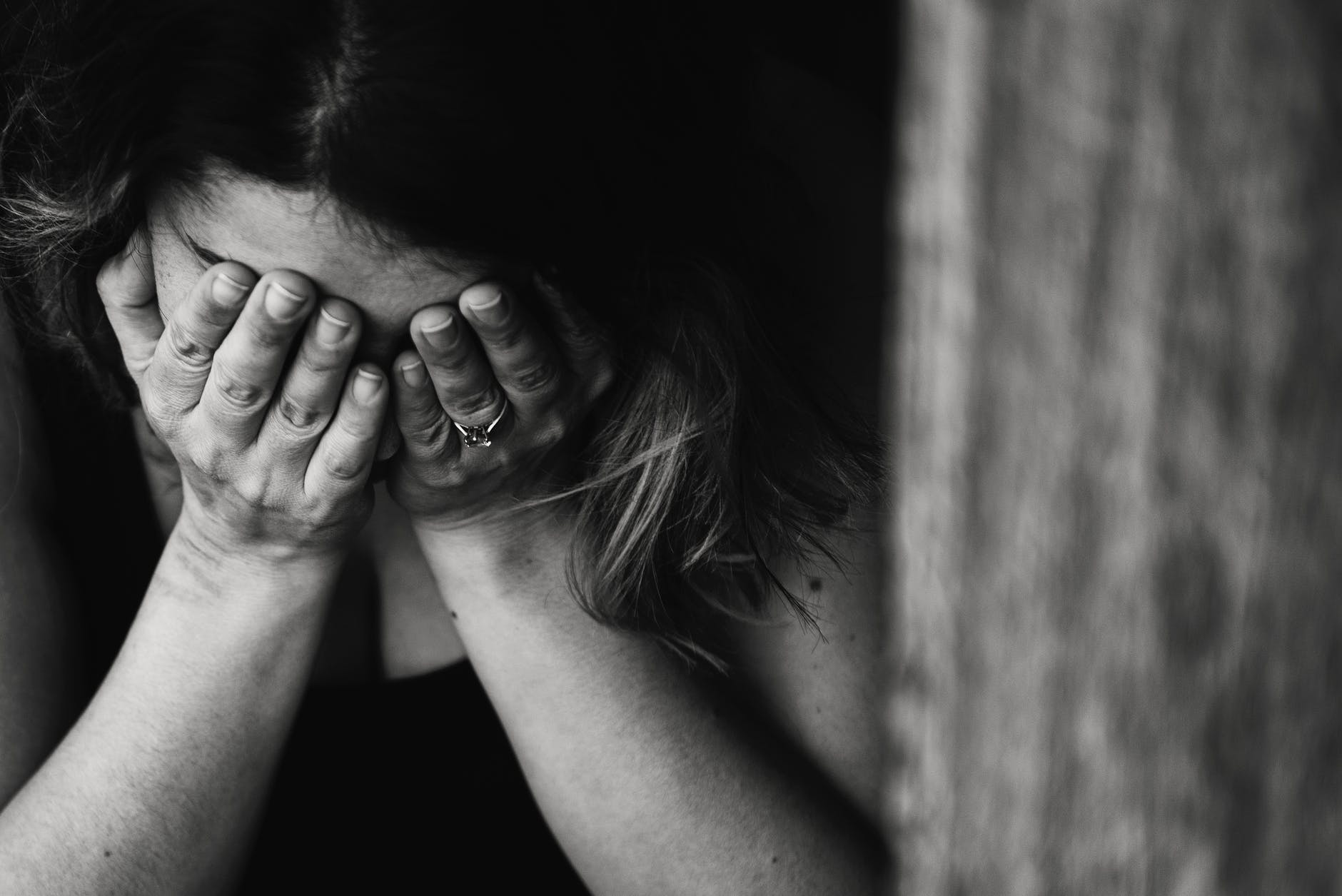
adult alone anxious black and white
Photo by Kat Jayne on Pexels.com

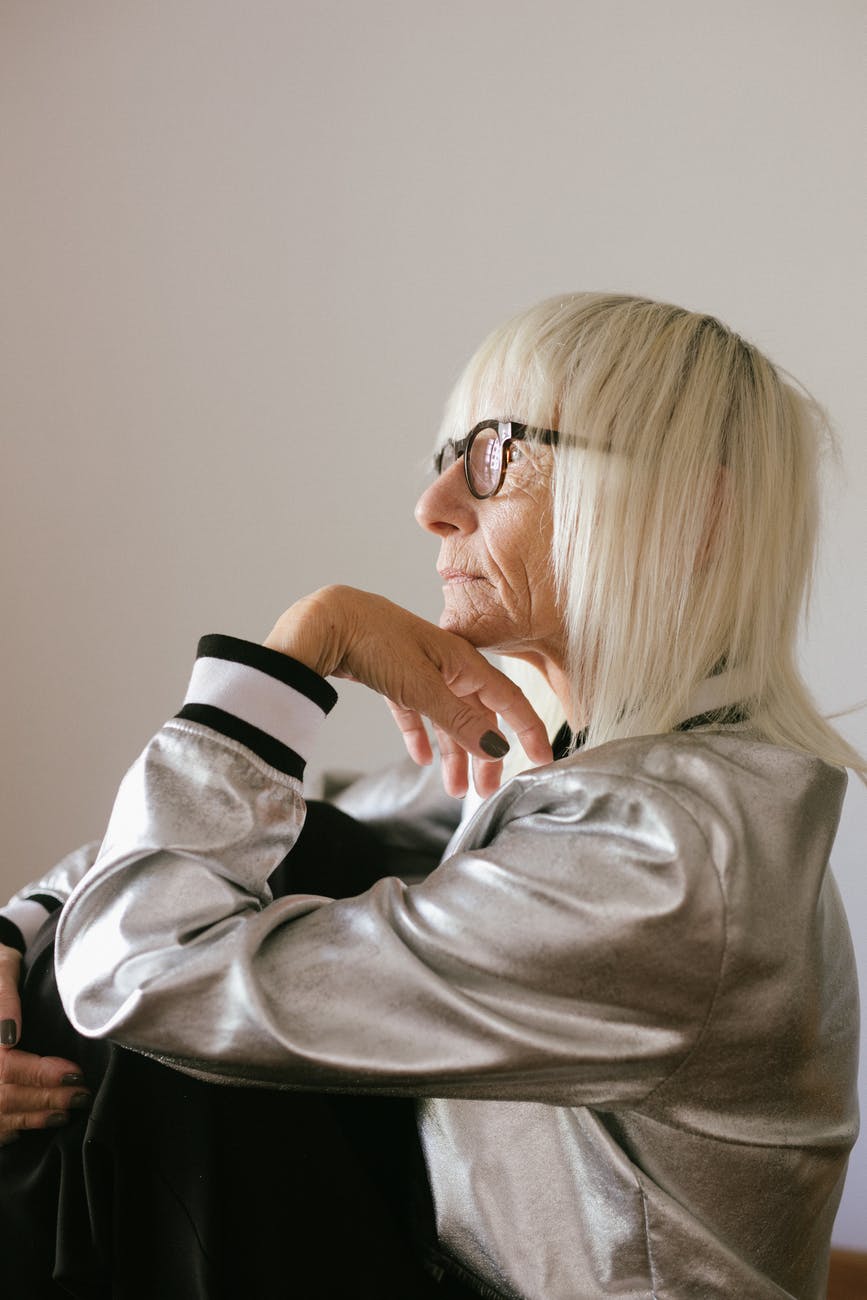
2- Feeling really hopeless and this can be hopeless about getting better it can be a sense of hopelessness about the future and the ability of sort of achieving your hopes and dreams and again it’s a very tough symptom to deal with because other people can tell you, know you have so much to look forward to or this great thing is happening in your life but if you’re really struggling with depression that hopeless this just kind of takes over and keeps you stuck.

pensive elderly woman in eyeglasses and trendy bomber
Photo by Retha Ferguson on Pexels.com

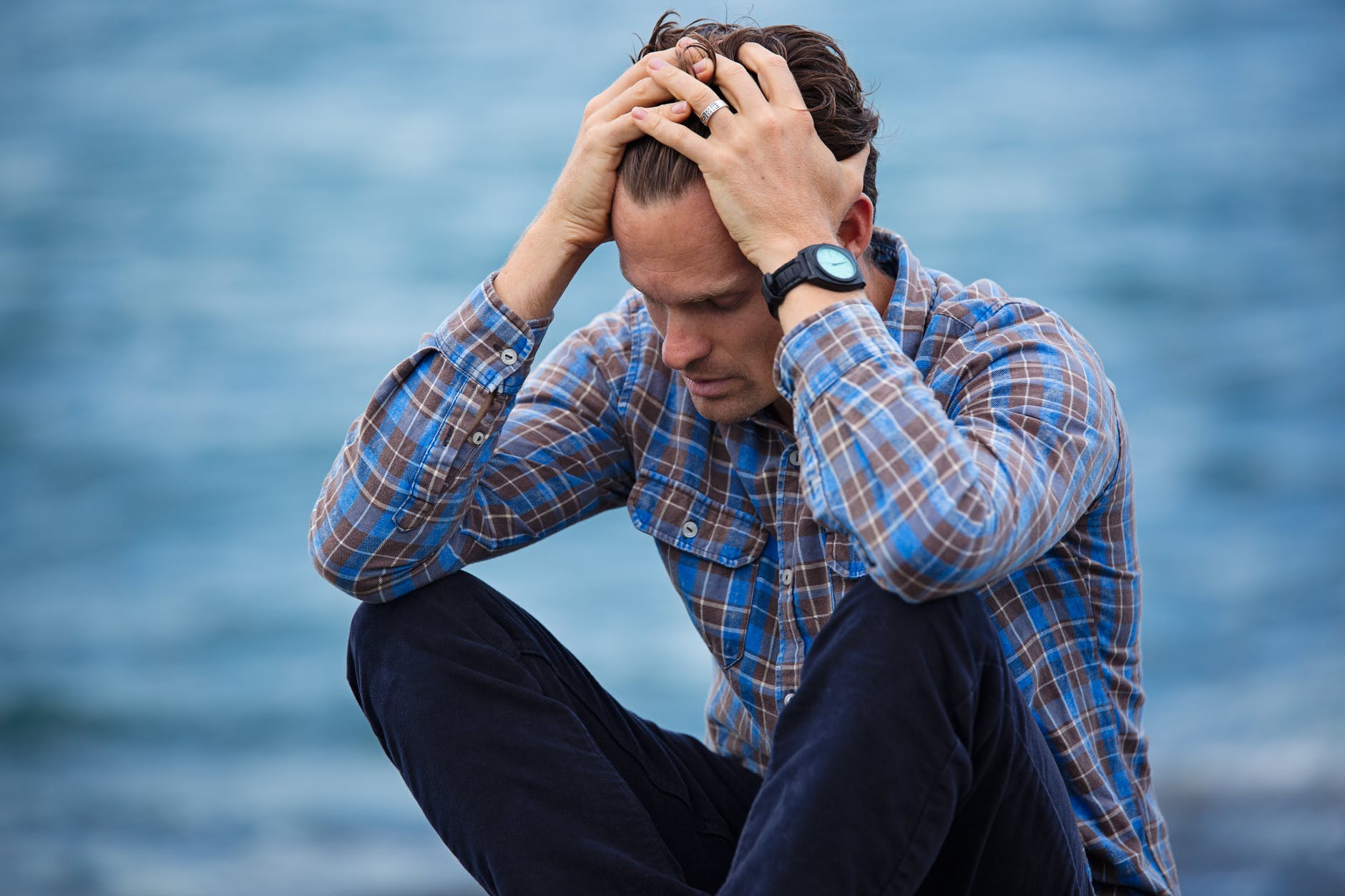
3- You should be aware of is something called anhedonia. This is really a fancy way of saying a loss of interest in things that you previously used to enjoy so for example you might really be into gardening and all of the sudden you find that no matter how many times you garden or if you try to garden there’s just not the same joy that you’re getting out of it that you used to or maybe you used to really be really social and enjoy spending time with your friends and you find that you just can’t bring yourself to get out of the house and to go and interact with these friends and it’s really difficult to deal with because it’s very hard to motivate yourself. When the things that really used to be what got you out of bed and got you ready for the day no longer hold the same enjoyment and pleasure.

man in blue and brown plaid dress shirt touching his hair
Photo by Nathan Cowley on Pexels.com

4- Either decreased concentration and/or indecision the difficulty with making decisions and this can be really difficult when you have to function either in the workplace or you have a lot of responsibilities at home because you’ll find that it’s harder to complete the tasks that you need to complete and if you do need to make decisions there’s almost like this decision paralysis where you find that you just can’t get yourself to the place of making choices.

adult alone black and white blur
Photo by Kat Jayne on Pexels.com

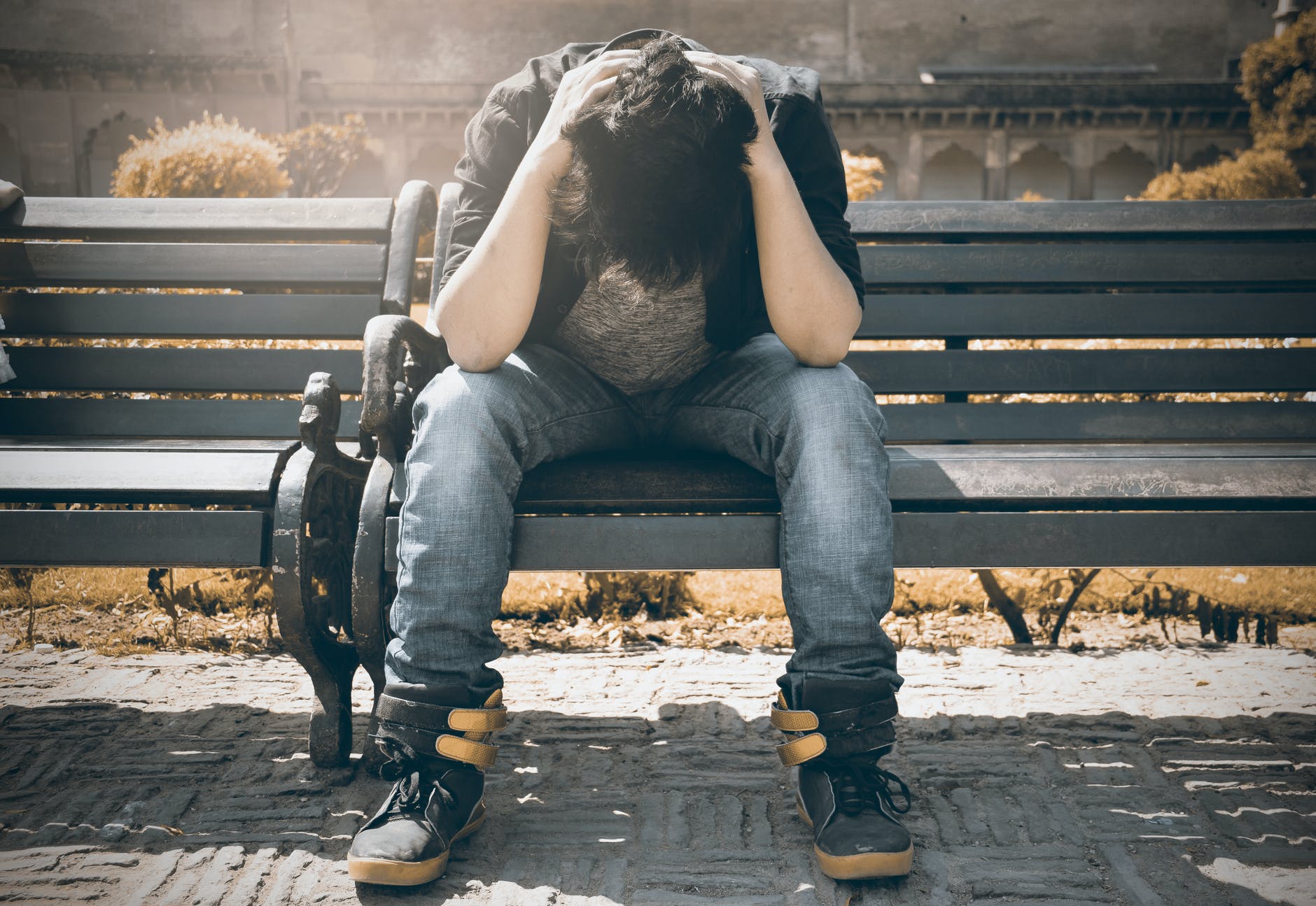
5- You should be aware of our changes in sleep and this can be either that you find yourself sleeping a lot more than you used to and having like a really hard time getting out of bed maybe you’ve never been a Napper and all of the sudden you’re taking a nap every day on the other side of the spectrum many people who are struggling with depression find that they can’t sleep that they’re racked with insomnia for the first time in their life and they’re laying in bed and their thoughts just keep running around and they’re feeling sad and they’re feeling hopeless and so either too much or too little sleep is a really cardinal sign of depression that you should be aware.

man in black shirt and gray denim pants sitting on gray padded bench
Photo by Inzmam Khan on Pexels.com

6- You should be aware of our changes in appetite or weight and this can be either in the positive or the negative depression sometimes when people are depressed they find that they use food for comfort and end up eating a lot more than typical and gaining weight and sometimes when people are depressed they lose their appetite completely and don’t eat at all and find that they lose weight so if you’ve had any significant weight changes within the last couple months and you also have some of the other signs and symptoms we’re talking about it might be a good idea to consider that there’s some level of depression going on that you’re struggling with so another.

woman in white shirt showing frustration
Photo by Andrea Piacquadio on Pexels.com

7- Lastly sign of depression that we’re going to talk about today is a sense of worthlessness so and really this is very difficult for people to handle because it’s a sense that no matter what they do they’re not enough their life is not enough and it won’t ever be enough and this is such a difficult thing to be dealing with and so I think my overall message as you’re learning about these signs of depression is that if you’re experiencing these please reach out and make an appointment with a licensed professional to talk about this because this is something that can get better and you don’t need to struggle with it on your own if you think that you or someone you love might be struggling with depression please reach out and make an appointment with a licensed professional for an evaluation there are many therapeutic techniques that can help you or someone you love feel better and so I strongly encourage you not to hesitate to get the help that you need.

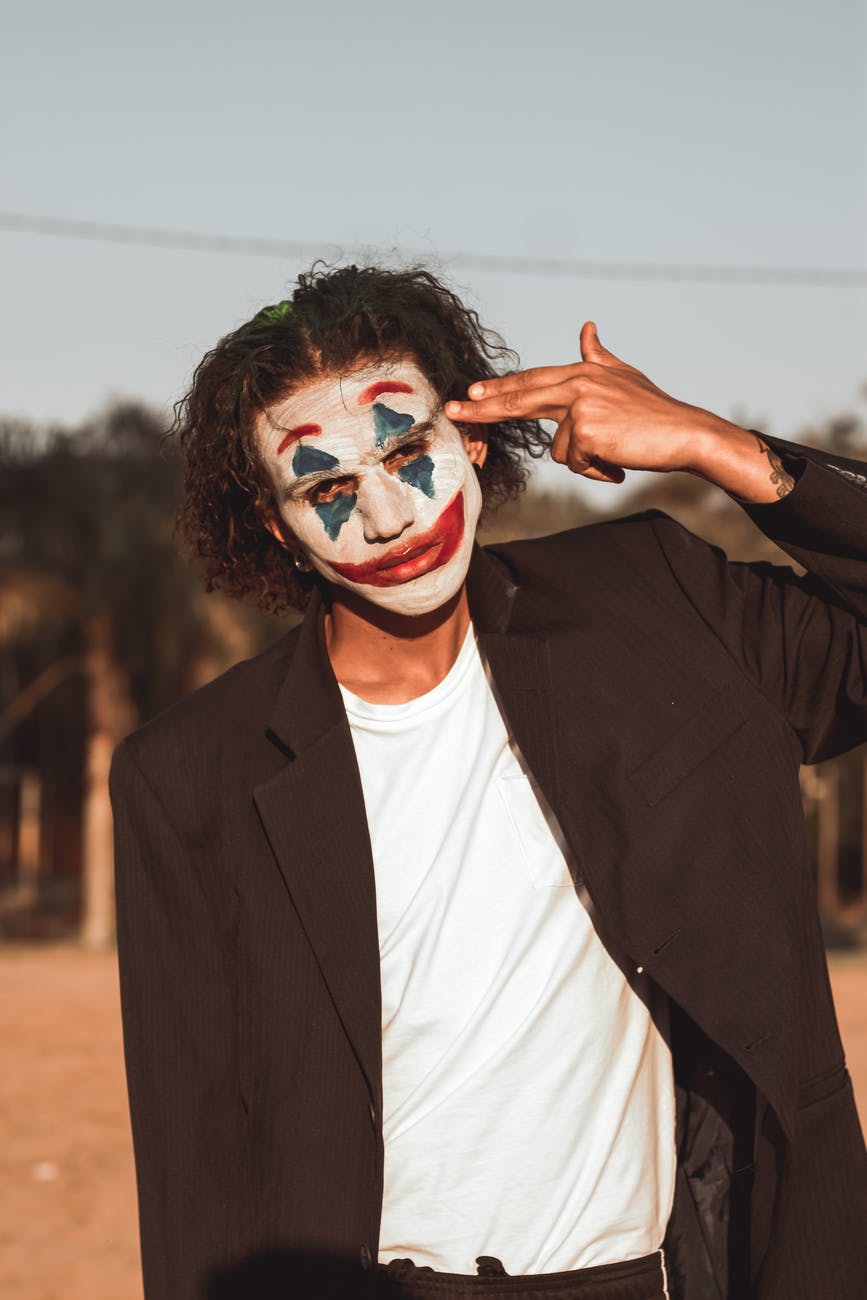
man wearing the joker makeup
Photo by Jhefferson Santos on Pexels.com

Call on +91 730 459 9836 for a better help to Vandrevala Foundation if you are feeling depressed or you find someone else depressed. (https://www.vandrevalafoundation.com)


Reason behind Sushant’s death- Terrible!!

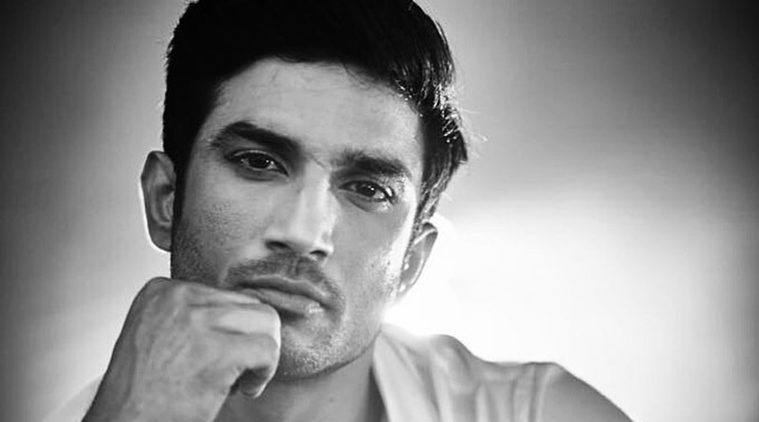
On the late morning of 14th June 2020 an terrible incident took place which kept everyone in deli ma as the famous actor Sushant Singh Rajput and 34 years old guy from Patna commits suicide. What made a well settled actor made drive this step, reports says that Sushant Singh Rajput was in a sever depression from last few months and doesn’t talk much with the neighbors and watchman as well as relatives further the lockdown boost up this depression. The relation with Rhea Chakraborty were also at not good level this further made him in depression as last relation with Ankita Lokhande were also at red mark. Reports also show that he was living in a house which rented 4 lakhs per month and he was further in financial debt. He was living with one of his friend and 3 maids on 14 June after much trials of calling out to Sushant, amid finally decided to open the door, as the door opened it kept everyone shocked.

sushant-singh-rajput-759-2

Image source: Instagram (Sushant Singh Rajput)

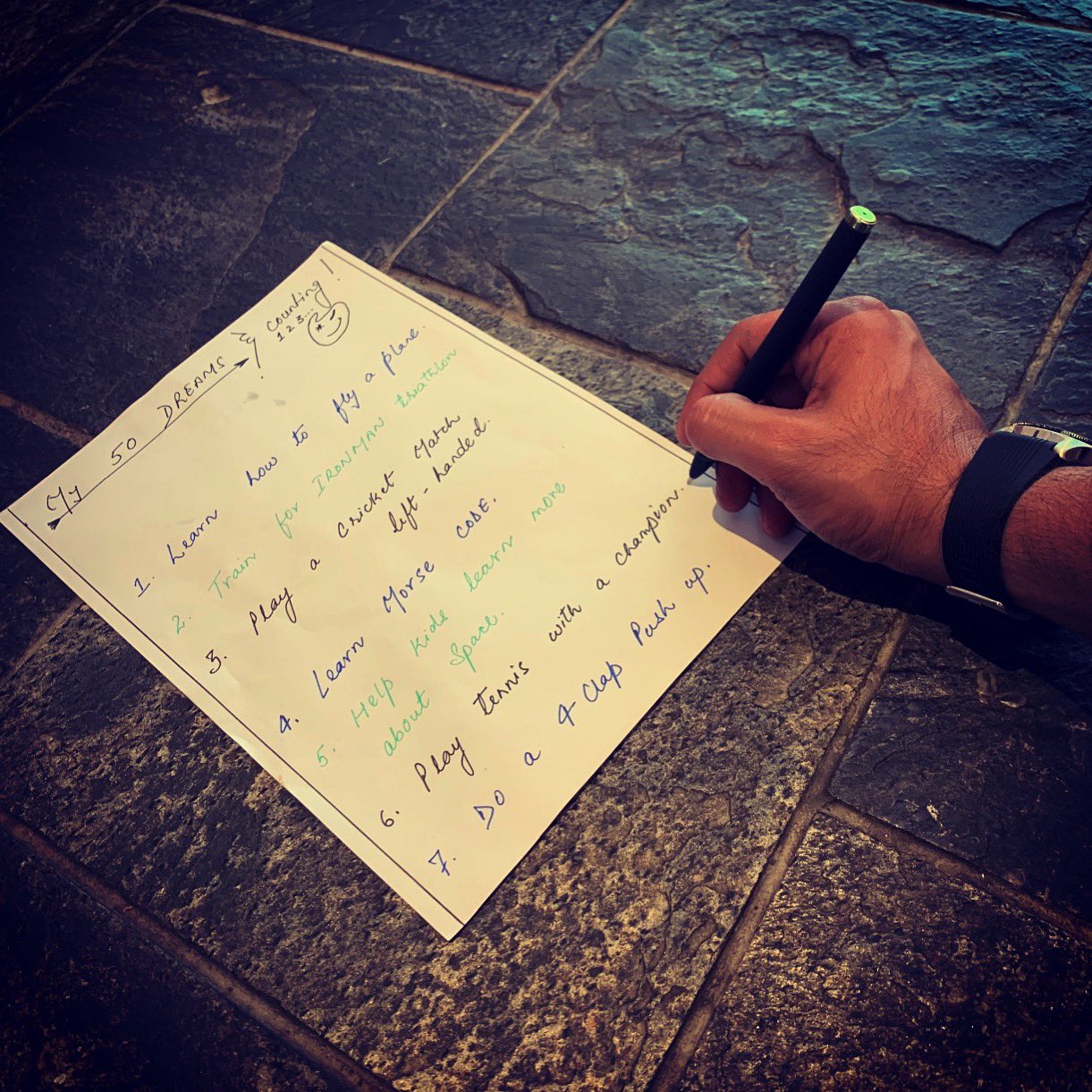
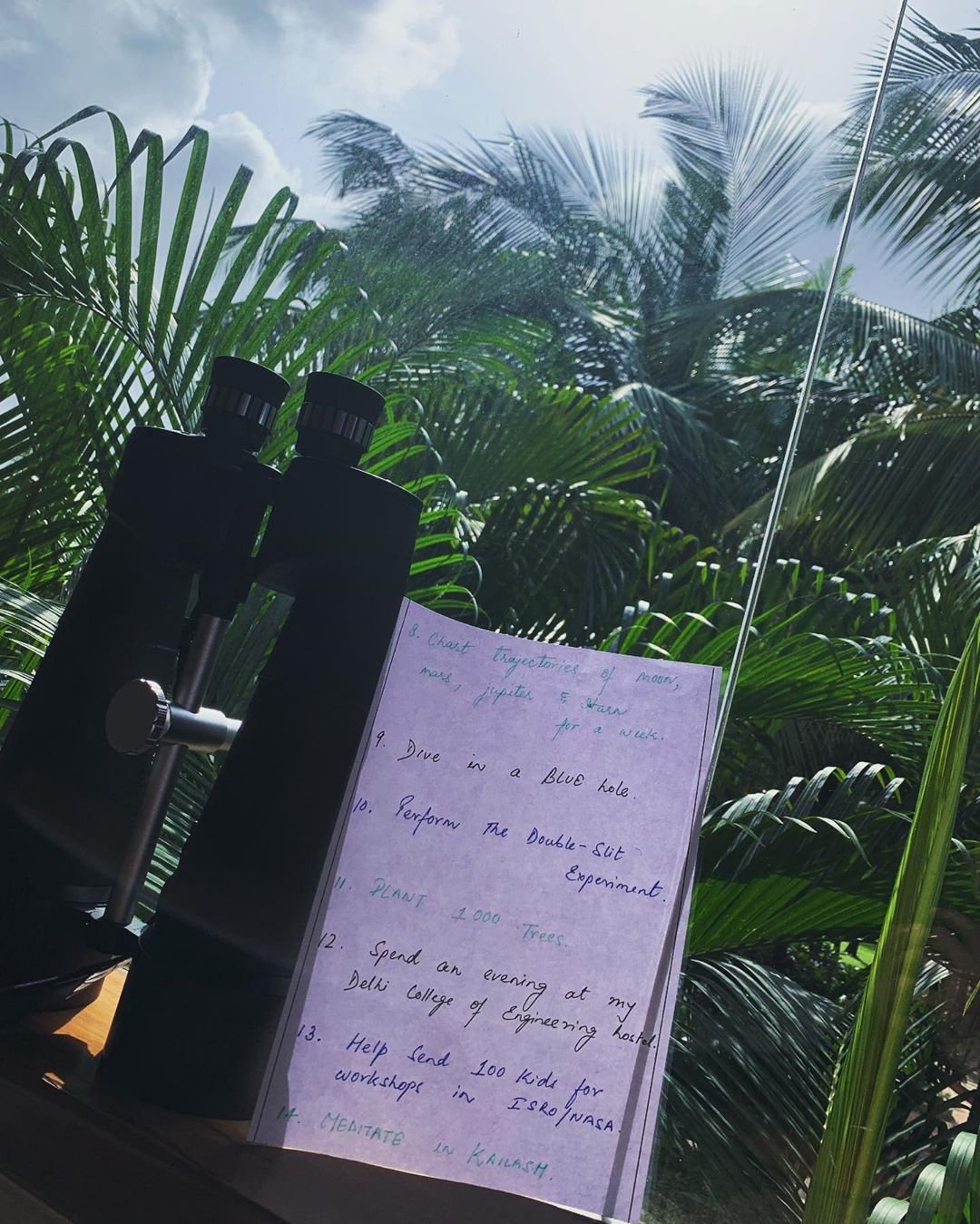
A talented actor with name, fame, money, respect, young, potential was not excepted to leave the world this much soon. Yet there are many wish list he need to fulfill. Let us have some look.

123456

This is very unfair…

The movies in which Sushant performed:

  1. kai po che!
  2. Suddh desi romance
  3. PK
  4. Detective Byomkesh Bakshy
  5. M.S. Dhoni- The untold story
  6. Raabta
  7. Welcome to New York
  8. Kedarnath
  9. Sonchiriya
  10. Chhichhore
  11. Drive
  12. Dil bichara

It gives proof that depression, Stress, Anxiety doesn’t look at status.

If you need support or know someone who is under depression or suicidal, please reach out to mental health specialists or helplines. AASRA: 91-22-27546669 (24 hours) Sneha Foundation: 91-44-24640050 (24 hours) Vandrevala Foundation for Mental Health: 1860-2662-345 and 1800-2333-330 (24 hours).


Holy Week and Easter in the time of pandemic

Last April, Holy Week and Easter were marred by the fire in the cathedral of Notre Dame in Paris and by terrorist attacks upon churches in Sri Lanka. This month, Holy Week and Easter seem overshadowed by the COVIN-19 pandemic. Good stewardship of our own health, and love for our neighbors prompting concern for their health, keeps most Christians from gathering for services during these very special days. Neither violence nor disease can mar or overshadow the meaning of these days. Christ has redeemed us from sin and death. Christ has rescued us from all evil. Christ has risen from the dead; he lives and reigns to all eternity.

Sin resembles a communicable disease. It spreads throughout the world, and none of us are immune from its infection. Sin separates us from one another. Sin builds barriers that keep us from loving each other as we should love. Sin isolates us. Sin even separates us from the God who created us. The wages of sin is death, and this death comes in a variety of forms, each of which is a separation. Separation from God is spiritual death. The soul’s separation from the body is physical death. Combined, they result in eternal death. Every sinful separation is a kind of death. Sin can separate members of families. Sin can sever friendships. Because of sin, each of us is divided internally; none of us is in touch with the holy person God meant us to be.

Jesus, the Son of God, came into this wilderness of sin and death. Like a shepherd, Jesus came to seek and to save what was lost. In the wilderness he battled the devil, overcoming Satan’s temptations. In all his days, Jesus led a sinless life, obeying all his Father’s commands, fulfilling perfect righteousness. Jesus then faced the ugliness of sin and death in their fullness. He was betrayed, denied, accused, convicted, mocked, tortured, and killed. He deserved none of these things. Because evil is unfair, good people suffer in this world. Because evil is unfair, the one perfect Person suffered and died. Because evil is unfair, God himself became unfair, granting us the rewards earned by his Son’s righteousness and placing the burden of our guilt upon Him.

Good stewardship of our health and love for our neighbors will keep us in our homes this Good Friday and this Easter. We still live in a sin-polluted world, a world infected by evil and the separations evil causes. But our isolation is not permanent. Many Christians enjoy the benefit of Internet services, which allow us to join our voices in worship even though we are physically apart. All Christians have access to the Word of God, which proclaims his love and mercy and assures us of our place in his kingdom. All of us are guaranteed the love of God, which we will know in its fullness in the new creation, but which we enjoy already today. We know that nothing in all creation can separate us from the love of God which is in Jesus Christ, our Redeemer. J.