SOME INTRESTING FACTS ABOUT KAILASH MANASAROVAR

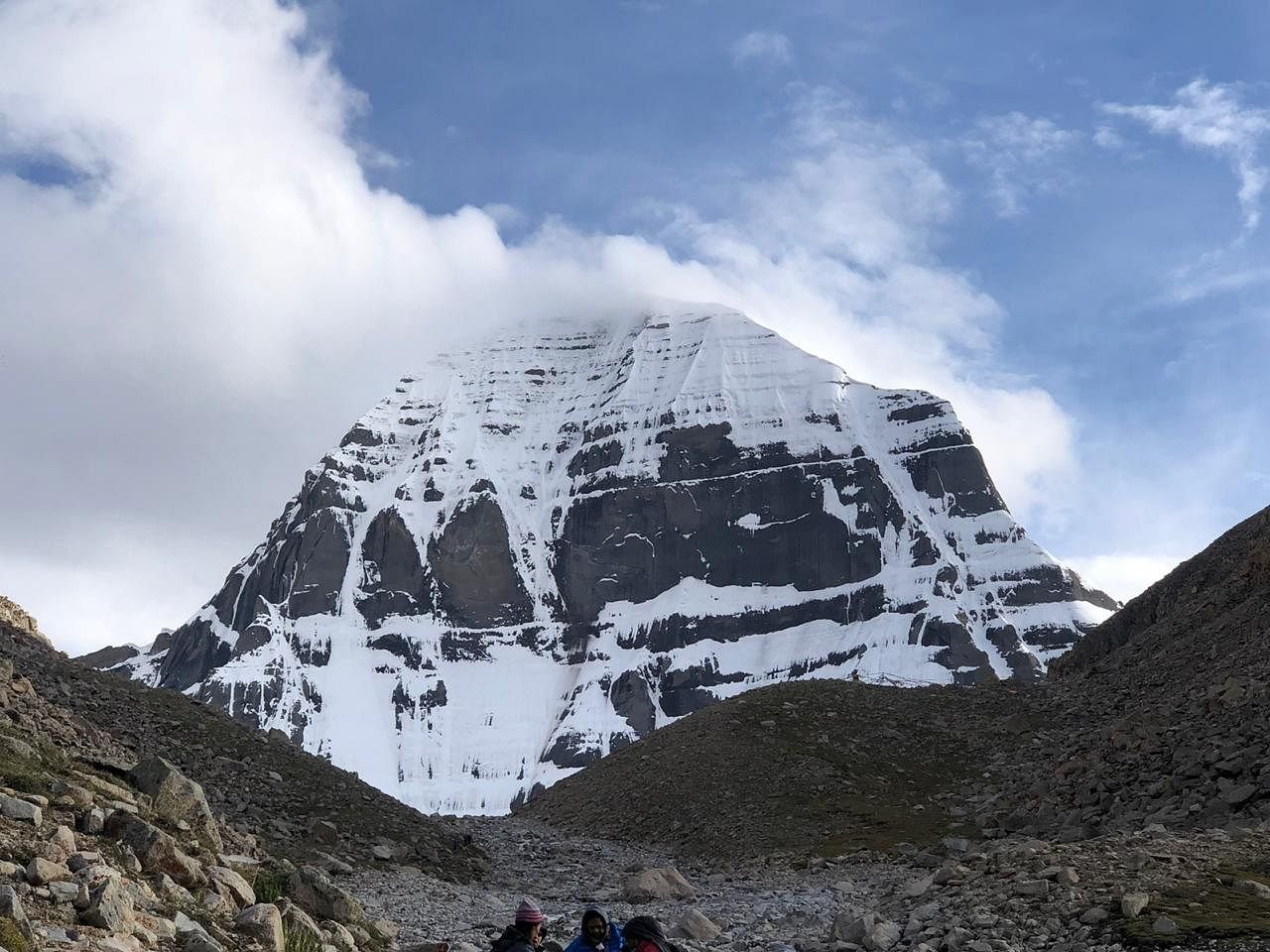
Mount Kailash is located near Lake Manasarover and Lake Rakshastal, near the Indus River, the headwaters of Asia’s longest river. Sutlej; Brahmaputra; Karnali also known as Ghaghara (a tributary of the Ganges) in India. Mount Kailash is considered to sacred in four religions. Receipts; Buddhism; and Jainism.

SOME INTRESTING FACTS ABOUT KAILASH MANASAROVAR

• Stairway to Heaven: Mount Kailash in Tibet is considered a “stairway to heaven”. According to Hindu mythology, it is the residence of Lord Shiva and Goddess Parvati. Climbing this sacred mountain peak is forbidden, as other religions also considered it sacred.
•Sacred to different religions: Mount Kailash is sacred to four religions, including Hinduism, Jainism, Bonn, and Sikhism.
Kailash Strange Structure:The strange pyramid shape of Kailash Manasarovar led to the theory that it was an artificial mountain. According to Russian researchers, Kailash is not a mountain because it is too perfect and symmetrical to be considered a natural event. According to scientists, it’s an artificial vacuum pyramid surrounded by hundreds of small pyramids.
• Kailash cannot be conquered :Kailash, just 6,656 meters above sea level, is not the highest mountain in the world, but it is still unconquerable. There were several trekker trying to climb Mount Kaikash, but none reached the summit. It is believed that climbing this sacred summit will protect the gods.
• Unexpected death of a climber: There are certain points in time when subsequent visits are prohibited. Siberian mountaineers visited once before this point and quickly aged decades earlier. Surprisingly, they died a year later at an old age. Divinity Dwelling: Mt. Kailash is a physical embodiment of Mt. Meru and is believed to have the technical expertise of the superhuman being of God.
Earth’s Energy Center: This sacred mountain is considered the center of the universe. It is considered the axis of the universe, the center of the world, and the pillars of the world. It is the place where the earth and the sky meet.
• Accelerating Aging Near Mt.Kailash: Scientists believed that the aging process would accelerate here. People who spend nearly 12 hours here have been shown to grow their hair and nails. This is equivalent to two weeks in normal life.
• Kailash satellite view: The satellite view of Kailash shows that the shadow of Kailash represents the smile of Lord Shiva.
• Kailash Mystery: You can see the Hindu symbol OM (ॐ) from the southern ridge of Kailash. The formation of a huge ice valley and horizontal rocks from the top of the mountain make up this symbol. Headwaters of the Great Rivers: There are four great rivers in Asia that spring from Kailash Manasarobar. Lake Mansarobar are the sources of the Indus, Sutlej, Brahmaputra and Karnali rivers, which form the main left tributaries of the Ganges.
• Lakes of Good and Evil: The Kailas Himalayan region has two lakes, Lake Manasarovar and Lake Rakshastal. There are many myths surrounding these two lakes. They also show both the good and the bad of humanity.
• Birthplace of Sir Ganesha: Gauri Kund is located near Lake Manasarovar, which is believed to be the birthplace of Lord Ganesha. This is the place where the goddess Parvati surrounded Sir Ganesha with bubbles while taking a bath.
Mount Kailash is said to be non-flying area, you cannot fly over Mt. Kailash by helicopter or any other means.

” It’s pointless giving advice to people who will not listen. It only reduces the value of your words. “

– Author: Farahad Zama
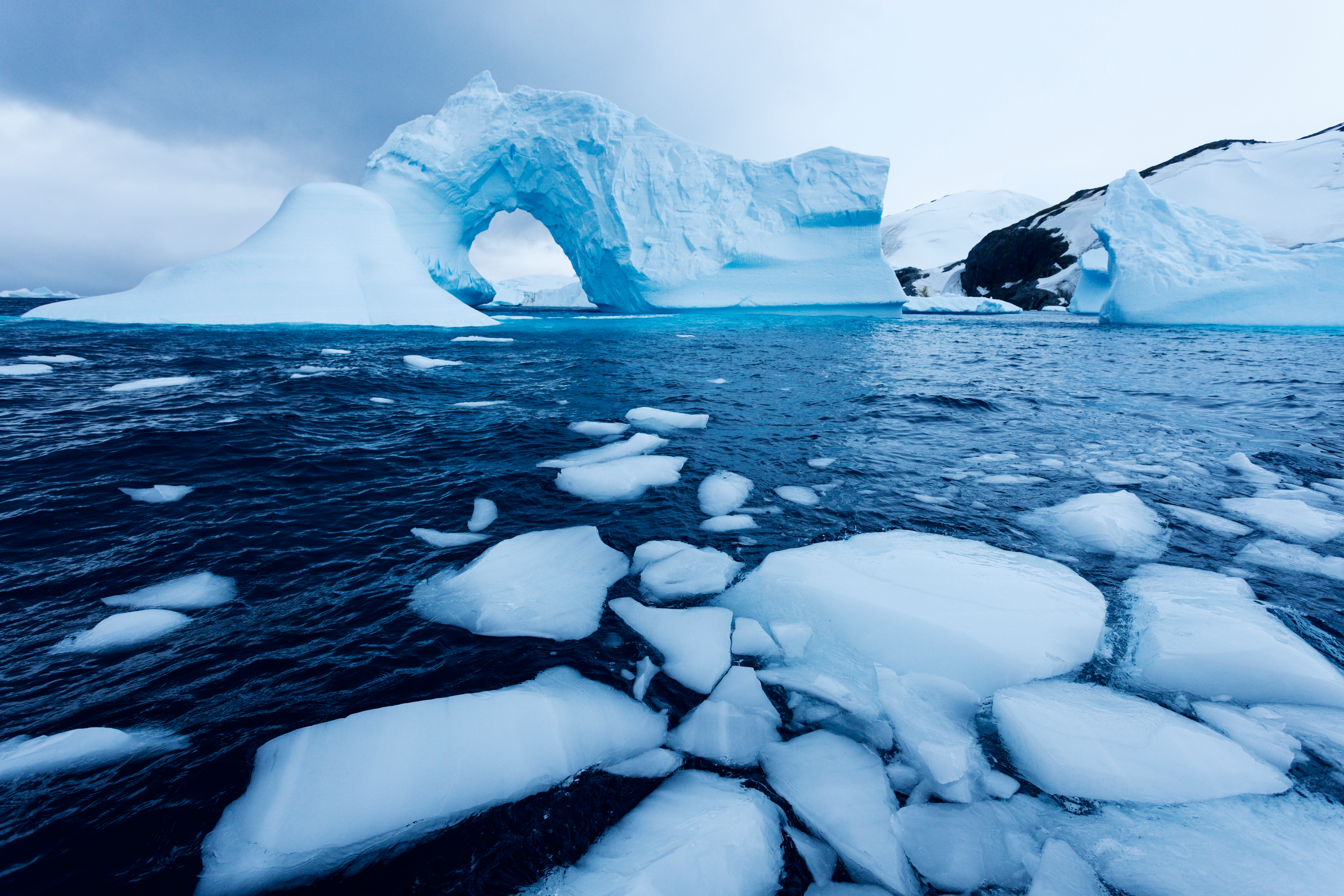
Melting of Glaciers – A topic which should not be avoided.

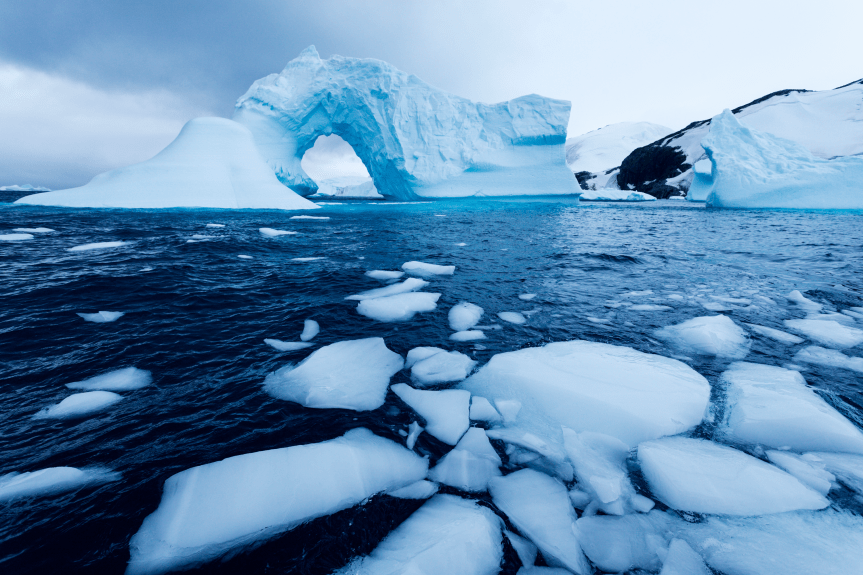
Glaciers are persistent chunks of dense ice that are constantly moving under their own weight. Glaciers are formed where snow accumulation exceeds its erosion over the years, and often centuries.

Rising global temperatures have undoubtedly been the cause of glacier melting throughout history. Due to the rate at which climate change is occurring today, it can become extinct at record rates.

Some of the other reasons:
Carbon dioxide gases Emissions: Atmospheric concentrations of carbon dioxide and other greenhouse gases (GHGs) produced by human activities such as industry, transportation, deforestation, and burning fossil fuels warm the earth and melt glaciers. Glacier savings can be achieved if CO2 emissions can be reduced by 45% over the next decade before reaching zero by 2050.
Ocean warming: The ocean absorbs 90% of the earth’s heat. This fact mainly affects the melting of sea glaciers near the poles and on the coast of Alaska (USA) and other heavy snow covered areas.

The main consequences of melting glaciers are:
Sea Level Rising- Sea level is rising and covers most of the continental region. This means that which means within years most of the areas can be a complete flooded regions.
Less freshwater – No glaciers also mean less water for population consumption, less hydropower capacity, and less water available for irrigation.
Climate change-The balance between cyclone and anticyclone structure and meteorological patterns is deteriorating.
Food Chain Imbalances-The habitats of some marine and terrestrial species are changing and they may harms to them in maintaining their natural circulation and habitat.

Temperature imbalances, extensive processes of deforestation, and rainfall can be other reasons for global warming that lead to glacier melting.
Glaciologists believe that despite the massive ice loss, there is still time to save the glacier from the predicted disappearance. It can done through to curb climate change and save glaciers from getting extinct. Scientists believe that controlling climate change can prevent glaciers from melting and disappearing.

“The earth has a skin and that skin has diseases; one of its diseases is called man.”

– Friedrich Nietzsche

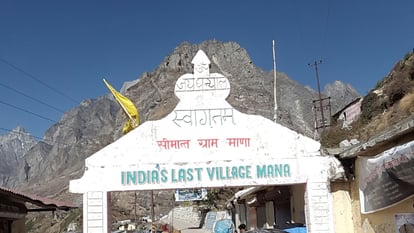
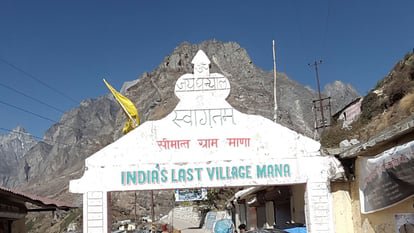
India’s last village Mana.

Mana Village is located in the Chamoli district of Uttarakhand, at an altitude of 3200 m , on the banks of the Saraswati River, about 5 km from the famous Hindu pilgrimage site Badrinath. This beautiful place is located 26 km from the border between India and Tibet and is the last village of India.
According to the 2011 census, the village was home to about 558 households and with population of about 1214 people . Most of the population here belong to Marchhas and Jads or Bhotias. During the winter, the area is covered with snow, so the entire population moves to lower altitudes. Many cafes here tell people that their store is the last cafe on the Indian border. Most of the people here speaks Garhwali Or Hindi languages.
If you visit this place, you will notice that the shopkeepers in the area sell their products under the title “Last Village”, such as “The Last Tea and Coffee Corner in India”.

Religious importance of mana village:

The village of Mana is of great religious importance to Hindus as it is associated with the Mahabharata era. Pandavas, the five mythical figures of the epic Mahabharata, is believed to have passed through the village of Mana on his final journey to heaven. There is also a stone bridge called “Bheempul” near the Saraswati River. It is believed to have been created by Bheem, one of the Pandava’s .

How do you get to Mana village?
You can reach Mana village easily as it is easily accessible from Rishikesh / Haridwar/Dehradun and situated just 5 km from Badrinath Temple. The nearest train station is located in Haridwar, about 275 km away, and you can reach the village by bus / taxi from outside this station. Mana is just 315 km from Dehradun and there is a regular bus in front of the train station.

Mana attractions :

Neelkanth Peak: At an altitude of 6597 feet above sea level, Neelkanth Peak is one of the region’s main attractions. Also known as the “Queen of Garhwal”, this snow-capped peak rises beautifully above the Badrinath Temple and is a must-see for adventure and trekking lovers.

Tapt Kund: According to Hindu mythology, Tapt Kund is the Sanctuary of the Lord of Agni (Fire). This natural hot spring is thought to have medicinal properties, and it is said that soaking in Tapt Kund water will cure skin diseases.

Vasudhara: This is a scenic waterfall about 9km from Badrinath Temple. According to Legend it is the place where Pandavas stayed for some time during their exile.

Vyas Gufa: As the name implies, Ved Vyas, a famous scholar and author of the epic Mahabharata, lived in this cave while writing the four famous vedas. What makes this cave interesting is a small shrine dedicated to him, which is said to be over 5,000 years old.

Beehma Pul: One of Mana Village’s main attractions is Beehma Pul. Beehma is said to have built this Bheem Pul, a stone bridge to allow his wife Draupadi to cross the Saraswati River on a journey to heaven.

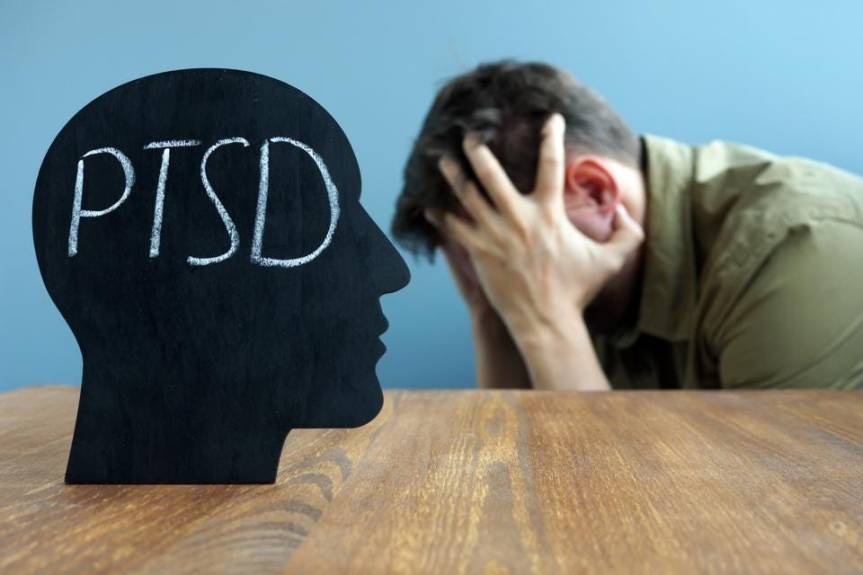
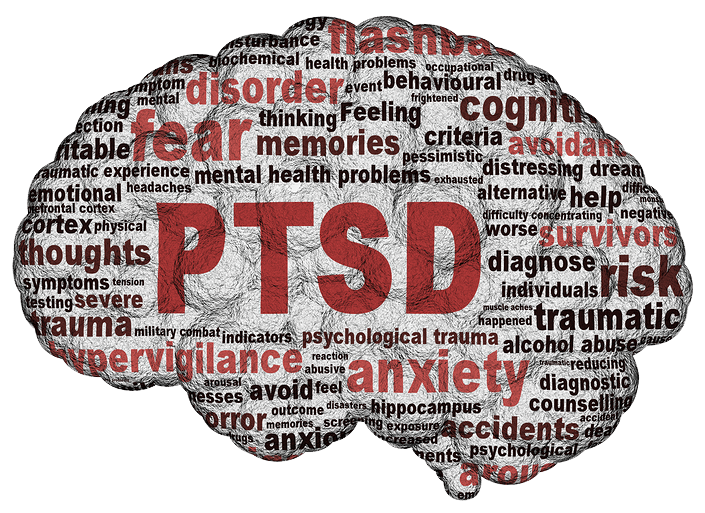
Post-traumatic Stress Disorder.

Post-traumatic stress disorder (PTSD) is an phychological disorder that a person can face who has experienced or witnessed a traumatic event such as a natural disaster, terrorist attack, war/combat, rape, or death, sexual violence or serious injury.

People with PTSD have intense and annoying thoughts and feelings associated with their experience that last long after the traumatic event is over. One may relive the event through flashbacks and nightmares. They may feel sad, afraid, or angry. And they may feel separated or alienated from others. People with PTSD can avoid situations and people that are reminiscent of traumatic events and have a strong negative reaction to mundane things such as loud noises and accidental contact.

According to reports in context to United States, about 3.6% of people about 5.2 million adults develop PTSD in time of last year , and an estimated 7.8 million Americans will develop Women are more likely to develop PTSD than men. This may be because their are high chances that women are more likely to be victims of domestic violence, abuse and rape.

Symptoms:
• Intrusive thought: Intrusive thoughts such as repeated involuntary reminders. A miserable dream; or a flashback of a traumatic event. Flashbacks are so vivid that people feel like they are remembering or seeing the traumatic experience in front of them.
• Avoidance: Avoiding the memory of traumatic events may include avoiding people, places, activities, objects, and situations that can cause disastrous memory. People may try not to remember or think about traumatic events. They may resist talking about what happened and how it makes them feel.
• Mood changes and Behaviour : Negative thoughts and feelings that lead to persistent and distorted beliefs about oneself and others, such as not being able to remember important aspects of traumatic events. Distorted thoughts about the cause or effect of an event can lead to false accusations of yourself or others. Persistent fear, fear, anger, guilt, or shame. There is much less interest in the activities that I enjoyed before. Feeling alienated or alienated from others; or unable to experience positive emotions (lack of happiness or satisfaction).

Treatment:
It is important to note that not everyone who experiences trauma develops PTSD, and not everyone who develops PTSD requires psychiatric treatment. For some people, the symptoms of PTSD disappear over time. Others are better with the help of their support system (family, friends,etc) . However, many people with PTSD need specialized medical treatment to help recover from psychological stress. It is important to remember that trauma which causes the PTSD can lead to serious distress. The sooner a person is treated, the more likely one can recover fast from PTSD.
Psychiatrists and other mental health professionals use several effective ( authorized and proven) methods to help people recover from PTSD. Both talk therapy and medical dosage provide effective evidence-based treatment for PTSD.

Importance of Cybersecurity.

Cyber security is the protection of Internet-connected systems such as hardware, software, and data from cyber threats. This technique is used by individuals and businesses to protect against unauthorized access to data centers and other computerized systems.

Cyber security is important because it protects all categories of data from theft and damage. This includes sensitive data, intellectual property data, government and industry information data and systems information,personally identifiable information , protected health information and personal identified information . Without cybersecurity programs, organizations cannot protect themselves from data breaches campaigns and are attractive targets for cybercriminals.
Global connectivity and the use of cloud services such as Amazon Web Services to store sensitive and personal information increase both inherent and residual risks. Along with increasingly sophisticated cybercriminals, widespread misconfiguration of cloud services means an increased risk for businesses suffering from successful cyberattacks and data breaches. Executives can no longer rely solely on off-the-shelf cybersecurity solutions such as antivirus software and firewalls, cybercriminals are smarter, and their tactics are more resilient to traditional cyber defense. It is important to cover all areas of cybersecurity to remain fully protected.
Cyber threats can come from all levels of an organization. Organization should educate employees about common cyber threats such as social engineering fraud, phishing, ransomware attacks and other malware designed to steal intellectual property and personal information. Should include cybersecurity awareness training for.

Types of Cyber Threats :
Malware-This is a type of malicious software that can use arbitrary files or programs to harm computer users. This includes worms, viruses, Trojan horses, and spyware. Ransomware-This is another type of malware. This involves an attacker locking the victim’s computer system files and requesting payment to unlock them.
Social Engineering-This is an attack that relies on human interaction to trick users into breaking security procedures and gaining sensitive information that is normally protected.
Phishing-This is a form of social engineering that involves sending deceptive emails or text messages similar to those from trusted or known sources. Often in random attacks, the purpose of these messages is to steal sensitive information such as credit cards and login information.
Spear phishing – This is a type of phishing attack aimed at targeted users, organizations, or businesses.

Cyber security is very important today. Our society is more dependent on technology than ever before and in today’s digital time data breaches that could lead to the theft of personal information which are easily disclosed to social media accounts. Sensitive information such as social security numbers, credit card information, and bank account details are now stored in cloud storage services such as Dropbox and Google Drive. In fact, whether you are an individual, a small business, or a large multinational company, in today’s time everyone rely on computer systems every day .

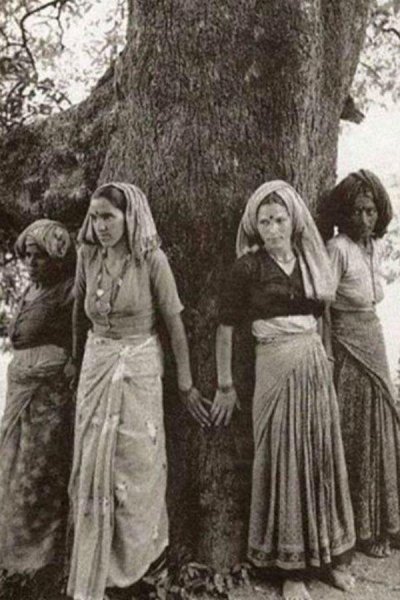
Gaura Devi who played an important role in Chipko Movement.

Gaura Devi (1925 – 1991) was a social activist and a rural women community leader from Uttarakhand, India who played an important role in the Chipko movement in 1970’s .
Gaura Devi was born in 1925 in a village named Lata of Chamoli district in the state of Uttarakhand. She got married at very young age, afer her marraige she moved to a nearby village named Reni by the Alaknanda River. At the age of 22 she was a widow with a child. After her husband death she moved to a new village which was near to the border of Indo-Tibet.

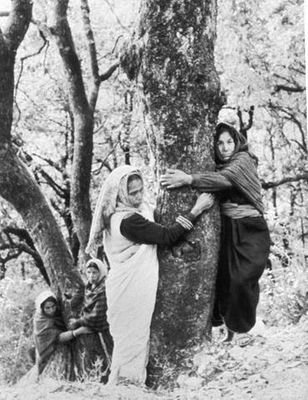
An environmentalist Sunderlal Bahuguna initially started the Chipko Movement . Gaura Devi became the leader of the Chipko movement in 1974. Gaura Devi was elected to lead the Mahila Mangal Dal (Women’s Welfare Association) in the wake of the Chipko movement. The organization worked towards protecting the forests of the community. On March 25, 1974, she learned from a young girl of the village that a local loggers of the village were logging a tree near the village. People in the village of Reni were told the news that according to government new policy, the government would pay compensation to the people for the land used by the army . Gaura Devi and 27 other women decide to take action against the loggers. She confronted the loggers and demanded that the men shoot her instead of cutting down trees, and she described the forest as “vandevta” (the jungle god) and her maika (mother’s house). Eventually, for the next three or four days Gaura Devi along with other village women’s protect the trees by hugging the trees , despite the insults and intimidation of the armed loggers,she was able to stop the logger’s work . After seeing the bravery of Gaura Devi and other village women’s how they protect the trees who are the important part of thier life other villagers from different villages joined the action with her . After this incident, the Uttar Pradesh government set up a specialized committee to investigate logging issues, and the logging company withdrew its subordinates from Reni. The Commission stated that the Reni Forest is an ecologically sensitive area where trees should not be logged. The Uttar Pradesh government who was in power of that area at that has since banned all logging in areas over 1150 km² for 10 years.

Some other important activist who played an important role in Chipko Andolan or Chipko movement along side Gaura Devi were :
Suraksha Devi, Sudesha Devi, Bachni Devi and Chandi Bhatt, Virushka Devi and others.

Gaura Devi passed away in July 1991, at the age of 66 in Reni village Chamoli.

“Ecology is permanent economy “

-Sunderlal Bahuguna

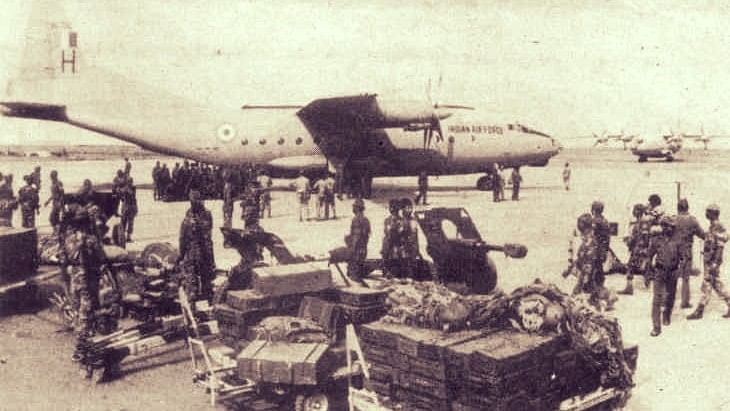
Operation Cactus by Indian Armed Forces which saved Maldives freedom.

Operation Cactus, led by the Indian Armed Forces in 1988, to stop a group of Maldives mercenaries led by businessman Abdullah Rutufi, and armed mercenaries of the Tamil Elam People’s Liberation Organization (PLOTE), a separatist Tamil organization in Sri Lanka. It’s strategy was to overthrow the government in the Maldivian island republic.

Thier were two coup attempr done before 1988.The 1980 and 1983 coup attempts against President Maumoon Abdul Game were not considered serious, but the third coup attempt in November 1988 surprised the international community. About 80 armed PLOTE mercenaries boarded a speedboat from a Sri Lankan cargo ship hijacked in the capital Male before dawn. A similar number has previously invaded Male in the guise of a visitor. The mercenaries soon gained control of the capital. This includes major government buildings, airports, ports, television and radio stations. The mercenaries then marched to the presidential residence, where President Gayoom lived with his family. However, before they arrived at the presidential residence, President Gayoom was escorted to the Defense Minister’s house by a Maldivian national security forces. The Secretary of Defense then took the president to a safe home.

Meanwhile, the mercenaries occupied the presidential residence and managed to take the Maldivian Minister of Education hostage. President Gayoom called on Sri Lanka and Pakistan government to intervene in the military, but both refused to help because of lack of military power. The president then demanded Singapore’s intervention, but Singapore refused for the same reason. He then contacted the United States and was told that it would take a couple of days for the US military to reach the Maldives from the nearest military base in Diego Garcia, which was almost 1000 km away. The president then contacted Britain and who advised them to seek help from India. After that, President Gayoom sought help from the Indian government. India soon accepted their request and an emergency meeting was convened at the Secretariat Building in New Delhi. Within 16 hours of SOS, India was ready for thier missions.

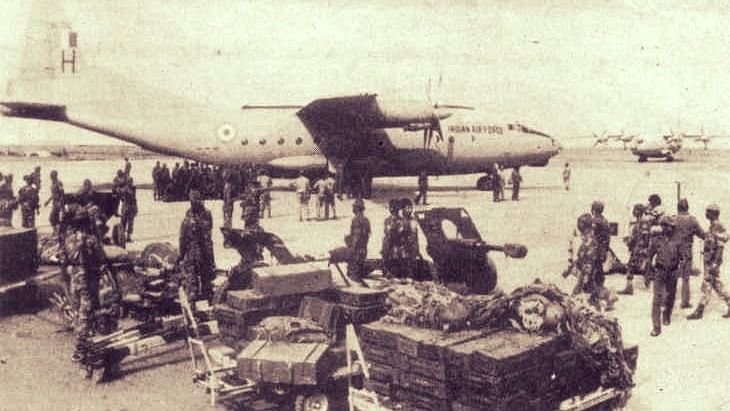
Rejaul Karim Laskar, a member of India’s then ruling party, the Indian National Congress, said that intervention of India in coup d’etat was necessary because without India’s intervention, outsiders powers were tempted to intervene and establish base in the Maldives. . Therefore, India intervened through “Operation Cactus”. On the night of November 3, 1988, the Ilyushin Il-76 aircraft of the Indian Air Force took elements of the 50th Independent Parachute Regiment, the 6th Parachute Regiment Battalion, and the 17th Parachute Field Paratrooper Regiment under Brigadier General Farsala from Agra Air. He flew non-stop for over 2,000 kilometers (1,240 miles) and landed at Male International Airport on Hulhule Island. Indian Army paratroopers arrived in Hulhule nine hours after President Gayoom proceedings.

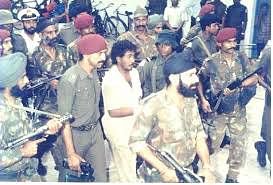
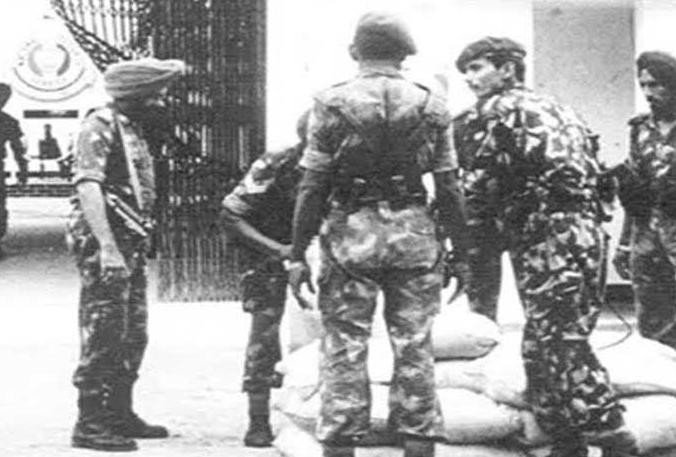
Indian paratroopers quickly secured an airfield and sailed to Male on a confiscated boat to rescue President Gayoom . Paratroopers handed over control of the capital to President Gayoom ‘s government within hours. Some of the mercenaries fled to Sri Lanka on a hijacked cargo ship. Those who could not arrive at the ship in time were immediately rounded up and handed over to the Maldivian armed Forces and government. According to reports, 19 people died in battle, most of them mercenaries. The dead included two hostages killed by mercenaries. And Operation Cactus took 18 hours for Indian Armed Forces from start to finish. Indian Navy frigate Godavari and Betwa intercepted a cargo ship off Sri Lanka and captured mercenaries. The swift intervention and accurate intelligence of the Indian Army was able to successfully subdue the coup attempted in the island nation.

“Black Tiger” Of India Ravindra Kaushik.

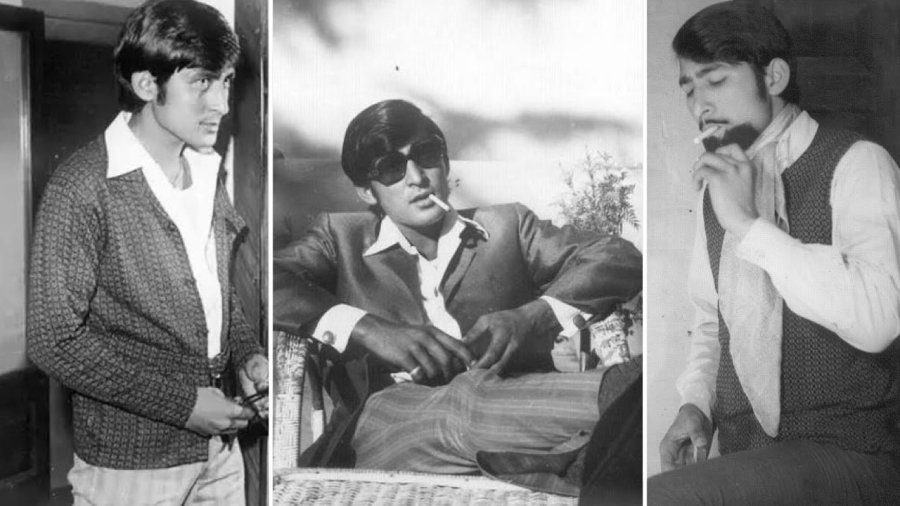
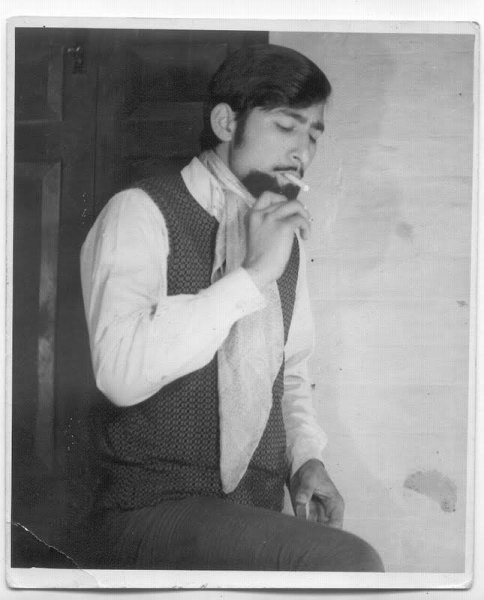
Ravindra Kaushik who served in (R&AW) ,famously known as Black Tiger was born in Sri Ganganagar, Rajasthan on 11 April 1952 in a Brahmin family.
Ravindra during his graduation days used to do drama plays and during this time Kaushik displayed his talent at the national level dramatic meet in Lucknow, Uttar Pradesh, which was witnessed by officials from the Research and Analysis Wing. After which he was contacted and offered a job of being an undercover Operative for Research and Analysis Wing in Pakistan.
After agreeing to work for R&AW Kaushik was given extensive training in Delhi for two years. He underwent circumcision so he could pass as a Muslim. He was taught Urdu, given Islamic religious education and acquainted with the topography and other details about Pakistan. Being from Sri Ganganagar, a city near Rajasthan’s border with Punjab, he was well versed in Punjabi, which is widely understood in Punjab and Pakistan as well., India. In 1975, at the age of 23, He was sent to Pakistan.
Kaushik was given the cover name “Nabi Ahmed Shakir” and entered Pakistan in 1975. He was successful in getting admission in Karachi University and from where he completed his LLB. He then joined Pakistan Army as a commissioned officer and eventually promoted to the rank of a major. While living in Pakistan under his cover he married a local girl named Amanat, the daughter of a tailor in one of the army units, and with whom he fathered a boy .

From 1979 to 1983, while working as an officer, he passed on valuable information to R&AW which was of great help to India. He was given the title of ‘Black Tiger’ by India’s then home minister late S. B. Chavan.

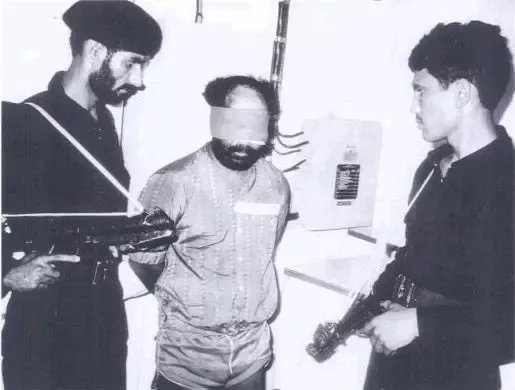
In September 1983, R&AW sent a low-level operative, Inyat Masih, to get in touch with Kaushik. However, Masih was caught by Joint Counterintelligence Bureau of Pakistan’s ISI and blew Kaushik’s cover. Kaushik was then captured, tortured for two years at an interrogation center in Sialkot. He was given the death sentence in 1985. His sentence was later commuted to a life term by the Supreme Court of Pakistan. He was kept in various jails in various cities, including Sialkot, Kot Lakhpat and in Mianwali jail for 16 years. He managed to secretly send letters to his family in India, which revealed his poor health condition and the trauma faced by him in Pakistani jails.He also adresses his thoughts on his country and department. In one of his letters he wrote:
“Kya Bharat jaise bade desh ke liye kurbani dene waalon ko yahi milta hai?” (Is this what people who sacrifice their lives for a big country like India get?”
In November 2001, he was caused with pulmonary tuberculosis and heart disease in Central Jail Mianwali in Pakistan.
He served for Research and Analysis Wing from 1975 to 1983.

“Writing about magic is harder than writing about spies because you’re dealing with something that doesn’t really exist.”

-Anthony Horowitz

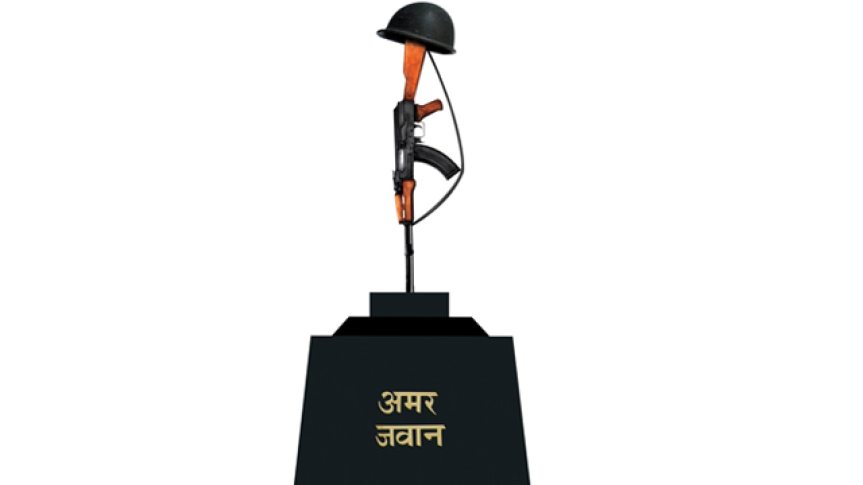
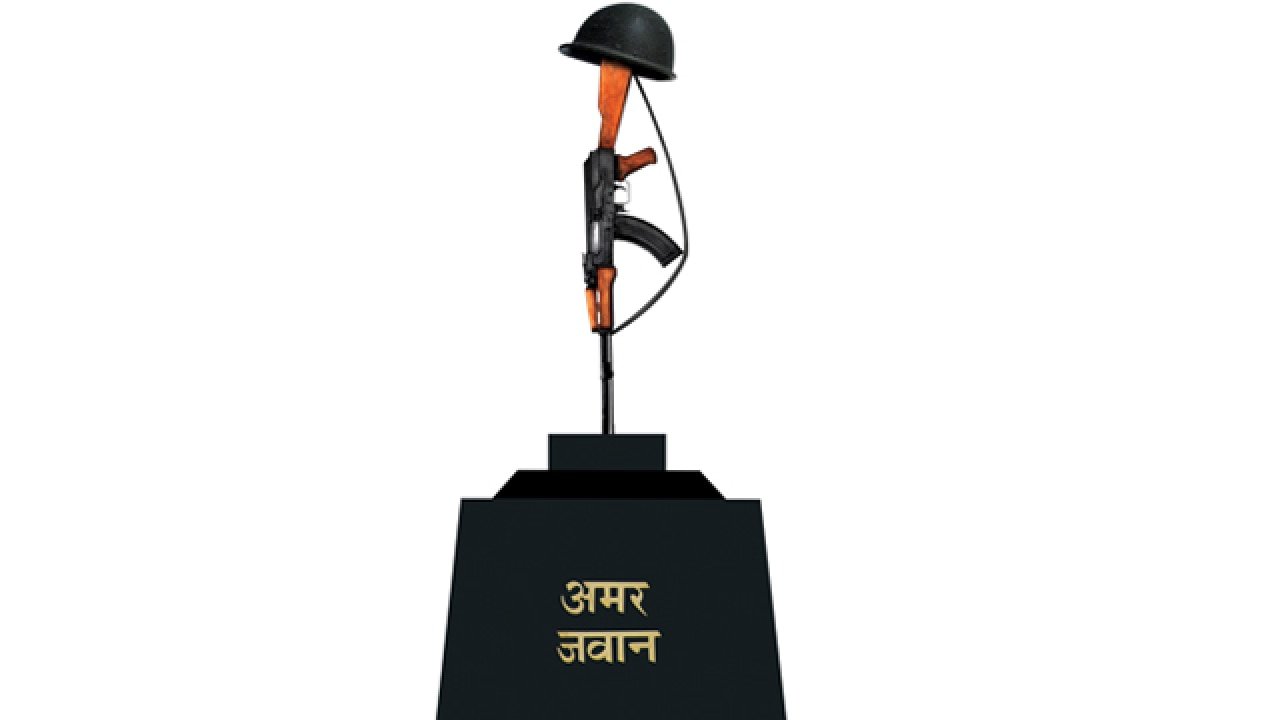
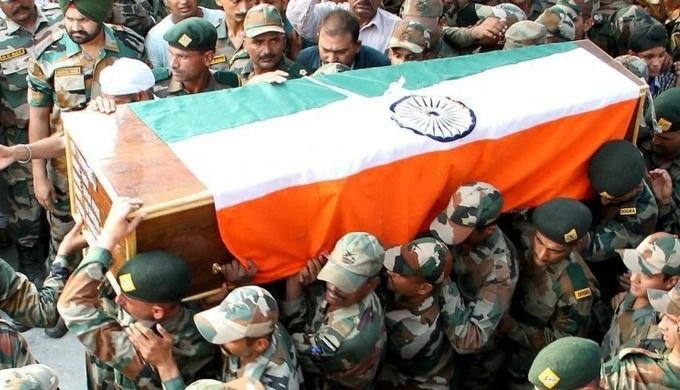
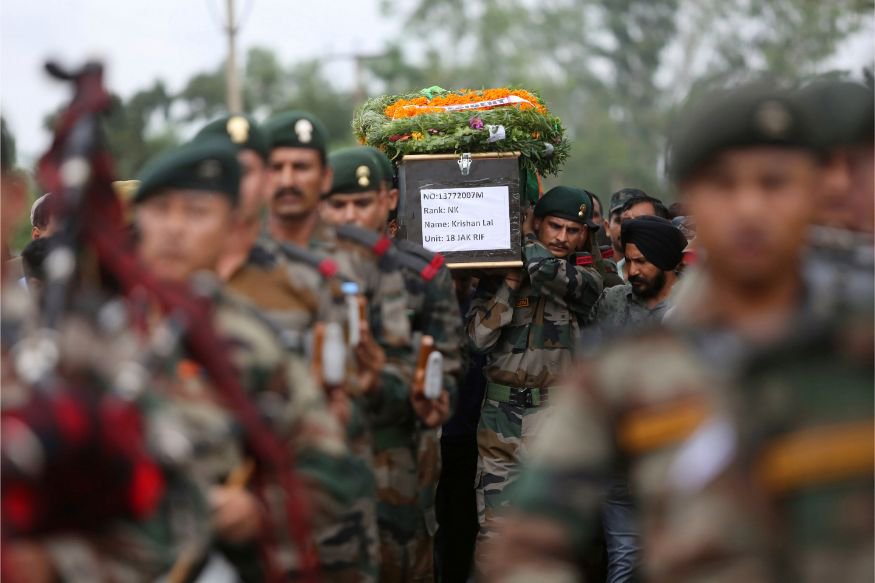
No use of ‘Martyr’ word in Army for death of on duty soldier .

History of the use of the word martyr:
The government has claimed for nearly a decade that the word “martyr” has not been officially recognized. In 2013 and 2014, in response to RTI’s request, the Ministry of Home Affairs revealed that the words “martyr” and “shahid” were not defined anywhere by the Government of India.
In December 2015, then Home Affair Minister Kireen Rijiju said in Lok Sabah that it is advised that the word “martyr” is not refer to any of the victims of the Indian army. He added that such terms were not used by Central Armed Police Forces (CAPF) and Assam Rifles personnel either.
In December 2021, Minister of State Home Nityanand Rai told Rajya Sabha again that there was no formal term like “martyr.”


Objections to the use of martyrs’ words:
The word “martyr” has religious implications and has historically been used to refer to people making sacrifices for their religious beliefs like in Christianity . The word “Shahid”, which is used as a Hindu alternative to the word “Martyr”, also has a religious meaning and is associated with the Islamic concept of Shahadat. The word “martyr” is said to be derived from the Greek word “martur”. In various dictionaries, “martyr” is defined as a person who is willing to die as a punishment for refusing to abandon religion.
Since the Indian army is not affiliated with any religion and does not sacrifice their lives for religious principles, the use of such words for their sacrifice is found wrong,including the supreme leader of the army. Using words like martyr may not be correct in context to armed forces especially in India according to many legal experts and prominent officers of army and retired officers.

Steps Taken By Government To Stop Use Of Martyr Word:
Despite the repeated assertions of the government about the word martyr having no official recognition, it was mostly used in government statements issued by various PR Officers for the defence services and the CAPFs. Many senior serving and retired officers also used it frequently to describe the death of soldiers in action. Thus, the word remained in common use.
The Army in 2022 issued a letter to all its commands asking them to abstain from using the word martyr as it may not be appropriate for soldiers who die in the line of duty. They have been, instead, asked to use phrases such as killed in action, supreme sacrifice for the nation, battle casualty, laid down their lives,veergati etc.

“Either I will come back after hoisting the tricolor, or I will come back wrapped in it, but I will be back for sure. “

-Late Captain Vikram Batra (PVC)

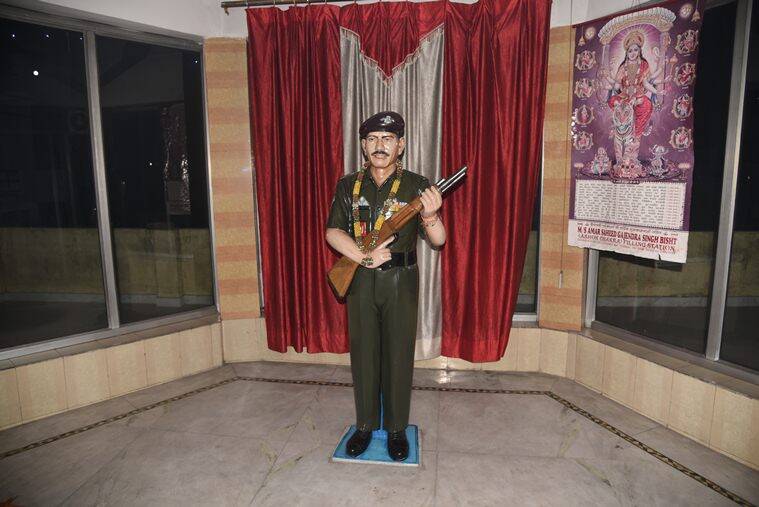
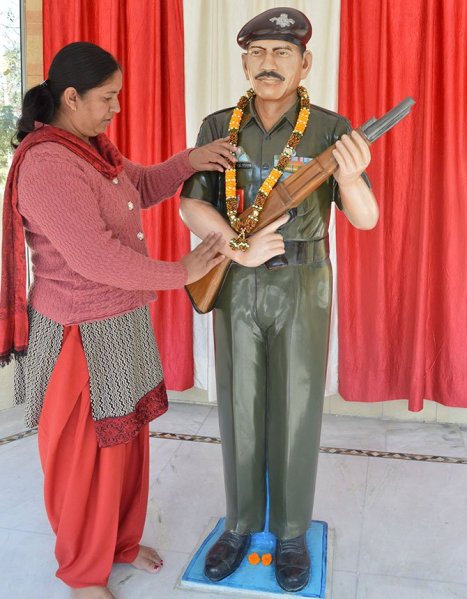
A warrior who can not be forgotten Hav. Gajender Singh Bisht.

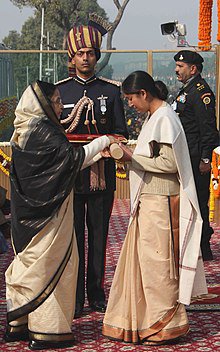
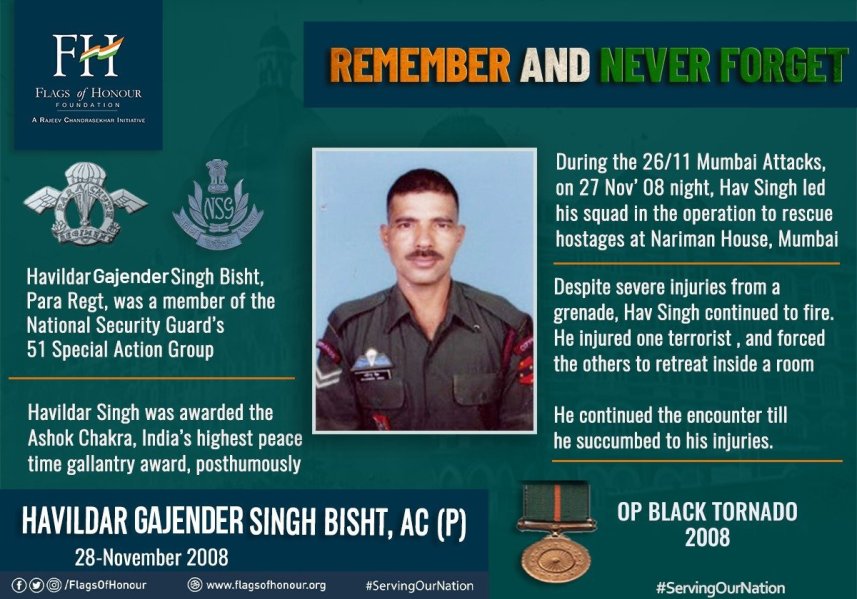
Havaldar Gajender Singh Bisht was an NSG commando who was martyred in the 2008 Mumbai attack. His bravery received the Ashoka Chakra Award from the President of India on January 26, 2009, on the Anniversary of the Republic of India.
He was born on 1 July,1972 in Dehradun, Uttarakhand.

He persued his education from the Janata Inter College in Naya Gaon.As a student he used to participate in every event organised in the school, sports or cultural activities. But he had a particular interest in boxing. Havaldar Gajendra Singh joined Garhwal Rifles in 1991 and later decided to become part of the 10 Para (Special Forces). Havaldar Gajendra also actively participated in Operation Kargil in 1999. Havaldar Gajendra was a trained commander of the Indian Army Special Forces, but he was commissioned to serve the National Security Guard’s Elite Special Action Group.
Gajendra Singh Bisht was a member of the 51st Special Action Group of the National Guard. He was part of a team of NSG Command rushed to the roof of Nariman’s house to neutralize an terrorist inside the building who had at least six hostages.


According to NSG Secretary Jyoti Krishna Dutt, Bisht led one of the teams entering the building. The team was hit by a violent terrorist attack and returned to fire while trying to contain the situation. Terrorists also threw some grenades at Commando. At this point,Bisht had the opportunity to retire with his team. But he realized they needed to seize this opportunity and went forward with thier mission.Instead of turning his back on the militants, he made the way to other troops instead, despite the grenades being thrown. He suffered multiple gunshot wounds in the process, but moved forward and was eventually injured. This allowed his team to secure a dominant position in the encounter. On the night of November 27, 2008, Havildar Gajender Singh Bisht led his army in an operation to rescue hostages from terrorists at the Nariman House in Mumbai. While securing the Nariman House during Operation Black Tornado, Bisht got fatally injured at Jewish center attack and died.

Agnipath Scheme a new vision for future India?


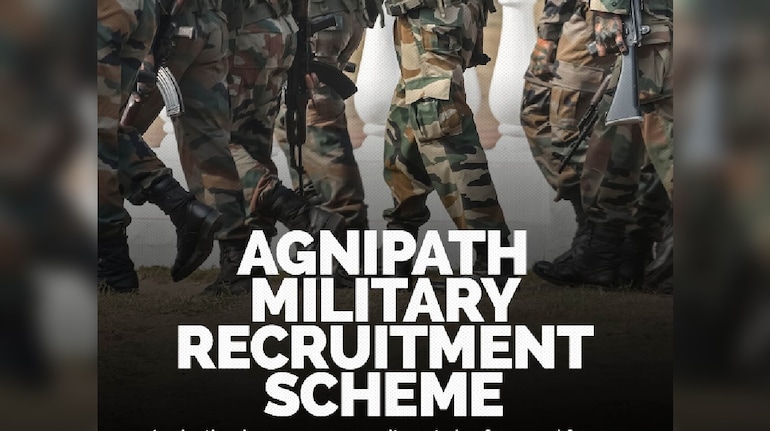
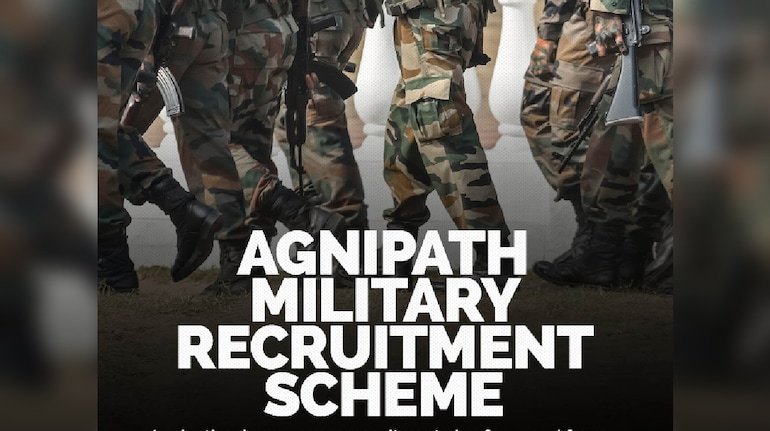
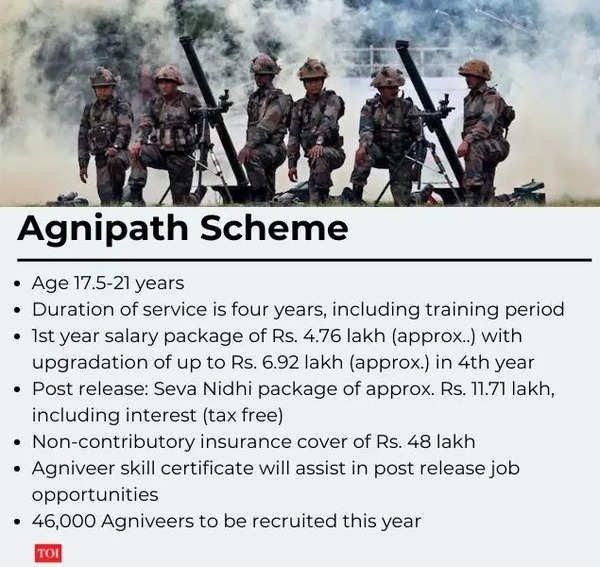
The Agnipath Program is a new program launched by the Government of India on June 14, 2022 to recruit soldiers under Corporal into three armies. The Agnipath program will be the only means of recruiting the military. All new employees will only be hired for 4 years. The personnel hired under this system are called Agniveers, a new military rank. The introduction of this system has been criticized for lack of consultation and open debate. The program is scheduled to start in September 2022. The Agnipath program was approved by the Government of India in June 2022 and will be implemented from September 2022. The announcement was made on June 14, 2022. This program is intended for both male and female applicants between the ages of 17.5 and 21. In widespread protests against the Agnipath program, the central government raised the cap from 21 to 23, but only in 2022. Recruitment under this program is held twice a year by the Indian Army, Indian Navy, and Indian Air Force. The available posts are below the executive list. The Agnipath program is the only way to serve in the army.


New employees, under the Agnipath scheme will be called “Agniveers,”who will have a four-year tenure, including six months of training followed by a 3.5-year deployment. After leaving the service, they have the opportunity to apply to continue in the army. Less than 25 percent of the retired group’s total strength is selected for the permanent roster. Employees who retire after four years of work are not eligible for a pension, but will receive a lump sum of approximately Rs 11,71,000 at the end of their tenure. The Government of India plans to hire 45,000-50,000 new employees each year through this program. In September 2022, 46,000 young people will be hired through this program. Prior to the start of the Agnipath program, soldiers were in the army for more than 15 years of service on a lifetime pension. As of 2019, there was no military recruitment for three years. The Government of India quoted the COVID-19 pandemic in India tye reason for no recruitment. Meanwhile, 50,000 to 60,000 soldiers continued to retire each year, leading to labor shortages and beginning to affect the military’s operational capabilities.


On June 16, 2022, fierce protests took place in several Indian states, where military candidates who were preparing for the armed forces were angry at the new system, demanding its rollback, and damaging public property. By June 17, 12 trains had been fired, affecting the movement of 300 trains. 214 trains were canceled, 11 trains were detoured, and 90 trains ended short of their destination. This scheme does not include long-term holdings, pensions and other benefits that existed in the old scheme. Individuals who wanted to join the army were disappointed with the rules of the new system. Of particular concern were short tenure, no early retirement pension, and an age limit of 17.5-21 years, making many of the current candidates unsuitable for serving in the Indian Army.

On June 20, a national strike called Bharat Bandh was summoned by a protesting organization calling for the withdrawal of the program. The call was made via social media without naming the organization. More than 600 trains were canceled due to a strike. Section 144 was imposed in parts of Rajasthan, Punjab, Uttar Pradesh and Haryana.

Integration of Indian States of Independent India.

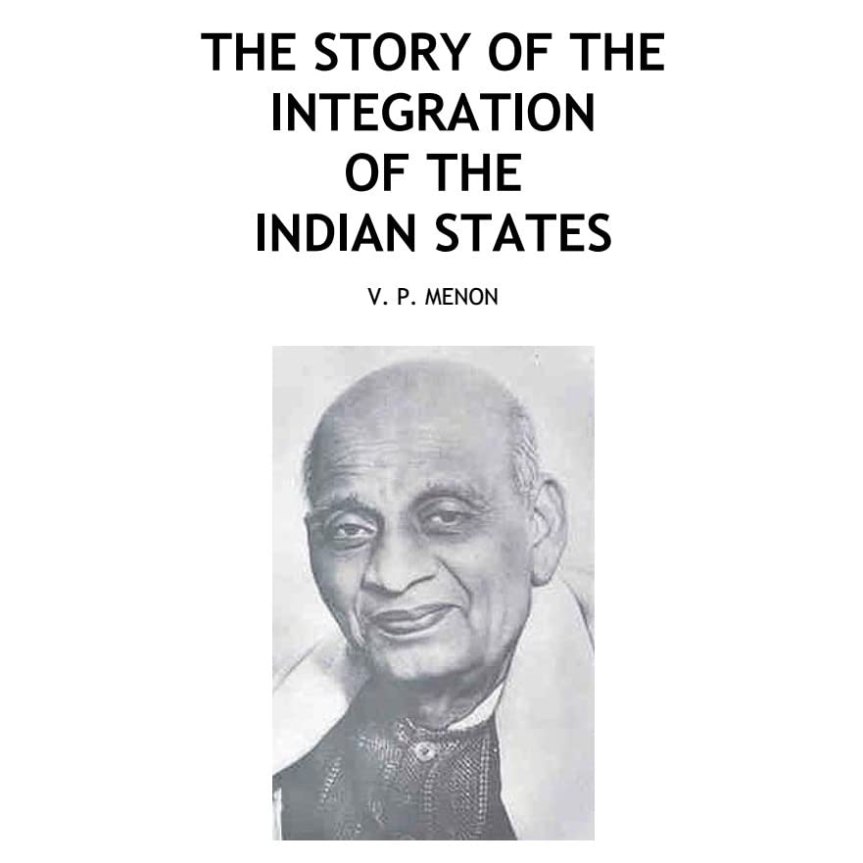
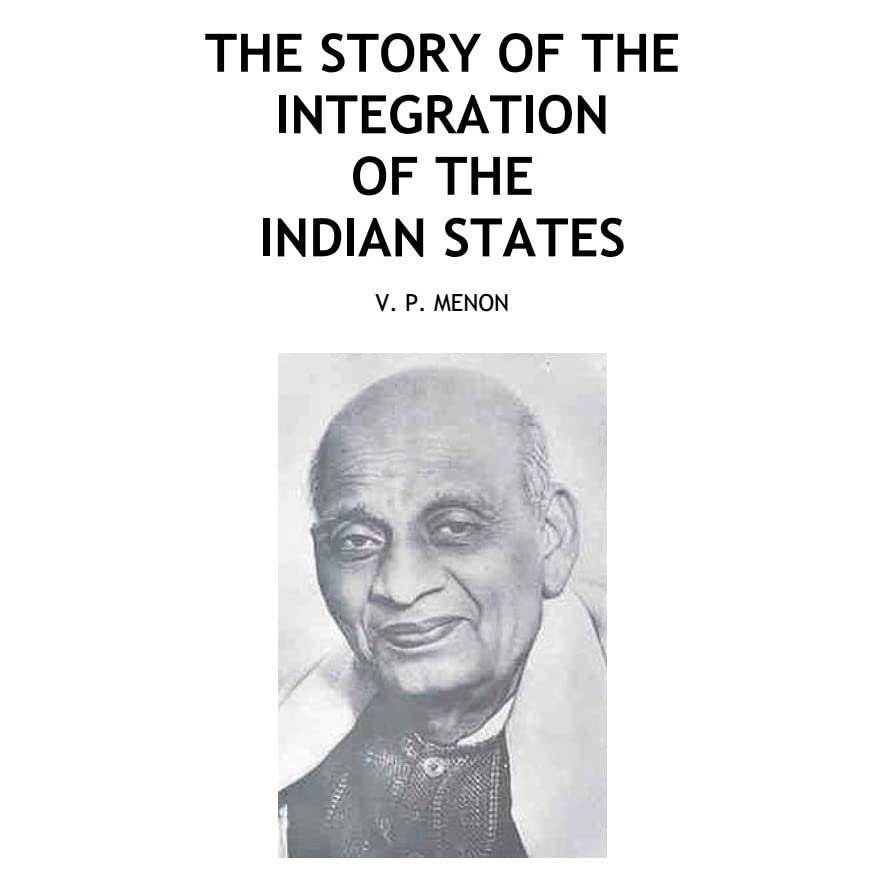
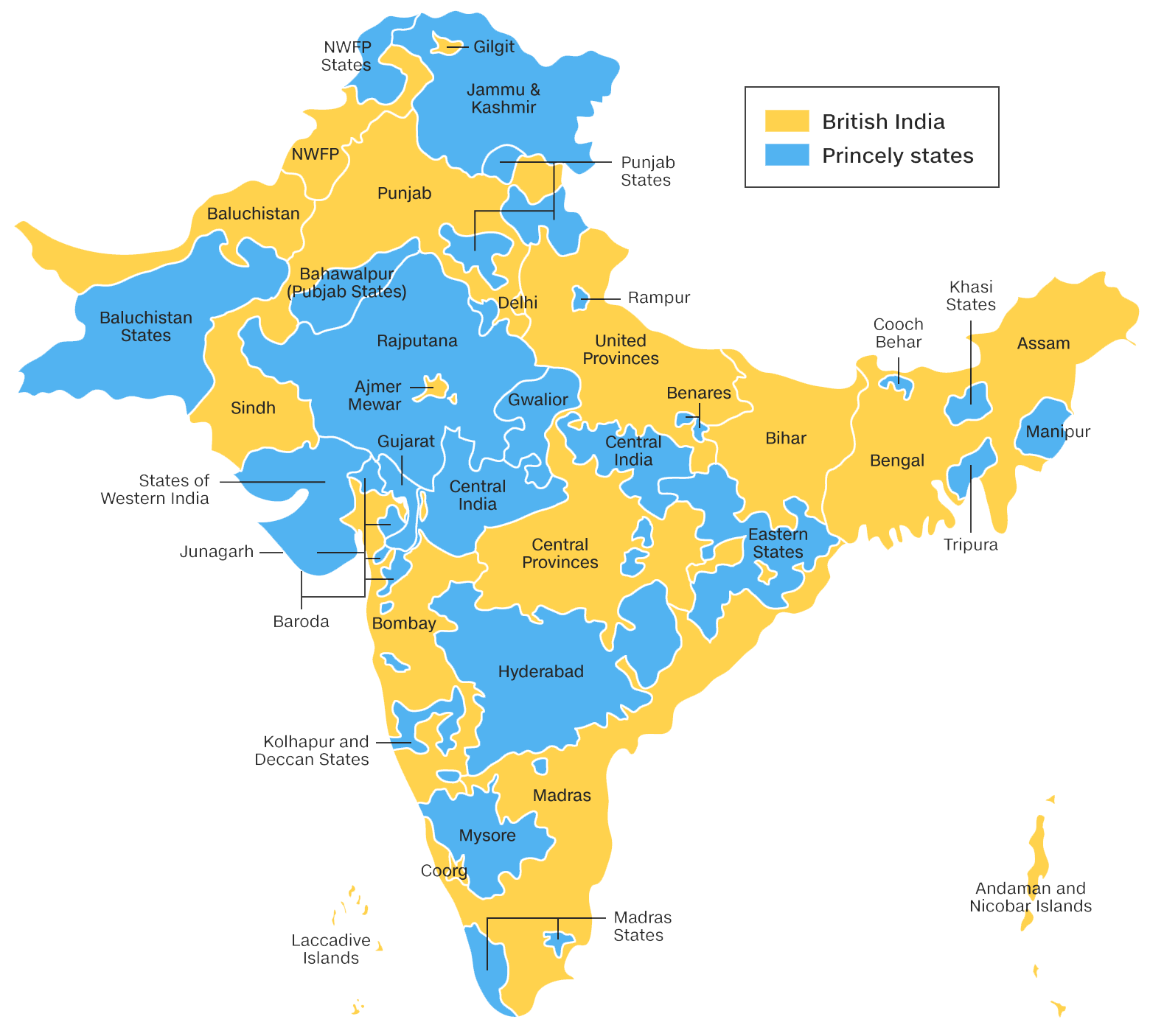
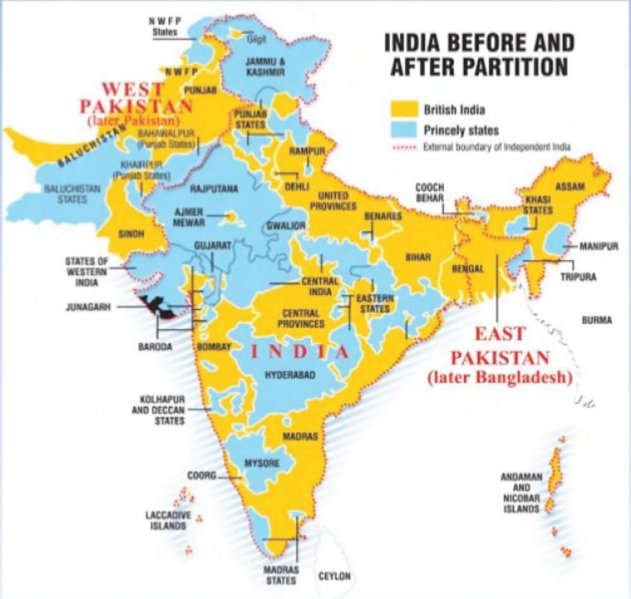
Sardar Vallabhbhai Patel played an important role in the integration of the princely state into the Dominion of India. This achievement laid the foundation for Patel’s popularity in the post-independence era. He is still remembered as the man who united India today. In this respect he is compared to Otto von Bismarck, who united many German states in 1871. The June 3 plan gave more than 565 princely states the option of joining India or Pakistan or choosing independence. Most Indian nationalists and the masses were afraid that most people and territories would be fragmented without the participation of these states. Parliament and British officials considered Patel to be the best man on a mission to secure the conquest of the princely state from Indian rule. According to Gandhi only Patel could solve this problem. Patel had practical insight and determination to accomplish monumental work. Patel asked V.P. Menon, a senior official involved in the division of India, to become his right-hand man as Principal Secretary of State. Patel used a social gathering and informal setting to involve most monarchs and invite them to their home in Delhi for lunch and tea. At these meetings, Patel stated that there was no essential conflict between Congress and the prince’s order. Patel aroused the patriotism of the Indian monarchs and urged them to embrace the independence of their country and act as responsible rulers who care for their people’s future. He persuaded the rulers of 565 states about the impossibility of independence from the Republic of India, especially in the face of rising opposition from their subject. He proposed favorable conditions for the merger, including the creation of a secret purse for the descendants of the ruler. Patel encouraged the rulers to act patrioticly, and to thought about his states people and their futur, but he did not rule out violence. He emphasized the need for the princes to join India in good faith and gave them to sign the membership certificate until August 15, 1947. All but three states were willing to join the Indian Union. Only Jammu and Kashmir, Junagad and Hyderabad were States which were tough to brought under Indian Dominion.


Junagadh being situated in Gujrat it was very important for Patel to bring it under Indian’s dominion. This was also important because there was the super-rich Somnath Temple (a temple where different stones were their including emeralds, diamonds, and gold which were looted by Mohd. Ghazni) in the Kathiawar district. Bieng under the pressure from Sir Shah Nawas Bhutto, a Nawab who joined Pakistan. However, it was far from Pakistan, with 80% of its state population being Hindus.Patel combining diplomacy and power, Pakistan invalidated Pakistan’s accession and demanded that Nawab join India. Patel sent troops to occupy the three principalities of Junagadh to show his determination. After widespread protests and the formation of the civilian government, or Aarzi Hukumat, both Bhutto and Nawab fled to Karachi, and under Patel’s orders, Indian troops and police forces invaded the state. A later organized referendum resulted in 99.5% of the votes in favor of the merger with India. After taking over, Patel, who spoke at the University of Bahauddin in Junagad, emphasized his sense of urgency regarding Hyderabad. He believes this is more important to India than Kashmir.


Hyderabad was the largest of the princely states and which included States parts of which are now Telangana, Arndra Pradesh, Karnataka and Maharashtra. Its ruler, Nizam Osman Ali Khan, was Muslim, but more than 80% of the population of state was Hindu. Nizam called for independence or accession to Pakistan. Under Kasim Razvi, an army of Nizam-faithful Islamic troops called Razakar urged Nizam to confront India and at the same time organize an attack on the people of India’s soil. The standstill agreement was signed by Lord Mountbatten’s in desperate efforts to avoid the war, but Nizam refused to trade and changed his position. At a cabinet meeting in September 1948, Patel emphasized that India should stop speaking and reconciled Nehru and Governor Chakravarti Rajgoparachari with military action. After preparation, Patel ordered the Indian troops to invade Hyderabad (in his position on behalf of the Prime Minister) when Nehru traveled to Europe. This action, called Operation Polo, in which thousands of Razakar troops were killed , but Hyderabad was secured and integrated into the Republic of India. Mountbatten and Nehru’s main goal was to avoid forced annexation to prevent the outbreak of Hindu and Muslim violence. Patel argued that if Hyderabad was allowed to survive as an independent state surrounded by India, the government’s fame would decline and neither Hindus nor Muslims would feel reassured in their empire. After defeating the Nizam, Patel held him as the head of state of the ritual and met with him. India had 562 princely states after addition of Junagarh, Heydrabad and Jammu& Kashmir.

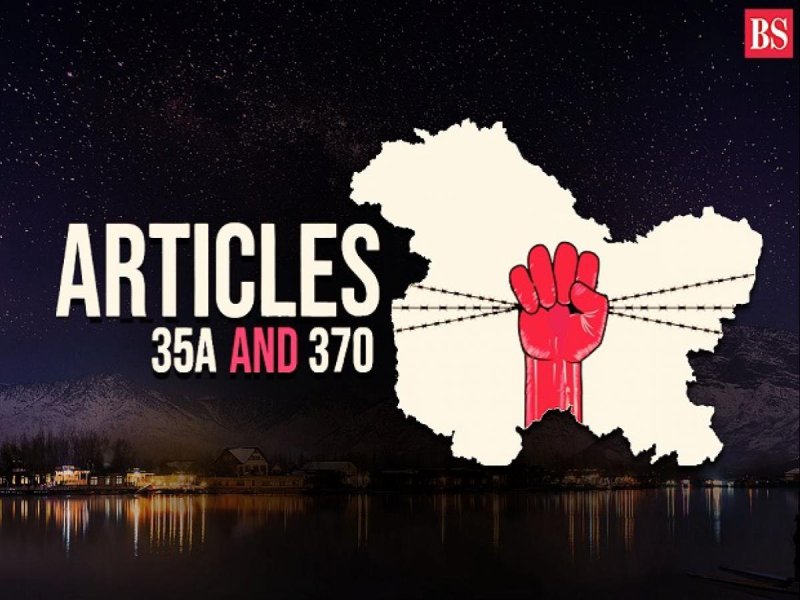
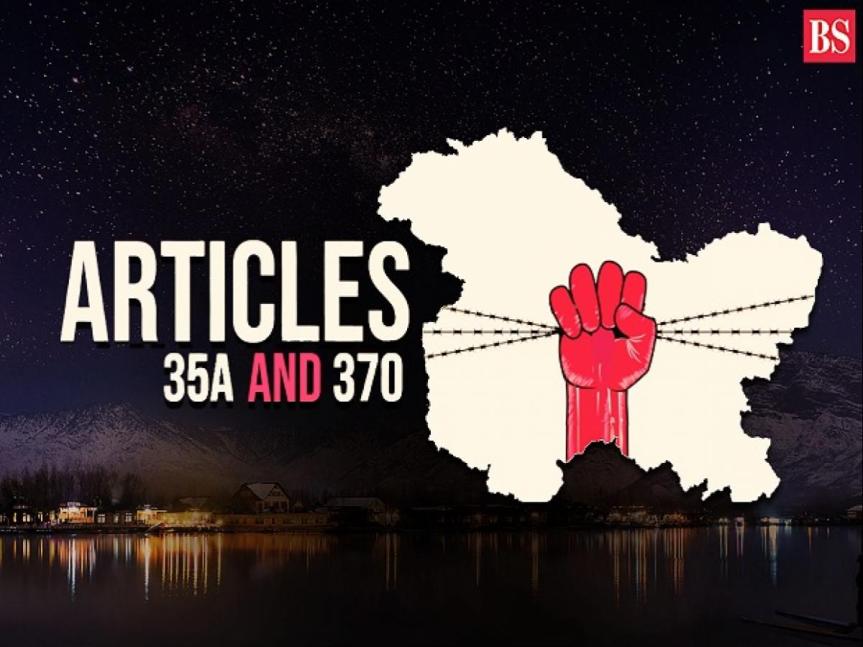
Article 370 & Article 35A

Article 370
The first accession of Jammu and Kashmir, like all other princely states, involved three issues: defense, diplomacy, and communications. All princely states were invited to send representatives to the Constitutional Parliament, which drafted the Constitution across India. They were also encouraged to establish a constituent parliament for their own state. Most states were unable to establish a parliament in time, but some states, especially Saurashtra Union, Travancore-Cochin, and Mysore. The State Department had drafted a model state constitution, but on May 19, 1949, the governors and Chief ministers of each state met in the presence of the State Department and agreed that no separate state constitution was needed. They accepted the Indian Constitution as their own constitution. The state in which the elected constituent council proposed some changes that were accepted. Therefore, the status of all states has been placed on par with the status of ordinary Indian states. In particular, this meant that the subjects available for legislation by central and state governments were consistent and same throughout India.

In the case of Jammu and Kashmir, state politicians have decided to establish a separate constitutional council for the state. Representatives of the Indian Constitutional Assembly applied only the provisions of the Indian Constitution corresponding to the original accession documents to the state, and demanded that the state Constitutional Assembly decide on other matters. The Government of India agreed to the request shortly before its meeting with the other states on 19 May. Therefore, Article 370 was included in the Constitution of India, which provided that other provisions of the Constitution empowering the central government would apply to Jammu and Kashmir only with the approval of the State Constitutional Assembly.This was a “provisional provision” because it was applicable until the State Constitution was enacted and adopted. However, the State Constitutional Assembly was dissolved on January 25, 1957, and did not recommend the abolition or amendment of Article 370. This article was considered an integral part of the Indian Constitution, as confirmed by various recent April 2018 rulings by the Supreme Court of India and the Supreme Court of Jammu & Kashmir.

Article 35A
Article 35A of the Constitution of India was a provision authorized by state to define the “permanent residents” of Jammu and Kashmir State and to give them special rights and privileges. It was added to the Constitution by an Executive Order, the 1954 Constitutional Order (application to Jammu and Kashmir). It was issued by the President of India under Article 370. Jammu & Kashmir has these privileges, the ability to acquire land and real estate, vote and participate in elections, pursue government employment, and receive the benefits of other governments such as higher education and medical expenses. Defined to include. Non-permanent residents of the state were not eligible for these “privileges”, even if they were Indian citizens.

History of Television in India.

Television was founded by John Baird. The first television service was started in 1936 by British Broadcasting Corporation (BBC) of Britain . In 1939, television broadcasts began in the United States. In 1953 the first successful programme in colour was transmitted by Columbia Broadcasting System (CBS) in USA. In today՚s world, television has become one of the most powerful means of mass communication . It can impart education, information and entertainment . Television has end up becoming an necessary a part of our lives.


HISTORY
India’s first television station was established on October 24, 1951, in the Department of Electronics and telecommunications at Government Engineering College in Jabalpur. Television began in India as an experiment on September 15, 1959. It was first started as two hours programmes a week under the authority of AIR. Early programs of these experimental broadcasts were generally educational programs for children and farmers. By 1975, only seven Indian cities were using television services. The Satellite Instructional Television Experiment (SITE) was an important step by India for the use of television for the development of people and the country. Initially, the show was mainly produced by Doordarshan (DD), who was part of AIR at the time. Transmissions were made twice a day, morning and evening. In addition to information on agriculture, health and family planning, other important topics covered in these programs were audience education and awareness raising. Entertainment was also included in the form of dance, music and cinema. In 1976 Television services were separated from radio . Color television was introduced to the Indian market in 1982.

In the late 1980s, more and more people began to own televisions. There was only one channel, but the TV show was saturated. Therefore, the government opened another channel, partly broadcasting nationally and locally. This channel was called DD2 and was later renamed to DD Metro. Both channels were broadcast on the ground. In 1997, Prasar Bharati, was established.Doordarshan, along with AIR, was incorporated into a state-owned enterprise under Prasar Bharati. Transponders of the American satellites PAS-1 and PAS-4 assisted in the transmission and broadcasting of shows on DD. An international channel called DD International was launched in 1995 and broadcasts programs abroad 19 hours a day to Europe, Asia and Africa via PAS-4 and to North America via PAS-1.The 1980s were the prime time for DD, with shows like comedies such as Hum Log (1984-1985), Wagle Ki Duniya (1988), Buniyaad (1986-1987). Epics like Ramayan (1987–1988) and Mahabharat (1989–1990) brought millions to Doordarshan and later on Chandrakanta (1994–1996). Song-based programs for Hindi movies such as Chitrahaar and Rangoli, and crime thrillers such as Karamchand and Byomkesh Bakshi. Children’s shows such as Tenali Rama ,Vikram Betal and Malgudi Days .


Private Channels influence:
The introduction of communication channels was a revolutionary move to reach so many people. It became an opening for Private and Commercial broadcasters in our country. The emergence of private channels began in India in the 1990s after CNN aired the Gulf War. Hong Kong-based STAR (Satellite Telivision Asia Region ) enterned in a contract between an Indian company and Zee TV. It became the first Private Indian Hindi satellite channel. During this time, several local stations have emerged. Apart from local ones various international channels such as Channel, CNN, BBC, Discovery, etc were also available for Indian TV viewers. Their were various categories of channels available for viewers,such as the 24-hour news channel, Religious channels, cartoon channels, movie channels, something for everyone .


Changes and Evolution:
A significant change that has occurred is the use of different methods of delivering television programming. Just a while ago their were satellite-based antennas, but now the mode has converted to dishes. Other shipping methods are are delivery via cable network and direct satellite transmission. Now you can watch TV shows on your mobile phone , the technology behind it is called Internet Protocol Television. The emergence and spread of televisions and computers and the access to content anytime, anywhere, everyone has brought revolutionary change and access to the world of entertainment.

“I always say film is art, theater is life and television is furniture .”

Kenny Leon

How Development Administration introducing socio economic transformation

Source: leverage.edu

The nectar of development administration is to bring changes through integration, organized and properly directed governmental action. The Administrative shift concern towards development objectives the researchers and practitioners of Public Administration forced to conceptualize the developmental conditions and to bridge the gap in administrative theory.

The term development administration was first coined in UL Goswami an Indian scholar’s article entitled ‘The structure of development administration in india’ published in 1955. George Gant, an american scholar is regarded as the father of development administration, Edward Weidner, Riggs , Ferrel Heady were major contributor to this field.

Conceptual thinking in this area is notably available in the writing of a group of American experts on comparative administration such as Merle Fainsod, Montgomery and Diamant. The writing of these scholars not just talk about foundation not Development Administration but also contributed greatly to its formulation and growth. Emergence of concept of developing countries in Asia, Africa and Latin America due to the liquidation of colonialism and imperialism. Extensive american economic and technicalassistance plans to newly emerged developing countries. Developmental schemes in the developing countries through multilateral technical aid and financial assistance and established Comparative Administration Group.

Source: futurelearn

After the World War Second, countries became politically independent, they have been facing political problem, they have been confronting immense problem if poverty, illiteracy, poor health, low agricultural productivity, lack of industrial development and socio political instability. The immediate action before these countries is to bring about socio economic transformation and nation building through change.

In order to achieve the objectives, the developing countries have under taken various Departmental activities in the economic and the social sphere of society. The term Development Administration is used to refer to the directly government led effort to intervene in the process of socio economic transformation.

The new administration required for the government in both quantitatively and qualitatively difference from the traditional administration. Development Administration is a concept that aim to strengthen the structure and function of developing countries in post world War II.

Objectives of Development Administration are conclude the innovative strategies for the development. Development Administration emphasis on development at the grassroot level. Development has to be need oriented and require self reliant process. It stress on social development and human capital as a major resource. Development has to be viewed not merely as a technological problem but found ideological ground.

Profound and rapid change in order to establish a distriction in  social order. Recognizing and highlighting the unity, effective and efficient use of scarce resources. Creation of a politics administration environment which is oriented towards securing basic needs  of the population. Freedom of administrative machinery to express its values and beliefs without fear or favour on programmes and projects.

The capacity of an administrative system to take decisions in order to meet the increasing demands coming from the environment with objective of achieving larger political and socio economic goals. Specialization and division of tasks and in the professionalism is personnel. Increase in administrative capability and capacity. A pattern increasing effectiveness in the optimum utilization of available resources and increase the Governance capability and capacity. Modernising the bureaucracy by external inducement and transfer of technology and training is necessary.

Development Administration of developing nation’s is rooted in the field as most of the developmental activities take place at field level. Emphasis on decentralization of authority which enables the different field units. Administration encompasses contribution from cultural anthropology and sociology. A wider perspective than the conventional approach based on organizational reforms. Development administration lays emphasis on self reliance and participation of people in the development activities. It stresses decentralized, responsive and accountable management of Developmental plans, policies and programmes.