EDUCATION DEVELOPMENT DAY IN TAMILNADU!!!

Though many National leaders rendered their selfless service to our country, one among them to be noted was the Kingmaker Kamaraj. K. Kamaraj, familiarly known as Kamarajar was an independent activist and the former Chief Minister of Tamil Nadu. He was popularly known as the Kingmaker of India during the 1960s. He supported Lal Bahadur Shastri, to be the President of India after the death of Nehru. After the sudden dismissal of Lal Bahadur Shastri, he supported Indira Gandhi to be the President of India. He was a man of simplicity and known for his best leadership in the development of Tamil Nadu. The Midday Meals Scheme introduced by him was very popular in India. He was popularly known as Karmaveerar, KalviKan Thirantha Mudhalvar, etc.

K KAMARAJ – Former Chief Minister Of TamilNadu

Kamaraj was born on 15th July 1903 at Virudhunagar in TamilNadu to Kumarasamy and Sivagami Ammal. His birth name was Kamatchi and later changed to Kamarajar. He studied primary education in a traditional school and he was to drop out because of his father’s death to support his family. He had a younger sister named Nagammal. He worked in his uncle’s shop and begun to attend political meetings and common meetings related to Home Rule Movement. He developed his interest in politics by reading daily newspapers. In 1920, at the age of 18, he became a very enthusiastic person and joined Indian National Congress. He organized public meetings for leaders in Virudhnagar and was very eager to meet Mahatma Gandhi. As he wished, he met Gandhiji for the first time in the meeting. Kamaraj went to jail for two years for taking part in ‘Salt Sathyagraha’ led by C. Rajagopalachari at Vedaranyam.

At the age of 34, he contested in the Legislative election for the first time and marked his first victory at Sattur in 1937. He stuck by the principle ‘ One should not accept any post/leadership to which one could not do full justice ‘. In 1954, Kamaraj became the Chief Minister of Tamil Nadu. Various schemes and deeds introduced by him as a Chief Minister are as follows:

  • He removed Hereditary Education Policy introduced by Rajaji.
  • He reopened more than 12,000 schools during his leadership as a Chief Minister.
  • Education and trade hiked during his period.
  • Kamarajar aimed to eradicate illiteracy and introduced compulsory education. The literacy rate was 7% during the British period but during his period, the literacy rate increased to 37%.
  • He also introduced the Midday Meals Scheme to provide atleast one healthy meal per day to the poor and needy children. He introduced the uniform scheme to the school children to eradicate the germination of caste-based flaws in young minds.
  • He built several irrigation canals during his period. He built nine dams which are appreciated till now and they are as strong as him.
  • Huge investment industries such as Neyveli Lignite Corporation, BHEL, etc. were started during his period.

He has been the Chief Minister of Tamil Nadu for three consecutive terms, by the victory in 1957 and 1962. His ruling period was known as the Golden Age of Tamil Nadu. Kamaraj was a great follower of Mahatma Gandhi, yet to this fact, he died on 2nd October 1975 during his sleep in his native Virudhunagar. He was awarded ‘Bharat Ratna’ posthumously in 1976. The Chennai Airport is named after him as Kamaraj Terminal.

His birthday is celebrated as ‘ Education Development Day ‘ in Tamil Nadu every year. Though he died, his good deeds remain in the hearts of the people.

Intelligence plus character – that is the goal of Education.

– K Kamaraj.
CALL FOR A CHANGE

THE WORSE CONDITIONS FACED BY CHILDREN WHO LOST THEIR PARENTS DUE TO COVID-19

We all are aware about the worse situations in INDIA due to new phase of pandemic. We all listened and watched about several heart touching incidents that happened around us, many families has destroyed because of covid-19 but we never think about the survival of children who lost their parents in these situations. Let me show you a video on statistics of children who became orphans because of pandemic.

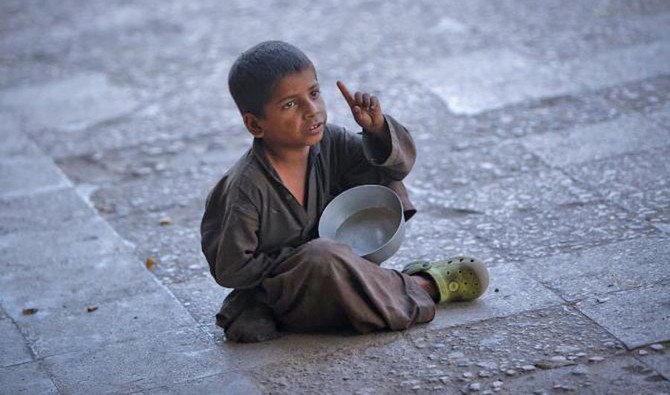
Child hood phase is the critical phase in everyone’s life and it is essential to take care about the child in this phase because in this phase only the personality and emotional resilience will be developed but because of this pandemic situations the children who lossed their families are facing a lot of troubles in the hands of child traffickers and illegal adopters. Let me share you a story about a child who lost his parents in this pandemic and turned as a beggar on the streets.

” Once I encountered a tot on our street, he asked me 5/- to obscure his hunger. I offered him a meal instead of giving him money and later I asked him about the reason why he has turned into a beggar then he replied me that, he lost his both parents a few months ago because of covid virus and no one of his relatives doesn’t like to take care of him and with in few days one of their relatives left him in the bus stop and went away. ” After hearing to his words, I felt bad for the situations he faced with out any takecarer and immediately I decided to make a call for childline number to give him better future. I explained him about what I did for him but initially he felt scared about my proposal but after sometime he realised and felt happy. With in few days volunteer’s of some NGO who received information from childline help center rescued him successfully.

We all crave to sleep like a child. Do you savvy, there are more than twelve million children who can’t sleep due to starving stomach in India and that number has increased much more due to these pandemic situations. ”If God is the one who writes the fate, then be the demigod for these tots.” Childline 1098 is a service of Ministry of women and child development. ” CHILDLINE INDIA” a foundation which is non-governmental organization in India. It operates with a telephone helpline called childline, for children in distress. It is India’s 24-hour toll-free phone outreach service for children.

A single phone call can make a large change in the entire life of a child, It cost’s nothing guys for making a phone call guys but it can give a new life to the child who is in tough situations. We all know the role play of youth in building a nation and also we know that, today’s children are tomorrow’s leader’s. Let us all unite and play as a role of gardener’s of a garden named as India and fill it with blossoms of children’s smile.

I think I have sown a seed of spreading awareness about rescuing the homeless children using the helpline number of childline India. Remember guys nature of helping others will give us a lot self satisfaction. Guy’s please Join your hands to continue this chain, So that we can at least save few children from our side. Finally, Guys do remember the childline India helpline number (1098) to save the distressed children in our surroundings.

” LET US CHANGE!
BE FOR CHANGE! & CALL FOR THE CHANGE! ”

AGRICULTURE ACTS 2020

In 2020, the central government had brought 3 new acts for the farmers, in which people have different opinions.

This act was approved by the Lok Sabha on 17 September 2020 and was approved by the Rajya Sabha on 20 September 2020.

And the President of India, Shri Ram Nath Kobind, gave his assent to it on 27 September 2020.

What is 3 agriculture actS?

1.The Farmers Produce Trade and commerce (Promotion and Facilitation) Acts,2020:

In this acts, farmers have been given the freedom to sell their crops. Because before the introduction of this acts, it used to happen that the farmers have to sell their crop APMC regulated recession. APMC [ agricultural produce marketing committees]In India, in 1950, APMC regulated market was established, which we call Krishi Mandi The agricultural markets that you see in cities, in small towns The student who is from rural area know very well about Mandi and 7000 APMC regulated slump is available in India After the introduction of this acts or the compulsion will end now that you will have to sell your crop in your regulated market. after the introduction of this acts, now farmers can sell their crops wherever they want at a good price Where farmers are getting the right price for their crops, they can sell there .It will happen that there is a system to sell the farmer without any trouble at any place in the country, inside the states and outside the country, he will get it. and it will happen that the cost of transport of farmers will be greatly reduced And the second is that you can sell your crops to other states as per your wish you will have complete freedom. The purpose of this acts is that the farmer can sell his crop to any mandi at any place anywhere. It is not necessary that he should selling his crop to your APMC regulated market, now he can sell his crop wherever he wants.

2. The Farmers (Empowerment and Protection) Agreement on price Assurance and Farm Services Acts,2020:

According to this acts, the farmer can make an agreement in advance. According to this acts, farmers can get agreements made with shopkeepers from companies, traders of the rate of their crop. According to this acts, the farmer can get the contract signed even before the crop is ready In which he can keep the price of his crop as much as he wants and after the crop is ready, he should get the same price. This will happen that when the farmer does farming, only then he will get assurance that he will get the price of his produce as much as he wants. And at the same time, if the price of grain in the market is more or less, then the farmer will be saved from it, he will not suffer any loss Because when the grains are already in the fixed rate, it will not harm the farmers And farmers will get the benefit of agricultural equipment and new technology .And the cost of marketing will also be reduced, there is a lot of cost that will be less As the cost of the market will also be reduced, the cost of transportation will also be reduced And if it is cross-harvested, the income of the farmers will increase. So in this bill you have to contact in advance, you have to make an agreement that when your crop is ready then you can sell it at whatever price you want. You can contact any business farmer, shopkeeper, With companies, you can contract with anyone where you are getting the right price for your crop.

3. The Essential Commodities (Amendment) acts,2020:

It’s About acts Hoarding like collecting a lot of grain According to this acts, you people have to exclude cereals, pulses, olives, onions and potatoes from essential commodities. According to this acts, the agriculture sector will get a boost. It is believed that this will give the right price to the farmers In this, there is a possibility of investment in the farm infrastructure which has become like cold storage or modernizing food supply And the competition which is the competitive market environment will be ready So according to this acts essential Commodities Act, farmers will have an increase in agricultural products in their country. So with this the farmer can keep his produce safe and will be able to sell it when the time comes.

The purpose of the government’s 3 Acts is to get the farmers the right price for their crops and the farmers themselves can decide the price of their previous crops. Farmers will have the freedom to sell their crops.

How to Run a Successful Business in Emerging Markets Like India

It is a well known fact that China rules the world in the sector of marketing. But emerging markets are not that behind. They are catching up and making a place for themselves in the world market.

Business in Emerging Markets

According to a survey done recently by the IMF (International Monetary Fund), it is observed that the emerging markets will be growing at a continuous pace in the next 2-3 years. So, doing business in the emerging markets is going to be successful.

In the last decade, the emerging markets have shown a rapid increase in their sales as compared to the multinationals. And in addition, it proves to be more safer in times of economic deficiency.

Photo by Benjamin Suter on Pexels.com

Emerging markets are the best platform for many companies to start their business and grow their revenue. Here are some steps to success in emerging markets :

  1. Be up-to-date with the newest technologies.
  2. Move on from the thoughts of uncertainties and insecurities.
  3. If you face any type of problem at any time in your business, then go for collaboration.
  4. Let go of the old strategies and build new ones to excel more in the market.
  5. Try to get familiar and used to the scarcity of work and sales.

Follow these few steps and keep your mind focused in growing and growing more. Business in emerging markets like India is not hard but is a game of well planned strategies and being focused in the work.

FACEBOOK ADVERTISEMENTS

Facebook is one of the major platforms for all businesses trying to reach a wide range of audiences. Facebook advertisement is more user-friendly and brings more traffic to your business.

More than 90% of social media marketers use Facebook as their means of marketing and expanding their horizons. To fully conquer advertising on Facebook, it is important to have perseverance and a deep understanding of how it works. From a start-up to massively grown companies everyone need a platform to promote their products.

Types of FB ad formats:

  • Image ads: It is always recommended to use images for promoting your business.
  • Video ads: Moving images always catch the user’s attention.
  • Carousel ads: Showcasing up to 10 images/videos with links in a single ad. It supports various businesses.  
  • Messenger ads: This makes it easier to drive into conversation over a large scale.
  • Collection ads: This format features multiple products and gives an instant experience once the user interacts with your product. 
  • Instant experience: It gives a full-screen ad experience to the user when tapped on the ad.
  • Slideshow ads: It supports motion, text, and sound unlike video ads it is quicker and load time is low which helps to show a beautiful story about your growth.
  • Playable ads: It gives a try-before-you-buy experience to the user. 

How does it work exactly?

Facebook targets users based on their location, ethnicity, and interests. Location can track the user’s country, state, zip code and show the ads which are more relevant to their needs. Gender and interests increase the probability of targeting the right people. Categories related to technology, science & inventions can target the young changemakers and women of age group 18 and above get attracted towards the skin & hair care products and so on.

You can use free ad management tools on Facebook like- Facebook Ads Manager and Power Editor for creating, running, and managing your ads. Once you create your advertisement you can track the traffic by using Facebook Pixel.

What should you keep in mind?

  • The most important part of advertising on Facebook is the image of your ad, you won’t get clicks unless you have catchy pictures and taglines.
  • Provide free valuable content to the audience.
  • Creative, articulate, and limited lines of description can always help.
  • Attention– Content of your product must grab the attention of the customers.
  • Desire– It should create a desire in the customer to buy your product. Tip: By describing the benefits of using your service and provide discounts for new users.
  • Service– Make your services available for users over a range.

Here, I have provided an external link which answers most of the common questions on Facebook advertisements.

Advantages of Facebook ads:

  • It offers you the flexibility to expand your business.
  • Can get a chance of collaborating with multiple companies.
  • Budget-friendly for new users.
  • A quick way to fall into the eyes of the audience.

Disadvantages of Facebook ads:

  • Ads alone can’t guarantee sales.
  • Unless to pay for your ads you will not have customers. 
  • Have to handle hate and avoid plagiarism.

credit to the right owner of the image used.

SAVING LIVES OR SAVING THE ECONOMY ?

A strong economy is the source of national strength .

In an economy , the production & consumption of goods & services are used to fulfill the needs of those living & operating within. In short an economy is an area of the production , distribution & trade , as well as consumption of goods & services by agents & these agents are not someone other but are we only. These agents are individuals , businesses , organizations, or government.

Till here we can conclude that people makes up an economy.

Now lets jump on the topic which is saving lives or saving economy . In this situation of pandemic i.e., COVID 19 , lakhs of people have lost their lives , their livelihood , their families . For controlling this situation , which can be controlled only by not coming in contact with an affected person & by maintaining social distancing & self consciousness , government has laid many rules & one such rule is ” lockdown” . Never before we have heard of this word of this word but in past 2 years each one pf us has experienced it . It is a situation where every one is restricted to move out of their houses , factories were shut , many people last their jobs , because of which employment rate decreased , those who have lost their jobs migrated to their villages, All & all we can say that lockdown had the most drastic effect on the economy . lockdown is one among the reason for falling of the economy.

But lockdown was not applied to do so , rather it was meant to protect people , so that we could break the chain of Corona virus . Because of this rule of lockdown , people avoided gathering & because of this lockdown only we are able to defeat & break the chain of COVID 19 . Government took this step though knowing that this will have negative impact on the economy but we all know that it is ‘we’ who makes up an economy , & if we are safe the economy will improve for sure . Because for production you need people , for consumption you need people, for trade you need people , & for distribution you need people. So if people are safe economy is safe .

So this pandemic taught us the importance of lives , we all should thank the all mighty & our health workers for saving many lives & according to me saving lives is more important than saving economy but this doesn’t mean ignoring economy & economic development . Saving lives with holding economy & adopting every measure to save it , will leads to development of both , because both the factors are directly proportional to each other & fall in one will leads to fall in other. Hence saving lives will improve economy because at the end we all know people makes up an economy.

WATER BODIES AREN'T BINS.

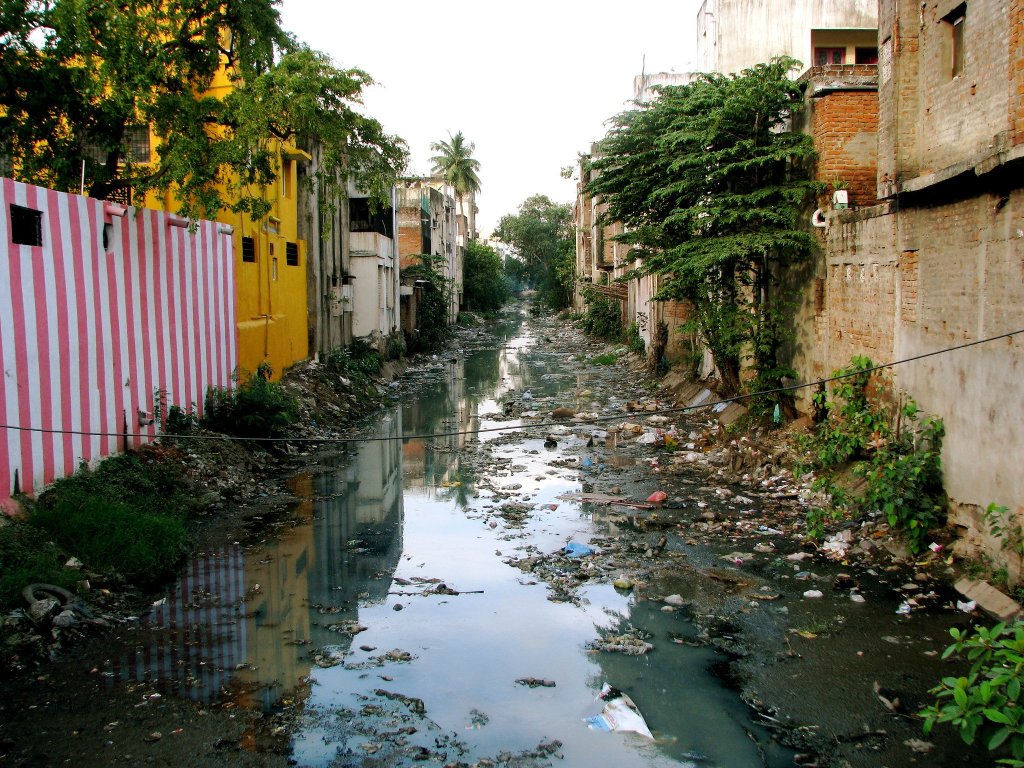
Would you value something, you would die without?

Image source

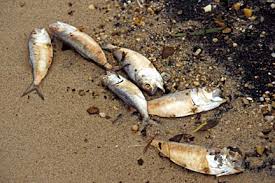
Well looking at the picture above I think, Indians doesn’t seem to be having this thinking. Such disregard of Water, the thing which makes our life possible definitely has to be one of the most irresponsible thing done by humans. Especially, Indians who worship these seas and rivers themselves are the one’s polluting it the most. The holy river of GANGES, which is generally called the most pure river in the whole country itself is the most polluted one. Severly polluted Ganges river which provides water to 40% of India’s population in total of 11 states serving an estimated population of 500 million people, is the fifth most polluted river in the WORLD. Sewage discharge from cities, towns and some villages is the most prevalent cause of water pollution in India. Major cities of India produce 38,354 million litres per day (MLD) of sewage, but the urban sewage treatment capacity is only 11,786 MLD. The scientific analysis of water samples from 1995 to 2008 indicates that the organic and bacterial contamination is severe in water bodies of India. This severity is increased at an even more rapid rate until 2020. According to A reliable source, Around 80% of India’s water is severely polluted because people dump raw sewage, silt and garbage into the country’s rivers and lakes. This has lead to high scarcity of drinkable water. Experts predict that 40% of people may not have a connection to a clean water source by 2030. Then how come are we yet not sincere about not just saving water but Ourselves? As urban areas households get more and more facilities of 24*7 running water taps and availability of drinking water, lesser is the value of the latter. Around 70% of wastewater from household, industries, etc. goes untreated and each day, more than 40 million liters of wastewater flows directly into India’s lakes, rivers and ocean. This waste while travelling from small to big waterbodies, go on contaminating all of it along with the organisms living within. Lakhs of fishes and other underwater living organisms die as they eat or get caught in this waste. This waste even covers the inner and outer surface area of the water at times and thus disbalancing the oxygen levels in the water, due to which the organisms die in huge quantities. This water also enters the groundwater and makes it polluted and undrinkable as well.

Further, this water when reaches to households it immensely affects the health of individuals especially, children. Each year, more than 1.5 million Indian children die from diarrhea. It affects the irrigation systems in fields as this water doesn’t allows the crops to grow properly due to it’s I’ll properties, infectious and diseased bacteria into it. Because of the poor infrastructure and absence of sewage control, 38 million Indians suffer from waterborne diseases like typhoid, cholera and hepatitis every year. Worldwide, waterborne diseases cause more deaths than AIDS, tuberculosis and measles combined in children under 5-years-old. This severity of pollution affects humans and other organisms, plus our food security and the GDP growth of nation. As the diseases spread, the more people get ill and cease work which decreases productivity of companies, crops damage reduces the agricultural revenue too. Hence proved, that this problem is not as small as we think of it. Be it socially or economically it has a bad effect on the country as a whole. It is necessary for all the people to get educated regarding the same as soon as possible and start contributing their part in preventing water pollution and wastage.

Steps taken..

India is taking several steps to rebalance the quality of its water source, from flocculation and reuse of industrial water to the contributions that local Indian startups are making. In Chennai, a city in Eastern India, industrial water reuse rose from 36,000 to 80,000 cubic meters in 3 years, from 2016 to 2019. VA Tech Wabag, a water company quartered in Chennai, also built numerous water reuse plants all across India. As of 2020, VA Tech Wabag contributed immensely to the production of more than 18 million cubic meters of clean water every day, which has positively impacted almost 100 million people globally. In Gujarat, a state of more than 70 million citizens, the government launched its Reuse of Treated Waste Water Policy, which aims to drastically decrease the use of the Narmada River. It will install 161 sewage treatment plants all across Gujarat in order for industrial and construction sectors to use the treated water. Evaluations offer that in 2015, the Indian government installed almost 16,000 reverse osmosis systems in Karnataka and 281 solar electrolytic defluoridation plants in Madhya Pradesh.

But the most important part is we all have to remember that only Government officials and workers alone couldn’t sort this situation for the whole country. Ech and every individual has to do their part to ‘save water and save future’.

Education in the present

Education is very important in every individual’s life as it is very important for the living. The person who is educated will be well treated by the society and will you have good potential wherever he or she goes. Education as the extra energy to the individual’s life and a moles the individuals character into a good one. It is very important to be educated as the competition in the world is comparatively very high.

Online classes are the greatest and the biggest task to all the students. It is so difficult for all the students to understand the topics in a detailed manner. Even though the students try their level best to understand the topics during the online class, it is only the 50% of learning but the topics are not understood properly but the students and face lots of difficulties.

It is also equal difficult to conduct exams to all mine because it’s exams are connected through online then there is a chance formal practices. Basically, students commit malpractices during exams in a view to get good marks but not about the knowledge. So,many of the students commit malpractices.

Ways to improve the education system

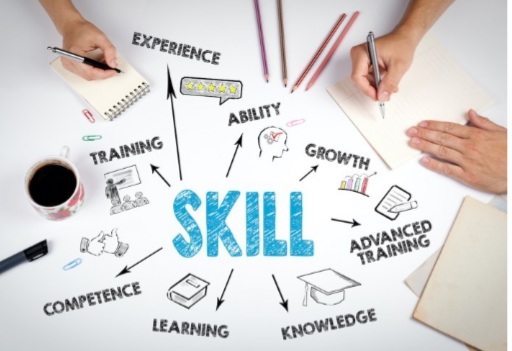
* skill – based learning :

As of now , the education system is such that everyone is forced to study science and math. If this system can be revamped to identify the strengths of a student, then they can be given appropriate training in the chosen field. This will ensure that the child shines in that particular field.

* Rural Education :

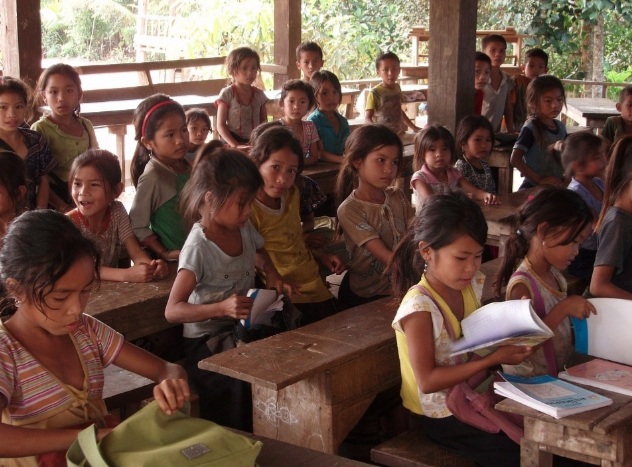
As the sad thing about the Indian education system is the fact that its focus is only on urban clusters. There are hardly any decent centres of learning in the rural areas. This is especially true in terms of higher education. If a country has to actually develop, urban and rural development have to go hand in hand.

* Gender Neutral Education :

The education system has always favoured men over the fairer sex. The major change that must be brought about is to involve women in the same. Particularly subjects that are now considered to be the strength of men alone ( like carpentry, engineering, etc). Should be made more accessible to women. Pioneer women in these fileds should be given due encouragement and appreciation.

* Teacher Training :

India has a very good quality of dedicated teachers. However, the sad fact here is the fact that after they join this service, they receive little or no training. In such a situation, giving them periodic training will not just ensure that they are updated with the changing times, but will also improve the entire education scene of the country by leaps and bounds.

* Infrastructure :

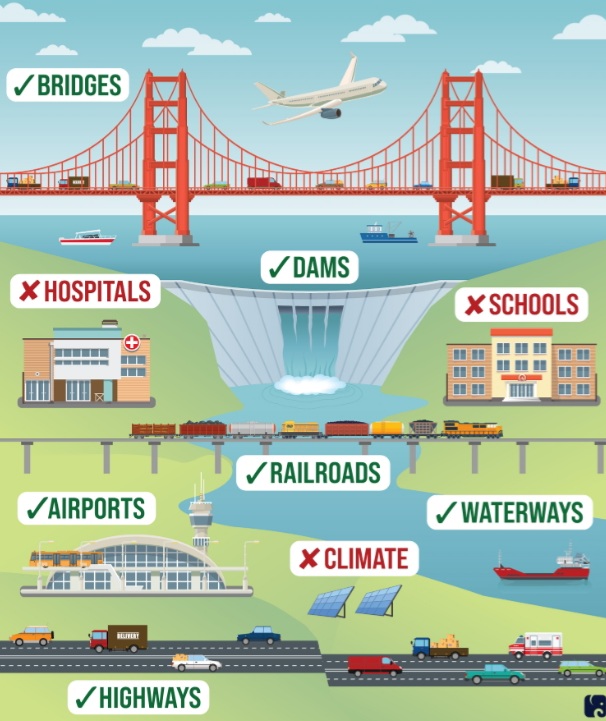
As in every other sector, the indian education sector is one that suffers from the acute death of infrastructure. Most of the government schools do not even have proper chairs, tables, restrooms, let alone a playground, libraries and laboratories. Thus ,the first step in revamping the education scene in the country should begin with improving the infrastructure so that the students are given an evironment where they can learn to the best of their abilities.

* subsidising professional courses :

It is a sad reality that many meritorious students are not able to afford professional corses because of the sheer expense involved in the same. This is all the way truer in case of students from the general category who do not have access to many scholarships. In such a situation subsidising the cost professional education will ensure that the same is within the reach of deserving students from the lower and lower middle class strata of the Indian society.

* Basic computing In Rural Areas :

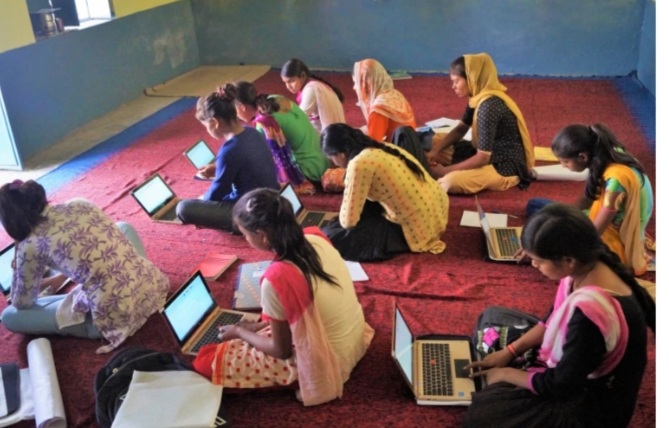
On one hand , India is a land of IT giants; on the other, rural India is completely digitally ill- equipped, in a sitiation like this, the first change that the education system must bring forward is to start free computing classes for skill development in rural areas. Only then will rural Indian move in the same pace as that of the urban Digital India and the country embark on the journey of development.

* Make sports compulsory :

One of the main reasons for the alarming rise in suicide amongst students in the country is the fact that they cannot handle stress. That in turn is because they are subjected to too much mental pressure. By making sports compusory it can be ensured that all the students indulge in some sort of some physical activity. This will lead to their mind performance better and enable them to grasp their theory lessons well.

* Educate parents :

Most of the times it is seen that the children’s woes centre atound that of their parents. In the Indian scenerio, parents are the ones who force their wards into a career they do not like. As a result students do not excel and upon failing to meet their parents expectations, they suffer from a number of mental health issues. To prevent such a thing from happening, the first step that must be taken is to educate the parents about the different carrer options that are available to the students and the possible scope of future in them.

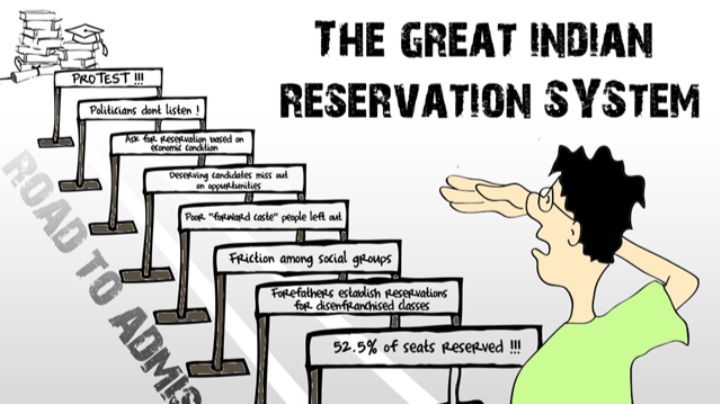
* Remove The Reservation system :

The reservation system in India has been so obsessed with providing the best of opportunities to the reserved that it misses out on many opportunities for the ones who actually deserve the same. This results in not just personal loss for certain people but also brain drain for the entire country and fosters a massive loss to the nation’s economy.

Today’s education system may be good to score marks, but fails to retain the knowledge once students have completed their examinations. This leads to young minds being stifled at an age when they should be asking questions, learning and gaining knowledge, and developing a thirst for more knowledge.

Prevent covid from impactig your credit score

 – Since the beginning of March, COVID-19 has turned millions of Americans’ financial situations upside down.

While the economy is showing signs of recovery, many Americans are still unemployed and having to dip into their savings to cover basic living costs. To that end, the question remains: How do you protect your credit score? Read on for some tips.

• Contact your lender aas soon as possible if you can’t make a payment. On-time payments are the largest factor affecting your credit score. Many lenders continue to offer emergency support such as deferral or forbearance options that may allow you to reduce or suspend payments for a fixed period. However, if those terms are set to expire soon, you should “call your lender to discuss what options are available,” says Rod Griffin, senior director of consumer education and advocacy for the credit reporting agency Experian.

• Look for ways to boost your credit score. If you have limited credit history, building credit can be challenging. Experian’s free tool, Experian Boost, can help raise your FICO score instantly by giving you credit for on-time utility, phone and streaming service payments.

This type of alternative financial data, known as “consumer-permissioned data,” allows you to manage your data with confidence and qualify for better credit. In fact, two out of three Experian Boost users see an increase in their credit score with an average increase of about 12 points. That’s enough to make a significant difference when applying for a loan or any type of credit.

• Consider getting a balance transfer credit card or one with an introductory offer. Handled responsibly, this actually has the potential to increase your credit score while either buying you time to pay off your debts or getting a “welcome bonus” of perhaps hundreds of dollars. If you’re looking for personalized credit card options, tools like Experian CreditMatch can help you get the right card based on your financial profile.

• Pay attention to your utilization ratio. Your credit score is based on your total balance-to-limit ratio (a.k.a. “utilization rate”). Adding a new credit card increases your total available credit. As long as your total credit balance remains the same, you’d be decreasing your utilization rate, which can potentially boost your credit score. Be sure to transfer balances to the card with lower interest and be mindful of temporary low interest rates.

While any balance can cause scores to decline, you should keep your utilization under 30 percent, both overall and on individual accounts. Shooting for a top credit score? “Keep your utilization in the single digits, or even better, pay your credit card balances in full each month,” says Griffin.

• Fight fraud by checking your credit report regularly.According to the Federal Trade Commission., there’s been a huge jump in attempted credit – and debit-card fraud since the pandemic hit; consumers have lost more than $100 million to COVID-19-related fraud

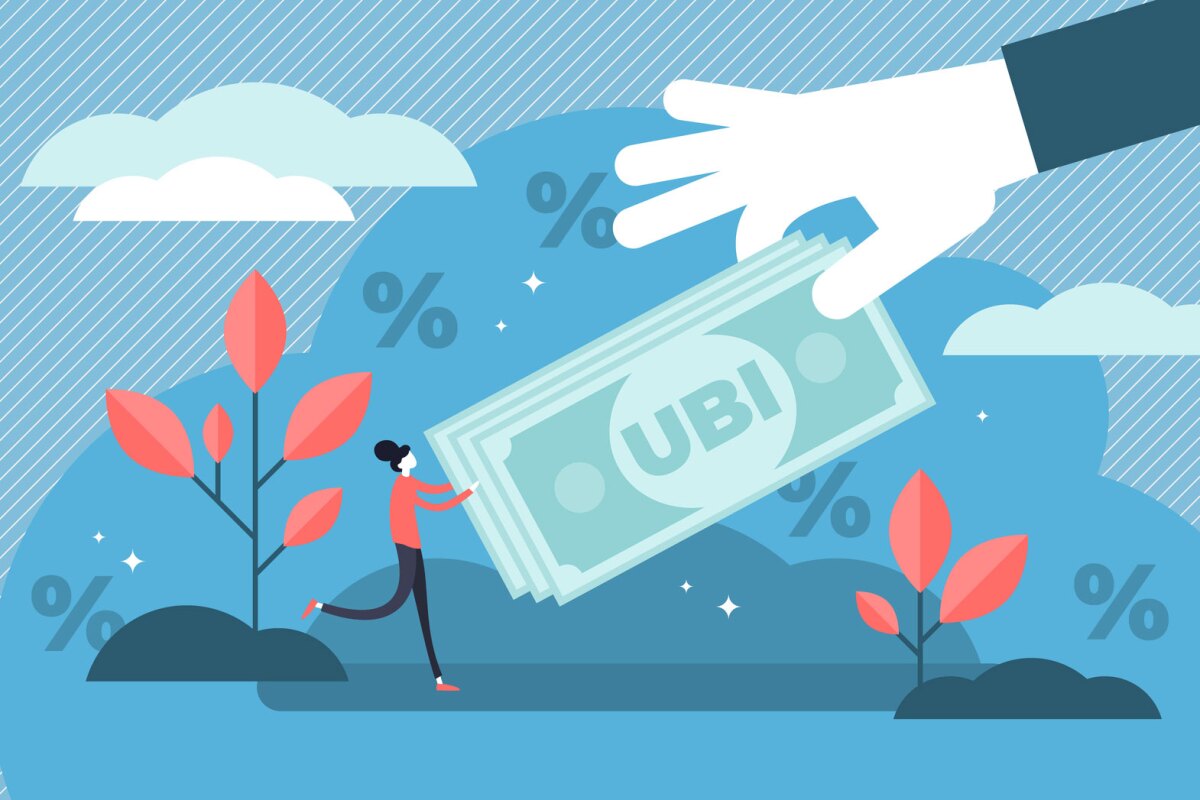
Universal Basic Income(UBI)

Universal Basic income(UBI), also called citizen’s income, citizen’s basic income, basic income guarantee, basic living stipend, guaranteed annual income, or universal demo grant, is a theoretical governmental public program for a periodic payment delivered to all citizens of a given population without a means test or work requirement. It’s main purpose is to reduce inequality and eliminate poverty.

Features of UBI:

1. Universal Scheme: UBI is a universal scheme in nature. It means UBI is not targeted so all citizens of the country will receive the payment of cash without any discrimination.

2. Periodic: Money will be distributed to the beneficiaries at a fixed interval i.e. monthly/yearly.

3. Cash Payment: The beneficiaries will get the cash directly into their account. So they won’t get anything in kind of cash i.e. vouchers for goods or services.

4. Unconditional Scheme: It means one need not prove his or her unemployment status or socio-economic identity to be eligible for UBI. So social or economic positions of the Beneficairy/individual are not taken into consideration.

5. Individual Beneficiary: In this scheme each citizen (or adult citizen) is considered as the beneficiary rather than each household.

An unconditional income that is sufficient to meet a person’s basic needs (i.e., at or above the poverty line) is sometimes called a full basic income; if it is less than that amount, it may be called a partial basic income.
One central motive for basic income is the belief that automation and robotization is paving the way for a world with fewer paid jobs.

Today, disruptive technologies like artificial intelligence are ushering in productivity gains that we have never seen before. They are also steadily reducing human capital requirements, making jobs a premium. The gap between the rich and everyone else has expanded significantly in recent years, and many fear that automation and globalization will widen it further.

Good Idea Why?

1. Currently, the government provides services through various social welfare schemes but now the government wants to change this trend by giving them cash so that peoples can buy services/goods of their choice.

2. UBI will provide secured income to individuals.

3. The scheme will reduce poverty and income inequality in society.

4. It will increase the purchasing power of the poor, so aggregate demand in the economy will get a boost.

5. It is easy to implement because the government needs not to identify the beneficiaries which is very tough task for State and Central Government.

6. This scheme will reduce the wastage of government money because its implementation is very simple.

If the only choice were between mass impoverishment and a UBI, a UBI would be preferable.

UBI is a project for reforming capitalism into an economic system by empowering labor in relation to capital, granting workers greater bargaining power with employers in labor markets, which can gradually de-commodify labor by separating work from income. This would allow for an expansion in the scope of the social economy by granting citizens greater means to pursue non-work activities (such as art or other hobbies) that do not yield strong financial returns.

Such a program would allow people to spend their money on whatever they value most. It would create a broad sense of ownership and a new constituency to shake up the system of big-money politics. Studies of conditional cash-transfer programs in developing economies have found that such policies can empower women and other marginalized groups.

Bad Idea Why?

1. There is a strong possibility that free cash to the poor can make them lazy or it may reduce the incentive for work, increasing the rate of inflation in the economy.

2. There is no guarantee that the given cash will be spent on productive activities, health & education, etc. It may be spent on tobacco, alcohol, drugs, and other luxury goods etc.

3. It may be that workers can refuse to work (as it had been observed in the case of MGNREGA) as a laborer or demand higher wages which can increase the cost of production of agricultural goods.

4. UBI is a flawed idea, not least because it would be prohibitively expensive unless accompanied by deep cuts to the rest of the safety net.

5. Without major cost savings, federal tax revenue would have to be doubled, which would impose massive distortionary costs on the economy.

And, no, a permanent UBI could not be financed with government debt or newly printed currency. Sacrificing all other social programs for the sake of a UBI is a terrible idea. Such programs exist to address specific problems, such as the vulnerability of the elderly, children, and disabled people.

Imagine living in a society where children still go hungry, and where those with severe health conditions are deprived of adequate care, because all the tax revenue has gone to sending monthly checks to every citizen, millionaires and billionaires included.
Basic economic theory implies that taxes on income are distortionary in as much as they discourage work and investment. Moreover, governments should avoid transfers to the same people from whom they collect revenue, but that is precisely what a UBI would do.

Besides, a more sensible policy is already on offer: a negative income tax, or what is sometimes called “guaranteed basic income.”
Rather than giving everyone $1,000 per month, a guaranteed-income program would offer transfers only to individuals whose monthly income is below $1,000, thereby coming in at a mere fraction of a UBI’s cost.

In conclusion it can be said that history has proven that freebies never changed the economic conditions of the people. So giving a sum of Rs.7,620 per person/year will not change much as we have seen this in the MGNREGA schemes which gives Rs.10,000 per year to the people.

So the government should focus to increase the skill of the people at free cost rather than free cash.

Start your own business – Part 1

During the lockdown, most of us lost our jobs and most of us got less paid than our actual wages due to the unpredictable economic statics and decrease percentage. So, everyone started to realize one passive income is not sufficient to run our lifestyle, especially in this pandemic situation. We always need two carriers to make money and satisfy our life needs.

  • One is PROFESSION
  • Another one is PASSION


A profession is something that you don’t hate but you do that to move on in day-to-day life. And passion is something that you love to do and doing that without any expectations. Nowadays nothing is free except viruses. So, even though if you love your passion as much as you even don’t give a second thought to get money out of it. You have to change that pessimistic mentality. Everything is an opportunity to improve both sides. That’s called Win and win solution. If you are teaching something he is earning knowledge and you are earning your deeds as money. So, how one can begin a start-up business? We are going to look at the most possible works to do without a large sum of investment. But, still get some side income from them. You don’t need to find a location or giant machines or decorating them etc… All you need is essential types of equipment for the idea in your mind and some Magic in your hands to achieve your destination. You can work from your home and sell them on Social Media like amazon, Instagram or you can even create your own website to place your products at one point.

Costume designing:

Costume designing is the best way to make a good profit out of essentials. All you need is an innovative mind, designing knowledge, fabrics, and sewing machine. And some customers must have their own ideas about their idea costumes. So, you can even customize your orders according to your customers. And trust me customizing optional website are countable in India. But people require customizing costume designers. You can do costumes like scarfs, veils, hats, dresses and innovative fashion and eligant costumes. Especially, people will roll over the red carpet for you if you sell them at affordable ranges.

Skincare products Making:

Skincare making is the Bestest economical friendly business. It doesn’t need higher investments but still, you can get a good profit if your products are reasonable and if you have magic in your hands to treat someone’s skin problem.

Nowadays skin problems are common to every human. If getting rid of the skin problems are one side. But, choosing a product to give a try is something everyone confuses. You can do skin products to the people’s according to the type of skin. People will celebrate you once they get visible changes. And people love natural ingredients without side effects keep it noted. There is a huge demand for good home-made products like hair oils, hair wash powders, soaps, cleansers, face packs, serums, etc.,

Some extra amount is something that no one will say no to. We will enroot many passionate start-up businesses like this in our upcoming articles. So, it’s time to switch our passion into action.

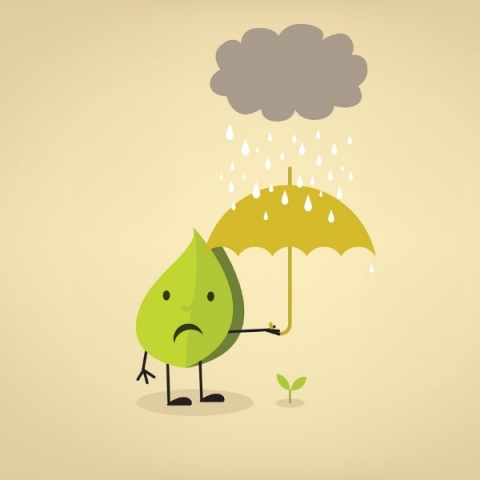
Acid Rain

“The unthinkable is that we’re distorting this atmospheric balance. We’re shifting the chemical balance so that we have more poisons in the atmosphere – ozones and acid rain on ground level – while we’re also changing the thermal climate of the earth through the greenhouse effect and – get this – simultaneously causing destruction of our primary filter of ultraviolet light. It’s incredible. Talk about the national-debt crisis – we’re piling up debts in the atmosphere, and the piper will want to be paid.”

~ Michael Oppenheimer

Introduction

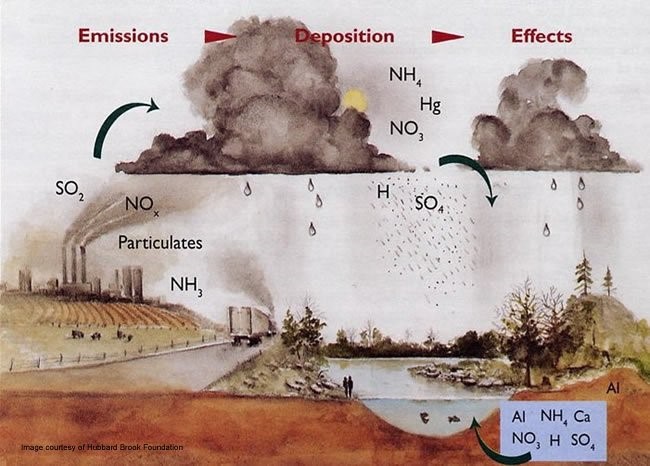
Acid rain, or acid deposition, is a broad term that includes any form of precipitation with acidic components, such as sulfuric or nitric acid that fall to the ground from the atmosphere in wet or dry forms. This can include rain, snow, fog, hail or even dust that is acidic.

Acid rain is caused by a chemical reaction that begins when compounds like sulfur dioxide and nitrogen oxides are released into the air. These substances can rise very high into the atmosphere, where they mix and react with water, oxygen, and other chemicals to form more acidic pollutants, known as acid rain.

It can have harmful effects on plants, aquatic animals, and infrastructure.

Effects of Acid Rain

The ecological effects of acid rain are most clearly seen in aquatic environments, such as streams, lakes, and marshes where it can be harmful to fish and other wildlife. As it flows through the soil, acidic rain water can leach aluminum from soil clay particles and then flow into streams and lakes.

Acid rain has been shown to have adverse impacts on forests, freshwaters, and soils, killing insect and aquatic life-forms, causing paint to peel, corrosion of steel structures such as bridges, and weathering of stone buildings and statues as well as having impacts on human health.

Acid rain also causes the corrosion of water pipes. Which further results in leaching of heavy metals such as iron, lead and copper into drinking water.

Prevention

1. The only precaution that we can take against acid rain is having a check at the emission of oxides of nitrogen and sulphur.
2. We have so far seen the details of acid rain and its harmful effect on animals, plants and the monuments.
3. Being responsible citizens, one should be aware of the harmful effects they cause and of the industries which give out nitrogen and sulphur compound wastes unethically. 4.A great way to reduce acid rain is to produce energy without using fossil fuels. Instead, people can use renewable energy sources, such as solar and wind power. Renewable energy sources help reduce acid rain because they produce much less pollution.

Acid Rain in India

Analysis of rainwater samples from Nagpur, Mohanbari (in Assam), Allahabad, Visakhapatnam and Kodaikanal in the decade 2001-2012 showed a pH level varying from 4.77 to 5.32, indicating that these places have actually been receiving ‘acid rain’. Rainwater with pH below 5.65 is considered acidic.

As energy requirements in India will grow rapidly in tune with the economy, coal dependence is expected to increase threefold over the current level of consumption, making the clouds of acid rain heavier over many highly sensitive areas in the country – the northeast, parts of Bihar, Orissa, West Bengal ,etc ,.

The rains in the Indian Ocean and the Arabian Sea and the Bay of Bengal have become acidic. Studies show the importance to regularly monitor more places for acid rains. But the mechanism to study acid rains is at present inadequate in India. imd stations are not located in the most polluted areas in the country.

Link

The utterly butterly delicious story of Amul

Over the years, Amul, one of the most beloved brands of our country, has become the taste of India, just as its tagline claims. Every Indian millennial has grown up listening to the jingles of its many dairy products, and the Amul girl, the brand’s mascot in the polka-dotted dress, has become a nostalgia-evoking symbol. Amul has truly come a long way since its founding in 1946.

The beginning

Amul was formed as a part of a cooperative movement against Polson Dairy in Anand, Gujarat, which procured milk from local farmers of Kaira District at very low rates and sold it to the then Bombay government. Everyone except the farmers benefited from this trade. The farmers took their plea to Sardar Patel, who had advocated farmers’ cooperatives since 1942. The result was the formation of the Kaira District Co-operative Milk Producers’ Union Limited in Anand.

The union started pasteurising milk produced by a handful of farmers for the Bombay Milk Scheme and grew to 432 farmers by the end of 1948. The rapid growth led to problems including excess production that the Bombay Milk Scheme couldn’t accommodate. To solve this issue, a plant was set up to process all that extra milk into products such as milk powder and butter.

Amul is born

The late Dr. Verghese Kurien, rightly called the Milkman of India, was Amul’s true architect. His journey at Amul began in 1949 when he arrived in Anand to manage a dairy as a government employee. He went from helping farmers repair machinery to revolutionising India’s dairy industry with the White Revolution (or Operation Flood), the largest dairy development programme in the world.

The new dairy with the milk processing plant was ready for operation in October 1955, the year that also saw a breakthrough in dairy technology —buffalo milk was processed to make products for the first time in the world. The word ‘Amul’, derived from ‘Amulya’, which means ‘precious’ or ‘priceless’ in Sanskrit, was used to market the range of milk products developed by the Kaira Union. It is also an acronym for Anand Milk Union Ltd.

Dr Kurien had a vision. He wanted to offer small-scale dairy farmers quality-control units and centralised marketing, which were missing at the time in the dairy economy. Thus, the Gujarat Cooperative Milk Marketing Federation (GCMMF) was created in 1973 to market milk and all milk products produced by six district cooperative unions in Gujarat. GCMMF is the largest exporter of dairy products in India and Amul is the umbrella for all of its products.

Awards, accolades, and a global presence

Over the years, Amul, together with GCMMF, has won numerous awards. Some of these include the Rajiv Gandhi National Quality Award, 1999; the Golden Trophy for Outstanding Export Performance, 2009-10; Best Marketing Campaign, 2014; and World Dairy Innovation Award, among many others. Amul earned recognition all over the world when GCMMF  introduced it on the Global Dairy Trade (GDT) platform, where only the six top dairy players across the world sell their products.

More than a mere slogan

Amul’s famous slogan, which is now a part of its logo, was created in 1994 by Shri Kanon Krishna of a Mumbai-based advertising agency called Advertising and Sales Promotion (ASP). According to Amul, the Taste of India slogan is more than just corporate positioning or advertising jargon. This slogan lends meaning to the brand’s never-ending commitment to taking quality food and products to the rural man, which he otherwise couldn’t have afforded.

The Butter Girl

Amul did not always have the round-eyed moppet as its mascot. The Butter Girl was born in 1966 when Sylvester daCunha, the then MD of the advertising agency handling Amul butter’s account, created her for its campaign. It was a pleasant change from the dull, corporate ads that the previous agency had come up with. Being a seasoned marketer himself, Dr Kurien gave daCunha complete creative freedom to create and release the ads without taking the company’s permission. 30 years later, the Utterly Butterly Girl still wins hearts wherever she is, whether on a billboard or on the packet of butter.

Amul is not just a brand; it is also a movement that represents farmers’ economic freedom. The name is now a household term that is here to stay, and the chubby-cheeked Amul girl will continue to cast a spell on the public.

Greed vs Generosity: Which Gives a Better Competitive Advantage?

Many people think that in the professional world, selfishness and greed are the characteristics that pay dividends. But the truth is, excepting win-lose situations, that the most successful people in the medium and long term are those who are the most generous in their business and personal lives.

Ambition is a desire to take on more than you can realistically accomplish, to constantly strive for improvement, to grow both personally and professionally, and, of course, the desire to generate more income. However there comes a time when ambition crosses a line, and when that happens it becomes greed. Greed is the desire to chew more than you can eat, a desire that distracts you from realistically possible goals. Greed is wanting to get more than what you have actually earned, obtaining maximum profit at minimum cost, or as an old adage has it: “Grasp all, lose all.”

Today there is an abundance of courses and books on finance, limitless knowledge on hand with a simple click. But to know what is right, to subdue the pirates of greed and to follow your trading plan- this is another story. People who look for easy money invariably find that there is no such thing, paying a heavy price for this lesson. Ego, vanity, and revenge play a part, causing people to fail on their trading accounts. This is one of the factors that explains why people might not fall into the exclusive 10% that ‘win’, and find themselves one of the 90% that lose.

Literature and film are full of greedy and stingy characters, and the moral of films like ‘A Christmas Carol’ or ‘The Wolf of Wall Street’ is always the same: the fate of the greedy is heartbreaking. Their addiction to work means that they live a lonely life, and their search for wealth means that at the end of their lives, they have only the sober memory of their friends from the Stock Exchange.

GIVE AND TAKE

People do not realize that giving without expecting something in return could be a competitive advantage, as well as making ones outlook more positive. Studies have shown that the most successful people are generous. At least this is the affirmation of Adam Grant, a psychologist and professor at Wharton and author of “Give and Take”.

A generous person builds bigger and stronger networks, improves communication with their existing contacts, and also finds it easier to interact with people outside of their core network- this gives them access to new contacts and valuable sources of information. Generous people inspire in others a predisposition, or positive receptivity, to reconnect with them, as well as a greater willingness to collaborate.

Moreover, being a giver encourages persistence because givers are able to enthusiastically motivate people, inspiring confidence, because they are liberal with praise. They create a generally positive environment. Talent is important, but the most important factor in success is persistence. And what’s even more interesting is that being a giver has an energizing effect that increases levels of happiness.

According to Bill Williams, famous trader and writer of “Trading Chaos”, people with a ‘giving’ mindset enjoy more happiness and success. For example, later in his career Bill always traded two accounts, one for himself and one for his charities. The charity account always made more money, even though he traded using the same method with both accounts. In the charity account he never veered from his strategy, while in his own account he would sometimes take a trade based on a “feel”, or get in a trade before the actual signal. This shows us the importance of sticking to a plan, but also the importance of being a ‘giver’.

Giving distracts us from our problems, adds meaning to our lives and helps us feel valued by others. This explains why avidity and egoism are the trader’s worst enemy. Having a benevolent mindset while trading helps the trader to increase performance. Happy people earn more money on average, score higher yields, make better decisions and contribute more to their organizations. Furthermore, traders who are givers are at the top of the most successful trading operations.

THE GREED EFFECT

Focusing only on money results in the ‘greedy effect’, something that all professional traders know. In fact, one of the most common pieces of (rarely followed) advice that newbies receive is to shift their focus from trade results to the trading process, analyzing and following the rules of their trading system. Another suggestion is to start reasoning in pips and ticks instead of dollars. This reduces the greedy mindset and develops a more reliable attitude.

However we can make a further effort to improve our performance by shifting our focus to be more generous. One example is trading for charitable purposes like the aforementioned Bill Williams, another could be simply committing a small part of your monthly or annual profit to microcredits, which promote a world of stability and self-sufficiency, key to overcoming poverty.

Material things can be recovered, but feelings of guilt, helplessness and loneliness cannot be solved with money. If humans would be more understanding of and generous to others, the world would be a very different place. And that is why those who practice generosity, making it part of their daily lives, experience an uplifting of their mental and emotional state, and are generally filled with more satisfaction in their professional and personal lives.

In conclusion, we see that generous people are the most successful in their daily trading performance for the reasons described above. Having a giving mindset helps professionals become part of that exclusive group, the 10% of winners.

The Origin of Buddhism .

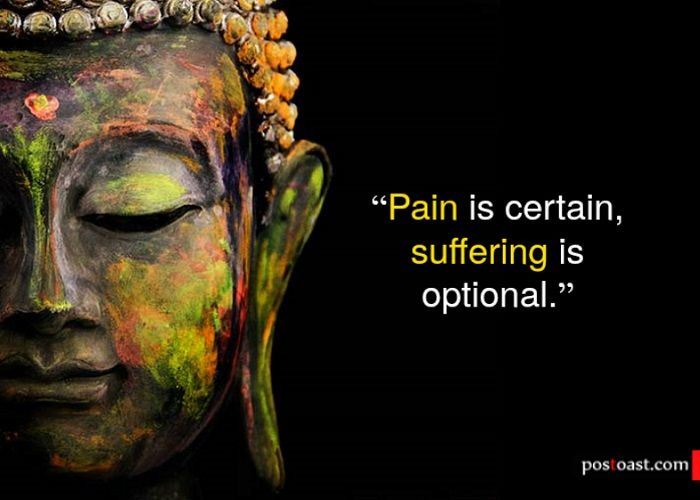
We are what we think. All that we are arises with our thoughts. With our thoughts, we make the world.
Peace comes from within. Do not seek it without.

Lord Buddha

Introduction.

He was a spiritual personality . An ancient teacher and enlightened many . A founder of world religion Buddhism . He was popularly known as Gautama Buddha (also known as Siddhattha Gotama or Siddhārtha Gautama or Buddha Shakyamuni ) .

The Enlightened One who rediscovered an ancient path to release clinging and craving and escape the cycle of birth and rebirth. He taught for around 45 years and built a large following, both monastic and lay. His teaching is based on his insight into the arising of duḥkha (the unsatisfactoriness of clinging to impermanent states and things) and the ending of duhkha—the state called Nibbāna or Nirvana (extinguishing of the three fires).

Buddhism

Buddhism, one of the major religions and philosophical systems of southern and eastern Asia and of the world. Buddha is one of the many epithets of a teacher who lived in northern India sometime between the 6th and the 4th century before the Common Era.

The title buddha was used by a number of religious groups in ancient India and had a range of meanings, but it came to be associated most strongly with the tradition of Buddhism and to mean an enlightened being, one who has awakened from the sleep of ignorance and achieved freedom from suffering.

According to the various traditions of Buddhism, there have been buddhas in the past and there will be buddhas in the future. Some forms of Buddhism hold that there is only one buddha for each historical age; others hold that all beings will eventually become buddhas because they possess the buddha nature (tathagatagarbha).

According to Buddhist doctrine, the universe is the product of karma, the law of the cause and effect of actions, according to which virtuous actions create pleasure in the future and nonvirtuous actions create pain.

Your work is to discover your world and then with all your heart give yourself to it.

Lord Buddha

History

Gautama Buddha ( born c. 6th–4th century BCE, Lumbini, near Kapilavastu, Shakya republic, Kosala kingdom [now in Nepal]—died, Kusinara, Malla republic, Magadha kingdom [now Kasia, India]).

Buddha is one of the many epithets of a teacher who lived in northern India sometime between the 6th and the 4th century before the Common Era.

Learnings from Gautama Buddha.

1. “Three things cannot be hidden: the sun, the moon and the truth.”

2. “You will not be punished for your anger; you will be punished by your anger.”

3. “You can search throughout the entire universe for someone who is more deserving of your love and affection than you are yourself, and that person is not to be found anywhere. You, yourself, as much as anybody in the entire universe, deserve your love and affection.”

4. “We are shaped by our thoughts; we become what we think. When the mind is pure, joy follows like a shadow that never leaves.”

5. “Believe nothing, no matter where you read it, or who said it, no matter if I have said it, unless it agrees with your own reason and your own common sense.”

Link