Importance Of Effective Communication Skills

Contemporary World

People feel generally competent and confident when discussing matters of communication. Some perceive communication as one of the fundamental differences between human and other animal species, and as the very element that led to human change, development, adaptation, and domination. But to try and define such a broad term is a difficult task – one that many scholars have undertaken. The essence of communication though can be expressed in simple words: communication is the transfer of thoughts, feelings, ideas, and opinions from one person to another (or to a group of others) through specific channels.

The Virtual Scenario

Virtual communication clearly has many advantages including increased productivity, reduced business costs and a better work/life balance of the workforce. However, virtual communication also entails numerous challenges and obstacles which are often neglected in light of the benefits.

When communication is effective, it leaves all parties involved satisfied and feeling accomplished. By delivering messages clearly, there is no room for misunderstanding or alteration of messages, which decreases the potential for conflict. In situations where conflict does arise, effective communication is a key factor to ensure that the situation is resolved in a respectful manner. How one communicates can be a make or break factor in securing a job, maintaining a healthy relationship, and healthy self-expression.

In contemporary virtual  scenario, effective communication  fosters trust with others. Your ability to listen attentively and embrace different points of view helps others trust that you are making optimal decisions for everyone in the group. The ability to communicate effectively plays a large role in resolving conflicts and preventing potential ones from arising. The key is to remain calm, make sure all parties are heard and find a solution that is ideal for everyone involved. With people feeling more confident in their work and in their understanding of what they need to do, they become more engaged with their work as a whole. To cite a day-to-day example, video-conference with clients on another continent or even replying to a flood of emails for that matter, can be two of the very prominent instances, one may come across quite frequently.

A video-conference with clients on another continent, can be best accomplished only with one’s spontaneous communication skills, virtually. It is definitely not as easy as it may seem in an authentic face-to-face scenario.

The same holds true for online classes as well. Communicating with teachers, and students, virtually, isn’t as fun as it used to be in the past in a non-virtual scenario. To make situations like these more welcoming. One must have good communication skills and must know the right way to make use of it too. Being able to communicate effectively is one of the most important life skills to learn.

Residential Fire Risk

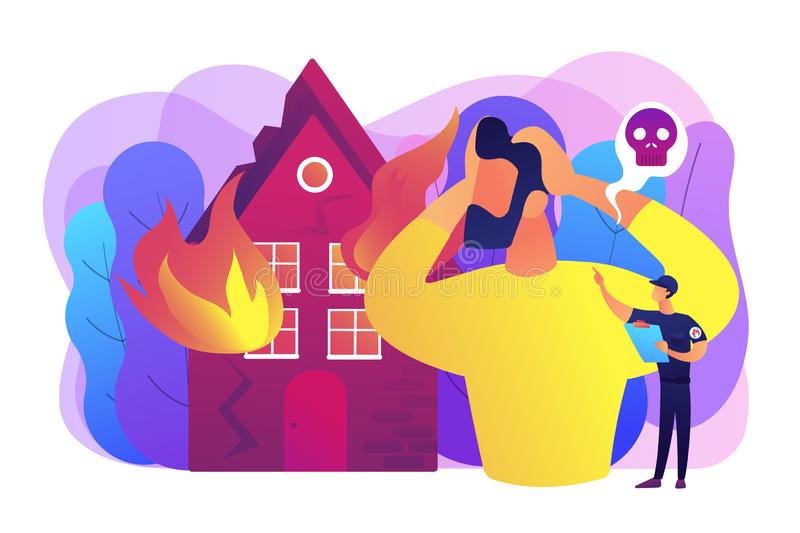
Fire is the visible effect of the process of combustion – a special type of chemical reaction. It occurs between oxygen in the air and some sort of fuel. When a fire occurs, there is a very little time to escape for it engulfs everything in its ambit in less than 2 minutes. Contrary to popular belief, over 90% of fire related deaths are caused by smoke suffocation. According to the World Health Organization (WHO) statistics, more than 300,000 deaths are caused annually by fire induced burns and more than 90% of these deaths occur in low- and middle-income countries. These figures clearly shows that fire poses serious threat to both life and property. Fire hazards can be understood as any actions, materials or conditions that might increase the size or severity of a fire or that might cause a fire to start. Of all the natural disasters, fit is fire only that is both beneficial to man and his environment as well as destructive and deadly.

Sun and Lao (2014) assert that fire risk analysis of high-rise building is of crucial importance due to the reason that there still lacks efficient systematic fire extinguish method to ensure a safety evacuation process. They further elaborated that fire risk assessment is an organized and methodical review of a specific building, the activities carried that increase the likelihood of a fire to start and cause harm to the occupants and properties. The fire risk assessment involves five steps – hazard identification, scenario design fire, quantitative risk analysis, risk assessment comparing to acceptable criteria and risk management. They highlighted the point that fire scenario is a key parameter of the whole fire risk assessment process – which involves a combination of potential fire size, fire location, combustible characteristics, availability of fire system etc. They further emphasized through their study based on China that risk analysis is important to evaluate fire protection strategies for a particular application or for a class of facility or operation in fire safety engineering. Beside this, the risk assessment will assist the stakeholders and operator to manage the facilities in a right way.

A comparative study regarding the level of fire safety between Residential and Commercial Construction sites were carried out by Sivakumar, Malathy and Sivaprakash (2018). The study brought the point that residential building satisfies overall fire safety conditions better than commercial buildings. However, combustible materials are stored and maintained in a better manner in commercial buildings than residential buildings and tend to satisfy overall structural feature parameters when compared to residential buildings. Moreover, the study highlighted that fire emergency, signage and emergency planning in commercial buildings are better than in residential buildings. They asserted that, however, both the commercial and residential buildings need to focus more on reducing risk and on improving fire safety and fire risk assessment standards and compliances regarding the protection of people working in the construction sites.

Huang and Xin (2013) in their paper based on China presents fire risk analysis model-based scenario clusters and its application in fire risk management of buildings. The paper has described the quantitative analysis model for fire risk analysis. They bring out the point that fire risk analysis method allows a quick check of any safety deficiencies in residential buildings and any need to provide additional fire protection measures to minimize fire risk. However, they argue that the method does not include consideration of the logical development of fire events. Moreover, the quantification parameters of fire risk are based on statistical data (if available). Thus, they assert that more research is required to verify the methods of some parameters in international contexts. The paper also conformed to the idea that building fire risk analysis serves as a basis for fire risk management.

Masoumi, Genderen and Maleki (2019) attempted to carry a comprehensive fire risk assessment in the dense urban areas of Zanjan city using Information Fusion based on GIS modeling. The study has highlighted the increasing importance of information fusion technologies for the analysis of geospatial information. The use of different types of spatial and attribute data from different sources deploying GIS and geospatial analyses can act as powerful tools to aggregate information in order to assess disaster risk in urban and regional scales. The result of sensitivity analyses also indicated that the social training factor is the most effective causative factor in the fire risk.

Kodur, Kumar and Rafi (2019) in their paper, ‘Fire hazard in buildings: review, assessment and strategies for improving fire safety,’ presents a critical review of current fire protection measures and their applicability to address current challenges relating to fire hazards in buildings. Based on the review, an integrated framework for mitigation of fire hazards is proposed. The proposed framework involves enhancement of fire safety in four key areas: fire protection features in buildings, regulation and enforcement, consumer awareness and technology and resources advancement. Detailed strategies on improving fire safety in buildings in these four key areas are presented, and future research and training needs are identified. The study has brought forth the point that Current fire protection measures lead to an unquantified level of fire safety in buildings, provide minimal strategies to mitigate fire hazard and do not account for contemporary fire hazard issues. They highlighted that Implementing key measures that include reliable fire protection systems, proper regulation and enforcement of building code provisions, enhancement of public awareness and proper use of technology and resources is key to mitigating fire hazard in buildings. Major research and training required to improve fire safety in buildings include developing cost-effective fire suppression systems and rational fire design approaches, characterizing new materials and developing performance-based codes.

Groner (2015) in his paper describes a decision model for managing the movement of building occupants during fir emergencies. The study assert that sophisticated education and training would improve the responses of occupant movement managers. Accepting that it is unlikely for a great increase in resources being dedicated to it, the study forwards a ‘simple mental model’ – which should help occupant movement managers avoid mistakes in both planning for and responding to fire emergencies. The research assert that the model relies on the abilities of people to analyse and synthesize inputs and people are notably effective at this task given a mental model that is simple enough to easily recall.

Among different types of disasters, fire constitutes a significant threat to life and property in any type of settlement whether urban or rural possession. In India, the data on fire related deaths are provided by National Crime Records Bureau (NCRB) under Accidental Deaths & Suicides in India (ADSI). According to study conducted by India Risk Survey in 2018, Fire outbreak is the third largest risk to be faced by the people in continuity of operations on the other hand the Accidental Deaths and Suicides in India report, 2019 states that residential buildings are most prone to fire outbreaks due to faulty behaviour of residents. According to ADSI reported 11,037 cases of fire accidents in the country during 2019 which rendered 10915 deaths and injuries to 441 persons. The cause-wise analysis of fire accidents revealed that 58.0% of total deaths were reported in residential/dwelling buildings during the mentioned year. The residential fire risks arise from both inappropriate structural attributes and faulty behavioural practices like using nonstandard electrical goods, no capacity building in case of disaster, congestion in residential localities and no maintenance of electrical equipment’s.

Cities across India are growing at exuberant rates. However, as we build new cities and expand old ones, we must not forget the necessary features that make up these urban spaces. Fire safety is crucial in urban and rural habitats, and there must be continued investments in equipment and infrastructure to guarantee the safety of the residents. It’s time our civic authorities, town planners and fire service officials pay more attention to fire safety in residential colonies and ensure that they have at least some rudimentary fire engines. It is also important to educate residents on dealing with a fire. Along with these, fire risk assessment should be duly done to ensure proper evacuation plan as well as the adoption of all possible best measure to prevent fires. This will go a long way in saving life.

In India, though there are several rules and laws, codes and standards associated with fire safety, these are rarely followed. Neglective behaviour in following fire safety measures caused several major fires in numerous occupancies and a few of them even resulted in catastrophes, however, there aren’t any provisions for fire safety legislation in India regarding the objectives, scope, methodology, and periodicity of the Fire Safety Audit.

Home is a place where you build memories and seeing it burning down to ashes can be the most terrifying event in one’s life. Though a scary thought, a lot can be done to prevent fire from happening. Fire Hazard in the residential buildings are the most common hazard especially because of the ignorance on the part of the residents. Even if we cannot control anything and everything, however, we can take some steps to help reduce the chances of fire from occurring as well to reduce the smoke damage.

REFERENCES

Groner, N. (2016). A Decision Model for Recommending which Building Occupants should Move where During Fire Emergencies. Fire Safety Journal, 20-29.

Kodur, V. K. (2019). Fire Hazards in Building: Review, Assessments and Strategies for Improving Fire Safety. PSU Research Review, 4(1), 1-23.

Mausoumi, Z. G. (2019). Fire Risk Assessment in Dense Urban Areas Using Information Fusion Techniques. International Journal of Geo-Information(8), 2-20.

Ministry of Home Affairs. (2020). Accidental Deaths and Suicide in India, 2019. New Delhi: National Crime Records Bureau.

Sivakumar, C. M. (2018). A Study on Fire Safety on Residential and Commercial        Construction Sites. Archives of Civil Engineering, LXIV(2), 161-174.

Sun, X. L. (2014). Fire Risk Assessment for Super High- Rise Buildings. Procedia Engineering, 492-501.

Xin, J. H. (2013). Fire Risk Analysis of Residential Buildings based on Scenario Clusters and its Application in Fire Risk Management. Fire Safety Journal, 72-78.

Image Credit: Google

Indian spirituality

In India there is a discipline prescribed for the gradual evolution of the human individual by stages of

(1) education,

(2) adjustment of oneself with the demands of natural and social living and,

(3) an austere detachment from the usual entanglements in life and

(4) final rootedness of oneself in God. This last mentioned stage is known as Sannyasa and the first two stages are the religious disciplines preparing a person for the third and the fourth stages.


Religion has its various restrictions imposed on a person, keeping all human activity confined to specific areas of living with its several do’s and don’ts – ‘do this’ and ‘do not do that’. There cannot be any religion without these two mandates imposed on man. People in the first two stages of life mentioned above are placed under an obligation to follow these dos and don’ts of religion in social behaviour, in personal conduct and dealings with people in any manner whatsoever. Every religion has these ordinances defining the duties, which are religious, whether in the form of ritual, worship, or pilgrimage and even in diet, daily ablution, and an exclusive literal devotion to the word of the scripture of the religion. These restrictions are lifted in the third stage where the life of a person is mainly an internal operation of thought, feeling and understanding and not connected with human society in any way.

World Children’s Day and its significance

Photo by samer daboul on Pexels.com

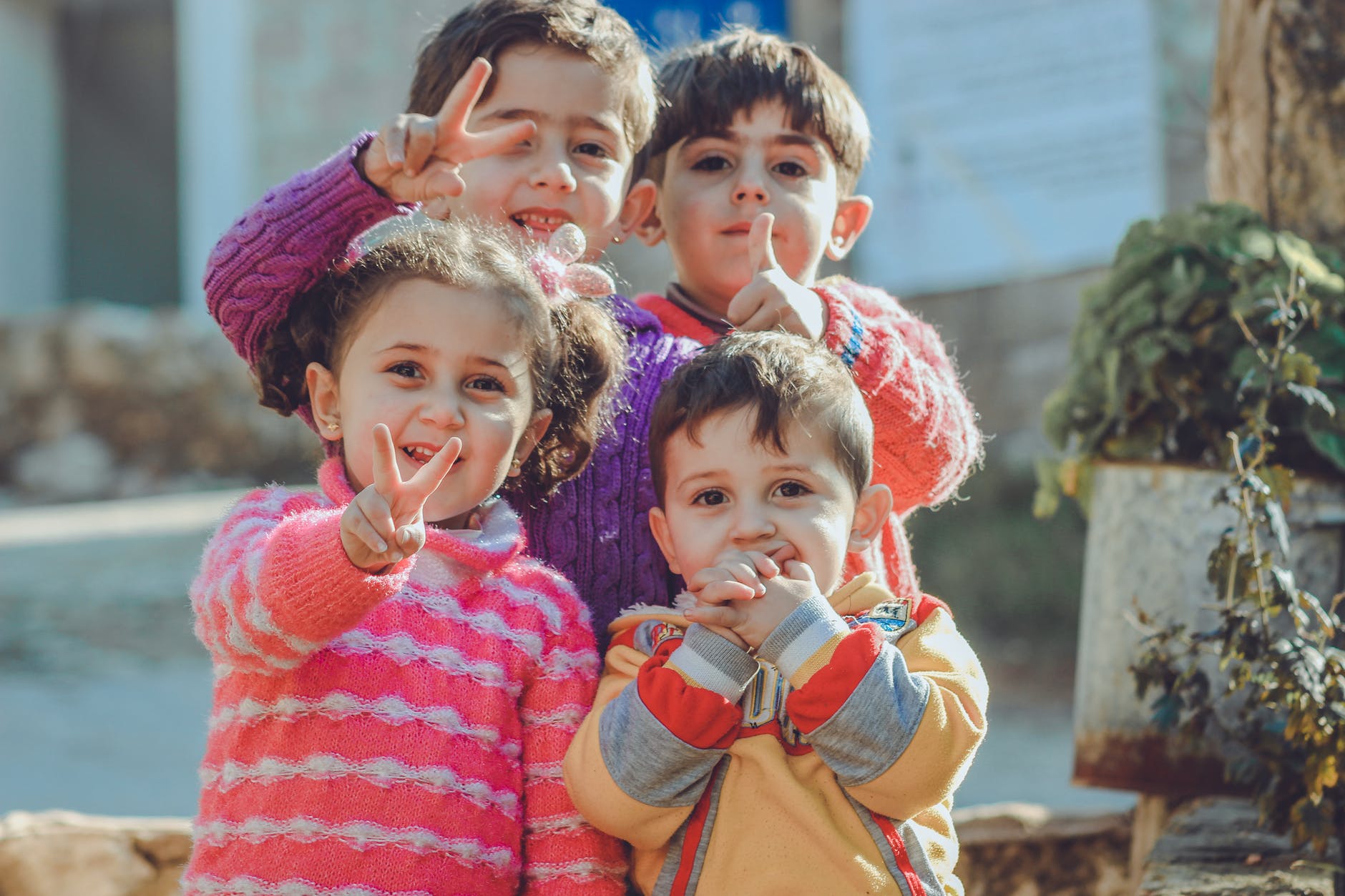
Children are called as the leaders of the future generations. They are also known to be the torch bearers for the future of the human society.  Universal Children’s Day is celebrated every year on the 20th of November as an observance to promote children rights and welfare. Every year, the United Nations (UN) provides a particular theme for this day to improve the conditions of children and build a better environment for them. It was first celebrated in the year 1954 to encourage unity and friendliness among children across various nations. In the year 1959, the United Nations General Assembly accepted the Declaration of the children’s rights on the 20th of November. Therefore, this day is celebrated as Universal Children’s Day.

The theme

The theme for this year by UNICEF is to help children to recover from interruptions and learning losses experienced through the pandemic in the last two years and contribute towards the betterment of the children. Hence, the UNICEF has started a #GoBlue Campaign to highlight the issues faced by children due to the COVID-19 pandemic. This pandemic has shown us how unequal and unfair things have been for the children of the nation. From climate change to racism, many children have been deprived from their basic rights and the youngsters have been raising their voices against such injustices to lead the world towards a better future. Hence, the UNGA has requested several countries to support this cause so the children will be able to lead a better life. To support this cause, the United Nations Children’s Fund (UNICEF) will be holding a parliamentary meeting today at 7:30 pm to raise awareness regarding such issues.  

India’s Contribution

IMAGE: ANI

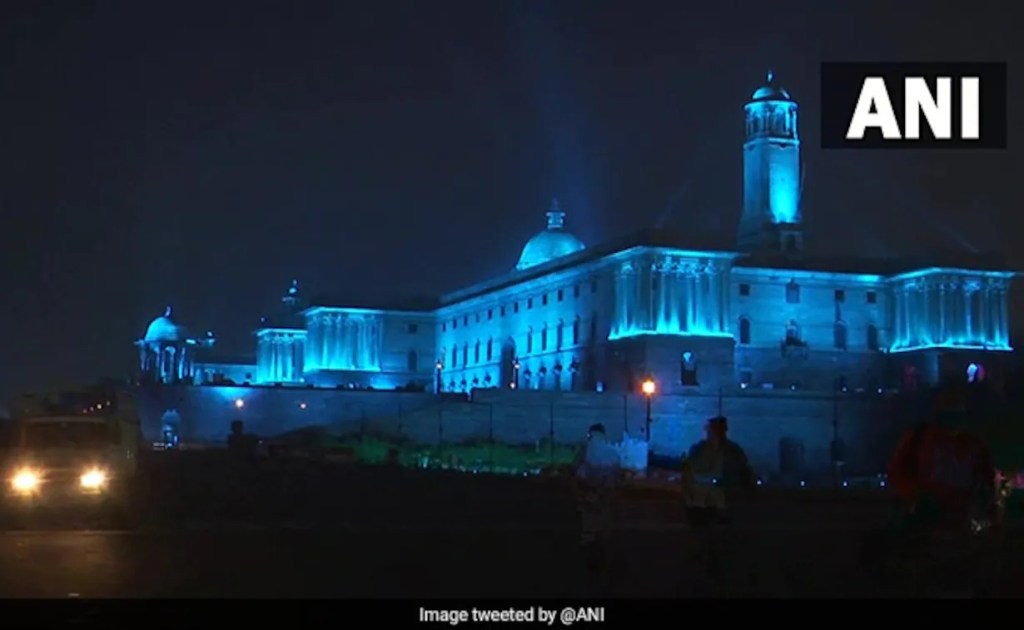
India has also supported this campaign by illuminating monuments like Qutub Minar and Rashtrapati Bhavan with blue lights. The parliament buildings like North block and south block have also been lit up in the capital city of India on the occasion of World Children’s Day.

Conclusion

This purpose of this year’s theme is to encourage children and youngsters to highlight the issues faced by them and urges adults to understand and take the required actions for the future generations’ well-being. This World Children’s Day, it is extremely important to raise awareness against the discrimination and the racism faced by little children. it is more important than ever, that the leaders listen to their ideas and demands and take actions accordingly. It is our responsibility as a human being to create and build a better world for the children and we must work extremely hard towards achieving that goal.

Preparation through education is less costly than learning through tragedy

In this era, where humanisation of nature is taking place at a tremendous rate, where the nature is altered at an alarming rate for the so – called benefits of “we” humans, disturbances are created in the normal functioning of nature and so nature rises in its fury and the fury of nature is not magnanimous but rather too destructive to ignore.

                 According to Max Mayfield, “Preparation through education is less costly than learning through tragedy”. The point that he is trying to bring into the notice of so- called enlightened society is that if our learning through education is put into action, we would avoid any tragedy, we would invite less destruction. If the foundation is strong, the building won’t be shaken easily.

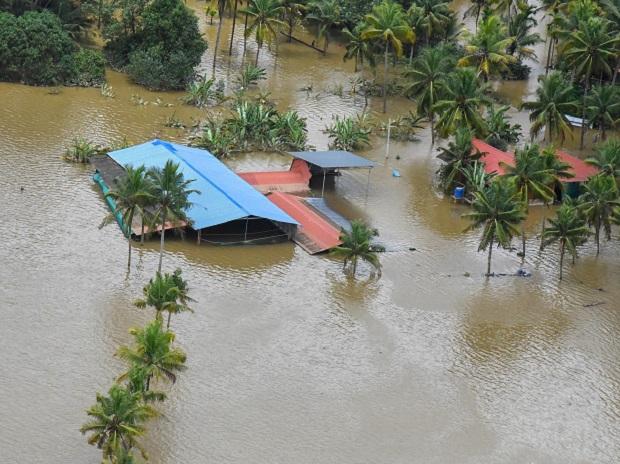
                If we look at the recent cases of natural calamities, we would get a better picture of what he is trying to bring into notice. In India itself, we could trace the tragedy that took away the life of many.  In the Kerala floods, death toll rose to around 417 people, which was the worst natural calamity to strike the southern states in decades. Kerala faced the flash flooding which occurred due to heavy downpour, but this four months of torrential rain in Kerala became destructive because the situation was aggravated due to the ignorance of local officials.

                “This could have been avoided if the dam operators had start releasing water in advance rather than waiting for the dam to be filled up, when they have no alternative but to release water”, water expert Himanshu Thakkar told the BBC.

                  The ignorance of the local officials along with the failure of India’s Central Water Commission to introduce a flood forecasting system to issue warning gave a major setback not only to the southern states but also to the entire nation.

                   More than one million people were displaced and kept in relief camp. The money that the Central Government directed towards the recovery of Kerala, could have been avoided if the system, if the infrastructure were in place. Millions of people would have not lost their home if there was some preparedness, if there was some warning, if at all the learning were in place. There are many other places in different parts of the world where such calamities are taking the life of many because we tend to over push the limits of nature.

                  This is what Max Mayfield tried to explain through his words. The cost not only in terms of money but also in terms of lives could have been less if there was proper crisis preparedness.

                Another case or why not say another calamity which is not respecting any so – called political boundaries and the effect of which is slowly taking a drastic grip on us is ‘Global Warming’. It’s high time to realise that, “Global Warming is Global Warning”. Global warming is the increase in the general level of earth’s temperature. Our earth has its own mechanism to combat the disturbances in its functioning but “we” humans tend to aggravate the situation to the extent that the mechanism is at the verge of breaking down.

          Burning of fossil fuels like coal, gas to create electricity or to power the cars or for the industrial purpose, results in the emission of profound amount of carbon dioxide in the atmosphere which results in carbon pollution and contribute in making the quality of air severe. It is quite clear the way urban expansion is encroaching upon the wilderness. We clear large patch of forest for the purpose of settlement and other things. When vegetation is cleared or burnt, the stored carbon is released into the atmosphere as CO2, contributing in global warming. The list would be never ending if we look for the causes that involve humans.

           The effect of global warming can already be seen clearly – the melting of glaciers, consecutively rise in the sea level and simultaneously flooding of coastal areas, the quality of air from being worse to severe, droughts, expansion of deserts.

             The call of the time is “Sustainable Development” which is in par with nature. It was in 1980s that the bad health of environment and consecutively bad health of ours and the concept of sustainable way of living was realised. But why is it that in the last 50 years more species became extinct than ever!

              Education is not something which is limited to books, specific to getting qualifications. It would really be a bliss if we would start bringing the knowledge into action, if we would move towards sustainability that we have been learning, if we would start preventing the tragedies through preparedness rather than learning through its cure.

             When disaster takes place, timings is essential. Many lives can be saved; destruction can be minimized if actions are taken quickly. But the action can be taken quickly only if there is some preparedness, if there is some alertness. There should be efficient communication system in place for destruction to be minimized.

            The government is not always to be blamed for the crisis. We as educated citizens can do a lot, we can channel our learning, our talent through joining various humanitarian organisations that works towards better development, toward preventing and reducing the crisis.

            The Kerala case was a big setback to the nation. Though it was a lesson for everyone but it could have been better if we could have prevented it, the southern state could have focussed on other major social issues grouping the society. And the global warming, before it scales to a height, where we would be left helpless, with no idea of what to do next, it would be better if we try to work together to reduce the harmful industrialisation, if we would walk in the path of sustainable development.

          So, it’s high time to realise that in this era, we got to be more conscious of what we learn and how do we channel it. As the saying goes, “Learning is a treasure that will follow it’s owner everywhere”. So let it follow your action and put it into right use. It is the collective work in which each and every individual needs to come together to make this world a better place.

Image Credit: Business Standard News

Retrieved from: Google

Is India Ready For Cashless Economy?

For India, right now, the victory of cashless economy is as far as the eyes see. India is becoming a large middle income country, too complex, and varied to be controlled centrally. The government will need to withdraw from occupying the commanding heights of the economy, confining itself to providing public goods and the governing framework and, leaving economic activity to the people.

To harness their collective energy, India will need many such reforms in the years o come if it is to grow rapidly in a sustainable and equitable way. These were the words of our former RBI Chief Mr. Raghuram Rajan.

GST and Demonetisation

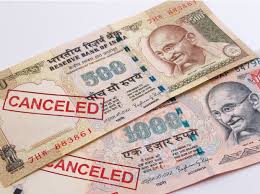
If our country’s people are still under the influence of the infamous twin-shock of GST and demonetisation, then how can we consider the thought of cashless economy at such a tender stage. This is not just a rhetoric, it is the fuming question with only one answer, NO.

Why is India not ready yet?

Enough of the statements from the philosophical jar, lets talk facts.

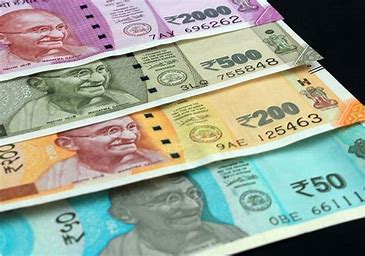
India is an economy where 98 per cent of all transactions are in cash. This is due to the large informal sector, which employs 90 per cent of the workforce. The overwhelming majority of them are not hoarders of black money. And yet, India cannot become a cashless society unless its mammoth informal sector transitions to digital payments.

Lack Of Cyber Security

And right now with hackers giving proofs of how one can misuse Aadhar details by stealing a real life example of none other than the TRAI Chief, I am saying that India will be ready for a cashless economy but definitely it is not now.

We need to built homogenous network of digital security to take the baby steps for a walk which has a long road.

“A cashless economy needs robust cyber security capabilities and India isn’t ready” – KPMG INDIA CHIEF, Arun M. Kumar.

How to make the best use of time. 

This is an image for how to make the best use of time.
Photo by Eunice Lui on Pexels.com

Time is precious, it’s a saying that is reiterated often by everyone! We all are gifted with 24 hours everyday and many more during our whole lives. But often we don’t know how to utilize them. We understand how precious time is only when it passes away, leaving us with only a few hours left to turn in an assignment! This doesn’t have to repeat because here are some ways you can make the best use of time. 

Keep track of your time

When time passes you in a whiff, leaving you with the feeling of having nothing done from your ‘to do list’. The moment has come to identify how you have been utilizing your time. A simple note making activity along the week can do the trick. Keep tabs on the activities you do on a regular basis across different time periods. You can do this the old school way by writing down in a notebook or the modern way by typing in your smartphone. The aim of the activity is to figure out the tasks that waste your time by the end of the week and curb the duration of indulging in such activities. 

For example if using your mobile phone or watching television is eating up your time, leaving you with no time to do what is necessary. Keeping track of your time will help you understand this mishap and rectify your actions. Thus helping you to make the best use of time. 

Make a ‘To do list’, but avoid listing a ton of items. 

This is an image of  To do list.
Photo by Breakingpic on Pexels.com

Making a ‘To do list’ is supposed to motivate us to get things done for the day. But listing a ton of tasks kills the motivation to do the same. Listing even 3 important items to do for the day can help you get things done and motivate you to do more. Three tasks might seem very less, but it accounts for a day well spent as you accomplish the 3 most important tasks that need to be done, rather than listing 10 items in your ‘to do list’ and get nothing finished. 

Doing less also helps you focus and spend adequate time over your important tasks, making you less prone to make errors and getting things done efficiently. 

Plan your day before time

We all have heard the famous words of Benjamin Franklin, “If you fail to plan, you are planning to fail.” Although it sounds daunting and negative, it makes a lot of sense when you try to make the best use of time. When you haven’t given a thought about the day ahead, you end up spending the day doing mundane things that take up the majority of your time. 

It is best to plan the next day before going to bed or during the early hours of the day to make the best use of time. This helps you to remember the important things to be done for the day and keep you occupied. 

Take out the bad habits from your day

This is an image for bad habits
Photo by Maria Orlova on Pexels.com

We all develop some habits in our lives that are harmful or keep us from being productive. You might probably take your love for music to the next level by having your earphones plugged in for several hours. This could be harmful to your ears or reduce efficiency as you listen to music in the background while doing something important. Hence, it becomes necessary to fix a duration for plugging in some music rather than doing so all the time.

Similarly, you can curb other time consuming habits by spending less time over them or putting them away during your time of productivity. 

  • Put your phone away to resist the urge for checking messages while you study or work on an assignment. 
  • Turn off the Wifi or mobile data on your phone to prevent notifications from interrupting your work schedule. 

Begin with the most important task for the day

Although it sounds intimidating, waking up after the right duration of sleep leaves you with great energy and potential to complete important tasks that you have planned for the day. Maybe that’s why schools, colleges and offices expect people to arrive in the morning as they are equipped with sufficient energy for conveyance and other important things. 

Finishing the significant tasks in the morning such as studying or attending meetings, equips you with the necessary information and a sense of accomplishment to carry on with the rest of the day. Thus making the best use of time. 

Figure out what is important to you in the long run

This is an image for important
Photo by cottonbro on Pexels.com

Finally, it’s all in the bigger picture. You need to figure out what carries significance in your life. Some may want to explore while the others may want to settle down. What is important to you would determine your actions. 

Do tasks that provide good returns. 

Taking a break during the day from your studies or work is something you deserve. As you plan your activities and ‘to do lists’, it is also necessary to plan your time of leisure. Playing video games or watching television for 4 hours straight can be tempting, but it prevents you from reading the book you were planning on reading or meeting up with a good friend. 

It is better to limit your time over tasks that provide less returns and focus more on tasks that add value to your life.  So pick an interesting book while you feel the urge to binge watch or initiate a meet-up with friends which you have been putting off for a while. 

Because making the best use of time is to learn new things and add new experiences to your life. 

References

Chris Bailey, https://www.lifehack.org/articles/productivity/7-ways-make-better-use-your-time.html

Arda Ozdemir, August 25 2021, https://www.wikihow.com/Use-Your-Time-Wisely

John Rampton, May 1 2018, 8:00am, https://www.forbes.com/sites/johnrampton/2018/05/01/manipulate-time-with-these-powerful-20-time-management-tips/?sh=62c777857ab4

Important things to keep in mind while choosing a college for admission

Important things to keep in mind while choosing a college for admission

If you are in high school and contemplating on what college would be best suited for you for pursuing your graduation, here are some things that you might want to keep in mind while doing so:
1) Subject
If you have a choice of subject and has already made up your mind on pursuing that specific subject, then this step is easy for you. You can make a list of potential colleges that offer your subject of choice and then filter out what is best suited for you. For instance, if you are willing to get an english honours, you might not only consider the subject alone but also look out for other programmes the college has to offer such as debates, writing competition, etc that would help you to brush up your skills further. If you have a senior or some acquaintance who is in the same field, you can go to then for suggestions too.

2) Public college or private college?
While public colleges are funded by the state, private colleges have relatively higher course fee structure than public ones. However, the high cost of education can have long lasting implications on your life since beacuse of the money involved, they might offer other programs and seminars and sometimes excursions which can help to develop your skills and increase your knowledge in the field.

3) Location
Do you want to study in a college in a big city? How is the weather there? Are you willing to stay away from family incase your college is far? What are the transportation facilities available? These are some of the questions you might consider asking yourself before choosing your college of choice.

4) Student Activities
Are you into sports or say dancing, drama or maybe music? Whatever your hobbies are, it is always better to choose a college that will allow you to pursue them. Sometimes a break from studies and doing what you enjoy the most would make your overall learning experience more fun. You can join clubs of your ineterest and take part in programmes and competitions as well. This will allow you to showcase your skills apart from academics and will help you to maintain a balance between your studies and social life.

5) Career services
Majority of students go to college so that they could land up a job and contribute towards the society. So, internship programs and list of companies that have come earlier for job recruitments are the things you might want to check out before taking admission.

Listed above are some of the basic points that you might want to keep in mind to ward off any future problems. You are free to choose the college of your dreams and pursue what you want. There are some top notch colleges that might be offering scholarships, so if you want to get into them you might as well work hard to get in on a scholarship. All the best for your future!

National Education Day!


Image by Pexels

Education is highly sought after around the world. It often acts as the key to knowledge and wisdom in different areas of our lives. From four year old kids to adults, everyone is indulged in learning something at schools, colleges or even homes. Whether you like it or not, the sense of achievement one experiences as they clear an examination and witness their qualification add value to their name (Ashish Edwin LLB for example) is priceless. 

Today is regarded as National Education day in India on account of the birth anniversary of India’s first education minister named Maulana Abdul Kalam Azad. He served as the first education minister for an independent India. The National Education day has been observed every year on November 11th since 2008. 

Who was Maulana Abdul Kalam Azad?

Abdul Kalam Azad was an independence activist, writer and a senior member of the Indian national congress. After India became independent, he went on to become the first education minister of an independent India. He was fondly referred to as Maulana, a hororrary term meaning ‘Our master’. He took up Azad (free) as his pen name for his writings. 

His contribution to the educational foundation of India is remembered by celebrating National Education Day on his birth anniversary across India. 

A journalist

Image by Pixabay


At an early age, he began his career as a journalist by contributing to Urdu newspapers and magazines. He further went on to purchase a monthly journal, until its closure due to lack of resources. He also became an editor for a newspaper from Amritsar. 

A freedom fighter

Azad heavily criticised the British and Muslim politicians of his time. He opposed the British for discriminating and failing to provide for the needs of Indian civilians, and opposed the Muslim leaders as they focused on communal issues over common interests of the nation. Azad, alongside two others are accredited to the establishment of Jamia Millia Islamia Institution of higher education in Delhi. It was being run solely by Indians without any British involvement. 

His post independence career

Image by Pixabay


Azad initiated the construction of schools and colleges, and encouraged children and adults for enrollment to popularise formal education. Being India’s first minister of education, he encouraged educational privileges to be extended to the rural population and girls. He also laid emphasis on free and compulsory education for children till the age of 14. Azad addressed the All India Education conference on 16th January 1948 stating that, 

We must not for a moment forget, it is a birthright of every individual to receive at least the basic education without which he cannot fully discharge his duties as a citizen.” By Abdul Kalam Azad.

The first Indian Institute of Education (IIT) was established by the ministry of education in 1951 under his leadership. He also encouraged the development of the Indian Institute of Science in Bangalore, alongside the faculty of technology in Delhi university. 

How is the National Education Day celebrated?

Image by Pixabay


Educational institutions across India celebrate this day by conducting seminars and workshops, holding essay writing and elocution competitions, and initiating rallies with banners and slogans that emphasises the importance of education, in remembrance of the honorable Abdul Kalam Azad’s emphasis on importance of education during his tenure as the education minister of India. 

India and Quality Education – SDG 4

Education is an integral part for the mental development of a human being. Not just education on paper but ‘Quality Education’ which in turn allows the beings to add to the well-being of themselves as well as others without comprising anyone’s needs. Given the importance of quality education in ensuring sustainable growth of the world, one of the sustainable development goals is “Ensure Inclusive and Equitable Quality Education and Promote Lifelong Learning Opportunities for All” (SDG 4).

Around 11 indicators have been decided by UNDP to ensure Quality Education across countries, which are:

  1. Free Primary and Secondary Education
  2. Equal Access to Quality Pre-Primary Education
  3. Equal Access to Affordable Technical, Vocational and Higher Education
  4. Increase the number of people with relevant skills for financial success
  5. Eliminate all discrimination in education
  6. Universal literacy and numeracy
  7. Education for sustainable development and global citizenship
  8. Build and upgrade inclusive and safe schools – in terms of electricity, toilets (including gender neutral toilets), apt infrastructure for disables, gender inclusive.
  9. Expand higher education scholarships for developing countries – by ensuring the sufficient volume of ‘Official Development Assistance’ flows for scholarships.
  10. Increase the supply of qualified teachers in developing schools
  11. Custodian agencies such as UNDP

The article attempts to throw light on the performance of India in the sphere of Education based on NSSO Education data. It is with no doubt that India has made great strides in this particular aspect but the challenges are always present – which will be taken up in the later section of the article.

As per the data, in 2014, total urban literacy rate stood at 86% (male: 91%; female: 81%) while total rural literacy rate was 71% (male: 80%; female: 61%). The difference between rural and urban male and female literacy rate is quite large. The reasons among many can be lack of initiatives; income-deficit; ingrained favoritism; lack of safe and inclusive schooling etc.

To better understand the Gender-gap/parity, data on Gender-Parity Index (GPI) based on Gross Enrolment Ratio (GER). It has been defined as “the ratio of GER of female students enrolled at Primary, Secondary and Tertiary Levels of education to the corresponding ratio of male students at that level” (ESAG, 2018). During 2015-16, the gender parity stood at 1.03 (Primary); 1.05 (Elementary); 1.01 (Senior-Secondary) to 0.92 (Higher Education). While up to +2 level, gender parity favors females but when it comes to higher education, it favors males. Interestingly, if we focus on the annual dropout rate in school education, 2014-15, it will come to notice that boys dropout percentage is higher in secondary (17.21%) than girls (16.88%).

To get a better grasp of gender equation, the article looks into the teaching section. The data for percentage of teachers who are females, 2014 speaks that the percentage is less than 50 at all levels – with dropping percentage as we move from Primary (49.49%), Secondary (43.21%) to Tertiary (39.03%).

Evaluation of reasons for dropout among both males and females as per NSSO brings out – for males, engagement in economic activities has been vetoed as the major reason while for females, reasons such as engagement in domestic activities followed by marriage stand out. The distance between home and school has also been one of the reasons of dropout among females.

Another set of data released by UNESCO as part of the realization of SDG 4 – ‘State of the Education Report: No Teacher, No Class’ for India, 2021 can be used as reference to right the wrongs, fill in the holes in the education scenario of the country. The report points out that there is shortage of 11.6 lakh teachers and about 1.2 lakh are single-teacher school, with 89% being in rural areas. However, in the private sector, the pupil teacher ratio increased from 21% in 2013-14 to 35% in 2018-19. With variation among states, the national average for percentage of females employed stands at 50.

The pandemic has only thrown obstacles testing the efficiency of the country in this sphere. As the world and its works shifted online, this country and sector did too. The shifting to online classes has led to many dropouts, leading to a break in the education of many pupils. When it comes to teaching, the country has faced certain inadequacy in the percentage of trained government school teacher – to use and teach using electronical devises. The Hindu (2021) reports that only 15% of government school teachers were trained and about 31% in private school.

However, when the world was still in offline mode and so the sector – various government schemes had benefitted the children. In this era of everything being online – government need to come up with new schemes focusing towards digital India, co-operating with various grassroot levels can be quite helpful in percolating the benefits to lower levels.

Image Credit: Google

Reflecting on a quote

“Education is the most powerful weapon which you can use to change the world.” – Nelson Mandela

If we turn the pages of history it will be vivid that the root of every revolution – be it French Revolution or India’s struggle for freedom – lies in the vision that was bestowed on the leaders through education. Raja Rammohan Roy, known as the Father of Modern India was one of the pioneers of socio-religious movements in 19th Century. Having been educated in modern sciences, literature, he chose the path of modernization and not the westernisation of natives. B.R Ambedkar was not just bluffing or rambling around when he wanted people belonging to the so-called, “lower castes” to be educated which would lead to their ultimate emancipation. Mahatma Gandhi who led many mass movements is the best manifestation of how powerful this weapon is!

Now, let’s not confuse between a literate and an educated one, doing so will make you look so not educated and so literate! Back then in the 19th Century, many elite and middle class were literate but only educated visionaries took a stand for what they thought would lead to the ultimate well-being of the people – be it Dayanand Saraswati’s “Back to Vedas” or Narayan Guru’s effort towards the upliftment of the lower sections of society or even Greta Thunberg’s “Friday for Future.”

The youth anywhere have that caged, powerful energy within them and the lack of proper channelization of energy is the sole reason for high crime rates, for escalating crisis in the world. If only it was imparted education on how to put to use that powerful flow of energy we wouldn’t have to read about heinous crimes, about devastating effect of environmental degradation, about all those taboos prevailing in the society taking its toll on people’s lives every day.

The reason that we are in the midst of such a grave crisis, which seems like every good thing is retreating from our life, from our world is because the ones who are literate did not actually turn out to be educated. They have actually let everything slide away, being so keen on getting a degree, a job in this ever-competitive world and meeting their aspirations; but these aspirations might turn out to be futile in the long run if the knowledge we possess has never been used to bring a change in ourselves nor in others while the world still continues to wait for someone to come to its rescue. It’s time that we become that “someone”.

It’s high time that we use education, the weapon that we possess to fight against the evils and to change the mind-set of people. It is not a work that would be done overnight like an assignment but it will be a long one which might go on for years. However, the important concern is that it needs to be started with oneself, bringing changes at micro level, moving towards the greater goal. After all, it’s those “little drops of water that makes the mighty ocean.”

It is equally necessary that people in every corner are aware about things happening around them. Governments need to focus on seriously implementing all those policies meant for imparting quality education to all girls and boys alike – channelizing their potential energy and enabling them to be a part of the process of emancipation of the world in crisis for it is not a hidden truth anymore that political freedom will be rendered redundant and futile if people are devoid of social freedom.

Education is the basic and a natural right that every individual should have as it is the only way for the world to escape the devastation that awaits – or why not say the devastation which has already started.

Image Credit: Google
All About JEE Mains exam.

 Joint Entrance Exam (JEE) Mains is a very important and well-known entrance examination in India that is administered by the National Testing Agency (NTA) for admission to various engineering colleges in India, including NITs, IIITs and Centrally Funded Technical Institutes. It is also a qualifying exam for JEE advanced through which the aspirants get admission into various IITs across India for technical courses.

Since engineering has become a very popular career path among students pursuing PCM in class 12, this exam has grown in popularity among the youths which in turns leads to arduous competition.

So, in this article, I will go over everything about this exam, including the eligibility criteria, paper pattern, syllabus, cracking strategies, and some frequently asked questions (FAQs). 

*Eligibility criteria*

All candidates taking JEE Mains must have completed a class 12 or senior secondary education qualifying examination that including physics, chemistry, and math as compulsory subjects. No age limit is being set for this exam.

*Exam application fees*

The following are the application fees for the exam: 

General/OBC/EWS candidates:-

1. Boys — 650 Rs or $8.8

2. Girls — 325 RS or $4.4

SC/ST/PWD candidates:-

For all — 325 Rs or $4.4.

*Paper pattern*

JEE Mains is a three-hour objective-based exam. The paper is divided into three sections: physics, chemistry, and math. Candidates must answer 75 questions. For each correct answer, the candidate will receive +4 marks, while each incorrect answer will result in a -1 mark. There will be no points awarded or deducted for questions that are not attempted.

*Syllabus*

The syllabus for JEE Mains is entirely based on class 11 and 12 physics, chemistry, and math topics.

* Tips to crack*

1. Goal setting

First and the foremost tip is to set your goal and have faith in yourself to achieve the target . Aspirants are advised not to lower their motivation and morale.

2. Consistency 

Consistency is the very important key to success everywhere and so in JEE Mains as well . JEE mains preparation requires consistent hard and smart work . Aspirants should stick towards the study schedule.

3. Revision

Aspirants should focus on all three subjects i.e physics, chemistry and maths equally. He/she should also refer to the previous year question papers. Take the mock tests that will show your preparation and the fields where more improvement is being required. In the last days candidates should revise all the topics thoroughly very well.

*Frequently asked questions about JEE Mains*

1. Is JEE Mains easy to crack?

JEE Mains is not easy to crack as it requires months or even years of preparation and hard work.

2. How many times an aspirant can write JEE Mains?

A student can give JEE Mains exam for consecutive three years.

3. What is the mode of Jee Mains exam?

JEE main is being held in Computer Based Test (CBT) mode expect drawing test for BArch.

Impact of Pandemic on School’s Education of Girls.

Given that the patriarchy in vivid as well as in subtle way has been ingrained in the functioning of society since time immemorial – women have to struggle harder for anything and everything. Every gender has their own share of struggle to keep trudging forward, however, given the limited scope of time and resources, the article attempts to understand the impact of pandemic on school’s education on girls, precisely adolescent girls.

The Pandemic has not only ruined the very fabric of health but also has ravaged every sector and sections of society. One of the most impacted sectors of importance is the Education sector. According to the United Nation’s report, about 24 million children are at risk of not returning to school. Further, more than 1.6 billion learners across the world have been affected and the condition is worse in low-income countries. For instance, as reported by The Hindu (2020), ‘during the second quarter of 2020, 86% of children at the primary level have been effectively out of school in poor countries, compared to 20% in highly developed countries.’ Moreover, UNESCO has estimated that about 23.8 million children and youth might have to drop out of the school next year because of the pandemic. Out of these, 5.95 million are from South and West Asia as compared to the other regions. The pandemic has also increased the disparities in the imparting of education across the world. The low and middle-income countries have resorted to cut in funding to deal with the crisis.

In India, the pre-pandemic statistics weren’t already promising – as per NSS 75th Round Household Survey 2017-18, around 3.22 crore children in the age group of 6-17 years were out of school and about 31 percent never attended one (Sonawane, 2020). The pandemic has only worsened it. UNESCO reports that the school closures have affected about 30 million students in India. However, only 37.6 million children across 16 states are continuing education through various online sources, UNICEF states. This school closure has not affected every section with the same intensity. The worst bearer again here are the girls especially those of poor households and so-called lower castes. In India, various social processes and factors already deter girls from completing their education successfully – for instance, as per the NSS, 30.2 percent girls reported that they discontinued education due to their engagement in domestic activities. The number is higher in rural areas (31.9%) than in the urban areas (26.7%). Moreover, U-DISE Flash Statistics for 2016-17 estimate that adolescent girls are more likely to dropout from secondary education (19.8%) than primary education (6.3%) and this figure is higher for government schools (26.8%). Given such dire situation already, the Malala Fund estimates that 10 million more secondary school age girls could be out of school after the COVID-19 crisis has passed especially from developing countries like India (Sonawane, 2020).

These numbers do not show the entire picture, if we would delve a bit deeper, it will be noticed that the disparities are only growing wider. However, given the limits, this section of article focuses on the reasons behind the estimation of school dropout by the girls. One of the most common reason cited is the increasing involvement of the girls in domestic work. During lockdown, the time spent doing the household-chorus has increased leading to ultimate tiredness and missing out on classes. The foremost decision of a family to fight increasing financial instability is to cut off the funds invested on the education of the girl child – prioritizing the education of the male child, as per the gender norms.

The switch to online classes has only brought out the ‘gender digital divide’, which has become another hurdle in female education. Though the gap is narrowing, the gender gap in mobile internet use in low-and middle-income countries remains substantial, with over 300 million fewer women than men accessing the internet on a mobile. This gender gap is still the widest in the South Asia (51%). Study has revealed that in India, in 2020, 79% of the males were mobile owners as compared to 63% of female mobile owners. Furthermore, with respect to mobile internet users, 42% of males had access to internet on mobile while just 21% of women had access to internet on mobile (GSMA, 2020). Such disparities are sharper in poor households, wherein girls always have to give up their education and during this pandemic, when everything has turned online – girls are ultimately bound to struggle. The statistics have brought into light that most dropout are expected to be from government schools – this only shows that poverty and financial instability are one of the main causes of dropouts.

Another important factor in play is the consideration of girl as the ‘burden’ on the family and this thinking is still prevalent – one of the consequences of which is the Child Marriage. Though, the practice has been lawfully banned, it has not vanished entirely. During and after lockdown, a surge in child marriage cases have been reported. Childline in India claims to have compiled reports of 5214 child marriages reported between March to June (National Herald, 2020). These are the just the reported cases, it is likely that there must be a number of such cases which are going unreported. Such prevalent practices pose another major hurdle in the completion of education of the girl child.

The Pandemic has hit the jobs of many but it has been widely reported that the women has been worse hit. The situation of women in the labor market is already dire – there is huge disparity in terms of opportunity of work, wages etc., and pandemic has only added to their woes. Given the drop in source of income, mothers too find themselves incapable of standing or supporting their girl child, in most cases.

Thus, it is necessary that NGOs should involve into different such issues at the very grassroot level – channeling the help to lower level. The involvement of community to spread the reach and help can be quite impactful. The co-operation between local government, local community and the NGOs can be a powerful force against the odds we are in.

Image Credit: Pinterest

REGARDING CORRECT CERTIFICATE FROM EDUINDEX

From few days I am writing emails to give me certificate of date 16 june to 16 july. since month of july i am doing so but AGAIN and AGAIN I am rcieving wrong certificate. I need to prepare summer internship report. i cant attach wrong certificate. This is my last option to write here. I am in a complusion otherwise I would have not written here.

Its my humble request to everyone who is reading it please like . So that it can come in front of the team.

And if team you are reading this please prepare a certificate from the 16 june to 16 july. In my offer letter too you have mentioned same date. COMMENT ME IF YOU HAVE PREPARED. I WILL SEND U DETAILS.

I am quite depressed with such an unlawful behaviour.

NDA

 By: Astha Raghav. 

The National Defence Academy (NDA) is the joint defence service training institute of the Indian Armed Forces, where cadets of the three services i.e. the Indian Army, the Indian Navy and the Indian Air Force train together before they go on to respective service academy for further pre-commission training. The NDA is located in Khadakwasla, Pune, Maharashtra. It is the first tri-service academy in the world.

The alumni of NDA include 3 Param Vir Chakra recipients and 12 Ashoka Chakra recipients. NDA has also produced 27 service Chiefs of Staff till date. The current Chiefs of Staff of the Army, the Navy and the Air Force are all NDA alumni from the same course. The 137th course graduated on 30 November 2019, consisting of 188 Army cadets, 38 Naval cadets, 37 Air Force cadets and 20 cadets from friendly foreign countries. The Supreme Court of India passed an order in August 2021 that allowed female candidates to appear for the 5 September 2021 NDA enterance examination.

At the end of the World War II, Field Marshal Claude Auchinleck, then Commander-in-Chief of the Indian Army, drawing on experiences of the army during the war, led a committee around the world and submitted a report to the Government of India in December 1946. The committee recommended the establishment of a Joint Services Military Academy, with training modelled on the United States Military Academy at West Point.

After the independence of India in August 1947, the Chiefs of Staff Committee immediately implemented the recommendations of the Auchinleck report. The committee initiated an action plan in late 1947 to commission a permanent defence academy and began the search for a suitable site. It also decided to set up an interim training academy, known as the Joint Services Wing (JSW), which was commissioned on 1 January 1949 at the Armed Forces Academy (now known as the Indian Military Academy) in Dehradun. Initially, after two years of training at the JSW, Army cadets went on to the Military wing of the Armed Forces Academy for two years of further pre-commission training, while the Navy and Air Force cadets were sent to Britannia Royal Naval College Dartmouth and Royal Air Force College Cranwell in the United Kingdom for further training.

In 1941, Lord Linlithgow, the then Viceroy of India, received a gift of £100,000 from a grateful Sudanese Government towards building a war memorial in recognition of the sacrifices of Indian troops in the liberation of Sudan in the East African campaign during World War II. Following partition, India’s share amounted to £70,000 (Rs 14 Lakh at the time; the remaining £30,000 went to Pakistan).The Indian Army decided to use these funds to partly cover the cost of construction of the NDA.The foundation stone for the academy was laid by then Prime Minister of India, Jawaharlal Nehru on 6 October 1949. Construction started in October 1949. The revised estimated cost for the whole project was Rs 6.45 crores respectively. The National Defence Academy was formally commissioned on 7 December 1954, with an inauguration ceremony held on 16 January 1955. The 10th JSW program was transferred from Clement Town, Dehradun to NDA Khadakwasla.It is the first tri-service academy in the world.

Thank you!