Four steps to increase self-confidence

We all standed in the situation where we are thought about whether we will succeed in the life or not. To overcome this situation we need the tool called self-confidence. Some people think self-confidence is an natural born talent, but in reality ‘self-confidence’ is one of the skill in the human life which can got by doing practice and consistently. Here are I came with four habits that will improve you in daily life to boost confidence.

1) PRACTICE AND REPEATION

In life, every human being is starting their life with zero knowledge. They even don’t know how to talk , how to eat, how to walk etc. In initial life we speak with unknown way and get practice so we speak in acceptable way. Even many legends are suggested in at first but they overcome this situation by doing “PRACTICE AND REPEATION”. In initial everybody make mistakes so you don’t be affair of mistakes and failures. By doing practice and consistently, it will become easy and make you confident. https://youtu.be/LiNdUXhGeX4

2) RECALL YOUR ACHIEVEMENTS

In world we have seen some people who always spread negativism and aslo they disagree for your optimistic growth. So don’t feel low to this negatives it will waste your time and wealth. At this time, you should remember some small achievements and note it down in the small notebook it will boost your brain and confidence. And aslo write even small achievements that will help you in daily activities and aslo for building new habits.

3) POSITIVE SELF TALKING

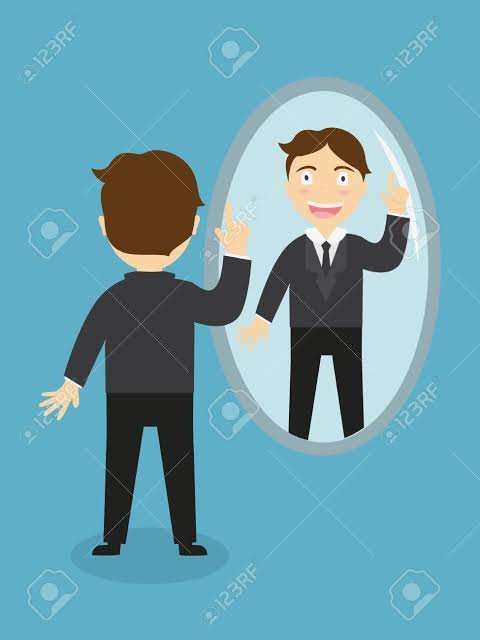
We all everyone speak ourself everyday however it’s a common habit for everyone. But how we speak ourself is matters whether we speaking positively or negatively. Because of matter, our self talk will target about our self-confidence. If we talk about negative we attached by negative. If we talk about positive we attached by positive. Speak yourself daily mirror like:

  • I am wealthy
  • I am rich
  • I am smart
  • I am confident

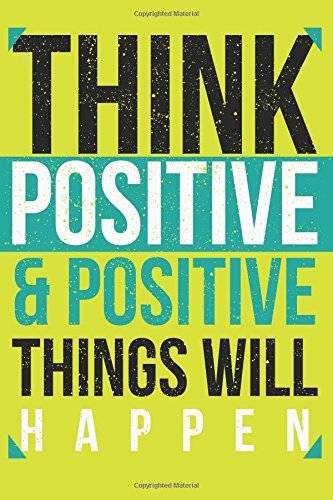
ALWAYS CULTIVATE GOOD THOUGHTS AND REMAIN POSITIVE

4) FOCUS ON POSITIVE THINGS

In the life we all have both positive and negative effects. As we running our life with happiness, sadness, relaxation , many of us always attached by the negatives. This negatives are attached by themselves in the way of thinking. So the importance of thinking is attracted when you’re thinking in positive.

Go back

Your message has been sent

Warning
Warning
Please rate our website(required)

Warning
Warning
Warning.

Don’t misspend your teenage time

We are very well know how important teenage life is important and the most crucial part of life. It is the time you make the most important decisions in life and realize your goals and dreams. It is really a small age wherein, we are asked to make decisions on how our next 10yrs of life should be or wish to be. It is not acceptable and stressful to take such huge decisions in a confused state of mind. Do we never know what we really want to ask ourselves what do you really want? most of us don’t get the answers. We all are streamlined to travel in certain paths in life as others did or elders did and that is what we should be doing irrespective of interests, likes, or talents. It is ruthless to have pressure on teenagers to decide on their life. But, we definitely know that we have enough time to build a proper career and assemble the stones properly to see the view behind those huge rocks. This time you will never ever get it back never set back to relax keep running with mild breaks but do not lose the consistency and zeal to run to succeed in the race. We have enough time to gain experience in our interests, skills, and talents.

Most of us really don’t know what to do with so much idle time and misspend it on other unwanted things. But using it in the right way will lead to the best life. Use this time to hustle, learn, grow, ask, think, restructure, reframe, understand and be honest to your work. It is okay to make mistakes that’s when you learn how to face the next and prevent making another one. Mistakes teach you so much than one could ever. They shouldn’t be intentional but if it is accidental it should help you open your eyes and grow from the mistakes. Learn new skills, and improve on your interests they help a lot for your future.

These may sound boring and exhausting now but few years down the line you will be thankful to your past self for not misspending time and using it for career building. Even such small things help a lot in resume building. The users look for other qualities in your resume alongside your degree. They improve your chances of getting jobs and may experience an increase in stipend for the qualities you possess. This may sound so much now but taking slow-steady steps will add so much. Develop these qualities in this time and your experience has a lot of value in the future. You never know what really happens and people your age may waste their time partying and hang out with friends limitlessly. But, it is your option to choose whether to misspend or use it wisely. Because it is not their future or career, they are there today and not tomorrow but, your time never comes back to you. Your future your time is completely in your hands. Know what you need to spend time on at the end of the day it is you who is hustling hard and strongly wanting to have the best life. Find your stones and build them wisely.

Toxicology and its effects

Toxicology deals with the science of poisons. Chemicals/substances which are toxic in nature are present in the environment and find their way to the organisms through food chain, contact or respiration. The lower doses of these chemicals get accumulated in the body tissues and impair the growth/function while their higher doses are lethal. The human environment gets affected through these chemicals when they become part of the food chain. Soil-water-plant-animal activities are resulting in environmental degradation in form of deforestation, erosion, silting up of reservoirs, wastelands, air, soil and water pollution and desertification. Changing land uses, faulty irrigation systems, excessive use of chemicals in agriculture are causing the problems of soil and water pollution, toxic residues in food items and resource degradation. This in turn affects land productivity and human health.

Technological development and economic growth have brought about a rapid increase in the production of a variety of chemicals including pesticides for use in agriculture, industry and public health. This has brought countless benefits to our society in a way to improve our living standards, food production and sanitation. These man-made chemicals while on one hand are beneficial, also cause hazards to men and environment. With increasing stress on industrial and agricultural expansion programmes, in both developed and developing countries, the environmental risks of these chemicals on animal and plant life are also increasing at threatening rate as more than 1000 new molecules are introduced into the environment every year. The emergence of these chemicals and their environmental consequences have lead to the evolution of new branch of science, generally known as environmental toxicology which include the hazardous effects that these toxins have on humans, other animals and plants.

The toxicological studies on these chemicals in different laboratories of the world have established the hazardous potential of carcinogenicity, mutagenicity and teratogencity of some of the commonly used chemicals in agriculture and industry. A few of them have also been found to cause injury to immune system causing immuno-toxicological problems leading to depleting competence of the living organisms to mount resistance to viral, bacterial and fungal infections, In fact, immunotoxicological processes may be a basis of well documented toxic and allergic hypersensitivities as well as a myriad of disease entities of unknown etiology including autoimmune disorders and malignancy.

The Challenge

Lester Brown of World Watch Institute in 1997 cautioned that all the basic indicators of food security, grain production per person, carry over stock of grain, area of croplands signal a tightening situation during 1990’s Growth in food production is slowing with the grown in demand, driven by population growth and the rising affluence continues to be strong. The population growth is a big challenge. Stabilizing climate means reducing carbon emissions and hence fossil fuel burning. Improving energy efficiency is equally important. Securing future food supplies will affect every facet of human existence from land use policy to water use policy. Environmental concerns will have over riding priority if a healthy human life is the goal. He further states that environmental disruption could disrupt the economic progress.

Human Life Style and Environment

Modern life style with sufficient food, comfort, luxury, leisure and changed cultural habits also introduces in the environment thousands of chemicals, machinery and equipment’s. The polluted surroundings are the bonus. In addition to disastrous effect on environment, the environmental pollutants may have direct effect on human health which may be again acute in the long term. The long term effect cannot be known immediately, it is expressed only after long time of the exposure and this is of great human concern. Long term health effect lead to induction of genetic damage and/or cancer caused by environmental pollutants associated with some of our modern life style. Here mutagenic and carcinogenic efficiencies of indoor pollutants like cigarette smoke (both main stream and side stream), smoke released during burning of mosquito repellents and radiations emitted from our housing materials and consumer goods are noteworthy.

Today, cancer has become the biggest “killer” after heart disease. It is well established that alteration in gene(s) of a normal cell i.e. mutation, is responsible for initiation of cancer thus cancer is genetical in origin and starts from somatic mutation. This is ample evidence that mutations in human somatic calls are indicators of cancer.

I.M.F.


By: Astha Raghav. 

The International Monetary Fund (IMF) is an international organization that promotes global economic growth and financial stability, encourages international trade, and reduces poverty. Quotas of member countries are a key determinant of the voting power in IMF decisions. Votes comprise one vote per 100,000 special drawing right (SDR) of quota plus basic votes. SDRS are an international type of monetary reserve currency created by the IMF as a supplement to the existing money reserves of member countries.1

KEY TAKEAWAYS

  • The IMF’s mission is to promote global economic growth and financial stability, encourage international trade, and reduce poverty around the world.
  • The IMF was originally created in 1945 as part of the Bretton Woods agreement, which attempted to encourage international financial cooperation by introducing a system of convertible currencies at fixed exchange rates.
0 seconds of 0 sUnderstanding the International MonetaThe International Monetary Fund (IMF) is based in Washington, D.C. The organization is currently composed of 189 member countries, each of which has representation on the IMF’s executive board in proportion to its financial importance.Quotas are a key determinant of the voting power in IMF decisions. Votes comprise one vote per SDR100,000 of quota plus basic votes (same for all members).The IMF’s website describes its mission as “to foster global monetary cooperation, secure financial stability, facilitate international trade, promote high employment and sustainable economic growth, and reduce poverty around the world.”

History of the IMF

The IMF was originally created in 1945 as part of the Bretton Woods Agreement, which attempted to encourage international financial cooperation by introducing a system of convertible currencies at fixed exchange rates. The dollar was redeemable for gold at $35 per ounce at the time.The IMF oversaw the system: for example, a country was free to readjust its exchange rate by up to 10% in either direction, but larger changes required the IMF’s permission.

The IMF also acted as a gatekeeper: Countries were not eligible for membership in the International Bank for Reconstruction and Development (IBRD)—a World Bank forerunner that the Bretton Woods agreement created in order to fund the reconstruction of Europe after World War II—unless they were members of the IMF.

Since the Bretton Woods system collapsed in the 1970s, the IMF has promoted the system of floating exchange rates, meaning that market forces determine the value of currencies relative to one another. This system continues to be in place today.

<

p class=”comp mntl-sc-block finance-sc-block-html mntl-sc-block-html” id=”mntl-sc-block_1-0-17″ style=”background-color: white;color: #111111;font-family: SourceSansPro, sans-serif;font-size: 17.6px;margin-bottom: 1.75rem;margin-top: 0px”>Thank you!

NOSTALGIC CHILDHOOD MEMORIES involves cartoons that today’s kids will never know

As we grow older, we sometimes forget about how much fun we had as children and how much we use to love waking up on Saturday morning and after returning from school to watch cartoons. Now that we are all grown up, it is easy to get lost in our long lists of things-to-do and forget to appreciate the little things.

The mind is a complicated thing, and although we have pushed back many of our childhood memories, it still harbours every theme song, character and saying that we use to live by. So, all it would take is for someone to hum a certain tune, and once recognized, you would probably be able to sing it out — word by word.

If you recently happened to flip through the channels, you might have caught a glimpse of today’s cartoons and been slightly disappointed at what you saw. Times are changing and with that the quality of TV shows are rapidly disintegrating. So be happy that you were born when you were and make sure to take a trip down memory lane every once in a while.

SOME MOST APPRECIATED AND ENJOYED CARTOON DURING MY TIME

  • BOB THE BUILDER

Bob the builder is one of my favorite cartoon show and I thoroughly enjoyed watching it as a kid. And the title track of this cartoon is super iconic, it just freshes up all the beautiful memories of my childhood. The show focused on Bob a building contractor who solves all the problems with a positive attitude along with his vehicles who can actually talk.

  • THE POWERPUFF GIRLS

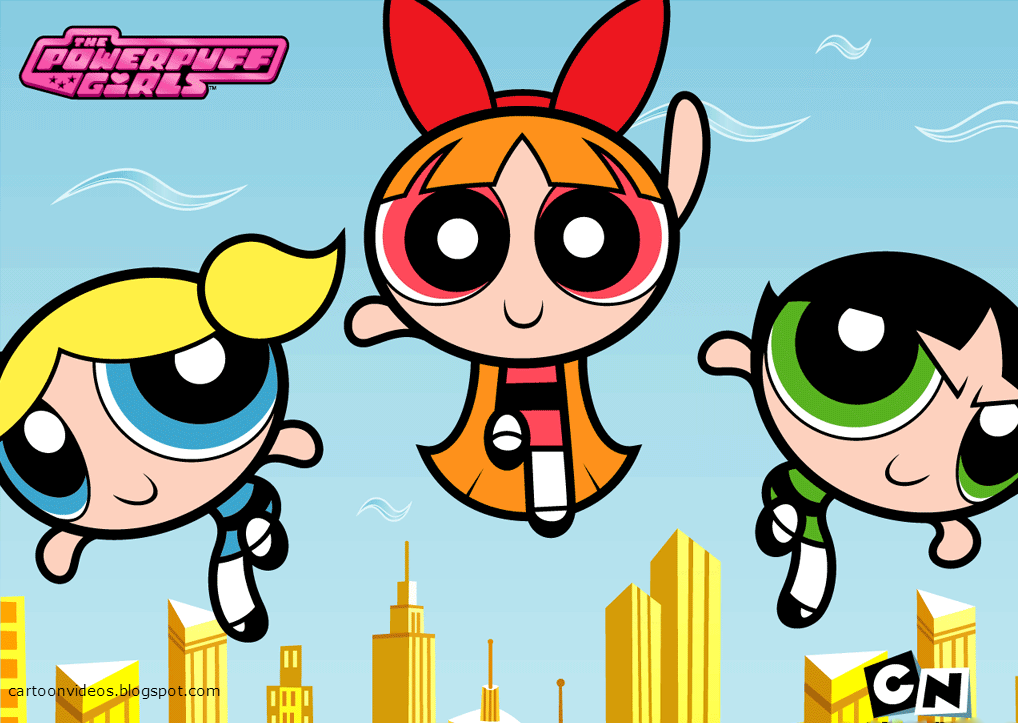
Whenever I think of  Cartoons, the first thing that pops into my head is “Powerpuff Girls”. The Powerpuff Girls – Blossom, Bubbles, and Buttercup were created by Professor Utonium in an attempt to create the “perfect little girl” using a mixture of “sugar, spice, and everything nice”. However, he accidentally spilled a mysterious substance called “Chemical X” into the mixture, creating three girls and granting all three superpowers including flight, superhuman strength, superhuman speed, superhuman senses, nigh-invulnerability, x-ray vision, red heat vision, energy projection, space survivability, and thermal resistance. Despite being the main characters of the show, the villain of the show was most popular character i.e. MOJO JOJO and his popularity was so high that you could do a freaking show on Mojo JoJo alone!

  •  Ed, Edd n Eddy

The show is based on three adolescent boys, Ed, Edd n’ Eddy. They hang around their suburban neighborhood of Peach Creek Estates, coming up with scams to con their peers for cash, so they can buy themselves a handful of their favorite treat, jawbreakers. Their plans normally fail though, leaving them in predicaments and situations that always go hay-wire. The characters almost never leave the neighborhood, and adults are nowhere to be seen, as well as any other kids.  The characters are funny and the jokes are creative. Most of the episodes are funny with the Ed’s and my favorite one is Ed because he is stupid in a funny way and comes up with the most things he says. My least favorite characters are the Kanger Sisters, Kevin, Sarah, and Jimmy.

  • JOHNNY BRAVO

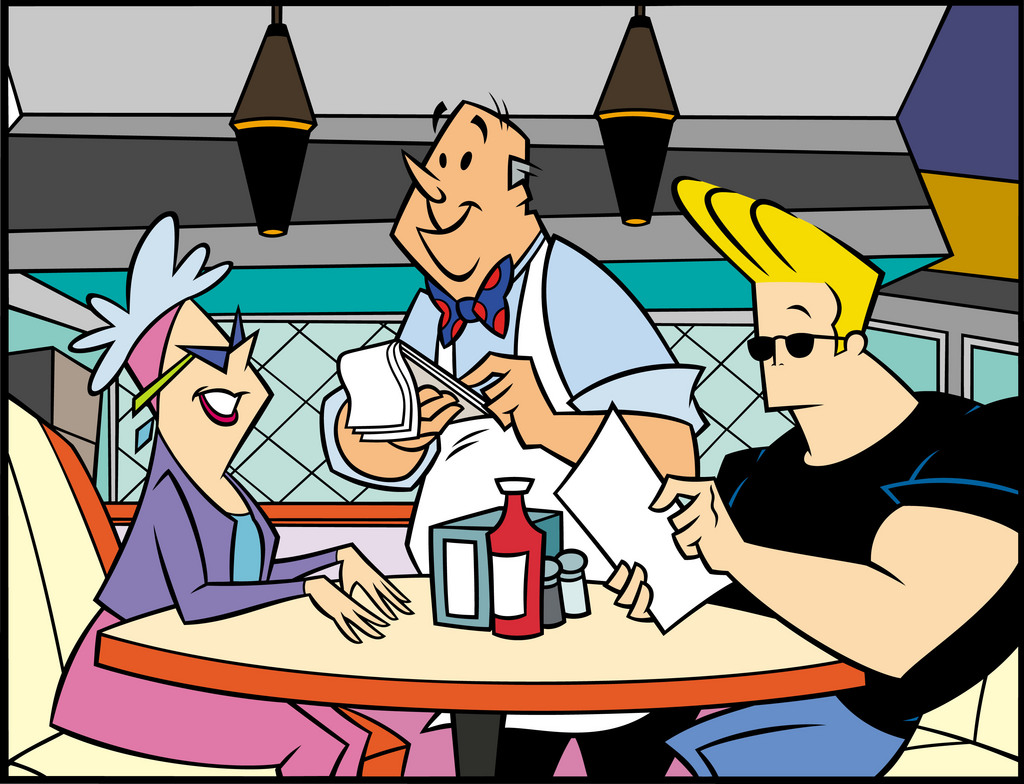
This is a show I grew up with. And probably the only show on this list that I’ve watched on and off for over a decade. Regardless of what age I was at,  “Johnny Bravo” has *always* made me laugh! And it made me laugh *a lot*! As you probably already know, Johnny is a 20 age something egotistical super-star wannabe.   What makes “Johnny Bravo” such a great show isn’t just the settings. It’s purely the main character! Constant Banters between Johnny and his mother were the most hilarious one of all things.

  • RECESS

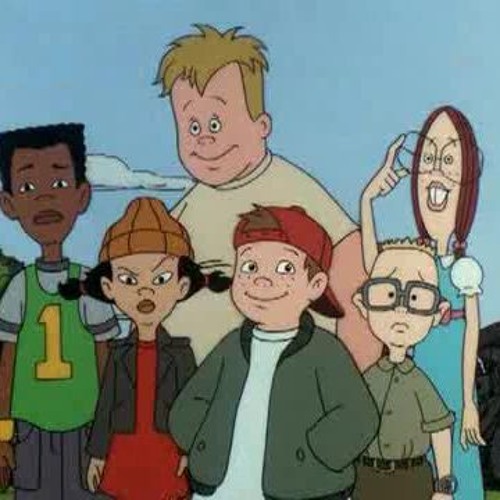
Recess is an American animated show that revolves around 6 brave elementary school kids. This cartoon show was best, it used to come on Disney channel. Almost every 90s kid has grown up watching recess in their childhood. It was just great watching recess after coming from school, this cartoon show holds so many beautiful childhood memories. This was the time where these idiotic storyline made me to cause ruckus in my own school and get punished very tough and fun time that was.

  • COURAGE THE COWARDLY DOG

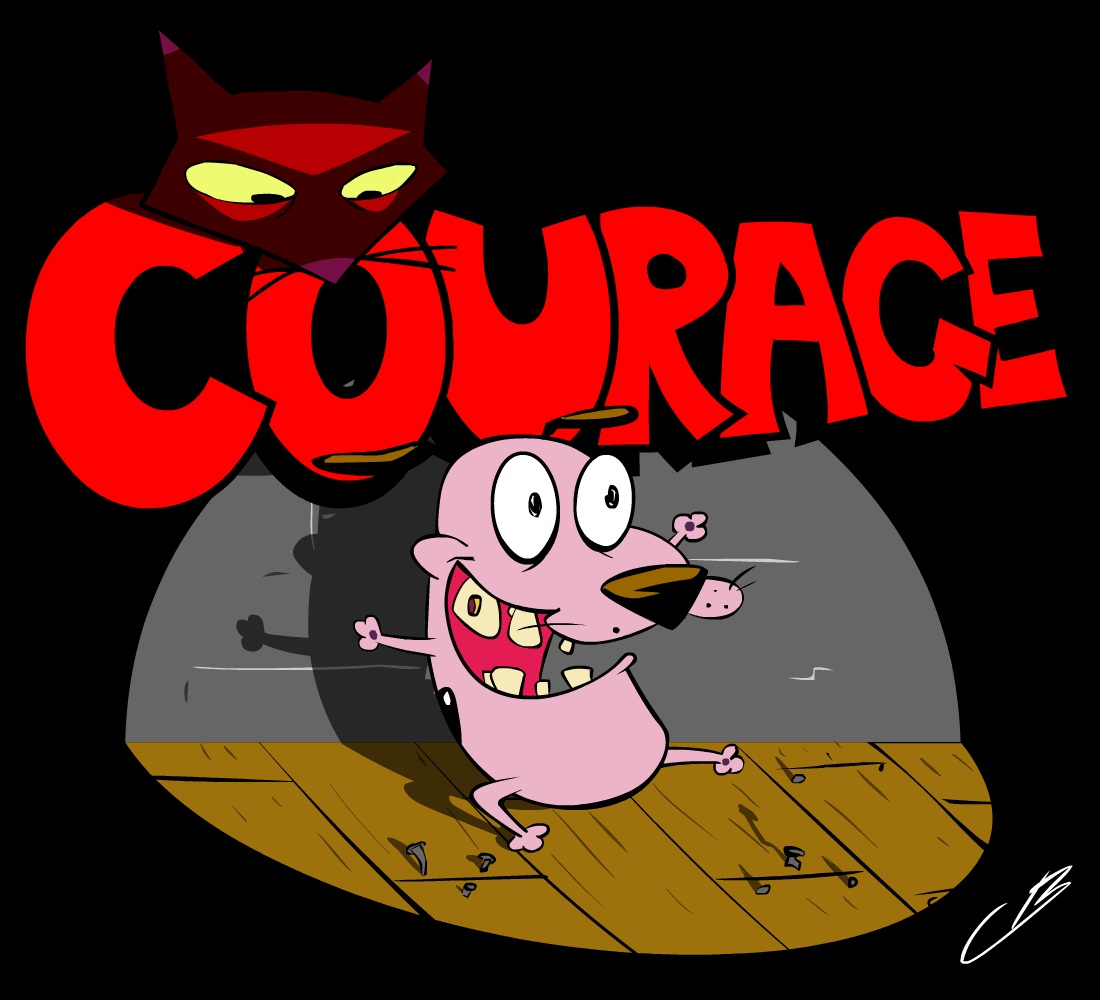
“Courage the Cowardly Dog”   I Watched “Courage” when I was 10 years old it was one of the 1st times I remember feeling… genuinely disturbed while watching a cartoon. There was a real sense of atmosphere in these settings. The colors were this strange contrast of bleak, yet alien. It really added to the sense of mystery in the show. All with alien, curses , psychopaths follows the dogs like a bad mojo and add to it the hilarious abuse he get from his male owner. I watched it both in English and Hindi, I seriously found it more hilarious in Hindi dude that psycho barber episode really give me goosebumps.

  • DEXTER’s LABORATORY 

 It mentions a scientific genius who conducts countless experiments in his secret laboratory while always keeping his eyes on his elder sister Dee Dee. This boy even has to use both his teeth and fingernail to prevent her from invading his lab. 

  • POWER RANGERS FRANCHISE

Power ranger was one of the most enjoyed show of all times especially in my time, kids were hooked on the special postures and tag lines to transform in the super gears. Popularity of power ranger over the kids was equally in both gender despite having some violent fight sequence it didn’t affected its popularity.  Each series revolves around a team of youths recruited and trained by a mentor to morph into the eponymous Power Rangers, able to use special powers and pilot immense assault machines, called Zords, to overcome the periodic antagonists.

These were some of my favourite show which was cherished and enjoyed not only by me but all from my age and still do.

Ecological Organization of Organisms

All organisms are interdependent and interrelated with one another and with their environment. This concept applies at all levels from a small pond to the world. Implicit in ecological organization is the idea that plants and animals do not occur randomly, but rather that particular kinds are especially adapted to a certain complex of environmental conditions and therefore coexist with others of similar requirements and tolerance in communities.

All individuals of a particular species constitute a population. A community, therefore, is an aggregation of populations. Maintenance of a community is dependent upon flow of energy through functional strata of populations. One stratum is com posed of producers, the plant species which, through photosynthesis, convert solar energy to chemical energy contained in plant tissues. the second stratum consists of consumers, the animals which ingest plants or other animals that have fed upon plants. the third stratum is the de-composers, mainly bacteria and fungi but also including many kinds of small animals which decompose dead organisms and organic debris to release basic chemical substances to the environment to be taken up by living plants. These strata, their activities, and energy transfer through the community constitute an ecosystem. Ultimately, the total ecological organization is recognized as the world ecosystem, or ecosphere (also called biosphere).

In the context of ecological organization and the ecosystem are embodied a number of basic ideas which give meaning to the inter relatedness of life. One of the most important of these is environment, and although the term has been used freely up to this point, it bears defining. Environment comprises the sum of all the external factors, processes, and conditions that affect a living system. These may be other living systems (the biotic environment) or nonliving factors (the abiotic environment). Thus inside an animal a single nerve cell may be embedded in a biotic environment of muscle cells and other nerve cells and subjected to abiotic states such as oxygen and salt concentration in the tissue The biotic environment of a hickory tree in a deciduous forest commonly includes other hickory trees, along with beech, maple, poplar, and birch, a rich understory of shrubs, and animals such as deer, squirrels, tree-nesting birds, numerous insects, and many others. Abiotic conditions and processes, including rainfall, ice, wind, evaporation, light, temperature, and soil type, together with biotic constituents, all affect the hickory tree.

Of greatest significance in ecological organization is the concept of dynamism in ecosystems. Organisms do not simply live side by side in the abiotic environment. Rather, there are constant, often complex, action systems in which all living systems exert some effect on one another and on the nonliving surroundings, which in turn influence the living mechanisms of the organisms present. Furthermore, there is great variation among ecosystems from tropical to polar regions, from sea level to oceanic depths and mountain tops, through geological time, and through changing climates and land-water distribution, through seasons, and night and day. Abiotic factors, such as oxygen, carbon dioxide, nitrogen, and water, are constantly being cycled in various ways throughout the world community. Water, for example, covers 70 percent of the earth’s surface, and is the primary environment in which life exists since every living cell must be moist. Distribution of this important liquid is de pendent upon a world hydro-logical cycle.

Solar energy must be transformed into chemical energy and passed to all organisms for maintenance of their life and growth. Autotrophic organisms serve as the basis or core of ecosystem food webs that are actually energy-transfer systems. Unlike chemical nutrients that are cycled, energy must be supplied constantly, for it is used and transformed to heat. Thus through photosynthesis and eating and being eaten, organisms are intensely interdependent and interrelated. They are further bound through requirements and contributions relative to breeding sites, cover, shading, predation, competition, and numerous other aspects of living.

7 best Windows 10 Apps to use in 2021


By: Astha Raghav 

Here, we have categorized 7 Best apps for Windows 10 so you can easily pick an app for your need. What is the point of spending money on paid programs for your Windows Computer, if you can easily download and install the best apps for Windows 10 that are available absolutely for free? There is a huge variety of programs that are completely grates, but they are no inferior to paid counterparts and can easily satisfy your needs.

7 Best Windows 10 Apps

1.Dropbox– Our Choice = Dropbox gives you secure access to all your files. Collaborate with friends, family  and co-workers from any device. Dropbox is a file hosting service operated by the American  company Dropbox, Inc., headquartered in San Francisco, California, that offers cloud storage, file synchronization, personal  cloud, and client software. Dropbox was founded in 2007 by MIT students  Drew Houston and Arash Ferdowsi as a start up company with initial funding from seed accelerator Y Combinator.

2.Duolingo= Duolingo is an American language-learning website and mobile app, as well as a digital language proficiency assessment exam. The company uses a freemium model: the app and the website are accessible without charge, although Duolingo also offers a premium service for a fee.

3.Facebook Messenger= Facebook Messenger (also known as Messenger) is an American messaging app and platform developed by Facebook, Inc. Originally developed as Facebook Chat in 2008, the company revamped its messaging service in 2010, and subsequently released standalone iOS and Android apps in August 2011 and standalone Facebook Portal hardware for Messenger-based calling in Q4 2018. Later on, Facebook has launched a dedicated website interface (Messenger.com), and separated the messaging functionality from the main Facebook app, allowing users to use the web interface or download one of the standalone apps. In April 2020, Facebook officially released Messenger for Desktop, which is supported on Windows 10 and macOS and distributed on Microsoft Store and App Store respectively.

4.Fresh Paint = Fresh Paint originated from a Microsoft Research project known as Project Gustav, an endeavor to reproduce the behavior of physical oil paint on a digital medium. To push the boundaries of simulating oil on a digital medium the research team created a physics model that precisely replicated on a screen what would happen in the real world if you combined oil, a surface and a tool such as a paint brush. Two publications, Detail-Preserving Paint Modeling for 3D Brushes and Simple Data-Driven Modeling of Brushes, were released as a result of the team’s findings.
After a variety of internal testing Project Gustav was codenamed Digital Art. Partnering with The Museum of Modern Art, Digital Art was tested for a year by 60,000 people. With feedback culled from MoMA, developers expanded the existing physics model, experimenting with how real oil paint blended and reacted to the texture of a canvas. After final adjustments were made Digital Art was rebranded as Fresh Paint. It was released to the public on 25 May 2012.
5.Netflix = Netflix, Inc. is an American over- the- top content platform and production company headquartered in Los Gatos, California. Netflix was founded in 1997 by Reed Hastings and Marc Randolph in Scott’s Valley, California . The company’s primary business is a subscription-based streaming service offering online streaming from a library of films and television series, including those produced in-house. As of July 2021, Netflix had 209 million subscribers, including 72 million in the United States and Canada. It is available worldwide except in mainland China (due to local restrictions), Syria, North Korea, and Crimea (due to US sanctions). The company has offices in Canada, France, Brazil, the Netherlands, India, Japan, South Korea, and the United Kingdom. Netflix is a member of the Motion picture Association (MPA), producing and distributing content from countries all over the globe. Netflix’s initial business model included DVD sales and rental by mail, but Hastings abandoned the sales about a year after the company’s founding to focus on the initial DVD rental business. Netflix expanded its business in 2007 with the introduction of streaming media while retaining the DVD and Blu-ray rental business. The company expanded internationally in 2010 with streaming available in Canada, followed by Latin America and the Caribbean. Netflix entered the content-production industry in 2013, debuting its first series House of Cards.
6.Polarr Pro= Polarr is an artificial intelligence start-up headquartered in downtown San Jose, CA building photo management and editing. The company was founded in August 2014 by former Stanford University masters’ student, Borui Wang. The company received initial funding from Pejman Mar Ventures and StartX. Polarr currently offers two products: Polarr Photo Editor and Polarr Album Plu.
7. Team Viewer = TeamViewer is remote access and remote control computer software, allowing maintenance of computers and other devices. It was first released in 2005,  and its functionality has expanded step by step. TeamViewer is proprietary software, but does not require registration and is free of charge for non-commercial use. It has been installed on more than two billion devices. TeamViewer is the core product of developer Team Viewer AG.
Rossmanith GmbH released the first version of TeamViewer software in 2005, at that time still based on the VNC project. The IT service provider  wanted to avoid unnecessary trips to customers and perform tasks such as installing software remotely. The development was very successful and gave rise to TeamViewer GmbH, which today operates as TeamViewer Germany GmbH and is part of TeamViewer AG.
Thank You!

How Caste Continues To Affect Our Education System

The caste system has always been ubiquitous. Whether it’s politics, economics, the law, religion, the media, or even education, the seemingly immutable caste system affects all spheres of our society. Schisms along caste lines are ingrained into public discourse and cause discrimination, hatred, and violence. The caste system divided society into the Brahmins (priests and scholars), the Kshatriyas (rulers and warriors), Vaishyas (merchants and traders), Shudras (artisans, labourers, and servants), and the Untouchables. While untouchability was abolished by the Constitution, it is still prevalent in Modern India. Despite valiant efforts, most notably by B.R Ambedkar, to eradicate the caste system post independence, the over 3000 years old system continues to divide Indian society. As we’ll see, the caste system has significant effects on modern-day education; it is as extensive as it is pernicious, leaving its victims helpless. 

The caste system meant that every aspect of one’s life was controlled by “the accident of birth”. Therefore, every caste had specific jobs assigned to them. This meant that children were only taught skills that helped them do jobs that their caste did, even if they could do other work. The strictures of the caste system meant that one is confined to the social status associated with one’s caste. This is discordant with the modern notion that education is the “great equaliser” and it gives everyone and anyone the “ability to rise” because of their hardwork and not their social status and uncontrollable factors such as gender, religion, caste, etc. 

While the Right to Education Act guarantees education for students aged 6 to 14, the quality of that education is usually determined by caste. Students that belong to lower castes receive poor quality and inadequate education in schools that lack basic facilities. This makes it difficult for them to cope at higher levels of education. Ostensibly fair systems such as entrance tests don’t take into account existing disparities that prevent poor lower-caste students from attending coaching classes, studying without frequent interruptions, and preparing adequately for these tests.  

Students belonging to lower castes, especially Dalits, are often ostracized from the education system as they are deemed to be unworthy of education. Their education is hampered as they are more likely to be forced into child labour than other students. They have lower attendance rates and higher dropout rates too. When in school, they face discrimination, not only from other students but also from teachers. They are forced to sit separately, eat separately, and clean classrooms and toilets. They are physically and verbally abused. 

This constant discrimination leads to psychological problems, such as low-self esteem and depression, leading to further exclusion from the education system. This countervails any attempt to make our education system equitable and inclusive. Lower caste families are disproportionately affected by poverty as their members are less likely to get a good job even after receiving an education. This fuels a vicious cycle of poverty and caste-based discrimination. 

In an attempt to alleviate caste-based discrimination through affirmative action, the concept of reservation was introduced. A certain number of seats are reserved for the marginalised castes in public education institutes. The Constitution [Article 16(4)], as well as the Constituent Assembly debates, emphasize that reservation was intended to prevent the formation of caste monopolies in the public sector. However, critiques of reservation call it excessively subservient to lower castes. They suggest that once members of a particular caste become affluent, they no longer deserve reservation. They say that students should earn their place in an educational institution based on merit. 

This meritocratic approach is unfair and flawed as it does not consider centuries of discrimination and underrepresentation that lower castes have had to suffer through. Inherent in any meritocratic system is the premise that all participants start from the same starting line and play on an even playing field. According to the meritocratic approach, everyone has an equal chance to climb the ladder of success. But it would be foolish if we didn’t ask ourselves the question – is the distance between the rungs of everyone’s ladder the same? As we have seen, caste-based discrimination occludes students of lower castes from competing on an even playing field and the distance between the rungs of their ladders of success is miles longer than those of the other students. 

Undoubtedly, the potency of caste-based discrimination has been reduced in urban India. Intermingling between castes, at school, office, public spaces, and even through marriage are common. However, in rural areas and small towns, the caste system’s pervasive nature foments unscrupulous discrimination. The fact that we still have caste-based discrimination, even after it has been outlawed, shows that it is an entrenched and institutional form of discrimination, not an anomaly that can be brushed aside. Along with reservation, we need comprehensive social and economic changes to debilitate this atavistic system. 

We have taken a few steps towards a more egalitarian society. 

Millions have benefitted from our education system and have ended the cycle of poverty and exclusion. The possibility of India ever having a Dalit Chief Justice and two Dalit Presidents would have been ludicrous pre-Independence. However, it is a far cry to say our country is free from discrimination at all levels. The values that students learn from their education determine the character and behaviour that they espouse in the future. Educational institutions cannot continue to remain passive during incidents of caste-based discrimination, so that we can work towards a more inclusive society.  

We must remember that equity is not limited to equality of opportunity. It involves enabling marginalised groups to live in conditions that allow them to access these opportunities. Completely erasing centuries of disadvantage and discrimination, while desirable, may not be possible in the immediate future. But, creating an inclusive education system is something we can start doing right now.  

Disrupt, Divide, and Develop – The Effects of Covid-19 on Education

The pervasive nature of the Covid-19 pandemic has created one of the largest disruptions of education in human history, countervailing all efforts to provide education for all children. It caused unprecedented changes and continues to change numerous aspects of education that we took for granted. In March 2020, schools around India began closing to avoid the spread of Covid-19. These sudden closures led to confusion and uncertainty amongst students, especially those who were appearing for their board exams. For other students, these abrupt closures brought about a perplexing break from school. These ostensibly temporary closures were made permanent once the nationwide lockdown was effectuated and students were separated from their schools.

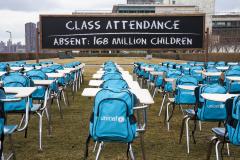
According to data by UNICEF and UNESCO, more than 1 billion children were at risk of falling behind due to school closures during the pandemic. Schools for more than 168 million children globally have been completely closed for almost an entire year. Around 214 million children globally, which is equivalent to 1 in 7 children, have missed more than three-quarters of their in-person learning. Furthermore, more than 888 million children worldwide continue to face disruptions to their education due to full and partial school closures. 

In India, the closure of 1.5 million schools in 2020 impacted 247 million children enrolled in elementary and secondary schools. In early March 2021, only eight States and Union Territories had reopened classes 1 to 12; 11 had reopened classes 6-12 and 15 had reopened classes 9-12. However, the ongoing second wave has caused the complete closure of schools yet again, as well as either the cancellation or postponement of board exams, competitive exams, and entrance exams. 

We began a new academic year like never before – from our homes. To continue the process of education, schools were compelled to adapt, adopt, and evolve. The biggest change has been the abandonment of traditional notions of schooling and the shift to online learning and teaching. Teachers have had to adapt to teaching online, a complete shift for those who’ve had many years of traditional classroom teaching experience. The fun and exciting trip to school has been diminished to clicking a link to join our classes. Interactive classes have become eerily similar to videos on our laptop or phone screen with a tincture of interaction arising when teachers ask us whether we’re present. The extreme sport of completing notes just before the teacher calls out our names has become the tedious process of scanning our notes and sending them as a pdf. Eating with our friends in the school canteen has been replaced with us eating alone during classes. Our classmates have become little rectangles on our screens. Outdoor sports have disappeared from the list of extracurriculars that we did in school. The end of school or college life is marked by video calls instead of grand graduation ceremonies. A lot has changed. 

These changes have led to some pernicious problems. The blurring of lines between school and home has led to students feeling overworked. This holds true for teachers too as they answer questions, clear doubts, and create lesson plans at all hours of the day. Students often have to study and sleep in the same rooms now. According to scientific studies, this often leads to a decrease in productivity and concentration. Students, especially younger ones, are easily distracted during online classes, despite attempts to marshal concentration and focus, as a classroom atmosphere is non-existent. Teachers are unable to pick up cues such as body language and facial expressions, making it challenging to connect with and understand their students. Problems such as eye strain and headaches are more common now due to the drastic and unavoidable increase in screen time for students. Online classes are often disrupted by copious internet problems, power cuts, background noise, and vexing software problems. All forms of practical education have been eliminated. A lack of clarity on important events such as board exam and entrance exam dates has led to the upheaval of students’ plans that were formulated before the pandemic began, fueling a rise in students’ anxiety and uncertainty.  

Covid-19 has also been a catalyst to the widening of socio-economic gaps in society on numerous fronts. While the virus cossets no one, the fact that it has disproportionately affected students belonging to less affluent households, especially those in rural India, is indubitable. Undoubtedly, access to the internet and an appropriate device are the lifelines of online education. 

A UNICEF report from August 2020 highlighted that only 24% of Indian households have access to the internet. While television and radio were purported as an alternative, there is no substitute for an actual teacher. A more recent survey conducted by Learning Spiral in February 2021 revealed that more than 50% of Indian students in rural and urban areas don’t have access to the internet. Moreover, only 47% of the households that have access to the internet own a device that can access the internet. It also revealed that, while 27% of all Indian households have access to the internet, only 28% of those are in rural India, even though rural India comprises of nearly 71% of India’s households.

Families in rural India are plagued with other impediments to online education –  insufficient or no smartphones, having to borrow smartphones (and therefore may not get them at the time needed), not having enough money to buy an appropriate internet package, and patchy connectivity even if they have internet access. The severity of these problems is incalculable and more prevalent than in urban households.   

Assuming that the problems stop here would be specious. The closure of schools has obstructed the “Mid Day Meal Scheme”. India has about 120 million children enrolled in the scheme in over 1.26 million schools across the country. However, due to the disruptions caused by Covid-19, many States and Union Territories have been forced to stop this initiative, depriving children of their basic nutritional needs. This scheme also serves as a huge incentive for children to attend school. Therefore, its removal may negatively impact both their health and their education. Furthermore, incidents of domestic abuse and child labour have drastically increased as students can no longer be protected by going to school. 

The Covid-19 pandemic has been atrocious but there has been a silver lining. The pandemic has led to an “academic revolution” that, unfortunately worsened certain differences in our society, but has also alleviated certain differences. 

Even before Covid-19, there was high growth in and adoption of education technology. Projections have shown that the overall market for online education may be valued at $350 Billion by 2025. There has been a significant surge in the usage of language apps, virtual tutoring, video conferencing tools, online learning software, etc. This is not only providing alternative paths for education but it is also future-proofing education. Through programs such as Coursera and edX, students can attend classes that they normally wouldn’t have had access to. India is considered the largest marketplace for Massive Open Online Courses (MOOCs) after the USA.

In certain aspects, online learning has made school more inclusive and obviated numerous hindrances to education. The use of videos in class greatly benefits visual learners. The use of tools such as online polling and chats have improved the class participation of those who otherwise may have hesitated to speak up. Notes, videos, and other study material that are sent to students can be reviewed anytime so the pressure on students to complete their work “before the bell” has been reduced. Furthermore, differently-abled students who found it difficult to attend school in-person can now attend classes with their friends from their homes. 

As students are attending classes from their homes, commuting to school no longer blocks their schedules. This gives them more time for extracurriculars such as internships, online courses, and online competitions. It also allows them more time to do the things they enjoy such as singing, cooking, writing, and painting. Students are also honing their online collaborative skills and improving their digital literacy, this will immensely benefit them in the future as the entire world shifts online.    

Hopefully, the move to online learning creates a new, permanent, and more effective method of educating students. While this “new normal” has had certain benefits, we must remember the value of education for all and prudentially strive to shrink the divide caused by this unavoidable transition to online learning.     

The Flaws In Our Education System

Historically, the concept of education involved the sharing of knowledge and values between people. This form of education ensured that valuable knowledge was promulgated within a society, from one society to another, and from generation to generation. It focused on the importance of culture and taught skills needed to positively contribute to society through hands-on learning and observation. Children were given the freedom to explore on their own because this supported their natural ways of learning. Moreover, it bolstered unity as the teachers were always members of the same community that they were teaching. We would not be aware of countless facets of history, such as the Egyptian civilization, the Mesopotamian civilization, and the Hunter-gatherer culture if this form of education did not exist.   

So how did it all go wrong? 

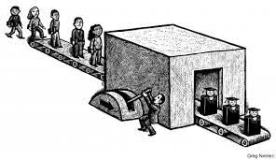
The popularisation of the standardised education system as we know it today, in which children are corralled into classes based on their age and study in institutions known as schools, can be traced back to the Industrial Revolution. Nowadays, it is suitably referred to as the “one shoe fits all approach to education” and the “factory model of education”. However, if we consider the prevailing socio-economic conditions of that time, creating a standardised education system was ineluctable and economically beneficial. 

Schools were tasked with transforming their attendees from students to efficient workers who would eventually increase the quantity and quality of the labour force. The need to encourage unique skills and individuality did not exist as students would grow up to do monotonous and regulated work. As Alvin Toffler put it “the whole idea of assembling masses of students (raw material) to be processed by teachers (workers) in a centrally located school (factory) was a stroke of industrial genius”. At the time, it was thought that the best to produce efficient workers was through the teaching of certain subjects that curricula makers deemed “crucial” using the same method and pace for all students. Students were compelled to utilize rote learning and take graded exams that decided their “intelligence” and potential in life.   

The egregious problem arises when we notice that schools continue to espouse this myopic view on education even after over a hundred years. A hundred years ago, things like the radio, jet engines, helicopters, credit cards, car seat belts, personal computers, smartphones, and the internet did not exist. In a world that undergoes major transformations constantly, how can we be satisfied with this archaic and pernicious education system in the 21st century? 

In today’s world of modernity, complexity, fastidiousness, globalization, and innovation, the flaws of our education system are more conspicuous than ever. No two students are the same. This monolithic and iniquitous system neglects the fact that students have different skill-sets, they learn at different paces, they come from different backgrounds, and wish to pursue different careers in their lives. Undoubtedly, there are numerous instances in which students benefit from and even thrive in the current education system. There are also countless children that long to go to school but don’t have the opportunities or resources to do so. However, there are too many instances in which students, despite arduous effort, struggle in and are lobotomized by this sclerotic education system. They are made to feel inadequate. They are made to believe that they are “slow” and will always flounder.    

Students acquiescently regurgitate vast amounts of information on exams with minimal innovation. These exams, more often than not, test the memorization skills of students, rather than serve as a platform on which they can showcase their understanding of a concept. Students who do well in these exams have the hubristic belief that they are “winners” because society says so and those who don’t do well are humiliated and considered “losers” by society. While it is understood that learning requires the amassing and retention of information, any information that is not understood becomes an undigested burden. The misconception that good grades are the only path to success causes unnecessary pressure on students. 

The strictures imposed by this education system curtails creativity and originally. Concurrently, it encourages conformity, rigidity, and conventionality. It assiduously ignores essential modern-day lessons, such as financial literacy, life skills, mental health, critical thinking, empathy, collaboration, and countless others. This results in students feeling disconcerted when they face the precarious reality of after-school life. It provides students with a series of conclusions, rather than a way of thinking. 

To truly change this standardised educational system, we have to abandon the ostensible idea that it is still a product of logical necessity or scientific insight. The hunter-gatherers adapted their education system to their needs. The education system was modified to cater to the needs of the industrial revolution. Likewise, our education system must change too so that students can truly be prepared for the future. This will certainly alleviate any antipathy held by students towards education and will make education and learning synonymous again. 

Courses and career options for B.Sc. hons. (physics) students

B.Sc. hons. is very popular course, so is competition. So gaining extra knowledge becomes crucial for survival. So if you doing B.Sc. hons. in physics, I have sorted out some courses and career options that you can choose.

Courses

MBA in Data Science

MBA in Information Technology

Bachelor of Education (BEd)

PG Diploma in Data Science

PG Diploma in Astronomy

PG Diploma in Nanotechnology

Diploma in Medical Lab Technology

PG Diploma in Community Health Nursing

Certificate in Lab Assistant/Technician

Diploma in Operation Theatre Technology (OTT)

PG Diploma in Machine Learning/Artificial Intelligence

MSc in Materials Science and Engineering

M. Sc Vacuum Sciences

M. Sc Acoustics

MSc in Applied Physics

MSc in Physics

M. Sc Applied Electronics

MSc in Atmospheric Science

MSc in Nanotechnology

MSc in Astronomy/Planetary Science/Astrophysics

MSc in Aeronautics

Master in Atomic and Molecular Physics

MSc in Particle/Nuclear Physics

MSc in Geophysics

MSc in Molecular Physics

MSc in Optical Physics

MSc in Medical Physics

MSc in Biophysics

Short term courses

There are numerous diplomas and paramedical courses for Physics graduates to explore varied specializations by pursuing a short-term course. Here are the best diploma and paramedical courses after BSc Physics:

PG Diploma in Data Science

PG Diploma in Astronomy

PG Diploma in Nanotechnology

Diploma in Medical Lab Technology

PG Diploma in Community Health Nursing

Certificate in Lab Assistant/Technician

Diploma in Operation Theatre Technology (OTT) PG Diploma in Machine Learning/Artificial Intelligence.

Job opportunities

There are various job roles that B.Sc Physics candidates can opt after the completion of studies. Here is the list of some of the job roles available:

Physicist:

A Physicist is a person who studies and discovers the interaction of matter and energy. They perform experiments and investigate the theories of Physics to reach a conclusion. Usually, a PhD holder in Physics becomes a physicist. However, BSc Physics are also eligible to work as a research assistant or technician in a similar field. For growth and secure job as a physicist, the candidate must go for higher studies in Physics like M.Sc or PhD.

Physics Lecturer:

A candidate with sound knowledge in a physics subject can join an institute or academy as a lecturer. It is a decent job role and candidates can expect a good salary as a lecturer. Further, they can pursue master’s degrees for growth in the career.

Lab Assistant:

Candidates who hold a B.Sc Physics can work as a lab assistant in various firms, clinics or laboratories or institutes. Such professionals handle technical equipment and act as a helping hand for their supervisors.

Subject Matter Expert (SME):

B.Sc Physics graduates can work as a subject matter expert in various organizations. Such candidates are responsible to create content as per the requirement of the client. They are responsible to create effective and format based content as specified.

Researcher:

Candidates who hold a B.Sc physics degree can apply for researcher or scientist posts at top organizations in India like DRDO, BARC, ISRO, NTPC, BHEL etc.

Technician:

Various private organizations hire candidates with B.Sc Physics degree for technical support/Technician jobs. Candidates can look for vacancies and apply for the same.

Radiologist Assistant:

A radiologist is a professional who diagnoses disease and injuries using medical imaging, magnetic resonance imaging (MRI), nuclear medicine, positron emission tomography (PET) and ultrasound. B.Sc physics graduates can also work as radiologists as they have sound knowledge about the rays, devices, emission can assist effectively in handling the devices used for diagnosis and treatment.

Academic Counselor/ Advisor:

B.Sc Physics graduates can join a school/ academic institutes/ colleges as an Academic Counselor/ Advisor. Such candidates can assist students with their queries related to the subject.

Courses and jobs to do after B.com hons.

Lack of clarity in choosing future may haunt you at night. If not addressed properly it may cost you your career. Just having B.com degree is not enough in extremely competitive corporate. You must add more skills.

Some of you may choose to work right after graduation while some may decide to purse masters. So I have sorted some most popular courses and jobs that you can do after B.com hons. Hopefully this article will help you in clarification.

Courses

  1. Masters of commerce (M.com):It is the most popular course after doing b.com hons.  This course is most suitable for students who want to pursue career in academics or as a market researcher, economist, lecturer etc. Duration of this course is 2 years.
  2. Masters of business administration (MBA): Another very popular course. You get to learn about various aspects of business based on specialization you choose. In addition to your graduation you are required to have valid score in relevant exams like CAT, CMAT to pursue this course. Duration of this course is also 2 years.
  3. Chartered financial analyst (CFA): It is offered by CFA institute of America and is considered of highest standard. You can take up jobs like a financial analyst, statistician, market research etc. Duration of this course is 2.5 years.
  4. Business accounting and taxation (BAT): This course is well planned to give you practical understanding of accounting, taxation, reporting and other relevant skills. These skills are mandate for accounting firms, KPO, and other hardcore finance and accounting jobs. Duration of this course is only 8-12 weeks.
  5. Certified management accountant (CMA): It demonstrates your professional expertise in the field of financial planning, analysis, decision report etc. You need to clear two exams in order to become eligible for this course. You are also required to have 2 year work experience. Duration of this course is 6 months.

Jobs

  1. Financial risk manager: FRM is a globally recognized certification for finance and banking professionals. It provides many lucrative jobs in the field of risk management, wealth management etc. Average salary of this job is Rs. 10-18 LPA.
  2. Business analyst:  One more career option is to apply for job as a business analyst in MNCs and corporates.  These companies always look for graduates. You will also gain experience and skills. Average salary is Rs. 3.5 to 5.5 LPA.
  3.  Digital marketer: Due to rise in digital marketing platform, MNCs are looking for candidates with commerce background and certification in digital marketing. Average salary is Rs. 4.5 to 10 LPA.
  4. Public sector banking: You can apply in banks like IBPS, SBI RBI etc and earn handsome of money with additional perks. Average salary of this job profile is Rs. 5 -12 LPA.
  5. Accountant:  An accountant handles tax related tasks and examines financial statements. You need subject specific degree to become eligible for this job. Average salary is INR 3.5- 18 LPA.

Agile for Non-Techies

Agile Methodology

Going by the term, agile denotes an active and fast process of performing a task. It is a method that can be applied in a variety of fields but nowadays it is gaining fame in Software development and Project Management areas. Let’s have a look at both distinctively:

Agile Methodology in Software Development

  • Agile Methodology in Software creation and development is a very effective and preferable method in present times. Agile enables the company to meet the software requirements of its customers in a very short span of time.
  • With this method, the company is flexible enough to handle N no. of requirement change at any given time, and the secret recipe for this flexibility is its working process. Agile is a iterative (repeats same process of requirement – design – development -testing) and incremental (keeps on adding new features and requirements during the iterative process) model where requirements keep changing.
  • In agile, a software demanded is broken into different pieces (called sprints) and are delivered to the customer in these sprints form and hence enabling the company to make any change desired by the customer at any stage of development.

Agile Methodology in Project Management

  • It is the same process as followed in Software Development where task of Software Building is replaced by any kind of project or in simple terms, to generalise the method for any field.
  • It has a flexible approach to build a project. A project is divided into mini-projects called sprints, and instead of delivering the complete major project as a whole to the customer, the company works on delivering the desired project in sprints on weekly or say monthly basis (whatever suitable).
  • It includes the following steps in Agile Development Cycle.
    • Sprint Backlog enlists the tasks to be completed in each sprint like planning, designing, execution, testing and development stages.
    • Product Backlog explains new features, changes in the existing features and several other significant improvements in the project.
    • Sprint includes the cycle of >>Planning >> Designing >> Testing >> Release >> Planning >>
    • Final Product received at the end of the whole mini-project deliveries.

Principles of Agile Methodology

  • Changes required by customers at any stage can be fulfilled.
  • Releases will be very fast.
  • Aims to achieve customer satisfaction.
  • Good communication link between customers, business analyst, developers and test engineers.
  • Easier to adopt than traditional Waterfall Method.
  • Modification at every stage result in best quality achievement.
  • Error in a small sprint can be easily corrected instead of error in a whole major project.

UPSC: 2021 & General

Exam & The Conducting Body

Civil Services Exam or CSE is a national level exam adorned with the title of “Most Difficult Exam to Crack”. It is conducted by UPSC – Union Public Service Commission and sometimes referred as just UPSC exam. UPSC CSE fills for 24 services ranging between 700-1400 annually. The top most All India service is that of an IAS officer and since most aspirants aim for this top post, it is simply known as IAS exam too. Although UPSC conducts several government exams every year in a variety of streams but only CSE gets the prestige of being this difficult for the level of position it bestows upon the officers. UPSC CSE or UPSC is a three-level exam which are: Preliminary (Two objective papers), Mains (Total nine papers) and a personality test (Interview). One sits for a total of 32 hours of examination to qualify the exam. On an average, the number of students that pass the first stage of exam is 11 to 12 times more than the number of vacancies. This demonstrates the competition & hype of UPSC among students. And this all hype is not inexplicable for the later highly respectful, well paying government job which the aspirants fancy for at the end of their struggle.

Examination News & Notifications

Such is the popularity and reputation of UPSC CSE exam that the news sources are not limited. There are n number of websites, portals, newspapers, coaching institutes’ sites, YouTube Channels, and several other offline & online sources that provide the news and notifications of UPSC exam without any cost. The official website of UPSC is https://upsc.gov.in/ . UPSC Aspirants and other interested students can visit the above given official website regularly to keep a check on the latest updates and notifications regarding the exam. The first notification regarding UPSC 2021 was issued on the official website on 4th march, 2021 along with the release of application form for the same.  The notification also informed the aspirants to fill the CSE 2021 application form by 23rd of March,2021 latest. Later, another notification was issued stating some changes in the exam dates caused due to novel Coronavirus. It is also given accompanying the updated schedule that even this date sheet can be subject to alterations in future if required. Keeping this in mind, students are advised to visit the official website regularly to not miss any news or announcements in future regarding the exam.

Examination Dates

Earlier the date for CSE exam phase 1 i.e., Preliminary exam was 27th of June, 2021. It seems COVID-19 like all other fields, affected UPSC CSE dates this year too and hence the date for the Preliminary exam that was scheduled to be conducted on June 27th will now be conducted on Oct. 10, 2021. Also, the Mains exam of UPSC Civil Services Exam will be held on the dates 7th, 8th, 9th, 15th & 16th of January, 2022. Apart from the form filling dates, UPSC has announced form withdrawal dates. Candidates who have filled the form can withdraw the form between 31st March, 2021 to 6th of April, 2021.

Application Fee

If we talk about the fees of the exam, it can be concluded that the fees asked for form filling in UPSC CSE exam is not as much as compared to other competitive exams, reasons being the conducting body and the difficulty level of the exam. The General Category, OBC & EWS belonging male candidates are required to pay a sum of Rs. 100 for Preliminary exam and Rs. 200 for the Mains exam. It must be clear that all category females, Persons with Benchmark Disabilities (PwBD) and SC/ST Candidates are exempted to pay fees at any phase of the examination.

Eligibility Criteria

For an UPSC aspirant, given below is the eligibility criteria based on various factors that make her/him eligible to appear in the most prestigious and India’s toughest government exam:

1.    Nationality

  • A person willing to sit for UPSC exam with the intention of getting into Indian Administrative Service or Indian Police Service must be a citizen of India.
  • Apart from IAS & IPS all other services require the candidate to be:
    • An Indian citizen.
      • A subject of Bhutan or a citizen of Nepal.
      • A refugee from Tibet who is living for permanent purpose in India before Jan. 1st, 1962.
      • A person of Indian Origin with a desire for permanent settlement in India from, Pakistan, Myanmar, Kenya, Tanzania, Uganda, Sri Lanka, Vietnam, Ethiopia, Malawi, Zaire & Zambia.

2.    Educational Qualifications

  • A candidate must have earned a graduation degree in any discipline from any open/private/central/deemed/state University.
  • A graduation degree from any foreign university that is recognized by Indian Association of Universities.
  • Graduation degree can be completed on a regular mode or through distance education.
  • A special recognition by the Govt, of India for a qualification as equivalent as above-mentioned graduation degree.

3.    Age

  • A person (male/female) is eligible to sit for the exam with a minimum age of 21 years as calculated on 1st of August, in the respective year of exam.
  • Age limits vary for different categories. The different upper age limits:
    •  For General category & EWS is 32 years.
      • For OBCs is 35 years.
      • For SCs/STs/PwDs is 37 years.
      • For Defence Services Personnel disabled in operations during hostilities, it is 40 years.

4.    Attempts

  • The number of attempts allowed to candidates (male/female) vary for different categories, which is as follows:
    • 6 attempts for General Category.
      • 9 attempts for OBCs.
      • Unlimited number of attempts for SCs/STs.

Vacancies

The vacancies for posts to be filled by UPSC through CSE exam is not fixed. The number of vacant positions is released by the Commission prior to the exam every year which vary in number. The vacant positions vary from minimum 700 to maximum 1500 approximately. Past data shows this sharp variation with exact number of vacancies. For instance, year 2018 saw a total vacancy of 759 and in 2014 vacancies were as much as 1364. This variation occurs every year. The number of vacant posts released by UPSC this year, i.e., 2021 is 712 which shows a decrease of 84 vacancies as in 2020, which was 796.

Salary

The salary offered by The Government of India to officers chosen through UPSC varies from post to post and service to service. The tag of government job and such a reputation that comes with the job, generally overshadow the salary question. For instance, the salary range of two top most services are given below:

  • For the top service like IAS, the salary range is 56,000 to 2,50,000 INR.
  • IPS officer’s salary ranges between 39,000 to 2,12,000 INR.

This trend of such large difference between the ranges of salaries is due to difference in posts, rank & no. of years in the service completed by the candidate.

Exam Pattern

As stated above, the UPSC conducts the Civil Services Exam in three stages. A detailed brief of the three stages is as follows:

A.    Preliminary or Prelims:

The first stage of this grand marathon kickstarts with Prelims exam. Prelims consists of two objective exams- General Studies I & General Studies II (CSAT). Both the papers involve negative marking. GS I is of 200 marks containing 100 MCQs, whereas GS II is of 200 marks containing 80 questions. One who clears both, qualifies for the second stage which is Mains exam.

B.    Mains:

The second stage has nine subjective type papers which are conducted approximately for a week.  The nine papers can be detailed as:

  1. Paper A – Compulsory Indian Language – 300 marks.
  2. Paper B – English – 300 marks.
  3. Paper I – Essay – 250 marks (till last)
  4. Paper II – General Studies I
  5. Paper III – General Studies II
  6. Paper IV – General Studies III
  7. Paper V – General Studies IV
  8. Paper VI – Optional I
  9. Paper VII – Optional II

All the nine papers mentioned above are of 3 hours each.

C.    Personality Test

The final stage of UPSC CSE exam is personality test or Interview of 275 marks.

Admit Card

Admit Card is the candidature document that students need to carry to the exam hall at the chosen exam center. Any student found without the admit card is not allowed to sit for the UPSC CSE. Admit card contain the name, picture, roll number and things allowed and not allowed to be carried on the day of the examination. Students can download the admit cards from the official website of UPSC https://www.upsc.gov.in/ . Generally, UPSC releases the admit cards for CSE exam four weeks prior to the exam scheduled to be held so that students get plenty of time in their hands to download & print the admit cards and also some might want to visit the exam center before the exam to avoid any kind of errors on the day of exam.

Result

Like every other information, UPSC releases the results of the exams conducted by it on the official website https://www.upsc.gov.in/ . Students can check the results by following the below given procedure:

  • Visit the official website of UPSC https://www.upsc.gov.in/ .
  • Scroll down to find the tag “FINAL RESULT”.
  • Look for the result link you are looking for.
  • Enter the roll no. and tap for search result.
  • Download and save the print for future requirements.

The marksheets of the students who haven’t qualified the last stage will be uploaded on the website within fifteen days of announcement of final result and will appear on the website for approximately 30 days. This is to help students to evaluate their weak subjects and to understand that where have they lost points.

How to Apply

Aspirants can visit the official website https://www.upsc.gov.in/ and fill out the forms.

Why your votes matter

voice your future through your vote

The right to vote is the most direct, most determinant and most dynamic expression of democracy.

Our Indian democracy gives the power to the people. The power to vote and choose a leader / party of our choice. And so, it is only apt that we make use of this opportunity. This is our opportunity to express who we are and what we care about. If you care about your future, Vote your future.

It is essential for every Indian to take the elections seriously. Be it playing an alternate card, keeping fascits at bay or to try a third card. Not everything may change overnight.  But we as citizens of democratic India, have an obligation to vote.

I know you and I are frustrated with the way things are going on in this country. And we’re all trying to post and tweet but nothing you can do is more powerful than you and I voting. Stand up for yourself, educate yourself, use your voice and vote. Make your voice heard because it counts.

As Rabindranath Tagore in his poem, where the mind is without fear, says,

” into that heaven of freedom, my father, Let my country awake.” we are called to lift up this people and this nation to that place.

Needless to say, every citizen’s vote is counted in the polling process. If the people are equally divided between two candidates, one single vote can be a game-changer and a decisive factor. We have seen in the past how one vote from an MP can decide the fall of the government. Exactly the same way, a single person’s vote can confirm the win/fall of an aspiring MP or MLA. Voting is the fundamental basis of democracy’s ‘Of the people, for the people, and by the people’ slogan. Therefore, rather than enjoying it as a holiday, one must vote if he truly wants to contribute to the nation-building process and bring about a change. A Citizen should actually not need to find any reason to Vote. It must be done as a compulsive duty although there is no legal obligation to vote.

At times, it is possible that one does not want any single candidate to be elected from all who are contesting. The election commission has made a special provision of NOTA. It stands for None of The Above. Hence if none of the candidates fit into your criteria, just hit the NOTA option and voice the opinion. Introduction of this alternative is believed to play a significant role in the future. In the late future, it may also be possible that the NOTA will decide the re-elections with fresh candidates.

one of the main reason to vote :

Covid19- we all know how this pandemic affected every corner of the world and how our nation suffered. Millions of people lost their jobs, daily bread and yes lives too So as a responsible citizen of this nation we should elect a government which can work efficiently for the people during any crisis.