EFFECT OF POVERTY IN INDIA

INTRODUCTION:-
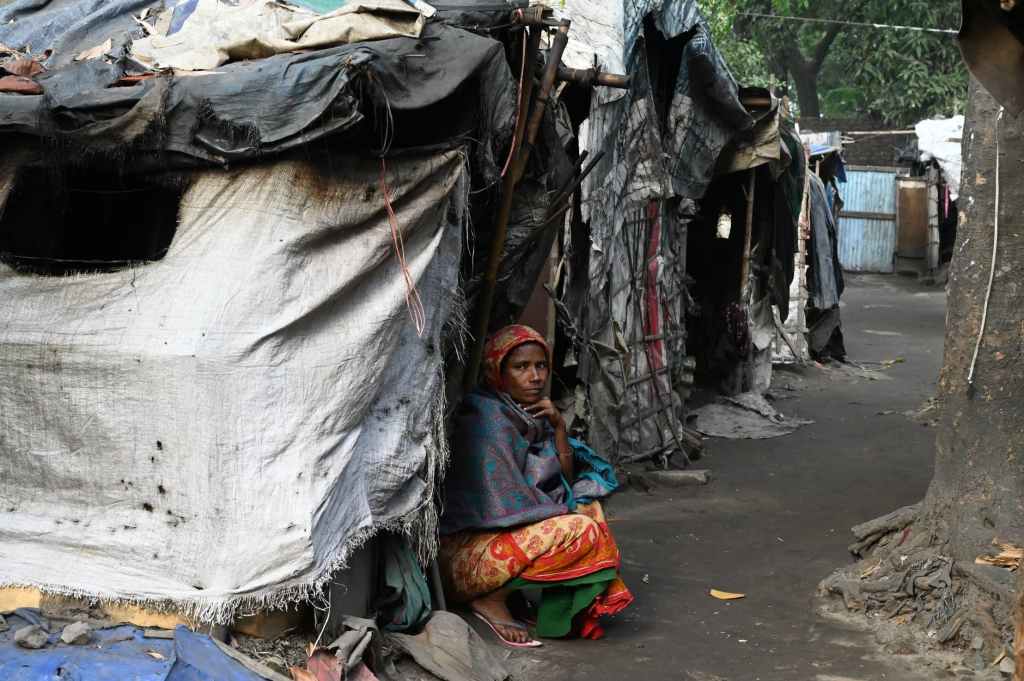
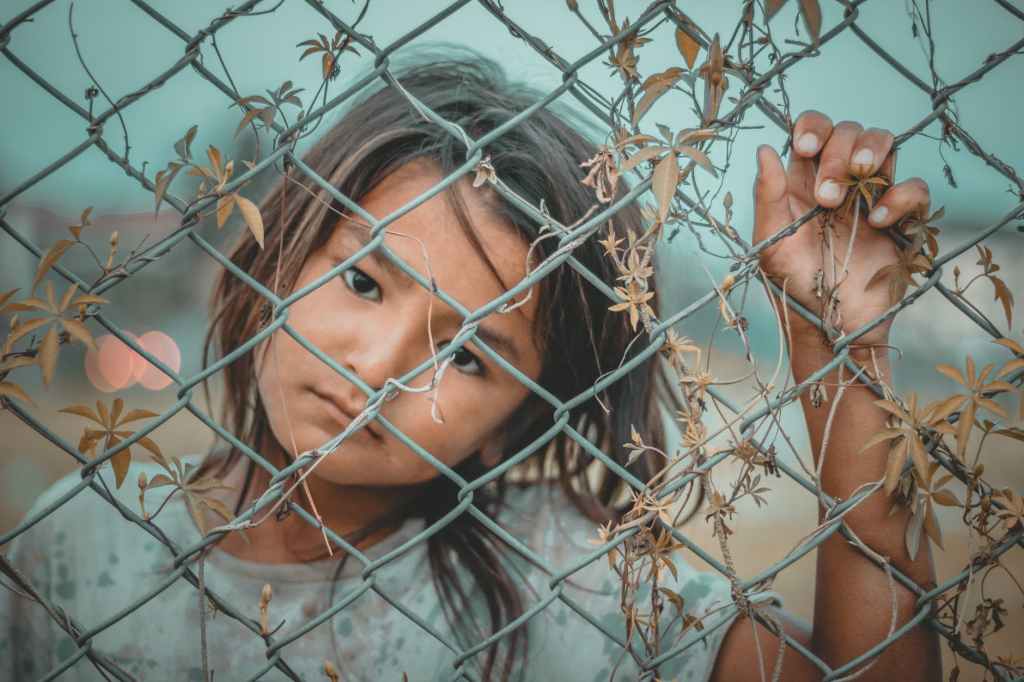
The situation in which a person remains underprivileged from the basic necessities of life is called poverty. The person does not have an adequate supply of food to eat, shelter to stay, and clothes to wear. Most of the people in India are suffering from poverty. They cannot afford to pay even for a single meal a day. They sleep on the roadside and wear dirty clothes. They do not get healthy and nutritious food. They don’t get any medicine and other necessary things either.

POVERTY IN INDIA:-
CAUSES OF POVERTY
The rate of poverty in India is increasing because urbanisation is increasing everyday. The people from rural areas are migrating to cities to find better employment. To provide the necessary needs of the family these people end up getting an underpaid job or an activity that pays only for their food. Most importantly, around crores of urban people are below the poverty line and many of the people are on the borderline of poverty.

Maximum people who are suffering in these poverty live in low-lying areas or slums. Most of the people are illiterate and for this reason in spite of efforts their condition remains the same and there is no satisfactory result.

There are many more reasons which can be said as the major causes of poverty in India. These causes include corruption, growing population, poor agriculture, the wide gap between rich and poor, old customs, illiteracy, unemployment and many more. Many people are engaged in an agricultural activity but in comparison to the earnings of other employees they get paid very less.

The more the population is, the more need of food ,houses and money. The deficiency in these needs results in the high growth of poverty. Thus as a result the difference and gaps between the extra rich and extra poor keeps on increasing.

The rich are growing richer and the poor are getting poorer resulting in the formation of an economic gap that is difficult to fill up.

EFFECTS Of POVERTY:-
Poverty affects the lives of people in many ways. It has various effects like illiteracy, reduced nutrition and diet, poor housing, child labor, unemployment, poor hygiene and lifestyle, and feminization of poverty, etc. These poor people are unable to afford a healthy and balanced diet, nice clothes, proper education, a stable and clean house, etc. because all these facilities require money and they don’t even have money to feed two meals a day.

EFFECTS OF POVERTY ON CHILDREN:-
Poverty in India impacts children, families and individuals in a variety of different ways through:

High infant mortality
Malnutrition
Child labour
Lack of education
High infant mortality
Every year at least 1.4 million children die in India before their fifth birthday. In addition to Nigeria, Pakistan, the Democratic Republic of the Congo and China, India is one of the countries with the highest child mortality rates. Most frequent causes of death of children are Pneumonia, malaria and diarrheal diseases as well as chronic malnutrition.

Malnutrition
India is one of the world’s top countries when it comes to malnutrition. In India most of the people cannot afford to pay for even one meal. More than 200 million people don’t get adequate quantities of food among which 61million are children. 7.8 million infants were found to have a birth weight of less than 2.5 kilograms.

Child labour – no time to play and learn
As we all know, in India child labour for children under the age of 14 is prohibited by law, 12.5 million children between the ages of 5 and 14 are working. In reality, there are more than 65 million children between 6 and 14 years old who do not go to school. Instead, for the sake of their family and to secure survival it is believed that Indian children contribute to the livelihood of their families; they work in the field, in factories, in quarries, in private households and in prostitution.

Lack of education – no opportunities without education
According to UNICEF, about 25% of children in India cannot afford education. The number of children excluded from school is higher among girls than boys. Under Indian law, women and men are treated equally but in the lower social caste girls and women are considered inferior. They are dominated by their fathers, brothers and husbands. The chances of finding a living wage from employment in India is virtually hopeless without education.

Due to poverty, many parents encourage early marriages for their daughters in hopes of better lives for them.

THE SOLUTIONS FOR ENDING POVERTY:-
For solving the problem of poverty it is necessary for us to act quickly and correctly. Some of the ways of solving these problems are to provide proper facilities to farmers. So that they can make profit from agriculture and do not have to migrate to urban cities in search of employment.

Illiterate people can live a better life if they are provided with required training. Everyone should follow family planning to check the rise in population.
We should take measures to end corruption, so that we can deal with the gap between rich and poor.

CONCLUSION:-
Poverty is not the problem of a single person but also of the whole nation.. We should deal with it on an urgent basis by taking effective measures. Eradication of poverty has become necessary for the sustainable and inclusive growth of people, society, country, and economy. @track2traininginstitute

On Article 32

The Indian Constitution endows every individual with certain fundamental rights. These rights grant every citizen equality regardless of the person’s race, caste, faith, place of birth, or gender. Articles 12 to 35 of the Constitution of India deal with these rights. The Indian Constitution provides certain remedies in case of violation of fundamental rights. Decision regarding the remedy is left to the discretion of the judiciary. Part III of the Indian Constitution deals with legal remedies. Legal remedies protect the fundamental rights against their violation. It gives individuals rights to seek remedies for violation of their fundamental rights.

The Indian Constitution also restricts the state from framing laws that violate fundamental rights. These fundamental rights are an important part of our Constitution. These rights have no value without the right to seek remedy against their violation. Without this right, other fundamental rights become meaningless. For this reason, it is referred to as the heart of our Constitution. Dr. Ambedkar calls it as the “spirit of the constitution and exceptionally heart of it”. Article 32 of the Constitution of India designates the Supreme Court as the protector and underwriter of the fundamental rights. The power to issue writs comes under the original jurisdiction of the Supreme Court. This enables an individual to move the Supreme Court directly for a remedy.

Article 32 and Scope of Article 32

Article 32 is a fundamental right that is entitled to every the citizen of the country by the Indian Constitution. It deals with remedies in case of violation of fundamental rights. This right enables an individual to move the Supreme Court to seek compensation. Article 32 is a remedial right and is not substantive. According to this article, the Supreme Court “shall have power to issue directions or orders or writs, including writs in the nature of habeas corpus, mandamus, prohibition, quo warranto and certiorari, whichever may be appropriate, for the enforcement of any of the rights conferred by this Part”. This right “shall not be suspended except as otherwise provided for by this Constitution”. Part III of the Constitution of India contains this article including other fundamental rights. Right to constitutional remedies is available only when there is a violation of fundamental right.

Right to constitutional remedy cannot be removed without a constitutional amendment. Article 32 can be suspended during an emergency and not otherwise. The Indian judiciary has played a significant role in protecting fundamental rights. The courts have used judicial review in an efficient manner in cases of violation of fundamental rights. The right to constitutional remedy cannot be suspended when the issue is related to Article 20 and 21. According to article 32, the Supreme Court “shall have the power to issue directions or orders or writs, including writs in the nature of habeas corpus, mandamus, prohibition, quo warranto and certiorari, whichever may be appropriate, for the enforcement of any of the rights conferred by this Part”. An individual can approach both the Supreme Court and the High Court for remedial action. The responsibility to protect the fundamental rights of citizens is assigned to the judiciary.

Article 32 gives the Supreme Court the power to issue orders, or writs in relation to violation of fundamental rights. The Supreme Court has the power to issue 5 kinds of writs. These are: Habeas Corpus, Mandamus, Certiorari, Writ of Prohibition, and Quo Warranto. Habeas Corpus is a writ related to personal liberty. This is issued in case of unlawful detainment. The meaning of habeas corpus is ‘produce the body’. When a person feels he has been imprisoned for no fault of his, he can file this petition. Mandamus is issued to a lower court by the higher court. It can also be issued to government officers or institutions. This writ is issued to ask the concerned person to perform a duty he has failed to perform. Certiorari is issued by a higher court directing the lower court to re-examine its decision. It is issued when the decision by a lower court violates natural justice. It is also issued in cases where procedure established by law has not been followed. The Writ of Prohibition is issued to prevent a lower court from proceeding in cases exceeding the jurisdiction of that particular court. Quo Warranto is issued to examine the legality of a position exercised by an official. It stops people from claiming positions that he is not entitled to hold. Public Interest Litigation is a distinctive jurisdiction taken over by the Supreme Court. A person can move the Supreme Court in issues concerning common interest. When there is a violation of fundamental right of an individual due to arbitrary laws or actions, he may move the the Supreme Court seeking a compensation. This article enables the court to relax the position of locus standi and allow any person to file a PIL petition. It is an expansion of the right to be heard. The burden of proving the common cause rests on the petitioner. This allowed any person file to PIL petition for the benefit of society. This is an exception to locus standi.

Article 32 contains four parts. The first clause guarantees the right to move the Supreme Court by appropriate proceedings. Here, “appropriate” does not refer to the procedure.The position that Article 32 guarantees remedy was confirmed in the case of Romesh Thappar vs State of Madras (1950). It refers to the purpose of the proceeding. In some cases, even postcard and telegram have been accepted as appropriate proceedings. Letters are also permitted. The second part endows the Supreme Court with the power to issue different writs. The Supreme Court can choose to issue any writ that is appropriate. The third clause allows the parliament to grant powers to lower courts to protect fundamental rights. The fourth clause talks about an exceptional situation. It mentions a situation of emergency during which this right cannot be enforced and remains suspended. This remedy is not available in cases where alternative remedy is present. The right to constitutional remedies is an urgent remedy. Except in cases of emergency, any law in conflict with the right or the Supreme Court’s power becomes void. The scope of Article 32 is limited and restricted as compared to Article 226. Unlike Article32, Article 226 is not a fundamental right. There is some difference between the jurisdictions of the Supreme Court and the High Court when it comes to issuing writs. The Supreme Court’s power of issuing writs is restricted to violation of fundamental rights. Whereas, the High Court can issue writs even if ordinary laws are violated. The area of the High Courts is wider compared to the Supreme Court in this regard. This power is, however, restricted by territorial jurisdiction. The Supreme Court’s power to issue writs extends to the whole of India. Article 32 is restricted to fundamental rights under Part III. Under Article 32, the Supreme Court does not deal with any other issues. The writs issued by the Supreme Court are powerful and strong instruments.

I

EFFECTS OF LOCKDOWN ON STUDENTS LIFE

(CoV) are a large family of viruses that are causing illness in human beings. The symptoms of novel Coronavirus are common cold, headache and sometimes more severe diseases such as Middle East Respiratory Syndrome (MERS-CoV) and Severe Acute Respiratory Syndrome (SARS-CoV). This disease is so dangerous that it can cause death in case of severe infection.
LOCKDOWN:-
As the spread of Coronavirus was spreading day by day and there was no way to stop it other than causing lockdown. So our government decided to start a complete lockdown all over the country to stop spreading the infection. Not only did our country but also other countries decided the same as we all know that “Prevention is always better than cure”.
Effects of lockdown in short:-
When the lockdown was first announced people were initially happy but later everyone realized that this lockdown would have severe consequences on our daily life. The lockdown to prevent the spreading of Coronavirus is having various effects on different communities of People. Today I will say about the consequences in students’ life
LIFE OF A STUDENT DURING LOCKDOWN:-
During this coronavirus time, students ‘ lifestyles had changed a lot. At first all the students were very happy about the lockdown because schools and colleges would remain closed during this time. Everyone thought they could have an ash life, enjoying all day playing games, watching movies right from the morning to the night. Then suddenly we all realized that life without studies and meeting our loved ones are becoming very boring day by day, also all these entertainment games and movies would last for a short period of time and then we all started waiting for the unlocking situation to meet friends and relatives.

Slowly all the school and college authorities started initiating online classes. At first online classes felt better as there was a complete change in the situation of the class’s atmosphere. After a month we realized that there are lots of disadvantages and advantages to this type of education. Finally we realized that this virus is not a blessing to students but a foreshadow of the student’s further life to adjust to the Online mode of education. The shift in education is totally different from an education career.
Advantages and disadvantages of online classes

ADVANTAGES:
There are no significant advantages because there is a huge loss in jobs, lives, and the economy of the Country. But speaking about the children, there are some advantages.
Students used their quality time in studying. They had also got time to explore the talents in them other than studying.
We spent lots of time with our family. We all enjoyed the company of our grandparents, cousins, mother, father, and other relatives.Watching a movie along with the family and enjoying it can only happen now at this time. We could spend time with parents and explain career planning views.

Saving Time
A lot of time is saved as now we don’t have to travel from one place to another. Instead we can spend five to six hours of the quality time for the online classes. And if we avoid watching movies and playing mobile games then we would also get time for self study that is also necessary.

DISADVANTAGES
There are many disadvantages because there is a huge loss in jobs, lives, and the economy of the Country. Main disadvantages for students are

Online Classes
One of the problems of online classes is adopting the online classes.The adoption rate is around 50-60% whereas in the classroom the adoption was around 80-90%. It also has adverse effects on the eyes of the students due to long hours in front of the blue screen.
The interest in classes does not grow in the small children as the primary grades have low concentration power, and also it is very harmful for these small kids to sit for a longer time in front of the blue screen.

There are many poor students who do not have access to laptops and computers; and for this reason they are lagging in their studies.

There are even more disadvantages of the online classes like-
There are no exams; internals are giving marks. This may impact their career in the feature.
And finally, students are missing their happiest days in the schools and colleges. We all are hoping that the government will make good decisions on education with clear instructions as early as possible to avoid the situations that occurred by Covid-19 pandemic. @track2traininginstitute @edunewsnetwork

DOMESTIC VIOLENCE AGAINST MEN

Abusing is something which is injurious, harmful or offensive to a person, animal or environment. Abuse is mainly of three types- Social, domestic and sexual violences.
Social abuse is something that prevents a person from keeping contact with friends, relatives.
Sexual abuse is the harrasment that is experienced sexually. Sexual harassment includes molestation, abusive sexual behaviour by one person upon another. Any sexual behaviour done by one person without another person’s consent is molestation. Trying to have sexual contact against another person’s consent is rape. (Woman rapes a man )- this percentage is much more than (man rapes a woman).
Domestic Violence is the torture a person face mentally, physically, psychologically, emotionally etc.
The most common abuse a person face nowadays are sexual harassment and domestic violence. Domestic violence is a crime but the laws vary between jurisdiction for men and women.

Domestic Violence Against Men:-
Domestic violence occurs when a family member, partner or ex-partner dominates the other one mentally, physically or psychologically.In maximum cases the victim is ashamed or afraid of further abuse.For this reason they don’t report the abuse. Domestic Violence has different ways of occurrence but the effects are always negative.
We all know as standard “man” is the abuser and woman is “abused”. There are many men who are suffering from domestic violence emotionally and physically from their partner. Domestic violence against men remains unrecognised in most cases since men are scared of embarrassment, lack support. Due to these stereotypical male images, men don’t have the courage to file a report against domestic violence. Society is aware of male victims but treats him as a joke thus making him feel insecure, ridiculous and embarrassed.
MYTHS :
There are certain myths regarding violence. We always expect men to take all the responsibilities of their actions. When a female is violent society has lots of excuses to support the woman like postnatal depression, mood swings, stress etc but when a man gives the same excuse we do not accept it even if he is really suffering from depression and stress.
PARENTING:
When a woman is violent we don’t say she is a bad mother but when the same thing happens with a man we automatically assume him to be a bad parent. If a man is a victim of domestic violence , during the separation with his partner the woman gets the legal custody of their children. The man is left with no other option except to leave the house. So we can also say that fear of losing the child is also a reason for which a man doesn’t file a report against domestic violence.
WHY DO MAN STAY IN ABUSIVE RELATIONSHIP?
This question cannot be answered very easily. If a man is harassed physically or sexually by his wife or partner, no one will believe him.No one will support him and make him feel ridiculous.
There are many reasons why men don’t report abuse. They are as follows-
Fear of disbelief
Fear of being denied access to their children
Fear of being judged
Fear of revenge by the abuser
Fear of false allegations against him
Fear of being left alone and homeless.
EFFECTS OF DOMESTIC VIOLENCE ON MEN :
The adverse effects of the abuse can be very long lasting. Men who have been abused by someone often suffer from different traumas like low self-esteem, anger, sleeping problems, inability to work, depression, joblessness. Sometimes this effects become so depressing that it may destroy a man’s career causing him to attempt suicide.
UNRECOGNITION OF DOMESTIC VIOLENCE AGAINST MAN :
Violence against men remains unrecognised because of many reasons such as-
It has taken years of advocacy and support to encourage women to report the abuse but literally no one is there to support a man.
People don’t even think that men can also be victims of domestic violence. For this reason many men don’t even attempt to report the situation.
In some cases physical damage becomes less apparent for which we do not believe them.
Even if they report, they don’t get any support and help from anyone, not even the social workers or the law and most importantly they are not believed by anyone.
SOCIETY REACTION :
If men file a report against the violence they are met with discrimination and disbelief. Usually people’s reaction would be about men’s size, that he may deserve this for his previous dids and all. Even the police don’t believe the man and say in support of a woman.
CONCLUSION :
Even if a man takes various actions to stop domestic violence, these attacks will not stop. Abused men are not cowards but their actions can be misinterpreted. It is a pity to see a strongest man succumb to the old fashioned way of thinking. If they report they will be seen as well. Laws should be applied regardless of gender so that many women will think twice before abusing a man if they knew they could be arrested like any men in the same situation.
Domestic Violence against men is a topic that many people will not be willing to start. Abuse is abuse no matter to whom it is done. Men are disadvantaged and the hurdles they are facing are almost impossible to overcome.
So to stop Domestic Violence against men at first we have to believe them.They are also human beings and they do feel depressed. So we must not be biased to a particular gender and must not ignore men’s emotions. Social workers and police must be educated about the fact that men can also be a victim.
Maybe this could change the lives of many men who are the victims of domestic violence.

@track2traininginstitute @track2traininginstitute

Domestic Violence against men

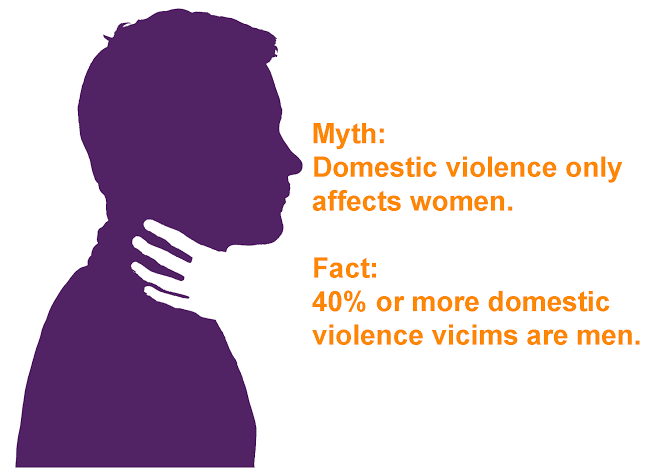
As standards “men” are the abusers and “women” are the abused. This is not always true.

Why An Internship is Important to All Students

 Our economy is changing daily, and with it, the talents, skills, and experience needed to be a part of that growth cycle are too. The job market is a competitive one, and often that is a tough learning curve for recent graduates. This is a big reason behind the growth of applied learning and internship opportunities becoming a key part of the college experience for all students.

According to dictionary.com, an internship is defined as “any official or formal program to provide practical experience for beginners in an occupation or profession.” The most important element of internships is that they integrate classroom knowledge and theory with practical application and skills developed in professional or community settings. They also bring a wealth of benefits to students, both while completing a degree and when seeking a career path post-graduation.

Why should you intern?

  1. Application of education and career exploration. Internships are a great way to apply the knowledge from the classroom to real-world experience. Learning is one thing, but taking those skills into the workforce and applying them is a great way to explore different career paths and specializations that suit individual interests.
  2. Gain experience and increase marketability. Having an internship gives you experience in the career field you want to pursue. Not only does this give individuals an edge over other candidates when applying for jobs, it also prepares them for what to expect in their field and increases confidence in their work.
  3. Networking. Having an internship benefits you in the working environment, and it also builds your professional network. There is a 1 in 16 chance of securing a job by connecting with people, so networking is critical. Internships provide a great environment to meet professionals in the career field you want to pursue, as well as other interns who have similar interests.
  4. National Data. According to a 2016 National Association of Colleges and Employers (NACE) survey, more than 56 percent of graduating seniors reported taking part in at least one internship. Of those respondents, 56 percent were paid, while 44 percent were unpaid. Seventy-two percent of those unpaid internships were credit-bearing.
  5. Professionalism. Internships can provide students with the soft skills needed in the workplace and in leadership positions. In a LinkedIn Skills Report (2018), 57% of people rated soft skills as being more important than technical skills. Skills, such as communication, leadership, problem-solving, and teamwork can all be learned through an internship and utilized beyond that experience.
  6. Learn how a professional workplace operates. Depending on your major, you may read about how organizations thrive and function in textbooks, hear from guest speakers who talk about organizational structures, or dive into case studies about workplace culture, but nothing compares to living the actual experience. Internships help students learn all about workplace culture, employee relations, and leadership structure, which should help them onboard in their first professional job with more ease than if they haven’t had professional experience.
  7. Build your resume. Most organizations and jobs that you apply to following graduation want employees to have some sort of professional experience, even for entry-level jobs. In the event that you are a finalist for a position and haven’t had an internship experience but the other finalist has, you may lose out on a job opportunity, so make sure you at least have one internship on your resume before leaving college to give you a leg up on the competition.
  8. Gain professional feedback. Not only will you be helping out the organization you intern with, but they’ll help you out too. While professors and teachers will prepare you for the theoretical side of your field and hands-on projects, internships provide opportunities for receiving feedback from someone who works in your desired field on a daily basis.
  9. Learn from others. It might seem common sense – you’re interning to learn skills, after all – but don’t forget to purposefully observe others in their job role to learn the ins and outs of different positions. Consider asking your supervisor if you can shadow them for a day, along with other people in your department. Ask to sit in on departmentwide meetings as well. Act like a sponge and soak up all the information you can during your internship – it will benefit you in the long run.
  10. Figure out what you like and don’t like. While everyone probably wants to walk away from an internship feeling excited and passionate about the experience, there’s a silver-lining to be found if you didn’t enjoy the job: you’ll know what you don’t like. According to an article from monster.com, “figuring out what type of job you don’t want while you’re interning can help prevent you from accepting an ill-fitting job when you graduate.”

Is coding an absolute necessity for kids starting from 1st grade?

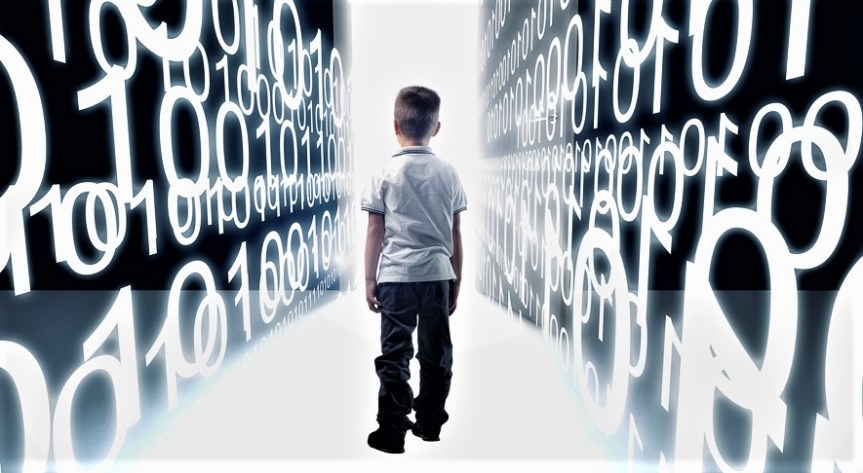
The world is moving at a fast pace. And adults try their best to match the pace, but often they cannot because such is the development consuming the world. While 25 year olds are still trying to earn a place in this highly competitive salary race, what about 5 year olds? You would have seen many advertisements endorsed by popular celebrities saying that kids should start coding right from age 5. The tender age where they should be chasing a butterfly, they are to sit before computers. And not just learn coding, but also aim to be the stalwart that companies should be hounding after.

The biggest scam

Coding is an integral part of the digital world and of course, everything is done with the help of it. But that alone is not enough to incentivize parents into signing up their 5 and 6 year olds to coding classes. These ‘education’ platforms supposedly charge a hefty amount from parents just by some flashy marketing and advertising. You would’ve come across ads where a company allegedly claims that a 2nd grader bagged a 1.2-150 crore job from Google. It is definitely hard to believe(it has been proved that the claims are bogus) and at the same time, saddening that kids are now forced to enter the salary race.

Why coding isn’t the only thing in picture

child in front of laptop

The deeper unsettling fact is that parents are put up in such a situation where they feel bad for not signing up their kids. Think about what any parent would do if they hear that any child has the capability to design an app and can bag a place in top firms. They will readily sign up their kids, thinking they are going to secure their child’s life. But, what they don’t know is that, there is time. 1st grade or even 8th grade is not the age for children to learn the fundamentals of a for loop construct. It is the age where they are to learn the world, the surroundings, and their presence.

It is when languages should be given importance to. No, not programming languages, but the languages which lets them express their opinion to the world and which lets them explore the richness of their culture. It is when social and democratic sciences should be learnt, letting them know about their ancestral world.

It is also when values and ethics should be imparted into them, not by texts, but by making them experience it in a situation where it is put into test. While there is so much to learn about, forcing them to create a video game application not only burdens them with unnecessary information, but it also limits their creativity by directing it into one field only.

A note to parents

One thing parents must hardwire into their mind is that, coding alone cannot land you a job in Google or Microsoft. It is just another tool to put an idea into implementation. By introducing kids to coding at an early age, the ‘idea’ part gets subdued. There is no particular age to start coding. It is a gradual process.

We may not be aware, but every individual is already coding, no matter their knowledge in computer science. The literal meaning of coding is: to use a particular system for identifying things. As kids, as adults we already incorporate it in daily life when a kid arranges his play blocks in a certain manner or when adults have a particular system of doing their chores.

creativity
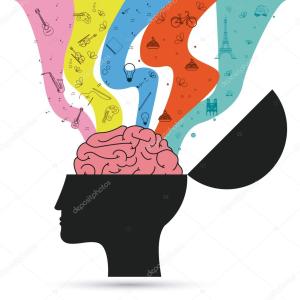
Let children explore their creativity. Source: Deposit Photos

Hence everyone can code if they have the interest to do so. The reason kids shouldn’t be obliged to learn coding at an early age is to allow them to have the time to identify their interests. So as parents, the least you can do is by providing them that right. The right to choose things that delight them. The right to choose it for themselves instead of pushing it down their throats at an age where they don’t even recognize it. Do not let falsified ads ruin childhood. Let them decide for themselves who they want to be. Until then, enjoy their transition. Because they are going to be kids only once.

You have a lifetime to work. But children are only young once.

HOW WELL ARE STUDENTS TAKING ONLINE EDUCATION?

The outbreak of the COVID-19 pandemic in 2020 brought many dramatic changes in our social as well as personal lives. Our routines are changed, our habits and majorly our system of education.

Source: Google

Though the work from home culture is in its second year, the schools and universities are still trying to adapt themselves to the online mode of education. The introduction to digital classes was first seen as a major setback for the aged teachers who are not gadget-friendly or prefers an interactive physical class as the sole place for good teaching.

Over the course of time, these teachers have become quite familiar with the online teachings, yet, that special gap that will always tend to loom and show the differences of physical classes over the virtual ones.

Yes, it is quite true and agreeable that digital classrooms pave the way for the education of the future when most of the world has turned online in every sphere. But, how truly does it help students, especially the pre-primary or the primary ones? They are the ones who are most dependent on the ‘touches’ of the teachers, or be in a classroom- their first step to the world beyond home, socializing with others.

Major drawbacks online education brings:

Not affordable for all families in India:

Money stands a major factor here, in India. It is not a hidden fact to us that India is home to people of different social strata and financial standing. A handful of people across the nation cannot afford schools for their children. The Hindu in 2019 reported that 30 out of 100 children complete their school. The reasons may vary but we can’t deny the reality. The monetary conditions of families can be counted as a major reason. Well, this is the calculation done before the pandemic happened. As we see many children cannot afford proper schooling, we can predict how tough would it be for them to do classes “online”.

Online education could not serve to educate a major part of India because the poor folks cannot afford a smartphone in many parts of the country- leave alone a laptop or personal computer.

Network Accessibility:

India is a country of diversities, even geographically. Thus some groups of the population tend to live in extremely remote places like forests, or foothills of the Himalayas, or deltas of the Sundarbans. Such remote villages lack basic amenities to survive like proper water supply or electricity. To make a phone call one has to travel miles. So, this leaves us with the question, how can the children attend online classes?

This makes us think, is education moving from a basic right to a privilege?

Less personal interaction:

The virtual classes, how much fun it seemed at the beginning, could not hide its one of the major drawback for long. The lack of personal touch makes us the students detached from the school/ university vibe.

Yes, we hated the monotony of attending regular classes, but can’t deny the fact the monotony, the disciplined life, the constant monitoring of our mentors helped us in our studies. Secondly, school/university isn’t only about what we learn from books, we met real people, made friends and learn to live. But, beginning a session with online classes has made this quite impossible, we are making friends, but a part of the puzzle is missing.

Practicals:

Some of the subjects of the curriculum cannot be done with the help of online classes. In schools, physics, chemistry, biology practicals, or when we move up to the higher education subjects which require the teaching of gadget handlings like cinematography, engineering, or medical field is quite difficult on the students’ part.

The strain on eyes:

Since childhood, we came across our parents warning us not to watch too much television or going close to it, as it would harm our eyes. So, 2020 brought us to the days where most of our time is being spent staring at our mobile or laptop screens, not just adults but nursery children as well. This extended screen-time is causing eye strains, headaches and sometimes migraines to many.


Though throughout our school and college lives, we used to brood, What if we can attend our classes staying at home and not miss the attendance( tbh after passing school, it’s the attendance we mostly care about). But now, the one year of being in a virtual class, a part of us do miss the hustle and bustle of college life. We crave being back in those classrooms, feel those benches, or plan mass bunking our classes. Yes, though being a necessity now, online classes seem to take away a major part of our student life.

Disrupt, Divide, and Develop

The Effects of Covid-19 on Education

The pervasive nature of the Covid-19 pandemic has created one of the largest disruptions of education in human history, countervailing all efforts to provide education for all children. It caused unprecedented changes and continues to change numerous aspects of education that we took for granted. In March 2020, schools around India began closing to avoid the spread of Covid-19. These sudden closures led to confusion and uncertainty amongst students, especially those who were appearing for their board exams. For other students, these abrupt closures brought about a perplexing break from school. These ostensibly temporary closures were made permanent once the nationwide lockdown was effectuated and students were separated from their schools.

According to data by UNICEF and UNESCO, more than 1 billion children were at risk of falling behind due to school closures during the pandemic. Schools for more than 168 million children globally have been completely closed for almost an entire year. Around 214 million children globally, which is equivalent to 1 in 7 children, have missed more than three-quarters of their in-person learning. Furthermore, more than 888 million children worldwide continue to face disruptions to their education due to full and partial school closures. 

In India, the closure of 1.5 million schools in 2020 impacted 247 million children enrolled in elementary and secondary schools. In early March 2021, only eight States and Union Territories had reopened classes 1 to 12; 11 had reopened classes 6-12 and 15 had reopened classes 9-12. However, the ongoing second wave has caused the complete closure of schools yet again, as well as either the cancellation or postponement of board exams, competitive exams, and entrance exams. 

We began a new academic year like never before – from our homes. To continue the process of education, schools were compelled to adapt, adopt, and evolve. The biggest change has been the abandonment of traditional notions of schooling and the shift to online learning and teaching. Teachers have had to adapt to teaching online, a complete shift for those who’ve had many years of traditional classroom teaching experience. The fun and exciting trip to school has been diminished to clicking a link to join our classes. Interactive classes have become eerily similar to videos on our laptop or phone screen with a tincture of interaction arising when teachers ask us whether we’re present. The extreme sport of completing notes just before the teacher calls out our names has become the tedious process of scanning our notes and sending them as a pdf. Eating with our friends in the school canteen has been replaced with us eating alone during classes. Our classmates have become little rectangles on our screens. Outdoor sports have disappeared from the list of extracurriculars that we did in school. The end of school or college life is marked by video calls instead of grand graduation ceremonies. A lot has changed. 

These changes have led to some pernicious problems. The blurring of lines between school and home has led to students feeling overworked. This holds true for teachers too as they answer questions, clear doubts, and create lesson plans at all hours of the day. Students often have to study and sleep in the same rooms now. According to scientific studies, this often leads to a decrease in productivity and concentration. Students, especially younger ones, are easily distracted during online classes, despite attempts to marshal concentration and focus, as a classroom atmosphere is non-existent. Teachers are unable to pick up cues such as body language and facial expressions, making it challenging to connect with and understand their students. Problems such as eye strain and headaches are more common now due to the drastic and unavoidable increase in screen time for students. Online classes are often disrupted by copious internet problems, power cuts, background noise, and vexing software problems. All forms of practical education have been eliminated. A lack of clarity on important events such as board exam and entrance exam dates has led to the upheaval of students’ plans that were formulated before the pandemic began, fueling a rise in students’ anxiety and uncertainty.  

Covid-19 has also been a catalyst to the widening of socio-economic gaps in society on numerous fronts. While the virus cossets no one, the fact that it has disproportionately affected students belonging to less affluent households, especially those in rural India, is indubitable. Undoubtedly, access to the internet and an appropriate device are the lifelines of online education. 

A UNICEF report from August 2020 highlighted that only 24% of Indian households have access to the internet. While television and radio were purported as an alternative, there is no substitute for an actual teacher. A more recent survey conducted by Learning Spiral in February 2021 revealed that more than 50% of Indian students in rural and urban areas don’t have access to the internet. Moreover, only 47% of the households that have access to the internet own a device that can access the internet. It also revealed that, while 27% of all Indian households have access to the internet, only 28% of those are in rural India, even though rural India comprises of nearly 71% of India’s households.

Families in rural India are plagued with other impediments to online education –  insufficient or no smartphones, having to borrow smartphones (and therefore may not get them at the time needed), not having enough money to buy an appropriate internet package, and patchy connectivity even if they have internet access. The severity of these problems is incalculable and more prevalent than in urban households.   

Assuming that the problems stop here would be specious. The closure of schools has obstructed the “Mid Day Meal Scheme”. India has about 120 million children enrolled in the scheme in over 1.26 million schools across the country. However, due to the disruptions caused by Covid-19, many States and Union Territories have been forced to stop this initiative, depriving children of their basic nutritional needs. This scheme also serves as a huge incentive for children to attend school. Therefore, its removal may negatively impact both their health and their education. Furthermore, incidents of domestic abuse and child labour have drastically increased as students can no longer be protected by going to school. 

The Covid-19 pandemic has been atrocious but there has been a silver lining. The pandemic has led to an “academic revolution” that, unfortunately worsened certain differences in our society, but has also alleviated certain differences. 

Even before Covid-19, there was high growth in and adoption of education technology. Projections have shown that the overall market for online education may be valued at $350 Billion by 2025. There has been a significant surge in the usage of language apps, virtual tutoring, video conferencing tools, online learning software, etc. This is not only providing alternative paths for education but it is also future-proofing education. Through programs such as Coursera and edX, students can attend classes that they normally wouldn’t have had access to. India is considered the largest marketplace for Massive Open Online Courses (MOOCs) after the USA.

In certain aspects, online learning has made school more inclusive and obviated numerous hindrances to education. The use of videos in class greatly benefits visual learners. The use of tools such as online polling and chats have improved the class participation of those who otherwise may have hesitated to speak up. Notes, videos, and other study material that are sent to students can be reviewed anytime so the pressure on students to complete their work “before the bell” has been reduced. Furthermore, differently-abled students who found it difficult to attend school in-person can now attend classes with their friends from their homes. 

As students are attending classes from their homes, commuting to school no longer blocks their schedules. This gives them more time for extracurriculars such as internships, online courses, and online competitions. It also allows them more time to do the things they enjoy such as singing, cooking, writing, and painting. Students are also honing their online collaborative skills and improving their digital literacy, this will immensely benefit them in the future as the entire world shifts online.    

Hopefully, the move to online learning creates a new, permanent, and more effective method of educating students. While this “new normal” has had certain benefits, we must remember the value of education for all and prudentially strive to shrink the divide caused by this unavoidable transition to online learning.     

Advantages of multilingualism

Knowing one language is essential human need but learning more than one dialect can bring about new opportunities for any person. Multilingualism not just opens up career opportunities for an individual but also the cognitive benefits of being multilingual are further more than people know. Studies reveal that about 60 to 75 percent of the world population is multilingual. Even certain countries have more than one official language and have made the option to learn a second language mandatory in their school curricula.

Let’s know further the lesser known benefits of multilingualism.

>Sharpens mind

A study at Spain’s Pompeu Fabra University reveals that the effect of a second language acquired later in life can be seen in the growth of brain. While learning a new language sharpens the brain, it also causes the brain to grow and develop proficiency in the first language. Multilinguals have better concentration and observation and analytical skills than monolinguals.

>Improves learning abilities

Memory is a fundamental in learning languages where one gets familiar with not only new vocabulary and rules but also requires the ability to recall the information. The more the use of brain, the better it performs. This enhances one’s learning and memorizing abilities.

>Enhances decision making

Multilingualism leads to flexible and critical thinking and logical reasoning enhancing the decision making ability. Innovative and creative decisions for the betterment of everyone and the society are a part of the improved ability.

>Lessens mental decline in old age

It has been suggested by studies that requirements associated with bilingual or multilingual people act as mental exercise for the brain which may lead to delay in the symptoms of Alzheimer′s disease and other forms of dementia.

>Increases career opportunities

Business companies these days look for individuals of bilingual or multilingual ability considering the diversity of the world. Companies operating in more than one country prefer multilinguistic candidates. Also, tourism and marketing sector provide wide range of opportunities to multi-lingual individuals.

Power of advertisement (विज्ञापन की शक्ति)

 विज्ञापन को दुनिया भर के उपभोक्ताओं को नियंत्रित करने के लिए सबसे शक्तिशाली, प्रेरक और जोड़-तोड़ करने वाले उपकरण के रूप में परिभाषित किया गया है।  यह संचार का एक रूप है जो आम तौर पर संभावित ग्राहकों को उत्पाद या सेवा के किसी विशेष ब्रांड को खरीदने या उपभोग करने के लिए मनाने का प्रयास करता है।  पूरे वर्षों में समाज पर इसका प्रभाव अद्भुत रहा है, खासकर इस प्रौद्योगिकी युग में।  लोगों की आदतों को प्रभावित करना, झूठी ज़रूरतें पैदा करना, हमारे समाज के मूल्यों और प्राथमिकताओं को लिंगवाद और नारीवाद से विकृत करना, विज्ञापन अपने शिकार का शिकार करने के लिए तैयार एक जहरीला सांप बन गया है।  हालांकि, दूसरी ओर, अर्थव्यवस्था और समाज की मदद के रूप में विज्ञापन का सकारात्मक प्रभाव पड़ा है।

विज्ञापन संचार का एक रूप है जिसका उद्देश्य दर्शकों को उत्पादों, सेवाओं या आदर्शों को खरीदने  करने के लिए प्रभावित करना है।  इसमें किसी उत्पाद या सेवा का नाम शामिल है और उस उत्पाद या सेवा से उपभोक्ता को कैसे लाभ हो सकता है, लक्षित बाजार को उस विशेष ब्रांड को खरीदने या उपभोग करने के लिए राजी करना।आजकल, कई कंपनियां ग्राहकों को आकर्षित करने के लिए विज्ञापन का उपयोग कर रही हैं और यह उत्पाद या सेवाओं के जीवन चरणों के दौरान एक महत्वपूर्ण भूमिका निभाती है।  किसी कंपनी के लिए अपने नए उत्पाद या सेवाओं को बढ़ावा देना बहुत मुश्किल है यदि वे बिना उचित प्रचार के प्रचार करते हैं।  उदाहरण के लिए, परिचय चरण के दौरान, कंपनी को यह सुनिश्चित करने की आवश्यकता होती है कि विज्ञापन आकर्षक है और ग्राहकों को नए विचार देने में सक्षम है और साथ ही दूसरे चरण में जाने में सक्षम है, जो कि विकास चरण है।  उत्पादों या सेवाओं की वृद्धि अत्यधिक विज्ञापन पर निर्भर करती है।  अंतिम चरण पतन चरण है।  उत्पादों या सेवाओं पर ग्राहकों की रुचि बनाए रखने के लिए इसे और अधिक प्रचार या विज्ञापन करने की भी आवश्यकता है।  यदि कंपनी ऐसा करने में विफल रहती है, तो उत्पादों की बिक्री कम हो जाएगी और कंपनी को नुकसान होगा।  इससे हम यह निष्कर्ष निकाल सकते हैं कि विज्ञापन कितना महत्वपूर्ण है और यह अन्य मार्केटिंग टूल में सबसे प्रभावशाली उपकरण है।
विज्ञापन मानवीय भावनाओं और घमंड के माध्यम से काम करते हैं और यह मनोवैज्ञानिक रूप से कमजोर दिमाग वाले लोगों के लिए एक प्रलोभन में बदलने की अपील करता है।  उदाहरण के लिए, यदि कोई व्यक्ति घर पर टीवी देख रहा है, बहुत सहज और अचानक, किसी भी तरह के खाने-पीने का प्रचार करने वाला एक विज्ञापन आता है, तो वह व्यक्ति कुछ ही मिनटों में भूखा-प्यासा हो जाएगा।  विज्ञापन ने उनके दिमाग को प्रभावित किया, जो कि विज्ञापन ने उन्हें करने के लिए प्रेरित करने के लिए एक अनैच्छिक प्रतिक्रिया को उकसाया।
कंपनियां विज्ञापन के विभिन्न माध्यमों को चुन सकती हैं, जैसे समाचार पत्र, पत्रिका, ऑनलाइन आदि में विज्ञापन के माध्यम से।  यह सब उस लागत पर निर्भर करता है जो कंपनी भुगतान करने में सक्षम और इच्छुक है।  आधुनिक विज्ञापन रणनीतियों में, यौन, सदमा, भावनात्मक, भय और हास्य जैसी विभिन्न अपीलें शामिल हैं।  ये अपील बड़े दर्शकों के बीच उच्च ब्रांड जागरूकता और ब्रांड पहचान को बढ़ाती है।  हालांकि, इनमें से किसी भी अपील का उपयोग करते समय हमेशा एक व्यक्ति शामिल होता है या तो कोई अज्ञात या ज्यादातर मामलों में एक प्रसिद्ध व्यक्ति होता है।  (मैकक्रैकन, 1989) के अनुसार, एक प्रसिद्ध व्यक्ति का उपभोक्ता के खरीद व्यवहार पर अधिक प्रभाव पड़ता है।
सेलिब्रिटी विज्ञापन में शामिल

 मशहूर हस्तियों को एंडोर्सर्स के रूप में इस्तेमाल करने का कारण उनके विशाल संभावित प्रभाव के कारण है।  अन्य एंडोर्सर प्रकारों की तुलना में, प्रसिद्ध लोग उच्च स्तर का ध्यान और स्मरण प्राप्त करते हैं।  वे एक कंपनी के विज्ञापन के बारे में जागरूकता बढ़ाते हैं, ब्रांडों के प्रति सकारात्मक भावनाएं पैदा करते हैं और उपभोक्ताओं द्वारा उन्हें अधिक मनोरंजक माना जाता है।  इसके अलावा, विज्ञापन में एक सेलिब्रिटी का उपयोग करने से उपभोक्ताओं के ब्रांड दृष्टिकोण और खरीद के इरादे पर सकारात्मक प्रभाव पड़ने की अधिक संभावना है। सेलिब्रिटी एंडोर्सर आधुनिक मार्केटिंग की एक सर्वव्यापी विशेषता है।  वास्तव में, मशहूर हस्तियों द्वारा समर्थन का उपयोग करना कोई नई घटना नहीं है (मेहुलकुमार, 2005)।  वर्तमान उद्देश्य के लिए, सेलिब्रिटी एंडोर्सर को किसी ऐसे व्यक्ति के रूप में परिभाषित किया गया है जिसे सार्वजनिक मान्यता प्राप्त है और जो किसी विज्ञापन में इसके साथ प्रदर्शित होकर उपभोक्ता की ओर से इस मान्यता का उपयोग करता है।
इसके अलावा, मशहूर हस्तियों के पास अपनी छवि को विज्ञापित किए जाने वाले विशिष्ट उत्पाद में स्थानांतरित करने की क्षमता होती है।  कई कंपनियों ने मार्केटिंग कम्युनिकेशन टूल के रूप में सेलिब्रिटी एंडोर्समेंट के महत्व को महसूस किया है।  इन विज्ञापन उपकरणों का उपयोग करके, एक कंपनी बड़े दर्शकों के साथ-साथ अल्पावधि में बढ़ी हुई बाजार हिस्सेदारी के बीच उच्च जागरूकता उत्पन्न करती है।  इसके अलावा, सेलिब्रिटी विज्ञापन उन कंपनियों के लिए वित्तीय रिटर्न में भौतिक रूप से सुधार कर सकते हैं जो उन्हें अपने विज्ञापन अभियानों में नियोजित करते हैं
सेलिब्रिटी एंडोर्सर्स का महत्व, हालांकि, इस तथ्य में निहित नहीं है कि उनका उपयोग उन फर्मों द्वारा किया जाता है जो राजस्व बढ़ाना चाहते हैं, लेकिन ये हस्तियां किसी कंपनी, ब्रांड या उत्पाद के मूल्य को कैसे जोड़ती हैं।  हस्तियाँ अर्थ हस्तांतरण की प्रक्रिया के माध्यम से मूल्य जोड़ती हैं।  अर्थ ट्रांसफर मॉडल से पता चलता है कि मशहूर हस्तियां समाज में जिस प्रकार की भूमिकाएं निभाती हैं और साथ ही उन्हें मीडिया में कैसे चित्रित किया जाता है, के माध्यम से एक व्यक्तित्व का विकास होता है।  सामूहिक रूप से, सांस्कृतिक रूप से गठित समाज तब मशहूर हस्तियों को अर्थ प्रदान करता है ।  जब सेलिब्रिटी किसी उत्पाद का समर्थन करते हैं, तो किसी विशेष सेलिब्रिटी के आसपास विकसित अर्थ – या कम से कम विज्ञापनदाताओं द्वारा इसकी उम्मीद की जाती है – किसी कंपनी, ब्रांड या उत्पाद को स्थानांतरित करना।  इस प्रकार, जब कोई उपभोक्ता किसी सेलिब्रिटी के साथ पहचान करता है पहचान तब होती है जब कोई व्यक्ति किसी अन्य व्यक्ति से प्रभाव स्वीकार करने के लिए तैयार होता है , वह अपने स्वयं के जीवन के लिए इन हस्तांतरित अर्थों में से कुछ का दावा करने की उम्मीद में उत्पाद खरीदता है। 
यह सच है कि विज्ञापन एक शक्तिशाली तंत्र रहा है जो हमारे पूरे समाज के मूल्यों और प्राथमिकताओं को विकृत करता है।  दूसरी ओर, विज्ञापन लोगों को कई मुद्दों के बारे में शिक्षित करता है।  राजनीतिक दृष्टि से, यह लोगों को एक उम्मीदवार के लिए वोट करने के लिए राजी करता है

Lack of education (शिक्षा की कमी)

 शिक्षा का अभाव एक बहुत बड़ा वैश्विक मुद्दा है जो कई लोगों के जीवन को प्रभावित करता है।  शिक्षा की कमी कई मुद्दों का कारण बनती है और यह अपने आप में एक ऐसा मुद्दा है जिस पर हम अनदेखा नहीं कर सकते।  शिक्षा न होने की साधारण समस्या सी समुदाय के लिए लगती है लेकिन शिक्षा का अभाव से ही  एक असहिष्णु समाज जैसी समस्याओं का कारण बनती है और यह गरीबी का एक चक्र पैदा करेगी।  एक समुदाय में समस्याओं के लिए शिक्षा की कमी का बहुत बड़ा योगदान है।  यह न केवल समुदाय को प्रभावित करता है, बल्कि यह दुनिया भर की समस्याओं को नकारात्मक रूप से प्रभावित करता है।

शिक्षा की कमी हम ऐसे  रूप में परिभाषित किया जा सकता है जहां लोगों के पास उन बुनियादी चीजों के बारे में सामान्य ज्ञान का औसत स्तर से भी नीचे है, जिनकी उन्हें अपने दैनिक जीवन में तत्काल आवश्यकता होगी। उदाहरण के लिए, इसमें गणित, लेखन, वर्तनी आदि का बुनियादी ज्ञान शामिल हो सकता है। विशेष रूप से गरीब विकासशील देशों में, शैक्षिक असमानता काफी प्रचलित है। शिक्षा की कमी के गंभीर प्रतिकूल प्रभाव पड़ सकते हैं।  इस लेख में शिक्षा की कमी के कारणों, प्रभावों और समाधानों की विस्तार से चर्चा करेंगे।
गरीबी

गरीबी को शिक्षा की कमी और शैक्षिक असमानता का एक बड़ा कारण माना जा सकता है।  गरीब परिवारों के बच्चों को अक्सर उचित शिक्षा नहीं मिल पाती है क्योंकि उनके परिवारों के लिए उन्हें स्कूल भेजना बहुत महंगा होता है। इसके अलावा, इन बच्चों को अक्सर स्कूल जाने के बजाय काम करना पड़ता है क्योंकि उन्हें अपने परिवार के सदस्यों को आर्थिक रूप से समर्थन देने के लिए परिवार की आय में योगदान देना पड़ता है। कई अध्ययनों से पता चला है कि गरीबी और शिक्षा की कमी का सकारात्मक संबंध है।  चूंकि गरीब परिवार अपने बच्चों को स्कूल नहीं भेज सकते हैं, इसलिए ये बच्चे महत्वपूर्ण शैक्षिक असमानता से पीड़ित हो सकते हैं। हालांकि, गरीबी न केवल निम्न स्तर की शिक्षा का कारण है, यह अपर्याप्त शिक्षा का प्रभाव भी हो सकता है क्योंकि खराब शिक्षा अक्सर बेरोजगारी और कम वेतन की बढ़ती संभावना में तब्दील हो जाती है।
अनाथवाद

अनाथ बच्चों को “सामान्य” बच्चों की तुलना में शिक्षा की कमी से पीड़ित होने का अधिक खतरा होता है क्योंकि अक्सर उनकी देखभाल करने वाला कोई नहीं होता है।  यह वित्तीय परेशानी का कारण बन सकता है क्योंकि जब आप अभी भी बच्चे हैं तो अपने खर्चों को कवर करने के लिए पर्याप्त धन अर्जित करना काफी कठिन है।बदले में, इसका परिणाम ऐसी स्थिति में हो सकता है जहां इन बच्चों को जीवित रहने के लिए पर्याप्त धन कमाने के लिए काफी काम करना पड़ता है।  इस प्रकार, इन अनाथों के पास स्कूल जाने का समय नहीं होगा क्योंकि उन्हें काम करने के लिए अपना सारा समय चाहिए।
बेघर

यदि आप बेघर माता-पिता वाले परिवार में पले-बढ़े हैं, तो संभावना है कि आपको उचित शिक्षा नहीं मिलेगी क्योंकि आपके माता-पिता के पास आपको स्कूल भेजने के लिए पर्याप्त धन नहीं होगा और वे शायद बहुत अधिक परवाह भी नहीं करते हैं क्योंकि उन्हें अक्सर नशीली दवाओं की लत जैसी अन्य समस्याएं होती हैं।  और इसलिए आपको उपेक्षित किए जाने का बहुत बड़ा जोखिम हो सकता है।  इस प्रकार, बेघर माता-पिता वाले परिवार में बड़े होने से भी शैक्षिक असमानता में योगदान हो सकता है। बेघर होना भी शिक्षा की कमी का एक कारण हो सकता है।  अगर लोग अपनी नौकरी खो देते हैं और अब अपने किराए का भुगतान नहीं कर पा रहे हैं, तो उनके बेघर होने का खतरा हो सकता है।  चूंकि शिक्षा के निम्न स्तर के साथ बेरोजगारी की संभावना बढ़ जाती है, इसलिए बेघर होने की संभावना भी बढ़ जाती है।
सांस्कृतिक कारक

 कुछ संस्कृतियों में, यह भी काफी सामान्य है कि लोग अक्सर केवल काफी बुनियादी शिक्षा प्राप्त करते हैं।  ये संस्कृतियां अक्सर कुछ मान्यताओं पर भरोसा करती हैं और अपने बच्चों को विश्वविद्यालय या अन्य शैक्षणिक संस्थानों में भेजने के लिए उन्नत शिक्षा को पर्याप्त महत्व नहीं दे सकती हैं।
संघर्ष

 संघर्ष भी शिक्षा की कमी का एक बड़ा कारण हो सकता है।  उन क्षेत्रों में जहां संघर्ष आम हैं, लोग बस यह महसूस करते हैं कि उनके जीवन की सुरक्षा उनके बच्चों को स्कूल भेजने से ज्यादा महत्वपूर्ण है।इसके अलावा, संघर्षों के कारण, कई लोगों को अपनी जान बचाने के लिए अपना घर छोड़ना पड़ता है और दूसरे देशों में पलायन करना पड़ता है।  इस प्रकार, जो बच्चे इन प्रतिकूल परिस्थितियों से पीड़ित हैं, वे संघर्षों के कारण उचित शिक्षा प्राप्त करने में सक्षम नहीं हैं।
प्राकृतिक आपदाएं
 जब शिक्षा की कमी की बात आती है तो प्राकृतिक आपदाएं भी भूमिका निभा सकती हैं।  जब क्षेत्र प्राकृतिक आपदाओं जैसे सुनामी या अन्य आपदाओं की चपेट में आते हैं, तो इन क्षेत्रों में रहने वाले लोग सार्वजनिक बुनियादी ढांचे के व्यापक विनाश से पीड़ित होंगे। इन प्राकृतिक आपदाओं के कारण वे गंभीर स्वास्थ्य समस्याओं से भी पीड़ित हो सकते हैं।  इन भयानक परिस्थितियों में, बच्चों के लिए उचित शिक्षा प्राप्त करना काफी कठिन होगा क्योंकि स्कूल और अन्य शैक्षणिक सुविधाएं नष्ट हो सकती हैं।
अपर्याप्त शैक्षिक अवसंरचना

कुछ क्षेत्रों में, समग्र शैक्षिक बुनियादी ढांचा काफी खराब है।  यह ग्रामीण क्षेत्रों के लिए विशेष रूप से सच है।  इन क्षेत्रों में रहने वाले लोगों को अक्सर अपने बच्चों को अगले स्कूल में लाना पड़ता है। हालांकि, कई गरीब लोगों के पास कार तक नहीं है।  इससे उनके बच्चों के लिए शिक्षा की कमी होने की संभावना है क्योंकि ये बच्चे लंबी दूरी के कारण स्कूल नहीं जा सकते हैं।
शिक्षकों के निम्न योग्यता स्तर
 शिक्षा की कमी से जुड़ा एक और मुद्दा शिक्षकों की अपर्याप्त योग्यता हो सकता है।  यदि शिक्षकों के पास उच्च स्तर की शिक्षा नहीं है, तो संभावना है कि स्कूल खत्म होने पर स्कूली बच्चों की शिक्षा का स्तर भी निम्न होगा क्योंकि उनके शिक्षक उन्हें उच्च स्तर पर पढ़ाने में सक्षम नहीं हैं।
शिक्षा की कमी एक बड़ी वैश्विक समस्या है।  विशेष रूप से गरीब देशों में, कई बच्चे शैक्षिक असमानता से पीड़ित होते हैं, जो बदले में कई गंभीर मुद्दों को जन्म दे सकता है जब ये बच्चे बड़े हो जाते हैं।इसलिए, वैश्विक स्तर पर शिक्षा की कमी की समस्या से लड़ना महत्वपूर्ण है।  ऐसा करके, हम दुनिया भर में कई लोगों के लिए एक उज्जवल भविष्य सुनिश्चित कर सकते हैं।जिन लोगों के पास केवल निम्न स्तर की शिक्षा है, उन्हें भी कट्टरपंथी आंदोलनों के लिए भर्ती करना आसान हो सकता है।  यह इस तथ्य के कारण है कि ये लोग कट्टरपंथियों द्वारा दिए गए तर्कों को त्रुटिपूर्ण के रूप में पहचानने में सक्षम नहीं हो सकते हैं और इसलिए इन संगठनों में शामिल होने के इच्छुक हो सकते हैं, भले ही इन तर्कों का उद्देश्यपूर्ण दृष्टिकोण से कोई मतलब न हो।
इसलिए हमें  शिक्षा के महत्व पर जागरूकता बढ़ाना चाहिए 
बहुत से लोगों को शायद यह भी पता नहीं होगा कि उनके बच्चों के लिए शिक्षा की कमी वास्तव में क्या मायने रखती है।  माता-पिता यह मान सकते हैं कि घर पर सिखाई गई एक बुनियादी शिक्षा जीवन में सफल होने के लिए पर्याप्त है क्योंकि वे बेहतर नहीं जानते हैं। हालांकि, हमारी तकनीकी प्रगति के साथ, यह संभावना है कि हमारे आजकल के जॉब मार्केट में सफल होने के लिए शिक्षा पहले से कहीं अधिक महत्वपूर्ण होगी।

The Inspiring Story of Vice President Kamala Harris

Kamala Harris, the 49th vice president of the United States, poured inspiration into our hearts. She is known for so many firsts. Firsly and most greatly, she made history as the first woman and first African-American to hold the post. And also, she is the first Indian American to ever come in that front line which is indeed a proud thing for Indians. She had also served in the U.S. Senate and as Attorney General of California. Harris became the first Indian American in the Senate and the second black woman. She broke all the barriers which curbed her from becoming stimulus. 
Ms. Harris was a daughter of an Indian mother and Jamaican father. Her father, Donald Harris, taught at Stanford University, and her mother, Shyamala Gopalan, was a cancer researcher and civil rights activist from Chennai. After her parents divorced, Harris and her sister were primarily raised and inspired by their Hindu mother. Her mother took in black culture and immersed her two daughters – Kamala and her sister in it. Even though Harris lived an African-American life, Indian culture embraced her. She usually visited India beside her mother. While she was Vice president, she committed to support India during the tragic situation of coronavirus. 
Growing up, Harris was surrounded by a diverse and challenging community. “My mother understood very well that she was raising two black daughters” she wrote in her autobiography The Truths We Hold. Her adopted homeland saw Harris and her sister Maya as black girls but their mother made sure that they grew up into confident, proud black women. 
She spent four years at Howard University, which was one of the most formative experiences of her life. After Howard, she earned her law degree at the University of California, Hastings and she started her career in the Almeda County District Attorney’s Office. In 2010 Vice President Harris was elected as California’s Attorney General and administered the largest state justice department in the United States. She was the first woman and first black person to serve California’s Attorney General. In 2017, Harris was pledged into the United States Senate. In her first speech, she spoke on behalf of the immigrants and refugees who were under attack at that time. She fought for their better protection. She also served in the Judiciary Committee of Senate. As a Senator, Harris supported providing rent relief, improve maternal health care, fight over hunger, reform cash bail and addressed this crisis as a member of the Senate Committee on Environmental and Public works. Ms. Harris has been married to a lawyer, Douglas Emhoff. She is the stepmother of two children, Ella and Cole who is currently her source of endless joy and love. 
Vice President Harris is often considered close to Barak Obama, the first black American President, who supported her in her various elections. President-elect Joe Biden had told that he would be honoured to serve with Ms. Harris, who will make history as first woman, first Black woman, first Indian American women, and first daughter of immigrants ever elected to national office in this country. In her victory speech, Ms. Harris said that while she may be the first woman to occupy the vice president’s office, she would not be the last. Her victory reflects that no door is closed to Indian Americans in public. She knows the sovereignty of the American dream. Let us all be proud of her and follow her unique routes and habits to pursue our goals.

Racism (नस्लवाद)

 नस्लवाद को इस विश्वास के रूप में परिभाषित किया जा सकता है कि लोगों की अलग-अलग जातियों में विशिष्ट सांस्कृतिक विशेषताएं होती हैं जो वंशानुगत कारकों द्वारा निर्धारित होती हैं और इसलिए कुछ जातियों को स्वाभाविक रूप से दूसरों से श्रेष्ठ बनाती हैं।  यह विचार कि एक जाति में दूसरों की तुलना में स्वाभाविक श्रेष्ठता है, अन्य जातियों और सांस्कृति के सदस्यों के प्रति अपमानजनक व्यवहार पैदा करता है।  नस्लवाद, जातिवाद महिलाओं के प्रति भेदभाव की तरह, भेदभाव और पूर्वाग्रह का एक रूप है।

जातिवाद और नस्लवाद एक अतार्किक मान्यता है कि एक विशेष जाति में विशिष्ट सांस्कृतिक लक्षण होते हैं जो आनुवंशिक कारकों के कारण संपन्न होते हैं जो व्यक्तिगत नस्लों को दूसरों से स्वाभाविक रूप से श्रेष्ठ बनाते हैं और उन्हें निम्न जातियों, समुदायों का शोषण करने का अधिकार देते हैं।  जब हम खुले तौर पर नस्लवाद का अर्थ बताते हैं, तो हम देख सकते हैं कि ऐसा विचार कितना अकथनीय और अकल्पनीय है।  लेकिन, नस्लवाद हमारी चेतना और अवचेतन में इतना गहरा बैठा है कि हम लंबे समय से ऐसे क्रूर आदर्शों के आगे झुक गए हैं।
एक समाज के भीतर सूक्ष्म नस्लवाद के ऐसे उदाहरण बड़े पैमाने पर होते हैं और दूसरों के प्रति लोगों के अक्षम्य व्यवहार को जन्म देते हैं।  इस तरह का अनुचित व्यवहार और कार्य मानसिक तनाव, सामाजिक उत्पीड़न और यहां तक ​​कि शारीरिक हमले जैसी चीजें हैं।  चूंकि हमने जातिवादी और नस्लवादी टिप्पणियों और गतिविधियों पर ध्यान नहीं दिया है, इसलिए इसे अनुपचारित छोड़ दिया जाता है और विभिन्न पृष्ठभूमि के दो अलग-अलग लोगों के बीच और अधिक विभाजन और क्रोध की ओर जाता है।  यह एक कभी न खत्म होने वाला दुष्चक्र है और आज की दुनिया में एक बड़ा संकट है। नस्लवाद लोगों को एक खास तरह से पैदा होने के लिए, एक विशेष त्वचा के रंग के लिए खेद महसूस कराता है।  नस्लवाद की कोई वैज्ञानिक व्याख्या नहीं है, और नस्लवादी लोग अन्य मनुष्यों की भावनाओं से पूरी तरह अनभिज्ञ हैं।
 कोई भी व्यक्ति काला, सफेद, काला, गोरा या विशेष रूप से कुछ भी नहीं चुन सकता है।  भगवान ने हमें बनाया है, और ऐसा कुछ भी नहीं है जो हमें इसके लिए दोषी महसूस कराए।  लोगों की सांस्कृतिक पृष्ठभूमि या त्वचा के रंग के कारण उनका मज़ाक उड़ाना हास्यास्पद और अमानवीय है।हम इस बारे में बात करते रहते हैं कि कैसे आधुनिक समाज विविध संस्कृतियों और विविध लोगों को गले लगाता है।  हम विश्व शांति जैसी विशाल चीजों को हासिल करने की कोशिश करते हैं, भूख और गरीबी को मिटाते हैं, लेकिन हम ऐसे बदलाव करने के लिए एकजुट होने के लिए तैयार नहीं हैं।
 नस्लवाद हमारे समाज की सामाजिक उन्नति के बीच एक बाधा है।  ऐसे संकीर्ण विचारों वाले और अनन्य आदर्शों से कुछ महान प्राप्त करना असंभव है।  यह एक नाजुक विषय है और लोगों को खुले दिमाग रखने और परिवर्तनों को अपनाने की आवश्यकता है।हमारे समाज में नस्लवाद का उन्मूलन संभव है यदि हम इस तरह के संवेदनशील विषयों के बारे में अधिक खुले हैं और इस तरह के सरल मामलों पर विचार करते हैं।  हममें से अधिकांश लोग इस तरह की बाधाओं के बारे में सोचने के लिए बहुत अधिक आत्मकेंद्रित होते हैं।  यह इतना सामान्य व्यवहार है कि हम इसके दुष्परिणामों को भूल जाते हैं।  यह सही समय है जब हमने बदलाव किया है।
 चूंकि नस्लवाद इतना गहरा विश्वास है, इसलिए हमें बदलने के लिए कुछ समय की आवश्यकता होगी।  लेकिन अगर हम ठान लें तो कुछ भी हासिल किया जा सकता है।  हमें बांटने के लिए नस्लवाद की जरूरत नहीं है।  लोगों को इस तथ्य को स्वीकार करना चाहिए कि कुछ भी महत्वपूर्ण हासिल करने के लिए।  हमें संकीर्ण सोच को त्यागना होगा।  तभी हम विश्व के एक समाज के रूप में आगे बढ़ सकते हैं।
नस्लवाद हमारे समाज के आधुनिकीकरण के बीच एक बाधा है।  हमारे समाज में इस तरह के अनुचित व्यवहार के लिए कोई जगह नहीं होने चाहिए।

जलवायु परिवर्तन

 जलवायु परिवर्तन क्या है और यह आपको कैसे प्रभावित करता है?

जलवायु परिवर्तन से तात्पर्य पृथ्वी की पर्यावरणीय परिस्थितियों में परिवर्तन से है।  यह कई आंतरिक और बाहरी कारकों के कारण होता है।  पिछले कुछ दशकों में जलवायु परिवर्तन एक वैश्विक चिंता का विषय बन गया है।  इसके अलावा, ये जलवायु परिवर्तन पृथ्वी पर जीवन को विभिन्न तरीकों से प्रभावित करते हैं।  ये जलवायु परिवर्तन पारिस्थितिकी तंत्र और पारिस्थितिकी पर विभिन्न प्रभाव डाल रहे हैं।  इन परिवर्तनों के कारण, पौधों और जानवरों की कई प्रजातियां विलुप्त हो गई हैं।
अविश्वसनीय स्रोतों या जानबूझकर गलत सूचना के कारण बहुत से लोग नहीं जानते कि यह वास्तव में क्या है, जिसके कारण जलवायु परिवर्तन के बारे में कई मिथक हैं।  इन पृष्ठों में, हम विषय को एक उद्देश्य, वैज्ञानिक दृष्टिकोण से देखते हैं, जलवायु परिवर्तन के कारणों और परिणामों पर चर्चा करते हैं और इससे कैसे निपटा जाना चाहिए।
 सबसे पहले, हमें दो अवधारणाओं को स्पष्ट करना होगा जिन्हें अक्सर समानार्थक शब्द समझ लिया जाता है: जलवायु परिवर्तन और ग्लोबल वार्मिंग।  हालाँकि, उनके बीच एक महत्वपूर्ण अंतर है, यह देखते हुए कि यह ग्लोबल वार्मिंग है जो जलवायु परिवर्तन का कारण बनती है।  जैसे-जैसे ग्रह का तापमान स्वाभाविक रूप से अधिक बढ़ता है, जलवायु बदलती रहती है।
हालांकि यह निश्चित है कि पृथ्वी स्वाभाविक रूप से गर्म हो गई है और अन्य युगों के दौरान ठंडी हो गई है, ऐसे चक्र हमेशा बहुत धीमे रहे हैं, लाखों साल लगते हैं, जबकि अब, केवल 200 वर्षों की अवधि के भीतर, हम उस स्तर तक पहुंच रहे हैं जो अतीत में लाया था  विलुप्त होने के बारे में।
जलवायु परिवर्तन के कारण और परिणाम

जलवायु परिवर्तन का मुख्य कारण ग्लोबल वार्मिंग है, जिसके भौतिक, जैविक और मानव प्रणालियों के साथ-साथ अन्य प्रभावों पर कई नकारात्मक परिणाम होते हैं।
ग्लोबल वार्मिंग ग्रीनहाउस प्रभाव के कारण होता है, एक प्राकृतिक प्रक्रिया जिसके द्वारा वातावरण सूर्य की कुछ गर्मी को बरकरार रखता है, जिससे पृथ्वी को जीवन की मेजबानी के लिए आवश्यक परिस्थितियों को बनाए रखने की अनुमति मिलती है।  ग्रीनहाउस प्रभाव के बिना, ग्रह का औसत तापमान -18ºC होगा।
समस्या यह है कि दैनिक मानवीय गतिविधियाँ ग्रीनहाउस प्रभाव को अधिकतम करती हैं, जिससे ग्रह का तापमान और भी अधिक बढ़ जाता है।
इन जलवायु परिवर्तनों का पर्यावरण पर नकारात्मक प्रभाव पड़ता है।  समुद्र का स्तर बढ़ रहा है, ग्लेशियर पिघल रहे हैं, हवा में CO2 बढ़ रही है, जंगल और वन्यजीव घट रहे हैं, और जल जीवन भी जलवायु परिवर्तन के कारण परेशान हो रहा है।  इसके अलावा, यह गणना की जाती है कि यदि यह परिवर्तन जारी रहा तो पौधों और जानवरों की कई प्रजातियां विलुप्त हो जाएंगी।  और पर्यावरण को भारी नुकसान होगा।
ग्रीन हाउस गैसें

कार्बन डाइऑक्साइड, मीथेन, नाइट्रोजन ऑक्साइड, एचसीएफसी: मुख्य रूप से बिजली उत्पादन, परिवहन, हीटिंग, उद्योग और निर्माण में जीवाश्म ईंधन के जलने के कारण होता है।  इसके अलावा पशुधन, कृषि (मुख्य रूप से चावल की खेती), अपशिष्ट जल उपचार और दूसरों के बीच लैंडफिल के कारण होता है।
भूमि पारिस्थितिकी प्रणालियों और वनों की कटाई का विनाश
वनों की कटाई जलवायु परिवर्तन के सबसे महत्वपूर्ण कारणों में से एक है।  जंगल और वर्षावन ख़तरनाक गति से गायब हो रहे हैं।  पिछले 10 वर्षों में, उन्होंने कम से कम 13 मिलियन हेक्टेयर को नष्ट कर दिया है।
जनसंख्या वृद्धि

मानव जनसंख्या बेतहाशा बढ़ रही है।  आज, बमुश्किल २५० साल बाद, हम ७.७ अरब से अधिक हैं और २०५० तक कम से कम २ अरब तक बढ़ते रहेंगे।  बढ़ती हुई जनसंख्या को अधिक से अधिक संसाधनों की आवश्यकता है, जो सभी उत्पादन प्रक्रियाओं से ग्रीनहाउस गैस उत्सर्जन में वृद्धि को गति देता है।
जलवायु परिवर्तन के परिणाम

 वैश्विक तापमान में वृद्धि विनाशकारी परिणाम लाती है, जिससे मानव सहित पृथ्वी के वनस्पतियों और जीवों का अस्तित्व खतरे में पड़ जाता है।  सबसे खराब जलवायु परिवर्तन प्रभावों में ध्रुवों पर बर्फ के द्रव्यमान का पिघलना शामिल है, जो बदले में समुद्र के स्तर को बढ़ाता है, बाढ़ पैदा करता है और तटीय वातावरण को खतरे में डालता है जिसके माध्यम से छोटे द्वीप राज्यों के पूरी तरह से गायब होने का जोखिम होता है।
 जलवायु परिवर्तन अधिक हिंसक मौसम की घटनाओं, सूखे, आग, जानवरों और पौधों की प्रजातियों की मृत्यु, नदियों और झीलों से बाढ़, जलवायु शरणार्थियों के निर्माण और खाद्य श्रृंखला और आर्थिक संसाधनों के विनाश की उपस्थिति को भी बढ़ाता है, खासकर विकासशील देशों में।
अगर हम कुछ नहीं करते हैं और चीजें अभी की तरह चलती रहती हैं तो भविष्य में एक दिन आएगा जब इंसान पृथ्वी की सतह से विलुप्त हो जाएगा।  लेकिन इन समस्याओं को नज़रअंदाज करने के बजाय हम इस पर काम करना शुरू कर देते हैं तभी हम पृथ्वी और अपना भविष्य बचा सकते हैं।हालांकि इंसान की गलती ने जलवायु और पारिस्थितिकी तंत्र को काफी नुकसान पहुंचाया है।  लेकिन, फिर से शुरू करने और पर्यावरण को नुकसान पहुंचाने के लिए हमने अब तक जो किया है उसे पूर्ववत करने का प्रयास करने में देर नहीं हुई है।  और अगर हर इंसान पर्यावरण में योगदान देना शुरू कर दे तो हम भविष्य में अपने अस्तित्व के बारे में सुनिश्चित हो सकते हैं।

About Education

Education is the process of learning and improving knowledge, skills, values and habits. There are many educational methods include teaching, telling story, discussion, motivating etc. Education can take place in formal or informal. Formal education means it includes preschool, primary school, secondary school, higher secondary school and then college, university. formal education takes place in a school environment with classrooms of multiple students learning together. Each school system is different. They have many different choices like curriculum, about classroom, teaching staff, number of students etc. But I think that now a days education is very important for all. There is a important role of preschool and primary school. Proper and good education is very important for all of us. It facilitates quality learning all through the life among people of any age group, cast, creed, religion and region.