Water Crisis in India: The Present and The Future

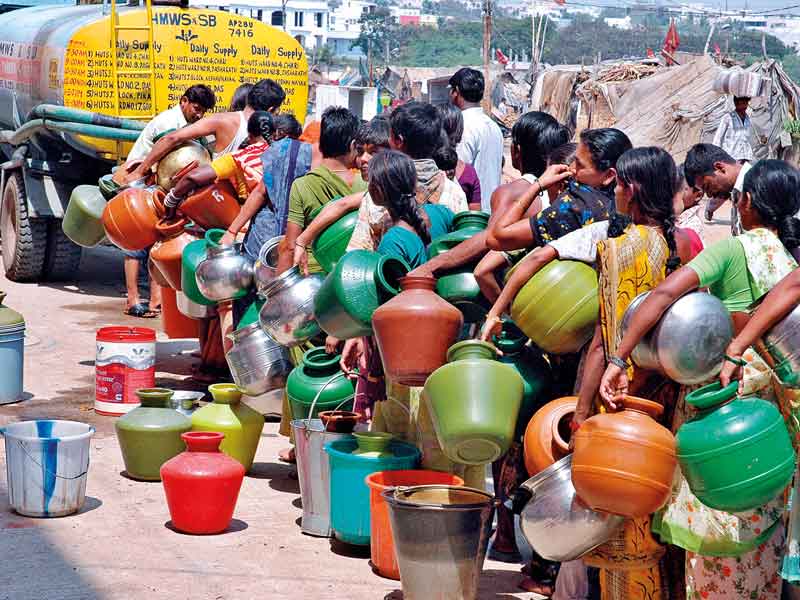
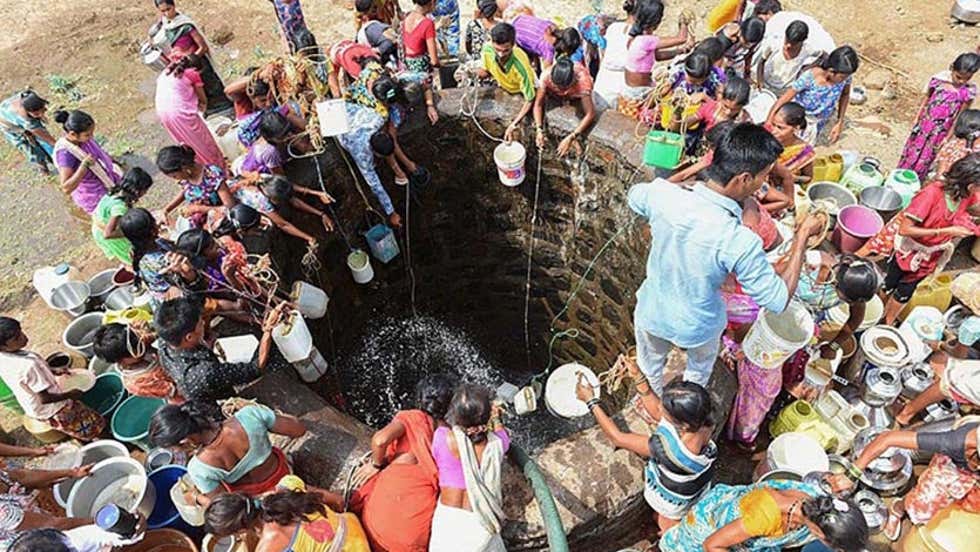
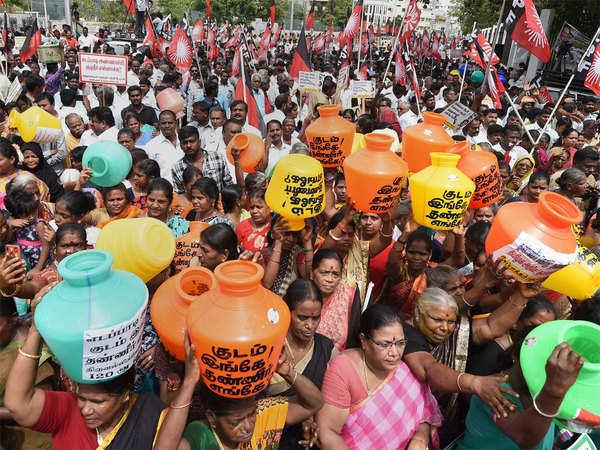
Queue for daily water collection

Introduction

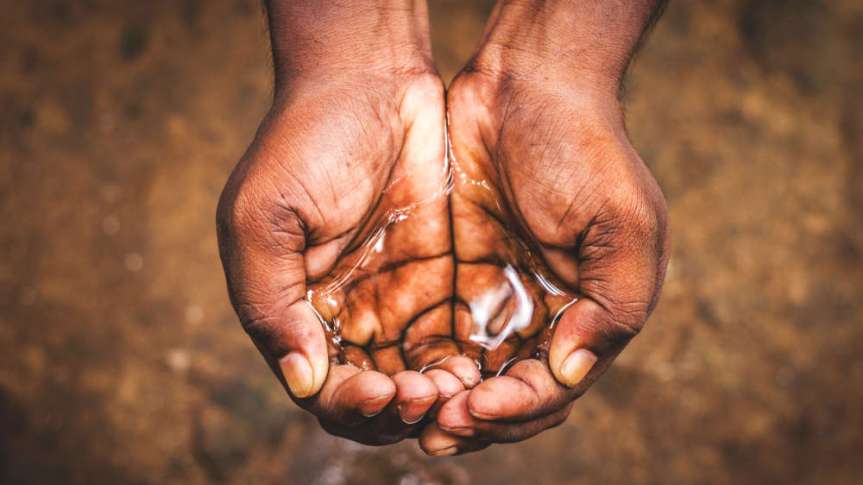
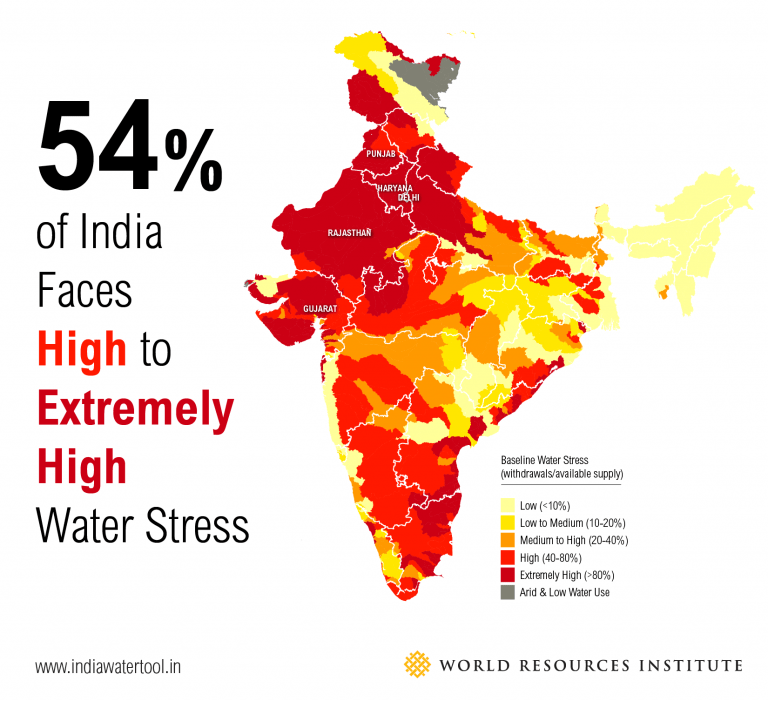
Water is the most essential element of life and livelihood. And India is having a hard time, coping up with the severe crisis of water. India constitutes 16 per cent of the world’s population, but the country has only four per cent of the world’s freshwater resources. With the changing weather patterns and recurring droughts, India is now declared as “water stressed”.

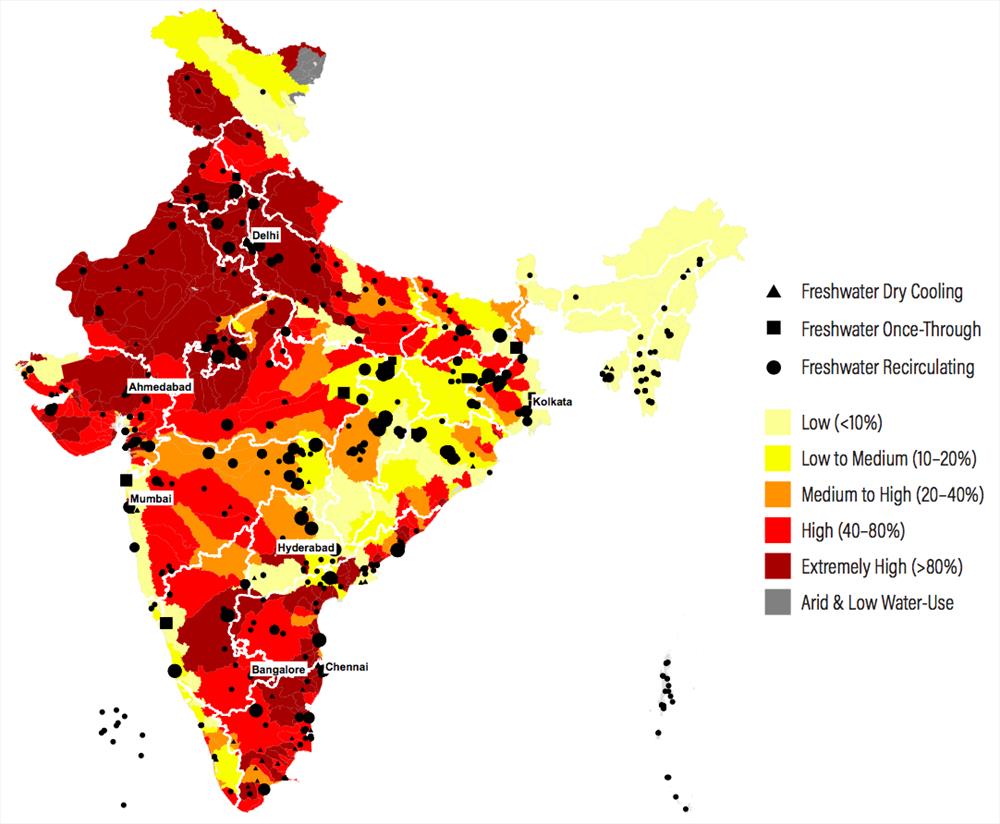
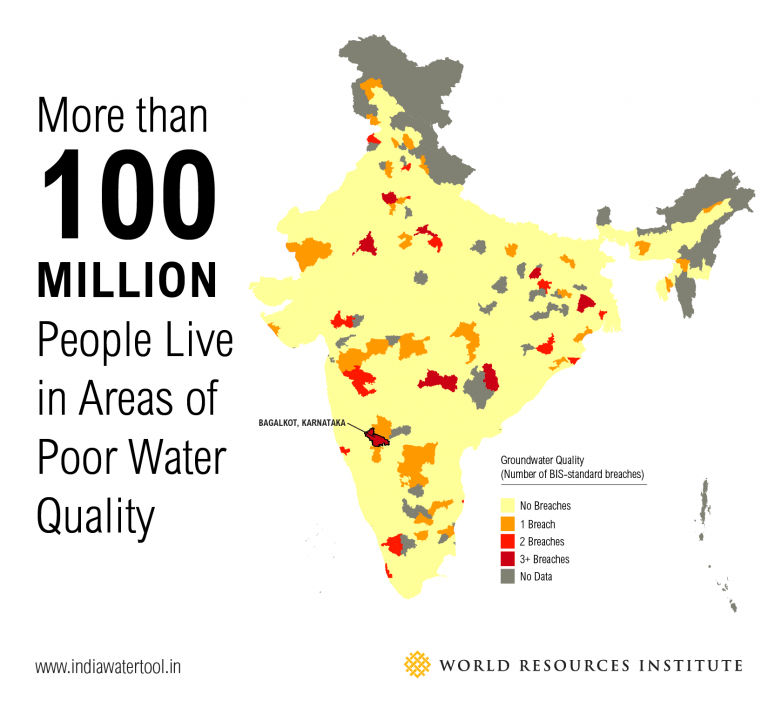
Statistical representation of India‘s Water Crisis

Background

Archaeological researchers had assumed the fall of Great Indus Civilisation was due to a catastrophic water scarcity caused either by shifting rivers or by drastic climate change that forced people to abandon city settlements. And history seems to repeat for present day India again. According to a NITI Aayog report in 2018, about 600 million people, or nearly half of India’s population, are facing extreme scarcity of water. The three-fourths of India’s rural households do not have stable running water supply and rely on sources that can cause serious health risks. The report also stated that India has become the world’s largest extractor of groundwater, accounting for 25% of the total. Moreover, 70% of the water sources were labelled as contaminated .And the conclusion of the report was ‘India is suffering from its worst water crisis in its history.’ It also pointed out 21 Indian cities to be run out of groundwater by 2020.

Reasons behind Water Crisis in India

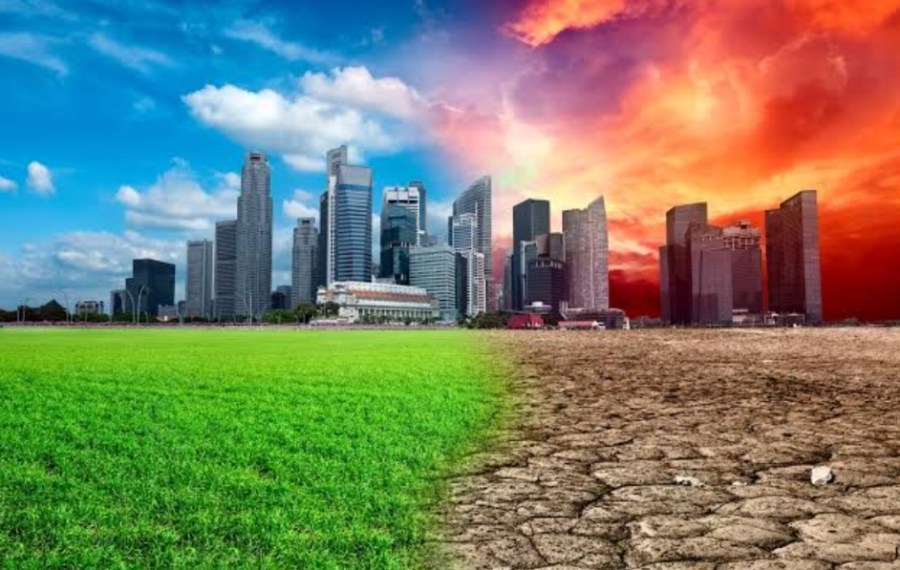
1. Climate Change : The North-East monsoon is responsible for 10%-20% rainfall of the total rainfall in India, while the South-West monsoon provides approximately 80% of rainfall. In 2018, the North-East monsoon decreased by 44% and the South-West monsoon was deficient by 10%, causing the total rainfall in the area to decrease by 36 percent in comparison to the 50-year average. Because of the lower rainfall, water levels in reservoirs across the country decreased and led to extreme shortages of water in many major cities of India

. 2. Ground Water Extraction: Groundwater meets more than half of the country’s need of water supply and nearly 89% of the groundwater extracted in India is used for irrigation purposes. The traditional techniques of irrigation are also to blame for the water crisis as they result in a majority of water loss and evaporation during the irrigation process.

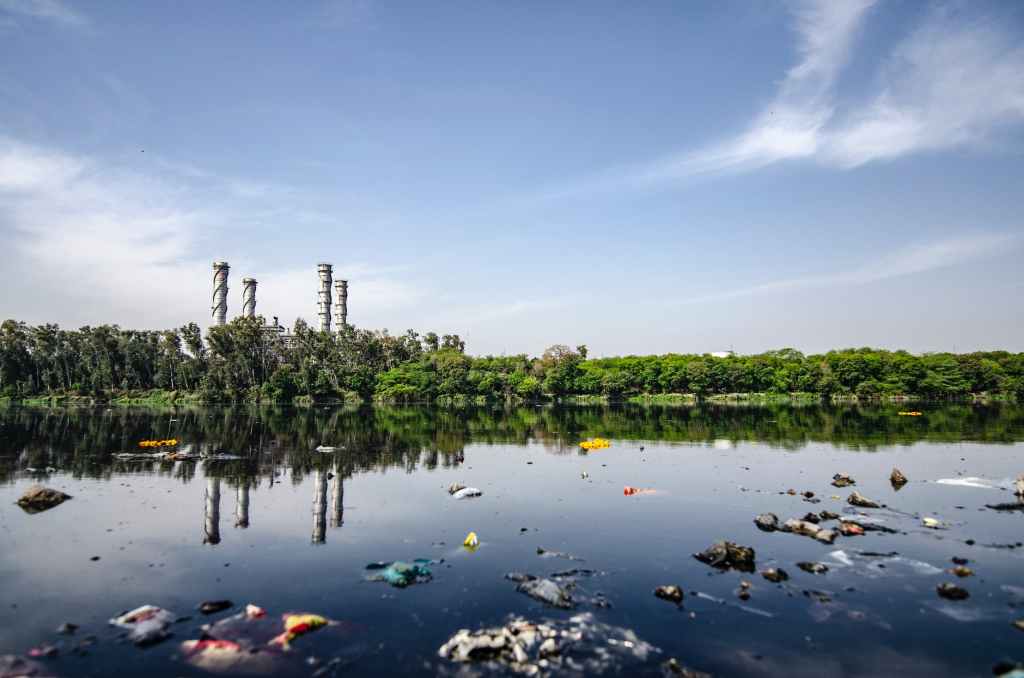
3. Pollutions in Our Rivers: Due to the lack of long term water management plans, most of the country’s rivers either run dry or have remained polluted over decades. The national river of Ganges is also the one that is most severely polluted, which is mainly resulted from untreated sewage of densely populated cities, industrial waste as well as due to religious ceremonies in and around the river.

4. Wastage of Unmanaged Water : According to the Central Water Commission, even though climate change has resulted in a reduction in rainfall and lack in underground water reservoirs, the country still receives enough rainfall to meet the needs of over 1 billion people. However, India only catches only 8 percent of its annual rainfall due to poor rainwater harvesting. Also for lacking the treatment of wastewater reuse, approximately 80% of domestic wastewater is drained out as waste and ends up flowing into salt water bodies.

Struggle for daily water collection in water-stressed areas of India

Effects of Water Crisis in India: Where We Stand Today

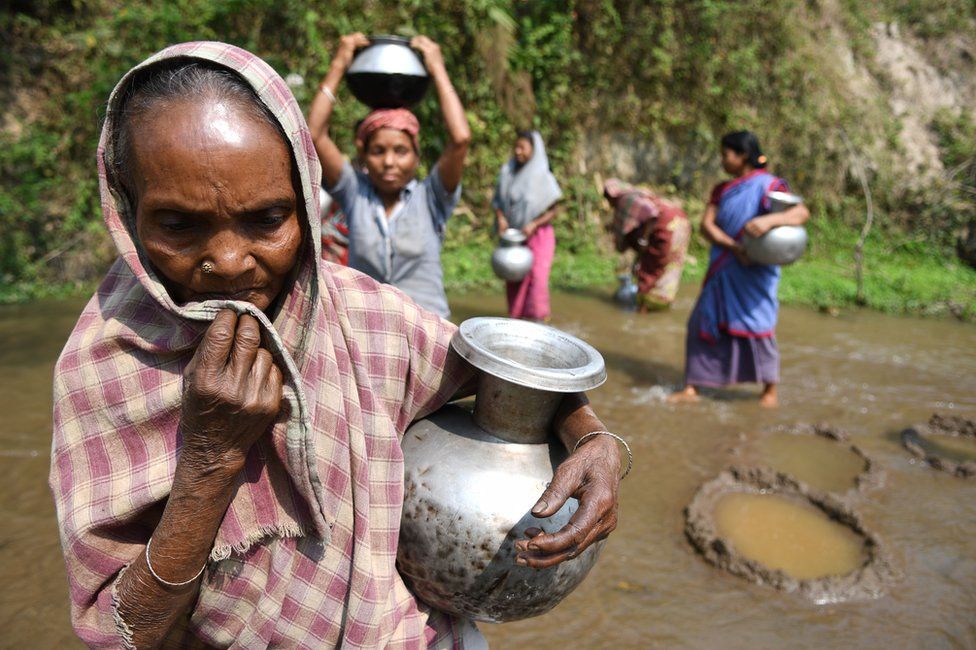
As many as 256 of 700 districts have reported ‘critical’ or ‘over exploited’ groundwater levels, according to a data from the Central Ground Water Board (2017). Fetching water in India has been perceived as a women’s job for centuries, especially in the rural areas. As groundwater resources come under increasing pressure due to over-reliance and unsustainable consumption, wells, ponds drying out fast, escalating the water crisis and placing even greater burden of accessing water on women. A rural woman in Rajasthan walks over 2.5 kilometres to reach a water source, according to a report by the National Commission for Women. Moreover, according to a non-profit named Water, women around the world spend a collective 200 million hours fetching water for their family. In addition to the time spent collecting water, millions may also spend significant amounts of time finding a place to go to relieve themselves. This makes up an additional 266 million hours lost each day. The acute crisis has even led to polygamy in one drought-prone village of Maharashtra. This involves having more than one spouse to collect water. The arrangement is termed as ‘water wives’.

The struggle for women

The Solution to the Crisis: Future Stands

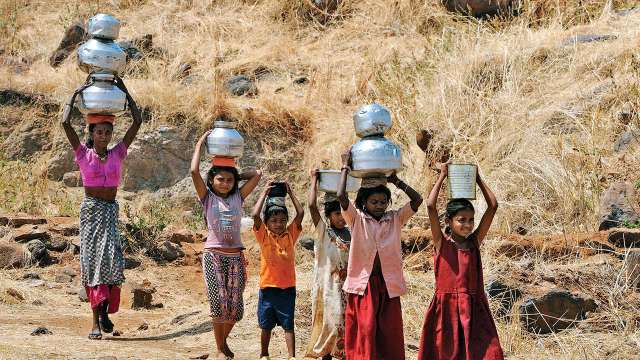
Children also becoming victims of Water Crisis

The Government has taken up the most important role to eradicate the crisis by forming the Ministry of Jal Shakti and launching “Jal Jeevan mission”- Rural in 2019 to promote “Har Ghar Jal” by 2024. Goa and Telengana have achieved the first two Indian states to reach “Har Ghar Jal“, while Andaman & Nicobar Islands and Puducherry became first Indian Union Territories to reach the milestone. In 2021, “Jal Jeevan mission”-Urban was launched to complement the project. “Jal Shakti Abhiyan-Catch the rain” is also introduced to capture and reuse of rain water at the grassroot level as a Jan Andolan. Along with this, for the cleaning and filtration of Ganges river “Namami Gange” had been rolled out as a national flagship mission. Coastal Reservoirs, Desalination of sea water and improved irrigation techniques are now been adopted to address the crisis.

Conclusion

Along with time, active participation from every layer of society in solving the water crisis of India is being witnessed. The youth has come forward with an appealing message to properly addresses the crisis and solve the drawbacks together. Now, the emerging awareness spreading among masses India can hope for a better future to handle the crisis more effectively.

National Adaptation Fund for Climate Change (NAFCC)

 The National Adaptation Fund for Climate Change (NAFCC) was established to support adaptation activities in the States and Union Territories (UTs) of India that are vulnerable to the adverse effects of climate change. NAFCC is implemented in project mode and till date, 30 projects are sanctioned in 27 States and UTs.

The Ministry of Environment, Forest and Climate Change has demarcated the Hazard Line for the entire mainland coast of India under its Integrated Coastal Zone Management (ICZM) project. Further, Coastal Regulation Zone Notification 2019 has been notified to conserve and protect the unique environment of coastal stretches and marine areas to promote sustainable development.

The NAFCC projects implemented in the states of Kerala, Tamil Nadu and Andhra Pradesh include activities relating to coastal areas and these projects are- (i) Promotion of integrated farming system of Kaipad in coastal wetlands of North Kerala (ii) Management and rehabilitation of coastal habitats and biodiversity for climate Change Adaptation and Sustainable Livelihood in Gulf of Mannar, Tamil Nadu and (iii) Climate Resilient interventions in Dairy Sector in coastal and Arid areas in Andhra Pradesh. Till date, a sum of Rs. 6,35,68,108/- has been released to the State of Andhra Pradesh under NAFCC.

SINGLE USE PLASTIC BAN

Apart from water and environmental pollution, single use of plastic is also one of the most common causes of pollution. The use of plastic has been proved to have highly destructive impact on water bodies especially on hydrophytes and sea animals. Thus, ban on single use plastic has become a beneficiary need today. In many countries including India, the government has started a number of campaigns to cease the single use of plastic and initiated the use of carry bags which are environment friendly.

Every year, million of tons of single use plastic are produced, out of which many cannot ne reused or reprocessed. Polythene, plastic bags, plastic glass, straws, water bottles, etc. are included in single use plastics. Single use plastics are meant to be used only once and then thrown away as trash or waste for recycle. Most of such single use plastics that are thrown away as trash are not recycled. These plastics are not capable of decomposing by bacteria or any other organism and are usually buried in the dumping ground or sometimes it gets into the water and at times it also reaches the ocean, polluting the water bodies. They come in contact with water and soil and crumble up into small fragments but remain undecomposed. They remain intact in the soil and water for hundreds of years releasing lethal chemicals and causing damage to the surrounding environment. Thus, it is considered to be non environment friendly. The major cause of the water pollution is the lodging of plastic bags in the water bodies. The ecology and the surrounding environment is greatly affected by these plastics in every possible way.

The use of single plastics has been proved to be hazardous to animals, human beings, hydrophytes and marine organisms. Highly toxic chemicals are released by the the plastic bags as well as plastic items which causes grave diseases to those involved in its production. At times, the aquatic creatures in a mistaken way consume particles of plastic along with food. Plastics are also found sometimes inside the stomach of marine animals like, turtles, fishes etc. These plastics block the digestive system and the organs of the animals are also perforated resulting in serious health issues and death at the end. The use of plastics also affect the environmental imbalance causing pollution. The single use plastics when burnt releases smoke which increases the risk of heart disease and make worse the ailments of respiration such as emphysema and asthma. Nausea, rashes, headaches and damage to nervous system are also caused by it.

Various measures have been taken by the government to prevent the use of plastics. A multi-ministerial plan has been laid out by the government of India to prevent the use of single use of plastics across the nation to make India free of plastics by 2022. In order to eliminate the use of single use plastics in urban as well as rural areas, the ban on plastic bags, water bottles, plates, straws and all plastic items have already began on October 2, 2019.

A great number of serious problems are caused by the single use plastics. Thus, it becomes essential to take effective measures to terminate the use of plastics and look forward towards a healthy and friendly environment. In order to protect the living creature and the environment, it is our duty to come up with advance technologies with time to recycle the plastics more efficiently so that the wastes of plastics are recycled and reused.

आज़ादी के खातिर – त्रिलोक कुमार

खून खौल जाता है
जब देश का कोई अपमान करे,

खून खौल जाता है
जब वीरो का कोई न  सम्मान करे,

बहुतो ने आज़ादी के खातिर
अपना लघु बहाया है

कितनो ने फासी को चूमा
कितनो ने गोली खाया है,

तब जाके हमने ये चैन के निंद पाया है
हम कदर करे उन वीरो का
हम सम्मान करे उन वीरो का
जिन्होंने सर्वस्य गवा के हमे ये समान दिलाया है,

तब जाके हैं कही अपना गर्व से सिर उठाया है
हमे अलख जागआना है

राष्ट्र प्रेम दिखलाना है
उन महान वीरो का बलिदान न व्यर्थ हो
दुश्मन चाहे कोई हो अपने प्रहार न पस्त हो,

भारत मा के वीर सिपाही हम करते आपका सम्मान 
आपने बढ़ाया है हम सबका मान

कुछ सपने देखे थे वीरो ने
ऐयसे राष्ट्र बनाना है

कोई न हो दुश्मन सबको अपनआ बतलाना है
कुछ भ्रस्ट लोगो ने मिलके सपने को अपमान किया
हम लोगो ने भी मिलके उनको है नकार दिया।।।

खून खौल जाता है
जब देश का कोई अपमान करे,

खून खौल जाता है
जब वीरो का कोई अपमान करे

कवि – श्री त्रिलोक कुमार


Career in Environment and Wildlife Conservation

 The Ministry of Environment, Forest & Climate Change is implementing the Environment Education, Awareness and Training (EEAT) Scheme with the objective to promote environmental awareness especially among school and college students and to mobilize their participation for conservation of environment. Under the National Green Corps (NGC) programme of this Scheme, more than one lakh Eco-clubs have been formed in schools and colleges to educate students and to spread awareness on environmental issues. Further, this Ministry also supports organization of field visits/ nature camps for school students in Protected Areas, Wildlife Sanctuaries, National Parks, etc. under the National Nature Camping Programme of EEAT Scheme with an objective to provide ‘nature experience’ to students and thereby to trigger their sensitivity towards nature and its conservation. As per information provided by Department of Youth Affairs, awareness on environment conservation and enrichment is a component in the regular activities of National Service Scheme (NSS). Volunteers of NSS organize activities on environment conservation, climate change, use of renewable energy and other related issues in addition to plantation drives.

This Ministry has launched the Green Skill Development Programme (GSDP) in June 2017 under the ongoing Environmental Information System (ENVIS) Scheme, on a pilot basis, at 10 locations, spread over 9 biogeographic regions of the country with the objective to skill youth in environment, forest and wildlife sectors and enabling them to be gainfully employed or self-employed.Based on the success of the pilot phase, the programme was extended to pan-India level in 2018-19 covering diverse fields like pollution monitoring (air/water/soil), emission inventory, operation of Sewage Treatment Plant(STP)/ Effluent Treatment Plant (ETP)/ Common Effluent Treatment Plant(CETP), waste management, environmental impact assessment, forest management, water budgeting and auditing, wildlife management, para taxonomy including Peoples Bio-Diversity Register(PBR), bamboo management and livelihood generation, etc. The training imparted under GSDP endeavours to enhance technical knowledge of the skilled workforce with a focus on hands-on training.The ENVIS Hubs/ Resource Partners and other institutions imparting training under the GSDP invite applications from all over the country and the placements take place based on employment opportunities available within or outside the State / Union Territory.

Environment, Forest and Climate Change

 The Vision of this Ministry is to provide the citizens of India a clean, green and healthy environment with peoples’ participation and to support higher and inclusive economic growth through sustainable utilization of available natural resources.  This Ministry has achieved different milestones to plan, promote, co-ordinate and oversee the implementation of India’s environmental and forestry policies and programmes related to conservation of the country’s natural resources including its lakes and rivers, its biodiversity, forests and wildlife, ensuring the welfare of animals, and the prevention and abatement of pollution.  The major achievements during year 2021 are as follows: –

Azadi ka Amrit Mahotsav:

Green Good Deed of the Week campaign: In order to commemorate the 75thyear of independence, the country is celebrating a 75 week-long “Azadi ka Amrut Mahotsav”. An outreach programme for promoting sustainable lifestyle –“Green Good Deed of the Week” campaign is being organized as a part of this Mahotsav through Eco-clubs since 12th March 2021. State Nodal Agencies and Eco-clubs organized various activities to promote sustainable lifestyle like cleanliness/ plantation drives, painting/ slogan/ essay competitions, awareness on single-use plastics, awareness on environment-friendly ways of celebrating festivals, etc.

Iconic week celebration: The Iconic Week of the Ministry of Environment, Forest and Climate Change (MoEF&CC) as a part of the Azadi ka Amrut Mahotsav was celebrated from 4th to 10thOctober, 2021. The major themes identified for activities of the week were lake/ wetland conservation, curbing of use of single-use plastics, wildlife conservation, forest conservation and coastal conservation. Activities like Green Pledge, webinars, promotion of Green Good Deeds and screening of videos on the identified themes were organized in schools/ colleges across the country in co-ordination with Department of School Education & Literacy and SNAs.

Swachhta Campaign from October 2 –November 1, 2021

  • The Swachhta Campaign was observed for one month starting from 2nd October – 1st November, 2021. During the campaign, a big number of files have been reviewed by the various divisions in the Ministry of Environment, Forest and Climate Change which comes to a huge total of 45,154 files. Out of which around 41,758 files have been weeded out which has resulted in generation of paper waste of approximately 9 tonnes. A heavy duty shredder machine was specially brought to do the huge task. A revenue generation of Rs. 18 thousand has been generated out of the process of disposal of the waste generated by weeding of the files. A sufficient clear and open area in the Indira Prayavaran Bhawan appx 3000 sq.ft. has been reclaimed.
  • The Ministry has organised an auction of the e-Waste to dispose of all obsolete items including computers, printers, photocopiers and other electronic equipment. The e-waste bid has already been finalised at a price of Rs. 5.21 lakh to M/s. Clean Waste Management, Burari, Delhi. The shifting of e-waste material has been completed.
  • The Ministry has also organised an auction to dispose of all obsolete furniture items including tables, chairs, almirahs, side racks, sofa sets and other waste furniture items. The furniture waste bid has already been finalised at a price of Rs. 6.80 lakh to M/s Patel scrap.

Sustainable Development Goals (SDGs)

The UN General Assembly in its 70th Session considered and adopted the 17 Sustainable Development Goals (SDGs) and associated 169 targets for the next 15 years. The 17 SDGs came into force with effect from 1st January, 2016. Though not legally binding, the SDGs have become de facto international obligations and have potential to reorient domestic spending priorities of the countries during the decade ending 2030. The SDG 13, 15 and 12 have been mapped majorly to Ministry of Environment, Forest and Climate Change. Significant strides have been made in achieving SDG 13 (Urgent action to protect against Climate Change and its impact) as 24% reduction in emission intensity of GDP against 2005 levels has been achieved in 2016 itself. India has emphasized that Climate Finance from developed countries as promised in the Paris agreement is integral to achieve this goal. Similarly, country’s pledge on land degradation neutrality and intense afforestation are helping the country move towards SDG 15(Sustainable use of terrestrial Ecosystems and prevention of Biodiversity Loss). The commitment of the country in implementing the Extended Producer responsibility in plastics and ratification of Basel Convention to monitor hazardous substances is a remarkable step in moving towards SDG12 for ensuring sustainable production and consumption patterns. The 2030 Agenda also underscored that quality, reliable and disaggregated data will be needed for measurement of progress and to ensure that “No One is Left Behind”. MoEF&CC is strengthening its data systems for realistic monitoring of progress on the sustainable development goals.

Climate Change

As a responsible member of the International community of nations, the Government will continue to engage in a meaningful way with deliberations in the International fora/ UN climate summit duly keeping in mind the national developmental goals and priorities through the various international meets and at present India is a president of UNCCD.

  • Ministry of Environment Forest and Climate Change took part in the 26th Session of the Conference of Parties (COP-26) to the United Nations Framework Convention on Climate Change (UNFCCC) was held in Glasgow, United Kingdom for green net zero program The National Statement in the World Leaders Summit was delivered by the Hon’ble Prime Minister at COP-26, which the following mainly discussed and highlighted during the summit
    • India’s non-fossil energy capacity to reach 500 GW by 2030
    • India will meet 50 per cent of its energy requirements with renewable energy by 2030.
    • India will reduce its total projected carbon emissions by one billion tonnes from now to 2030.
    • India will reduce the carbon intensity of its economy by 45 per cent by 2030, over 2005 levels.
    • By 2070, India will achieve the target of net zero emissions.
  • The transfer of climate finance and low-cost climate technologies have become more important for implementation of climate actions by the developing countries. The ambitions on climate finance by developed countries cannot remain the same as they were at the time of Paris Agreement in 2015 and the Indian Delegation led by Hon’ble Minister for Environment, Forest & Climate Change attending the COP Summit through multilateral negotiations with major countries for adoption of greener norms in the global scenario.
  • The Glasgow Climate Conference adopted decisions, which inter-alia, include adoption of an overarching decision titled “Glasgow Climate Pact” that stresses the urgency of enhancing ambition and action in relation to mitigation, adaptation and finance in this critical decade to address the gaps in the implementation of the goals of the Paris Agreement. The Glasgow Climate Pact also noted with deep regret that the goal of developed country Parties to mobilize jointly USD 100 billion per year by 2020 has not yet been met. The COP 26 outcome also include completion of work related to rules, procedures, and guidelines for the implementation of the Paris Agreement including that for cooperative approaches, mechanisms and non-market approaches referred to in Article 6, enhanced transparency framework, and common timeframes for Nationally Determined Contributions (NDCs) and it was discussed with Ministers and Representatives from United Kingdom, Scotland, South Korea, Australia, BASIC countries, Nepal, Bhutan, Maldives, France, Canada, Brazil, USA, UAE, Germany, Norway, Singapore, Jamaica, Sweden, and Japan. Hon’ble Minister also held meetings with the Ministers of Like Minded Developing Countries and also with representatives from United Nations Environment Programme, United Nations Convention to Combat Desertification, and Green Climate Fund.
  • For strengthening impact, the Indian Delegation also participated in side events on the side-lines of COP 26 which include South Asia Co-operative Environment Programme, International Solar Alliance, CDRI, Leadership Group for Industry Transition and Namami Gange.

PARIVESH

In order to streamline the procedure for early grant of Clearances under this Ministry PARIVESH portal has been simplified for grant of Environmental Clearances which is now been reduced to 70 working days..

In pursuant to the spirit of ‘Digital India’ and capturing the essence of Minimum Government and Maximum Governance, a Single-Window Integrated Environmental Management System named PARIVESH (Pro-Active and Responsive facilitation by Interactive, Virtuous and Environmental Single Window Hub) has been developed by the Ministry of Environment, Forest and Climate Change for complete online, expeditious and transparent system for environment, forest, wildlife and CRZ clearances in the country. The facility is operational for processing of applications for Environmental Clearances (ECs), Forest Clearances(FCs), Coastal Regulatory Zone Clearances (CRZ). Over the years, the existing system of ‘PARIVESH’ has undergone numerous modifications and customization in alignment with statutory provisions and requirements.

Ministry in recent times has automated various processes through PARIVESH such as development of online module in PARIVESH for dispensation for requirement of EC for expansion / modernization with no increase in pollution load, aligning the EIA Notification with MMDR Amendment Act 2021, Online generation of EC with unique identification number etc.

Due to the above initiatives along with other Policy reforms, the average time taken for grant of EC in all the sectors has reduced significantly from more than 150 days in 2019 to less than 90 days. In some of the sectors, the ECs are being granted even within 60 days also accordingly, ECs for 7787 projects was granted under EIA Notification in 2021.

Ministry has decided to upgrade the existing PARIVESH to provide a “single window” solution for administration of environmental regulations. Centralized Processing Centre (CPC) has been proposed to be set up in the Ministry of Environment, Forest & Climate Change. Upgraded PARIVESH will not only strengthen the clearance processes but also encourages ease of doing business in the country. Know Your Approval module with inbuilt decision rules in the envisaged system will guide the Users about the applicability of clearances to the proposed project activity. In addition, it will minimize repetitive efforts of the Users and the same time will ensure single version of the truth across all applicable clearances. Further, in the envisaged system redundancies in the process flow will be minimized to maximum extant.

DPR of the project proposal has been approved. Total time line for overall development of modules is 64 weeks, however modules for critical major clearance processes would be made live in 42 weeks from the date of on boarding of NIC’s system integrator.

Nagar Van Yojana:

Ministery is implementing Nagar Van Yojana and revised its guidelines in October 2021 with an aim at developing 400 Nagar Vans and 200 Nagar Vatikas with the objective to significantly enhance the tree outside forests and green cover in cities leading to better environment, enhancement of biodiversity and ecological benefits to the urban and peri-urban areas apart from improving quality of life of city dwellers. The scheme will be funded from the National Fund under CAMPA at a total cost of Rs. 895.00 crore during the period 2020-21 to 2024-25.

School Nursery Yojana: Ministry is implementing School Nursery Yojana with an aim to associate students in the process of raising plantations as part of their learning and by providing an environment for the students to understand and appreciate the significance of plants in maintaining and sustaining the natural ecosystem. The scheme ‘School Nursery Yojana’ is proposed to be implemented for the period of five years..

Compensatory Afforestation Fund Management and Planning Authority (CAMPA)

The “National Compensatory Afforestation Fund Management and Planning Authority” (National Authority) came into existence in place of the Ad-hoc CAMPA with effect from 30.09.2018; the day the Compensatory Afforestation Fund (CAF) Act, 2016 and CAF Rules, 2018 came into force. Hon’ble Minister, Environment, Forest and Climate Change, Government of India is the chairperson of the Governing Body of the National Authority. The National Authority manages and utilises the “National Compensatory Afforestation Fund” (National Fund), which has been created under the public account of India. The other fund at the State/UT level is known as “State Compensatory Afforestation Fund” under the public accounts of respective States/UTs. CAF collected against approvals under the Forest (Conservation) Act, 1980 is distributed in the ratio of 90:10 between the concerned State Fund and National Fund and are made available to the National Authority and respective State Authorities through budgetary process. Until 07.10.2021 funds amounting to Rs 6,63,63.12 crore was transferred from state specific bank accounts maintained at New Delhi to the public Account of India and Rs. 48,606.39 crore was disbursed from the National Fund to 32 States, who have created their public accounts and completed reconciliation.  Until now, twenty-eight schemes amounting to Rs 1329.78 crore has been approved from the National Fund. Similarly, Annual Plans of Operation (APOs) of 31 States/UTs worth Rs 9,926.48 crore have been approved from the respective State Fund during current financial year. The activities included in the APOs are mostly related to forestry and wildlife management.  At national level, achievement of compensatory afforestation (CA) in 9,06,583 Ha against the target of 10,63,031 ha is major achievements of CAMPA. The average survival percentage of CA has been reported to be 73 percent.

Wildlife

The project Dolphin and the project lion have been initiated and the associated environmental impact of this are also strengthen at the major sanctuary and forest areas for cleaner Environmental Protection of endangered species.

  • The Protected Area coverage in the country has been steadily increasing. The coverage of Protected Areas which was 4.90% of country’s geographical area in 2014 has now increased to 5.03%. This includes an increase in Protected Areas in the country from 740 with area of 1,61,081.62 sq.kms. in 2014 to present 981 with an area of 1,71,921 sq.kms.
  • Population of several species like Tiger, Asiatic Lion, Greater one Horned Rhinoceros, Asian elephants, etc. increased. Wildlife health is being addressed to aggressively monitor zoonotic diseases.
  • India has taken a leadership role in conservation of migratory birds along the Central Asian Flyway and had organized a two day workshop  in October 2021, with  Central Asian Flyway (CAF) Range countries on conservation of migratory birds along the Central Asian Flyway.
  • The Ministry has released ‘Guidelines for sustainable ecotourism in forest and wildlife areas-2021 in October 2021. These guidelines emphasise on participation of local community in ecotourism activities.

Biodiversity Conservation

India enacted the Biological Diversity (BD) Act in 2002, and notified the Rules in 2004, through an extensive consultative process initiated in 1994. India was one of the first few countries to have enacted such a comprehensive legislation on biodiversity.

The Act is implemented through a three-tier institutional mechanism, at national, state and local levels: The National Biodiversity Authority (NBA) at the national level set up by the Government of India, State Biodiversity Boards set up by the State Governments at the State level, and Biodiversity Management Committees (BMCs) constituted by the elected bodies at the local level.

The Convention on Biological Diversity (CBD) will hold its second part of the 15th Conference of the Parties (COP 15) in Kunming, China in 2022 in which delegates will come together to adopt a “Post-2020 Global Biodiversity Framework”. The vision for proposed framework is that “By 2050, biodiversity is valued, conserved, restored and wisely used, maintaining ecosystem services, sustaining a healthy planet and delivering benefits essential for all people. 2021 is viewed as a decisive year on biodiversity action. India joined High Ambition Coalition for Nature and People which calls for protecting at least 30 percent of world’s land and ocean by 2030 where India has already reported about 27% of area as conserved under Aichi Target 11 to CBD.

The Biological Diversity (Amendment) Bill, 2021 is being introduced to simplify, streamline and reduce compliance burden in order to encourage conducive environment for collaborative research and investments, simplify patent application process, widen the scope of levying access and benefit sharing with local communities and for further conservation of biological resources, without compromising the objectives of United Nation Convention on Biological Diversity and its Nagoya Protocol and also national interests.’

National Biodiversity Authority

National Biodiversity Authority, a statutory body of the Ministry of Environment Forest and Climate Change established to implement the Biological Diversity Act, 2002 has ensured that 28 State Biodiversity Boards, 8 Union Territory Biodiversity Councils and 2,76,156 Biodiversity Management Committees have been constituted in all local bodies to implement the provisions of the Act. NBA has accorded approvals for over 3000 applications to access biological resources and traditional knowledge for undertaking research, commercial utilization and patents. The BD Act envisages its implementation through consultation with local communities living in forest and rural areas. India is a leading country in issuing Internationally Recognized Certificate of Compliance (IRCC) which recognizes stakeholders for legally accessing biological resources. Till date, out of the 3297 IRCCs issued globally, 2339 IRCCs have been issued by India. Besides, 22 Biodiversity Heritage Sites have been notified by 12 State Governments and 159 plants and 175 animals have been notified as threatened species in 18 states and 2 Union Territories. Seventeen institutions of national importance have been recognized as national Repositories for preserving voucher specimens of biodiversity

Wetland

  • The number of Ramsar sites (Wetlands of International Importance) in India have increased to 47 covering an area of 10,90,230 hectares which include 21 new sites designated during 2019-2021. India has the largest number of Ramsar sites in South Asia.  A dedicated web portal for wetlands has been developed and was launched on 2nd October, 2021 (Gandhi Jayanti). The portal indianwetlands.in is a publicly available information and knowledge platform to facilitate knowledge sharing, information dissemination, host capacity building material, and provide a single-point access data repository.
  • Health cards prepared for 500 wetlands under the four pronged approach for conservation of wetlands.

Vienna Convention, Montreal Protocol to Protection of Ozone

The Ozone Cell of the Ministry of Environment, Forest and Climate Change is the national ozone unit for implementation of the Montreal Protocol in India and phase out of substances controlled under the Montreal Protocol.

After successfully phasing out chlorofluorocarbons, carbon tetrachloride, halons, methyl bromide and methyl chloroform for controlled uses, India is now phasing out hydrochlorofluorocarbons as per the accelerated phase out schedule of the Montreal Protocol

The Government of India ratified the Kigali Amendment to the Montreal Protocol to phase down Hydrofluorocarbons on 27 September 2021 after approval by the Union Cabinet. Hydrofluorocarbons are used in air conditioners, refrigerators, aerosols, foams and other products, which even though do not deplete the stratospheric ozone layer, they have high global warming potential ranging from 12 to 14,000. As per the Kigali Amendment, to the Montreal Protocol, India will complete its phase down of Hydrofluorocarbons in 4 steps from 2032 onwards with cumulative reduction of 85% of production and consumption of HFCs by 2047. In line with the Cabinet decision, National Strategy in consultation with all the stakeholders will be developed by 2023 and funding for preparing the strategy has been secured from the Multilateral Fund

The Ministry of Environment, Forest and Climate Change has developed and launched the India Cooling Action Plan (ICAP) during March 2019, to provide an integrated vision towards cooling across sectors encompassing inter alia reducing cooling demand, refrigerant transition, enhancing energy efficiency and better technology options with a 20-year time horizon. Space cooling in buildings being the most important and can significantly contribute to achieving the goals in the ICAP, has been prioritized for implementation of the recommendations given in the ICAP. Action points for implementation of the recommendations for Space Cooling in Buildings was finalized and launched on the World Ozone Day held on 16th September 2021 and widely disseminated

Following studies were completed as part of non-investment component of HCFC phase out Management Plan Stage-II (HPMP Stage-II)

a) Application of non-ODS and low GWP alternatives in Cold Chain Sector in India

b) Public Procurement Policies for Refrigeration and Air-Conditioning Equipment Using Non-ODS based refrigerants

c) Good servicing practices and Energy efficiency in RAC sector

The above studies were published and launched on 16 September 2021 on the World Ozone Day and were widely disseminated

Preparation of Stage-III of HPMP has been initiated, to the implemented from 2023-2030, after securing funding from the Multilateral Fund for preparation of project proposal.

National Clean Air Program

Ministry of Environment, Forest and Climate Change (MoEF&CC) is implementing National Clean Air Programme (NCAP) for reducing levels of air pollution in non-attainment cities (NACs) of the country since January 2019. NCAP is implemented in targeted 132 cities.

A Commission on Air Quality Management in NCR and Adjoining Areas (CAQM) has been constituted by enactment of an Act by Parliament for better coordination, research, identification and resolution of problems surrounding the air quality index and for matters connected therewith or incidental thereto.

Avoiding Use of Single Use Plastics and Efficient and Effective Management of Plastic Waste.

  • To enhance the efficacy implementation of PWMR, the Ministry has notified the Plastic Waste Management Amendment Rules, 2021 on 12th August 2021 which also prohibits identified single use plastic items, which have low utility and high littering potential, by 2022.
  • As per the notification, the manufacture, import, stocking, distribution, sale and use of 12 identified single-use plastic items including polystyrene and expanded polystyrene, commodities shall be prohibited with effect from the 1st of July, 2022.
  • The thickness of plastic carry bags has been increased from fifty microns to seventy-five microns with effect from 30th September, 2021, and to one hundred and twenty microns with effect from the 31st December, 2022.
  • The Ministry has organized “Awareness Campaign on Single Use Plastic – 2021”.
  • The States/UTs have been requested to constitute a Special Task Force under Chairpersonship of Chief Secretary/Administrator for elimination of single use plastics and effective implementation of Plastic Waste Management Rules, 2016. 31 Task Forces have been formed.
  • The Ministry of Environment, Forest and Climate Change has notified the draft Regulations on the Extended Producer Responsibility for plastic packaging under Plastic Waste Management Rules, 2016, as amended from time to time on 6th October 2021 for public consultation.

Combating the Land Degradation, Desertification and Drought:

  • India committed to achieve Land Degradation Neutrality and restoration of 26 million hectares of degraded land by 2030, which includes 21 million hectares of Bonn Challenge and additional commitment of 5 million hectares as voluntary commitment. India presently holds the Presidency of UNCCD COP for 2 years till April 2022.
  • Hon’ble Prime Minister, Shri Narendra Modi graced the High level Dialogue on desertification, land degradation and drought of United Nations General Assembly, held on 14th June 2021 highlighting the initiatives taken by India on combating Land Degradation.

Integrated Coastal Zone Management

Blue Economy is one of the thrust area of the Government for sustainable development of coastal resources. The development will in due consideration of Conservation & protection of coastal and marine resources, Pollution abatement measures, Management of coastal and Marine ecosystem, Livelihood enhancement with security of coastal community, Capacity building and will also comprehend Sustainable development goals.

10 beaches in 7 States and One Union Territory, have been developed at par with international Standards and has been conferred with prestigious Blue Flag certification for its environmentally sound management and ecological sustainable infrastructures with adequate safety measures. This has resulted in better waste management, maintaining bathing water quality, self-sustaining solar energy-based infrastructure, containing marine littering, enhancing local level livelihood options and increased tourist based economy.

****

Can we fix our Ozone layer? The Montreal protocol

Imagine that one day our Ozone layer was disappeared. What will happen? How long can we survive without it? The Ozone layer is a region of Earth’s atmosphere that contains a high concentration of Ozone (O3). Ozone is a highly reactive gas composed of three oxygen atoms. It is found in the lower portion of Earth’s atmosphere. It absorbs 97 to 99 percent of the Sun’s ultraviolet rays. Direct exposure to UV rays can cause serious skin problems including sun burn, skin cancer, premature ageing of the skin, solar elastosis. It can also cause eye problems and can ruin our immune system.

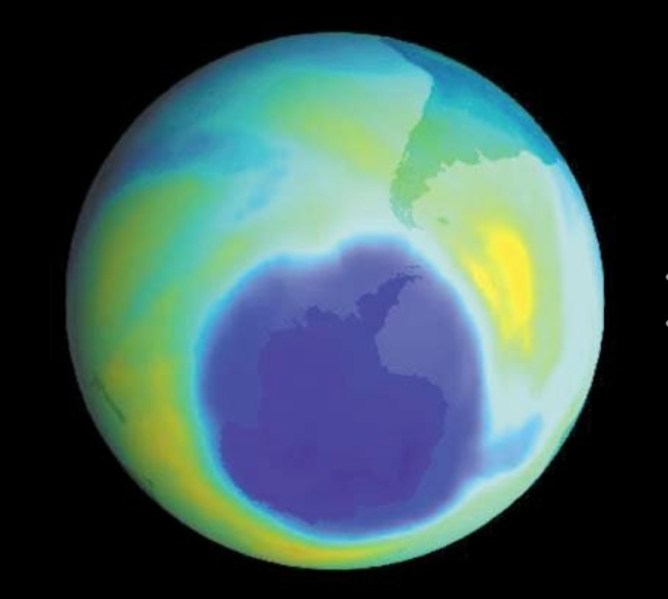
The depletion of ozone layer was first observed by a Dutch chemist Paul crutzen. He described the Ozone depletion by demonstrating the reaction of nitrogen oxide with oxygen atoms which slowing the creation of Ozone (O3). Later in 1974, American chemists Mario Molina and F. Sherwood Rowland observed that chlorofluorocarbon (CFC) molecules emitted by man-made machines like refrigerators, air conditioners and airplanes could be the major source of chlorine in the atmosphere. One chlorine atom can destroy 100,000 ozone molecules.

Not all chlorine molecules contribute to ozone layer depletion; chlorine from swimming pool, sea salt, industrial plants, and volcanoes does not reach the stratosphere. The ozone hole in Antarctica is one of the largest and deepest depletion which was discovered by the British scientists. This became worldwide headlines after that. According to NASA scientist Paul Newman, if this depletion continues in this rate our ozone layer can be likely disappeared in 2065. If that happens UV rays from sun directly reach earth and cause severe health issues, Humans can last 3 months and plants may die in 2 weeks because of heavy UV radiation. Thus Earth will become inhabitable.

Fortunately in 1987, Montreal protocol was made that bans chlorofluorocarbon and other chemicals that cause ozone depletion. Surprisingly it works, researches made in 2018 tells that the ozone layer is repairing itself at a rate of 1% to 3% per decade since 2000. Still it will take at least 50 years for complete recovery. The greenhouse effect allows the short wave radiation of sunlight to pass through the atmosphere to earth’s surface but makes it difficult for heat in the form of long wave radiation to escape. This effect blankets the earth and keeps our planet at a reasonable temperature to support life. Earth radiated energy, of which about 90 percent is absorbed by atmospheric gases like water vapor, carbon dioxide, ozone, methane, nitrous oxide, and others. Absorbed energy is radiated back to the surface and warms earth’s lower atmosphere.


The gases have come to be called greenhouse gases because they hold in light and heat, just as a greenhouse does for the sake of the plants inside. Greenhouse gases are essential to life, not only at an appropriate balance point. These gases increased during the 20th century due to industrial activity and fossil fuel emissions. For example, the concentration of carbon dioxide I the atmosphere have recently been growing by about 1.4 percent annually. This increase in greenhouse gases is one of the contributors to be observed patterns of global warming. On September 16th world ozone day, we can celebrate our success. But we must all push to keep hold of these gains, in particular by remaining vigilant and tackling any illegal sources of ozone depleting substances as they arise, says UN ozone-secretariat. So without the Montreal protocol, life on earth could be a question mark, so keep working hard. “OZONE FOR LIFE”.

Environment, Forest and Climate Change

 The Vision of this Ministry is to provide the citizens of India a clean, green and healthy environment with peoples’ participation and to support higher and inclusive economic growth through sustainable utilization of available natural resources.  This Ministry has achieved different milestones to plan, promote, co-ordinate and oversee the implementation of India’s environmental and forestry policies and programmes related to conservation of the country’s natural resources including its lakes and rivers, its biodiversity, forests and wildlife, ensuring the welfare of animals, and the prevention and abatement of pollution.  The major achievements during year 2021 are as follows: –

Azadi ka Amrit Mahotsav: 

Green Good Deed of the Week campaign: In order to commemorate the 75thyear of independence, the country is celebrating a 75 week-long “Azadi ka Amrut Mahotsav”. An outreach programme for promoting sustainable lifestyle –“Green Good Deed of the Week” campaign is being organized as a part of this Mahotsav through Eco-clubs since 12th March 2021. State Nodal Agencies and Eco-clubs organized various activities to promote sustainable lifestyle like cleanliness/ plantation drives, painting/ slogan/ essay competitions, awareness on single-use plastics, awareness on environment-friendly ways of celebrating festivals, etc.

Iconic week celebration: The Iconic Week of the Ministry of Environment, Forest and Climate Change (MoEF&CC) as a part of the Azadi ka Amrut Mahotsav was celebrated from 4th to 10thOctober, 2021. The major themes identified for activities of the week were lake/ wetland conservation, curbing of use of single-use plastics, wildlife conservation, forest conservation and coastal conservation. Activities like Green Pledge, webinars, promotion of Green Good Deeds and screening of videos on the identified themes were organized in schools/ colleges across the country in co-ordination with Department of School Education & Literacy and SNAs. 

Swachhta Campaign from October 2 –November 1, 2021 

  • The Swachhta Campaign was observed for one month starting from 2nd October – 1st November, 2021. During the campaign, a big number of files have been reviewed by the various divisions in the Ministry of Environment, Forest and Climate Change which comes to a huge total of 45,154 files. Out of which around 41,758 files have been weeded out which has resulted in generation of paper waste of approximately 9 tonnes. A heavy duty shredder machine was specially brought to do the huge task. A revenue generation of Rs. 18 thousand has been generated out of the process of disposal of the waste generated by weeding of the files. A sufficient clear and open area in the Indira Prayavaran Bhawan appx 3000 sq.ft. has been reclaimed.
  • The Ministry has organised an auction of the e-Waste to dispose of all obsolete items including computers, printers, photocopiers and other electronic equipment. The e-waste bid has already been finalised at a price of Rs. 5.21 lakh to M/s. Clean Waste Management, Burari, Delhi. The shifting of e-waste material has been completed.
  • The Ministry has also organised an auction to dispose of all obsolete furniture items including tables, chairs, almirahs, side racks, sofa sets and other waste furniture items. The furniture waste bid has already been finalised at a price of Rs. 6.80 lakh to M/s Patel scrap.

Sustainable Development Goals (SDGs)

The UN General Assembly in its 70th Session considered and adopted the 17 Sustainable Development Goals (SDGs) and associated 169 targets for the next 15 years. The 17 SDGs came into force with effect from 1st January, 2016. Though not legally binding, the SDGs have become de facto international obligations and have potential to reorient domestic spending priorities of the countries during the decade ending 2030. The SDG 13, 15 and 12 have been mapped majorly to Ministry of Environment, Forest and Climate Change. Significant strides have been made in achieving SDG 13 (Urgent action to protect against Climate Change and its impact) as 24% reduction in emission intensity of GDP against 2005 levels has been achieved in 2016 itself. India has emphasized that Climate Finance from developed countries as promised in the Paris agreement is integral to achieve this goal. Similarly, country’s pledge on land degradation neutrality and intense afforestation are helping the country move towards SDG 15(Sustainable use of terrestrial Ecosystems and prevention of Biodiversity Loss). The commitment of the country in implementing the Extended Producer responsibility in plastics and ratification of Basel Convention to monitor hazardous substances is a remarkable step in moving towards SDG12 for ensuring sustainable production and consumption patterns. The 2030 Agenda also underscored that quality, reliable and disaggregated data will be needed for measurement of progress and to ensure that “No One is Left Behind”. MoEF&CC is strengthening its data systems for realistic monitoring of progress on the sustainable development goals.

Climate Change

As a responsible member of the International community of nations, the Government will continue to engage in a meaningful way with deliberations in the International fora/ UN climate summit duly keeping in mind the national developmental goals and priorities through the various international meets and at present India is a president of UNCCD.

  • Ministry of Environment Forest and Climate Change took part in the 26th Session of the Conference of Parties (COP-26) to the United Nations Framework Convention on Climate Change (UNFCCC) was held in Glasgow, United Kingdom for green net zero program The National Statement in the World Leaders Summit was delivered by the Hon’ble Prime Minister at COP-26, which the following mainly discussed and highlighted during the summit
    • India’s non-fossil energy capacity to reach 500 GW by 2030
    • India will meet 50 per cent of its energy requirements with renewable energy by 2030.
    • India will reduce its total projected carbon emissions by one billion tonnes from now to 2030.
    • India will reduce the carbon intensity of its economy by 45 per cent by 2030, over 2005 levels.
    • By 2070, India will achieve the target of net zero emissions. 
  • The transfer of climate finance and low-cost climate technologies have become more important for implementation of climate actions by the developing countries. The ambitions on climate finance by developed countries cannot remain the same as they were at the time of Paris Agreement in 2015 and the Indian Delegation led by Hon’ble Minister for Environment, Forest & Climate Change attending the COP Summit through multilateral negotiations with major countries for adoption of greener norms in the global scenario.
  • The Glasgow Climate Conference adopted decisions, which inter-alia, include adoption of an overarching decision titled “Glasgow Climate Pact” that stresses the urgency of enhancing ambition and action in relation to mitigation, adaptation and finance in this critical decade to address the gaps in the implementation of the goals of the Paris Agreement. The Glasgow Climate Pact also noted with deep regret that the goal of developed country Parties to mobilize jointly USD 100 billion per year by 2020 has not yet been met. The COP 26 outcome also include completion of work related to rules, procedures, and guidelines for the implementation of the Paris Agreement including that for cooperative approaches, mechanisms and non-market approaches referred to in Article 6, enhanced transparency framework, and common timeframes for Nationally Determined Contributions (NDCs) and it was discussed with Ministers and Representatives from United Kingdom, Scotland, South Korea, Australia, BASIC countries, Nepal, Bhutan, Maldives, France, Canada, Brazil, USA, UAE, Germany, Norway, Singapore, Jamaica, Sweden, and Japan. Hon’ble Minister also held meetings with the Ministers of Like Minded Developing Countries and also with representatives from United Nations Environment Programme, United Nations Convention to Combat Desertification, and Green Climate Fund.
  • For strengthening impact, the Indian Delegation also participated in side events on the side-lines of COP 26 which include South Asia Co-operative Environment Programme, International Solar Alliance, CDRI, Leadership Group for Industry Transition and Namami Gange.

PARIVESH

In order to streamline the procedure for early grant of Clearances under this Ministry PARIVESH portal has been simplified for grant of Environmental Clearances which is now been reduced to 70 working days..

In pursuant to the spirit of ‘Digital India’ and capturing the essence of Minimum Government and Maximum Governance, a Single-Window Integrated Environmental Management System named PARIVESH (Pro-Active and Responsive facilitation by Interactive, Virtuous and Environmental Single Window Hub) has been developed by the Ministry of Environment, Forest and Climate Change for complete online, expeditious and transparent system for environment, forest, wildlife and CRZ clearances in the country. The facility is operational for processing of applications for Environmental Clearances (ECs), Forest Clearances(FCs), Coastal Regulatory Zone Clearances (CRZ). Over the years, the existing system of ‘PARIVESH’ has undergone numerous modifications and customization in alignment with statutory provisions and requirements.

Ministry in recent times has automated various processes through PARIVESH such as development of online module in PARIVESH for dispensation for requirement of EC for expansion / modernization with no increase in pollution load, aligning the EIA Notification with MMDR Amendment Act 2021, Online generation of EC with unique identification number etc.

Due to the above initiatives along with other Policy reforms, the average time taken for grant of EC in all the sectors has reduced significantly from more than 150 days in 2019 to less than 90 days. In some of the sectors, the ECs are being granted even within 60 days also accordingly, ECs for 7787 projects was granted under EIA Notification in 2021.

Ministry has decided to upgrade the existing PARIVESH to provide a “single window” solution for administration of environmental regulations. Centralized Processing Centre (CPC) has been proposed to be set up in the Ministry of Environment, Forest & Climate Change. Upgraded PARIVESH will not only strengthen the clearance processes but also encourages ease of doing business in the country. Know Your Approval module with inbuilt decision rules in the envisaged system will guide the Users about the applicability of clearances to the proposed project activity. In addition, it will minimize repetitive efforts of the Users and the same time will ensure single version of the truth across all applicable clearances. Further, in the envisaged system redundancies in the process flow will be minimized to maximum extant.

DPR of the project proposal has been approved. Total time line for overall development of modules is 64 weeks, however modules for critical major clearance processes would be made live in 42 weeks from the date of on boarding of NIC’s system integrator. 

Nagar Van Yojana:

Ministery is implementing Nagar Van Yojana and revised its guidelines in October 2021 with an aim at developing 400 Nagar Vans and 200 Nagar Vatikas with the objective to significantly enhance the tree outside forests and green cover in cities leading to better environment, enhancement of biodiversity and ecological benefits to the urban and peri-urban areas apart from improving quality of life of city dwellers. The scheme will be funded from the National Fund under CAMPA at a total cost of Rs. 895.00 crore during the period 2020-21 to 2024-25.

School Nursery Yojana: Ministry is implementing School Nursery Yojana with an aim to associate students in the process of raising plantations as part of their learning and by providing an environment for the students to understand and appreciate the significance of plants in maintaining and sustaining the natural ecosystem. The scheme ‘School Nursery Yojana’ is proposed to be implemented for the period of five years..

Compensatory Afforestation Fund Management and Planning Authority (CAMPA)

The “National Compensatory Afforestation Fund Management and Planning Authority” (National Authority) came into existence in place of the Ad-hoc CAMPA with effect from 30.09.2018; the day the Compensatory Afforestation Fund (CAF) Act, 2016 and CAF Rules, 2018 came into force. Hon’ble Minister, Environment, Forest and Climate Change, Government of India is the chairperson of the Governing Body of the National Authority. The National Authority manages and utilises the “National Compensatory Afforestation Fund” (National Fund), which has been created under the public account of India. The other fund at the State/UT level is known as “State Compensatory Afforestation Fund” under the public accounts of respective States/UTs. CAF collected against approvals under the Forest (Conservation) Act, 1980 is distributed in the ratio of 90:10 between the concerned State Fund and National Fund and are made available to the National Authority and respective State Authorities through budgetary process. Until 07.10.2021 funds amounting to Rs 6,63,63.12 crore was transferred from state specific bank accounts maintained at New Delhi to the public Account of India and Rs. 48,606.39 crore was disbursed from the National Fund to 32 States, who have created their public accounts and completed reconciliation.  Until now, twenty-eight schemes amounting to Rs 1329.78 crore has been approved from the National Fund. Similarly, Annual Plans of Operation (APOs) of 31 States/UTs worth Rs 9,926.48 crore have been approved from the respective State Fund during current financial year. The activities included in the APOs are mostly related to forestry and wildlife management.  At national level, achievement of compensatory afforestation (CA) in 9,06,583 Ha against the target of 10,63,031 ha is major achievements of CAMPA. The average survival percentage of CA has been reported to be 73 percent.

Wildlife

The project Dolphin and the project lion have been initiated and the associated environmental impact of this are also strengthen at the major sanctuary and forest areas for cleaner Environmental Protection of endangered species. 

  • The Protected Area coverage in the country has been steadily increasing. The coverage of Protected Areas which was 4.90% of country’s geographical area in 2014 has now increased to 5.03%. This includes an increase in Protected Areas in the country from 740 with area of 1,61,081.62 sq.kms. in 2014 to present 981 with an area of 1,71,921 sq.kms. 
  • Population of several species like Tiger, Asiatic Lion, Greater one Horned Rhinoceros, Asian elephants, etc. increased. Wildlife health is being addressed to aggressively monitor zoonotic diseases. 
  • India has taken a leadership role in conservation of migratory birds along the Central Asian Flyway and had organized a two day workshop  in October 2021, with  Central Asian Flyway (CAF) Range countries on conservation of migratory birds along the Central Asian Flyway.
  • The Ministry has released ‘Guidelines for sustainable ecotourism in forest and wildlife areas-2021 in October 2021. These guidelines emphasise on participation of local community in ecotourism activities.

Biodiversity Conservation

India enacted the Biological Diversity (BD) Act in 2002, and notified the Rules in 2004, through an extensive consultative process initiated in 1994. India was one of the first few countries to have enacted such a comprehensive legislation on biodiversity. 

The Act is implemented through a three-tier institutional mechanism, at national, state and local levels: The National Biodiversity Authority (NBA) at the national level set up by the Government of India, State Biodiversity Boards set up by the State Governments at the State level, and Biodiversity Management Committees (BMCs) constituted by the elected bodies at the local level.

The Convention on Biological Diversity (CBD) will hold its second part of the 15th Conference of the Parties (COP 15) in Kunming, China in 2022 in which delegates will come together to adopt a “Post-2020 Global Biodiversity Framework”. The vision for proposed framework is that “By 2050, biodiversity is valued, conserved, restored and wisely used, maintaining ecosystem services, sustaining a healthy planet and delivering benefits essential for all people. 2021 is viewed as a decisive year on biodiversity action. India joined High Ambition Coalition for Nature and People which calls for protecting at least 30 percent of world’s land and ocean by 2030 where India has already reported about 27% of area as conserved under Aichi Target 11 to CBD.

The Biological Diversity (Amendment) Bill, 2021 is being introduced to simplify, streamline and reduce compliance burden in order to encourage conducive environment for collaborative research and investments, simplify patent application process, widen the scope of levying access and benefit sharing with local communities and for further conservation of biological resources, without compromising the objectives of United Nation Convention on Biological Diversity and its Nagoya Protocol and also national interests.’

National Biodiversity Authority

National Biodiversity Authority, a statutory body of the Ministry of Environment Forest and Climate Change established to implement the Biological Diversity Act, 2002 has ensured that 28 State Biodiversity Boards, 8 Union Territory Biodiversity Councils and 2,76,156 Biodiversity Management Committees have been constituted in all local bodies to implement the provisions of the Act. NBA has accorded approvals for over 3000 applications to access biological resources and traditional knowledge for undertaking research, commercial utilization and patents. The BD Act envisages its implementation through consultation with local communities living in forest and rural areas. India is a leading country in issuing Internationally Recognized Certificate of Compliance (IRCC) which recognizes stakeholders for legally accessing biological resources. Till date, out of the 3297 IRCCs issued globally, 2339 IRCCs have been issued by India. Besides, 22 Biodiversity Heritage Sites have been notified by 12 State Governments and 159 plants and 175 animals have been notified as threatened species in 18 states and 2 Union Territories. Seventeen institutions of national importance have been recognized as national Repositories for preserving voucher specimens of biodiversity

Wetland

  • The number of Ramsar sites (Wetlands of International Importance) in India have increased to 47 covering an area of 10,90,230 hectares which include 21 new sites designated during 2019-2021. India has the largest number of Ramsar sites in South Asia.  A dedicated web portal for wetlands has been developed and was launched on 2nd October, 2021 (Gandhi Jayanti). The portal indianwetlands.in is a publicly available information and knowledge platform to facilitate knowledge sharing, information dissemination, host capacity building material, and provide a single-point access data repository.
  • Health cards prepared for 500 wetlands under the four pronged approach for conservation of wetlands. 

Vienna Convention, Montreal Protocol to Protection of Ozone 

The Ozone Cell of the Ministry of Environment, Forest and Climate Change is the national ozone unit for implementation of the Montreal Protocol in India and phase out of substances controlled under the Montreal Protocol.

After successfully phasing out chlorofluorocarbons, carbon tetrachloride, halons, methyl bromide and methyl chloroform for controlled uses, India is now phasing out hydrochlorofluorocarbons as per the accelerated phase out schedule of the Montreal Protocol

The Government of India ratified the Kigali Amendment to the Montreal Protocol to phase down Hydrofluorocarbons on 27 September 2021 after approval by the Union Cabinet. Hydrofluorocarbons are used in air conditioners, refrigerators, aerosols, foams and other products, which even though do not deplete the stratospheric ozone layer, they have high global warming potential ranging from 12 to 14,000. As per the Kigali Amendment, to the Montreal Protocol, India will complete its phase down of Hydrofluorocarbons in 4 steps from 2032 onwards with cumulative reduction of 85% of production and consumption of HFCs by 2047. In line with the Cabinet decision, National Strategy in consultation with all the stakeholders will be developed by 2023 and funding for preparing the strategy has been secured from the Multilateral Fund

The Ministry of Environment, Forest and Climate Change has developed and launched the India Cooling Action Plan (ICAP) during March 2019, to provide an integrated vision towards cooling across sectors encompassing inter alia reducing cooling demand, refrigerant transition, enhancing energy efficiency and better technology options with a 20-year time horizon. Space cooling in buildings being the most important and can significantly contribute to achieving the goals in the ICAP, has been prioritized for implementation of the recommendations given in the ICAP. Action points for implementation of the recommendations for Space Cooling in Buildings was finalized and launched on the World Ozone Day held on 16th September 2021 and widely disseminated

Following studies were completed as part of non-investment component of HCFC phase out Management Plan Stage-II (HPMP Stage-II)

a) Application of non-ODS and low GWP alternatives in Cold Chain Sector in India

b) Public Procurement Policies for Refrigeration and Air-Conditioning Equipment Using Non-ODS based refrigerants

c) Good servicing practices and Energy efficiency in RAC sector

The above studies were published and launched on 16 September 2021 on the World Ozone Day and were widely disseminated

Preparation of Stage-III of HPMP has been initiated, to the implemented from 2023-2030, after securing funding from the Multilateral Fund for preparation of project proposal.

National Clean Air Program

Ministry of Environment, Forest and Climate Change (MoEF&CC) is implementing National Clean Air Programme (NCAP) for reducing levels of air pollution in non-attainment cities (NACs) of the country since January 2019. NCAP is implemented in targeted 132 cities.

A Commission on Air Quality Management in NCR and Adjoining Areas (CAQM) has been constituted by enactment of an Act by Parliament for better coordination, research, identification and resolution of problems surrounding the air quality index and for matters connected therewith or incidental thereto. 

Avoiding Use of Single Use Plastics and Efficient and Effective Management of Plastic Waste.

  • To enhance the efficacy implementation of PWMR, the Ministry has notified the Plastic Waste Management Amendment Rules, 2021 on 12th August 2021 which also prohibits identified single use plastic items, which have low utility and high littering potential, by 2022.
  • As per the notification, the manufacture, import, stocking, distribution, sale and use of 12 identified single-use plastic items including polystyrene and expanded polystyrene, commodities shall be prohibited with effect from the 1st of July, 2022.
  • The thickness of plastic carry bags has been increased from fifty microns to seventy-five microns with effect from 30th September, 2021, and to one hundred and twenty microns with effect from the 31st December, 2022.
  • The Ministry has organized “Awareness Campaign on Single Use Plastic – 2021”.
  • The States/UTs have been requested to constitute a Special Task Force under Chairpersonship of Chief Secretary/Administrator for elimination of single use plastics and effective implementation of Plastic Waste Management Rules, 2016. 31 Task Forces have been formed.
  • The Ministry of Environment, Forest and Climate Change has notified the draft Regulations on the Extended Producer Responsibility for plastic packaging under Plastic Waste Management Rules, 2016, as amended from time to time on 6th October 2021 for public consultation.

Combating the Land Degradation, Desertification and Drought:

  • India committed to achieve Land Degradation Neutrality and restoration of 26 million hectares of degraded land by 2030, which includes 21 million hectares of Bonn Challenge and additional commitment of 5 million hectares as voluntary commitment. India presently holds the Presidency of UNCCD COP for 2 years till April 2022. 
  • Hon’ble Prime Minister, Shri Narendra Modi graced the High level Dialogue on desertification, land degradation and drought of United Nations General Assembly, held on 14th June 2021 highlighting the initiatives taken by India on combating Land Degradation. 

Integrated Coastal Zone Management

Blue Economy is one of the thrust area of the Government for sustainable development of coastal resources. The development will in due consideration of Conservation & protection of coastal and marine resources, Pollution abatement measures, Management of coastal and Marine ecosystem, Livelihood enhancement with security of coastal community, Capacity building and will also comprehend Sustainable development goals.

10 beaches in 7 States and One Union Territory, have been developed at par with international Standards and has been conferred with prestigious Blue Flag certification for its environmentally sound management and ecological sustainable infrastructures with adequate safety measures. This has resulted in better waste management, maintaining bathing water quality, self-sustaining solar energy-based infrastructure, containing marine littering, enhancing local level livelihood options and increased tourist based economy.

****

ENVIRONMENTAL ISSUES

Environmental issues harmful to human beings, animals and plants.They are environmental issues like pollution, deforestation, climate change, Ozone depletion, waste management.

MAJOR TYPES OF ENVIRONMENTAL ISSUES:-

* Climate change

* Deforestation

* Ozone depletion

* Biodiversity Loss

* Acid rain

* Human overpopulation

* Global warming

CLIMATE CHANGE:-

Climate change is the long-term alteration of temperature and typical weather patterns in a place. It is both natural or artificial.But most of the it is because of humans.By burning of fossil fuels and natural gases like oil,coal which causes the release of green house gases leads to the alternation of climate.

DEFORESTATION:-

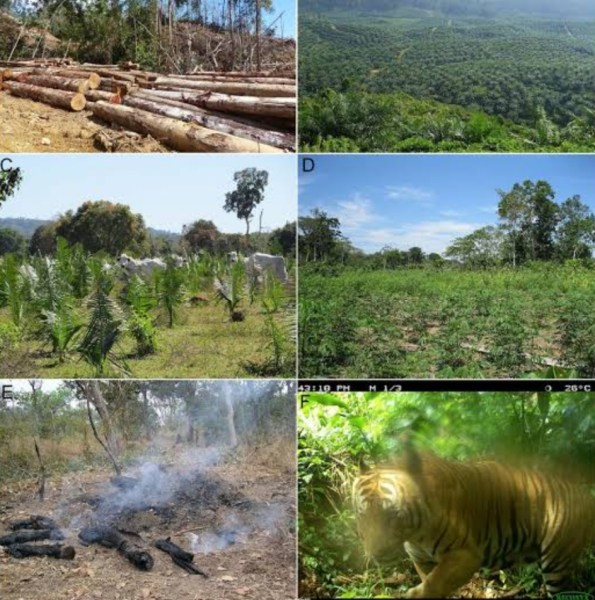
Deforestation is defined as removal of large amount of trees from forest and destroying agricultural lands for human deforestation is one of the major problem causes soil erosion,no rain, disturb water cycle and natural habitats.

OZONE DEPLETION:-

ozone depletion, gradual thinning of Earth’s ozone layer in the upper atmosphere caused by the release of chemical compounds containing gaseous chlorine or bromine from industry and other human activities.ozone depletion cause increase in uv radiation leads to skin cancer,eye cataracts,immune defeciency.It also affect plants growth and reduce agricultural productivity.In survey of 2020 17 percentage of ozone is destroyed.

BIODIVERSITY LOSS:-

Biodiversity loss includes the extinction of species worldwide, as well as the local reduction of species in a certain habitat, resulting in a loss of biological biodiversity loss is caused by habitat loss, invasive species,ove exploitation, climate change and global warming.some example for biodiversity loss is extinction of plants and animals.Redicing rate of amphibians are some examples.

ACID RAIN:-

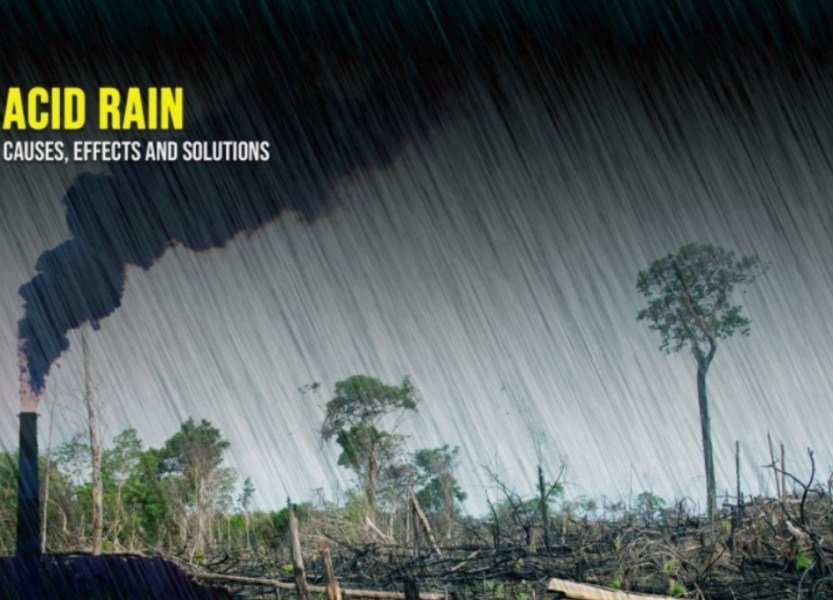
Acid rain, or acid deposition, is a broad term that includes any form of precipitation with acidic components, such as sulfuric or nitric acid that fall to the ground from the atmosphere in wet or dry forms.Acid rain is caused due to the chemical reaction with sulphur dioxide and nitrogen oxides introduced in air.It pollutes air and soil.It have impact on soil, freshwater cause killing aquatic life forms.It cause corrosion of steel structures.

HUMAN OVERPOPULATION:-

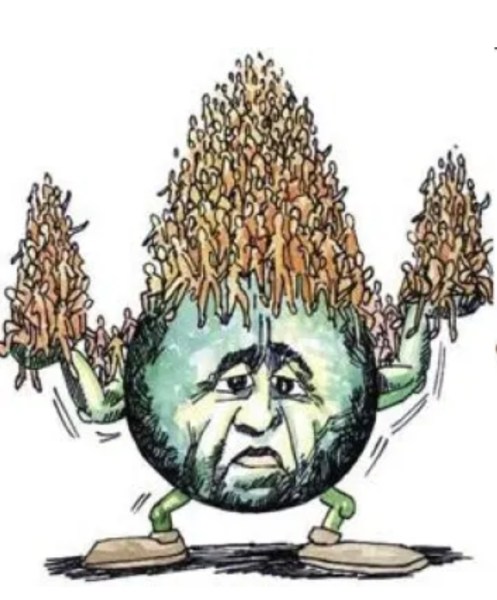
Human overpopulation means that human population becoming very large.It is mainly in developing countries like India,china . Human overpopulation is because of birth rate is higher than that of death rate.Human overpopulation leads toenvironmental issues, silently aggravating the forces behind global warming, environmental pollution, habitat loss, the sixth mass extinction, intensive farming practices and the consumption of finite natural resources.

GLOBAL WARMING:-

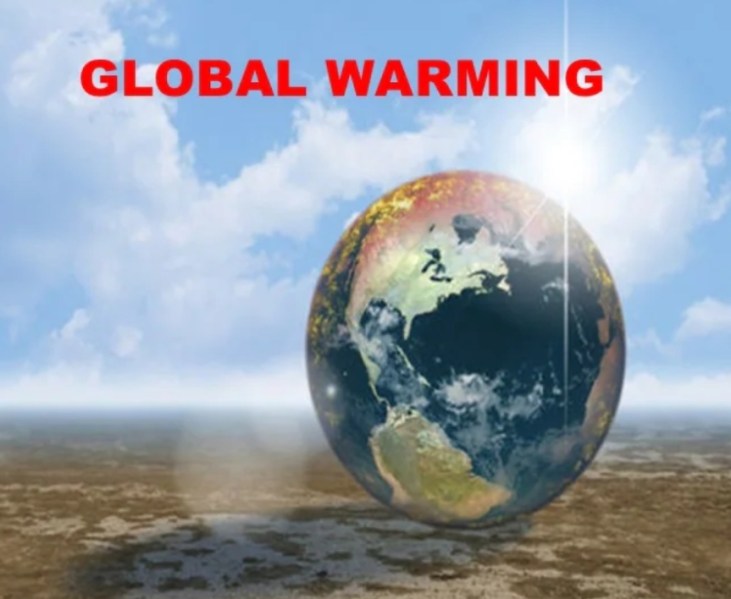
The excess heat in the atmosphere which causes the rise in temperature is called global warming.Global warming is mainly caused by climate change, industries and the green house gases.It is serious threat to life on earth in the forms of widespread flooding and extreme weather.Reduce water supply, Decrease agricultural yields , rise in temperature and drought.It is harmful to all living organisms in the earth.

“Earth is like a pressure cooker it controls itself only to limit If it exceeds everything is destroyed”.

Anthropology And Its Relation With Allied Disciplines

Anthropology And Social Sciences

1. Sociology

Sociology is a science of society that studies human behaviour in groups. Anthropology is a science of man and studies human behaviour in social surroundings. Thus it is clear that the subject matter of sociology and social anthropology is common to a great extent. Anthropologists and sociologists share an interest in
issues of race, ethnicity, social class, gender, and power relations in
modern nations.

2. Psychology

For the psychologists the focus of study is upon all aspects of human behaviour: and its personal, social and cultural dimensions which will never be complete without having the knowledge of social anthropology. Therefore, for understanding the social processes and
meanings in the world around us one has to study social anthropology.
Both Psychology and Anthropology deals with the manifold relations between individuals on the one hand and groups, communities, societies and cultures on the other hand.

3. History

History may be important to social anthropologists in the sense, that is, not only as an account of past events leading up to and explaining the present, but also as the body of contemporary ideas which
people have about these events, people’s ideas about the past are an intrinsic part of the contemporary situation which is the anthropologists immediate concern and often they have important implications for existing social relationships.

4. Folklore

Folklore has an important place in every primitive culture. It
is through the medium of folklores that the culture of a primitive society is
transmitted from one generation to the next generation. Folklores contain
the philosophy of the primitive people. How the world was evolved is a
theme of many folklores of existing tribes. In most of the folklores, a reference to the mutual relation of the people and their gods is given.

Anthropology And Biological Sciences

1. Zoology

In terms of the relationship to other animals and the overall places of the human species in the process of evolutions.
Anthropology has a sort of specialization or sharpening of certain aspects of general biology, more specifically, zoology.

2. Botany

No matter what the time period or geographical area, plants played an important role in human culture. Plant remains enable us to assess human impact on the environment. As direct, site-specific
evidence of agricultural and culinary activities, they enrich our understanding of how people lived.

3. Genetics

Genetic anthropology is the branch of scientific study which deals with combining genetic data with available physical evidence and past history. Genetic anthropology is an important branch
of anthropology. The relevance of genetics in anthropology has slowly been reinforcing the importance of nature (biology) in culture, and also
emphasises on the phenomena of variation. To study evolution, understanding genetics and variation in the anthropological context is
highly vital.

4. Medical Sciences

Quite a few things are common in
anthropology and medicine. In the proper study of mankind, anthropology aims at discovering man as a human being, so it should be the case with a physician. Anthropology can assist more clearly and
satisfactorily in identifying the health needs, and in clarifying factors influencing acceptability and utilisation of health services, and can also assist in showing how these health needs can be most appropriately
solved.

Cyclone Risk Assessment – cas eof Andhra Pradesh

A disaster is a sudden, calamitous event that seriously disrupts the functioning of a community or society and causes human, material, and economic or environmental losses that exceed the community’s or society’s ability to cope using its own resources. Though often caused by nature, disasters can have human origins. The combination of hazards, vulnerability and inability to reduce the potential negative consequences of risk results in disaster.

The Disaster Management Act of India defines disaster as: “A catastrophe, mishap, calamity or grave occurrence in any area arising from natural or man-made causes or by accident or negligence, which results in substantial loss of life or human suffering or damage to and destruction of property or damage to, or degradation of environment and is of such a nature or magnitude as to be beyond the coping capacity of the community of the affected area.

Andhra Pradesh is the second most vulnerable state to cyclone after Odisha. The state risks being battered by cyclones of moderate to severe intensity every two to three years. In the past 40 years, there may not be a single year in which the state did not experience either a storm, a cyclone or heavy rains and floods. The deadliest cyclone in the past 40 years was the one that struck Andhra’s coast in November 1977, killing about 10,000 people. About 250,000 cattle heads perished, one million houses were damaged and crops on 1.35 million hectares (ha) were destroyed that year. According to the State Disaster Management Department, about 44 per cent of the state is vulnerable to tropical storms and related disasters. Vulnerability to storm surges is not uniform along the coast of Andhra. The stretch between Nizampatnam in Guntur district and Machilipatnam in Krishna district is the most prone to storm surges. East and West Godavari districts, with vast stretches of paddy fields and irrigation, drainage canals always bear the brunt of cyclones accompanied by strong winds and pounding rains. In the aftermath of cyclones, these areas get flooded, leading to huge crop losses besides other damage. More than one cyclone in the same season is not unusual for Andhra Pradesh. The vulnerability also increases manifold given its location and the demographic structure of the state. The decrease of alertness in disaster management that often occurs after a few years’ lull in occurrence of cyclones, known as the “fading memory syndrome,” also contributes to increases in loss of lives and property damage.

Proneness or to be prone means ‘likely to do’ or in this case, the districts most likely to be affected by cyclone. Out of 9 districts prone to cyclones, 4 districts i.e., Nellore, Guntur, East Godavari and Srikakulam fall in the category of very highly prone to cyclones. The remaining 5 districts i.e., Prakasam, Krishna, West Godavari, Vishakhapatnam and Vizianagaram fall in the category of highly prone to cyclones. It can be noticed that the coastal districts range from very highly to highly prone to cyclone without any in-between.  Apart from these, the non-coastal districts such as Chittoor and Cuddapah also at times experience the wrath of cyclones in the form of heavy and torrential rainfall or the landfall of cyclones.

All the coastal districts of Andhra Pradesh except one fall in the very highly vulnerable category, which is not a surprise given the density of population in the districts. The density map of Andhra Pradesh shows that out of 9 coastal districts, 4 districts i.e., Srikakulam, East Godavari, West Godavari and Krishna fall in the category of high density of population; 3 coastal districts i.e., Vizianagaram, Vishakhapatnam and Guntur fall in the category of moderate density of population. The reasons for low density districts such as Nellore and Prakasam still being highly vulnerable can be due to high rate of poverty, transport and infrastructure vulnerability.

The density map of Andhra Pradesh shows that out of 9 coastal districts, 4 districts i.e., Srikakulam, East Godavari, West Godavari and Krishna fall in the category of high density of population; 3 coastal districts i.e., Vizianagaram, Vishakhapatnam and Guntur fall in the category of moderate density of population. The reasons for low density districts such as Nellore and Prakasam still being highly vulnerable can be due to high rate of poverty, transport and infrastructure vulnerability.

Over last few decades, NGOs have become important players in the development process across the globe, engaged in wide ranging activities starting with community development to training, policy research, and advocacy. Their organisational flexibility, informal work style, and close engagement with grassroots communities enable them to deliver services to people at lower costs.  Their ability to mobilise people and understand people’s concerns enables them to better articulate problems encountered by people. Thus, they play a very important role in preparedness and mitigation process. For instance, Indian Red Cross Society – New Delhi and other charitable organisations were involved in helping people in Titli cyclone-affected areas. As per the article in The Hindu, IRCS has distributed relief materials, including 1594 kitchen sets, 800 saris, 700 dhotis, 440 buckets, 400 towels, 700 mosquito nets and 405 tarpaulins in selected villages, according to IRCS Srikakulam wing chairperson P. Jaganmohana Rao, Further, after studying the severe damage in 1,145 villages, IRCS-New Delhi, IRCS-A.P. and Telangana units sent relief material worth more than Rs. 62 lakhs. Given such an important role played by voluntary organisations, APSDMA is developing a database of interested volunteers from various governmental and non-governmental agencies and offer them training programs on interesting aspects under Disaster management, preparedness, mitigation and awareness building. This will provide the volunteers with an on-ground experience of the situation and also provide them with an opportunity to learn and teach others what they have observed.

It is equally important for risk assessment to take from time to time so that it comes to light where the improvement is needed the most, where are the loopholes as regular risk assessment will enable to support the development of effective cyclone mitigation policies and implementation of specific measures. Studies have suggested that new developments in the terms of embankments, cyclone shelters, and roadways should be in the places with high and very-high-risk zone. Though successful early warning system reduced the loss of life, false information and lack of awareness claimed many human lives. It has been recommended that Incorporating the spatial distribution of vulnerable people in warning messages may increase trust of people to the warning signals. One of the studies brought in the “fading memory syndrome” in which not being the target of cyclone and cyclonic storms for more than a couple of years makes people forget about the disastrous affect and a reduction has been observed. Thus, the government needs to focus on this aspect too and conduct mock drills among the coastal population at regular intervals, keep them aware about the impact and train the evacuation process. It is equally important to impart education to the population regarding the same. With the proper involvement of the civil bodies and local people, a vastly informed citizens can be placed.

References:

Ahameed, B. K. (2019). Coastal Social Vulnerability and Risk Analysis for Cyclone Hazard Along the Andhra Pradesh, East Coast of India. KN-Journal of Cartography and Geographic Information. doi:DOI: 10.1007/s42489-019-00029-9

GOI-UNDP. (n.d.). Severe Cyclone Storm Titli’s Impact on State of Andhra Pradesh .

Government of Andhra Pradesh. (Accessed 2021). Andhra Pradesh State Disaster Management Authority. Retrieved from Google: https://apsdma.ap.gov.in/

Raghavan, S. &. (2003). Trends in Tropical Cyclone Impact: A Study in Andhra Pradeh, India. American Meterological Society, 635-644. doi:10.1175/BAMS-84-5-635

Rao, A. D. (2005). Vulnerability from Storm Surges and Cyclone Wind Fields on the Coast of Andhra Pradesh, India. Nat Hazards, 515-529. doi:10.1007/s11069-006-9047-4

Image Credit: Google

Human-wildlife conflict has Climate Change as an emerging Factor

In 2015, the largest marine heat wave in the U.S. hit the Pacific Coast. Whales moved closer to shore to find prey, but they came across something dangerous—they were getting entangled in crab fishing gear.

Crab fishermen and women wouldn’t usually be out at that time of year. But the change in climate was also causing an algal bloom, toxic to crabs. So the fisheries delayed their timing by several months—the same time migrating whales were on the coast.


“It was this double-whammy,” said Briana Abrahms, an assistant professor in the Department of Biology and Center for Ecosystems Sentinels at the University of Washington.

This was one of the topics Abrahms was studying when she realized there hadn’t been much published research on how climate change is exacerbating human-wildlife conflicts. Looking at scientific literature and government reports, she came across only a few dozen. And many of those were either buried in obscure journals or just anecdotal mentions.


In a paper published in Science, she delved deeper into this area and wrote a call to action for managers and researchers to focus on this issue.Abrahms was working on another project at the same time as her whale research that was on completely different species in a completely different area, but seemed to have some similarities when it came to climate and conflict.

In Botswana, a government report cited some of the highest numbers of human-wild conflicts on record, mostly large carnivores preying on livestock. That happened to be during an extreme drought in 2018. “It struck me how different these systems were, but the story was the same,” she said. “I felt like it was really important to tell this story and draw attention since these climate changes and conflicts are likely to increase in the future.”


As part of her paper, Abrahms applauded a new, proactive risk assessment developed by the state of California to help managers figure out when and where to close fisheries under different climate and ocean conditions. “If you understand what the underlying driver is, in this case climate is a factor in these dynamics, you can better prepare to make management decisions and reduce conflict—or avoid it in the first place,” she said.


Abrahms also pushes for more research in these areas, especially where there are geographic and taxonomic gaps. “We definitely need more research and also need to be synthesizing research across everything already out there to understand how much we should be more worried about long-term changes,” she said.

How to Live a Healthier Lifestyle

The phrase ‘healthy lifestyle’ is an abbreviated definition of what it looks like to live a vibrant, active life with a healthy body and healthy mind. Creating a healthy lifestyle doesn’t have to mean drastic changes. Making gradual small changes to your daily routine can have a big impact.

What Is a Healthy Lifestyle?
You know the obvious behaviors that describe someone who is healthy and takes care of themselves. A healthy person doesn’t smoke, tries to maintain a healthy weight, eats healthy foods with plenty of fruits, vegetables and fiber and, of course, exercises on a regular basis.

Then there are other elements to add to the list. A healthy person also knows how to manage stress, gets good quality sleep each night, doesn’t drink too much, doesn’t sit too much—basically, does everything in moderation all the time. When you look at everything that could possibly go into a healthy lifestyle, you can see just how hard all of those things are in our current world.


The good news is, you don’t have to change everything at the same time. In fact, the trick to healthy living is making small changes—taking more steps each day,1 adding fruit to your cereal, having an extra glass of water, or saying no to that second helping of buttery mashed potatoes. One thing you can do right now to make your lifestyle healthier is to move more.


Benefits of Physical Activity
You know you need to exercise, but there are many excuses not to do it. You’re too busy, don’t know where to start, you’re not motivated or you’re afraid you’ll injure yourself. Maybe you think exercise has to be really hard or it isn’t good enough.

Whatever definition you have about what exercise is or isn’t, the bottom line is that exercise is movement. Whether it’s walking around the block or running a marathon, that movement is exercise and every time you move more than you normally do, it counts.


Healthy Weight Loss or Maintenance
Even if you opt for small changes, the benefits are still pretty amazing. For example, increasing your activity level can help you to reach and maintain a healthy weight. If you are currently overweight, small steps toward that goal can have an impact.

Climate change: Everyone Focused on saving lives till now, time to save livelihood as well:

According to a Climate Central map, hundreds of cities on India’s eastern coast will be under water by 2050. CEEW says more than 80% of India’s population is vulnerable to “extreme climate risks”

According to a map created by Climate Central, hundreds of cities on the eastern coast of India will be under water by the year 2050. Over 27 states and union territories in India and more than 80% of the country’s population are vulnerable to “extreme climate risks”, says a report by the Council on Energy, Environment and Water.

These statistics show that the lives of many communities are put in danger due to climate change, and that a significant number of them lose their livelihood to it as well. Ritayan Mukherjee, a photojournalist, shares that while covering the pastoral nomads in the Himalayas, he came across the Changpa community who take their yak and sheep to grazing grounds that are 10,000-11,000 feet above the sea level. “The livelihood of these people is directly dependent on nature, because they move with their herd from one place to another,” says he.


Mukherjee shares that because of global warming, rising temperatures and the winter months getting shorter, the pastoralists have to take their herds to even higher grazing grounds. A report that Mukherjee worked on for the People’s Archive of Rural India said that the yak population in Leh fell about 57% between 1991-2010, according to the Department of Animal Husbandry and Dairying. A lot of these pastoralists don’t just depend on yak for their economic incomes, but they also use the yak-wool to build traditional tents, called Rebos. However, Mukherjee shares that these residential tents have disappeared over the past few years for reasons that can be attributed to climate change.

According to a Climate Central map, hundreds of cities on India’s eastern coast will be under water by 2050. CEEW says more than 80% of India’s population is vulnerable to “extreme climate risks”.

How many headlines and news articles did you come across in the last month that told you the condition of the climate is deteriorating? That a big chunk of our lives will be lost battling global warming in the next few decades? It’s no secret that climate change is impacting lives every single day, but let’s take a look at how it has been affecting us and what we can do to change its course.

Environmental Crisis From Oil Spills

Environmental pollution is increasing with each passing year and inflicting grave and irreparable injury to the world. Environmental pollution is of different types namely air, water, soil, noise and light-weight. These cause damage to the living system. How pollution interacts with public health, environmental medicine and the environment has undergone dramatic change.

Recent oil spills in the Yellowstone River, Alaska tundra and Enbridge (Wisconsin) demonstrate how pollution can directly and indirectly impact man’s health environmental pollution was not a medical/public health issue nor was it discussed in clinical settings. Since the 1950s, environmental medicine has been discussed more frequently through a greater awareness in public health and preventive medicine; although today, there is now a focus on occupational medicine.

Environmental and occupational medicine are however more commonly viewed as an integrated subject, with emphasis given to industrial issues. Certainly, pollution problems have been recognized in the distant past but were more easily mitigated by nature due to the limited complexity of the pollutant, its degradability (e.g. biodegradable organics) and lower industrialization. Health-related effects from environmental pollution have been well known, but were not fully realized until highly notable events like the Donora (Pennsylvania) smog occurrence in 1948 resulting in later public health programs including in their training a discussion of environmental medicine.

There has been an increased awareness of how pollution is observed regarding its health impact and attitudes toward public health and environmental medicine. Damage from oil spills will not only influence public health but overall disease rates for years to come. As environmental pollution increases so will the importance of environmental medicine in managing its consequences.