“GI & Beyond” Summit Showcases India’s GI Handloom and Handcraft Heritage to the Global Stage

The “GI & Beyond 2024” Summit, organized by the Office of the Development Commissioner for Handlooms, Ministry of Textiles, in collaboration with the Handloom Export Promotion Council (HEPC), successfully concluded on 25.11.2024 at New Delhi. The event highlighted the exceptional skills of artisans who manufactured India’s Geographical Indication (GI) tagged handloom and handicraft products and their global significance.
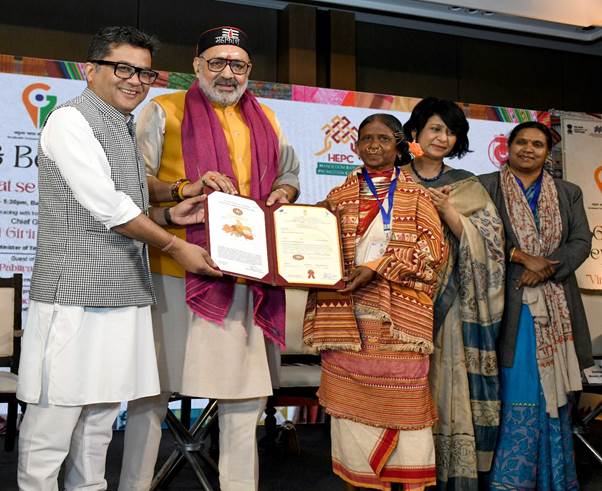
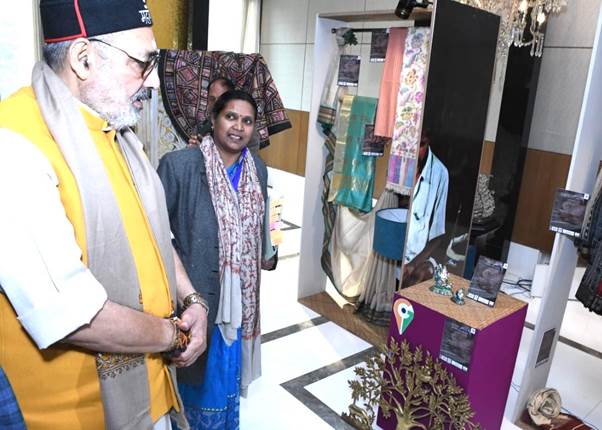
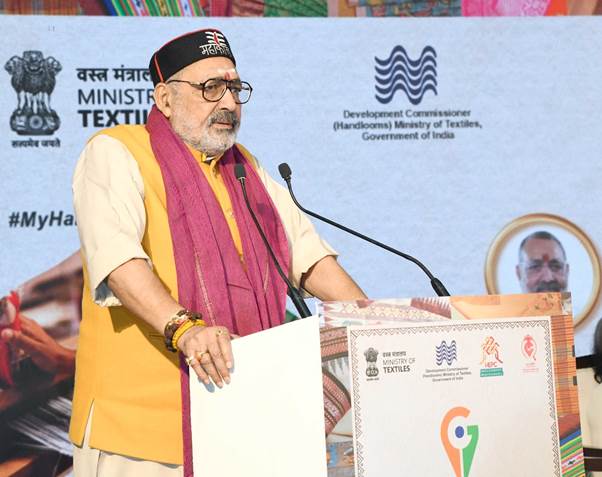
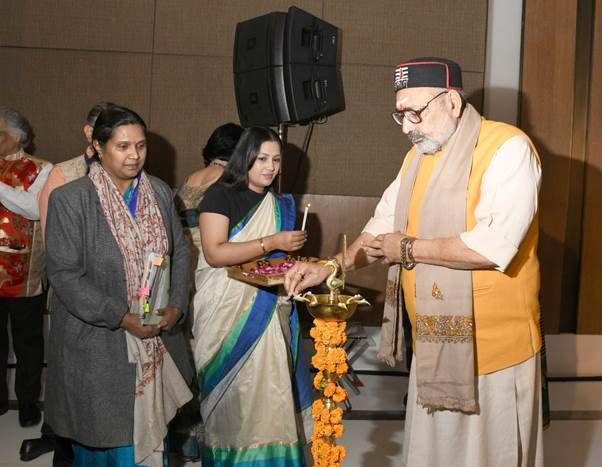
The event was inaugurated by Shri Giriraj Singh, Hon’ble Union Minister of Textiles as chief guest who highlighted the importance of GI products in promoting India’s rich cultural heritage and invited attention of the gathering on the attractive tourism concepts like heritage and cultural tourism for marketing GI goods. HMOT distributed GI certificates to 10 artisans from various parts of the country. Speaking on the occasion, Shri Giriraj Singh said that India received its 1st GI certification in 2004 and now our focus is to increase the income of artisans and how to make GI tagged products go global. The Minister exhorted that we should progress the GI tagged products from “Gaon to Global”. HMOT emphasised the importance of marketing and telling the world about the creativity of our artisans for the promotion of GI products and incorporate the GI tagged products as part of religious and cultural tourism. The Minister appealed the states having GI tagged products to collaborate with Textile Ministry to organize trade festivals exclusively for the promotion and marketing of the products, in the lines of Kutch festival. HMOT highlighted honourable Prime Minister’s vision of Atmanirbhar Bharat and emphasized that along with Vikas we need our Virasat as well. GI tag represents our heritage and as we heading towards Vikasit Bharat, our heritage is our capital, the Minister added.
Shri Pabitra Margherita, Hon’ble Minister of state for Textiles, Government of India graced the occasion as guest of Honour. Speaking at the occasion the MoS pointed out that handloom and handicrafts sector are not just industries, and they are the testament of our country’s diversity, creativity and legacy. Each craft and each artisan tell us a story of its people and its traditions.GI is a tool for empowerment and a shield of our heritage and a bridge to the global market., MOS added.

Smt.Rachana Shah, Secretary Textiles and Dr.M.Beena, Development Commissioner for Handlooms ,Ms. Amrit Raj, Development Commissioner for Handicraft, Ms.Roop Rashi, Textile Commissioner and Shri Unnat Pandit, Controller General of Patents, Trademark & GI also graced the occasion.
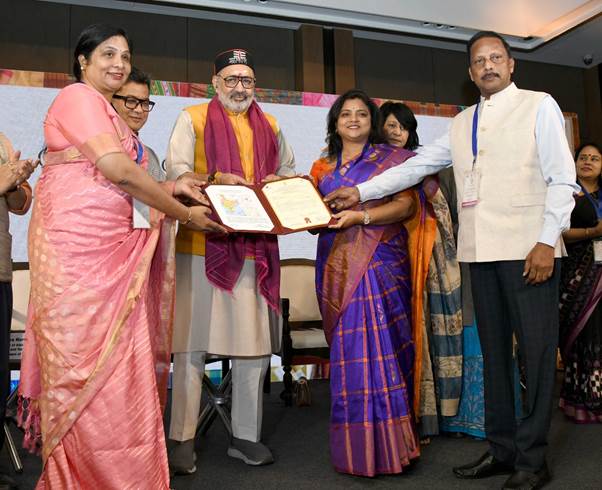
The event had representation from 13 countries spread across 4 continents and witnessed around 20 overseas buyers, 50 exporters & MNCs, 70 GI authorised users and 40 officials from various departments including state governments. The diverse representation from various stakeholder of the industry fostered meaningful discussions and collaborations to expand the market potential for GI-tagged products

The technical session on various domains of the trade emphasized the integration of traditional handwoven and handcrafted skill with modern business practices to enhance the global appeal of India’s traditional textiles and craft.

During the event, overseas buyers and domestic exporters interacted with the authorized users of Geographical Indications (GI).  The overseas buyer applauded this event which beautifully narrated the tale of ethnic handwoven and handcrafted tradition of India. The domestic exporters stated that the products displayed are quite impressive and captivating. The exporters and overseas buyers expressed their willingness to extend possible support in promoting and to enhance the global presence of GI products.   

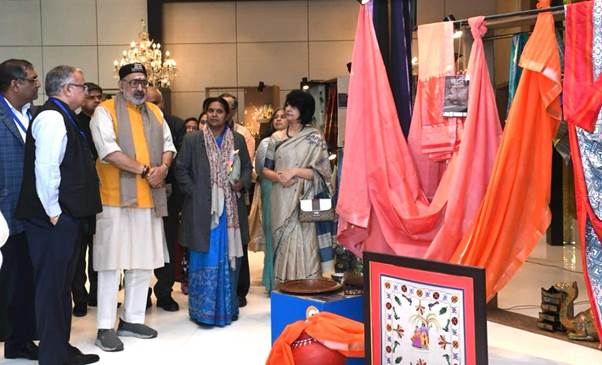
A special thematic display showcased an array of GI-tagged handloom and handicraft products across India, with participation from GI holders and authorized users. The display highlighted the regional uniqueness and cultural value of these artisanal products, attracting significant interest from attendees.

The summit concluded with a collective commitment to continue supporting India’s handloom and handicraft sector, ensuring that the legacy of GI products thrives both nationally and internationally.
*****
Customized T-Shirts: A Business That’s All About Individuality

 BShashikant Nishant Sharma | Oct. 17, 2023  | Publication: Eduindex

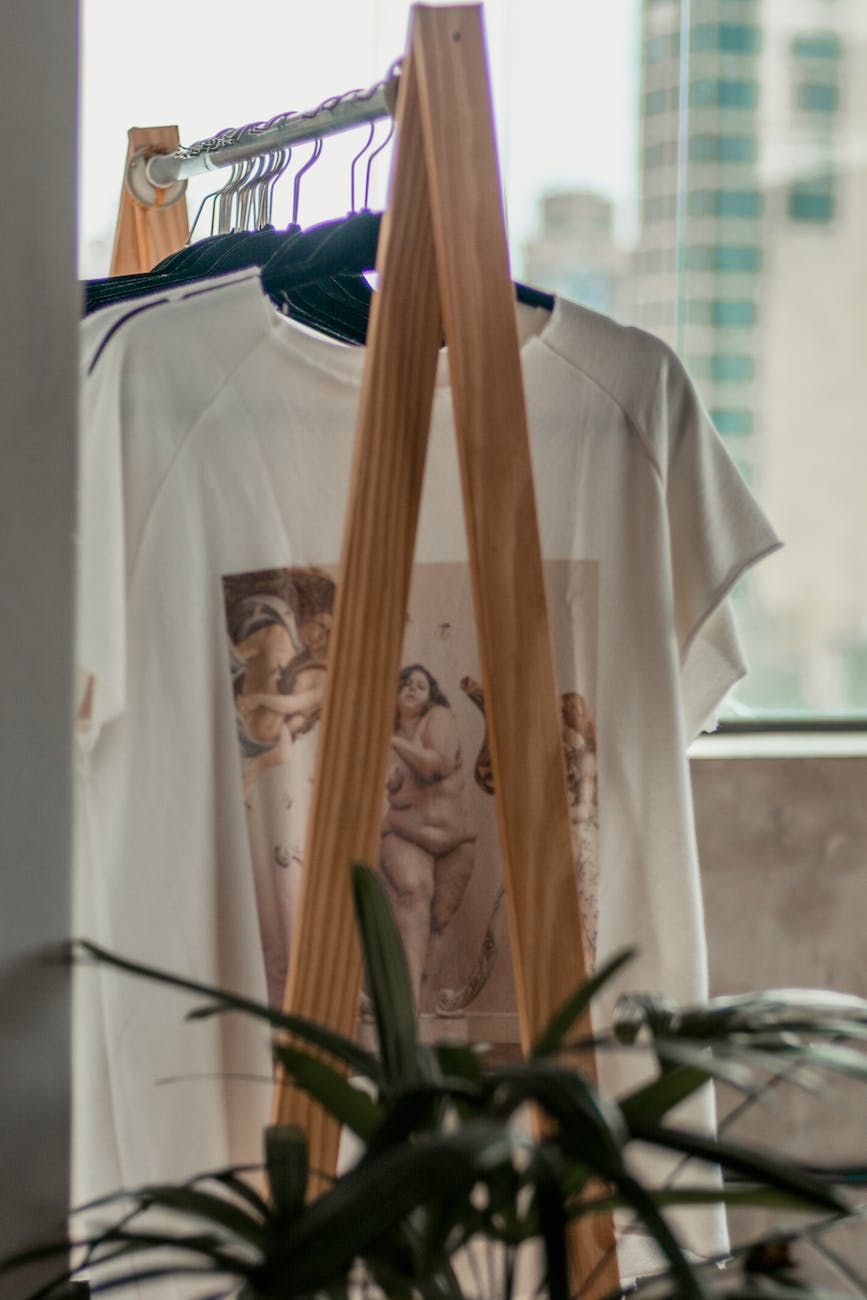
Customized T-shirts are more than just pieces of clothing; they are a canvas for self-expression. This thriving business allows people to wear their personalities, beliefs, and creativity on their sleeves, quite literally. Custom T-shirt businesses have exploded in recent years, capitalizing on the desire for personalized clothing. Here, we explore what it takes to start and run a successful customized T-shirt business. Dongphucdongdo.com is doing a great business in Customised T Shirts. 

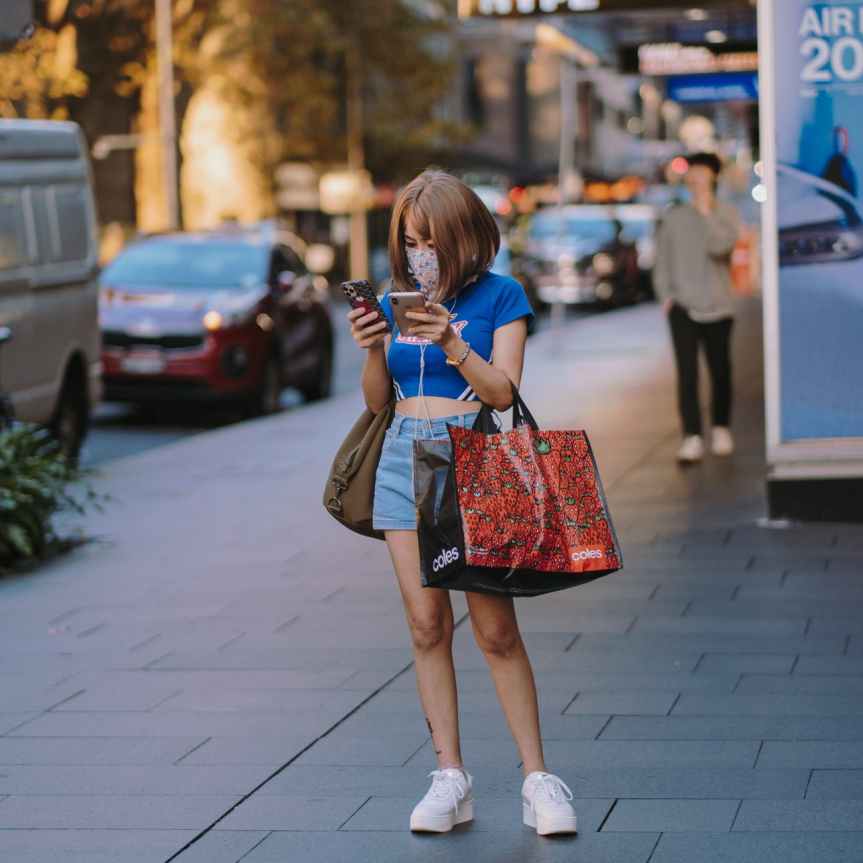
Photo by Leticia Ribeiro on Pexels.com

The Art of Personalization

Customized T-shirts are much more than simple apparel. They are a reflection of individuality, used to commemorate special events, express unique opinions, promote businesses, or simply showcase creativity. From witty one-liners and vibrant artwork to meaningful slogans and photos, these shirts tell a story about the person wearing them. With the rise of online shopping and e-commerce, it has never been easier to create and order personalized T-shirts.

Starting a Customized T-Shirt Business

  1. Market Research: Begin with thorough market research to identify your niche and target audience. Understand the demand for customized T-shirts in your area and your potential competition.
  2. Business Plan: Develop a solid business plan outlining your goals, budget, pricing, and marketing strategies. Determine your niche, such as custom event shirts, corporate merchandise, or personalized fashion.
  3. Legal and Regulatory Requirements: Register your business, obtain any necessary licenses, and comply with local and national regulations. Ensure you have the rights to use any copyrighted materials for your designs.
  4. Sourcing Materials: Find reliable suppliers for quality T-shirts and printing materials. The choice of fabric and print quality greatly affects the final product.
  5. Designs and Printing: Invest in the equipment and software necessary for creating and printing designs. This could range from screen printing and heat transfers to direct-to-garment (DTG) printing or sublimation.
  6. Website and Online Presence: In the digital age, having a strong online presence is vital. Create an appealing website or e-commerce platform for customers to design and order shirts. Include an easy-to-use design tool.
  7. Marketing and Promotion: Develop a marketing strategy that might include social media advertising, email marketing, and partnerships with local businesses or event planners. Encourage satisfied customers to leave reviews and provide testimonials.
  8. Customer Service: Excellent customer service is crucial. Be responsive to inquiries, offer customization guidance, and ensure timely order fulfillment.
  9. Quality Control: Inspect each product for quality before shipping to maintain your brand’s reputation.
  10. Pricing: Determine competitive yet profitable pricing. Consider factors such as material costs, labor, and overhead expenses.

Unique Selling Points

To stand out in the competitive world of customized T-shirts, consider these unique selling points:

  1. Quality: Emphasize the quality of your T-shirts and printing. High-quality materials and craftsmanship can set you apart.
  2. Fast Turnaround: Offer quick production and shipping times to meet tight deadlines for events or special occasions.
  3. Eco-Friendly Options: Consider environmentally friendly printing and sourcing options to appeal to eco-conscious customers.
  4. Range of Customization: Allow customers to customize every aspect of their T-shirts, from colors and styles to the choice of artwork or text.
  5. Bulk Discounts: Offer discounts for larger orders, appealing to organizations and businesses.
  6. Unique Designs: Develop a library of unique and eye-catching design templates for customers to personalize.

Challenges and Opportunities

Running a customized T-shirt business can be highly rewarding, but it’s not without challenges. Competing with large print-on-demand platforms can be tough. However, focusing on local, personalized services and building a loyal customer base can be an opportunity for success. Stay adaptable and up-to-date with industry trends and technology to keep your business thriving.

In conclusion, a customized T-shirt business is a versatile and creative venture that caters to the individuality and self-expression of customers. With the right strategies, a commitment to quality, and a focus on customer satisfaction, this business can be a canvas for both artistic and financial success.

References

Sharma, Shashikant Nishant, Shankar Chatterjee, and Kavita Dehalwar. “Mahatma Gandhi National Rural Employment Guarantee Scheme: Challenges and Opportunities.” Think India Journal 26.1 (2023): 7-15.

Sharma, Shashikant Nishant. “A Review of Swarna Jayanti Shahari Rozgar Yojana.” Think India Journal 23.1 (2020): 26-32.

Sharma, Shashikant Nishant. “Evaluation of the JnNURM Programme of Government of India for Urban Renewal.” Think India Journal 8.2 (2005): 1-7.

Powerhouse behind Good American and SKIMS

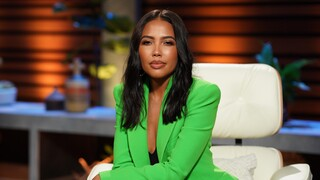
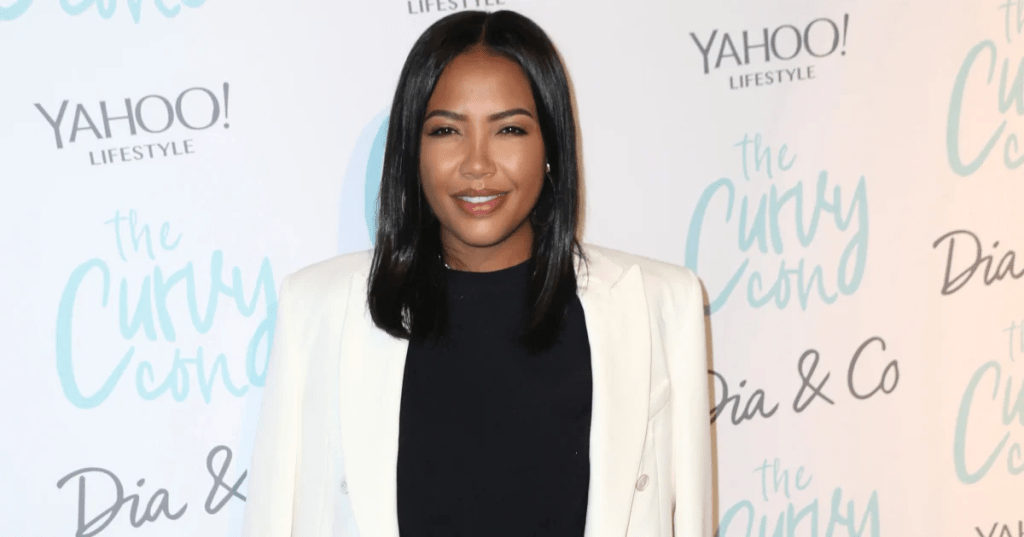
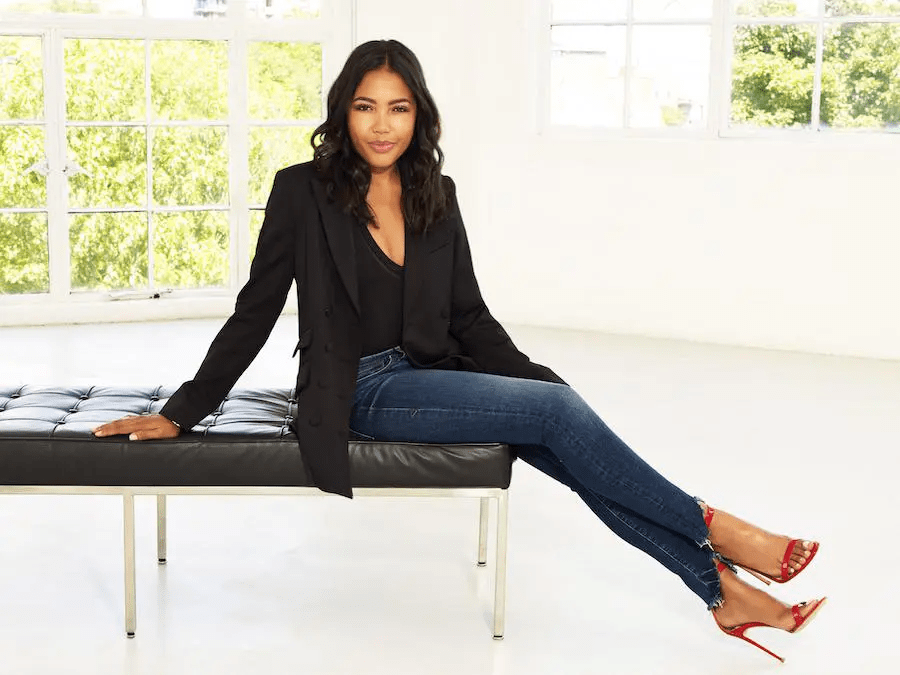
Joining as a guest in season 14 of Shark tank, Emma Grede is a self-made businesswomen and the first black women to hold an investor position on the popular ABC show, Shark Tank.

In 2008, she established the marketing firm ITB Worldwide for fashion and entertainment.

She is also known for brands such as SKIMS, Good American and Safely.

She is also the chairwoman of the Fifteen Percent Pledge, a campaign that calls on stores to provide Black-owned firms 15% of their shelf space.

The Kardashian clan

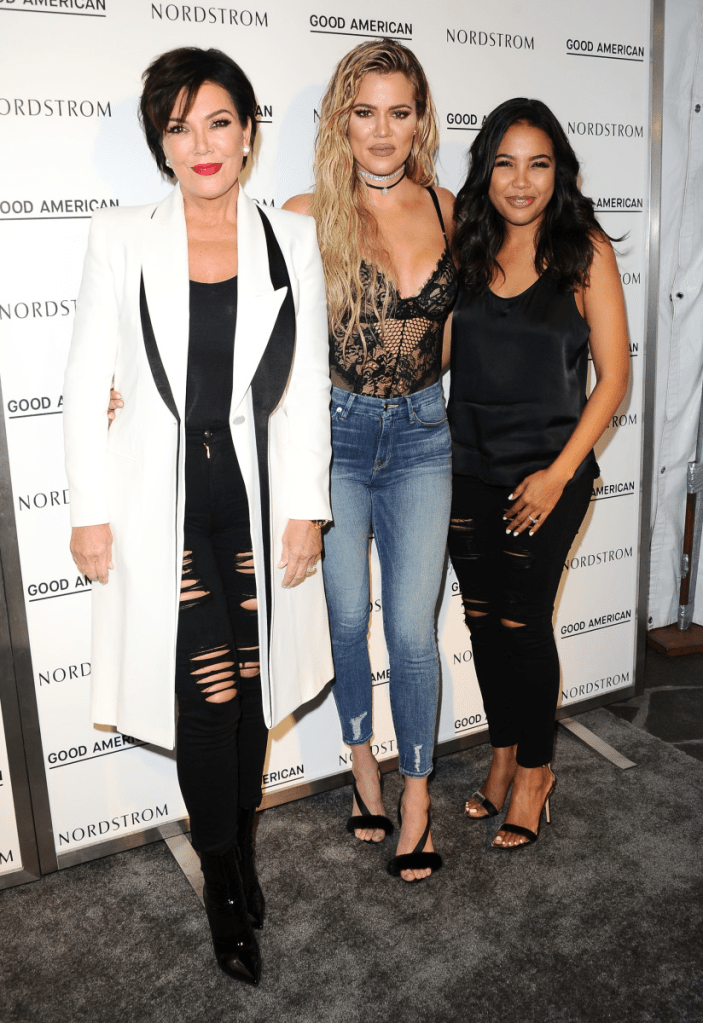
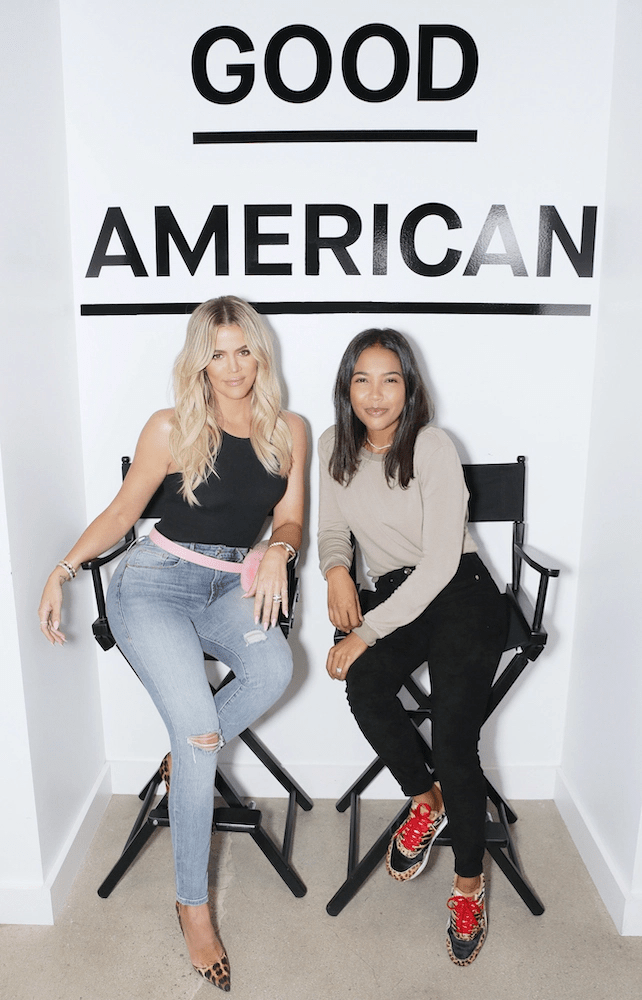
Grede is a close business partner with the Kardashian-Jenner family, being the co-founder and CEO of Good American, a size-inclusive clothing line, in 2016 with Khloe Kardashian.

She is a founding partner and the chief product officer of shapewear company SKIMS, owned by Kim Kardashian where her husband is the CEO.

Along with Kris Jenner, she also co-founded the plant-based cleaning company Safely.

History and the start of the career

Born and raised in East London, England by a single mother, she started a side job when she was 12 years old and used her savings to purchase fashion magazines.

She attended the London College of Fashion to study business and left after landing an internship at Gucci.

Post that she quickly drew the attention of Inca Productions, one of Europe’s top producers of fashion shows and events.

Emma oversaw the department that handled sponsorship and endorsement deals after beginning as a producer.

She helped Inca establish the field of “designer collaborations,” which are partnerships between high fashion and consumer brands.

She did this by working with some of today’s top designers, including Alexander McQueen, Christopher Kane, Vivienne Westwood, and Zac Posen, as well as companies like Chivas, Mercedes-Benz, and Sky.

itb

Emma was appointed managing director of the newly established Independent Talent Group and Saturday Group joint venture, ITB, which represents brands’ interests in the entertainment industry, in 2008.

She was appointed CEO of ITB Group when the company bought the licensing firm Brand 360 in 2010.

She is currently the chairman of the business, which has offices in London, New York, and Los Angeles and serves customers like H&M, Calvin Klein, and Net-a-Porter.

ITB Group is active in the fields of artist representation, brand development, and entertainment marketing.

Good American and beyond

As a co-founder she established the Good American company in 2016 with Khloe Kardashian .

It is a US-based luxury clothing brand that supports the idea of a healthy physique and offers a wide range of sizes.

Sales of upwards of $1 million on the first day of the brand’s launch in October 2016 made it the largest apparel launch in history, further demonstrating a void in the market before Good American’s entry.

Instead of the straight body found in the traditional fashion establishment, Good American has been created to serve to a curvier, sexier, and stronger type of woman.

The company backs the nonprofit Step Up, which assists young women in reaching their full potential.

Soon after collaborating with Khloe’s sister and celebrity Kim Kardashian, they launched SKIMS, a all-women type shapewear affordable by the masses.

Recently she also collaborated with Kris Jenner herself for the plant based cleaning company Safely.

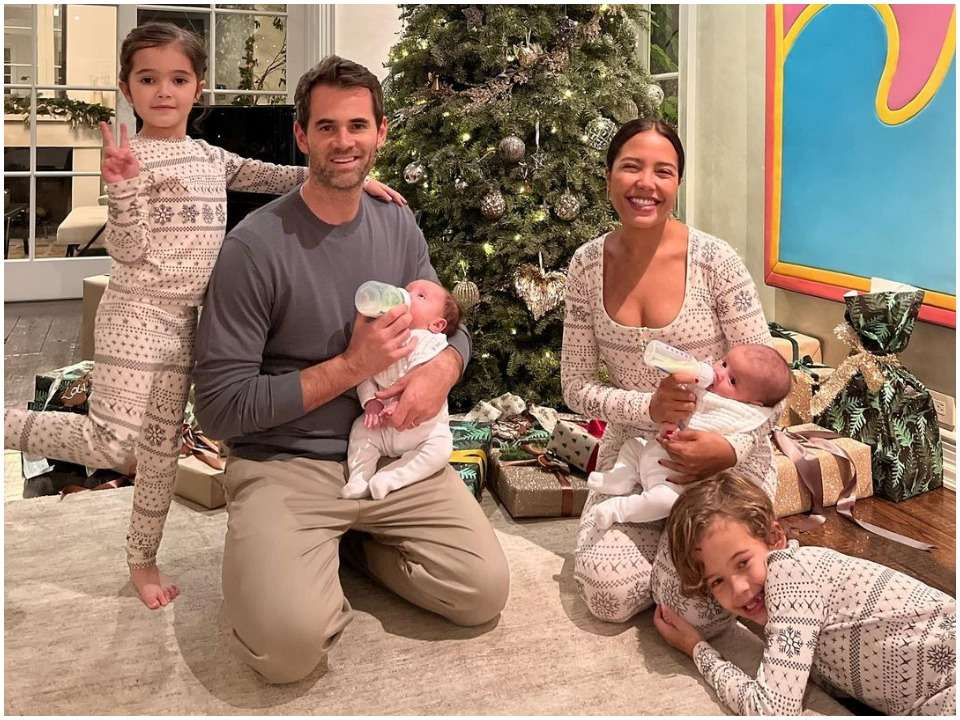
Emma Grede with her husband Jens Grede and four children, Grey, Lola, and twins Lake and Rafferty

Today, due to accumulating massive amount of success with so many brands, Forbes declared Emma Grede as one of the top 100 in America’s self-made woman.

Currently she has a net worth of $360 million and is happily married to Swedish entrepreneur Jens Grede. the couple reside in Los angles with their four kids.

Powerhouse behind Good American and SKIMS

Joining as a guest in season 14 of Shark tank, Emma Grede is a self-made businesswomen and the first black women to hold an investor position on the popular ABC show, Shark Tank.

In 2008, she established the marketing firm ITB Worldwide for fashion and entertainment.

She is also known for brands such as SKIMS, Good American and Safely.

She is also the chairwoman of the Fifteen Percent Pledge, a campaign that calls on stores to provide Black-owned firms 15% of their shelf space.

The Kardashian clan

Grede is a close business partner with the Kardashian-Jenner family, being the co-founder and CEO of Good American, a size-inclusive clothing line, in 2016 with Khloe Kardashian.

She is a founding partner and the chief product officer of shapewear company SKIMS, owned by Kim Kardashian where her husband is the CEO.

Along with Kris Jenner, she also co-founded the plant-based cleaning company Safely.

History and the start of the career

Born and raised in East London, England by a single mother, she started a side job when she was 12 years old and used her savings to purchase fashion magazines.

She attended the London College of Fashion to study business and left after landing an internship at Gucci.

Post that she quickly drew the attention of Inca Productions, one of Europe’s top producers of fashion shows and events.

Emma oversaw the department that handled sponsorship and endorsement deals after beginning as a producer.

She helped Inca establish the field of “designer collaborations,” which are partnerships between high fashion and consumer brands.

She did this by working with some of today’s top designers, including Alexander McQueen, Christopher Kane, Vivienne Westwood, and Zac Posen, as well as companies like Chivas, Mercedes-Benz, and Sky.

itb

Emma was appointed managing director of the newly established Independent Talent Group and Saturday Group joint venture, ITB, which represents brands’ interests in the entertainment industry, in 2008.

She was appointed CEO of ITB Group when the company bought the licensing firm Brand 360 in 2010.

She is currently the chairman of the business, which has offices in London, New York, and Los Angeles and serves customers like H&M, Calvin Klein, and Net-a-Porter.

ITB Group is active in the fields of artist representation, brand development, and entertainment marketing.

Good American and beyond

As a co-founder she established the Good American company in 2016 with Khloe Kardashian .

It is a US-based luxury clothing brand that supports the idea of a healthy physique and offers a wide range of sizes.

Sales of upwards of $1 million on the first day of the brand’s launch in October 2016 made it the largest apparel launch in history, further demonstrating a void in the market before Good American’s entry.

Instead of the straight body found in the traditional fashion establishment, Good American has been created to serve to a curvier, sexier, and stronger type of woman.

The company backs the nonprofit Step Up, which assists young women in reaching their full potential.

Soon after collaborating with Khloe’s sister and celebrity Kim Kardashian, they launched SKIMS, a all-women type shapewear affordable by the masses.

Recently she also collaborated with Kris Jenner herself for the plant based cleaning company Safely.

Emma Grede with her husband Jens Grede and four children, Grey, Lola, and twins Lake and Rafferty

Today, due to accumulating massive amount of success with so many brands, Forbes declared Emma Grede as one of the top 100 in America’s self-made woman.

Currently she has a net worth of $360 million and is happily married to Swedish entrepreneur Jens Grede. the couple reside in Los angles with their four kids.

Contemporary Fashion: The Minimalist’s Coverbook

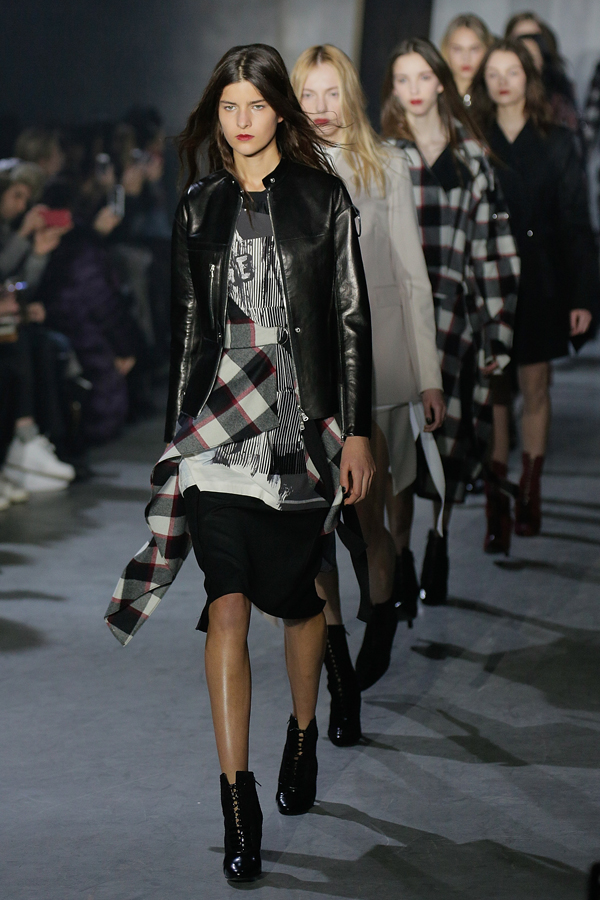
Models walk the runway at the 3.1 Phillip Lim Fashion Show during Mercedes-Benz Fashion Week Fall 2015 at Skylight Clarkson SQ. on February 16, 2015 in the Brooklyn borough of New York City.

Introduction

The sense of fashion never goes out-of-date for a true fashionista. Among the Millions of fashion lingos in today’s market , one that often dominantly buzzes around, is the term “Contemporary Fashion”.Meant to describe labels with a designer aesthetic and more accessible price points and we use the term “accessible” loosely, with most pieces averaging out around $500 , the term means big bucks where the fashion industry’s concerned, having become one of the biggest areas people spend their money in the last few years.

What Contemporary Fashion Is

Contemporary apparel is clothing that is accessible, in price and in terms of the way people wear it. The contemporary category often contains more modern-style clothes compared to the higher end luxury market. The voice of the contemporary industry is a bit more modern and a tad younger. Contemporary brands appeal to both the luxury shopper and the new breed of aspirational shopper.  This tier has become a go-to for women who can no longer justify shelling out huge amounts of cash on designer garb. It is also appealing to people bored of regular fashion and who are prepared to spend that little bit extra for something that will last.

A great contemporary brand is one with a unique look and feel. Garments and accessories will have interesting construction details and a good-quality finish. The collections are in line with seasonal trends but also incorporate signature items that consumers immediately recognize and associate with the designer brand.

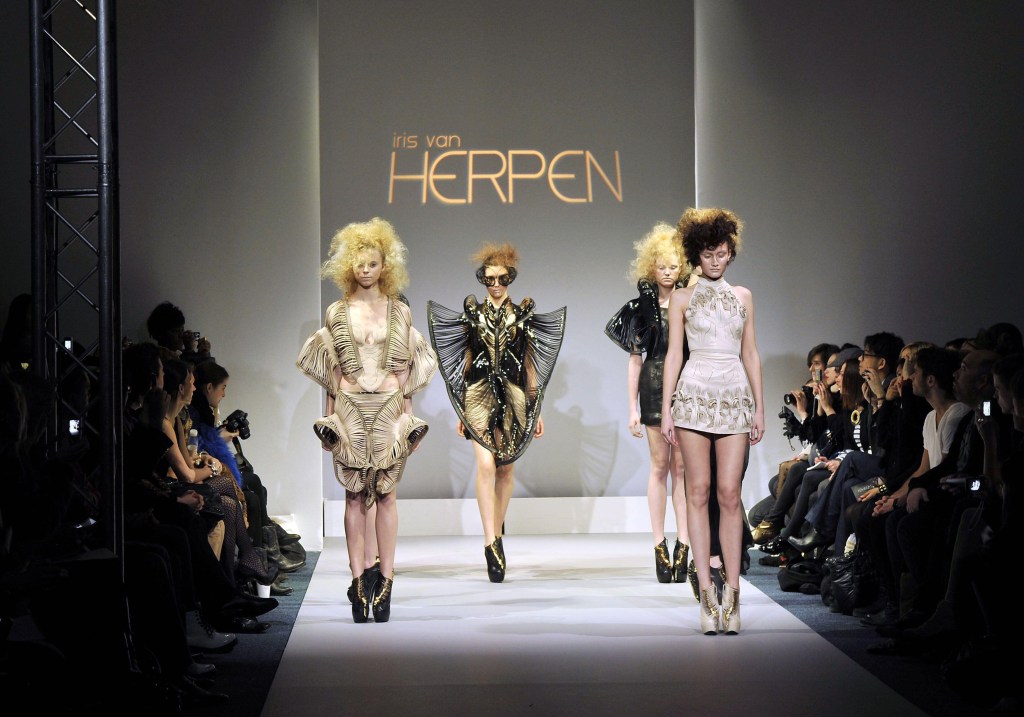
A Harpen Fashion Show

Is It Futurist: The Sustainability Question

In fashion, the term ‘futuristic’ is often used to describe avant-garde clothing designs. It could refer to several things, such as the clothing’s method of production, the materials used, or the garment’s design. Futurism can even refer to the 20th century Italian art movement, and indeed, this movement addressed the problem of designing fashion for the 20th century. We would learn much by examining Futurist fashions in order to understand its legacy in relation to contemporary fashion designers viewed as futuristic today. This paper will review this legacy by looking at five specific examples—Italian Futurists and their contribution to classless and genderless fashion; French designer Yves Saint Laurent’s iconic minidress inspired by the De Stijl art movement; fashion designed specifically for women with active lifestyles; technological advancement and space exploration seen in the designs of André Courrèges and Pierre Cardin; and advancements in textile manufacturing during the late 20th and early 21st century in relation to Karl Lagerfeld, Donatella Versace, and Hussein Chalayan. This leads to the primary analysis of Iris van Herpen and other contemporary designers including Noa Raviv and Neri Oxman. Their designs will be discussed in relation to the problem of labelling fashion as futuristic.

A Paris Georgia Apparel

Challenges of Contemporary Fashion

The contemporary brands fashion market is clearly brimming with a high level of competition. The up-and-coming contemporary designers are forced to continuously compete with older, established luxury brands in the targeting of the younger generation of consumers. The contemporary market began out of consumers’ need and want to own versatile clothing that could be worn on a daily basis.  Stylish consumers were hungry for locating a head-to-toe outfit that luxury brands create, but could be sold at a more reasonable tag.

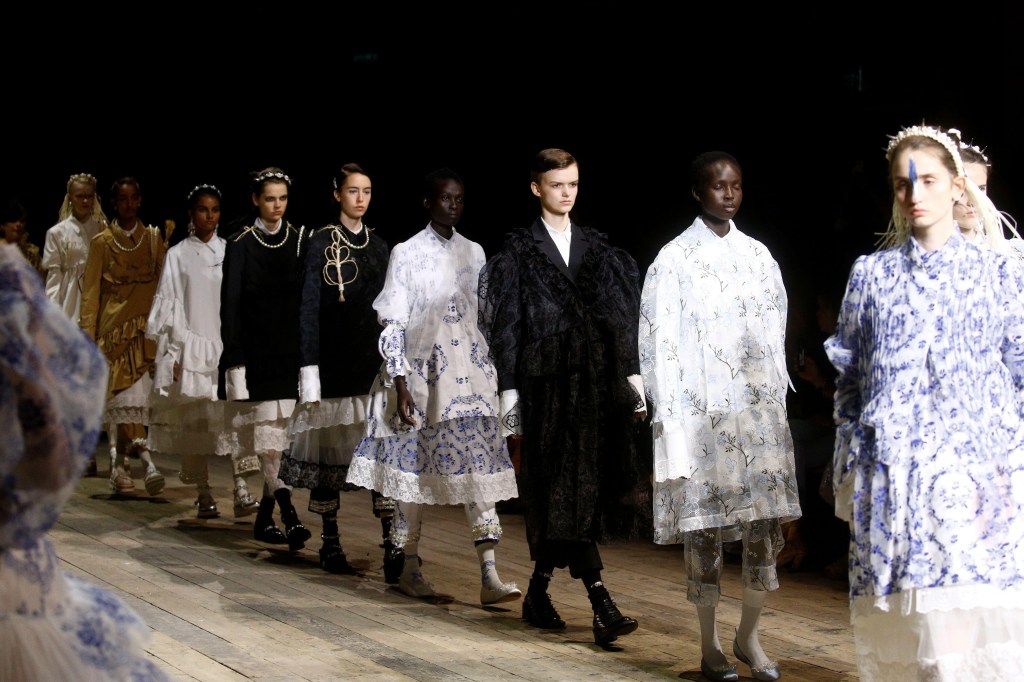
Simone Racha Catwalk Show at London Fashion Week

Scopes of Contemporary Fashion

Due to the fact that contemporary brands appeal to several groups of consumers, this industry will continue to see global opportunities. Fashion editors and industry insiders agree that contemporary brands have stolen the limelight and are helping to bridge the gap between luxury brands and main street.

Not only will contemporary labels allow you to up your designer arsenal without forcing you to exist on an exclusively Kraft Dinner diet, but the pieces are also constructed with everyday wear in mind (no couture-like assembly required). Not to mention that contemporary lines still boast that oh-so-coveted designer aesthetic and quality craftsmanship—perfect if you’re looking to break away from the usual suspects in fast fashion retail.

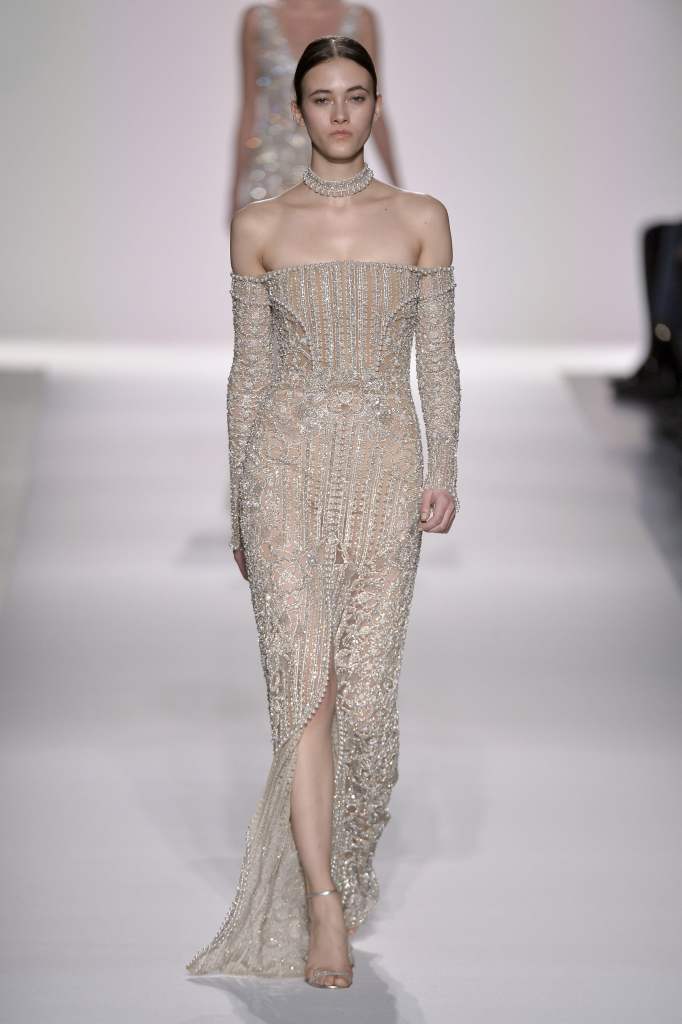
Famous Contemporary Fashion Designers and Their Works

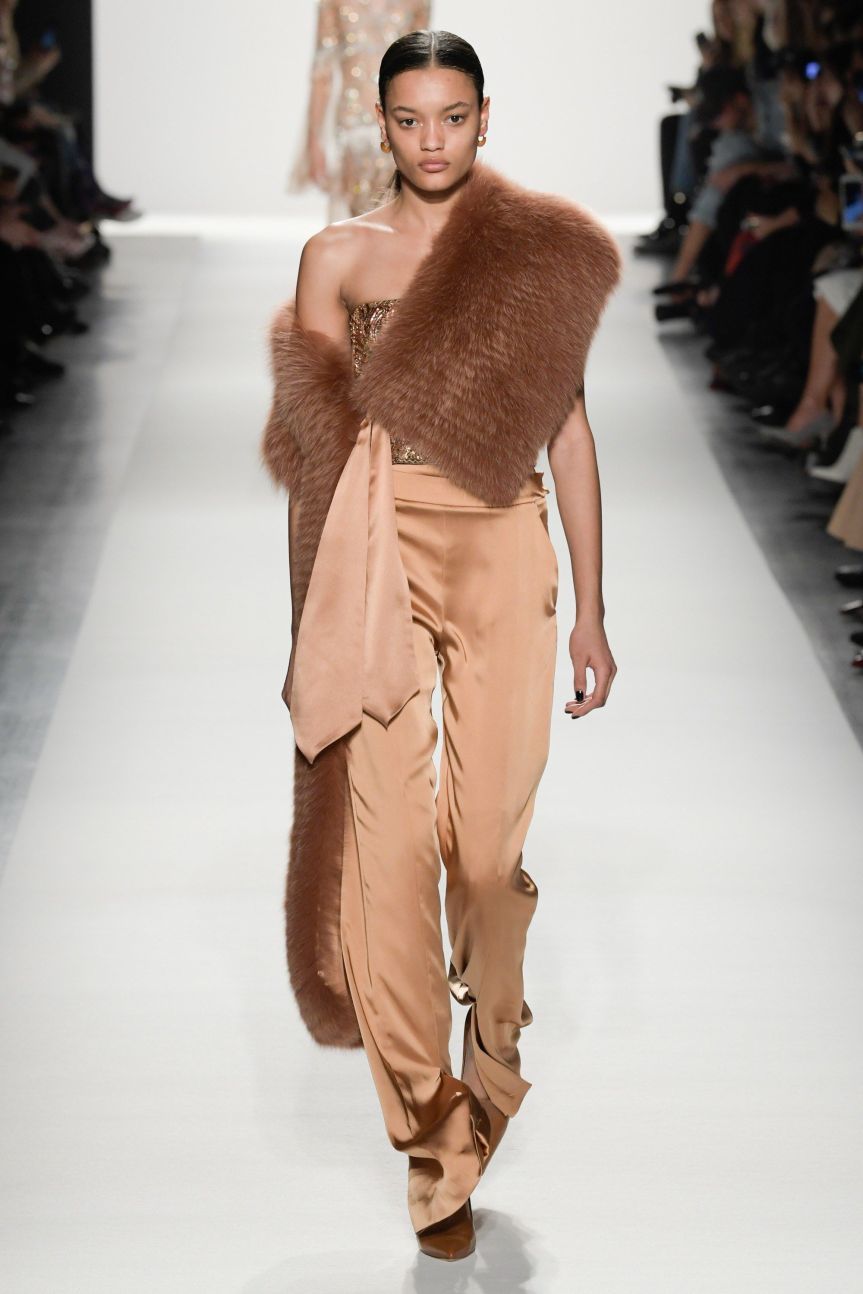
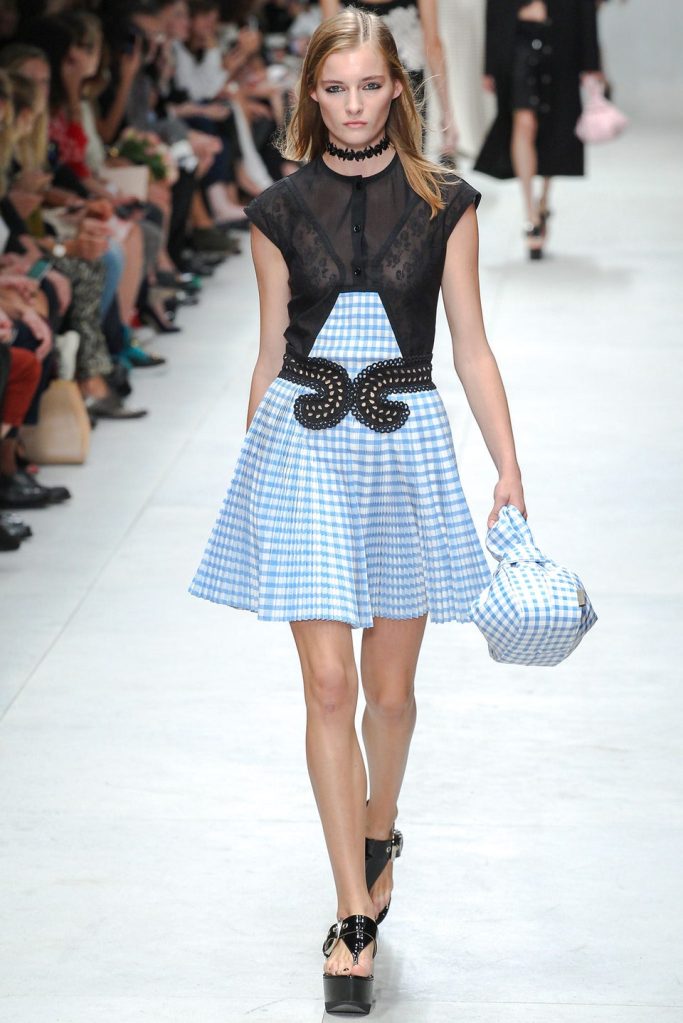
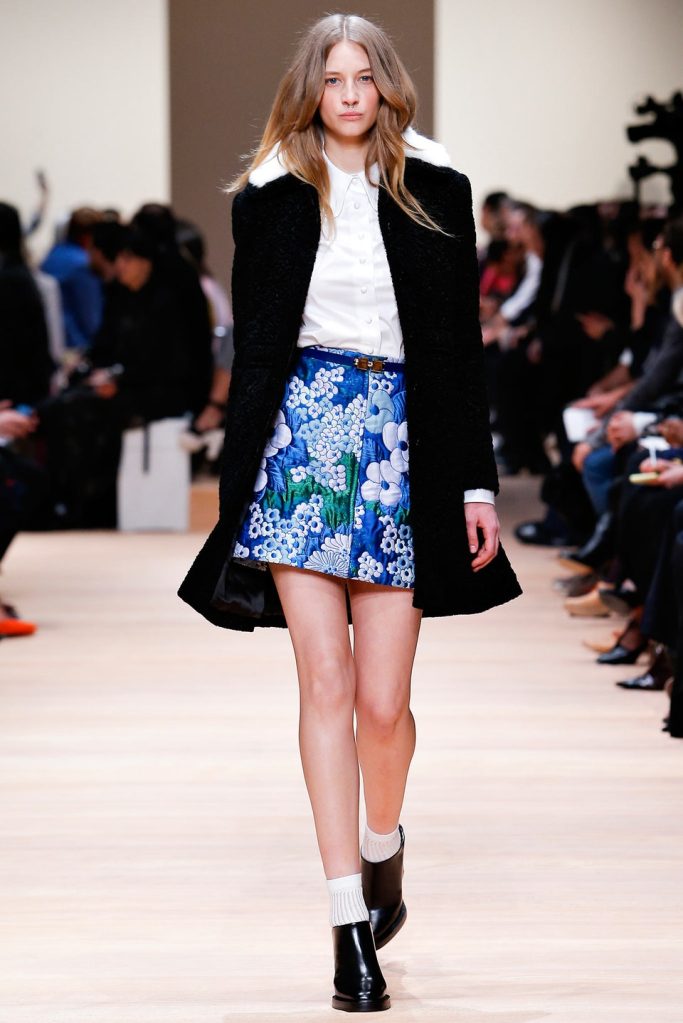
Carven: Founded in 1945 in Paris, Carven has enjoyed a resurgence since the hiring of designer Guillaume Henry in 2009, who transformed the house from old-school couturier into the cool girl’s label du jour.

Carven Spring 2014 ready-to-wear collection
Carven Fall-Winter 2015-16 collection

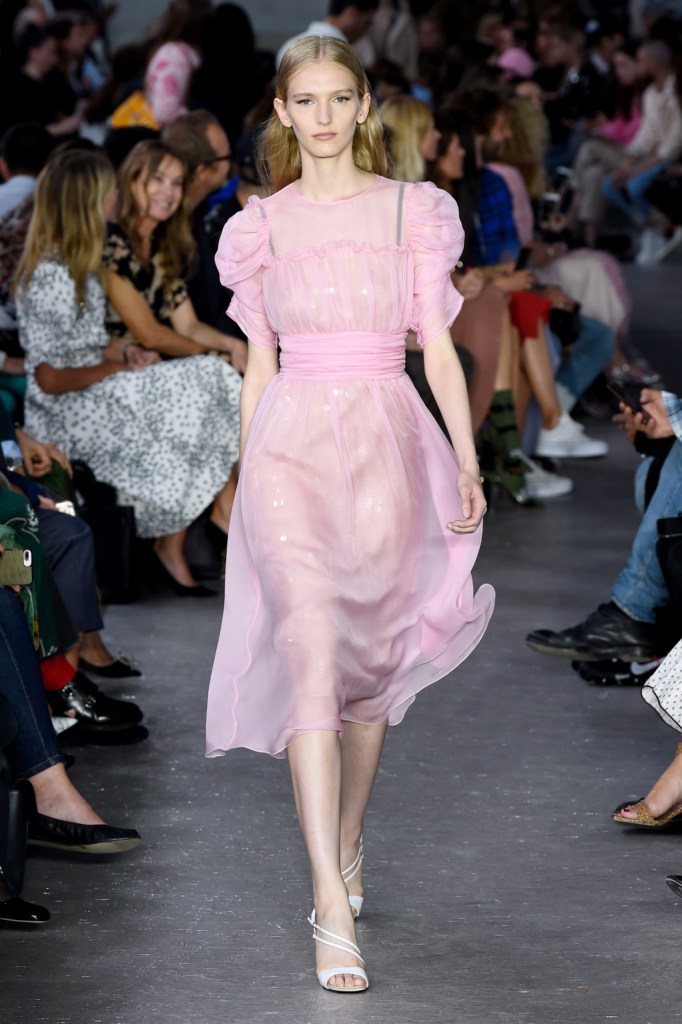
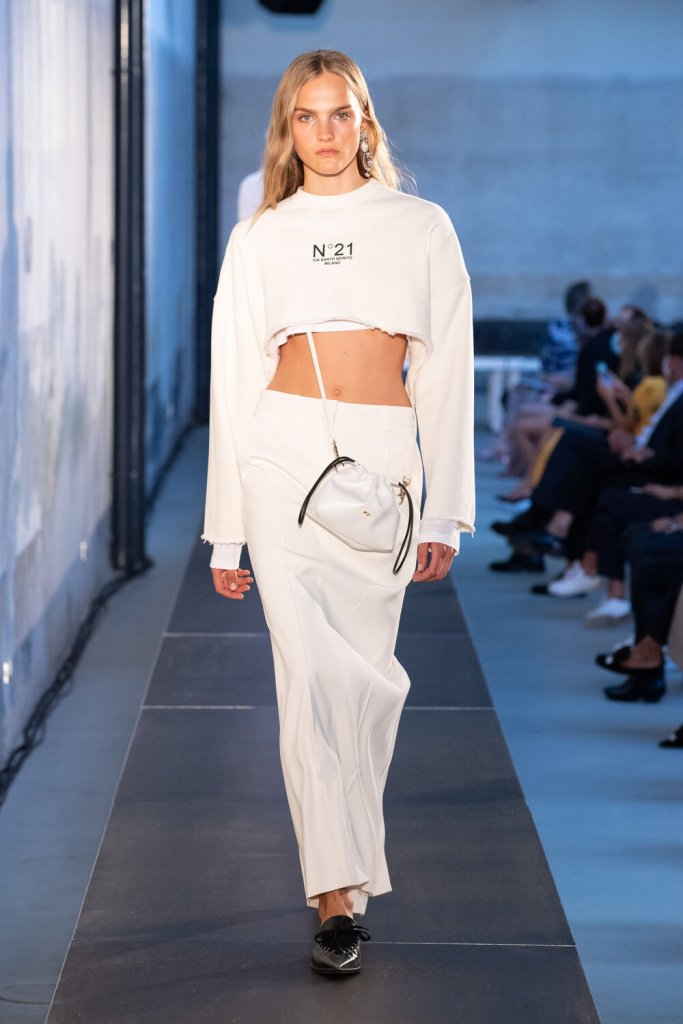
N°21:  Started in 2010 in Milan by designer Alessandro Dell’Acqua, the brand offers a smorgasbord of whimsical designs that can be effortless.

N°21 Spring- Summer 2018 collection
N°21 Spring-Summer 2021 collection

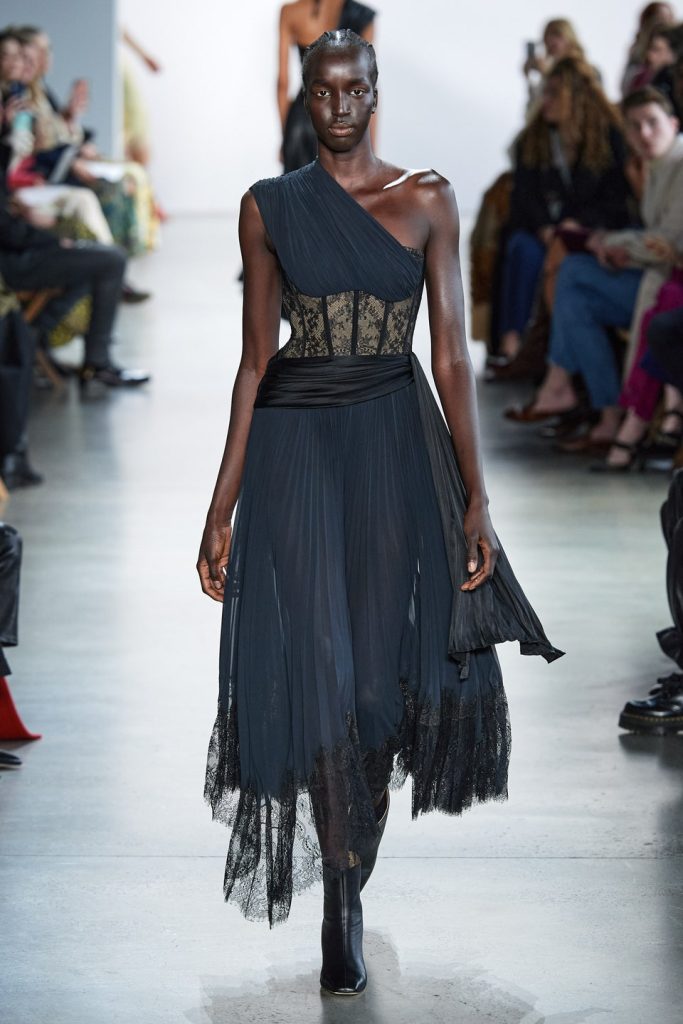
Jonathan Simkhai: Starting from NYC His first womenswear collection was shown in 2010, where Simkhai debuted his take on dressing for today’s cosmopolitan woman. A master at tailoring oversized pieces to flatter the female form, his designs run the gamut from exaggerated boxer shorts to basketball jerseys.

Simkhai Fall 2017 collection
Simkhai Fall 2020 ready-to-wear collection

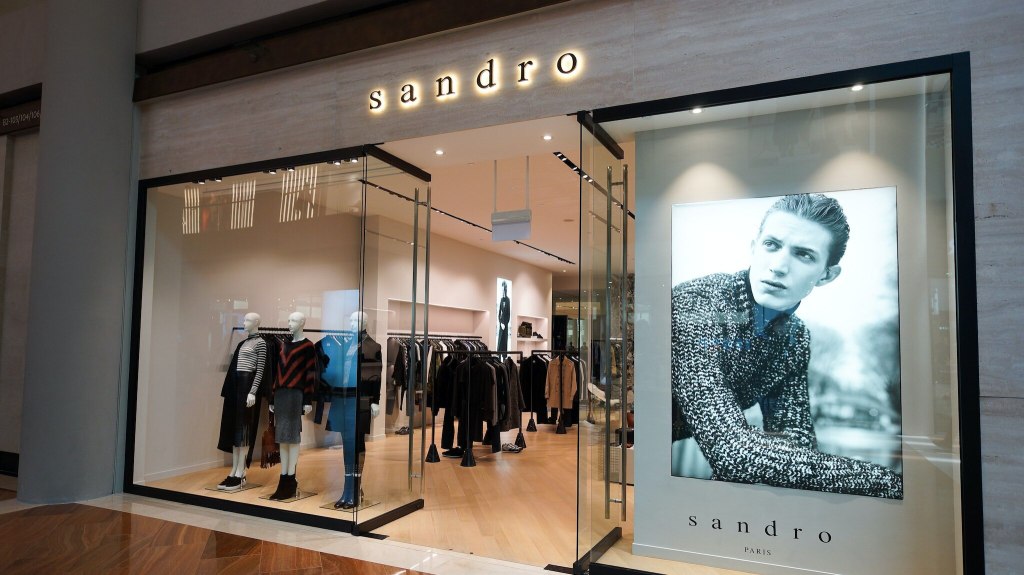
Sandro : Launched by husband-and-wife duo Didier and Evelyne Chétrite, Sandro is a well-known and popular brand in the contemporary market.  Since its launch in 1984 (in the Marais district of Paris), the label has gathered a cult following with women charmed by its insouciant, season less separates and rock’n’roll aesthetic. Sandro has stores worldwide in places such as New York and Japan, and a flagship store based in Covent Garden, central London.

A Sandro Store
Sandro Spring-Summer 2021 Menswear Collection

Conclusion

Consumers want to feel like they own something special and unique. They want exclusive quality labels that are not mass produced, yet are still affordable.  It is important to keep in mind that this category is less expensive then higher tiers such as Haute Couture, but the prices are clearly higher than budget collections.The changing demographic of fashion consumers and the rise of contemporary brands. To stay in the game, luxury fashion marketers must compete on a global scale.

Fashion Trends That Made Comeback

Part-2

Corduroy
Corduroy was incredibly popular in the ’70s and was mainly used for children’s clothing. Coming back into fashion in this era, we see corduroy everywhere.

Scrunchies
scrunchies have made a return to the fashion game. Not only fashionable amongst your fellow peers, but many celebrities are also rocking this trend too. Scrunchies are actually quite easy to make yourself using fabrics.

Bum bags
Bum bags becoming more and more popular today. Not only are they convenient and easy to carry, but they are also becoming a staple in the fashion industry.

Puffy Sleeves
Puffy sleeves are coming back as a fashion trend with a bang. puffy sleeve is a lot more elegant and modern. They are often seen paired with high waisted skirts and flared pants.

Baggy jeans
It’s not just the low rise pants that are fashionable again, baggy jeans are back in style for summer 2021.

Fashion Trends That Made Comeback

Fashion trends are forever changing.

Bell Bottoms
Bell bottoms are a trend from the ’70s and ’80s which have recently made a comeback. They exhibit a retro summer style for fashion divas. These trousers are ideal for those who want to make their legs look longer and slimmer. For a perfect office look, you can match it with a black or a neutral colour trousers with a white shirt and a short vest.

Asymmetric Dresses
Nowadays the fresh asymmetrical trend is sweeping the fashion arena. Fashion influencers have adopted this uber-chic trend and are experimenting with ways of wearing asymmetrical dresses. The rule of fashion is ‘not to follow’ the rules.

Animal prints
Animal prints always make a comeback with the latest fashion twist. Prints like leopard, zebra or even tiger are steadily taking the spotlight.

Mom Jeans
Mom jeans were incredibly popular back in the ’90s and have made a strong comeback in the 21st century with many new ways to style them.

Chunky Sneakers
Chunky sneakers were a trend that nobody thought would come back into style again. But like they were in the ’80s, these have made a huge comeback.

Bike Shorts
Bike shorts keep coming back as a hot trend in fashion. Pairing these shorts with oversized sweaters, t-shirts and often with a pair of chunky sneakers.

8 Clothing Tips No Woman Should Ever Miss

1. Old things must go

Open up your closet and take a good look at your clothes. You should ask yourself one simple question – if you were in a store right now, what items from your closet would you buy? It’s a very simple and quite efficient game you should play once in a while. 

2. Shop with a plan

You’ll definitely spend a lot of time searching for the right outfit. In order to be efficient and be happy with your choice, you should go shopping with a proper hairstyle, makeup and shoes, so you can see the bigger picture

3. Extend the life of your cashmere

The first step towards a long and happy life of an item made out of cashmere is purchasing a quality item. 

4. Be smart when you buy a jacket

Purchasing jackets, coats and blazers has just one rule – it needs to fit your shoulders. If it’s too tight or too wide, leave it in the store. Because this is one thing that’s very difficult to alter.

5. Make clothes work for you

You know how some people simply know how to wear the right clothes? There’s no mystery there, and actually, you could pull it off, too, by just thinking about what you’re wearing a little bit more. It all depends on how your body is built.

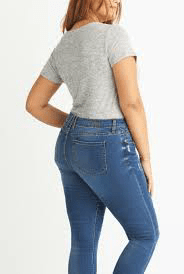
6.Having trouble with jeans?

The first rule of buying jeans, no matter the type, is that when you’re in doubt regarding the size, you should always go with the smaller size – they’ll stretch after only two washes.

7.Treat yourself like a queen

You’ve probably heard about something called beauty sleep, and you should know it isn’t a myth. So, invest in your beauty and health by encasing your bed with pure silk.

What Is Fast Fashion?

Clothes shopping used to be an occasional event—something that happened a few times a year when the seasons changed or when we outgrew what we had. But about 20 years ago, something changed. Clothes became cheaper, trend cycles sped up, and shopping became a hobby. Enter fast fashion and the global chains that now dominate our high streets and online shopping. But what is fast fashion? And how does it impact people, the planet, and animals?

It was all too good to be true. All these stores selling cool, trendy clothing you could buy with your loose change, wear a handful of times, and then throw away. Suddenly everyone could afford to dress like their favourite celebrity or wear the latest trends fresh from the catwalk.

Then in 2013, the world had a reality check when the Rana Plaza clothing manufacturing complex in Bangladesh collapsed, killing over 1,000 workers. That’s when consumers really started questioning fast fashion and wondering at the true cost of those affordable t-shirts. If you’re reading this article, you might already be aware of fast fashion’s dark side, but it’s worth exploring how the industry got to this point—and how we can help to change it.

What is fast fashion?

Fast fashion can be defined as cheap, trendy clothing that samples ideas from the catwalk or celebrity culture and turns them into garments in high street stores at breakneck speed to meet consumer demand. The idea is to get the newest styles on the market as fast as possible, so shoppers can snap them up while they are still at the height of their popularity and then, sadly, discard them after a few wears. It plays into the idea that outfit repeating is a fashion faux pas and that if you want to stay relevant, you have to sport the latest looks as they happen. It forms a key part of the toxic system of overproduction and consumption that has made fashion one of the world’s largest polluters. Before we can go about changing it, let’s take a look at the history.

How did fast fashion happen?

To understand how fast fashion came to be, we need to rewind a bit. Before the 1800s, fashion was slow. You had to source your own materials like wool or leather, prepare them, weave them, and then make the clothes.The Industrial Revolution introduced new technology—like the sewing machine. Clothes became easier, quicker, and cheaper to make. Dressmaking shops emerged to cater to the middle classes.

Many of these dressmaking shops used teams of garment workers or home workers. Around this time, sweatshops emerged, along with some familiar safety issues. The first significant garment factory disaster was when a fire broke out in New York’s Triangle Shirtwaist Factory in 1911. It claimed the lives of 146 garment workers, many of whom were young female immigrants. By the 1960s and 70s, young people were creating new trends, and clothing became a form of personal expression, but there was still a distinction between high fashion and high street.

In the late 1990s and 2000s, low-cost fashion reached its zenith. Online shopping took off, and fast-fashion retailers like H&M, Zara, and Topshop took over the high street. These brands took the looks and design elements from the top fashion houses and reproduced them quickly and cheaply. With everyone now able to shop for on-trend clothes whenever they wanted, it’s easy to understand how the phenomenon caught on.

How to spot a fast fashion brand

Some key factors are common to fast fashion brands:

  • Thousands of styles, which touch on all the latest trends.
  • Extremely short turnaround time between when a trend or garment is seen on the catwalk or in celebrity media and when it hits the shelves.
  • Offshore manufacturing where labour is the cheapest, with the use of workers on low wages without adequate rights or safety and complex supply chains with poor visibility beyond the first tier.
  • A limited quantity of a particular garment—this is an idea pioneered by Zara. With new stock arriving in store every few days, shoppers know if they don’t buy something they like, they’ll probably miss their chance.
  • Cheap, low quality materials like polyester, causing clothes to degrade after just a few wears and get thrown away.

What’s the impact of fast fashion?

On the planet: Fast fashion’s impact on the planet is immense. The pressure to reduce costs and speed up production time means that environmental corners are more likely to be cut. Fast fashion’s negative impact includes its use of cheap, toxic textile dyes—making the fashion industry the second largest polluter of clean water globally after agriculture. That’s why Greenpeace has been pressuring brands to remove dangerous chemicals from their supply chains through its detoxing fashion campaigns through the years.

Cheap textiles also increase fast fashion’s impact. Polyester is one of the most popular fabrics. It is derived from fossil fuels, contributes to global warming, and can shed microfibers that add to the increasing levels of plastic in our oceans when washed. But even ‘natural fabrics’ can be a problem at the scale fast fashion demands. Conventional cotton requires enormous quantities of water and pesticides in developing countries. This results in drought risks and creates extreme stress on water basins and competition for resources between companies and local communities.

The constant speed and demand mean increased stress on other environmental areas such as land clearing, biodiversity, and soil quality. The processing of leather also impacts the environment, with 300kg of cehmicals added to every 900kg of animal hides tanned. The speed at which garments are produced also means that more and more clothes are disposed of by consumers, creating massive textile waste. In Australia alone, more than 500 million kilos of unwanted clothing ends up in landfill every year.

On workers: As well as the environmental cost of fast fashion, there’s a human cost. Fast fashion impacts garments workers who work in dangerous environments, for low wages, and without fundamental human rights. Further down the supply chain, the farmers may work with toxic chemicals and brutal practices that can have devastating impacts on their physical and mental health, a plight highlighted by the documentary The True Cost.

On animals: Animals are also impacted by fast fashion. In the wild, the toxic dyes and microfibres released in waterways are ingested by land and marine life alike through the food chain to devastating effect. And when animal products such as leather, fur, and even wool are used in fashion directly, animal welfare is put at risk. As an example, numerous scandals reveal that real fur, including cat and dog fur, is often being passed off as a faux fur to unknowing shoppers. The truth is that there is so much real fur being produced under terrible conditions in fur farms that it’s become cheaper to produce and buy than faux fur!

On consumers: Finally, fast fashion can impact consumers themselves, encouraging a ‘throw-away’ culture because of both the built-in obsolescence of the products and the speed at which trends emerge. Fast fashion makes us believe we need to shop more and more to stay on top of trends, creating a constant sense of need and ultimate dissatisfaction. The trend has also been criticized on intellectual property grounds, with some designers alleging that retailers have illegally mass-produced their designs.

Fashion!

Man is a social animal and always wants to show himself in the society in a very presentable way. He likes variety, change and novelty. Old, stale, stereotyped and typecast things are not liked by him. He wants things to suit his changing moods, likes and dislikes and therefore, takes recourse to fashions. His hunger for being new, novel, refreshing, different, sensational and attractive makes him a fashionable being. To be fashionable is an integral part of his complex psychology. He feels bored, tired, fed up and in a rut by using the same clothes, styles, designs, food, colours, lines and textures after a certain period of time. What has been in fashion for sometime appears dull and tiresome and then he wants a change, something different, new and uncommon. This search for something thrilling, new, offbeat and unconventional gives rise to fashions.

Fashions are never static. They are always changing. What is in fashion today will become obsolete and out of date the next day. And people never like to be out of fashion. They want to be in the mainstream and flow along the current of the fashion. Fashions work as a very powerful force in the society and also reflect change, progress, prosperity and advancement. They influence human behaviour, etiquettes, moods and ideology in a way as no other thing can do. They are of much social and psychological significance and which is why to be out of fashion is to be out of the stream.

People living in cities and towns are more fashion conscious than their counterparts in villages and rural areas. In city life thousands and thousands of men and women belong to different classes and cultures live and mix up with one another and they have a lot of opportunities to imitate one another’s fashion or can improve upon the existing fashions. Newspapers, magazines, fashion shows, movies, television viewing, social gathering etc are a great source of changes in style and designs. Young men and women imitate the style of their film or sports heroes or heroines in everything – in clothes, hair clothes, hair styles, shoes, ornaments, foods and drinks and also in manners.

In big cities and towns there are fashion designers in droves. They are ever engaged in creating new fashion, styles and designs to increase the sale of their goods. The beautiful men and women are used as models to display their latest designs and styles. Fashion shows and parades are held in five star hotels, exhibition grounds and halls. It is big and well organised business and big cities like Bombay, Bangalore, Delhi etc are big fashion centres in India. The expert fashion designers can well in advance recognise the incoming and outgoing trends in fashion and taking advantage of it , create new styles and fashions. They produce consumer items in latest fashion and styles which may be described as avant-garde.

Fashions also change according to seasons and environment. They have to be in harmony with the moods, needs and lifestyles of the people. Changes in fashion are evolutionary than revolutionary. Sometimes changes in fashion look sudden and abrupt but actually it is not the case. Thry are gradual and in stages. Fashion practitioners know full well this evolutionary nature of it and take full advantage and make a fast buck.

Fashions are part and parcel of our life. They are essential and appreciable but it never means aping the west or slavish and blind imitation of others. It simply means to satisfy our urges of change, novelty and the latest. The tyranny of fashions should never be allowed to prevail.

Is Fashion Really Important?

Fashion is a worldwide phenomenon. From small kids to old people, almost everyone is familiar with the latest trends whether they like it or not. Fashion cannot be undermined especially given the sale numbers. For instance, the global apparel retail market is currently worth $1.34 trillion in retail sales per year. If footwear and jewelry are included, that value rises to around $2 trillion. These numbers may show fashion as an indispensable tool however I’d like to differ from this argument. Fashion, in reality, has put immense and unnecessary pressure on individuals. It has created such high standards of evaluation that people have forgotten the true meaning of fashion; to dress as one likes. Therefore, fashion is not really important because it puts the individual in a position where they cannot express themselves freely without wanting to keep up with others.

The first argument as to why fashion should not be considered very important is because it’s unrequired. Fashion is given too much importance in society. So much that the level of obsession regarding fashion statements has only been increasing. With the emergence of e-commerce and focused apparel branding, the ‘importance’ of fashion has been restated again and again. In 2017, a total of 60 million online transactions occurred on the fashion e-commerce sites themselves. The market for fashion from then has only grown. Buying apparel is not bad, however, the mentality of wearing one to prove yourself is wrong and people who tend to divert away from fashion trends are often targeted by fashion lovers or ridiculed for their ‘fashion sense’. People have forgotten that what defines an individual is their ideals and personality, not some high brand clothes.

Secondly, fashion does not restrict itself to clothing sense but also extends to body style.
What most people neglect while talking about fashion is the requirement of it to have a particular body size and shape. The fashion trends demand you to not only wear clothes of a particular style but also for you to have a certain body size and weight. This puts immense pressure and creates self-doubt and complexity amongst people who do not possess these “standard” bodies. An example of how fashion induced ‘body-standard’ can lead to harmful situations was seen in August 2018, when a 22-year-old aspiring fashion designer committed suicide for the continuous body shaming attacks that she was bombarded with.

Thirdly, fashion can become an unhealthy addiction. This statement especially rings true for kids and teenagers where keeping up with latest trends and incorporating them in their wardrobes becomes an addiction. With every change in trend, the addicted individual is made to change their sense of style. The addiction can sometimes become so severe that individuals tend to spend a huge amount of their time just dressing up. Research has indicated that shopping addiction affects even the adults. It is estimated that 5-7% of the adult population, who stay in developed countries are addicted to shopping. The constant anxiety and social appearance that comes with this addiction can only lead to worst-case scenarios in the individual’s life. Hence, fast fashion addiction can prove lethal in daily lifestyle as everyday worries like ‘looking good’ and ‘keeping up’ can occupy a major part of the individual’s thought process.

To justify fashion as important, many arguments have been put forward by the fashion-lovers. One of the argument states that fashion is a way to ‘express your personality’. The way one dresses reveals the type of person they are and can help us judge them better. For instance, a person who is well dressed and in formal clothes is chosen for a job prospect over a person who wears joggers or simple informal clothes for the interview. This is because, formal clothes imply your seriousness towards the job as well as showcases your personality to be that of a neat and immaculate manner. But I’d like to emphasize that this argument does not stand true for every section of society. Fashion comes with money restrictions and not everyone can afford ‘branded’ or even ‘good-looking’ clothes. Nowadays if you wish to look fashionable you are required to have money in your wallet. As the trend rises the cost of fashion apparels also rise, making it impossible for poor people or middle-class people to look ‘fashionable’. Hence, limiting our perspectives to just people’s clothes is very superficial according to me.

In conclusion, fashion in its regular description is not ‘very important’. One should not be pressurized to follow a certain trend or certain clothing style in the name of fashion. Not only is it utterly wrong but also insensible. A person should dress according to their comfort and likes, not to some forced trends or fashion “standards”. After all, ‘Beauty lies in the beholder of the eyes.’

The advent of Fashion trends in pandemic life

Photo by Nataliya Vaitkevich on Pexels.com

“Your prolific life flares from the fashion you do, have, and live”. Indeed, fashion is one of the most prominent elements for millennials. The transformation has been one of the processes through which we all humans have gone through since the establishment.

                          Profoundly, pandemic life has changed everything in this course of life, the lifestyle, food we eat, and the clothes we all wear!

 Clothes are evident, and the fashion which we follow affects us posthumously. The fashion of 2021 is back on track with the easy peasy, breezy, comfy life. People are less bothered by societal norms and the trendy life rather than more into their comfort zone.

        Fashion affects human life more as it affects psychologically. As the season occurs, festive emerged, our taste of fashions fluctuates. Humans are uncertain and so their fashion too!

   The advent of fashion portrays us the new normal which we live in, work from home, chilling at home, fam – jam and so on.

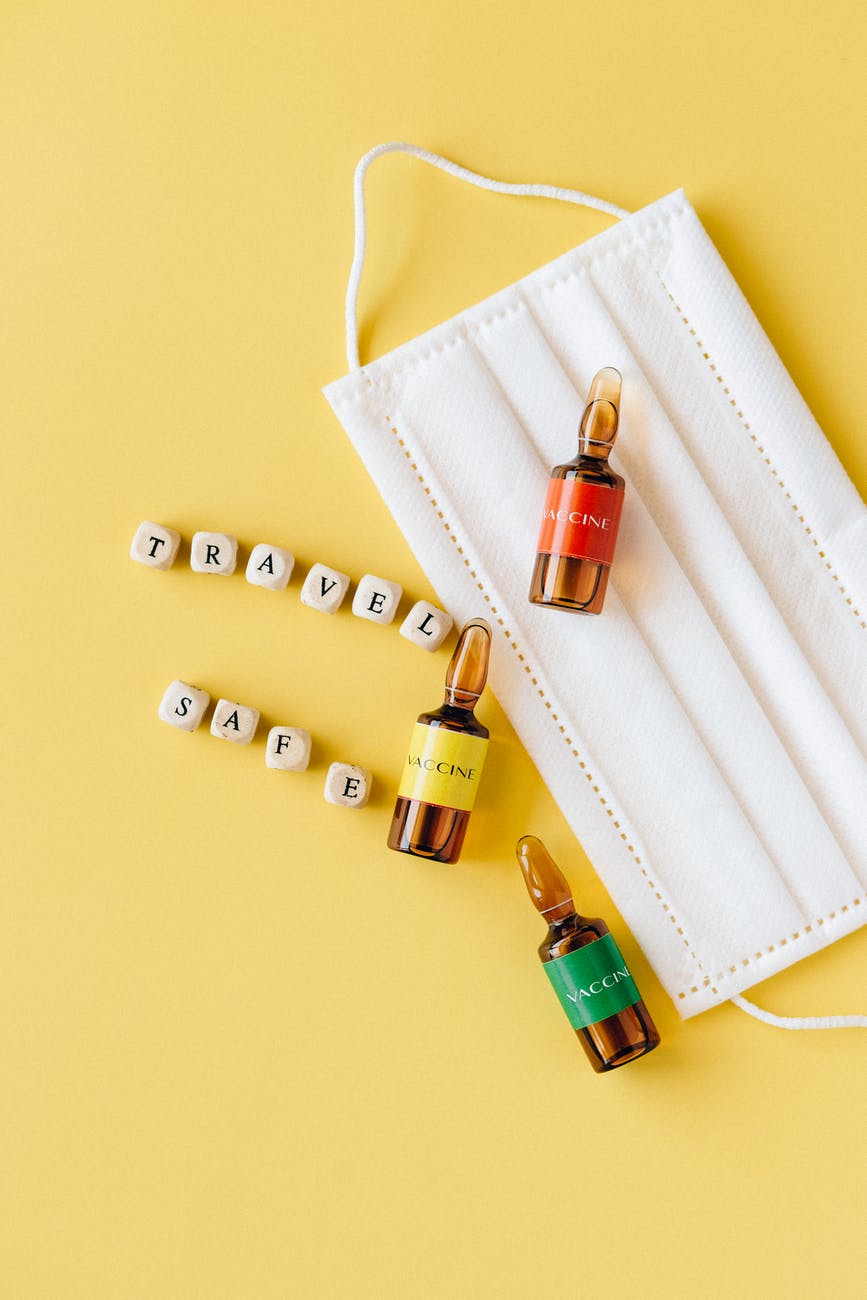
Let’s talk about the altering in the fashion world, The mask, a protector weapon in today’s life. though it’s a new rule for all people but rather the rule has converted into a new trend. Women especially have an area of interest in the fashion world and this is how the fashion world aims at women’s society! whether it’s lipstick, shoes, classy dresses, or maybe a cute hat all is on the side of women.

      Women exist, so fashion exists! It’s humor but a reality that we have relied more on masks than other things. Our priorities lie to wear masks. Wearing a mask on any sort of dress makes them trendy. Certain trends of lipsticks have been distorted due to the arrival of the pandemic but it’s vague if we still use lipsticks on masks.

     Still, there is always a way to the dazzling notions in the minds of these crafted minds of the industry. Invisible masks, which are safe yet the best way to make a woman feel more glamourous and enthralling.

It has 2 faces for a matter of any sort of matter. Even fashion has its 2 sides, the pros and cons of masks showcase us how even masks filter up our inabilities to use them. Certain situations like eating, drink made this life more miserable for humans.

       Living with despair and abashed thoughts in the new life of pandemic where hope is the only element present in the world. Fashion made our lives more fruitful to have conventions on ourselves. Today’s fashion is more about having faith in oneself and being confident of what we wear in our life to enjoy our life with our comfort zone. How one can be more indigently glamorous in their way, living aftermath with a bright side with all those flickering optimism and yet not so according to the word.

 Today’s fashion is about you, not about them!

It’s a simple quote, yet a transparent difference one can look into it with their point.

CHANEL

CHANEL is a well know French luxury fashion brand. Chanel was founded in 1910, Coco Chanel is the founder of this world-famous brand. It throws the light on women’s high fashion, ready to wear outfits, the luxury goods, and varieties of accessories.

BEAUTY PRODUCTS LAUNCHED BY CHANEL

FACE: FOUNDATION

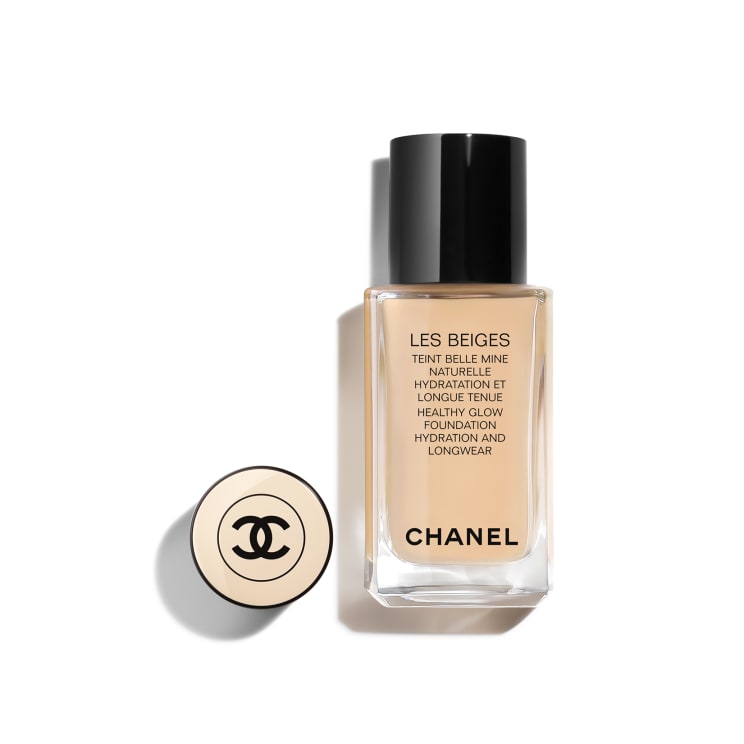
  1. LES BEIGES

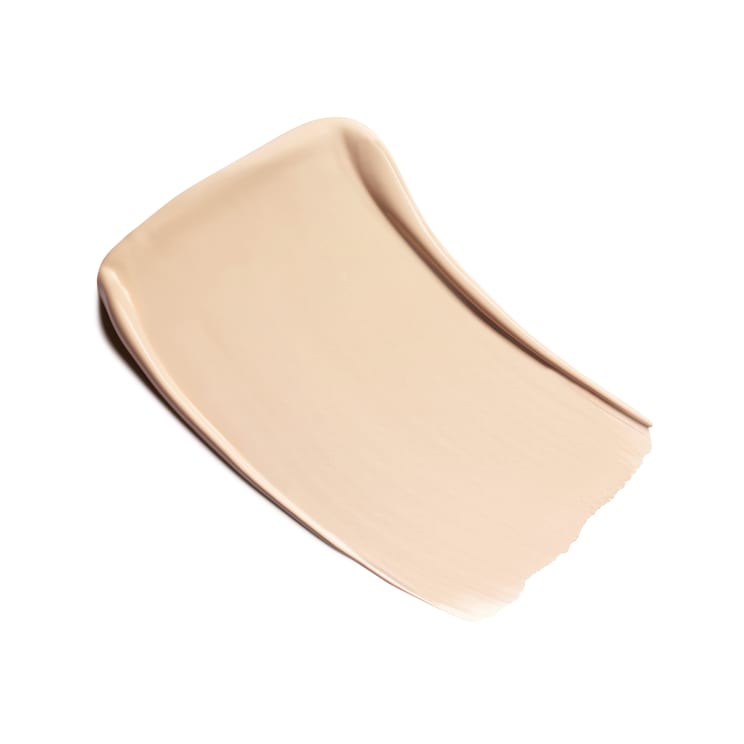
PRODUCT: A liquid/fluid foundation with light-to-medium coverage which will lasts up to 12 hours and gives you the frictionless texture and luminous finish for your naturally looking skin and makes them look healthy and glowing.

COMPOSITION: This Les Beiges give you a smooth and uplifts your skin with light-reflecting results with a precise brightness, while antioxidants aid you to protect your skin from pollution, free radicals, and blue light. Les Beiges consist of 40 percent with water, the long-lasting formula is augmented with the ingredients that moisturise and hydrate skin instantly and lasts for up to 12 hours.

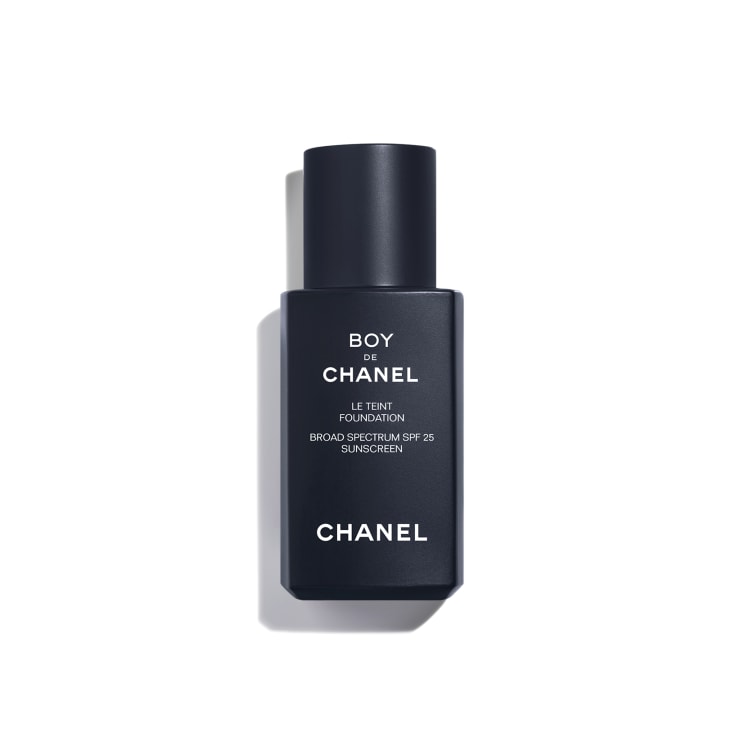
2. BOY DE CHANEl

PRODUCT: With BOY DE CHANEL FOUNDATION, with the formula of an invisible light as a feather weight you will get a smooth and even complexion. Comfortable and easy-to-apply, the fresh, fluid formula skim on effortlessly, and blends with your skin perfectly and keeps it hydrated.

COMPOSITION: The feature with long running formula soft-focus micro-particles help to make skin look more flawless and rectifies your imperfections perfectly. Formula includes Hyaluronic Acid for lasting comfort and hydration Broad Spectrum protection and SPF 25 helps to be protected against the environmental strains.

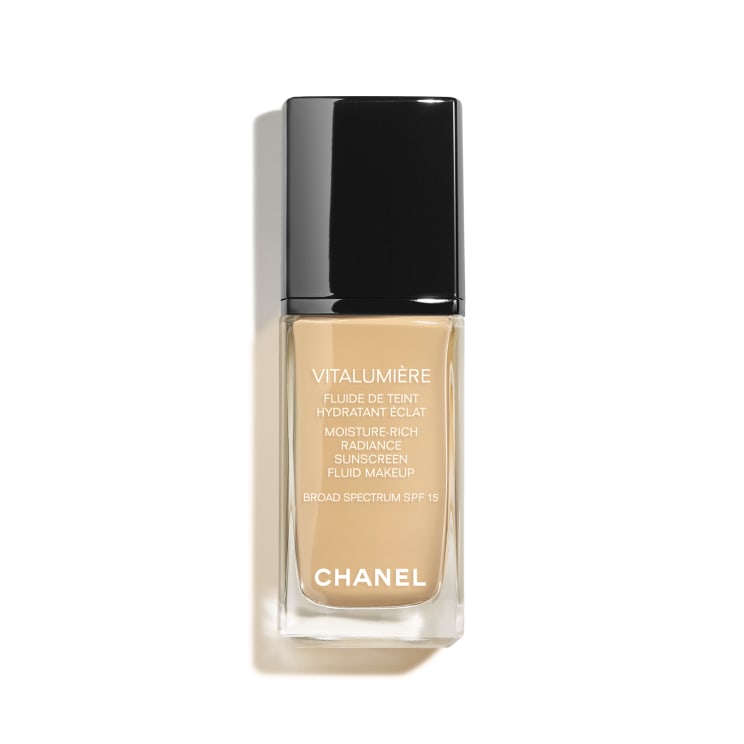
3. VITALUMIERE

product: For Creamy comforting and deluxe lightweight, this melted foundation which immediately brace and moisten the complexion one can go with the foundation. The Vitalmumiere blends smoothly and effortlessly that makes your skin look perfectly radiant this is all possible because of the help of medium-coverage formula.

COMPOSITON: The Vitalimiere foundation is made for dry, dull, and uneven skin texture the moisturizing agents helps to keep your skin hydrated and comfortable. Marine Extract helps to enhances glare while light-reflecting shade smooth away flaws. Walnut Extract revive and screen skin.

EYES: EYESHADOW

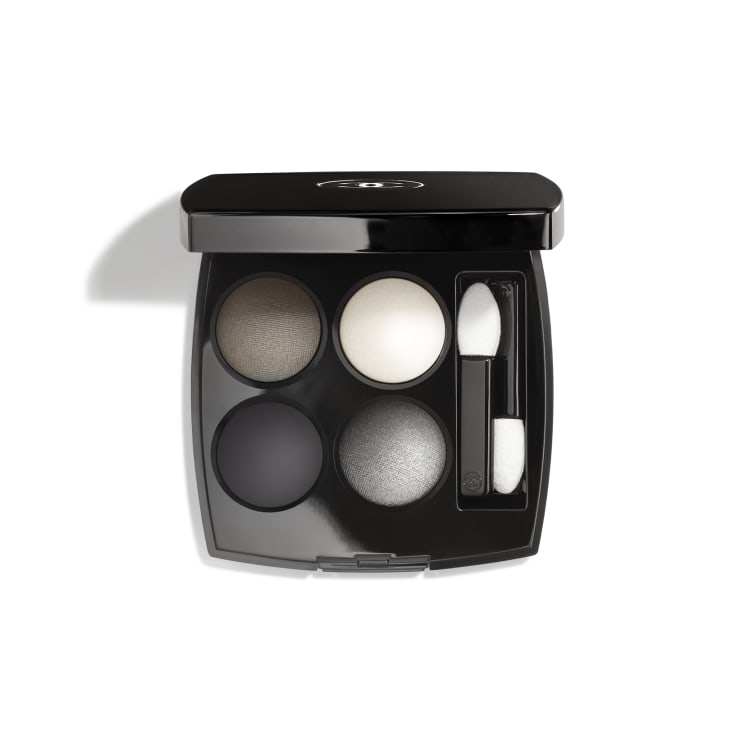
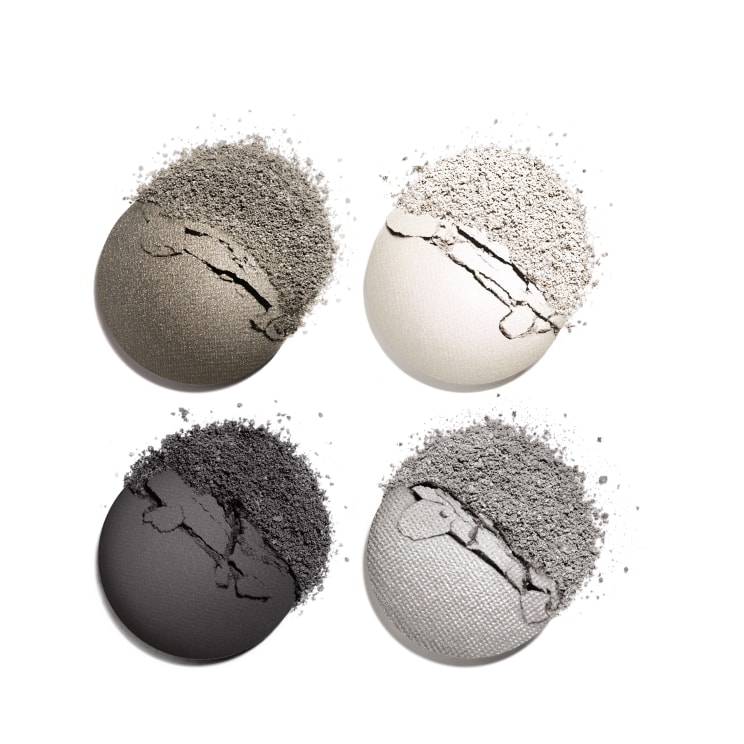
  1. LES 4 OMBRES

product: The LES 4 OMBRES eyeshadow palettes shows a lively, all the four lavishing shades in palette are rich with the formula inspired by threads of CHANEL tweed. With a range of shade combinations and finish that gives your eye a matte look with simmer for endless eye makeup looks.

composition: This compact with four shades offers infinite possibilities, that offers medium tones to colour and to contour, the intense shades in the palette to intensify and a light tone to highlight. Natural, long-running tone ensure an intense colour effect where on other hand the soft, effortless touch allows an easy as pie application.

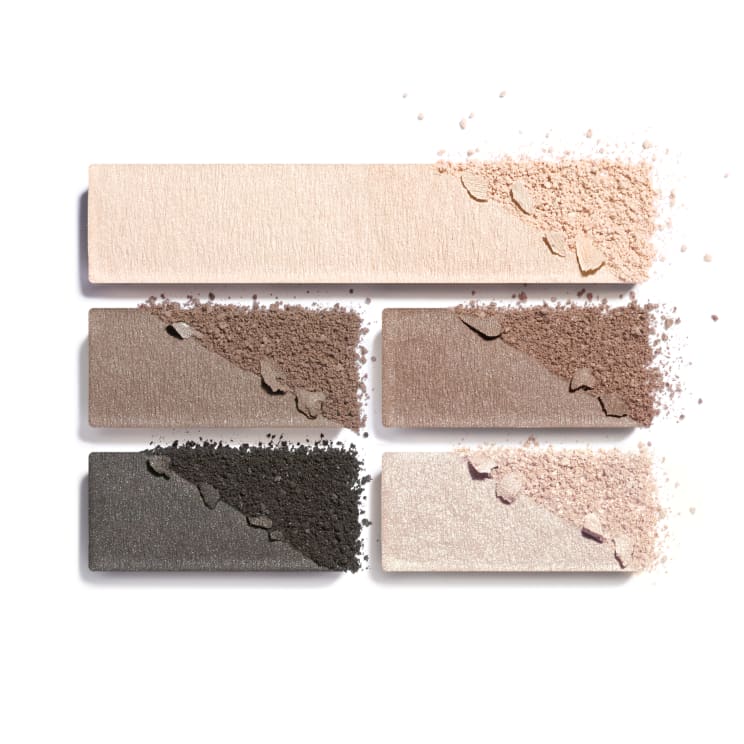
2. LES BEIGES

PRODUCT: For easy, neutral-toned looks you can go with this versatile shadow palette. Containing five verities of smudge free colour, with long running features— from soft to intense, gives you the matte and shimmery finish also — offer base, highlighter, and liner effects.

COMPOSITON: Use of soft-hair brush can help you to get smooth, optimal finish.

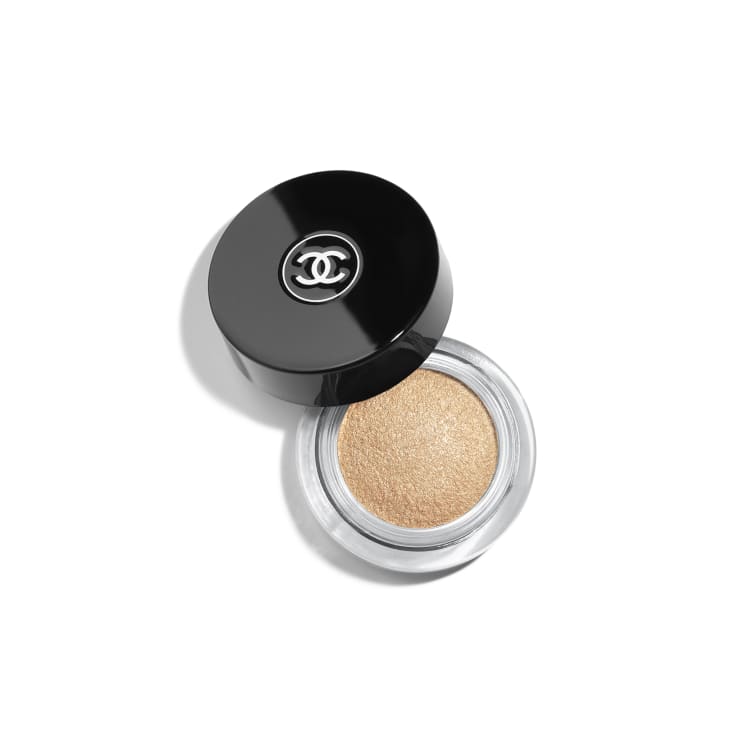
3. ILLUSION D’OMBRE

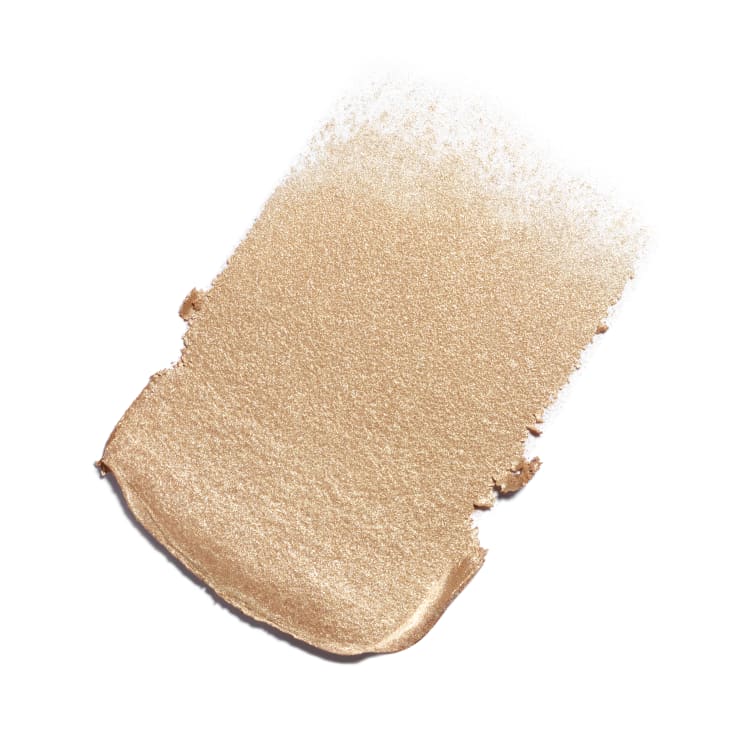
PRODUCT: With both soft and cushiony innovative texture, this gives intensely shimmer look, this long-lasting creamy eyeshadow can be worn as eyeshadow as well as an eyeliner.

COMPOSITION: A mixture of pure pigments of varieties of colours and sizes: coverage and colour intensity are contributed by small pigments; large pigments gives the results a shady shimmer.

FASHION TIPS AHEAD

Gain confidence in your style with fashion advice for styling every look in your closet.

1.Work your capsule wardrobe:

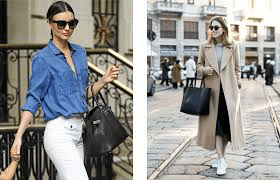
Make sure you have reliable wardrobe staples: an iconic little black dress, a pair of jeans that fit perfectly, a classic blazer, simple T-shirts and button-downs in neutral colors, and an effortless leather jacket (or denim jacket). Investing in a capsule collection of mix-and-match basics (and learning how to style them) is the key to looking put together.

2. Make sure your clothes fit perfectly:

One trick to making any item of clothing look amazing is to hire a good tailor. Tailored clothing not only looks polished, but it also feels more comfortable. Pants that drag on the ground and dresses that bunch up awkwardly won’t make you feel stylish. If your capsule wardrobe fits you well, you can start to play with over- and under-sized items in a way that feels fashionable, not sloppy.

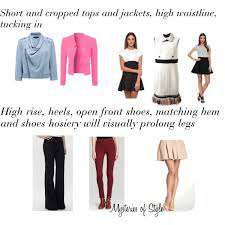
3. Learn how to balance proportions:

Balancing proportions is about styling your outfits to create an overall aesthetic harmony. The way you achieve this is by wearing clothes that are fitted to your body shape. When you want to play with oversized clothes or unusual shapes, make it a fashion moment by keeping the rest of the look fitted. For example, try pairing a tight crop top with wide-leg jeans, or a puff-shoulder top with straight-leg pants.

4. Find your personal style:

Developing a signature style can take years, but you can get started by creating a moodboard. Remember that personal style is an experiment; you never know what amazing looks await you until you’re in the dressing room. The categories “menswear” and “womenswear” shouldn’t dictate how you shop. Take time to play with colors and shapes to find what looks great on your unique body.

5. Become a better shopper:

Learning how to shop for exactly what you want will help you avoid filling your closet full of items you never wear. When your wardrobe consists of pieces that you love, styling an outfit will become second nature.

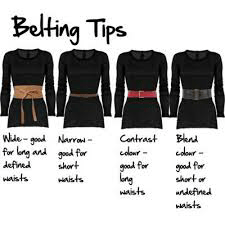
6. Add a belt:

Adding a belt to your look is one of the easiest ways to make any outfit look more put-together. It’s also a great trick for bringing balance to a look that otherwise might not work—like a long cashmere sweater and billowy midi skirt.

7. Play with colour:

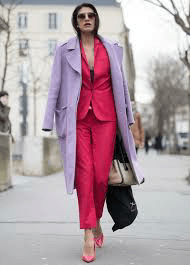
If you’re nervous about adding color to your look, start with just one colorful piece, and keep the rest of your look neutral. As you get more comfortable with colors, you’ll learn which color combinations work best for your style. Take a look at a color wheel for inspiration.

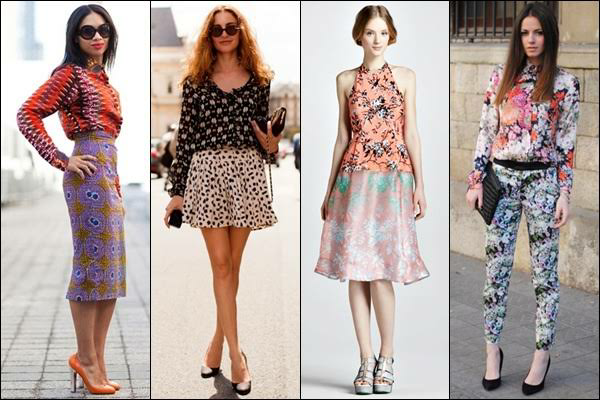
8. Mix patterns and textures:

The days of matching your handbag to your shoes are over. Clashing textures and prints make a bold fashion statement. Start small with neutral patterns like stripes and low-key textures like leather and knits, adding in the sequins and paisleys in small amounts (like a scarf, tie, or clutch) until you learn what works for you.

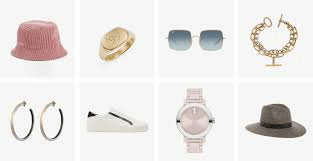
9. Always Accessorize:

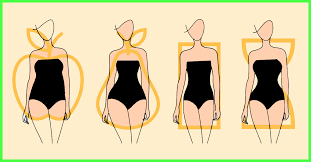
Try to wear at least one accessory, whether it’s a statement necklace, a pop-color bag or a great pair of earrings (or all of the above). A solid statement piece can take an ensemble from ho-hum to a stand-out in seconds.

10. Get To Know Your Body Shape:

Fit first. With that, getting to know your body shape is key. Consider yourself a petite pear shape and prefer to highlight your shoulders? Build your closet with clothes that put the spotlight on your shape and favorite features.

Bollywood and Fashion

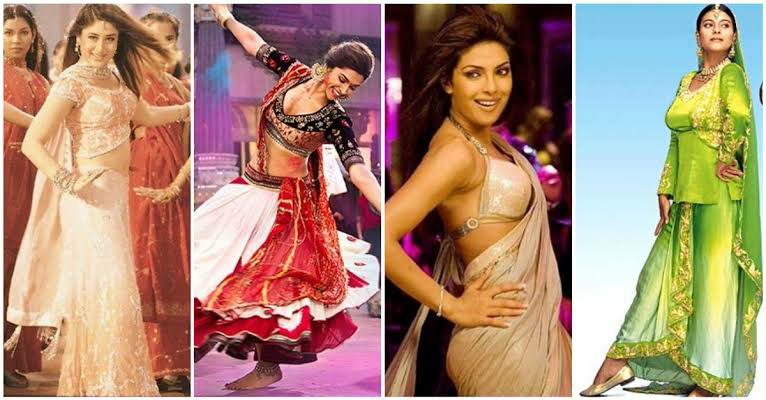
Bollywood and fashion go hand in hand. Come to think of it, they both have massively influenced each other. Fashion has always given the characters of Bollywood a distinguished definition, and Bollywood has inspired many fashion trends; be it wedding attires or casual outfits and has been doing so since forever. The audiences have looked up to actors for fashion and personal inspirations. While certain fashion trends are evergreen, the other tends to repeat itself every 10 years, which is why Anarkalis are still an ongoing trend. The trendsetters often visit the past to revive the old idea with a little modern twist.

Bollywood has been influencing fashion since its early days. While the 50s was about the dapper suits and sarees with pearl necklaces, the 60s was about vibrant colors, winked eyeliners and fringes. 

1. Mughal-E-Azam:

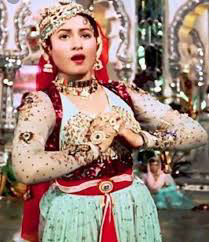
One of the most iconic movies of all times gave us one of the most iconic trends which seem is here to stay. Mughal-E-Azam, the epic Indian historical love story between the price and court dancer gave the fashion industry the most iconic ethnic wear. Anarkali (Madhubala), the talented dancer, wore the outfit in the song Jab Pyaar Kiya toh Darna Kya justifying the name of the outfit after the character.

2. Waqt: 

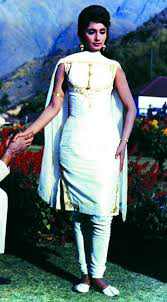
Sadhana’s hugging Churidar in the movie got popular amongst the young generation and is praised till date. Ladies enjoy wearing the evergreen Churidar of all the colors flaunting their body curves, and why not?

3. Brahmachari:

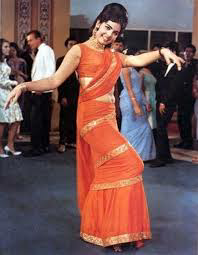
The one and only Mumtaz inspire the great retro look that we create for parties. In her song Aaj Kal Tere Mere Pyar Ke, she transformed the way of wrapping saree and creating her fashion. The song and the saree were sensational and unstoppable.

4. Hare Rama Hare Krishna:

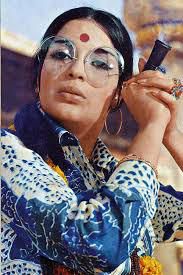
Zeenat Aman is known in Bollywood for her boldness. So there would have been no better than her to introduce the hippie culture and bell bottom pants to the industry. Hare Rama Hare Krishna, directed and starring Dev Anand, is a story about brother-sister duo and a tale of a modern family. Zeenat Aman’s character Jasbir is grown by in Montreal, hence bringing the western look in Indian cinema and breaking the stereotype.

5. Bobby:

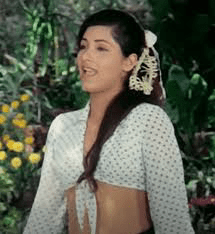
Polka Dots are one of those evergreen trends that can be pulled off at every occasion. However, it would be difficult to pin down, how polka dots came into the limelight. It was through Dimple Kapadia and Rishi Kapoor’s Bobby, a modern-day Romeo Juliet with a twist and a different ending. Unlike the 60s, the 70s was more about crop tops and miniskirts, and we have Dimple Kapadia to thank for that. Her polka dots top and skirt were trendy then and are trendy now!

6. Shaan:

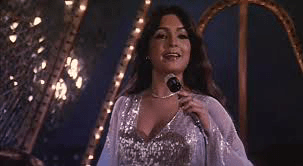
Parveen Babi brought glitter to fashion with her stunning outfit in Pyaar Karne wale from Shaan. In the title track, she wore shimmer gown, which immediately became the light of every party.

7. Chandni:

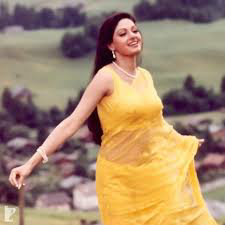
Sridevi and her exemplary style in Chandni won hearts all over the country. It was her who brought in the love for chiffon sarees and continued the same in Mr. India as well. Chandni was an epic love story of sacrifice which resonated with masses as did Sridevi’s style. After the movie, the demand for chiffon sarees was at the peak and seen around a lot.

8. Maine Pyaar Kiya:

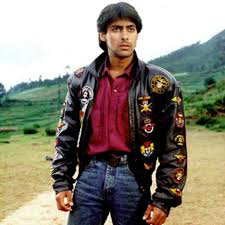
The brought back the polka dots as Bhagyashree wore it as a skirt. The famous “Friends” cap and the leather jacket worn by Salman Khan got accessible from the movie.

9. Hum Aapke Hai Kaun:

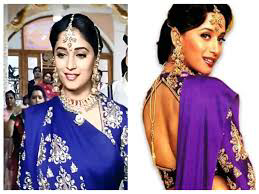
The very stylish Madhuri Dixit wore the backless blouse in the film with a saree. Alongside her, starring Salman Khan, who not only did wore the suspenders differently but the three-piece suit caught everyone’s attention as well. The pair set a revolution in motion in terms of fashion and dance.

10. Rangeela:

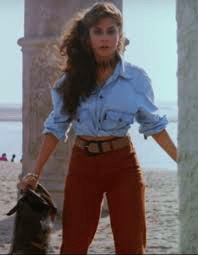
The 90s college girls were solely inspired by Urmila’s fashion in Rangeela. Her Denim shirts with skirts or colorful pants created a sporty look for the girls to be comfortable in. Rangeela had an impact on the crowd, storywise as well as fashion-wise. The fashion trend set by the movie was hard to beat.

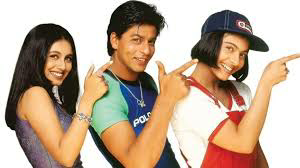
11. Kuch Kuch Hota Hai:

Jumpsuits, Bob cuts, body tight polo t-shirts, and colorful friendship bands are to name a few trends that were seen being adopted by masses after the movie. KKHH was a sensational movie that connected with the audience so much that the country replicated every fashion possible from the film.

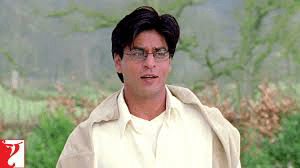
12. Mohabbatein:

The dynamic duo of very talented Shah Rukh Khan and Aishwarya Rai Bachchan were paired in the movie. SRK, the trendsetter who is a professor in the film, has a nerdy look. The high-neck polo sweaters over the shirts with specks made the girls go gaga! While beautiful Aishwarya brought back the chiffon sarees in pastel colors. A pastel version of Chandni, perhaps?

13. Dil Chahta Hai:

Dil Chahta Hai did not only highlight the Goa trip we all want to go on with our friends, but also made Leather pants a hype. The movie inspired the crazy party clothing for the clubs in early 2000. It was all about the urban chic fashion and contemporary art, which was the highlight of the 2000s.

14. Kabhi Khushi Kabhi Gham:

Pooh’s backless or Pooja’s Sharara, take a pick! K3G, was a classic family drama movie with so many fashion tips. The traditional heavy Sarees or the Band Gala suit worn by Shah Rukh Khan and Amitabh Bachchan in the movie caught everyone’s eyes. We all know, magic happens when Manish and Karan work together. 

15. Bunty Aur Babli:

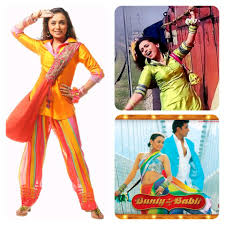
Do a collared kurta, Patiala and a jhola ring a bell? Well, it should! Rani Mukherjee, in her mischievous love story with Abhishek Bachchan, wore the attire only so every single girl could adopt it. Her non-dupatta look got famous real quick real soon.

16. Parineeta:

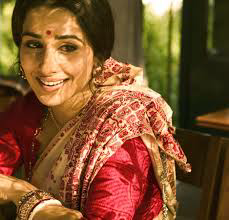
Vidya Balan’s very first movie was one of the classiest trendsetters. Based on the novel written in 1914, Parineeta had picked up a few fashion trends from the era and created a beautiful fusion with modern fashion. Sticking to the authenticity, Balan wore full-selves blouses and suits which were later adopted by the ladies keeping it simple and beautiful.

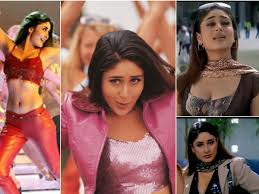
17. Jab We Met (2007): T-shirts with Patiala salwar pants:

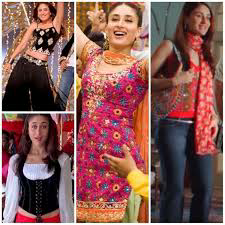
This was not long ago when Kareena’s dialogues got famous as well as her Patiala Salwar pants with Tshirts. The casual attire got so prominent that every college girl was seen wearing one. Moreover, Kareena’s outfit in the song, Nagada was another traditional hit. She was the first to wear, a suit-salwar with no matching color combinations, which was a fashion statement of its own.

18. Dostana:

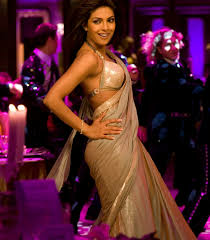
Karan Johar’s magic is visible in the movie even though he just produced the movie. Dostana, the romantic comedy movie was way ahead of its time and trying to break the stereotypes. The film was excellent in terms of fashion. Priyanka Chopra Jonas’s no jewelry look was iconic and hard not to follow, but more than that, the song ‘Desi Girl’ got the low-waist golden saree the appreciation it deserved. One of the highlights of the 2000s fashion.

19. Wake up Sid:

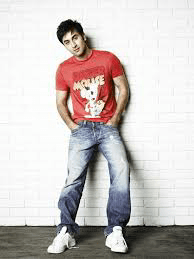
Laidback lazy Ranbir Kapoor’s portrayal of Sid was probably the most relatable character for any college going student. His fashion resonated with the audience so much that everyone made an extra effort to look for perfect graphic t-shirts to wear to college.

20. Yeh Jawaani Hai Deewani:

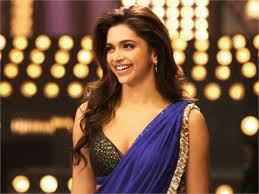
One of the best onscreen pair is undoubtedly Ranbir and Deepika. In the movie, they followed different styles, given the film leaps forward a few years. In the first half of the movie yeh jawaani hai deewani, Ranbir’s Leather Jacket caught everyone’s attention. And during the second half, Deepika’s dark blue chiffon Saree became a party trend.