9 World war movies that are a must watch

For decades, filmmakers have tackled the sensitive and emotionally-driven theme of World War II in an array of noteworthy and poignant pictures. These moving and oftentimes brutal depictions of the horrors, shocking realities, and devastating impacts of the violent war seem to deeply touch audiences across the world. Production studios continuously harness tales of this frightening and monumental period of history with gripping and heartbreaking stories, and moviegoers can’t help but be drawn to them. The most shocking stories are showed in light, reminding us that world wars were truly the most horrifying times, a person could live through.  Some of Hollywood’s most talented and esteemed visionaries have ventured into the touching and difficult subject, crafting memorable and thought-provoking results, and frequently winning Best Picture Oscars as a result. Here is a list of brilliantly made war movies you mustn’t miss out on

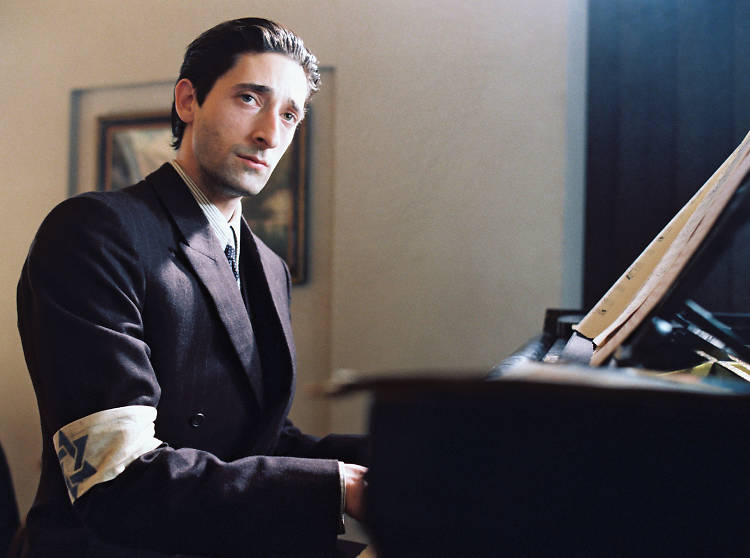
The Pianist

The Pianist is based on the Holocaust memoir of Polish-Jewish pianist and composer Władysław Szpilman, depicting his struggles to survive the destruction of the Warsaw ghetto of World War II. The emotionally-moving picture has a deep connection with Polanski, as he escaped from the Kraków Ghetto after the death of his mother and ended up living in a Polish farmer’s barn until the war’s end.
Hacksaw Ridge

Hacksaw Ridge focuses on the World War II experiences of pacifist combat medic Desmond Doss who, as a Seventh-day Adventist Christian refused to use or carry a weapon or firearm of any kind. The film was based on the 2004 documentary The Conscientious Objector, and after initially turning down the project twice, Gibson finally agreed and was tasked with creating a concoction of violence and faith. Andrew Garfield powerfully portrays Doss, and the biopic features the additional talents of stars like Sam Worthington, Teresa Palmer and Vince Vaughn. Upon reading the screenplay for the first time, Garfield revealed he was moved to tears. The Oscar-nominated drama garnered universal acclaim upon its release, earning praise for both Gibson’s directing and Garfield’s moving performance.

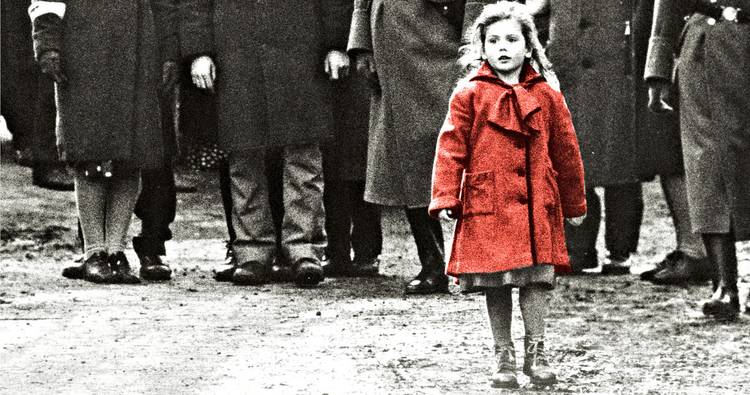
Schindler’s List

Spielberg’s deeply personal masterpiece is perhaps the most moving war film ever made. All the more so with the knowledge that it was based on the true story of Oskar Schindler, who originally set out to make his fortune by exploiting cheap Jewish labour in Krakow.However, as Schindler witnesses the unfolding horror of the Holocaust, his motivation changes and he bribes Nazi leaders to keep his employees out of the extermination camps, saving more than 1,100 lives. The winner of seven Oscars, Schindler’s List does full justice to Thomas Keneally’s source novel and remains just as powerful and relevant today.. Liam Neeson delivers the performance of a lifetime as Schindler, and appears alongside the gifted Ralph Fiennes and Ben Kingsley.
Dunkirk

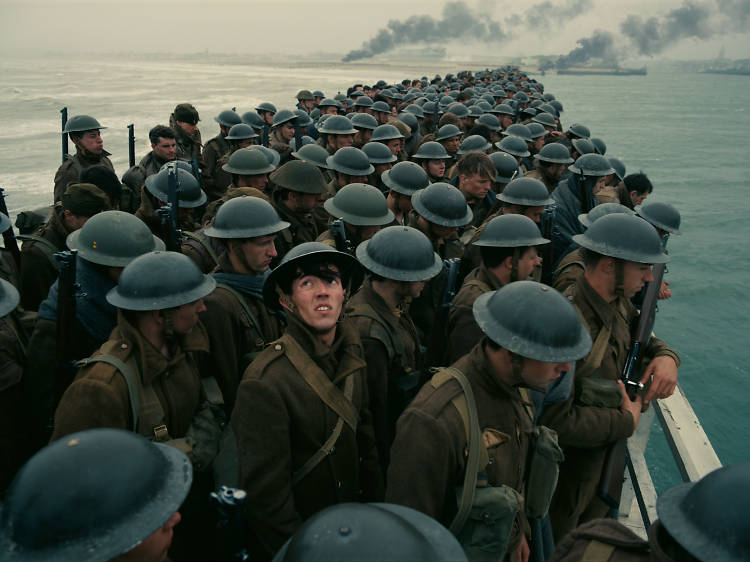
Dunkirk, which depicts the Dunkirk evacuation of World War II through the perspectives of the land, sea, and air. The outstanding ensemble cast features some of cinema’s finest performers like Kenneth Branagh, Cillian Murphy, and Tom Hardy, and the drama was portrayed with very little dialogue, as Nolan wanted to create suspense with the stunning cinematography and music. The filmmaker conceived the premise of the war flick in the mid-1990s, when he and his wife sailed across the English Channel, following the path of many small boats in the Dunkirk evacuation.
Saving Private Ryan,

 Saving Private Ryan, which is set during the Invasion of Normandy and follows a group of U.S. soldiers who go behind enemy lines to retrieve a paratrooper whose brothers have been killed in action. The gripping film stars a myriad of distinguished leads including Tom Hanks, Edward Burns and Matt Damon and was partially inspired by the Niland brothers, four American brothers from New York who served in WWII, with only two surviving. On why he repeatedly returns to the subject, Spielberg revealed, “I think that World War II is the most significant event of the last 100 years; the fate of the Baby Boomers and even Generation X was linked to the outcome. Beyond that, I’ve just always been interested in World War II.” The Oscar-winning Saving Private Ryan is frequently cited as influential in the war and action film genre, and is credited with renewing World War II interest in the media.

Casablanca

Classic Hollywood movie is considered one of the finest films ever created. The 1942 romantic drama Casablanca famously features Hollywood icons Humphrey Bogart and Ingrid Bergman, centring on a cynical American expatriate who must decide whether he wants to help his former lover and her fugitive boyfriend escape the Nazis in French Morocco. The iconic picture was based on an original play by writer Murray Burnett, who drew inspiration after traveling to Vienna in 1938.Since Casablanca’s premiere, its popularity has only continued to grow, with Burnett once calling it, “true yesterday, true today, true tomorrow.”

Grave of the Fireflies

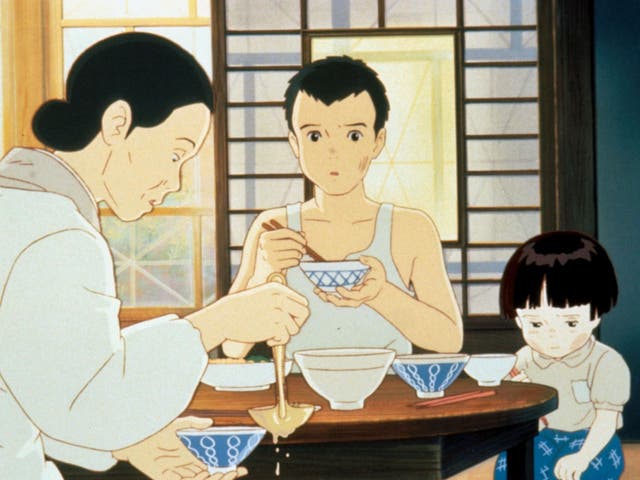
Heartbreaking and thought-provoking anime from Studio Ghibli about brother and sister Japanese orphans desperately trying to survive in the dying days of the war. A haunting anti-war statement almost without peer, adapted from the story by Akiyuki Nosaka and based on his own experiences in the firebombed city of Kobe.
Inglourious Basterds,

Inglourious Basterds, telling an alternate history story of two plots to assassinate Nazi Germany’s leadership: one planned by a group of Jewish U.S. soldiers and the other by a French Jewish theater owner. Tarantino spent over a decade creating the script, and viewed the project as his masterpiece-in-the making and his best work thus far. He described the men of the picture as “not your normal hero types that are thrown into a big deal in the Second World War.” The famed director wanted the character of Hans Landa portrayed by a native German-speaking actor and cast Austrian Christoph. Tarantino was worried the part was unplayable, but Waltz delivered an Oscar-winning knockout performance as the ruthless SS officer

Letters From Iwo Jima

A companion piece to Eastwood’s Flags of Our Fathers, which told the story of the battle for Iwo Jima from the American perspective, this is the better of the two films, told from the viewpoint of the Japanese. The film marks the culmination of Eastwood’s growth as an artist, as he eloquently and movingly humanises the Japanese soldiers fighting against near impossible odds.Letters from Iwo Jima is stunning, depicting a group of soldiers even more bound by tradition and honour than their American counterparts, trapped in an unwinnable war and dreaming only of home.

9 World war movies that are a must watch

For decades, filmmakers have tackled the sensitive and emotionally-driven theme of World War II in an array of noteworthy and poignant pictures. These moving and oftentimes brutal depictions of the horrors, shocking realities, and devastating impacts of the violent war seem to deeply touch audiences across the world. Production studios continuously harness tales of this frightening and monumental period of history with gripping and heartbreaking stories, and moviegoers can’t help but be drawn to them. The most shocking stories are showed in light, reminding us that world wars were truly the most horrifying times, a person could live through.  Some of Hollywood’s most talented and esteemed visionaries have ventured into the touching and difficult subject, crafting memorable and thought-provoking results, and frequently winning Best Picture Oscars as a result. Here is a list of brilliantly made war movies you mustn’t miss out on

The Pianist

The Pianist is based on the Holocaust memoir of Polish-Jewish pianist and composer Władysław Szpilman, depicting his struggles to survive the destruction of the Warsaw ghetto of World War II. The emotionally-moving picture has a deep connection with Polanski, as he escaped from the Kraków Ghetto after the death of his mother and ended up living in a Polish farmer’s barn until the war’s end.

Hacksaw Ridge

Hacksaw Ridge focuses on the World War II experiences of pacifist combat medic Desmond Doss who, as a Seventh-day Adventist Christian refused to use or carry a weapon or firearm of any kind. The film was based on the 2004 documentary The Conscientious Objector, and after initially turning down the project twice, Gibson finally agreed and was tasked with creating a concoction of violence and faith. Andrew Garfield powerfully portrays Doss, and the biopic features the additional talents of stars like Sam Worthington, Teresa Palmer and Vince Vaughn. Upon reading the screenplay for the first time, Garfield revealed he was moved to tears. The Oscar-nominated drama garnered universal acclaim upon its release, earning praise for both Gibson’s directing and Garfield’s moving performance.

Schindler’s List

Spielberg’s deeply personal masterpiece is perhaps the most moving war film ever made. All the more so with the knowledge that it was based on the true story of Oskar Schindler, who originally set out to make his fortune by exploiting cheap Jewish labour in Krakow.However, as Schindler witnesses the unfolding horror of the Holocaust, his motivation changes and he bribes Nazi leaders to keep his employees out of the extermination camps, saving more than 1,100 lives. The winner of seven Oscars, Schindler’s List does full justice to Thomas Keneally’s source novel and remains just as powerful and relevant today.. Liam Neeson delivers the performance of a lifetime as Schindler, and appears alongside the gifted Ralph Fiennes and Ben Kingsley.

Dunkirk

Dunkirk, which depicts the Dunkirk evacuation of World War II through the perspectives of the land, sea, and air. The outstanding ensemble cast features some of cinema’s finest performers like Kenneth Branagh, Cillian Murphy, and Tom Hardy, and the drama was portrayed with very little dialogue, as Nolan wanted to create suspense with the stunning cinematography and music. The filmmaker conceived the premise of the war flick in the mid-1990s, when he and his wife sailed across the English Channel, following the path of many small boats in the Dunkirk evacuation.

Saving Private Ryan,

 Saving Private Ryan, which is set during the Invasion of Normandy and follows a group of U.S. soldiers who go behind enemy lines to retrieve a paratrooper whose brothers have been killed in action. The gripping film stars a myriad of distinguished leads including Tom Hanks, Edward Burns and Matt Damon and was partially inspired by the Niland brothers, four American brothers from New York who served in WWII, with only two surviving. On why he repeatedly returns to the subject, Spielberg revealed, “I think that World War II is the most significant event of the last 100 years; the fate of the Baby Boomers and even Generation X was linked to the outcome. Beyond that, I’ve just always been interested in World War II.” The Oscar-winning Saving Private Ryan is frequently cited as influential in the war and action film genre, and is credited with renewing World War II interest in the media.

Casablanca

Classic Hollywood movie is considered one of the finest films ever created. The 1942 romantic drama Casablanca famously features Hollywood icons Humphrey Bogart and Ingrid Bergman, centring on a cynical American expatriate who must decide whether he wants to help his former lover and her fugitive boyfriend escape the Nazis in French Morocco. The iconic picture was based on an original play by writer Murray Burnett, who drew inspiration after traveling to Vienna in 1938.Since Casablanca’s premiere, its popularity has only continued to grow, with Burnett once calling it, “true yesterday, true today, true tomorrow.”

Grave of the Fireflies

Heartbreaking and thought-provoking anime from Studio Ghibli about brother and sister Japanese orphans desperately trying to survive in the dying days of the war. A haunting anti-war statement almost without peer, adapted from the story by Akiyuki Nosaka and based on his own experiences in the firebombed city of Kobe.

Inglourious Basterds,

Inglourious Basterds, telling an alternate history story of two plots to assassinate Nazi Germany’s leadership: one planned by a group of Jewish U.S. soldiers and the other by a French Jewish theater owner. Tarantino spent over a decade creating the script, and viewed the project as his masterpiece-in-the making and his best work thus far. He described the men of the picture as “not your normal hero types that are thrown into a big deal in the Second World War.” The famed director wanted the character of Hans Landa portrayed by a native German-speaking actor and cast Austrian Christoph. Tarantino was worried the part was unplayable, but Waltz delivered an Oscar-winning knockout performance as the ruthless SS officer

Letters From Iwo Jima

A companion piece to Eastwood’s Flags of Our Fathers, which told the story of the battle for Iwo Jima from the American perspective, this is the better of the two films, told from the viewpoint of the Japanese. The film marks the culmination of Eastwood’s growth as an artist, as he eloquently and movingly humanises the Japanese soldiers fighting against near impossible odds.Letters from Iwo Jima is stunning, depicting a group of soldiers even more bound by tradition and honour than their American counterparts, trapped in an unwinnable war and dreaming only of home.
Analysing Satyajit Ray: Through The Eyes of The Master

Satyajit Ray

Introduction

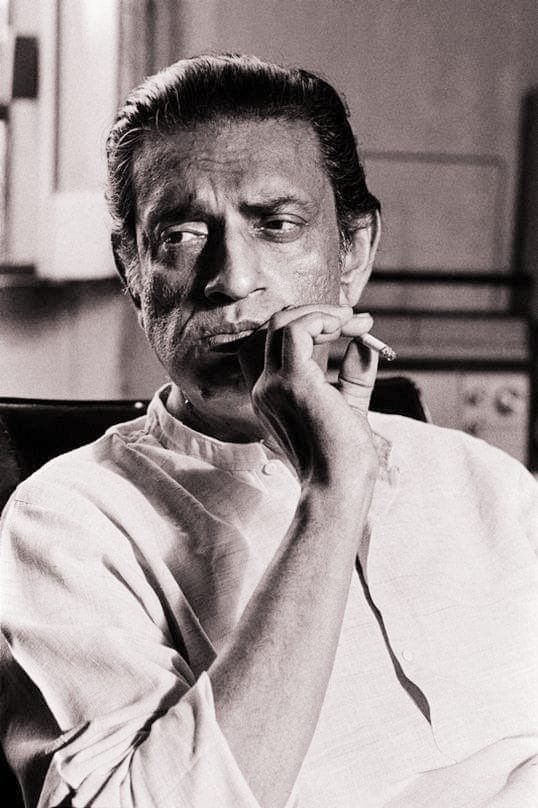
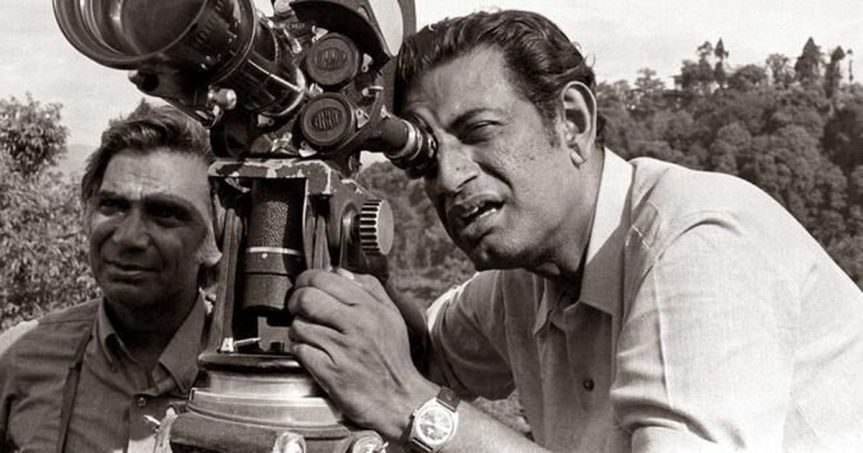
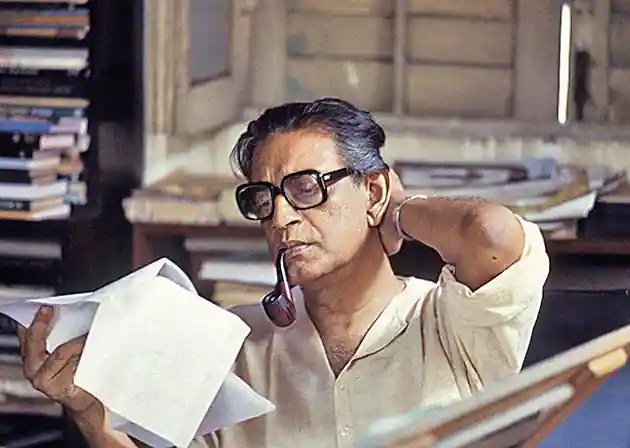
Satyajit Ray was India’s first internationally recognized film-maker and, several years after his death, still remains the most well-known Indian director on the world stage. Ray has written that he became captivated by the cinema as a young college student, and he was self-taught, his film education consisting largely of repeated viewings of film classics by de Sica, Fellini, John Ford, Orson Welles, and other eminent directors.

Satyajit Ray

Early Life and Family Background

Satyajit Ray was born into an illustrious family in Kolkata (then Calcutta) on 2nd May,1921. His grandfather, Upendra Kishore Ray-Chaudhary, was a publisher, illustrator, musician, the creator of children’s literature in Bengali and a leader of the Brahmo Samaj, a religious and social movement in nineteenth century Bengal. His father, Sukumar Ray, was a noted satirist and India’s first writer of nonsensical rhymes, akin to the nonsense verse of Edward Lear. Having studied at Ballygunge Government High School, Calcutta and completed his BA in economics at Presidency College, Satyajit Ray went on to develop an interest in fine arts. Later in life, Satyajit Ray made a documentary of his father’s life. His film, Goopy Gyne Bagha Byne, was based on a story published by his grandfather in 1914, but even other films, such as Hirok Rajah Deshe, “The Kingdom of Diamonds”, clearly drew upon his interest in children’s poetry and nonsensical rhymes.

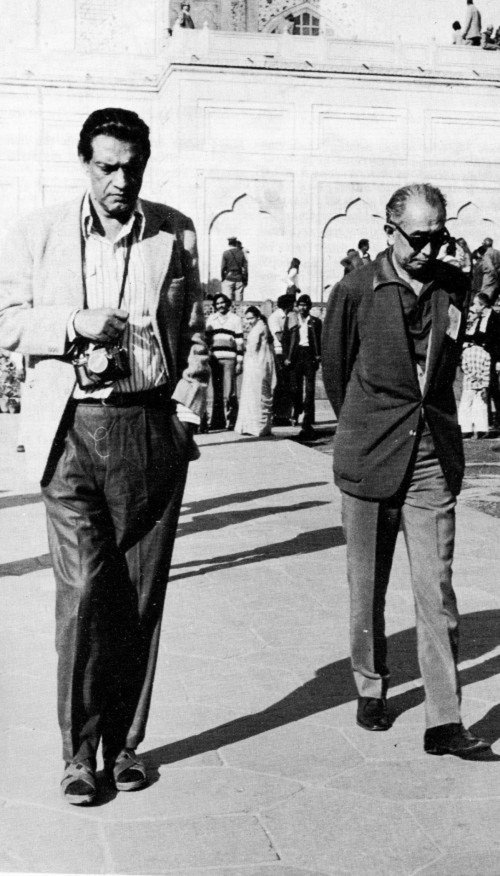
Satyajit Ray with Akira Kurosawa

The Crisis of Indian Cinema Before Ray

From the 1920s to the early 1950s, several directors working within Hollywood—as well as filmmakers in former Soviet Union, France, Italy, Germany, and Japan—considered cinema not as a mere tool of entertainment but as a medium for creative expression. Filmmakers such as Charlie Chaplin, Sergei Eisenstein, Jean Renoir, Roberto Rossellini, Vittorio De Sica, Akira Kurosawa, and others deployed artistically innovative filmic devices to convey profound statements about the complexities of life. Some of the aesthetically satisfying films produced during this period were hailed as cinematic masterpieces. Films in India, however, prioritised cliched elements such as sentimental slush, ersatz emotion, theatricality, romantic tales, spectacle-like songs, and happy endings in these decades. Instead of making serious attempts at formal experimentation, Indian directors continued catering to the lowest common denominator audience.

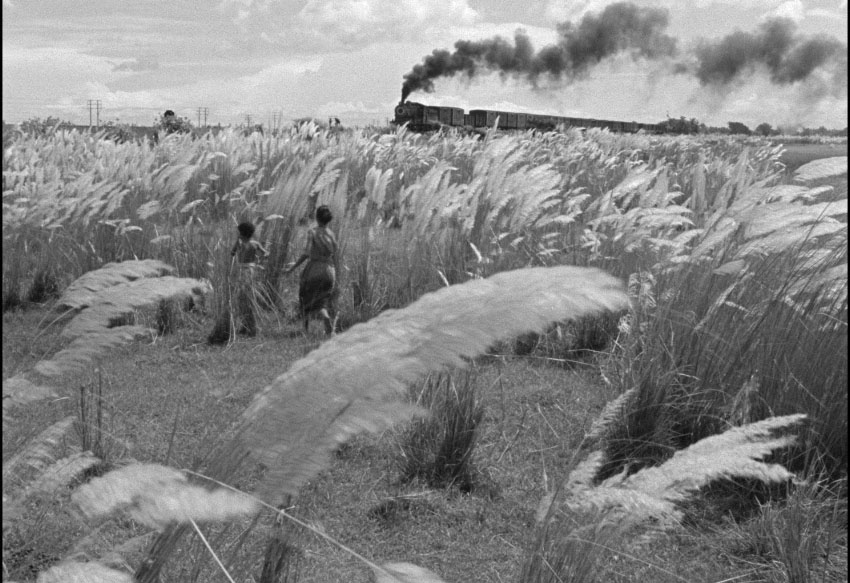
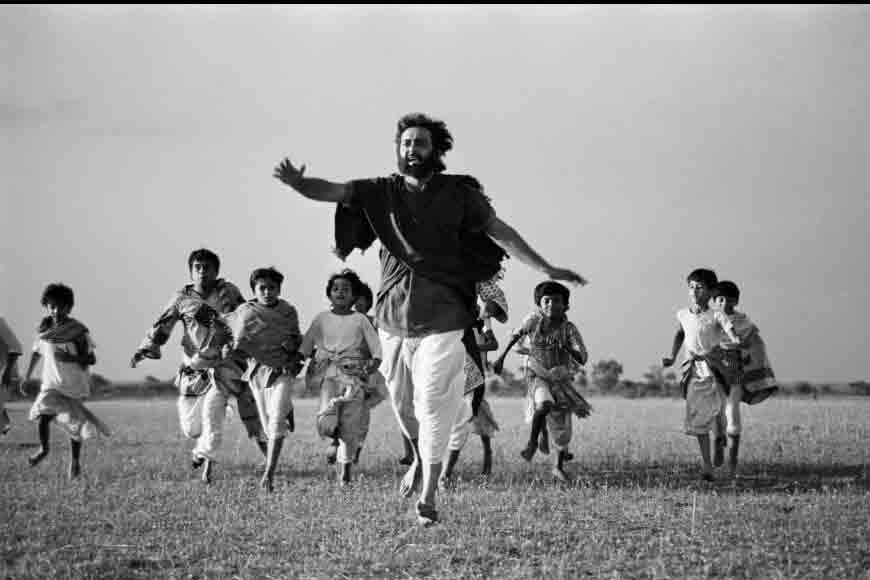
Iconic scene from Pather Panchali (1955)
Pather Panchali (1955)

Breakthrough of Satyajit Ray

A young Ray had grown up on Hollywood movies, so when his ad agency sent him to London for higher training, he spent more and more of his time in the company of films and started “losing interest in advertising in the process,” he once said in an interview. During this trip, he saw Vittorio De Sica’s “Ladri di biciclette” (Bicycle Thieves),in 1948, a neo-realist Italian masterpiece of post-War despair and was entranced by its beguiling simplicity and humanism. Back in Calcutta, he heard that Jean Renoir was in town and walked straight into the hotel where the great French filmmaker was staying to confide in his own dreams of making a movie someday. Renoir, who was location-scouting for The River in Calcutta at the time, encouraged the aspirant. And so began the journey of the song of the little road.

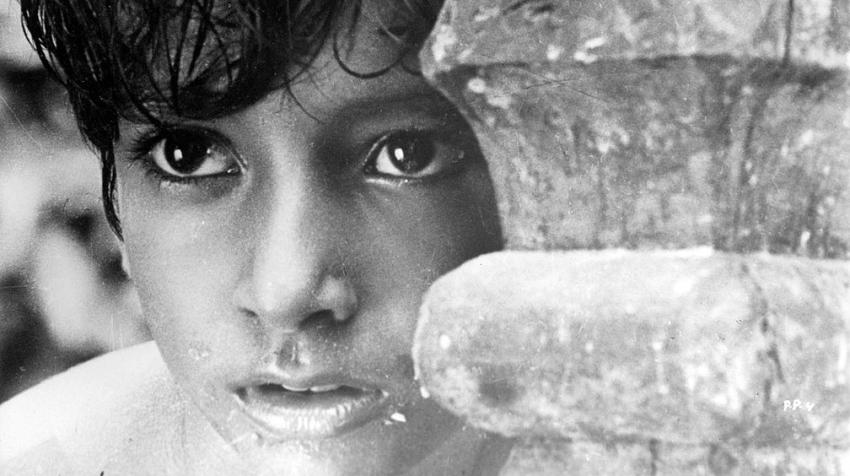
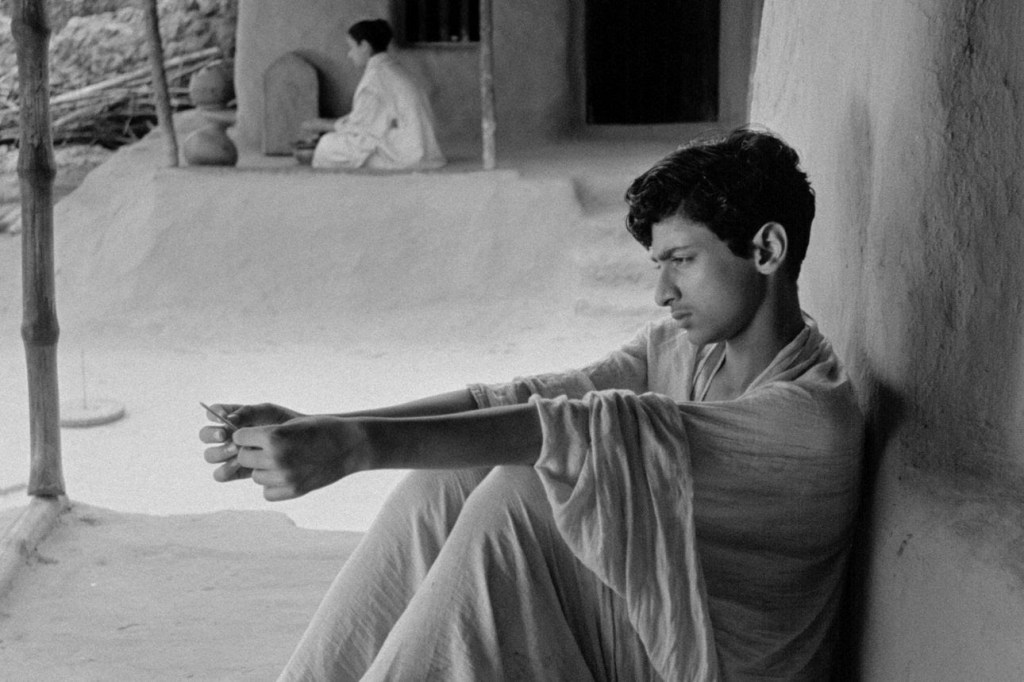
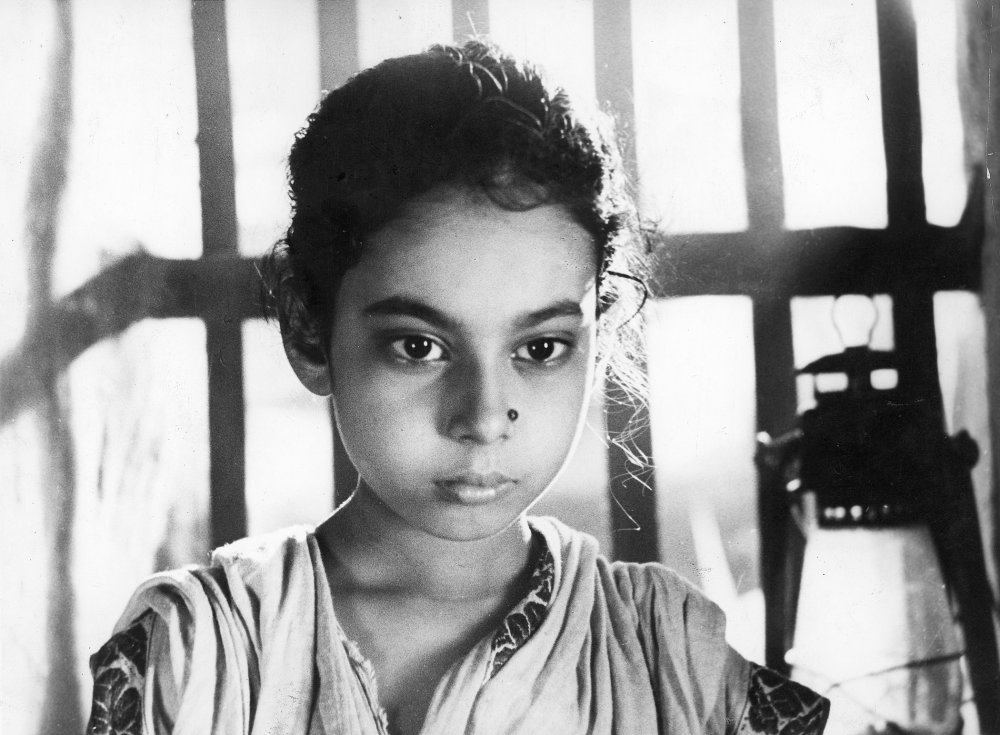
Subir Banerjee as Apu in Pather Panchali (1955)


Ray’s landmark debut, Pather Panchali ( which was adapted from  eponymous 1928 Bengali novel “Pather Panchali” by eminent Bengali novelist Bibhutibhusan Bandopadhay) was on a shoe-string budget in 1955 with a mostly non-professional cast. All the while, he clung on to his job for a safety net even as he shot what would become the first of the classic Apu Trilogy on weekends. The film was apparently being made by a group of neophytes, who had to stop filming more than once, owing to the depletion of their shoestring budget.

Smaran Ghoshal as Apu in Aporajito (1956)

Notable Films of Satyajit Ray

Ray directed 36 films, comprising 29 feature films, five documentaries, and two short films. Pather Panchali was completed in 1955 and turned out to be both a commercial and a tremendous critical success, first in Bengal and then in the West following a major award at the 1956 Cannes International Film Festival. sured Ray the financial backing he needed to make the other two films of the trilogy: Aparajito (1956; The Unvanquished) and Apur Sansar (1959; The World of Apu). Pather Panchali and its sequels tell the story of Apu, the poor son of a Brahman priest, as he grows from childhood to manhood in a setting that shifts from a small village to the city of Calcutta.

Chandana Banerjee in Teen Kanya (1961)
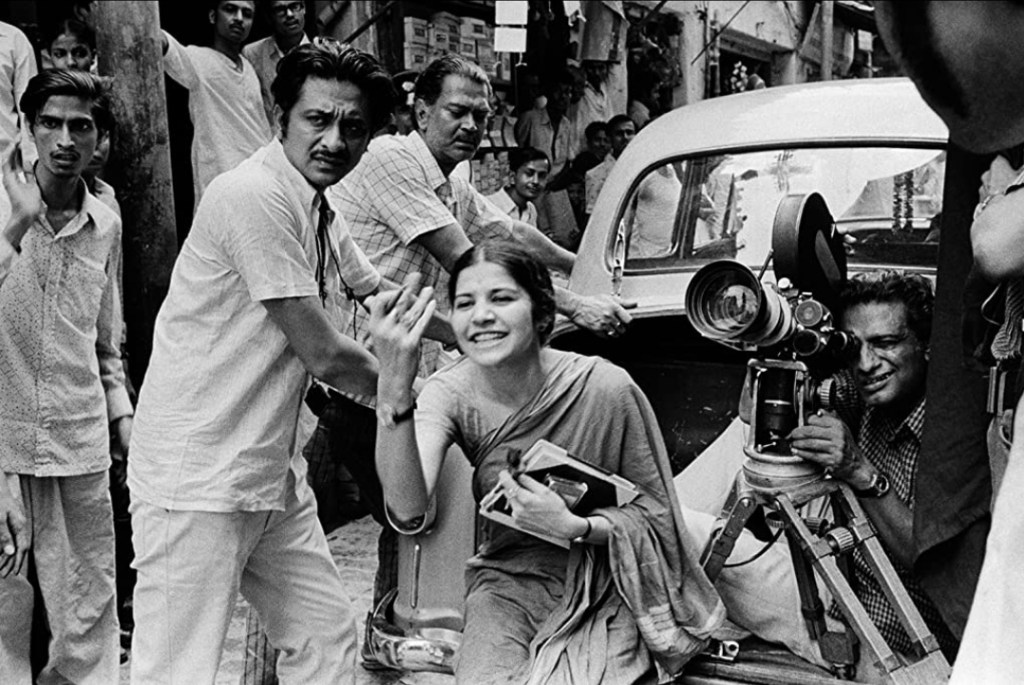
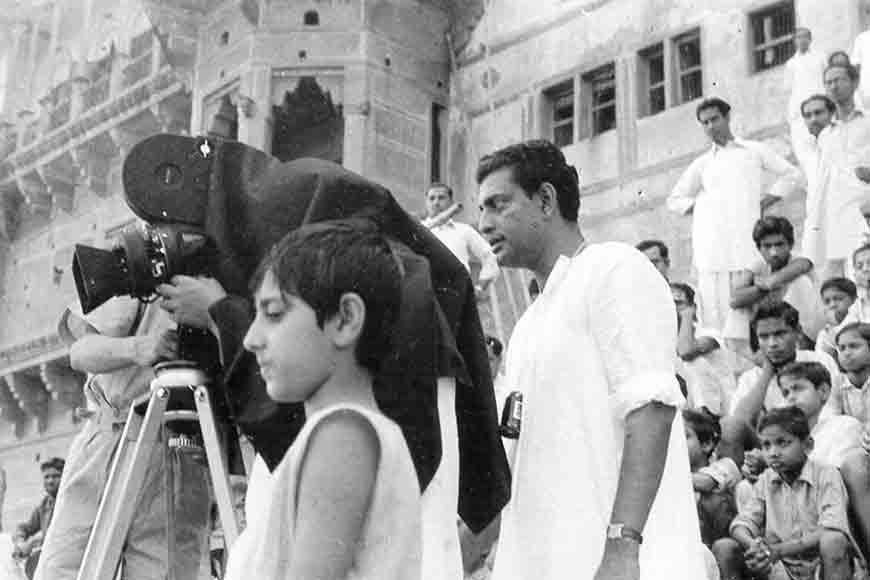
During the Shooting of Jana Aranya (1975)
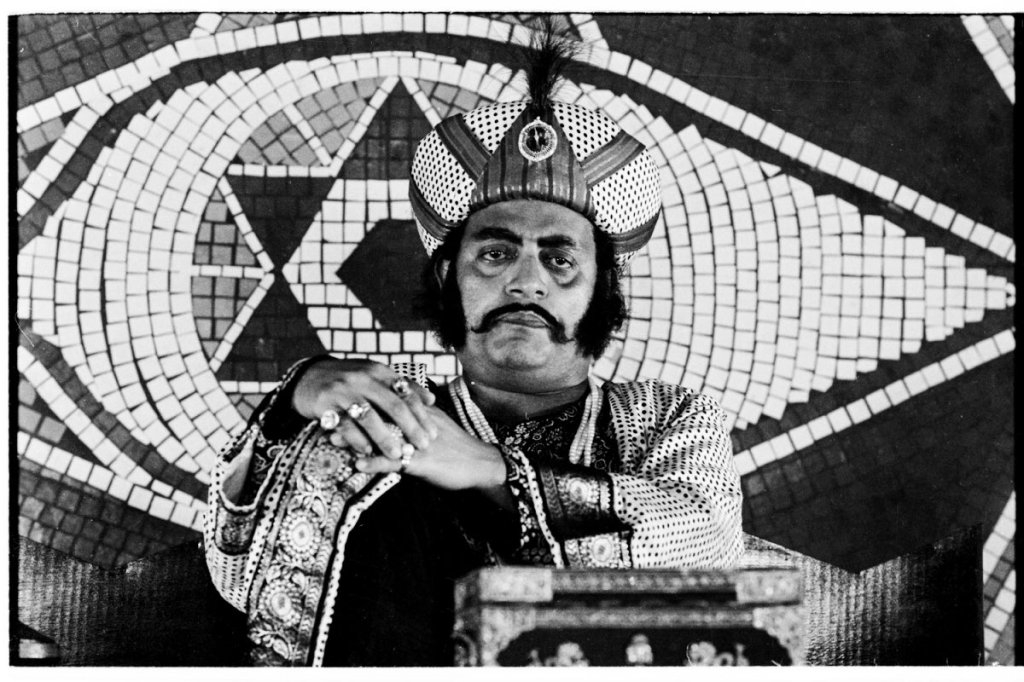
Utpal Dutta in Hirok Rajar Deshe(1980)
Soumitra Chatterjee in Hirok Rajar Deshe (1980)
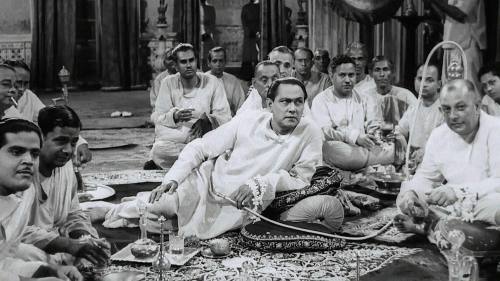
Chhabi Biswas (in middle) in Jalsaghar (1958)
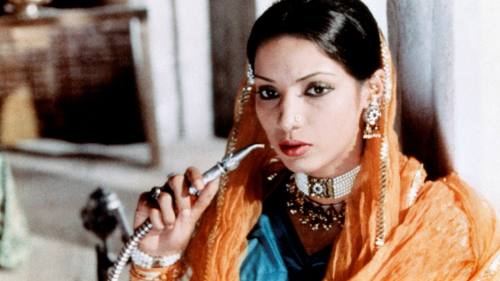
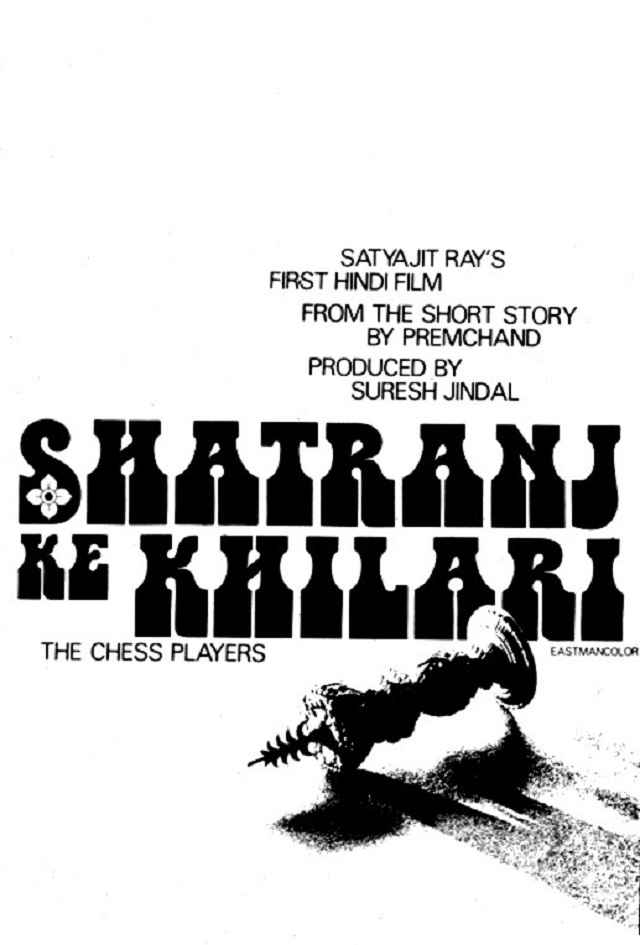
Shabana Azmi in Shatranj ke Khilari (1977)
Satyajit Ray during the shooting of Sonar Kella(1974)

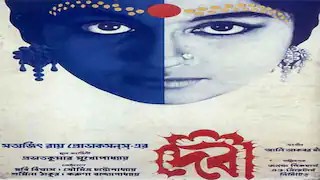
Ray’s major films about Hindu orthodoxy and feudal values (and their potential clash with modern Western-inspired reforms) include Jalsaghar (1958; The Music Room), an impassioned evocation of a man’s obsession  with music; Devi (1960; The Goddess), in which the obsession is with a girl’s divine incarnation; Sadgati (1981; Deliverance), a powerful indictment of caste; and Kanchenjungha (1962), Ray’s first original screenplay  and first colour film, a subtle exploration of arranged marriage among wealthy, westernized Bengalis. Shatranj ke Khilari (1977; The Chess Players), Ray’s first film made in the Hindi Language , with a comparatively large budget, is an even subtler probing of the impact of the West on India. Although humour is evident in almost all of Ray’s films, it is particularly marked in the comedy Parash Pathar (1957; The Philosopher’s Stone) and in the musical Goopy Gyne Bagha Byne (1969; The Adventures of Goopy and Bagha), based on a story by his grandfather. 

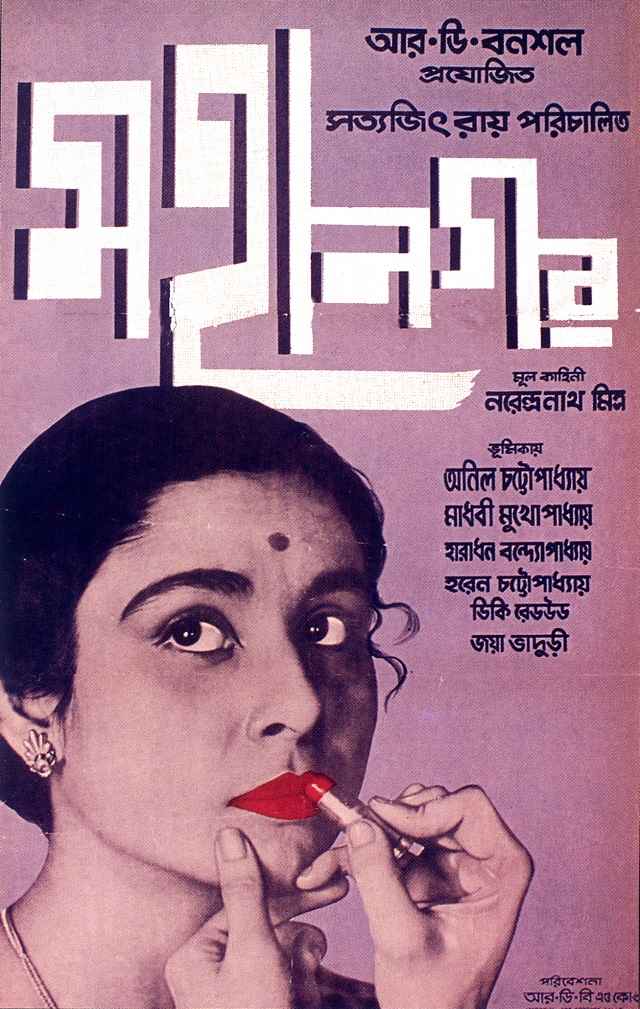
His other notable films were Ahsani Sanket (1973; Distant Thunder), Aranyer Din Ratri (1970; Days and Nights in the Forest) , Mahanagar (1963; The Big City) and a trilogy of films made in the 1970s—Pratidwandi (1970; The Adversary), Seemabaddha (1971; Company Limited), and Jana Aranya (1975; The Middleman), Ganashatru (1989; An Enemy of the People),  Shakha Prashakha (1990; Branches of the Tree), and the Agantuk (1991; The Stranger).

Poster of Shatranj ke Khilari (1977)
Poster of Devi(1960)
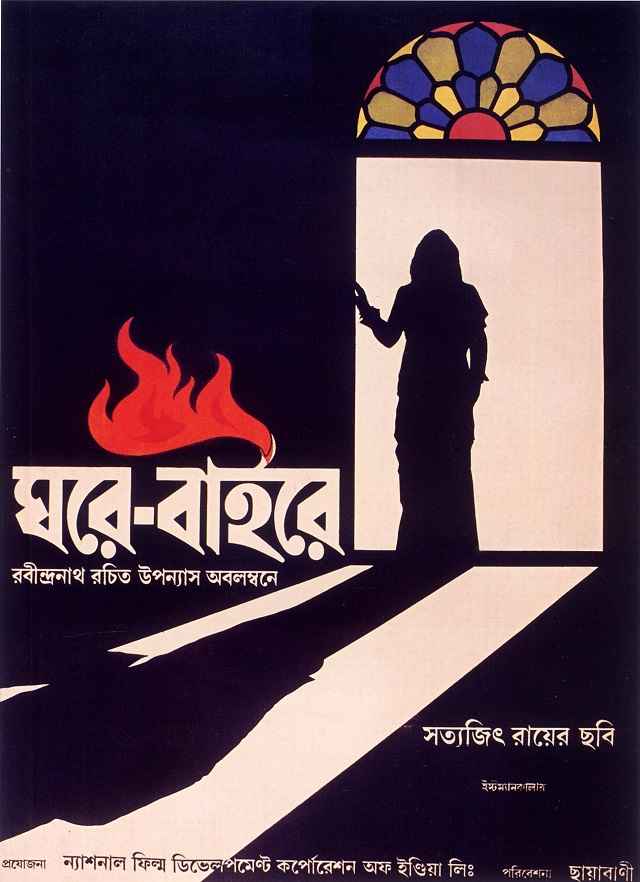
Poster of Ghore-Baire
Poster of Mahanagar(1963)
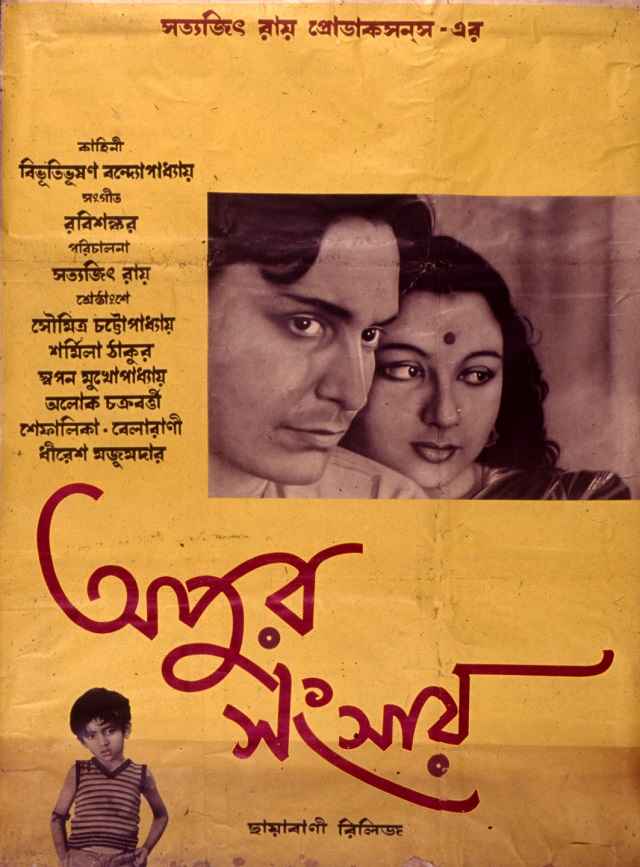
Poster of Apur Sansar (1959)
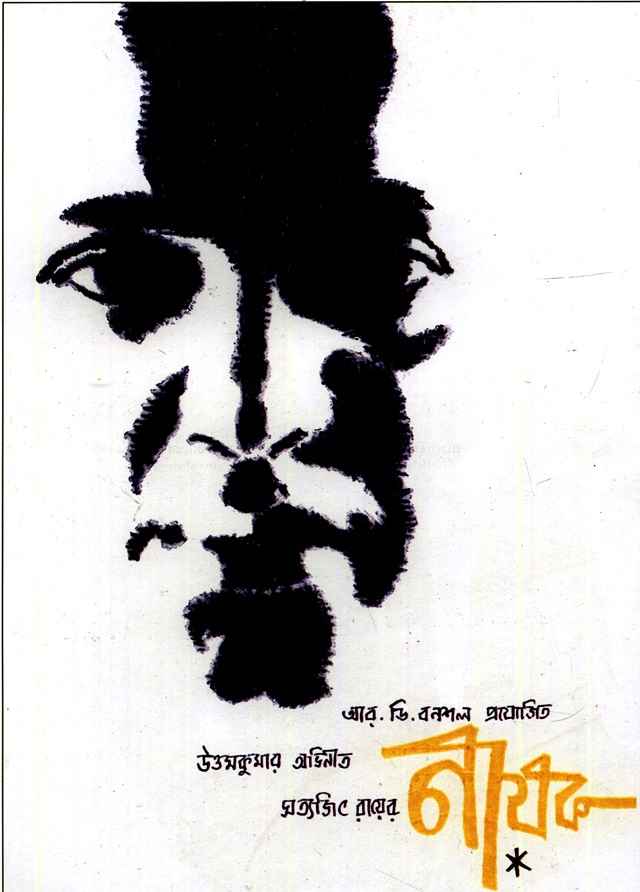
Poster of Nayak
Poster of Charulata

Work As A Novelist

Ray created two popular fictional characters in Bengali children’s literature—Feluda, a sleuth, and Professor Shanku, a scientist. The Feluda stories are narrated by Topesh Ranjan Mitra aka Topse, his teenage cousin, something of a Watson  to Feluda’s Holmes. The science fictions of Shonku are presented as a diary discovered after the scientist had mysteriously disappeared. Ray also wrote a collection of nonsensical verses named Today Bandha Ghorar Dim, which includes a translation of Lewis Carroll’s “Jabberwocky”. He wrote a collection of humorous stories of Mulla Nasiruddin  in Bengali.  Ray wrote an autobiography about his childhood years, Jakhan Chhoto Chhilam (1982), translated to English as Childhood Days: A Memoir by his wife Bijoya Ray. In 1994, Ray published his memoir, My Year’s with Apu, about his experiences of making The Apu Trilogy.

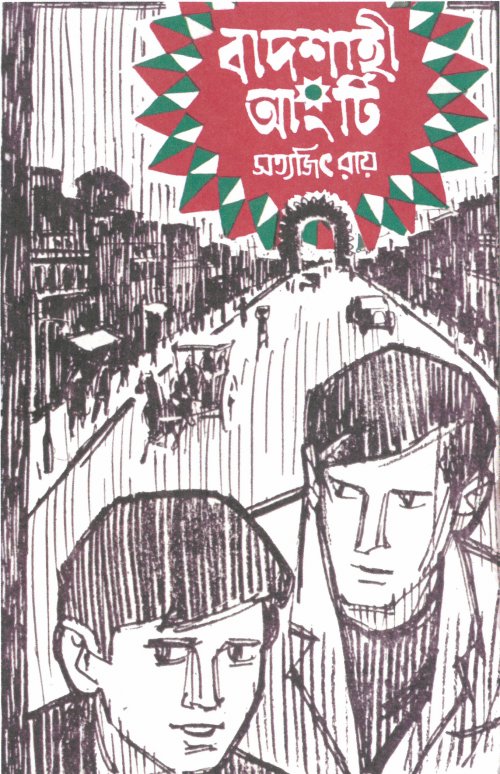
Book Cover illustrated by Satyajit Ray, himself for his first detective novel “Badshahi Angti”.
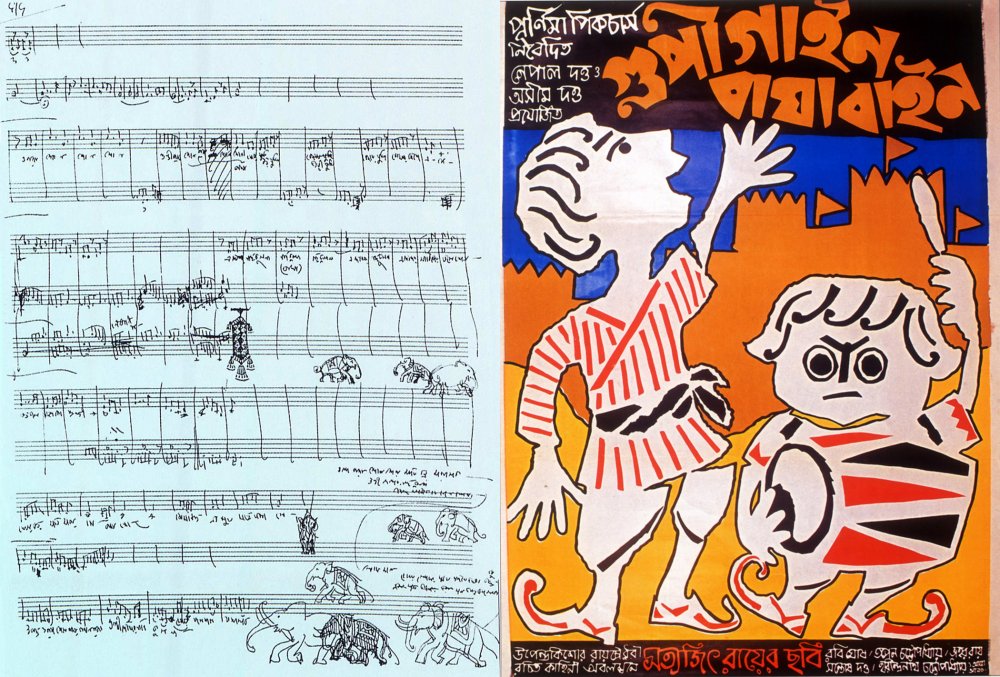
The musical score and Poster for Goopy Gyne Bagha Byne(1969), done by Satyajit Ray, himself
Portrait of Akira Kurosawa, illustrated by Satyajit Ray

Critical Analysis of Satyajit Ray

Instead of acting like a propagandist, Ray wanted to make people aware of the persistence of certain social problems. Devi and Ganasatru show people’s blind religious beliefsSakha Prasakhadiscloses the involvement of the top officials with bribery and corruption, Shatranj ke Khilari indicates the indolence and lack of political consciousness of the wealthy people, Aranyer Din Ratrireveals the insensitivity and boasting of the urban young men, and Mahapurush mockingly exposes the failure of the urban elite to embrace rational thoughts. Given the necessity of making people conscious of the same problems in present-day society, these films are still relevant today. Ray’s films also made a departure from tradition by frequently including strong women characters. Sarbajaya in Pather Panchali and Aparajito, Manisha in Kanchenjungha, Arati in Mahanagar, Charu in Charulata, Karuna in Kapurush, Aditi in Nayak, Aparna and Jaya in Aranyer Din Ratri, Sudarshana in Seemabadhdha, and Ananga in Asani Sanket appear as bolder, more confident, and more resilient than the male characters. In an interview, Ray states that the inclusion of unwavering women characters reflects his own attitudes towards and personal experience with women.

Awards Received by Satyajit Ray

Ray received many awards, including 36 National Film Award  by the Government of India, and awards at international film festival. In 11th Moscow International Film Festival 1979, he was awarded with the Honorable Prize for the contribution to cinema. At the Berlin International Film Festival, he was one of only four filmmakers to win the Silver Bear for Best Director  more than once and holds the record for the most Golden Bear  nominations, with seven. At the Venice Film Festival, where he had previously won a Golden Lion for Aparajito  (1956), he was awarded the Golden Lion Honorary Award in 1982. That same year, he received an honorary “Hommage à Satyajit Ray” award at the 1982 Cannes International Film Festival. Ray is the second film personality after Charlie Chaplin  to have been awarded an honorary doctorate  by Oxford University.

He was awarded the Dadasaheb Phalke Award  in 1985, and the Legion of Honour  by the President of France  in 1987. The Government of India awarded him the Padma Bhusan in 1965 and the highest civilian honour, Bharat Ratna, shortly before his death. The Academy of Motion Picture Arts and Sciences  awarded Ray an Honorary Award  in 1992 for Lifetime Achievement. In 1992, he was posthumously awarded the Akira Kurosawa Award for Lifetime Achievement in Directing at the San Francisco International Film Festival.

Conclusion

Whenever we talk about radical filmmaking in the realm of Bengali cinema, Satyajit Ray’s maiden feature (made in the face of tremendous odds) is mentioned. From Pather Panchali to his last film Agantuk, Ray never compromised on high standards, thereby making a huge impression. Having a greater familiarity with the oeuvre of Ray would enable people to understand the impressive qualities and importance of socially-meaningful cinema. We are surely in need of films that would make us perceive the beauty of a dewdrop on a blade of grass, strengthen our sense of humanism, and raise our social consciousness—hence, the everlasting relevance of the cinema of Satyajit Ray.

Some of the Best Book to Movie Adaptations for You to Check Out

Over the years, there have been many books that have been converted into on-screen adaptations. Film-makers run the risk of causing disappointments among book-lovers if the story being made into a film is not represented properly. In many cases, it can be pretty challenging to bring the entire plot and all the character stories completely into a 2-hour movie. There have been several good attempts made though, and here are some of the best book-to-film adaptations everyone should see, in no particular order.

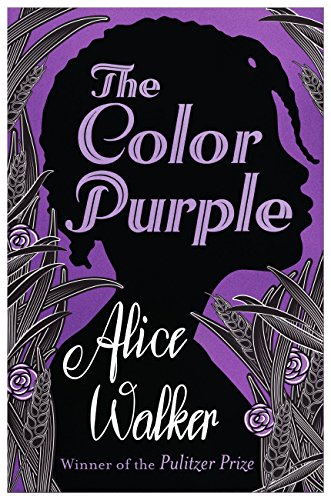
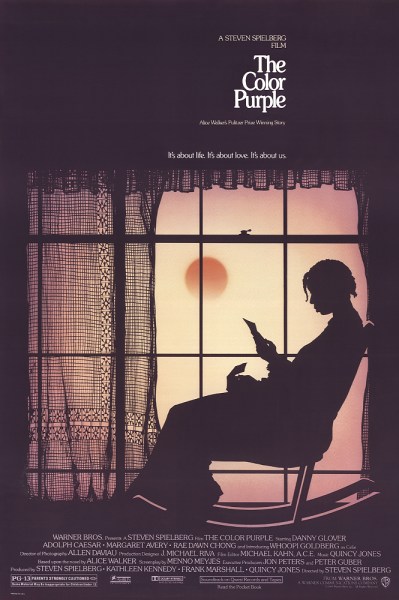
The Color Purple (1985)

A deep and stirring movie, The Color Purple was based on an equally touching novel of the same name by author Alice Walker in 1982. Directed by Steven Spielberg with an amazing performance by Whoopi Goldberg, this film tells the story of Celie, a black woman in the early 20th century as she goes through life and learns to grow strong and rise above all the abuse, violence, and racism she has faced.

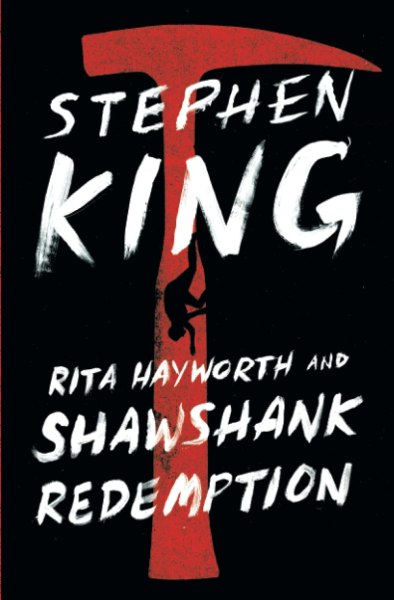
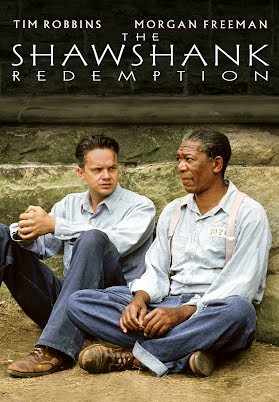
The Shawshank Redemption (1994)

This cult-classic was written and directed by Frank Darabont and it was based on the novella Rita Hayworth and Shawshank Redemption by Stephen King in 1982. Starring Tim Robbins and Morgan Freeman in lead roles, the film follows Andy Dufresne, a banker who is sentenced to life imprisonment in Shawshank State Penitentiary for the murder of his wife and her lover, even as he claims innocence. It remains the highest-rated movie on IMDb to date.

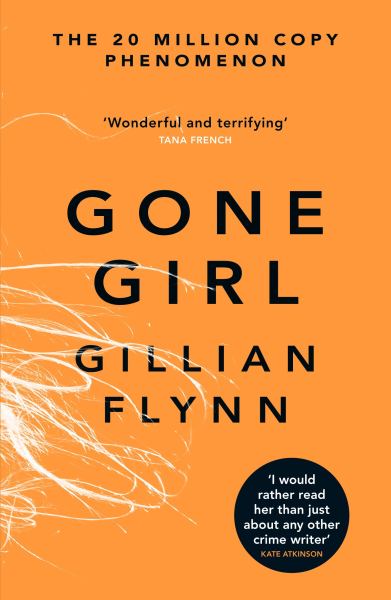
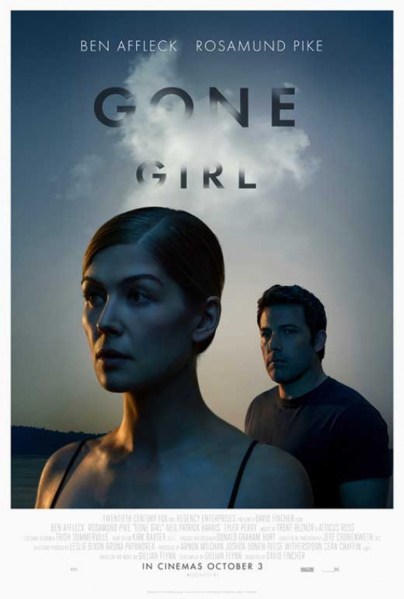
Gone Girl (2014)

This widely acclaimed psychological thriller was based on a novel of the same name written by Gillian Flynn in 2012. Directed by David Fincher, this film grips the viewer’s attention while going into topics like manipulation, misogyny, and complications in marriage. It follows events surrounding the mysterious disappearance of Amy Dunne while her husband Nick Dunne becomes the prime suspect in the case. The film stars Ben Affleck and Rosamund Pike whose performance received numerous accolades and award nominations.

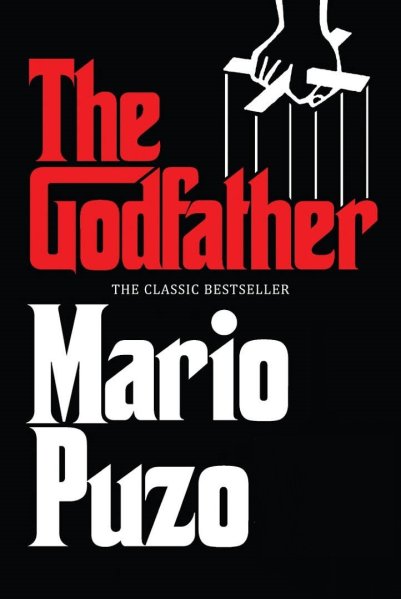
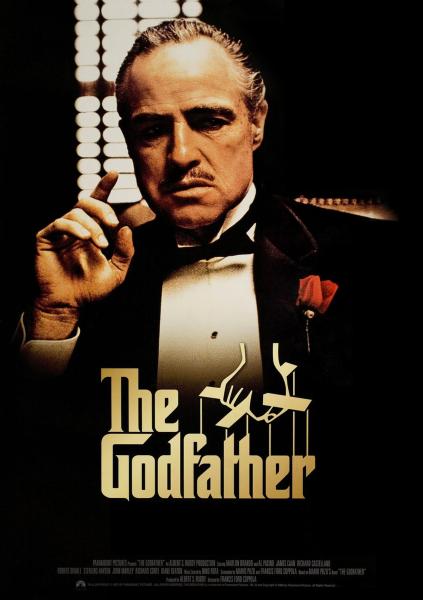
The Godfather Trilogy (1972-1990)

Considered by many as some of the greatest films of all time, The Godfather trilogy, directed by Francis Ford Coppola, was based on the 1969 novel of the same name written by the Italian American author Mario Puzo. The trilogy of crime films released in 1972, 1974, and 1990, follow the life of the Corleone family, a fictional Italian American mafia family. This highly acclaimed film series has won 9 out of the 28 total Academy Award Nominations.

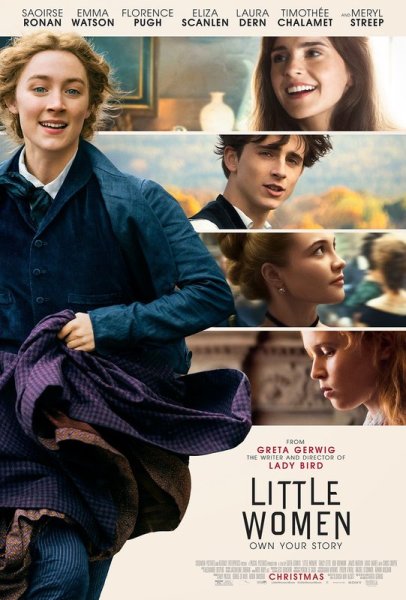
Little Women (2019)

This classic coming-of-age novel written by Louisa May Alcott in two volumes is a semi-autobiographical story about four sisters- Meg, Jo, Beth, and Amy, and their life. The novel published in 1868 has been adapted into the screen several times but the most recent remake starring Meryl Streep, Saoirse Ronan, Emma Watson, and Florence Pugh might be the best one yet. The film has also added new scenes and played with the storyline to make it more engaging to a modern audience.

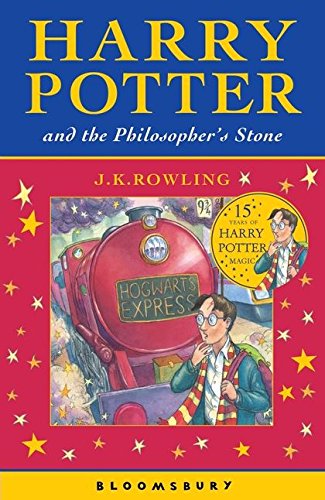
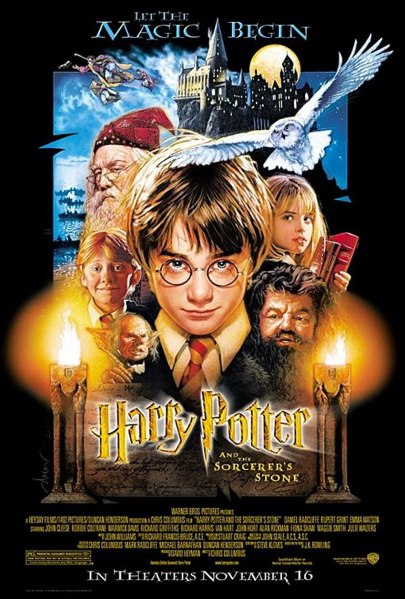
The Harry Potter Series (2001-2011)

The fantastic story of Harry Potter and his wizarding friends at Hogwarts School of Witchcraft and Wizardry spanning seven books has been a fan-favorite for decades now. Their eight movie adaptations have also been some of the most popular films of all time. Some of the minor characters and storylines may be missing in the films, understandably so with such a grand plot-line and limited screen time. Even then, it makes for a very enchanting watch, particularly if you have grown up reading the books.
Analyzing Alfred Hitchcock: The Psychological Genius Mind

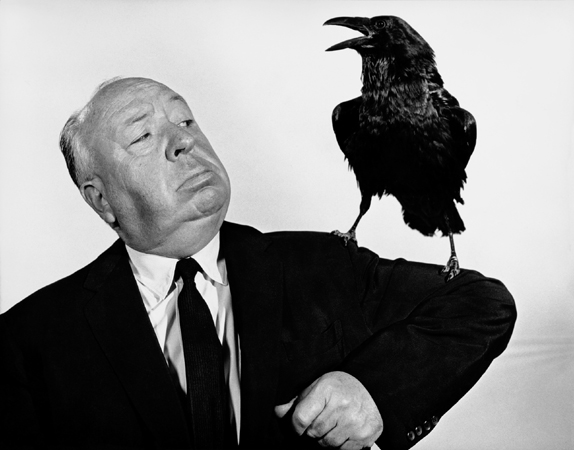
Sir Alfred Hitchcock

Introduction

The movies of Alfred Hitchcock, seem to have a permanent place in both American and Global Cinematic history. He is a common topic to turn when discussing auteur directors, film history,  suspense and psychoanalysis. His visual style is very distinct, the close-ups, subjective camerawork, unusual camera angles and the list goes on. Today, in this article, we intend to analysis the visual choices of Hitchcock’s most well known works including Vertigo, Rear Window and Psycho.

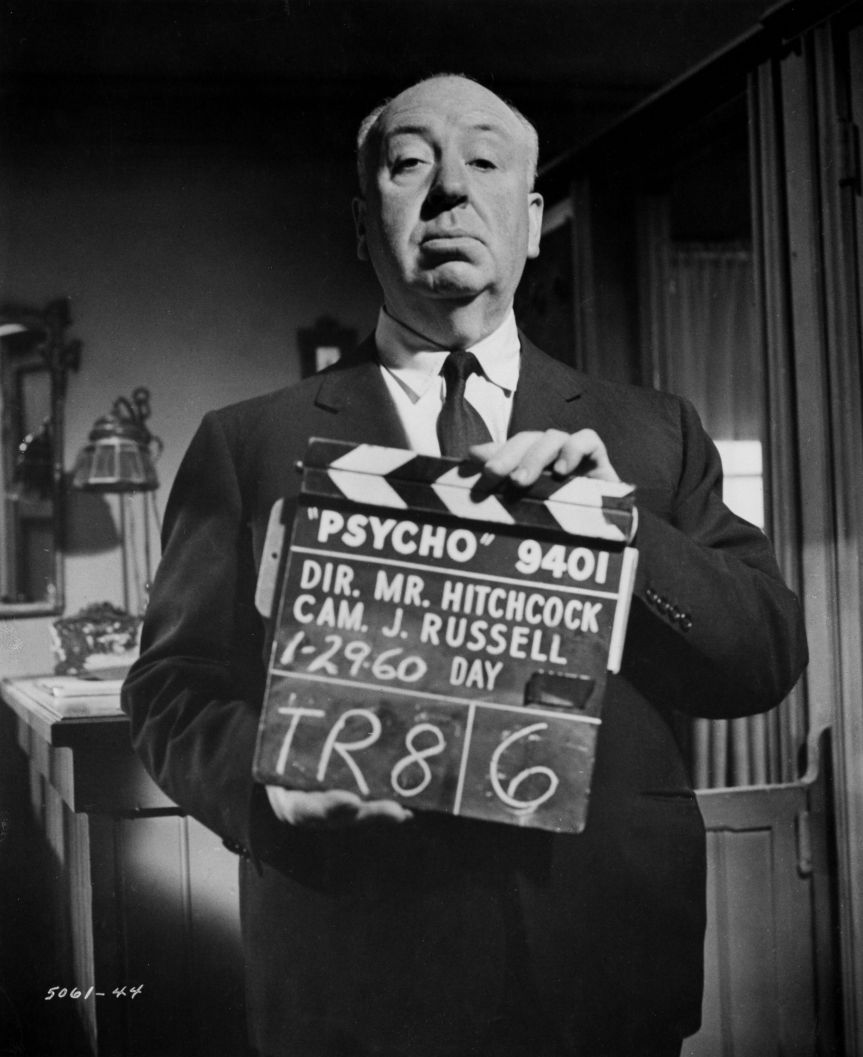
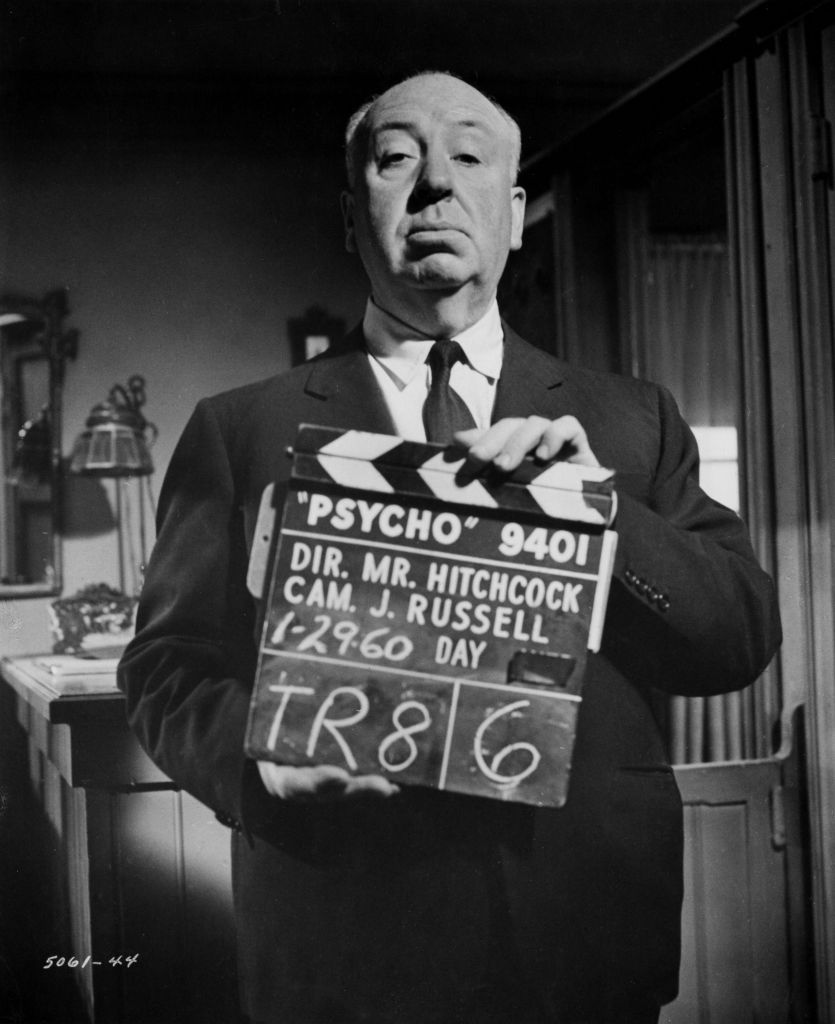
Sir Hitchcock before the shooting for Psycho (1960)

About Alfred Hitchcock

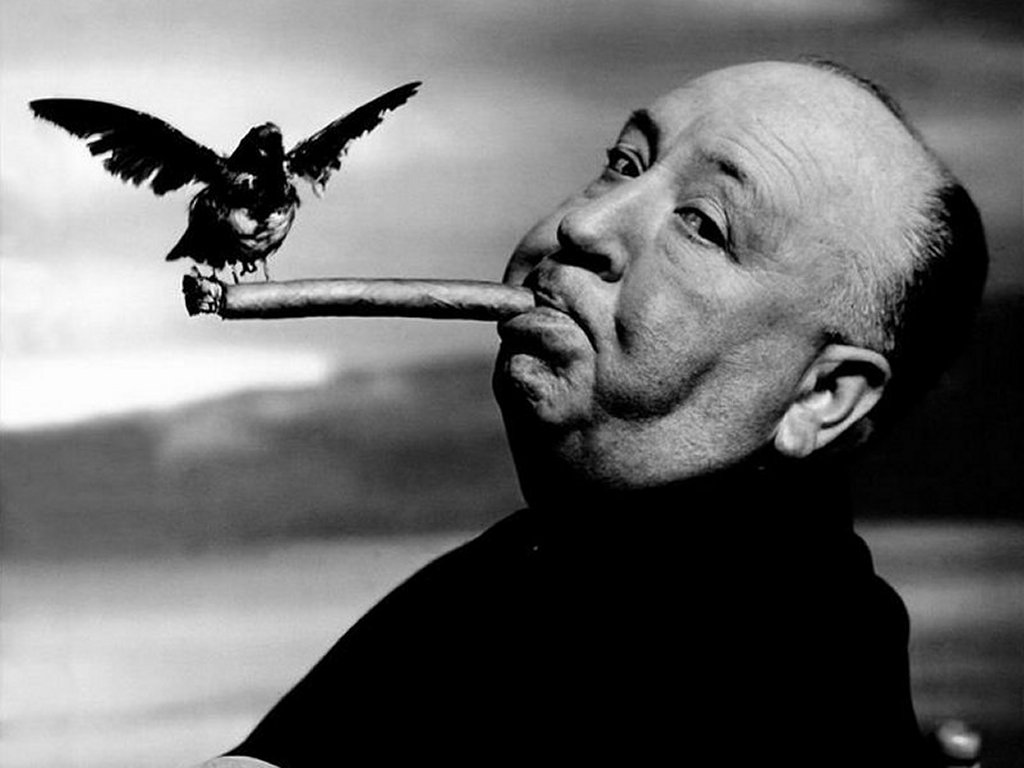
Sir Alfred Joseph Hitchcock  (13 August 1899 – 29 April 1980) was an English filmmaker who was one of the most influential figures in the history of cinema. In a career spanning six decades, he directed over 50 feature films, many of which are still widely watched and studied today. Known as the “Master of Suspense“, he became as well known as any of his actors thanks to his many interviews, his cameo roles  in most of his films, and his hosting and producing the television anthology Alfred Hitchcock Presents  (1955–65). His films garnered 46 Academy Awards nominations, including six wins, although he never won the award for Best Director despite five nominations.

Sir Hitchcock

Techniques and Methodology of Hitchcock’s Works

Alfred Hitchcock’s attention to detail in his films is one of the many things that makes him one of the most recognized film auteurs of all time. He was very particular what about he wanted seen on screen and how he wanted to get those shots. From camera movements to the things found in the mise-en-scène, Hitchcock was very precise about every little thing that is seen in his on screen worlds. He would strategically place objects throughout the mise-en-scène and have characters wear certain clothing. By doing this, Hitchcock is able to let the audience know things about the characters and the plot without it having to be said on camera. Hitchcock once said that “If it’s a good movie, the sound could go off and the audience would still have a perfectly clear idea of what was going on” . To Hitchcock, the conversations in his films were not important.  Visuals were of the utmost importance.  He loved point of view shots, which showed a shot of the actor and then cut to a shot of what the actor was looking at in order to convey what the actor is looking at; pretty much, the Kuleshov effect.

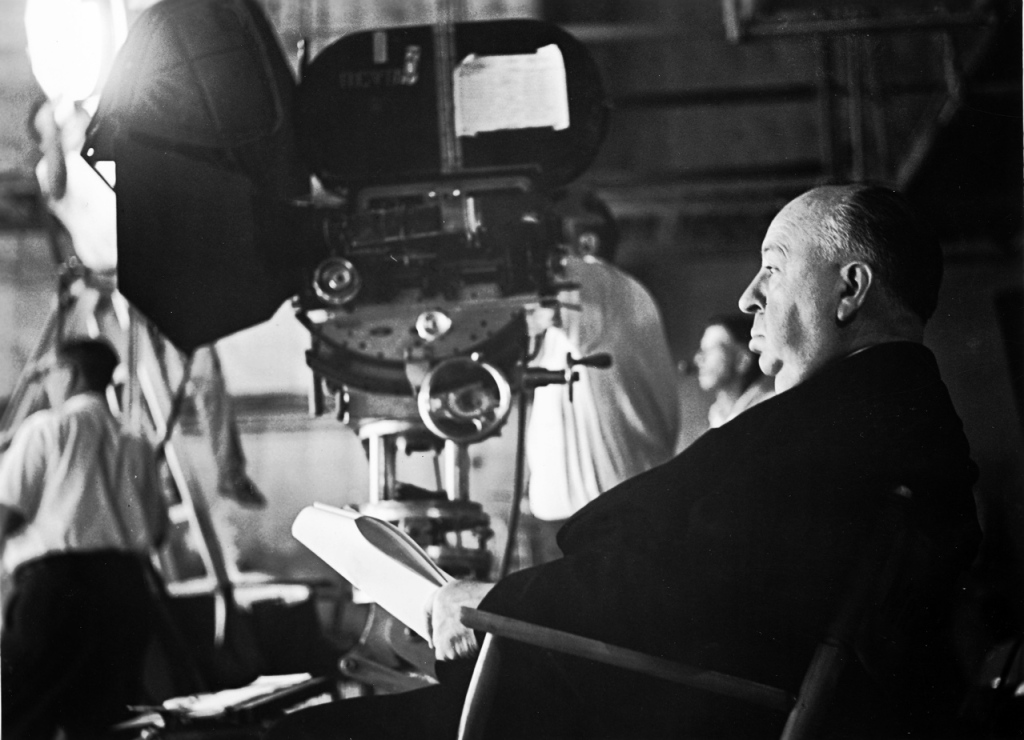
Sir Alfred Hitchcock on the set of one of his movies

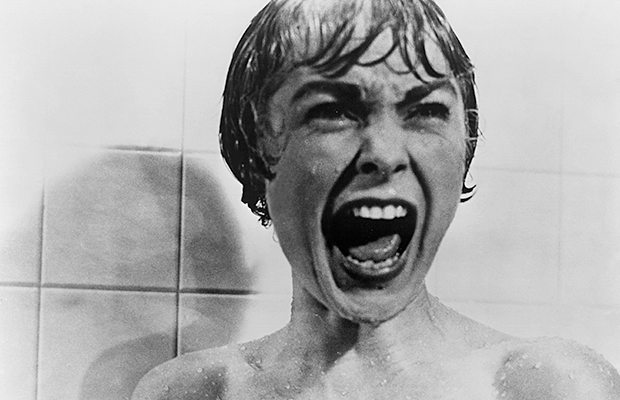
The soundtrack was extremely important to Alfred Hitchcock, as he managed to sync the music with the actions of the scenes.  His most famous scene would be the shower scene in Psycho, where the orchestra is perfectly correlated with the murder.  In his famous film, Hitchcock also incorporated the use of shot/reverse shot, a standard shot pattern that directors use to film conversations between two characters. In general, the actors avoid speaking directly to the viewer, because doing so acknowledges the audience’s presence and destroys the illusion of a naturally unfolding story. From panning shots, to tracking shots Alfred Hitchcock used his techniques in filming and editing in order to create great products that continue to intrigue audiences to this day.

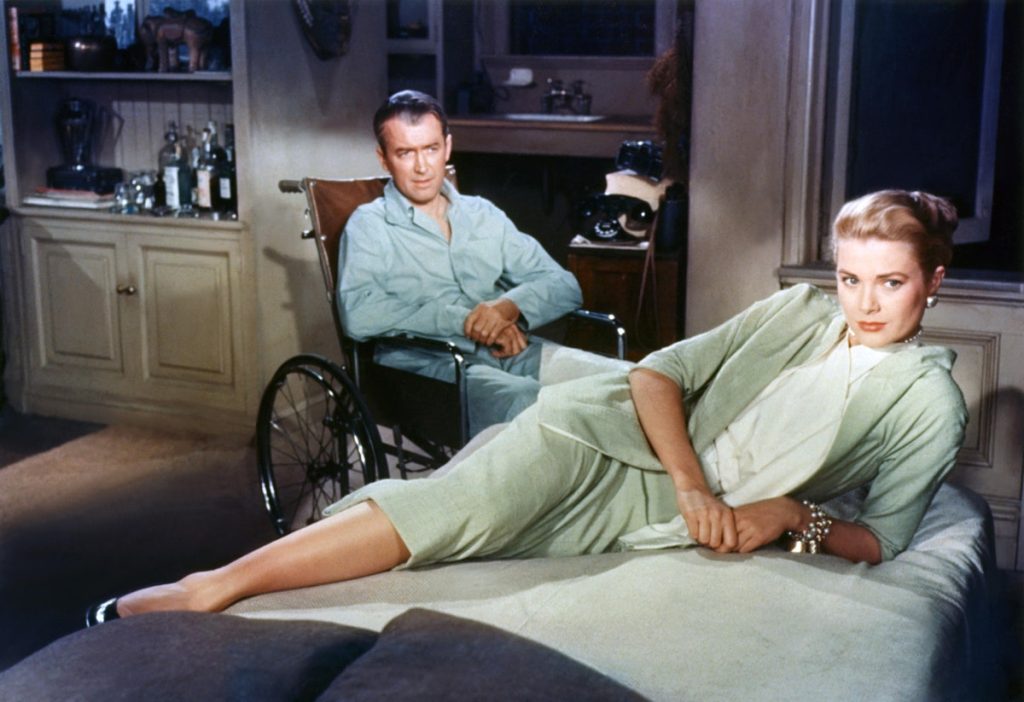
James Stewart as Jeff and Grace Kelly as Lisa Carol in Hitchcock’s Rear Window (1954) movie

Analysis of The Film “Rear Window” (1954)

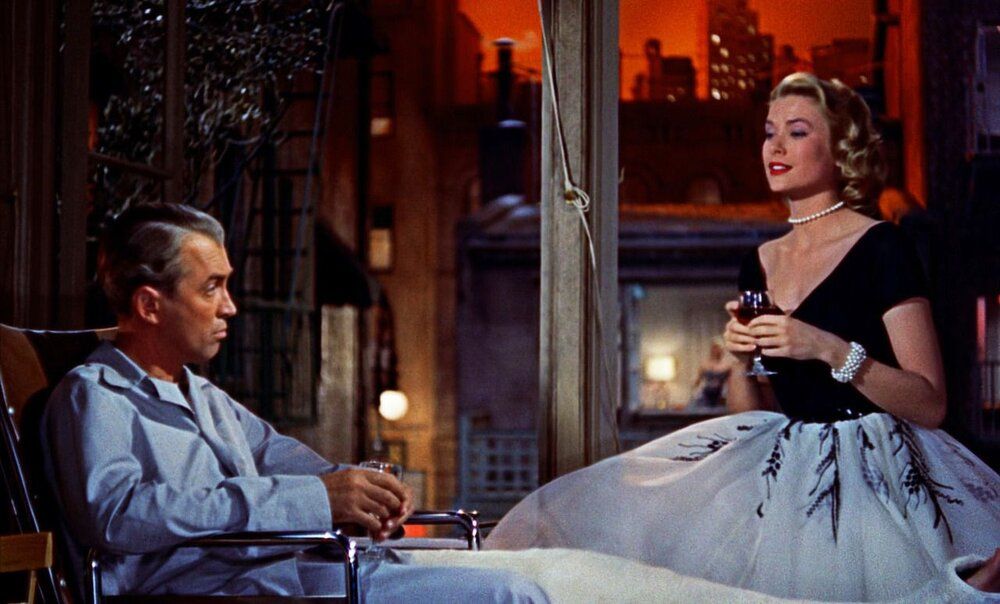
The cinematography of Rear Window mainly focuses on the use of lighting and shadows. With the darkness and mystery of the film, Alfred Hitchcock was able to use his lighting to his best advantage. The light always is picking up on important symbols or messages in the scene. Such as the scene when the salesman finally comes into Jeff‘s room, the light only picks up on Jeff’s most valuable senses; his hands and eyes. Along with the lighting, the interesting angles are very common.  Not only did it create suspense, it creates confusion and the viewer wants to see more. Mise en Scene was very important in this film, as all of the scenes happened in the same group of apartments. In the city of New York, everything is very tight because of the huge population. The use of the differently decorated rooms also created personality and character for the roles who didn’t even speak

Scene from Hitchcock’s Rear Window (1954) movie

Although sound and music weren’t always in the film, it was there when it needed to be. The traffic and sounds of the city were placed delicately to remind the viewer of the area. The mix of piano from the songwriter in one apartment, from the screeching violins during nail-biting moments, created emotions for the viewer. Editing was evident everywhere, especially during a fight scene, or used very consciously during high suspense. The fades were apparent from day to day, which helped the viewer better understand the passage of time.

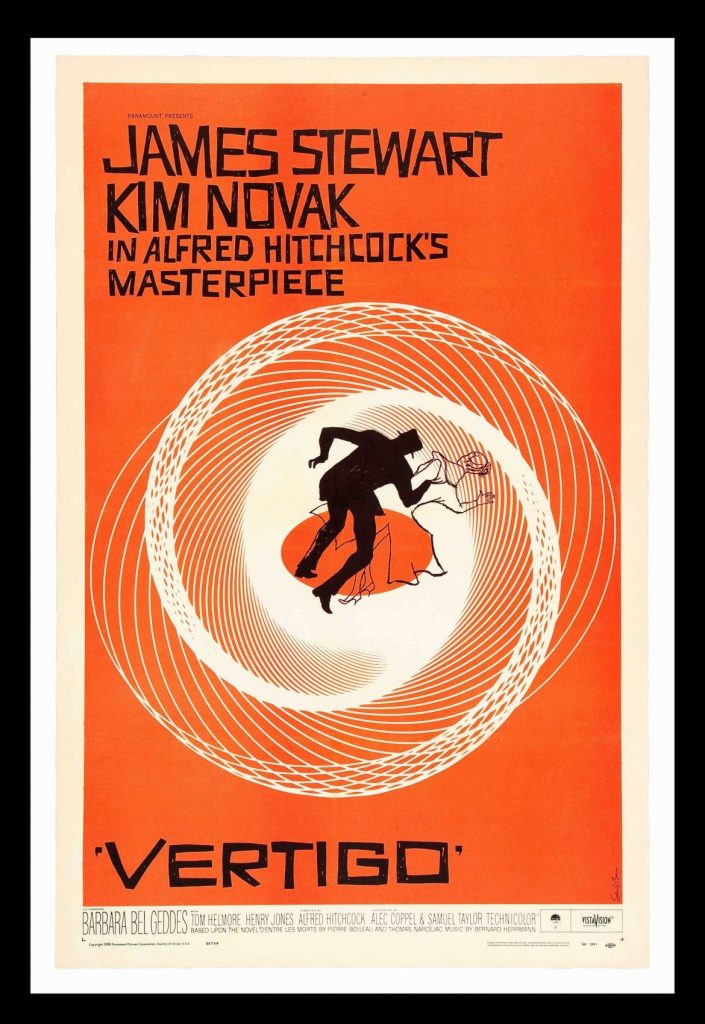
Poster of Hitchcock’s Vertigo (1958) movie

Analysis of The Film “Vertigo” (1958)

Vertigo is a 1958 suspense thriller directed by Alfred Hitchcock, written by Alec Coppel and Samuel Taylor and based upon the 1954 novel ‘D’entre Les Morts’ by Pierre Boileau and Thomas Narcejac. Starring James Stewart, Kim Novak and co-starring Barbara Bel Geddes.

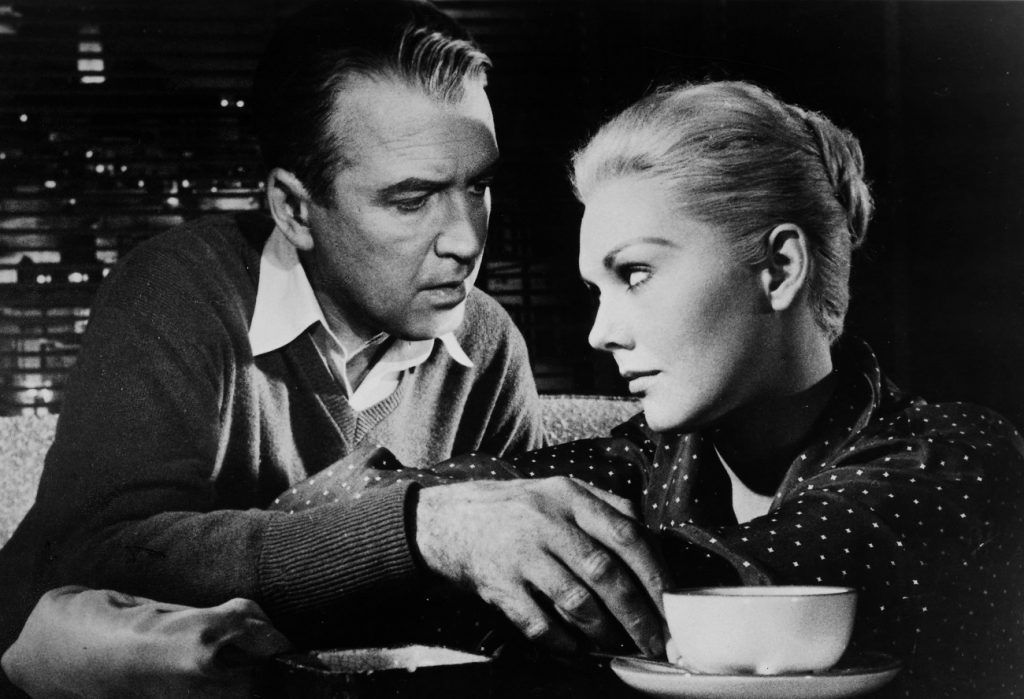
James Stewart as John Ferguson and Kim Novak as Madeleine in Hitchcock’s Vertigo (1958) movie

Vertigo is a film which functions on multiple levels simultaneously. On literal level it’s a mystery suspense story of a man hoodwinked into acting as an accomplice in a murder, his discovery of a hoax, and the unravelling of the threads of the murder plot. On a Psychological level, the film traces the twisted , circuitous routes of a psyche burdened down with guilt, desperately searching for an object on which to concentrate its repressed energy. Finally, on an allegorical or figurative level, it is a retelling of a immemorial tale of a man who has lost his love to the death and in hope of redeeming her descends into the underworld,  the most famous of these stories being that of Orpheus and Eurydice in Greek Mythology. Vertigo’s complexity however does not end with this multilevel approach to its tale, the film also succeeds in blurring the already fine line between objectivity and subjectivity . It takes the viewers so far into the mind of its main characters ( Scottie, played by Hitchcock veteran James Stewart), that audiences’ own objectivity, at least initially, is lost and replaced by complete identification with Scottie’s fantasies and obsessions.

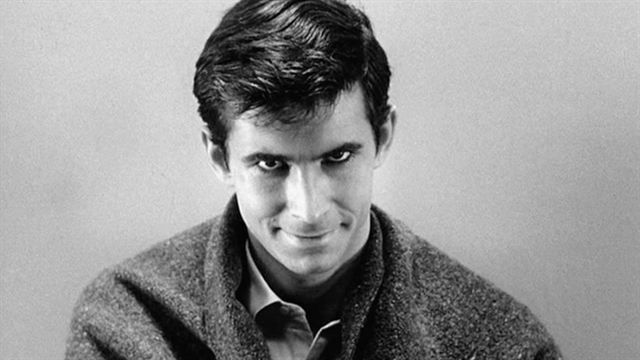
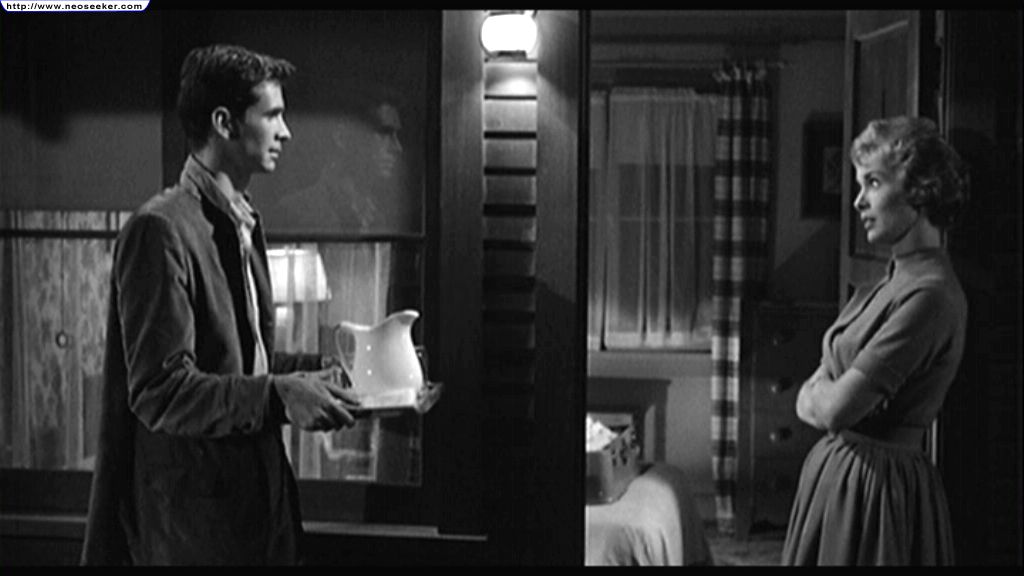
Anthony Perkins as Norman Bates in Hitchcock’s Psycho (1960) movie

Analysis of The Film “Psycho” (1960)

Hitchcock’s Psycho has been commended for forming the archetypical basis of all horror films that followed its 1960 release. The mass appeal that Psycho has maintained for over three decades can undoubtedly be attributed to its universality.

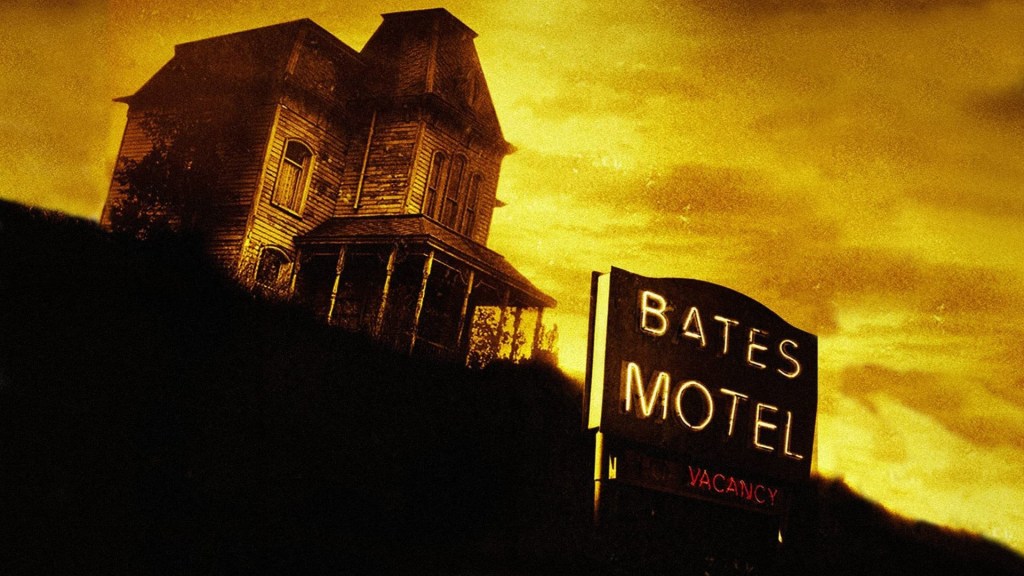
Scene from Hitchcock’s Psycho (1960) movie

In Psycho, Hitchcock allows the audience to become a subjective character within the plot to enhance the film’s psychological effects for an audience that is forced to recognize its own neurosis and psychological inadequacies as it is compelled to identify, for varying lengths of time, with the contrasting personalities of the film’s main characters. Hitchcock conveys an intensifying theme in Psycho, that bases itself on the unending subconscious battle between good and evil that exists in everyone through the audience’s subjective participation and implicit character parallels. The initial confrontation between Marion and Norman Bates is used by Hitchcock to subtly and slowly sway the audience’s sympathy from Marion to Norman. Hitchcock compels the audience to identify with the quiet and shy character whose devotion to his invalid mother has cost him his own identity. Upon the introduction of Norman, Hitchcock introduces the first of several character parallels within Psycho. The clash between Marion and Norman, although not apparent to the audience until the end of the film, is one of neurosis versus psychosis.

Anthony Perkins as Norman Bates and Janet Leigh as Marion Crane in Hitchcock’s Psycho (1960) movie

The fear that Psycho creates for the audience does not arise from the brutality of the murders but from the subconscious identification with the film’s characters who all reflect one side of a collective character. Hitchcock enforces the idea that all the basic emotions and sentiments derived from the film can be felt by anyone as the unending battle between good and evil exists in all aspects of life.The effective use of character parallels and the creation of the audience’s subjective role in the plot allows Hitchcock to entice terror and convey a lingering sense of anxiety within the audience through a progressively intensifying theme. Hitchcock’s brilliance as a director has consolidated Psycho’s place among the most reputable and profound horror films ever made.

Scene from Hitchcock’s Psycho (1960) movie

Conclusion

Alfred Hitchcock who has been entitled to the master of apprehension, suspense and fear, entices the audience to discern his unknown inner in a simulation over cinema curtain. Human, sets back his instincts for years; withholds sex and anger and wrap it in his inner depths where even is impenetrable for himself. But there is always probability of arising it in the society as a coarse event. Eruption of anger from sub-consciousness of Hitchcock’s characters brings along murder, crime and often imagination, tragic psychic disturbances. Anyone might be involved with the condition of these characters in real world. Most of Hitchcock’s movies create suspense in very first minutes of the show. The propensity to know arouses in him. He limits and draws attention of the audience to the film.Dark spaces, long and fearsome roads, deserted places and empty of habitat, are signs and symbols which sometimes refers to unaware and its inner events. Making use of sharp-pointed lines and thorn-shaped edges in locations and shades, which are taken from Gothic style, makes the movies horror and terror. Hitchcock through increasing vigilance, guides the audience toward making a powerful “ego” against incidents which mostly indicates determinism.

Covid extends the interval of theatre

Nishant Bharatiya and Ridhima Raina

Jaipur.       The budding journalists interacted with theater actor/director Mr. Chitrarth Mishra, they discussed about the current scenario of theatre artists as affected by the pandemic. Mr. Mishra explained that currently the artists are waiting for state governments guidelines for further shows but also requesting the local auditoriums to provide them seating spaces for some time so they can perform in front of enough audience to cover up the expenses of director and the crew. These artists have also been planning with JKK to organise events or festivals to perform the plays that have been on hold from the past year.

Some artists have been performing at different venues with less people about 10-15 in open spaces with every person sitting in a distance of 2-6 feet. And all the people were to be checked and sanitized who entered the venue. Mr. Mishra told about the workshops and classes organized by the local artists for aspiring actors but they have to do that virtually as the number of covid cases rose, he said that they might plan on taking offline classes with a number of 20 members at a time if the condition gets better. These online workshops though have not been a complete success as according to Mr. Mishra acting is more of an physical activity but learning acting virtually has made it more of a lecture. Mr. Mishra said that plays have been performed online but people don’t seem to like attending them because amid this pandemic people’s lives have been revolving around these digital platforms.

WILL OTT PLATFORMS REPLACE MOVIE THEATRES IN FUTURE ?

Over The Top (OTT) platforms are on-demand content streaming services which provide the viewers access to movies and TV shows directly through the internet rather than using broadcasting mediums like cable TV, satellite TV etc. Some of the most common OTT platforms are NETFLIX, AMAZON PRIME VIDEO, HOTSTAR etc. The spontaneous boom of OTT platforms happened out of the blue when people were forced to stay back at their homes during lockdowns imposed due to the ongoing COVID 19 pandemic. The major advantage of OTT services over the traditional platforms is the convenience of watching favourite shows at our fingertip within the comforts of our home at a reasonable cost. 

Recent reports have shown that the OTT platforms promises the low budget films with less saleable names, a larger audience with a considerable slashed cost on advertisement and distribution. With the shutdown of movie theatres, OTT releases of latest movies became a new trend. In view of the rapidly increasing consumers, the OTT platforms have now shifted their focus onto creating contents on their own meeting the varying demands and tastes of its viewers.

The discourse on positioning the OTT streaming platforms and theatres is a present-day development in the entertainment sector. Cinema being one of the worst hit industries during the pandemic found itself in a greater challenge of sustenance. The effect nudged to the surface by this crisis was evenly handed for both the movie lovers and film industrial workers. This opens the door to the heroic entrance of OTT platforms saving both parties, granting industry the monetary benefits and viewers a platform to entertain themselves within their homely comforts at an affordable rate which propounds a win-win situation. Having said that, the inaccessibility of the OTT services to a large mass counts as the worst part as it is the working middle class people, the so called majority consumers, who contribute to more than 75% of the viewership leaving the rest 25% to decide between poor, lower middle class and elites. The OTT  results in the shutting down of entertainment to the unfortunate for whom technology is still a luxury.

OTT platforms are never a newly discovered competition for theatres as they have lived through the worst times and challenges during VCRs, DVDs and the still relevant piracy days. This testifies the unending interest  people carry for the theatrical experiences and any alteration is beyond thought. Though the OTT media services are propelled by the rise in the standard of living, evolution of smartphones, and affordable internet connectivity; socialising and community viewing experience from theatres will remain unmatched. Moreover, the real like involvement  offered  by big screens  is something the streaming platforms can never tone with . In conclusion, OTT platforms can coexist with the theatres but never top it.

NATIONAL MUSEUM OF INDIAN CINEMA TOUR

I was fortunate enough to have a chance to visit the National Museum of Indian cinema in Mumbai. The museum is housed in two buildings – the 5 storey new museum building and the 19th-century Victorian gothic bungalow Gulshan Mahal. We arrived there at 1:40 p.m. The museum is housed in two buildings – the 5 storey New museum building and the 19th-century Victorian gothic bungalow Gulshan Mahal. It is a house of quaint artifacts of India’s pre-cinema history, it also showcases over a hundred years of Indian cinema through nine sections raining from the origins of Indian cinema to the studio era of new wave. Gulshan Mahal discovers nine aspects that are Origin of India, cinema comes to India, Indian silent film, the advent of sound, the studio era, the impact of world war 2, creative resonance, new wave and beyond & regional cinema. Besides artifacts, posters, film clipping, etc. Adjacent to the historic building is a classy building.

The swanky building house has mobile exhibitions, 3-D compatible theatres with 4 K projectors and 7.1 surround with specific themes Gandhi and Cinema, Children Film Studio, Technology, Creativity, and Indian Cinema & Cinema across India. Gandhi & Cinema: it not only depicts the movies made on the life of Mahatma Gandhi but also showcases the deep impact his life had on cinema. Children’s Film Studio gives visitors, particularly children, an opportunity to explore the science, technology, and art behind filmmaking. It offers hands-on experience on various facets associated with making a cinema-like camera, light, shooting, the experience of acting, etc. – presented in an interactive format. The exhibits displayed include chrome studio, immersive experience zone, stop-motion animation studio, virtual makeover studio, etc. Technology, creativity & Indian cinema: it showcases the creative use of technology by Indian filmmakers over the years to produce a cinematographic impact on the silver screen. Cinema across India: it showcases the charismatic kaleidoscopic presence of the vibrant cinematographic culture across India.

The trip aimed to gain knowledge on Indian Cinema and to understand Its importance. We get to know that Cinema has been one of the greatest influences in our modern life, and it’s also a form of art, the seventh art along with photography, architecture, literature, play, painting, and music. It’s the combination of technology, business, entertainment, and aesthetics, each and everything of these four has an important role in the present-day world. The first Bollywood movie was Raja Harishchandra (1913), however, it was a silent movie. In 1931, Alam- ara came which was India’s first sound film. Then in 1937 came Kisan Kanya which was India’s first color film. We were free to explore the museum on our own.

The visit to Gulshan Mahal was fascinating. The old artifacts gave us a brief idea about how films were made in the 20th century. There were instruments like Praxinoscope, Thaumatrope, Phenakistoscope, mutoscope Modern animation from plates of The Horse in Motion by Eadweard Muybridge, etc. that were used for making films. We also saw old film posters; cameras were used during that time. Then we visited the glass building which had all 21st-century movie posters and film equipment. Something which caught my interest the most was the Bioscope Show. There were different types of camera lenses used for shooting, we could also watch our favorite movie scenes and could listen to songs which made it fun.

Then my second favorite place was Children Film Studio. We had a lot of fun; we got experience or opportunity to become an actor, director, cameraman, animator, etc. We also tried using the green screen and got a virtual makeover. Amidst the fun, we realized how much we got to know about cinema. We then went to explore Gandhi & Cinema.   Gandhi, British-Indian historical film, was released in 1982, which tells the story of Mahatma Gandhi and his struggle to win independence for India through nonviolent civil disobedience. The movie won eight Academy Awards, including that for best picture, and five Golden Globe Awards, We even had got to spin the Charkha. The charkha, or spinning wheel, was the physical embodiment and symbol of  Gandhi’s constructive program. It represents Swadeshi, self-sufficiency, and at the same time interdependence, because the wheel is at the center of a network of cotton growers, carders, weavers, distributors, and users. It was an enjoyable and informative trip.   

Hunger Games of the government…

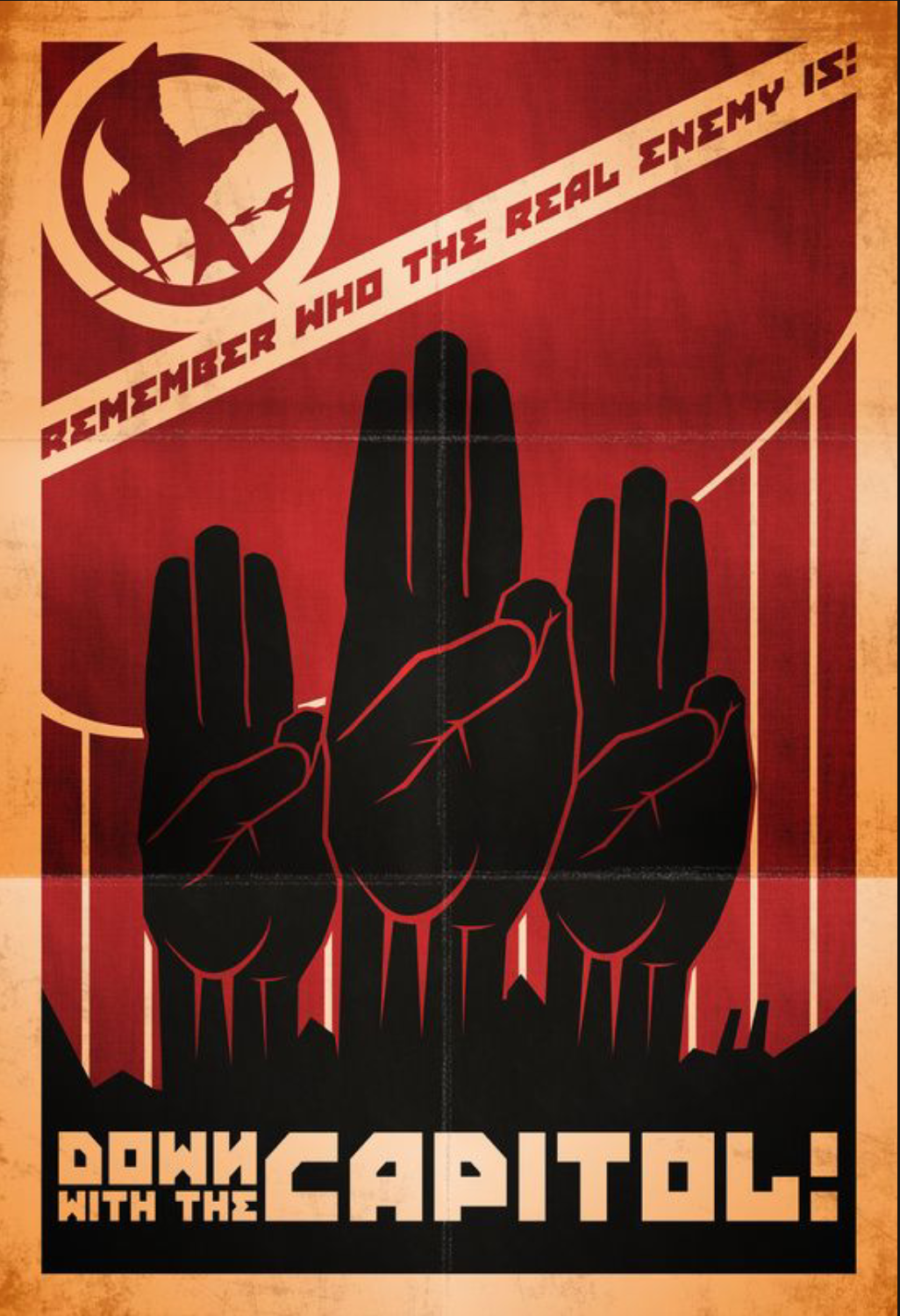
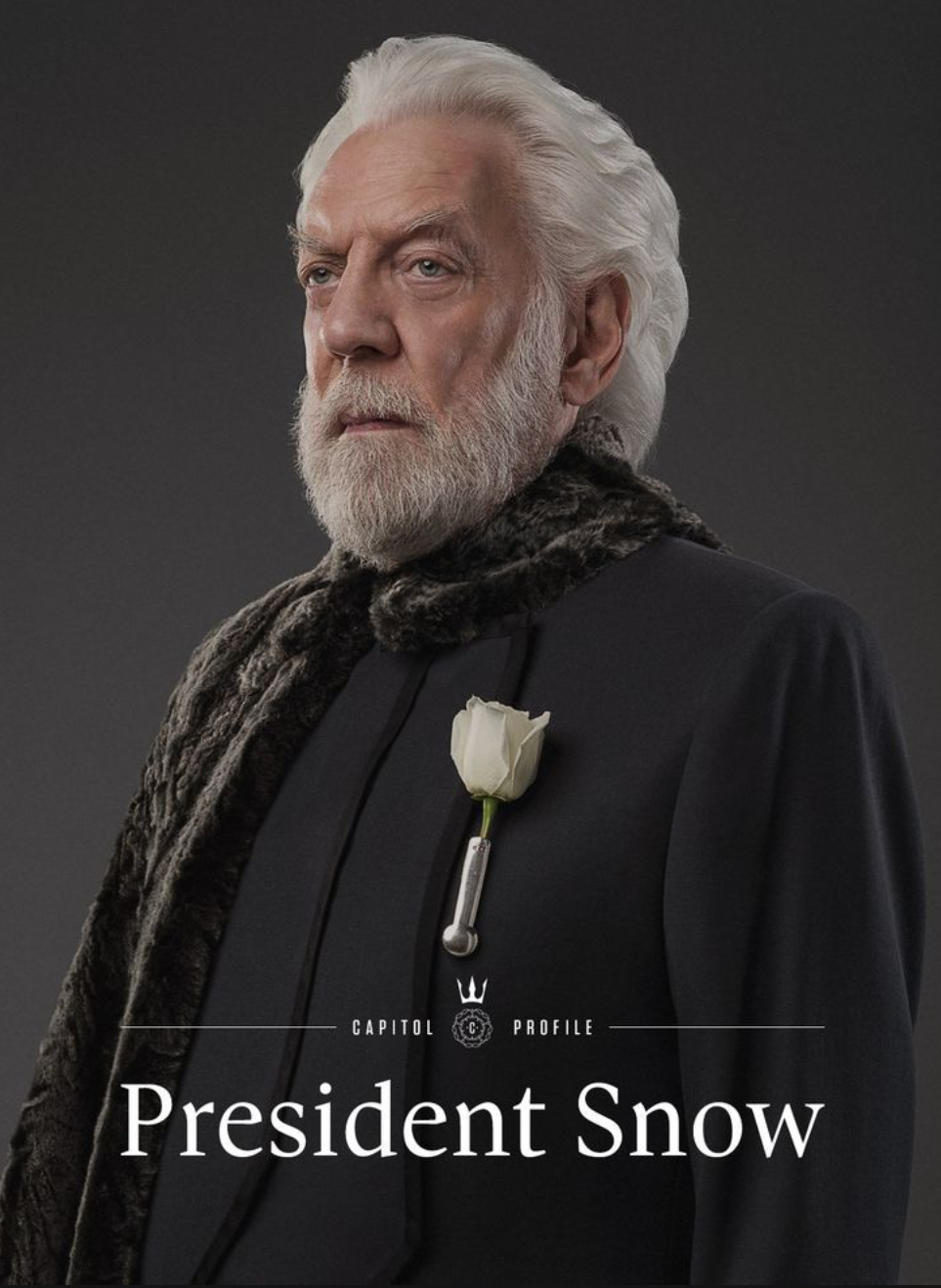
The government holds too much power. This is very well portrayed in the Hunger Games a book trilogy written by American author Suzanne Collins later made into a science fiction dystopian film series. The story is basically how the government has too much power over the lives of common man, how and why it is so wrong. The story is takes place in the fictional country that goes by the name of Panem. It consists of 12 districts that have been assigned various disciplines under which the people of the district work. Naming a few, district 3 specializes in technology, district 11 in agriculture, district 12 in coal mining. District 12 being the smallest and the poorest. All these districts are forced to produce the assigned goods and no have no freedom. The Capitol is the government who enjoy all the riches and luxury while the other districts starve to death. The Capitol, for the sole purpose of entertainment, organises this game annually where two teenagers- a male and a female are forced to participate, locked in an area and have to fight each other to death. The one who survives is declared the winner.

On the big screen we may find it interesting but more interestingly the series is the best depiction of communism. We know that our government always wants to suppress us and gain full control over our lives. Hence this book or the movie series is a good way to give us some lesson in an entertaining manner.

The government’s control over the goods production in a district and no freedom of their own reminds us of the real world example of North and South Korea. Everyone is aware of the situation here. People in North Korea have no freedom it is only the governmental control over their lives and henceforth people are starving. On the contrary, South Korea is thriving. Former Soviet Union couldn’t find a permanent position due to the same reasons. It had too much control over the people and the people suffered. A government cannot work without the cooperation of its people. History holds records of how such controlling government led to their own decline. Panem government violates its people’s basic rights resulting in poverty and starvation and later a rebellion.

The Hunger Games also shows how the upper class lives in luxury in contrast to the middle class lives. It shows how the people of district 1 enjoy all the facilities and live a posh life. They do not have to wait in lines for hours to manage some food for the family. This demonstrates real life situation where the rich are getting richer and the poor even poorer. The government might show us false hope but it is the lower class people who are the fools. The horrors of communism in this book/movie is a good way to let the younger generation realise the truth about the world. Also teach us lessons to be smarter.

Thank you for reading. Have a nice day!

Impact of COVID-19 on Film Industry across the World

The impact of COVID-19 has been massive in the film industry around the whole world. All the film industries across the globe are facing the consequences of COVID-19 hugely. The film industry has faced billions and billions of financial losses. All the multiplexes and cinema halls have been locked down, and there has been no profit in the market sector. The film festivals had to be canceled. Many of the dates of the film festivals have been delayed. All the films which were supposed to release in this timeframe have extended the time of release. The complete lockdown of the entertainment industry, due to COVID-19 has majorly affected the box office profit. The places to face severe financial losses at the box office are North America, China, India, South Korea, Italy, Japan, Middle East, U.K., and many others.

Present Scenario at the Box Office

Most parts of the world that have been severely affected have entirely shut off the entertainment industry. They have closed down the shopping malls and movie complexes. Hence, it has changed the box office tremendously. China, America, Italy have been facing significant drawbacks in their box office estimations. Though the box office had already calculated substantial financial loss as soon as COVID-19 started spreading in China, it hardly estimated the significant loss it would suffer across the world.

Italy, China, the USA, Qatar, Thailand, Australia, U.K., Malaysia, and New Zealand have closed down all the movie theatres, and there have been no film releases since then. Afterward, France and Ireland decided on reducing the seating capacity at every movie theatre to half of its original percentage. Japan has closed down over 200 movie theatres after the spread of COVID-19.

Box Office has faced significant financial loss from the beginning of the year. As they have estimated, they have suffered around 30% loss in Taiwan, 35% loss in the Philippines, Hong Kong, Singapore, 60% loss in South Korea, and about 72% loss in Italy. In March, the box office faced higher financial losses. Though China had reopened their cinema halls and movie theatres at that time, the government had to close them down again, to stop the spread of COVID-19.

The Chinese film industry has suffered a significant loss due to the outbreak of COVID-19. They had strictly closed down all the movie theatres and cinema halls. The primary reason behind their massive decline in the Chinese film industry is the Lunar New Year. Every year, at the time of Lunar New Year, the Chinese box office made a huge success. But, this year, they suffered a significant loss, which was unprecedented for them. They have closed down film studios like Xiangshan Global Studios and Hengdian World Studios. Hence no production work is going on at the moment. The film releases have been postponed, and there has been no work progress since. 

Due to the outbreak of COVID-19, Japan has entirely locked down all the movie theatres and cinema halls. Many film festivals have been canceled like the Osaka Asian Film Festival. They have canceled the festival and have arranged to give refunds to the tickets which were bought by the people, in advance. Other small festivals like Kitakan Film Festival, the AnimeJapan Festival, and many others were canceled. The only film to have released during this pandemic is Fukushima 50, and it has not able to cross the 1 billion mark at the box office yet though Japan has been planning out various strategies to release films for the people and arrange a way for them to get some peace amidst this crazy pandemonium.

Things have gone pretty rough for the Hollywood film industry as well. After the impact of COVID-19, multiple blockbuster projects got delayed, and all the movie theatres have been closed. Many films that were about to get released like No Time To Die, Mulan and others have been postponed to November. Disney has entirely locked down all the production works of films such as The Little Mermaid, Jurassic World: Dominion, and others. This had hugely affected the pillars of the Hollywood Industry in that many are afraid that Hollywood might not go back to the stage where it stood before COVID-19 took place.

Many film releases have been postponed, and all the movie theatres around India have been locked down. Most of the technicians working in the film industry have no income source. COVID-19 has surely broken down the pillars of the Indian Film Industry. Several Bollywood film releases got postponed like Sooryavanshi, which was expected to make hundreds of crores. Rohit Shetty has to postpone the dates of his film release. Many production houses such as Yash Raj Films, Dharma Productions closed down all the ongoing activities and also, any work which was going on in their films. Even the most delayed film of 2020, Brahmastra, got even more delayed due to the pandemic. Some film releases took place at the beginning months of the year. But, things have come to a halt since March. The major film releases as 83, Radhe, and others got postponed. Even Salman Khan had to postpone his film Radhe, which was supposed to release on Eid. Every Indian wait for Salman Khan’s Eid release, but this year, no movies got released. The Indian Film Industry has faced huge losses due to the COVID-19 pandemic.

The major film industries around the world have faced similar consequences of the pandemic. The scenario has been identified across the globe. Every part of the world, may it be in the United States or Canada or France or South Korea or Germany or Australia or Mexico, all have faced the impacts of COVID-19 thoroughly. The productions of significant films have halted, and the technicians have lost work across the world. The box office is facing financial losses in billions. Massive projects have been postponed. Many celebrities have lost their lives, which have inevitably affected the film industry. Like Terrence McNally, Lucia Bose, Mark Blum, Patricia Bosworth, Allen Garfield, and Hilary Heath, many others have lost their lives fighting with coronavirus, which has hugely affected the film industry. The entertainment industry is one of the most popular sectors across the world. People everywhere wait eagerly for the film releases, and the film industry is the one single business sector that never goes without work. Though many films might face failures at the box office, the blockbuster successes always compensate for those. Apart from the film industry, even the television industries across the world have been going through the same loss of money and work. 

The Film Industries as One

Most of the award show and the film festivals got canceled due to the impact of COVID-19. To cope with the present scenario, twenty film industries worldwide have come together to project movies on YouTube for free. This is a worldwide film festival that has united the film industries together. The “We Are One: A Global Film Festival” has been arranged for ten days by film festivals worldwide. The online global film festival is streaming documentaries, comedy shows, music, and films. This is the best step that has been taken by the film industries across the world so that they keep entertaining the people around the globe. The complete lockdown of the entertainment industry has also left a reduced effect on the people. Hence, this is a way to help all of us from the traumatic news we’ve been hearing for months now.

All the film industries are trying to work together to bring smiles on the faces of people. Though they have faced significant losses for the last few months, they are still trying to arrange online festivals and shows for the viewers to stay engaged. 

HOW THE MOVIE, SUBH MANGAL ZYADA SAAVDHAN EMERGES OUT TO BE AN EXCELLENT MOVIE INSPITE HAVING FEW FLAWS –

Subh mangal zyada saavdhan is
is a pure entertainment movie based on homosexuality. But some areas in the film need our special attentions. Through out the film you will laugh out loud. But there are few things which are quite disturbing and unexpected.


The first thing is beating up one person from the gay couple so badly until he fainted and that too was shown in a typical comic way by playing funny slow motion music with it which leads everyone in the cinema hall to a laugh riot during this scene. It is well known that the director wanted this film to be funny so that it can attract a huge crowd to witness it and through this laugh riot he wanted people to understand the need of acceptance for this community. But this scene was not necessary when everyday some or the other person is being beaten up even being murdered by their own family member just for being queer or exceptional. This scene was not at all necessary when the motive of the director was to normalise this relationship in the society.


The second thing is though they didn’t effeminate any one from the couple but they focused more on the acceptance of their relationship in their family than focusing on their relation and romance.


Films based on homosexuality had also been made before in our country but this was the first commercial entertainment film based on homosexuality. The expectations were higher. Everyday these people are suffering. This generation is suffering. Even the next generation will also suffer but may be a little less. In every friends group we can find some people who are against homosexuality. Either they are homophobes or borderline homophobes. Inspite of being a pure comedy film it failed to attract the majority of the mass. Even in 2020 after decriminalization of 377 we still have people who don’t like it. Who won’t accept their family members for being queer.


This topic is really very sensitive and delicate topic. Making a comedy film on this is really commendable. Kudos to the directors and the actors who have made it happen. Nothing can be totally flawless. I just hope Bollywood to have more films like this one but better than this. WITHOUT THESE FLAWS.

Farewell to reel life MS Dhoni.

Another sad thing happened, the death of actor Sushant Singh Rajput left his fans into shock. Born on January 21, 1986, hailing from Patna Bihar. He was a well-known dancer and actor, popularly known for his remarkable role as MS Dhoni. He died on June 14, 2020. The actor committed suicide, the reason is said to be depression.
Swapped to acting- He was pursuing his bachelor’s degree at Delhi Technological University, an idea of opting for a career in acting rose up when he enrolled for dance classes. As soon as his classmates were interested in attending drama classes, this enthusiasm of his fellow mates made Sushant to join drama classes. And that’s where he found his ambitions towards acting.”I found the experience liberating. I realized that I could communicate with the audience. I
knew I wanted to do this forever.” Soon after his joining, he became a part of Davar’s familiar dancers.
● In 2005 he was chosen as a background dancer at 51st Filmfare Awards.
● In 2006 he went to Australia with the same dancing group for the opening ceremony of CommonWealth games.
● Till then he was fed up with engineering and was happy and successful in drama and dance classes, so he dropped out of engineering and opted dancing and acting as his career.
● To give a lift to his dreams, he headed to Mumbai and joined Nadira Babbar’s Ekjute theatre. During this course of time, he starred in a TV advertisement for Nestle Munch.
● In 2008, he got an opportunity to audition and ended up being Preet Juneja in Kis Desh Mein Hai Meraa Dil.
● 2009 was a fortunate year for him, Rajput began starring in Pavitra Rishta. His work was extremely appreciated and won three major television awards for the best male actor and most popular actor.
● In 2010, Sushant was a part of dance reality show Zara Nachke Dikha 2 and another dance-based reality show, Jhalak Dikhhla Jaa 4. He was doing these shows while he was shooting for Pavitra Rishta.
● In 2011 he decided to quit Pavitra Rishta.
● In 2013 he auditioned for Abhishek Kapoor’s Kai Po Che! and was assigned as one of the lead actors. The movie was based on Chetan Bhagat’s novel The 3 Mistakes of My Life. The movie came out to be a great success. To his acting, Rajeev Masand wrote: “…it’s Sushant Singh Rajput, making his film debut as Ishaan, who it’s hard to take your eyes off. The actor has an indescribable presence and it’s clear from his confidence and distinct likeability that a star is born.”

Later he was filmed in Shudh Desi Romance(2013), then a significantly minor role in PK (which
was a highest-grossing film), Detective Byomkesh Bakshy(2015), M.S. Dhoni: The Untold
Story(2016) for which he was nominated for Filmfare awards for Best actor, Raabta(2017),
Kedarnath(2018), Sonchiriya(2019), Chhichhore(2019). He was working for Dil Bechara but due
to pandemic, it was halted.

Mumbai police at his residence.


On June 14 actor Sushant Singh was found dead. The reason came out to be a suicide. The reports also say he was suffering from depression from the last 6 months, though no suicide note is found yet. Also, Karan Johar blamed himself for not being in touch with the actor. His former manager Disha Salian also died on June 9, just 5 days before the demise of actor Sushant. In the movie Chichore, he portrayed a beautiful theme “Suicide as not an option to handle troublesome situations” but ended up dealing with the same.

Film Industry lost another magnificent actor!

His smiling face will be missed.

REPRESENTATION OF WOMEN IS CHANGING IN INDIAN MEDIA

Representation of women in Indian media is gradually changing itself from the way it has been since past hundred years. Previously women’s role had always been submissive to the male protagonist in every films and series. But the second wave feminism that occurred in USA and then rapidly spread across the Western World had compelled the Indian directors of films to reconsider their roles in Indian entertainment world. Even now there are several examples of films where we can see the unnecessary glorification of patriarchy and the disempowered and helpless portrayal of females. But there are some movies which are definitely trying to change the preconceived notion about females in the film industry.

A such film was THAPPAD, by Mr. Anubhav Sinha. Much can be written about this movie because every bit of it needs interpretation. But actually and factually it is not needed because it doesn’t matter how many neutral interpretations are there, most of the people are going to watch it from only two perspectives, either feministic or patriarchal. Very few would be able to rise above this discrimination and watch it from a human perspective. It was visible in the theatre, the gents who were siting around me, feeling a bit uncomfortable and two of them left the theatre after the interval. And many of women were sobbing. The incident or the story this movie shows is the story of every household keeping that one slap part aside. We have already seen this movie long ago and seeing it repeatedly. This is the scenario of every household. The movie properly shows how deep rooted patriarchy is in our country.

The director has used many household stories in the film to portray this. May be that’s what we call microaggression to which mainly the women are able to relate the most. Because it’s only the women who are experiencing it every day from the very beginning. The role of the women is always STEREOTYPED. The reason of the wife seeking divorce in the film is not only the one slap. It was the attitude of the husband. Who acted like nothing has happened and his wife should move on with him being happy and smiling. If only the attitude of the husband was different the climax of the movie would have been something else. But the director chose to show the unfair privileges that the men has and most of them use it in their household.

The movie starts using the metaphor of a melting ice cream which signifies that you have to take the taste of life and live it the fullest before it gets melted. The protagonist in the film, Amrita, portrayed by Taapsee Pannu, only tried to do that after realising it.

Many interpretations can be made about the film but this won’t make much sense. It won’t change the toxicity of our minds. Because we’re living in a country where a film makes crores where the women is submissive and this kind of movies don’t do even half of it.

DIRECTOR, MR. ANUBHAV SINHA should be thanked for making this film. This was needed and it will be needed years later also. This kind of films where women emerge as strong and independent at the end, are really necessary to be made more frequently.

DEMISE OF ACTOR CHIRANJEEVI SARJA.

Death at a young age is very tragic and disheartening.


Chiranjeevi Sarja, born on October 17, 1984, in Bangalore was a Kannada actor. Coming from a family of South Indian film industry, he has played many authentic roles. Chiranjeevi Sarja made his acting debut with the movie ‘Vayuputra’ in 2009 and appeared in about 22 films. Chiranjeevi and Meghana got married on May 2, 2018 after dating for 10 years. He had a bright future. Shooting for three different films in which Chiranjeevi was to play the lead role comprising April, Ranam, and Khatreya, were discontinued due to the lockdown. His last released movie was Shivarjuna in March 2020. He has approved for four films which are currently undershooting but destiny had a different story to tell. He developed breathlessness in the night and complained of chest pain and died at an early age of 39 at the hospital on June 7, 2020.
Full story- Sarja was having a conversation with his father at 1:10 pm (IST) on Sunday before he began sweating and collapsed. Soon the family left the house towards Apollo Specialty Hospital. At 2:20 they reached the hospital but unfortunately, the actor left his breaths on the way. The doctors tried reviving but it didn’t work. The cause of death comes to be cardiac arrest. Though the samples of his throat swab were also taken to test for COVID as he suffered from symptoms of respiratory problems the previous day.“He was brought in an unresponsive state to the hospital at 2.18 p.m. All efforts to resuscitate him failed and he was declared dead,” said Dr. G. Govindaiah Yateesh, unit head, Apollo Speciality Hospital,Jayanagar. https://www.thehindu.com/entertainment/kannada-actor-chiranjeevi sarja-passes-away-at-39/article31772154.ece


Left his wife and child Actor Tara, who broke down at the hospital on Sunday evening, revealed that Ms. Meghana Raj was pregnant. “He was too young to go like this,” she sobbed. The news of her expecting her first child has pushed many on social media. Many fans have shown disappointment in his sudden demise.

Chief Minister B S Yediyurappa shared condolence on the actor’s death telling that the Kannada film industry has lost a good actor. “He was a shining star in the galaxy of artists. It’s disappointing that he died at a young age,” former chief minister H D Kumara…

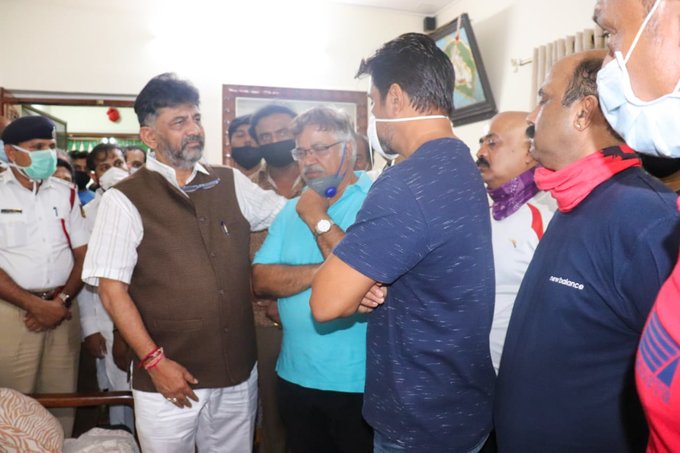
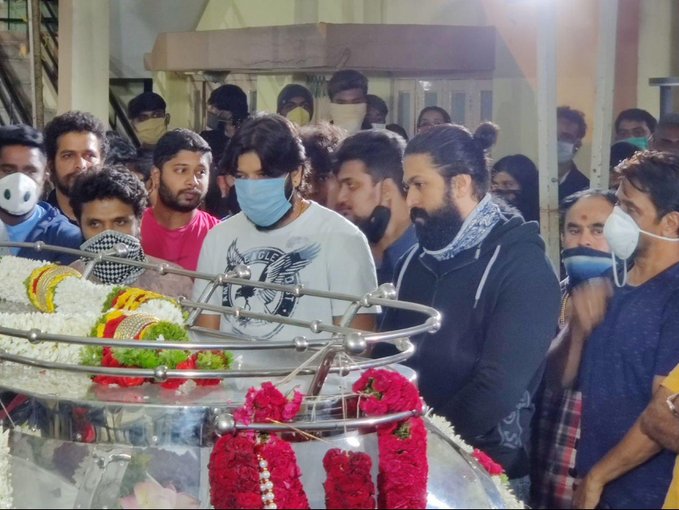
He was later taken to his residence in Bengaluru. His final rituals happened on Monday afternoon where his friends and colleagues paid esteem to the actor. Kiccha Sudeep, Yash, Shiva Rajkumar, and other actors also came up to show respect to Sarja. DK Shivakumar also attended the Sarja family with other politicians and tweeted, “Paid my last respect to Chiranjeevi Sarja and condoled Arjun Sarja, Sundar Raj, wife Meghana Raj & brother Dhruva Sarja. Strength to the whole family members & film fraternity. My prayers and thoughts to his whole family members during this time of grief.” “Shocked to hear about #chiranjevvisarja’s demise!!!” actress Priyamani tweeted. “Can never forget his smiling face.”

He has starred in films Shivarjuna(2020), Aadyaa(2020), Khakii(2020), Seizer(2018), Sinnga(2019), Amma I love you(2018), Chirru(2010) and many more.

HE HAS BEEN A GREAT ACTOR, MAY HIS SOUL SLEEPS IN PEACE!