Kudumbashree and micro finance

Kudumbashree, a community organization of Neighbourhood Groups (NHGs) of women in Kerala, has been recognized as an effective strategy for the empowerment of women in rural as well as urban areas: bringing women together from all spheres of life to fight for their rights or for empowerment. The overall empowerment of women is closely linked to economic empowerment. Women through these NHGs work on a range of issues such as health, nutrition, agriculture, etc. besides income generation activities and seeking micro credit.

Kudumbashree differs from conventional programs in that it perceives poverty not just as the deprivation of money, but also as the deprivation of basic rights. The poor need to find a collective voice to help claim these rights. Kudumbashree was conceived as a joint program of the Government of Kerala and NABARD implemented through Community Development Societies (CDSs) of Poor Women, serving as the community wing of Local Governments. Kudumbashree is formally registered as the “State Poverty Eradication Mission” (SPEM), a society registered under the Travancore Kochi Literary, Scientific and Charitable Societies Act 1955. It has a governing body chaired by the State Minister of LSG. There is a state mission with a field officer in each district. This official structure supports and facilitates the activities of the community network across the state.

KUDUMBASHREE MICROFINANCE

 This system operates by encouraging women to form small homogenous groups under the SHG-bank linkage program. The members of these minute groups were encouraged to meet frequently and amass minute thrift amounts from their members. They were also taught simple accounting methods to enable them to maintain their accounts. Individually these poor could never have had enough savings to open a bank account. The first step in establishing links with the formal banking system opened up when the pooled savings enabled them to open a formal bank account in the denomination of the group. These were followed by frequent group meetings. Pooled thrift was utilized to impart lean loans to members for meeting their diminutive emergent needs saving them from debt traps/ money lenders who demanded unusually high rates of interest and accelerated their empowerment through group dynamics, decision-making, and funds management. Peer- screening effect was engendered as borrowers themselves undertook the task of credit evaluation and reduced the transaction costs, community members had much more preponderant information than banks. Peer monitoring effect induced group members to utilize their imprests in productive ways. The desire to preserve valuable ties induced borrowers to spend extra effort if compulsory to secure timely payments. These ties were valuable because they sanctioned members’ borrowing and provided business connections. Moreover, a very consequential feature of group-lending was the collateral effect. Gradually the pooled thrift grew and soon 11 they were adept in receiving external funds in multiples of their group savings. Bank loans enabled the group members to undertake income- generating ventures.

 The various microfinance activities taken up by Kudumbashree are:

  Thrift and credit operations

NHGs are instrumental in thrift mobilization, encouraging the poor to save and to avail low -cost formal credit. They facilitate easy and timely credit to the unreached. The amount of loan to members and the purpose for which the loan should be utilized are decided by the NHG. The repayment is collected weekly during the NHG meetings. It is estimated that the thrift mobilized is on an average Rs 40 per month per member.

Linkage Banking.

NHG-Bank linkage scheme is one of the flagship programmes of Kudumbashree. NABARD SHG-Bank linkage grading procedures are applied while selecting eligible NHGs for availing loan. The NHGs are rated on the basis of a 15 -point index developed by NABARD. Bank will provide loans to those NHGs who pass 80 % of marks in the grading.

  Matching Grant.

 Matching grant is an incentive provided to NHGs. This grant linked to amount of thrift mobilized, performance of NHG in the Grading and loan availed from banks. An amount of 10% of the savings of the NHG subject to a maximum of Rs 5000/- is provided as matching grant to each NHG. The grant is released based on their assessment rated using 15-point grading criteria developed by NABARD.

  Interest Subsidy for Linkage loan.

 Govt of Kerala has introduced a new interest subvention scheme to promote Bank Linkage Program among Kudumbashree Neighborhood Groups. Under this scheme all Kudumbashree NHGs are eligible for interest subvention to avail the loan facility at an interest rate of 4% on credit up to Rs. 3 lakhs. The interest subsidy would be provided as annual instalments to the NHGs.

KAASS.

KAASS, the Kudumbashree Accounts & Audit Service Society; is a homegrown enterprise to ensure proper account keeping in the community network. Each district has been furnished with a KAASS team that has been 12 drawn from commerce graduates and is guided by professional chartered accountants

  Digitization of MIS’ and repayment Info System (E- SHAKTI)

 Keeping in view the Government of India’s mission for creating a digital India, NABARD has launched a project for digitization of all Self -Help Group (SHG) in the country.

Kudumbashree and micro finance

Kudumbashree, a community organization of Neighbourhood Groups (NHGs) of women in Kerala, has been recognized as an effective strategy for the empowerment of women in rural as well as urban areas: bringing women together from all spheres of life to fight for their rights or for empowerment. The overall empowerment of women is closely linked to economic empowerment. Women through these NHGs work on a range of issues such as health, nutrition, agriculture, etc. besides income generation activities and seeking micro credit.

Kudumbashree differs from conventional programs in that it perceives poverty not just as the deprivation of money, but also as the deprivation of basic rights. The poor need to find a collective voice to help claim these rights. Kudumbashree was conceived as a joint program of the Government of Kerala and NABARD implemented through Community Development Societies (CDSs) of Poor Women, serving as the community wing of Local Governments. Kudumbashree is formally registered as the “State Poverty Eradication Mission” (SPEM), a society registered under the Travancore Kochi Literary, Scientific and Charitable Societies Act 1955. It has a governing body chaired by the State Minister of LSG. There is a state mission with a field officer in each district. This official structure supports and facilitates the activities of the community network across the state.

KUDUMBASHREE MICROFINANCE

 This system operates by encouraging women to form small homogenous groups under the SHG-bank linkage program. The members of these minute groups were encouraged to meet frequently and amass minute thrift amounts from their members. They were also taught simple accounting methods to enable them to maintain their accounts. Individually these poor could never have had enough savings to open a bank account. The first step in establishing links with the formal banking system opened up when the pooled savings enabled them to open a formal bank account in the denomination of the group. These were followed by frequent group meetings. Pooled thrift was utilized to impart lean loans to members for meeting their diminutive emergent needs saving them from debt traps/ money lenders who demanded unusually high rates of interest and accelerated their empowerment through group dynamics, decision-making, and funds management. Peer- screening effect was engendered as borrowers themselves undertook the task of credit evaluation and reduced the transaction costs, community members had much more preponderant information than banks. Peer monitoring effect induced group members to utilize their imprests in productive ways. The desire to preserve valuable ties induced borrowers to spend extra effort if compulsory to secure timely payments. These ties were valuable because they sanctioned members’ borrowing and provided business connections. Moreover, a very consequential feature of group-lending was the collateral effect. Gradually the pooled thrift grew and soon 11 they were adept in receiving external funds in multiples of their group savings. Bank loans enabled the group members to undertake income- generating ventures.

 The various microfinance activities taken up by Kudumbashree are:

  Thrift and credit operations

NHGs are instrumental in thrift mobilization, encouraging the poor to save and to avail low -cost formal credit. They facilitate easy and timely credit to the unreached. The amount of loan to members and the purpose for which the loan should be utilized are decided by the NHG. The repayment is collected weekly during the NHG meetings. It is estimated that the thrift mobilized is on an average Rs 40 per month per member.

Linkage Banking.

NHG-Bank linkage scheme is one of the flagship programmes of Kudumbashree. NABARD SHG-Bank linkage grading procedures are applied while selecting eligible NHGs for availing loan. The NHGs are rated on the basis of a 15 -point index developed by NABARD. Bank will provide loans to those NHGs who pass 80 % of marks in the grading.

  Matching Grant.

 Matching grant is an incentive provided to NHGs. This grant linked to amount of thrift mobilized, performance of NHG in the Grading and loan availed from banks. An amount of 10% of the savings of the NHG subject to a maximum of Rs 5000/- is provided as matching grant to each NHG. The grant is released based on their assessment rated using 15-point grading criteria developed by NABARD.

  Interest Subsidy for Linkage loan.

 Govt of Kerala has introduced a new interest subvention scheme to promote Bank Linkage Program among Kudumbashree Neighborhood Groups. Under this scheme all Kudumbashree NHGs are eligible for interest subvention to avail the loan facility at an interest rate of 4% on credit up to Rs. 3 lakhs. The interest subsidy would be provided as annual instalments to the NHGs.

KAASS.

KAASS, the Kudumbashree Accounts & Audit Service Society; is a homegrown enterprise to ensure proper account keeping in the community network. Each district has been furnished with a KAASS team that has been 12 drawn from commerce graduates and is guided by professional chartered accountants

  Digitization of MIS’ and repayment Info System (E- SHAKTI)

 Keeping in view the Government of India’s mission for creating a digital India, NABARD has launched a project for digitization of all Self -Help Group (SHG) in the country.

MANAGING MONEY AND INCREASING SAVING

“Before Money becomes Wealth, it’s just Money. And for making Wealth from Money, we need to MANAGE it.”

Money Management is the broad concept which incorporates the key principles required for developing wealth and for preserving and protecting that wealth. It teaches about investing, budgeting, banking, tracking your expenses and assess the tax liabilities. This can also be called as Investment Management. Thus, Money Management is a technique where high interest output is delivered with any amount invested for money.

Spending money for satisfying needs, wishes and cravings regardless of whether they are justifies and included in a budget. can be seen in every human and is a very natural tendency and phenomenon and this idea of money management is especially developed to make the people, institutions and firms understand how to channelize and reduce the amount of money spent on different items and values which care not significant and which do not have any contribution in enhancing their living standards, long term asset or benefit. Money gives you the sense of self fulfilment and this sense of self fulfillment doesn’t come from rigorous spending of money or buying wealth but from having an amount of money which will not get outlived while fulfilling their lives needs, ambitions and providing a meaning livelihood which is convenient for them.

Thus, for money management it is also important to properly analyze the behavioral aspect of individuals or firms. Money Management also focuses on the behavioral attributes which influence the decision made by investors or organizations or individuals. And this decision making phenomena can severely affect the outcomes of long term strategies. In fact, everyone battles against the powerful elements like taxes, debt or inflation etc. which have the power to destroy and take away the wealth that we have attained by working hard. And a single wrong decision can affect and ensure our defeat.

8 Tips for Money Management:

  1. CREATING A COMPREHENSIVE BUDGET PLAN (Listing the amount of money you receive and planning how to manage your expenses by using that amount and what will be your savings.)
  2. TRIMMING UNNECESSARY DAY TO DAY COSTS (Identify different ways to save and start from small scale. Eliminate day to day unnecessary costs and avoid penalty charges and fines)
  3. FIND WAYS TO PAY LESS INTEREST ON YOUR DEBTS
  4. MAKE GOALS FOR EFFECTIVE SAVINGS AND ACCELARATE THE SAVINGS
  5. AVOID PAYING MORE TAX THAN NEEDED
  6. USE ONLINE BANKING (because they help in setting up payment reminders, scheduling future bills and help in reviewing and analyzing the amount of money spent.)
  7. SAVE FOR RETIREMENT AND PLAN ACCORDINGLY
  8. WORK WITH AN ADVISOR (To reduce financial stress and feel secured. They help in analyzing your financial status and set up goals.)

NEED OF MONEY MANAGEMENT

  • Money and Finance Management is a vital part of personal and business life. Hence, it is hard to ignore and needs to be planned with proper vision, career, finances, goals etc. and these will drive your future. Proper financial knowledge is important for starting any successful business and it is the ability to manage one’s money.
  • It develops the ability of a person to understand financial concepts which will help him in managing money better. And ensures financial well being.
  • Money Management and Financial literacy is one of the major life skill and it increases the financial ability of a person. One can start investing in his 50s also but starting early has its own benefits.
  • Today, the rich is getting richer, poor is getting poorer and the middle class people are getting indebted. The reason is the lack of knowledge of money management. People learn about money management from their parents and families and not in school. What will the children of poor people learn about money management for them? The only thing that they know is to study hard for getting a job. That’s why even after having proper knowledge, skills and expertise they don’t get proper job and don’t get enough savings.

Things to do in your 20s

Photo by Helena Lopes on Pexels.com

This is the time when you start becoming more independent and truly begin the journey of self- discovery. A time for many big decisions and experiences and certainly is one of the most important phases of your life. Here are few things that one must learn to make the most of this period in life

LEARN FINANCES

Financial education is one of the most important subjects but yet ignored by many young adults. The sooner you start saving, investing and managing, the sooner you will learn and see the results. Since you are young, you don’t really have much to lose, this will help you practice without lasting consequences and will give you a leg up in regards to your peers and provides you with experience. So start planning for the future.

MAKE MISTAKES

Do not fear making mistakes, take the risk, take the chance. Our mistakes are what helps us grow and learn. So, for your 20s, embrace the idea that you will make mistakes and lots of them! But always learn the lesson that it has taught you, or else it would be an effort in vain. These lessons must be the push on your journey towards a better self.

LEARN HEALTHY HABITS

In 20s, health is at its peak, so this creates an illusion for many young adults that they can eat junk and drink anything for pleasure, but these choices have severe long-term consequences on body. So, this time of your life is a good opportunity to establish life-long healthy habits.

Consider your diet, learn to cook, and find a way of exercising that works best for you. Starting early on to build a healthy foundation is likely to improve your well-being significantly and will be one of the best investments for future.

TRAVEL

Even if you are short on your budget, travel your city and neighboring towns, because traveling can add value to your life. When you travel, you learn how to adapt to new situations, it takes you out of our comfort zone and allows you to test yourself. You learn to live with people, often without a common cultural ground or language. It gives a new perspective about life and boosts confidence.

Property Rights

What Are Property Rights?

Property rights define the theoretical and legal ownership of resources and how they can be used. These resources can be both tangible or intangible and can be owned by individuals, businesses, and governments. In many countries, including the United States, individuals generally exercise private property rights or the rights of private persons to accumulate, hold, delegate, rent, or sell their property. In economics property rights form the basis for all market exchange, and the allocation of property rights in a society affects the efficiency of resource use.

Understanding Property Rights

Property is secured by laws that are clearly defined and enforced by the state. These laws define ownership and any associated benefits that come with holding the property. The term property is very expansive, though the legal protection for certain kinds of property varies between jurisdictions.Property is generally owned by individuals or a small group of people. The rights of property ownership can be extended by using patents and copyrights to protect:

  • Scarce physical resources such as houses, cars, books, and cellphones
  • Non-human creatures like dogs, cats, horses or birds
  • Intellectual property such as inventions, ideas, or words

Other types of property, such as communal or government property, are legally owned by well-defined groups. These are typically deemed public property. Ownership is enforced by individuals in positions of political or cultural power. Property rights give the owner or right holder the ability to do with the property what they choose. That includes holding on to it, selling or renting it out for profit, or transferring it to another party.

Acquiring Rights to a Property

Individuals in a private property rights regime acquire and transfer in mutually agreed-upon transfers, or else through homesteading. Mutual transfers include rents, sales, voluntary sharing, inheritances, gambling, and charity. Homesteading is the unique case; an individual may acquire a previously unowned resource by mixing his labor with the resource over a period of time. Examples of homesteading acts include plowing a field, carving stone, and domesticating a wild animal. In areas where property rights don’t exist, the ownership and use of resources are allocated by force, normally by the government. That means these resources are allocated by political ends rather than economic ones. Such governments determine who may interact with, can be excluded from, or may benefit from the use of the property.

Private Property Rights

Private property rights are one of the pillars of capitalist economies, as well as many legal systems, and moral philosophies. Within a private property rights regime, individuals need the ability to exclude others from the uses and benefits of their property. All privately owned resources are rivalrous, meaning only a single user may possess the title and legal claim to the property. Private property owners also have the exclusive right to use and benefit from the services or products. Private property owners may exchange the resource on a voluntary basis.

Private Property Rights and Market Prices

Every market price in a voluntary, capitalist society originates through transfers of private property. Each transaction takes place between one property owner and someone interested in acquiring the property. The value at which the property exchanges depends on how valuable it is to each party. Suppose an investor purchases $1,000 in shares of stock in Apple. In this case, Apple values owning the $1,000 more than the stock. The investor has the opposite preference, and values ownership of Apple stock more than $1,000.

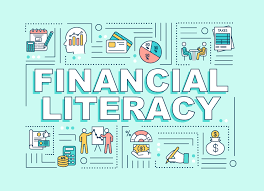
Financial Literacy

What Is Financial Literacy?

Financial literacy is the ability to understand and effectively use various financial skills, including personal financial management, budgeting, and investing. Financial literacy is the foundation of your relationship with money, and it is a lifelong journey of learning. The earlier you start, the better off you will be, because education is the key to success when it comes to money.

Read on to discover how you can become financially literate and able to navigate the challenging but critical waters of personal finance. And when you have educated yourself, try to pass your knowledge on to your family and friends. Many people find money matters intimidating, but they don’t have to be, so spread the news by example.

Understanding Financial Literacy

In recent decades financial products and services have become increasingly widespread throughout society. Whereas earlier generations of Americans may have purchased goods primarily in cash, today various credit products are popular, such as credit and debit cards and electronic transfers. Indeed, a 2019 survey from the Federal Reserve Bank of San Francisco showed that consumers preferred cash payments in only 22% of transactions, favoring debit cards for 42% and credit cards for 29%.

Other products, such as mortgages, student loans, health insurance, and self-directed accounts, have also grown in importance. This has made it even more imperative for individuals to understand how to use them responsibly. Although there are many skills that might fall under the umbrella of financial literacy, popular examples include household budgeting, learning how to manage and pay off debts, and evaluating the tradeoffs between different credit and investment products. These skills often require at least a working knowledge of key financial concepts, such as compound interest and the time value of money. Given the importance of finance in modern society, lacking financial literacy can be very damaging to an individual’s long-term financial success.

Being financially illiterate can lead to a number of pitfalls, such as being more likely to accumulate unsustainable debt burdens, either through poor spending decisions or a lack of long-term preparation. This in turn can lead to poor credit, bankruptcy, housing foreclosure, and other negative consequences. Thankfully, there are now more resources than ever for those wishing to educate themselves about the world of finance. One such example is the government-sponsored Financial Literacy and Education Commission, which offers a range of free learning resources.

Strategies to Improve Your Financial Literacy Skills

Developing financial literacy to improve your personal finances involves learning and practicing a variety of skills related to budgeting, managing and paying off debts, and understanding credit and investment products. Here are several practical strategies to consider.

Create a Budget—Track how much money you receive each month against how much you spend in an Excel sheet, on paper, or with a budgeting app. Your budget should include income (paychecks, investments, alimony), fixed expenses (rent/mortgage payments, utilities, loan payments), discretionary spending (nonessentials such as eating out, shopping, and travel), and savings.

Pay Yourself First—To build savings, this reverse budgeting strategy involves choosing a savings goal (say, a down payment for a home), deciding how much you want to contribute toward it each month, and setting that amount aside before you divvy up the rest of your expenses.

Pay Bills Promptly—Stay on top of monthly bills, making sure that payments consistently arrive on time. Consider taking advantage of automatic debits from a checking account or bill-pay apps and sign up for payment reminders (by email, phone, or text).

Video Game crash of 1983

In 1983 the video games industry was hit with a recession that almost ended the existence of video games of that time period. This period lasted for almost two years from 1983 to 1985. Many people and journalists who were critical were calling video gaming a fad. Numerous companies went bankrupt or stopped making video games entirely. This recession is known as the Great North American Video Game Crash or Atari Shock (Primarily in Japan).

Video games in the 1970s were dominated by arcade machines and by the end of the decade home game consoles were also getting popular. With the start of the 1980s, the video gaming industry witnessed a boom with numerous companies like Mattel, Atari, and Coleco dominating the market. The early 80s was a time of innovation and growth in the video game industry but there was instability in the industry as well. This was a time period when video games were becoming more mainstream and popular. Many new players entered the market ranging from industries to small developers that had no association or prior experience in game development in general.

Pacman was a big hit in the early 80s and it was not of the most popular video games in the arcades. Its successor Miss. Pacman improved on the formula and was a success as well. After the success of Pacman in the arcades, Atari wanted to replicate the success in the home game consoles. But with the limited constraints with the memory and short development period, the game was not well received by the consumers and critics alike. In 1982 Atari also brought the license to release the video game of the movie for 21 million. The game was developed in a time period of only 5 weeks. The game was negatively received and only 1 million copies of the game were sold off the 5 million manufactured. Many of the sales were also returned to the retailers furthering the damage. During this period video games were being published by small developers with very poor quality and many big developers were producing games that were more of a marketing token than the game. There were many clones of the same games with little to no redeeming quality and replayability. There were also numerous consoles unlike today with too many options that were no different from one another. With the abundance of supply and low sales of games, retailers started to remove stocks of video games and this led to the shrinking of the industry. Atari had lost $500 Million in 1983 and had to cut its workforce from 10,000 employees to just 400 employees.

During the 1980s there was a boom in the Personal Computers market as well. The PCs were much more powerful than consoles and they could play games and do many tasks like word processing and spreadsheets. The PC industry was unaffected by this low point of video game consoles.

In 1985 Nintendo Corporation launched the Nintendo Entertainment systems in North America and Nintendo ensured that only a limited number of games to be released under their license agreement. This ensured a certain threshold of quality for the games that were released for the system and Nintendo emerged out of the survivor from the video game crash. The Nintendo Corporation started to dominate the video game industry with an assurance of quality that was unmatched by any other corporation at that time. Many other entrants like SEGA also emerged after the crash. Nintendo with its approach and license and quality assurance of video games has left a big impact on the industry to this date. Video games industry has only grown since then and also overtaken other source of entertainment. Nintendo can be credited to provide the industry a trajectory that was severely needed after the crash of 83.

References:

Greed vs Generosity: Which Gives a Better Competitive Advantage?

Many people think that in the professional world, selfishness and greed are the characteristics that pay dividends. But the truth is, excepting win-lose situations, that the most successful people in the medium and long term are those who are the most generous in their business and personal lives.

Ambition is a desire to take on more than you can realistically accomplish, to constantly strive for improvement, to grow both personally and professionally, and, of course, the desire to generate more income. However there comes a time when ambition crosses a line, and when that happens it becomes greed. Greed is the desire to chew more than you can eat, a desire that distracts you from realistically possible goals. Greed is wanting to get more than what you have actually earned, obtaining maximum profit at minimum cost, or as an old adage has it: “Grasp all, lose all.”

Today there is an abundance of courses and books on finance, limitless knowledge on hand with a simple click. But to know what is right, to subdue the pirates of greed and to follow your trading plan- this is another story. People who look for easy money invariably find that there is no such thing, paying a heavy price for this lesson. Ego, vanity, and revenge play a part, causing people to fail on their trading accounts. This is one of the factors that explains why people might not fall into the exclusive 10% that ‘win’, and find themselves one of the 90% that lose.

Literature and film are full of greedy and stingy characters, and the moral of films like ‘A Christmas Carol’ or ‘The Wolf of Wall Street’ is always the same: the fate of the greedy is heartbreaking. Their addiction to work means that they live a lonely life, and their search for wealth means that at the end of their lives, they have only the sober memory of their friends from the Stock Exchange.

GIVE AND TAKE

People do not realize that giving without expecting something in return could be a competitive advantage, as well as making ones outlook more positive. Studies have shown that the most successful people are generous. At least this is the affirmation of Adam Grant, a psychologist and professor at Wharton and author of “Give and Take”.

A generous person builds bigger and stronger networks, improves communication with their existing contacts, and also finds it easier to interact with people outside of their core network- this gives them access to new contacts and valuable sources of information. Generous people inspire in others a predisposition, or positive receptivity, to reconnect with them, as well as a greater willingness to collaborate.

Moreover, being a giver encourages persistence because givers are able to enthusiastically motivate people, inspiring confidence, because they are liberal with praise. They create a generally positive environment. Talent is important, but the most important factor in success is persistence. And what’s even more interesting is that being a giver has an energizing effect that increases levels of happiness.

According to Bill Williams, famous trader and writer of “Trading Chaos”, people with a ‘giving’ mindset enjoy more happiness and success. For example, later in his career Bill always traded two accounts, one for himself and one for his charities. The charity account always made more money, even though he traded using the same method with both accounts. In the charity account he never veered from his strategy, while in his own account he would sometimes take a trade based on a “feel”, or get in a trade before the actual signal. This shows us the importance of sticking to a plan, but also the importance of being a ‘giver’.

Giving distracts us from our problems, adds meaning to our lives and helps us feel valued by others. This explains why avidity and egoism are the trader’s worst enemy. Having a benevolent mindset while trading helps the trader to increase performance. Happy people earn more money on average, score higher yields, make better decisions and contribute more to their organizations. Furthermore, traders who are givers are at the top of the most successful trading operations.

THE GREED EFFECT

Focusing only on money results in the ‘greedy effect’, something that all professional traders know. In fact, one of the most common pieces of (rarely followed) advice that newbies receive is to shift their focus from trade results to the trading process, analyzing and following the rules of their trading system. Another suggestion is to start reasoning in pips and ticks instead of dollars. This reduces the greedy mindset and develops a more reliable attitude.

However we can make a further effort to improve our performance by shifting our focus to be more generous. One example is trading for charitable purposes like the aforementioned Bill Williams, another could be simply committing a small part of your monthly or annual profit to microcredits, which promote a world of stability and self-sufficiency, key to overcoming poverty.

Material things can be recovered, but feelings of guilt, helplessness and loneliness cannot be solved with money. If humans would be more understanding of and generous to others, the world would be a very different place. And that is why those who practice generosity, making it part of their daily lives, experience an uplifting of their mental and emotional state, and are generally filled with more satisfaction in their professional and personal lives.

In conclusion, we see that generous people are the most successful in their daily trading performance for the reasons described above. Having a giving mindset helps professionals become part of that exclusive group, the 10% of winners.

10 FINANCIAL BOOKS YOU SHOULD READ

Financial education is something that everyone should know about it .Everybody should know about how to handle their expenses ,how to plan their future, how to start their start-ups .So here is 10 books that helps you in many ways and you should read this book before start your earning or startups. I hope you all find these books as interested as I liked them. Here is the list of 10 books:-

  1. Rich Dad Poor Dad (1997)

    Author:-ROBERT T KIYOSAKI
    Genre:-Financial Investment , non-fiction
    Description:-Robert T Kiyosaki is an American author and business man .he is the founder of Rich Global LLC and the Rich Dad company. he wrote rich dad poor dad which is one of the best selling book of New York times .It has sold over 32 million copy . He wrote in book how people denied to accepting the truth and how the fear and greed control them through out their life. He also talks about financial strategies . It’s one of the best book on financial education.

2.Why Didn’t They Teach Me This in School? (2017)

Author:-Cary Siegel
Genre:- Financial education ,Business
Description:-Cary Siegel is a MBA graduate from a university of Chicago. After Graduating from one of the top business school. He started his carrier in sales and marketing and lead several companies in sales and marketing. He shared his experience and finance lesson that he learned through out of his life.
Why didn’t They Teach Me This in School? covered numerous topics like budgeting, spending, credit cards, investing, mortgages, insurances and much more which you will never learn in your school.

3. The Automatic Millionaire (2003)


Author:- David Bach
Genre:- financial Investment, self-help
Description:-David Bach is an American author, Motivational speaker ,entrepreneur and founder of Finish rich.com.
He wrote many books on finance such as Finish Rich series and Automatic Millionaire series.
The Automatic Millionaire is about how can you become financially stable without taking so much risk or if you are frugal then you must read this book.
“The first person who deserves your money is yourself” by DAVID BACH

4. The One-Page Financial Plan (2015)

Author:- Carl Richards
Genre:- Financial Investment and education
Description:- Carl Richards is a certified Financial planner and the author of The Behavior gap and appearing weekly on New York times since 2010.
The one page financial plan is all about how can you do budgeting and make savings to be fun. Set your future goals but change your strategies according to the situation.

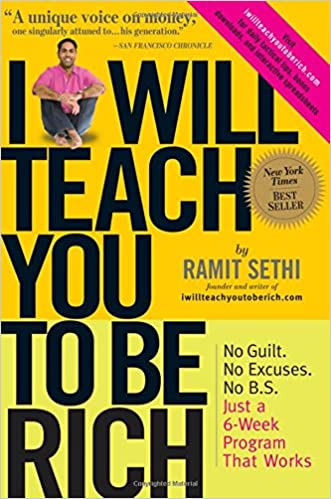
5. I Will Teach You to Be Rich (2009)

Author:- Ramit Sethi
Genre:-Financial education and Investment
Description:-Ramit Sethi is an American personal finance advisor and entrepreneur. he is the best selling author of New York times in 2004.
i Will teach you to be rich talks about how people blame others about their financial problems, smartly spending your earning and start investing from today as it will help you in future.

6. Your Money or Your Life (1992)

Author:-Joseph R. Dominguez, Monique Tilford, and Vicki Robin
Genre:- Financial education and Investment
Description:- Author talks about the minimize spending ,excessive investing and save for Emergencies .

7.  Think and Grow Rich (originally published:-1937)

Author:- Napoleon Hill
Genre:- Non-Fiction, Self-help, Financial education
Description:-Oliver Napoleon Hill was an American author who wrote so many self-help books. Think and Grow rich is one of them and it’s one of the best self-help book of all times.
Hill talks about the belief in yourself ,becoming a stubborn and never your change your decision once you decided and accompany those who are mastermind on your field.

8. The Millionaire Next Door ( originally published:-1996)

Author:-Thomas J. Stanley, William D. Danko
Genre:- Non-fiction
Description:- Thomas J. Stanley was an American author and business theorist . He wrote The millionaire next door which was the New York times best sellers.
The millionaire next door covered about the healthy spending and avoid silly mistakes that mostly people do to handle their financial expenses. It’s one of the most practical book that I had ever read till now

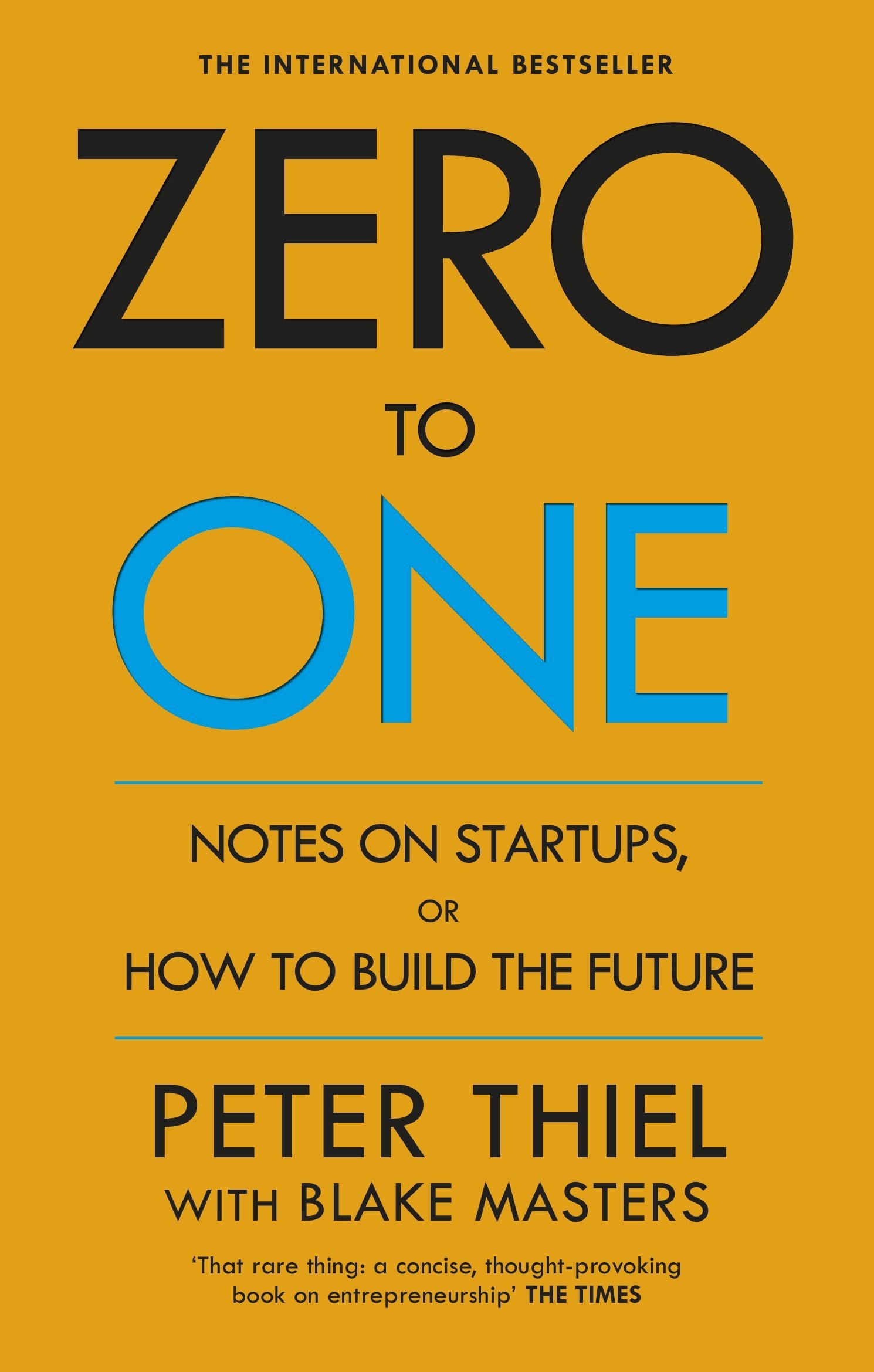
9. Zero to One (2014)

Author:-Blake Masters and Peter Thiel
Genre:- Business, Politics and Government
Description:-Peter Theil is German-American billionaire entrepreneur and venture capitalized. he is the co-founder of PayPal ,Palantir technologies .he was the first outside investor in Facebook .he was ranked four on the Forbes Midas list 2004. peter write about how he thinks about his business and how an you shape the future of the world in the process.

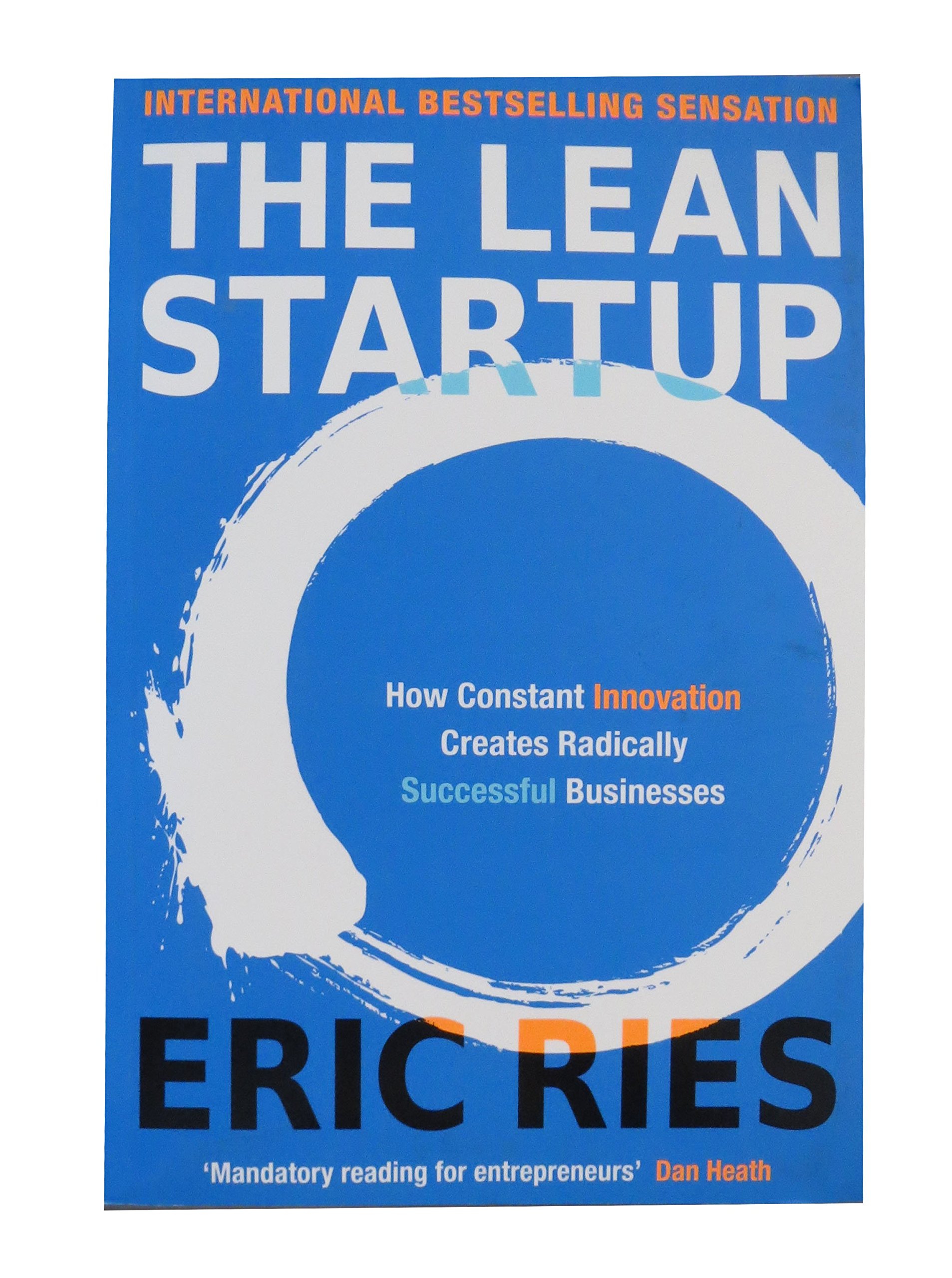
10. The Lean Startup(2011)

Author:-Eric Ries
Genre:-Self-help book
Description:- Eric Ries is an American entrepreneur, blogger and author of The Lean Startup.
the lean startup talk about the customer needs and quickly learn about it, changing the strategies according the customer needs and previous result. Eric Ries divide the book in three section:-
1. vision
2.steer
3.Accerlate

I hope you liked the article .Thank you for giving your precious time to read this article if you like the article pls tell us and comment your feedbacks .
Have a Good day and Happy Reading.

Financing Decisions

Financing decisions are concerned with the amount of finance to be raised from various long-term sources of funds like, equity shares, preference shares, debentures, bank loans etc and its impact on the capital structure of the organisation.

It is one of the three main decisions of Financial Management – Investment decisions, Financing decisions and Dividend decisions.

Factors affecting financing decisions

While making financing decisions, one must focus on the composition of funds from various long-term sources. These decisions involve:

  1. Decision whether or not to use a combination of ownership and borrowed funds.
  2. Determining the ratio in which ownership and borrowed funds should be kept.

A firm should have an appropriate mix of debt as well as equity.

  • The disadvantage of having Debt is that it involves Financial Risk which is the risk of default on payment or interest on borrowed funds and the repayment of principle amount
  • However, tax benefit on interest payments of the debt reduces its cost, making it cheaper than equity.
  • In order to avail the benefits of debt wisely, the cost of debt should be less than the rate of return on the capital.
  • Shareholders’ funds have no fixed commitment in the aspects of repayment of capital or payment of returns.

Factors to be considered to make financing and capital structure decisions are listed below-

  1. Interest/dividend pay-out: Debt involves compulsory interest payments whereas there is no compulsion to pay dividend to equity shareholders. However, the company should also keep its dividend policy in mind, in case they prefer paying dividends in order to retain their shareholders.
  2. Tax deductibility– Interest payments are tax deductible which reduces its overall cost.
  3. Dilution of control– In case the existing shareholders want to retain the complete control of business then finance can be raised through borrowed funds or preference shares but when they are ready for dilution of control over business, equity shares can be used for raising finance.
  4. Risk and floatation costs: More risk is associated with borrowed funds as compared to owner’s fund as interest is paid on it and it is also repaid after a fixed period of time or on expiry of its tenure. The cost involved in issuing securities such as broker’s commission, underwriter’s fees, expenses on prospectus etc. Is called flotation cost. Higher the flotation cost, less attractive is the source of finance.
  5. Feasibility & Cash Flow position: In case the cash flow position of a company is good enough then it can easily use borrowed funds.
  6. Payment schedule: In case the company wants to go for debt, then the payment schedule, tenure and total costs (principal+interest) should be analysed and compared with other options. Longer the schedule, greater the interest so in case the schedule is too long, the terms should be modified or other financing options can be considered.

Different options and compositions of debt and shareholder’s fund can be analysed to find the one with the lowest weighted average cost (WACC). This way the company enjoys the tax benefit advantage of debt and non-compulsion of dividend payments advantage of equity.

However, it is important to analyse costs after factoring in the time value of money so the decision-maker gets a realistic picture of the cost of capital, on the basis of which, informed decisions can be made.

How to set Financial goals

Setting financial goals is essential for personal finance management and budgeting. In order to efficiently manage spending, savings and investments and be financially secure, one must set financial goals.

Being unprepared and spending mindlessly can be quite risky. One should be as prepared as they can be in case of emergencies or financial crises.

Moreover, saving and investing your earnings can help you grow your wealth and utilise your earnings in a profitable manner.

Before setting goals

Financial goals and objectives can vary from person to person depending on their income, investments, expenses, life stage/age, needs etc. Hence, it is important to assess the objective and duration of the goal by following the steps mentioned below-

  1. Identify starting point: Set a date for implementing the plan and its duration
  2. Set priorities: Identify your objectives; Are you saving to invest or to buy or to set up an emergency fund?
  3. Document your spending: Calculate your monthly expenditure. Analyse them and try to reduce them.
  4. Pay down your debt: Reduce your debt and pay it off first to reduce your interest expenses.
  5. Secure financial future: Implement the plan to become financially secure.

Most importantly, financial goals should be S.M.A.R.T – Specific, Measurable, Attainable, Relevant, Time-based.

Specific: Financial goals should be specific in terms of objective, time and amount.

Measurable: Goals should be measurable and expressed in monetary terms. For example, goal to be rich is not measurable as it is a subjective term. Hence, an amount limit suitable for every person should be set.

Attainable: A reasonable amount and time and limit should be set so it is possible to achieve them. For example, saving up to buy a car on a monthly salary of ₹30,000-₹40,000 within one year is not realistic and attainable.

Relevant: Every individual’s financial goal should be relevant to and in sync with their individual financial needs and objectives. For example, if a person wants to save up for retirement, they should focus on saving to invest in schemes specially designed for retirement planning.

Time-based: In order to achieve a goal, it should have an end period which motivates one to achieve it. They cannot be never ending as different stages of life have different financial requirements. At the end of the time period, one should evaluate and see if they were successful in achieving it or not.

Duration of Financial goals

As mentioned above, setting time-based goals is very important. Duration of each goal varies and is dependent on its nature and the income and expenses of the individual. For example, saving up to buy a TV should take between 3-6 months depending on the saving capacity of each individual. However, saving up for retirement takes years of planning, saving and investing.

Financial goals can be classified into Short-term, Mid-term and Long-term goals.

Short-term goals have a duration of 2 or less than 2 years. Example- Stick to weekly/monthly budget, reduce unnecessary expenses.

Mid-term goals have a duration of 2-years. Example- Build and diversify portfolio.

Long-term goals have a duration of more than 5 years. Example- Make a retirement plan and implement it.