Balancing Pain Relief and Side Effects: Tramadol – Role in Pain Management

 For anyone who has ever experienced chronic pain, the search for effective pain relief can be a significant challenge. The world of analgesics or pain relievers encompasses a vast array of medications, each with its set of benefits and potential drawbacks. One such medication that has gained attention is Tramadol. Understanding what is Tramadol, its uses, and the delicate balance between its efficacy and side effects is vital for patients and healthcare providers.

Photo by Tree of Life Seeds on Pexels.com

What is Tramadol?

Tramadol is an opioid analgesic, which means it’s in the same class of drugs as morphine, but it’s chemically different. It’s used primarily to treat moderate to severe pain, whether from surgery, injury, or chronic conditions like osteoarthritis. One of the main Tramadol uses is in long-term pain management due to its potential for lesser addiction compared to other opioids.

Tramadol Dosage and Formulations

Tramadol dosage can vary based on the patient’s pain level, age, and other factors. Typically, it starts with a lower dose, which can be increased until effective pain management is achieved without significant side effects. It’s available in various forms, including tablets, capsules, and liquid, with the Tramadol 200mg being one of the most potent doses. This high dosage is not common and is reserved for specific situations with strict monitoring due to its potency.

In some regions, like Mexico, the Tramadol 200 mg, especially Tramadol 200mg Mexico formulations, can be procured, often under different trade names. Tramadol pill forms, especially the Tramadol 200 mg tablet and Tramadol 200mg white capsules, are prevalent.

What is in Tramadol and How Does It Work?

The primary active ingredient in Tramadol is Tramadol hydrochloride, which works by changing the way the brain perceives pain. Unlike other opioids, it also has an effect on neurotransmitters, increasing levels of serotonin and norepinephrine, which can contribute to its pain-relieving effect.

Balancing Benefits and Tramadol Side Effects

Like all medications, Tramadol has side effects. The most common Tramadol side effects include dizziness, nausea, constipation, and headaches. It’s also essential to understand the more serious side effects like respiratory depression, which can be life-threatening.

An intriguing question for many is, “Does Tramadol make you sleepy or awake?” Tramadol can indeed cause drowsiness, but for some, it might cause insomnia. This duality underscores the importance of individualized care and monitoring when prescribing Tramadol.

Regarding its potency, many wonder about the effects of high dosages, like “Tramadol 200 mg high” or the impact of “200 milligrams of Tramadol.” The answer is that higher doses increase the risk of side effects, including the rare but serious risk of serotonin syndrome. Overdosing can also lead to slowed breathing, seizures, or even death.

How Long Does Tramadol Last?

The duration of Tramadol’s effects depends on the formulation. Immediate-release forms might last up to 6 hours, while extended-release tablets or capsules, such as Tramadol 200mg, can provide pain relief throughout the day.

Global Perspectives: Tramadol in Mexico and Beyond

While Tramadol is available worldwide, the regulations governing its sale and distribution vary. In some places, such as Mexico, Tramadol, including the Tramadol 200mg Mexico formulation, might be more accessible. It’s always crucial for patients to ensure they’re getting legitimate products, given the rise in counterfeit medications.

As the demand for reliable and authentic sources for medications rises, platforms like https://medicinesmexicamrx.com/ have come to the forefront, providing users with easy access to various drugs.

When deciding on the use of Tramadol or any medication, the goal is always to balance benefits with potential risks. It’s undeniable that Tramadol, from the standard Tramadol pill to the potent Tramadol 200mg white capsules, offers substantial pain relief for many.

Balancing Pain Relief and Side Effects: Tramadol’s Role in Pain Management

 For anyone who has ever experienced chronic pain, the search for effective pain relief can be a significant challenge. The world of analgesics or pain relievers encompasses a vast array of medications, each with its set of benefits and potential drawbacks. One such medication that has gained attention is Tramadol. Understanding what is Tramadol, its uses, and the delicate balance between its efficacy and side effects is vital for patients and healthcare providers.

Photo by Tree of Life Seeds on Pexels.com

What is Tramadol?

Tramadol is an opioid analgesic, which means it’s in the same class of drugs as morphine, but it’s chemically different. It’s used primarily to treat moderate to severe pain, whether from surgery, injury, or chronic conditions like osteoarthritis. One of the main Tramadol uses is in long-term pain management due to its potential for lesser addiction compared to other opioids.

Tramadol Dosage and Formulations

Tramadol dosage can vary based on the patient’s pain level, age, and other factors. Typically, it starts with a lower dose, which can be increased until effective pain management is achieved without significant side effects. It’s available in various forms, including tablets, capsules, and liquid, with the Tramadol 200mg being one of the most potent doses. This high dosage is not common and is reserved for specific situations with strict monitoring due to its potency.

In some regions, like Mexico, the Tramadol 200 mg, especially Tramadol 200mg Mexico formulations, can be procured, often under different trade names. Tramadol pill forms, especially the Tramadol 200 mg tablet and Tramadol 200mg white capsules, are prevalent.

What is in Tramadol and How Does It Work?

The primary active ingredient in Tramadol is Tramadol hydrochloride, which works by changing the way the brain perceives pain. Unlike other opioids, it also has an effect on neurotransmitters, increasing levels of serotonin and norepinephrine, which can contribute to its pain-relieving effect.

Balancing Benefits and Tramadol Side Effects

Like all medications, Tramadol has side effects. The most common Tramadol side effects include dizziness, nausea, constipation, and headaches. It’s also essential to understand the more serious side effects like respiratory depression, which can be life-threatening.

An intriguing question for many is, “Does Tramadol make you sleepy or awake?” Tramadol can indeed cause drowsiness, but for some, it might cause insomnia. This duality underscores the importance of individualized care and monitoring when prescribing Tramadol.

Regarding its potency, many wonder about the effects of high dosages, like “Tramadol 200 mg high” or the impact of “200 milligrams of Tramadol.” The answer is that higher doses increase the risk of side effects, including the rare but serious risk of serotonin syndrome. Overdosing can also lead to slowed breathing, seizures, or even death.

How Long Does Tramadol Last?

The duration of Tramadol’s effects depends on the formulation. Immediate-release forms might last up to 6 hours, while extended-release tablets or capsules, such as Tramadol 200mg, can provide pain relief throughout the day.

Global Perspectives: Tramadol in Mexico and Beyond

While Tramadol is available worldwide, the regulations governing its sale and distribution vary. In some places, such as Mexico, Tramadol, including the Tramadol 200mg Mexico formulation, might be more accessible. It’s always crucial for patients to ensure they’re getting legitimate products, given the rise in counterfeit medications.

As the demand for reliable and authentic sources for medications rises, platforms like https://medicinesmexicamrx.com/ have come to the forefront, providing users with easy access to various drugs.

When deciding on the use of Tramadol or any medication, the goal is always to balance benefits with potential risks. It’s undeniable that Tramadol, from the standard Tramadol pill to the potent Tramadol 200mg white capsules, offers substantial pain relief for many.

Sweets: A Delightful Journey into Culinary Bliss

 Sweets, also known as desserts or confections, hold a special place in culinary traditions worldwide. From a simple piece of chocolate to elaborate multi-layered cakes, sweets come in a dazzling array of flavors, textures, and forms, making them a universally beloved treat. The history of sweets is as diverse as the sweets themselves, often rooted in cultural and regional traditions, showcasing the creativity and craftsmanship of generations of confectioners.

Photo by Igor Ovsyannykov on Pexels.com

A History of Sweetness

The love for sweets is not a recent phenomenon. Sweets have been an integral part of human culinary history for centuries. Ancient civilizations such as the Egyptians, Greeks, and Romans were known to indulge in various forms of sweet treats made from ingredients like honey, dates, and nuts. These early desserts laid the foundation for the diverse range of sweets we enjoy today.

In the Indian subcontinent, sweets have an incredibly rich history, with a plethora of traditional sweets known as “mithai.” Sweets like Gulab Jamun, Jalebi, and Rasgulla have been enjoyed for generations and are an essential part of festivals, celebrations, and daily life.

Types of Sweets

The variety of sweets available around the world is astounding, but they can be broadly categorized into several types:

  1. Chocolate: Chocolate, made from cocoa beans, has a universal appeal. Whether in the form of creamy bars, truffles, or hot cocoa, chocolate satisfies cravings for both sweetness and a hint of bitterness.
  2. Baked Sweets: This category includes cakes, pastries, pies, and cookies. The world of baking offers an endless array of textures and flavors, from the buttery layers of a croissant to the fluffy tenderness of a sponge cake.
  3. Candies: Candies encompass everything from hard, fruit-flavored sweets to chewy caramels and gummies. They often come in a dazzling array of colors and shapes.
  4. Fruit-Based Sweets: Many sweets are made from fruits, either dried or fresh. Think of fruit jams, fruit preserves, or candied fruit peels.
  5. Ice Cream and Frozen Desserts: Cold, creamy, and available in countless flavors, ice cream is a go-to sweet treat. Frozen desserts also include sorbets, gelato, and frozen yogurt.
  6. Traditional Sweets: Every culture has its traditional sweets that are deeply rooted in their history and traditions. These sweets can be made from a wide variety of ingredients, including milk, grains, and spices.

The Art of Making Sweets

Crafting sweets is often an intricate and labor-intensive process. Skilled artisans, such as pastry chefs and confectioners, dedicate themselves to perfecting the art of sweet-making. The process can involve precision, patience, and an innate understanding of flavors and textures.

Sweets in Celebration and Culture

Sweets are an integral part of cultural celebrations and rituals around the world. In India, for example, sweets are exchanged during festivals and special occasions as a symbol of love and good fortune. Similarly, weddings often feature a grand display of elaborate sweets, showcasing the culinary traditions of the region.

Health Considerations

While sweets are a source of immense pleasure, it’s important to consume them in moderation. High sugar and calorie content can lead to health issues if consumed excessively. However, the enjoyment of sweets in moderation is a delightful aspect of life that connects people through the simple pleasure of sharing a sweet treat.

In conclusion, sweets are a testament to the diverse and creative world of culinary arts. Their history is a journey through time, their flavors a delight to the senses, and their cultural significance a bond that transcends borders. Whether you’re indulging in a simple piece of dark chocolate or savoring an intricately crafted dessert, sweets are a reminder of the sweetness of life itself.

Health Estimates: A Crucial Tool for Informed Healthcare Decision-Making

 Health estimates play a pivotal role in shaping healthcare policy, resource allocation, and individual health decisions. These estimates, often based on rigorous research and data analysis, provide valuable insights into various aspects of health, including disease burden, healthcare utilization, mortality rates, and the efficacy of public health interventions. In this essay, we will delve into the significance of health estimates and their impact on healthcare systems and individual well-being.

Photo by cottonbro studio on Pexels.com

Understanding Health Estimates

Health estimates encompass a wide range of quantitative assessments related to public and individual health. They can be broadly categorized into the following key areas:

  1. Disease Burden: Health estimates provide essential information about the prevalence and incidence of diseases within a population. These estimates help policymakers and healthcare professionals understand the scope of health challenges, allocate resources effectively, and prioritize interventions.
  2. Healthcare Utilization: Analyzing healthcare utilization patterns allows for the assessment of healthcare access, disparities, and the efficiency of healthcare delivery systems. It helps identify areas where healthcare services may be underused or overused.
  3. Mortality Rates: Estimations of mortality rates are fundamental for tracking the impact of diseases and interventions over time. These estimates guide public health initiatives, especially during epidemics and pandemics.
  4. Efficacy of Interventions: Health estimates are crucial for evaluating the effectiveness of healthcare interventions, such as vaccination programs, treatment modalities, and preventive measures. They aid in evidence-based decision-making and can inform policy adjustments.

Importance of Health Estimates

  1. Informed Decision-Making: Health estimates serve as the bedrock of informed decision-making for healthcare policymakers and practitioners. By providing accurate and up-to-date data, estimates enable the formulation of targeted strategies to address health challenges.
  2. Resource Allocation: Limited healthcare resources must be allocated judiciously. Health estimates guide resource allocation by identifying areas with the greatest need, thus optimizing the utilization of healthcare funds and infrastructure.
  3. Monitoring and Evaluation: Health estimates provide benchmarks for evaluating the impact of healthcare policies and interventions. Regular assessments help refine strategies and ensure that resources are directed toward the most effective initiatives.
  4. Public Health Preparedness: In the face of emerging threats, such as infectious disease outbreaks, health estimates are indispensable for gauging the potential impact and planning effective response measures. Timely and accurate estimates can save lives during public health emergencies.
  5. Personal Health Decisions: On an individual level, health estimates can empower people to make informed decisions about their own health. For instance, understanding the prevalence of risk factors for certain diseases can motivate individuals to adopt healthier lifestyles and seek timely medical care.

Challenges and Limitations

While health estimates are invaluable, they are not without challenges and limitations. Some of these include:

  1. Data Quality: The accuracy of health estimates relies heavily on the quality and availability of data. In some regions, data collection may be incomplete or unreliable, leading to less accurate estimates.
  2. Assumptions and Modeling: Many health estimates are based on mathematical models that involve assumptions. These assumptions can introduce uncertainty into the estimates, making it important to communicate the limitations associated with them.
  3. Resource Constraints: Conducting comprehensive health surveys and studies can be resource-intensive. Some countries, particularly low-income ones, may face challenges in obtaining sufficient data for accurate estimates.

Conclusion

Health estimates are a vital tool in modern healthcare. They guide policymakers, healthcare providers, and individuals in making informed decisions about public health, resource allocation, and personal well-being. As we continue to navigate the complex landscape of healthcare challenges, the importance of accurate and up-to-date health estimates cannot be overstated. Investing in data collection, research, and analysis is essential to improve our understanding of health trends and to develop effective strategies for promoting better health outcomes for all.

Health and Family Welfare

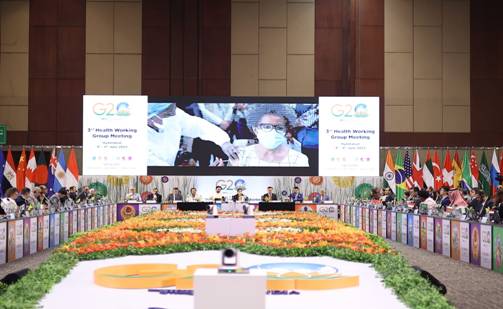
 The threat of pandemics is far from over. The need is to integrate and strengthen One Health-based surveillance systems.” This was stated by Dr Bharati Pravin Pawar, Union Minister of State for Health and Family Welfare during her address to the 3rd Health Working Group meeting under G20 India Presidency, here today. Shri G Kishan Reddy, Union Minister of Tourism, Prof SP Singh Baghel, Union Minister of State for Health and Family Welfare and Dr V K Paul, Member (Health), NITI Aayog were also present on the occasion.

Underlining the importance of global collaboration and partnerships, Dr Bharati Pravin Pawar said that “the COVID-19 pandemic highlighted that partnerships are most fruitful only when developed during peacetime and not amidst an ongoing pandemic; and that we need to focus on creating resilient health systems, with primary health as its cornerstone.” She further stated that “partnership we share as G20 members is vital and facilitates in building trust, sharing knowledge, creating networks and working together to achieve meaningful impact and results.”

Dr Pawar also highlighted the need for availability of safe, effective and quality medical countermeasures. Stating that India’s G20 Presidency is working towards building consensus for an end-to-end Global Medical Countermeasure (MCM) ecosystem, following a Network of Networks approach and leveraging existing global and regional initiatives, Dr Pawar urged the leadership of G20 countries to create an interim platform which will be guided by the Intergovernmental Negotiating Body (INB) process and will feed into the same.

Acknowledging the convergence between G7 and G20 priorities, including the launch of MCM Delivery Partnership during Japan’s G7 Presidency which aligns with G20’s proposal of an end-to-end MCM ecosystem, Dr Pawar urged the global community to strengthen ongoing efforts in that direction. “Pandemics may not wait for the finalization of the Pandemic Treaty and hence, the time to act is now”, she stated.

Dr Pawar also informed the delegates of India’s proposal of a Global initiative on Digital Health, a WHO-managed network to converge ongoing initiatives in use of technology in the global health arena. She stated that “this initiative can enable bridging the digital divide amongst nations and ensure that the fruits of technology are made available to every citizen of the world.”

Underscoring the contribution of Indian traditional knowledge systems to healthcare, Shri G Kishan Reddy stated that “Indian traditional knowledge system propagated preventive and holistic wellbeing for all”. He highlighted the significant impact of Ayurveda and Yoga across the world. He stated that “Indian civilization and cultural heritage has given us the Ayurveda or the Science of Lives which is a five-thousand-year-old medical practice. Similarly, Yoga has emerged as one of the most trusted practices to boost both physical and mental wellbeing.”

Highlighting the vision of Hon’ble Prime Minister to make India one of the new hubs of medical value travel, the Union Tourism Minister said that India is home to affordable, efficient and reliable healthcare which positions the country as a go to destination for medical value travel. He also informed that India is among the top ten countries preferred by people all over the world for health and wellness.

Shri Kishan Reddy stated that “India takes great pride in being a reliable partner in the noble vision of saving lives and protecting livelihoods” and highlighted India’s recognition as the “Pharmacy of the World”. He stated that the Genome Valley in Hyderabad alone contributes close to 33% of world’s vaccine production.

The Union Tourism Minister emphasized that India is committed to achieving universal healthcare for all by 2030. He concluded his speech by stating that “there cannot be a better platform than the G20 to support, harness, and facilitate the power of Universal Healthcare to build a healthy and motivated world”.


Prof S P Singh Baghel noted that pandemic prevention, preparedness and response require diverse multilateral efforts. “The recent Covid 19 pandemic taught us that only through a sustainable health system a sustainable economy can be built. Effective pandemic prevention, preparedness, and response can only be facilitated through continuous interventions in the health sector at the regional, national, and global levels”, he stated.

The Union Minister stated that India aims to ensure best health facilities, vaccines, therapeutics and diagnostics for all through the platform of the G20. He commended the efforts of the G20 Joint Finance and Health Task Force and the G7 for prioritizing the issue of financing health systems and societies in the face of an emergency, besides preparedness financing. He also noted that International Financial Institutions and Multilateral Development Banks and Funds like the Global Fund and Pandemic Fund can play a significant role in assisting resource-constrained regions to build common goods and public capabilities.

Shri Rajesh Bhushan, Union Health Secretary stated that “’Health for All’ is an important agenda outlined in the Sustainable Development Goals. It was also a pertinent theme in the recently concluded 76th World Health Assembly”. He noted that the theme of India’s G20 Presidency, i.e., “One Earth, One Family, One Future” also alludes to the wider concept of Universal Health Coverage. Underscoring the need to converge the ongoing parallel discussions in Global Health Architecture in Health Emergency Preparedness, Prevention and Response; Medical Countermeasures and Digital Health, he stressed on the need to break the existing silos and reduce fragmentation. “It is critical to integrate all existing global health initiatives, global and regional health processes like G7, G20 and UNGA by jointly harnessing our strengths for a fit-for-purpose global health architecture”, he stated.


The Indonesian and Brazilian Troika members commended the Indian Presidency for underlining the three health priorities. They stated the need to collectively accelerate our efforts towards strengthening pandemic preparedness, prevention and response measures and create a fit-for-purpose global health architecture.

Dr. Rajiv Bahl, Secretary, Dept of Health Research and DG, ICMR; Shri Abhay Thakur, Additional Secretary, Ministry of External Affairs and Sous Sherpa of India’s G20 Presidency, Shri Lav Agarwal, Additional Secretary, Ministry of Health and Family Welfare, Smt. Hekali Zhimomi, Additional Secretary, Ministry of Health and Family Welfare, representatives from the G20 member countries, special invitee countries, international organizations, forums and partners like WHO, World Bank, WEF etc., and senior officers of the Union Government were present.

****

Creating a Pandemic-proof Infrastructure

During the last few years, the world saw a crisis that shook every aspect of human life. A crisis that comes once in many decades. Almost every country experienced a complete lockdown at some point in time. Many countries with previously thought-to-be world-class health-care systems have also been tried, pushed to the limit, and in some respects found wanting. The pandemic took all countries by surprise and the discussion on appropriate national and global strategies is very diverse. The COVID-19 epidemic has demonstrated what is at risk, upending the lives of families worldwide. Millions of people have died, and a generation of kids has experienced a learning catastrophe.

The two years of the pandemic highlighted the current inadequacies of our healthcare delivery system and the need for urgent improvisation. The two years have seen us go through harrowing times—patients died for want of hospital beds and oxygen; the ventilator supply ran dry; high infections led to a severe manpower crunch at hospitals; there were not enough vaccines available then. Our healthcare system had crumbled under pressure, and our frontline workers, both in public and private hospitals, had burned themselves out. And now with cases rising, there is fear of a return to the past among healthcare workers.

Although the pandemic has eased, the virus is still alive and mutating and more pandemics are expected to follow. In the wake of this scenario, it is important for the world community to better equip ourselves to tackle such situations in the future. It is the moment that we realise the importance and need to strengthen healthcare infrastructure globally. It is time to work on making a pandemic-proof healthcare system for the future. Below are the areas that need to be focused on:

  • ·         Curative services – there is a need for the expansion of telemedicine from triage, diagnosis, and follow-up services covering all conditions (acute to chronic). Making institutions adapt and become centres of knowledge dissemination- telemedicine and all possibilities of e- and m-health and provide knowledge to people at home, on what symptoms to look out for, where to test, how to self-care, etc for not only Covid-19 but for other conditions too.
  • ·         Improve primary health care – Better primary health care will help us protect against future pandemics. Improving primary health care includes recruiting, training, and prioritising healthcare workers, and establishing effective surveillance and response systems, building confidence in health services through community outreach.
  • ·         Improve logistics and supply – There are a lot of logistics that are needed in a healthcare system. Some examples include masks, gloves, PPEs, disinfectants, etc. Apart from there’s also the supply of syringes and the cold chain storage that’s been necessary to make sure that the vaccines are stored at the proper temperature and don’t go to waste.  Increased investments in this type of infrastructure will assist to guarantee that communities obtain the immunizations they require while also protecting them from future outbreaks.
  • ·         Promotive and preventive healthcare services – The pandemic has demonstrated that having an underlying condition like diabetes, hypertension or obesity predisposes one to complications, long hospital stays, and mortality. Because of all these reasons, COVID-19 has been categorised as a syndemic rather than a pandemic. It is necessary to provide preventive and promotive health services like boosting one’s immune system through diet, exercise, and supplements, in different formats, online, face-to-face, or through home visits.
  • ·         Mental health services – Mental health issues during the pandemic are threatening to become the next pandemic. Stress and mental health issues related to lockdowns affect everyone but tend to affect the weaker segments of society more severely. It is necessary to create awareness about mental health and make mental health services available, accessible, and affordable to all.

It is true that we need to build pandemic-proof health infrastructure. But does Covid-19 expose our health sector only or show us the reality of other aspects also? Working only on health will not be sufficient. We also need to improve our social, educational and political infrastructure. The world saw a huge dropout of students because of online classes during pandemic. Some of the major reasons given for dropping are fairly obvious: technology problems, lack of support, poorly designed courses, and technologically inexperienced educators. This demands due consideration and commitment. The epidemic has impacted numerous nations’ governmental and political systems, resulting in declarations of emergency, suspensions of legislative activity, isolation or death of multiple lawmakers, and postponing of elections owing to worries of viral transmission.Furthermore, in certain areas, the epidemic has posed various problems to democracy, causing it to be weakened and harmed. Hence, building a pandemic-proof political infrastructure will not only ensure an efficient response to tackle the crisis but also provide basic institutional support to the nation and to the world as a whole.

This is a unique moment where we have an opportunity to learn from this pandemic and prevent others in the future. The legacy of COVID-19 mustn’t be one of disruption and disparity, but instead a moment of monumental change.

Creating a Pandemic-proof Infrastructure

During the last few years, the world saw a crisis that shook every aspect of human life. A crisis that comes once in many decades. Almost every country experienced a complete lockdown at some point in time. Many countries with previously thought-to-be world-class health-care systems have also been tried, pushed to the limit, and in some respects found wanting. The pandemic took all countries by surprise and the discussion on appropriate national and global strategies is very diverse. The COVID-19 epidemic has demonstrated what is at risk, upending the lives of families worldwide. Millions of people have died, and a generation of kids has experienced a learning catastrophe.

The two years of the pandemic highlighted the current inadequacies of our healthcare delivery system and the need for urgent improvisation. The two years have seen us go through harrowing times—patients died for want of hospital beds and oxygen; the ventilator supply ran dry; high infections led to a severe manpower crunch at hospitals; there were not enough vaccines available then. Our healthcare system had crumbled under pressure, and our frontline workers, both in public and private hospitals, had burned themselves out. And now with cases rising, there is fear of a return to the past among healthcare workers.

Although the pandemic has eased, the virus is still alive and mutating and more pandemics are expected to follow. In the wake of this scenario, it is important for the world community to better equip ourselves to tackle such situations in the future. It is the moment that we realise the importance and need to strengthen healthcare infrastructure globally. It is time to work on making a pandemic-proof healthcare system for the future. Below are the areas that need to be focused on:

  • ·         Curative services – there is a need for the expansion of telemedicine from triage, diagnosis, and follow-up services covering all conditions (acute to chronic). Making institutions adapt and become centres of knowledge dissemination- telemedicine and all possibilities of e- and m-health and provide knowledge to people at home, on what symptoms to look out for, where to test, how to self-care, etc for not only Covid-19 but for other conditions too.
  • ·         Improve primary health care – Better primary health care will help us protect against future pandemics. Improving primary health care includes recruiting, training, and prioritising healthcare workers, and establishing effective surveillance and response systems, building confidence in health services through community outreach.
  • ·         Improve logistics and supply – There are a lot of logistics that are needed in a healthcare system. Some examples include masks, gloves, PPEs, disinfectants, etc. Apart from there’s also the supply of syringes and the cold chain storage that’s been necessary to make sure that the vaccines are stored at the proper temperature and don’t go to waste.  Increased investments in this type of infrastructure will assist to guarantee that communities obtain the immunizations they require while also protecting them from future outbreaks.
  • ·         Promotive and preventive healthcare services – The pandemic has demonstrated that having an underlying condition like diabetes, hypertension or obesity predisposes one to complications, long hospital stays, and mortality. Because of all these reasons, COVID-19 has been categorised as a syndemic rather than a pandemic. It is necessary to provide preventive and promotive health services like boosting one’s immune system through diet, exercise, and supplements, in different formats, online, face-to-face, or through home visits.
  • ·         Mental health services – Mental health issues during the pandemic are threatening to become the next pandemic. Stress and mental health issues related to lockdowns affect everyone but tend to affect the weaker segments of society more severely. It is necessary to create awareness about mental health and make mental health services available, accessible, and affordable to all.

It is true that we need to build pandemic-proof health infrastructure. But does Covid-19 expose our health sector only or show us the reality of other aspects also? Working only on health will not be sufficient. We also need to improve our social, educational and political infrastructure. The world saw a huge dropout of students because of online classes during pandemic. Some of the major reasons given for dropping are fairly obvious: technology problems, lack of support, poorly designed courses, and technologically inexperienced educators. This demands due consideration and commitment. The epidemic has impacted numerous nations’ governmental and political systems, resulting in declarations of emergency, suspensions of legislative activity, isolation or death of multiple lawmakers, and postponing of elections owing to worries of viral transmission.Furthermore, in certain areas, the epidemic has posed various problems to democracy, causing it to be weakened and harmed. Hence, building a pandemic-proof political infrastructure will not only ensure an efficient response to tackle the crisis but also provide basic institutional support to the nation and to the world as a whole.

This is a unique moment where we have an opportunity to learn from this pandemic and prevent others in the future. The legacy of COVID-19 mustn’t be one of disruption and disparity, but instead a moment of monumental change.

reports of rising cases of lumpy skin disease (LSD) in livestock of Darjeeling and Kalimpong districts

 Department of Animal Husbandry and Dairying under the Ministry of Fisheries, AH and Dairying acts promptly to address concerns of livestock farmers of Darjeeling and Kalimpong districts of West Bengal today, as suspected cases of LSD (Lumpy Skin Disease), a devastating disease of Cattle and Buffaloes are reported.

Union Cabinet Minister for the FAHD Shri Parshottam Rupala directed for prompt action on the letter of the Member of Parliament from Darjeeling Raju Bista about his concerns on the reports of rising cases of lumpy skin disease (LSD) in Kalimpong and Darjeeling districts of West Bengal.

The Department of Animal Husbandry and Dairying, GoI responded swiftly and has taken all necessary steps for providing technical and financial support in close co-ordination with State and district officials of AHD.

As per the verifications from the field, there are no deaths of cattle due to LSD in Darjeeling and Kalimpong. Around 400 unvaccinated cattle in Darjeeling and 2000 in Kalimpong were infected out of which 200 and 1200 respectively have already recovered. Treatment of other infected cattle is underway including ring vaccination of cattle in affected areas to check the spread of the disease. There are no reports of LSD in sheep/goats In both the districts and the infection is reported mainly in unvaccinated cattle. However, the situation is under control.

The Department has been implementing various measures for control of the disease which are as under:

  • Surveillance: The Department has already formulated the surveillance strategy through Exit Plan and circulated to all the states. Diagnostic facilities are readily available in the region and Regional Disease Diagnostic Laboratory (RDDL), Kolkatta has been authorized and financially supported for surveillance of cattle through PCR testing of LSD and the same was communicated to the state.
  • Vaccination programme: States have been advised regularly to undertake vaccination as per the controlled and preventive strategy. Uniform rates for purchase of the vaccines have been communicated to the state. Financial assistance under ASCAD with 60: 40 share is provided to the states including West Bengal.
  • Visit of RDDL officers to Kalimpong and Darjeeling: The central team consisting of one officer each from North Eastern Regional Disease Diagnostic Laboratory (NERDDL), Guwahati and Eastern Regional Disease Diagnostic Laboratory (ERDDL), Kolkata has been constituted to visit the affected area to assess the ground situation and to support the state AHD for control and containment of LSD in definite time line.

The Department of Animal Husbandry & dairying is taking all necessary steps including funding and technical support for timely control and prevention of LSD in the country. However, the field implementation lies with the state government as Animal Husbandry is the state subject.


*****

5 billion people exposed to trans fat : WHO report.

Five billion people globally are exposed to harmful trans fat, increasing their heart disease and death risk, according to a new report by the World Health Organization (WHO).

At this point, 43 countries have put best-practice regulations against trans fat in food, covering 2.8 billion people worldwide, showed the Countdown to 2023 – WHO report on global trans fat elimination, released January 23, 2023.

However, despite significant progress, this still exposes five billion people to the devasting health effects of trans fat, making the 2023 target unattainable.

The World Health Organization is calling for the total elimination of trans fat – responsible for over 500,000 premature deaths each year.

In its annual status report, Countdown to 2023 WHO Report on global trans fat elimination 2022, WHO says governments need to do more to ban industrially-produced fats, which clog arteries and are commonly found in cooking oils, spreads, packaged foods, and baked goods. 

Depression

Some feelings are like old familiar friends, Depression is like that for me. When I’m not in it, I don’t remember.I remember it’s bad,I remember darkness,but it is different to feel it again. It’s the difference between remembering what a room looks like and actually walking through the door in that room. Being inside it again, feeling it again.
When depression starts,it can be slow at first.An instructive thought appears,“I don’t want to be here”and assume it’s gone like you bat it away like a fly or a bad smell. But when it hits you fully though when you are really in it,it’s everything;It’s Who you’re, you’re nothing else. On the outside, You look the same smiling and pretending is so much work but inside it’s a different story. You start to hate yourself, you’re so alone;so unbelievably Alone. And you can be with someone you Love but you’re not really with them.

“We think we know what’s going on with other people,but we don’t.You never really know what’s going on inside someone else’s head. Everyone’s fighting a battle;you can’t see.” We all have blind spots. And you know it’s you,it’s something wrong with you and it’s also exhausting: so goddamn shitty and exhausting,it’s helpless. It’s a void and existing takes so much energy,you want to sink into a hole of nothing where no one talks to you and you don’t have to smile or talk or be.

Anyway, it’s familiar, I’ve been here before, gotten out of it before but getting out of the part becomes the room that you remember but aren’t in; and that’s what’s Scary.

Top Challenges Of For Complying With HIPAA For Protecting Your Health Data

 HIPAA compliance is critical for those organizations that handle sensitive patient health information in the United States. All regulated entities must ensure they have established Policies & Procedures and have employees trained in HIPAA privacy, security, and breach notification standards. Failing to meet these requirements can result in civil or criminal charges, as well as costly fines. To protect themselves and their patients, organizations should strive to keep up to date on all HIPAA updates, take steps to monitor patient data, regularly test security systems, and securely destroy confidential information. By proactively ensuring HIPAA compliance, organizations will be better protected, their patients will rest assured that their personal data is secure and treated with respect.   

In December 2020, the Department of Health and Human Services released startling findings that 69% of organizational investigations discovered non-compliance with HIPAA regulations. This finding, combined with the rising healthcare costs associated with violations, highlights an urgent need for organizations to reduce HIPAA challenges in order to prevent monetary losses and protect confidential patient information. Organizations must move quickly to assess their existing security and privacy controls, ensuring they stay conscious of current regulatory compliance requirements. It is possible to reduce HIPAA challenges, but meaningful change requires thoughtful planning and commitment from leadership teams.

Cybersecurity Challenges 

1. Limiting Access to PHI 

One of the major cybersecurity challenges organizations face is limiting access to PHI. This means ensuring that only authorized personnel have access to any patient data. Organizations need to ensure that all PHI is stored securely on a server or database, and use strong encryption methods or multi-factor authentication mechanisms for accessing it. They also need to ensure that all employees understand how important it is to limit access to PHI and use proper security protocols when sharing any sensitive information. 

2. Using Secure Connections 

Another significant challenge organizations face when it comes to HIPAA compliance is using secure connections for data transmission and storage. All patient data should be encrypted before sending or storing in order to prevent unauthorized access or manipulation by third parties. Organizations should also consider using a Virtual Private Network (VPN) as an additional layer of security, as this will help protect any sensitive data while in transit over public networks such as the internet.  

Technical Challenges 

1. Authorization Processes 

Organizations also need to establish robust authorization processes for controlling who can access PHI and which systems they can use for doing so; this includes implementing policies related to user accounts, passwords, authentication tokens, etc., in order to make sure no unauthorized users can gain access without being properly vetted first. Additionally, organizations should regularly review their authorization processes in order to identify any weaknesses or vulnerabilities that could be exploited by attackers. 

2. Audit Control Systems 

Organizations need audit control systems in place in order to monitor changes made within their networks or databases; this will allow them to detect suspicious activity quickly and take action accordingly if needed. Additionally, these systems can also help organizations comply with certain HIPAA requirements such as logging user activity and reviewing system logs periodically in order to detect potential breaches before they happen.  

Device Security Measures 

As an administrator, it is imperative to protect not only the e-PHI itself but also the devices that gain access to it. To ensure maximum protection, companies may provide their staff with systems that have secure encryption. If your organization allows employees to bring their own devices for work purposes, confirm that those confidential data sources are encrypted. In order to certify this type of security, employee education is essential. Should negligence arise due to lack of training, a data breach may occur and run afoul of HIPAA compliance regulations. For comprehensive safety and peace of mind, guarantee your employees are properly trained on how to handle sensitive materials.

 So, organizations also need to ensure that any devices used for storing or transmitting PHI have appropriate security measures in place. This includes using antivirus and anti-malware programs, as well as encryption technologies such as disk encryption to protect against unauthorized access and data loss. Additionally, organizations should consider using remote wiping technology in order to be able to erase all PHI if a device is lost or stolen. So, these are some of the major device security challenges organizations face when it comes to HIPAA compliance. With proper planning and preparation, however, these can be addressed and managed effectively.

Risk Analysis Assessments and Tools 

When considering HIPAA compliance, risk assessment is a crucial step in the process. A risk assessment identifies possible areas where vulnerabilities and/or discrepancies could occur within your security measures. To help mitigate any security risks, the Office of Civil Rights and the Office of the National Coordinator for Health Information Technology created a Security Risk Assessment tool to aid with the process. This tool is available to download free of charge, helping you check off what standards are being met while also creating a plan to manage your risk assessment going forward. With an SRA tool in place, you’ll be able to more accurately determine any potential risks that face your business.

Lastly, organizations must conduct risk analysis assessments periodically in order to identify potential risks associated with their IT environment’s security posture including unauthorized access attempts from outside sources; from these assessments, organizations can develop countermeasures against potential threats utilizing tools such as penetration testing or vulnerability scanning in order determine weaknesses in their environment that could lead attackers into gaining access into sensitive information assets containing ePHI data elements; these tools enable healthcare providers proactively assess their security posture rather than just reacting when a breach occurs after the fact. 

Final Thoughts:

In conclusion, while HIPAA compliance poses numerous challenges associated with both cybersecurity and technical best practices related implementation of various controls; taking proactive steps towards ensuring all required safeguards are implemented while also periodically testing its effectiveness is vital for remaining compliant with HIPAA regulations and protecting patient health information from unauthorized personnel looking exploit vulnerable areas in an organization’s IT infrastructure.

Doctors Versus Physical Therapists

When it comes to muscle or joint pain or even back pain, seeing a physical therapist is a must. Their specialization in these categories is going to kick start your journey in feeling better and addressing the pressing needs on a straining body. A physical therapist can also help address any potential harmful issues and movements that could cause you more pain later on down the road. Getting consultations can help determine if going to a physical therapist is a logical step in discussing your health needs before seeing a doctor. In some cases, you may need to see a doctor first to diagnose the particular issue to then be seen by a physical therapist -but that is not always the case. Physical therapists will always send you to a doctor if they feel they can not adequately address the issues you are facing. While doctors and therapists can work hand in hand, they are not always needed together and you can see one without the other. 

Injuries That Require Physical Therapy 

Ligament strains are the most common injuries seen among physical therapists for treatment. 

  • Ankle sprain
  • Hamstring sprain
  • Muscle sprain 

Back pain is also frequently treated with physical therapy if it has been identified by a doctor as caused by an injury to the back ligaments and muscles. Achilles tendon injuries are also an injury seen often by physical therapists that requires physical therapy in order to properly heal. Soft tissue injuries (muscles and ligaments) as well as strain and tear injuries are all injuries that require physical therapy to help you recover and get back on your feet again. 

Skip the Wait…and the Money!

When dealing with specialized issues of your muscles and joints, many times you will be referred to a physical therapist by a doctor. But due to the Direct Access Legislation, you do not need a referral from your doctor to start a treatment regime from a physical therapist. Many insurances cover physical therapy costs and by heading straight to physical therapy you can cut out doctor bills and unnecessary wait times. Physical therapy is also cost effective in the sense that doctors may jump to surgery as an option, and many times an expensive option, when physical therapy could be the way to help you start feeling better and stay feeling better. So, skip the wait and look toward Pick PT for specialized care today and start the journey to feeling better without waiting on the doctor!

China's first population fall in six decades.

China’s population fell last year for the first time in six decades, a historic turn that is expected to mark the start of a long period of decline in its citizen numbers with profound implications for its economy and the world.

The country’s National Bureau of Statistics reported a drop of roughly 850,000 people.

China’s birth rate has been declining for years, prompting a slew of policies to try to slow the trend.

But seven years after scrapping the one-child policy, it has entered what one official described as an “era of negative population growth”.

Health experts says the next 40 days will be crucial for India amid covid surge in China.

.

There is still no clarity on what is happening in China, with experts raising alarm that the country is witnessing a steep increase in the number of COVID-19 cases due to coronavirus variant BF.7.

The Union Health Ministry has, however, said that the next 40 days will be crucial in India – with the country likely to witness a surge in January.

“In the past, whenever a NBCOVID-19 wave was reported in India, it used to hit us in 30-35 days, starting from East Asia, it used to hit Europe in 10 days, moving towards America and the Pacific region, and then finally hitting India which would normally take 30 days,” a senior health ministry official told media, requesting anonymity.

The official added that the number of deaths and hospitalisations is likely to be low this time, even if India is hit by a COVID wave by the end of January.

Meanwhile, the Ministry is likely to make mandatory, from next week, negative RT-PCR reports for passengers arriving from China, Hong Kong, Singapore, Japan, South Korea and Thailand.

Filling up of ‘air-suvidha’ forms and 72-hour prior RT-PCR testing could be mandatory for arrivals from these countries.

The government has made random coronavirus testing mandatory for two per cent of passengers arriving in each international flight from December 24. Union Health Minister Mansukh Mandaviya is likely to visit the Delhi airport to take stock of testing and screening facilities there.

Amid covid concerns, chinese are turning to black market India made meds.

Residents in China have been scouring the market for generic COVID-19 drugs and India seems to be the answer to their problem. In the recent past, the Chinese authorities have approved two Covid antivirals – Pfizer’s Paxlovid and Azvudine – for the treatment. While China has ran out of the medicine, the Indian market is filled with it and is slowly becoming the next favourite destination.

In the past few months, topics like “anti-Covid Indian generic drugs sold at 1,000 yuan (US$144) per box” has been making the rounds of the Chinese social media. Platforms like Weibo and WeChat are filled with such queries and experts believe that black market deals are being conducted on them.

While the distribution of drugs which are not approved in China is not illegal, there can be penalties imposed on the illegal imports. Even the doctors in China have warned the public against buying drugs on the black market with several patients displaying massive side effects to the medicines.

Medical Experts suggests of second covid booster dose amid rising concern.

In a meeting with Union Health Minister Mansukh Mandaviya, doctors of the Indian Medical Association (IMA) suggested allowing people to take another booster dose of the COVID-19 vaccine. If approved, this would be the second booster dose, with the first one having been approved in early 2022. The meeting was held virtually between doctors, health experts, and the Union Health Minister on 26th dec to discuss preparedness as the apprehension of another COVID-19 wave seeps through the country.

In the meeting, the doctors stressed on the fact that despite the many efforts by the health system, only a small proportion of the population got their booster dose. Dr. Sahajanand Prashad Singh, President of IMA, said that only 30 percent of the population is covered with booster doses. He urged the Health Minister to take the necessary actions to vaccinate the maximum population with booster doses.