Influence of Western Cuisine on Indians

Burgers, fries, pizza, turkey, hot dogs, wraps, sandwiches, pasta and shakes. Yum, right? While dreaming of delicious food, our mind often wanders to the foods offered by Western cuisine. We cannot deny the irresistible appeal of Western food even though we have pretty good choices of hot and spicy veggies and curry on our Indian menu.

The fast-food chains such as McDonald’s, Burger King, KFC, etc., influenced by western food, are rampant across every part of the world. Western cuisine is gaining rapid popularity everywhere to provide for guests from different nationalities because of tourism.

Do you even remember the last time you ate with your hands? Spoons, forks and chopsticks have invaded our traditional way of consuming food. When we eat with our hands, we become more conscious of the taste, flavours and aroma, leading us to relish and enjoy our food more. Right from the way of eating to what we eat, everything has changed due to westernization.

The staple diet of western people revolves around meat. They have bread as a supplement or an appetizer. They tend to eat fried foods over others and include artificially developed products and processed ingredients. They prefer minimal spices in their food too. But we Indians, on the other hand, love the mix of spices such as cloves, cinnamon, cardamom, saffron and many more. Our staple diet is rice and vegetables. We have unlimited and wide varieties of options to choose from for breakfast, lunch and dinner. We are more inclined towards fresh and homemade food.

We have established that Indian cuisine has aromas, spices and all the tasty whatnots. But still, we prefer Western cuisine. There are many reasons behind it. One chief deduction is that we have always had an inferiority complex that made us hold the Western culture in high regard. In doing so, we began to imitate their lifestyle to become equals to them. The other equally significant reason is that globalization has caused Western foods to crawl into Indian kitchens.

There are two sides to a coin. Sure they look appetizing, taste phenomenal and takes little to cook, making it a convenient choice. What more can we ask for, right? Anyhow, did we ever stop to wonder whether these types of food are suitable for us? They may tickle our taste buds at the moment, but they leave a profound mark on our long-term health.

Western food increases the risks of high blood pressure, diabetes and heart attack. Due to the lack of variety, it focuses higher on sugar and fats. It causes a threat to our biological system, leading to a rise in diabetes patients in our country.

The abundance of fat in fried foods is the main culprit provoking unhealthy weight gain and digestive troubles. Forget about maintaining your thin waistline and toned abs if you are not ready to give up chicken nuggets and salty dips. But, sacrificing them and switching to roasted and baked foods would prevent the adverse effects later in your life.

Despite the ease of preparation, Western dietary habits are disastrous to our health. If we do not establish a stop system to shut down the onset of the growing fast food industry, obesity and lifestyle risk factors will become more prevalent in India.


6 easiest weight loss tips you can practice now!

Are you the one who wants to lose weight while eating junk food? Well, today is your lucky day, because this is possible! As I was thinking about losing weight, I worried about food constraints, workout strength, and scheduling. I kept on researching for easier and adaptable methods and I learned some amazing and unique weight loss tips.

Weight loss does not always associate with body image. It is also a means of being healthy for some and a professional requirement for others. All we need is motivation to act. Remember why you want to do this and DO NOT BE AFRAID to start now. Baby steps are fine and the results will amaze you!

If you are working from home like me, you must have plenty of time and resources. If not, all the more reason for you to read my tips. Imagine yourself after achieving your desired weight! I am losing at least 3KGs per month since then!

  1. First dose: Start your day with a glass of lukewarm water mixed with 1 tablespoon of honey and 1 medium-sized lemon. This tonic not only helps in weight loss but also helps in the proper digestion of your subsequent meal or breakfast.
  2. The 5-minute breaks: If you don’t have time or interest for 40-60 minutes of continuous exercise daily, 5-minute breaks are very important for you. This way, you don’t have to plan or do every exercise in one go. Whenever you are sitting or standing for long hours, take a 5-MINUTE GAP EVERY HOUR to practice some easy weight loss ‘Yogasanas’ and do some stretching. You can also play a song and enjoy aerobic dance for 5 minutes. Maintain the intensity. Remember, unless you sweat, you have done little. If you take at least 8 breaks a day, you are giving 40 minutes to it daily, which is ideal. If you have time, you can escalate the duration of the break. If you are in an office and you can’t do it there, do it in the lounge, bathroom, parking basement, or terrace. You know you can find a place. *winks*.
  3. Walk: If you are not in quarantine, wear a mask, and instead of driving, walk to the nearby stores for buying grocery or stuff which is available nearby, instead of driving. (You are also helping in environmental protection.) If you do phone calls, walk every time you are on a call. Stop just sitting or standing while you talk on call.
  4. 3-hour meal plan: You need to do your homework and maybe need some help with it. Search and note the healthiest recipes which are also tasty. Choose one for each meal and stick the plan on your kitchen wall. The food needs to be tasty, otherwise unwanted cravings! Your meal plan goes like this: Eat small portions of food every 3rd hour. Yes, that’s just it!
  5. Tiffin: Keep a tiffin filled with fruits, and have them in between the meals whenever you feel hungry. Eat them, make juice or shake. But do not add sugar. You can also freeze it and eat it like ice cream. Vegetable juices are also a very healthy option. I suggest, eat the fruits and drink the vegies. The sweet taste of fruits compensates for the sour taste of vegetable juice.
  6. Eat junk food: Yes, you can, but in calculated proportions. If you are okay with not eating junk at all, it’s best. Otherwise, plan your junk diet as well. Out of your favorites, make a list and ideally have one meal of junk in every two weeks. If it’s difficult, make it once a week. Remember, only one meal of junk. Don’t overeat. Don’t force yourself into not eating junk for months. Because if you do, there is a 70% chance of you snapping and eating junk every day due to long-standing cravings.
  7. Celebration: Sunday is not an exception. Celebrate your Sunday by relaxing, dancing, and a bit of exercising. Work your body out for a minimum of 40 minutes. Sunday is not an excuse for unplanned junk. Keep track of your parties, so that you can plan your junk meal accordingly.

As the World Health Organization states, “Health is a state of complete mental, social and physical well-being, not merely the absence of disease or infirmity.” And Gautam Buddha knew “To keep the body in good health is a duty… otherwise we shall not be able to keep the mind strong and clear.”

Developing a Drug-Free Lifestyle

Hello readers I am the intern of HARYALI NGO and want to share my thoughts through this article ,so please read this, may be it would be helpful to you😊.

If you are trying to maintain abstinence from alcohol or drugs over a long period of time, it is important to develop a drug-free lifestyle in all aspects of your life—at home, at work and during your leisure hours.

How to Build an Alcohol Free Social Life After Rehab

If you sought treatment from a professional rehab program for your alcohol or drug problem, one of the most important objectives of your continuing or follow-up care is to help you learn to replace your previous destructive behaviors with more healthy and productive alternatives.

Supportive Friends and Family

One of the first steps in developing a drug-free lifestyle is to avoid those people who were directly involved in your former drinking or drug-using lifestyle—those who helped you get drugs, use drugs or were your drinking buddies. 

Developing a Structured Schedule

Another important aspect of developing a drug-free lifestyle is to develop a structured daily schedule that you can consistently follow. Structure and organization in your life can be your best friends in recovery, while a chaotic and disorganized lifestyle can be your enemy.

Developing Larger, Expanded Goals

While maintaining your sobriety remains a high priority in your life, in order to develop a long-term drug-free lifestyle, it is helpful to identify larger goals for your future. Now that you have achieved more than 90 days of abstinence, you will probably begin to develop larger, long-term goals such as going back to school, changing career paths or saving toward financial goals.

Developing Spirituality

Spirituality can be an important factor in any successful recovery program. It involves connecting to a power that extends beyond the concerns of daily living. Your counselor will encourage you to become involved in efforts “greater than yourself” such as doing service work for your support group, becoming more involved in your religious organization, doing community service or volunteering for charity work.

THANK YOU

Eco-Friendly Lifestyle 101

Leading an eco-friendly (ecological/environment-friendly) lifestyle is imperative for healthy and sustainable living in the current extreme climatic conditions and environmental degradation and pollution. All this leads to life-threatening atmosphere because of poisonous air, water and soil, global warming, scarcity of resources, man-made disasters and increased intensity and risks of natural disasters.

Apart from industrial and organizational initiatives towards eco-friendly operations, individual and collective household acts and changes in personal lifestyle choices and living practices of common citizens contribute to sustainable and healthy living.

Environmental friendly living is not that difficult. It can even prove to improve mental health along with physical health and environmental health. Let’s learn about some easy eco-friendly practices.

  1. Resource management: The baby steps. The easiest and the ones which we learned when we were kids, but forget to apply.
    • Limit and manage your water, electricity and fuel usage. Do not make unnecessary usage.
    • Eliminate any kind of wastage. Do not forget to switch off lights and fans when not in use.
    • Bath in shower or use bucket and mug instead of bathtubs.
    • Reuse water. For example- Reuse the water used to wash food items for watering the plants, instead of pouring it into the sink.
    • Brush your teeth with a glass of water. Do not use the tap water.
  2. Resource conservation:
    • Practice rainwater harvesting. We can use this water for bathing and washing clothes, utensils, etc. It is easy to install rainwater harvesting system. Look at these multiple ways to do it.
    • Use solar energy and solar panels if affordable for water heating, cooking, electricity supply, etc.
    • Buy a limited amount of food. Do not depend entirely on refrigeration. Switch it off when not needed, mostly in winters, when food items do not stale for many hours even when kept outside.
  3. Buying essentials:
    • Install LED lights instead of incandescent lighting.
    • Practice biogas cooking, use solar cookers, biogas stoves, etc. You can either buy or build a biogas plant at home easily. See the benefits of biogas here.
    • Use a car fueled with CNG or use battery vehicles. Go on foot, or ride a bicycle to reach nearby places.
    • Use desert coolers or eco- friendly air coolers and do not install air conditioners.
    • Use eco-friendly paper/tree-free paper and buy refilling pens instead of single use pens.
    • Eliminate plastic materials and storage boxes. We can easily live without plastic. There are many alternatives to daily-life plastic materials. Use and carry aluminium bottles and refill them instead of buying plastic water bottles. Use glass containers for microwave and storage.
    • Buy products only from those companies which use eco-friendly methods to manufacture. There are many such alternatives out there. You just need to search the net.
  4. Materialism:
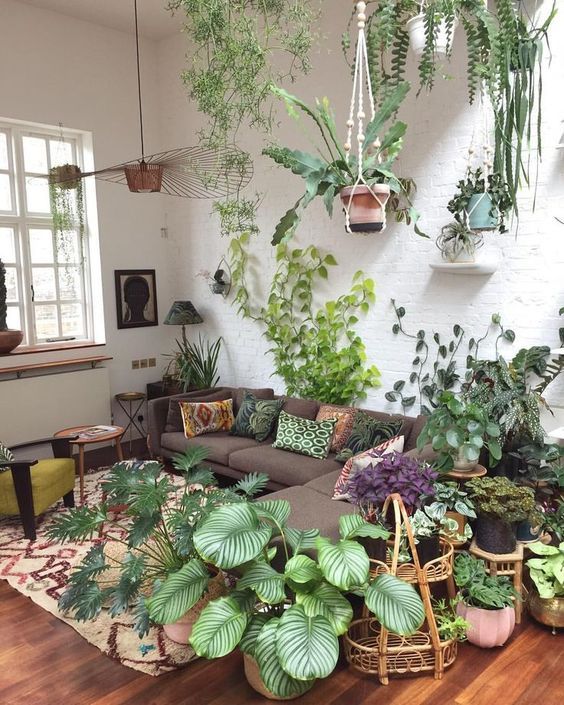
    • Decorate your home with indoor plants, beautiful mud or clay lamps, eco-friendly handicrafts, glass decorative, etc.
    • Install indoor plants which purify the air. Use loads of them.
    • Build a terrace garden or porch garden.
    • Stop the air, water and sound pollution in the name of festivities. Instead, go out on festivals to plant trees in wastelands, empty lands, barren lands, schools, boundaries of roads.
    • Donate to and plant trees and saplings with old-age homes, special schools, orphanages, etc. It will bring happiness to you and to those people too. Do not use firecrackers, river dumpings, etc.
    • Do not buy chemical based beauty, body care and healthcare products. Shift to Ayurved or organic and eo-friendly products. They are healthier, more effective, and have no side effects.

Indoor plant decorations

Image source: ipinimg.com

5. Eating habits:

  • Plant-based diet- Industries which process animal-based products, take-up thousands of more gallons of water and KW of energy for processing. It leads to water wastage, ozone depletion, global warming, etc. There are many health risks involved with an animal-based diet. If not eliminate, try reducing and limiting the intake.
  • Separate and store plastic waste and organic waste. Plastic waste includes milk packets, medicine packets, chocolate and biscuit wrappers, etc. Use the organic waste (vegetable peels, animal waste, food leftovers, etc.) as manure for plants and ingredient for biogas.
  • Shift to Ayurvedic medicine and treatment rather than allopathy.

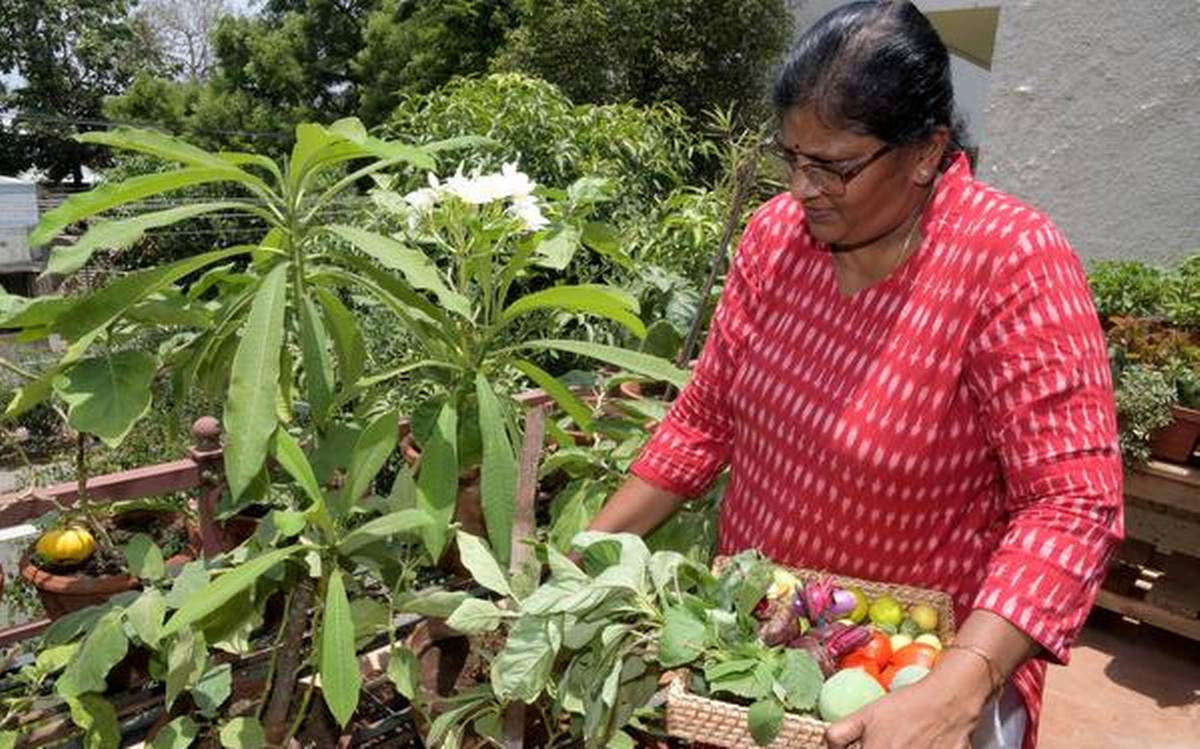
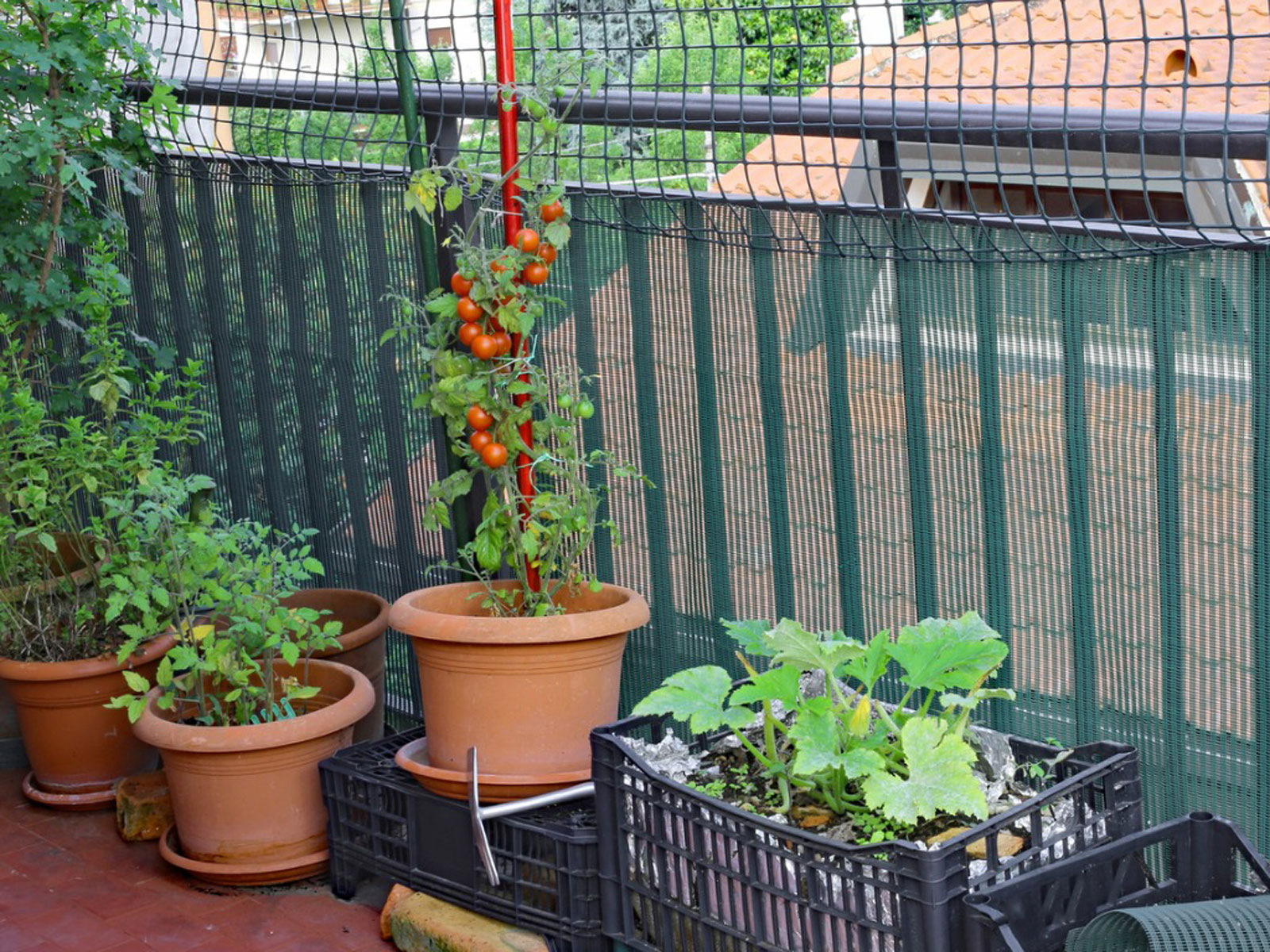
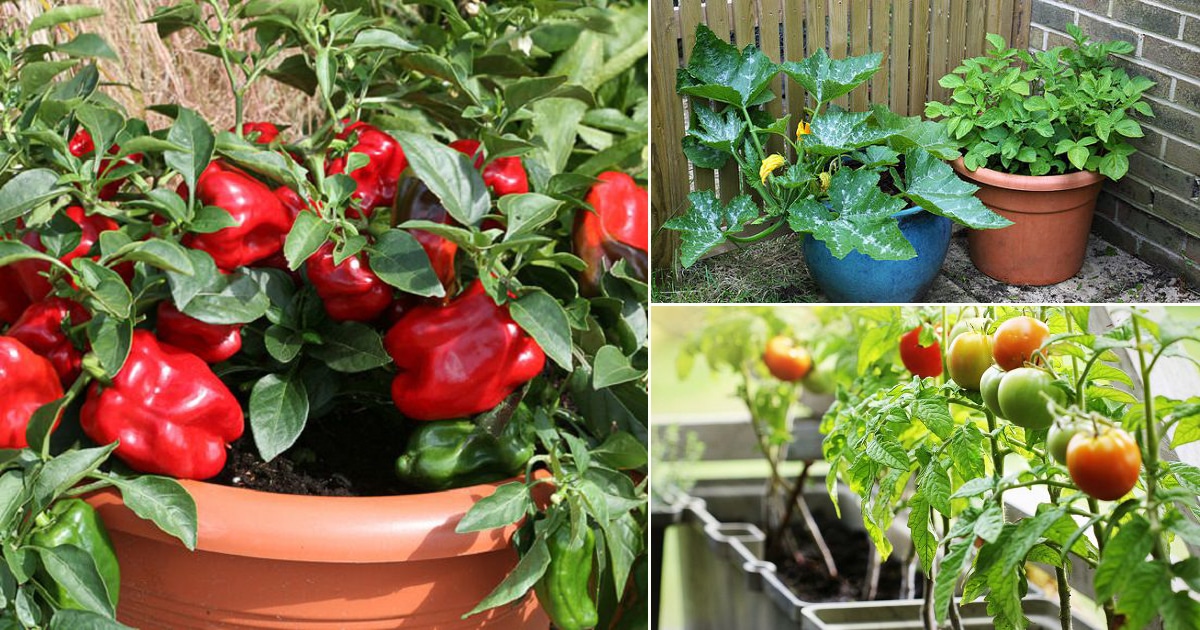
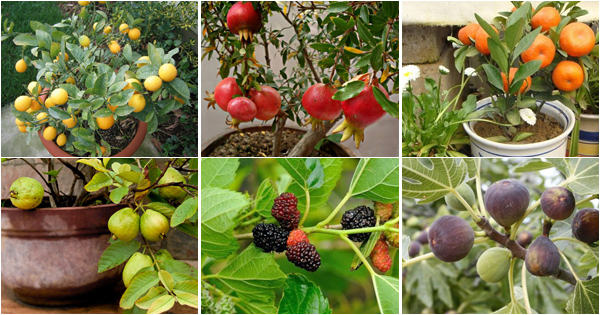
Start small scale organic farming at home. It is very easy and does take much time and effort. It can be installed in small spaces like a balcony, roof, porch, veranda, and even in a well lit room. Know more about organic home farming here.

Vegetable, spices, and fruits grown at home.

Picture source: The Hindu, Nursery live, Gardening know how and Balcony garden web.

All this may take some amount of time and effort, but it is worth it. You will experience a positive difference in your life. You can even inspire the people around you. We can start many of these living practices within a village, colony, township or a society to improve effectiveness with collective efforts. Such as rainwater harvesting, solar energy, biogas energy, farming, etc. Take one step at a time and you will find your motivation.

Life Unplugged

For a second, let your imagination run along these lines. It is a beautiful morning, the sun is slowly rising. You are there on your balcony, peacefully sitting and the only sound you can hear is the chirping of birds. In your hand is your favorite drink, and in your mind is calmness. Amidst all this, you take a long deep breath and feel connected to your soul.

Your life keeps going on and you do things which you think are important for you. You never once stop to just take a breath and look around to see where you have actually reached; what is going on in your own life. So to counteract this, there is this unworldly concept that you just sometimes take a break from your life; you unplug from your own life.

More often than not, you forget to take a break. And even if you do take it, you usually only give it to your physical being but forget that your mental being is equally important.

Take a break every now and then to reevaluate your life and your surroundings. It is just as important to stop as it is to continue to accomplish things because, without a balanced head, you would not be able to accomplish them anyway. Take a break from places, from routines, from people, and even from yourself. Unplug from the chaos of life.

Plug back into life in its purest form and not through a lens. Plug back to your values and the things you desire. Connect to those who truly matter. Connect to peace, joy, and Zen. Embrace your inner self once in a while.

  1. Start your day with yourself

There will come a time when you have to attend to your duties and obligations. The world will start pulling at you and the day will become just a domino effect of endless pulls. Before that happens, spare a few moments for yourself.  You deserve it. Nobody else is more important than you. Take five minutes to breathe, contemplate, and feel grateful for your life.

yoga

  1. Mind your diet

The world is a chaotic place where every being has to fend for himself. Start by minding and mending your food habits. Introduce a new super item into your diet. The only condition is that it should be healthy. Drink a green smoothie if you like that. Find healthier alternatives for your favorite foods. Try eating cakes and sweets that are gluten-free. Cleanse your diet.

  1. Empower yourself with an inspiring book

Your subconscious mind creates reality. Feed your mind with the world you want to create for yourself. Start your day by reading a portion of a book that embeds positive thoughts in your mind.

  1. Explore your neighborhood

It is not necessary for you to travel to exotic places to feel relaxed. You could just go outside your home and take a walk around your neighborhood. Connect yourself with nature. Try a new restaurant. Join a class that you wanted to for a long time.

  1. Prioritize your time and feelings

Learn to balance your time within your boundaries. Manage the time you spend on social media. Own up your actions and let people know how you want to be treated. Focus less on what you want to do and achieve and more on how you want to feel while achieving that.

Image Courtesy: Google