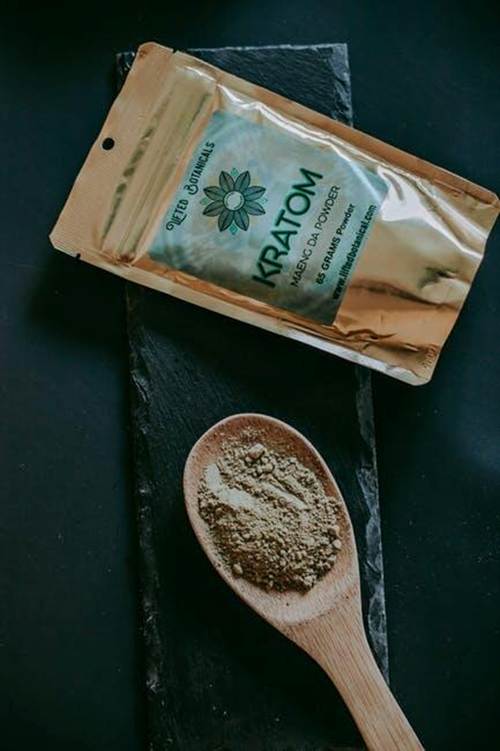
Navigating the Science Behind Herbal Remedies: Kratom and Its Uses

Daily writing prompt
Share one of the best gifts you’ve ever received.

In recent years, herbal remedies have gained widespread attention for their potential health benefits. Kratom, a tree native to Southeast Asia, has become a popular alternative in this category. Known for its stimulant-like and pain-relieving properties, Kratom has raised both interest and concern.

But, how exactly does Kratom work in the body? Can it offer real health benefits, or is it just a passing trend? In this blog, we will explore the science behind Kratom, its uses, and its potential effects on health.

What Is Kratom?

Kratom is a tropical tree found in Southeast Asia. It belongs to the coffee family and is used for its leaves. These leaves contain compounds that can have effects on the brain. People often consume Kratom in powder or capsule form.

The main compounds in Kratom are called alkaloids. Two important alkaloids are mitragynine and 7-hydroxymitragynine. These compounds interact with receptors in the brain. This interaction can help with pain, mood, and energy.

How Does Kratom Work in the Body?

Kratom affects the body by binding to opioid receptors. It can create effects similar to those of opioids but is not an opioid. When consumed, Kratom may produce mild pain relief and energy boosts.

Depending on the dose, Kratom can have either stimulant or sedative effects. At low doses, Kratom can increase alertness and focus. At higher doses, it may cause relaxation and pain relief. Kratom’s potential effects make it an appealing alternative for many people.

Health Benefits of Kratom

Kratom has several reported health benefits. Some people use it for pain relief. Others claim it helps reduce anxiety and depression. Kratom may also provide an energy boost, helping with daily tasks. There is evidence that Kratom can improve mood and boost motivation.

While these benefits are reported by users, more research is needed. Some people also combine Kratom with other herbal remedies like kava. A kratom + kava shot is sometimes used for a more balanced effect.

Risks and Side Effects of Kratom

Despite its benefits, Kratom also comes with risks. Some people experience nausea, dizziness, or constipation when using it. In higher doses, Kratom can lead to sedation and confusion.

Additionally, Kratom’s long-term effects are not fully understood. There have been reports of dependence and withdrawal symptoms. It is crucial to be cautious when using Kratom, especially in high doses. Always consult a healthcare provider before adding Kratom to your routine.

Is Kratom Safe to Use?

Kratom’s safety remains a topic of debate. While some users report positive experiences, others may face health issues. Its use can lead to side effects, particularly when not used correctly.

Kratom’s potential for addiction also raises concerns. Currently, the FDA does not regulate Kratom, which makes safety a concern. Some regions have banned Kratom due to safety worries. It is important to stay informed and cautious about Kratom use.

Understand Kratom and Its Uses

Kratom is an herbal remedy that shows both promise and risk. Its ability to offer pain relief and energy makes it appealing to many people. However, its safety is still uncertain, and more research is needed.

Using Kratom responsibly and understanding its potential effects is important. Before starting Kratom, consult with a healthcare provider to ensure it’s right for you.

Always remember to explore other articles on the blog for more insights on various topics!
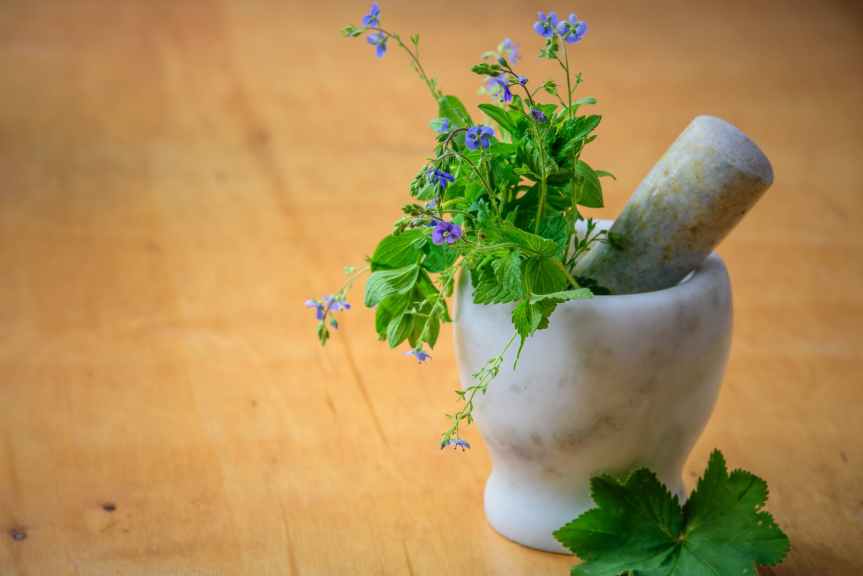
TOP 5 AYURVEDIC HERBS

HEALTH BENEFITS OF HERBS.


‘Every plant is a medicine but we don’t have
proper knowledge to discover them

HEALTH BENEFITS OF HERBS


INTRODUCTION:
The number of medicinal herbs vary according to the
books and authors, till date 500+ medicinal plants are
known by the scientist which are capable of curing
anything counting from common flue to cancer because


HEALTH BENEFITS OF HERBS
nature has answer to every question and solution to
every problem.Humans are engaged with herbal solution from ancient
age, it is so much aged that our ancestral species
Neanderthals were also part of it. The most ancient
recorded book on medicines and magic formula is
Atharva veda .
Now, so far we can conclude that consuming various
species of herbs will not only build our health but can
also make up our chances of living longer.

BASIL:


BASIL:

Basil leaves

BASIL
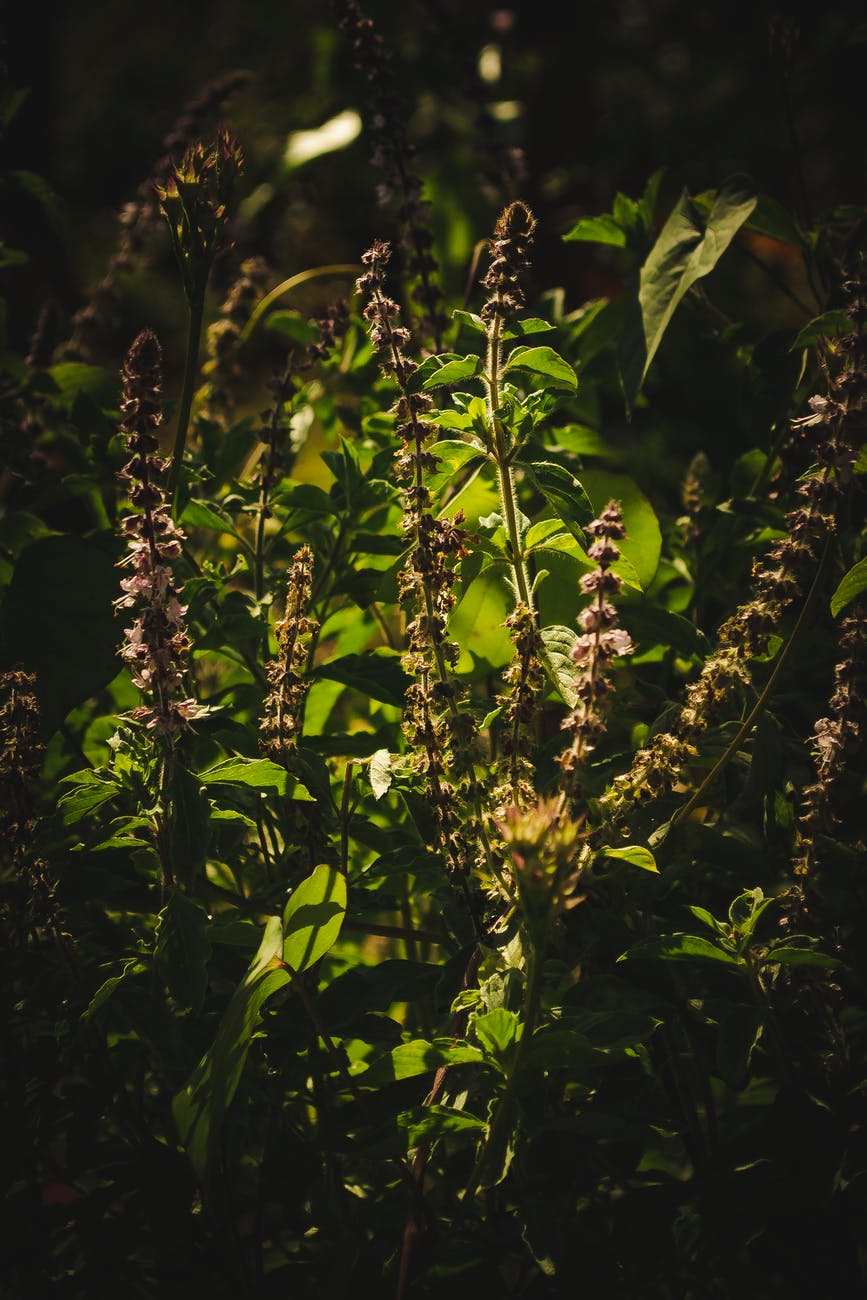
Starting with a very known herb to Indians that is basil
plant. According to hindu culture basil also known as
tulsi is a holly plant and in many other religion it is
considered as one of the lucky plant. Keeping our
believes aside basil is a magical and flavoursome plant
identified by purple green leaves with bushy structure,
originated in Asia and Africa. These are popularly used
for seasoning and making of tea due to its aroma.

HEALTH BENEFITS OF BASIL


HEALTH BENEFITS OF BASIL
There are very potential benefits of extracted basil.

  1. Very precious benefit is, it prevents certain cancers,
    including breast cancer, colon and pancreas.
  2. It relaxes blood capillaries, prevent blood pressure
    and blood sugar level.
  3. Used as insect repellent.
  4. Reduce memory loss.
  5. Reduce depression
    So, adding up basil leaves in your diet is not a bad
    idea.

PEPPER MINT:

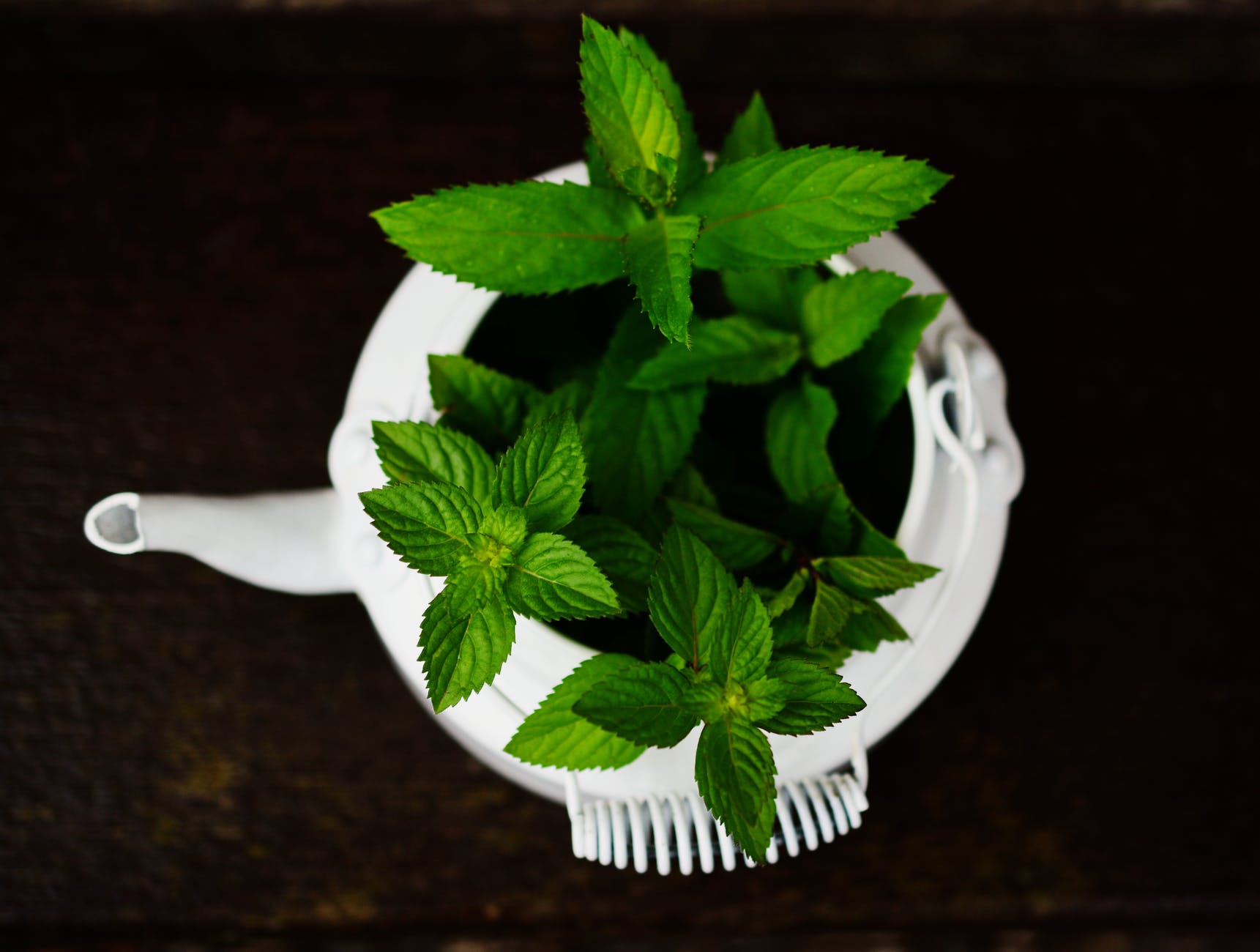
Pepper mint known for its aroma and widely used as
mouth freshener, and is very popular in its mint family.
Characterised by it’s long stem and bright green,
slightly fuzzy leaves.

HEALTH BENEFITS OF PEPPER MINT


HEALTH BENEFITS OF PEPPER MINT.
Usually people are fond of pudinah wali chai [pepper
mint tea]. Other than that it has many health benefits
such as

  1. It was traditionally used to treat colic and digestive
    upset
  2. But it can readily be used if you have cold, running
    nose and stuffy nose.
  3. Combining pepper with teaspoon of honey can be a
    great cough syrup curing your sore throat.
    PEPPER MINT
  4. Pepper mint is also favourable for headache and
    migraine.
  5. Most used item of peppermint is pudinhara to cure
    diabetes and stomach inflammation.

ROSEMARY:

ROSEMARY:

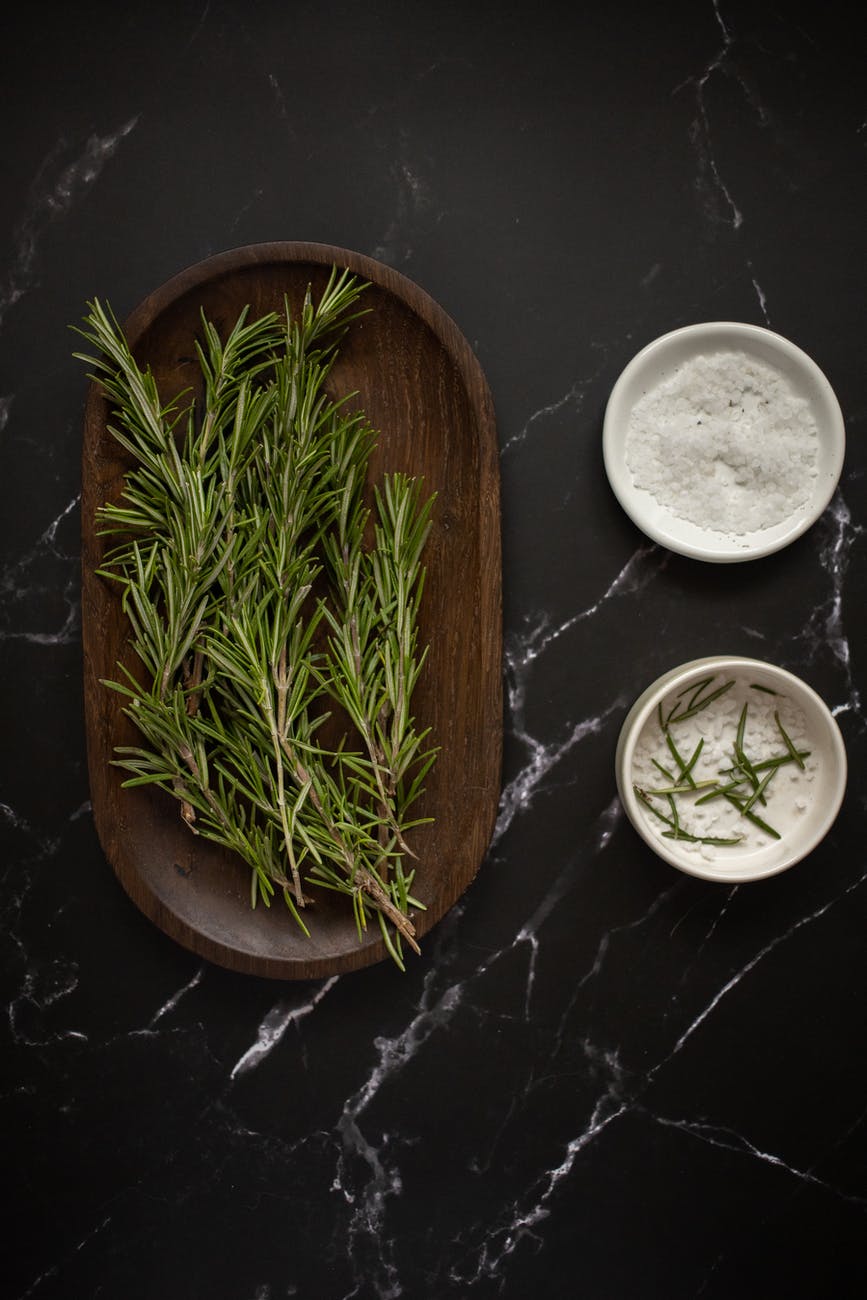
The rosemary herb also known as Rusmary in hindi.
Characterised by its deep green colour on the top and
silver white underneath,. These are popular for their
taste, aroma and nutritional value. The rosemary herb
has been in use as a food seasoning material and as a
natural medicine for over a million years now

HEALTH BENEFITS OF ROSEMARY

.
HEALTH BENEFITS OF ROSEMARY
It was initially used as memory booster but now it has
many known health benefits;

  1. Nutrients present in rosemary helps in stimulating
    the human immune system, improving the
    circulation of blood in the system.
  2. It has anti-inflammatory components and also
    reduce risk of asthma attack
  3. Throat congestion, respiratory allergies ,cold, sore
    throat, bronchial asthma and flu can be reduced by
    rosemary extract.

LAVENDER:

Lavender.

LAVENDER
There could be very few people who haven’t heard
about lavender at least once in life. Very known for its
scent, but do it have health benefit? Yes it do! It is
identified by its beautiful bluish purple flowers often
used for decoration, perfumes and medicines.

HEALTH BENEFITS OF LAVENDER


HEALTH BENEFITS OF LAVENDER
Many of the scientist have not yet tested lavender at
its extreme but there are many experienced proof since
old age.

  1. Lavender oil is believed as an antiseptic, antiinflammatory and can be used on minor burns
  2. It helps digestive problems.
  3. Lavender is used to relieve pain such as headache,
    sprain, toothache and soreness.
  4. It also cures fungal skin infections.
  5. Lavender is also used as a home remedy for hair
    loss.

OREGANO:

oregano

Characteristics of Oregano is a short, shrubby herb with
small, deep-green leaves. The leaves have a kind of soft
and almost fuzzy texture. Oregano is bold, deep and
strong in flavour and the fresh herb is considerably
stronger than in its dried form. It is deeply herbaceous
and slightly similar to thyme with faint mint-like
undertones.

HEALTH BENEFITS OF OREGANO


HEALTH BENEFITS OF OREGANO
The impressive health benefits of oregano include its
ability to protect the immune system, prevent the onset
of chronic diseases and further benefits are Oregano

  1. Rich in Antioxidants.
  2. May Help Fight Bacteria.
  3. Could Have Anti-Cancer Properties.
  4. May Help Reduce Viral Infection.
  5. Could Decrease Inflammation.
  6. Easy to Add to Your Diet

5 Must have plants at home

1. Tulsi

Scientific name of Tulsi is Ocimum Tenuiflorum, generally known as Basil. Tulsi contains vitamin c, vitamin k, zinc . It has anti-bacterial, anti-fungal and anti-bacterial properties. It is rich source of anti-oxidant.

Benefits :-

  • Immunity booster.
  • Reduces stress.
  • Good for skin.
  • Reduces hair fall.
  • Useful in cold and cough.

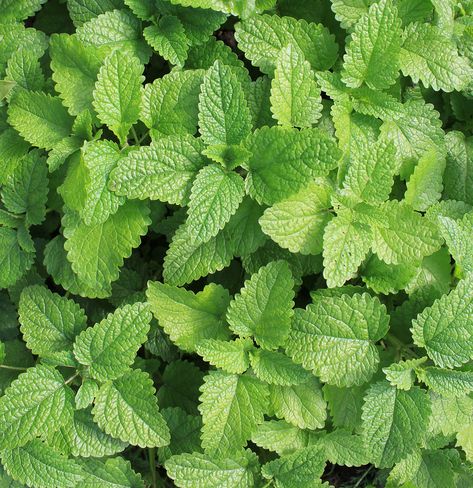
2. Mint :-

Its scientific name is Mentha and belongs to Lamiales family. It contains potassium, magnesium, calcium, iron, etc.

Benefits :-

  • Prevents Skin disease.
  • Provides relief in pain.
  • Beneficial in oral health.
  • Boost immunity.
  • Treat indigestion.

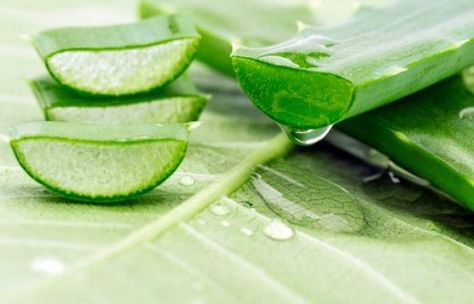
3. Alovera :-

Alovera belongs to Asphodelacea family. It contains vitamin A, C and E, anti-oxidants, salicylic acid, amino acid etc.

Benefits :-

  • Treat dandruff.
  • Treat minor burns.
  • Act as pain reliever.
  • Useful in diabetes.
  • Weight loss.

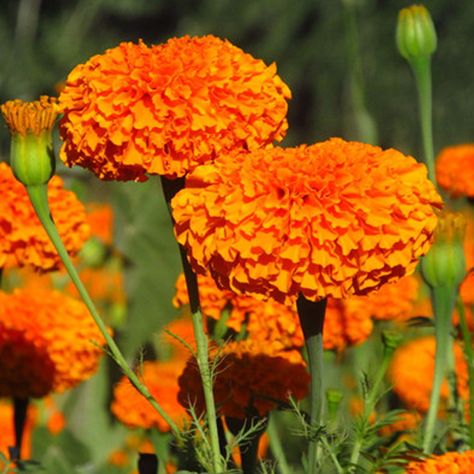
4. Marigold :-

Scientific name for Marigold is Tagetes belongs to family Asteraceae. Marigold is antipyretic, antiseptic, anti-oxidant and anti-bacterial.

Benefits :-

  • Heals skin wounds and burns.
  • Reduces eczema.
  • Good for digestion.
  • Helps in detoxification.
  • Treats ear infections.

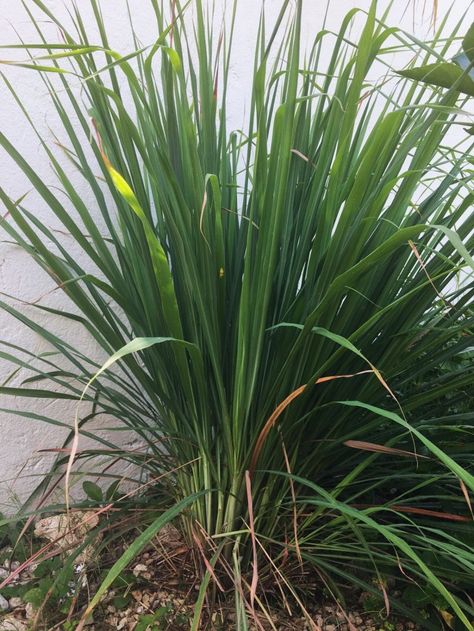
5. Lemongrass :-

Cymbopogon is scientific name for lemongrass. It belongs to Poaceae family. It contains potassium, manganese and iron. It is source of vitamin A and vitamin C.

Benefits :-

  • Relieving anxiety.
  • Prevents infection.
  • Reduces stress.
  • Lowers Cholesterol.
  • Helps in weight loss.

A Miracle Herb: Giloy

Scientific name of giloy is Tinospora Cordifdia also known as Guduchi in Hindi. It belongs to Menispermaceae family. It is climbing shurb have heart shaped leaf and also known as Heart-leaved moonseed.

Medicinal properties of Giloy

Giloy contains several important nutrients like Alkaloids, Terpenoids,Lignans, Steroids, etc. It can be used to cure fever, urinary problem, skiin disease, diabetes, etc.

Benefits:-

  • Chronic fever:- Giloy is a anti-inflammatory, antipyretic herb which helps to boost immunity.
  • Controls blood sugar level:- Giloy is known as “Madhunashini” in Ayurveda which means destroyer of sugar.
  • Improves digestion:- Giloy can reduce digestion-related problems like diarrhea hyperacidity, etc.
  • Reduces stress:- Giloy cools down the body and improves memory power

Chyawanprash market in India

Chyawanprash (CP) is an Ayurvedic health supplement which is made up of a super-concentrated blend of nutrient-rich herbs and minerals. It is meant to restore drained reserves of life force (ojas) and to preserve strength, stamina, and vitality, while stalling the course of aging. Chyawanprash is formulated by processing around 50 medicinal herbs and their extracts, including the prime ingredient, Amla (Indian gooseberry), which is the world’s richest source of vitamin C. Chyawanprash preparation involves preparing a decoction of herbs, followed by dried extract preparation, subsequent mixture with honey, and addition of aromatic herb powders (namely clove, cardamom, and cinnamon) as standard. The finished product has a fruit jam-like consistency, and a sweet, sour, and spicy flavor. Scientific exploration of CP is warranted to understand its therapeutic efficacy. Scattered information exploring the therapeutic potential of CP is available, and there is a need to assemble it. Thus, an effort was made to compile the scattered information from ancient Ayurvedic texts and treatises, along with ethnobotanical, ethnopharmacological, and scientifically validated literature, that highlight the role of CP in therapeutics. Citations relevant to the topic were screened.

Chyawanprash is not just consumed in India but also the rest of the world. It is a brown paste which contains herbs, spices, and other ingredients, prepared according to Ayurvedic traditions. The market size of chyawanprash is approximately Rs 500 crores.  Chyawanprash is not a product that emerged in the market in the 20th century. In fact, its existence can be dated back to Vedic times, 10,000 years ago, when this formulation was prepared for Chyawan Rishi at his ashram on Dhosi Hill near Narnaul. Since it was prepared for Chyawan Rishi, the formulation came to be known as Chyawanprash.   

Chyawanprash can be consumed directly or mixed with warm water and milk. The main ingredient in Chyawanprash is amla and it is rich in Vitamin C. There are many health benefits linked to the consumption of Chyawanprash.    Chyawanprash helps to relieve cough and fever, has anti-ageing benefits, improves memory, digestion, and complexion, and gives strength to all sense organs. As a result, many people in India consume Chyawanprash daily to prevent any ailments. There are many Chyawanprash brands in the Indian market such as Dabur, Emami Group, Himalaya, Bajaj, and Baidyanath; however, the leading brand is Dabur, with a market share of 70 percent. The price of Chyawanprash is approximately Rs 200 per kilogram.   

Today, there are a number of variants of Chyawanprash to cater to the differing tastes of individuals. With growing stress among individuals, especially among the urban folks, there is a demand for stress-relief medicines and potions.    To cater to this group of individuals, Dabur has come up with Chyawanshakti, a slight variation of Chyawanprash. Chyawanshakti is a unique mix of herbs to help individuals combat all pressures of life. Also, there are sugar-free Chyawanprash products for those who are diabetic. To entice children into consuming Chyawanprash, new flavors such as chocolate, orange and mango have been introduced into the market. Chyawanprash has made its way into every household because it has kept pace with the times and tweaked its marketing campaigns to connect well with the masses, especially the younger generation.   

Apart from introducing new and exciting variants of Chyawanprash, organizations have backed their marketing campaigns with well-known stars. To entice the younger generation, Dhoni has been featured in Dabur Chyawanprash advertisements. In Uttar Pradesh and Bihar, Ravi Kishan has been signed by Dabur for the promotional activities of the company. Emami, on the other hand, signed Shah Rukh Khan as the brand ambassador for its Chyawanprash products.   Today, even though there is an influx of foreign health supplements into the Indian market, Indians are still consuming ayurvedic products such as Chyawanprash because they do not have any side effects. More and more Indians are becoming health conscious and they are preferring ayurvedic and organic products to those manufactured using chemicals. So, there is a huge market that has been left untapped by the Chyawanprash industry. As the saying goes, “prevention is better than cure,” it is better to strengthen one’s immune system and stay healthy instead of relying on medicines for cure. And this is exactly what Chyawanprash communicates.