Impact of Social Media on Youth.

Social media is an plateform which is build that facilitates the users to create content and sharing of information, ideas, interests and different contents ,through virtual communities and networks technology.

Over the last two decades, social media has gained tremendous growth and fame. Despite the fact that almost everyone in the world is connected to at least one social media platform, youth and teens are the ones who who are using social media and are becoming so socially hampered that they even interfere their lives with social media. According to researchers, they have found that these different social media plateforms have a profound impact on the lives of our youth in society in terms of morality, behavior, and even education.

The use of social media has both negative and positive impacts on our youth today. The positive effects of social media on young people today is keeping up to date with what’s happening around the world and being able to network and stay connected with classmates and friends without physical meetings. For example, people in one city can connect and interact with friends in other cities and neighborhoods, bridging the gap between them. In addition, social media platforms allow young people to create pages and groups based on their profession, beliefs, and other aspects of life, creating more connections and more opportunities in their respective fields. This could even create more employment opportunities for unemployed youth.

According to a BBC News report, social media sites appear to continue to connect and inform more people, but it’s also causing social isolation among youths as it reduces the number of face-to-face interactions between young people, as they usually spend most of their time on these online social platforms. Analysis of many studies by various scientists has shown that social isolation can have a variety of effects on youth’s physical, emotional, mental and psychological estate which can create different problems in them. This, in turn, can lead to depression, anxiety, and many other problems. Also, using short forms and abbreviations can lead to misspellings and misuse of words and tenses. This has a direct impact on the student’s language skills and tends to adversely affect the student as it leads to poor language performance.

Also, young teens under the age of 18 can be exposed to online content that may not be appropriate for their age. Social media often introduce these teens to pornographic content which may be shared on online social groups and this may mislead them . The morals of these teenagers are also manipulated because they are granted access to immoral literature and video. This can harm their phycology of seeing things differently in life.

The social media can be used effectively by youth as long hours on social media can be devoted to productive activities that enable people to grow, earn a living, and be educated, such as using online tutorials and online research materials.
Social media may harm ones creativity and also can reduces the productivity of teens by chatting for long periods on social media sites . This may cause young people to not be independent, and rely on the help from others . Social media also provides a great platform for cyber theft and bullying. This increases the chances of personal information theft and incidents. This poses a lot of risk to young people as their personal information can be stolen because they are stored in places they do not know or where security is unknown or suspicious.

At last, social media opens a communication channel for young people and has many benefits. This includes the development of oneself and opening to wide range of social networks that promote opportunities and cultural abilities. However, it is very important that youth should use different social platforms carefully to avoid being victimized by cybercriminals and using it in limit so that it may not harm their mental and phycology abilities.
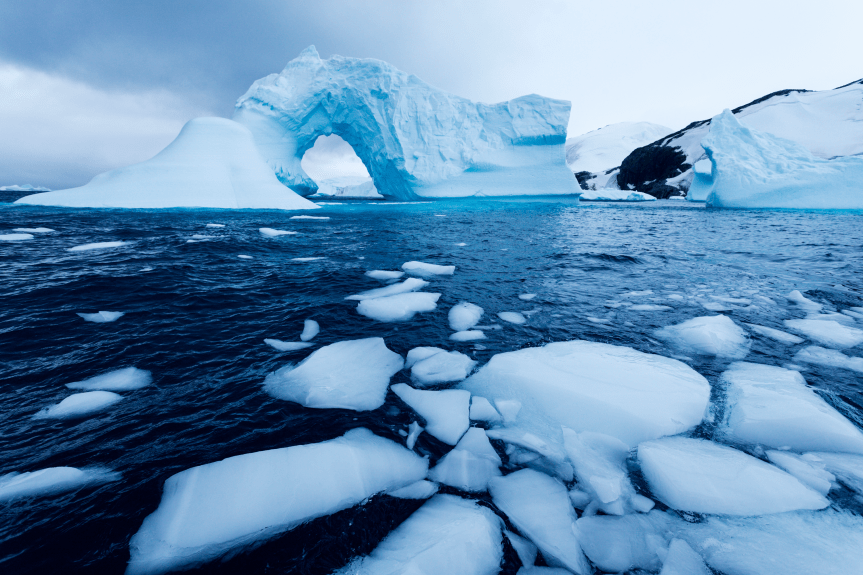
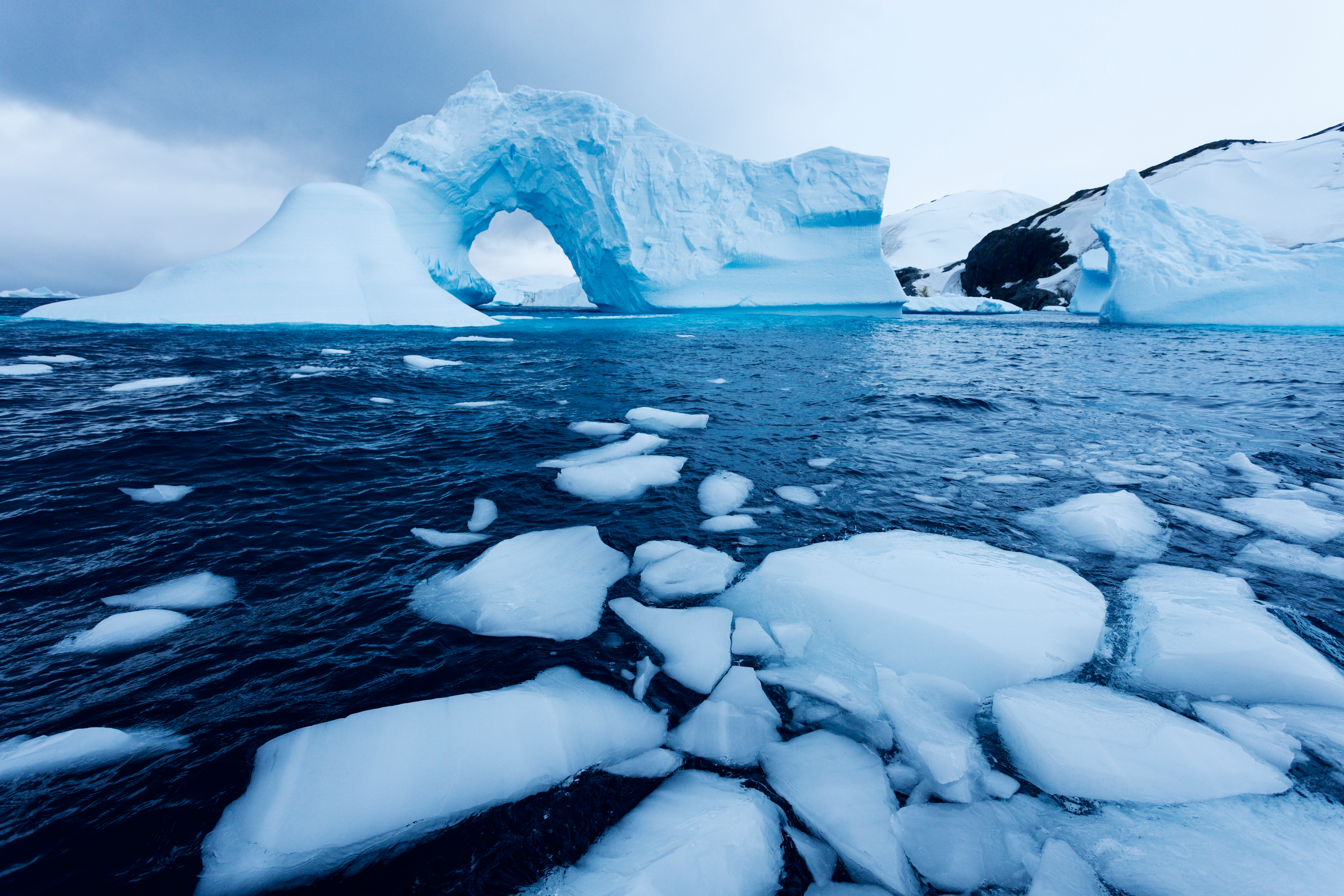
Melting of Glaciers – A topic which should not be avoided.

Glaciers are persistent chunks of dense ice that are constantly moving under their own weight. Glaciers are formed where snow accumulation exceeds its erosion over the years, and often centuries.

Rising global temperatures have undoubtedly been the cause of glacier melting throughout history. Due to the rate at which climate change is occurring today, it can become extinct at record rates.

Some of the other reasons:
Carbon dioxide gases Emissions: Atmospheric concentrations of carbon dioxide and other greenhouse gases (GHGs) produced by human activities such as industry, transportation, deforestation, and burning fossil fuels warm the earth and melt glaciers. Glacier savings can be achieved if CO2 emissions can be reduced by 45% over the next decade before reaching zero by 2050.
Ocean warming: The ocean absorbs 90% of the earth’s heat. This fact mainly affects the melting of sea glaciers near the poles and on the coast of Alaska (USA) and other heavy snow covered areas.

The main consequences of melting glaciers are:
Sea Level Rising- Sea level is rising and covers most of the continental region. This means that which means within years most of the areas can be a complete flooded regions.
Less freshwater – No glaciers also mean less water for population consumption, less hydropower capacity, and less water available for irrigation.
Climate change-The balance between cyclone and anticyclone structure and meteorological patterns is deteriorating.
Food Chain Imbalances-The habitats of some marine and terrestrial species are changing and they may harms to them in maintaining their natural circulation and habitat.

Temperature imbalances, extensive processes of deforestation, and rainfall can be other reasons for global warming that lead to glacier melting.
Glaciologists believe that despite the massive ice loss, there is still time to save the glacier from the predicted disappearance. It can done through to curb climate change and save glaciers from getting extinct. Scientists believe that controlling climate change can prevent glaciers from melting and disappearing.

“The earth has a skin and that skin has diseases; one of its diseases is called man.”

– Friedrich Nietzsche

Importance of Cybersecurity.

Cyber security is the protection of Internet-connected systems such as hardware, software, and data from cyber threats. This technique is used by individuals and businesses to protect against unauthorized access to data centers and other computerized systems.

Cyber security is important because it protects all categories of data from theft and damage. This includes sensitive data, intellectual property data, government and industry information data and systems information,personally identifiable information , protected health information and personal identified information . Without cybersecurity programs, organizations cannot protect themselves from data breaches campaigns and are attractive targets for cybercriminals.
Global connectivity and the use of cloud services such as Amazon Web Services to store sensitive and personal information increase both inherent and residual risks. Along with increasingly sophisticated cybercriminals, widespread misconfiguration of cloud services means an increased risk for businesses suffering from successful cyberattacks and data breaches. Executives can no longer rely solely on off-the-shelf cybersecurity solutions such as antivirus software and firewalls, cybercriminals are smarter, and their tactics are more resilient to traditional cyber defense. It is important to cover all areas of cybersecurity to remain fully protected.
Cyber threats can come from all levels of an organization. Organization should educate employees about common cyber threats such as social engineering fraud, phishing, ransomware attacks and other malware designed to steal intellectual property and personal information. Should include cybersecurity awareness training for.

Types of Cyber Threats :
Malware-This is a type of malicious software that can use arbitrary files or programs to harm computer users. This includes worms, viruses, Trojan horses, and spyware. Ransomware-This is another type of malware. This involves an attacker locking the victim’s computer system files and requesting payment to unlock them.
Social Engineering-This is an attack that relies on human interaction to trick users into breaking security procedures and gaining sensitive information that is normally protected.
Phishing-This is a form of social engineering that involves sending deceptive emails or text messages similar to those from trusted or known sources. Often in random attacks, the purpose of these messages is to steal sensitive information such as credit cards and login information.
Spear phishing – This is a type of phishing attack aimed at targeted users, organizations, or businesses.

Cyber security is very important today. Our society is more dependent on technology than ever before and in today’s digital time data breaches that could lead to the theft of personal information which are easily disclosed to social media accounts. Sensitive information such as social security numbers, credit card information, and bank account details are now stored in cloud storage services such as Dropbox and Google Drive. In fact, whether you are an individual, a small business, or a large multinational company, in today’s time everyone rely on computer systems every day .

Assassination Of Former Prime Minister Rajiv Gandhi .

The assassination of former Prime Minister of India Rajiv Gandhi, , occurred on 21 May 1991 as a result of a suicide bombing in Sriperumbudur in Tamil Nadu, India . At least 14 others,we’re killed alongside Rajiv Gandhi in the suicide bombing.

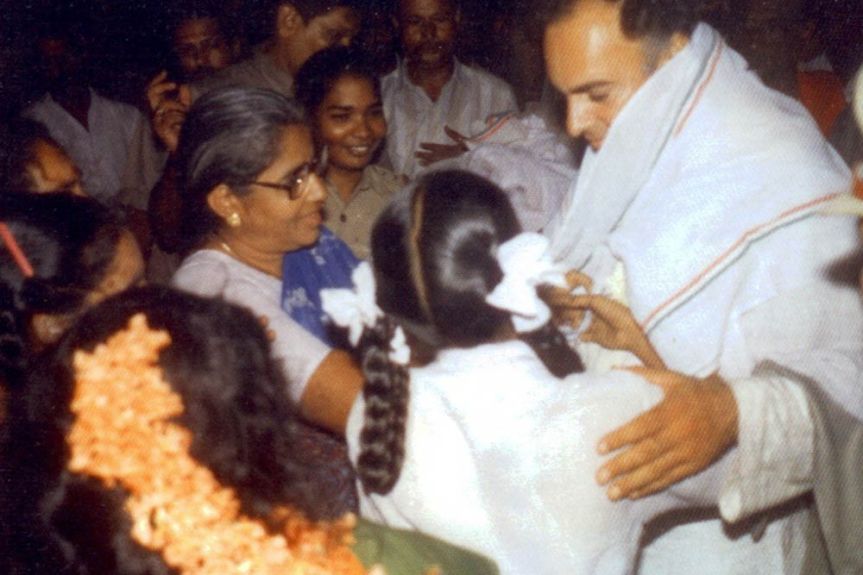
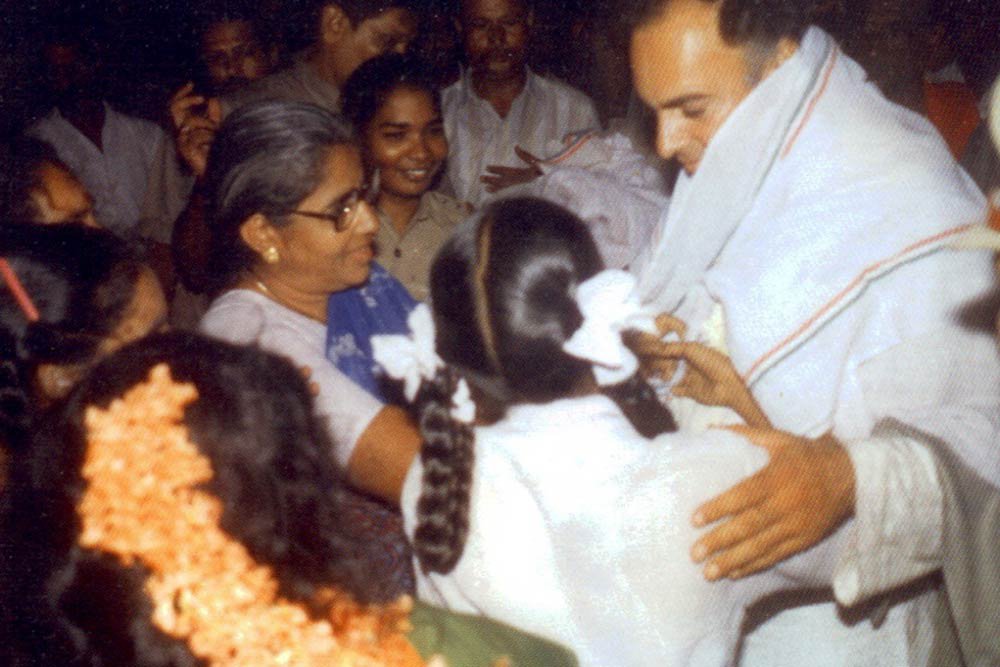
The assassination was carried out by Thenmozhi Rajaratnam, a member of the Tamil Liberation Tigers (LTTE), a Tamil separatist organization in Sri Lanka, and Dr. Jagjit Singh Chohan of the National Council of Khalistan (NCK) and Gurjant Singh Budhsinghwala of the Khalistan Liberation Force. At that time, India had just finished its involvement in the civil war in Sri Lanka through the Indian Peace Keeping Force. Rajiv Gandhi along with G.K. Moupanal started election campaign in southern state of India. After campaigning in Visakhapatnam, Andhra Pradesh on May 21, his next destination was Sriperumbudur, Tamil Nadu. Approximately two hours after arriving in Madras ,Rajiv Gandhi rode a white ambassador car to Slipelumbudur in a convoy, stopping at several other campaign sites along the way. Arriving at the campaign rally at Sriperumbudur, Rajiv left the car and went up to the podium, where he gave a speech. After the soeech the assassin Danu (Thenmozhi Rajaratnam) approached and greeted him. Then she bent over and touched his leg, and at 10:10 pm, detonated a belt loaded with RDX explosives place under her dress. Gandhi, his assassin and 14 others were killed in a subsequent explosion, and 43 were seriously injured. The assassination was filmed by local photographer Haribab. Haribab’s camera and film were found intact on the scene, but he also died in the blast.

Apart from Rajiv Gandhi, former Prime Minister of India and the suicide bomber Thenmozhi Rajaratnam , several people were killed in the blast on 21 May 1991:
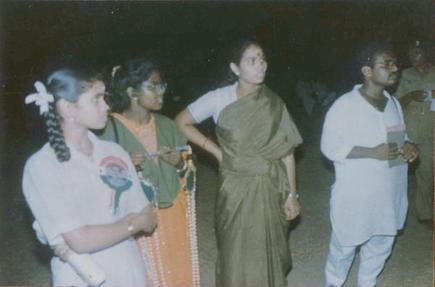
Including Pradeep K Gupta (personal security officer of Rajiv Gandhi ), K.S Mohammed Iqbal (police superintendent), Edward Joseph ( police inspector) ,Dharman,Chandra, Ethiraju Muruganand and Rajguru (police constables), Santhani Begum (Mahila Congressn Leader) ,Latha Kannan ( Mahila Congress worker,who was with her daughter Kokilavani ),Kokilavani (ten-year-old daughter of Latha Kannan, who sang a poem to Gandhi immediately before the blast), Munuswamy (former member of the Tamil Nadu Legislative Council) ,Saroja Devi (seventeen-year-old college student), Ravichandran (Black Cat commando).
Around forty-three spectator present in the campaign including police sub-inspector Anushiya Daisy were also injured in the explosion.

Immediately after the assassination, the Chandrasekhar government handed over the investigation to the CBI on May 22, 1991. Authorities, formed a special research team led by Karthikeyan to determine who is responsible for the assassination. A SIT investigation confirmed the role of the LTTE in assassination and was endorsed by the Supreme Court of India. Judge Millap Chand Jain’s interim report investigated the secret aspects of the assassination and accused DMK of working with the LTTE. The report concluded that the DMK provided the LTTE with shelter and made it easier for rebels to assassinate Rajiv Gandhi. The report also claimed that Jaffna’s LTTE leaders possessed confidential, encrypted messages exchanged between the federal and DMK state governments.Authorities also stated in reports “There is evidence that during this period some of the most important radio messages were exchanged between the LTTE agents stationed in Tamil Nadu and Jaffna. These later deciphered messages are directly related to the assassination of Rajiv Gandhi “. The Congress demanded withdrawal of DMK from the Union Front government, after claiming to have played an important role in Rajiv Gandhi’s death. According to reports Dr. Jagjit Singh Chohan supported the LITTE with logistic and tactical support. His involvement was first revealed in 2016, about 10 years later. Speculation. This was evidence of the Jain Commission’s report and was suspected that the LTTE had contacted Gurjant Singh Budhsinghwala with Jagjit Singh Chohan to plan the plot.

After the investigation on the assassination of former prime minister Rajiv Gandhi ,the court convicted and sentenced the seven persons who were involved in the assassination to life imprisonment. They are currently undergoing life imprisonment in prisons in India.
They are:
Murugan – A LTTE operative from Sri Lanka, Nalini – Wife of Murugan. Nalini is a citizen of India ,Jayakumar – The brother in law of Robert Pious ,Ravichandran – A Sri Lankan national ,T. Suthenthiraraja – A Sri Lankan national ,Robert Pious – A Sri Lankan national and A. G. Perarivalan – An Indian citizen who was arrested for supplying a 9-volt battery for the explosive device.

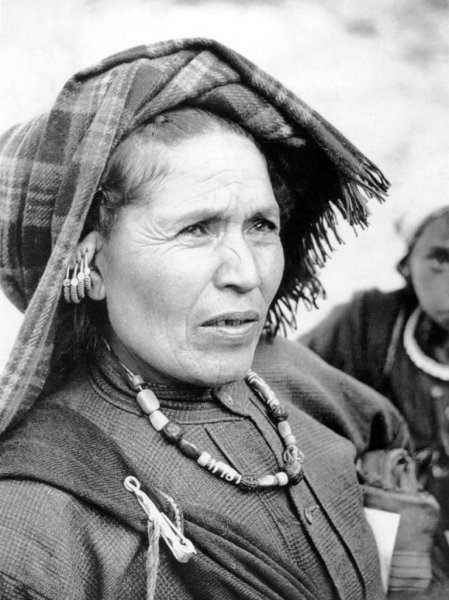
Gaura Devi who played an important role in Chipko Movement.

Gaura Devi (1925 – 1991) was a social activist and a rural women community leader from Uttarakhand, India who played an important role in the Chipko movement in 1970’s .
Gaura Devi was born in 1925 in a village named Lata of Chamoli district in the state of Uttarakhand. She got married at very young age, afer her marraige she moved to a nearby village named Reni by the Alaknanda River. At the age of 22 she was a widow with a child. After her husband death she moved to a new village which was near to the border of Indo-Tibet.

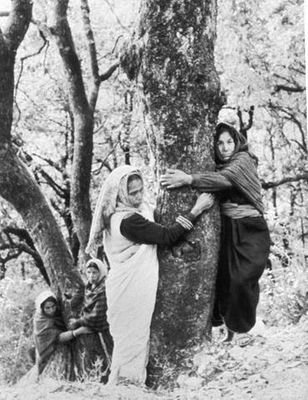
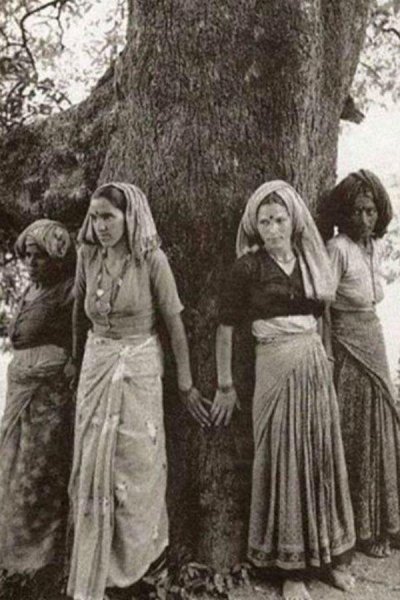
An environmentalist Sunderlal Bahuguna initially started the Chipko Movement . Gaura Devi became the leader of the Chipko movement in 1974. Gaura Devi was elected to lead the Mahila Mangal Dal (Women’s Welfare Association) in the wake of the Chipko movement. The organization worked towards protecting the forests of the community. On March 25, 1974, she learned from a young girl of the village that a local loggers of the village were logging a tree near the village. People in the village of Reni were told the news that according to government new policy, the government would pay compensation to the people for the land used by the army . Gaura Devi and 27 other women decide to take action against the loggers. She confronted the loggers and demanded that the men shoot her instead of cutting down trees, and she described the forest as “vandevta” (the jungle god) and her maika (mother’s house). Eventually, for the next three or four days Gaura Devi along with other village women’s protect the trees by hugging the trees , despite the insults and intimidation of the armed loggers,she was able to stop the logger’s work . After seeing the bravery of Gaura Devi and other village women’s how they protect the trees who are the important part of thier life other villagers from different villages joined the action with her . After this incident, the Uttar Pradesh government set up a specialized committee to investigate logging issues, and the logging company withdrew its subordinates from Reni. The Commission stated that the Reni Forest is an ecologically sensitive area where trees should not be logged. The Uttar Pradesh government who was in power of that area at that has since banned all logging in areas over 1150 km² for 10 years.

Some other important activist who played an important role in Chipko Andolan or Chipko movement along side Gaura Devi were :
Suraksha Devi, Sudesha Devi, Bachni Devi and Chandi Bhatt, Virushka Devi and others.

Gaura Devi passed away in July 1991, at the age of 66 in Reni village Chamoli.

“Ecology is permanent economy “

-Sunderlal Bahuguna

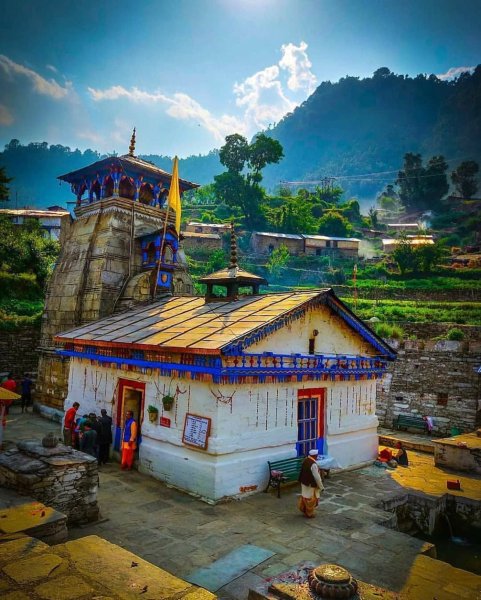
A temple believed to be a marriage place of Lord Shiva and Goddess Parvati.

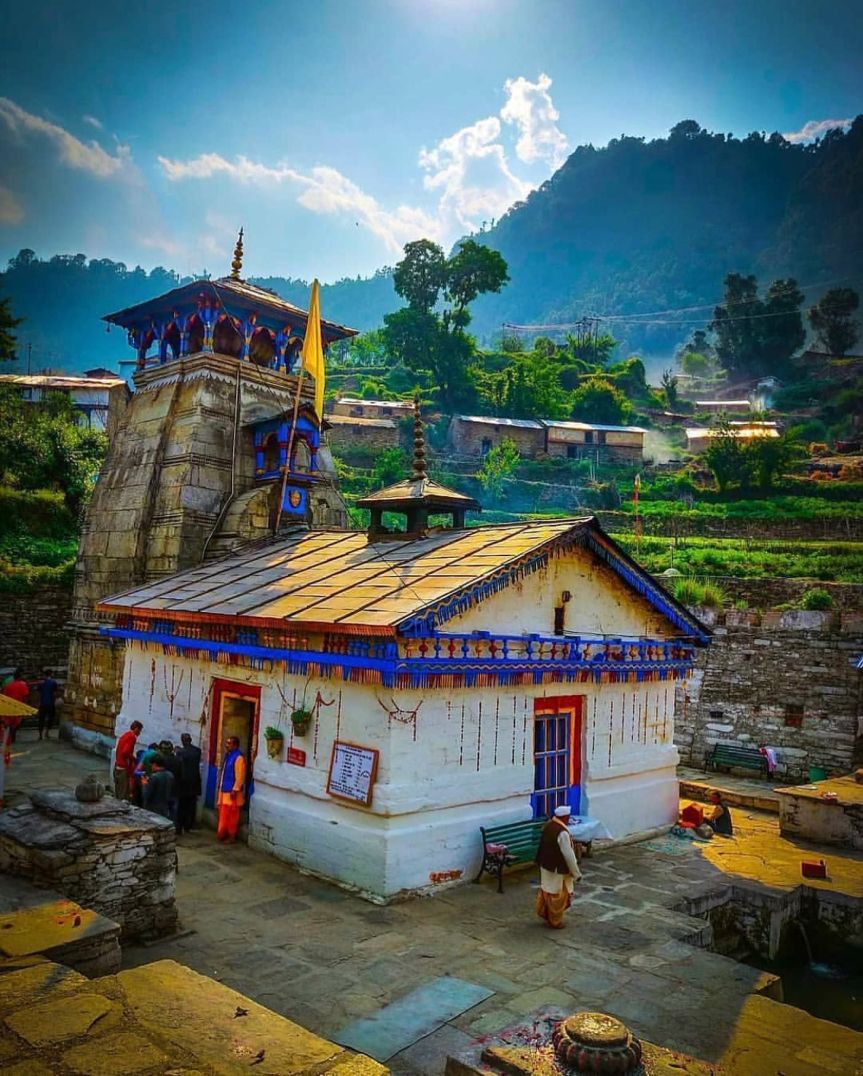
Trijuginarayan Temple is a Hindu temple located in the village of Trijuginarayan in the Rudraprayag district, Uttarakhand, India. The ancient temple is dedicated to Lord Vishnu. Its a popular Hindu pilgrimage site because it is attributed to the legend that this is the place where the marriage of Lord Shiva and Goddess Parvati took place and which Lord Vishnu witnessed here. The hallmark of this temple is the eternal fire that burns in front of the temple. It is believed that the fire is burning from the time of Lord Shiva and Goddess Parvati marriage. Therefore, this temple is also known as Akhand Dhuni Temple. The temple courtyard is also the source of water that fills the three nearby sacred bathing ponds (Kund).

It is believed by many historian that Trijuginarayan Temple have been built by Adi Shankaracharya. Adi Shankaracharya is said to have built many temples in Uttarakhand. The shrine has a silver two-foot statue of Vishnu, accompanied by Consort (the goddess of wealth Lakshmi and the goddess of music and learning) Saraswati.The Trijuginarayan Temple is located at an altitude of 1,980 meters (6,500 feet), about 5 km from Sonprayag, the meeting junction of the Mandakini and Songanga rivers. During the three months of winter, the area is covered with snow. Apples and drupes are cultivated in this area for agricultural purposes.

According to Hindu Dharma, the goddess Parvati was the daughter of Himavat or Himavat-personification of the Himalayas. She was the reincarnation of Shiva’s first wife, Sati-who lost her life when her father offended Shiva. Parvati first tried to allure Shiva with her beauty, but failed. In the end, she suffered severe penance in Gaurikund, five kilometers from Trijuginarayan, and won Shiva. Pilgrim visitors to the Trijuginaryan Temple also visit the Gauri Kund Temple dedicated to Parvati, which is also the base camp for trekking to the Kedarnath Temple. According to mythology, Shiva proposed to Parvati in Guptakashi before getting married in the small village of Trijuginarayan .
Triwajinarayan is believed to be the capital of Himavat. It was the place where Shiva and Pearlvati married in heaven during Satya Yuga, and was witnessed in front of the eternally burning sacred fire in front of the temple of Havana Kund or Agni Kund. It is said Vishnu appeared at the wedding ceremony of Lord Shiva and Goddess Parvati as a brother of Parvati. Meanwhile, the Lord Brahma served as the priest of marriage which was witnessed by all the wise men of the time. The exact location of the wedding is indicated by a stone called Brahma Sila in front of the temple. The splendor of this place is also recorded in Stala Purana, a scripture unique to the Pilgrimage Center. According to the scripture , pilgrims visiting this temple consider the burning ashes of fire to be holy and carry it with them. The ashes from this fire are also believed to promote the bliss of the couple. There were no witnesses to the incident before the wedding, but it is believed that the gods taken bath from the four kunds: Rudra Kund, Vishnu Kund, and Brahma Kund. The stream of the three Kunds, according to legend, comes from Saraswati Kund, which is derived from the navel of Vishnu. Therefore, these Kund waters are considered a remedy for infertility.

Operation Cactus by Indian Armed Forces which saved Maldives freedom.

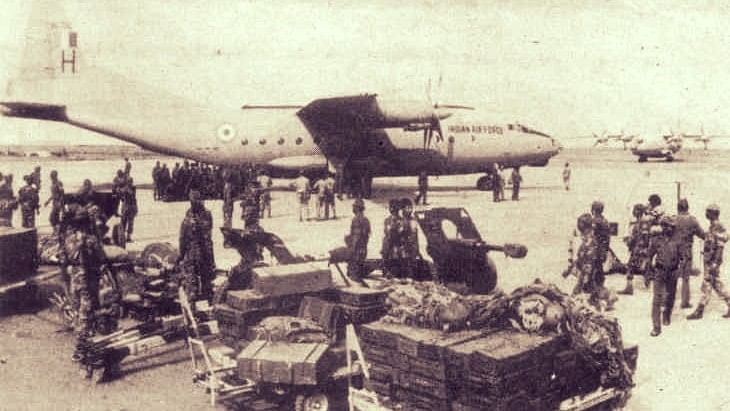
Operation Cactus, led by the Indian Armed Forces in 1988, to stop a group of Maldives mercenaries led by businessman Abdullah Rutufi, and armed mercenaries of the Tamil Elam People’s Liberation Organization (PLOTE), a separatist Tamil organization in Sri Lanka. It’s strategy was to overthrow the government in the Maldivian island republic.

Thier were two coup attempr done before 1988.The 1980 and 1983 coup attempts against President Maumoon Abdul Game were not considered serious, but the third coup attempt in November 1988 surprised the international community. About 80 armed PLOTE mercenaries boarded a speedboat from a Sri Lankan cargo ship hijacked in the capital Male before dawn. A similar number has previously invaded Male in the guise of a visitor. The mercenaries soon gained control of the capital. This includes major government buildings, airports, ports, television and radio stations. The mercenaries then marched to the presidential residence, where President Gayoom lived with his family. However, before they arrived at the presidential residence, President Gayoom was escorted to the Defense Minister’s house by a Maldivian national security forces. The Secretary of Defense then took the president to a safe home.

Meanwhile, the mercenaries occupied the presidential residence and managed to take the Maldivian Minister of Education hostage. President Gayoom called on Sri Lanka and Pakistan government to intervene in the military, but both refused to help because of lack of military power. The president then demanded Singapore’s intervention, but Singapore refused for the same reason. He then contacted the United States and was told that it would take a couple of days for the US military to reach the Maldives from the nearest military base in Diego Garcia, which was almost 1000 km away. The president then contacted Britain and who advised them to seek help from India. After that, President Gayoom sought help from the Indian government. India soon accepted their request and an emergency meeting was convened at the Secretariat Building in New Delhi. Within 16 hours of SOS, India was ready for thier missions.

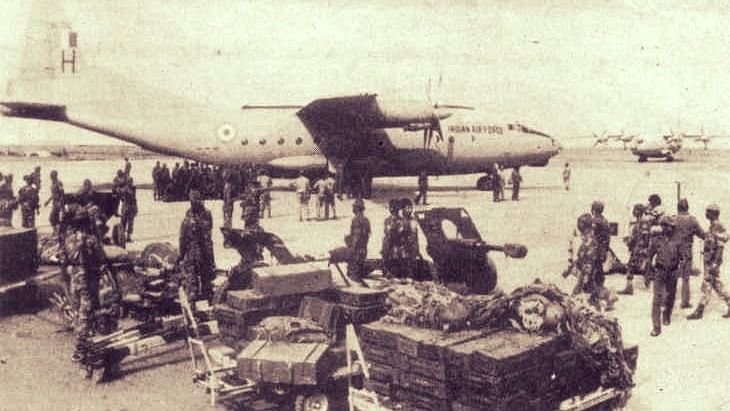
Rejaul Karim Laskar, a member of India’s then ruling party, the Indian National Congress, said that intervention of India in coup d’etat was necessary because without India’s intervention, outsiders powers were tempted to intervene and establish base in the Maldives. . Therefore, India intervened through “Operation Cactus”. On the night of November 3, 1988, the Ilyushin Il-76 aircraft of the Indian Air Force took elements of the 50th Independent Parachute Regiment, the 6th Parachute Regiment Battalion, and the 17th Parachute Field Paratrooper Regiment under Brigadier General Farsala from Agra Air. He flew non-stop for over 2,000 kilometers (1,240 miles) and landed at Male International Airport on Hulhule Island. Indian Army paratroopers arrived in Hulhule nine hours after President Gayoom proceedings.

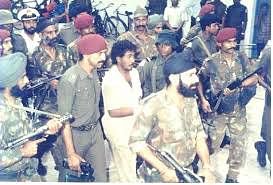
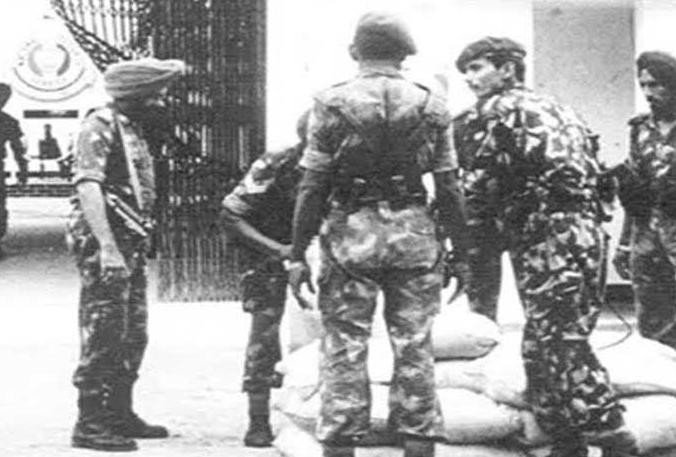
Indian paratroopers quickly secured an airfield and sailed to Male on a confiscated boat to rescue President Gayoom . Paratroopers handed over control of the capital to President Gayoom ‘s government within hours. Some of the mercenaries fled to Sri Lanka on a hijacked cargo ship. Those who could not arrive at the ship in time were immediately rounded up and handed over to the Maldivian armed Forces and government. According to reports, 19 people died in battle, most of them mercenaries. The dead included two hostages killed by mercenaries. And Operation Cactus took 18 hours for Indian Armed Forces from start to finish. Indian Navy frigate Godavari and Betwa intercepted a cargo ship off Sri Lanka and captured mercenaries. The swift intervention and accurate intelligence of the Indian Army was able to successfully subdue the coup attempted in the island nation.

“Black Tiger” Of India Ravindra Kaushik.

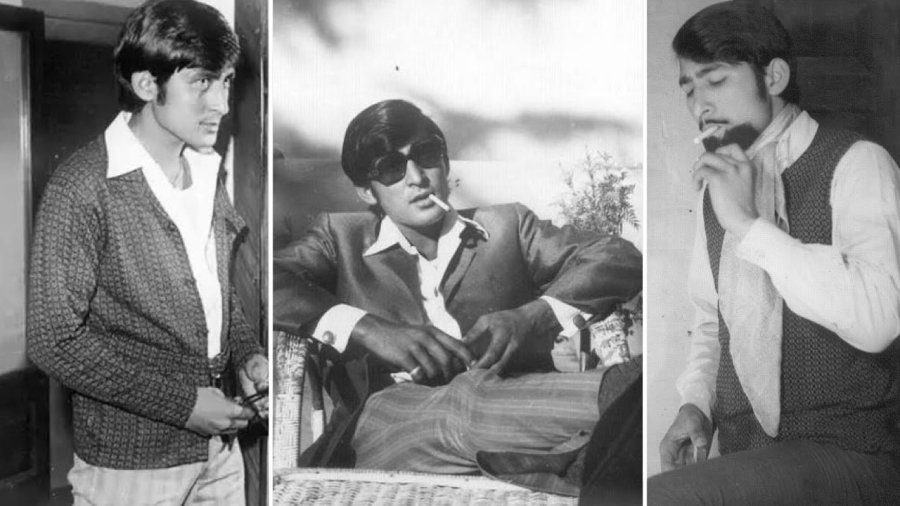
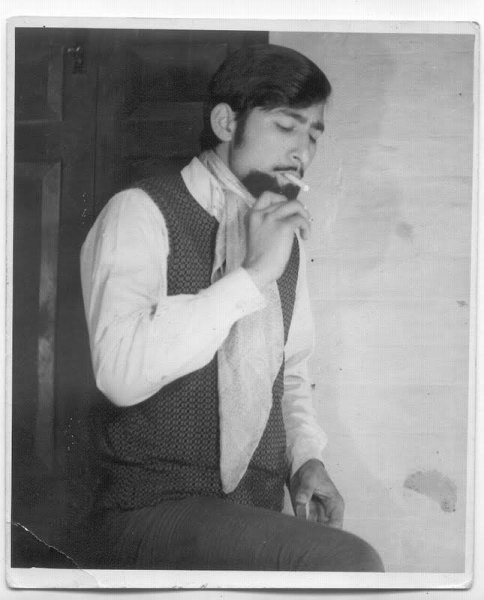
Ravindra Kaushik who served in (R&AW) ,famously known as Black Tiger was born in Sri Ganganagar, Rajasthan on 11 April 1952 in a Brahmin family.
Ravindra during his graduation days used to do drama plays and during this time Kaushik displayed his talent at the national level dramatic meet in Lucknow, Uttar Pradesh, which was witnessed by officials from the Research and Analysis Wing. After which he was contacted and offered a job of being an undercover Operative for Research and Analysis Wing in Pakistan.

After agreeing to work for R&AW Kaushik was given extensive training in Delhi for two years. He underwent circumcision so he could pass as a Muslim. He was taught Urdu, given Islamic religious education and acquainted with the topography and other details about Pakistan. Being from Sri Ganganagar, a city near Rajasthan’s border with Punjab, he was well versed in Punjabi, which is widely understood in Punjab and Pakistan as well., India. In 1975, at the age of 23, He was sent to Pakistan.
Kaushik was given the cover name “Nabi Ahmed Shakir” and entered Pakistan in 1975. He was successful in getting admission in Karachi University and from where he completed his LLB. He then joined Pakistan Army as a commissioned officer and eventually promoted to the rank of a major. While living in Pakistan under his cover he married a local girl named Amanat, the daughter of a tailor in one of the army units, and with whom he fathered a boy .

From 1979 to 1983, while working as an officer, he passed on valuable information to R&AW which was of great help to India. He was given the title of ‘Black Tiger’ by India’s then home minister late S. B. Chavan.

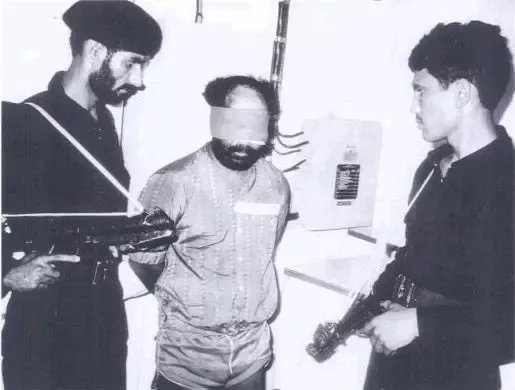
In September 1983, R&AW sent a low-level operative, Inyat Masih, to get in touch with Kaushik. However, Masih was caught by Joint Counterintelligence Bureau of Pakistan’s ISI and blew Kaushik’s cover. Kaushik was then captured, tortured for two years at an interrogation center in Sialkot. He was given the death sentence in 1985. His sentence was later commuted to a life term by the Supreme Court of Pakistan. He was kept in various jails in various cities, including Sialkot, Kot Lakhpat and in Mianwali jail for 16 years. He managed to secretly send letters to his family in India, which revealed his poor health condition and the trauma faced by him in Pakistani jails.He also adresses his thoughts on his country and department. In one of his letters he wrote:
“Kya Bharat jaise bade desh ke liye kurbani dene waalon ko yahi milta hai?” (Is this what people who sacrifice their lives for a big country like India get?”
In November 2001, he was caused with pulmonary tuberculosis and heart disease in Central Jail Mianwali in Pakistan.
He served for Research and Analysis Wing from 1975 to 1983.

“Writing about magic is harder than writing about spies because you’re dealing with something that doesn’t really exist.”

-Anthony Horowitz

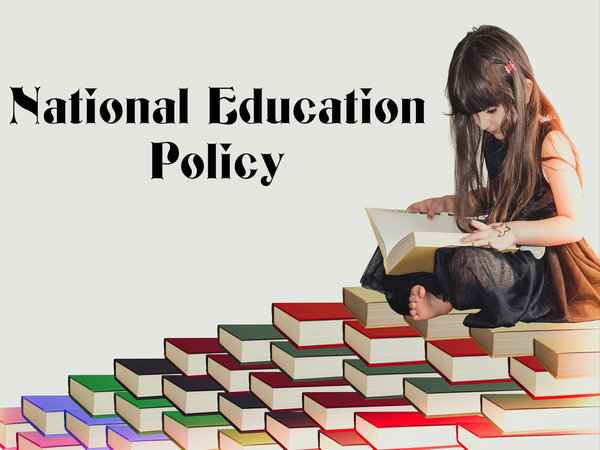
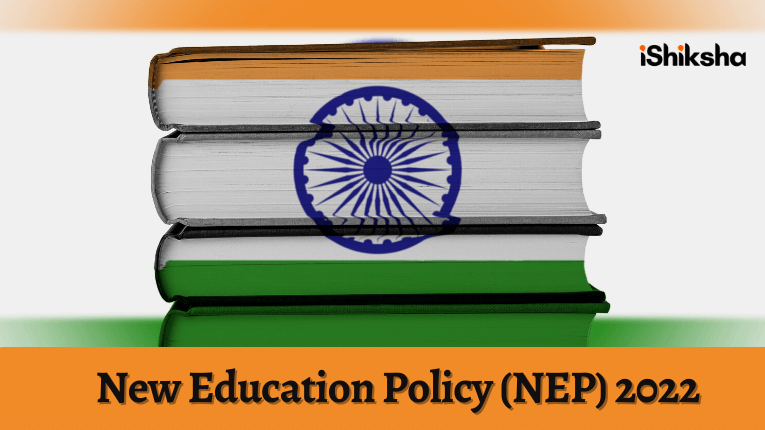
NEW EDUCATION POLICY TO BRING EVOLUTION IN THE EDUCATION SYSTEM.

NEW EDUCATION POLICY:
° Students are currently undergoing school exams conducted by responsible authorities in grades 3, 5, and 8.
° 10th and 12th grade board exams will continue, but will be redesigned for overall development.
° Mathematical reasoning and scientific temperament coding begins in 6th grade .Vocational training begins at school in sixth grade and includes internships.
° The 10 + 2 structure is replaced by 5 + 3 + 3 + 4. The new system consists of grades 12 and 3 years preschool / Anganwadi.
° Until 5th grade, this policy emphasizes the local / regional / native language as the teaching language.
° In schools and universities, Sanskrit is also included as a student option at all levels and consists of three language formulas.
° Under Graduate is now 3 or 4 years, with multiple degree options eligible for this period, such as a 1 year certificate, 2 years diploma, 3 years degree, 4 years bachelor’s degree in research, etc.
° An Academic Credit Bank (ABC) is created to store, transfer, and award bachelor’s degrees from digital learning achievements earned by students from various universities.
° The curriculum has been reduced to essentials for all subjects. They focus on critical thinking, discovery, inquiry, debate, and education based on analytical and holistic learning methods for education.
° Focus on e-learning so you can reduce your reliance on textbooks
Under the new policy, education will receive 6% of GDP, up from 1.7%. This definitely boosts the education system.
° By the end of 2040, all universities should be interdisciplinary institutions with more than 3000 students each. University affiliation will be phased out over the next 15 years.

Foucus on Regional /Mother Tongue Language:
As you know, young children learn new things as soon as they teach in their own language, not in another language they are unfamiliar with. This policy is aware of it, so children will be taught in their native language until the age of 5, but it can change to 8th grade .

NEW CURRICULUM STRUCTURE:
•) Rebuild the school curriculum and teaching methods into new 5 = 3 + 3 + 4 patterns.
•) The new curriculum structure is designed to attract the attention of learners at various developmental stages, such as 3-8 years old, 8-11 years old, 11-14 years old, 14-18 years old.
•) Elementary level lasts 5 years:
3 years before school, 1st and 2nd grade.
The preparatory stage lasts for 3 years: 3rd, 4th and 5th grade.
Middle school or high school lasts 3 years: 6th, 7th and 8th grade.
High school or junior high school lasts four years: 9th, 10th, 11th, 12th grade.
All of the above levels include Indian and regional traditions, ethical thinking, socio-emotional learning, quantitative and logical thinking, digital literacy, computational thinking, scientific manipulation, language and communication skills.

“Learning starts with failure; the first failure is the beginning of education.”

– John Hersey

Child Labour in India.

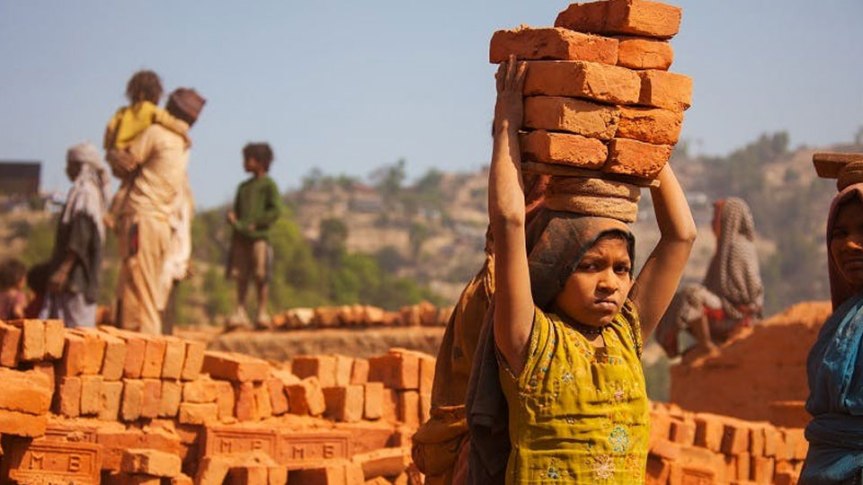
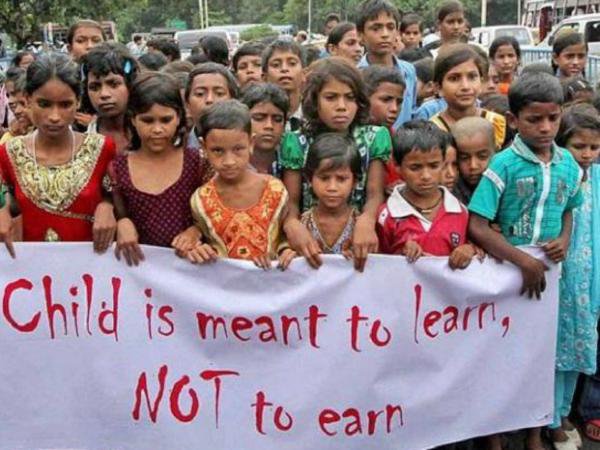
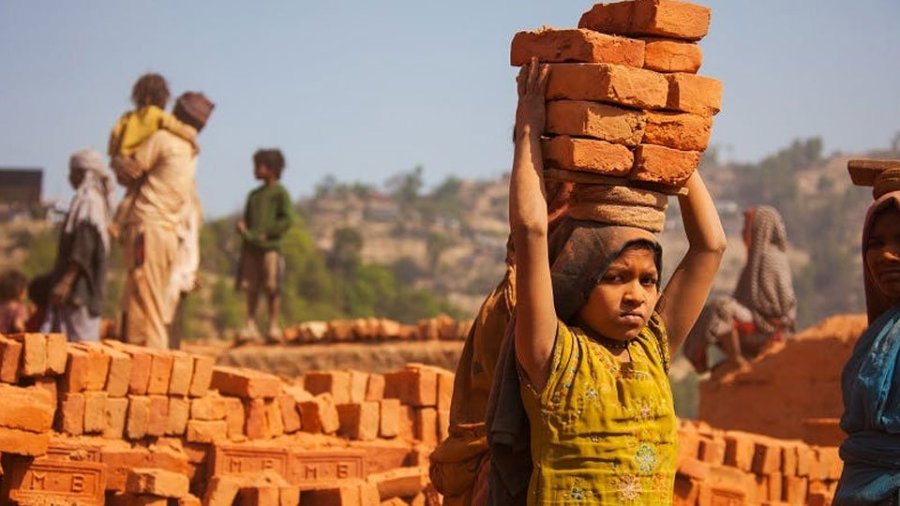
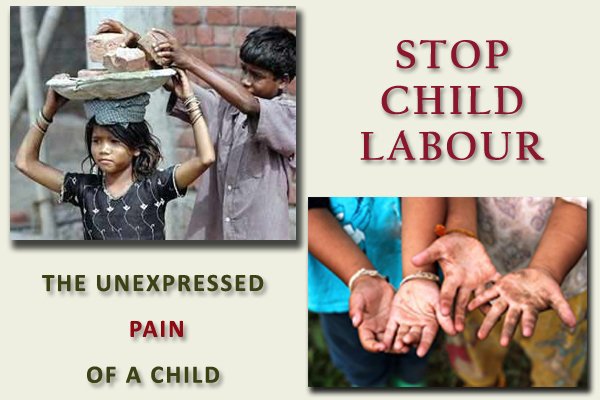
Child labor is the deprivation of children’s childhood, affecting their ability to attend regular school and exploiting them through all forms of work that are mentally, physically, socially and morally harmful.

After gaining independence from colonial rule, India enacted many constitutional protections and child labor laws. The Constitution of India in the principles of basic rights and public policy prohibits child labor under the age of 14 in factories, mines, castles or other dangerous occupations (Article 24). The Constitution also stipulated that by 1960 India would provide all children aged 6 to 14 with the infrastructure and resources for compulsory free of charge education . (Articles 21-A and 45).
In 2011, the Indian Census found that of the 259.64 million children in this age group, the total number of child laborers [ages 5-14] was 10.1 million. The problem of child labor is not unique to India. Approximately 217 million children work worldwide, many of whom work full-time.

In India child labour is defined as the involvement of children under the age of 17 in economically productive activities, with or without compensation and wages . Such participation can be physical, mental, or both. This work includes part-time or unpaid work on farms, family businesses, or other economic activities such as cultivation or milk production for sale or personal consumption. The Government of India divides child labor into two groups. The main workers are those who work more than 6 months a year. And marginal child laborers are workers who work all year round, but less than six months a year. In 1979, the Government of India established the Gurupadswamy Commission to learn about child labor and how to fight it. The Child Labor Probation and Regulation Act was enacted in 1986 on the recommendation of the Commission. A national child labor policy was developed in 1987 focusing on the rehabilitation of children working in dangerous professions. Since 1988, the Ministry of Labor and Employment has established approximately 100 industry-specific national child labor projects to rehabilitate child laborers.

The Government of India has enacted numerous laws, organizations and institutions to combat the issue of child labor. Some initiatives include child labor bans and regulations, laws prohibiting the employment of children in certain occupation and regulating the working conditions of children. The National Child Labor Policy attempts to take a sequential approach with a primary focus on the rehabilitation of children working in dangerous professions and processes of works. The Ministry of Labor and Employment is responsible for providing and supervising a range of child labor policies in India. In addition, as Osment reported, NGOs such as Care India, Child Rights and You, and Global March Against Child Labor were implemented to tackle child labor through access to education and resources. However, these efforts were of little success.

Non-governmental organisations:
Bachpan Bachao Andolan, Child Rights and You, ChildFund, CARE India, GoodWeave India,Talaash Association, Global March for Child Labor, and many other NGOs are campaigning to eliminate child labor in India. increase.

Shortage in Indias Power Supply.

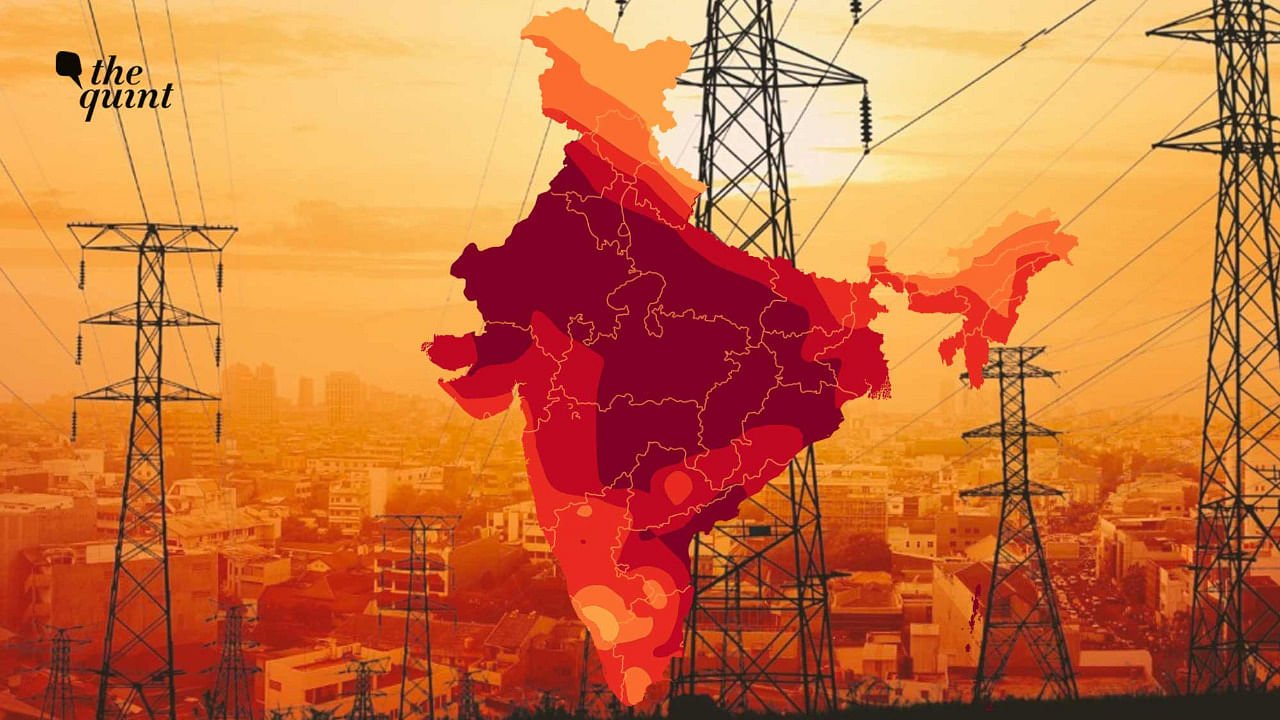
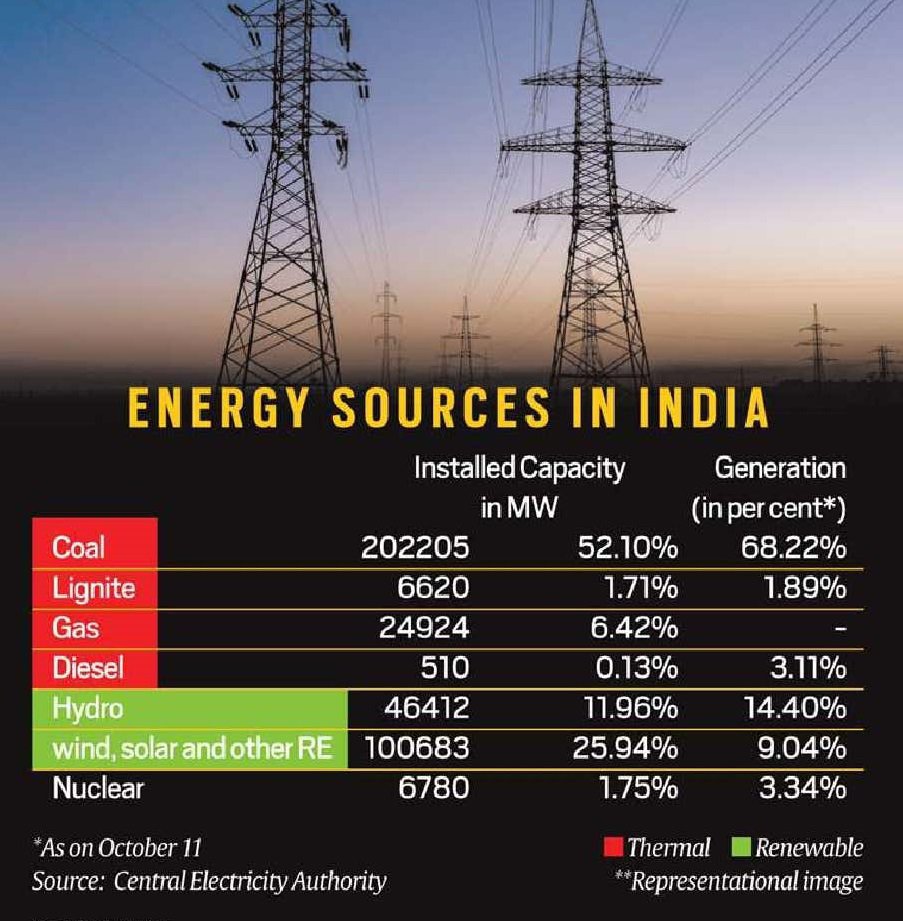
India has the fourth largest coal deposit in the world. It is the second largest fossil fuel producer after China and is home to Coal India, the world’s largest coal mining mine, which accounts for 80% of domestic production. Already allocated coal block mining capacity exceeds expected demand in 2030 by approximately 15% to 20%.


So why are India’s power plants facing coal shortages each year, leading to widespread power outages, exposing parts of the country to darkness and endangering industry?
There are several factors. India has a long time policy of minimizing coal imports. In February 2020, Coal Minister Pralhad Joshi announced that the country would stop importing steam coal from 2023 to 2024.
Mr Joshi said the Ministry of Coal will work with the Ministry of Railways and the Ministry of Shipping to allow Coal India, prisoners and commercial miners to discharge more coal from their supply by 2030. And the coal supply at power plants is running out at an alarming rate. The Department of Energy is currently blaming the decline in coal imports due to the current crisis. In 2018-19, 21.4 million tonnes of coal were imported for mixing, down to 23.8 million tonnes in 2019-20 and 8.3 million tonnes in 2021-22.


Power plant coal inventories have fallen by about 13% since April, reaching pre-summer lows. And for the first time since 2015, Coal India will import fuels used by state-owned and private power companies. The Ministry of Energy said almost all states showed that multiple state bids for coal imports would cause confusion and that the decision was made after calling for centralized procurement by Coal India.
Imported coal costs five times as much as domestic mining, so the center is being pushed back by the state.
Recently, the government has also pressured utilities to increase imports to mix with local coal. Last year, after a two-year break, three tranches of coal auctions were held and nine blocks were successfully awarded.

In September 2021, the Ministry of Coal issued a strict warning to owners of confined coal blocks, stating that their mines should increase production or face restrictions on coal supply by the CIL.
The ministry has discovered that these mines are producing below target.

Of the 43 coal mines outsourced to private companies in the energy, steel and metals sectors, none have met their annual production targets.
On May 6, Coal India announced that it would provide the private sector with 20 closed and abandoned underground coal mines and reopen and operate its revenue sharing model.

According to journalist Shreya Jai the current power supply chain does not seem ready to handle periods of high growth and state discos cannot pay gencos, but the power supply chain starts with state discos and needs repairs. Railroads, on the other hand, are struggling to align the thermal power industry’s demands for faster coal supply with those from other industries. Rakes must be prepared to meet the growing demand for almost all other bulk commodities, from cement and steel to sand and edible grains. By strengthening the value chain of the electric power sector, it is possible to resolve the coal supply-demand mismatch in the long run.
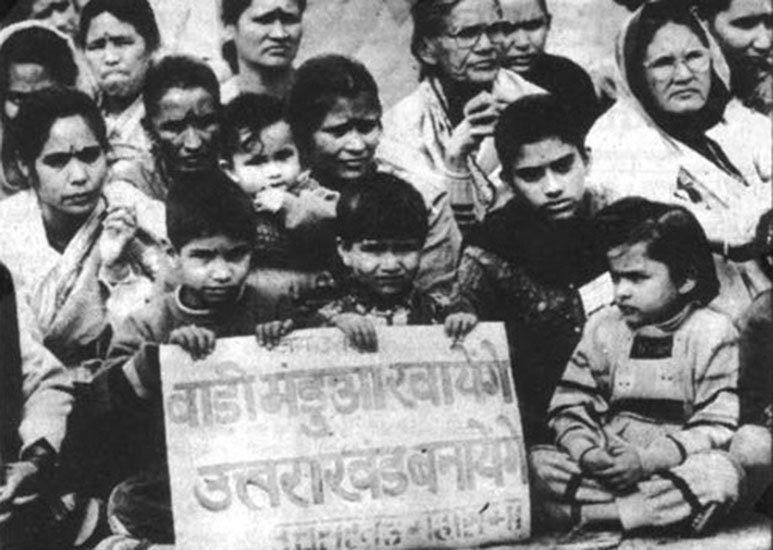


A Struggle of many people to make Uttarakhand a state.

Uttarakhand became a state on November 9, 2000. The establishment of Uttarakhand was achieved after a lot of hard work and sacrifice. The voice for Uttarakhand to become a state was first raised in a special session of the Indian National Congress in Srinagar, May 5-6, 1938. In 1994, after a series of events, demand gradually increased for another state eventually which took the form of a mass movement, leading to the formation of India’s 27th state by 2000.

In March 1994, Uttar Pradesh Chief Minister Mulayam Singh Yadav recommended the Mandal Commission to secure 27% of government positions and places in schools and universities for socially and economically weaker classes,which was later on carried on. The Hill region OBC population was very small at 2.5% and reserving OBC seats meant that all government seats would go to the plains of Uttar Pradesh. This led to intensified protests against the nation.

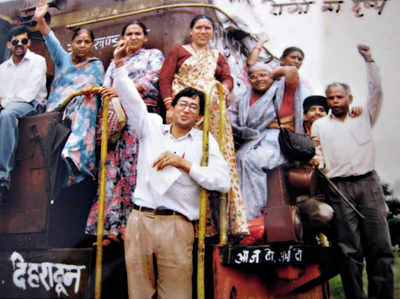
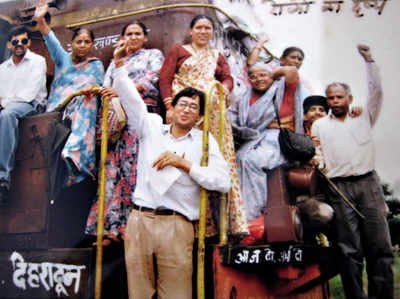
In 1994, the students throughout the region participated in separate state and group movements for reservations. The Uttarakhand movement was further intensified locally by the anti-Uttarakhand statement by then-Chief Minister of Uttar Pradesh, Mulayam Singh Yadav. Uttarakhand leaders continued to support their call for another state until their death. State officials went on strike for three months, and the Uttarakhand movement was exacerbated by the blockade and confrontation with police. Uttarakhand activists in Mussoorie and Khatima were shot dead by police. On October 2, 1994, in Delhi, the capital of the country, a large-scale demonstration and protest was held in support of the state under the support of Samyukta Morcha. Uttarakhand activists marched to Delhi to participate in the struggle. Activists who participated in peaceful demonstrations near Ranpur Tiraha Junction in Muzaffarnagar were tortured and shot dead openly without warning. Police officers were also charged with obscene behavior and rape with female activists. Satya Pokhriyal was a leader who led all people out of misery and other Andolankari helped others and showed courage. Several people were killed and many were injured. These incidents has fueled the Uttarakhand movement. The next day, October 3, the destruction of gunfights across the region and protests over multiple deaths broke up.

On October 7, 1994, a female activists died after police brutally attacked her in Dehradun while she protested against the shooting at Rampur Tiraha and many activists attacked the police station in return. A curfew was imposed in Dehradun on October 15, and one activists was also killed on the same day. On October 27, 1994, then Indian Minister of Home Affairs Rajesh Pilot met with state activists. Meanwhile, a brutal police attack in Srinagar’s Sriyantra Tapu killed several activists while they were protesting.


On August 15, 1996, then Prime Minister H.D. Deve Gowda announced at the Red Fort of Delhi the forming of a new state Uttarakhand.

In 1998, the BJP-led coalition government at the centre sent the “Uttarakhand Bill” through the President of India to the Uttar Pradesh state government . The Uttar Pradesh State Assembly passed , the Uttarakhand bill with 26 amendments and sent back to the central government. On July 27, 2000, the central government submitted the 2000 Uttar Pradesh Reorganization Bill to the Parliament of India. Lok Sabha passed the bill on August 1, 2000, and Rajya Sabha passed the bill on August 10, 2000. The Uttar Pradesh Reorganization Act was approved by then President of India, K.R. Narayana on August 28, 2000 and on November 9, 2000, the new state of Uttaranchal was established as the 27th state of India, now known as Uttarakhand.

History of Television in India.

Television was founded by John Baird. The first television service was started in 1936 by British Broadcasting Corporation (BBC) of Britain . In 1939, television broadcasts began in the United States. In 1953 the first successful programme in colour was transmitted by Columbia Broadcasting System (CBS) in USA. In today՚s world, television has become one of the most powerful means of mass communication . It can impart education, information and entertainment . Television has end up becoming an necessary a part of our lives.


HISTORY
India’s first television station was established on October 24, 1951, in the Department of Electronics and telecommunications at Government Engineering College in Jabalpur. Television began in India as an experiment on September 15, 1959. It was first started as two hours programmes a week under the authority of AIR. Early programs of these experimental broadcasts were generally educational programs for children and farmers. By 1975, only seven Indian cities were using television services. The Satellite Instructional Television Experiment (SITE) was an important step by India for the use of television for the development of people and the country. Initially, the show was mainly produced by Doordarshan (DD), who was part of AIR at the time. Transmissions were made twice a day, morning and evening. In addition to information on agriculture, health and family planning, other important topics covered in these programs were audience education and awareness raising. Entertainment was also included in the form of dance, music and cinema. In 1976 Television services were separated from radio . Color television was introduced to the Indian market in 1982.

In the late 1980s, more and more people began to own televisions. There was only one channel, but the TV show was saturated. Therefore, the government opened another channel, partly broadcasting nationally and locally. This channel was called DD2 and was later renamed to DD Metro. Both channels were broadcast on the ground. In 1997, Prasar Bharati, was established.Doordarshan, along with AIR, was incorporated into a state-owned enterprise under Prasar Bharati. Transponders of the American satellites PAS-1 and PAS-4 assisted in the transmission and broadcasting of shows on DD. An international channel called DD International was launched in 1995 and broadcasts programs abroad 19 hours a day to Europe, Asia and Africa via PAS-4 and to North America via PAS-1.The 1980s were the prime time for DD, with shows like comedies such as Hum Log (1984-1985), Wagle Ki Duniya (1988), Buniyaad (1986-1987). Epics like Ramayan (1987–1988) and Mahabharat (1989–1990) brought millions to Doordarshan and later on Chandrakanta (1994–1996). Song-based programs for Hindi movies such as Chitrahaar and Rangoli, and crime thrillers such as Karamchand and Byomkesh Bakshi. Children’s shows such as Tenali Rama ,Vikram Betal and Malgudi Days .


Private Channels influence:
The introduction of communication channels was a revolutionary move to reach so many people. It became an opening for Private and Commercial broadcasters in our country. The emergence of private channels began in India in the 1990s after CNN aired the Gulf War. Hong Kong-based STAR (Satellite Telivision Asia Region ) enterned in a contract between an Indian company and Zee TV. It became the first Private Indian Hindi satellite channel. During this time, several local stations have emerged. Apart from local ones various international channels such as Channel, CNN, BBC, Discovery, etc were also available for Indian TV viewers. Their were various categories of channels available for viewers,such as the 24-hour news channel, Religious channels, cartoon channels, movie channels, something for everyone .


Changes and Evolution:
A significant change that has occurred is the use of different methods of delivering television programming. Just a while ago their were satellite-based antennas, but now the mode has converted to dishes. Other shipping methods are are delivery via cable network and direct satellite transmission. Now you can watch TV shows on your mobile phone , the technology behind it is called Internet Protocol Television. The emergence and spread of televisions and computers and the access to content anytime, anywhere, everyone has brought revolutionary change and access to the world of entertainment.

“I always say film is art, theater is life and television is furniture .”

Kenny Leon

NEWSPAPER MIRROR TO SOCIETY.

Newspaper can be defined as a print medium for conveying current news of various information .

History of newspaper in India:
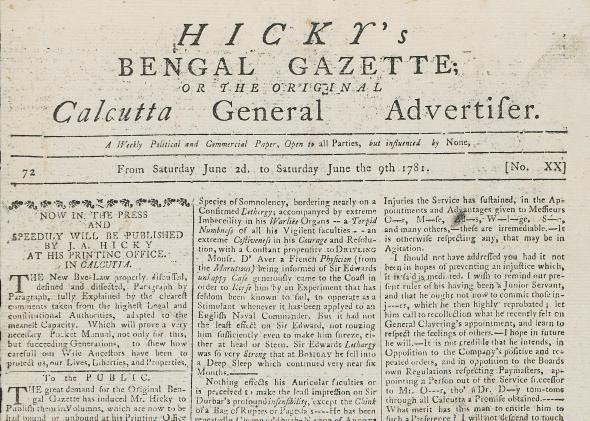
The first newspaper in India the Bengal Gazette was published in January 29, 1780 by James Augustus Hicky ,which was also known as”Calcutta Advertiser”. It was commonly known as “Bengal Gazette “. The first edition of the newspaper has two pages and was later expanded to page 4. Its size was 35 cm x 24 cm. East India Company did not considered Freedom of the Press good for society. They tried to curb the publication of newspapers. He was a very brave editor. He continued to criticize British authorities and publishing reports attacking East India Company officials for their way of working. British Authorities have arrested Hicky many times. Finally they finished his work of newspaper in 1782 and stopped publishing. Hicky was asked to leave Country. He was sent back to England. A copy of the Bengal Gazette is still preserved in the National Library of Calcutta and the British Museum in London.


Following in Hickey’s footsteps in 1780, a second newspaper was launched “The Indian Gazette” and “Calcutta Gazette” which begins publishing in 1784 and the “Bengali Journal” was started in 1785 which is also the third and fourth newspaper from Calcutta. The previous four newspaper were all published in English. Slowly Newspapers also begun to issue from other parts of the country in different languages and. The Tuesday “Madras Courier” (1785) and “Madras Gazette” (1795) starting from Madras. From Mumbai, “Bombay Herald” was started in 1789. The strict press regulations and censorship imposed by the UK hindered publication of more newspapers in India.In 1818, Lord Hastings abolished these strict censorship measures which leads to the appearance of many new newspapers in various Indian languages. Raja Ram Mohan Roy, who is known to have fought for the freedom of the press, edited a Persian weekly newspaper called “Mirat-ul-Akhbar”. But the editors of this newspaper were foreigners, not Indians. The first Indian language newspaper published by an Indian was “The Bengali Gazette” which was started in Calcutta by Gangadhar
Bhattacharjee in 1816. Pandit Jugal Kishore started Udant Martand the first Hindi newspaper published in India beginning on May 30, 1826, in Calcutta the weekly was published every Tuesday .


Importance of newspaper in India Freedom Struggle:
The newspaper and the press played a very important crutial role in the struggle for independence. The newspapers made the Indian public aware to the cruelty of the British Empire on the people . The press was the main tool for carrying out political tasks, propagating, political education, forming and spreading national ideology, mobilizing and consolidating national public opinion. The press is a powerful weapon in nationalist struggles, and Indian nationalists have led the struggle through the help of press. In fact, many of the great leaders of the freedom movement became journalists themselves and used the press as an instrument to spread their ideas to the masses and people in different parts of the country.


The Vernacular Press Act of 1878, against Indian-language newspapers, was passed in a meeting of the Royal Legislative Council. The law orders the seizure of a newspaper’s publications, papers, and other materials if the government believes the newspaper is publishing instigating material that could be harmful for the government. The Indian press enjoyed considerable freedom until 1908. However, due to the great growth of the nationalist movement, the Press Act was passed in 1908 and the Indian Press Act of 1910. Till 1930 the Indian press enjoyed relative freedom to give free opinion. However, the Press Act of 1932 and the Foreign Relations Act of 1932 refused India’s press freedom. The press was used as an effective weapon in the hands of social reform groups to expose social evils such as class restriction, child marriage, the prohibition of widows remarrying, social inequalities, laws and regulations.At that time it was very useful to uplift the society.


Newspaper at present:
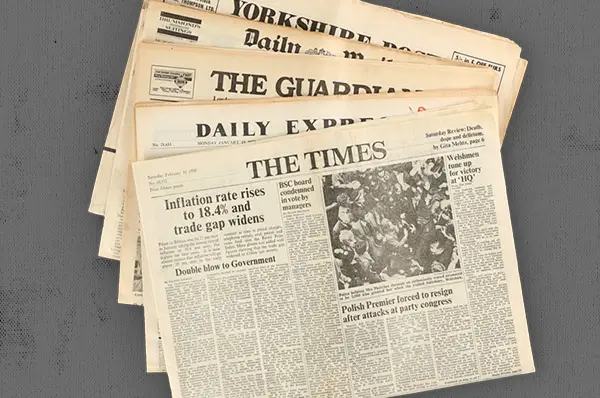
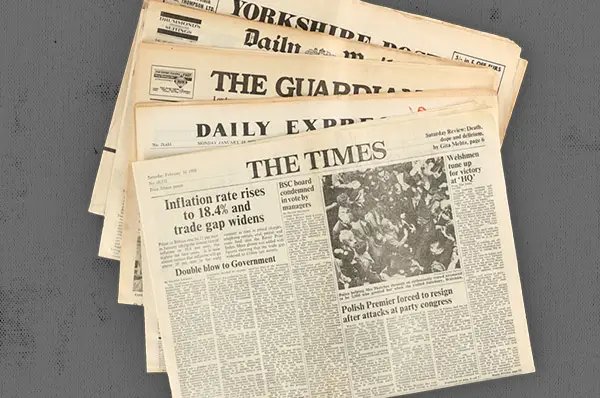
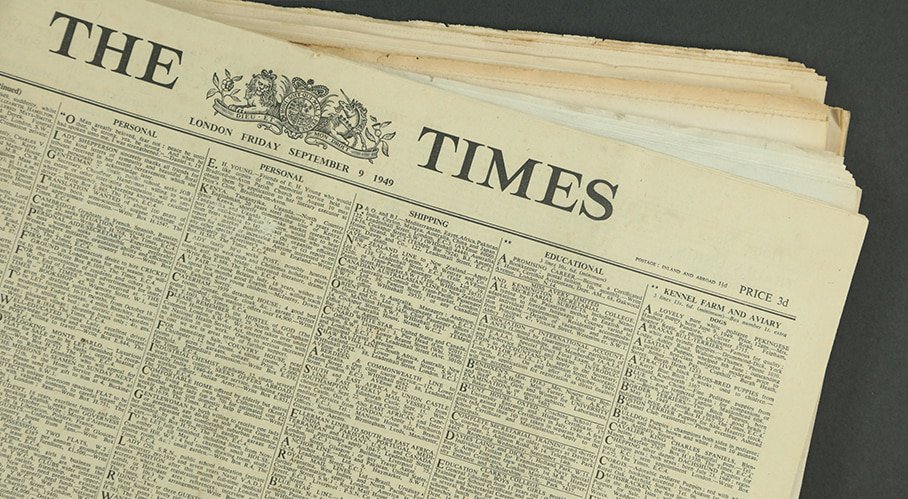
Newspapers today occupy an important place in the world. The presence of newspapers is inevitable in today time. They are the reflections of the world. The press is considered the fourth pillar of democracy. The press is the most powerful of the powerful. They are defenders of truth and human rights. They act as spokespersons for the public. They are the link between the people and their government. It was still preferred by people over other media platforms because of its reliability, at a time when media was seen as a fake system that didn’t work properly.


“A good newspaper, I suppose , is a nation talking to itself ”

By Arthur Miller

Korean wave in India.

The  Korean wave has certainly seen a significant  rise in India during the pandemic, and K-Drama and K-Pop are seeing massive demand from fans and new followers as well. In response to the growing popularity of the Korean wave in the country, many  online and offline events are held to show people  what they are consuming online. And these extend not only  to K-Drama and K-Pop, but also  to food, beauty and culture in general.
Korean singer PSY’s 2012 viral hit “Gangnam Style” may have started the Korean wave in India, but it certainly wasn’t the origin. The existence of K-POP in India dates back to the late 90’s when in Northeastern part  in Manipur Bollywood films were not allowed to watch because law imposed by the Separatist group Revolutionary Peoples Front to make Manipur independent.Not so much offered, the locals turned to Korean content and it got it’s popularity from their on.

Increasing demand for Korean content is fueling competition between India’s Amazon Prime Video and Netflix. Amazon Prime Video is the first company to launch Parasite and Minari in the country. Hotstar, MX Player, Viki and Viu are also involved in the Korean wave effect. Discovery + launched the “Star vs Food” series featuring the Korea Tourism Organization (KTO) and K-POP idols to introduce Korean food to India. Some prominent dramas are: Crash Landing on You, Squid Games, Descendants of the Sun and many more more , the reason of these Korean content popularity is that as an audiance, Indian’s  find Korean content relatable to them.

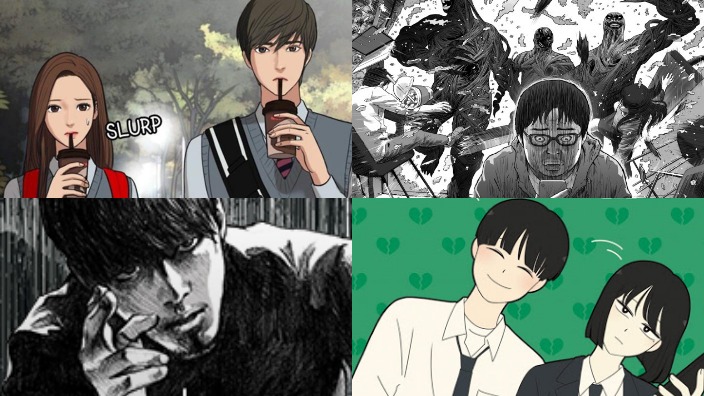
According to Hyun Woo, Kross Komix co-founder, president and CEO Thomas Kim predicts that South Korea’s webtoon, or digital comics, will be the next big thing.Kross Komics is India’s only webtoon platform  launched in December 2019. In just about 1.5 years of operation, the app has been downloaded more than 4.5 million times, about half of which are women. “With the numerous webtoons in the romance / romantic comedy category and the world’s best-selling stories, this new format of content has become a very interesting alternative to the dramas and movies”.

“In 2020, the blockade caused by Covid-19 is said to be one of the reason to the popularity and acceptance of Korean culture in India through dramas available on multiple video streaming platforms and the different Korean music band whose craze is extraordinary. South Korea’s food exports hit a record high,  boosted by social media posts from Asian celebrities and the popularity of the movie like “Parasite” and drama like”Crash Landing on You”. The widespread  of k-pop, k-movies, and k-drama has evolved into a  fan culture, especially among the  urban youth of the country. Following k-pop music and movies, K-Food and cooking have undergone a major makeover to reach the larger Indian market. K-cuisine is all the rage, especially on social media, in the form of food challenges like Mukbang, “said Hwang Il-young, director of the Korean Culture Center India .

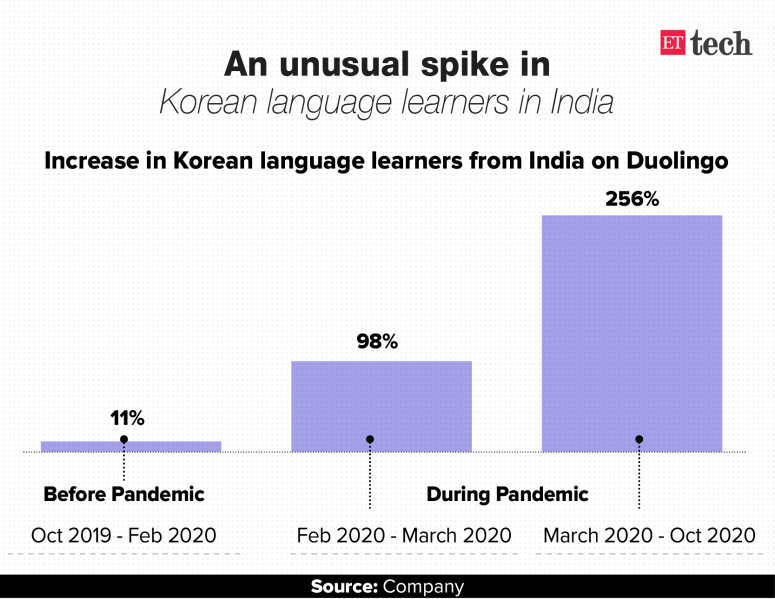
The Korean wave,  the growing global popularity of  Korean culture, swept India a few years ago, but  exploded during a pandemic. Supported by the OTT platform, which has a large investment in Korean programs, the number of people who started watching K-Drama and listening to K-Pop has skyrocketed. Recently, the language learning app Duolingo surveyed 1,013 people in 10  cities in India and found that Korean is  the fastest growing language in India. It was the 7th most popular language for Indians in 2020, but it has risen to the 5th in 2021 and will  continue to rise. Duolingo’s 2021 audio report attributed this primarily to the release of Squid Game in 2021.