Why plastic bags should get banned?

Plastic bags are harming our environment. Plastics are non biodegradable product which means that they will not degrade in the soil for thousands and thousands of years. Plastic harms our environment in all the ways it can.

How plastic degrades our environment?

Land pollution from plastics…

Firstly, let’s talk about land pollution so if we throw plastic bags on for example, soil, it will not degrade easily and it will degrade may be after thousand years but the chemicals which are used to make the plastic bag degrade the fertility of the soil. Plastic bags are made from poisonous chemicals and if we will throw it in soil firstly it will degrade the fertility of the soil and secondly it will make the crop poisonous and if we will eat that food crops that will grow on such soil we can even die so it deplete the fertility of soil and at the same time makes our food poisonous. Please ,Please ,Please never throw plastic bags on soil or some land area where crops are grown. This way it causes land pollution.

How plastics causes animals death?

Sometimes animals eat plastic bags which causes them to choke. We should never throw plastic bags in garbages because in our country especially in India cows and many other animals like dogs eat from garbages and if by mistake they eat plastic it will let them to die so please never throw garbage inside plastic bags.

Water pollution from plastics…

Plastic bags also causes water pollution. Let’s see how. So when plastics are thrown inside water, the Marine animals which used to live inside the water bodies , by mistake eat that plastic or even a part of the plastic bag which made them to die. The plastic bags are made from poisonous chemicals so please remember never to throw plastic bags anywhere.

In these above-mentioned ways and many more ways plastics destroys our environment.

Measures taken against plastics by different countries…

Some Countries banned plastic totally while some other countries levied taxes on it. But a country is made by its countrymen and we are the country man of India and it is our national duty to stop using plastic bags and save our environment. In our country today also people are using plastic bags even after knowing that they are not good for our environment and causes so many problems.

Why still using plastic bags?

The question is why we are not stopping ourselves from using the plastic bags even if we know that it causes harmful effects on environment. So, there are a lot of reasons behind it. Let’s discuss them one by one.

The first reason is that we are used to it. We habitual of using plastic bags.

The second reason is that it is very convenient to use plastic bags. Plastic bags are lightweight and are very small in size so it becomes very easy for us to carry them . On the other hand cloth or jute bags are not lightweight and are big also, which makes them inconvenient or less convenient than plastic bags.

The third reason is that plastic bags are very cheap. So it’s easy to buy them.

So there are many more reasons but these are the main reasons which make plastic bags very common in use.

Conclusion

We should today take the oath that we have to never use plastic bags and this is not a rule that you have to follow against your will but this is your duty to never never never use plastic bags because it’s our Earth we can make it a better place to live for everybody else.We always want to change our society and the world. But let me tell you very clearly that you can’t.

You can just change yourself and you know what that will make the world change.

“If you can change yourself, you can change the world and if you can’t change yourself ,you will never be able to change the world.”

Thankyou so much for reading.
India’s Olympic Wins

The first modern Olympics were held in Athens, Greece, in 1896 and it took India only four years before seeing their first representation at the Summer Olympic Games. It all started for India in 1900 when they sent the athlete Norman Pritchard to Paris where he won two medals in Men’s 200 meters and Men’s 200 meter hurdles. Till date, India has participated in every Summer Games since 1900, sending their first Olympic team in 1920 comprising four athletes and two wrestlers. It was, however, not till 1928 that India saw its next medal, after which there have been several Olympic medals obtained. Today India holds a total of 28 Olympic medals and seems to be improving its performance at the Olympics.

Hockey

The Indian hockey team dominated the Olympics from 1928 for decades to come, winning an unprecedented 3 gold medal titles. The dominance of India’s hockey team started in 1928 in Amsterdam, when Dhyan Chand scored a hat-trick against the Netherlands in the final. Major Dhyan Chand is revered today as one of the greatest sportsman in India, and also the greatest player in the history of hockey. By the Berlin Olympics in 1936, the gold medals had piled up for India and London 1948 was the first gold medal post-independence for India. The Indian team kept winning until 1960 when the gold streak was finally broken.

Boxing

In Beijing 2008, Vijender Singh became the first Indian boxer in history to win an Olympic medal. Then in London 2012, India’s newfound love for boxing saw Mary Kom winning a bronze medal for the country. With her win, Mary Kom had become, and remains to be a role model for Indian women wanting to get involved in sports.

Shooting

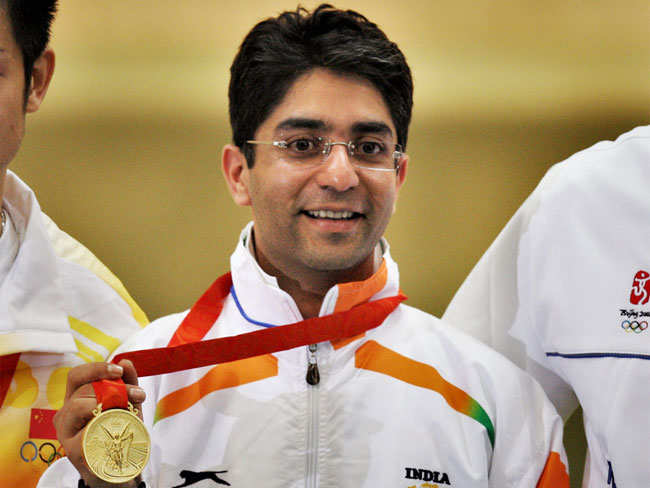
Rajyavardhan Singh Rathore was the first shooter to help India get a medal at the Athens Olympics in 2004, and inspired an entire generation to take up the sport. Following his footsteps, Abhinav Bindra won the gold medal in Men’s 10m Air Rifle at the 2008 Beijing Olympics. He remains the only individual Olympic gold medalist in India and perhaps the most notable among the Indian Olympic winners.

Tennis

India had gone without a medal of any sort for four straight editions before Leander Paes won a bronze medal in 1996. After losing to Andre Agassi in the semi-final, Paes went on to beat Fernando Meligani in the bronze medal match. The medal was a huge achievement for India as they had returned without a medal for many years before Paes won in Atlanta.  

Weightlifting

Breaking the norm of only men fetching Olympic medals for the nation, India saw Andhra Pradesh’s Karnam Malleswari clinching the bronze medal in the 54kg category at Sydney 2000, becoming the first woman in doing so. She had created history, and after her many female athletes would follow to win medals for India.

Wrestling

In 1952, Khashaba Dadasaheb Jadhav had created history by becoming the first Indian to win an Olympic medal in an individual sport at the Helsinki Olympics. The sport was wrestling, and he had won a bronze medal for it. After that in 2008, Sushil Kumar clinched a bronze medal in wrestling after a great deal of struggle and effort. Furthermore, in a traditionally male-dominated sport, Sakshi Malik became the first Indian woman wrestler to win an Olympic medal with her bronze medal finish in the Women’s freestyle 58 kg category at the 2016 Rio Olympics.

Badminton

In London 2012, Saina Nehwal became the first Indian badminton player to win an Olympic medal when her opponent, China’s Wang Xin, was forced to retire hurt during the match in the semi-final. She was the first Indian athlete to win an Olympic bronze medal in the women’s badminton singles. In the following 2016 Rio Olympics, the nation witnessed PV Sindhu take one step closer to gold by becoming the first Indian shuttler to reach an Olympic final in the 2016 Games. She was not able to clinch the victory but won a silver medal in the Olympics. She was also the youngest Indian (21 years old) to achieve this feat.

Conclusion

Every single Indian medal winner may not be mentioned in this Article, but it is important to highlight that every single person who has won a medal for India must be respected, whether that medal is bronze, silver or gold. The Olympics are a worldwide event with the highest level of competition possible, so we should be proud of those who have won for India.

Shashi Tharoor and his Ideology on the British Rule in India

Shashi Tharoor is a writer and that too an extraordinary one. He is a legend and his pen has the power to change the world through his words. He writes others maybe imagine but can not put into appropriate words. He has many published works which are just perfect. One such work of his is the book named An Era of Darkness : The British Empire in India. This book was also published in United Kingdom under the name Inglorious Empire : What the British did to India. It was of course a best seller. This book basically depicts what is in Shashi Tharoor’s mind about the British rule in India. His ideology about the British Empire is written in this amazing work. Through this book he wants us to know about “the origins of the difficulties that confronted India.” , as stated by himself. In simple words, he wants us to understand about the evils of the British Rule in India and how it affected us. He strongly desires an apology from the British, same as whole of the country does. In his opinion, an apology would be most desirable, rather than compensation by cash or other valuables. This book also exposes the corruptions during that period along with questions their claim on superiority.

Photo by Pixabay on Pexels.com

He deeply explains the way how it all came to the establishment of British Empire and also about why it all happened. He puts light on the manipulations of the British on the people of our country. He has clearly stated in his book that “this book is an argument and not a story.” He argues that the ruling record of the Indian governments is far better than the British. He accepts the fact that the British has in fact paid the reparations in form of aids over the years, but he is adamant that they were not due to guilt. According to Tharoor, India suffered many problems and conflicts due to racism, wars, disputes for kingdoms and other several problems, under the British Rule. He also states in his book that “this just basic knowledge about the history of our country but is still unknown even to the educated Indians.” He stresses on his point of the reparations, by saying that day by day it is getting late to amend things but it’s certainly not that late. The damage is done but can still be somewhat repaired to some extent.

Tharoor has remarked that every single thing the British did and the rules they imposed on the citizens were for their own benefit and not ours. He is right of course in all his arguments. The correct word for the Rule of British in India has to be ‘rotten’. The British Rule and their Empire was rotten in terms of all the policies they put up to follow, all the standards as compared to ours. He has done an impeccable job on the book and made us realize what we had forgotten with time.

Happiness

Happiness is a state of mind which we possess when something good happens to us and we feel that goodness at our heart. This is an abstract feeling which is not materialistic and cannot be bought by money or some other possession. Happiness brings with itself a lot of positivity and also provides us with the motivation to go ahead and achieve other milestones. Happiness also maintains the zeal and enthusiasm for doing things and experiencing new paths. Happy state of mind also increases the age of people and lets them live a longer life.

Happiness is a key to healthy life; it sets a soul free and encourages it to explore the world and also gives us power. Happiness is a part of being successful in life it is that fruit which we all want to grow and thus we do so much of hard work throughout our entire life so that we can live a happy peaceful life after all. Happiness cannot be ever faked it comes straight out from our heart and it is priceless. At the end of a hard-earned day all we care for is some peace and happiness in our families and ourselves so that we can start another fresh day ahead.

4 levels of Happiness :

” Happiness is the meaning and the purpose of life, the whole aim and end of human existence” . Of course, there are a number of different types of happiness and each person has different things in life that make them happy and unhappy. It is important for people to be self- aware and to truly understand what makes them happy and content as individuals. Take a look at the different types of happiness below and think about the things in your life that maku you happy.

There are main types of happiness, these being related to; pleasure, passion and purpose.

Pleasure :

Pleasure is important to us human beings but its related benefits are relatively short term. A delicious meal, a nice meeting with friends or listening to our favourite music all produce endorphins and offerus happy moments that can be the highlights of our day. However, these singular moments don’t equate to long- term satisfaction.

Passion :

Being passionate about something whether a hobby cause or group activity and actively being involved with it can be a great source of happiness. These activites deliver contentment in the medium term and provide a sense of achievement and variety in life

Purpose :

Feeling like you are part of something bigger than yourself and that your actions will really matter can lead to a deep sense of fulfillment and long- term happiness. We all like to think that our lives have menaing and if you can find your ” calling” or be part of great team, group or organisation that are making a difference then chances are you will be truly happy.

Ultimate Good :

The fourth level of happiness is known as ultimate good. This is a fundamental desire we have as human beings for perfect truth, goodness beauty and love . Many people find this form of happiness through their religious beliefs. Even those who don’t believe in a higher power can find happiness in their pursuit of truth, beauty, love and goodness in themselves and in helping others. This level is happiness is often considered the most enduring and profound.

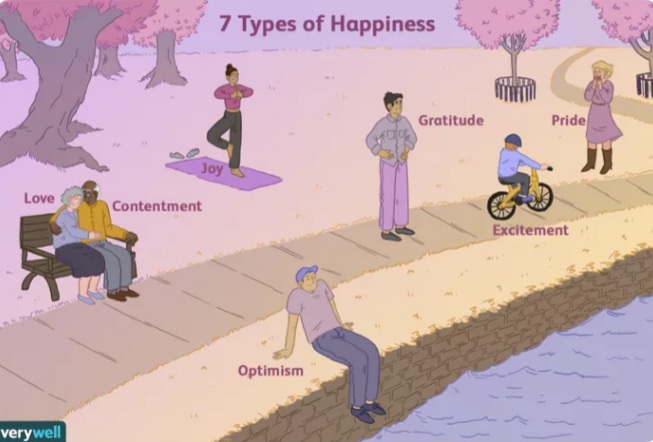
Different types of Happiness :

1. Joy :

Joy is when you win a hard- fought competition, you finally accomplish a project you’ve wanted to or times when you doible over in uncontrolled laughter when someone relates a hilarious story. Joy makes you feel great about yourself, makes you feel confident, assertive, capable, loved and fulfilled.

The feeling of joy is fleeting joy is presemt at the moment. It is possible to feel joy despite grief or uncertainty. Happiness can be found in many things. It transforms tough times into blessimgs and turns heartache into gratitude.

2. Love :

Second, on the list pf different types of happiness is love. Which means other things to different people still, a wholesome ,reciprocared love with another person seems to be the fundamental predictor of happiness. Here, we are not just talking about romantic love, it means to love with friends and family, as well as partners. When you’re in love, you’ re blissfully happy all the time.

3. Contentment :

The secret of Happiness is contentment which means a state of happiness or satisfaction . It isn’t a matter of being satisfied with what you have. Contentment not only holds the power tobmake you happy, but it will transforms your life in many ways.

4. Optimism :

Optimism is a type of happiness that reflects the belief that events or experience outcomes will generally be positive. The key to attaining happiness is to have an optimistic approach to life, as optimism reflects hope and faith, helping people believe that this world is the right place

5. Gratitude :

Gratitude creates positive emotions, like different types of happiness, joy, love, and contentment, it can undo the hold of negative emotions. It goes hand in hand with mindfulness in its focous on the present and greatfulness for what we have now, rather than wanting more and more.

6. Excitment :

Excitment can be anything from about a new job or moving to a different place and motivates youbto work harder and channel that positive energy into more constructive activity. Excitements is fleeting. It dissipates rather quickly and can turn into ennui. It sometimes acts as a motivating factor , and execitment often leads people to likely make a decision. Even a bad one as excitment leads to impulsivity.

7. Pride :

Last on the list of different types of happiness is pride. Yes, pride and happiness go hand in hand. You can take pride in your work and your family, your haome and yourself, and in anything you put effort, attention, and love into. It is a positive feeling in reactive to a jouous event.

There are 7 essential keys to happiness and success that will help to materialize both those things in your life:

* Gratitude.

* Be present

* Manage time Effectively

* Set smarter Goals

* Embody an Empowering morning Routine

* Tackle the MITs

* Focus on Health and wellbeing.

To get the most bang for the happiness buck, I’ve realized that I should complete four stages of reveling in a moment of happiness :

* Anticipate with pleasure.

* Savor the moment as I experience it,

* express my happiness to myself or others,

* reflect on a happy memory.

Four happy hormones :

* Dopamine

* serotonin

* Endorphins

* oxytocin

Strategies of Happiness :

* Do more activities that truely engage you

* savor life’s joy

* Learn to forgive

* Practice acts of kindness

* Nature relationships

* cultivate optimisim

* Avoid overthinking and social comparison

* Develop strategies for coping

STAY HAPPY 🤩AND KEEP SMILING ALWAYS😁 .BE HAPPY 🥳

India tour of Sri Lanka 2021

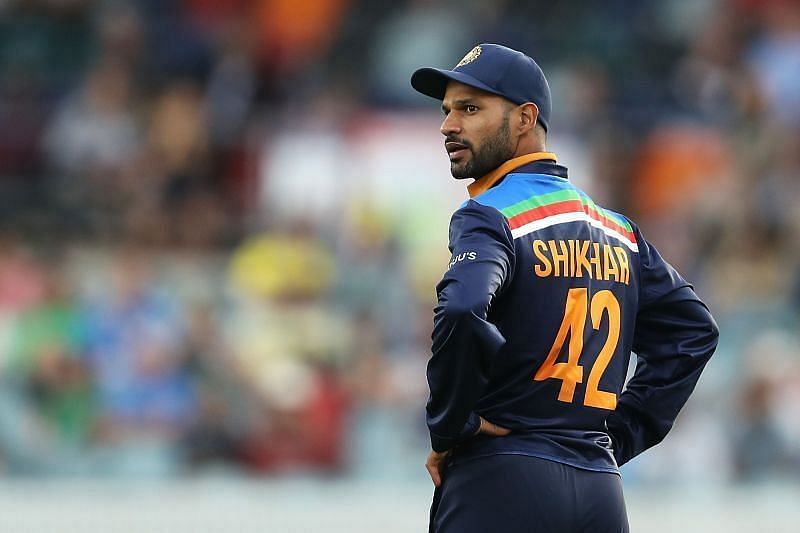
For the first time in history, Indian cricket fans will witness two different Indian cricket teams simultaneously. While the Test side, under Virat Kohli, is in England for a five-match series, a team of white-ball players, under Shikhar Dhawan, is in Sri Lanka for three ODIs and as many T20Is, starting from July 18. Nevertheless, the squad for the Sri Lanka series is missing many prominent names, and it would be interesting to see how the Men in Blue perform.

Speaking of Sri Lanka, they are fresh from a clean sweep in England in both the ODI and T20I series. However, they should leave no stone unturned to defeat this second string Indian team which is missing most of it’s big players. Sri Lanka hasn’t had any great success in the past few years and a victory against the Indian side will boost their confidence ahead of the T20I World Cup held later this year.

Veteran opener Shikhar Dhawan is leading this team and pacer Bhuvneshwar Kumar has been named his deputy. Prithvi Shaw, Navdeep Saini and Sanju Samson are back in Indian colors. Youngsters Devdutt Padikkal, Chetan Sakariya and Ruturaj Gaikwad received their maiden call up due to their impactful performance in the domestic season and in the Indian Premier League. The experienced players include Yuzvendra Chahal, Kuldeep Yadav, Manish Pandey and Hardik Pandya. Even this second string side looks strong, balanced and India start the series as favourites.

As for Sri Lanka, they need to put their best foot forward in order to challenge this new Indian team. Wicketkeeper-batsman Kusal Perera was the captain of this team, but is ruled out from the series as he sprained his shoulder while training. A replacement hasn’t been announced yet and this injury will be a major set back for the Sri Lankan team as it is missing several of it’s veterans like Angelo Mathews, Dinesh Chandimal haven’t played white ball cricket for their national team for a while.
Sri Lanka will be looking to its young players like Dhananjaya de Silva, Wanindu Hasaranga and Avishka Fernando as they have been impressive for their side lately. Despite all this, Sri Lanka will be starting the tour as underdogs and will be aiming to defeat this young Indian side in both ODIs and T20Is. The first ODI will be start on Sunday, July 18 2021,3:00 PM IST and the remaining ODIs will take place on 20, 23 July respectively.

India is pressuring Twitter with requests for user data and content removal.

This year, Twitter is under a lot of pressure in India. However, even before the country imposed stringent new regulations on tech firms, the corporation was bombarded with requests from the government to delete material or disclose user data.

Indian authorities requested more account information from Twitter in the final six months of 2020 than any other nation, according to the Silicon Valley-based company’s newest transparency report released on Wednesday. The number of requests for content removal submitted by India increased by 152% to over 7,000.

This journalist explains why one of her tweets vanished.

India’s demands for user information amounted to 25% of the total it received during the reporting period, which runs from July 1 to December 31, 2020, according to Twitter (TWTR). Over 99 percent of the requests were ignored by Twitter.

“Notably, this is the first time since we began releasing our transparency report in 2012 that the US is not the top worldwide requester,” the firm stated, adding that the US came in second in terms of global volume.

According to the company, the information requests comprised normal legal demands as well as emergency requests from government agencies and law enforcement authorities.

“Where appropriate, Twitter will push back on requests for account information that are incomplete or inappropriate,” according to the firm, such as those that are “invalid or overbroad in scope.” In the event of an emergency involving the risk of death or serious harm, the firm may reveal account information if sufficient proof is presented that such information will prevent the hazards.

Just over 150 information requests from India were classed as emergencies by Twitter. According to the firm, the United States sent the most such requests in the globe, with 822.

Meanwhile, legal requests from India to delete or withhold information increased by 152% in the latter six months of 2020 compared to the previous reporting period. Just over 9% of the 6,971 demands were met, according to Twitter.

After Japan, which made over 16,000 requests mostly connected to narcotics, obscenity, or money lending, India became the world’s second-highest submitter of such requests. The number of requests from Japan decreased by 16 percent from the previous quarter, but it still accounted for 43 percent of all worldwide requests.

According to the firm, 361 requests for information removal were made on 199 verified journalist and news outlet accounts throughout the world. It went on to say that India accounted for 128 of the requests.

The research excludes 2021 when Twitter is embroiled in a heated standoff with the Indian government over new information technology regulations.

During a series of farmer demonstrations in February, the business fought with the Ministry of Electronics and Information Technology over accounts that the agency wanted to be taken down. Some of the requests were granted, but Twitter declined to take action against accounts belonging to journalists, activists, or politicians.

Weeks after the feud, India issued new rules requiring social media companies to establish three roles in the country: a “compliance officer” who will ensure that their platforms comply with local laws, a “grievance officer” who will handle complaints from Indian users about their platforms, and a “contact person” who will be available to Indian law enforcement 24 hours a day, seven days a week. They are all required to live in India. If authorities demand it, companies must track out the “first originator” of messages.

In May, the firm raised worries about “fundamental components of the new IT Rules” as well as the country’s “potential threat to freedom of speech.” It promised to fulfill the new standards a few days later.

A Delhi court recently chastised Twitter for failing to comply with the new guidelines promptly. In a court filing last week, the business stated that it had appointed an interim compliance officer. It also stated in the filing that it will “attempt in good faith to make an offer of employment to a qualified candidate” for all of the positions within eight weeks.

The company’s website featured a complaints officer and a Bangalore location where Twitter could be reached as of last weekend.

Unemployment

Unemployment has become one of the biggest problems around the world. When an individual is an implied, he or she will know very less about the mankind. It is so difficult to face situation and handle situations when the individual is unemployed. Unemployment leads to many silly mistakes. And an unemployed person cannot take over the family and lead the family as well. There is a huge competition in highly populated countries like India. In order to be employed, the only method is to study hard and improve the skills and score better. Basically, the students are not showing good amount of interest towards the studies. Let us now see how to motivate them.

Covid crisis has made many people unemployed. It has taken away the basic need of living. Many people are left with the unfilled stomachs. Some people are dead about by not finding a way to live.

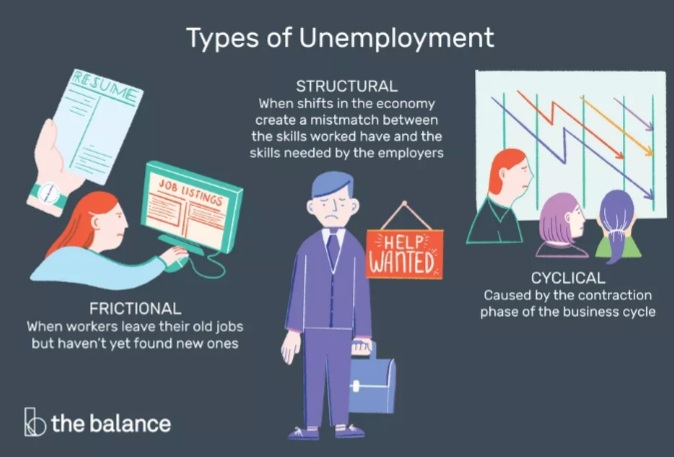
Types of unemployment :

There are four main types of unemployment in an economy frictional, structural, cyclical, and seasonal and each has a different cause.

1. Frictional unemployment :

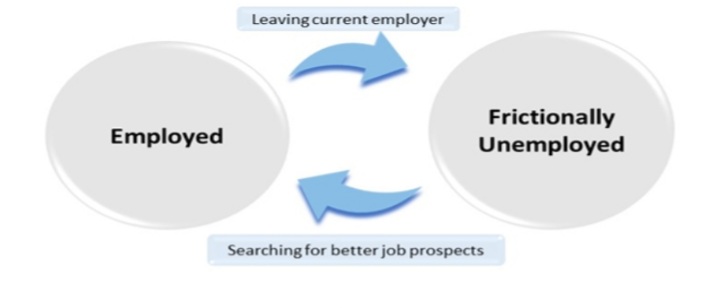
Frictional unemployment is caused by temporary transitions in workers lives, such as when a worker moves to a new city and has to find a new job. Frictional unemployment also includes people just entering the labor force, such as freshly graduated college students. It is the most common cause of unemployment, and it is always in effect in an economy.

2. Structural unemployment :

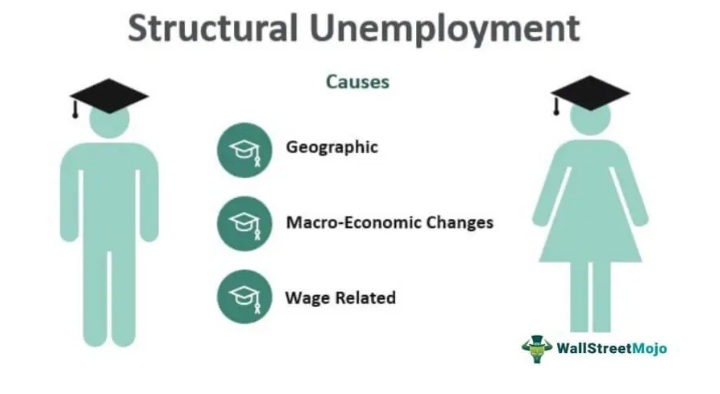
Structural unemployment is caused by a mismatch in the demographics of workers and the types of jobs available, either when there are jobs available that workers don’t have the skills for, or when there are workers availabes but no jobs to fill. Structural unemployment is most obvious in industries undergoing technological advancements.

3. Cyclical unemployment :

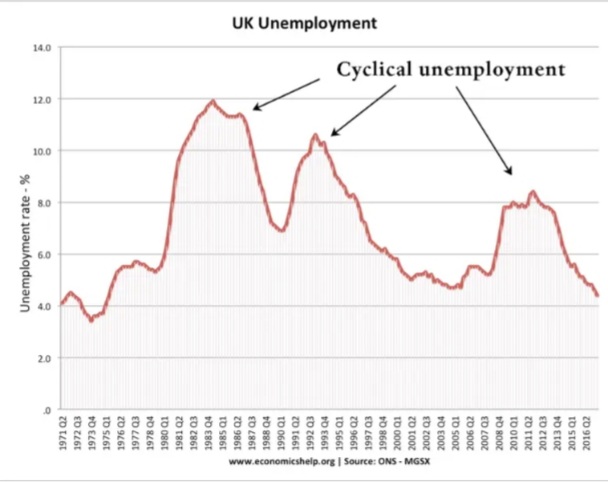
Cyclical unemployment is caused by declining demand. When there is not enough demand in an economy for goods and services, businesses cannot offer jobs . According to keynesian economics , cyclical unemployment is a natural result of the business cycle in times of recession: if all consumers become fearful at once, consumers will attempt to increase their saving at the same time, which means there will be a decrease in spending, and businesses will not be able to employ all employable workers.

4. Seasonal unemployment :

Seasonal unemployment is caused by different industries or parts of the labor market being available during different seasons. Fot instance, unemployment goes up in the winter months, because many agricultural jobs end oncr crops are have harvested in the fall, and those wotkers are left to find new jobs.

Consequences of unemployment in an Economy :

Low unemployment is key to economic stability High and long- term unemployment can cause significant stress on a nation in three key areas.

* Individuals :

Unemployed people have no ability to fulfill their financial obligations and can become mentally stressed, ill, and even homeless.

* Economic efficiency :

During times of high unemployment many job seekers will accept new jobs below their skill level, a situation called “underemployment ” which translates to a loss of human capital for an economys labor market. Unemployed workers will also significantly decreases their consumer spending, which is one of the driving forces of economic growth. Without consumer spending, the economy will slow dramatically.

* socio- political stability :

If unemployment remains high, citizen dissatisfaction can rise to the point of widespread civil unrest.

Possible solutions for Unemployment :

Solving unemployment is a hotly debated topic, and no economists agree on one simple way to do it. However, in the U.S ,if unemployment rises noticeably, the government usually steps in with specific policies designed to lower the total number of unemployed people.

1. Monetary policy :

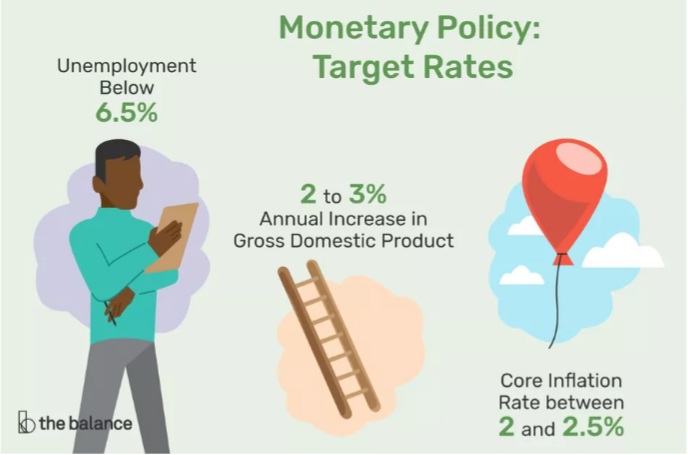
Monetary policy is financial influence implemented by a central bank . Monetary policies usually come in the form of lower interest rates, which increase the total money supply within an economy by allowing banks and businesses more access to loans and therefore, more accessible spending power.

2. Fiscal policy :

If expansionary monetary policy doesn’t adequately lower the unemployment rate government agencies will turn to fiscal policy. Fiscal policy is fiscal stimulus implemented by the national government and fiscal policies include spending on infrastructure, proposingtax cuts , increasing the minimum wage, or implementing unemployment benefits. These methods are designed to inject more demand into private economy and strengthen economic activity.

Let us now see some of the ways to motivate the students to study and get employeed.

Make things easier :

Showing the things easier and explaining them with clarity helps the students to show better interest on the subject and makes them to pay more attention on what the teacher is trying to convey. When the topics are shown easier for the students, they start learning them and they feel achieved and they pay more attention to study. When a student learns a particular topic or a question, he/she feels comfortable and happy for getting it. Once if they start reading, they develop the interest in them and they continue to read more and more.

Tell the importance :

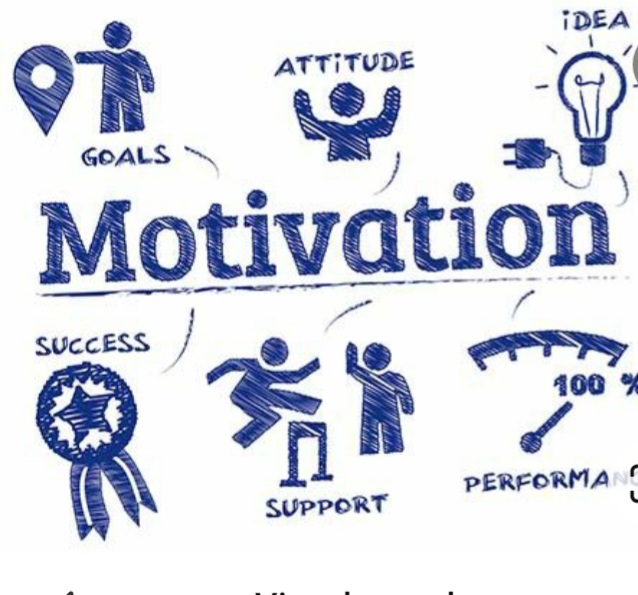
The students must be motivated with good number of words to understand the need of studying and what happens if they don’t study. A student is like a bird without the wings when they don’t study. So, it is very important to motivate students to study and to make them understand the need of the situation. Motivation brings the right change in the students who are not interested in learning. It develops the interest in them to study.

It seems good if the government provides good number of jobs.

Health Education

A sound mind lives in a sound body’.

Introduction

Health education is a profession of educating people about health. Areas within this profession encompass environmental health, physical health, social health, emotional health, intellectual health, and spiritual health, as well as sexual and reproductive health education.

Health education teaches about physical, mental, emotional and social health. It motivates students to improve and maintain their health, prevent disease, and reduce risky behaviours. It also focuses on emotional, mental and social health too. Educating students on the importance of health builds their motivation.

Health education is one strategy for implementing health promotion and disease prevention programs. Health education provides learning experiences on health topics. Health education strategies are tailored for their target population. Health education presents information to target populations on particular health topics, including the health benefits/threats they face, and provides tools to build capacity and support behavior change in an appropriate setting.

History

From the late nineteenth to the mid-twentieth century, the aim of public health was controlling the harm from infectious diseases, which were largely under control by the 1950s. By the mid 1970s it was clear that reducing illness, death, and rising health care costs could best be achieved through a focus on health promotion and disease prevention. At the heart of the new approach was the role of a health educator.

Code of ethics

The Health Education Code of Ethics has been a work in progress since approximately 1976, begun by the Society for Public Health Education (SOPHE).

“The Code of Ethics that has evolved from this long and arduous process is not seen as a completed project. Rather, it is envisioned as a living document that will continue to evolve as the practice of Health Education changes to meet the challenges of the new millennium.”

Importance of Health Education .

Health education builds student’s knowledge, skills, and positive attitudes about health. Health education teaches about physical, mental, emotional and social health. It motivates students to improve and maintain their health, prevent disease, and reduce risky behaviours.

Health education curricula and instruction help students to learn skills so that they will use to make healthy choices throughout their lifetime.

Health education teaches people of all ages about how diet and exercise contribute to a healthy lifestyle. It also encourages positive changes in behaviour and lowers the risk of addiction to drugs, alcohol and unsafe sexual practices. The majority of schools around the country have courses aimed at teaching health education to students. These courses often revolve around the body, healthy eating, sex and exercising. Some students are taught basic health and physical fitness early on. More in-depth courses are designed for middle and high school students.

Health education encourages a person to make healthy choices. They are instructed to avoid unhealthy habits. ‘A sound mind lives in a sound body’. Rabindranath Tagore and C.V. Raman, if they were confined to sick bed, could not have won the Nobel Prize. In fact, a sickly student with all his talents and abilities lags behind in the race of life.

Health education also teaches about the emotional and mental health of the student. A healthy person is the happiest person in the world.

Link

Brief History of Hindi Cinema.

In the course of its long history, the Hindi Cinema has gone through constant evolutions and is still witnessing massive socio-cultural changes, however, from substantive and insular point of view; the Hindi Film Industry still retains its own unique and peculiar characteristics. Since the beginning, the Hindi Cinema has drawn its inspiration from the styles and aesthetics of the mega diverse Indian culture.

In general great emphasis has been put on classical Indian traditions over the years including Indian storytelling, epics, and poems and like. Although movies came to India in July 1896 as famous French Lumiere Brothers screened their short films in Watson Hotel, Mumbai, the first ever Indian film was ‘Raja Harishchandra’, a mythological film released in 1913 directed by Dada Saheb Phalke, who is often called as the father of Indian Cinema.

Film Poster of Raja Harishchandra, 1913.

Raja Harishchandra being a silent film had Hindi, Marathi and English interfiles. In 1905, filmmaker Hiralal Sen documented “Swadeshi Movement of India” and screened it at Town Hall, Calcutta on 22nd of September which is considered as India’s first political film. H.S. Bhatavdekar’s first movie and the first film by an Indian Filmmaker was shot in 1899 in which he shot a Wrestling Match in Mumbai’s Hanging Gardens. By the 1930s, the industry was producing 200 films per year and it was in 1931, the industry had its first sound film named ‘Alam Ara’ by director Ardeshir Irani which had a mixture of both Hindi and Urdu.

Alam Ara, India’s first Sound Film. (1931)

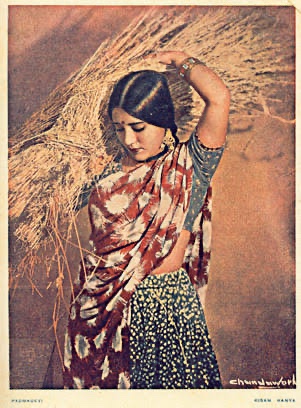
Since then the talkie films quickly were in high demand by the audience mostly in big cities and hence the industry permanently switched to sound films. The first ever Hindi color film was released in 1937 by Ardeshar Irani named “Kisan Kanya ”, however the colour films became popular among the audience only in late 1950s and early 1960s. The industry has also witnessed the breakdown of the studio system and complete on location shooting over the years. At present, Hindi Cinema produces over 1000 movies per year.

A still from Kisan Kanya (1937).

The Song and Dance Sequences

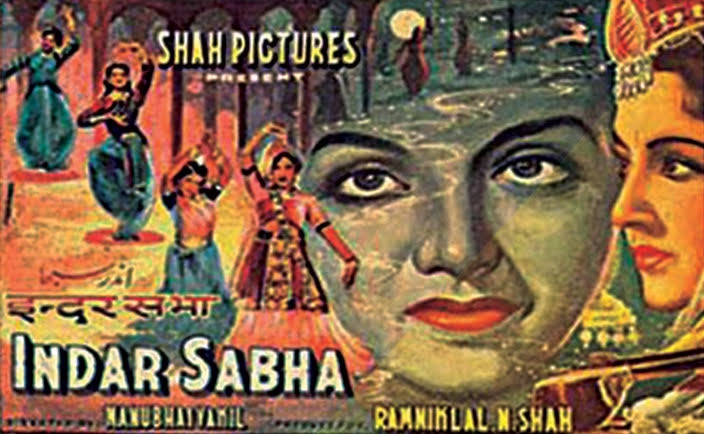
As mentioned earlier, the Hindi movies have always been a reflection of Indian culture and so hasn’t been any Hindi movie without a song till date. Two of the major characteristics of Hindi Cinema are songs and dance sequences. In fact, these two unique features are considered as the ‘peculiarities’ of Hindi Cinema which separates it from Hollywood or any other foreign film industry. In earlier times whenever there was a requirement of steamy scenes in movies, the protagonists, that is the hero and the heroine used to indulge into a song and dance sequel. The song and dance sequences pop up here and there according to necessary requirements and situations. The 1932 movie Indra Sabha was one of the first Indian movies with over 70 songs.

Film Poster of Indra Sabha (1932).

Truly, Hindi Cinema has entertained audiences worldwide for more than a century now. Informally and popularly known as Bollywood, Hindi Films will always have a special place in hearts of millions of Bollywood fans!

WHAT IF 1RUPPEE IS EQUAL TO 1 DOLLAR ?

Before we get to that point we need to know the contrast between the two currencies. Dollar is considered as the strongest currency in the World. Each country in this World needs to have their cash as solid as Dollar since it is accepted that Stronger money = Stronger Economy. Be that as it may, is it in every case valid ? Since Countries like Japan and China have lower cash yet they are checked under nations with Strongest Economy.

So how is that conceivable that notwithstanding having the more fragile cash they have solid economy ? Fundamentally it relies upon , regardless of whether a nation is trade(export) orientated or import orientated ? The nations which purchases items or work from different nations are called import situated nations and these nations like to keep their money esteem higher so they can purchase merchandise from different nations at modest expense. Then again , nations which offer merchandise to different nations are called send out(export) orientated nations and these nations like to keep their cash esteem low so different nations purchase more and their creation builds which befits the economy. Nations like USA are import orientated while nations like China are trade orientated.

Currency - Overview, Origin, Foreign Exchange Trading

So what kind of nation is India is it import orientated or trade orientated ? India purchases products from different nations so it is significantly import orientated, yet larger part of India’s economy comes from exportation. India gives best specialists to I.T Sectors . At the point when organizations of different nations visit India they employ our people to work for them which consequently offers advantage to our economy. Numerous financial analyst accept that our economy ought to be more lower , while some accept that it ought to be higher.

india gdp growth: Indian economy to contract by 7 pc in FY21: SBI Research  - The Economic Times

PROS OF THE SITUATION:

*With more grounded rupee imports would be less expensive; you could now get the most recent iPhone for only 1000 INR. So everybody would claim an iPhone if 1 USD rises to 1 INR.

*Purchasing products from different nations in a global market will be less expensive which is advantageous for a non-industrial nation.

*Unrefined petroleum costs would go down significantly which we import the most, in this way the cost of petroleum and diesel will fall making the transportation cost modest if 1 USD approaches 1 INR.

*As the transportation cost would diminish the items that are made in India would be less expensive and effectively accessible to purchase.

*One would not travel abroad for a task. For instance, in the event that they get 3000$ abroad that will simply be equivalent to 3000 INR. So why bother voyaging? Yet, there is another side to it as well.

CONS OF THE SITUATION:

*Full stop on sends out we can trade merchandise due to the money contrast. The fares will become costly and on the off chance that we contrast Indian items if and other cutthroat nations, we will turn out to be far more costly and this will hamper our fares which isn’t useful for our economy.

*No unfamiliar venture: unfamiliar organizations put resources into India because of modest work now if an organization used to pay the laborer Rs20000 that is 300$ now they need to pay them 20000$ so they would begin putting resources into different nations as opposed to in our own if 1 USD approaches 1 INR.

*We will confront financial closure and expansion in joblessness for instance if my organization beneficiaries a designer from India for Rs75000 that is around 1000$ and if 1INR = 1 $ for what reason will I pay quite a lot more to the Indian specialist when I have choices. In this way, the Indian laborers need to deal with less expense or leave the work. The equivalent would occur with different callings too.

*In case they are chipping away at such a lot of lower compensation how might they pay their EMI? They proved unable. Joblessness will influence the banks as advances would be left neglected.

*We will confront financial log jam as cash would not be exchanged at a similar speed if 1 USD approaches 1 INR.

RESOUCES:

  1. https://infokoala.com/what-if-1-usd-equals-1-inr/
  2. https://www.youtube.com/watch?v=tfLd329ovRI

Places in India that turn beautifully green during Monsoons.

Monsoons not only give new life to nature, but also drape the surroundings in lively greens. While those used to city life might be unaware of such a thing, India boasts of places that turn lush green during the rainy season. If you are also interested to visit such places, here’s a list of places that turn beautifully green during the monsoons.

Top stunning places for your monsoon wishlist.


Cherrapunji, Meghalaya

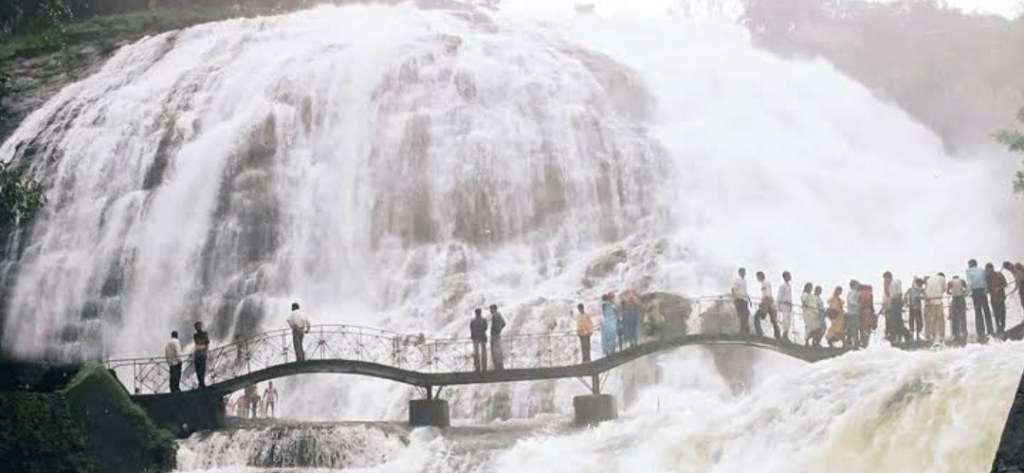
Cherrapunji, being the second wettest place on Earth, boasts of pleasant weather throughout the year. When here, you might witness rains coming in with such velocity that you will be drenched in no time. And although it receives a huge amount of rainfall, the beauty of this place is that it does not get flooded. In fact, the place turns livelier during the rainy season, with sounds of chirping and humming of birds and insects, along with the thundering sound of rivers flowing at the bottom of the valley.


Chikmagalur, Karnataka

Chikmagalur is blessed with many attractions that turn magical during the monsoons. Sitting in the lap of Western Ghats, it is one of the places that you will make you crave for more. During this time, you can enjoy a drive to Charmadi Ghat near Chikmagalur; the drive will take you through the Western Ghats, home to many gorgeous waterfalls. Further, the spot is also dotted with tall mountains, vast tropical rain forests, and green valleys, all of which turn alive during the monsoons. You need to visit this spot during this time to believe it.

Bhandardara, Maharashtra

Monsoon is a very pleasant time in Bhandardara, as the Randha Falls and streams and lakes get drenched in monsoon rains. The landscape turns fresh, dewy, and green, making it a lovely spot to visit during this time. Further, Bhandardara being situated in the Sahyadri Mountains of the Western Ghats, it also turns into a haven for hikers and trekkers in and around Maharashtra. However, be sure to avoid the trails that turn slippery during the rains.

Mussoorie, Uttarakhand

During monsoons, Mussoorie turns greener than ever, and makes rains the best time to visit. The crowd too gets thinner at this time as compared to summers and winters. If you visit the Queen of Hills during the rainy season, you get the opportunity to witness the dreamlike setting of monsoon that brings out the best of Mussoorie. The beautiful landscapes, serene ambience, make this spot a must ‘green getaway’ during the rainy season.


Banswara, Rajasthan

Also known as the City of Hundred Islands, it’s a paradise of a place to visit during the monsoons. It got its name from the bans or bamboo trees that once grew in abundance here. Lush green hillocks, scenic surroundings, the presence of youthful lakes and rivers, make this spot so gorgeous that you will forget that you are in Rajasthan. When here, visit the lake banks and Mahi river dam that turn stunning during the rains, thereby making it a dreamy monsoon destination.

War Theatres: India’s entry into hybrid warfare

The Ministry of Defense announced the theaterisation of the Indian Armed forces under the Chief of Armed Forces (currently, Gen Bipin Rawat), the Defense Secretary and the tri-force chief council.

Indian Armed Forces - Wikipedia
The Insignia of the Indian Armed Forces

Theatres of defense would quite effectively wipe out the existing commands system in which the Indian uniformed forces work. India has 17 armed commands – 7 for the army, 7 for the airforce and 3 for the Navy. These commands are indepednent of each other and have a different officer from the corresponding service to serve as the commander. This model is the traditional one which has been followed for centuries. The British, the French, the Americans have all always had a separate command for the army and for the navy. The Mughal Empire did not have a lot of maritime enemies along its controlled regions in Bengal. However, by the time the Marathas took over, the Portugese and the French had arrived with newer war techniques and a large part of this warfare was at sea. So, the Marathas developed a strong naval force. Even then, the office of the admiral and the office of the Commander of Army were separate. Infact, even in the army, the office of the gun users and those of the cavalry and cannons were separate.

However, the first world war introduced new means of warfare. Trenches, tanks, heavier guns and soldiers – everything together. It was unlike the American Wars before 1860s where the two parties would stand on either side of the rift and shoot on orders and then jump to manual fighting. It was a new way of fighting where all forces of offense and defense needed to work together and several layers of bureaucracy and controls would hinder the effectiveness. Thus was introduced the concept of theatre of war. War office was segregated not based on the uniformed service but on the region to control. That makes orders easier, the need and procurement of weapons is simplified. The second world war only assured that the theatre warfare is better than the conventional war office. There is a commander of the theatre who addresses directly to the council of war or the defense council or the war office (As in World War 2 Britain) or to the chief of Defense forces and Defense Secretary (As in modern day USA).

China entered into the Theatrisation process very recently. Pakistan copied its model. India is probably the last large economy to change to the theatre model of warfare. And it means that Indian warfare should be more synchronized and effective now. So should be the process of weaponisation. There have been instances where the airforce and the army separately ordered jets causing the government to loose a lot on the benifits it could have had received for a bulk order. Similar is the story for missiles to be used by the army, the navy and the air force.

Unfortunately, there is a lot of drama going on in the defense forces headquarters in New Delhi about the theaterisation mechanics. However, all chiefs and the cabinet has shown commitment towards a fast and effective formalization of the new policy.

Stock Exchange India

Stock exchange is something about which many people are still unaware, here I am talking specifically about India its stock exchange and other facts related to it. A stock exchange is basically a place where an individual can buy and sell stocks. The oldest stock exchange in India happened in the year 1857 in Bombay (Mumbai)
A stock which is also known as an equity lets a common man invest into a corporation and they get a share in companies’ asset and profit depending upon how much share they own. The costliest share in India is approximately seventy-two thousand for one, it is of MRF and the costliest share of the world is Berkshire Hathaway. If we go into the technicality of the topic there are number of concept and terms.

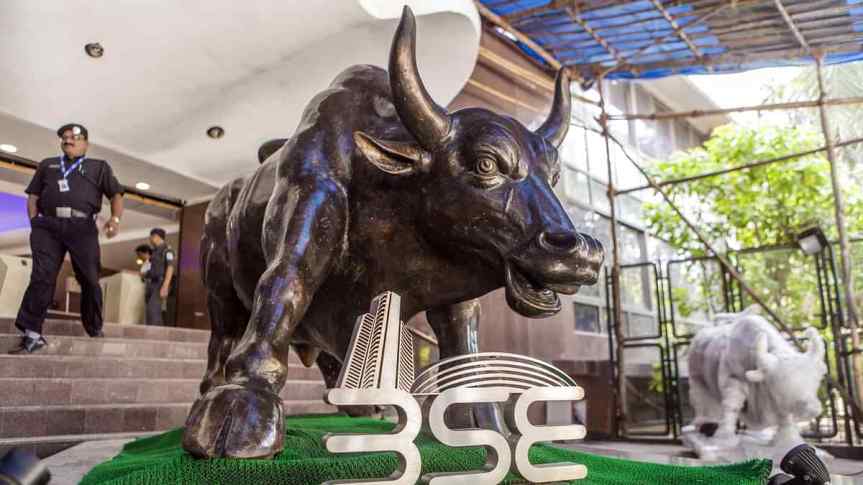
Bull and Bear
This concept of Bull and Bear is the most common one it basically reflects the condition of stock market just like the name a bull is considered an active and fierce animal and a bear is lazy, a bull here stands for a purchaser who invest in stocks and earns great profit as he invested at the right time where as a bear is just the opposite, he sells stock. Both resembles different condition.

Rule of 72
Which is a beginner rule, used to calculate the time required to double the capital, the calculation is done by number 72.

In India there are two popular stock exchange venue The Bombay Stock exchange and the national stock exchange. Out of the two BSE is the older one it was established back in 1875 and it is the first ever stock exchange of Asia, apart from this on-line trading was introduced through Bombay stock Exchange, it is the 12th biggest market place for stock exchange in world.
Then, there is National Stock exchange, which came in 1992 and bought electronic exchange with it, this changed the traditional style. It is the 10th biggest stock exchange market. It is more advanced as compared to Bombay stock exchange in terms of facilities and both are separate. Both have different value as in capital and enjoy different position in the world and Indian market. There are in total 9 stock exchange in India including Bombay Stock Exchange and National Stock Exchange.
A stock market plays a significant role in an economy that is why they exist, it is a platform that links a buyer, a seller, a company and most importantly they reflect the condition of a country’s economy.
Stock marked is termed risky because in case the market falls a purchaser will have to face high loss but, if the value of share increases it will lead to profit.
But as a responsible citizen we should always be aware about the ongoing trends and condition of stock market even if we don’t want to invest. There is a small population that invest into stock market reason can be many like the risk associated etc. but, at the same time we have great investors like Rakesh Jhunjhunwala and others.

CHILDREN DAY

All the kids chin up, smile and celebrate the day dedicated specially to you! November 14 is celebrated as Children’s Day (also called Bal Diwas) in our country and the occasion also commemorates the birth anniversary of Jawaharlal Nehru, the first Prime Minister of India. As the schools and colleges gear up to celebrate this day, here is all you need to know about the history, importance and significance of the occasion.

Nehru was known for his affection and love for kids, whom he regarded as the ‘future of the country’ and was fondly called as Chacha Nehru. “The children of today will make the India of tomorrow. The way we bring them up will determine the future of the country,” he exclaimed once. He always emphasised on the education of children and played a major role in establishment of colleges in the country which are still considered one of the best in the country.

After his demise in 1964, his birth date, November 14, was decided to be celebrated as Children’s Day every year.

On this day, schools and colleges organise various programmes like plays, competitions, cultural events etc., and sweets, books, stationary and other gifts are distributed to children. Also, November 20 is celebrated as the Universal Children’s Day, as declared by the United Nations.

The day is a reminder that every child deserves education, nurturing and the best of everything. They are the building blocks of the nation and hence, the future of the nation depends how well they are brought up. To those who are now an adult, keep the kid inside you alive.

Alpha through Kappa: Why COVID is unlikely to subside soon.

2020 January – the whole world was scared by the idea of a new virus overtaking all of humanity. There were lockdowns followed by a host of other measures – some very severe, some probably less by governments all over the world. The idea that most doctors and scientists presented was isolation, quarantine and social distancing.

A survey conducted by researchers in England and published by Springer suggests that about 93% participants did not adhere to the covid protocols strictly and 47% of them did so intentionally. The research also statistically established a strong correlation between non-adherence to the COVID guidelines and vulnerability to COVID-19 itself.

Now, COVID is a disease that has no known cure except for a host of vaccines that were prepared in a great show of human endeavour. However, the vaccines were created keeping in mind the initial variants of COVID-19. The world and the governments all over were scared of the simple numbers of May 2020, which are simple given the numbers the world is facing today. The increase in numbers is however not in the same geographic location as the previous spikes, but the unfortunate thing is that it took place in larger population groups, in groups where social and economic security is not guaranteed effectively or at all by the government to all people and in groups where non-adherence to even simpler rules is more common than the previously infected groups. India, Brazil and the US – all three fall under this category. While some may argue various reasons for breaching the covid norms in their respective country or might even blame the governments for the failure, which it must be, but the fact remains that the consequences include a higher infectivity and hence increased death rates. But is that all? Well, no.

Scientist claim that an infectious virus is suppressed when the herd immunity thresh-hold is reached. The best number to reach is 80% of the population. However, in cases of Israel, the government reopened the country after 58% population was inoculated. If the herd immunity is not achieved, the virus gets enough time to mutate and as covid has quite effectively proven, these mutations are not always good. This means that the slow pace of vaccination in countries like India (I say slow given the huge population the country has), Brazil and even slower and probably negligible rates in the poorest nations gives the virus a strong and assured method to mutate and evolve. Most pharma giants and as many countries like Germany too have shown a greater interest in trading the vaccines commercially rather than quickly addressing the possibility of a stronger covid wave every time the poorest nations are denied vaccines. The richer countries indeed need to save their revenue. But a middle ground must be found otherwise the savings of revenue and the vision of a strong pharma market might lead to a civil breakdown like the one towards which protests in Brazil had pointed towards.

More variants are appearing, more people are being infected every day. The vaccinated nations of Israel, US and the UK are back to masks and social distancing. Is the COVID wave going anywhere? Well, probably no. And let us wait for the xhi or phi variant. And then maybe a greek god appears to take the virus away.