Afghanistan- A war-torn nation

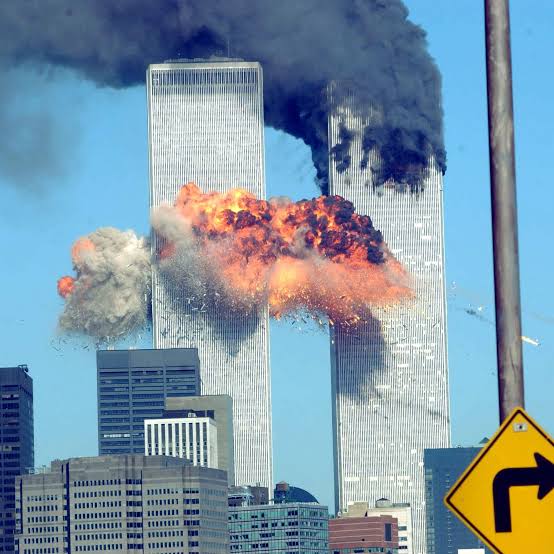
With Al-Qaeda militants carrying out coordinated attacks on American soil,also known as 9/11 Attacks and Taliban government refusing to hand over the main culprit behind these attacks ‘Osama Bin Laden’. A war was declared by US and it’s allies against terrorism and Afghanistan was invaded in 2001.

US tried it’s best to avoid the mistakes done by British & Russia (then USSR),it gained some success by driving out the Taliban government and killing the Terrorists. This whole operation have costed US more than $800 billions and more than 2300 soldiers lives. While on the other side, Afghan civilians had been caught in between this war and have suffered at the hands of both US & Terrorists (Al-Qaeda & Taliban) .

There is a popular saying about Afghanistan – ‘The Graveyard Of Empires’ for those who have tried to conquer it. Afghanistan is tough to rule, not only because of its terrain but also of the hostilities between the different tribes present there.

US Navy seals carried out a mission code-named ‘Operation Neptune Spear’ and killed Laden on 2nd May 2011 in Pakistan. US thought that by killing Laden they had achieved their goal but they were mistaken.

India aided in the overthrow of the Taliban-led government and has been the largest regional provider of humanitarian and reconstruction aid in the country. India have provided over $3 billion in assistance and every year it continues to do so.

Challenges ahead for Afghanistan and it’s neighbours

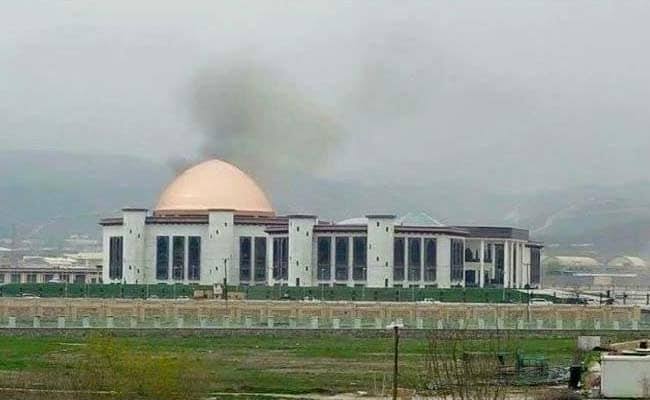
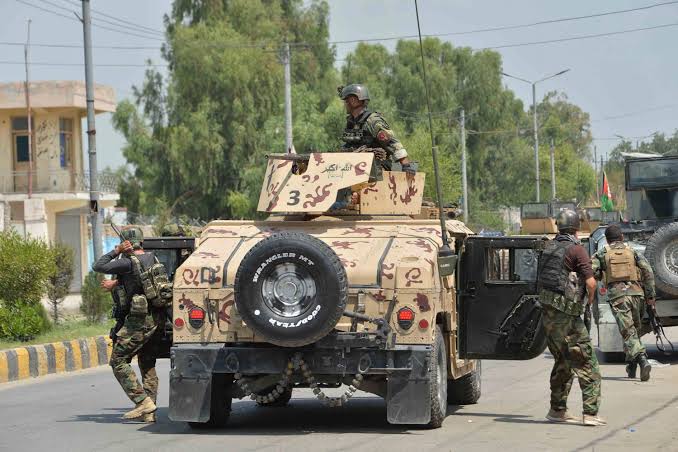
Taliban is slowly gaining pace and have formed alliance with other terror outfits to overthrow the present government. Civil war is not far, after US withdrawal. Fight is going on between Afghan security forces supported by civilians against the Taliban.

There’s little hope that Taliban will agree on the terms mentioned in peace talks . War-torn Afghanistan is now at the same stage before US invasion and onus now is on China,india,pakistan,Iran to maintain peace and provide stability in the Afghanistan.

IS VACCINE DISCRIMINATION A BARRIER TO GLOBAL TRAVEL?

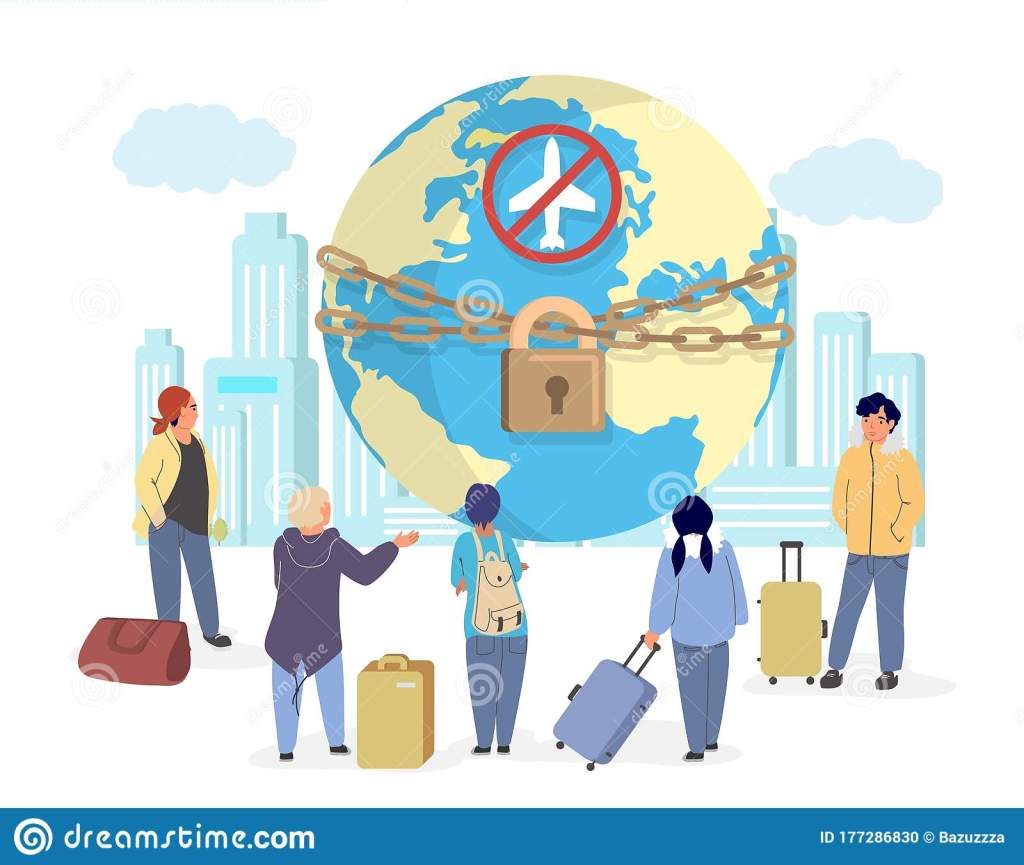
Who doesn’t love travelling? Travelling is all about collecting moments and exploring the world with comfort. Especially in the times of covid, where people are home bound, there is an eager need to travel and enjoy the freedom instead of staying at home because Beyond discovery, travel broadens our understanding of the planet, other species, and cultures, and assists us in becoming better global citizens. Apart from it, many people and students are home stuck who wanted to go abroad to pursue education and get back to their respective jobs in the other countries but are stuck due to pandemic. However, many countries have opened their doors for the Indian citizens to travel in their countries but the basic requirement to travel is vaccination.

 As well all know that in India Covaxin, produced in-house by Bharat Biotech in Hyderabad, and Covishield, manufactured by the Serum Institute of India in Pune, are presently being used in  coronavirus inoculation program. The WHO has approved the covishield but covaxin is yet to approve. So, there are the bunch of Indian citizens who are skeptical about the approval of covaxin and hence for now, they can’t travel abroad until and unless the vaccine is not approve by world health organization. Therefore, many people are of the opinion that the test should be the main basis to travel abroad and not the jabs. 

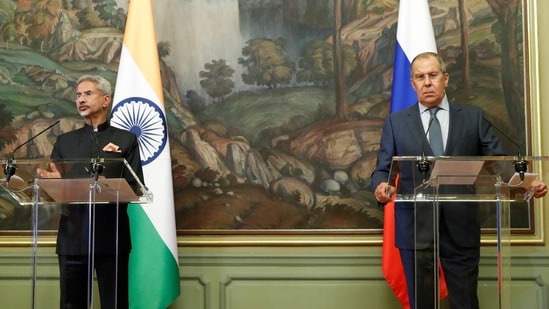
 Recently, S Jaishankar, the Union’s external affairs minister, said on Friday that international travel based on coronavirus (Covid-19) testing is “good enough,” despite the fact that some nations have made vaccination mandatory, and that a deal must be reached. He said after meeting with his Russian colleague, Sergey Lavrov, during a joint news conference that “People who are tested before foreign travel and tested on arrival is a good enough foundation for travel, but other countries have recently added the problem of vaccination,”

 India has previously demanded that each EU member state do so independently. Consider granting a similar exemption to those who have received Covid-19 vaccines in India, such as Covishield and Covaxin, and accepting the immunisation certificate obtained through the Cowin site. According to Jaishankar, he and Lavrov discussed how visitors from their respective nations are not “discriminated against” and how “understandings” about Indian and Russian travel to one other’s countries may be established. The continuing Covid-19 epidemic, according to the external affairs minister, has allowed Russia and India to display the strength of their collaboration, with the development of Sputnik vaccine being one of them. The Russian foreign minister also stated that both Russia and India are opposed to vaccine politicization, and that he is “sure” that the majority of nations would follow suit. 

Russia’s foreign minister, Sergei Lavrov, also stated that Russia is willing to discuss the possibility of coordinating their actions related to vaccinated citizens, including certification of those who have been vaccinated, and that they can reach an agreement in this area that will serve as an example to other countries.

Cancer, book, me!

Dude Wasted 6-7 years trying to understand science ( failed miserably) , reading fiction (mostly Assamese , some  English ) ….. Time for some solid non-fiction books ( not self help books) , let’s do some real work  before mf chronic disease dm me ….

~hey do you sometimes cough , sneeze?
Yes I do 
~ Google is programmed ( rather websites) to convey you that you have cancer ….. Start chemotherapy 
 mf typing best oncologist in India( because dude want to contribute in GDP of America, India ,….etc , of course dude is going to die . He wants to do some social shit )
Dude is dying , dude feel cheated , dude started hating capitalism, dude want to read Marx and all…. Dude is now confused , dude choose to die less painfully ( studying Marx itself is pain) .
Rip Dude 

Impact of MGNREGA in India

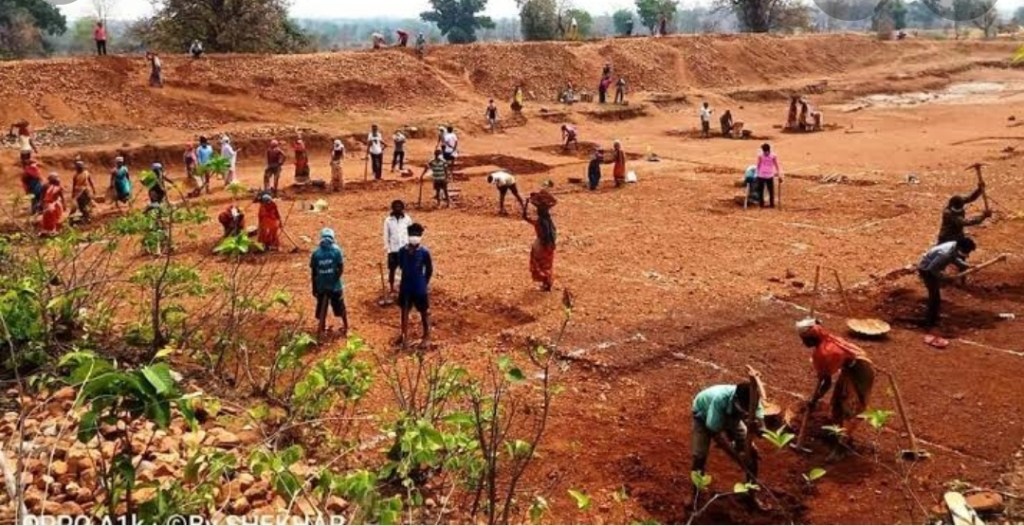
National Rural Employment Guarantee Act (NREGA) was enacted by the legislation on August 25,2005. But it was renamed as the Mahatma Gandhi National Rural Employment Guarantee Act (MGNREGA) on 2nd October 2009.

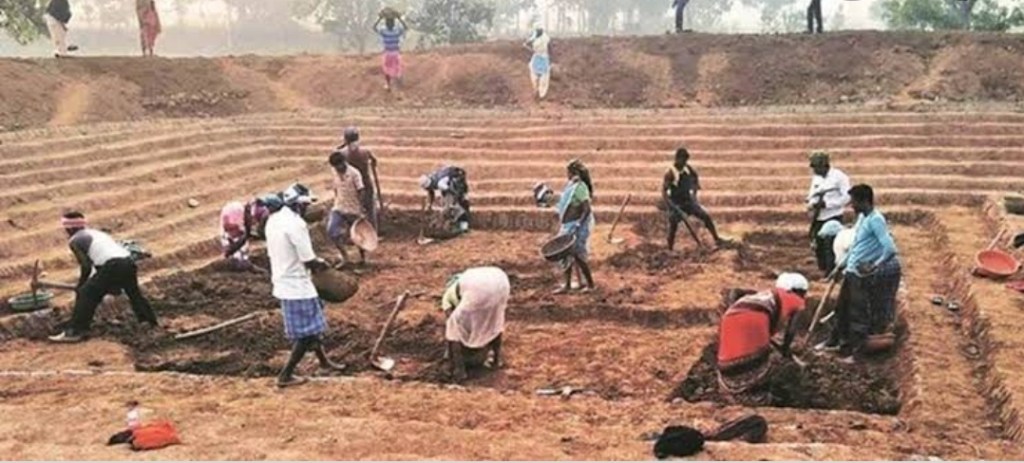
” The aim of this scheme is to enhance livelihood security of the household in rural areas of the country by providing at least 100 days of guaranteed employment in every financial year of every household whose adult member volunteer to do the unskilled work.”

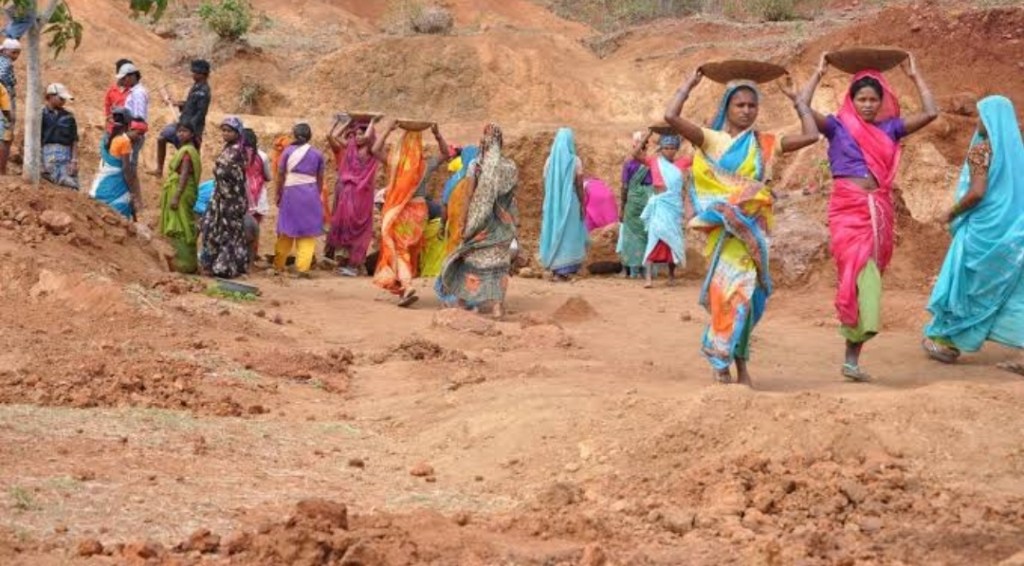
The MGNREGA has positive impact on the empowerment and employment pattern of women. Under this scheme, the women can also get wages for the 100 days, because of their taking part in this.

Women participation has increased significantly and perceived it giving them a sense of independence and security. During the year 2013-14, 3.8 crores household were given employment and a total of 135 crores person-days of employment have been produced.

“The MGNREGA programme is the largest and most ambitious social security and public works programme in the world.”

It is seen that MGNREGA covered all poor sections of the rural society irrespective of castes,genders or social orders. It is also observed that this project enhanced income as well as savings of rural households.

MGNREGA has increased the real GDP of the Indian economy as well as household income and real consumption budget.

https://www.icommercecentral.com/open-access/impact-of-mgnrega-on-women-empowerment-and-their-issues-and-challenges-a-review-of-literature-from-2005-to-2015.php?aid=85525

https://www.theindiaforum.in/article/continuing-relevance-mgnrega

https://papers.ssrn.com/sol3/papers.cfm?abstract_id=3163659

Kang Yatze

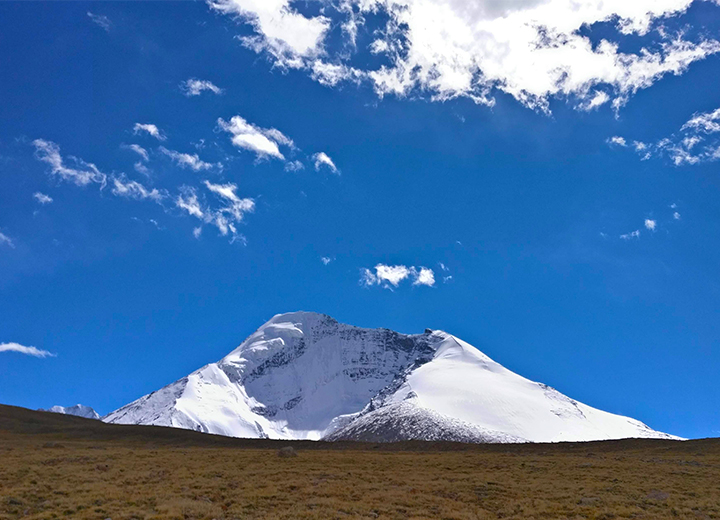
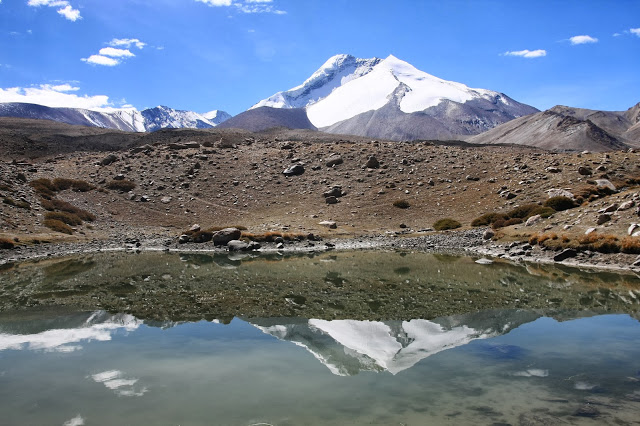
Kang Yatze or Kang Yatse (elevation 6,496 metres (21,312 ft)) is a mountain located at the end of the Markha Valley in the Himalayas in Ladakh. It is located in the Hemis National Park, not long away from the capital Leh.

The mountain has two summits. The true eastern summit is higher at 6,400 m but requires an extremely technical traverse across a knife-edge ridge for the mountaineers wishing to conquer it. The lower western peak (Kang Yatze II) is easier and more frequently climbed, although it is lower at about 6270m.

Kang Yatze II

The lower peak is mainly done from mid-June till September end. There are two approach routes to this peak. One is from Chilling and trekking through the Markha Valley, passing the villages of Skyu, Markha and Hankar. There is another approach that starts from the village of Shang-Sumdo and steeply climbs up the Markha Gorge passing by the campsite of Chyuskirmo, Lartsa and then climbing the Gongmaru La(Pass), a 5130 meter high pass to reach Nimaling. This peak is easier compared to the main lower western peak and does not require any technical mountaineering skills. From the very top, distant peaks of East Karakoram ranges are visible on a clear day.

Kang Yatze I

Kang Yatze I or the Eastern summit requires an intermediate Camp to be set up. The climb to Camp 1 is a short one but over a steep scree and cliffs zone. There is an alternative route following the Glacier where Camp 1 can be set as well. From Camp 1, the climb gets technical. The last 500 meters of the peak is very steep and mandatory fixed ropes.

https://www.bikatadventures.com/Home/Itinerary/Kang-Yatse-II-Trek

RTI ACT- Every Citizen’s right!

Right to Information (RTI) is an act of the Parliament of India which sets out the rules and procedures regarding citizens’ right to information. This particular act was passed as an independent act by the Indian Parliament in the year 2005.

The RTI act has been useful in getting to know our personal grievances, making our politicians and elected representatives accountable.

The RTI act empowers common public in India by indirectly involving them in decision making and in other important public affairs. Every citizen in India through this act got the privilege of right to be informed.

RTI ACT: Controversial, yet beneficial.

Very recently, an RTI application was filed by a group of individuals seeking to know about source of a particular line in NCERT History textbook of grade 7th which said “Temples were rebuilt after they were destroyed by the Mughals”. The individuals wanted to know about the source of information regarding the text to which the response was “Source of information is unknown”.

In such a case, one may argue that RTI act doesn’t mandate an authorised body to respond “according to the query” (meaning, they just have to respond, it does not matter what the response is) that is, an authorised body doesn’t necessarily have to respond, they can just pass the query off by saying “no source of information available.”

But at the same time, RTI ACT as mentioned earlier is a powerful tool for citizens through which commoners in the country can keep an eye on the government and its activities. For example, in 2016, when Demonetisation was announced by the Government of India, Mr. Venkatesh Nayak filed an RTI application which revealed that RBI did not agree with Government of India’s justification that the decision would curb corruption in India.

Another example could be the Commonwealth Games Scam, in which an RTI application was filed by a non-profit organisation which revealed that Delhi Government had diverted Rs. 744 crores from funds which were kept only for Dalits to Commonwealth Games.

A very successful case was also found in Bangalore where a bundle of corruptions and dereliction of duties in allowing encroachment of government land of 12,000 square feet without the permission from the respective authorities by New Cambridge School Trust. The Assistant Executive Engineer who was supposed to actions against the encroachment of land which was worth Rs. 6 crores was found protecting the illegal encroachment of land. These irregularities came out when an RTI application was filed before the Executive Engineer Division in Bangalore.

Denouement:

RTI act from the beginning has been into controversies for being chaotic and problematic in many cases. But in my view, these instances of chaos are again because of the same loopholes we have in our democratic system and legal system we strive to fight against via the help of RTI act. Nonetheless, the act has enabled the citizens to become more aware and hold the government accountable when required. This is evident from the fact that India ranked 4th best in the world for RTI laws. The recent amendment of act in 2019 is however criticised as many feel, it would give Central Government more power.

As India is a country of diversity, Thinking of oneness for India is like a nightmare!

See the source image

INDIA: A Diverse Country

Indian culture is one of the most ancient cultures present in the world. The country is quite diverse and is home to several communities, each of whom has their own culture and traditions. It is this combination of various amazing cultures that make India one of a kind. The Indian cultural diversity is what makes India unique and beautiful.

The vast differences in the customs, traditional beliefs and rituals can be witnessed across every state of India. The festivals, the art forms, and to an extent, even the dressing style of the people are quite different in Northern India when compared to those in Southern India. While most of the Indian women wear the saree, the style of draping the saree varies in different parts of India. This difference can be seen, not only among different states but also among the various communities within the same state. The people differ considerably in the social habits. They differ in their dresses, customs, food habits and manners. Different kinds of festivals are observed in different parts of the country by different categories of people. The people of India speak different languages. There are in India separate group of people with their own language. Each of these people’s has its own literature. More than 200 different languages are used in India. The principal languages of India are Sanskrit, Hindi, Bengali, Oriya, Assamese, Gujarati, Marathi, Sindhi, Urdu, Punjabi, Tamil, Telegu, Malayalam, Kashmiri and Kannada.

Thinking of oneness: A Nightmare

A century ago millions of people saw the dream of a free India, a country where all the people of so much diversity in language, religion, social status, community and tradition would live in peace and harmony this dream came true in 1947 when our country got its independence. A part of our ancestors dream was respect and protection of diversity which was written into the Constitution. The leaders wanted a constitution for all Indians which guaranteed their rights and protect them.

India is home for more than 1.3 billion people and if there is some level of discrimination towards a particular section of the society then the integrity of India may face many challenges. Time and again, history has shown that if the ruling group i.e. government is partial towards a certain group then the unity of people comes under great danger. The Act is in complete violation of Article 14 (Right to Equality) as our constitution specifically prohibits any kind of discrimination on the basis of religion. When this republic was being built by our founding fathers, this factor was considered to be one of the major pillars of the countryConflicts between people can be created by political parties. Political leaders fight elections on the lines of cast, community and religions, they may divide the people on communal basis to use them as their vote banks. These tendencies are very harmful and unhealthy for any society. Riots may take place between different sections of our country which will eventually lead to bloodbath and destruction of our motherland. Situations like these are nothing but a nightmare!

Sustainability In India

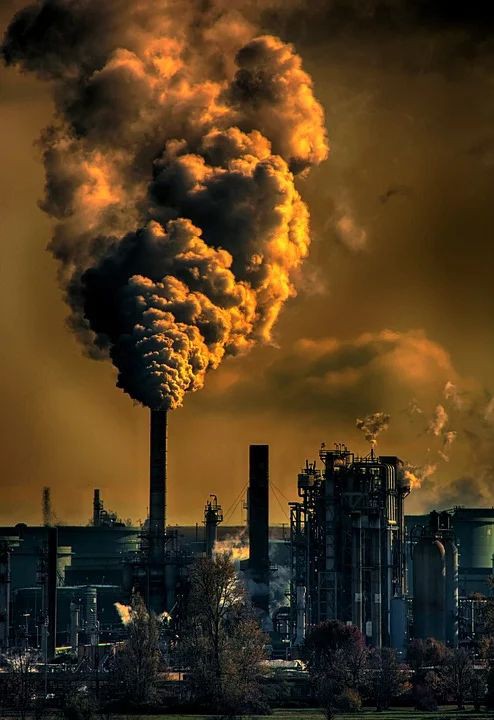
Pollution is not just an undesirable outcome that causes environmental deterioration in India; it is also a major roadblock to growth and development in the country. It would have a negative effect on economic growth if it is not addressed properly and managed.

This resulted in a major shift in people’s attitudes and political will. Significant advances in clean energy technologies have opened the path for commercial possibilities arising from the ‘green economy transformation.’ Clean technology will be in high demand. Countries that adequately upskill and establish industry sectors to manufacture it stand to benefit greatly. They may earn profit from clean technology exports and earn access to global markets.

While India already is trying to make tremendous progress in the field of sustainability, there seems to be an imperative need to involve our country’s youth in order to fulfil our sustainable development goals.

Sustainability became one of the most defining terms of the twenty-first century, and for valid reason: the contemporary world is now struggling with the consequences of unrestricted consumption and production tendencies. Simply stated, even as our population grows and technology advances at a breakneck pace, our quality of life is progressively deteriorating. India, which is on the verge of a new age of growth, is at an important crossroads in terms of its approach to sustainability. While our nation has some of the lowest per-capita emissions in the world, we are the third-largest emitter globally. The two most significant hurdles to our approach to sustainability are our population and the swift pace of our economic progress.

India, though, has made significant progress as an aspiring change-maker in addressing climate change and developing development plans which are in line with the Sustainable Development Goals, that were implemented in September 2015 and encapsulate the social, environmental, and social dimensions of sustainability, as well as the abolition of all forms of poverty.

To that aim, attempts have been made to include all stakeholders – public and private – in the development of successful guidelines, implementation methods, and best practises. For example, in February 2018, a nationwide seminar on capacity building was organised with the objective of localising the SDGs. In December 2018, the NITI Aayog released the SDG India Index — Baseline Report 2018 to monitor the progress the  states and union territories have made on the strategies and initiatives launched by the central government.

The country was also a significant participant in formulating the Paris Agreement and has implemented a variety of energy-efficiency initiatives. Sustainability is also an important aspect of Indian culture, thought, and beliefs. Rural areas, which accounted for about 70% of the nation’s population in 2011, maintain a modest and inexpensive way of living. According to Greendex, an international study on sustainable living which analyses how individuals respond to environmental issues in their housing, transportation, food, and products choices, India ranks first among 18 countries, including China and the United States.

India has also  had one of the most effective programmes in terms of eliminating single-use plastic and promoting the Swachh Bharat campaign, an initiative launched by the central government. This has aided in increasing awareness beginning in primary school, with children asking their parents about their right to cleanliness.

That being said, as the economy develops and grows, there is a noticeable change in socio-economic patterns. The nation still has to confront several  significant environmental challenges, particularly in terms of building sustainable communities.

Being one of the world’s youngest countries — 42% of India’s population is between the ages of 15 and 35, and this estimate is expected to rise to 55% in the coming 30 years — the youth in our country should be encouraged to develop environmentally friendly economic solutions.


Meet our Commandos…..!

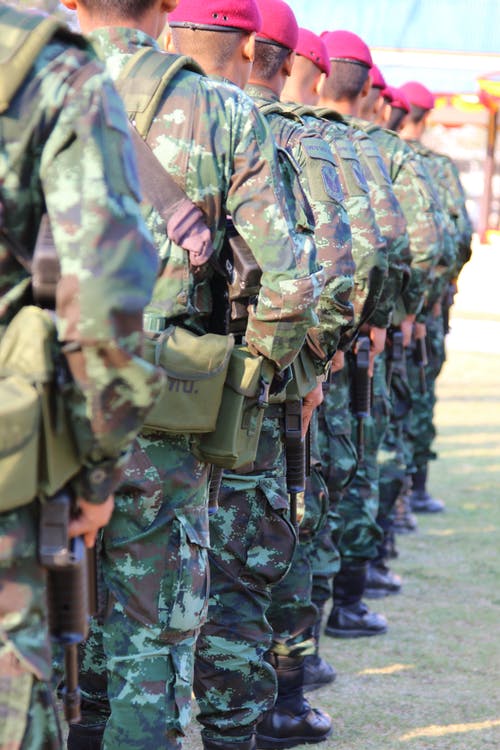
Photo by Somchai Kongkamsri from Pexels

India has many special forces ( SF ). The three branches of Indian armed forces have special forces units. There are other special forces which are operated by the civilian organization. Small groups from the military SF units are deputed in the Armed Forces Special Operations Division, which has a unified command and control structure. Research and Analysis Wing, the external Intelligence agency of India, has separate special forces under its control, namely the Special Group and the Special Frontier Force.

  • Para commandos :
    • The Indian Army has 7 units that are a part of a larger parachute regiment. This unit was created in June 1966 in the aftermath of the 1965 Indo-Pakistani war. An impromptu commando unit called Meghdoot Force, which took part in the 1965 war, formed the first nucleus of the permanent Para commando battalion which was to be raised under the Parachute Regiment. By 1969, the unit had grown into 2 battalions, viz. the 9 Para and the 10 Para. The unit’s first combat missions were conducted during the 1971 Indo-Pakistani war in which they undertook raids against Pakistan’s military. They are trained to carry out intelligence collection subversion and sabotage of vital enemy infrastructure and communication through deep penetration and surgical strike behind enemy lines. In 2002, the 2 Para (SF) participated in Operation Khukri in Sierra Leone to rescue 223 soldiers of the Indian Army’s 5/8 Gorkha Rifles who were deployed as UN peacekeepers but were surrounded by militants from the Revolutionary United Front of Sierra Leone. Some of the later reported missions carried out by Para (SF) include the 2016 ′Surgical Strikes′ and the 2015 Operation Hot Pursuit, purportedly undertaken inside Myanmar.
    • The list of PARA (SF) Battalions is as follows:
      1. 1 PARA (SF)
      2. 2 PARA (SF)
      3. 3 PARA (SF)
      4. 4 PARA (SF)
      5. 9 PARA (SF)
      6. 10 PARA (SF)
      7. 11 PARA (SF)
      8. 12 PARA (SF)
      9. 21 PARA (SF)
  • MARCOS ( Marine Commandos ) :
    • The special force unit of Indian Navy, is modelled on the US Navy SEALS. It was established in 1987. Months after their creation, MARCOS were deployed in Sri Lanka against the Liberation Tigers of Tamil Eelam (LTTE) in July 1987. 
    • Some main operations of MARCOS:
    • 1. Operation Tasha (1991) against the LTTE,
    • 2. Operation Zabardust (1992) against a ship that was smuggling arms,
      3. In support of the United Nations in Somalia (1993),
      4. Participated in 1999 Kargil War,
      5. MARCOS had participated in efforts against the 2008 Mumbai attacks.
    • After a 10 week long basic training, MARCOS are sent to train alongside Indian Army’s Para commandos for 3 weeks. Advanced training follows, during which MARCOS learn skills such as sky-diving, weapons training, counter-insurgency, languages and warfare in different terrains, among other things. Each MARCOS squad, called Prahar, is composed of 8 soldiers.
  • Garud Commando force :
    • The Garud commandos are the special forces of the Indian Air Force (IAF). Their tasks include counter-terrorism, hostage rescue, providing security to IAF’s vulnerably located assets and various air force-specific special operations. First conceived in 2002, this unit was officially established on February 6, 2004. It gets it name from Garuda ( A Hindu mythological God/bird ) .

      All Garuds are volunteers who are imparted a 52-week basic training, which includes a three-month probation followed by special operations training, basic airborne training and other warfare and survival skills. The last phase of basic training sees Garuds been deployed to get combat experience. Advanced training follows, which includes specialised weapons training.
  • Special frontier force :
    • The Special Frontier Force is a confidential special forces unit of the Research and Analysis Wing which was created on 14 November 1962, to conduct covert operations behind Chinese lines in the event of another Sino-Indian war. It works under the operational command of Indian RAW. The units personnel are derived from Tibetan resistance fighters. Is a dedicated mountain and Jungle warfare unit.
  • National security guard or Black cats :
    • The National Security Guard, which is a specialized counter-terrorism Federal Contingency Force. The NSG was formally created in 1986. It is modelled on the basis of the British Special Air Service and the German GSG 9. The commandos are trained to conduct counter terrorist tasks, including counter hijacking on land, sea and air, bomb disposal, post blast investigation and hostage rescue missions.
  • Special protection group :
    • Formed in the 1988, SPG is tasked with proximate security of prime minister, former PMs and their immediate family members. They carry some of the most sophisticated weapons that include the FN Herstal (Assault rifle ), Glock pistol and FN Herstal ( P90 ) .

( The main source of the article : https://en.wikipedia.org/wiki/Special_forces_of_India )

Environmental pollution

“Humankind has not woven the web of life. We are but one thread within it. Whatever we do to the web, we do to ourselves. All things are bound together. All things connect.”

~ Chief Seattle

What is environmental pollution ?

Is it degrading our lifestyle ?

How can we improve our environment ?

Let’s get through the topic .

Introduction

One of the greatest problems that the world is facing today is that of environmental pollution, which is causing grave and irreparable damage to the natural world and human society with about 40% of deaths worldwide being caused by water, air and soil pollution and coupled with human overpopulation has contributed to the malnutrition of 3.7 billion people worldwide, making them more susceptible to disease.

Environmental pollution is defined as “the contamination of the physical and biological components of the earth/atmosphere system to such an extent that normal environmental processes are adversely affected.”

From: Environmental Management, 2017

We all are well known about the word Environmental pollution . It is not some kind of new phenomenon , yet it is a greatest problem facing by our society . Still , people are avoiding the topic to its utmost.

Environmental pollution is one of the most serious global challenges. Wild-type organisms have a slower degradation rate of hazardous materials.

Both developed and developing nations share this burden together, though awareness and stricter laws in developed countries have contributed to a larger extent in protecting their environment.

Reasons behind environmental pollution

  • The Burning of Fossil Fuels. Industrial Emission.
  • Indoor Air Pollution.
  • Wildfires.
  • Microbial Decaying Process.
  • Transportation.
  • Open Burning of Garbage Waste.
  • Construction and Demolition.
  • Urbanization and industrialization. Since the era of industrial revolution, man has continued to introduce hazardous materials into the environment at an alarming rate.Mining and exploration.
  • Agricultural activities.
  • Particulate matter.
  • Plastics.
  • Energy production.
  • Deforestation.
  • Mining.
  • Over population.
  • Increase in global average temperature.

Effects of environmental pollution

Environmental pollution is an incurable disease . It can only be prevented.

Barry commoner

1. Effects on Humans. The effects of environmental pollution on humans are mainly physical, but can also turn into neuro-affections in the long term. The best-known troubles to us are respiratory, in the form of allergies, asthma, irritation of the eyes and nasal passages, or other forms of respiratory infections. Other rarer diseases include hepatitis, typhoid affections, diarrhea, and hormonal disruptions.

2. Effects on Animals . Environmental pollution mainly affects animals by causing harm to their living environment, making it toxic for them to live in.

3. Effects on plants . As for animals, plants, and especially trees, can be destroyed by acid rains (and this will also have a negative impact on animals as well, as their natural environment will be modified), ozone in the lower atmosphere block the plant respiration, and harmful pollutants can be absorbed from the water or soil.

Solutions for environmental pollution.

  • Evironment planning.
  • Shifting to eco-friendly transportation.
  • Air pollution must involve moving away from fossil fuels, replace them with sustainable fuels .
  • Solar power .
  • Wind power.
  • Go green.
  • Storage facilities for solid waste.
  • Environmental friendly products.
  • Policies implimentation for environmental pollution.
  • We also need to work on electromagnetic radiation (ER) reduction.
  • Awareness through mass media.
  • More green parks and areas.
  • Environmental education, etc,.

“We say we love flowers, yet we pluck them. We say we love trees, yet we cut them down. And people still wonder why some are afraid when told they are loved.”

~ Paul Morley

Link

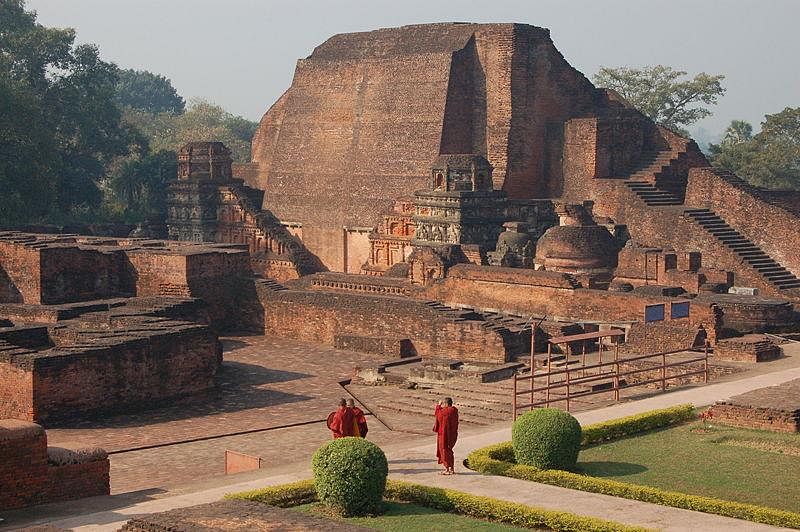
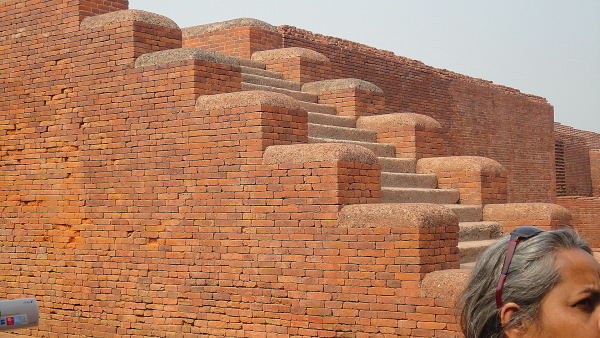
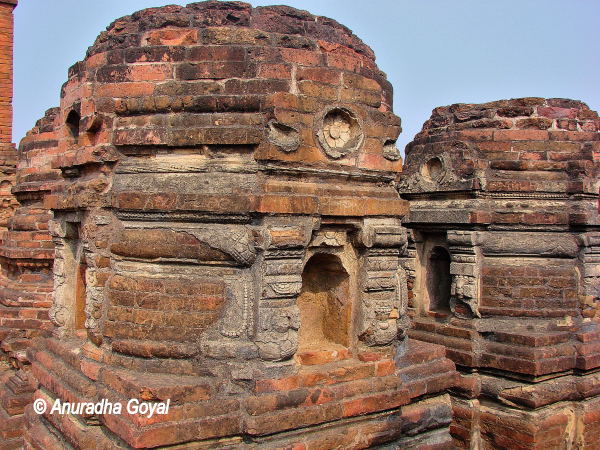
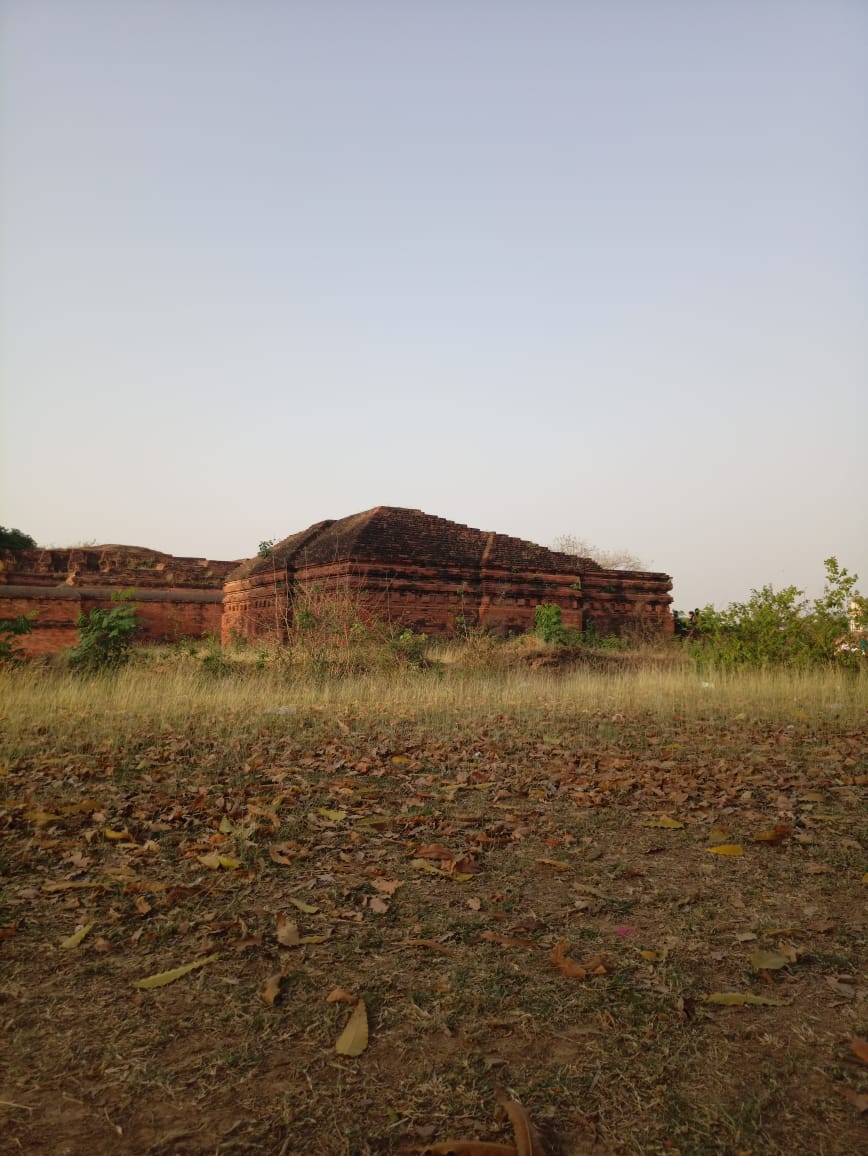
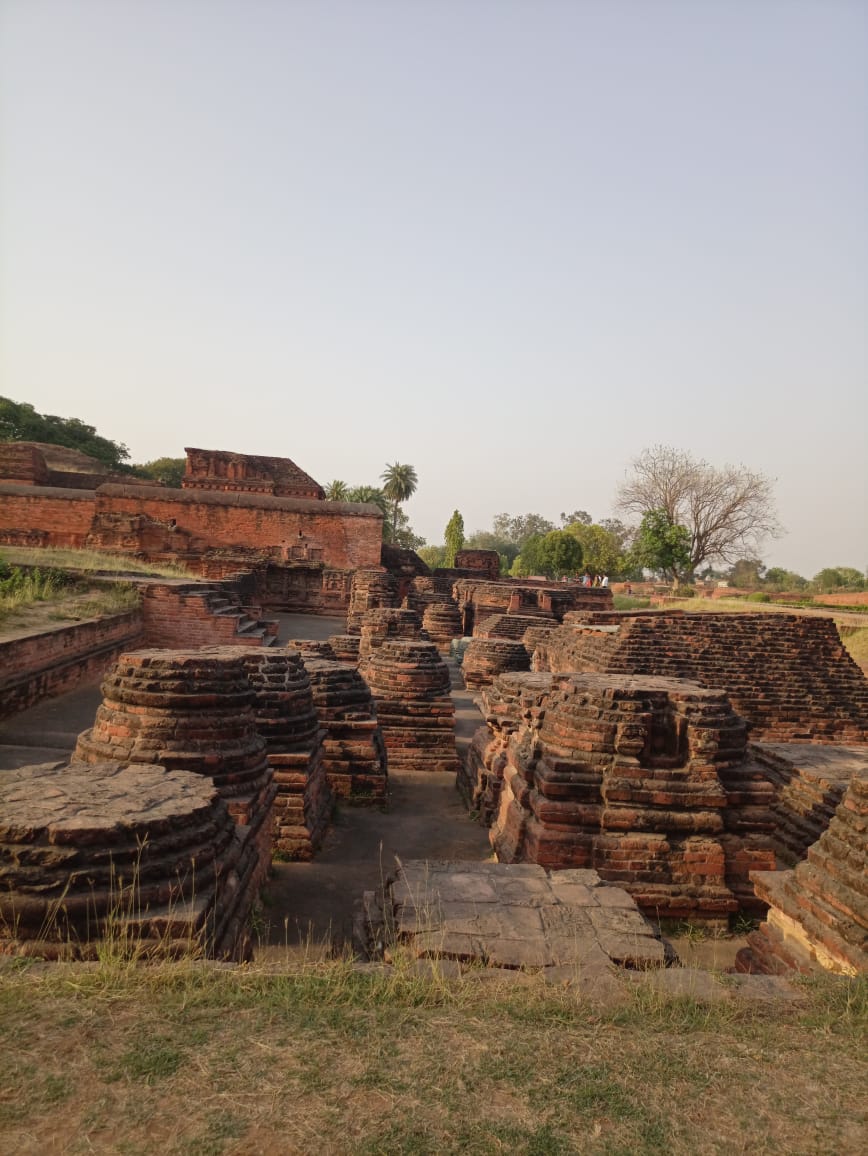
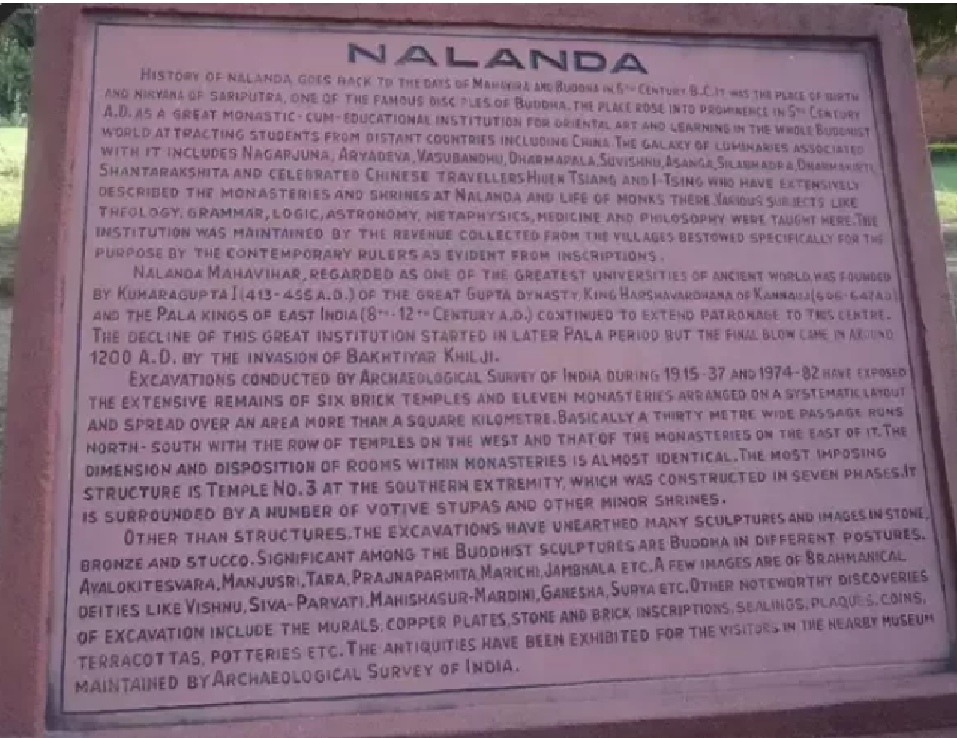
Nalanda University – An Ancient Seat of Learning

Nalanda was one of the earliest and finest universities in India.

It is located in Nalanda District, Bihar, India.

ORIGIN OF NALANDA

The origins of this scholastic institution in 5th century CE. It served for an uninterrupted duration of 800 years

The university thrived under the patronage of the rulers of the Gupta dynasty during the 5th and 6th centuries.

 It continued to flourish under Emperor Harshavardhan of Kannauj in the 7th century as well. 

The growth and the popularity of the university continued until the 9th century.

The declination of Nalanda University was primarily due to the establishment of four other seats of Buddhist learning in the same region under the Pala Empire from the 9th century to the 12th century

FACTS

  • Oldest university with hostel facilities in India.
  • The massive library of Nalanda was called Dharma Gunj, meaning the Treasury of Truth or the Mountain of Truth.
    • It contained hundreds of thousands of books.
  • The subjects taught at Nalanda covered in every field of learning, and it attracted pupils and scholars from Korea, Japan, China, Tibet, Indonesia, Persia and Turkey
  • It is believed that the library of Nalanda was so huge that it burned for months after the university was ransacked by Bakhtiyar Khilji and the library was set on fire.
  • Nalanda was attacked three times by the invaders –
    1. The Huns
    2. The Gaudas
    3. Bhaktiyar Khilji – who brought about its complete destruction.
  • Archeologists and historians are of the opinion that just 10% of the Nalanda campus has been excavated till date. Around 90% remain to be excavated.
  • The ruins of Nalanda were the location for the shooting of the popular song “O Mere Raja” from the Bollywood movie Johny Mera Naam starring Hema Malini and Dev Anand.
By Kirti kumari

DECLINATION

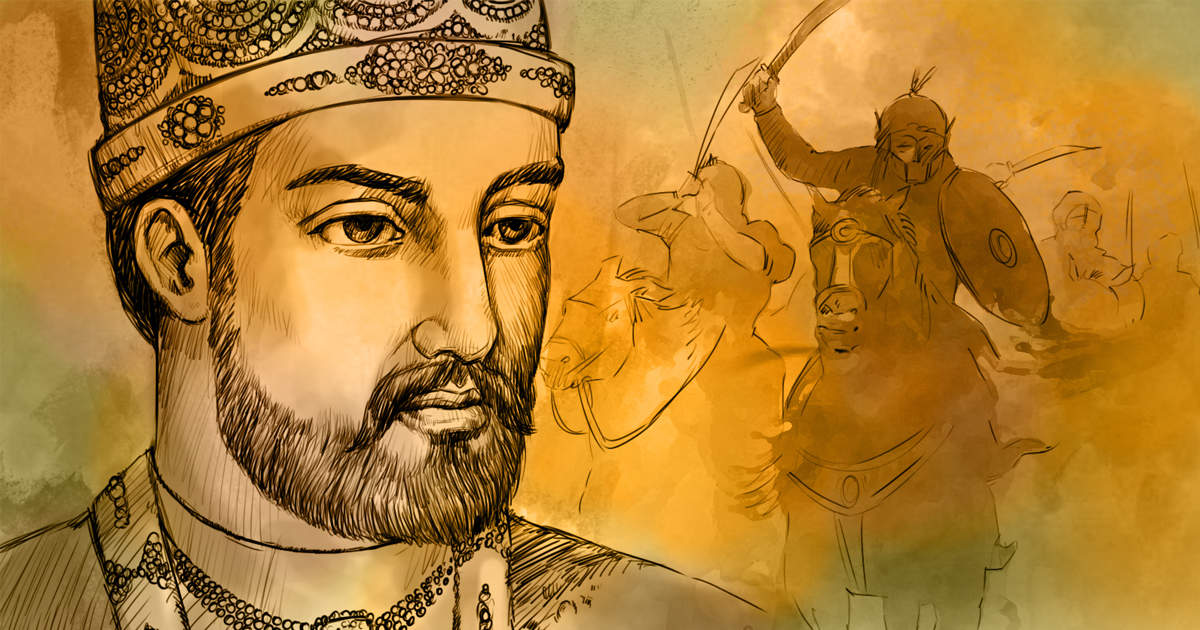
  Muḥammad Bakhtiyar Khalji, a Turkic invader destroyed the Nalanda University in 1202 AD.

At that time Bakhtiyar Khilji had captured some areas ruled by Buddhists in North India and once he became quite ill. He got enough treatment from his princes but he could not recover and reached a moribund condition.

Then someone advised him to take the treatment from Acharya Rahul Sribhadra, who was head of Ayurveda department of Nalanda University. But Khilji was not ready for this. He had more faith in his princes. He was not willing to believe that Indian physicians have more knowledge than his wife and their masters.

But to save his life he had to call Acharya Rahul Sribhadra, head of Ayurveda department of Nalanda University. Then Bakhtiar Khilji put a strange condition in front of Vaidyaraj that I will not eat any kind of medicine given by him. They had to fix it without medication. After thinking of this, Vaidyaraj accepted his condition and after a few days, he came to Khilji with a Quran and said that he had to read the page of the Quran. And after reading these pages you will free from illness.

Bakhtiar Khilji read the Quran as Vaidyaraj said he was cured.

“It is said that Rahul Shribhadra applied for medicine on some pages of the Quran. and as he started reading those pages of the Quran he kept on recovering.”

After recovering khilji was shocked by the fact that an Indian scholar and teacher had more knowledge than his princes and countryman.

After this, he decided to destroy the roots of Buddhism and Ayurveda. As a result, Khilji set fire to the great library of Nalanda and burned around 9 million manuscripts.

Is India wrecked by socialism?

India’s economy is socialist, according to the constitution. Mrs. Indira Gandhi introduced this word in the 1970s. As the British occupied India for nearly 150 years, they began as a firm to transfer raw materials from India to the United Kingdom. This has frightened India into reopening its market to the rest of the world. Nehru was unusual in this regard; he permitted only a few enterprises to expand and concentrated his efforts on the agriculture sector.

The term ‘socialist’ was added to the Preamble by the Forty-second Amendment.

In the past, the Indian government implemented many social welfare programmes to demonstrate its socialist credentials, such as bank nationalisation, various job initiatives such as NREGA, and even selling milk. While the majority of these ponzi schemes failed, they added to the government’s financial burden. All of these ideas had a significant impact on citizens. Everyone began to rely more heavily on free goods. People began to expect cheaper rations, a free cooker, and subsidised gasoline or kerosene. Except for a few communities such as the Marwadi and the Gujratis, no one backed private industry, and everyone was focused on government jobs. Entrepreneurs were frequently reprimanded or disheartened. Profit was viewed as a bad thing, and wealthy people were frequently blamed for the country’s plight. In films from the 1970s and 1980s, the villain is typically wealthy, smoking a cigar, holding a peg of whisky in one hand, and plotting how to exploit low-wage workers. Building a business involves time, effort, risk, and expertise. In India, the image of business and the evil it entails is still pervasive. A large number of people still rely on the government to help them. Everything that is wrong with their lives is due to the government in some way.

India gradually up its market to the rest of the world and established a free market economy in 1991. While every step India takes has a significant impact, we have fallen behind other countries such as China, which began reforming a decade ago. China was able to nail down a few details regarding how the business model will work in a communist country. In India, entrepreneurs find it extremely difficult to start a firm because of the so-called red tape that still exists. The Indian bureaucracy is rotting from the inside out. The nature of the “Sarkari Babus” is still incompetent, slow, and corrupt. Obtaining land, establishing a factory, and obtaining a licence are all arduous tasks for entrepreneurs.

India chose a government-directed growth path over a market-driven one when it gained independence. With a GDP of around Rs.36 thousand crores and government revenue of around Rs.330 crores, we were a shaky economy. The average lifespan was only 31 years. That was an opportune time to pass away. We were also hard struck by the costs of World War II, as well as the bloody partition, which saw the largest human migration in history. Market forces would have positioned us as the world’s tailors, cobblers, and domestic assistance suppliers, given our large and impoverished population. Nehru, on the other hand, chose to invest on new infrastructure (the Temples of Modern India) in order to propel India ahead. The four huge steel plants, the DVC, the Bhakra Nangal project, and numerous public sector investments in power, locomotives, railway coaches, paved roads, irrigation, water supply, schools, IITs and IIMs, hospitals, and other areas were among them. The pressures continued to mount until we were on the verge of declaring bankruptcy in 1991. Then came the Narasimha Rao government, with Manmohan Singh as Finance Minister and Chidambaram as Commerce Minister, which changed everything. Nonetheless, all administrations since then have been mindful of the need to help India’s poor, rather than abandoning them to market forces.

Communism in India

The change of administration at the centre in 2014 has brought with it new promises, but it has also brought suffering to the people of India who are being drugged or tranquillized in the hope of long-term benefits. The people of the country will vote for the current government for a second term because they perceive no credible opposition or viable alternative to it.

Although the current government’s administrative efficiency is marginally better than its predecessor’s, the majority of Hindus applaud their radical non-secular approach on specific topics like as the sacredness of the cow or actions against minority appeasement. Furthermore, the minority appeasement approach used by previous Congress-led governments has warped the Indian polity’s secular nature, which must be remedied. However, the BJP government’s work is more of an antithesis to past practises and cannot be termed long-term strategies because it will transform India into a non-secular nation-state with characteristics akin to those of a Fascist state. This is the time for the Left Parties to move forward quietly but earnestly, despite political and economic restraints, and endeavour to enlist the support of the common man. Maharashtra, Gujarat, and Rajasthan are three states that have refused to recognise the Left Parties as an option and have been difficult for the Left to crack for the past seventy-one years.

In Maharashtra, the Indian National Congress (INC), National Congress Party (NCP), and, to a lesser extent, the Shiv Sena are well entrenched, and removing them will be difficult. Except for a brief period under Shankar Singh Vaghela’s leadership, the Bharatiya Janata Party has ruled Gujarat for the past thirty years. Rajasthan has seen five-year transitions between the Bharatiya Janata Party and the Indian National Congress since 1993. In Maharashtra, the sole RED Flag-affiliated party with some clout is the Shetkari Kamgaar Paksha, whose presence and political clout are insufficient to gain an absolute majority in the state legislature. The left must build cadres in these three states over the next few years, as well as re-establish acceptance in West Bengal and Tripura, and attempt a second consecutive inning in Kerala. Along with it, the Communists, or the Left Front, should endeavour to train cadres and prepare for the elections set for 2024, or else aim for an absolute majority in the Lok Sabha elections in 2029.

The road will be rough, but the people of our country require a third option that is superior to both previous and current regimes. This must be a joint effort by all of the Left Parties, i.e.

Except in a few places such as West Bengal, Kerala, and Tripura, the average man in India has not yet developed the needed confidence and faith in the Left Parties, and this has been their most significant disadvantage. There is yet a chance if the Left Parties examine and adjust their approach, making it more inclusive and abstaining from sticking to the Marxist norms that must be abandoned in order to win the trust of the Indian people. A more Machiavellian style, similar to that of Comrade Vladimir Illyich Ulyanov Lenin during the early years of Communist leadership in Russia. Despite the fact that Indian Communism will be relatively different and distinct in light of the country’s economic and social structure, it is the answer, the ultimate answer to equitable and fair governance.

Startup Stories – Nua Women

Nua women

Menstrual Hygiene:

Menstrual Hygiene is the area with the least awareness in India. It is pathetic to know that only 18% of women in India have access to better sanitary hygiene. The rest percentage of the women make use of economic alternatives to pads like cloths unaware of the side effects caused by them. This is primarily due to the fact that despite everyone knows about periods, their frequency they consider it a  disgrace when discussed in public. Pads that are primarily composed of synthetic material are constantly in contact with the skin surface causing rashes, infections, etc.

The Launch:

Nua women was launched in the year 2017 in Mumbai by Ravi Ramachandran and Swathi Kulkarni with the goal of making the menstruation cycle to be hassle-free. The market of sanitary pads in India enormous due to the population prevailed in here.  But it never remained as an untapped market.  Amidst the global competitors like Whisper, Stayfree, Nua Women was launched. Hence it was expected to make a Herculean effect to gain the attention of the audience and capture the market.

Novel Nua Women:

While certain startups were hustling to capture the market with their innovative market, Nua women choose either way. Following are the reasons for their triumph in India:

  • User experience: They understood their customers clearly at the early stage of its launch. Hence they ensured that they would provide not just a product but an experience. They came up with a plan where their users can choose pads according to their flow. Most of the women would have definitely wished for such a plan as the flow varies between day 1 to day 4. 
  • Marketing: While the primary pad brands were advertising with animations of pads, Nua women started to advertise by forming a community. In the community, women expressed thor period concerns, queries, and pains. The engagement was kept active and all their concerns were addressed. Social media played a vital role in the exposure of their product. This was one of the primary reasons for their initial funding by LIghtBox Ventures.

They also partnered with some women influencers and made promotional videos. The videos clearly explained their product and made very women connect it with their life. Their advertisement in partnership with the Youtube Sensation CheekyDNA won the Best Brand Integration Category Award at StreamCon.

  • Subscription: In the industrious world, everyone is running to balance their work and life. When the product is proven to reduce their time and efforts then it’s for sure a hit in the market. Women normally forget to refill their pads and in such cases, they use pads from their friends or from the sanitary vending machine at their workplaces. The change in brand may cause them discomfort. Hence Nua women came with a subscription plan where they can pay for a period of 3 months and pads will be automatically refilled every month.
  • Rash-free pads: Rashes are the most primary concern of women while purchasing a pad. Nua women customers are saying the rashes have considerably reduced after its usage. 
  • Stress-free Disposal: If you are the one who is irritated by the disposal of pads, Nua women has got your back. Every pad comes with a disposable cover and the way of disposal is smooth.

Funding Facts:

Initial Funding: Series A funding of 5.4 Million Dollars by LIghtBox Ventures in 2019.

Latest Funding: Pre Series B funding of 7.4 Milion Dollars by LightBox Ventures and Kae Capital in June 2021.

https://inc42.com/buzz/nua-raises-7-1-mn-in-funding-led-by-lightbox-ventures-kae-capital/

https://entrackr.com/2021/07/funding-in-indian-startups-this-week-28-june-03-july/

https://www.indiantelevision.com/iworld/over-the-top-services/divo-to-now-offer-digital-content-influencer-marketing-services-201221

https://www.vims.ac.in/blog/menstrual-hygiene/

https://inc42.com/startups/lightbox-nua-sanitary-napkins-women-wellness/