Generation Gap.

From “Meri sapno ki raani kab aayegi tu” to “Akela hai mister khiladi, miss khiladi chahiye” and then stopping at “chale jab tu latak matak, londo ke dill patak patak” we all felt the gap between these trends. This is what a generation gap is. It is an ongoing topic, like when there’s nothing to talk about, you start taking about the difference between you and your father’s generation have. And also it’s a story of every house. Both the generation are only good in there own explanation but neither of them can console each other. So, let us try to understand them first.

Every generation has got it’s particular name according to the year they were born such as Boomers or Gen X, Millennials or Gen Y and Gen z. But, let’s talk practically, the only difference between these generation are of perception and there mentality.

Since, the Gen X or the generation our parents belong to, was a complicated generation. Gen X includes post independence period which was developing period for india. For them, all that matters was to prove yourself and also about the upbringing which should be strong both physically, mentally and financially. They belongs to an era of freedom fighters, not of fairytale stories. There strugglers were real. They were the official “work hard, not smarter” type of generation. They use to get inspired or judged by the image of  freedom fighters, that’s why there was no chance of understanding among them. So, depression and mental breakdown were not for them to be understood, and also we can’t just blame them for this because for a generation, it’s type of  environment matters a lot. They were the one who were introduced by the indian culture and also wasn’t allowed to have discussion on it. So, are they Worthy for our hate?

Now, let’s talk about Mellennials or Gen Y, which belongs to your older brothe, rs and sisters. The one who is actually working in the society. This generation was blamed to be the destroyer of our culture or “Sanskriti”. But, what they actually did was, they brought change in the society. Like, this generation has only heard about the freedom fighters, but, was not inspired by them. They had there own sight, a sight of a better place. We can’t say that their struggles were not real, but they also didn’t have to start anything. All they have to do was to show a better way of development. They changed the society thinking about the third gender, regarding LGBTQ+ community, Racism, environmental crisis, crimes against womens, etc.. Actually, this generation has not destroy the following culture but it has improvised it for the betterment of the society and also made each other aware about the physical and mental health. It is only because of this generation the coming generation will be seeing an ongoing development throughout there life, but, also has introduced many types of problem to the society. As every work has it’s side effects. So, what’s wrong with that??

Now, we will talk about Gen Z or our generation. This generation is very much aware about the past and the present condition and also has habit of changing everything. Till now this generation has also done some kind of development in making things easy and handy to the society. And also working on bringing equality in the society. This generation is the most developed one’s among others with morden gadgets and a lot more. But, still there’s a lot left to prove for this generation infront of there fellow generation, which they are already dreaming of. For that we also can’t blame this to them cause they are the ones who is going through the climatic problem and scarcity of resources. So, they don’t only have to overcome it but also come up with a long lasting solution. Let’s hope and leave the rest on them.

Since, we have already discussed about all the three types of generation which is presently existing in this society.  So, whom do you think has won? Boomers or Mellennials. Actually, we don’t know because even if Mellennials won today, someday Gen Z will prove them wrong and Boomers are already an outdated version in the society. That’s why I said it’s always an ongoing topic because the debate will continue in every generation. And one more thing is clear that every generation has it’s own struggle to overcome and we shall not compare them.

At last always remember that:
“There’s no generation
     actually happy for or from
             upcoming generation”

So, drop down your views on this topic and Let’s discuss more about it. Man! It’s a long debate.
See yaa.
85% of the parents of this state are in favor of the school opening from September, the education department told the plan.

The biggest question among the Corona virus epidemic is about the opening of schools and colleges. Some people are in favor of opening the school and many are against it. Meanwhile, a survey has revealed shocking results. The survey has been conducted by the Education Department of the state Haryana adjacent to Delhi.

In this survey of Haryana Education Department, it has been found that about 85% of the students of class 10th and 12th in the state are in favor of opening school from September 2020. Despite the dangers of the Corona epidemic, these parents are ready to send their children to school.

The survey was conducted online by the state school education department. In this, parents of a total of 76,019 students of class 10th and 12th of various government schools of the state attended. It included a few schools from all the 22 districts of the state.

What questions were asked from parents
These four questions were asked by the education department to all parents –

  • Should schools be opened by September 2020?
  • Are parents ready to send their children to school from September 2020?
  • Have any of your family members conducted the Kovid test?
  • Have any of your family members been found to be Kovid positive? … so how will the schools be opened now.

An Education Department official said that ‘most of the students of 10th-12th students are in favor of opening of schools. Therefore, the department has decided to run trial run by opening two schools in different districts first. Government Senior Secondary School in Karnal and Government High School in Sonepat will be opened for four days. Dates will be revealed soon. ‘ In these four days, every movement of the school will be recorded on cameras. How students come to school, how they enter, how classes attend, or not touch each other, how they get out of school .. All these things will be recorded. Classes will be held in small groups instead of classrooms. After the trial, a team of seven members of the education department, including health and hygiene experts, will watch these video recordings to see if all the rules are being followed. If there is a shortage, teachers will be asked to remove it the very next day. These recordings will be shown to every teacher before school opens. The education department is preparing to open schools for class 10th and 12th from September 21.

Students have to submit written consent of their parents for this. An official of the Directorate of School Education has told that the ‘School Management Committee will conduct a survey from the parents of all the students from class 9th to 12th. If 60 percent or more of the parents are in favor of opening the school, it will be recorded in the school register. However, all these things are still in the planning stage.

Covid 19 Impact on business and jobs

Covid 19 epidemic & the lockdown applied by the Government to control its spread has had a major impact on the economy and business. Senior Executive jobs have also not remained unaffected from its effects. In the initial period of the lockdown, companies tried to hold on to their employees, both senior and junior.At least 41 lakh youth in the country lost jobs due to the Covid-19 pandemic while construction and farm sector workers account for the majority of job losses, according to a joint report by the International Labour Organization (ILO) and the Asian Development Bank (ADB).The preliminary results showed that loss of employment was considered as the most severe immediate impact of the crisis while lower economic growth and rise in inequality were probable long-term impact.Locking down has had a differentiated impact on industry sectors and corporate functions. From having taken serious hits to remaining relatively unimpacted and to actually gaining positive momentum, each sector and company have responded differently to it.Without any stimulus the economy might have declined by 12.4 per cent, the participants noted.Estimates of job loss showed that 80 per cent jobs were affected in urban economy, most of which were self-employed, 54 per cent jobs were affected in rural economy, most of which were casual employment, they said.The government had imposed lockdown on March 25, 2020 to fight COVID-19.It further noted that in India, two-thirds of firm-level apprenticeships and three quarters of internships were completely interrupted during the pandemic. The report calls on governments to adopt urgent and targeted measures to generate jobs for the youth, keeping education and training on track, and to minimise future scarring of more than 660 million young people. Senior executives need to prepare themselves for this change to stay relevantly employed in the future. On one hand, this may include a need for functional reskilling but more importantly, it will necessitate attitudinal retuning. If you have been an opening batsman for your entire career, you may have to settle in for a middle-order position or be ready for a coach’s job.We may no longer remain a leader of large teams but may have to deliver with lesser manpower and more technology. Organizations are likely to become leaner with flatter structures and the onus to fit in will eventually fall on individuals.The corporate job is likely to gravitate towards entrepreneurism, both in spirit and pay structures. Jobs in future won’t allow rolling down the sleeves, permanently.


Plastic – The slow poison.

Lately plastic has taken over the world. People often believe that all of this has happened in the recent few years, but the truth is everything takes time to happen and gradually makes its impact, and the same is with plastic.

Commercial (fully synthetic) plastic was first introduced in the year 1907 when Belgian-American chemist Leo Baekeland created Bakelite, the first real synthetic, mass-produced plastic. This breakthrough made people think, that it was going to be a great positive change for the industrial years ahead. The creation which was believed to be a boon for the world now appears to be a curse. A curse that is not only harming human life but every other life form on the planet.

Though there are many movements and initiatives taken by several organizations and governments of various countries going on, the effect of plastic is now on the verge where, either in some years it’ll be irreversible or we would have completely eradicated it.

From Mount Everest to the bottom of the sea, plastics are found to be persistent polluters of many environmental niches. Whether being mistaken for food by animals, flooding low-lying areas by clogging drainage systems, or simply causing significant aesthetic blight, plastics have attracted increasing attention as a large-scale pollutant.

The latest reports from the UN show how the consumption and demand for plastic have increased over the years. From the 1950s to the 70s, only a small amount of plastic was produced, so plastic waste was relatively manageable. By the 1990s, the plastic waste generation had more than tripled in two decades, following a similar rise in plastic production. In the early 2000s, the output of plastic waste rose more in a single decade than it had in the previous 40 years. Today, about 300 million tonnes of plastic waste is produced every year. That’s nearly equivalent to the weight of the entire human population.

Around the world, one million plastic drinking bottles are purchased every minute, while up to 5 trillion single-use plastic bags are used worldwide every year. In total, half of all plastic produced is designed to be used only once and then thrown away.

Researchers estimate that more than 8.3 billion tonnes of plastic have been produced since the early 1950s. About 60% of that plastic has ended up in either a landfill or the natural environment.

Since the 1950s, the rate of plastic production has grown faster than that of any other material. A shift away from the production of durable plastic, and towards plastics that are meant to be thrown away after a single use has also been seen. More than 99% of plastics are produced from chemicals derived from oil, natural gas, and coal, all of which are dirty, non-renewable resources. If current trends continue, by 2050 the plastic industry could account for 20% of the world’s total oil consumption. Scientists have also claimed that if the use of plastic is not reduced, then by the year 2050 oceans would contain more plastic than fish.

Single-use plastic products are everywhere For many of us, they’ve become integral to our daily lives.

The use of plastic needs to be reduced, and the improvement of plastic waste management is now a necessity. Only 9% of all plastic waste ever produced has been recycled. About 12% has been incinerated, while the rest 79% has accumulated in landfills, dumps, or the natural environment.

The government and various organizations are doing their work by introducing various rules to regulate the use of plastic and organizing events to make people aware of the impacts plastic is making on this planet. But this is not enough, we need more to prevent our environment from going into a state, from where it’s revival won’t be possible. Each and every individual needs to take charge. It is often asked that “How can an individual make an impact globally by just reducing their consumption of plastic”, the answer is if each and every individual decides to take up their responsibility then we won’t need a bigger change, these small changes would eventually make a bigger impact than any other move can.

But the questions are, are we willing to make a change? are we ready to start working instead of just speaking? are we ready to pledge that we are going to make this world a better place to live in for our future generations, or are going to make it worse enough for them to struggle to survive? The answers to all these questions lie inside us, we just need to bring them out.

” It is us who has to decide, whether we protect what we have, or we and every other thing we cherish is going to be history”

See yaa..

The Father of Indian Cinema

Satyajit Ray, Lata Mangeshkar, Dilip Kumar, Sivaji Ganesan, Asha Bhosle, Yash Chopra, Dev Anand, K. Balachander, Amitabh Bachchan are the list of Indian cinema legends who were honored by the Dadasaheb Phalke award, which is India’s highest award in cinema for “outstanding contribution to the growth and development of Indian cinema”. The man behind the name of this prestigious award is Dhundiraj Govind Phalke, popularly known as Dadasaheb Phalke, an Indian producer-director-screenwriter, known as the Father of Indian cinema.

An overall of 95 feature films and 27 short films, in his career, spanning 19 years, he is known as the Father of Indian cinema for writing, directing, producing, and distributing his debut movie, which is also India’s first movie Raja Harishchandra in 1913.

As a child, Phalke displayed great interest in the creative arts. Determined to pursue his dreams, he joined the Sir J.J. School of Art, Bombay (now Mumbai), in 1885. While there he pursued a variety of interests, including photography, lithography, architecture, and amateur dramatics, and he became adept even at magic. He briefly worked as a painter, a theatrical set designer, and a photographer. In 1908 Phalke and a partner established Phalke’s Art Printing and Engraving Works, but the business failed because of differences between them. It was Phalke’s chance viewing of the silent film The Life of Christ (1910) that marked a turning point in his career. Deeply moved by the film, Phalke saw it as his mission to bring all that was Indian to the moving picture screen. He went to London in 1912 to learn the craft from British pioneer filmmaker Cecil Hepworth. In 1913 he released India’s first silent film, Raja Harishchandra, a work based on Hindu mythology.

While there are news about him like, He had given several advertisements for seeking handsome actors for the lead role. But, these advertisements brought inadequate and non- professional talent and so, he was forced to add a line “ugly faces need not apply” and the miserable failure of his firm, the Phalke Diamond Company, a model studio to train technicians, actors. He made many more movies including renowned works like Mohini Bhasmasur in 1913, Satyavan Savitri (1914), Lanka Dahan (1917), Shri Krishna Janma (1918), and Kaliya Mardan (1919). which paved the way to the cinema industry we have now.

In recognition of Phalke’s contribution to the Indian cinema, the India government instituted the Dadasaheb Phalke Award in 1969, an award presented annually by the president of India for lifetime contribution to Indian cinema.

Welcoming September 2020

As the restrictions are being lifted in order to aid the degrading economy it needs to be kept in mind that the cases in India are achieving new heights.

Here are some disturbing facts before you think that this month was going to be easy on you.

1) Bill Gates is supremely confident that a new wave of cases will be seen in October – November. This might take a nasty turn as the increased rates could be blamed on protestors and these relaxations

2) China and India are prepared for a war. Both the nations have gathered their arms and ammunitions along with planning their strategies that might come in use anytime soon.

3) The increase in the incidence of earthquakes in the himalayan fault line (5.1 in Manipur recently) indicates there could be big one soon.

4) The economy is moving towards recession and will not recover any soon. This is one of the reasons of the gradual unlock happening.

5) There are possibilities of cyclones in both Eastern and Western front in the cyclone season October.

6) Food shortages most probably will happen sooner than later considering the unusual weather that has led to increase pest attacks. Those migrants who returned home due to covid outbreak thinking to take up farming have lost everything and are burdened with loans.

7) The hospital, tourism, transport industries suffer the most due to lack of mobility of people under such conditions.

8) Small businesses are being whiped out and corporate houses purchasing various businesses.

9) Crime rates are bound to increase along with suicide rates due to unemployment. 45% increase in suicide rates has already been noted.

10) Both center and state are faced with huge shortage of funds with centre refusing to pay GST compensation to states. This might lead to increased taxes.

The list goes on and on. Good days seem like a distant dream.

The socioeconomic inclusion of rural India – a major challenge for modern India.

Development is a multi-dimensional phenomenon. Some of its major dimensions include: the level of economic growth, level of education, level of health services, degree of modernization, status of women, level of nutrition, quality of housing, distribution of goods and services, and access to communication. In India, the progress of socio-economic development among major states is not uniform. This study examines the existing variability of inter-state development and thereby identifying the indicators responsible for the diversity in development. Instead of studying the variability of a particular variable across states, a composite index based on several indicators has been developed using principal component analysis and states are arranged according to the indices derived using four broadly accepted components: (a) economic production and economic condition or in other words level of economic development; (b) common minimum needs; (c) health and health-related services and (d) communication. The findings of the analysis support the general perception about the states. The states in India are marked with wide disparity in socio-economic development. The factors, which are found out to be more important for the overall development process, relate to basic needs like education, availability of food, minimum purchasing power and facilities like safe drinking water, health care infrastructure, etc. It is also found that enrolment ratio cannot be raised unless minimum needs of the common people are satisfied. Therefore, true development requires government action to improve elementary education, safe drinking water facilities and health care, and to remove barriers against social minorities, especially women. The role of social development such as literacy (and particularly of female literacy) in promoting basic capabilities emerges as the prerequisite to overall development.

These results clearly emphasize the role of well-functioning public actions in improving the overall living conditions of the people. Although economic growth in the sense of expanding gross national product and other related variables is one of the most fundamental input to the overall development process, the basic objective of development should focus on the expansion of human capabilities which has been neglected for long in India.

By 2030, 40% of Indians will be urban residents. However, there will also be more than 5,000 small urban towns (50,000-100,000 persons each) and more than 50,000 developed rural towns (5,000-10,000 persons each) with similar income profiles, where aspirations are fast converging with those of urban India. The figure below illustrates urban-rural population distribution in India in 2005, 2018, and 2030 projected. Three critical “access” barriers currently constrain the aspirations of those living in rural areas in India. First, constrained physical connectivity ; second, lack of digital connectivity ; and third, limited financial inclusion. While incomes may have begun to rise in rural India, this may not translate into commensurate growth of productivity and inclusion, unless the urban-rural divides are reduced. Given the approximately 60% share of rural population in 2030, this is a critical imperative not only for the government, which serves its people, but also for businesses which are looking for new opportunities and new growth markets in India. A high priority is infrastructure development, both physical and digital, to enable rural dwellers to access the products and services matching their incomes, needs and aspirations. The government already has flagship programmes such as Digital India, which envisions transforming the country into a digitally empowered society and knowledge economy centred on key programme pillars, such as broadband connectivity and universal access to mobile connectivity, and professed roles, such as “faceless, paperless, cashless”. With sustained, efficient execution, such innovative programmes in digital and financial areas, along with the proposed improvement of physical infrastructure (road connectivity to nearby urban centres and reliable power supply to all rural households), will be key drivers to ensure inclusive growth in India, truly bridging urban-rural divides across multiple levels.

Various factors, such as the level of literacy, female education, nutritional standards, infant mortality, morbidity, employment, income distribution, public distribution system, political commitments etc., and their corresponding interactions, contribute to these striking variations among states inn the livelihood of common people. It may be mentioned that broad state-level comparison may not be able to capture fully the extent of diversities among various indicators characterizing several facets of development. Nevertheless, state-level indicators are of prime importance as far as the state is a crucial and political unit. A wide range of relevant fields of actions, including health and education, are constitutionally defined as ‘state subjects’, to be handled by the individual states rather than the central government, or as ‘concurrent subjects’, involving both state and central governments.

Atmanirbhar : a step towards better India.

Government of India is taking several steps to ensure that we are well prepared to face the challenges and threats posed by COVID-19. With active support of citizens of India, we have been able to mitigate the spread of the virus so far. One of the most important factors in the fight with the virus is to empower the citizens with accurate information and enable them to take precautions as per the advisories being issued by different Ministries. The COVID-19 Inter-Ministerial Notifications website serves this purpose efficiently by providing COVID-19 related notifications from various Ministries in a format that is accessible, built using the S3WaaS framework, that is secure & scalable.

India has faced the COVID-19 situation with fortitude and a spirit of self-reliance, that is evident in the fact that from zero production of Personal Protection Equipment (PPE) before March 2020, India today has created a capacity of producing 2 lakh PPE kits daily, which is also growing steadily.
Additionally, India has demonstrated how it rises up to challenges and uncovers opportunities therein, as manifested in the re-purposing of various automobile sector industries to collaborate in the making of life-saving ventilators. The clarion call given by the Hon’ble PM to use these trying times to become Atmanirbhar (self-reliant) has been very well received to enable the resurgence of the Indian economy.

Unlock 1 Guidelines have been issued to enable resumption of economic activities while maintaining abundant caution thus allowing graded easing of restrictions.
The Five pillars of Atmanirbhar Bharat focus on:
• Economy
• Infrastructure
• System
• Vibrant Demography and
• Demand

The Five phases of Atmanirbhar Bharat are:
• Phase-I: Businesses including MSMEs
• Phase-II: Poor, including migrants and farmers
• Phase-III: Agriculture
• Phase-IV: New Horizons of Growth
• Phase-V: Government Reforms and Enablers

The exemplary role played by India in the global fight against COVID-19 has been recognized and appreciated widely. The Union Minister of Health & Family Welfare Dr. Harsh Vardhan has been elected as Chair of the Executive Board of World Health Organization for the year 2020-21. This took place during the 147th session of the Executive Board, in a meeting that was held virtually. He takes over from Dr Hiroki Nakatani of Japan.

Atmanirbhar focuses on small scale and medium scale industries. It also focuses on the service sector. Development of business that has faced a downfall due to Covid-19 pandemic and bringing up of the nation is the primary aim of this scheme. It also involves development of the economy as a whole. Assisting farmers in providing some support to agriculture is also under this scheme.

These 5 phases are to be carried on With due attention has it involves the development of the economy. Assisting the migrants in reaching their destinations. They lacked income during this pandemic. Financial assistance also is to be provided to the migrants. Development of the infrastructure facilities in a better way.

Due to the pandemic, India suffered a greater loss in its income. this has been affected as the citizens lacked work reducing their income. It has affected the economy of the nation. Bringing back the economy is the main aim of this scheme. Nation can be developed through the propose implementation of this scheme.

Yoga: Physical and Mental fitness.

Benefits of yoga

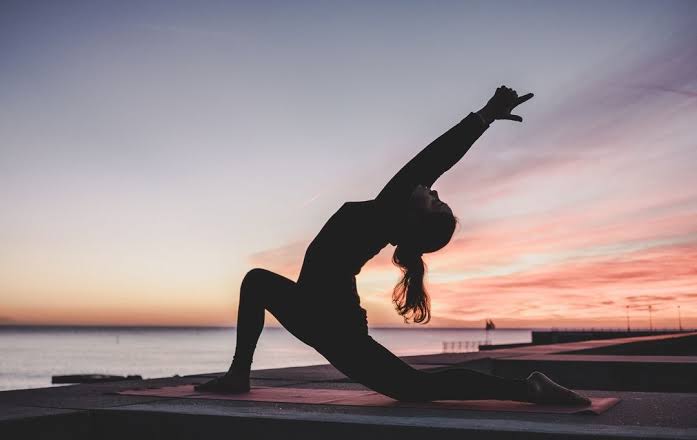
Yoga is a complete combination of spiritual, mental and physical practices which was originated in ancient India. It is followed by many people all around the world. It is adapted by the people in their lifestyles on daily basis  Yoga is a type of work out that involves both mind and body, it is much more than just burning calories and strengthening muscles.

Among with them their are some other major health benefits of yoga.

Improves overall health.

Yoga is combined of cardio, functional and strength training which effects the overall health physically and mentally. Yoga helps in developing core strength, improving immunity, improving mental health, improves heart health, increases immunity, decreases stress, etc. A few minutes of yoga everyday can bring some good changes in your everyday lifestyle.

Develops strength.

Yoga poses requires balancing of the body, and it takes a lot of strength to hold your body in balanced posture. Regular yoga helps you to strengthen the muscles of your arms, legs, back and core. It works as a full body workout. 

Boosts metabolism.

Yoga can be a very good way to increase your metabolism. As it helps in improving digestion, circulation and increasing lean muscle mass. And by boosting the metabolism, yoga can also help in loosing weight as it helps in burning calories.

Improves flexiblility and posture

Yoga poses works by stretching your body muscles. Regular yoga is a great way to improve your flexibility and posture. Few weeks of daily yoga can help you to feel less stiff and you will be able to move your body better. It also serves the purpose of keelping your body toned.

Improves mental health and concentration.

Everyday yoga helps a person to relax mentally and concentrate better. Yoga and meditation requires you to concentrate on your breathing, it helps you to calm your mind and be more relaxed mentally. As a result few minutes of yoga in the morning can result in better concentration throughout the day.

The Apatani

Arunachal Pradesh is the land of lofty mountains, pristine landscape, and a large tribal population. Surrounded by blue rolling hills, tucked in foothills of Himalayas, and nestled in the lap of nature, is the tiny yet picturesque town of Zero. Zero Valley is the home to the Eastern Himalayan ethnic group, Apatani or Tanii as they call themselves. The Apatani people were unknown to the outside world until the 1900s. The valley is dotted by paddy fields and the tribe makes its living from farming and fishing. They reflect a beguiling co-existence between man and nature.
The Apatani tribe is non-nomadic which means, unlike other tribes, they don’t travel. Though, some sources say they migrated from Mongolia and Tibet regions.
The Apatani has no written historical record, but a very strong oral culture. It is through folklores and stories transmitted orally from generations, one gets to know about their rich past.

The Apatani also had some traditions which seem quite unusual to the modern world. One of them being the forceful abduction of girls and women by the men of their tribe in to wed them. Once the girl is picked by the man, the shaman, the religious priest, would check their compatibility in the chicken’s liver, thus declaring them married. They are also one of the very few tribes who practice their religion. Apatani follows the Dongi- Polo religion which is worshipping nature, the Sun, and the Moon. They have a totem in every house and sacrifice animals to seek spiritual blessings for their tribe and land. Their major festivals are Murung in January and Dree in July.

Besides their cultural heritage is distinct too. The Apatani women adorn themselves with big wooden nose plugs known as Yaping Hurlo and facial tattoos known as Tippie. At the time Apatani women’s first menstruation their face is tattooed and nose plugged. The ink of the tattoo is made up of pig fat and soot from the fireplace and the motif is hand-poked on the face using a thorny plant. The tattoo is a line extending from their forehead till the tip of the nose and five lines under the lower lip. Men also have a T shape tattoo on their chin.

The famous story behind the practice of nose plugs and the facial tattoo is fascinating. The Apatani tribe women were considered to be the most beautiful women in Arunachal Pradesh, and men from neighboring tribes would try to steal them. To protect them, the Apatani women were made to have the nose plugs and cover their faces in the tattoo. This was done to disfigure them so they look less appealing and over time it has embedded in their local culture. But this is just one of the stories one gets to hear about this practice. There are other stories for different reasons. But unfortunately, there is no written account to solve the mystery.

But this ‘Apatani art’, as the older Apatani women call it, is slowly dying. The newer generations are not into nose plugs and facial tattoos. They are now going out to the ‘Indian mainland’ to study and believe that this practice is a visual identification of their tribe, often making them prone to discrimination in their social lives. Also, the tradition was banned by the government in the 1970s and thus is no more in practice. The nose plug and tattoo are only visible on older Apatani women. But the last bearers of this tradition are proud of their identity.
Presently, only 60,000 Apatani people are living in the Zero Valley. Their tribe and its tradition are on the verge of extinction.

INVESTMENT FUTURE CONTRACT IN DEPTH

A Future Contract is a contract between two parties where both agrees to buy or sell the underlying asset at a predetermined price and the specified date in future. It’s also known as a derivative because future contracts derive their value from an underlying asset. The underlying asset in the future contract could be commodities ,stocks, currencies, interest rates and bond. The future contract is a standardized agreements which held at a recognized stock exchange. A futures contract provides both a right and an obligation to buy or sell a standard amount of a commodity, security or currency on a specified future date at a price agreed when the contract is entered into.

There are two types of people who trade whether buy or sell, future contracts: Hedgers and Speculators. In simple words Hedging means reduction of risk. An investor who is looking at reducing his risk is known as a Hedger. A Hedger would typically look at reducing his asset exposure to price volatility and in a derivative market, would usually take up a position that is opposite to the risk he is otherwise exposed to. Speculators are those class of investors who willingly take price risks to profit from price changes in the underlying.

Futures contracts are considered an alternative investment, as they typically do not have any positive correlation with stock market prices. Commodity futures trading offers investors access to another asset class of investments. Futures trading offers advantages such as low trading costs, but carries greater risk associated with higher market volatility. Futures contracts are useful for risk-tolerant investors. Investors get to participate in markets they would otherwise not have access to. Margin requirements for most of the commodities and currencies are well-established in the futures market. Thus, a trader knows how much margin he should put up in a contract.

INVESTMENT IN THE STOCK MARKET FOR BEGINNERS

The stock market refers to public markets that exist for issuing, buying, and selling stocks that trade on a stock exchange or over-the-counter.  In simple terms, if A wants to sell shares of Reliance Industries, the stock market will help him to meet the seller who is willing to buy Reliance Industries.  A person can trade in the stock market only through a registered intermediary known as a stock broker. The buying and selling of shares take place through electronic medium.

There are two main stock exchanges in India where majority of the trades take place – Bombay Stock Exchange (BSE) and the National Stock Exchange (NSE). Apart from these two exchanges, there are some other regional stock exchanges like Bangalore Stock Exchange, Madras Stock Exchange etc but these exchanges do not play a meaningful role anymore.

NSE is the leading stock exchange in India where one can buy or sell shares of publicly listed companies. It was established in the year 1992 and is located in Mumbai. NSE has a flagship index named as NIFTY50. The index comprises of the top 50 companies based on its trading volume and market capitalisation.  BSE is Asia’s first as well as the oldest stock exchange in India. It was established in 1875 and is located in Mumbai. BSE Sensex is the flagship index of BSE.

Securities Exchange Board of India (SEBI) is the regulatory body of the Indian Stock Markets. The main objective of SEBI is to safeguard the interest of retail investors, promote the development of stock exchanges, and regulate the activities of financial intermediaries and investors in the market. A stock broker also known as a dealer is a professional individual who buys/sells shares on behalf of its clients. In the stock market, stock broker is registered as a trading member with the stock exchange and holds a stock broking license. They operate under the guidelines prescribed by SEBI.

 ADVANTAGES OF INVESTING IN STOCK MARKET:

  •  the stock market can make great money in a short time of period.
  •  Unlike other investments, such as real estate and CDs, investors can easily access money in the stock market.
  • Investing in the stock market can help in our entire financial portfolio.

DISADVANTAGES IN INVESTING IN STOCK MARKET:

  • Investors can expect daily volatility in the stock market, but large failures in the system are less common.
  • In the stock market, there are winners and losers. Winners can make much money, but those who lose can see all of their investment disappear.
  • Every time an investor decides to buy or sell shares, he or she will have to shell out a certain proportion as brokerage fees to the broker.

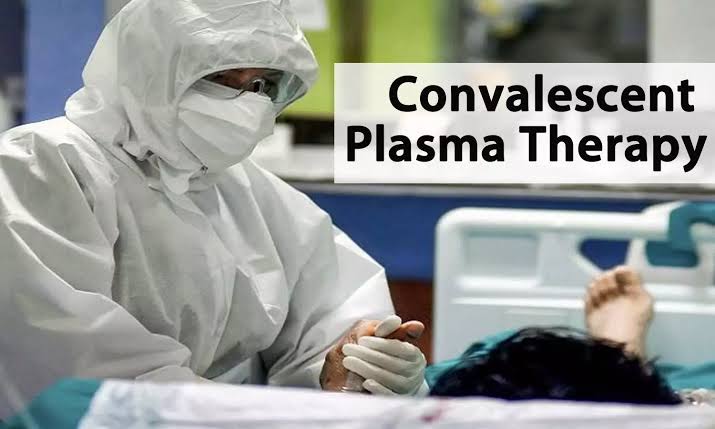
Is Plasma therapy a useful treatment for COVID-19?

The emergency use approval authorisation by US Food and Drug Administration (US FDA) to use plasma as a potential therapy for Covid in US is expected to provide impetus to its used as yet ‘promising’ treatment option in India, even as doctors say clear scientific evidence is needed.

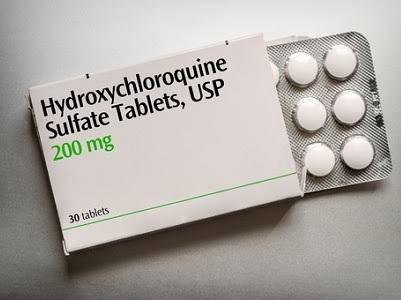
The US President announced US FDA approval on August 23, though the agency put it on hold over doubts on it’ efficiency. Doctors claim that the therapy of using recovered Covid-19 patients plasma to treat infected people will get even more widespread in India, given the endorsement from US. This would be similar to the sharp surge in demand witnessed for anti-malarial drug hydroxychloroquine as a potential covid 19 treatment, after President Trump’s repeated backing and later failed in global trials.

US FDA previously issued an EUA to allow hydroxychloroquine sulfate and chloroquine phosphate donated to the Strategic National Stockpile (SNS)to be distributed and used for hospitalized Covid-19 patients. In fact, these two drugs have been used for decades for the therapy and control of malaria and autoimmune diseases.

Preliminary studies have suggested HUQ may have utility in fighting covid-19. Distinct possible effects may be selected to its function in the treatment of covid-19 patients : A. anti-virus, B. anti-inflammation and C. anti-thronebotic. As until now there have been no data indicating HCQ has any immunity boosting effect, here we will mainly discuss the anti-virus and anti-inflammation effects. Both CQ and HCQ have been shown to possess anti-viral activity against various viruses such as human immunodeficiency virus (HIV), hepatitis A virus, hepatitis C virus, influenza A and B viruses, influenza A HSNI virus and others. Recent studies reported that CQ and HCQ could also inhibit SARS-CoV-2 in vitro, suggesting that they are potentially applicable to Covid-19 patients. However, there is to date no convincing report of the in viro anti-viral effects of HCQ/CQ. Several randomized controlled trials brought comforting news that CQ and HCQ showed potential effects in reducing respiratory symptoms and pulmonary inflammation as evaluated by computed tomography (CT) of covid 19 patients. It led to panic buying as people attempted to acquire this purpoted ” life saving drug”. Even some physicians stocked up CQ and HCQ for personal use in US and some European countries.

One person in US died and another become seriously ill after using verterinary formulation of CQ tablets intended for use in fish tanks in an effort to present Covid-19. Shortly after permitting the use of CQ and HCQ for treating covid-19, the US FDA issued precautions on using those drugs. Hence, we believe that serious discussions of the potential mechanisms are urgently needed to guide the potential clinical application, evaluation of efficacy and prevention of adverse effects of these drugs.

Plasma therapy has become the most common and simple treatment used niw-a-days in Covid-19 treatment. The US FDA announced that convalescent plasma may be effective in treating covid-19 and potential benefits of the product outweigh the risks based on scientific evidence available.

In India, multi-centre clinical trials to study whether plasma therapy is a useful covid-19 treatment are underway by the Indian Council of Medical Research. Further, States like Maharashtra are running the world’s largest plasma therapy trials, Project Platina, in 18 medical colleges, but response from donars reportedly has been lackluster. Covid therapy is highly individualised. The use of plasma therapy can be life-saving in certain cases and is being used in compassionate grounds. It is a promising treatment option if used earlier in the cycle of the disease. It has been used as therapy for over 100 years, but for COVID-19, we need to document this in a research programme. We also need better methodology for its use while screening donors so as to know the adequate level of neutralizing antibody, ortiters”, told Dr.Shashanka Josh.

Significantly, World Health Organisation on Monday remaind cautious about endorsing the use of plasma to treat infected people. “The results are not conclusive”, its chief scientist Soumya Swaminathan said’ adding ” We recommend that convalescent plasma is still and experimental therapy, and should be continued to be evaluated in well-designed randomised clinical trials.”

The US FDA decision was based on an observational study that gave “some positive signals that convalescent plasma can be helpful in treating COVID-19” and might reduce the mortality if administered early after diagnosis. This article is posted on preprint service and is yet to find its way into a medical journal. However, the claims made by the US FDA commissioner have considerably done more harm to the science and raised unrealistic hopes among the public.

In India, plasma is being promoted asking people to donate plasma to save lives, and shaming COVID-19 survivors who chose not to donate. We seem to have accepted plasma therapy widely without any good quality evidence supporting its use. This is likely to give even more widespread with the endorsement from the US, said Dr.Lancelot Pinto consultant respirologist at Mumbai-based PD Hinduja Hospital.

Plasma reduces death rates if there are enough neutralizing antibodies in the donor plasma. As of now, our labs are not accurately measuring the titres of antibodies in donor plasma – thus it is a wild guess if plasma administered to the COVID patient would indeed benefit the patients”, Kalantri added.

US FDA’s statement implies a 35% absolute improvement in outcomes, when the reality is a 32% improvement and that two comparing early late plasma, Dr.Pramesh said, adding, the danger of such a public statement is that ongoing randomised trials of convalescent plasma will struggle to recruit patient. However, the US FDA still recommend that randomised trials of plasma continue.

Steps colleges need to take before they open after Covid-19

This pandemic has brought us all into a dilemma regarding the position of academics of students. Online classes are already being carried on by schools and colleges. Yet, this cannot be continued for long as the effectiveness of classroom education lacks in online classes. No one actually knows when the pandemic will be flattened and students flock to campuses.

The only thing that is known is that a large number of students and teachers would come together at their colleges. Students are already mentally fatigue and dying to be back to the campus.

The Government had earlier instructed a gradual opening of colleges with caution and precautionary measures from September 1st. But with more than 3.6 million Coronavirus cases in India, the date was shifted and the next plausible one may go for the dawn of the new year, with one semester going online.

Colleges have to be opened someday. When the day comes, there are many chances of arising this pandemic again. We can avoid this situation to an extent by following certain steps and safety measures.

Here are the steps colleges need to take before the reopen after Covid-19 :

1) To start with, all educational institutes need to quickly migrate to the digital mode through the use of existing massive online courses (MOOCs) and create their own MOOCs for the domains they deal in, provided they can muster the courage and the resources. Going ahead, it will by PhyGital or blended learning, with physical being the base and digital being the larger engagement period. Even virtual labs and studios will do half the practical work as well. This is a big call and for digital content creation and aggregation along with engaging delivery need to be ensured.

2) It goes without saying, that no campus can ensure a batch coming in for all 5 days or 6 days to the campuses physically for a long time ahead. It will be two to a maximum of three days a week, and that too, with temperature checking, gloves and masks, ideally with full sleeves and legs covered, and a head cover might be ordered also.

3) Many campuses will and should have a sanitising tunnel to walk through, will have to walk with a minimum 4 feet distance from the nearest peer and sit at a distance from the next buddy.
This will make it necessary for half the batch to sit in a classroom, and half the team working in studios at a point of time, which stretches the infrastructure to a hilt and doubles the workload of mentors, who anyways shall be rarer and lesser paid in these Corona times.

4) The lunch-time will be staggered to reduce crowding at eating places, while session timings will be changed to reduce commotion on corridors. Lunch-time is a weaker time period during which the students tend to form groups for informal talks.

5) Campuses will call for creating a digital persona for all learners thus making it compulsory for all to have networked smartphones, specific apps to be downloaded for regular use, a good laptop, WiFi-driven high-speed digital access at homes, and cameras, to assist tech-driven learning. Though many schools banned mobiles sometime earlier, today, schools need mobile handsets more than ever. The tool of wasting time is the harbinger of besting time today.

6) While an individual student may need to come to campuses for two to three days a week, most staff and faculty members may in fact need to be on campus for five to six days to cater to the staggered and smaller batches, while continuing to guide those online at homes. That’s a double whammy for the staff in times of fewer colleagues and insecure salaries.

7) Another major need is to revolutionise the assessment system with loads of formative assessments online through quiz and open book tests. Instead of conducting exams offline, online exams would give a way to reduce the chances of another pandemic.

8) Libraries need to go digital, and mentors need to be thoroughly trained to create and deliver an engaging learning content and aggregated learning resources, apart from management becoming flexible on fees and add-ons.

9) Hostels may be hit hard for a while, and learners may choose to have home food and water. This will harm economic interests of the related service providers.

10) We are in for a plethora of surprises. But college campuses with a quick migration to a robust yet easy-to-use learning management systems, and with a sanitised environment are expected to do better.

UNLOCK 4

India on Saturday issued fresh guidelines of lock down in ‘Unlock 4’, allowing opening up of more activities in areas outside the containment zones, marking gradual opening of the country and economy amid coronavirus disease (Covid-19) outbreak. Many features of this unlock down had changed or improved than previous ones. New guidelines had make many shut down industry to give a new start. According to MHA the new guidelines are based on feedback received from states and UTs and extensive consultations held with related central ministries and departments.

Here is the list of institutions which are free to have a start-

  • Metro trains will be allowed to resume services in a graded manner from September 7.
  • Open air theaters will be allowed to open from September 21.
  • Social, academic, sports, entertainment, political, cultural and religious functions and gatherings will be allowed with a maximum of 100 people from September 21. Face masks and social distancing are however mandatory in all such gatherings.
  • No restrictions on inter-state and intra-state movement of people and goods. No separate permission or e-permits will be required.
  • Schools and educational institutions will remain shut till September 30 and online classes will continue. However students of classes 9 to 12 may be permitted to visit their schools, outside containment zones only, to take teachers’ guidance. This will require a written consent of their parents.
  • 50 per cent of teaching and non-teaching staff can be called to schools at a time for online teaching.
  • Skill or entrepreneurship training will be allowed in institutes registered with the government.
  • Research scholars and post-graduate students of technical and professional programmers who need laboratory practicals will be permitted by the government.
  • Movie theaters, swimming pools, entertainment parks will remain shut.
  • International air travel of passengers will remain banned, except for those allowed by the centre.
  • Only essential services will be allowed in containment zones. Lock down will continue in the containment zones till September 30.

This is a huge step taken by centre to create an environment of safety and spirit to fight this virus. The wait for vaccine is still not known but one thing which we all can do is to follow these guidelines to keep our self and others safe.