The Tughlaq administration, also called as Tughluq or Tughluk dynasty, was a Muslim line of Turkey which managed over the Delhi sultanate in medieval India. Its rule began in 1320 in Delhi. Ghiyasuddin Tughlaq was the first ruler of this dynasty. Khusrau Khan, the last ruler of the Khilji administration was executed by Ghazni Malik. Slave dynasty was the one which mark the beginning of delhi sultanate.
He was intellectual of reasoning, philosophy, astronomy, mathematics, calligraphy and physical sciences. He had good knowledge of various languages such as Turkish, Sanskrit, Persian and Arabic. The famous traveller Ibn Battuta visited India during his reign. He was a liberal king who believed in equality. He gave freedom to Hindu as well as Jains.
Reforms- Taxation in the Doab: The Sultan made a stupid budgetary examination in the Doab between the Ganges and Jamuna. He expanded the rate of duty as well as restored and made some extra Abwabs or cessess, Transfer of Capital (1327): It seems that the Sultan needed to make Deogir as his second capital so that he may have the capacity to control south India better. Deogir was renamed Daulatabad. After two or three years, Muhammad Tughlaq chose to forsake Daulatabad basically on the grounds that he soon found out that he couldn’t control south India from Delhi and he couldn’t control north from Daulatabad, Introduction of Token Currency(1330): Muhammad Tughlaq chose to present bronze coins, which were to have the same worth as the silver coins. Muhammad Tughlaq may have been effective in the approach if he could keep individuals from moulding the new coins, Khurasan Expedition: The Sultan had a dream of widespread victory. He chose to win Khurasan and Iraq and activated a gigantic armed force for the reason. Be that as it may, his campaign demonstrated a disappointment, Quarachi Expedition: This campaign was propelled to counter Chinese attacks. It likewise gives the idea that the campaign was coordinated against some headstrong tribes in Kumaon-Garhwal district with the objective of bringing them under Delhi Sultanate.
He died in Thatta while battling in Sindh against Taghi, a Turkish slave.
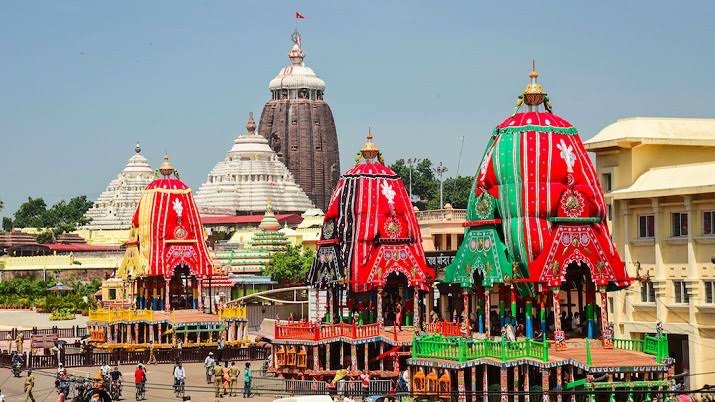
One of India’s biggest festivals, Rath Yatra begins today, July 12 and that is celebrated all across the world by millions of Indians. The festival has its primary significance in Indian states like Odisha, Jharkhand, West Bengal and Assam.
Picture Credits: India TV. Location: Puri Jagannath Temple.
As everyone has their eyes on Puri Jagannath Temple’s grand celebration for this festival, let us know some of the important facts about the temple.
1) Formation of Temple.
The temple was first built by the Ganga Dynasty ruler Anantavarman Chodaganga in 12 Century CE and was further developed by several other kings including that of the Ganga Dynasty as well as the Suryvamshi Dynasty.
2) Deities Worshipped
Lord Jagannath, Lord Balabhadra and Goddess Subhadra are worshipped inside the temple. The deities are adorned with different jewelleries and accessories according to different seasons.
3) Structure of the Temple.
The Temple has four distinct structures:
a) Deula, Vimana or Garba Griha where the triad deities are kept on the ratnavedi, the throne of pearls, in Deula Style.
b) Mukhashala, the frontal porch
c) Nata Mandir, Natamandapa which is known as Jagmohan, the audience hall or the dancing hall.
d) Bhoga Mandapa, the offerings hall.
The main temple is a curvilinear temple and crowning the top is the Srichakra, an eight spoked wheel of Lord Vishnu. It is also known as Nilachakra which is made out of Ashtdhatu and is considered sacrosanct.
4) The Food Offerings:
The food is offered to the Lord six times a day. The breakfast that is offered early morning is called Gopala Vallabha Bhog, the next offering at about 10 am is known as Sakala Bhog and another offering after some time is called the Sankhudi Bhoga which consists of Pakhala with curd and Kanji Payas.
The noon offering is known as Madhyanha Dhupa and that is followed by evening food at 8 pm known as Sandhya Dhupa. The last offering to Lord is called the Bada Simhara Bhoga.
5) Rosaighara- Temple’s Kitchen.
The temple’s kitchen is considered to be the largest in the world. About 56 varieties of food are produced which are purely vegetarian and prepared without the use of onions, garlic or chilies as prescribed by some Hindu Texts. Cooking is done only by using earthen pots with some water that comes from two nearby tube-wells known as Ganga and Yamuna. The most awaited food offering is known as Kotho Bhoga, offered during Mid-Day. After being offered to Lord Jagannath and other deities, the food is sold in a nearby market.
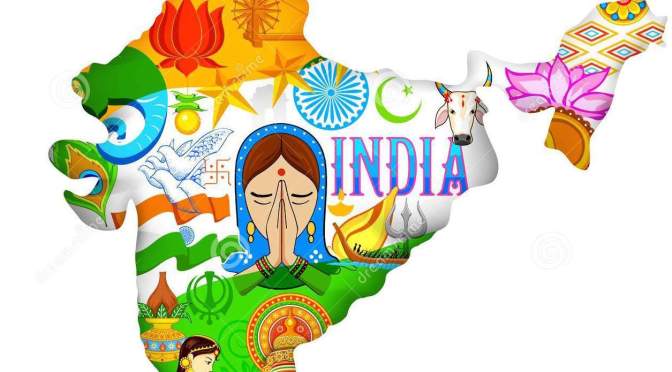
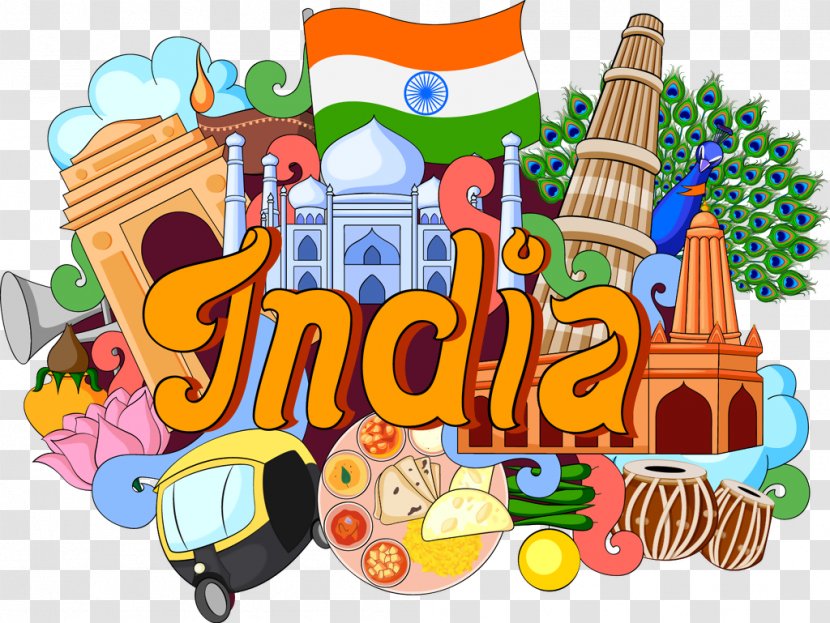
The Indian Culture is known to be the most versatile culture in the world. From the ethical values of our heritage, the social norms, many traditional customs in the country, Various belief systems present in each family to a state to a country as a whole, different political parties, beautiful artifacts and the present technology that have originated in or the country is associated with in the Indian land or subcontinent. The term which also applies and is used beyond our motherland India to countries and different cultures whose histories are considered to be strongly connected to India’s by its immigration phase, their colonization, or its influence. Indian culture has often been labelled and is popularly known as a combination of numerous cultures, and has been influenced by a history that is many millennials old, beginning from the Indus Valley Civilization. Many elements of the Indian culture can be identified in the country and it proudly take prides in contributing in various mathematics, religions, philosophy of the world, different cuisines, various languages that are present (many words from English are influenced by Sanskrit, which is considered to be the oldest language in the entire human existence), its art which included dance, music, movies, sculptures, various art items and this has made a huge impact in the world.
India is considered to have a long romance with the form of art which is the art of dance. The Hindu language Sanskrit has texts like Nātyaśāstrawhich is Science of Dance and also Abhinaya Darpana which is the Mirror of Gesture. The Indian artform of dance is known to be taught in these ancient books and this is present in the country, according to Ragini Devi, who is an Indian classical dancer states that it is considered to be the expression of one’s inner beauty and the divine in a man. It is a deliberate form of art, nothing in this form of art is left to a chance, each gesture in dance seeks to communicate the ideas of an individual, each facial expression is the artist’s emotions which makes it personal and valuable for the viewers as everyone has a different way to approach art and that is the beauty of the dance forms and other forms of art in the country. In the Indian culture it’s drama and theatre has had a long history alongside its dance and music. Many plays which are performed by Indian artists are recognized by UNESCO as a masterpiece. One of the most renowned pieces of art in the country is its cave paintings from Ellora to Ajanta to Bagh and Sittanavasal there are a plethora of paintings and sculptures which are enough to testify the love of art, history and culture which is present in the country.
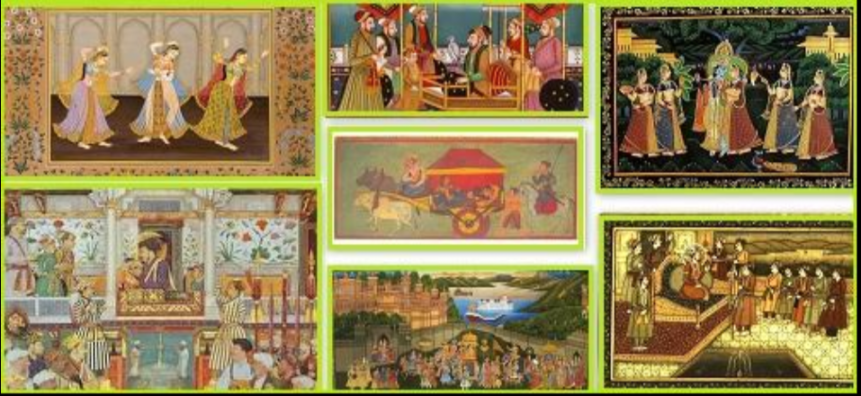
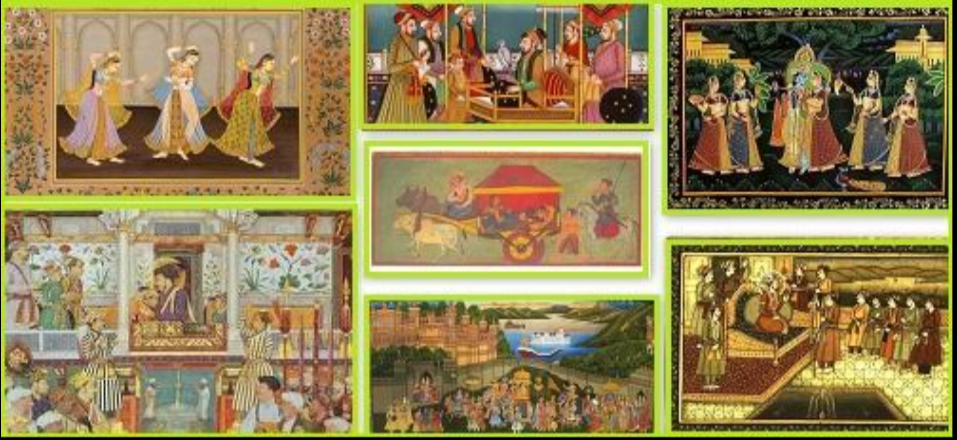
Miniature Art refers to paintings, sculptures, engravings etc. That have small dimensions. Though they are small, they are well detailed. The origin of miniature paintings dates back to the prehistoric times and is profoundly influenced by Indian literature. A miniature painting is generally less than 25 square inches or 100 square centimetres. The subjects in the painting are one -sixth of their actual sizes. Miniature paintings were generally done on materials like cloth, paper, leaves etc. which are quite perishable. These paintings are handmade and very delicate. Miniature paintings are considered as an ancient art in India and there were many schools for the same, including those of the Rajput’s, Deccan’s and the Mughals. These paintings give an insight into the life of the royals and the common man, the beauty of their womenfolk and the inspirations and devotions of the artists themselves. These paintings are often associated with the Ragas i.e. the melodies of Indian classical music. Rajasthani School of Miniature Paintings: This school developed around the areas of Rajasthan, Bundelkhand and Punjab regions. The Rajasthani paintings were greatly influenced by Tulsidas and Kabir. The main theme observed in the illustrations of this school is love in all of its form. Main emphasis is given on the love between human soul and god. This might have been influenced by the Bhakti cult which originated in those days. Paintings are left to the imagination and emotion of the viewers for interpretation. Features: Compositions are clear and simple. All figures are in same dimensions. The figure of a woman are duplicated for other women. This is painted as a symbol of femininity. Colours are used harmoniously and are bright with each colour having it’s own specific meaning. The medium mostly used was water colour in tempera hand made paper. The colour scheme is flat and paintings are two dimentional. Some of the famous Rajasthani miniature paintings: ‘Radha Bani Thani’by Nihal Chand ‘Maru Ragini’ by Sahibdin ‘Chaugan Players’ by Dana
Mughal School of Miniature Painting: With the advent of Mughal, the Indian miniature paintings shifted to the portraits and richness of colour effects with the unique Persian flavour. During this period, the art specialises in Court and Palace scenes. Themes from Indian epics such as Ramayana, Mahabharata, Bhagvata Purana etc. Are also included. The Indian Miniature painting was at it’s prime time during the period of Mughal Emperor Shah Jahan because he was a great patron of miniature painting. But after his regime, paintings lost their charm and started to decline in the 18th century. Features: Mughal paintings denoted the habits of the ruling class. Portraiture was done. Figures were drawn in profile or quarter profile. A decorative border called hasiah was also used. Calligraphy was also done in the paintings. The paintings were male dominated. Portraits of women were drawn from imagination. The medium generally used was water colour in tempera handmade paper. Some of the famous Mughal Miniature Paintings: ‘Kabir and Raidas’ by Ustad Faquirullah Khan ‘Falcon on a Bird Rest’ by Ustad Mansoor ‘Babur Crossing River Sone’ by Jagannath
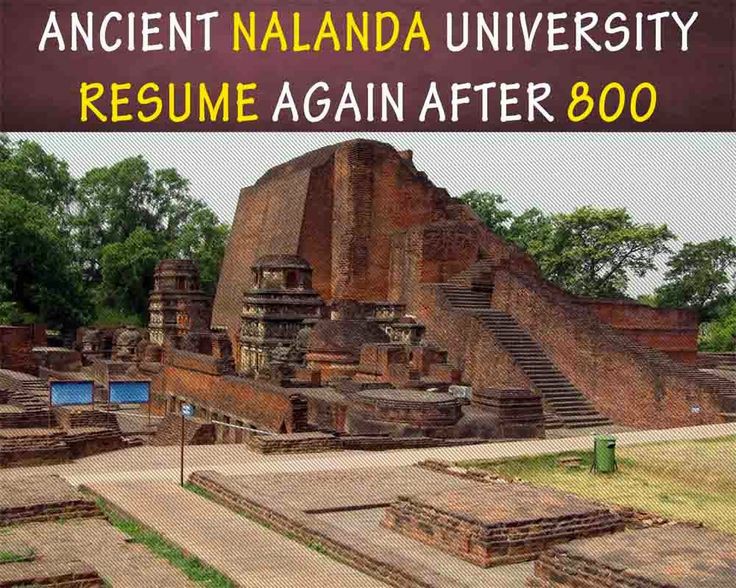
Since ancient times to the modern world, the Higher Education System has always been remarkable in our country, India. From ancient Bharat to modern India, higher education has always occupied a place of prominence in Indian history. In ancient times, Nalanda, Taxila and Vikramsila universities were renowned seats of higher learning, attracting students not only from all over the country but from far off countries like Korea, China, Burma, Sri Lanka, Tibet and Nepal. Today, India manages one of the largest higher education systems in the world.
UGC
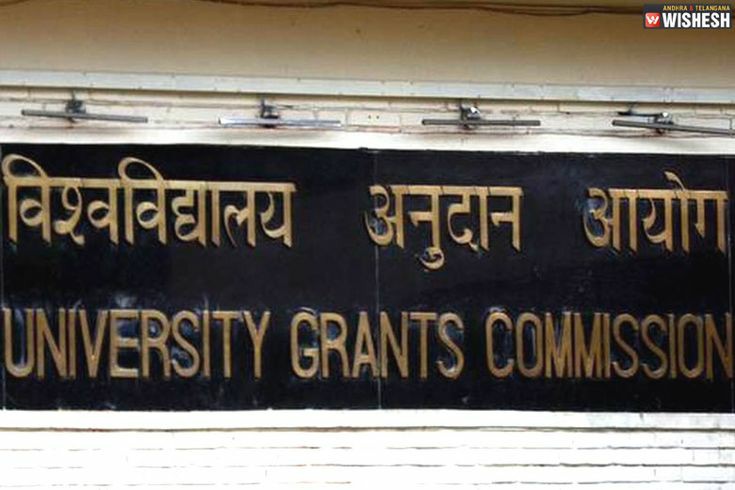
The University Grants Commission of India (UGC India) is a statutory body set up by the Government of India in accordance to the UGC Act 1956 under the Ministry of Education, and is charged with coordination, determination and maintenance of standards of higher education. It provides recognition to universities in India, and disbursements of funds to such recognized universities and colleges. The headquarters are in New Delhi, and it has six regional centers in Pune, Bhopal, Kolkata, Hyderabad, Guwahati and Bangalore. A proposal to replace it with another new regulatory body called HECI is under consideration by the Government of India. The UGC provides doctoral scholarships to all those who clear JRF in the National Eligibility Test. On an average, each year more than a $100 million is spent on doctoral and post-doctoral fellowships by the commission.
University grant commission logo
Basic information
Established
28 December 1953 First
executive
shanti Swaroop bhatnagar
Headquarter
new Delhi
Chairman
Dp Singh
Department
department of higher education, ministry of education
Sector
higher education
History
The present system of higher education dates back to Mountstuart Elphinstone`s minutes of 1823, which stressed on the need for establishing schools for teaching English and the European sciences. Later, Lord Macaulay, in his minutes of 1835, advocated “efforts to make natives of the country thoroughly good English scholars”. Sir Charles Wood`s Dispatch of 1854, famously known as the ` Magna Carta of English Education in India`, recommended creating a properly articulated scheme of education from the primary school to the university. It sought to encourage indigenous education and planned the formulation of a coherent policy of education. Subsequently, the universities of Calcutta, Bombay (now Mumbai) and Madras were set up in 1857, followed by the university of Allahabad in 1887. The Inter-University Board (later known as the Association of Indian Universities) was established in 1925 to promote university activities, by sharing information and cooperation in the field of education, culture, sports and allied areas.
The first attempt to formulate a national system of education in India came In 1944, with the Report of the Central Advisory Board of Education on Post War Educational Development in India, also known as the Sergeant Report. It recommended the formation of a University Grants Committee, which was formed in 1945 to oversee the work of the three Central Universities of Aligarh, Banaras and Delhi. In 1947, the Committee was entrusted with the responsibility of dealing with all the then existing Universities.
Soon after Independence, the University Education Commission was set up in 1948 under the Chairmanship of Dr. S Radhakrishnan “to report on Indian university education and suggest improvements and extensions that might be desirable to suit the present and future needs and aspirations of the country”. It recommended that the University Grant Committee be reconstituted on the general model of the University Grants Commission of the United Kingdom with a full-time Chairman and other members to be appointed from amongst educationists of repute. In 1952, the Union Government decided that all cases pertaining to the allocation of grants-in-aid from public funds to the Central Universities and other Universities and Institutions of higher learning might be referred to the University Grants Commission. Consequently, the University Grants Commission (UGC) was formally inaugurated by late Shri Maulana Abul Kalam Azad, the then Minister of Education, Natural Resources and Scientific Research on 28 December 1953.
The UGC, however, was formally established only in November 1956 as a statutory body of the Government of India through an Act of Parliament for the coordination, determination and maintenance of standards of university education in India. In order to ensure effective region-wise coverage throughout the country, the UGC has decentralized its operations by setting up six regional centers at Pune, Hyderabad, Kolkata, Bhopal, Guwahati and Bangalore. The head office of the UGC is located at Bahadur Shah Zafar Marg in New Delhi, with two additional bureaus operating from 35, Feroze Shah Road and the South Campus of University of Delhi as well.
In 1994 and 1995 the UGC decentralized its operations by setting up six regional centres at Pune, Hyderabad, Kolkata, Bhopal, Guwahati and Bangalore. The head office of the UGC is located at Bahadur Shah Zafar Marg in New Delhi, with two additional bureaus operating from 35, Feroze Shah Road and the South Campus of University of Delhi as well.
In December 2015 the Indian government set a National Institutional of Ranking Framework under UGC which will rank all educational institutes by April 2016.
Role
The main aim & role of UGC in higher education is to provide funds to universities and coordinate, determine & maintain the ethics in institutions of higher education. The commission upholds the interpretation among the universities, government, and the community. UGC has also set some standards for the universities for being UGC Approved Universities. With the growth of higher education in India, many top, medium, and small universities are being established day by day. Among these universities, there are many universities that are fake and not fit as per the UGC standards. Therefore, the University Grants Commission has released the list of Fake Universities in India to help the students to recognize these rejected universities
Functions
It provides funds and it also arranges for the coordination and maintenance of the universities in India. The UGC controls the following in India:
1.Maintaining the standard of research, teaching and examination in the university maintaining standards of teaching, examination and research in universities & Framing regulations on minimum standards of education.
2.It is a link between the union government and the institutes of higher education system.
3. It also advises the government about the steps to be taken in order to improve the education system.
4.Allocates grants to the universities and colleges out of its own funds for their development or other general purpose.Advises the central and state government on disbursing grants to the universities out of the Consolidated Fund of India. Advises any authority on the establishment of new university or on the proposal seeking expansion of any university.
5.Collects information on university education in India and in other countries.
6.Seeks information from the universities from time to time. The information may range from the financial position of the university, their various branches of learning to the rules and regulations followed in a particular university.
Imparts education to the students in various streams through its Country wide classroom teachings and a four-year old 24 hours educational channel ‘Vyas’.
8.Conducts National Eligibility Test (NET) through its National Educational Testing Bureau in a bid to determine eligibility for lectureship. It also awards Junior Research Fellowship (JRF), which has been set as the minimum standards for Indian nationals to enter teaching profession and research. Humanities (including languages), Forensic Science, Computer Science, Social Sciences, Environmental Sciences, and Applications and Electronic Science are the subjects in which a student can appear for a JRF.
9.The University Grants Commission has recently launched an ‘e-scripting’ course in television for all those students who want to make a career in broadcast media. The course is being run by its Consortium of Educational Communication, an Inter University Centre of the UGC on electronic media.
10.Monitoring developments in the field of collegiate and university education; disbursing grants to the universities and colleges.
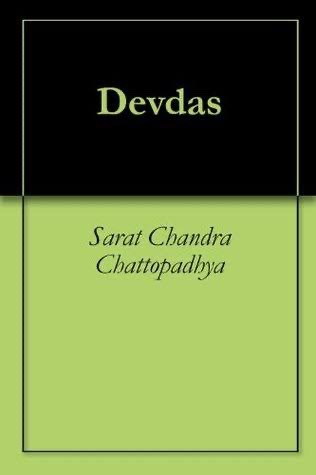
Book Cover of Novel, Devdas. (Photo Credits: Goodreads)
There’s a certain notion among Indians that every sad lover in the country is a real life Devdas. But deep down, let’s analyse, was Devdas really a lover or yet another male chauvinist?
Plot:
The story starts with two childhood family friends Devdas and Paro, both belonging to rich households and immediate neighbours. Both of their families are well connected to the each other as well. The story revolves around Indian state of Bengal.
Slowly, Devdas and Paro grow up and start developing love for each other. However, Devdas was a spoilt rich brat and this is the reason his father sends him to London for higher studies. Paro becomes sad on knowing this and waits for his return. Devdas returns home after 10 years of studies and is now a well grown up. Paro, on the other hand, exceptionally beautiful, fantasises about her childhood love Devdas.
On his return to Bengal, Devdas and Paro meet and resume their fairy tale love story. However, Dev’s family isn’t happy with their relationship as Paro was from a lower caste background. Things go worse when Devdas’s mother insults Paro’s mother for offering her daughter as a bride to Devdas’s family. This was followed my Paro getting insulted by Devdas’s father who calls her “characterless” as she went on to meet Dev at late night. Devdas seeing all this, refused to accept Paro as his family was against the relationship.
Paro’s mother, unable to bear the insult, vows to get Paro married in a family which would be lot more rich and influential than Devdas. And she does so! A week later Paro marries a rich old man from a nearby village. However, just before her marriage, Devdas suddenly arrives and offers his hand to Devdas to which Paro refuses. Devdas gets angry at the refusal and hurts Paro with a gold necklace and thus Paro suffers from an injury.
Months later Paro’s marriage to the old man, Paro pays a visit to Devdas where it’s revealed he’s completely alcoholic and lonely. Paro requests him to come with him but Devdas doesn’t agree but promises her that he would come to Paro once before his death. Devdas also meets a courtesan, Chandramukhi with whom he develops loves but leaves her yet again.
Finally, the story ends with Devdas fulfilling his promise of coming to Paro but Paro’s husband refuses to let her meet Devdas. At the end, an alcoholic Devdas passes away leaving Paro sobbing.
Character of Devdas.
1) Devdas was never a lover.
I wonder, how people have beautifully whitewashed the ignorant and abusive nature of Devdas. When Paro went to meet Devdas late at night putting her dignity at stake, Devdas refused to go with her fearing about his own family honour. If this is the case, how can he be called a lover? If family and society was more important to him, it shows he never actually loved Paro.
2) Devdas was a male chauvinist.
Devdas suddenly offered his hands to Paro when Paro was just about to marry. Paro taking into consideration her self respect questioned Devdas that why is he so late and why didn’t he come when Paro went out to meet him at his home the week before. She also asked Devdas about the reasons why her parents and she were insulted by Dev’s family. Devdas couldn’t tolerate a woman questioning him and instead of apologising to her, he shouted at her for being “too arrogant”. Devdas cared about his family honour but didn’t care about Paro’s family honour: This shows his ingrained patriarchy.
3) Devdas tries to justifies abuse!
Perhaps one of the most problematic chapters of the book was when Paro refuses Dev’s offer of running away with him on her wedding night with the old man. On getting a rejection from Paro, Dev goes intolerant and beats Paro with a gold necklace. Paro suffers from an injury and her head starts bleeding. Devdas asks Paro to keep this injury with her for life as it would always remind her of Devdas. Paro agrees to this and throughout the book she is shown to love that injury. This also shows how much the book has normalised and romanticised a brutal abuse and also definitely brutal abusers!
Climate change is a change in the climate or environment of the planet . it is not a natural process ,but an outcome of human activities and interference with nature. Climate change is not an issue of today or yesterday. It’s been started for a very long time. Transformation or variation in nature has been started in nature since the age of industrialization. climate change is the biggest threat for humanity .It is making our earth inhabitable. . Human civilization was developing at the cost of nature. And after that we all have followed their footprints for getting luxurious lifestyle, comfort, easiness .
development is required , but should not be done at the cost of nature.
Climate change is most worriment issue of today’s world. but the point is whether all countries are equally serious about it. Solemnity about this global issue varies from country to country , because economical condition of countries, lifestyle of their people, education level, women’s condition in countries are not same . That is why it is obvious to have difference in their awareness and actions. the more people will aware the more they will take action. Awareness relies on the economical, political and educational level of the country . climate change is such a issue that is difficult to understand .the . having knowledge is worthless if proper actions are not being made and implemented. All the countries are accountable for this global issue ,however their contribution is unlike . the hazardous impact of climate change will not be as per of countries contribution . the planet is affected by this.
Climate change increase flood risk. The global average surface temperature has increased 2 degree since the pre – industrial era . Every upcoming year is becoming warmest year ,breaking the record of previous years. incidents of wild fires have become more apparent of become more apparent ,extinction of wild species ,demolition of ozone layer ,shrinking glaciers , increasing sea level and intensity of tornados, avalanches , new epidemics , water ,air ,soil pollution and heat waves . it more likely to face adverse effect in forthcoming days.
India is the 4th largest emitter of greenhouse gas after china , united state and EU . For country like india , it is not possible to pay more attention on this global issue , when they have major issue like corruption , poverty, population, unemployment, education system, basic sanitation, healthcare system, women’s safety, infrastructure, agriculture distress etc. The germanwatch institute presented the result of the global climate risk index 2020.India is also in the top 10 countries. India’s climate risk index is 18.17 and is the major victim of extreme heat ,flood and sand storm among other divesting natural events . Global disasters are making headlines everyday .for instance California wildfire ,Uttarakhand wildfires, Australian bushfires, tycoon and floods etc. Human civilization has put itself in a great hazard by its activities.
India is a developing country and is not responsible much for it as compared to other countries. Two third of people in india are living in poverty,: they lack a basic need. Middle class aim to have decent well paid job, hope to own a house of their own, seek to have a secure retirement and want to secure the healthcare and educational need of their family. Affluent section are busy in their luxurious life. In India citizens are tackling with more sever issue such as food security ,shelter, employment ,lack of good education and politics is concern with other things .
In Indian politics climate change is not a major issue. Indian politics revolves more around religion , faith, party system ,temple, cast etc. Good education makes people aware and it leads the country toward new innovations and breakthroughs ,which will ultimately help us in fight with climate change .In agriculture sector we need new crop seed with climate resilient feature because our land will have to face more flood ,droughts and extreme heat. We need new innovation in renewable energy sector ,people will only switch their energy source when they find renewable energy source as cheap as traditional one. Although many major automobile companies have launched electric vehicle ,electric cycle but they are so expensive that middle class can’t afford to buy. Research and development in this sector will help them to reduce the price while improving its functionality .one main thing we need to ensure that these electric vehicles must use renewable energy for their charging.
People’s participation is crucial in any anti climate action plan proposed by government .There is lot of examples of individual endeavours such as Greta Thunburg, Devaki Amma from Kerela state of India who alone grew a forest and Anupam Mishra know for the conservation of rivers and water sources. So everyone has a place in fight with climate change .
Lack of coordination at both national and international level. countries have made many agreements , protocols, pacts and organization to combat the climate issue like IPCC ,UNFCC,RIO SUMMIT ,PARIS PACT,MONTIAL PROTOCOL ,COP SUMMIT but we can clearly see the lack of seriousness in world politics. Their words are more than action. Like all developing countries, India’s concern about economic development and poverty alleviation is justified. And must be fully respected in any global climate regime, As virtually stated explicitely in the UNFCCC (United Nations Framework Convention on Climate Change).
At world level, the largest polluter or carbon emitter –US walked out of the global agreement. However , later US rejoin the paris agreement United state has produced 6.6 billion matric tons of carbon dioxide in 2019,the second largest emitter in the world after china. india is the third largest emitter of greenhouse gases. For the first time The Paris Agreement has brought together entire countries with a common goal of limiting global warming to below 2 degree Celsius . To attain this long term temperature goal, countries motive to reach global peaking of greenhouse gas emissions as soon as possible to achieve a climate neutral world by mid century.
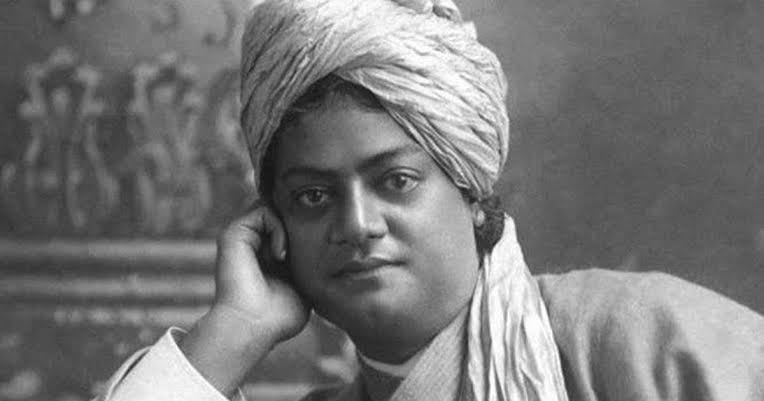
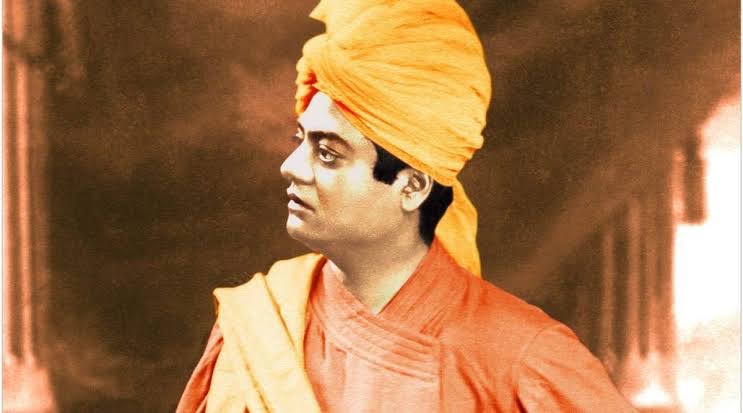
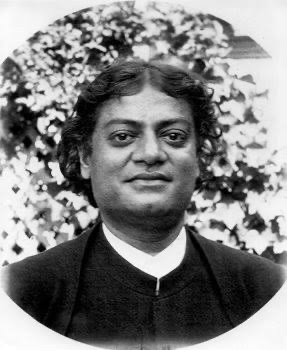
Swami Vivekananda as we all know was born on January 12, 1863 in Calcutta (present day Kolkata). Swami Vivekananda was never religious in his early life but was always interested in spirituality and meditation from young age.
Swami Vivekananda got educated from Calcutta University and had keen interest in subjects like history, religion, social science, philosophy and like. Today, July 4 is his death anniversary and us know five important incidents from his life.
1) Swami Vivekananda at Parliament of World Religions, 1893.
Photo Credits: India TV
Swami Vivekananda became extremely popular when he went to Chicago in 1893 for Parliament of World Religions where he represented India and Hinduism. He addressed Americans as “Sisters and Brothers of America” in his speech which led to widespread appreciation. In this event, he spoke about how the land of Vedas, Yoga and Saints has taught tolerance and universal acceptance to the world.
2) First meet of Swami Vivekananda and Ramkrishna Dev.
Photo Credits: Navbharat Times.
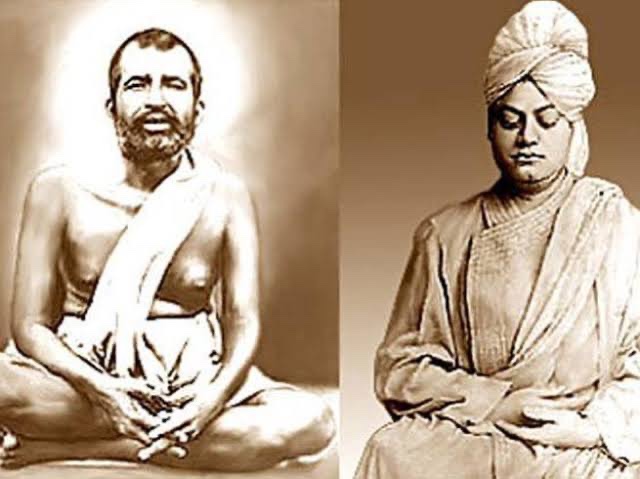
Swami Vivekananda met his mentor Ramkrishna Dev first in Dakshineswar Temple in Kolkata where Ramkrishna Dev used to reside but their relationship began when they met at the house of Surendra Nath Mitra. Ramkrishna Dev asked Swami Vivekananda to sing and impressed by his singing talent Ramkrishna Dev invited Swami Vivekananda to Dakshineswar.
3) Life in Dakshineswar, Kolkata.
Photo Credits: Scroll.
Swami Vivekananda’s constant meetings with Ramkrishna Dev became important and life changing moments for him. Initially, Swami Vivekananda was amused and nervous when he first interacted with Ramkrishna Dev. After giving many tests, Swami Vivekananda finally accepted Ramkrishna Dev as his spiritual teacher in 1882. He remained there until Ramkrishna Dev’s death in 1886.
4) Enlightenment of Swami Vivekananda.
Photo Credits: The Indian Express
Swami Vivekananda once asked Ramkrishna Dev whether there’s any God or not (as Ramkrishna used to keep telling him about God ), to which Ramkrishna Dev replied “I am the proof that God exists”. After three days, Swami Vivekananda retuned to him and asked whether Ramkrishna Dev can show him God or not. Ramkrishna Dev asked a counter question that whether Swami Vivekananda has the courage to see God or not to which Swami Vivekananda replied “Yes”. After this, Ramkrishna Dev placed his foot on Swami Vivekananda’s chest and Swami Vivekananda lost his consciousness after that. He restored his consciousness after twelve hours but he was totally changed by then.
5) Establishment of Ramkrishna Mission and relationship with Sharada Devi.
Photo Credits: Old Indian Photos.
Swami Vivekananda founded The Ramkrishna Mission on May 1, 1897 to honour and recognise the efforts and teachings of Ramkrishna Dev. Swami Vivekananda also had a very respectful and loving approach with Sarada Devi as he went to Chicago in 1893 only after taking her blessings.
At the end let’s apply Swami Vivekananda’s words in real life and as Indians, we should always move towards social equality and individual freedom which were his primary teachings.
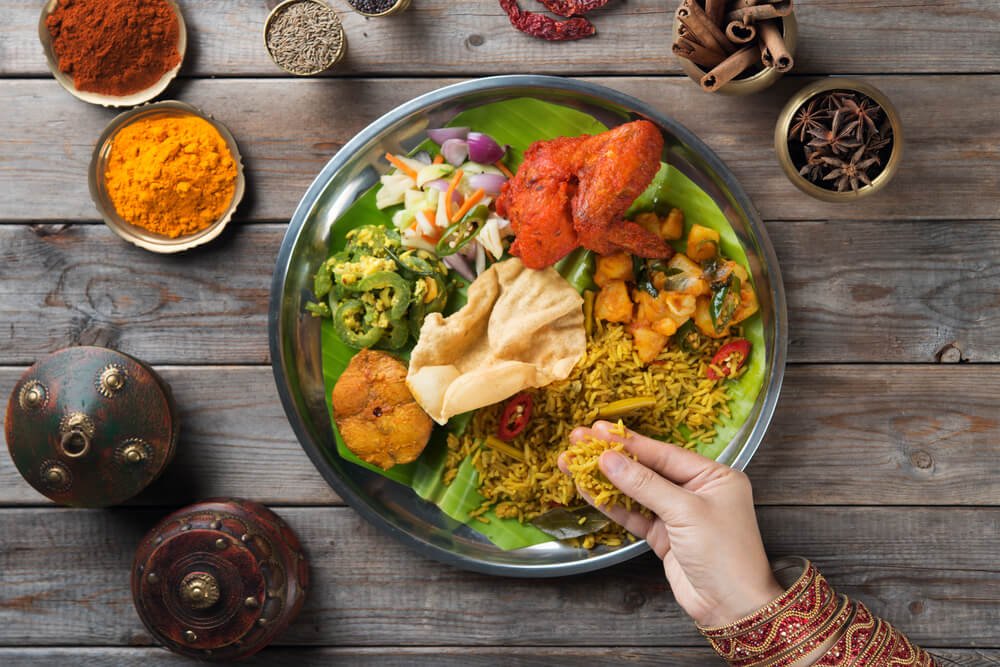
Eating with bare hand is a traditional Indian culture, which people still follow. Eating is a mindful process since the sensory organs like touch and taste are involved. Fingertips are used to feel the temperature and texture of our food. Nerves at our fingertips send a signal to our brain, and the brain activates the human body’s digestive system and further improves the digestion process. In practice, Indians sit down on the floor in comfortable clothes and eat in a big banana leaf or Saili leaf. This process activates your senses and makes you enjoy your meal.
Eating with hand is a mindful eating…
But, is it good or bad to use hands?
Stay till the end…
Imagine eating roti with a spoon and dosa with a fork. Sounds weird right? Oh well, it is!
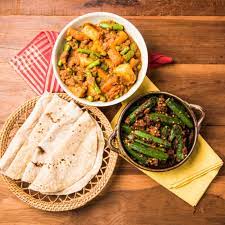
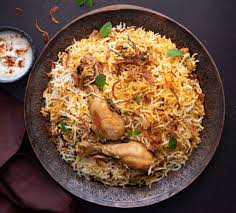
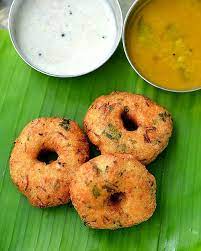
Traditional Indian foods are made to eat with hand. We use hands to eat foods like rice, chappati, vada, dosa, chicken, fish, papad, Pongal, and many more. While eating, curry is mixed with rice or stuffed in a roti that gives a flavor of multiple spices added while preparing the dish.
Rice
Roti
Fish curry
Dosa
Chicken biryani
Vada chutney
Here raises a question…
Is eating with your hand “unhygienic”?
Washing hands before eating is a habit of everybody. Indian tradition follows hygiene and cleanliness during dining. The hand once used by a person to consume their food is not used to serve or to share because that is treated as ‘jootha’ meaning contamination and treated as an unhygienic way of eating. People are supposed to wash their own dishes after eating which reduces the intermixing of saliva of two individuals as a concern of one’s health.
Significance of eating with hands:
According to the ancient theory, all five fingers of our hand has its own spiritual significance and it symbolizes the 5 elements of nature.
Thumb finger- Fire
Index finger- Air
Middle finger- Space
Ring finger- Earth
Little finger- Water
Apart from those theories, it was proved that using hand while eating improves the healthy digestion of food. Our palms and fingers are protected by a bacteria called Normal Flora. Normal Flora protects our skin from harmful microbes. Hence your hand is safe to use.
Is India the only country where people eat with their hands?
Obviously Not!!
India is not the only country where people follow the tradition of eating with hands. People from large swaths like the Middle East, Africa, South Asia, South America follow the norm of using their hands to eat. Tribes in Nigeria, Amazighs (Berbers) in North Africa, Black Africa, the Arabs of the Middle East also follow this tradition.
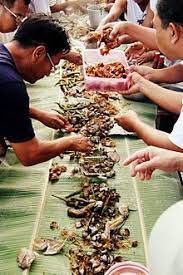
‘Kamayan‘ meaning “with hands.” Kamayan is an ancient tradition traditional Filipino practice of eating with the hands. They believe that eating with hands has its own significance than eating with fork and knife. It is also referred to specific type of Filipino feast known as the “boodle fight”.
Kamayan culture: A traditional Filipino styleEthopian eating culture
Conclusion
Remember, it’s your culture and there is nothing to be ashamed of using your hand. Every culture in this world deserves respect. This article is all about bringing out the importance of Indian culture and not to dishonor western dining etiquette. Nowadays, restaurants and cafes are all westernized. As the customs and lifestyle changes it is our responsibility to hold and accept our own culture first.
Creating an awareness among the people about the science behind our culture is the main motive of this article!!
India is a largely populated country with many different kinds of people. There are variations in culture, traditions, language, food, etc. But more importantly, there are people with different origins and roots. Some such people are the ‘Adivasis’ who we more commonly refer to as the ‘Tribes’ or ‘Tribal People’ of India. The word Adivasi comes from the Sanskrit term meaning ‘original inhabitants’ (Adi= original/from the beginning, Vasi= inhabitant/resident). Therefore, when we use the term Adivasi or categorize a group as Adivasis, it is generally understood to mean that they are the inhabitants of that area from the very beginning. It is a blanket term used to refer to the indigenous people and groups of India, and helps forge a sense of identity for them. Sometimes you may hear the term ‘Scheduled Tribes’ being used in a legal or constitutional sense, but this differs from State to State and may exclude some groups which may be considered indigenous.
Background
Adivasis make up a substantial minority of the Indian population, comprising about 8% of the total population. They are of great numbers especially in the states like Maharashtra, Madhya Pradesh, Jharkhand, Odisha and Andhra Pradesh. They are said to have arrived in India during the great human migration from Africa, and are believed to have been living in India from as early as 2000 BCE. As the name suggest, their presence pre-dates even the Dravidians and Aryans in our country, and they were the original hunter-gatherer, foragers and agriculturists of these lands. But today, they hold little to no political power and most of them are below the poverty line. They have seen a relegation of their status in the country, with a loss of land, wealth and political presence and representation. The Adivasis have been conferred a classification of tribes or tribal communities under Article 366 (25) of the Indian constitution, the criteria for this being ‘geographical isolation, backwardness, and having a distinct culture, religion and ‘shyness of contact’.
Examples of Adivasis or tribes in India are communities like the Bhil, Chenchu, Korwa, Lodha, and Bonda. Perhaps the most well-known tribes are those of the Andaman and Nicobar Islands, like the Jarawa, Onge and Sentinels, who have remained mostly untouched by modern civilization and continue to live like primitive tribes.
Modern Day Situation
Most of us today when we hear the word ‘Adivasi’ do not think of the people who first populated Indian territories and who possess ancient cultures and traditions tied to these lands. Instead, we think of those people living in rural and underdeveloped areas, living in poverty and struggling to make ends meet. While larger and more prominent tribal groups may survive as result of numbers, the destruction of their environmental and economic base will not allow them to continue their traditional way of life and may result in their cultural extinction. The primary reason for the Adivasis socioeconomic problems is that they have gradually been displaced from all their land and are constantly being denied land ownership. Today they are in a constant battle just to retain their economic and social identity. Today’s India is all about modernization and progress, and even government schemes only aim at integrating these tribes into normal society rather than allowing them to continue living by their distinctive way of life. Attempt are constantly being made to bring these tribes into mainstream Indian culture and integrate them into the national identity, disregarding their own unique and age-old cultures. Although they have been given schemes for reservation, the impact of the quota system upon Adivasis has remained negligible up until now. Also, many smaller tribal groups are quite sensitive to ecological degradation caused by modernization, and so government policies on forest reservation have also affected Adivasis profoundly. The 2006 Forest Rights Act (FRA) was enacted to secure the rights of Adivasis to their customary lands and forests, but they are still subject to encroachments on forest area.
Conclusion
It can be concluded that the Adivasis or tribal people of India represent an important cultural group of our country, but their modern-day situation is not good and not respected. The tribes in India are now under the impact of ‘mobility and change’. They have been subject to things like the caste system, and religions like Christianity and Hinduism which have transformed them completely. They have basically joined the ranks of peasantry in modern times, and have become wage-laborer’s in industries, plantations and mining. Hence, they are at the lowest point of the socioeconomic indicator, and are also subject to prejudice and oppression in mainstream Indian society. Furthermore, their issues are generally under reported, neglected or trivialized. We must try to change this situation for their betterment, and we as citizens must educate ourselves on who these people are and what they represent.
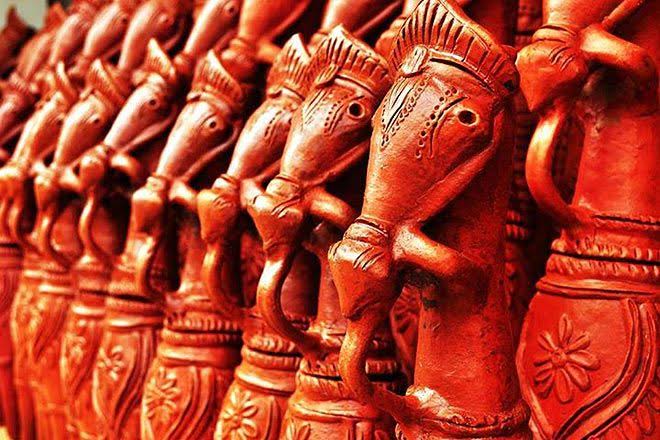
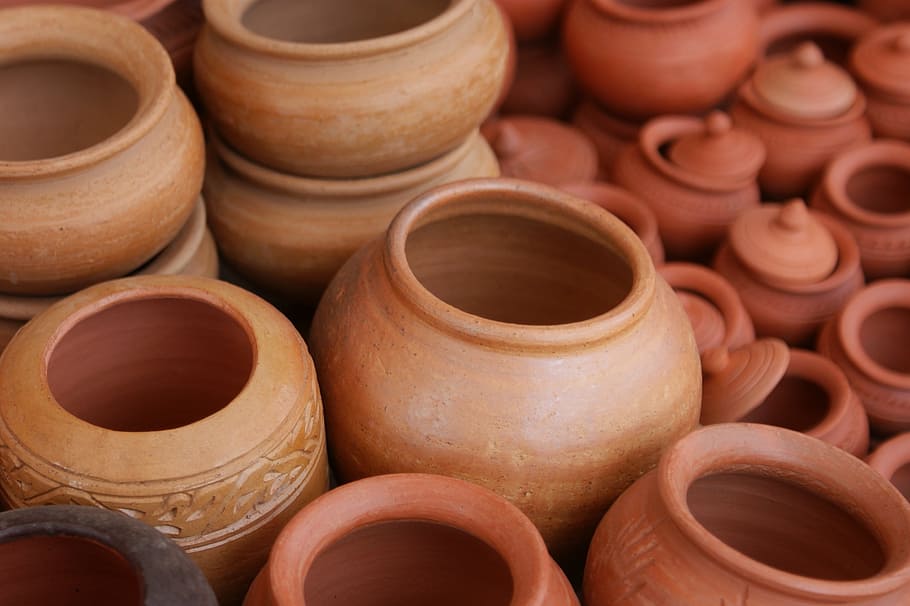
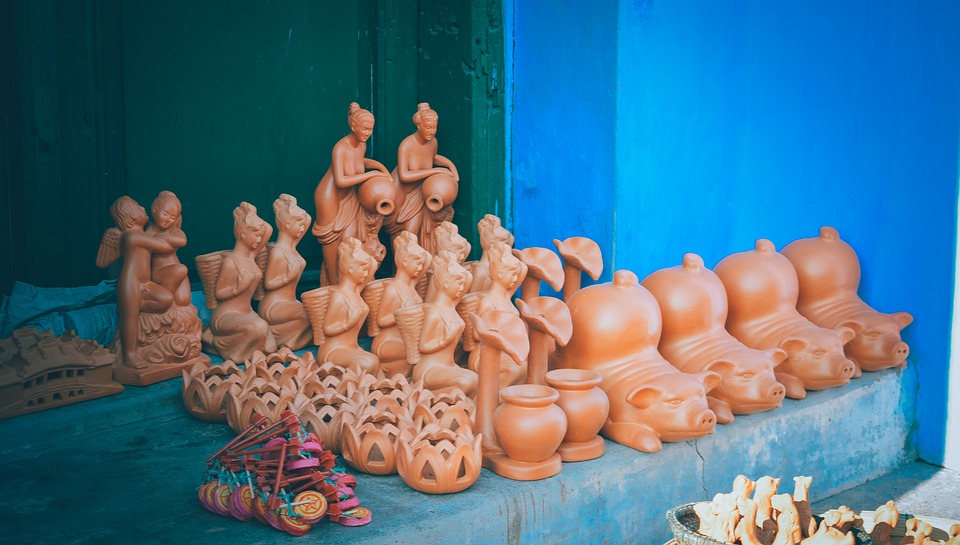
According to the dictionary the Terracotta art means hard,fired clay,brownish in colour when unglazed which is used to make architectural ornaments and facings, structural units, pottery and as a material for sculpture. The word ‘Terracotta’ came from Latin word ‘Terra-cotta’ and in Italian language Terrakotta means ‘baked-earth’.
Basically Terracotta is a type of earthenware or Ceramic pottery. At 1st we should have enough knowledge about earthenware. Earthenware is glazed or unglazed non-vitreous pottery which is made on fire below 1,200°C (2,190°F). So what do you say ? ‘baked-earth’ makes sense right?
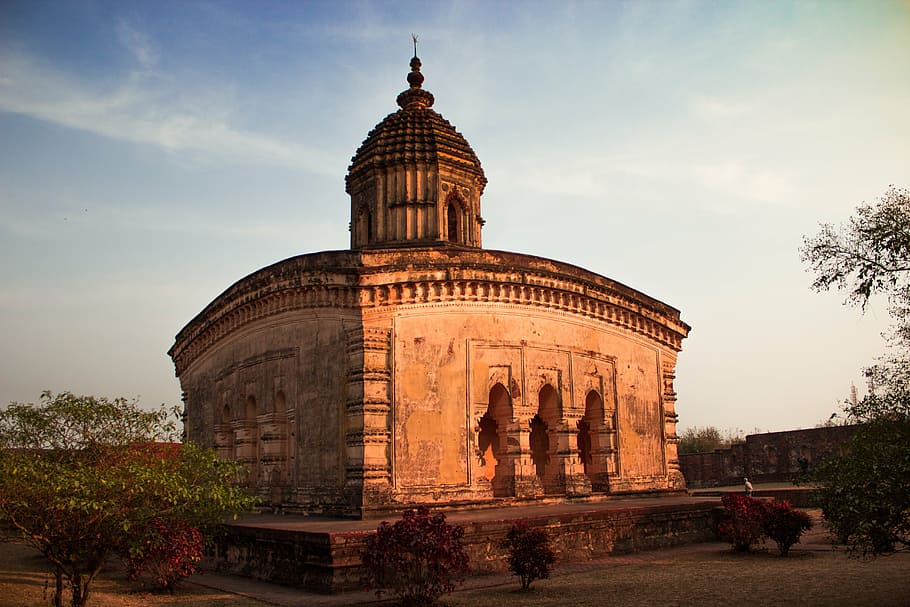
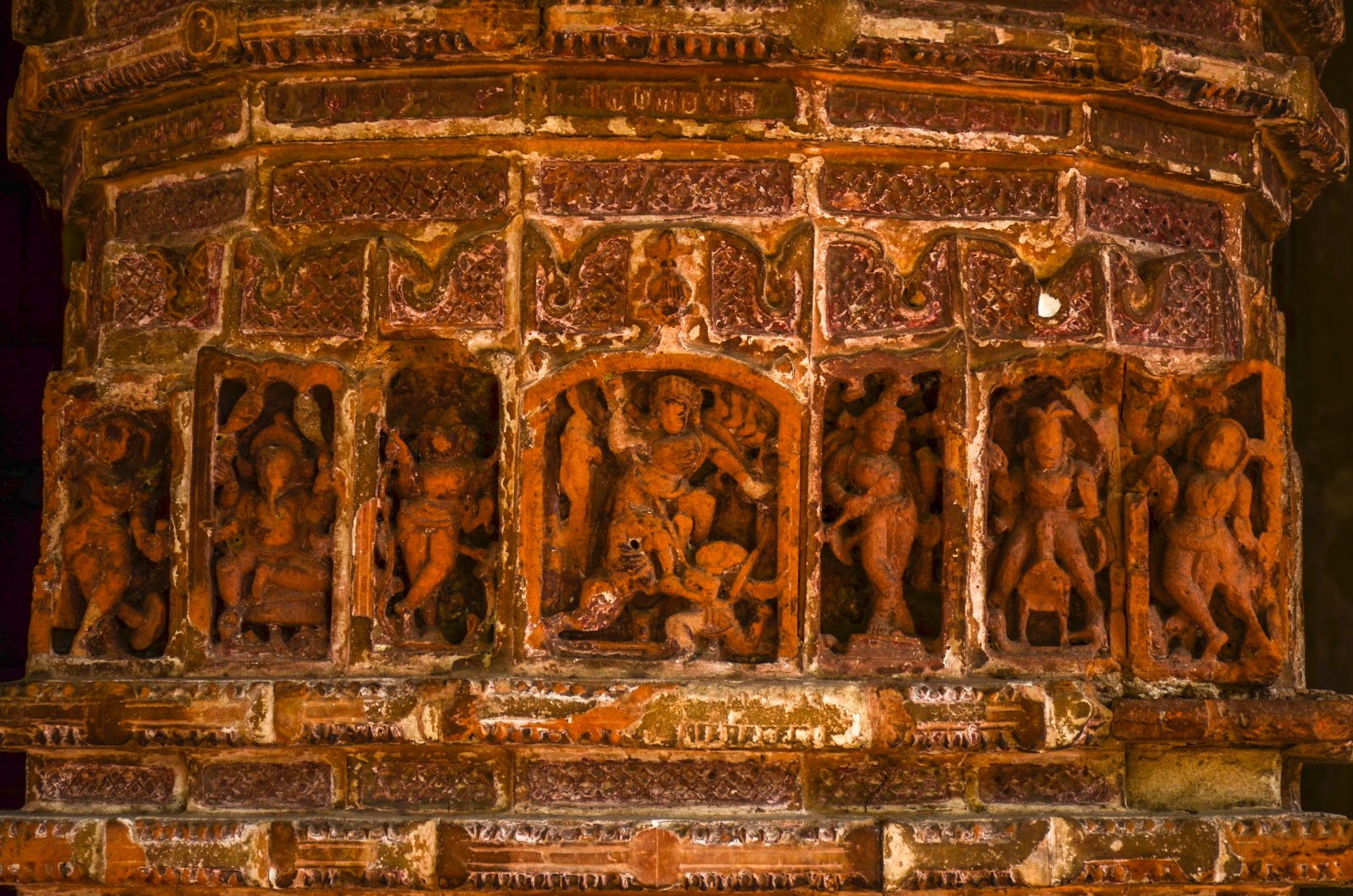
Normally Terracotta is used for sculpture making. But not only for sculpture but also for flower vas, doll,pot,water pipes, bricks,roofing tiles etc. Even there are also many temples of Terracotta. It is too flexible material for sculpture.Terracotta is usually a fairly coarse, porous type of clay. At first it has to be shaped then fired until hard. In the past, it was left to harden in the hot sun ,after that it was baked in primitive ovens. Ultimately, it was fired (at about 1000°C) in a special oven, kilns. After baking the clay became a brownish colour. Until it was glazed it was not watertight.terracotta is too simple than other bronze or other material work.
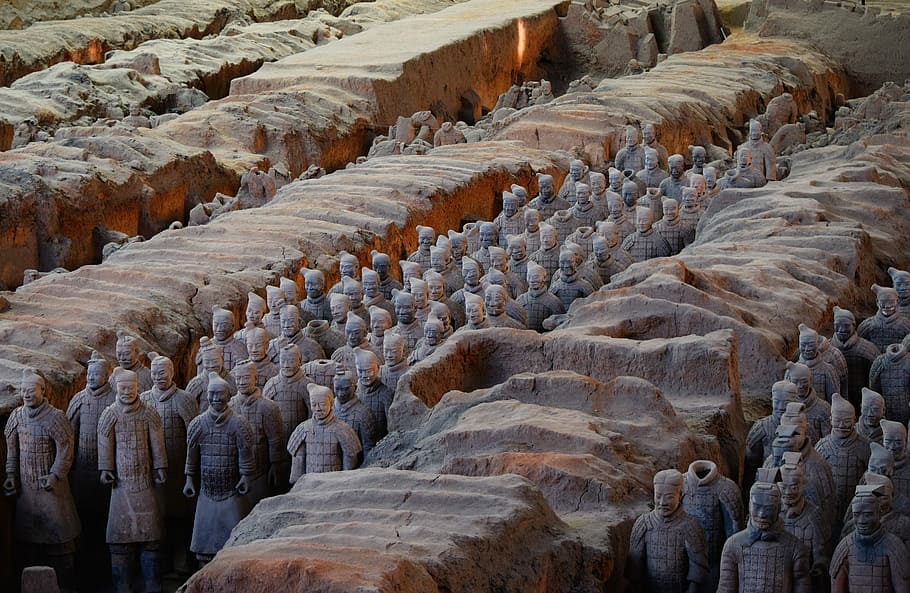
It was 1st used in Prehistoric art according to Venus of Dolni Vestonice (26,000-24,000 BCE) which was found buried in a layer of ash in Moravia at a paleolithic encampment. Some famous Terracotta figures are- The Thinker of Cernavoda(5000 BCE), The Enthroned Goddess Figurine(6000 BCE).Bronze and Iron Age artists kept the culture of the terracotta tradition, like the female fertility cult figures unearthed at Mohenjo-daro in Pakistan (3000-1500 BCE), and The Burney Relief (1950 BCE) from Ancient Mesopotamia. On the other hand we must say Chinese art created the biggest example of Terracotta art, those are-The Terracotta Army (246-208 BCE). Around the Mediterranean,such as early Egyptian, Minoan, Mycenaean, Greek and Etruscan cultures, employed terracotta for figurative works – such as the Tanagra Figurines from Boeotia in central Greece – besides decorative art and architectural ornamentation.Particularly in the era of Hellenistic art (323-30 BCE) it was widely used by sculptors. It was also used in Early Christian art, for tomb reliefs (from c.200 CE). Terracotta is also famous in African sculpture, pre-Columbian art.
In India Terracotta is famous in the same way as in the past. In India Terracotta is a heritage culture. It is very common that there are many things of terracotta at most homes in India. ‘Bishnupur’ in West Bengal is a great source of Terracotta sculptures or other things. Murshidabad, Birbhum, Jessore, Digha (all are in West Bengal) are also the treasure of Terracotta. There are also famous in Rajasthan, Bihar, Haryana, Himachal Pradesh, Odisha, Jammu and Kashmir etc.
Have you ever lost in any sports, fight, or even a bet? Many of us have. Defeat is something that every man encounters at least once in their life yet not in the situation of Peshwa Bajirao. Incredible Peshwa Bajirao! At an exceptionally youthful age like 12, he went to the battlefield for the first time and since then he never witnessed defeat. He fought over 41 battles in his military career and defeated Nizam-ul-Mulk Asaf Jah of Hyderabad who is considered as his most prominent foe. There is no doubt in the fact that he is considered the best Indian cavalry general. He was truly a God-sent blessing to the Maratha Empire in the 18th century.
His personal life was as head as his career in the military. He married Mastani who is known to be his second spouse after Kashibai. He surely faced family resistance but it couldn’t stop him from marrying her. Therefore it is very clear that he didn’t lose his battles, not his love but unfortunately, he couldn’t survive a virulent fever and died at the age of 40. The history of the Maratha Empire would be a lot different if we could see him win more battles.
We respect and honour our Indian culture a lot. India is a famous country all over the world for its culture and tradition. It is the land of various culture and tradition. It is the country of oldest civilizations in the world. The vital components of the Indian culture are good manners, etiquette, civilized communication, rituals, beliefs, values, etc. Even after the life styles of everyone has been modernized, Indian people have not changed their traditions and values. The property of togetherness among people of various cultures and traditions has made India, a unique country. People here live peacefully in India by following their own culture and traditions. People beliefs and follow various customs and traditions according to their own religions. We celebrate our festivals according to our own rituals, keep fast, take bath in holy water of Ganga, worship and pray to God, sing ritual songs, dance, eat delicious dinner, wear colourful dresses and other lots of activities. We also celebrate some National festivals by getting together such as Republic Day, Independence Day, Gandhi Jayanti, including various social events. People of different religions celebrate their festivals in various parts of the country with great zeal and enthusiasm without interfering each other. Variety of eras came and gone but no one was so powerful to change the influence of our real culture. The culture of younger generations is still connected to older generations through umbilical cord. Our ethnic culture always teaches us to behave well, respect elders, care helpless people and always help the needy and poor people. It is our religious culture that we should keep fast, do worship, offer Gange Jal, do Surya Namaskar, touch feet of elder in family, do yoga and meditation on daily basis, give food and water to the hungry and disabled people. There is great culture of our nation that we should always welcome our guests like a God very happily, that’s why India is famous for a common saying like “Atithi Devo Bhava”. The basic roots of our great culture are humanity and spiritual practices. Festivals play an important role in Indian culture and tradition. People from different religions celebrate different festivals in India. Popular festivals like Diwali, Dussehra, Navratri, Janmashtami, Shivratri, Ganesh Chaturthi, etc. are celebrated by Hindu people in India. Whereas Eid-ul-Fitr, Bakrid, Muharram, etc. festivals are celebrated by Islamic people in India. Other than this, many harvest festivals like Makar Sankranti, Chapchar kut, Pongal, Sohrai, etc. are celebrated by farmers.
However, Christians also celebrate Christmas, Good Friday, etc. festivals in India. There also exist different regional festivals in each state of India like Teej, Onam, Ugadi, Saraswati Puja, Panna Sankranti, Chhath Pooja, Pongal, Lohri, and so forth. Indian Costumes are different for the different states of India. It varies depending on the origin, climate, and heritage of the place. Indian culture still follows traditional costumes. In eastern states such as Odisha, West Bengal and southern states like Tamil Nadu and Karnataka, women wear saree as the authentic clothing. It is a single and long fabric piece draped around the body.
In a similar way, men wear Dhoti-Kurta or Kurta-Pyjama as the authentic clothing in eastern states. In northern states like Punjab, women wear salwar kameez and Kurti as traditional clothing. Whereas men wear headgear or turban known as the Dastar as the traditional clothing. In India, all the married Women wear Sindoor, a vermilion powder in the parting of their hair. They also wear bindi, Mehendi, bangles, and earrings as part of their attire. India is a land of rich culture and tradition which teaches people kindness, generosity, and tolerance. Indian culture differs from place to place as it is a multilingual, multicultural, and multi-ethnic society. Indian culture is a unique blend of modern western culture and historical traditions. India is a country of great legends where many great people were born and remembered forever due to their sacrifice for the nation. People across the world come to enjoy and feel the culture and tradition of India. India is well known for its “UNITY IN DIVERSITY “, across the world. That means India is a diverse nation where many people live together peacefully having there own different cultures.
India is, the cradle of the human race, the birthplace of human speech, the mother of history, the grandmother of legend, and the great grandmother of tradition. our most valuable and most instructive materials in the history of man are treasured up in India only. India is country whose foundation are culture and tradition. Indian culture is several centuries old and consist of ethical values and traditional practices. Today in 21st century, we have evolved, it’s a century where we have access to different societies and part of the globe. We are getting to know about the world and in this process, we are losing our culture which is our identity, we are influenced towards the western world and western culture. Culture is one of the strongest pillars of our country and I feel that we are losing it day by day. Although globalization has played an immense role towards the economic growth of our country, but when its dark side is witnessed, we get to know that a great amount of cultural identity and traditional values have been lost, which cannot be regained through any amount of economic prosperity.
It’s not a doubt that we have made English a superior language. If a person speaks his mother tongue, we may judge him on the other hand when someone speaks fluent English, we are impressed by it. Sanskrit is India’s one of the oldest languages which seems like it doesn’t exist much. Few years ago, touching feet of elders as a greeting was a mandatory practice but today its not followed in many parts of our nation. If we talk about Food, we want to eat pizza and burger over dal roti and when it comes to clothing, we find our comfort in western clothes. Today, for most of us western dresses are our daily wear clothes and not the traditional ones. If we talk about sports, our traditional games like kho-kho, kabaddi and our national sport Hockey is not much famous in our country. If given a choice we rather watch and play cricket, football or the digital gaming world like PlayStation games which is now the favorite of our youth. People get annoyed hearing Indian music which have Ragas, Talas which give us pleasure. But on the other hand the they like pop, rock and hip-hop. India offers a number of classical dance each of which can be traced to different parts of the country and because of the western outlook most of them tend to follow it. Some festivals are associated with renowned historical or cultural places like the Khajrao festival, Taj Mahoutsav, etc. We must give equal importance to the Indian culture as we are Indians and shouldn’t let any culture to come in our way.
Culture is the name for what people are interested in, their thoughts, their models, the books they read and the speeches they hear. Respect and preserve our culture because it gives us an identity and defines us- what we are, who we are and where we have come from, it makes us unique. Don’t forget your roots and be proud of our culture.
As I’m going to start this blog I would love to say everyone is perfect in their own personality, in their own perspective, in their own decisions. So it’s been a long time I had passed my school and now persuing my passion (not a course) ‘my passion’ so let me tell what is the main topic I’m talking about but firstly I’ll tell you a story which is real, so I was studying in 10th and one of my closest friend I can’t revel his name but his intrest was in painting and then he was confused that ‘bro what should I take as a stream in 11th’ so I told him what you love or in which you have your interest, but he said my father is telling me to take PCM (science, math) and he wants to take humanity but he was confused because his dad said if you’ll took humanity then there’s no future! And his dad told him take science-maths and then you cout prepare for IIT and he took science-math and just because he want to become a engineer and want to earn money! And he wasn’t happy as he wasn’t able to paint because of his studies and he wasn’t that good in studies so he was trying very hard but I said why I mean if you love to paint and you wanted to take humanity as your stream then did you took science and math just for the sake of money and even you don’t have intrest in science maths then why and he said because of my father. And this is my experience ladies and gentlemen he took science and maths he studied very hard and gave the exam for jee and he failed because he wasn’t having that intrest in PCM. And on the other hand he haven’t painted for more than a year and when he gave his exam and came back home he took his brush and painted and I’ll that art was one of the best of my friend as he hasn’t painted for a while which is more than a year but,
As i said ‘IF YOU HAVE INTREST IN A PARTICULAR FIELD, YOU’LL DEFINITELY WIN’ but if you don’t have intrest in that particular field you’ll definitely lose doesn’t matter who much you work upon it ‘HAVING INTREST IS THE TOP FACTOR’
For example, if you don’t love to cook and your mom said son just cook tonight’s dinner and you know how to cook but you hate it than Tonight’s dinner would be for the dustbin. I’m damn sure! I don’t love to paint and if you’ll say please make my sketch. Then I don’t know what I’ll make but after making that Sketch you’ll disown me I know.
But why you guys just want yurselves to put yur souls, your hard-work, your precious time and obviously money, in those things where you don’t have any Intrest in. My today’s generation just want to become a engineer, doctor, or a IAS.
Okay so, let’s take an assumption, if my friend was passed in that jee exam and he was selected in a college and becomes an engineer and was doing his job properly but what do you think he used to be happy and prosperous okay if you was at his place were you used to feel good and happy. Guys invest yourselves in those materials where you’re good at and where you’ll love your thing. Its not about that we should not listen to our parents but sometimes we should listen to ourselves too.












 Eduindex
You must be logged in to post a comment.