Agriculture

When tillage begins, other arts follow. The farmers, therefore, are the founders of human civilization.”

— Daniel Webster

Introduction

It all started thousand of years ago , when the human civilization came into existence . Agriculture was a key to survival . People were farming for there domestic purpose , not for the others .

As the civilization started to grow accustomed of agriculture , they grew food in surplus that enabled people to live in cities. Plants were independently cultivated in at least 11 regions of the world.
The development of agriculture enabled the human population to grow many times larger than could be sustained by hunting and gathering.

It was the beginning of different civilization in different parts of the World. From those civilizations , one of them was our’s The Indus Valley Civilization . Vedic literature provides some of the earliest written record of agriculture in India. Rigveda hymns , describes plowing, fallowing, irrigation, fruit and vegetable cultivation.

Some of the ancient and historical evidence suggests rice and cotton were cultivated in the Indus Valley.

Agriculture : In India and World today .

India ranks second worldwide in farm outputs. As per 2018, agriculture employed Indian work force and contributed 17–18% to country’s GDP.

In 2016, agriculture and allied sectors like animal husbandry, forestry and fisheries accounted for 15.4% of the GDP (gross domestic product) with about 41.49% of the workforce in 2020.India ranks first in the world with highest net cropped area followed by US and China.The total agriculture commodities export was US $ 3.50 billion in March – June 2020.

Agriculture is the primary source of livelihood for about 58% of India’s population. Share of agriculture and allied sectors in gross value added (GVA) of India at current prices stood at 17.8 % in FY20.

During 2019-20 crop year, food grain production reached a record of 296.65 million tonnes. In 2020-21, Government of India is targeting food grain production of 298 million tonnes.

India is among the 15 leading exporters of agricultural products in the world. Agricultural export from India reached US$ 38.54 billion in FY19 and US$ 35.09 billion in FY20.
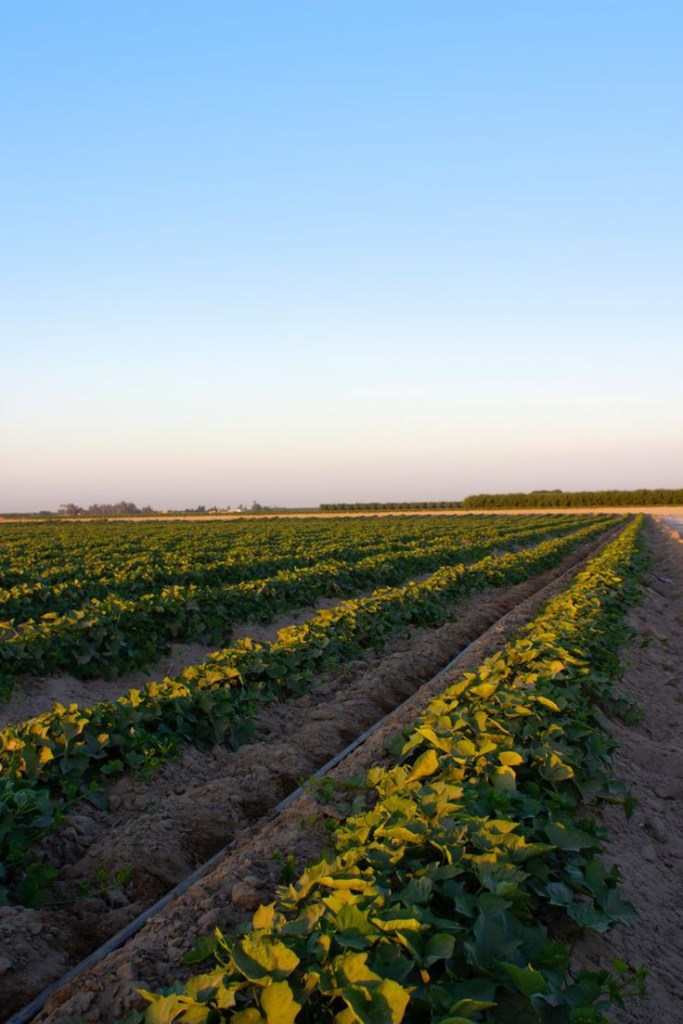
Agriculture is an important industry in the United States. The agriculture industry, which includes both crops and livestock, is responsible for producing most of the world’s foods and fabrics. Agriculture impacts so many things that it’s hard to imagine a world without this important industry.

Schemes and Initiatives

Due to the high requirement of agriculture . It is important for the government to take initiatives and provide better infrastructure to the farmers. However , the required level of investment for the development of marketing, storage and cold storage infrastructure is estimated to be huge.
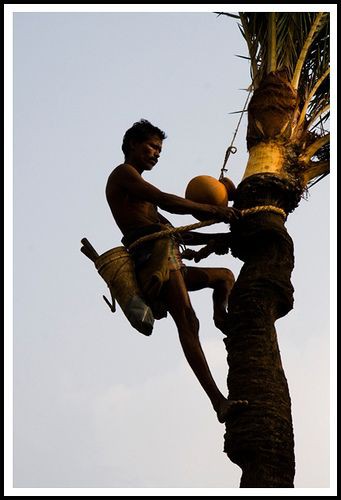
The Indian Council of Agricultural Research (ICAR), established in 1905, was responsible for the search leading to the “Indian Green Revolution” of the 1970s. The Union Minister of Agriculture is the president of the ICAR. The Indian Agricultural Statistics Research Institute develops new techniques for the design of agricultural experiments, analyses data in agriculture, and specialises in statistical techniques for animal and plant breeding.

Schemes by government for Indian agriculture :
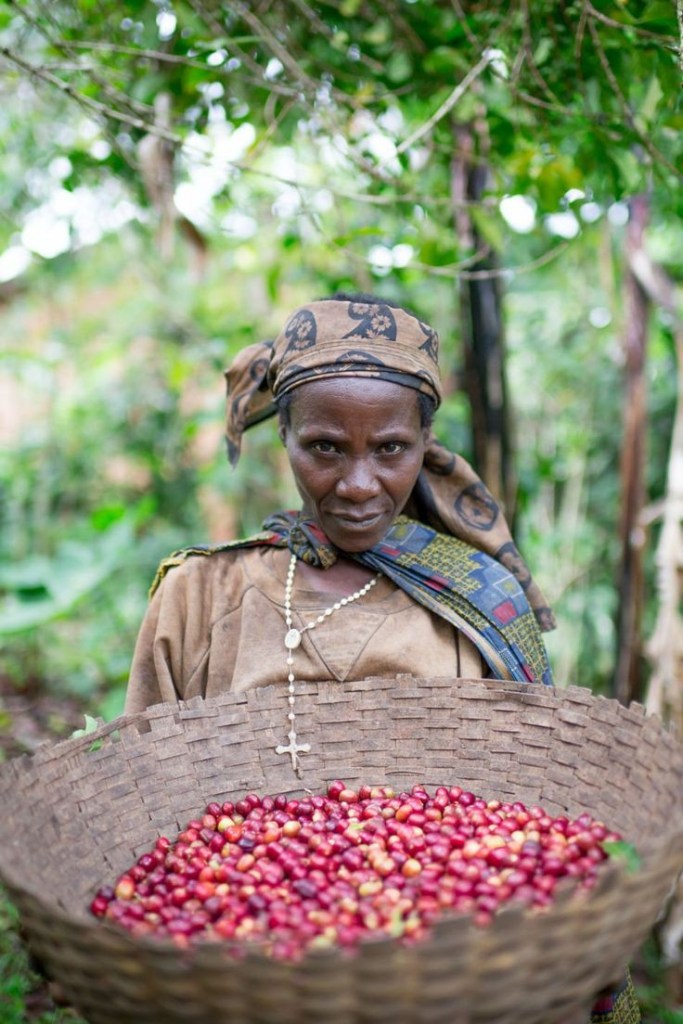
  • Dairy Entrepreneurship Development Scheme.
  • Rainfed Area Development Programme (RADP)
  • Paramparagat Krishi Vikas Yojana (PKVY)
  • Pradhan Mantri Krishi Sinchai Yojana (PMKSY)
  • National Agriculture Market (e-NAM)
  • Pradhan Mantri Kisan Maandhan yojana.
  • Pradhan Mantri Fasal Bima Yojana (PMFBY)
  • Kisan Credit Card (KCC) scheme.
  • Pashu Kisan Credit Card Scheme.
  • PM-Kisan Scheme.

Conclusion

Agriculture sector is one of the prominent sector in India as well as all over the world . India is becoming self – sufficient in pulses and other crops .
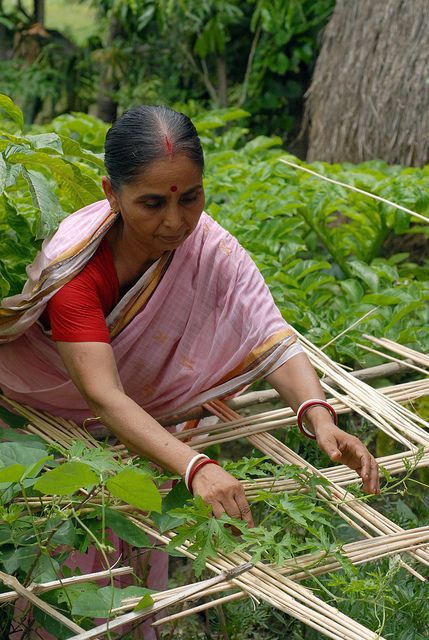
Gone are the days , when India was unable to provide sufficient amount of food to the citizens . Gone are the days , when people used to think agriculture was not as important as other sectors . Gone are the days , when people used to think less of farmers . And gone are the days , when people were less educated about agriculture.
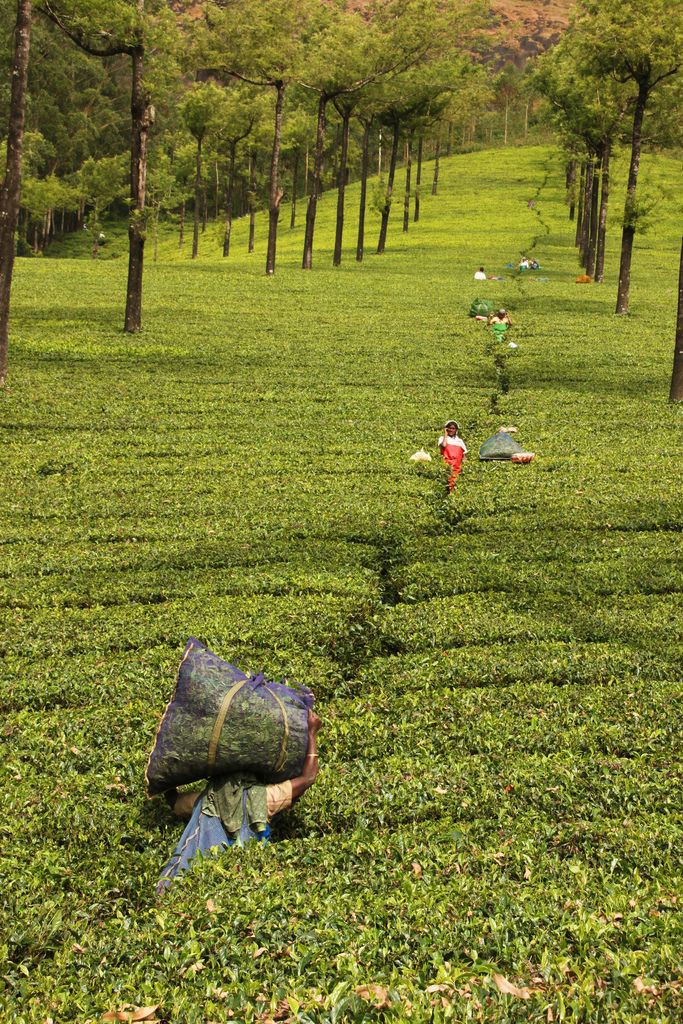
Farming is a profession of hope.

— Brett Brian

Link
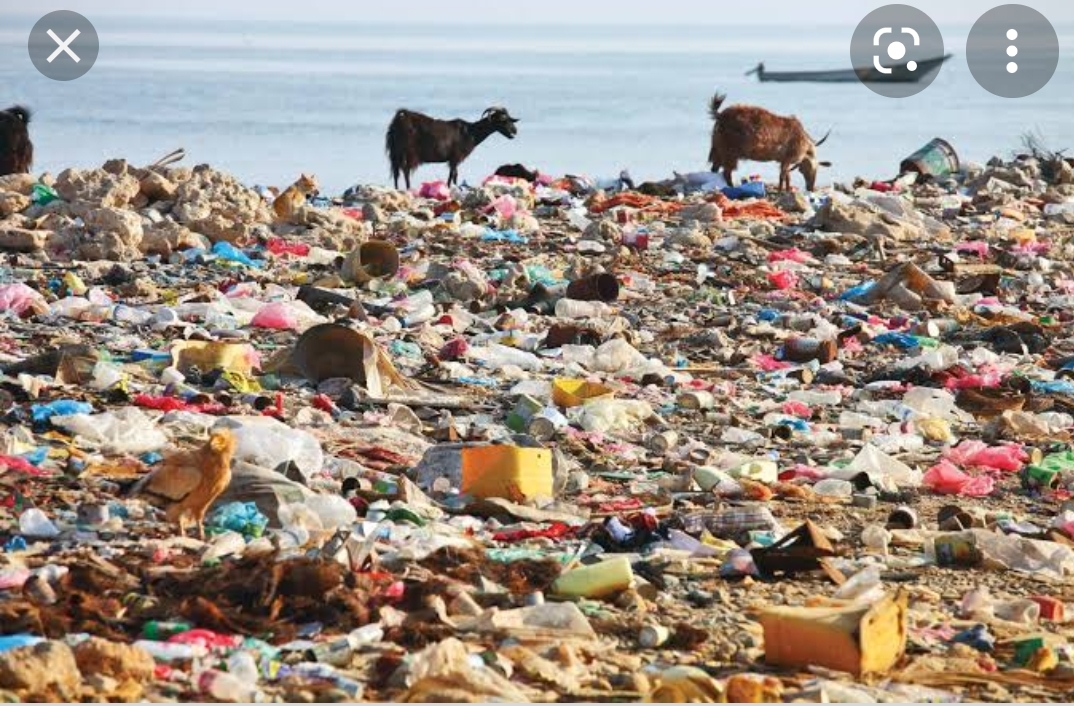
Pollution caused due to Plastics

Plastics are the most used product nowadays. These are cheap and easily accessible and usable which makes them more available for the humans.

Plastics cost lesser than other alternatives like paper and cloth. This is why it is so common. Plastic can be used for almost anything either liquid or solid. Moreover, it comes in different forms which we can easily mold.

“Plastic pollution free world is not a choice but a commitment to life – a commitment to the next generation.”

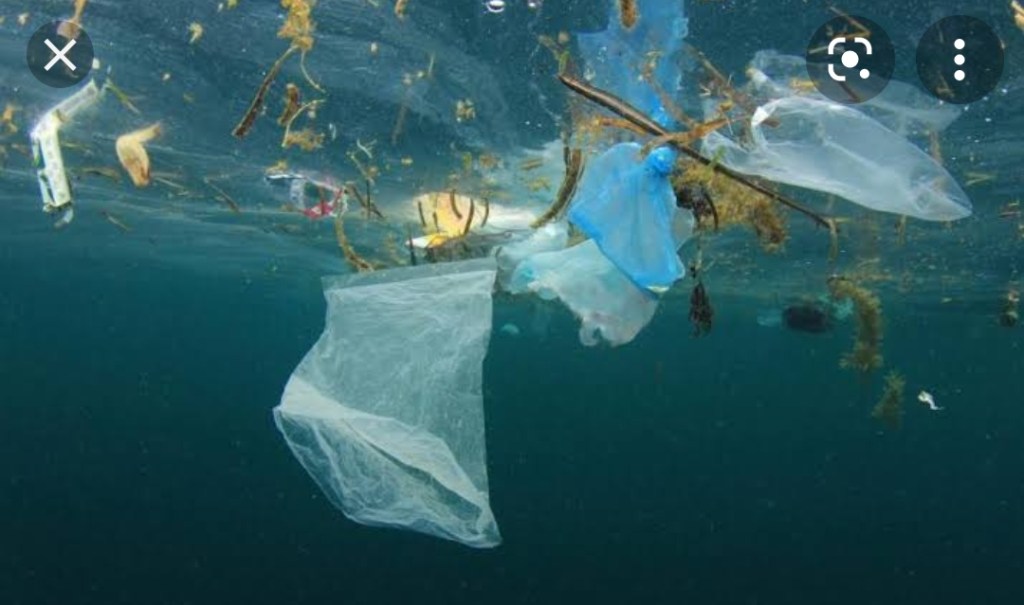
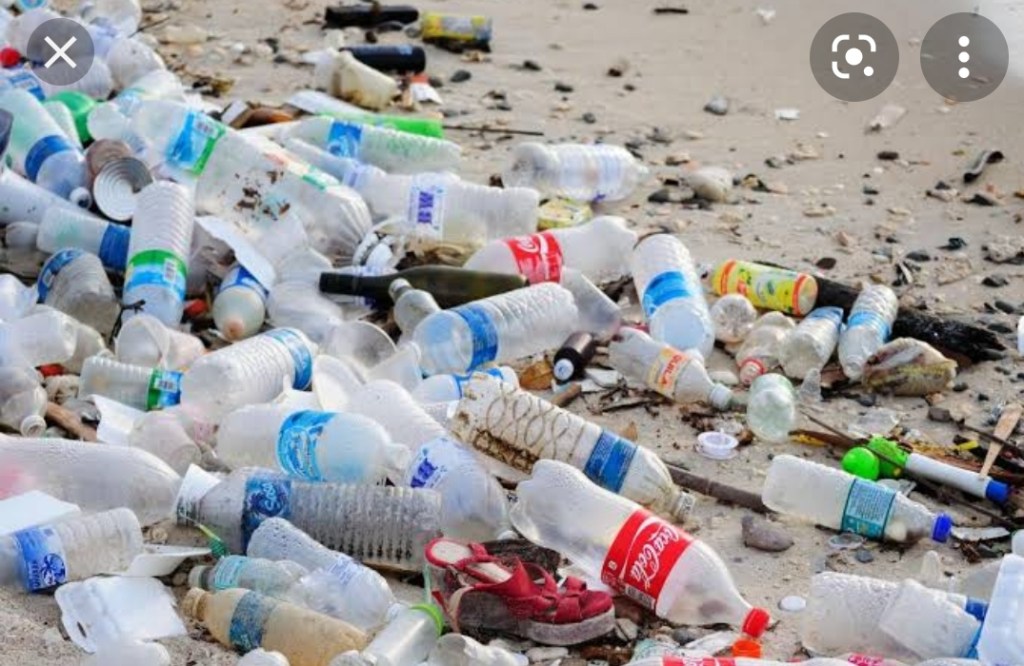
Plastic is a non-biodegradable material. It does not leave the face of the Earth. We cannot dissolve plastic, in land or water, it remains forever. People throw garbages including plastics in the water bodies and these plastics do not get dissolved and so they pollute the water and the marine lives.

Water pollution

Thus,more and more use of plastic means more plastic which won’t get dissolved. Thus, the uprise of plastic pollution is happening at a very rapid rate.

“Our commitment to the next generation is toxic chemical free world – not just plastic pollution free world but also nuclear weapons free world.

Great things happen through great commitments.”

Plastic pollution is affe ring the whole earth, including mankind, wildlife and aquatic life. It is spreading like a disease which has no cure. Plastic polluted our water. Each year, tonnes of plastics are dumped into the ocean. As plastics doesn’t dissolve , it remains in the water thereby hampering it’s purity.

Plastic pollutes our land as well. When humans dump plastic waste into the landfills, the soil gets damaged . It ruins the fertility of the soil. In addition to this, various disease-carrying insects collect in that area, causing deadly illness.

“If we say no to plastic bags, it will save millions of people down the line.”

Most importantly, plastic pollution harms the marine life. The plastic litter in the water is mistaken for food by the aquatic animals. They eat it and die eventually. For instance, a dolphin died due to a plastic ring stuck in its mouth. It couldn’t open its mouth due to that and died of starvation.

Thus,it is our duty to decrease the plastic pollution otherwise many innocent lives will be gone, those creatures living in the water and soils.

“Plastic disposal not only pollutes the land but the water and the air, the three primary elements for any living being on the earth.”

“Ban every form of plastic before plastic bans every form of life on the earth.”

https://www.goodreads.com/quotes/tag/plastic-pollution

International System and Environmental Issues

Environmental issues arose across the world after the Industrial Revolution, during the 19th CE, there was a wide need for a change and development at that time. People desired for a speedy process of production and because of this, it set into motion changes which were unexpected.

Smoke was released across Europe and North America. Plains had turned into deserts, and various other issues had cropped up in USA and Canada too. It was only by the half of the 20th CE, there arose a concern for air and water pollution. The same cannot be said for land pollution, it only came into limelight after the introduction of pesticides. People were overjoyed with the agricultural revolution that they forgot to notice its defects, it was Rachel Carson who brought in the negative impacts of the usage of pesticides in her book ‘Silent Spring’. This gave the environmental movement a boost too. It paved way for a great number of researches across the world.

This made the people the need to have a world wide conference to discuss about the environmental issues and a need to change them. And thus the first global conference was held, it is named as Stockholm Conference. This conference was a pivotal event in the growth of the global concern for environment. This was the first time, countries of the world came to discuss the problems and make up good measures to correct them.

These were the following outcomes of the Stockholm conference

  • Firstly, people were of the perception that humanity and environment were different and had no connections. This was not the case. After the conference it was made sure that such a thinking has to be shifted off people’s mind in order to save our environment.
  • Stockholm created a comparison between the developed and developing countries. There were arguments from both sides but it was considered and decisions were made too. The least developed and developing countries were given priority in determining the international policy.
  • The importance and role played by NGO’s gave more importance to governmental and intergovernmental organizations.
  • The introduction of United Nations Environmental Program. This program was the best possible solution to the problems of the global world.

         After the 1980’s there was a second wave of the environmental movement. This movement focused more on the complex issues and highlighted unresolved ones. Immediate action was taken for this, and this time it was more suitable and better understood than the previous times. Examples are World commission on Environment and Development(1986), Rio Conference(1992), Kyoto Protocol(1997) and the Johannesburg summit (2002).

The World Commission on Environment and Development is popularly known as Brundtland Commission. The commission focused on Sustainable development. The commission wanted to put forward new  ideas that could create growth and sustainable development across the country. This promoted the Earth Summit of 1992 Rio de Janerio.

Major outcomes of Rio Summit are

  • The Framework Convention on Climate Change
  • The Convention on Biological Diversity
  • Agenda 21
  • The Rio Declaration on Environment and Development
  • Forest Principle

The Rio conference gave birth to the Kyoto Protocol, which was signed in 1997. 160 countries, especially the developed ones came together and promised to cut off their level of emission of greenhouse gases. But this wasn’t the case for every countries, the United States of America withdrew due to its pressure. The next Summit was held in Johannesburg, its main focus was also on sustainable development, many new policies and timetables were made but nothing was quite effective as they had calculated it to be.

Nation states wanted a plan which would help their self- interest rather than the interests as a whole. If we look closely we can see that the globe is divided into two, one set of countries are developed and they add to most of the greenhouse emissions, while the other set of countries are struggling to feed their citizens. And so when policies are to be made, it is to be ensured that it is accordingly to their interests.These were the recent changes brought in by the international systems