Madhya Pradesh is home to several esteemed universities known for their academic excellence, research contributions, and diverse range of programs. Here are some of the top universities in the state:
Indian Institute of Technology (IIT) Indore: A premier engineering and technology institute known for its research-oriented approach and strong academic programs in engineering, sciences, and humanities.
Maulana Azad National Institute of Technology (MANIT), Bhopal: A top engineering institute offering undergraduate, postgraduate, and doctoral programs in engineering, technology, and management.
Rajiv Gandhi Proudyogiki Vishwavidyalaya (RGPV), Bhopal: A leading technical university in Madhya Pradesh, affiliating many engineering colleges and offering programs in engineering, technology, and applied sciences.
Devi Ahilya Vishwavidyalaya (DAVV), Indore: One of the oldest and most respected universities in the state, offering a wide range of programs in arts, science, commerce, law, and management.
Barkatullah University, Bhopal: A well-known university offering diverse programs in arts, science, commerce, law, and management, with a strong focus on research and development.
Jiwaji University, Gwalior: Offers a variety of undergraduate, postgraduate, and doctoral programs in arts, science, commerce, and social sciences, and is known for its academic and research contributions.
Madhya Pradesh Bhoj Open University, Bhopal: Specializes in distance education, providing flexible learning opportunities across various disciplines.
Atal Bihari Vajpayee Indian Institute of Information Technology and Management (ABV-IIITM), Gwalior: A premier institute focusing on information technology and management education, with a strong emphasis on research and innovation.
Makhanlal Chaturvedi National University of Journalism and Communication, Bhopal: A specialized university offering programs in journalism, mass communication, and media studies.
Dr. Harisingh Gour University, Sagar: One of the oldest universities in Madhya Pradesh, known for its comprehensive programs in arts, science, commerce, law, and education.
These universities are well-regarded for their academic programs, research output, and contributions to higher education in Madhya Pradesh.
When ever I had a plan of buying some skin care products i am denied to do so by my mom. She always told me that its the kitchen that has the solution for all the skin problems. I trusted her, and i am glad i still do. We often are fascinated by all the chemical based products that many people on the internet use. Not going to deny that they all are helpful enough to make your skin better, but the magic that these natural ingredients exhibit is pleasing enough for us to stick to them tesilab.
These are some ingredients that gives your skin the care it needs.
HONEY
Honey is very beneficial for all types of skin. It moisturizes dry skin and balances oily skin. Honey can be used alone with no additives or it can be added with other ingredients like curd, turmeric, rose water, coffee etc. It has a lot of other important benefits like it cleans pores, exfoliates skin, treats acne, and fades scars. It is a must in your skin care routine.
ROSEWATER
Rose water has been used as a beauty product for thousands of years. It can improve your complexion and reduce skin redness. The antibacterial properties may help reduce acne. The anti-inflammatory properties can reduce skin redness and puffiness. One way of use would be to mix 2 teaspoons of rose water with half a teaspoon of lime juice. Using it every alternate day will help you to cleanse and freshen your skin naturally.
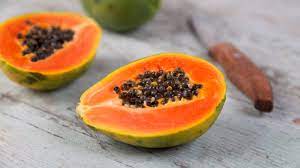
PAPAYA
Papaya consists of an enzyme called papain which promotes healing of the skin and will also enhance the secretion of collagen when used topically for the skin. Papaya is a natural remedy to heal scars, burns and skin diseases for ages. Just rub a small piece of papaya on your face as let the ski absorb it all and late rinse it off for a radiant skin.
EGGS WHITES
Egg whites contain vitamins and minerals that can benefit the skin’s overall appearance. For aging skin, egg whites can help tighten and firm. If you have large pores or acne-prone skin, egg whites help close pores and get rid of build up. Blending egg whites with yogurt will give the perfect combo that helps you get rid of clogged skin pores.
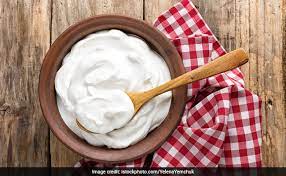
YOGURT
Yogurt also contains calcium, which supports skin cell generation, promoting healing of dry skin. The zinc in yogurt provides anti-inflammatory effects and protects the skin from sun damage. The lactic acid in yogurt also helps remove dry and dead skin cells, giving your skin a smooth appearance.
CBD oil is a supplement that has been gaining popularity over the past few years. People use it to help with all sorts of issues, from anxiety to chronic pain. But is CBD oil safe and effective if you’re taking it under medical supervision? Here’s what you need to know.
What Is CBD Oil?
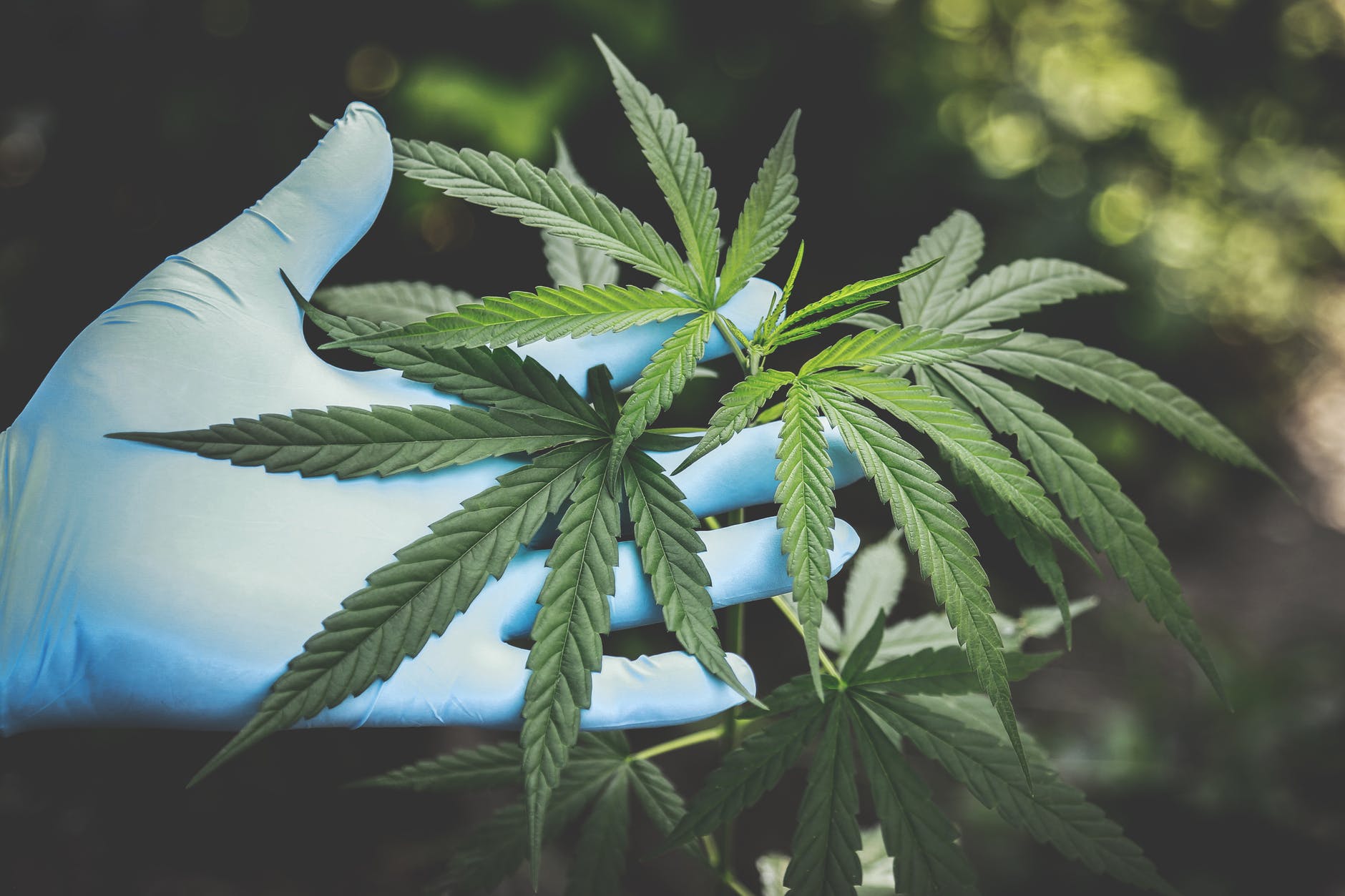
CBD oil is a natural oil that is extracted from the cannabis plant. CBD, or cannabidiol, is one of the many active compounds found in cannabis. Unlike THC, CBD does not have any psychoactive effects. This means that it does not produce the “high” associated with marijuana use. CBD oil is used for a variety of purposes, including pain relief, anxiety relief, and seizure prevention.
It is also being studied for its potential to treat other conditions, such as cancer and Alzheimer’s disease. While more research is needed to confirm the efficacy of CBD oil, it has shown promise as a safe and effective treatment for a wide range of conditions.
Where Does CBD Come From?
CBD, or cannabidiol, is a compound found in cannabis plants. Cannabis plants, also known as marijuana, have been used for centuries for their medicinal properties. CBD is just one of many compounds, called cannabinoids, that are found in cannabis plants. It can be extracted from both marijuana and hemp plants. Hemp plants are a type of cannabis plant that contains very low levels of THC, the compound responsible for the “high” associated with marijuana use.
CBD, or cannabidiol, is a compound found in cannabis plants. CBD likely works by interacting with receptors in the brain. These receptors are responsible for regulating mood, pain, and inflammation. By binding to these receptors, CBD may help to alleviate symptoms. However, more research is needed to confirm these effects. It is also important to note that CBD can interact with other medications. As a result, it is important to speak with a doctor before taking CBD.
Health Benefits Of CBD
CBD, or cannabidiol, has been shown to offer a variety of health benefits, including reducing anxiety, improving sleep quality, and relieving pain. In recent years, CBD has become increasingly popular as an alternative to traditional medications. And while more research is needed to confirm its efficacy, many people are finding relief from a variety of ailments by using CBD products.
Natural Pain Relief And Anti-Inflammatory Properties
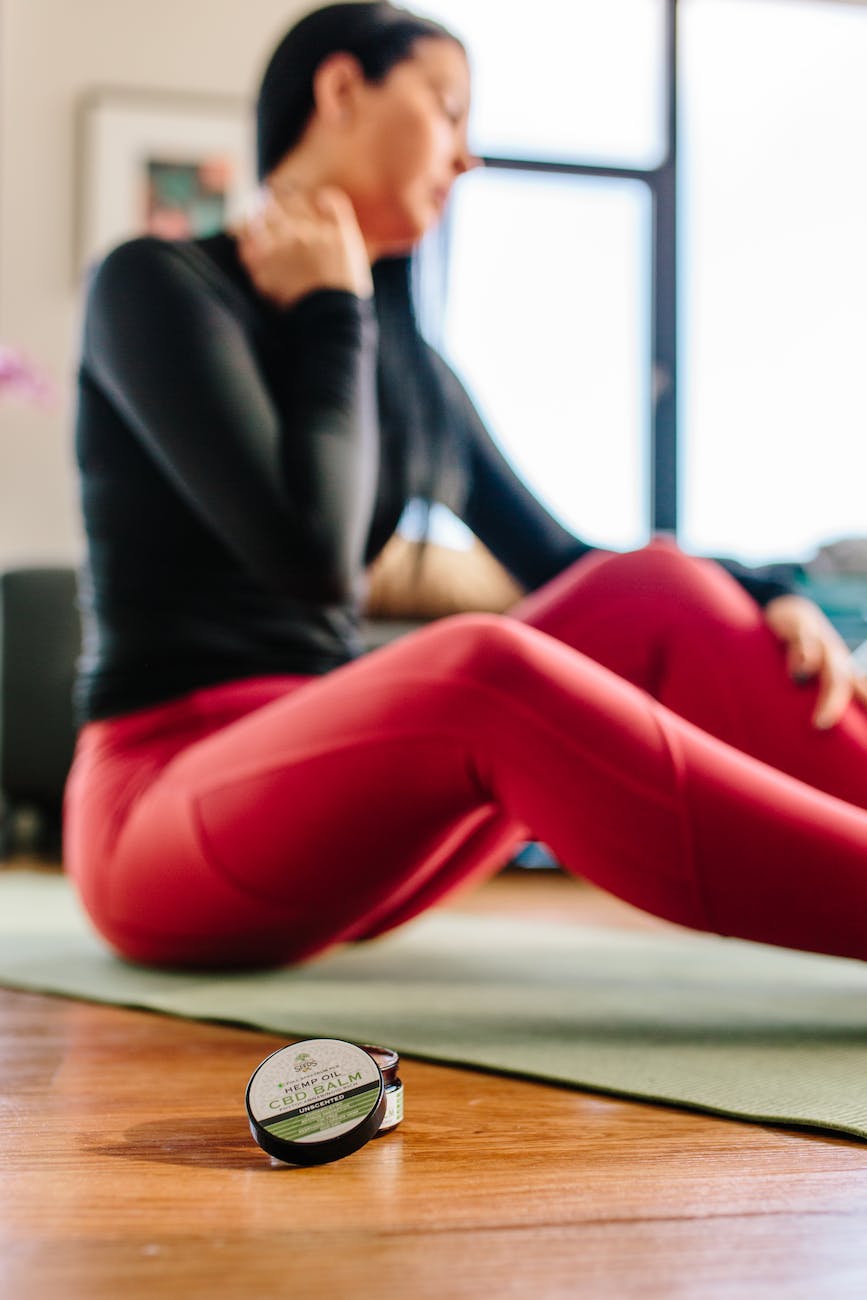
Cannabidiol, or CBD, is a compound found in cannabis that has many potential health benefits. ” Early research suggests that it may be able to help with pain relief and inflammation. CBD is available in various forms, including oils, capsules, and creams. It can be taken by mouth, inhaled, or applied to the skin.
Quitting Smoking And Drug Withdrawal
CBD oil has been shown to be helpful in managing drug withdrawal symptoms. If you are considering using CBD oil to help manage drug withdrawal symptoms, be sure to talk to your doctor first.
Epilepsy And Anxiety Disorders
CBD, or cannabidiol, has been shown to have a variety of therapeutic benefits. It has been shown to be effective in treating a wide range of conditions, including epilepsy, anxiety, and pain. However, more research is needed to confirm its effectiveness.
Alzheimer’s Disease
CBD is also being studied as a potential treatment for Alzheimer’s disease. It works by interacting with the body’s endocannabinoid system, which helps to regulate various functions, including mood and memory. CBD has been shown to improve symptoms of Alzheimer’s disease in animal studies, and while more research is needed, there is promising evidence that CBD may be an effective treatment for this devastating condition.
Alleviate ALS Symptoms
CBD oil has been shown to alleviate neurological conditions like ALS. It is known to have antioxidant and neuroprotective properties, which could help to slow the progression of ALS. CBD oil has been shown to help reduce inflammation, and it’s thought that this could be beneficial for people with ALS. There is currently no cure for ALS, but CBD oil may be able to help manage symptoms and improve quality of life.
Other Neurological Symptoms And Disorders
CBD is known to help with a variety of neurological symptoms and disorders. CBD oil is derived from the hemp plant, which contains high levels of CBD. It has been shown to help with conditions like anxiety, depression, and autism.
Fighting Cancer And Type 1 Diabetes
CBD oil has been shown to have anti-cancer and anti-diabetic properties. It is known to fight cancer by killing cancer cells and inhibiting the growth of new cancer cells. Moreover, CBD oil is also known to improve insulin sensitivity, which can help to prevent or delay the onset of Type 1 diabetes. It is generally considered safe, but it can cause some side effects, such as fatigue and diarrhoea. It should be used under the guidance of a healthcare provider.
Acne
CBD oil is receiving a lot of attention lately as a possible treatment for acne. CBD is short for cannabidiol, and it is one of many cannabinoids found in the Cannabis sativa plant. CBD oil is typically made by extracting CBD from the plant and then diluting it with a carrier oil, such as coconut oil or hemp seed oil.
CBD is thought to offer several potential benefits for skin health, including reducing inflammation and controlling sebum production. Although more research is needed, some small studies have shown that CBD oil may be effective in treating acne.
Risks And Side Effects
CBD oil is a popular natural remedy for a variety of ills. However, it is important to note that CBD oil can also cause some side effects. These include dry mouth, diarrhoea, reduced appetite, drowsiness and fatigue. It can also interact with other medications you are taking, so it is important to talk to your doctor before using it. Despite these potential side effects, CBD oil is generally considered safe and is available without a prescription from many online retailers.
Conclusion
CBD oil is a natural remedy that has been used for centuries to treat a variety of medical conditions. If you’re considering using CBD oil to improve your health, it’s important to understand the potential benefits and risks associated with its use. Although research on the health benefits of CBD is ongoing, some early findings suggest that it may be beneficial for treating a variety of conditions, including chronic pain, anxiety, seizures, and cancer.
For anyone who has ever experienced chronic pain, the search for effective pain relief can be a significant challenge. The world of analgesics or pain relievers encompasses a vast array of medications, each with its set of benefits and potential drawbacks. One such medication that has gained attention is Tramadol. Understanding what is Tramadol, its uses, and the delicate balance between its efficacy and side effects is vital for patients and healthcare providers.
Tramadol is an opioid analgesic, which means it’s in the same class of drugs as morphine, but it’s chemically different. It’s used primarily to treat moderate to severe pain, whether from surgery, injury, or chronic conditions like osteoarthritis. One of the main Tramadol uses is in long-term pain management due to its potential for lesser addiction compared to other opioids.
Tramadol Dosage and Formulations
Tramadol dosage can vary based on the patient’s pain level, age, and other factors. Typically, it starts with a lower dose, which can be increased until effective pain management is achieved without significant side effects. It’s available in various forms, including tablets, capsules, and liquid, with the Tramadol 200mg being one of the most potent doses. This high dosage is not common and is reserved for specific situations with strict monitoring due to its potency.
In some regions, like Mexico, the Tramadol 200 mg, especially Tramadol 200mg Mexico formulations, can be procured, often under different trade names. Tramadol pill forms, especially the Tramadol 200 mg tablet and Tramadol 200mg white capsules, are prevalent.
What is in Tramadol and How Does It Work?
The primary active ingredient in Tramadol is Tramadol hydrochloride, which works by changing the way the brain perceives pain. Unlike other opioids, it also has an effect on neurotransmitters, increasing levels of serotonin and norepinephrine, which can contribute to its pain-relieving effect.
Balancing Benefits and Tramadol Side Effects
Like all medications, Tramadol has side effects. The most common Tramadol side effects include dizziness, nausea, constipation, and headaches. It’s also essential to understand the more serious side effects like respiratory depression, which can be life-threatening.
An intriguing question for many is, “Does Tramadol make you sleepy or awake?” Tramadol can indeed cause drowsiness, but for some, it might cause insomnia. This duality underscores the importance of individualized care and monitoring when prescribing Tramadol.
Regarding its potency, many wonder about the effects of high dosages, like “Tramadol 200 mg high” or the impact of “200 milligrams of Tramadol.” The answer is that higher doses increase the risk of side effects, including the rare but serious risk of serotonin syndrome. Overdosing can also lead to slowed breathing, seizures, or even death.
How Long Does Tramadol Last?
The duration of Tramadol’s effects depends on the formulation. Immediate-release forms might last up to 6 hours, while extended-release tablets or capsules, such as Tramadol 200mg, can provide pain relief throughout the day.
Global Perspectives: Tramadol in Mexico and Beyond
While Tramadol is available worldwide, the regulations governing its sale and distribution vary. In some places, such as Mexico, Tramadol, including the Tramadol 200mg Mexico formulation, might be more accessible. It’s always crucial for patients to ensure they’re getting legitimate products, given the rise in counterfeit medications.
As the demand for reliable and authentic sources for medications rises, platforms like https://medicinesmexicamrx.com/ have come to the forefront, providing users with easy access to various drugs.
When deciding on the use of Tramadol or any medication, the goal is always to balance benefits with potential risks. It’s undeniable that Tramadol, from the standard Tramadol pill to the potent Tramadol 200mg white capsules, offers substantial pain relief for many.
Bipolar disorder, also known as manic depression, is a mental illness that brings severe high and low moods and changes in sleep, energy, thinking, and behavior. People who have bipolar disorder can have periods in which they feel overly happy and energized and other periods of feeling very sad, hopeless, and sluggish. In between those periods, they usually feel normal. You can think of the highs and the lows as two “poles” of mood, which is why it’s called “bipolar” disorder.In bipolar disorder, the dramatic episodes of high and low moods do not follow a set pattern. Someone may feel the same mood state (depressed or manic) several times before switching to the opposite mood. These episodes can happen over a period of weeks, months, and sometimes even years.There is no single cause of bipolar disorder. Researchers are studying how a few factors may lead to it in some people. For example, sometimes it can simply be a matter of genetics, meaning you have it because it runs in your family. When someone develops bipolar disorder, it usually starts when they’re in late adolescence or young adulthood. Rarely, it can happen earlier in childhood. Bipolar disorder can run in families.Men and women are equally likely to get it. Women are somewhat more likely than men to go through “rapid cycling,” which is having four or more distinct mood episodes within a year.
Women also tend to spend more time depressed than men with bipolar disorder.Bipolar disorder usually develops later in life for women, and they’re more likely to have bipolar disorder II and be affected by seasonal mood changes. A combination of medical and mental issues is also more common in women. Those medical issues can include thyroid disease, migraine, and anxiety disorders.Bipolar disorder can be treated. It’s a long-term condition that needs ongoing care. People who have four or more mood episodes in a year, or who also have drug or alcohol problems, can have forms of the illness that are much harder to treat.Treatment can make a huge difference. With a combination of things — good medical care, medication, talk therapy, lifestyle changes, and the support of friends and family — you can feel better. Bipolar disorder — or manic depression, as it is also still sometimes called — has no known cure. It is a chronic health condition that requires lifetime management. Plenty of people with this condition do well; they have families and jobs and live normal lives. Finding the right medication need weeks to months to take full effect. Generally only one medication is changed at a time so that your doctor can identify which medications work to relieve your symptoms with the least bothersome side effects. Medications also may need to be adjusted as the symptoms change.Treatments for children and teenagers are generally decided on a case-by-case basis, depending on symptoms, medication side effects and other factors.
You are either too happy, too sad or you just don’t care. Finding the feelings in the middle do not come naturally. You have to fight every day to find them.
Pharmacology is the science that deals with drugs. Pharmacology consists of detailed study of drugs, particularly drugs action on living animals, tissues or organs. The action of drugs may be beneficial or harmful. Pharmacology is the science in which we study the response of living animals to chemicals or drugs. Pharmacology is defined as the study of the effects of drugs on the structures and metabolism of naturaltissue.Pharmacology can be defined as the study of the manner in which the functions of living system is affected or influenced by chemicals.This subject deals with the properties and effects of drugs and in broad sense, it can be defined as the study of interactions between chemical substances and biological systems. While defining in broad sense, it includes the knowledge of the history, source, physical and chemical properties, compounding, bio-chemical and physiological effects, mechanism of action, absorption, distribution, metabolism, excretion and therapeutic and other effects of drugs.
Homosapiens being the intelligent most among the species evolved, based on the principles of “necessity” and “trial” could observe effectiveness of many plants in relief for his pains and sufferings. The primitive (early) history of the causative agents of diseases included wrong Gods, spirits witches and other evil influences. The form of therapy was incantation, prayer and ceremony designed to appease the evil agents of the diseases. They were using sacrifice of animals, individuals and prayers.The tribal leaders were known as medicine men or the expert or witch doctors (Ojha), were very powerful men and leader in such all ceremonies. In addition, they had knowledge about certain plants and animal products to be used in the treatment of certain diseases. The first treatise on medicine was undoubtedly the Ayurveda in India and that is at least 500 years ahead of the Greek Medicine.The medical literature was related to metaphysics, hypnotism etc. and belief in supernatural agencies as the cause and cure of diseases. Thus, in India, this was originally a part of the fourth Veda called the Atharva Veda. The real father of Indian Medicine was Atrya with his distinguished disciples-Agnivesha, Bhala, Jatukarana, parasara, Harita and Ksharapani.Works of Bhala and Harita are still available in fragments and those of Agnivesha were edited by Charaka which stand unsurpassed as a standard and authoritative book on Ayurveda even to day, other works are yet untraced. The next outstanding personality in Indian medicine was Susrutha whose works stand second to Charaka (a surgeon). He mentioned many instruments and techniques.
Started with Oswald Schmiedeberg (1838-1921). He was excellent teacher of Pharmacology and attracted many persons to study this subject. Like other experimental sciences, Pharmacology, too, is highly dependent upon development in other branches of science.Spectacular developments in physiology, biochemistry, organic chemistry and molecular biology have greatly contributed in advancement of pharmacology. Conversion of the old pharmacology into modern pharmacology is fairly recent and probably started taking shape following introduction of experimental procedures in animals by Francois Megendie (1783-1855) and Claude Bernard (1813-1978).Oswald Schmiedeberg (1838-1921) introduced the technique of per-fusing isolated organs and study the effects of drugs on them. Abel, Cushny, Gottlieb and a galaxy of his other students popularized the expertise in their respective, countries. Thus Oswald become popular as ‘Father of modern Pharmacology’.
Pharmacology is benefited by the prepared mind. You need to know what you are looking for.
One of the most important products of global addiction demand is an alcoholic beverage. In developing countries like India, alcohol consumption tends to be a major problem because of the various socio-cultural practices across the nation, different alcohol policies and practices across the various states, lack of awareness of alcohol-related problems among the community, false mass media propaganda about alcohol use, various alcohol drinking patterns among the alcohol consumers and the emergence of social drinking as a habit because of the widespread urbanisation across the country.
Social consequences of alcohol use
Alcohol consumption not only affects the individuals but also his family members get affected in one way or the other. The person in an intoxicated state may indulge in domestic violence with his family members; may exhaust the savings of the family, which can negatively affect the education of his children, and the children of alcoholic fathers will have strained relationship with their family members, which can affect their psychological wellbeing.
Road traffic accidents
One of the major problem of alcohol consumption are road traffic accidents which occur due to driving vehicles under the influence of alcoholic beverages. Both developing and developed countries report high rates of road traffic accidents because of alcohol consumption.
Primary care intervention for alcohol-related problems
In developing countries like India, primary care physicians are the first contact of patients with the healthcare system. primary care management of alcohol-related problems include three core steps, namely, counselling the patient on the ill-effects of alcohol and, if necessary, prescribing medications like disulfiram and connecting with the patients by organizing treatment programs and forming support groups. If necessary, they have to refer the patient to higher centres for further care and management.
BUT WHAT ABOUT PEOPLE WHO CAN’T AFFORD THESE TREATMENT AND SUFFERES FROM ITS CONSEQUENCES
In many countries AA Meetings are held for being a support emotionally and spiritually to an alcoholic person with no financial support and most of all countries it being held have not only they have accepted this but hole heartedly supported it some for their family members or some for their friends suffering from alcoholism.
What is AA?
Alcoholics Anonymous is a fellowship of men and women who share their experience, strength and hope with each other that they may solve their common problem and help others to recover from alcoholism.
The only requirement for membership is a desire to stop drinking. There are no dues or fees for AA membership; we are self-supporting through our own contributions. AA is not allied with any sect, denomination, politics, organization or institution; does not wish to engage in any controversy; neither endorses nor opposes any causes. Our primary purpose is to stay sober and help other alcoholics to achieve sobriety.
AA is nonprofessional – it doesn’t have clinics, doctors, counsellors or psychologists. All members are themselves recovering from alcoholism. There is no central authority controlling how AA groups operate. It is up to the members of each group to decide what they do. However, the AA program of recovery has proved to be so successful that almost every group follows it in very similar ways.
WHAT DOES A.A. DO?
A.A. members share their experience with anyone seeking help with a drinking problem; they give person-to-person service or “sponsorship” to the alcoholic coming to A.A. from any source.
The A.A. programme, set forth in our Twelve Steps, offers the alcoholic a way to develop a satisfying life without alcohol.
HISTORY OF AA IN INDIA
Here is an account of how AA came to India and it’s growth in the subsequent years. Though there are no accurate records from the early days, what is definitely clear is that Harold M., a school teacher by profession, was the first person in India, to stop drinking and gain lasting sobriety through the spiritual principles of Alcoholics Anonymous. He stopped drinking on 5th May 1957, and hence that date is nationally acknowledged as the “Founders Day” in India.
On 5th May 2021, AA completed 64 years of its service in India. Looking back, the results are heart-warming. The wide support and awareness generated by the groups in India and its members inspires immense hope for the future.
AWARENESS OF AA
In India, AA meeting is a program which mostly seen by people through foreign movies and shows not through advertisement or medical portals as its necessity seems nonsensical by people especially in India because of their traditional values about alcohol where some drinks it as a medicine and some as men for showing their authority and masculinity over others, stupid norms like that make bad habit like drinking into ADDICTION.
Are you an MBBS aspirant looking for Best and Cheapest MBBS in the World? You must drop your research work right here!
In the world, there has been significant growth in the field of medicine and healthcare. No doubt it’s been the most essential and satisfying profession. Doctors are equated to God. A selfless job of curing illness. Listening to words of gratitude is a treasure for doctors. How to become a doctor? questions lingering around the mind of MBBS aspirants.
You should know about the role of doctors, their duties inside and outside the hospital.A doctor’s duty is to treat and cure sick people. In this profession one must have an intention of serving humanity. This is one of the professions which earn too much respect in society. Unlike many other professions, a doctor treats people belonging to different religions, castes and creeds. He never discriminates among his patients nor ever he lets patient feel their religion, caste or creed.
Beyond the numerous advantages and desire to acquire the medical qualification of Bachelor of Medicine and Bachelor of Surgery MBBS, we also understand that the financial implication of taking on studies in this field of medicine can be discouraging due to the lack of cheapest MBBS universities and colleges in the world.
See the list of the best and cheapest medical colleges and universities in the world below.
1.AIIMS, Delhi
All India Institute of Medical Sciences (AIIMS) Delhi is a medical college and medical research public university based in New Delhi, India. The Institute was established in 1956 and operates autonomously under the Ministry of Health and Family Welfare. The Institute has comprehensive facilities for teaching, research and patient-care. Teaching and research here are conducted in 42 disciplines. AIIMS offers various best-in-class medical graduation and post-graduation courses and awards degrees under its own name. AIIMS has been consistently ranked the top medical college in India. The total fee paid is INR 8,140 for the 5-year MBBS programme.
2.Maulana Azad Medical College, Delhi
Maulana Azad Medical College, New Delhi was established in 1958. It is also known as MAMC. It is a medical college in New Delhi affiliated to the University of Delhi. Maulana Azad Medical College offers various undergraduate, postgraduate and super speciality courses in different streams that include Medicine and Allied Sciences, Pharmacy, and Sciences. The college has various departments that are Anatomy, Anesthesiology, Biochemistry, Community Medicine, Dermatology, STD and Leprosy, ENT, Forensic Medicine, General Medicine, General Surgery, Medical Education, Microbiology, Neonatology and many more. The total fee paid is INR 13,820 for MBBS programme.
3.R.G Kar Medical College and Hospital, Kolkata
Established as the Calcutta School of Medicine in 1886, this institution is alleged to be one of Asia’s oldest private colleges. The college is affiliated with the University of Health Science of West Bengal and ranked 11th on India Today’s (2017) list of the best medical colleges in the country. The total fee paid is INR 66,520 for the 5-year MBBS programme.
4. Bangalore Medical College and Research Institute, Bangalore
BMCRI, affiliated with the Rajiv Gandhi University of Health Sciences, was brought up in the AIIMS league under a centrally sponsored scheme. The college is one of the few offering hands-on microsurgery training and is ranked 12th in India Today’s and Outlook India’s list of the best medical schools. It has also been ranked 10th on The Week’s list of the best medical schools. The total fee paid is INR 72,670 for the 5-year MBBS programme.
5. Bukovinian State Medical University, Ukraine
The University was founded in 1944. Bukovinian State Medical University has 7 faculties of which there are four medical faculties, stomatological, pharmaceutical, and the faculty of post-graduate training. The University consists of 47 departments. It is Chernivtsi’s oldest and largest university. This university is modern and it is recognized by WHO and NMC. The annual fee of MBBS programme is INR 2,73,000.
6. Kyiv Medical University of UAFM, Kiev
The University was established in 1992 by Dr. Pokanevich Valeriy. It is the best medical university of Ukraine. Ecological problems, development, and applications of medical in life are the fields of work of the university. Among the top medical universities in Ukraine, ‘Kyiv Medical University of UAFM’ officially ranks 3rd. Practical programs which this university provides make students study deeply. It is the only university which send its students to practice in Poland or Germany. The annual fee for MBBS programme is INR 2,45,000.
One of the important decisions of your life after completing high school is to select a University. The brutal truth, in India there are very few limited seats for medical aspirants. Many Indian medical aspirants choose MBBS in Abroad after facing rejection from Indian Medical Colleges. So, the other option is studying in abroad. Research about the College or University up to an extent. Make sure the University has a good reputation in the market. Research must include the departments of the college, laboratories, and other facilities. Choose a country where the fees and lifestyle are affordable. Your first and foremost priority should be education.
Go step by step for taking admission not just jump into a Low Fee college. The most important factors to choose University is to look for reputation, overall students experience and finances related to Colleges and Living Abroad. Applying this method of selecting a college, thousands of options will be narrowed down to one single option.
In India, health care is one of the largest sectors, in terms of revenue and employment, and is expanding rapidly. During the 1990s, the Indian health care sector grew at a compound annual rate of 16%. The total value of the sector is more than 34 billion U.S. dollars in 2010 and grew up to 160 billion U.S. dollars in 2017 and was estimated to reach up to a value 372 billion dollars by 2022. A major proportion of this growth is predicted to be attributable to the growth in the business of medical tourism. According to Britannica Medical tourism, also called health tourism, surgical tourism, or medical travel can be defined as the international travel undertaken for the purpose of receiving medical care.
Medical tourism in India has gained momentum over the past few years. According to the Confederation of Indian Industries (CII), approximately 150,000 patients arrived in India in 2005 from across the globe for medical treatment in 2016, the number of visitors arrived in the country amounted to 361,000. The medical tourism industry in India was valued at around $3 billion in 2015, and it was expected to grow to $9 billion in 2020 before covid-19 struck.
There are several characteristics that make India an appealing destination for visitors seeking health services. These include its well-trained health practitioners, a large populace of good English-speaking medical staff, a good mix of allopathic and alternative systems of medicine, the availability of super-specialty centers, use of technologically advanced diagnostic equipment, and finally and more importantly, the availability of these premium services at competitive cost.
The costs of comparable treatment in India are on average one-eighth to one-fifth of those in the West. For instance, a cardiac procedure that costs anywhere between US$40,000–60,000 in the United States is priced at US$30,000 in Singapore, US$12,000–15,000 in Thailand and only US$3,000–6,000 in India. Likewise, the associated costs of surgery are also low. A study by the India Brand Equity Foundation (IBEF) showed that India is more cost-competitive than other leading medical tourism destinations like Thailand.
Health services in India have the additional advantage of providing a good mix of allopathic and alternative systems of medicine. For instance, while New Delhi has emerged as a prime destination for cardiac care, Chennai has established a niche for quality eye care, and Kerala and Karnataka have emerged as hubs for state-of-the-art Ayurvedic healing.
The opportunity for profit in this sector has encouraged several large corporations and several non-resident Indians (NRIs) to invest money in setting up super-specialty. These facilities now dominate the upper end of the private sector and cater predominantly to medical tourists and affluent sections of the society.
Even the Government of India has responded promptly to tap the potential of this sector. In its effort to capitalize on this opportunity the Government has undertaken measures to promote India as a ‘global health destination’. The National Health Policy strongly encourages medical facilities to provide services to users from overseas (Ministry of Health and Family Welfare 2002). The Indian Ministry of Tourism has started a new category of visas for medical tourists called the ‘M’ or medical visas. This program that ensures that people who need critical, life-saving treatment should get their visas in a timely manner. Being able to easily obtain a visa is one of the primary reasons that people seeking treatment come from abroad to visit India to get that treatment that is provided at a reasonable price. Having procedures done in a timely manner has saved countless lives, and is likely to save much more in the future.
If the present trend continues, trade in health services will become one of the biggest sectors in India. India has become one of the premiere medical tourism destinations in the world for many good reasons. The lower cost does not mean lower a quality of care. The quality of care compares to that received in any Western country. However, the growth of this sector could pose a potential threat to the already crippled public health system in India
In the last couple of weeks, there have been some big announcements from the medical and mental health communities about the wisdom of using drugs over behavioral methods for various disorders. The meds vs. therapy debate has been an active one for a number of years.But these days, some experts and organizations are questioning, more and more, whether popping pills should really be our go-to treatment, based on the literature. And it seems that for some that have historically used meds as the first line of treatment, the evidence for behavioral methods has mounted to the point where recommendations have shifted in their favor. At least for some things.
Whether you’re leaning toward therapy, medication, or a combination, knowing that a reliable pharmacy partner is part of the care network can bring added reassurance. Many people now use online tools to locate a specialty pharmacy near me, ensuring they can quickly connect with professionals who understand their unique health needs. Therapy or medication? In both children and adults, evidence-based psychosocial therapies have been shown to work for a broad range of mental health disorders, as well as for many life problems. The same can be said for the effectiveness of some medications. The information below is intended to help parents/caregivers choose between treatment options for their child or adolescent, and to decide whether therapy and medication should be combined for the most effective treatment.Medications, psychotherapy and their combination have been shown to help people with emotional or behavioral problems. Different kinds of problems, however, will respond differently to various treatments; therefore, choosing the right treatment can be complicated. Your choice of treatment should be based on the best available scientific evidence, as well as your own willingness to try these treatments and to stick with them. Whatever the choice, these discussions should be reviewed with your physician, psychologist or mental health professional. Here are some things to consider:
Best Evidence
For depression, two kinds of psychotherapy called cognitive-behavioral therapy and interpersonal psychotherapy, as well as antidepressant medications, have been shown to be helpful. There is some evidence that combining psychotherapy and medications may be more effective than either treatment alone. People who are suicidal may need to be treated in a hospital.
For anxiety disorders, cognitive-behavioral therapy, antidepressant medications and anti-anxiety medications have all been shown to be helpful. Research generally shows that psychotherapy is more effective than medications, and that adding medications does not significantly improve outcomes from psychotherapy alone.
For alcohol and drug use disorders, cognitive-behavioral therapy and environment-based therapies, as well as 12-step support programs, have been shown to be helpful. People with severe substance use problems may also benefit from the addition of certain medications that reduce cravings or intoxication effects.
For eating disorders, medical management may be necessary to maintain physical safety. Cognitive-behavioral therapy, interpersonal psychotherapy and antidepressant medications have all been shown to be helpful, and some evidence suggests that combining psychotherapy and medications may be more effective than either treatment alone.
For schizophrenia or bipolar disorder, most people will require treatment with antipsychotic or mood-stabilizing medications. Research suggests that adding cognitive-behavioral or family psychotherapy to the treatment can improve functional outcomes.
For problems with parenting, marriage or adjustment, psychotherapy is usually the first recommendation. This treatment can help you build skills and respond more appropriately to stressors.
Personalizing Your Treatment
Different people respond to treatments differently. Therefore, if one treatment does not help, try adding the other. Research shows that psychotherapy can be helpful even for people who do not respond well to medications.
Psychotherapy and medications both require that you stick with the treatment. Results usually do not happen overnight. Therefore, only start a treatment if you are willing to continue it long enough for it to help you.
You will be most likely to stick with a treatment if it makes sense to you. Therefore, it’s important that you discuss the treatment thoroughly with your doctor, and that the treatment is explained in a way that you can understand.
When in doubt, ask your doctor. He/she can inform you of the best evidence and make a specific recommendation for your condition.
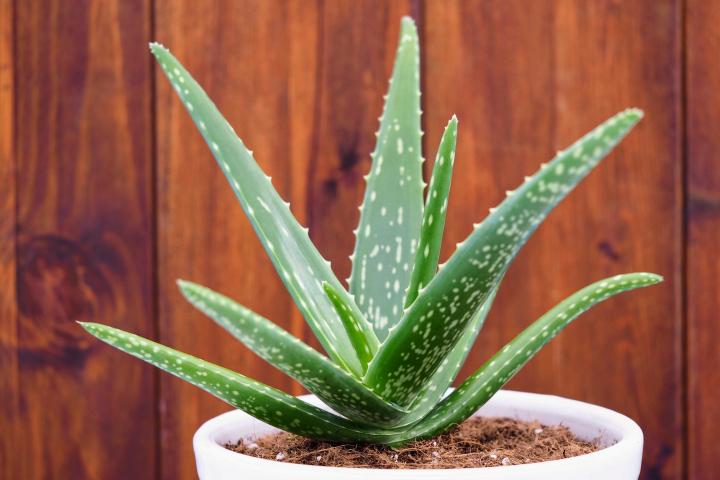
-Constipation -Digestive distress -Acne -Poor body immunity
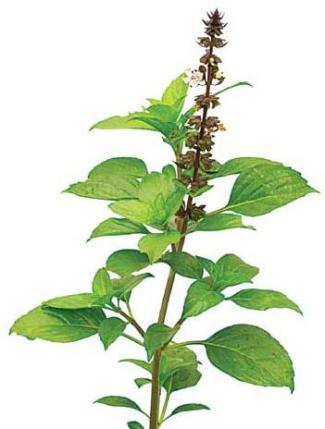
2.Tulasi
-It gives you strength to fight stress -Promotes a longer life -Treats cough -Treats indigestion -Anti-cancer -Good for hair loss, heart diseases, diabetes, etc.
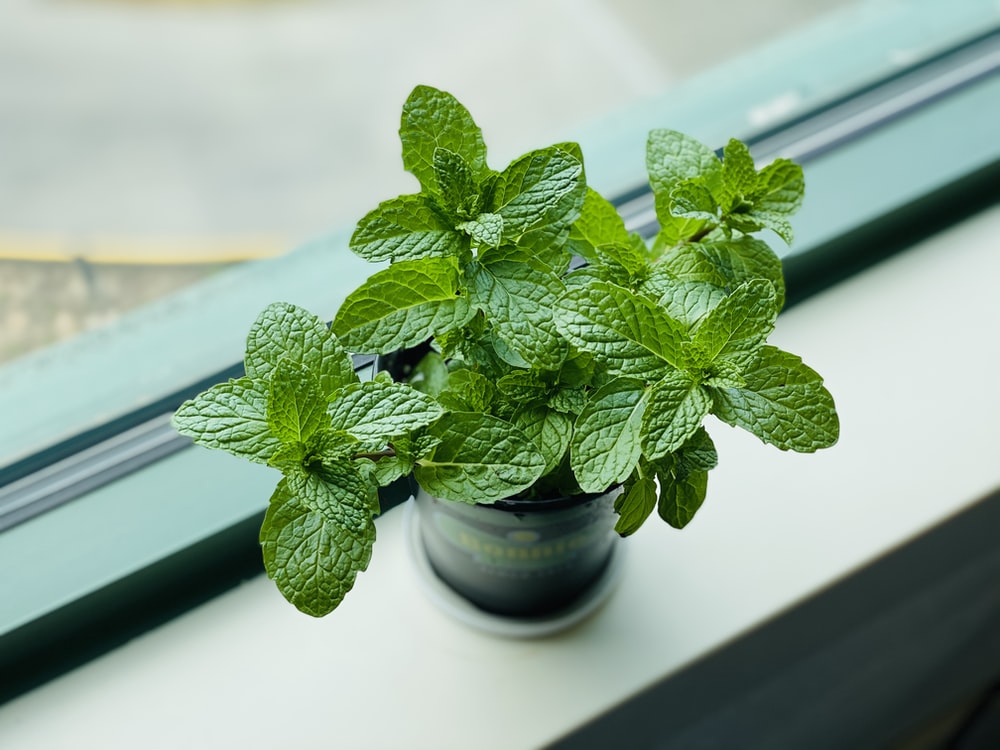
3.Mint
-Keeps the digestive system running -Boosts immunity -Enhances mood -Expels cough from the body -Benefits respiratory health -Keeps mosquitoes away
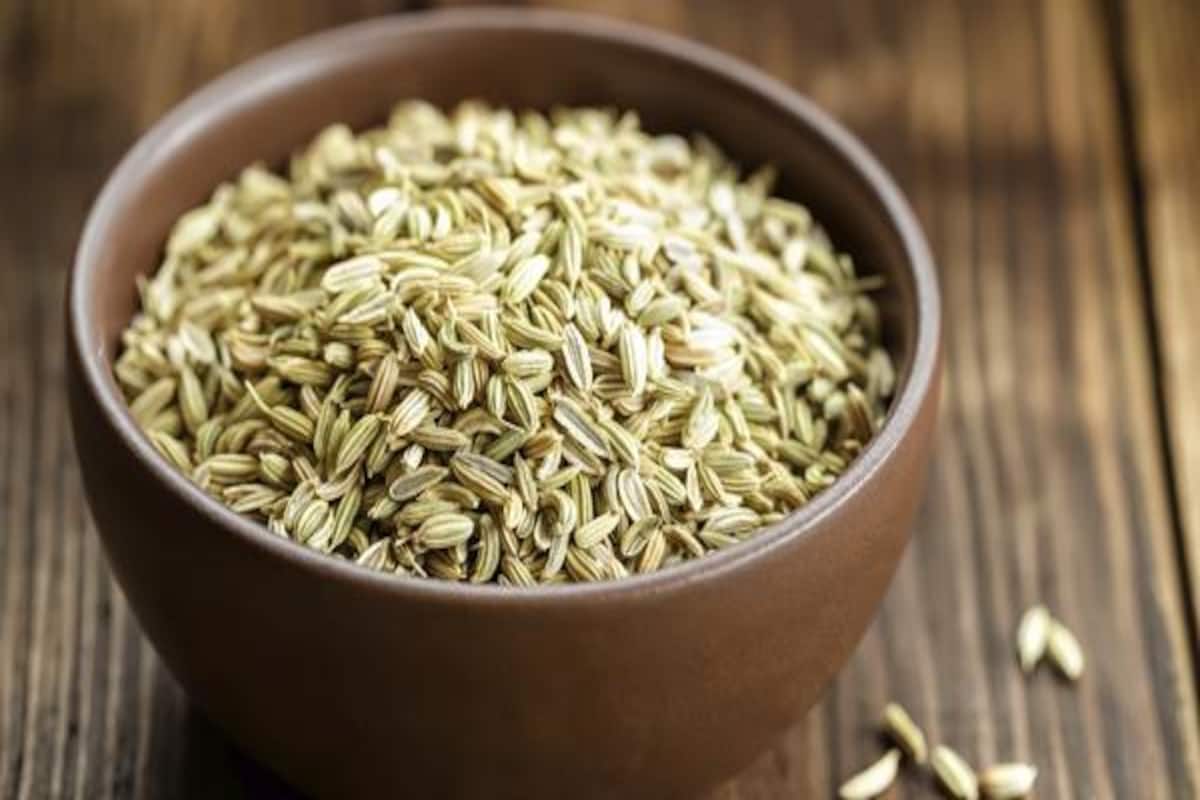
4.Fennel
-Treats cough -Controls cholesterol -Improves eyesight -Cure acidity -Prevents bad breath -Improves breast milk supply in lactating women
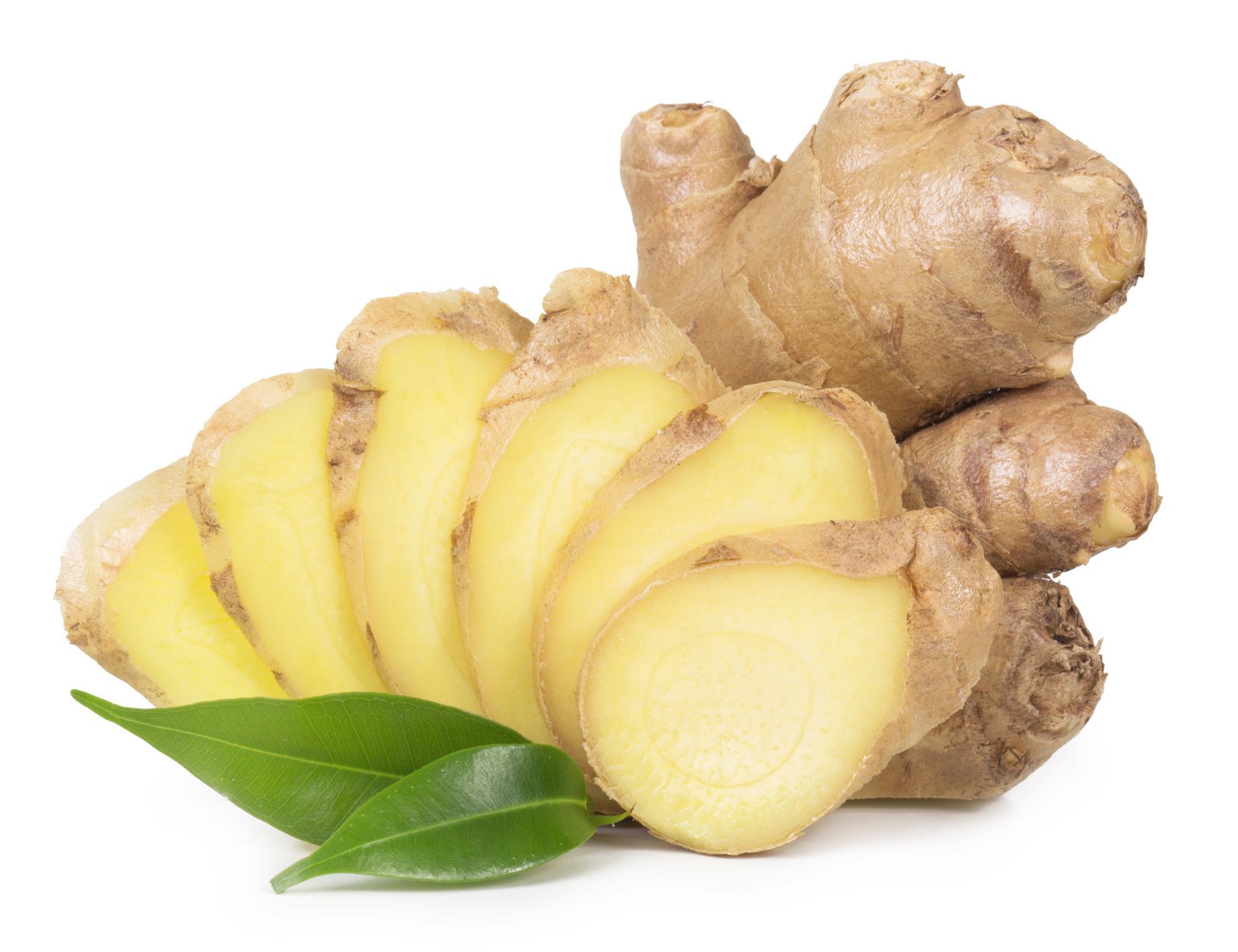
5.Ginger
-Treats indigestion -Eases headaches -Controls blood pressure -Treats cold, cough, flu and asthma -Relives menstrual pains and cramps
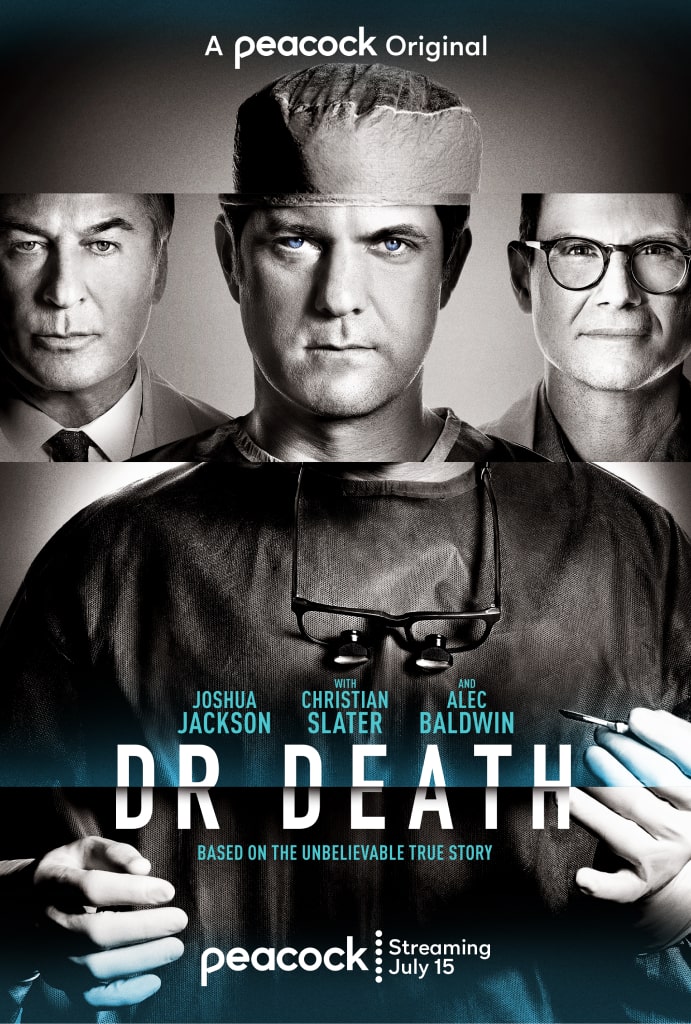
Who is Dr. Death? How did he come to be? How did he continue practicing medicine despite hurting a terrifying number of patients? This series unfolded politics with an operating room, hospitals, and law.
A real-life story about a doctor who maimed and killed his patient relentlessly and without guilt.
Plot:
The story revolves around Christopher Duntsch, a former neurosurgeon who “Intentionally” maimed and even killed his patients. His two fellow colleagues and a prosecutor Michelle Shughart’s journey to stop him and bring justice. The drama miniseries is based on the podcast(by Wondery), with the same name, which covered his heinous crime.
Release date: 15 July 2021
No. of episodes: 8
Network: Peacock
Genre: True Crime
Writer(s): Patrick Macmanus
Executive producers: Jason Blumthal, Marshall Lewy, Steve tisch and more.
Running time: 43-60 minutes.
Let’s start with introduction of characters and their stories!
Christopher Duntsch aka DR. Death or Dr. D.
From the start, it is very obvious that he is a very obnoxious, extremely narcissist with God complex ( someone who thinks they has been divinely blessed or has an exceptional talent compared to everyone else, that they can perform risks to save someone’s life because they can’t make mistakes. Even if they do make mistakes they can either miraculously correct them or it is the fault of people around them which they then discard to take action upon) and who is in denial of his abilities.
“I don’t have complications”, “The attending interrupted which distracted me”, “I can leave kindness and become a stone-cold killer, and the way he slammed every doctor’s procedure to prove his way of surgery screams an insane amount of sociopath vibes and terrifying negligence. These were some of the red flags
He has said to have performed 37 surgeries, out of which 33 have intense complications and some dead. A neurosurgeon who brags about educational accomplishment all the time, doesn’t accept the existence of human error
Roles Portrayed:
Each and every actor portrayed their roles excellently. You could feel their irritation and anger radiating through the screens. Patient’s nervousness, excitement, desperation makes you imagine yourself to be in their or their loved one’s situation. The nonchalance of Duntsch ( By Joshua Jackson), his ability to use charm and threats to remain a doctor and get selected in other hospitals infuriates you to the bone. Dr. Robert Henderson’s (Alex Baldwin) immeasurable patience and Dr. Randall Kirby’s (Christian Slater)relatable impatience and anger take you on a rollercoaster ride.
Review:
The show starts with his patients at Dallas Medical. 3 days, 3 patients. One dead, one woken with extreme pain and no mobility in legs, and one is said to be recovering. Dr. Robert Henderson had to perform a revision surgery on Madeleine Beyer, who woke up with extreme pain. During surgery he found out that there were many holes which were from the attempted attachment of screws, her fragments of bone dispersed and piercing main nerves. He wonders what did Duntsch do to her since her bones were completely shattered.
Through his course in Dallas, his circulating nurse, Josh Baker(Hobert Point-Du) consults and preps his OR. He is concerned about Duntsch as well as his patients. He questions and tries to protect patients. You get to see how nurses and everyone else except the doctor is treated with so little respect. Their voice of concern went not only unheard but also was looked upon as an interruption. Although one can understand that surgery is complex and doubts by people around us is effective, but in this scenario, the patients lost around 1700-2000 CC’s of blood and the nurses decided to voice their opinion. How can this be disregarded and the voices getting unheard? How can continuing to operate while a patient is hemorrhaging be ignored when these issues were brought to the Texas Medical Board? How is aggressively asking for a procedure like a craniotomy in a hospital where craniotomy is not performed (SO, they won’t have any instruments to do that and to counteract if it goes wrong isn’t there) okay when the situation could have been handled by simply transferring the patient to another hospital? It clearly shows that his intent was either to cover up his harm and to show doctorly care by performing a procedure
While writing the plot, I preferred to choose “Intentionally” since trained doesn’t just mean only that a superior/ attending is responsible for imparting knowledge. The learner/ resident has the equal responsibility to learn and practice what they have been taught. It also means that an attending, as well as a resident themselves, recognize what are they capable of and what are their limitations since it is someone’s life we are talking about. Just like Kayla Gibson said, he should have stuck to research.
Intentionally, because it is no wonder he knew he doesn’t know how to operate and yet he went on to shut everyone off and to continue operating the way he thought was right, i.e. recklessly treating his patients as mere Guinea pigs with little to no regard to human anatomy.
The series had me completely hooked till the end. Waiting for someone to listen to them, wanting to help them even it took place long back, feeling for each character since they seemed so genuine. I hated Duntsch and how calmly he dealt with everything. I hated how he easily went up the food chain and be unscathed. Joshua’s acting got me for real.
Well, let’s look at it objectively. Before, During and After. ( Spoilers ahead, if you haven’t seen the series completely)
He “compassionately” tells his patient about how not getting done a surgery could lead to what-nots, boats about degrees to nervous family members, wears the same scrubs with holes to operations. Then, during surgery, he erratically operates, slices through a vertebral artery takes a piece out of the esophagus, damaged vocal cords, intends to remove a disc but in the end, doesn’t even go near it, and perform surgery around the disc. Keeps asking for more follow-up to perform surgeries. But, would never check up on a patient, ignore their calls, and completely abandon them. He even operates on his best friend leaving him quadriplegia, blames others, and abandons him.
Dr. Kirby and his childlike behavior gets me since that’s how most of us would feel in the moment. The face of disbelief he carried all the way is remarkable.
To imagine that he would be still practicing medicine if his colleagues hadn’t reported and taken every measure to stop him, it is truly horrifying to imagine how many more lives he would have destroyed.
Note:
I applaud each and everyone who took a step against him and try to mend the system which is so broken. This series was so well made. The storyline was continuous, his behavioral relation between present and past, coldness, and the lives he affected out of surgery world; everything was so well thought and executed.
Seeing the series, might help you understand the world of surgery.
Although, the negativity of Dr. D is the main focus, we can always believe that there good doctors out there and we can ourselves support good ones and protect ourselves from Dr. D by asking questions regarding procedures and not being afraid to listen to our hesitation. Don’t let people like Duntsch affect other doctors whose only intention to save lives and help people. Do not get discouraged to reach out to medical care and do everything in our power to treat ourselves and our loved ones. Just remember to ask, have an open mind to all kinds of people, and be mentally prepped to go for treatments.
Most people know that you can use Aloevera to soothe sunburns. However, this versatile plant has several other medicinal properties, making it one of nature’s best herbal remedies. Its vitamins, minerals, and phytonutrients make it ananti-inflammatory powerhouse. We can find Aloevera plant in everything from skin and hair care products to ointments, drinks.
There are 500 species of aloe vera, but Aloe barbadensis Miller, native to the Arabian peninsula, is the most widely available and most popular one. You can buy a small plant from farmers markets or small local growers, and let it grow, or buy a large plant and divide it as it gets even bigger.
Aloe vera needs a minimum of six hours of daily sunlight, so it’ll grow best in bright spots indoors (especially in the winter) or in a sheltered, sunny part of the garden. It can handle full sun, but it doesn’t need it. You can move the plant outside during summer, just make sure it receives the proper amount of light.
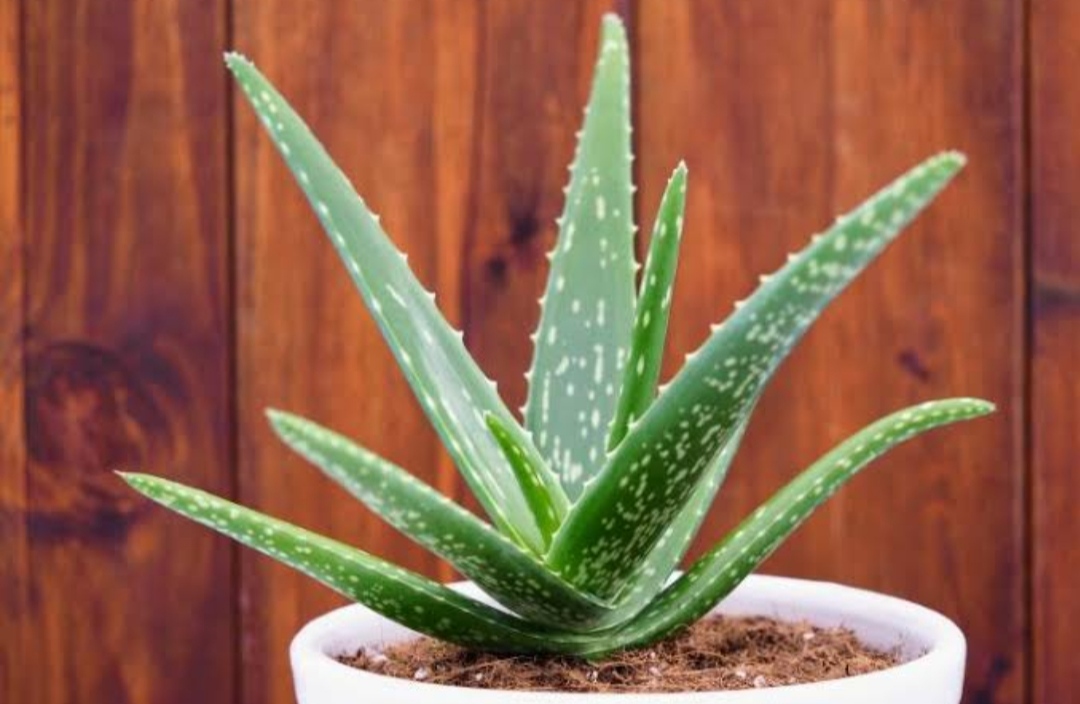
Aloe vera leaves are long and slightly curved with ragged edges. Inside, you’ll find a clear gel.
Use sharp, clean kitchen scissors or a knife, and cut a bottom leaf from the base of the plant. Place the cut aloe leaf into a small cup or glass, cut end down. You’ll notice a yellow sap seeping out—allow it to drain for 10 minutes before discarding it.
While not toxic in small quantities, this sap is bitter, has laxative properties, and can cause intestinal discomfort.
Once you get rid of the sap, it’s time to extract the aloe vera gel. Using a clean, sharp knife, trim the fleshy leaf’s top, bottom, and sides, then slice it horizontally, like filleting a fish. With a clean large spoon or a dull knife, gently scrape the mucilaginous gel into a container.
Aloe vera gel is known for its anti-inflammatory, skin protection, antibacterial, antiviral, antiseptic, and wound healing properties.
A new, more convenient method of detecting breast cancer has begun testing in the United Kingdom, with the potential to identify tumors at an earlier stage.
At some time in their life, one in every eight British women will be diagnosed with breast cancer. Because malignancies and fibrous tissue both show up as solid white regions on X-ray, mammograms are less effective in younger women whose breasts contain denser, fibrous tissue and less fat because cancers and fibrous tissue both appear as solid white areas on X-ray.
Mammograms may miss malignancies in postmenopausal women with thick breast tissue, who are also more likely to acquire breast cancer in the first place.
Women with a dubious lump may be given an ultrasound scan or a biopsy, and if the diagnosis is still unclear, they may be directed for DCE-MRI, which detects the development of new blood vessels supporting tumors. However, in women with early-stage malignancies, they may not be visible, leading to false comfort.
Multiparametric MRI was first created to evaluate liver disorders without the need for a painful biopsy, and it is now widely utilized in Europe and the United States.
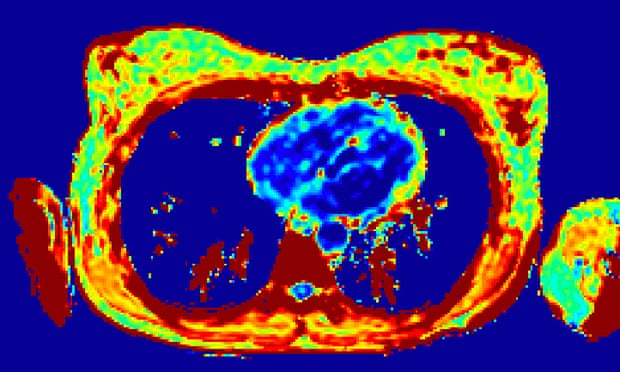
It works similarly to traditional MRI in that it utilizes high magnetic fields and radio waves to excite protons in the tissue, then exploits variations in the time it takes for them to settle to generate a “map” of the various tissues in the breast. Multiparametric MRI, on the other hand, allows an even more comprehensive map to be generated by merging pictures created by multiple MR pulses and sequences.
A scan of healthy breasts with multiparametric MRI. Photograph courtesy of Perspectum Diagnostics
“We believe that if we differentiate the tissue rather than looking at the blood vessels around the tumor, we should be able to spot not only tumors in dense breasts but potentially tumors that aren’t seen on mammograms,” said Prof Sally Collins, a consultant obstetrician and medical lead for women’s health at Oxford-based Perspectum Diagnostics, who herself recently received treatment for breast cancer.
“We’re also working to improve the scanning experience for patients. “Mammograms are awful because they squish your breast on this plate, which is undignified and unpleasant, and MRIs are much worse because you have to lie face down with your boobs dangling in this coil and your arms raised over your head for ages,” Collins added.
“We’re attempting to make it such that women may be fully dressed, respectable, and comfortable while being scanned, which is critical for the patient journey to cancer diagnosis.”
The prospectus has received ethical clearance to enroll 1,030 women in the study, including 10 women who have been diagnosed with breast cancer and 30 to 40 healthy women who are presently being scanned, to see if the technology can properly map their breast tissue while laying on their backs. It is estimated that the study would take two years to complete.
“It will never replace regular mammography screening for postmenopausal women, but we think it will enhance the diagnosis route for women with thick breasts or premenopausal women who are at extremely high risk of breast cancer, eliminating the need for repeated tests,” Collins said.
In part-I, we have discussed the meaning, scope, stages of AI, few applications, and benefits/uses of AI in society. in this article, we are going to see about the transportation and medical applications of AI.
AI in Social Problems:
Litterati
It is a crowdsourced litter clean-up app and a global database for litter. Identifies litter type, distribution, and location and helps to find more sustainable solutions.
In 2017, 1.1 billion cigarettes were found all over the world.
AI in Road Transportation:
Road transport is a major sector where AI can be applied more prominently. AI can make transportation modes much safer, cleaner, smarter, and more efficient.
Self-driving cars are a combination of sensors, cameras, radar, and AI technologies like machine learning and neural networks. Developers use a large amount of data from image recognition systems. Neural networks identify the pattern in data i.e., images from the cameras and sensors. It identifies the traffic signs and signals, boundaries, trees, pedestrian walks..etc.
It is an example of self-driven cars. It is almost an autonomous vehicle but still needs a human to perform certain functionalities but can drive in ideal conditions.
Levels of Autonomous Cars
LEVEL 0: No Advanced Driver Assistant System(ADAS) is used. The human driver should drive.
LEVEL 1: ADAS assists the driver by its alert systems by its rear-view cameras, but the driver should take care of the steering, brakes, and acceleration
LEVEL 2: Human presence is important even though ADAS will take care of the steering, brakes, or acceleration.
LEVEL 3: ADAS can take driving tasks and parking can be performed under certain conditions. But still, human is the main driver here and need to take care of the circumstances.
LEVEL 4: The driver need not pay much attention as ADAS can take over the driving.
LEVEL 5: No human help is required. ADAS can drive the vehicle under any circumstances.
Truck platooning
Truck platooning is also an example of Artificial intelligence. It is a heavy coupling of trucks. The first truck is occupied by the human driver and the rest are fully automated. They maintain a minimal distance between them and accelerates at the same rates. It might be a risk during traffic and unexpected accidents might occur. In the future, the risk factor is expected to be less.
AI in Medical Sector:
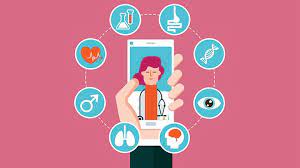
AI helps health professionals to diagnose the patient faster and more accurately.
AI is developing innovative drugs and treatments by reducing medical and diagnosis errors by predicting adverse reactions. Lowers the cost of healthcare work providers and patients.
Problems at the healthcare centers
Due to more number of patients, general practitioners and primary care surgeons are over-burdened because of which there are extremely long waiting at the hospitals.
Solution
Your.MD
Your.MD aka Healthily is the world’s first AI-based health assistant which provides personalized advice about their medical complaints. This app records the symptoms and, maps them with the clinical data compiled from public sources. Engages about thirty doctors to research illness.
Research
It creates a pre-primary care market and eases the burden of medical staff and helps improve their work through digital screening of non-accurate conditions.
Google Launchpad Studio
Creates an ecosystem of applied Machine Learning startups and focuses on healthcare.
BYTEFLIES is the first company to use this studio.
Supervises Learning for Telemedicine
Technology can be used for good and bad so there is a need to be vigilant. The latest technologies are typically applied to the wealthy.
But,
“AI has the potential to extend knowledge and understanding to a broader population. Image-based AI diagnoses of medical conditions could allow for a more comprehensive deployment of the telemedicine”.
Google deep mind
Google deep mind can diagnose diabetic retinopathy like a highly trained ophthalmologist via telemedicine.
‘BETTER DIAGNOSE WITH LESS HUMAN EFFORT’
It uses a portable fundus camera which is deployed in the screening site and transmits images securely to the cloud software platform for analysis and automatically generates a report which facilitates compliance with follow-up examinations.













 Eduindex
You must be logged in to post a comment.