Like humans many other animals live on this planet with family. Even non-symbiotic organisms, for any period of their lives, take care of their families. If a family does not build its own, the unconscious biological awareness, its species should be endangered to endemic. Elephants, chimpanzees and other of all kinds: relatives to their family members, many times more than human beings who wish to call themselves the most intelligent and noble animal.
Parental Care Mating refers not only to sex and courtship behaviors. It may also include the cooperative rearing of offspring by the parents. Parental care refers to any behaviors on the part of either or both parents that help their offspring survive. In many birds, parental care includes building a nest and feeding the young. Parental care generally is longest and most complex in mammals, in which it always involves the mother feeding milk to the young (see the Mammals concepts). Parental care in mammals may also involve teaching the young important skills that they will need when they are older and no longer cared for by the parents. For example, meerkat adults teach their pups how to eat scorpions. They show the pups how to safely handle the poisonous insects and how to remove the stingers. Penguin is protecting her chick and will continue to do so until the chick is able to protect itself.
If the concern for all members of their group is one type, then the concern for their offspring is different. Almost all animals are nurtured in their own way, as are humans who love, feed, and care for children more than ever. Depending on what kind of organism cares for the organism, the organism’s reproductive kind. If any organism has a reproductive kind of ovulation, little undeveloped spawning. Chicks are born when such an egg undergoes external fertilization. Generally most species of fish and frogs have this type of reproduction. Care of these eggs before and after fertilization will raise the parental concern of these organisms. In general, studies have shown that both male and female frogs are of concern in fish and frogs in fish, however, frogs have little to do with this generalization; many recent findings suggest that there are many different types of parental care in frogs, not in any species. Surprisingly there are 41 types of parental care in the genus of frogs. Ovulation Kind of Fish with breeding grounds, In organisms such as the frog, little nourishment is required for little parental care within the mother’s body. No more reproduction of ovulation type in some fish, such as sharks, many insects, lizards, and even some snakes, the eggs hatch into the mother’s body, leaving the chicks imperfectly developed. Since these are nourishment within the mother’s body, the need for postnatal parental care is little more than that of ovarian organisms. Others, including mammals, and other animals with advanced bodies in biosynthesis, have the ability to reproduce germ cells. In this way, the birth of a fully developed offspring within the mother’s body is the same as parental care. Teaching and countless other jobs are hidden in parenting. Without taking care of offspring No other living organism is found in this world. In most organisms, either the mother is usually nurtured, or both the father and mother are involved. Fathers have been more concerned with seaweed and some fish. Surprisingly, relatives like aunt and aunty are raising children, elephants, lions, wolves, and a bird called ‘Jay Battler’. Further, some species of bees and sister wineries participate in the nourishment. Males are also rarely involved in parenting in promiscuous mating systems. Biology-based history has shown that when it comes to the question of survival, extinction is the lie that “there may be bad children in the world but not bad mothers.” The death of an incapacitated child for their survival or the survival of a child who is physically capable of their own children requires an example of the mother or father or both parental beings being exploited. This is not true in principle, but is the truth of evolution all the time.
Scientists who assess the planet’s health see indisputable evidence that Earth has been getting warm in some cases rapidly. Many believe that human activity, especially the burning of fossil fuels and the resulting collection of greenhouse gases in the atmosphere, have caused this warming trend. In the last decade scientists have documented record-breaking average annual surface temperatures and have observed other signs of change all over the planet: in the distribution of ice and temperatures of the oceans.
Ice is changing everywhere on the Earth. The famous snows of Kilimanjaro have melted more than 85 percent since 1911. Glaciers in the Indian Himalayas are retreating so fast that researchers fear that most central and eastern Himalayan glaciers could actually disappear by 2035. Arctic sea ice has thinned so much over the past half century, and its extent has declined by about 10 percent in the past 30 years. NASA’s repeated laser altimeter readings show the edges of Greenland’s ice sheet shrinking continuously. Freshwater ice breakup in the Northern Hemisphere now occurs nine days earlier than it did 150 years ago, and autumn freeze-up ten days later. When temperatures rise and ice melts from the icebergs, more water flows to the seas from glaciers and ice caps, and ocean water eventually warms and expands in volume. This combination of effects is the most important factor in raising average global sea level between ten and twenty centimeters in the past hundred years, according to the Intergovernmental Panel on Climate Change (IPCC).
There are absolutely no words to describe how much, and how fast, the ice is changing. Researchers predicted long ago that the most visible impacts from a globally warmer world would occur first at higher latitudes: rising sea temperatures air, earlier snowmelt, later ice freeze-up, reduction in sea ice, worse erosion, increase in storm intensity. All these impacts have been documented in Alaska. “The changes observed here provide an early warning system for the rest of the planet,” says Amanda Lynch, an Australian researcher who is the chief investigator on a project that works with Barrow’s residents to help them implement scientific data into management decisions for the city’s infrastructure.
Ian Hall, also of Cardiff University, who co-directed the scientific expedition, indicates that the results can contribute to understand how the Earth’s climate will respond to anthropic changes. Similarly, Jiménez Espejo, noted that last year, during an expedition aboard Hespérides, the French Navy research vessel, they were able to observe the various huge icebergs that had just broken into several pieces next to the islands of South Georgia. Ocean warming may cause the trajectories and the melt patterns of these large icebergs to change in the future, in a way affecting the currents and, therefore, our climate and the reliabilty of the models that scientists can use to predict it.
Diamond mining in India dates back to ancient times. In the past, India was the only source of nearly all the world’s known diamonds, until the discovery of diamonds in South Africa in 1896. India has not been a major diamond-producing country since the 1900s, but diamond mining continues. But don’t we all know what is the price we have to pay for in order to make a mine?
Not recently have the forests of Buxwaha been in news for the wrong reasons. The diamond mine project, which is now with Aditya Birla Group’s Essel Mining & Industries Limited (EMIL), is once again facing dark clouds due to protests over ecological concerns, as it could result in the felling of over 2 lakh trees. Yes, this is the rate of a diamond mine currently!
The 55,000-crore rupees mining project spans over 300 hectares in Madhya Pradesh’s Chhatarpur district, in the drought-prone Bundelkhand region. The block is estimated to have 34 million carats of rough diamonds. The existing diamond mine, National Mineral Development Corporation’s (NMDC) is about 175 kilometres from Bunder.
The proposed Bunder diamond block in the Chhatarpur district of Madhya Pradesh has been in the news for the wrong reasons over the years. The forests of Buxwaha, located near the site, are home to tigers, leopards, Indian foxes, sloth bears and other wildlife. The area is also rich in minor forest produce such as Tendu leaves and Mahua. Over 200,000 trees are expected to be cut in the Buxwaha forest for the diamond project. Environmentalists fear that the mining project would result in loss of biodiversity as well as air and water pollution.
The Forest clearance report shows that the project would cost over 200,000 trees in the forest region and also use a lot of water. We are against the environmental destruction in our area, which is already a water distress area,” said Sankalp Jain, a local youth who is associated with one of the groups running social media campaigns such as ‘save Buxwaha forest’ and ‘India stands with Buxwaha forest’ last month.
Credits: Mongababy
It is to be noted that the project, once operational, has the potential to become one of the largest diamond mines in the Asian region. The company targets the execution of the mining lease by the end of the financial year 2022. But what potential be praiseworthy where Mother Nature gets compromised? In addition to trees and wildlife, the amount of water needed to build the mine will dry out the already water-scarce region of Buxwaha. A dam is to be constructed to divert a seasonal nallah.
Expectedly the project is facing strong opposition, including social media campaigns. Already, a Public Interest Litigation has been filed in the Supreme Court of India, seeking a stay on the project that had been secured by the Essel Mining & Industries Limited in 2019. In 2006, the Madhya Pradesh government had granted a prospecting licence to Rio Tinto Exploration India Private Limited, an Australian mining giant, to explore diamond mining in the Buxwaha region in the Chhatarpur district. Opposition was done even then.
Effects of Mine
2,00,000 trees are no joke. The ecosystem is no joke. Imagine the countless number of animal species residing in the woods, the amount of oxygen and water that is retained by these green guys.
The residents fear a massive loss of trees, including teak, ken, behda, banyan, jamun, tendu, arjuna and other medicinal trees as well as the devastation of the natural ecosystem if the project proceeds further.
“Despite the claims to provide jobs in mining, I feel the project will eat out the livelihood options in the area.” said a resident of Kasera village- closest village to mining site.
The villagers are dependent on minor forest produce and water for farming. The project involves the diversion of a nullah which is a lifeline for the area. It ensures groundwater level and water for wildlife.This project will lead to groundwater depletion as well.
Environmental activist Hari Krishna Dwivedi said the “whole Bundelkhand region is facing a water crisis and this forest is essential for the local ecology”.
The homes of people are going to be uprooted. What progress is this that uproots tribal people who have lived in the region for hundreds of years and generations, tending to the forests and taking only as much is their wont?
Climate change is a change in the climate or environment of the planet . it is not a natural process ,but an outcome of human activities and interference with nature. Climate change is not an issue of today or yesterday. It’s been started for a very long time. Transformation or variation in nature has been started in nature since the age of industrialization. climate change is the biggest threat for humanity .It is making our earth inhabitable. . Human civilization was developing at the cost of nature. And after that we all have followed their footprints for getting luxurious lifestyle, comfort, easiness .
development is required , but should not be done at the cost of nature.
Climate change is most worriment issue of today’s world. but the point is whether all countries are equally serious about it. Solemnity about this global issue varies from country to country , because economical condition of countries, lifestyle of their people, education level, women’s condition in countries are not same . That is why it is obvious to have difference in their awareness and actions. the more people will aware the more they will take action. Awareness relies on the economical, political and educational level of the country . climate change is such a issue that is difficult to understand .the . having knowledge is worthless if proper actions are not being made and implemented. All the countries are accountable for this global issue ,however their contribution is unlike . the hazardous impact of climate change will not be as per of countries contribution . the planet is affected by this.
Climate change increase flood risk. The global average surface temperature has increased 2 degree since the pre – industrial era . Every upcoming year is becoming warmest year ,breaking the record of previous years. incidents of wild fires have become more apparent of become more apparent ,extinction of wild species ,demolition of ozone layer ,shrinking glaciers , increasing sea level and intensity of tornados, avalanches , new epidemics , water ,air ,soil pollution and heat waves . it more likely to face adverse effect in forthcoming days.
India is the 4th largest emitter of greenhouse gas after china , united state and EU . For country like india , it is not possible to pay more attention on this global issue , when they have major issue like corruption , poverty, population, unemployment, education system, basic sanitation, healthcare system, women’s safety, infrastructure, agriculture distress etc. The germanwatch institute presented the result of the global climate risk index 2020.India is also in the top 10 countries. India’s climate risk index is 18.17 and is the major victim of extreme heat ,flood and sand storm among other divesting natural events . Global disasters are making headlines everyday .for instance California wildfire ,Uttarakhand wildfires, Australian bushfires, tycoon and floods etc. Human civilization has put itself in a great hazard by its activities.
India is a developing country and is not responsible much for it as compared to other countries. Two third of people in india are living in poverty,: they lack a basic need. Middle class aim to have decent well paid job, hope to own a house of their own, seek to have a secure retirement and want to secure the healthcare and educational need of their family. Affluent section are busy in their luxurious life. In India citizens are tackling with more sever issue such as food security ,shelter, employment ,lack of good education and politics is concern with other things .
In Indian politics climate change is not a major issue. Indian politics revolves more around religion , faith, party system ,temple, cast etc. Good education makes people aware and it leads the country toward new innovations and breakthroughs ,which will ultimately help us in fight with climate change .In agriculture sector we need new crop seed with climate resilient feature because our land will have to face more flood ,droughts and extreme heat. We need new innovation in renewable energy sector ,people will only switch their energy source when they find renewable energy source as cheap as traditional one. Although many major automobile companies have launched electric vehicle ,electric cycle but they are so expensive that middle class can’t afford to buy. Research and development in this sector will help them to reduce the price while improving its functionality .one main thing we need to ensure that these electric vehicles must use renewable energy for their charging.
People’s participation is crucial in any anti climate action plan proposed by government .There is lot of examples of individual endeavours such as Greta Thunburg, Devaki Amma from Kerela state of India who alone grew a forest and Anupam Mishra know for the conservation of rivers and water sources. So everyone has a place in fight with climate change .
Lack of coordination at both national and international level. countries have made many agreements , protocols, pacts and organization to combat the climate issue like IPCC ,UNFCC,RIO SUMMIT ,PARIS PACT,MONTIAL PROTOCOL ,COP SUMMIT but we can clearly see the lack of seriousness in world politics. Their words are more than action. Like all developing countries, India’s concern about economic development and poverty alleviation is justified. And must be fully respected in any global climate regime, As virtually stated explicitely in the UNFCCC (United Nations Framework Convention on Climate Change).
At world level, the largest polluter or carbon emitter –US walked out of the global agreement. However , later US rejoin the paris agreement United state has produced 6.6 billion matric tons of carbon dioxide in 2019,the second largest emitter in the world after china. india is the third largest emitter of greenhouse gases. For the first time The Paris Agreement has brought together entire countries with a common goal of limiting global warming to below 2 degree Celsius . To attain this long term temperature goal, countries motive to reach global peaking of greenhouse gas emissions as soon as possible to achieve a climate neutral world by mid century.
Have you ever had the flavor of fruits and vegetables cultivated in your garden? If you have not, just give a try at least once in your lifetime and then that would let you take up gardening eternally. Trust me, even the bitter gourd might sound sweet when you get it from your labor and that could be so heart warming and relishing. Some take up gardening in their leisure time and some really have a great passion towards it. It doesn’t matter about the size of your garden it is about the mindfulness, just gather few pot plants and little herbs and that tends leave a huge impact in your life. Cultivating plants aids in cultivating a healthy mind and grants serenity. A study found that ” every green environment improved self esteem”. When you feel distressed and anxious about your repetitive life just drop in to your garden and it will restore all your inner peace.
When you land up in the soil, its smell uplifts your mood and makes you feel elated!
When you clear up the weeds your mind also gets cleaned by giving up all the negativity!
When you dig deep into the soil your mind goes in deep and revives the positivity back!
When you sow the seeds, your heart is been sowed and scattered with cheerfulness and bright thoughts!
When you notice the tiny little branches you will find an intangible happiness sprouting within you and When you sprinkle the water, the mother earth sprinkles her blessings on you.
Spending some quality time in the garden would render many physical and mental benefits. The pulling, digging, reaching, twisting and bending of gardening amounts to light aerobic exercise, which improves heart and lung health, helps prevent obesity. The plants clean the air around us and makes us feel fresh. Currently, the food industry is responsible for emitting 26% of global CO2 waste by transporting food from suppliers to grocery stores. So it becomes apparent that when we grow food in our garden we are reducing our carbon footprint. Spending time in nature can promote the mental health and gardening has been used as therapy for depression for many years. A group of researches have come with findings after tracking over 3000 subjects for 16 years and it stated that gardening regularly reduces the risk of dementia by 35-46%. Gardening is a very big stress buster and watching the plants flourish is a huge stress relief. People who have raised a prosperous garden might know how great it feels to notice the flowers budding and blooming and that boosts a person’s self esteem because developing a garden could be a rewarding hobby. When we invest our diligent & earnest work, certainly the plants will nourish our body and mind in return. The inner happiness that you find when your dining is been filled with the food that you harvest could be so remarkable and rejoice at the fact that you are able to nurture your health with your own scrupulous work.
Besides the mental and physical benefits of gardening there many medicinal plants we can cultivate in our garden space that assures us a healthy lifestyle and those plants are also easily obtainable. Tulsi is believed to be a physical incarnation of Goddess Lakshmi on earth and regarded as the holiest of all. They are rich in adaptogens which help in reducing the stress levels in your body, cures common cold, promotes digestion etc. It is true that there is a science behind every activity and also there is a medicinal benefit behind each plant. Aloevera is extremely useful to speed up healing and reduce the risks of infections. Pepper mint regarded as the world’s oldest medicine is used to treat fevers, inhibit bacterial growth. Coleus amboinicus (Omavalli) can be used a remedy for cough, cold, indigestion. Coriander, curry leaves, mint are very simple to grow and they play a very major role in our daily diet. In addition there are several plants and trees that aids in our physical health.
There are many fascinating facts about plants and one such is, plants could really respond to sounds. Talking to plants to help them grow is a well know old wives’ tale but studies have shown that compared to a silent greenhouse to one where they piped in a voice soundtrack, the plants in the latter grew more. This could also make you to get rid of the loneliness at times. Gardening helps us to overcome our inhibitions and makes our life complete & alluring. I think that we should acquire the great quality from plants of how to grow in silence and letting your success make the noise. Garden is a grand teacher and gardening is enduring and never ceases. To grow a plant is to believe in tomorrow!
It is very difficult for all of us to pass our time in weekends and especially if weekends fall in between big pandemic lockdowns. For many of us, each day has become like a weekend due to long imposed lockdowns in our respective areas.
We must utilise our time in something productive and productive doesn’t have to necessarily mean learning a new skill or cleaning our house. Being productive is so much more than that! Productive is also when we give times to things that would bring us instant joy.
Let’s get back in time and relive some of the moments that were daily habits for us at some point in time and practise them in these weekends.
1) Take out Old Photo Albums.
Photo Credits: The Guardian
Remember the time when there used to be only one camera at our homes? A photo album carries so much in itself. From our grandparents’ youth to our parents’ wedding to our own childhood, photo albums are always refreshing even after being so old. It’s always good to visit our family’s old family photo albums and live those old memories yet again.!
2) Write Journal or Diary.
Photo Credits : She The People Tv.
Writing has always been fun, isn’t it? Well, now writing means just WhatsApp or Email or for other professional purposes. It’s time for us to give one day to write happenings around us on a piece of paper in a diary or in a journal like we used to do in our childhood. The time when we used to collect those New Year gift diaries all for diary writing!
3) Solo Indoor Picnic.
Photo Credits: Medium.
It’s always good to eat and it’s even better when we can eat all the food alone. Although some people might be thinking that this never used to happen in the past. So yes, you’re correct. Solo Picnics never used to happen in the past. Picnic itself means social gathering with friends or families. However, here I’m urging everyone to have a solo picnic indoor because of the ongoing pandemic. Though if you’re living in a nuclear or joint family, go for a picnic indoor with them. Cook great food, eat and chill.
4) Read Old Books and Magazines:
Photo Credits: Etsy
We always have a shelf in our house with full of books and magazines from the past era. We just keep them aside and forget about them after reading them once. There are also our favourite magazines that we used to collect during our childhood, may be because of their content or because they used to have our favourite celebrity on their covers. We can just relive those memories by simply taking out and reading them.
5) Put on the radio!
Photo Credits: The Conversation.
Don’t have a radio? Don’t worry about it at all. There are plenty of mediums in this new era that would give you the feeling of a typical radio. There are also radio stations available on new smartphones, some are even available on normal typing phones! You can always look for radio in these platforms in absolutely no cost. Just listen to the Radio Jockeys narration and listen to news stories and music in that old style.
6) Take out Old CDs
Photo Credits: Britannica
This is somewhat similar to photo albums. Do you also have old compact discs in your home cupboards. Well, then just take them out and watch your old family happenings recorded in them and enjoy!
Yes, lockdown and weekends have always been stressful for each one of us. But we can always find a way to engage ourselves in something that would make us happy and lively! Try these six ways and get nostalgic!
A Natural disaster is an unforeseen occurrence of an event that causes harm to society. There are many Natural disasters that damage the environment and the people living in it. Some of them are earthquakes, cyclones, floods, Tsunami, landslides, volcanic eruption, and avalanches. Spatial extent measures the degree or severity of the disaster.
Levels of Disaster
The severity or degree of damage can be further divided into three categories:
Small Scale Disasters: Small scale disasters are those that extend from 50 Kms. to 100 Kms. So this kind of disasters does not cause much damage.
Medium-scale disasters: Medium Scale disasters extend from 100 Kms to 500 Kms. These cause more damage than a small scale disaster. Moreover, they can cause greater damage if they occur in colonial states.
Large Scale Disasters: These disasters cover an area of more than 1000 Kms. These cause the most severe damage to the environment. Furthermore, these disasters can even take over a country if the degree is high. For instance, the wiping out of the dinosaurs was because of a large scale natural disaster.
Types of Disasters
Earthquake: An earthquake is the shaking or vibrating of the earth. An earthquake can range in sizes. As a result, some are so weak that they go unnoticed. But some are so strong that they can even destroy the whole city. Earthquakes can cause disruption of ground. Moreover, the can also cause landslides, avalanches, and Tsunami. However, the center of an earthquake falls mostly offshore.
Causes: These can cause of releasing of the energy. This release is from the core of the earth. Furthermore, the release of energy causes seismic waves. Rupturing of geological faults causes earthquakes. But other events like volcanic eruptions, landslides mine blasts can also cause it.
Landslides: Landslides is the moving of big boulders of rocks or debris down a slope. As a result, landslides occur on mountains and hilly areas. Moreover, landslides can cause destruction to man-made things in many ways.
Causes: Gravitational pull, volcanic eruptions, earthquakes can cause landslides. Moreover, soil erosion due to deforestation is also a cause of landslides.
Avalanches: Avalanches are like landslides. But instead of rocks thousand tons of snow falls down the slope. Moreover, this causes extreme damage to anything that comes in its way. People who live in snowy mountains always have fear of it.
Causes: Avalanches takes places when there is a large accumulation of snow on the mountains. Moreover, they can also occur from earthquakes and volcanic eruptions. Furthermore, the chances of surviving an avalanche are very less. This is because people die of hypothermia in it.
Tsunami: Tsunami is the production of very high waves in oceans and seas. Moreover, the displacement of the ground causes these high waves. A tsunami can cause floods if it occurs near shores. A Tsunami can consist of multiple waves. Moreover, these waves have a high current. Therefore it can reach coastlines within minutes. The main threat of a tsunami is if a person sees a Tsunami he cannot outrun it.
Causes: Tsunami is unlike normal eaves that occur due to the wind. But Tsunami is waves that occur by ground displacement. Thus earthquakes are the main causes of Tsunamis.
When prevention of climate change is uncertain, preparation is necessary .
CLIMATE CHANGE
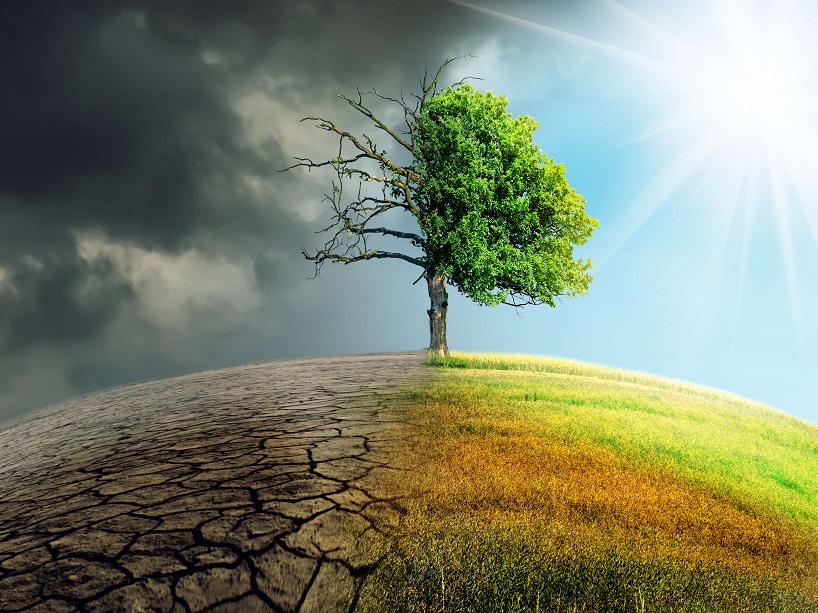
Climate change continues to cause unusual and unpredictable weather around the world. Longer drought, flooding, major stroke, snowfall, temperature extreme will increase earth’s temp upto 3-4 ‘C.
Rising CO² level and warmer earth means plant will grow bigger (more surface area of leaves) and thus plant consume more water. Thus, we face water scarcity.
Smog contain Ozone particles and causes various problems – asthma, heart disease, skin cancer etc.
Plant sciences is the study of plants in all their forms and interactions using a scientific approach.
California’s Almond Orchard:-
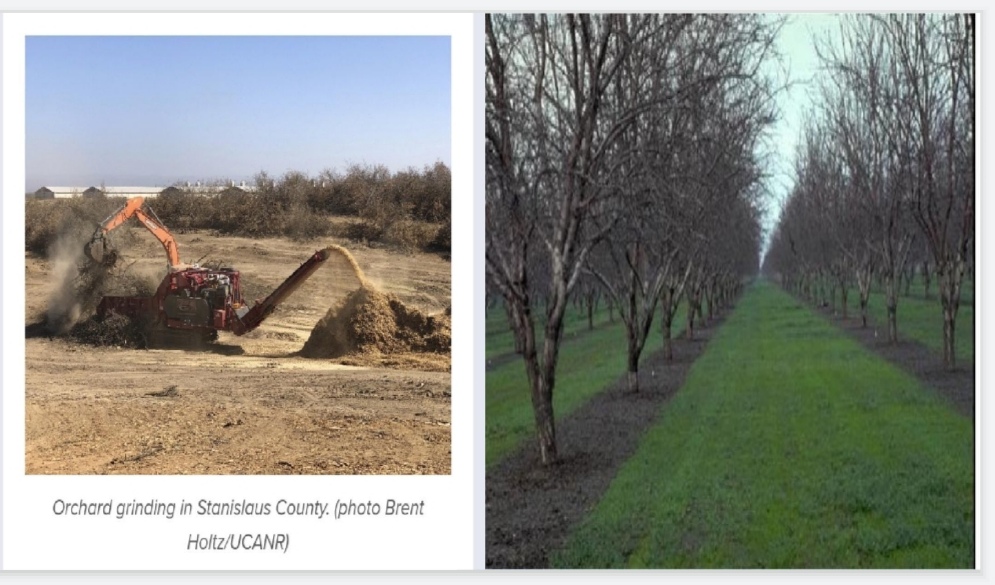
In the past, for removing and disposing of the old trees we burn them in the field. But now Old trees are ground, chipped and turned back into soil before New almond tress are planted. It help almond orchard to be more sustainable and resilient to drought and also increasing carbon content in soil.
Whole orchard recycling result compare to burned treatment : 1) Sequester 5 tons of carbon per hectare. 2) Increase water-use efficiency by 20 percent. 3) Increase crop yields by 19 percent.
scientists from the BBSRC managed to breed a new fast-growing broccoli that no longer relies on a period of cold weather to flower, and goes from seed to harvest in only 8-10 weeks. This discovery is especially relevant for broccoli, as it is flower buds that we eat.
Many terrestrial, freshwater, and marine species have shifted their geographic ranges, seasonal activities, migration patterns, abundances, and species interactions in response to ongoing climate change.
Increased carbon dioxide tends to suppress photo-respiration in plants.
C⁴ plant adapt better for high CO² Concentration and photorespiration.
It make 4 C sugar (OAA) thus fix more CO² and produce high amount of energy.
It suited for hot dry climate.
C4 plants include such low-latitude crops as maize, sorghum, sugar-cane, and millet, plus many pasture and forage grasses.
Better adapt for photo oxidation. Prevent photooxidation due to kranz anatomy.
THE CLIMATE CRISIS HAS ALREADY BEEN SOLVED. WE ALREADY HAVE A FACTS AND SOLUTIONS . ALL WE HAVE TO DO IS WAKE-UP AND CHANGE – Greta Thunburg
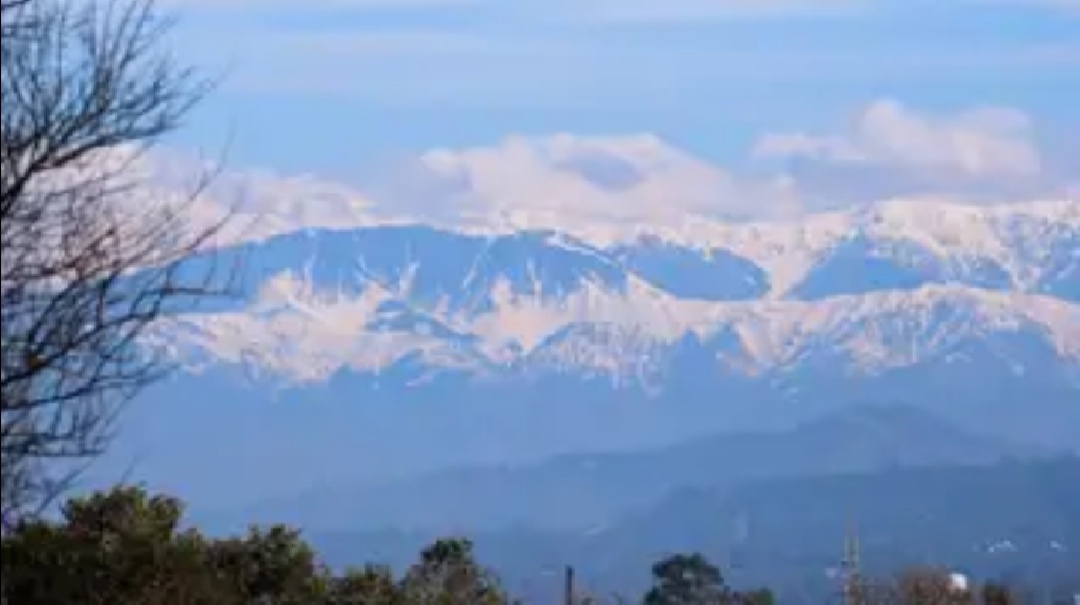
Peoples in India can see the Himalayas with naked eyes for the first time in ‘decades
The unprecedented global disruption caused by the coronavirus pandemic is likely causing a sharp, brief drop in carbon emissions.
Due to global lockdown ‘s impact on transport, demand for oil has fallen at an unprecedented scale.
Gas demand falls less than oil or coal.
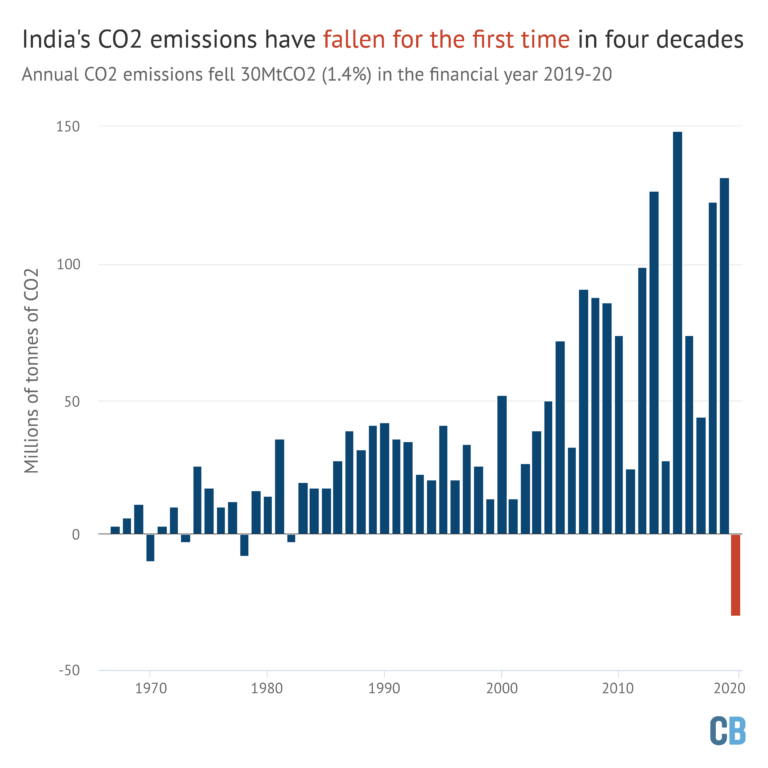
The country’s CO² emission fell down by 15% during March and fell 30%in April.
According to Daily data from the national grid. Coal – fired power generation fell 15% in March and 31% in April.
Renewable energy generation increased by 6.4% in March.
Due to reduced power generation, Industrial activity and transport volume. Thus, it has reduced fossil – related and cement – induced CO² emission.
China is the first country where the virus’s impact on carbon emissions became visible
Carbon dioxide emission in China
According to China Emissions Accounts and Datasets(CEADs) :
Reduction of 257.7 Mt. (11%) over Q1 2019
Secondary industry contributed 186.8Mt.(72.5%) CO² to the total reduction (largely due to lower coal consumption and cement production).
Hubei contributed 40.6Mt. reduction (due to decrease of 48.2%in secondary industry).
Transportation significantly contributes 65.1Mt. With a change of – 22.3% in freight transport and – 59.1% in passenger transport compared with Q1 2019.
Globally :
Aviation decreased by 75%.
Surface Transport by 50%.
Power generation by 15%.
Industry – uncertain but~35%.
Small increase in residential buildings of 5%.
Fossil Fuel:
Drop 8% in 3 month and peak drop 17% unprecedented
Emissions in individual countries decreased by ~27%.
Emission from surface transport accounted for 43% of decrease, industry and power together accounted 43% and aviation.
Drop in CO² Emissions had no detectable impact on atmospheric CO² or Climate change
It is extremely small compared to the emission accumulated.
Carbon dioxide emissions in India
As lower power demand growth and competition from renewables weakened the demand for thermal power generation through the last 1 year.
CO² emission fell by an estimated 15% during March and 30% in April.
The fiscal year ending March, coal sales by main coal producer Coal India Ltd. Fell by 4.3%.
Coal import increased by3.2%
Total coal delivery fell by 2%
In March, coal output increased 6.5%.
Oil Demand :
Oil consumption slow down since early 2019.
During national lockdown, oil consumption fell 18% on March 2020.
Crude oil production in India decrease 5.9% compared to last financial year.
Thus, CO² emissions fell by 30mt.(1.4%) in fiscal year ending March.
Environmental health due to Carbon Emission during Global lockdown
The positive effect of lockdown is to decrease the CO2 emission by −17% (−11 to −25%) by 7th April 2020 with respect to the mean level of emission in 2019.
Air quality index (AQI) is the assessment of air quality. The lower the AQI value, the better is the air. The normal air quality index range is (100−200) and presently it is in the satisfactory range (50–100) category as reported by Gurfam being a scientist at SAFAR.
Zambrano-Monserrate et al. (2020) reported that the air quality index (AQI) has decreased by 44%, 33%, 29%, 15% and 32% in north, south, east, central and western India respectively.
The same study also shows that from March 16th to April 14th, 2020, 22 cities of India show the reduction of PM10 (Particulate matter), PM2.5, CO, NO2, by 43, 31, 10 and 18%. During the quarantine period in COVID-19, the amount of NO2 was decreased by 22.8 μg/m3 and 12.9 μg/m3 in Wuhan and China respectively.
In 367 cities, the PM2.5 fell by 18.9 μg/m3. As per the report of CAMS 2020 reduction of 20–30% of PM2.5 is observed in a wide area of China.
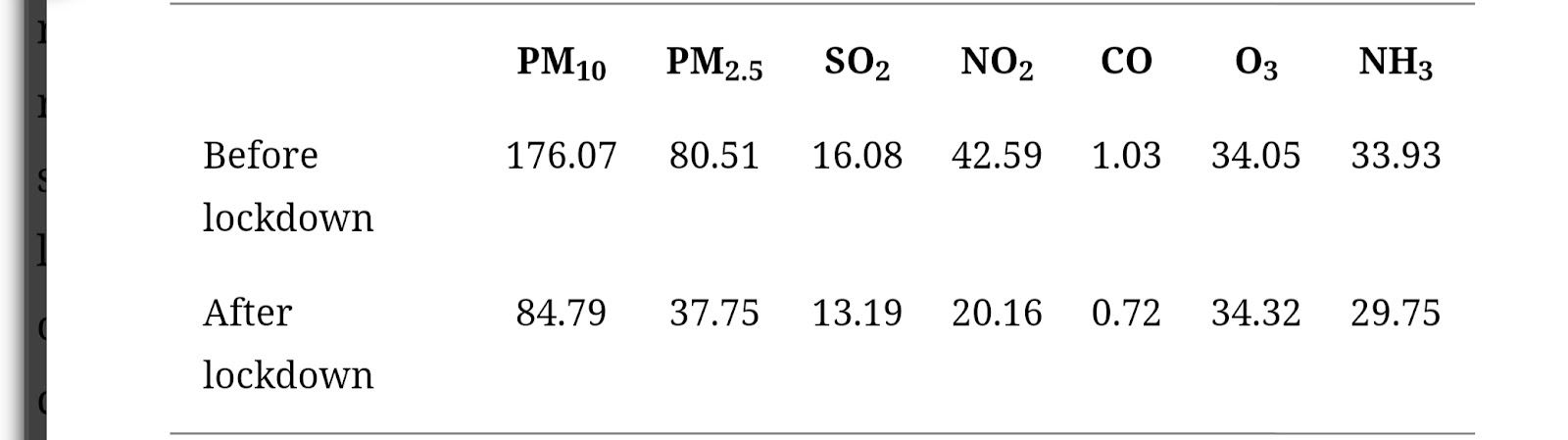
Mahato et al.investigated that after three weeks of lockdown period from 24th March 2020, pollution of the Delhi, India, has experienced a noticeable reduction of different air pollution causing materials in the following Table
Comparison between different pollutants present in air before and after lockdown.
Reduction in carbon emission also lead to Ozone layer recovery over Antarctica:
The ozone layer is found in the upper atmosphere called the stratosphere between 10 and 50 km from the earth.
The ozone layer acts as a natural sunscreen and plays a very important function by absorbing the harmful U—V rays from the sun.
Ozone-depleting substances (ODS) are gases such as chlorine and/or bromine which breaks the ozone layer in the stratosphere. Various ODS are present in the environment are chlorofluorocarbon (CFCs), hydrochlorofluorocarbon (HCFCs), Methyl chloride and various halones.
By the reaction with UV sunlight, these gases form chlorine and bromine and they are responsible for the depletion of the ozone layer.
The international community signed the Montreal Protocol on substances about the depletion of the ozone layer, 30 years ago.
According to the protocol, the consumption and production of ozone-depleting compounds should be regulated.
By banning chlorine-containing synthetic compounds the rate of depletion declined and scientists expect to recover back to the 1980 level up to 2070.
As per the scientific data of 2018, the stratosphere recovered at the rate of 1–3% per decade since 2000.
After the lockdown began on Jan 23, the particulate matter pollution decreased by an average of 35% and NO2 decreased by an average of 60%.
At the same period, scientists found the average surface ozone concentration increased by a factor of 1.5–2.
Emission of ozone-depleting substances is also natural or man-made.
All man-made emission is controlled because of lockdown during COVID-19.
Production and consumption of ODS are also reduced. The World meteorological Organization (WMO) states that economic activity has been limited during COVID-19 which results in a decline in CO2 emission.
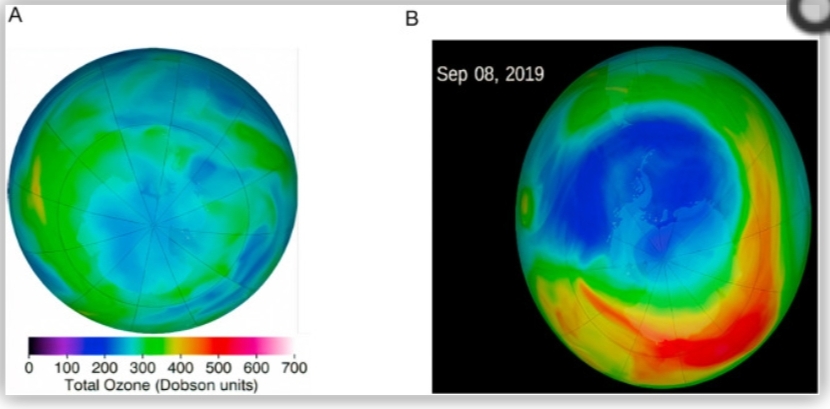
In 2019, As per NASA and NOAA reported that the south pole region of Antarctica has warm temperature in the upper atmosphere which caused a small ozone hole since it was first seen in 1982 .
On 23rd April 2020 Copernicus, atmospheric monitoring services (CAMS) announced that the largest hole was ever seen in the ozone layer over the arctic has been closed.
Although lockdown is surely showing the prominent sign of nature, balance restoration of the ozone layer .
The map of holes in the ozone layer over Antarctica (a) 23rd May, 2020 (b) September 08, 2019
Impact of COVID 19 on Energy resources
The breakout of the Coronavirus Disease (COVID-19) toward the end of 2019 and its culminating transformation into a global pandemic sent shockwaves across the nations. Not only people lost their lives to it, but also numerous industries and governments as a whole succumbed to its impacts. To prevent the spread of the disease, many countries have resorted to observing country-wide lockdowns, damaging the normalcy of their economy. The world economy has seen new lows by trillions of dollars during this period, giving rise to times of constant anxiety about the future. The renewable energy sector, which has always been one of the leading areas to promote sustainability in terms of the environment, too is not spared from being affected by the pandemic. An amalgamation of the effects of the pandemic on the global economy and fluctuating oil prices resulting from country-wide lockdowns across the world further triggered its impact on the renewable energy industry. This work highlights the extensive impacts of COVID-19 on the renewable energy sector of India, a country that has proved itself to be proactive and progressive when it comes to solutions toward sustainable development. It showcases the present impacts of the pandemic on the sector and highlights future projections of the way it may continue to affect this sector as the world continues to struggle with the pandemic. The authors have brought up a set of their opined regulations that the administration and policymakers of the renewable energy sector of India can adopt to avert or reduce the extensivity of the impact of COVID-19 on their sector.
On 7 February 2021 Uttarakhand’s Chamoli district experienced a disaster in the form of an avalanche when a small portion of the Nanda Devi glacier broke off. The sudden deluge caused considerable damage to NTPC’s Tapovan-Vishnugad hydel project and the Rishi Ganga Hydel Project. At least 72 people were confirmed to have been killed in the disaster. But this is not a new phenomenon and every year there are many reports of sudden deluge all across the Himalayan region.
The Himalayas has maintained the climate of the Indian subcontinent. Himalayas act as a barrier by diverting the monsoons to pour the rain in the fertile northern pains rather than to drift away to further north. Similarly, the mountain range also blocks the cold northern winds to reach the Indian subcontinent. The Himalayas all the way from Afghanistan to Myanmar with 110 peaks over 24,000 feet. They are also very rich in biodiversity and are the source of numerous perennial rivers and water bodies. Rivers like Indus, Ganges, and Brahmaputra that originate in the Himalayas are the lifelines of millions of people in the subcontinent.
But in recent years, the Himalayan region has seen a drastic transformation with increasing population and deforestation. The Himalayas are still a very young mountain range and this means the region is not as stable as older mountain ranges. This is also the reason for the high number of earthquakes. There are many exploitative projects and resource extractions initiatives have are going throughout the region. The increasing influx of tourists in the Ladakh region which is increasing the pressure in the already sensitive region or the limestone extraction near Mussoorie which has transformed the surrounding lush mountain region barren and unstable are just some of the instances. The cities located in the periphery of the Himalayas have started are also facing the same degradation problems in the plain region. Due to ever-increasing population growth, the size of cities is also increasing and this means overflowing garbage and drains. Unplanned growth of new settlements and uncontrolled tourism has only exacerbated this issue.
There is a need for safeguards on a national level that would help in preserving the fragile ecology of this region. First, it needs to be ensured that there is sustainable urbanization in the mountain habitats by town planning and adoption of architectural norms. Due to the sensitivity in this region, it is imperative that we have to control the growth of new settlements in the region and the existing settlements should be developed with all the basic urban facilities. Solid waste management is another area that needs to be the focus. Plastic bags use should be banned in all the towns and villages in the Himalayan region. Some states like Himachal Pradesh and Sikkim have enforced this rule but there are still many other states that have not fully implemented this rule. Pilgrimage is an important part of the tourism sector in the Himalayan region. Sustainable pilgrimage needs to be promoted and the inflow of pilgrims has to be determined according to the ecological capacity of that site. Roads are an essential node for the connectivity and development of a region but the construction of the roads and highways needs to take into account the sensitivity and fragility of the region as well. Environmental impact assessment should be compulsory before the construction of roads. Finally, environmental awareness needs to be propagated so that every individual can be empathetic and mindful of the dangers of environmental degradation. A coordinated effort will be essential between local cultures, local people, unions, and state governments to make this happen.
Being someone who seeks thrill in boating is always guaranteed of an adventure ahead. Boating as a water-based leisurely activity is found to have a positive impact on the relationships. Those who enjoy boating have certain craftsmanship in them to be always able to spot the best boat and know that it is the going to be significant fun. If you are looking for refreshing breaks to connect and spend quality time with your family, choose a location, plan a trip and go on a boat ride with them. The part about picking up a place where you can delight yourself on a boat ride might sound tricky but it is not.
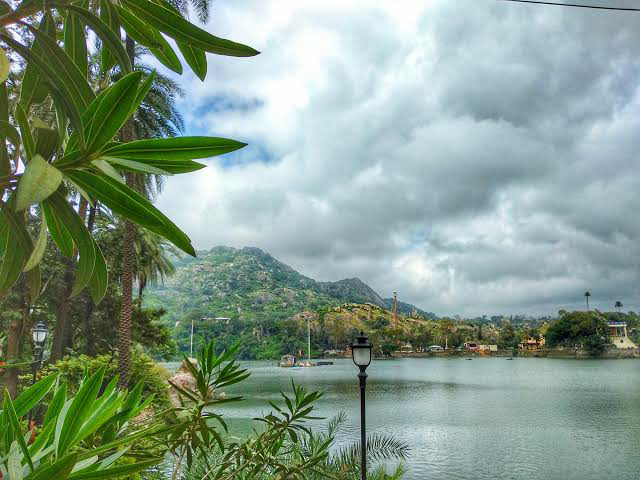
1. Nakki Lake, Mount Abu:
The popular hill station situated in the Aravalli Range, Mount Abu has several tourist attractions. Among those, Nakki Lake which is considered to be pious because of its historical importance is a must-visit spot. According to the Hindu culture, in the ancient times, Gods dug out this lake with their fingers and nails while seeking protection from a demon. Nakki Lake is the first human-made lake which is believed to be 11,000 meters deep and a quarter of a mile wide. There is a boating facility at the Nakki Lake which gives visitors a great chance to enjoy the serene view of the lake. The lake is also famous for a different reason Mahatma Gandhi’s ashes were immersed in the same lake where Gandhi Ghat has been constructed. The fountains in the lake offer an enchanting view of the life at Mount Abu while you boat merrily. There is also Toad Rock on a hill nearby. These strangely shaped rocks are arranged in such a way that it resembles a toad about to jump in the lake. Additionally, there are numerous eateries in the area where you can enjoy a sumptuous meal after the pleasant boat ride.
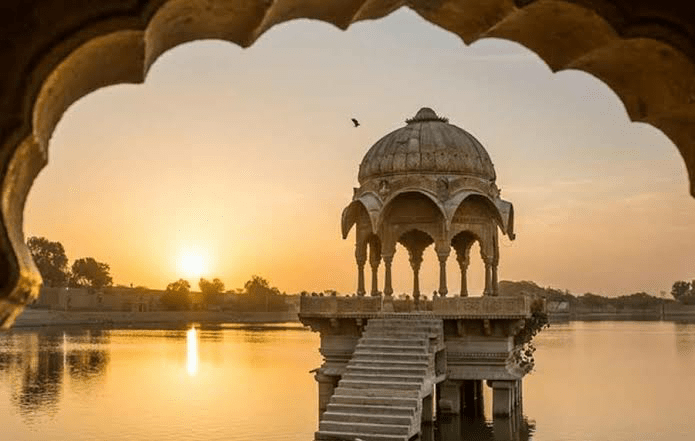
2. Gadisar Lake, Rajasthan:
Enjoy the lush greenery on an early morning or evening boat ride at the Gadisar Lake, Rajasthan. This lake is one of the most precious assets for the locals and has been carrying the heritage and culture for generations. The first Maharaja of the city of Jaisalmer, Raja Rawal Jaisal, artificially built this lake in as a water reservoir for his people in the hope of solving the water crisis in the area. The Gadisar Lake is situated in the heart of Mount Abu and thus, boating around the lake offers a mesmerising view of the city while you can also spot the famous Raghunath Temple and Maharaja Jaipur Palace which are located in the nearby area. The lake is considered to be sacred and is worshipped by a local tribe known as Garasia.
You can also buy food from the stalls there and feed the catfish in the lake. The sight of the fishes flocking around you to grab a bite or two is intriguing as well as tad bit scary too. During winters, bird-watchers can engage in their favourite pastime as beautiful migratory birds visit the lake as the Bharatpur bird sanctuary is very close to the lake.
3. Bedhaghat, Jabalpur:
A spectacle of nature, Bhedaghat is a town located in the Jabalpur district in the state of Madhya Pradesh. The marble rock boating area is breathtaking with the subtle hues and colours of the rocks and stones. With time, the Narmada river has carved a beautiful gorge of approximately eight kilometres. Rent a rowboat or a motorboat and go on a guided tour of the river.
4. Kumarakom Backwaters:
A trip to Kerala is incomplete if you do not get to enjoy the tranquil serenity of the Kumarakom backwaters. A small town located in Kottayam district of Kerala receives thousands of tourists everywhere who come to live up their dream of spending time on a houseboat in the backwaters. A much-deserved break from the fast-paced urban lifestyle, the Kumarakom boating tours are therapeutic in an actual sense. The vibrant green cover contributed by the coconut plantations, and paddy fields all around make up for a soothing sight for the mind and soul. The most exciting part is these houseboats or Kettuvallams, as known in Kerala, are entirely built with eco-friendly materials.
5. Dal Lake, Srinagar:
To go on a fascinating Shikara boat ride on the Dal Lake and live up the most captivating activity while you are in Srinagar. The awe-inspiring panoramic view of the lush green landscapes, the ripples forming on the lake water, flowering gardens, and the vibrant floating market will leave you enchanted. Shikara is a kind of a wooden boat made primarily out of deodar wood. The Shikara boat can also take you to the famous tourist attraction surrounding the Dal Lake such as the Shalimar Garden, Nishat Garden and the Hazratbal Mosque. The Shikaras also play a crucial part in the infamous floating market on the Dal Lake where the locals sell flowers, vegetables and handicrafts. So, while you reside in a Shikara houseboat, you can go shopping on your boat to the eye-catching hues on the floating boats which are a part of the market.
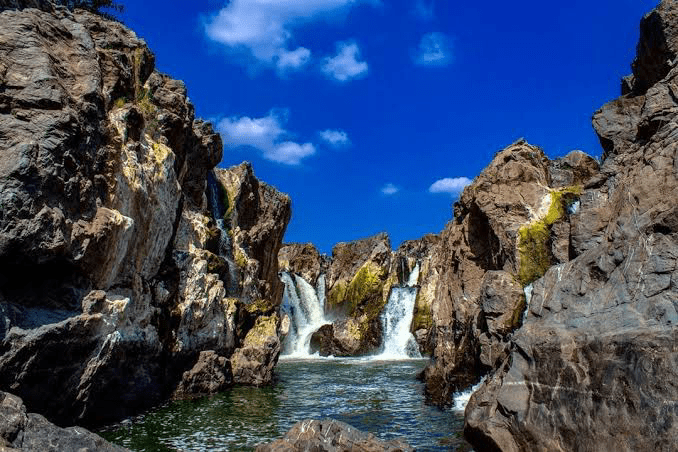
6. Hoganekkal, Tamil Nadu:
If you want to visit the Niagara Falls of India, head out to Hogaenakkal Waterfalls, Tamil Nadu, located at a distance of 200 kms from Bangalore in Dharmapuri district of Tamil Nadu. Famous for the spectacular waterfalls and hide boat rides, this major tourist destination offers fun boating and coracle rides. The waterfalls are divided; where the ones in Karnataka has numerous cascades whereas the part that lies on the Tamil Nadu side has picturesque gorges and boat rides.
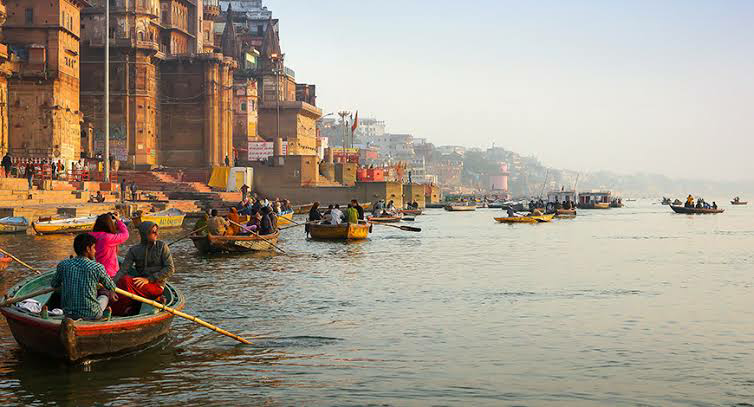
7. Ganga Ghat, Varanasi:
The sacred River Ganga is believed to have magical powers of having the potential to wash off one’s sins. Gliding through the water of Ganges to when the sun is rising or setting, you can experience the true essence of Varanasi. Visit the different Ghats which are connected to the land via waterways. Another major attraction is the Ram Nagar Fort, located on the opposite side of the river, which is the palace of the King of Banaras. The boat ride includes a mini-tour of the palace and the nearby market area and a visit to a Goddess Durga temple which was built 200 years ago.
8. Naini Lake, Nainital:
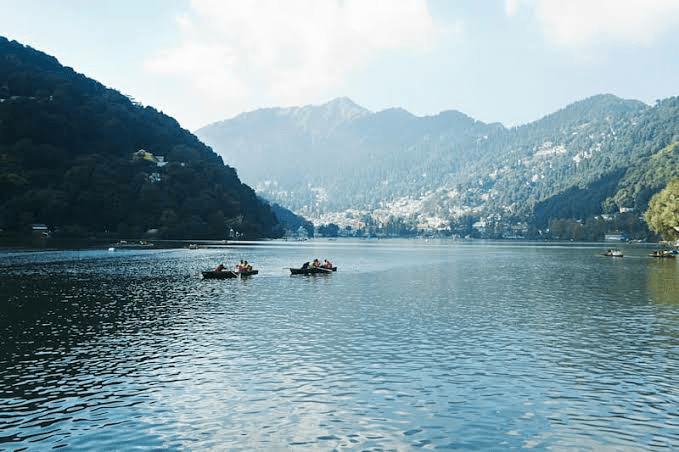
Making time on the water is among the favourite recreational activity during summers. This eye-shaped lake, located at the height of 1938 meters, offer boating as the major attraction for tourists who seek some entertaining activities at the hill station. There is also a Yacht Club at Mallital which offers yachting for the members and tourist alike. The exquisite beauty of the gleaming water, under the Kumaon Sky, can be thoroughly rejoiced only by a boating experience.
9. Bhimtal, Nainital:
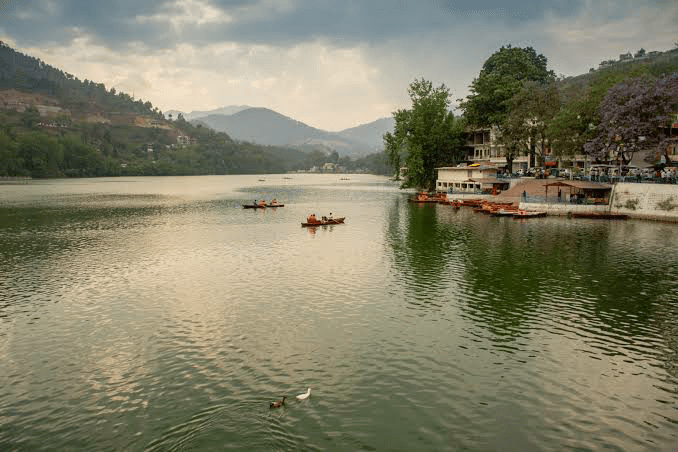
Bhimtal Lake in the Bhimtal Town is among the most famous lakes in India. There is an island in the middle of the lake which is an aquarium attracts visitors. The only way to reach the island is via boat. Visit the aquarium which has a variety of species that will leave you amazed. The Bhimeshwara Temple, dedicated to Lord Shiva, is also located on the island. The C-shaped lake is situated at an altitude of 4500 feet, sprawling over an area of 47 hectares. The clear lake water a paradise for nature-lovers and photo-fanatics, the surrounding of the lake are well-maintained with eateries offering local delicacies in the area. Immerse yourself in the hypnotic tranquillity on a boat ride around the lake.
10. Unkal Lake, Karnataka:
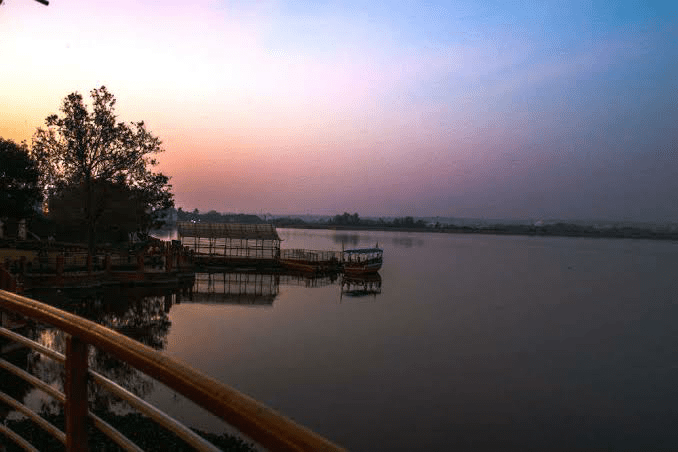
A resplendent sunset at the Unkal Lake will leave you mesmerised. Go on a boat ride around the Lake and capture the ravishing sight in your camera to relive the moment time and again. This scenic tourist spot is situated at Unkal in Dharwad district. The Unkal Lake is 110 years old. There is a statue of Swami Vivekananda in the middle of the lake. Tourists can reach here by taking a boat the site. The beauty of the lake is a must-visit for nature lovers who could get some great shots at nature photography. There are recreational facilities for children around the lake premises.
Flowers can be of various types various colours, different kinds and their uses are also different.
Flowers assure us of existence of beauty in the whole world, IF the world is a canvas they fillthis black and white world into that of colourful. So today I am going to write about the flawless nature of flowers that I am aware of.
Do you guys watch anime? .If you notice there will one common thing in all of those anime’s, yes I am talking about the sakura (cherry blossoms),I have heard that people from many different countries visit japan during spring time for flower viewing.
Have you ever heard of edible flowers, yes! not only they look beautiful but some flowers also are used in various food items that we eat, they use these flowers as a decoration on the cakes, and flowers with medicinal values are used to make tea, they give a refreshing vibe to the tea and calms the nerves.
Flowers are used to decorate as they exude the classiness and turns a plain place into a wholesome place, a place where the view turns refreshing, flowers are used in weddings, they are used for proposals, flowers are exchanged on various occasion as each and every flower has a very significant meaning.
DO you guys now that each and everyone of us has a birth flowers that is different for each and everyone based on their birth dates, month and year. so knowing which flower you represent is very exciting .
we definitely have to talk about their fragrance, the perfumes we wear also use the flowers essence, the floral perfumes are mostly liked by everyone as most of them give calming and fresh vibes, Flowers like hyacinth, freesia, lilies, roses are some of the most fragrant flowers.
Flowers can also poisonous depending on the type of environment they grow in, such as
The elegant Nerium oleander, the blossoms of which are crimson, magenta or creamy white, is one of the most toxic plants in the world. Every part of the plant, from its stem to its sap, is incredibly poisonous if ingested. Even inhaling the smoke from a burning oleander is a health threat.
livescience.com
There is a saying goes
“The more you love roses the more you must bear with thorns.”
similarly life also has its ups and downs but what you must never forget is at the end there will definitely be a beautiful destination.
Flowers are pretty at this stage only because they had to go through difficult process of budding. As they say nothing lasts forever, after sometime even these flawless flowers also will wither and fall on to the ground but a new flower will be born so endings are the new beginnings.
“So the flawless here is appreciating its nature of gracefully passing through all stages of its life .”
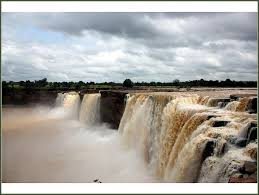
Situated at the foot of Indian state Chhattisgarh, Bastar is a tribal district. Nature has clearly lent Bastar it’s generous hands. There are nearly 5 to 6 waterfalls around the place, two of which are very near to Jagdalpur city (headquarter of Bastar district). Chitrakote Water fall is known by the name “Niagra Falls of India” because of it’s width. It is the widest fall in India, reaching a width of nearly 300 metres (980 ft) during the monsoon season. (Fun Fact: Chitrakote Fall has a Horse shoe shape and Chhattisgarh itself is in Seahorse shape!)
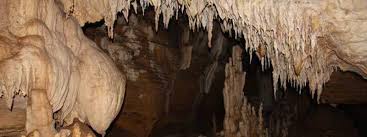
Formation of Stalectites and Stalagmites in Kutomsar Cave
The caves are much to be talked about. Kotumsarcave is a major attraction for people interested in ecotourism. It is a limestone cave formed on the Kanger limestone belt, situated near the bank of the River Kanger, a tributary of the Kolab River. Apart from this, there was a new species of Blind fish found inside the cave. there are yet another caves which are yet to be explored. Dandak Cave, for example is not open to public but forest officials. This clearly shows how people are concerned about not interfering with nature’s business.
Talking of Boda (scientific name: Astraeus hygrometricus), it is a species of fungus which lives solely in a symbiotic relationship with the decayed Sal tree leaves and earth. Yes, Sal trees are the whole soul guardians to these spherical angels! During monsoon, when the leaves from Sal trees fall on ground, the exclusive juices from the trees help in development of these fungi. These little ball-like organisms are packed with carbohydrate and lots and lots of nutrition.
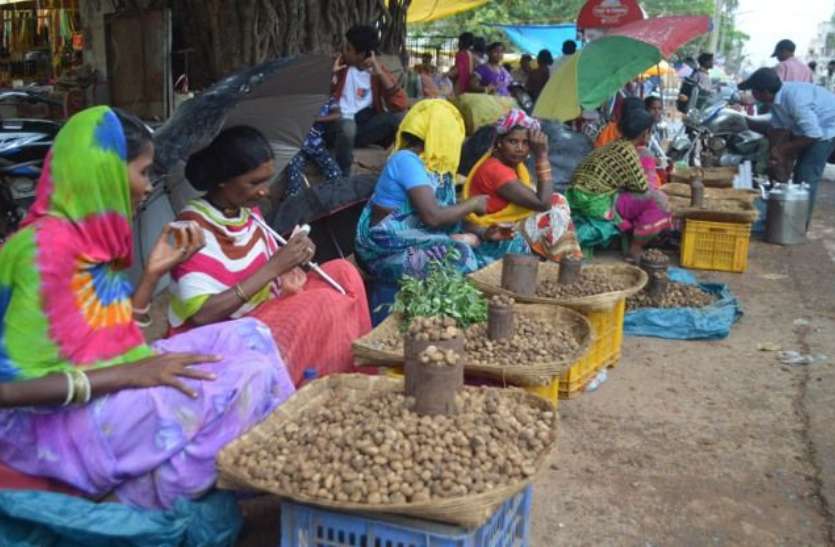
BAZAARS OF BODA IN BASTAR
You may shriek with amazement when I mention Boda’s price. These fungi remain in markets for about 2 months only and cost an arm and leg. During the first quarter of this time period, the price hikes up to Rupees 2000 per kilogram and more! Well this is no surprise for inhabitants rather it seems strange if the inflation does not occur. Obviously, the rarity and exertion which takes to search and pick the fungi out of ground make the price reasonable. And taste is definitely out of question. The outer layer is juicy and chewy while the inside part is as soft as butter.
The initial batches of Boda have darker outer cover; known as “Jaat Boda” while with the progress in time the outer layer becomes lighter and white; they are called “Laakdi Boda”. People mostly prefer Jaat Bodas because the are comparitively softer than their variation, Laakdi Boda. However the latter ones are no less good.
These fungi do not cease their limit here. They are also of vital importance in Medicinal field. Facial creams are made out of them for medicinal purposes.
But do NOT forget that all good things come at a price. Before you decide on enjoying these fungi as exotic food, you must brace yourselves for the cleaning process, for these underground beings are no joke to clean. They have a strong affinity for earth.
The two main lessons we learn are (a) the exclusive food of Bastar teaches us to PRESERVE TREES, therefore nature. For, how else is the world going to benefit from the treasury of mother nature? (b) Try your best to visit Bastar around early June to enjoy nature’s bounty at its fullest; with overflowing waterfalls, Boda, mangoes and much more!
























 Eduindex
You must be logged in to post a comment.