FALSE MEMORIES: THE PAST YOU REMEMBER IS NOT ALWAYS THE TRUTH

We can’t reliability distinguish the true memories from false memories.

False memory is a psychological phenomenon whereby an individual recalls an event that never happened, or an actual occurrence substantially differently from the way it transpired.

In other words, a false memory could either be an entirely imaginary fabrication, or a distorted recollection of an actual event. Moreover, false memories are distinct from simple errors in recollection.

Firstly, an individual who holds a false memory maintains some certitude in the veracity of the memory.  Secondly, a false memory deals not with forgetting something that actually happened, but with remembering what had never taken place.

Instances of this phenomenon may range from the mundane—such as remembering that you ate breakfast when you actually did not, to the serious—such as falsely recalling that you were assaulted by your boss.

HOW ARE FALSE MEMORIES FORMED OR MADE?

The difference between false memory and ones is as same as for jewels: it is always the false ones that looks the most real, the most brilliant.

Memories are complex. While you might imagine a memory as a black or white element, the truth is memories are subject to change, malleable, and often unreliable.

Events are moved from your brain’s temporary memory to permanent storage while you sleep. The transition, however, isn’t absolute. Elements of the memory may be lost. This is where false memories can begin.

IS THERE A GROUP WHICH IS MORE LIKELY TO HAVE FALSE MEMORIES?
people change memory dosnt.

Memory isn’t permanent. Indeed, it’s pliable and often ever-changing. Certain people or events may make you more likely to develop false memories. These include:

Eye witnessing

If you witness a crime or an accident, your testimony is important — but not conclusive. That’s because experts and law enforcement officials know memories and recollections can and do change, whether through suggestion or the passage of time.

Any gaps in events may be filled in by your memory, turning a reliable recall into a faulty one.

Trauma

People who have a history of trauma, depression, or stress may be more likely to produce false memories. Negative events may produce more false memories than positive or neutral ones.

OCD

Individuals with Obsessive-compulsive disorder(OCD) may have a memory deficit or poor memory confidence.

They may be more likely to create false memories because they don’t have confidence in their own memories. This often leads to the repetitive or compulsive behaviors that are associated with this disorder.

Aging

As both you and a memory age, details about that memory may be lost. The gist of a memory becomes stronger, while the details fade away.

For example, you may remember you went to the beach on your honeymoon, but you don’t remember the name of the hotel, what the weather was like, or even the city you stayed in.
Mental health a matter of concern.

Did you know that taking care of your mental is just as important to a long healthy life/taking care of your physical health?

Did you know Being in a good mental state can keep you healthy and help prevent serious health conditions?

A study found that positive psychological well-being can reduce the risks of heart attacks and strokes. On the other hand, poor mental health can lead to poor physical health or harmful behaviors. Chronic diseases.

What is mental health?

People sometimes use the term “mental health” to mean the absence of a mental disorder.

Mental refers to your overall psychological well-being. It can include the way you feel about yourself, the quality of your relationships and your ability to manage your feelings and deal with difficulties.

Some common mental health disorders.

  • anxiety disorders
  • mood disorders
  • schizophrenia disorder

Anxiety disorder.

Anxiety disorders are the most common type of mental illness.

People with these conditions have severe fear or anxiety, which relates to certain objects or situations. Most people with an anxiety disorder will try to avoid exposure to whatever triggers their anxiety.

Types of anxiety disorders

  • Generalized anxiety disorder.
  • Panic disorder.
  • Phobic disorder.
  • Separation anxiety disorder
  • Obsessive-compulsive disorder (OCD).
  • Post-traumatic stress disorder (PTSD)

Mood disorders

People may also refer to mood disorders as affective disorders or depressive disorders.

People with these conditions have significant changes in mood, generally involving either mania, which is a period of high energy and elation, or depression. Examples of mood disorders include:

Types of mood disorders

  • Major depression
  • Bipolar disorder
  • Seasonal affective disorder (SAD)

Schizophrenia disorders

Mental health authorities are still trying to determine whether schizophrenia is a single disorder or a group of related illnesses. It is a highly complex condition.

Signs of schizophrenia typically develop betweenthe age of 16 and 30, according to the NIMH. The individual will have thoughts that appear fragmented, and they may also find it hard to process information.

Schizophrenia has negative and positive symptoms. Positive symptoms include delusions, thought disorders, and hallucinations. Negative symptoms include withdrawal, lack of motivation, and a flat or inappropriate mood.

Warning signs and symptoms of mental illness

  • Sleep or appetite changes — Dramatic sleep and appetite changes or decline in personal care
  • Mood changes — Rapid or dramatic shifts in emotions or depressed feelings
  • Withdrawal — Recent social withdrawal and loss of interest in activities previously enjoyed
  • Drop in functioning — An unusual drop in functioning, at school, work or social activities, such as quitting sports, failing in school or difficulty performing familiar tasks
  • Problems thinking — Problems with concentration, memory or logical thought and speech that are hard to explain
  • Increased sensitivity — Heightened sensitivity to sights, sounds, smells or touch; avoidance of over-stimulating situations
  • Apathy — Loss of initiative or desire to participate in any activity
  • Feeling disconnected — A vague feeling of being disconnected from oneself or one’s surroundings; a sense of unreality
  • Illogical thinking — Unusual or exaggerated beliefs about personal powers to understand meanings or influence events; illogical or “magical” thinking typical of childhood in an adult
  • Nervousness — Fear or suspiciousness of others or a strong nervous feeling
  • Unusual behavior – Odd, uncharacteristic, peculiar behavior

Self-help

A person coping with mental health difficulties will usually need to make changes to their lifestyle to facilitate wellness.

Such changes might include reducing alcohol intake, sleeping more, and eating a balanced,nutritious diet. People may need to take time away from work or resolve issues with personal relationships that may be causing damage to their mental health.

People with conditions such as an anxiety or depressive disorder may benefit from relaxation techniques, which include deep breathing, meditation, and mindfulness.

Having a support network, whether via self-help groups or close friends and family, can also be essential to recovery from mental illness.

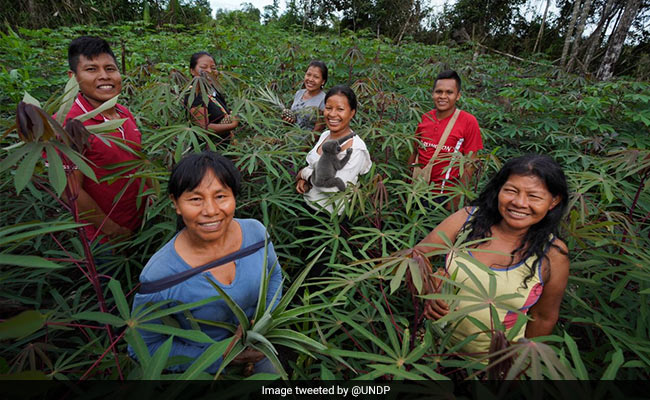
The Adivasis of India

India is a largely populated country with many different kinds of people. There are variations in culture, traditions, language, food, etc. But more importantly, there are people with different origins and roots. Some such people are the ‘Adivasis’ who we more commonly refer to as the ‘Tribes’ or ‘Tribal People’ of India. The word Adivasi comes from the Sanskrit term meaning ‘original inhabitants’ (Adi= original/from the beginning, Vasi= inhabitant/resident). Therefore, when we use the term Adivasi or categorize a group as Adivasis, it is generally understood to mean that they are the inhabitants of that area from the very beginning. It is a blanket term used to refer to the indigenous people and groups of India, and helps forge a sense of identity for them. Sometimes you may hear the term ‘Scheduled Tribes’ being used in a legal or constitutional sense, but this differs from State to State and may exclude some groups which may be considered indigenous.

Background

Adivasis make up a substantial minority of the Indian population, comprising about 8% of the total population. They are of great numbers especially in the states like Maharashtra, Madhya Pradesh, Jharkhand, Odisha and Andhra Pradesh. They are said to have arrived in India during the great human migration from Africa, and are believed to have been living in India from as early as 2000 BCE.  As the name suggest, their presence pre-dates even the Dravidians and Aryans in our country, and they were the original hunter-gatherer, foragers and agriculturists of these lands. But today, they hold little to no political power and most of them are below the poverty line. They have seen a relegation of their status in the country, with a loss of land, wealth and political presence and representation. The Adivasis have been conferred a classification of tribes or tribal communities under Article 366 (25) of the Indian constitution, the criteria for this being ‘geographical isolation, backwardness, and having a distinct culture, religion and ‘shyness of contact’.

Examples of Adivasis or tribes in India are communities like the Bhil, Chenchu, Korwa, Lodha, and Bonda. Perhaps the most well-known tribes are those of the Andaman and Nicobar Islands, like the Jarawa, Onge and Sentinels, who have remained mostly untouched by modern civilization and continue to live like primitive tribes.

Modern Day Situation

Most of us today when we hear the word ‘Adivasi’ do not think of the people who first populated Indian territories and who possess ancient cultures and traditions tied to these lands. Instead, we think of those people living in rural and underdeveloped areas, living in poverty and struggling to make ends meet. While larger and more prominent tribal groups may survive as result of numbers, the destruction of their environmental and economic base will not allow them to continue their traditional way of life and may result in their cultural extinction. The primary reason for the Adivasis socioeconomic problems is that they have gradually been displaced from all their land and are constantly being denied land ownership. Today they are in a constant battle just to retain their economic and social identity. Today’s India is all about modernization and progress, and even government schemes only aim at integrating these tribes into normal society rather than allowing them to continue living by their distinctive way of life. Attempt are constantly being made to bring these tribes into mainstream Indian culture and integrate them into the national identity, disregarding their own unique and age-old cultures. Although they have been given schemes for reservation, the impact of the quota system upon Adivasis has remained negligible up until now. Also, many smaller tribal groups are quite sensitive to ecological degradation caused by modernization, and so government policies on forest reservation have also affected Adivasis profoundly. The 2006 Forest Rights Act (FRA) was enacted to secure the rights of Adivasis to their customary lands and forests, but they are still subject to encroachments on forest area.

Conclusion

It can be concluded that the Adivasis or tribal people of India represent an important cultural group of our country, but their modern-day situation is not good and not respected. The tribes in India are now under the impact of ‘mobility and change’. They have been subject to things like the caste system, and religions like Christianity and Hinduism which have transformed them completely. They have basically joined the ranks of peasantry in modern times, and have become wage-laborer’s in industries, plantations and mining. Hence, they are at the lowest point of the socioeconomic indicator, and are also subject to prejudice and oppression in mainstream Indian society. Furthermore, their issues are generally under reported, neglected or trivialized. We must try to change this situation for their betterment, and we as citizens must educate ourselves on who these people are and what they represent. 

International day of Tropics

The serenity of the lulling ocean is a wondrous thing to behold..more precious than the gems coveted and covered in platinum or gold…

Oksana Rus

Introduction

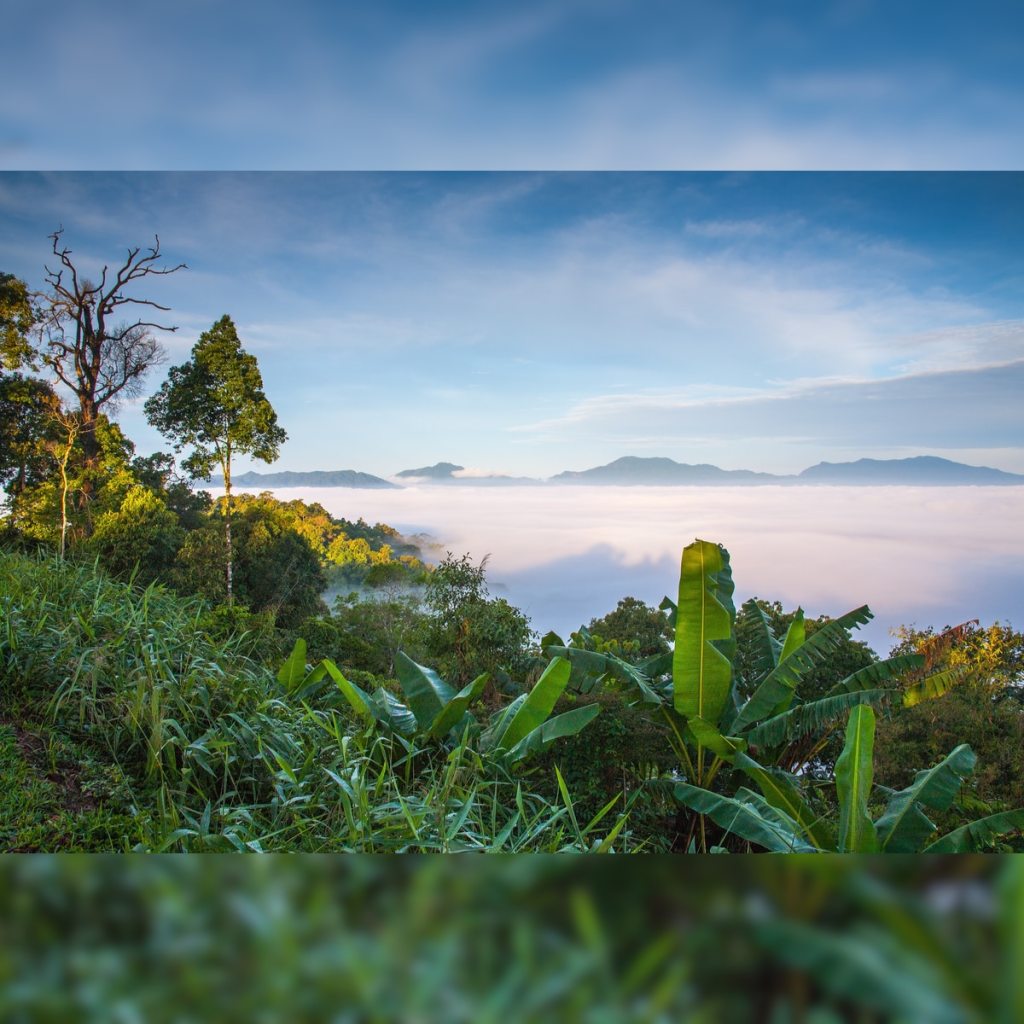
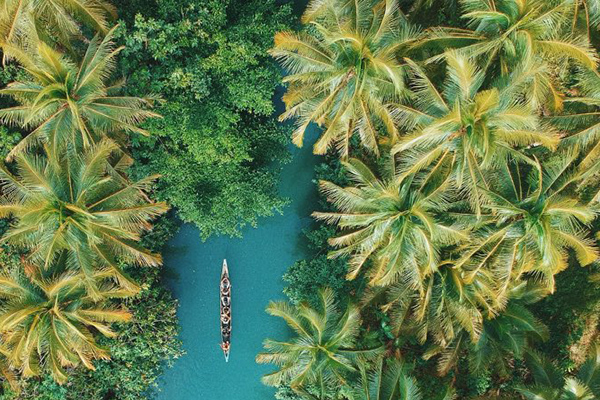
International day of Tropics is observed every year on June 29th . This day is celebrated to highlight the different challenges and opportunities faced by the nation as well as by the people who lived in tropical areas .

Firstly , you want to know about things like :

What are tropics ?

Why we celebrate international day of Tropics ?

Or

Is it worth it to talk about these things and is it really important ?

Well hold your horses and try to calm .

What is tropic day and why we celebrate it ?

Well a tropic day is celebrated to highlight the importance of Tropics , it signifies extraordinary and astounding diversity of tropical nations .

The Tropic defined as a area /region between tropic of Cancer and tropic of Capricorn . The day aim at promoting tropical regions and awareness to the people about the diversity of these regions .

While these regions go through little seasonal changes on day to day basis because of some factors like tomography , climatic variation that causes changes in temperature and make these regions warm.

This day introduced to the world when in June 29th , 2014 twelve leading tropical research institutes come together and collaborate. The inaugural state of the Tropics report was launched . The report offers some unique perspective for the increasing the importance of these regions .

United Nations General Assembly adopted resolution A/RES/70/267 in 2016, which declared that 29 June of each year is to be observed as the International Day of the Tropics.

The International day of Tropics briefly explained the issues affecting the tropical zone’s all over the world. To raise awareness and important role the countries played to Sustainable goals .

International day of Tropics 2021

As per the state tropics report the theme of this year is “ THE DIGITAL DIVIDE IN THE TROPICS ”

With the record of sustainable development goals as well as developmental scope . The biodiversity of these regions are maximum and its loss is also greater there. Tropical regions comprise 98% world’s mangrove forests, and around 99% mangrove species.

Due to the subpolar zone the Sun is directly overhead which is one of the region of extinction of flora and fauna in the Tropics. The region is subjected to myriad and need immediate attention to ensure sustainable development.

More than 50% of renewable water resource could be founded their. But the threat lies which causes eviction of lives in the Tropics.

Importance :

Due to the problems it’s our duty as a human being to spread awareness about the implications in climate changes , deforestation , urbanization , global warming effect the biodiversity and lives in Tropics.

The International day of Tropics organize many events in which people share their stories , events and lives in these areas and formulate strategies to ensure the development of such regions .

You who sacrifice fortunes to see the luxuriance of the tropics or the polar lights of the arctic, must pay more dearly to see the One for whom the luxuriance of the tropics is poverty and the polar lights are a tallow candle.

Nikolaj Velimirović, Prayers by the Lake

Link:

Animals rights awareness week

Animal Rights Awareness is observed this June 14 – June 20. Animal Rights Awareness Week(ARAW) is created to honour the animals who have been exploited and killed by humans around the world. It is our duty to spread the awareness among humans as animals can be our friends, companions, protectors, benefactors and comforters. Research studies indicate that people has own pets and have close bond with them and have higher self esteem. They are also generally happier and healthier.

The aim of this week is to create an opportunity to direct the public’s attention to the needs and wants of animals.

History of Animal Rights Awareness Week

In 1991 Animal Rights awareness week founded to promote education about animals welfare and bring further protection to animals.

Several ways to participate in spreading awareness concerning the human treatment of animals are:

  1. Adopt shelter for pets.
  2. Do programs in your area and spread the importance of animals.
  3. Buy cruelty-free products.
  4. Know where your products come from and determine whether they are obtained humanely.
  5. Consider adopting pets from shelter.
  6. If you do decide to buy from a breeder make sure to do your research and find reputed one.

Many zoos function as an extension to conservation and preservation efforts, others do not. The conditions in puppy mills, for example, do not provide proper shelter or care. Most of the dogs are used solely for breeding purposes and rarely leave their kennels or receive proper veterinary care.

Population Explosion: The cause of poor living conditions of indians

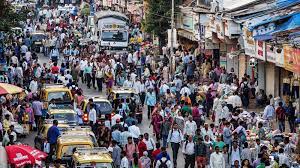
India is a over-populated country. It is the second most populated country in the world, after China. However, researchers say that India is all set to surpass China in population density by 2024. That means India is about to become the country with the highest population density across the world.

The population of India is increasing at an alarming rate. India is not the country with the highest number of people. There are countries which has more number of people than India like Russia. But they are not overpopulated. Those countries have enough space to fit in the number of people. India has more people than the country could fit in. The number of people residing in per unit square of land in India is much higher than that of other countries. This makes India an over-crowded country.

The huge population of India makes a lot of people live in poverty. The country’s economy is not enough to sustain its population. Adding to the problem, the country’s wealth is not equally distributed. The economic gap between the rich and the poor is widening. The major chunk of the country’s wealth is held by the rich and the powerful who are quite few in number compared to the country’s huge population. A large chunk of the population live below poverty line who do not have enough money to afford their meals thrice a day.

Also, the country does not have enough employment opportunities for all its citizens. This leads to unemployment, economic distress, stress and mental health problems. Unemployment increases the amount of crimes, theft and illegal business practices.

Along with wealth and job opportunities, India’s natural resources are also limited and not enough for its huge population. Over-consumption of natural resources would exhaust them and leave none for our future generations. Overpopulation is also a threat to our environment. The air and water bodies are becoming more and more polluted day by day. Too much burning of fossil fuels, congested roads and too many vehicles are releasing toxic gases in the air.

Accommodation is also a problem in India. Thousands of people live in slums which are over-crowded with unhealthy living conditions. More houses and buildings are being constructed which leaves no place for plants and nature. Forests are cut down to make room for construction projects. The cutting down of trees leads to increase in the level of carbon dioxide in the atmosphere.

Population explosion is a serious problem which needs to be addressed at any cost. The Indian population should be controlled to improve the lives of the people. Awareness drives and contraceptive alternatives should be adopted with immediate effect.

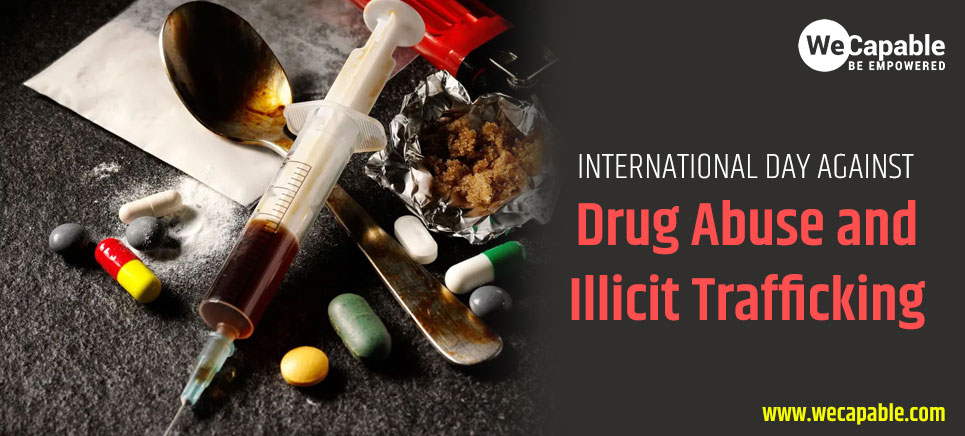
26 June – international day against drug abuse and illicit trafficking.

International Day against Drug Abuse and Illicit Trafficking

International Day Against Drug Abuse And Illicit Trafficking is observed on 26 June every year with the aim of creating awareness about issues related to drugs and strengthening action in order to make the world free of drug abuse.

The 2021 theme….

The theme ‘ Share facts on drugs, Save lives’ has been promoted for combating misinformation and sharing drugs related facts as well as solutions for treatment to fight against the problem all over the world.

It aims to accomplish a vision of health for all based on Science and highlights important statistics from the yearly World Drug Report.

Significance….

International Day Against Drug Abuse and Illicit Trafficking is utilized to instill a feeling of responsibility in individuals all around the world, particularly children and teens. All around the globe, events are held in schools, colleges, workplaces and public areas to raise awareness of the overall issue, as well as the risks of drugs and their usage.

The United Nations, through its anti-drug misuse arm, the United Nation Office on Drugs and Crime raises awareness, advises authorities to avoid feeling the Narcotics Industry, and combats drug trafficking under the cover of legal medicinal enterprises.