Trials of a more precise and comfortable MRI to identify early breast cancer begins in the United Kingdom.

A new, more convenient method of detecting breast cancer has begun testing in the United Kingdom, with the potential to identify tumors at an earlier stage.

At some time in their life, one in every eight British women will be diagnosed with breast cancer. Because malignancies and fibrous tissue both show up as solid white regions on X-ray, mammograms are less effective in younger women whose breasts contain denser, fibrous tissue and less fat because cancers and fibrous tissue both appear as solid white areas on X-ray.

Mammograms may miss malignancies in postmenopausal women with thick breast tissue, who are also more likely to acquire breast cancer in the first place.

Women with a dubious lump may be given an ultrasound scan or a biopsy, and if the diagnosis is still unclear, they may be directed for DCE-MRI, which detects the development of new blood vessels supporting tumors. However, in women with early-stage malignancies, they may not be visible, leading to false comfort.

Multiparametric MRI was first created to evaluate liver disorders without the need for a painful biopsy, and it is now widely utilized in Europe and the United States.

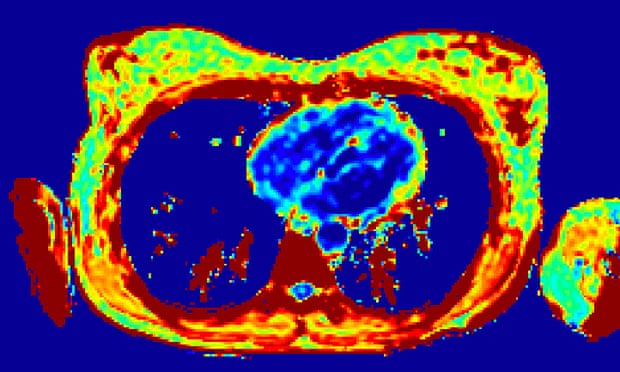
It works similarly to traditional MRI in that it utilizes high magnetic fields and radio waves to excite protons in the tissue, then exploits variations in the time it takes for them to settle to generate a “map” of the various tissues in the breast. Multiparametric MRI, on the other hand, allows an even more comprehensive map to be generated by merging pictures created by multiple MR pulses and sequences.

A scan of healthy breasts with multiparametric MRI. Photograph courtesy of Perspectum Diagnostics

“We believe that if we differentiate the tissue rather than looking at the blood vessels around the tumor, we should be able to spot not only tumors in dense breasts but potentially tumors that aren’t seen on mammograms,” said Prof Sally Collins, a consultant obstetrician and medical lead for women’s health at Oxford-based Perspectum Diagnostics, who herself recently received treatment for breast cancer.

“We’re also working to improve the scanning experience for patients. “Mammograms are awful because they squish your breast on this plate, which is undignified and unpleasant, and MRIs are much worse because you have to lie face down with your boobs dangling in this coil and your arms raised over your head for ages,” Collins added.

“We’re attempting to make it such that women may be fully dressed, respectable, and comfortable while being scanned, which is critical for the patient journey to cancer diagnosis.”

The prospectus has received ethical clearance to enroll 1,030 women in the study, including 10 women who have been diagnosed with breast cancer and 30 to 40 healthy women who are presently being scanned, to see if the technology can properly map their breast tissue while laying on their backs. It is estimated that the study would take two years to complete.

“It will never replace regular mammography screening for postmenopausal women, but we think it will enhance the diagnosis route for women with thick breasts or premenopausal women who are at extremely high risk of breast cancer, eliminating the need for repeated tests,” Collins said.

17 Sustainable Goals by United Nations.

Sustainable development is development that meets the needs of the present without compromising the ability of future generations to meet their own needs. Sustainable development has continued to evolve as that of protecting the world’s resources while its true agenda is to control the world’s resources. Environmentally sustainable economic growth refers to economic development that meets the needs of all without leaving future generations with fewer natural resources than those we enjoy today. Let us know 17 Sustainable Goals set by UN and their progress by now.

1) Poverty Eradication:

The 2030 Agenda acknowledges that eradicating poverty in all its forms and dimensions, including extreme poverty, is the greatest global challenge and an indispensable requirement for sustainable development.

2) ENDING HUNGER:

The total number of persons suffering from severe food insecurity has been on the rise since 2015, and there are still millions of malnourished children. The economic slowdown and the disruption of food value chains caused by the pandemic are exacerbating hunger and food insecurity.

3) Ensure healthy lives and promote well- being for all at all ages

Progress in many health areas continues, but the rate of improvement has slowed and will not be sufficient to meet most of the Goal 3 targets. Globally, an estimated 295,000 maternal deaths occurred in 2017, resulting in an overall maternal mortality ratio of 211 maternal deaths per 100,000 live births, a 4 per cent reduction compared with 2015 and a 38 per cent reduction compared with 2000. The majority of the deaths occurred in low- and lower-middle-income countries, and roughly 66 per cent of them occurred in sub-Saharan Africa. At the current pace of progress, the world will fall short of the target of the Goal.

4) Ensure inclusive and equitable quality education and promote lifelong learning opportunities for all:

At the end of 2019, millions of children and young people were still out of school, and more than half of those in school were not meeting minimum proficiency standards in reading and numeracy.

5)Achieve gender equality and empower all women and girls

The commitment to advancing gender equality has brought about improvements in some areas, but the promise of a world in which every woman and girl enjoy full gender equality and all legal, social and economic barriers to their empowerment have been removed remains unfulfilled.

6)Ensure availability and sustainable management of water and sanitation for all

In 2017, 3 billion persons lacked soap and water at home. In 2016, 47 per cent of schools worldwide lacked handwashing facilities with available soap and water, and 40 per cent of health-care facilities were not equipped to practise hand hygiene at points of care.

7) Ensure access to affordable, reliable, sustainable and modern energy for all

The world is making good progress on increasing access to electricity and improving energy efficiency. However, millions of people throughout the world still lack such access, and progress on facilitating access to clean cooking fuels and technologies is too slow.

8) Promote sustained, inclusive and sustainable economic growth, full and productive employment and decent work for all:

In 2018, the rate of growth of global real GDP per capita was 2 per cent. In addition, the rate for least developed countries was 4.5 per cent in 2018, less than the 7 per cent growth rate targeted in the 2030 Agenda.

9) Build resilient infrastructure, promote inclusive and sustainable industrialization and foster innovation:

In 2019, 14 per cent of the world’s workers were employed in manufacturing activities, a figure that has not changed much since 2000. The share of manufacturing employment was the largest in Eastern and South-Eastern Asia (18 per cent) and the smallest in sub- Saharan Africa (6 per cent).

10)Reduce inequality within and among countries

In 73 of the 90 countries with comparable data during the period 2012–2017, the bottom 40 per cent of the population saw its incomes grow. Moreover, in slightly more than half of those countries, the bottom 40 per cent experienced a growth rate in income that was higher than the overall national average.

11) Make cities and human settlements inclusive, safe, resilient and sustainable:

Rapid urbanization has resulted in a growing number of slum dwellers, inadequate and overburdened infrastructure and services and worsening air pollution.

12) Ensure sustainable consumption and production patterns:

As at 2019, 79 countries and the European Union reported on at least one national policy instrument that contributed to sustainable consumption and production in their efforts towards the implementation of the 10-Year Framework of Programmes on Sustainable Consumption and Production Patterns.

13) Take urgent action to combat climate change and its impacts.

The year 2019 was the second warmest on record and the end of the warmest decade, 2010 to 2019. In addition, with a global average temperature of 1.1°C above estimated pre-industrial levels, the global community is far off track to meet either the 1.5 or 2°C targets called for in the Paris Agreement.

14. Conserve and sustainably use the oceans, seas and marine resources for sustainable development:

Oceans and fisheries continued to support the global population’s economic, social and environmental needs while suffering unsustainable depletion, environmental deterioration and carbon dioxide saturation and acidification.

15) Protect, restore and promote sustainable use of terrestrial ecosystems, sustainably manage forests, combat desertification, and halt and reverse land degradation and halt biodiversity loss:

Forest areas continued to decline, protected areas were not concentrated in areas of key biodiversity and species remained threatened with extinction.

16) Promote peaceful and inclusive societies for sustainable development, provide access to justice for all and build effective, accountable and inclusive institutions at all levels:

Conflict, insecurity, weak institutions and limited access to justice remain a great threat to sustainable development. Millions of people have been deprived of their security, human rights and access to justice.

17) Strengthen the means of implementation and revitalize the global partnership for sustainable development:

Strengthening multilateralism and global partnerships is more important than ever before. The global nature of the pandemic requires the participation of all governments, the private sector, civil society organizations and people throughout the world.

Transhumanism – saving grace or certain doom?

Imagine, one day you could wake up and have a robotic arm that could fetch you anything that is more than an arms distance away without you having to get up from your bed or that you could have a brain so powerful that you would memorise anything just by glancing over it for a second, imagine..

As one grows older, questions like can humans live forever? Is immortality possible? seem very bogus, however as technologies evolve along with new philosophical ideas that are born, the hypothetical situation that was thought to be impossible, may not seem too far off.

Growing up, watching movies like the matrix or the terminator or avatar where ideas like living forever and enhancement of the human body, made many people wish that the idea of living forever, was not an idea anymore. From ancient times, transhumanism was portrayed from Icarus flying too close to the sun to many others.

From the media to the mythos, the idea of incorporating technology into humans seems plausible. Thus a movement was born, to make all this advancement possible. So the movement that encourages this advancement, is called transhumanism.

According to the, ‘The Transhumanist Reader: Classical and Contemporary Essays on the Science, Technology and Philosophy of the Human Future,’ transhumanism is a scientific and philosophical movement that calls for the improvement of human existence via the advancement and increasing prevalence of advanced technology capable of significantly altering or enhancing human intelligence and physiology. The movement makes use of the scientific knowledge of human anatomy to allow people to transcend their current biological limitations.The fundamental belief of transhumanism will help cross humans biological limitations by augmentations. Human capabilities are enhanced by augmentations like objects, extensions or technologies. Spectacles, footwear and robotic arm are some of the augmentations.

Transhumanism is viewed as an extension of humanism. According to transhumanism, the present phase of homo sapiens can be seen as an intermediate stage on the road to post-human life forms, which can be achieved by modifying ourselves. Transhumanism originated as a philosophical movement that is currently a growing field.

Science and technology are used to enhance or alter body chemistry to stay healthy and be more in control of our lives. We are all transhumanists (people how advocate for transhumanism m to varying degrees. However, some people advocate transhumanism more broadly, where they advocate for mechanical parts in the body to make the biological figure more enhanced.

Inevitable Evolutions: Human-transhuman-post-human –: Homo sapiens have a range of emotions, experiences. Even though humans are considered the most intelligent species to ever exist, humans do face some limitations. Lifespan – Human character is cut short by death. Humans died and their intelligence dies with them. Intellectual capacity- Humans have cognitive limitations etc, are some of the limitations of the human form. Emotions- Sometimes, emotions may be seen as a disadvantage as, imagine you’re in an argument, and suddenly you start crying, it may show signs of weakness.

Transhuman refers to an intermediate form of being between the human and post-human. 

Being posthuman entails breaking free from the constraints that characterise the least favourable dimensions of the “human condition.” Disease, ageing, and death will no longer be a problem for posthumans. They will have much more physical capability and morphological independence. These beings may show a certain type of emotion or no emotion. The distinctions between post-human brains can not be as clear as they are between humans.

However, as every coin has two sides, transhumanism along with its pros also has its cons. Some of the most discussed cons of transhumanism are dehumanisation wherein our uniqueness will be lost and everyone will have the same beliefs, immortality though is regarded as a pro, sometimes maybe a con, as due to immortality, overpopulation may be an inevitable problem, as well as the laws of nature and science would be broken. Transhumanism may also lead to a social divide on the already existing divides in the society, it may just make the rich or the people who will be able to pay for augmentations, thus making the rich even more powerful. 

However, the situation is quite complex. Before this movement reaches its peak, one should know, if this movement could be our saving grace or our certain doom.


To know more about this movement, the following sources/books can be referred:

  1. The Transhumanist Reader: Classical and Contemporary Essays on the Science, Technology and Philosophy of the Human Future, First Edition. Edited by Max More and Natasha Vita-More. 2013 John Wiley & Sons, Inc. Published 2013 by John Wiley & Sons, Inc.
  2. Transhumanism: A Grimoire of Alchemical Agendas – by Scott D de Hart and Joseph P Farrell.

TEA CONNOISSEUR

Tea is not a word but an emotion for Indians. Be it masala chai, black tea, green tea or even kashmiri kahwa. A hot cup of tea suit’s every season and emotion. Happy? It will add up to your mood. Anxious? It will calm you down. Sleepy? It will keep you awake. Insomnia? It will help you relax and sleep.
So now you might be wondering, how does one tea provide so many services where most of them contradict one another?

To answer that, the quality and benefits of the tea depends on its Level of Oxidation. The four major types of tea i.e. WHITE TEA, GREEN TEA, OOLONG TEA and BLACK TEA, comes from the same plant called Camellia sinensis. However, they are differentiated by the level of oxidation they undergo. This adds to its level of flavour, aroma and health properties.

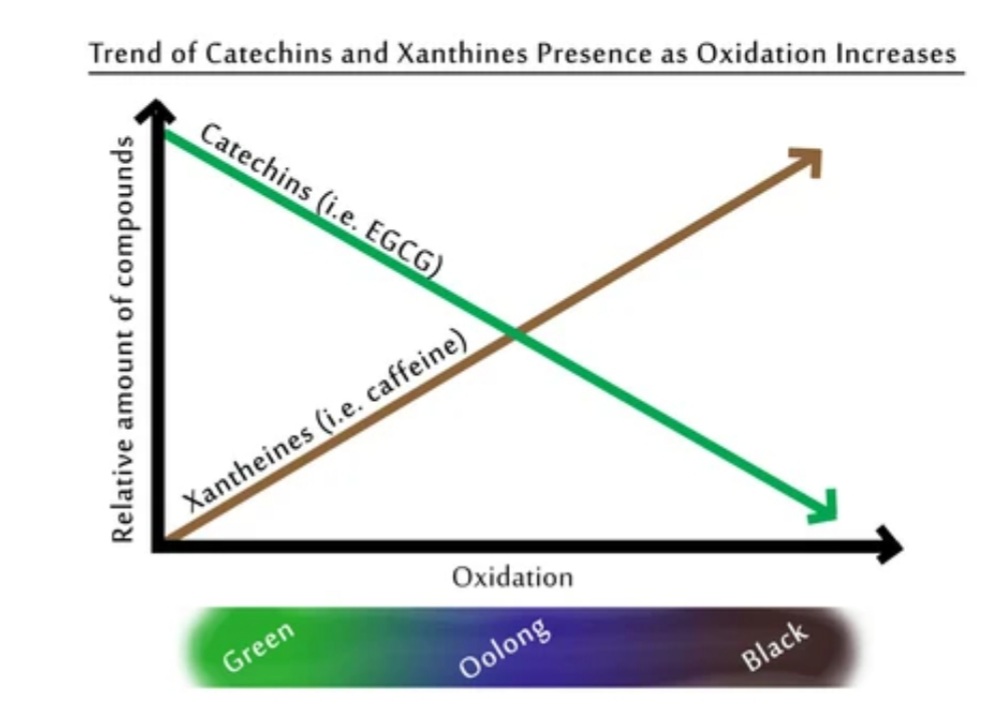
The two major compounds in tea are Catechins and Xantheines. Catechins is present in the form of ECGC which are naturally occurring antioxidants that reduces the oxidative cellular damage in the body and Xantheines in the form of caffeine that provides a gentle energy boost without the harmful side-effects of coffee. The presence of these compounds depends on the oxidisation of the tea leaves. Higher oxidisation leads to more of Xantheine and less of Catechins, where’s lower oxidized leaves contain higher Catechines and less Xantheine.

White Tea is most delicate of all the tea’s as it’s uncured and unfermented. Famous for it’s floral, fruity and naturally sweet flavour, it contains the highest amount of antioxidants as is least oxidized (So it has most of it’s natural Catechins). Hence, it possesses major health benefits because of the absence of caffeine. It’s known for its anti-aging and most potent anti-cancer properties.

Green Tea is the most famous health tea for the past few decades. It is darker compared to White tea as it is slightly more oxidized, however it contains high number of antioxidants that is beneficial for promoting good metabolism and weight-loss. Some of the numerous health benefits of green tea include growth of bladder, stomach, pancreas, lungs; reduced risks of neurological disease like Alzheimer’s; lower blood pressure; prevent cancer; lowers cholesterol levels; prevents tooth decay and many more.

Oolong Tea comes after green tea in terms of its antioxidant content as it’s more oxidized compared to the latter. Its properties depend upon the level of oxidation which is mostly between 30% -70%. It is aromatic and highly fragrant. It is known to lower bad cholesterol levels (LDL) and increase the production of good cholesterol (HDL). It has higher amount of caffeine hence it is known to increase mental alertness and increases concentration

Black Tea is rich, hearty and bold. It’s over 80 % oxidized and hence contain highest levels of caffeine compared to all the others. Hence, this makes it best for an instant energy boost. It is known to protect the skin against excess UV radiation exposure, boost immunity, protect lungs, improve heart health and lower the risk of kidney stones.

Hence, who wouldn’t want to enjoy a hot cup of tea on a pleasant evening (Specially, if it’s good for your health as well as taste buds).

URBAN ECOSYSTEM AND URBAN SUSTAINABILITY

URBAN ECOSYSTEM

UNDERSTANDING URBAN ECOSYSTEM

Urban Ecosystem is the ecological system which is located within an urban area or a city or town or any densely populated area. Urban Ecosystem is the amalgamation of the urban population, its built infrastructure along with its surrounding environment and the interactions between them. It can be seen as a modern way by which adaption can be promoted and guidance can be provided for ecosystem approaches for planning and management of urban areas and their ecosystem. By this the effectiveness and efficiency of the amenities and services being provided for the people can be improved.

URBAN ECOSYSTEM

NEED TO UNDERSTAND URBAN ECOSYSTEM

  1. As of the current situation, more than 54% of world’s population is residing in urban areas (2017) and is projected to reach nearly 66% by 2050.
  2. Urban areas occupy only a small portion of land as compared to the total land available but the amount of global energy consumed by them is huge and is nearly 67 – 76%.
  3. Industrial activities are one of the most widely practiced activities in urban areas and they consume nearly 80% of residential water and 80% of woods.
  4. With the increasing percentage of population residing in urban areas the chances of deterioration of urban ecosystem also increases.
  5. The expanding urban areas convert the  biomes into residential, industrial, commercial, and transportation areas.

STRUCTURE OF URBAN ECOSYSTEMS

Urban Ecosystems consist of 2 elements:

  1. Biological Elements : In the biological components in includes plants, animals and other life forms of life and in addition to that, it also includes the human population, their demographic characteristics, their institutional structures and the socio economic tools that they employ.
  2. Physical Elements : The physical component mainly includes buildings, transportation networks, modified surfaces (e.g., parking lots, roofs, and landscaping) and the environmental alterations etc . 

CHARACTERISTICS OF URBAN ECOSYSTEMS

  1. In comparison to other ecosystems, urban ecosystems are more warm because of high built up areas which reduces the infiltration of rainwater and show high amount of surface run off.
  2. The amount of chemicals, pollutants and heavy metals and other man made organic compounds is also more concentrated in these areas.
  3. The biological community found in different urban areas and urban ecosystems is similar, which is mainly attributed to the structural similarities in urban areas like infrastructures, buildings etc. and due to introduction of different types of activities and characteristics in urban areas for satisfying the needs of the population.

URBAN SUSTAINABILITY

As the percentage of people residing in the cities is increasing, the need of understanding the human – nature interactions and the evolution of their interaction and relationship also increases. With increasing urbanization, the complexities, adversities and nature of this relationship increases and keeps on changing.

Urban Sustainability is the approach that aims to reduce the reliance of cities on other means and modes for satisfying its need and to power itself by making best use of the available renewable sources of energy. By this practice, the carbon footprint, ecological footprint and extent of pollution caused by the cities and urban areas can be reduced. This can be done by efficiently using the land, using the compost obtained from material, by switching to zero waste strategy and waste – to – energy concept. By this the cities impact on micro and global climate change will be reduced.

SOME STRATEGIES FOR ACHIEVING URBAN SUSTAINABILITY

  1. Urban Gardening
  2. Using Sustainable Approaches in construction of buildings
  3. Sustainable Landscaping
  4. Investments in Downtowns
  5. Food Forest

Chakras

Have you ever attended a yoga session before? Have you ever heard about these chakras? 

If yes, that’s great. If not, that’s fine we are going to cover it in this article.

Chakra is a word that comes from Sanskrit, meaning wheel. There are seven wheels or chakras in a human body. Each is located in sequential order along our spinal cord. 

Activating these chakras are important to have a physical and emotional balance. If any of them is imbalanced it means that your chakras are blocked and there is a need to activate them.

But how do we do that? Before answering that question let’s learn about the position and significance of each chakra.

Okay, let’s start from the bottom.

1. Root chakra- Muladhara: 

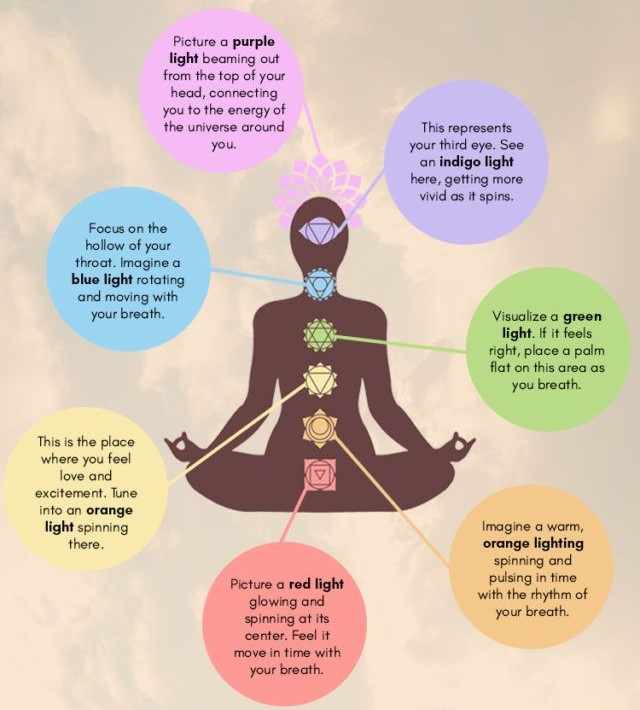
Color– Red

Represents– the Earth

It is located at the bottom of the spine. It provides a foundation for your life. Gives a sense of commitment, energy, vitality, and independence in life. Helps you to stay grounded. 

If this chakra is blocked. The consequences may be like this- anger, possessiveness, insecurity, fear, low self-esteem, etc.

How to activate/balance this chakra?

You can activate this chakra by performing yoga or meditation.

Hand Mudra
yoga poses

2. Sacral Chakra- Swadhisthana:

Color– Orange

Represents– Water

Located below the belly button.

This chakra deals with one’s creativity, emotional identity, desires, and pleasure. Gives a feeling of compassion, a good sense of humor, intuition, sense of belonging. 

If this chakra is blocked it gives a sense of shyness, guilt, irritation, lack of creativity, etc.

How to activate this chakra?

By following the mudras mentioned below you can balance the chakra.

Hand Mudra
yoga poses

3. Solar plexus chakra- Manipura:

Color– yellow

Represents– Fire

Located in the stomach area. This chakra deals with the sense of belonging and mental understanding of emotions. This makes you feel energetic, confident, intelligent, focused, good digestion, and productive.

If this chakra is blocked you feel timid, depressed, judgmental, angry, and fear of rejection.

By following the mudras mentioned below you can balance the chakra

Hand Mudra
yoga poses

4. Heart Chakra- Anahata:

Color– green

Represents– Air

Located at the center of the chest. It reflects a person’s social identity and affection like love, trust, forgiveness, and wisdom. Makes you motivated, compassionate, emphasized, sense of completeness, friendliness, etc.

If this chakra is blocked you might feel difficulty in love, lack of hope and compassion, mood fluctuations, and feeling low.

By following the mudras mentioned below you can balance the chakra

Hand Mudra
yoga poses

5. Throat chakra- Vishuddha: 

Color– Blue

Represents– Sound

It is located in your throat. Deals with creativity, effective communication skills, faith, expression, listening skills, and all.

If this chakra is blocked it may cause indecisiveness, weakening of willpower, lack of expressiveness, low level of creativity, and proneness to addiction.  

By following the mudras mentioned below you can balance the chakra

Hand Mudra
yoga poses

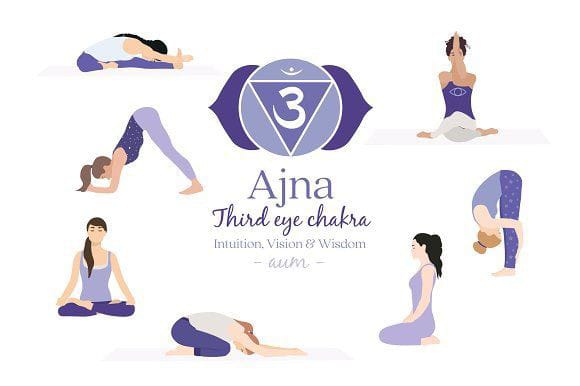
6. Third eye chakra- Ajna:

Color– Indigo

Represents– light

Located between the eyes. It is responsible for intuition, imagination, wisdom, self-awareness, insight, understanding, and reasoning. It gives clear thinking, a healthy imagination, strong intuition power, good concentration, and focus.

If this chakra is blocked it results in poor judgment, confusion, fear of truth, poor concentration, and addictions.

By following the mudras mentioned below you can balance the chakra

Hand Mudra
yoga poses

7. Crown chakra- sahasrara:

Color– Violet/white

Represents– Conscience

Located at the top of the body, the crown chakra is to maintain a spiritual connection and consciousness. Gives a feeling of oneness, open-mindedness, thoughtfulness, etc. 

If this chakra is blocked you feel a sense of fear, lack of purpose, lack of inspiration, disbelief in spiritual and devotional practices.

By following the mudras mentioned below you can balance the chakra

Hand Mudra
yoga poses

credits to the right owners of the pictures used.

sources: pinterest

RICHARD BRANSON

Sir Richard Charles Nicholas Branson (born 18th July 1950), soon going to be 71, is an English business tycoon, investor, author and now a commercial astronaut. He founded the Virgin Group in the 1970s which today controls more than 400 companies in various fields. Branson desired to be an entrepreneur from a very young age. His first business venture, at the age of 16, was a magazine called Student. In 1970, he set up a mail-order record business. He opened a chain of record stores, Virgin Records—later known as Virgin Megastores—in 1972. Virgin Group Ltd. is a British multinational venture capital conglomerate founded in February 1970. Branson’s Virgin brand grew rapidly during the 1980s, as he started Virgin Atlantic airline and expanded the Virgin Records music label. In 1997, Branson founded the Virgin Rail Group to bid for passenger rail franchises during the privatisation of British Rail. The Virgin trains brand operated the Inter City West Coast franchise from 1997 to 2019. In 2004, he founded spaceflight corporation Virgin Galactic, based in California, noted for the SpaceShipTwo suborbital spaceplane designed for space tourism. In 2006, he founded Virgin Comics LLC, stating that Virgin Comics will give “a whole generation of young, creative thinkers a voice”. In 2014, Branson and Virgin StartUp launched the “Foodpreneur” food and drink focused start-up competition. Winners received mentorship from Branson, legal support, and brand counseling.

The name “Virgin” arose when Richard Branson and Nik Powell formed a record shop. It was suggested by one of the earliest employees as thy were all new to business. They considered themselves virgins in business. Virgin StartUp is the Virgin Group’s not-for-profit company, helping entrepreneurs across the UK to start, fund and scale their business.

World record attempts

1986: Fastest Ocean Crossing; he beat the record by two hours with sailing expert Daniel McCarthy.

1991 Branson crossed the Pacific from Japan to Arctic Canada, 6,700 miles, in a balloon of 2,600,000 cubic feet. This broke the record, with a speed of 145 miles per hour.

1998:  made a record-breaking flight from Morocco to Hawaii but were unable to complete a global flight

2004, Branson set a record by travelling from Dover to Calais in a Gibbs Aquada in 1 hour, 40 minutes and 6 seconds, the fastest crossing of the English Channel in an amphibious vehicle.

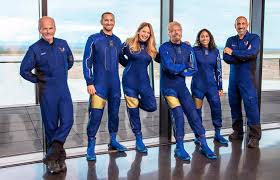
His latest feat includes him becoming the first billionaire founder of a space company to travel to the edge of space. a flight. On July 11, 2021 Branson along with Beth Moses, Sirisha Bandla (the third Indian American woman to fly into space) and Colin Bennett and reached edge of space (86 kilometers or 53 miles) on a Virgin Galatic spacecraft called VSS Unity.

Gold in Tiny Amounts; Elixir?

All about gold nanoparticles

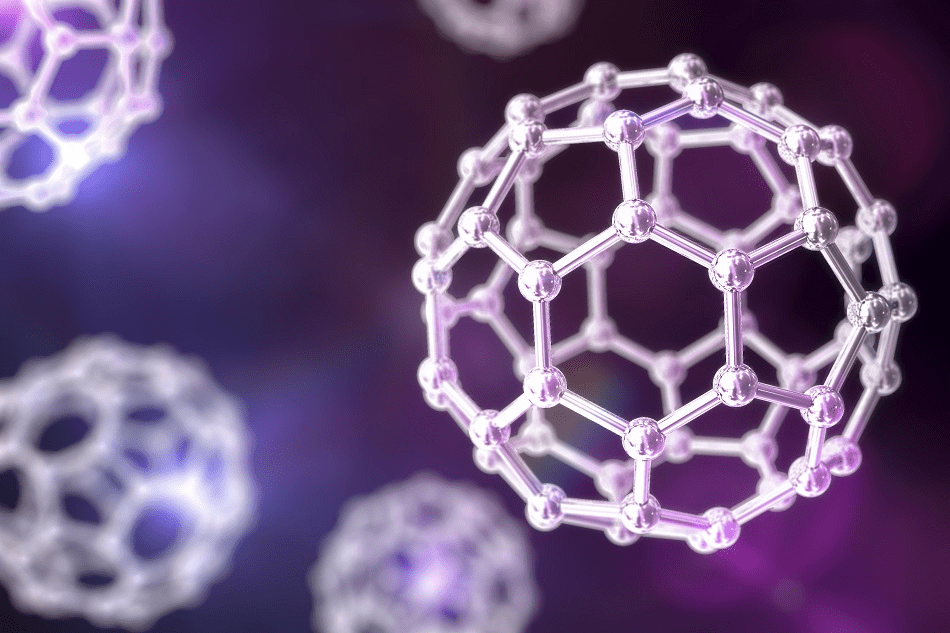
Precious metals like silver, gold, and platinum are all used in medicine to aid treatments as diverse as wound healing and cancer therapies. Gold nanoparticles (AuNPs) are small gold particles with a diameter of 1 to 100 nm which, once dispersed in water, are also known as colloidal gold.

Nanoparticles at a glance.

How did gold get to earth?

Gold, the shiny yellow metal prized for its beauty, malleability and used in many different industries, is actually created inside massive stars when they explode into a supernova. Here lies the history-

  • Gold, like most heavy metals, are forged inside stars through a process called nuclear fusion. In the beginning, following the Big Bang, only two elements were formed: hydrogen and helium. A few hundred million years after the Big Bang, the first stars were blazing away with their nuclear fires. These nuclear fires forced lighter elements together to make slightly heavier elements, and these nuclear reactions released a huge amount of energy.
  • Gradually, these early stars began making elements such as carbon, nitrogen, oxygen — working their way up through the periodic table towards iron. But there was still no gold in the Universe. Once these earlier stars ran out of light elements to burn, they kicked in on the heavier ones.
  • Finally, as they burnt silicon to make iron, they exploded as a supernova, and for a few short moments, each star would release as much energy as all the regular stars in that galaxy put together. In that cataclysmic explosion, for the first time, atoms of gold were manufactured — and then hurled out into the Universe, along with the other debris from that explosion.
  • On Earth, gold finally reached us some 200 million years after the formation of the planet when meteorites packed with gold and other metals bombarded its surface. During the formation of Earth, molten iron sank to its centre to make the core. This took with it the vast majority of the planet’s precious metals — such as gold and platinum. In fact, there are enough precious metals in the core to cover the entire surface of Earth with a four-metre thick layer.

Cancer treatment

Colloidal gold, the suspension of gold nanoparticles in liquid, has been used for hundreds of years, from staining glass in the Middle Ages to early experiments with photography in the Victorian era. But it was only 160 years ago that gold nanoparticles were given any serious scientific examination, when scientist Michael Faraday created the first pure sample of colloidal gold in his basement laboratory at the Royal Institute in London. Faraday’s early experiments were forays into what would ultimately become the fields of nanoscience and nanotechnology.

“Scientists have pioneered a revolutionary approach in the use of gold nanoparticles that could lead to the development of a new generation of broad-spectrum antiviral drugs.”

  • Targeted drug delivery is better than conventional drug therapy because these drugs target the main effected area, so it minimizes the side effects caused..
  • Gold nanoparticles have the ability of bio-imaging of the effected cancerous cells for therapy. Cancer DNA has a special 3D structure that has an affinity for gold, according to one study, and nanoparticles change color when that DNA is present. Simple, fast tests could detect cancer in 10 minutes.
  • Gold nanoparticles have unique physical, chemical properties and strong binding attraction for thiols, proteins, carboxylic acid and disulfides, so they have been extensively used in drug delivery for cancer therapy.

Alzheimer’s-

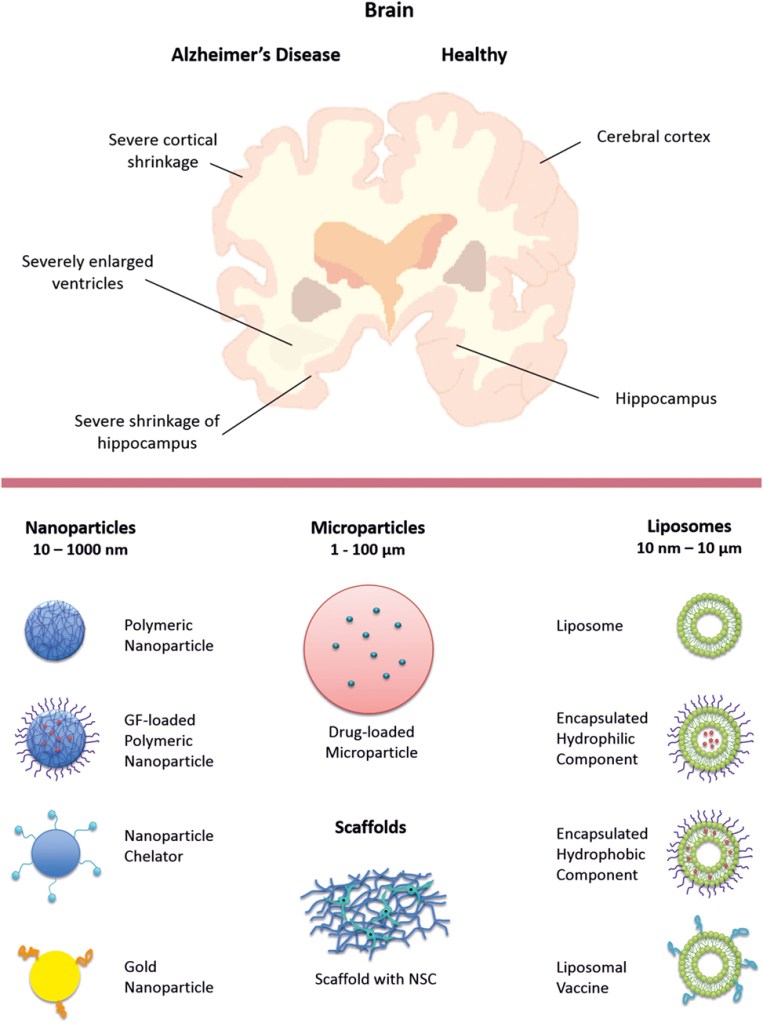
  • Illnesses associated with ageing are under the microscope too. Scientists are using gold nanoparticles to see the knot-like structures in the brain that cause Alzheimer’s and other neurodegenerative diseases. By labelling these structures–called amyloid fibrils–with gold they can see the knots more clearly and identify their weak spots for treatment.
  • Another global health problem shows promise for gold use in medicine. Tropical disease malaria, transmitted by mosquitoes, infected 219 million people in 2017 and killed 435,000. Nanoparticles used in rapid diagnostic tests are cheap to use, can give results in 15 minutes, and help doctors target treatment for malaria where it is most needed.
image description

Immunity

  • Immunotherapists are also harnessing the special properties of spherical nanoparticles to deliver a boost to the body’s immune system. Polymer-coated spheres of gold interact with B lymphocyte immune cells and can deliver drugs or vaccine to where it is most needed. In this way they hope to treat hard-to-reach brain tumors.
  • Going forward there is exciting potential for nanoparticles to help combat HIV and blood diseases. Medics use the gene editing tool CRISPR to deliver new genetic information to cells, but current methods can damage or even kill cells. Gold nanoparticles mounted with CRISPR can quickly cross the cell membrane into the nucleus to edit genes.

Thankfully, even though gold is a rare commodity compared to other metals, in microscopic quantities it can improve our lives immeasurably. Nanoparticles measuring billionths of a meter are used as tiny detectors to develop the most sensitive chemical tests.

Thank you!

Go back

Your message has been sent

Warning
Warning
Please rate our website(required)

Warning
Warning
Warning.

INTEGRATING YOUTH TOWARDS SCIENCE

There is a fountain of youth. It is your mind, your talents, the creativity you bring to your life and the lives of the people you love.” – Sophia Loren.

Youth is the spring of human life. This is the phase of life where we live with our dreams and discoveries. Youth is the greatest strength and wealth of any nation. Empowering youth leads to nation pride.

The primitive humans were driven by instinct, just like animals. As we evolved, the faculty of intellect and higher thoughts developed in our brain. We started conditioning nature rather than obeying it. We developed rational thinking and understood the way we can support our thoughts with empirical data. We learned to make hypothesises and test them. We discovered science, as a faculty of knowledge and applied it meticulously and thus started dominating the world. A single example is how we made fire by friction, then came the match box and now sleek lighters. Today we have understood the science of nuclear energy so deeply that we have the power to even turn a big city into ashes within seconds.

Albert Einstein once said: “The most incomprehensible thing about the world is that it is comprehensible”. The comprehensibility of world comes through understanding science.

For couple of decades, we saw a trend that the youth of India was mesmerised to opt for Engineering or Medicine naturally due to career prospects. However due to various initiatives and funding for science research of-late we are seeing a trend that the present-day youth started preferring science as a career. Science research is no doubt time consuming and quick result and career is not easy to achieve.

Progress is the result of self-sacrifice not self-interest. There are many good and sincere scientists in India whose interests are not motivated by awards and recognition. These people have served and will continue to serve as mentors to future generations of Indian scientists. Science is the result of the efforts of these people. Let each one of us act as a catalyst to the advancement of science in India which will certainly make our country very powerful among the other nations in the world.

To conclude, youth are the backbone of our nation. They are full of energy. They should channel their energies for constructive purposes, develop scientific temper and thus bring their own progress and on turn the progress and prosperity of our nation.
Do We Live in a Multiverse?

As far as we currently know, there is a single expanding blob of spacetime speckled with trillions of galaxies – that’s our Universe. If there are others, we have no compelling evidence for their existence.

Amazing book about Multiverse

That said, theories of cosmology, quantum physics, and the very philosophy of science have a few problems that could be solved if our blob of ‘everything’ wasn’t, well, everything.

That doesn’t mean other universes must exist. But what if they do?

What is a universe?

It should be a simple question to answer. But different areas of science will have subtly different takes on what a universe even is.

Cosmologists might say it describes the total mass of stuff (and the space in between) that has been slowly expanding from a highly concentrated volume over the past 13.77 billion years, becoming increasingly disordered with age. 

It now stretches 93 billion light years from edge to edge, at least based on all of the visible (and invisible) stuff we can detect in some way. Beyond that limit, there are either things we can’t see, an infinite expanse of nothingness, or – in the unlikely scenario that all of space bends back around on itself – a round-trip back to the start across a hyperspherical universe. 

If we’re talking quantum physics, though, a universe might refer to all fields and their particles, and their combined influences over one another. As a general rule, a universe (like ours, at least) is a closed system, meaning it can’t suddenly lose or gain a significant sum of energy. 

Telescope under 100

Philosophically speaking, a universe might be a discrete set of fundamental laws that governs the behavior of everything we observe. A universe would be defined by its own rules that set its unique speed for light, tell particles how to push or pull, or space how it should expand. 

What is a multiverse in cosmology?

A century of astronomical observations has told us a lot about the age, size, and evolution of galaxies, stars, matter and the four dimensions we sum up as spacetime. 

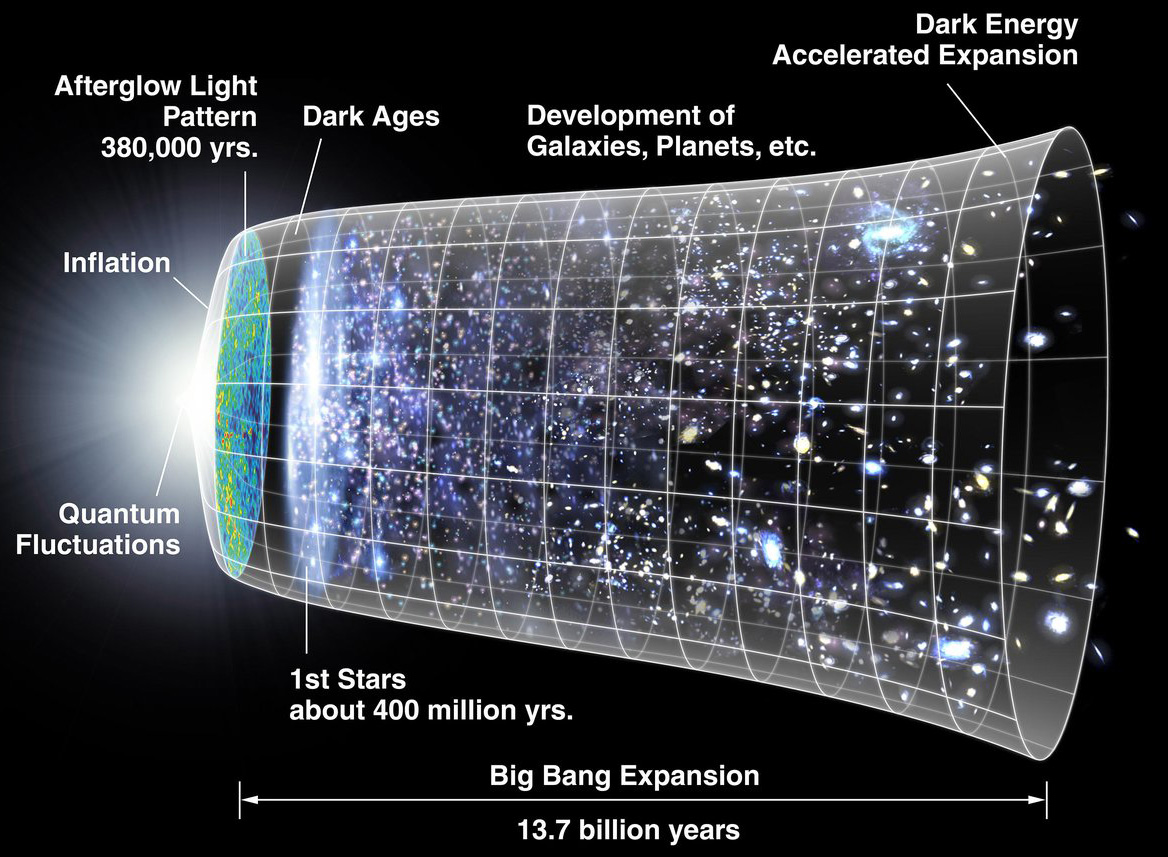
One thing we know with great confidence is that everything we see now is expanding at an accelerating rate. This logically implies the Universe, at least the one we live in, used to be a lot smaller

big bang nasa infographic expansion(NASA/JPL)

We can theoretically squeeze all of the matter of the Universe down to a point where the concentration of energy reduces atoms to a soup of simpler particles and forces combine until we can’t tell them apart. Any smaller than that? Big shrugs.

If we go with what’s known as a cyclic model of cosmology, the parent universe preceded ours in some way. It might even be a lot like this one, only running in reverse compared with ours, shrinking over time into a concentrated point only to bounce back out for some reason. Played out for eternity, we might imagine the respective universes bounce back and forth in an endless yo-yo effect of growing and collapsing.

Or, if we go with what’s known as a conformal cyclic model, universes expand over trillions upon trillions of years until their cold, point-like particles are so spread out, for all mathematical purposes everything looks and acts like a brand new universe.

If you don’t like those, there’s a chance our Universe is a white hole – the hypothetical back end of a black hole from another universe. Which, logically, just might mean the black holes in our Universe could all be parents, pinching off new universes like cosmic amoebae.

What is a multiverse in quantum physics?

Early last century, physicists found theories that described matter as tiny objects only told half of the story. The other half was that matter behaved as if it also had characteristics of a wave.

Exactly what this dual nature of reality means is still a matter of debate, but from a mathematical perspective, that wave describes the rise and fall of a game of chance. Probability, you see, is built into the very machinery that makes up the gears of a universe like ours.

Of course, this isn’t our daily experience as vast collections of atoms. When we send a bucket of molecules called a rocket to the Moon as it zooms past 300,000 kilometres away, we’re not rolling dice. Classical old physics is as reliable as tomorrow’s sunrise.

But the closer we zoom in on a region of space or time, the more we need to take into account the possible range of measurements we might find. 

This randomness isn’t the result of things we don’t know – it’s because the Universe itself is yet to make up its mind. There’s nothing in quantum mechanics explaining this transition either, leaving us to imagine what it all means. https://www.youtube.com/embed/dzKWfw68M5U?ab_channel=PBSSpaceTime

In his 1957 doctoral dissertation, American physicist Hugh Everett suggested the range of possibilities are all as real as one another, representing actual realities – separate universes, if you like – just like the one we’re all familiar with.

What makes any one universe in this many worlds interpretation distinct is how each wave correlates with a specific measurement taken of other waves, a phenomenon we call entanglement.

What ‘we’ means, and why ‘we’ experience one entangled set over waves over another, isn’t clear, and in some ways presents an even bigger problem to solve. 

What is a multiverse in philosophy?

One of science’s most fundamental starting assumptions is that in spite of what your mother tells you, you’re not special. Nor is any other human, or our planet, or – by extension – our Universe.

While rare events occur from time to time, we don’t answer The Big Questions with ‘it just happened that way’. 

So why does our Universe seem to have just the right tug-of-war of forces that allow not just particles to appear, but to congeal for long enough periods into atoms that can undergo complex chemistry to produce thinking minds like ours?

Philosophically speaking, the anthropic principle (or principles, since there are many different ways to spin the idea) suggests we might have it backwards. Without these conditions, no minds would have arisen to consider the amazing turn of events. 

If just a single universe ‘just happened that way’ early one spring morning, it’d be one big coincidence. Too big really. 

But if there were infinite universes, with infinite combinations of forces pushing and pulling, some would inevitably give rise to minds that just might ask ‘are we part of a multiverse?’ 

Will we ever discover other universes?

Given the very definition of a universe relies on some kind of physical fence keeping influencing factors apart, it’s hard to imagine ways we might ever observe the existence of a sibling for our universe. If we did, we might as well see it as an extension of our own Universe anyway.

That said, there could be some cheats that could give us a glimpse.

Any experiment to find one would have to rely on that ‘fence’ having some holes in it that allow particles or energy to leak across, either into ours, or away from it. Or, in the case of universes existing in our past, monumental events that left enough of a scar that not even a rebirth could erase.

For now, we still have no good reason to think our blob of everything is anything but unique. Given we’re still learning how our own Universe works, the current gaps in physics could yet be plugged without any need to imagine a reality other than ours.

In countless other versions of this article scattered throughout the multiverse, however, the question of whether we are alone just might have a different answer.

Science you tube channels that are worth subscribing.

You tube! One of the biggest social media platform, whose content is in the form of Vedio. This was first launched in February 2005. Now It hosts biggest content creators of on variety of content from arts to science. You tube has become one of the income sources option or we can say a career option now. There are many educators who found career in you tube. In this situation of pandemic, You tube educators have saved many students education.

You tube has now become a source of information for everything. It is the biggest search engine after google. being a science enthusiast i always watch Scientific you tube channels. There are many YouTube channels doing a great job in giving perfect information with beautiful illustrations and examples. But here are the some I think which are worth subscribing.

Vsause

One of the best you tube channel hosted by Michel David Stevens. He is an American educator The channel has scientific, psychological, Mathematical, philosophical Vedios. Channel is currently on 1.7 crore subscribers and 380 Vedios on the channel. The best thing about the channel is detailed research that is done on the topics presented. And also the host Michel Stevens steals your attention by his method of explanation. He makes the Vedio interesting by scratching your brain and increasing the curiosity. The series called “Mind field” which has 3 seasons is one of the best Vedio series I have watched. They have mind blowing experiments and explorations done by the host himself.

This channel is worth subscribing.

veritasium

Another you tube channel which has the best science Vedios. This channel is hosted by Derek Muller, who is Australian-Canadian science communicator, filmmaker. The channel now has 94.8 lakh subscribers and 313 Vedios. Derek, In his Vedios answers very simple questions in a way that you would never thought of having it. He conducts many street interviews about the topics or you may call it surveys to get the public mindset and information. In may of his Vedios he breaks many Myths around science and psychology.

The best things about the Veritasium channel are the experiments and the execution. The animations used to explain things are very cool to watch. And obviously the perfect information is what you always get.

The royal institution

This is the official you tube channel of the Royal institution situated in great Britain. It is the organization for scientific education and research founded very long back in 1799. The institution holds lectures on various science topics. Many famous scientists gave their lectures here. The you tube channel has the recorded Vedios of this lectures. The channel has 10.4 lakh subscribers and 925 Vedios.

What’s the best thing? The Vedios are genuine lectures from the scientists you admire! You get the whole lecture recorded and what’s better than that. You get to know about the new discoveries and advancements in detail. Vedios make you think more deeply about science. I think that’s more than enough to make you subscribe if you are a science geek.

lectures by walter lewin They will make you love physics

Who doesn’t know Walter Lewin and his love for physics. He is the former professor of physics at Massachusetts institute of technology. He has written a book called “For the love of Physics”. He is one of the best teachers you would ever get. His fun demonstrations of theories, and facts are loved by students around the world. The channel has 10.8 lakh subscribers. His lectures make you really fall in love with physics.

there are many more YouTube channels that provide quality science Vedios. PBS spacetime, Parth G, Periodic Vedios are some other to mention. But the above four channels are my personal favorite and I think are worth giving a try.

Parental Care in animals

Image credit : Birger Strahi

Like humans many other animals live on this planet with family. Even non-symbiotic organisms, for any period of their lives, take care of their families. If a family does not build its own, the unconscious biological awareness, its species should be endangered to endemic. Elephants, chimpanzees and other of all kinds: relatives to their family members, many times more than human beings who wish to call themselves the most intelligent and noble animal.

Parental Care
Mating refers not only to sex and courtship behaviors. It may also include the cooperative rearing of offspring by the parents. Parental care refers to any behaviors on the part of either or both parents that help their offspring survive. In many birds, parental care includes building a nest and feeding the young. Parental care generally is longest and most complex in mammals, in which it always involves the mother feeding milk to the young (see the Mammals concepts). Parental care in mammals may also involve teaching the young important skills that they will need when they are older and no longer cared for by the parents. For example, meerkat adults teach their pups how to eat scorpions. They show the pups how to safely handle the poisonous insects and how to remove the stingers. Penguin is protecting her chick and will continue to do so until the chick is able to protect itself.

If the concern for all members of their group is one type, then the concern for their offspring is different. Almost all animals are nurtured in their own way, as are humans who love, feed, and care for children more than ever. Depending on what kind of organism cares for the organism, the organism’s reproductive kind. If any organism has a reproductive kind of ovulation, little undeveloped spawning. Chicks are born when such an egg undergoes external fertilization. Generally most species of fish and frogs have this type of reproduction. Care of these eggs before and after fertilization will raise the parental concern of these organisms. In general, studies have shown that both male and female frogs are of concern in fish and frogs in fish, however, frogs have little to do with this generalization; many recent findings suggest that there are many different types of parental care in frogs, not in any species. Surprisingly there are 41 types of parental care in the genus of frogs. Ovulation Kind of Fish with breeding grounds, In organisms such as the frog, little nourishment is required for little parental care within the mother’s body. No more reproduction of ovulation type in some fish, such as sharks, many insects, lizards, and even some snakes, the eggs hatch into the mother’s body, leaving the chicks imperfectly developed. Since these are nourishment within the mother’s body, the need for postnatal parental care is little more than that of ovarian organisms. Others, including mammals, and other animals with advanced bodies in biosynthesis, have the ability to reproduce germ cells. In this way, the birth of a fully developed offspring within the mother’s body is the same as parental care. Teaching and countless other jobs are hidden in parenting. Without taking care of offspring No other living organism is found in this world. In most organisms, either the mother is usually nurtured, or both the father and mother are involved. Fathers have been more concerned with seaweed and some fish. Surprisingly, relatives like aunt and aunty are raising children, elephants, lions, wolves, and a bird called ‘Jay Battler’. Further, some species of bees and sister wineries participate in the nourishment. Males are also rarely involved in parenting in promiscuous mating systems. Biology-based history has shown that when it comes to the question of survival, extinction is the lie that “there may be bad children in the world but not bad mothers.” The death of an incapacitated child for their survival or the survival of a child who is physically capable of their own children requires an example of the mother or father or both parental beings being exploited. This is not true in principle, but is the truth of evolution all the time.

Comet NEOWISE : A new cosmic Discovery

One 27th MARCH 2020, a long periodic comet with near parabolic orbit was discovered by a group of astronomer during the NEOWISE Mission the Wide-field Infrared Survey Explorer (WISE) space telescope. At that time, it was an 18th-magnitude object, located 2 AU (300 million km; 190 million mi) away from the Sun and 1.7 AU (250 million km; 160 million mi) away from Earth.

Discovered by
NEOWISE
Discovery date
March 27, 2020
Orbital characteristics A
Epoch
2458953.5 (April 14, 2020)
Observation arc
113 days
Number of
observations
376
Orbit type
Long period comet
Aphelion
538 AU (inbound)
710 AU (outbound)
Perihelion
0.29478 AU
Semi-major axis
270 AU (inbound)
355 AU (outbound)
Eccentricity
0.99921
Orbital period
~4400 yrs (inbound)
~6700 yrs (outbound)
Inclination
128.93°
Node
61.01°
Argument of
periapsis
37.28°
TJupiter
−0.408
Earth MOID
0.36 AU (54 million km; 140 LD)
Jupiter MOID
0.81 AU (121 million km)
Dimensions
~5 km (3 mi)
Last perihelion
July 3, 2020
Next perihelion
unknown

HISTORY AND OBSERVATION

The object was discovered by a team using the WISE space telescope under the NEOWISE program on March 27, 2020.It was classified as a comet on March 31 and named after NEOWISE on April 1. It has the systematic designation C/2020 F3, indicating a non-periodic comet which was the third discovered in the second half of March 2020.

Comet NEOWISE made its closest approach to the Sun (perihelion) on July 3, 2020, at a distance of 0.29 AU (43 million km; 27 million mi). This passage through the planetary region increases the comet’s orbital period from about 4400 years to about 6700 years.Its closest approach to Earth occurred on July 23, 2020, 01:09 UT, at a distance of 0.69 AU (103 million km; 64 million mi) while located in the constellation of Ursa Major.

In early July, the comet could be seen in the morning sky just above the north-eastern horizon and below Capella. Seen from Earth, the comet was less than 20 degrees from the Sun between June 11 and July 9, 2020. By June 10, 2020, as the comet was being lost to the glare of the Sun, it was apparent magnitude 7,when it was 0.7 AU (100 million km; 65 million mi) away from Sun and 1.6 AU (240 million km; 150 million mi) away from Earth. When the comet entered the field of view of the SOHO spacecraft’s LASCO C3 instrument on June 22, 2020, the comet had brightened to about magnitude 3, when it was 0.4 AU (60 million km; 37 million mi) away from the Sun and 1.4 AU (210 million km; 130 million mi) away from Earth.

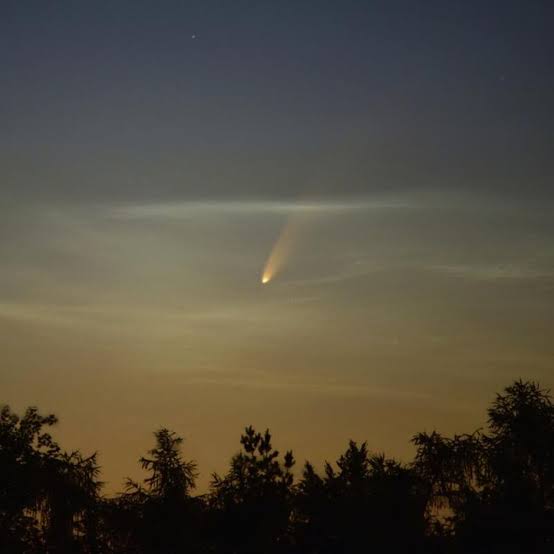
By early July, Comet NEOWISE had brightened to magnitude 1, far exceeding the brightness attained by previous comets, C/2020 F8 (SWAN), and C/2019 Y4 (ATLAS). By July, it also had developed a second tail. The first tail is blue and made of gas and ions stretching almost 70° from its nucleus. There is also a red separation in the tail caused by high amounts of sodium which is nearly stretched 1°. The second twin tail is a golden color and is made of dust stretched almost 50°, like the tail of Comet Hale–Bopp. This combination resembles comet C/2011 L4 (PANSTARRS). The comet is brighter than C/2011 L4 (PANSTARRS), but not as bright as Hale–Bopp was in 1997. According to the British Astronomical Association, the comet brightened from a magnitude of about 8 at the beginning of June to −2 in early July.This would make it brighter than Hale–Bopp. However, as it was very near to the Sun, it was reported as 0 or +1 magnitude and remained that bright for only a few days. After perihelion, the comet began to fade, dropping to magnitude 2. Its nucleus activity subdued after mid-July, and its green coma was clearly visible after that.

On July 13, 2020, a sodium tail was confirmed by the Planetary Science Institute’s Input/Output facility. Sodium tails have only been observed in very bright comets such as Hale–Bopp and C/2012 S1 (ISON).

From the infrared signature, the diameter of the comet nucleus is estimated to be approximately 5 km (3 mi). The nucleus is similar in size to Comet Hyakutake and many short-period comets such as 2P/Encke, 7P/Pons-Winnecke, 8P/Tuttle, 14P/Wolf, and 19P/Borrelly. NASA’s Parker Solar Probe had captured an image of the comet, from which astronomers also estimated the diameter of the comet nucleus at approximately 5 km (3 mi). Later in July 2020, other observations were also reported, including those related to coma morphology and spectrographic emissions. On 31 July 2020, strong detection of OH 18-cm emission was observed in radio spectroscopic studies at the Arecibo Observatory. On August 14, 2020, the rotation period of the comet was reported to be “7.58 +/- 0.03 hr”.

TRAJECTORY

Comet NEOWISE retrograde orbit crossed to the north of the plane of the ecliptic, to which it is inclined at approximately 129 degrees, on June 29, 2020, 01:47 UT. It made its closest approach to the Sun (perihelion) on July 3, 2020, at a distance of 0.29 AU (43 million km; 27 million mi). This passage increases the comet’s orbital period from about 4400 years to about 6700 years.On July 18 the comet peaked at a northern declination of +48 and was circumpolar down to latitude 42N. Its closest approach to Earth occurred on July 23, 2020, 01:09 UT, at a distance of 0.69 AU (103 million km; 64 million mi) while located in the constellation of Ursa Major.

World Population Day: UP Population Bill Draft.

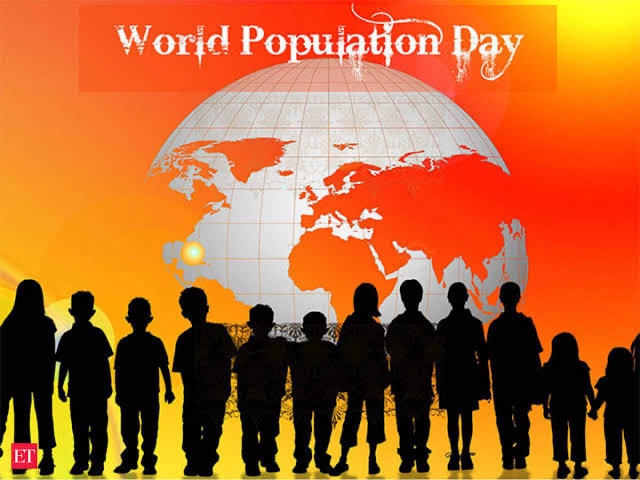
Today, July 11, is celebrated as World Population Day each year and this was established by United Nations Development Programme with an attempt to address the issues faced by global population.

Photo Credits: E Times.

This day is very important to India as our country is one of the few in the world to have a massive increase in population in the past few years. With growing population, demands and needs of the public also increases.

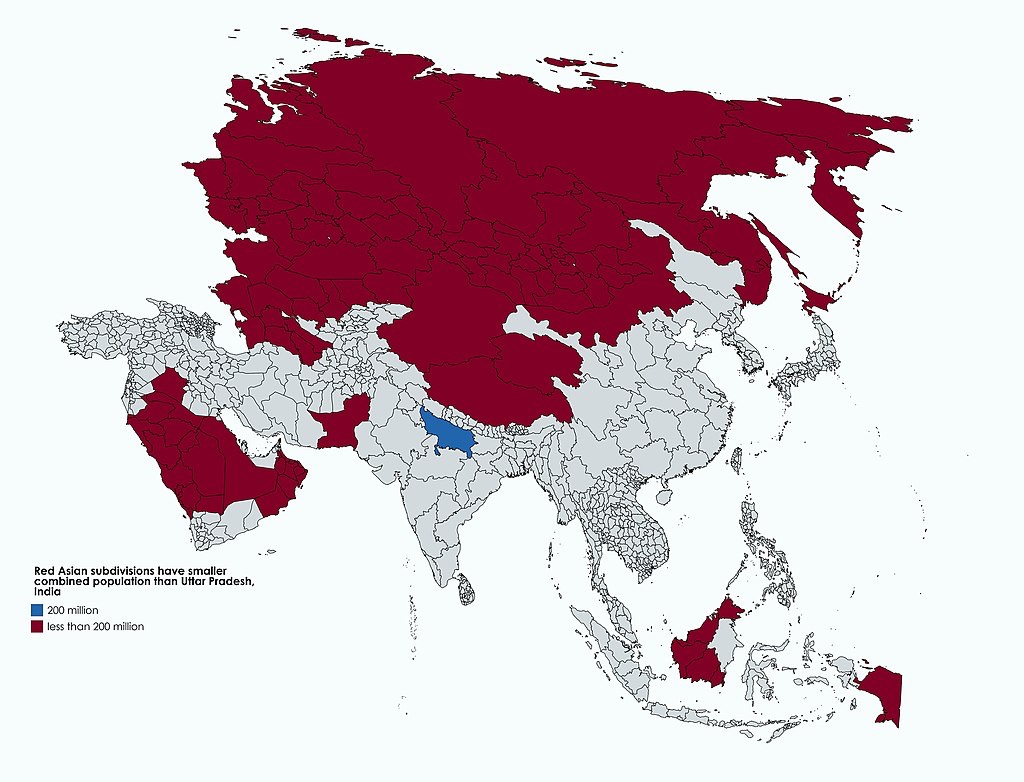
Uttar Pradesh, a state in India has a population of about 220 million, larger than that of many of the developed countries in the world. As increasing population is a growing concern, the Government of Uttar Pradesh has proposed a bill to control the population growth and any suggestions that would improve the bill are also welcomed and the last date for public opinion is July 19.

Blue Area: Uttar Pradesh.

The Blue Area, marked on the picture above is Uttar Pradesh and the blue area has more population than the entire red area combined. This shows the seriousness of the situation regarding the population in Uttar Pradesh.

Let us know some of the important facets from the Population Control Bill Draft of Uttar Pradesh which voices for a “two-child norm” in Uttar Pradesh.

The Government Duties:

1) A State Population Fund will be made for the purpose of implementation of the act.

2) Maternity Centres will be established at all primary health care centres. All centres and related NGOs will have to distribute contraceptive pills, condoms and like.

3) The Centres and NGOs will also have to educate people about proper family planning methods and record the information about pregnancies, deliveries, births and deaths.

4) The Government will also ensure that there’s a separate subject regarding population in all secondary schools.

5) The Government would also ensure to stabilise and provide welfare to the population of the state by implementing and promoting two child norm.

6) In the Bill it is also mentioned that public servant who adopt the two child norm would be entitled to several benefits such as increments throughout lifetime, maternity leaves and paternity leaves for 12 months (according to the case) with full salary and allowances and three percent increase in the Employer’s Contribution Fund under National Pension Scheme.

Citizen’s Responsibilities:

-The Bill has also made it clear that anyone violating the two child policy will be debarred from contesting local bodies elections, from applying or getting promoted in Government jobs, and receiving any kind of Government subsidy.

-As responsible citizens, the bill expects us to abide by the laws contained in the bill or suggest any improvements until July 19 and also encourages us to promote sustainable development with more equitable distribution.

Programming Languages that you must learn [part 2]

[By Bhoomika Saini]

Photo by Karolina Grabowska on Pexels.com

If you’re new to the field of software development, the toughest part of learning programming is deciding where to begin. There are hundreds of programming languages in widespread use, each with its own complexities and idiosyncrasies. As you begin your journey as a software developer, you’ll start to discover which programming language will be most suitable for you, your interests, and your career goals.

When deciding which programming language to learn, it’s important not to get caught up in flashy trends and popularity contests. The best programming languages to learn in 2021 are likely the same ones that were best to learn in 2017 and 2018, and that will continue to be true for the next several years as well.

Although the field of computer programming changes rapidly, the languages that we’ve discussed above have a great deal of staying power. By learning one or more of these languages, you’ll be in an excellent position not only for this year but in the years to come.

In the list below, we go over the best and most in-demand programming languages for many of the most common use cases including web development, mobile development, game development, and more.

Scala

If you’re familiar with Java—a classic programming language in its own right—it’s worth checking out its modern cousin, Scala. Scala combines the best features of Java (such as its Object-Oriented Structure and its lightning-fast JVM runtime environment) with a modern twist.

As a functional programming language, Scala allows engineers to elevate the quality of their code to resemble pure math. Scala allows for concurrent programming, allowing complex procedures to be executed in parallel. Furthermore, it is a strongly typed language. Engineers can create and customize their own data types, allowing them to have the peace of mind knowing entire swaths of bugs are impossible at runtime.

Elm

One of the youngest languages on our list, what began as a Harvard student’s thesis has now grown to become a point of passion for front-end developers around the world.

Elm compiles to JavaScript, making it ideal for building fast-executing UIs with zero errors at runtime. Elm is a functional programming language, allowing developers to create client-side interfaces without the declarative trappings of HTML and CSS.

Ruby

Ruby is another scripting language that’s commonly used for web development. In particular, it’s used as the basis for the popular Ruby on Rails web application framework.

Beginners often gravitate toward Ruby because it has a reputation for having one of the friendliest and most helpful user communities. The Ruby community even has an unofficial saying, “Matz is nice and so we are nice,” encouraging members to model their kind and considerate behavior on Ruby’s chief inventor Yukihiro Matsumoto.

In addition to the active community and its straightforward syntax, Ruby is also a good language to pick up thanks to its association with great tech businesses. Twitter, Airbnb, Bloomberg, Shopify, and countless other startups have all built their websites using Ruby on Rails at some point.

C#

Like C++, C# (pronounced C Sharp) is a general-purpose, object-oriented language built on the foundations of C. It was originally designed by Microsoft as part of its .NET framework for building Windows applications.

C# uses a syntax that’s similar to other C-derived languages such as C++, so it’s easy to pick up if you’re coming from another language in the C family. C# is not only the go-to for Microsoft app development, but it’s also the language mobile developers use to build cross-platform apps on the Xamarin platform.

Additionally, anyone who is interested in VR development should consider learning C#. C# is the recommended language for building 3D and 2D video games using the popular Unity game engine, which produces one-third of the top games on the market.

HTML

What this language is used for: 

  • Web documents 
  • Website development 
  • Website maintenance

HTML stands for Hypertext Markup Language. Don’t let the complicated-sounding name fool you, though; HTML is one of the most accessible stepping stones into the world of programming. 

Technically, HTML is a markup language, which means that it is responsible for formatting the appearance of information on a website. Essentially, HTML is used to describe web pages with ordinary text. It doesn’t have the same functionality as other programming languages in this list and is limited to creating and structuring text on a site. Sections, headings, links and paragraphs are all part of the HTML domain. 

Rust

Rust is a bit of an upstart among the other languages on this list, but that doesn’t mean it’s not a valuable language to learn. Stack Overflow’s 2020 Developer Survey found that Rust was the most loved programming language among developers for the fifth year in a row, with 86.1 percent of Rust developers saying that they want to continue working with it.

Developed by the Mozilla Corporation, Rust, like C and C++, is intended primarily for low-level systems programming. What Rust adds to the mix, however, is an emphasis on speed and security. Rust emphasizes writing “safe code” by preventing programs from accessing parts of memory that they shouldn’t, which can cause unexpected behavior and system crashes.

The advantages of Rust mean that other big tech companies, such as Dropbox and Coursera, are already starting to use it internally. While it may be a bit more difficult to master than other beginner languages, Rust programming skills are likely to pay off handsomely, as the language’s popularity will only continue to rise in the near future.

CSS

What this language is used for: 

  • Web documents 
  • Website development 
  • Website design

CSS, or cascading style sheets, is usually applied in conjunction with HTML and governs the site’s appearance. While HTML organizes site text into chunks, CSS is responsible for determining the size, color and position of all page elements.  

CSS is convenient, too; the cascading part of the name means that an applied style will cascade down from parent elements to all children elements across the site. This feature means that once users determine aesthetics for the main parent, they won’t have to manually repeat their code across a website. Moreover, the delegation of site organization to HTML and aesthetics to CSS means that users don’t have to completely rewrite a web page just to change a color. 

CSS is an approachable language that allows beginning programmers to dip their toes in the metaphorical coding pool. If you’re new to coding, there’s no reason not to learn CSS before tackling more complex languages!

Perl

What this language is used for:

  • System administration 
  • GUI development 
  • Network programming

Perl isn’t the most commonly used language on the market. In fact, just 3.1 percent of developers used it in 2020, and it didn’t even make Stack Overflow’s commonly used languages list for 2019. However, we are recommending it for a reason. If you’re already well into your career, learning Perl could significantly boost your earnings potential. 

Developers who know Perl tend to make 54 percent more than the average developer (PDF, 2.4MB). That said, it is worth noting that most of the people who know these are senior developers, who tend to make more at a baseline — thus, attempting to quantify the “bonus” that a programming language provides may be somewhat tricky. That said, learning a language like Perl may still make a junior developer better suited for a promotion or raise. 

The Practical Extraction and Report Language — or Perl, for short — is a scripting language that is commonly used to extract information from a text file and create a report. 

While many programming languages are compiled languages — wherein a target machine translates the program — Perl is an interpreted language, wherein a third “interpreting” machine locates the code and executes a task. Usually, interpreted programs require more CPU, but because Perl is such a concise language, it creates short scripts that can be processed quickly.