FACTS ABOUT HUMAN BODY

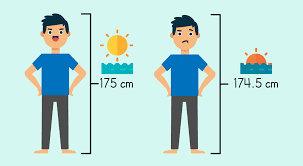
1.You are taller in the morning

Measure yourself in the morning, then again at night. You’re going to be taller in the morning because of how the cartilage in your bones compresses during the day.

2.Your heart beats about 100,000 times a day

Depending on your beats per minute, your heart beats about 100,000 times a day. That implies it sends 2,000 gallons of blood through the body.

Biometric Identifies You in a Heartbeat - Scientific American

3.Your highest blood flow is in your kidneys

The most noteworthy blood stream isn’t in your heart, liver, or cerebrum, it’s in your kidneys. That’s because kidneys are the body’s normal filtration framework.

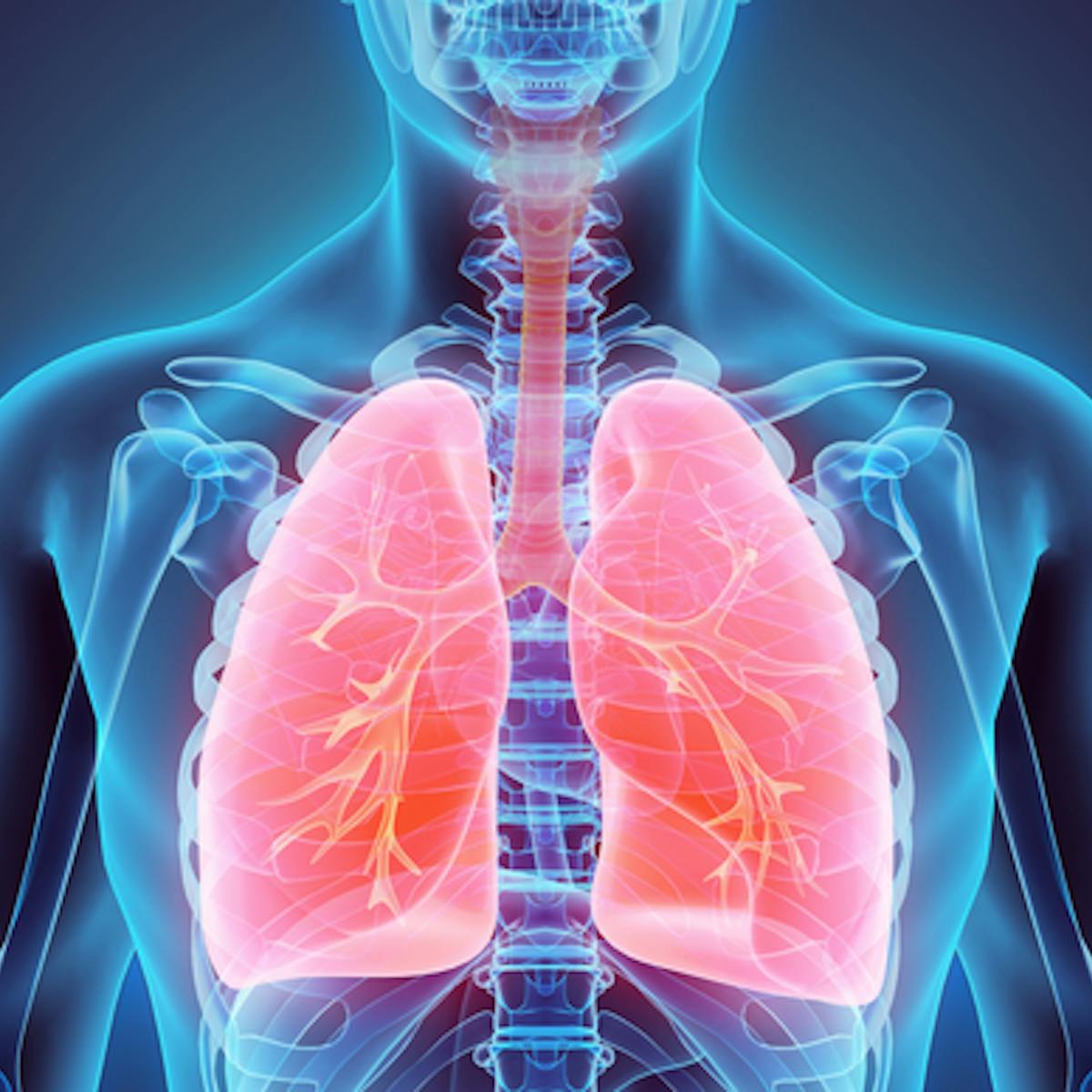
4.Lungs which are pink in color are healthy

Healthy lungs look pink and rubbery outwardly. The more you smoke however, the more falter and dark they become.

Your lungs are really amazing. An anatomy professor explains why

5.Dreaming in black and white

12% of people dream in black and white. What’s stranger is that people used to rest and dream in high contrast significantly more before color television (~15%). The normal individual actually dreams in color, yet it’s intriguing to perceive how the human cerebrum is defenseless to media.

20 Amazing facts about dreams that will change your perception! -  Trendpickle

6.Your blood vessels could circle the globe

However people have little veins, the systems administration is incredibly long. In case they were spread out they would quantify in excess of 60,000 miles.

7.The normal human grown-up has 2000-4000 taste buds

They aren’t just situated on the tongue. These minuscule receptors that enable us to taste are additionally situated toward the rear of your throat, your nose, and your throat. Truth be told, your nose doesn’t simply smell, it can taste as well! The feeling of smell is a vital part of tasting.

8.Your body has more than 600 muscles


Your strongest muscle is located in your jaw known as the masseter muscle. The stapedius muscle, located in the middle of your ear, is your weakest muscle.

How many muscles are there in the human body? - Quora

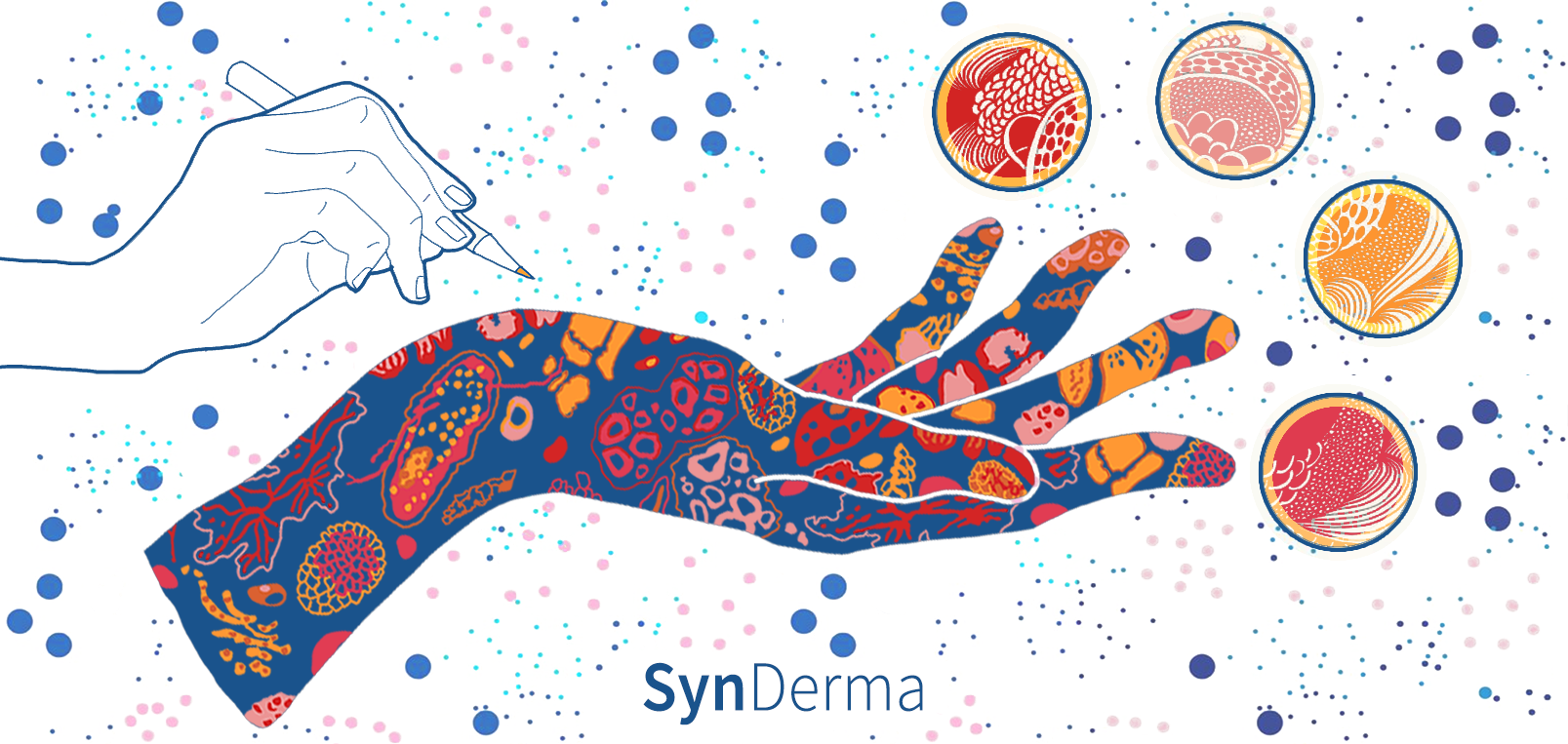
9.Your skin has 1000 unique types of microorganisms on it

Your skin is imperative in assurance of the body against microscopic organisms, which is the reason the external layer of your skin persistently reestablishes itself. The whole course of skin cell recharging requires around 28 days.

Team:Paris Bettencourt/SkinMicrobiome - 2020.igem.org

10.You’re presumably more like your father

Specialists showed that in the scales between the female egg and male sperm that your qualities will in general support your father, particularly over numerous ages. This phenomena is known as “gene expression”.

RESOURCES:

  1. https://www.nectarsleep.com/posts/fun-facts-about-the-human-body/

2. https://www.osgpc.com/amazing-facts-about-the-human-body/


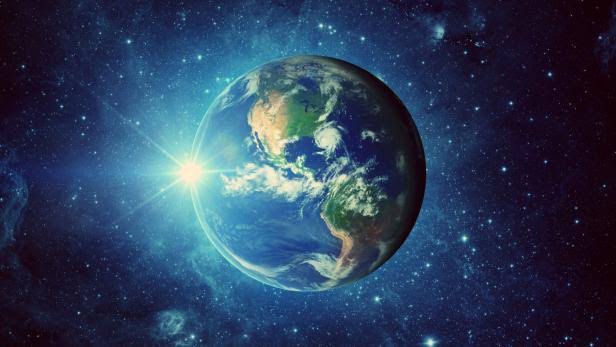
Why is Earth the only planet with life?

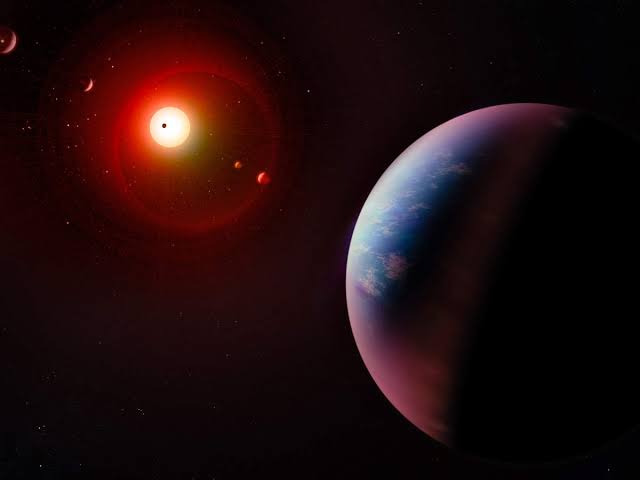
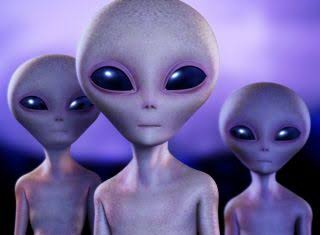
Not so fast,Earthling ! Outer space is a big place, and one thing scientists have learnt from studying life on Earth is that organisms can thrive in all sorts of harsh environments. Meanwhile, astronomers have discovered nearly 4,000 Earth like planets beyond our solar system and are spotting more everyday. Some of these ” exoplanets ” orbit their stars in the “Goldilocks zone”, a distance that neither too hot nor too cold to support liquid water and possibly alien life. Who knows? Maybe an alien kid somewhere up there is wondering if you exist.

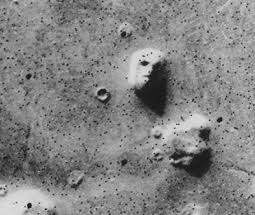
Why does Mars have a face on it?

When the Viking I aur picture pictures of Mars in 1976, one photo became a hit for its apparent portrayal of a mountainous Martian face resembling An Egyptian Pharaoh. Eager to set the record straight on this crowd- pleasing Mars anomaly, NASA used a satellite to re photograph the region in 1998 and 2001. The high resolution images revealed a natural geological feature rather than a monument to Martiankind.

How many exoplanets might support life?

After analysing the known exoplanets and comparing that data with what they know about the Milky Way, astronomers at Cornell University predict that as many as 100 million worlds in our galaxy could support complex life.

So why we haven’t met aliens yet?

Because space is big. The galaxy might be teeming with life, but the gulfs between stars make visiting our neighbours an impossible mission – at least for now. Remember, it would take thousands of years to travel to the closest star outside our solar system using modern spaceship technology.

What about the possibility of life closer to home?

Where? Like in London? Ah, you mean in our solar system! Mars was once considered a top candidate for alien life,but so far we haven’t found any Martians. ( Anything that lived on the red planet is most likely long dead). Astronomers seeking signs of life are now turning their attention to the solar system’s moons instead of its planets.

Why did people once think Martians lived on Mars?

Astronomers peering at mass in the 17th,18th, and 19th centuries saw signs of life everywhere. Seas ! Continents ! Canals that carried water to Martian farms ! But modern telescopes, probes, and NASA landers ruined the fun by revealing our planetary neighbor’s dry details:It’s just a lifeless ball of red rock. Early astronomers had confused Mars’s ancient seas and riverbeds for signs of civilisation.

Which of the solar system’s moons might have life?

The Frozen surface of jupiter’s moon Europa hides a liquid Ocean that might contain alien creatures. Enceladus, one of Saturn’s many moons, has a sea the size of Lake Superior under its icy surface. And Titan, Saturn’s largest moon, has vast lakes of liquid methane. If life existed here, it would be truly alien.

How are astronomers searching for alien life?

  • BY DIGGING: Robotic rovers are sampling Martian soils for science of ancient life.
  • BY VISITING: Probes are being dispatched to spots across the solar system that might harbor life today.
  • BY LOOKING: NASA’S Earth- and space -based telescopes have been scanning galaxy for earth like exoplanets outside our solar system capable of supporting life.
  • BY LISTENING: In 1960, scientists began scanning the universe with special telescope for radio signals from alien civilizations. The project is called SETI, for the Search for Extraterrestrial Intelligence. It hasn’t picked up any alien broadcast yet, but we haven’t stopped listening.

Why is the U.S government hiding evidence of alien life?

Ah, you must be thinking of the “Rosewell incident”, in which an unidentified craft crashed near the small town of Roswell, New Mexico, U.S.A., in 1947. Conspiracy theorist claim the craft was a flying saucer and that the U.S military whisked away the wreckage along with the bodies of its alien pilots. The U.S government released a report on Rosewell in the mid -1990s claiming the debris was actually a crashed balloon in its top-secret “Project Mogul,” which used high-altitude sensors to monitor for enemy nuclear-missile tests. “Likely story,” claim the conspiracy theorists.

References :

WHY? – Answers to everything, Image publications.

What are germs?

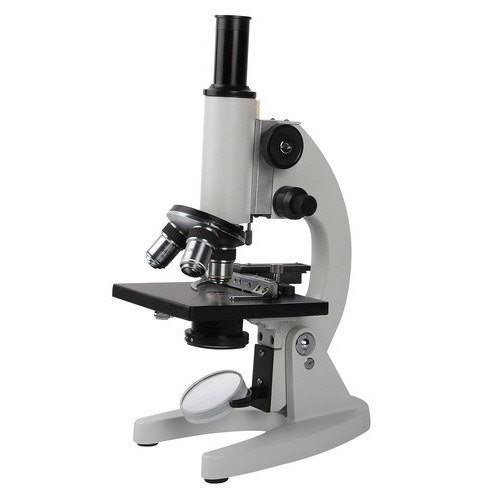
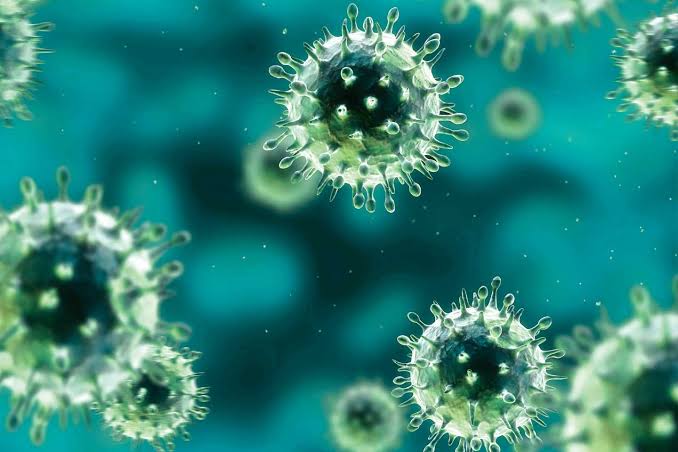
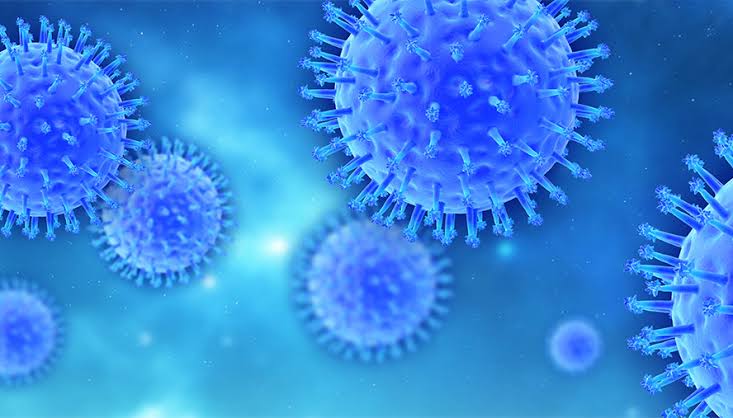
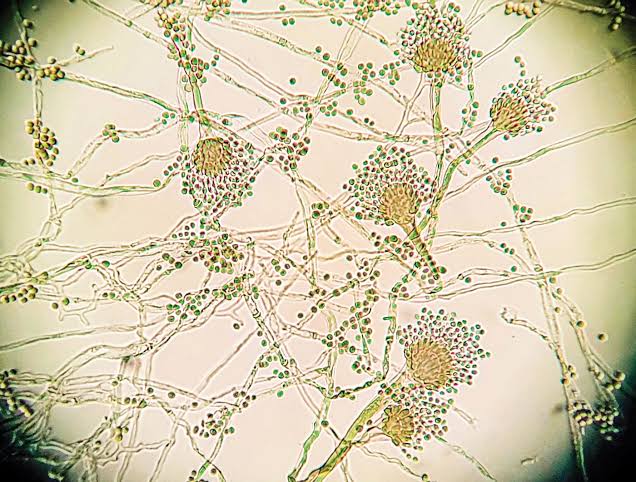
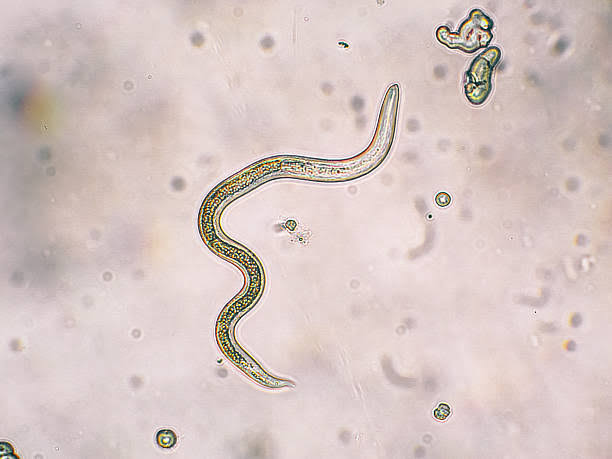
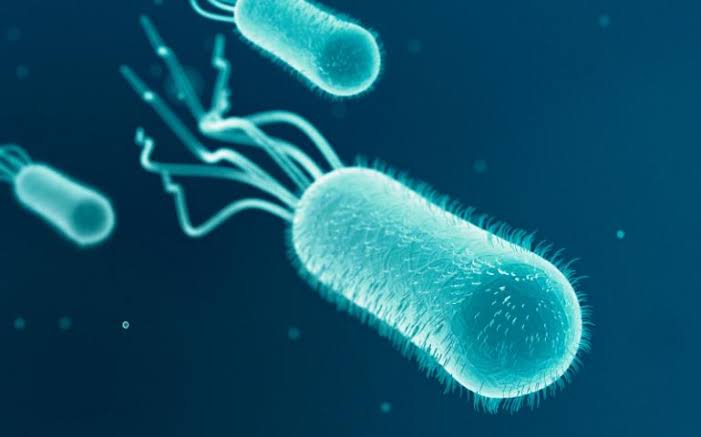
The term “germ” encompasses an army of tiny terrors, including viruses, fungi, parasites, and bacteria. These “pathogens” all have the ability to spread from victim to victim(called a host). Germs are so small you can see them only through a microscope. They look like spiky blogs, oozing spirals,hairy hotdogs, or other microscopic monsters.

Why are germs bad for us?

These microorganisms hitch a ride into our bodies on the food we eat, in the air we breathe, or through a variety of other methods. Once they have invaded our personal spaces, germs reproduce and create toxic waste, which triggers our body’s most repulsive reactions. They make us sniffle, upchuck, run to the toilet, break out in rashes and fevers, and suffer even more unpleasant symptoms.

How do we get sick from viruses?

Most viruses are frail little things ( unlike bacteria and fungi, viruses are not even alive ) that can multiply only inside a living host ( including animals, plants, and even bacteria). There they spread overwhelming and attacking the host’s immune system and causing all sorts of nasty symptoms. Colds, flus, chicken pox, immune disorders, and measles are caused by viruses. Among the worst is a Ebola, which triggers bleeding and is fatal more than half the people who catch it.

How do we get sick from fungi?

Fungi are microscopic molds, yeasts, and other plant like pathogens that thrive in wet, warm places like our armpits, our belly buttons, and the dank spaces between our toes. They feed on our respect and dead tissues and produce stinky wastes that irritate our skin.

How do we get sick from parasites?

This ghastly germ group includes itty-bitty insect larvae, amoebas, and one celled organisms called Protozoa that live in nasty food, damp soil, or dirty water. Parasites depend on a living host for their survival. They sneak into our bodies in tainted water and food, costing of all sorts of gastrointestinal gripes: diarrhoea, vomiting, upset stomachs, and worse. Malaria – common diseases that causes chills, shaking, and fevers – is spread by a parasite passed in mosquito bites. These life-sucking relationships are often the stuff of nightmares.

How do we get sick from bacteria?

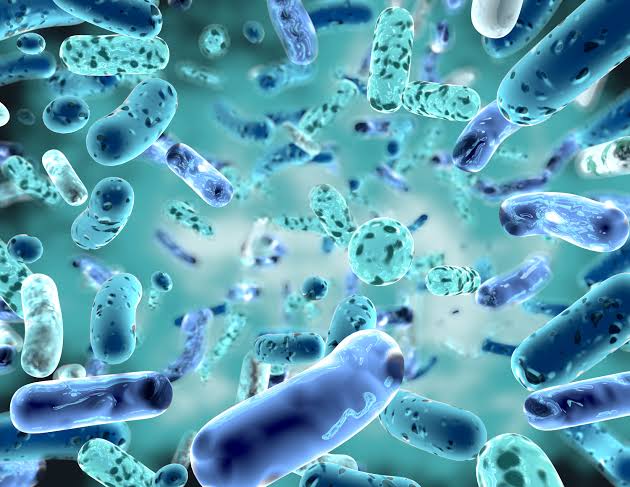
Unlike viruses, bacteria are living single celled organisms that can reproduce both outside and inside the body. Like all living things, bacteria create waste -microscopic poops that can act as a poison inside the host. You can blame sore throat, ear infections and tooth-tartar buildup on bacteria. One of the most famous bacteria is Escherichia coli. This rod shaped micorbe lives deep in your intestines, the body’s busiest bacterial neighborhood. Harmful ones make you puke for days.E.coli strains produce an important vitamin. That’s right – some bacteria are actually good for you!

How many bacteria are inside our body right now?

Your body is built of trillions of itty-bitty living blobs, called cells, that work together to make you you. But for every cell you call your own, ten foreign bacteria cluster around or near it. You are a microbe metropolis! Scientists call these communities of foreign bacteria your body’s “flora”, and no two people host the same mix of microorganisms. In fact, scientists are beginning to think of your flora as just another organ.

Can we see these bacteria?

No, they are microscopic. But you can certainly smell them. Like any living thing, bacteria eat, reproduce,die, and create waste which can make your life stink – literally !(Bacteria are the source of bad breath and body odor.)

Benefits of Bacteria

Your gut reaction might be to wrinkle your nose at the thought of bacteria inside your guts, but it turns out that many so-called good bacteria are essential to your health, the survival of life on Earth, and the making of tasty foods. Behold, the benefits of a microscopic allies…

Health boosting

Your body’s microbes support your immune system, which fights sickness.

Plant feeding

Blue-green algae and other types of bacteria convert the nitrogen in the air into compounds plants can use.

Food processing

Micorbes in our innards play a huge role in the digestive process, helping us absorb nutrients and vitamins from our food.

Food making

Bacteria are a vital ingredient in the process of turning milk into yogurt and tasty cheeses. The holes in Swiss cheese are created by carbon dioxide bubbles exhaled by bacteria during the cheese making process.

Planet Cleaning

Bacteria breakdown dead animals and plants, which “decompose” into nutrients for the living.

References :

WHY?-Answers to everything, Image publications.

Why do we have 10 fingers?

Scientists have several ideas why humans can high-five each other instead of, say, high four or high six. One theory suggests four fingers and a thumb on each hand are the perfect number and length to grip objects firmly. (Another study suggests we can gasp most things with just our thumb and index finger if necessary ; the other four fingers are spares).

The process of evolution determined the most beneficial number of fingers and toes for our survival. Pandas, after all, have thumblike digits to help them grasp bamboo shoots, while some birds have quadruple digits for perching and tucking away during flight. Occasionally, babies are born with extra fingers and toes (a condition known as polydactyly), but those additional digits have never offered enough of an edge to survive to later generations. In other words, evolution determined that five fingers per hand are just right for humans.

Why do we have thumbs?

Having no thumbs would make you all thumbs, fumbling to tie your shoes or assemble a hamburger. (Don’t believe us? Tape one of your thumbs against the side of your hand and see how hard life becomes). We inherited a fully “opposable” thumb named for its ability to close tip-to-tip against our other fingers – grom our primate ancestors around two million years ago. These ancient relatives needed handier hands to help get a grip on simple tools. So give a thumbs – up to your thumbs. So give a thumbs – up to your thumbs. They are the main reasons you can text with one hand and build a burger without fumbling the bun.

Do other animals have thumbs beside us?

Lots of them, although the exact number depends on your definition of “thumbs”. Apes and many monkeys have opposable thumbs just like us, while smaller primates, pandas, and koalas have thumblike digits and claws that help them grip plants and prey.

Why do we have fingerprints?

Those whirls, swirls, loops, and arches on your fingertips (and toes, in case you didn’t know) are hnique to you – even if you have an identical twin – and they remain unchanged throughout your entire life. In fact, the faint ridges known as fingerprints form before you have ever born. Fluids in the womb put pressure on your developing digits, which, combined with your rate of growth and genetic makeup, create one-of-a-kind designs.

Okay, but why do we have fingerprints?

Ah, you want to know the point of those fingertip designs ( well, besides incriminating crooks who forget to wear gloves). Scientist have put forth all sorts of possible reasons. Fingerprints might magnify the hand’s ability to detect vibrations, for example, or improve our sense of touch. They also might work like tyre trying to help They also might work like tire treads to help us grip objects.

Why do my fingers wrinkle when we’ve been swimming?

You might think that playing in the pool or soaking in the tub makes your fingertips and toes waterlogged and soggy. Not so ! The prune effect is caused by blood vessels bringing just below the skin – an automatic reaction triggered by your nervous system when it senses long exposure to water. Scientists think people evolved this reaction to improve their grip and traction in wet environments. After all, pruny fingers make it easier to snag slippery fish.

Why can we pop our knuckles?

When you move or bend your fingers, you occasionally squeeze tiny air bubbles that form in the protective fluid around your body’s joints.Those poping bubbles create an audible crack.

References :

WHY? – Answers to everything, Image publications.

LUCID DREAMS

Photo by Pixabay on Pexels.com

We spend one third of our life dreaming. Sometimes dreams are happy, scary, unexplainable and even an indication of what is going to happen in future. There is a popular saying that the dreams we see in the morning are usually true and real, though there is no scientific proof to it. We usually dream what we think, stress is an important factor in dreams. Less stress means happy dreams.

But will you believe it if I tell you that you can actually control your dreams?🤔
A dream where one becomes aware of the dream it is known as lucid dreaming. And there are people who do this. You can do it too!! Let’s know how.
People have been studying lucid dreams for a very long time, from ancient to modern it has been studied to understand the cause and purposes of it. As a result many theories have emerged, though it is still under research.


This term was given by Dutch author and psychiatrist Fredreik Van Eeden. In his article A Study of Dreams in 1913. He studied his own dreams for a period of time and wrote them in his dream diary, 352 of his dreams were categorized as lucid.
He mentioned 7 different types of dreams and out of which he considered lucid dreams most interesting and worthy of observation.
The reference to this phenomenon can be found in ancient greek writings. According to Aristotle, Greek philosopher, “often when one is asleep, there is something in consciousness which declares that what then presents itself is but a dream”. Other than Aristotle, physician Sir Thomas Browne, Samuel Pepys and more have mentioned lucid dreaming.
In 2020 there was a large increase in reports of lucid dreams compared to the previous year.


There are a few conditions for a dream in order to be defined as a lucid dream and these were given by Paul Tholey. The conditions are:
1. Awareness of the dream state (orientation)
2. Awareness of the capacity to make decisions
3. Awareness of memory functions
4. Awareness of self
5. Awareness of the dream environment
6. Awareness of the meaning of the dream
7. Awareness of concentration and focus (the subjective clarity of that state)

Photo by Nadi Lindsay on Pexels.com

Lucid dreams are often found to be affective in treating nightmares. Physiotherapists have also been including lucid dreaming as a part of therapy. There are also books and movies based on this like inception, paprika, etc.
Though lucid dreaming has been beneficial in many aspects but for the people who experience it for the first time can go through the feelings of stress or confusion. People who see lucid dreams very often might feel empowered and also isolated from others in terms of their dreaming experience which is quiet different to others. Others might experience sleep paralysis, which is sometimes confused with lucid dreams.

Read about sleep paralysis here: https://edupub.org/2021/08/12/sleep-paralysis/

There are many methods using which one can experience lucid dream like, make a dream diary and jot down the dreams you remember, diary alone won’t help but it will be beneficial with other methods. Some devices and drugs are also used.

Disaster & Disaster Management

A disaster is a sudden, calamitous event that seriously disrupts the functioning of a community or society and causes human, material, and economic or environmental losses that exceed the community’s or society’s ability to cope using its own resources. Though often caused by nature, disasters can have human origins.

The word disaster implies a sudden overwhelming and unforeseen event. At the household level, a disaster could result in a major illness, death, a substantial economic or social misfortune. At the community level, it could be a flood, a fire, a collapse of buildings in an earthquake, the destruction of livelihoods, an epidemic or displacement through conflict. When occurring at district or provincial level, a large number of people can be affected. Most disasters result in the inability of those affected to cope with outside assistance. At the household level, this could mean dealing with the help from neighbours. At the national level, it could mean assistance from organizations, various non-governmental organizations (NGOs) and government agencies themselves. As the limiting factor in disaster response is often the coping capacity of those affected, improving their resilience when responding to disasters is a key approach to lessening the consequence of a disaster.

There is no single measure of a disaster that can capture the full scope of a disaster. A common measure is the number of people killed or affected. The individual will consider the impact on his or her family and livelihood. Disaster managers will assess the speed and success of the disaster response. Economists will measure physical loss to houses and buildings and loss of production. Politicians will assess political damage from a poor response by state agencies. Health workers will consider the resources required to contain an outbreak of Ebola or Coronavirus. Others may focus on the nature of the hazard, the social consequences and the impact to specific elements of the infrastructure. To think seriously about a disaster means we must consider all affected and their losses both in the immediate and the longer term.

A disaster may occur with or without a warning phase. A response is made following a disaster. The response may be helped substantially by any preparedness actions which were made before the disaster occurred. Relief activities occur during the emergency phase, which follows the impact of the disaster.

General Effects of Disasters

 The typical effects of disasters may be one or more of the following :

  • Loss of life
  • Injury
  • Destruction of property, plantations and crops
  • Disruption of production, lifestyle & transport
  • Loss of livelihood and occupation to people
  • Disruption to essential services like electricity, water supply and gas supply
  • Damage to national infrastructure
  • Disruption of communication and other networks
  • Disruption to government systems and schemes
  • Shortage of food resources
  • Spreading of diseases
  • National economic loss
  • Sociological effects
  • Psychological after effects.

Types of Disasters

There are 2 major types of disasters :

1. Natural Disasters

A natural disaster can be defined as a major event brought about by the natural processes of the Earth that causes widespread destruction to the environment and loss of life. The list of natural disasters include weather phenomena such as tropical storms, extreme heat or extreme cold, winds, floods, earthquakes, landslides and volcanic eruptions.

Management of Natural Disasters

  • Early warning systems can alert costal populations of approaching tsunamis and they can give populations time to be evacuated from danger areas.
  • Responsible land use can reduce the risk of landslips caused by unchecked felling of trees. For other events classified as natural disasters, risks can be dramatically reduced through careful planning.
  • Construction codes when enforced can reduce loss from earthquakes. Governments can institute measures to assist in extreme cold and extreme heat.
  • Food security programmes can protect a population against food crisis arising from pests and failed crops.
  • Surveillance systems and high coverage by routine immunization programmes can help prevent outbreaks of disease.
  • Social programmes can reduce vulnerability to disasters which otherwise could not be controlled.

Types of natural disaster

Natural disasters may be broadly grouped into major and minor types depending upon their potential to cause damage to human life and property. The disasters like earthquakes, volcanic eruptions, droughts, floods and cyclones could be regarded as major types. The disasters like hailstorms, avalanches, landslides, fire accidents, etc. whose impact is localised and the intensity of the damage is much less than the others may be categorized as minor disasters.

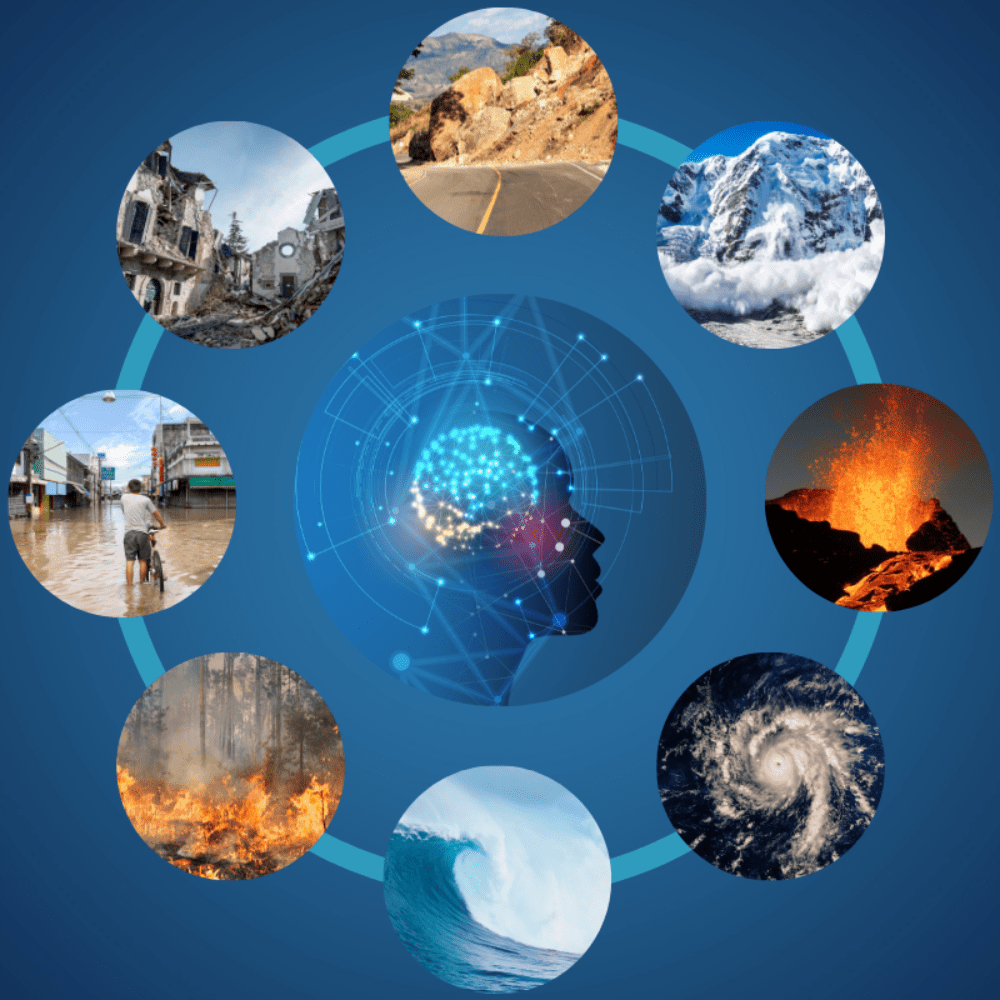
Natural disasters can be categorised into 4 parts :

  • Geophysical (e.g., Earthquakes, Landslides, Tsunamis and Volcanic Activity)
  • Hydrological (e.g., Avalanches and Floods)
  • Climatological (e.g., Extreme Temperatures, Drought and Wildfires)
  • Meteorological (e.g., Cyclones and Storms/Wave Surges)

2. Man-Made Disasters

Man-made disasters are extreme hazardous events that are caused by human beings. Some examples of man-made disaster emergencies include chemical spills, hazardous material spills, explosions, chemical or biological attacks, nuclear blast, train accidents, plane crashes, or groundwater contamination.

Man-made disasters have an element of human intent, negligence, or error involving a failure of a man-made system, as opposed to natural disasters resulting from natural hazards. Such man-made disasters are crime, arson, civil disorder, terrorism, war, biological/chemical threat, cyber-attacks, etc.

Man-made disasters can be caused by :

  • Environmental Degradation
  • Pollution
  • Accidents (e.g., Industrial, Technological and Transport usually involving the production, use or transport of hazardous materials)

Though weather and geologically related disasters are considered to have generated the greatest number of deaths and economic loss, disasters generated by humans are increasing in importance. As society has become more complex, it is evident that people are increasingly responsible, directly or indirectly, for the consequences of events previously ascribed to forces beyond their control. Globalization is now carrying industrial production to previously agrarian societies. The risk from the unintended release of hazardous materials is becoming ever more widespread. Potentially hazardous products are now available in communities and populations which do not have adequate regulations governing their use and, in fact, may not even be aware of their presence or health risks. Rapidly increasing transport of people and commodities across continents means that transportation disasters pose increasing threats to millions.

Disaster Management

Disaster Management can be defined as the organization and management of resources and responsibilities for dealing with all humanitarian aspects of emergencies, in particular preparedness, response and recovery in order to lessen the impact of disasters.

Disaster management conveys the important idea that protecting populations and property also involves the estimation of risks, preparation, activities which will mitigate the consequences of predictable hazards and post-disaster reconstruction in a way that will decrease vulnerabilities. An important goal is building a culture of awareness that preparation is not only possible, but also will greatly reduce the consequences from disasters in terms of human and economic loss.

An effective response to disaster begins with effective planning, but must include many other steps. Each of these steps depends on the strength of other links in the disaster management chain. While no one organization or group ‘owns’ a disaster, the ultimate responsibility rests with governments to protect its people against disaster. No government can carry out these responsibilities without cooperating with many other groups in a country. Disaster management planning is often seen as a separate activity from the main functions of governments and organizations.

Conclusion :

Disaster management is the only way to mitigate the effects of all these hazards. Advance planning is always needed to keep the items of emergency for any disaster. Guidelines are also to be prepared in the form of booklets and circulated to the educated individuals. Awareness camps are to be organised for public. Training is yet another initiative. Training involves the duties and responsibilities, efforts to sustain, role of employees/NGOs, risks, errors, behavioural patterns, recovery techniques, communication channels, safety rules, priorities and security measures. Knowledge of water quality, sanitation, first aid, emergency medicines, electricity controls and gas usage are needed. Evacuation, reporting and alert procedures, are the other major initiatives. Proper insurance policies, alterations to existing buildings, changes in business locations and other resources are to be planned, for future disaster mitigation.


Why can I survive without all my organs?

It is a no-brainer that you need your brain and your heart, hurtand you wouldn’t last long if your liver failed.

But the lungs and Kidneys come in pairs, so you could survive if one of them failed. People who have lost their spleens in accidents have gone on to live healthy lives. The tonsils and appendix, meanwhile, are practically useless and are routinely removed when they become inflamed.

Why are some body parts pointless?

Called “vestigial” organs, this useless body parts are leftovers from our evolutionary ancestors, who actually needed them. Take your wisdom teeth, for example.Today crowd our mouth and often need to get yanked by the dentist, but our primate ancestors had larger jaws and needed the extra choppers in case some rotted away in the days before tartar-control toothpaste. Our tailbone – or coccyx – is a leftover from animals that needed tails for balance or grasping branches.

Why do we have eyebrows?

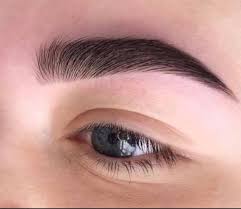
Humans have evolved to become less hairy in the past six million years or so, but we still have those clumps of fur above our eyes.Beyond their role in facial expressions, eyebrows act like natural sweatbands, preventing rain and sweat from running directly into our eyes.

Why do we have nipples?

They were there even before you were even born. Human embryos in the womb develop according to a blueprint that’s design for males and females. Eventually, the embryo begin to take on features specific to their gender, but not until after they have already developed nipples. Later in life, chemicals called hormones trigger changes in females so that they can nurse their young. Males don’t have those hormones, so they are stuck with nipples that are nothing more than chest accessories. Other than a few exceptions ( mice, platypuses, stallions), most male mammals have nipples. Nipples don’t cause males any harm, which is probably why evolution hasn’t given them the ol’ heave – ho.

Why do people get goosebumps?

Like youryou are wisdom teeth and your tailbone, goose bumps serve no purpose in modern humans. They are created by itty-bitty muscles in our hair follicles, which raise the bumps as a reflex reaction sudden drop in temperature or feelings of panic, or anger, or extreme fear. Goosebumps fluffed up the body hair of our much furrier ancestors to help trap heat or make them look larger to threatening animals. Today, goose bumps just make you look like you need to borrow a sweater.

Why do we have a belly button?

For the same reason dolphinsthe same reason dolphins, cats, dogs, bats, and other “placental mammals ” – animals nourished inside their mothers before birth – have navels. In other words, you can thank your mother for that link connector on your stomach. Before you were born, when you were still developing in the womb, you were hooked up to your life – support system through a special code that plugged into your navel. Through this “umbilical cord “, you received food and oxygen and passed waste. The day you were born, you let out a cry and began breathing on your own. That let the doctor know he or she could cut off the umbilical cord, leaving you with a belly button as a souvenir. Whether it’s an “innie” or an “outie,” we all have one !

References :

WHY – Answers to everything, Impulse publications.

Role of science in making india

New green pasture beckons

In the last few years, science has helped a lot in the development of India. Science has contributed to all the sectors. Science has improved the global economy, increased employment opportunities, saved millions of lives and has played a major role in a lot of industries. Science is very important for the growth and development of India. It even plays a key role in our daily lives. Every country should invest as much as possible in research and development for scientific technologies. In this essay on the role of science in making India we will see how science has helped India to grow in different sectors.

How Indian Scientists have Helped India Grow?

When it comes to Indian Scientists, the first name comes to my mind is CV Raman. CV Raman was the first Asian who won the Nobel Prize. His work was related to light and sound. He investigated that when light passes through a transparent material, some of the deflected light waves see the change in its amplitude and wavelength.

APJ Abdul Kalam is the second name that comes in my mind in Indian Scientists. APJ Abdul Kalam worked as an Aerospace engineer with ISRO and DRDO. He was also president of India from 2002 to 2007. Abdul Kalam contributed a lot to Aerospace. One of the contributions is deploying Rohini Satellite near Earth’s orbit. A few more names are Homi Bhabha, Visvesvaraya, V Radhakrishnan, Satyendra Nath Bose and many more… 

Seven Defining S&T Contributions That Have Impacted Every Indian - The  India Saga

How has Science Increased Employment Opportunities?

Whenever any new technology is discovered it leads to new industries. For example, if any new scientific device is invented it will require eligible professionals to control the device. Such inventions help in increasing employment opportunities. This also helps in growth in many businesses which in turn develops the Indian economy.

Curing Diseases and Saving Lives

In the last few years, medical science has evolved so much and saved billions of lives. New technologies like wireless brain sensors, artificial organs, smart inhalers, robotic surgery, virtual reality are making work easier for thousands of doctors around the world. And also these technologies are saving millions of lives and curing diseases. 

Role in Agriculture Sector

Science has played a very major role in the Agriculture sector. Food is one of the basic needs of our lives. And science has now invented so many new agriculture techniques which have increased production drastically. The old mundane techniques farmers used to follow was very slow, expensive, and required too much effort.

National Technology Day 2021: Science and technology for a sustainable  future - The Financial Express

Science has made everything a lot easier for farmers. Improved facilities in irrigation, modern fertilizers, advanced equipment, and pesticides are all helping farmers to work faster, and save more money. 

Conclusion

Science has helped us a lot in many ways and it will keep helping. Everyone should not only invest as much as possible in science and technology but also should stay aware of all new technologies developed around the world. 

NEANDERTHALS – Our Closest Relatives

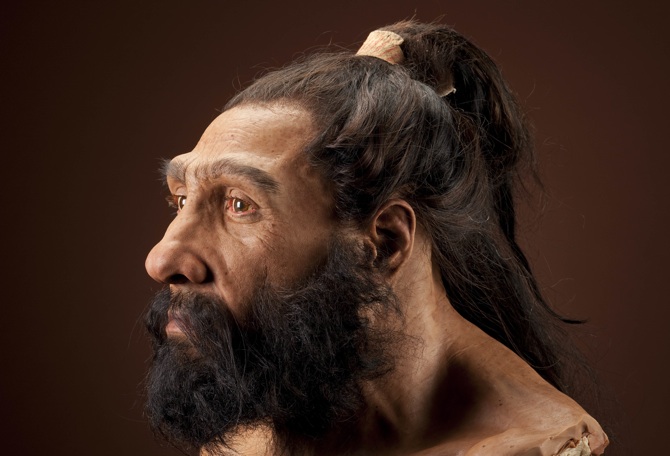
The Neanderthals (Homo neanderthalensis) are our closest ancient human relatives. Homo is a Latin word describing “man” or “human.” The term neanderthalensis comes from the Neander Valley in Germany, where the first significant specimen was discovered in 1856. The German word for valley is ‘Tal,’.  Hence, Homo neanderthalensis signifies “Human from the Neander Valley.”

During the Pleistocene Epoch (roughly 2.6 million to 11,700 years ago), Neanderthals first appeared at least 200,000 years ago. Around 35,000 to 24,000 years ago, they were superseded by modern humans (Homo sapiens). Neanderthals co-existed alongside homo sapiens for a long time before going extinct around 28,000 years ago. Both fossils and DNA evidence indicate that the Neanderthals and modern human lineages split at least 500,000 years ago.

Homo sapiens, or modern humans, originated in Africa, whereas Neanderthals appeared in Europe and Asia. From Portugal and Wales in the west to Siberia’s the Altai Mountains in the east, the species was widespread all over Eurasia. Neanderthal populations were resilient, living in icy cold habitats in England and Siberia approximately 60,000 years ago, and mild temperate woods in Spain and Italy approximately 120,000 years ago.

 Physical Appearance

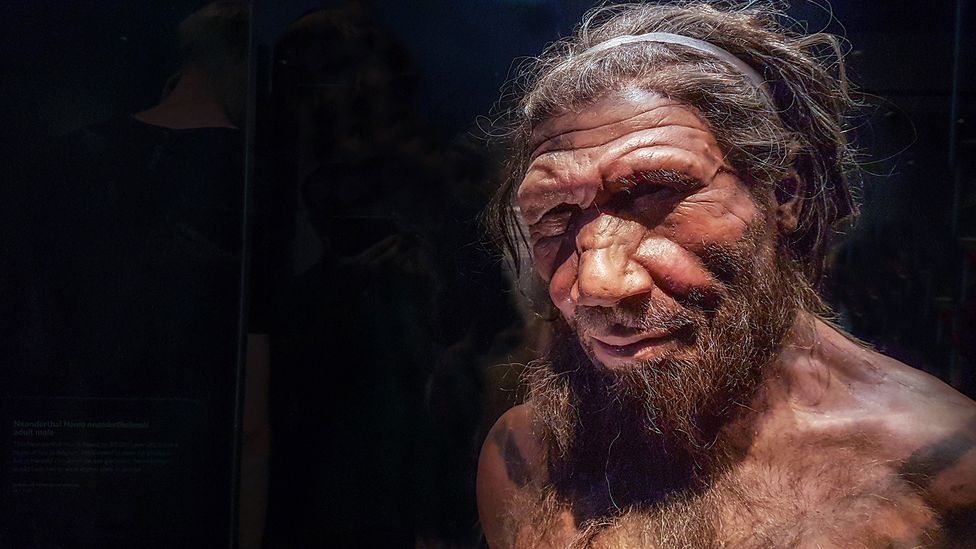
Neanderthals possessed a long, low head (opposed to modern humans’ more globular skull) with a noticeable forehead ridge above the eyes. A broad, wide nose that jutted forward in the middle of the face. Some researchers believe this trait evolved as a way to survive in colder, drier regions. The air they breathed would’ve been moistened and warmed by the nose’s vast interior size.

Their front teeth were large and scratched, suggesting they were regularly used in food preparation and other tasks. Unlike humans, Neanderthals didn’t have much of a chin. They had a robust, muscular physique with broad hips and shoulders. Adults weighed 64-82 kg and stood 1.50-1.75 m tall. On average, ancient Neanderthals were taller than later Neanderthals, yet they weighed about the same.

Their short, stocky bodies were well-suited to frigid climates. They had proportions that limited the skin’s surface area, likely to save heat in cooler regions, thanks to their broad torso mixed with their short lower legs and lower arm bones. Some researchers believe that the Neanderthals’ physique also gave them better strength in their arms and legs, allowing them to participate in close-range hunting ambushes.

Neanderthals Tools

Neanderthals were quite intelligent and skilled beings. Late Neanderthals had brain sizes ranging from 1,200cm3 to 1,750cm3, larger than the current average, yet proportional to their body size. Homo sapiens skulls from roughly 30,000 years earlier possessed, on average, bigger brains than modern humans. Spears and stone handaxes excavated in caves reveal that Neanderthals were skilled toolmakers.

Neanderthals devised incredible stone technology over 300,000 years ago. This entailed developing pre-shaped stone cores that could later be fine-tuned into a finished tool. It abled them to produce tools when they needed them. They were seasonal hunters and ate whatever animals were available at the time. Sharp wooden spears and enormous numbers of big animal carcasses, uncovered by scientists, indicating that Neanderthals chased and butchered them.

Neanderthals built shelters, regulated fire, and even crafted symbolic or attractive artifacts. There is proof that Neanderthals buried their deceased and even decorated their graves with flowers. This sophisticated and symbolic behavior had never been seen in other monkeys or earlier human species. Being buried substantially enhances the chances of becoming a fossil, which may explain why the Neanderthal fossil record is so extensive as opposed to the fossils of other human species.

Neanderthals Diet

Neanderthals are usually portrayed as carnivorous ice-age hunters and scavengers who ate massive creatures. Food remains deposited in the calculus around their teeth, on the other hand, suggest that the Neanderthal diet contained a variety of plants, either directly accessed or devoured from the stomach contents of their plant-eating prey. Fungi, Mussels, baby seals, and even dolphins were among the things they consumed.

But, as opposed to early humans living in tropical Africa, where consumable plant foods were plentiful all year, the diversity of plant foods available to Neanderthals fell dramatically during the winter season, requiring them to rely primarily on alternative food sources like meat.

Neanderthals DNA

As per fossil and genetic evidence, Neanderthals and modern humans (Homo sapiens) descended from a single ancestor between 700,000 and 300,000 years ago. Neanderthals and modern humans shared the same genus (Homo) and lived in the same geographic locations in western Asia for 30,000–50,000 years; genetic data suggests that they eventually split off into distinct species of the human family tree after mating with non-African homo sapiens.

Neanderthals and modern humans, it appears that these two groups mated whenever they crossed paths until modern humans swept into Europe during a particularly frigid period. Their arrival may have hindered Neanderthals from returning to areas where they once thrived, hastening the extinction of the Neanderthals. Their numbers plummeted to the brink of extinction barely a few thousand years after modern humans arrived in Europe. By roughly 40,000 years ago, all traces of them had vanished.

In many populations today, the genetic traces of this mingling can still be found. Neanderthal genomes make up about 2% of European and Asian genomes. The genetic shift, on the other hand, seems to have had little impact on African populations.

Artificial Intelligence: Can the AI take over?

Artificial Intelligence is a topic with a vast appeal to the en masse. People believe that it is the future of human techologies. But beyond that, people are of various school of thoughts. The first group assumes that AI shall help humanity achieve singularity – a point in technological development that shall mean an utopia. We shall spend all our time towards spiritual and emotional development while most of the crude tasks shall be taken care by machines. The second school of thought assumes that AI shall take over humanity as its overlords. Let us analyse both.

The history of animated, self-thinking, free willed machines is not new at all. It has been imagined for centuries by fiction writers. However, the modern conception of AI in scientific thinking started about 80 years ago. John McCarthy, an American mathematician proposed the idea of such machines back in the first half of the 20th century. Alan Turing, the inventor of the Turing Machine, a British mathematician also proposed his idea of intelligent machines, his proposal now famously called the Turing Test. However, for the next 40 years or so, no important research occurred in the field. It was only in the last decades of the 20th century, when the research started again and not before humanity entered into the 21st century that something formidable was created.

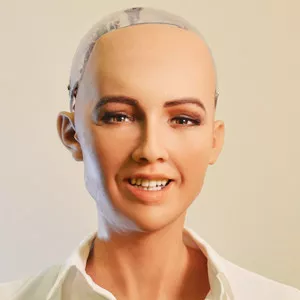
As of today, AI has invaded all spaces of human endeavor. Mechanics, mechatronics, smart devices, our smartphones – all of it is infiltrated with AI. But this AI is what most scientists call ‘weak AI’. It cannot really think. It has a predefined algorithm and then it uses that algorithm to capture inputs and ‘learn’ about new scenarios as per its algorithmic definitions. This AI cannot work without human input and can certainly not take over the world. It can however carry out some actions that are equivalent to evolution as the AI at the Facebook research Center developed their own language to communicate. However, this evolution still does not mean that the AI is “thinking”. It is just evolving its learning based on a preprogrammed code. It is nothing like human beings where discretion is a thing. Even the famous robot AI, Sophia is but a weak AI – a little better than SIRI and google assistant but that is all there is to it. It is not a self-thinking, free-willed machine.

Sophia the Robot – Keynote Speaker | London Speaker Bureau
Sophia, the robot

Researchers have tried hard to create strong AIs with a completely different set of ethical concerns – the main obviously being how would such machines live with humans if they are free to think – but have failed so far. And believe it or not, strong AIs might really not be a thing for at least another 50-100 years at the very least. Maybe even a couple of centuries after that.

So, if you’ve watched the movie Prometheus or Covenant and are scared of the possibility of David being a reality, grab a cup of coffee and relax. By the way, both the movies are really good!

Alien: Covenant, a review by guest columnist David 8 | by Charles Evans |  Medium
David-8 from the movie Prometheus.

Superstitious beliefs

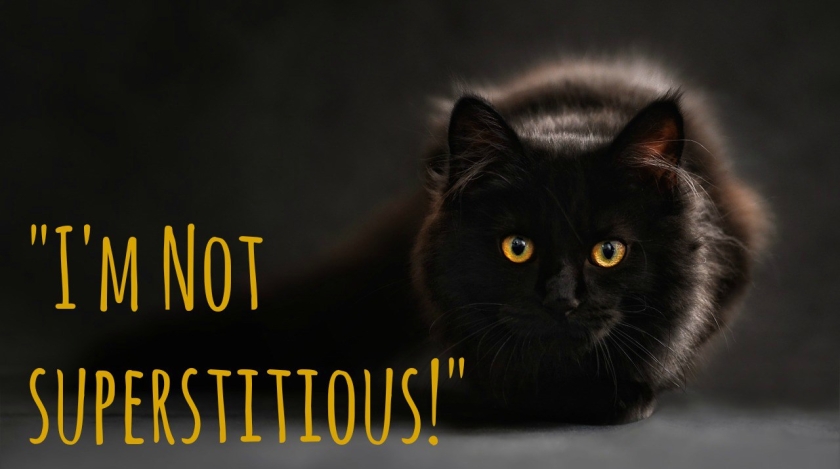
ITCHY PALM- Good luck, BREAKING A MIRROR – Bad luck, FINDING A HORSESHOE- Good luck, BLACK CATS – Bad luck, Don’t go near a Peepal tree in the night, lemon and green chilies to avert, bathe after attending a funeral, don’t cut nails after sunset, avoid sweeping the floors in the evening……..

and there many such superstitions revolving around us where some are considered as good luck and bad luck as well. Technologies has been evolving by leaps and bounds every day but still all these superstitions may tend to hold a major place in many people’s lives. Most of us probably don’t know why we stumble a bit when we see a black cat on our way, give a little shudder when see Friday the 13th looming in the calendar or we say ‘god bless you’ when someone sneezes. Many raise questions of such superstitions the way they are said and others accept them unwittingly. While some superstitions are just meant for fun which should be defied completely, others might have a real hidden fact or science behind them. It is absolutely important to question such beliefs to prevent a slow degradation and to put an end to blindly believing things and perceive the right truth and science. Other than the pointless beliefs termed as superstitions there are also many rituals and scientific procedures that we label as superstitions and tend to avoid it unmindfully.

Futile beliefs

In our country more than half the population literally thrives on pointless superstitions where most of them are illogical and senseless. The most common one is the poor black cats are just blamed for their color, if a black cat crosses your path, its a bad omen which is symbolized that when you come across such a thing the way to your work get delayed. If someone who is not aware of such superstitions and finds a black cat his way, obviously he is not bothered about and gets all his work right, but some just because they come to know such baseless beliefs they stumble themselves become intimidated. When your intellect is strong and you are confident about yourself nothing around can shake you.

Many omit the 13th floor in the building or the 13th room in a floor as they are considered unlucky with no explanations and reasons as the cinemas portray such a weird thing, till date apartments and hotels skip the 13th floor, lets hope that things like this doesn’t become a barrier and hurdle for anybody’s life because every number number is just a number. Can such numbers which are considered unlucky be omitted in all pats of life, isn’t it strange? Keeping onions and knife under one’s bed will drive away bad dreams. When your mind is in peace you will completely have a good sleep and when you are distressed or restless about something there are chances of erratic sleeps and dreams, so just don’t connect all these senseless practices in your life and there are chances of you to get hurt with the knife. Crows shit brings luck. Some believe that it brings money and if that’s the case everyone would be under a tree waiting for a crow to shit and also then crows would’ve been the pets no?

Hidden science/facts behind some beliefs

Not all the superstitions are meaningless because there is always a reason or scientific logic behind it and we should not label them as such because some may turn away from them thoughtlessly. We should make people believe them with right reasons without making them go blind or crazy with things by intimidating and also lets not take all the scientific things beneath superstitions because people hardly believe it.

People were discouraged from venturing near a peepal tree at night to avoid inhaling carbon dioxide so to highlight its importance the ancestors were spinning ghost stories around the trees. Bathing after attending a funeral ceremony was to prevent infection from the dead body because our ancestors did not have vaccination against hepatitis, small pox and other contagious diseases so they came up with a set of rituals to be followed after the funeral rites. Not to cut nails after sunset because in the absence of light one might get hurt because nail clippers were sharp blades which required precision. Sweeping the floor during the evening brings bad luck– This is something which we encounter now and then, the reason behind is that something important might get swept away in the dark so preferably to clean the houses in the morning. To eat curd and sugar before heading out can bring good luck- It is probably not a symbol of good luck, it is to keep oneself cool which provides instant glucose because the consumption of curd has a cooling effect, so this can avoid tension/ trauma before you set to work. A girl should be restricted to certain things at menstruation– because sanitary pads weren’t available those days and would be let to sit and sleep alone, so without knowing the reason behind it still some people follow it as a ritual which is senseless when many medications are available in today’s world. Breaking the mirror, sliding the door lock would bring fight in the family– The reason is anyone in the home can get hurt because of doing so. Plastering the floor with cow dung is auspicious– Before the people did not have luxury to buy bottled commercial disinfectants like we do, so before cowdung was effectively used as a disinfectant against insects and reptiles.

So just educate the budding generation the science and facts of doing such practices and do not label them as superstitions by weaving strange stories.

Crop Circles

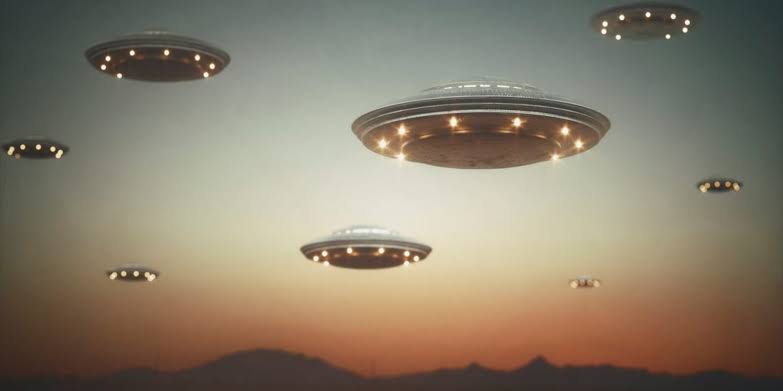
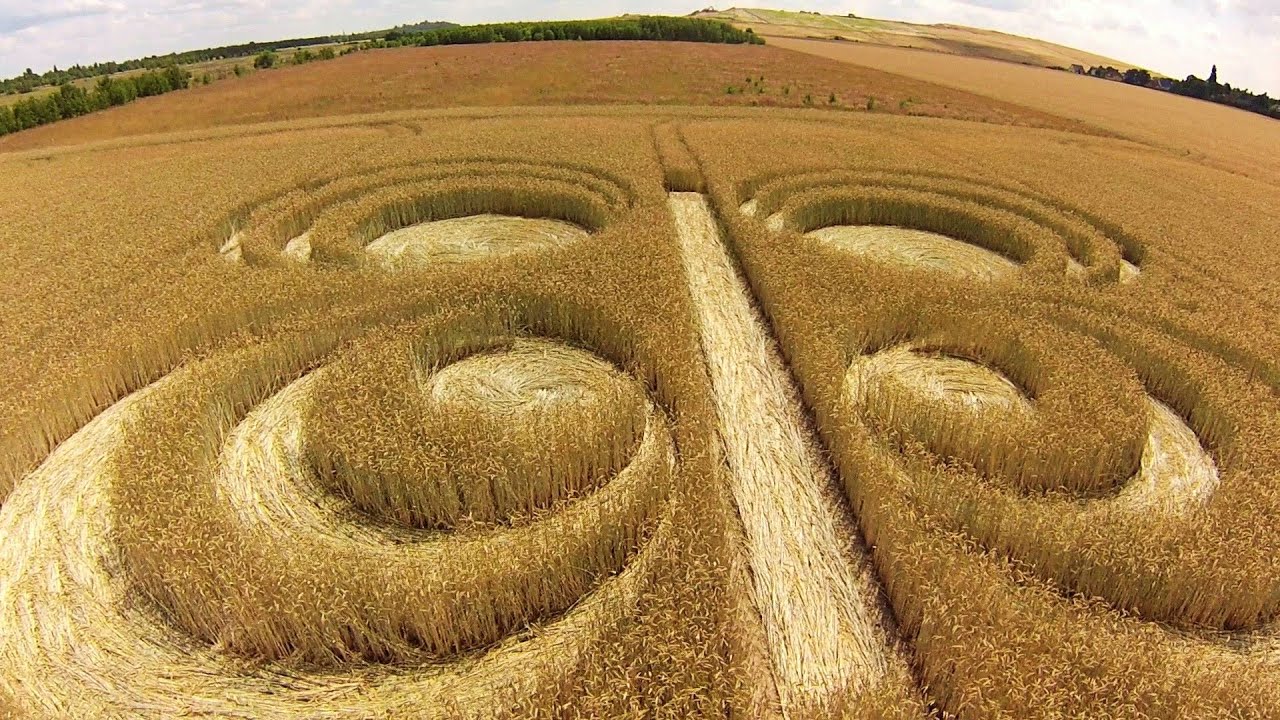
Crop circles are the strange patterns that appear mysteriously overnight in farmers’ fields—provoke puzzlement, delight and intrigue among the press and public alike. The circles are mostly found in the United Kingdom, but have spread to dozens of countries around the world in past decades. The mystery has inspired countless books, blogs, fan groups, researchers and even Hollywood films. Crop circles and their mysterious origins have spawned years of debate and speculation about whether or not they are formed by aliens. Some people believe that crop circles are used as a message from a foreign species. That perhaps they represent some sort of alien language. Others believe that they are a hoax by people who wish to scare or stun the people who view them. But whatever the reason people believe what they do, crop circles have a long and vibrant history that has many legends swirling around it.

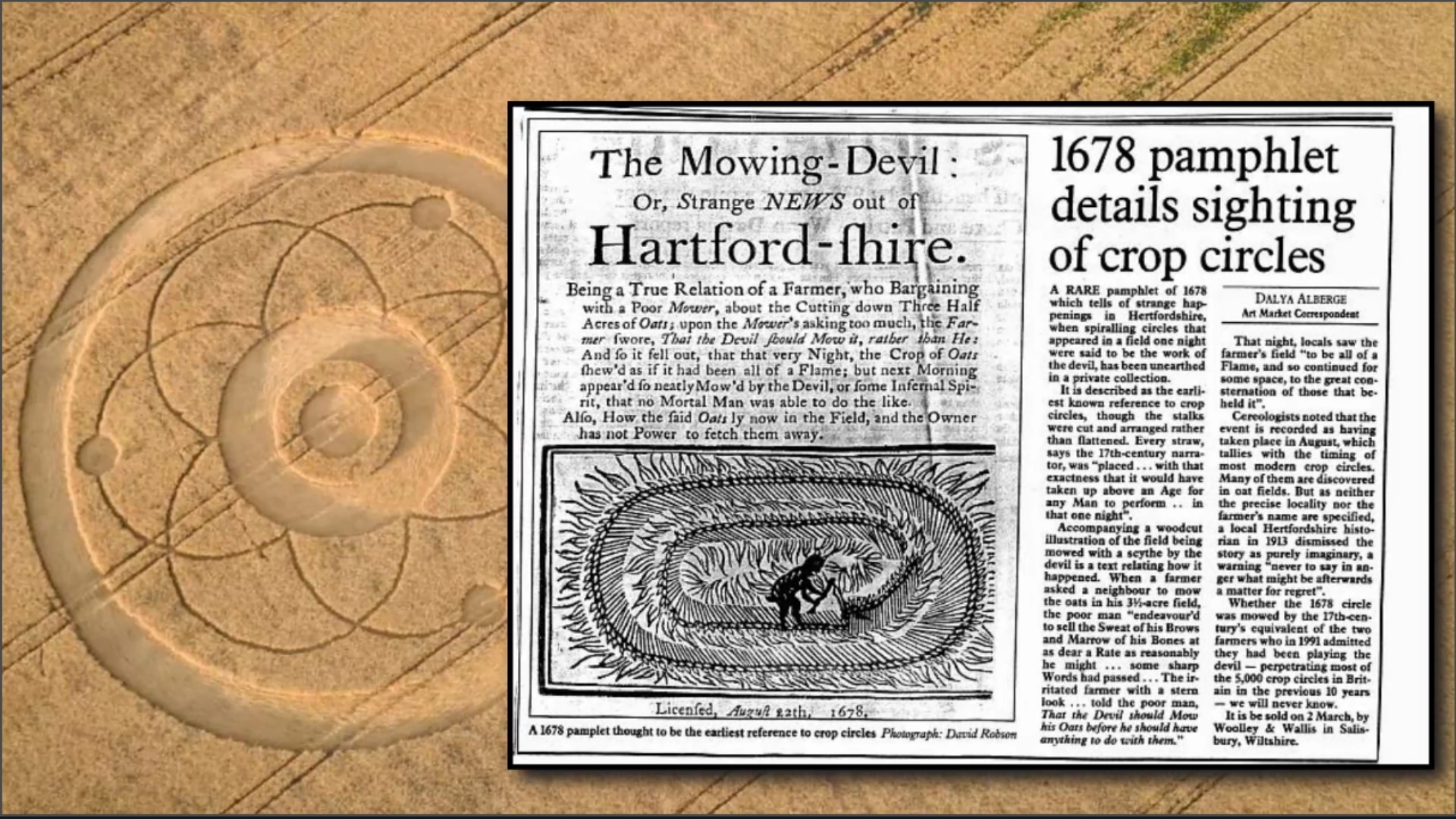
The first appearance of a crop circle was in England 1678. The “Mowing Devil” was the first reported incident of a crop circle, and the farmer who found the circle said that there was a devilish entity that visited his farm. That goes against the usual descriptions of crop circles because they are typically described as being patted down into the shape and not cut. Since then, many crop circles have popped up in the countryside of the United Kingdom, but throughout the years, crop circles have begun to appear in other countries. In 1966 in Australia, a farmer said that he saw a flying saucer leave a swampy area, and when he investigated the area he found a circular pattern lain into the reeds and swamp grass. The crops in his field were trampled or cut down in the shape of a circle. The circle was recorded on a wood engraving.

Man-made crop circle

The theories on the origins of crop circles are wide and varied. One explanation in the 1980s said that they are formed from overactive hedgehogs. Another theory says that specific wind patterns to an area could cause the crop to lie down. One theory includes earth’s energy fields and meridians. The force of the energy on the land would cause the crop to fall. But many people who believe in an extraterrestrial origin think that aliens use their enhanced technology to send energy down from outer space to create patterns in the crop. Others still believe that spaceships are the cause for the varying patterns in the ground.

Benjamin Radford, a contributor for LiveScience, said that  one case from the United Kingdom in 1991 had two men come forward and admit to creating hundreds of crop circles, which leads people to believe that mostly the circles’ origins are very human. They were inspired by the case in Australia, so they tried to blame the circles on UFOs. Many of the examples of crop circles being linked to UFOs gets confused about whether it’s really about the UFO or the crop circle. Like with the case in Australia, the legend becomes more about the sighting of a UFO or an alien spaceship than it is about the actual crop circle. It’s an interesting debate that is waged between believers in science and believers in the supernatural. Many people, like the man in Australia who allegedly saw a UFO by a crop circle, claim that they can see unusual light sources or flying objects near the place they find a circle. Others, and the vast majority of people who investigate crop circles, believe that it is pure science and trickery that form these circles.

At any rate, with the technology and advancements that we have in this day and age, it doesn’t seem so unlikely that a human could make such a sophisticated design in crops. Taylor notes that crop circle artists aren’t going to give up their secrets any time soon, either. Whether the creation is supernatural or not, the mystery behind the creation of the circles is still key to holding people’s interest in the designs.  The human race has advanced by leaps and bounds in the last century and certainly has the capacity to develop technologies beyond our wildest dreams that could be the source of crop circles.

SCIENCE AND TECHNOLOGY

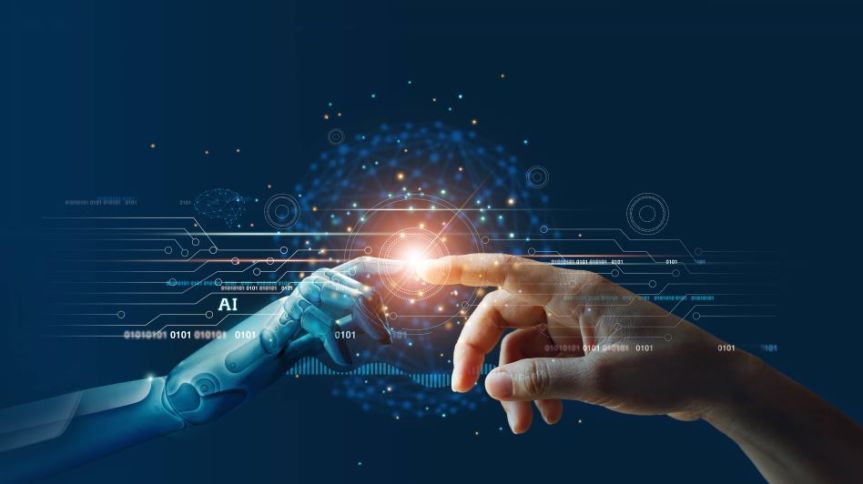
Science and Technology have now become crucial parts of our life and our life has many luxuries and we are able to utilize them because of science and technology. It has helped us to do all these in short time because of the advancement in science and technology. Every day new technologies get introduced in the field of science and technology which makes human life easier and comfortable. And now it is difficult to imagine our loves without science and technology. Because of this we are now living in modern civilization and our evolution has occurred. This development in the field of Science and Technology is present in every aspect of our life and has great contributions in it.

There have been many new inventions in the field of Science and Technology which has changed the overall perspective of humans towards life and helps in modernizing the human civilization. Hence, people get the chance to enjoy the lives more comfortably and make it more pleasurable. In other days, humans now have a simple life because of science and technology. It has now expanded its wings into the fields of medical, education, manufacturing and many other areas.
WHAT IS SCIENCE ?

Science is the consists of systematic study of the behavior and structure of physical and natural world through observation, experiment and technology with the application of scientific knowledge for practical purposes. And Like everything, Science also has a journey and it has long lasting impact on the humans. Science has large contributions in the evolution of human.

WHAT IS TECHNOLOGY ?

“Technology” is the application of this scientific knowledge for practical purposes. Thee mobile, laptop etc. have now become the essential parts of our life and make use of connectivity or communication or smart technology for doing our activities. From the machines used in industries to the robots created, all fall under technological invention. So, in simpler words we can say that technology has made our lives comfortable.
Science and Technology: India

Ever since British rule, India was famous for many things and after gaining independence, science and technology, played a great role in shaping the present and future of India. Now, it has emerged as an essential source of creative and scientific developments all over the worlds. All these advancements have led to the improvement of Indian economy and assisted development in various fields including Space Technology, Mathematics, Space Technology and many more. Some of the prominent examples of these developments are railway system, smart phones etc. Such advancements only helped in launching Chadrayaan 2 and helped India earn critical acclaim from all over the world.

In conclusion, we must admit that science and technology have led human civilization to achieve perfection in living. However, we must utilize everything in wise perspectives and to limited extents. Misuse of science and technology can produce harmful consequences. Therefore, we must monitor the use and be wise in our actions.

Advancement in science and technology has changed the modern culture and the way we live our daily life.

Cancer

Cancer is one of the most haunting diseases, squandering lives since ages. It occurs due to abnormal cell growth due to genetic mutations from environmental and lifestyle factors. Major of these factors are smoking, obesity, infections. There are also some certain chemicals known as carcinogens. Tobacco smoke causes almost 90% of the lung cancer. Physical inactivity and obesity also causes about 30-35% of cancer deaths.Not only cancer physical inactivity also hampers endocrine and immune system.

There are various types of cancer:

LEAUKEMIA : Commonly known as blood cancer,leukaemia affects the tissues of the bone marrow which is responsible for blood production. It is caused by abnormal production of white blood cells.

Myeloma: It targets plasma cells of our immune system. These cells divide in the bone marrow causing multiple tumours in the bones 

LYMPHOMA: It affects the lymphocytes in the lymph nodes, which are a part of the immune system.

CNS CANCER: CNS (Central Nervous System) cancers originate from the brain and the spinal cord. Gliomas, vestibular schwannomas, meningiomas, primary CNS lymphomas, pituitary adenomas are few CNS cancers.

Melanoma: It is a form of skin cancer that targets melanin – the pigment responsible for skin colour. In this form of cancer, the melanocytes are affected resulting in the abnormal formation of melanin. It may also affect other tissues that are pigmented, such as the eyes.

Symptoms

There are various symptoms through which cancer can be detected such as irregular loss weight, fatigue, continuous pain, fever or any irregular changes in skin.

Causes

Cancer can be caused by innumerous factors such as genetical factors, tobacco, alcohol, obesity, unhealthy environment, exposure to unnatural radiations etc.

Treatment

With the advancement of science many cures have been found for the treatment of cancer. The process of treatment depends on the type and stages of cancer. Some of the common treatment includes surgery, chemotherapy, hormonal therapy, immunotherapy, and radiation therapy.

How to Improve Concentration?

“Concentrate all your thoughts upon the work at hand. The sun’s rays do not burn until brought to a focus”

– Alexander Graham Bell

Introduction

The definition of concentration is exclusive attention to one object. Concentration means focused attention and it is very important. It helps in studying, allows faster comprehension, improves memory, helps in focusing on a task, allows to ignore unwanted thoughts. It is also helpful in meditation. It is very common to be reading a paragraph when you realize you zoned out and then having to go back and read the whole paragraph just to be zoned out again and repeating the cycle. This happens because of a lack of focus or concentration. This article aims to discuss ways to improve concentration.
Train your brain

Results from a study show that spending 15 minutes a day for 5 days a week on training your brain has a huge impact on your power of concentration. You can train your brain by playing games such as sudoku, crossword puzzles, chess, jigsaw puzzle, scrambles, and memory games. These games can also help in developing short-term memory and will also teach you problem-solving skills. In kids, even colouring improves concentration.

Get your game on

Some new research shows that playing video games can also help in boosting concentration. It says that playing video games for an hour can help in improving visual selective attention (VSA), which is the ability to focus on some tasks while ignoring distractions. Note that this research has been done on a very small level so it is not conclusive yet.

Improve sleep

Sleep is a very important part of our day as getting enough of it helps in a lot of areas of our day. Sleep deprivation easily disrupts our concentration and other functions like memory and attention. Not getting enough sleep on a regular basis can result in affecting your mood and performance at tasks, it can also slow down your reflexes. With enough sleep, you have enough energy to focus on your task without getting sleepy.

Make time for exercise

A 2018 study shows that physical activity helps in improving concentration and attention. Regular exercise has many benefits like increased concentration. In older adults, it shows that moderate physical activity for a year can help in stopping or reversing memory loss. Any type of exercise can work, the point is to get your heart rate up, it can be a walk for half an hour, a morning jog, walk to whatever place you have to go to or bike.

Spend time in nature

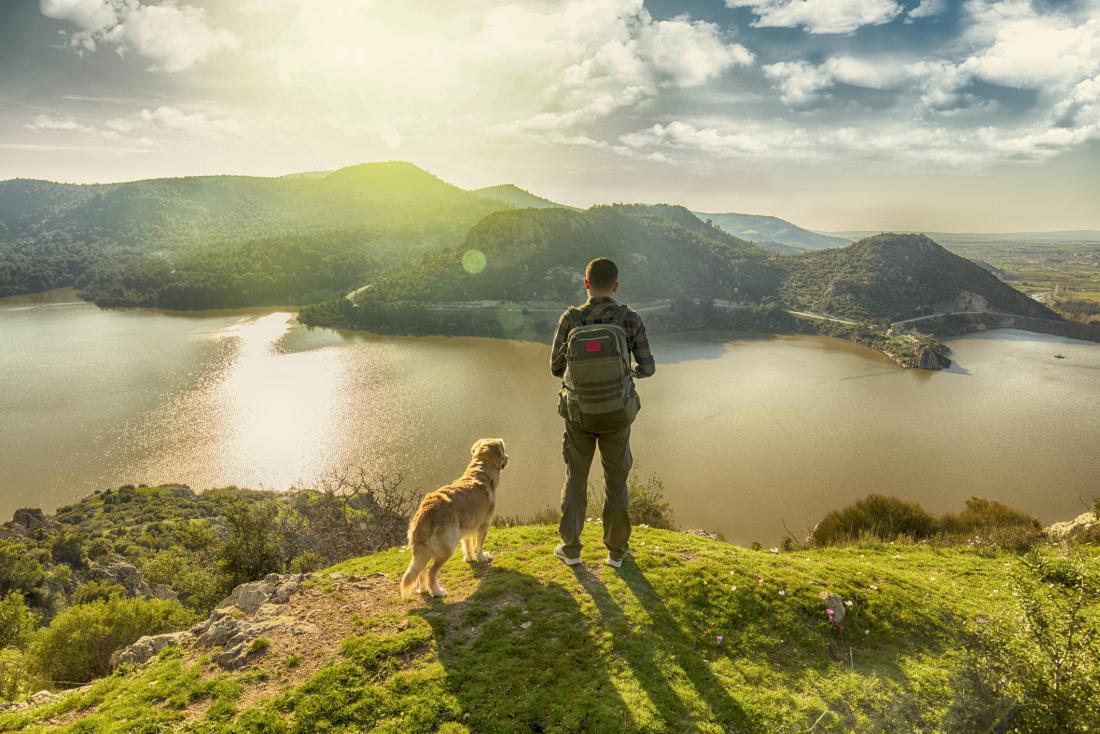
Getting outside in nature for even 15 to 20 minutes will help in boosting your concentration. Research from 2014 found evidence which says that including plants in office spaces has helped employees with their productivity, adding to that, it also increases the air quality. It can be any kind of exposure to nature, going for a walk in the park, or even just sitting in your backyard.

Listen to music

According to research, playing music, nature sounds, or even white noise to cover up background noise can help in improving concentration and other brain functions.

Conclusion

Having the power to focus and concentrate will make a huge change in your life. It lets you be more productive as you will be able to focus on your tasks without distractions, and when there are no distractions, things get done faster. Once you start concentrating, you will realize how much time you were wasting normally.

References