Destructive Habits: Bias

There are many habits that destroy your mental peace, happiness and mostly you. Some of them are usually with different addictions or because of people but what destroys you as a person depends on how you view things and people around you. Your environment is what shapes you but to be different, you have to do it by yourself. 

The most common habits have become common because we are more focused elsewhere than ourselves. To be a better version of yourself, you need to view your flaws and work on them.

  1. Spotlight Effect: We overestimate how much attention people give to our words and appearance. Imagine you said something but it felt wrong after it came out. In reality, everyone only remembers it for the moment and immediately moves to the next topic. We ponder over it for days, forgetting that others don’t care as much as we do about it.

Example: “The red shoes don’t match the outfit at all! I guess the guys are laughing because of it”

*Red shoes matched the outfit better than you imagined*

Truth: No one cares about you as much as your loved ones do. Everyone is just a temporary traveler in your life and you have to be okay with it. Dress how you want and be how you want to be. 

  1. Status Quo Bias: We prefer for things to be the same; usually change is viewed as a negative aspect of life. If you adopt a new habit that cuts out something from your life, you immediately feel guilty of not being able to manage it, so you quit your new habit for the old one because it feels more comfortable.

Example: “I like to paint, but the classes are on Friday, I won’t be able to party! I can always paint later so let’s party now!”

*Proceeds to miss out on an amazing experience*

Truth: Change is hard. To adapt to a new routine and new place is always difficult and your mind is stuck on the old routine, but only then do you learn more about yourself. You may like to paint now, but when you explore it, you may not want to put the brush down! You need to explore that change for a while to know more about yourself.

  1. Zeigarnik Effect: We focus more on the incomplete tasks than the ones that have been completed. Sometimes, we forget to see that we have accomplished many things on the way, and we focus on the ones that we have not accomplished yet. It pushes you to feel bad that you are not able to do anything. 

Example: “Bro I lost the Table-Tennis Pan-India Semi-finals! I feel so like I can’t do it anymore”

*Came so far by winning championships and tournaments*

Truth: You have to see where you are today. Look behind you and see the different hurdles you had to come across. You didn’t cross them just to go back did you? It does feel bad to not achieve something the first time you try it, but when you achieve it, after toiling for some time, the fruit is incomparable.

  1. Pessimism Bias: We tend to overestimate the possibility of negative outcomes. We always have a small part of your mind that searches for a negative outcome. What you see and ask for, is what you get and have. You will increase the chance of losing the opportunity if all you see is losing it.

Example: “I feel like I will lose this chance to be head of department, there are so many others who are way more qualified.”

*Loses opportunity because it messed with your confidence and screwed your interview*

Truth: What energy you put out, is what you usually get. Sometimes, you lose opportunities, but don’t dwell on the wrong aspects. You may not have the necessary qualifications but the way you portray yourself is what gets you opportunities.

  1. Sunken-Cost Fallacy: We invest more in things that have cost us something, even if we have negative outcomes. We feel that if we invest more, the difference can be recovered with just a little gain.

Example: “My portfolio is down by 25%! I will invest 50% of it so with a 25% gain, I can recover the loss”

*Proceeds to lose more because the stock market is in a bear phase*

  1. Self-serving Bias: Our failures are situational but our success is our hardwork’s result. We view that our failures are determined by external factors and our success is because of us. It is also difficult to ascertain what caused success or failure on the spot so we divide it based on the result.

Example: “I lost the game because the opponent was too strong. I got the best player of the match because I practiced well”

*Opponent won because of your overconfidence in your practice*

“The eyes sees only what the mind is prepared to comprehend.”

~Robertson Davies

Sometimes, we see these habits recurring but we don’t want to change because we feel it will make others dislike us. By changing, you are not making your friends feel bad but giving them a chance to understand that it’s time to improve. It’s time to make yourself the person you always wanted to be. Everyday is a learning step and only then can you improve. These habits of biasing situations have a lot of effect on where you are and where  you want to be.

This post has been inspired by Ankur Warikoo. You can check his post on LinkedIn here!

This was a delight to write about. I hope you have found this article interesting and let me know about your thoughts on this. Keep on smiling!


Destructive Habits: Bias

There are many habits that destroy your mental peace, happiness and mostly you. Some of them are usually with different addictions or because of people but what destroys you as a person depends on how you view things and people around you. Your environment is what shapes you but to be different, you have to do it by yourself. 

The most common habits have become common because we are more focused elsewhere than ourselves. To be a better version of yourself, you need to view your flaws and work on them.

  1. Spotlight Effect: We overestimate how much attention people give to our words and appearance. Imagine you said something but it felt wrong after it came out. In reality, everyone only remembers it for the moment and immediately moves to the next topic. We ponder over it for days, forgetting that others don’t care as much as we do about it.

Example: “The red shoes don’t match the outfit at all! I guess the guys are laughing because of it”

*Red shoes matched the outfit better than you imagined*

Truth: No one cares about you as much as your loved ones do. Everyone is just a temporary traveler in your life and you have to be okay with it. Dress how you want and be how you want to be. 

  1. Status Quo Bias: We prefer for things to be the same; usually change is viewed as a negative aspect of life. If you adopt a new habit that cuts out something from your life, you immediately feel guilty of not being able to manage it, so you quit your new habit for the old one because it feels more comfortable.

Example: “I like to paint, but the classes are on Friday, I won’t be able to party! I can always paint later so let’s party now!”

*Proceeds to miss out on an amazing experience*

Truth: Change is hard. To adapt to a new routine and new place is always difficult and your mind is stuck on the old routine, but only then do you learn more about yourself. You may like to paint now, but when you explore it, you may not want to put the brush down! You need to explore that change for a while to know more about yourself.

  1. Zeigarnik Effect: We focus more on the incomplete tasks than the ones that have been completed. Sometimes, we forget to see that we have accomplished many things on the way, and we focus on the ones that we have not accomplished yet. It pushes you to feel bad that you are not able to do anything. 

Example: “Bro I lost the Table-Tennis Pan-India Semi-finals! I feel so like I can’t do it anymore”

*Came so far by winning championships and tournaments*

Truth: You have to see where you are today. Look behind you and see the different hurdles you had to come across. You didn’t cross them just to go back did you? It does feel bad to not achieve something the first time you try it, but when you achieve it, after toiling for some time, the fruit is incomparable.

  1. Pessimism Bias: We tend to overestimate the possibility of negative outcomes. We always have a small part of your mind that searches for a negative outcome. What you see and ask for, is what you get and have. You will increase the chance of losing the opportunity if all you see is losing it.

Example: “I feel like I will lose this chance to be head of department, there are so many others who are way more qualified.”

*Loses opportunity because it messed with your confidence and screwed your interview*

Truth: What energy you put out, is what you usually get. Sometimes, you lose opportunities, but don’t dwell on the wrong aspects. You may not have the necessary qualifications but the way you portray yourself is what gets you opportunities.

  1. Sunken-Cost Fallacy: We invest more in things that have cost us something, even if we have negative outcomes. We feel that if we invest more, the difference can be recovered with just a little gain.

Example: “My portfolio is down by 25%! I will invest 50% of it so with a 25% gain, I can recover the loss”

*Proceeds to lose more because the stock market is in a bear phase*

  1. Self-serving Bias: Our failures are situational but our success is our hardwork’s result. We view that our failures are determined by external factors and our success is because of us. It is also difficult to ascertain what caused success or failure on the spot so we divide it based on the result.

Example: “I lost the game because the opponent was too strong. I got the best player of the match because I practiced well”

*Opponent won because of your overconfidence in your practice*

“The eyes sees only what the mind is prepared to comprehend.”

~Robertson Davies

Sometimes, we see these habits recurring but we don’t want to change because we feel it will make others dislike us. By changing, you are not making your friends feel bad but giving them a chance to understand that it’s time to improve. It’s time to make yourself the person you always wanted to be. Everyday is a learning step and only then can you improve. These habits of biasing situations have a lot of effect on where you are and where  you want to be.

This post has been inspired by Ankur Warikoo. You can check his post on LinkedIn here!

This was a delight to write about. I hope you have found this article interesting and let me know about your thoughts on this. Keep on smiling!
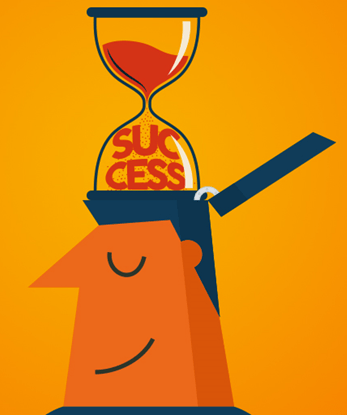
COMMON TRAIT OF EVERY HIGH-ACHIEVER

The world we live in is fast and busy. We always have new content to consume, new information to process, and new decisions to make. But even if the world demands us to make quick choices, sometimes being patient and still is the best thing, that can be pretty hard. However, sometimes, patience will help us reach success.

If you are just learning a new skill, you need to be patient and give yourself time to practice and improve. You won’t become good enough tomorrow and, if you try to use it, it might backfire.

Don’t hurry things along – they need to take their own time and happen when the moment is right.

Patience alone is not enough to achieve success. However, without it, you will be hard pressed to achieve anything at all.
Good things take time. You need to work hard and wait for the results to show themselves.

Patience can give you the strength to hold on even when things are tough. It allows you to remember that everything is temporary and wait the storm out.

Patience allows you to wait until your work shows its results. It prevents you from premature decisions and rash behaviors that can hurt your chances for success.

Just be still and observe and you might notice a lot more than you would have expected. Taking some time before acting can allow you to recognize new solutions and prevent you from doing a harmful thing.

Patience brings its rewards in every aspect of our lives. It can truly work wonders.

Even if the world is loud and fast, slow yourself down. Be patient and be still and see what changes within you. See what you can recognize when you allow yourself to just watch and wait.

Patience is essential for any kind of success, as nothing happens overnight. Reap the benefits by allowing yourself to wait and let things happen at the right time, without forcing them to occur.

Motivation

The term motivation is derived from the word ‘Motive’. Motive is a combination of thought, feeling or condition that causes one to act. Motivation is that force which incites individual to perform some activation.

Types of Motivation

  1. Intrinsic Motivation :- Intrinsic motivation is internal. It occurs when person are compelled to do something out of pleasure, importance or desire. Motivation is always intrinsic when it comes from within oneself.
  2. Extrinsic Motivation :- It occurs when eternal factors compel the person to do something. Reward,punishment, praise, blame or cash prize are example of extrinsic motivation.

Techniques of Motivation

  1. Goal Setting :- If you don’t set a goal, you cannot achieve apex position in your life.
  2. Elaborate Arrangement of competition :- Without extensive arrangement of competitions one can’t perform well in such competitions.
  3. Healthy Environment :- Healthy environment consists of good climate, proper wealth, humidity and temperature etc. In such healthy environment one can exhibit good performance in competition.
  4. Motivational Music :- It is a good way to motivate someone.
  5. Positive Attitude :- For proper motivation the one should try to encourage positive attitude among themselves.

How to choose a book to read for growth

In today’s time, everyone has free and easy access to social media. On some days we keep scrolling all through the day without even realising what are we doing. We say, “I’m bored”. So, what are we doing to get rid of the boredom?

Those in their teens, especially late teens and early 20s are about to go to college. Some are serious about their future. Some are still thinking. Some know what to do. Some are worried about what do to. Some know they want to do something, just don’t know what. Some probably, don’t even think much. For everyone, books are the solution. How?

Well, agreed, there are many courses that one can do. Many podcasts one can listen to. What’s the need for books?! Dead weights! Well, these ‘dead weights’ are what great minds write once they’ve achieved what they wanted to achieve. These weights helped them on their path. Some write to explain their journey and what they learnt so the younger gen can learn and grow. Some help those who know what they want to do, some help the others, who don’t know what they want to do. Some books help you make a path while some help you find your path. Some even help you during your path. But, we can just listen to podcasts of those books!

Well, not every book has been made into a podcast. Also, we listen to podcasts on our phones. And, let’s be honest. One ping is all it takes for our entire focus and concentration to go, poof! So, I guess I’ve made my point.

Moving on, what books should we read to help us grow? And how to develop an interest in boring non-fiction? How do we find out what books to read?

For starters, some people enjoy reading non-fiction. So, let’s rule out the thought that they are all boring and try to keep an open mind.

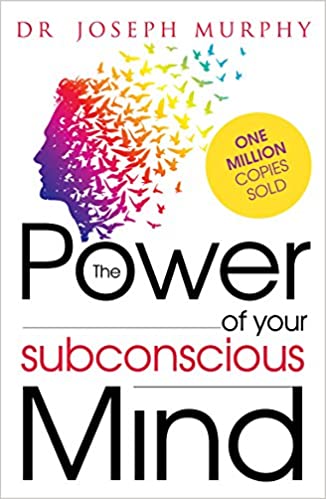
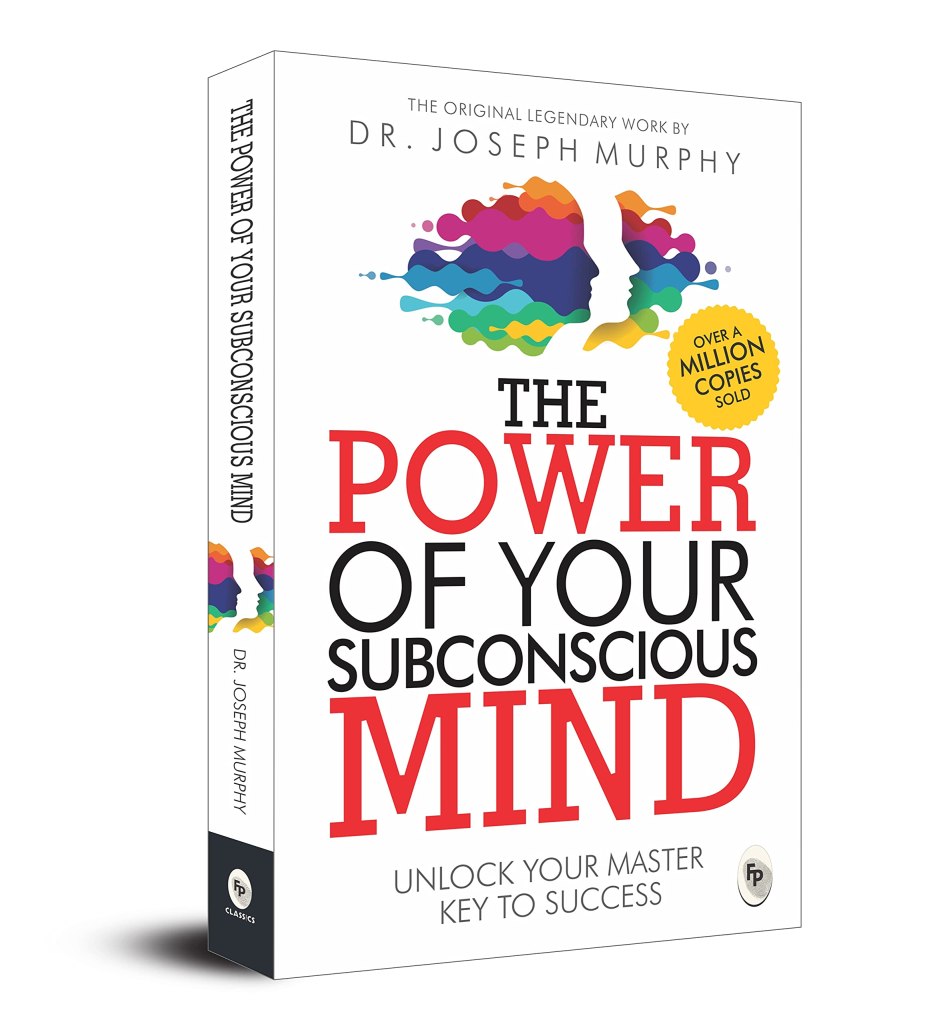
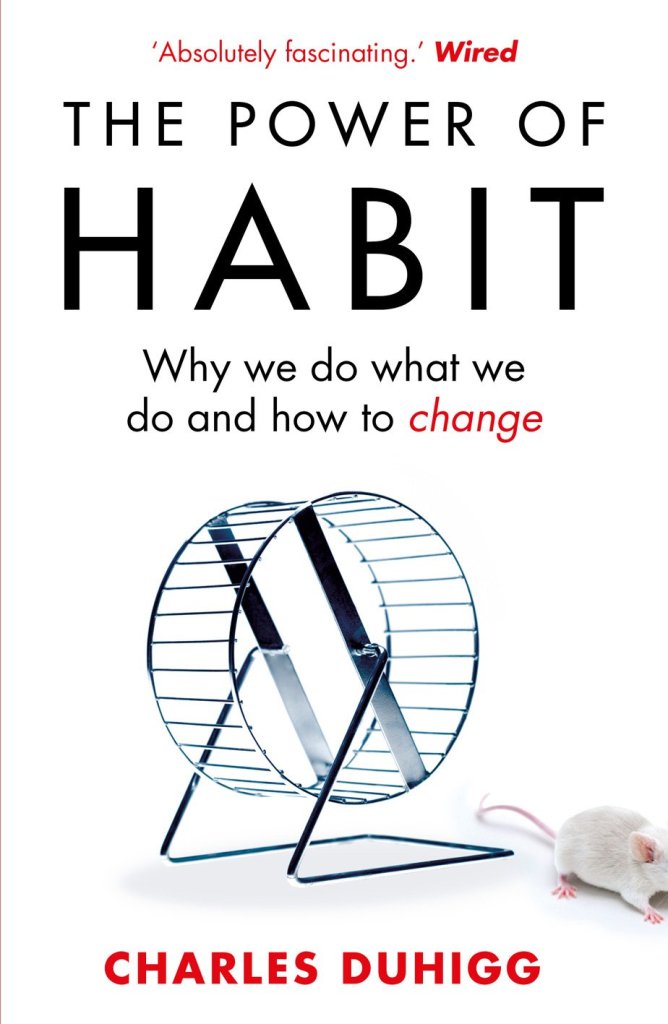
To know what book to read, try finding out what your goal is. If, for example, you wish to know your superpowers, read books on the subconscious mind, like The Power of your Subconscious Mind by Dr Joseph Murphy. Our subconscious mind is supreme, once you know how to utilise its strengths. If you are lazy and wish to break it and make a healthy habit, you can read The Power of Habit by Charles Duhigg.

Similarly, if you know what you want to do, look up books on Google, find out what you like best, which book suits your needs the best and read it. 

Every book is a gem and there are many gems for each person out there. All one has to do is know what do they wish to learn/know and look for a book which suits their needs. 

Here’s a list of books that I would recommend.

  1. The Power of Habit
  2. The Power of your Subconscious Mind
  3. How to Talk to Anyone
  4. Think and Grow Rich
  5. The 80/20 principle
  6. The Power of Now
  7. Don’t Overthink it
  8. The Subtle Art of Not Giving a F*ck
  9. Everything is F*cked
  10. The Rudest Book Ever

WHAT DOES ADOLESCENCE NEED?

Need for independence

With the growing physical and mental development an adolescent wants to express his opinion independently, to take part in different social activities and to become self-dependent like any adult member of the society. On attaining adolescence, the child who earlier used to depend on his elders, finds himself full of life and energy and cannot help but to take part in the diverse activities of the society. Thus, he defies the dominance of his elders and wants to proceed in life independently

Need for self-recognition

The adolescents not only want to take part in different social activities but also want self-recognition. They want to attract attention of other people by showing their abilities. The children in adolescence want to project themselves before the society in such a way so that people can appreciate their qualities and give them due respect and recognition.

Need for self-expression

There is a great desire among the children in adolescence to express their feelings, thoughts and ideas. At this age, every child wants to express himself in his area of proficiency like sports, dramatics, studies, music, literature, art or any other medium.

Need for social life

One of the important needs of adolescents is to take part in the greater social environment. Before entering into the age of adolescence, children do not get much scope to mix with people outside their family. But as they attain adolescence children want to experience the greater social-life and want to get involved closely in different social activities. This need for social life gets an outlet when the adolescents involve themselves in the activities of different social institutions like club, social welfare committee, community service etc.

Need for self-reliance

Another important need of children in adolescence is the need for self-reliance. There is a great desire among the children of this age to become self-reliant as soon as they attain puberty. And they start dreaming about their future professions and the ways to establish themselves in their respective fields. The children of this age are also very eager to acquire professional qualifications according to their choice.

Need for Philosophy of life, morality and need to know the unknown

The children in adolescence want to have a philosophy of life, a clear concept of morality and want to know all the things which are unknown to them. They have a lot of inquiries regarding the basic purpose of life. They want to know how human life can be goal-directed and what is the main aim of life. When the children attain puberty, they also indulge in a great deal of thinking over the concept of right and wrong, good and bad. They want to evaluate all the activities of themselves and people around them in accordance with the concept of right and wrong. There is always a tendency among them to do whatever is morally right. And if they do something morally wrong, they go through terrible mental agony. At adolescence, there is also a great desire among the children to know what is unknown to them. The new discoveries of science have a great influence on the minds of adolescents.

Need to satisfy sex-related curiosity

As the children attain puberty they develop a deep sex-related curiosity. This curiosity greatly perturbs them as the result of natural outcome of their sexual development. First, they try to satisfy this curiosity by natural means. But later, by being ignored or scolded by the elders, they try to satisfy this curiosity through abnormal ways. Adolescence is one of the important stages of growth and development of the child. At this stage a unique disturbance develops in the mind of the child. According to modern Psychologists, this disturbance in the mind of the child is not an essential outcome of his physical development, rather it occurs in the mind of adolescents because of unfavourable environment.

WHAT TO DO WHEN WE FAIL?

We all fail at some point. It’s unavoidable and definitely not a pleasant experience. Our self-confidence and self-esteem might hit the ground. Constant questions of self-doubts arises. But any kind of failure can be an amazing opportunity for growth and development when we approach it the right way.

Here are few things to remember when something doesn’t go your way.

FAILURE IS NOT FATAL

It’s never too late to re-start and pursue your dreams and goals, in one way or another. If you look around there always be hidden opportunities waiting for you to showcase your abilities and skills. There will always be another chance, and this time you can approach with greater readiness and experience. Remember that everything happens for a reason, each opportunity has something to teach you.

LEARN YOUR LESSON

One of the greatest advantages of failures, is that it makes you wiser. It gives you a chance to question yourself about the faults in the process and gives you a chance to re-invent and re-discover yourself. Helps you consider your situations from multiple perspectives. This is also the time when you seek for help from trusted  friends and colleagues for their inputs and reviews.

BE PREPARED FOR THE WORSE

It is harder to accept failure when you did not consider it be one of the outcomes of your process. Confidence is a good trait but being fully prepared for any outcome is helpful since this mindset will help you avoid feeling devastated when something doesn’t turn out the way you envisioned it.

Always keep a plan B and act on it immediately. This doesn’t mean that you need to give up or have a defeatist attitude, just to be ready for any outcome. This might help you have a backup or consider your resources more carefully than if you go all in.

NOTHING IS PERSONAL

A problem with failure is that we see it as something that reflects on us and our personal failings. But just as often, our failure happens due to factors that have nothing to do with us. Maybe we offer something that is not wanted or maybe there are objective circumstances that  change the situation beyond our control. Learn from your mistakes but don’t pin each situation solely on yourself. By Acknowledging that we don’t have control over the world, we can become resilient and focused on what’s within out purview.

keep going, keep growing

BE KIND TO YOURSELF

Approaching the failure with compassion is an important thing to remember. Often, we are really harsh to ourselves and that discourages us from trying again or learning from the mistakes we made.

Failure is not pleasant but is significant, and looking at any story of success, we will always find the failures that built it. See it as a necessary step, a chance to learn, and you will bounce back better and faster.

Why Self-Help Books ?

Undoubtedly, reading books is the finest way towards personal growth and is considered to be one of the most intellectually beneficial activities. People who are in the habit of reading books are usually the ones who are considered to be among the most literate and learned class of society.

Different people have different tastes in reading. They prefer reading books that suit their personalities, ambitions, and likings. Some like to read about fiction, some about politics, some about business, some about romance, some about spirituality, and some like to dive deep into the historical past. Despite the diversity in the reading habits of people, many avid book readers love to read books on the subject of “self-help,” too.

The popularity of self-help books is not a vogue. There is a proper justifiable reason behind this popularity, which is that self-help books can and have transformed the lives, or at least some aspects of the lives, of millions of people around the globe.

There are several benefits of reading self-help books. The prime benefit of reading self-help books is that the experience that it provides puts the reader on a path to read, practice the strategies learned, and make improvements in their lives without asking for other’s help.

Self-help books charge you with positive energy. And not only you feel that energy within yourself, but you also carry and start spreading it all around. You create a positive atmosphere around yourself and charge up the environment wherever you go. And we all know that a more focused and energized worker is always more productive and is appreciated everywhere. In fact, several businesses provide their employees with complimentary self-help books or keep those books in public areas of the office, like the canteen or the lounge. And of course, they ain’t doing this in vain, they do have a point.

Moreover, Reading self-help books can also build a higher sense of confidence in a person – over time that in turn can help a person to get out of almost any challenging situation without seeking other’s help. Another important benefit of self-help books is that it strengthens the reader by developing a mentally tough attitude of relying on oneself. It instills the skill of addressing and untying the knots of day-to-day life.

In a nutshell, the limitless advantages of reading self-help books cannot all be summarized in a short article. However, reading and benefiting from self-help books is all about learning, applying, and taking continuous swift action. It is always encouraged to get used to the habit of reading, particularly self-help books, in order to experience the true transforming and life-enriching benefits of books. Hopefully, as a result of doing so, you too will be able to realize your dream by reaching your greatest and most fulfilling potential.

Top 5 Must-Read Self Help Books


A self-help book is one that is written with the objective to help its readers on solving personal problems. For those interested in becoming a better version of themselves, self-help books are a must-read. The term self-help is derived from a 19th-century book of the same name by Samuel Smiles, a Scottish author.

Although these books aren’t any sort of miraculous solutions to instant happiness, but they do provide a window into new ways of thinking, relating, loving and problem-solving. The first and foremost benefit of reading self-help books is that the experience puts the reader on a path to read, practice the strategies learned, and make improvements in their lives without asking others for help.

However, all self-improvement books are not equal. Some help to start out your journey, while others give a boost when you’ve achieved experience in certain areas.

Here are some of the best ones from my library that I recommend you to read no matter how old you are.


The Power of Your Subconscious Mind
by Joseph Murphy

As is evident from the title, it is a book that promises to be an insightful look into powers beyond the scope of our daily prowess.

Since its first publication in 1963, It has been a bestseller, selling many millions of copies. It is among the most loved self-help works of all time which can help you heal yourself. The techniques provide inside the book are very simple to apply and results come quickly. You can work it out to improve your relationships, your finances, your physical well-being, and whatnot.

The author of this book, Dr. Joseph Murphy, explains that life events are a result of the workings of our conscious and subconscious minds. He suggests practical techniques to change our destiny, principally by focusing and redirecting this miraculous energy. Years of research and studying the world’s major religions convinced him into believing that some Great Power lay behind all spiritual life and that this power is within each of us.

The Alchemist by Paulo Coelho

Written by Brazilian author Paulo Coelho in 1988, The Alchemist, is one of the best-selling books in history. Initially written and published in Portuguese, It has now been translated to more than 70 languages. The theme of the book is to find one’s destiny or purpose in life.

It is the magical story of an Andalusian shepherd boy, Santiago, who wants to travel in search of an extravagant treasure. This story portrays the essential wisdom of listening to our hearts, learning to read the signs along life’s path, and, above all, following our dreams as the treasure, the boy finds on his journey.

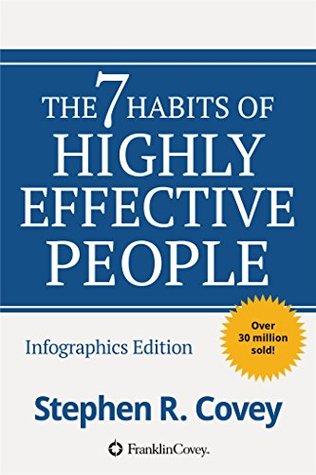
The 7 Habits of Highly Effective People by Stephen Covey

First published in 1989, The 7 Habits of Highly Effective People, is a business and self-help book written by Stephen R. Covey. This book changed the world of self-improvement forever and quickly became an international bestseller and a go-to resource for anyone who wanted to improve themselves.

This book is centered around the average person’s personal and professional habits. The prime focus of the book is ‘habits’ because it is these habits that make up a person’s character. The book focuses not only on eliminating bad habits but also on building up good ones. It reveals a pathway to live with fairness and human dignity giving us the power to adapt to change and to take advantage of the opportunities that change creates.

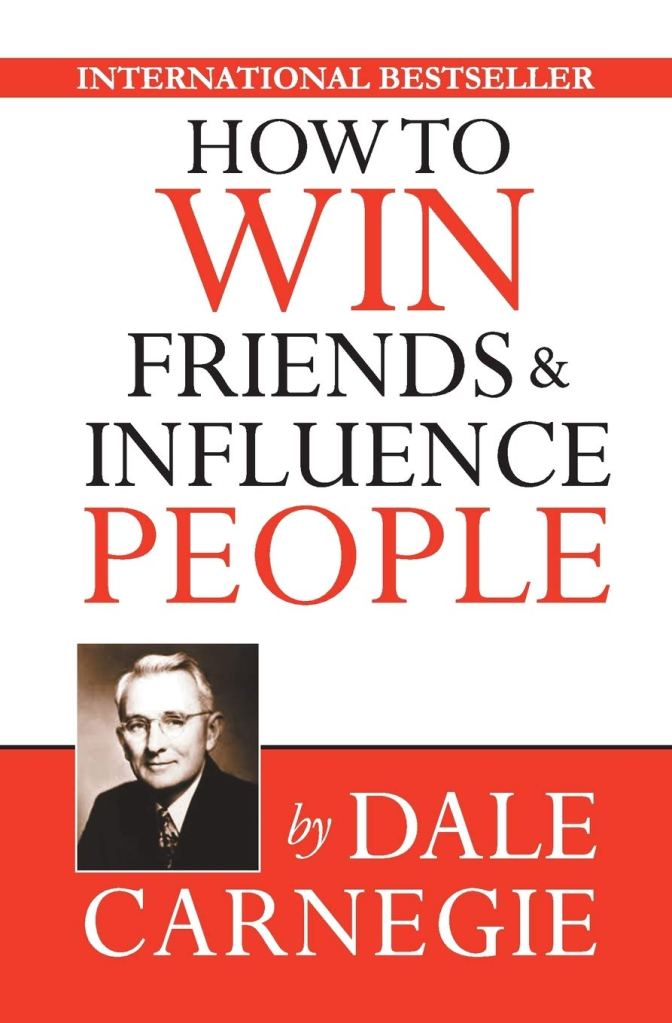
How to Win Friends and Influence People by Dale Carnegie

Released in 1936, How to Win Friends and Influence People, is one of the most timeless self-help books ever written and has sold more than 15 million copies till date. It’s an eternal text which proves that people still want the same thing they have always wanted – friends and influence.

The Author Dell Carnegie believed that the most essential component to being successful is the ability to communicate effectively and have brilliant insights. The book teaches these skills by demonstrating how to value people and help them feel appreciated rather than manipulated.
It’s a classic self-help book that will help in building self-esteem, become a better communicator, and connect with people like never before.

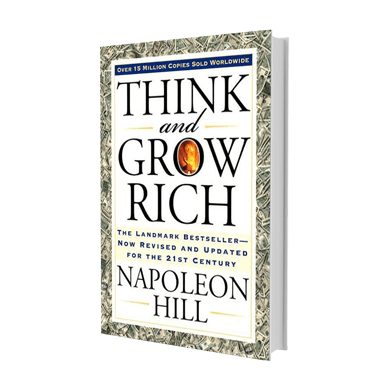
Think and Grow Rich by Napoleon Hill

Written by Napoleon Hill in 1937, Think and Grow Rich is one of the most powerful books which develops thinking power and provides the best rules for success. It was promoted as self-improvement and a personal development book.

This book has been able to withstand the destruction of time and is incredibly relevant even today. From basics such as planning, decision making, and persistence to more advanced techniques such as auto-suggestion, transmutation, It covers all the aspects.

This is not a grow-rich book, but a timeless guide to find out what actually matters. As it says clearly in the beginning ‘Riches can’t always be measured in money!’

The Pomodoro Technique

We all have trouble concentrating in our lives. Many of us have to sit and study/work for hours on end, especially after the COVID-19 pandemic which locked everyone inside their homes. However, most of us find it very hard to concentrate very long on our work or studies, and we lose focus or start procrastinating after a short while. The result of this is that we complete minimal work, and end up being unproductive for most of the day because of our loss of concentration. However, there is one simple method, called the Pomodoro Technique, which helps improve productivity and focus.

What is it?

The Pomodoro method is very simple. It requires you to work/study for 25 minutes, and then take a 5-minute break. The reason this method works is also simple: evolutionary biology. The human brain is not designed to focus for extended periods of time on singular task, and is made to consider many different things in our lives. This is a result of survival instincts that have developed within us. To protect us from looming threats, the brain is in a constant state of alertness. This makes focusing on one thing for a long time very hard for your brain. So, adhering to this basic instinct, the Pomodoro method makes it possible for us to work in short bursts of time with full concentration, and then take a few minutes to relax or focus on something else so as to not tire ourselves out. This can be repeated for hours on end and helps retain focus, especially if studying for an exam or completing some work.

Also, this technique has been known to increase the quality of your work. When you take a break, you force yourself to take a few seconds to revaluate and rethink certain things. Sometimes, you find that you have to adjust your work to increase the quality of it. In contrast, when you work on a task without a break, it is easy to lose focus and get lost in the work. That is why the 5-minute breaks are equally important as the 25 minutes of work. You must take your breaks seriously and see them as a reward.

What makes it effective?

  • It makes it easy to get your work started: We may often find it uncomfortable to start a big task or project, and try to avoid doing it as much as possible until the last minute. The most effective way to break out of this avoidance cycle is to just simply start the work, even if it is with a small step. This procrastination-busting strategy is exactly what the Pomodoro technique asks you to do: break down your big tasks or projects into something you only have to do for the next 25 minutes.
  • Helps combat distractions: As mentioned earlier, it very easy to get distracted while doing your work and most of us can’t focus on the task at hand for long periods of time continuously. The Pomodoro Technique helps you resist all of those self-interruptions and re-train your brains to focus.
  • Makes us more aware of time: When most of us are planning out our work, we usually underestimate the time needed to complete the tasks, even when we know similar tasks have taken longer in the past. The Pomodoro technique can be a valuable weapon against this problem, as working in short, timed sessions is not an abstract concept but a concrete event that helps keep track of the time.
  • It is easy to do: The Pomodoro technique is an accessible technique for everyone as it is more about consistency than perfection. Each session is a fresh start to revaluate your goals, challenge yourself to focus, and limit distractions. You can make the system work for you.

Hence, in case you are having trouble with staying focused and productive, give the Pomodoro technique a try to see if it helps you, just as it as helps so many people.

SELF IMPROVEMENTS, GOOD & BAD HABITS

See the source image

“No matter who you are, no matter what you did, no matter where you’ve come from, you can always change, become a better version of yourself.”

Self improvement is an inner process, which focuses on changing one’s attitude toward oneself and toward the world, and on getting rid of harmful habits and building new good habits. The purpose of this inner process is to improve your behavior and habits, and to create happiness and satisfaction into your life. The aims of self-improvement are to learn to adopt a positive mindset, to get rid of negative habits, and to build positive habits and behavior. It is a process to make ourselves better and happier people. Self-improvement usually starts by becoming more aware of ourselves, our behavior and our reactions. It requires that we earnestly desire to improve ourselves, better our life, and build good relations with people. Self improvement improves your mental health, and helps you become aware of any bad habit, so you can change it. It also improves your life and helps you achieve your goals. This process includes simple steps to make you feel good about yourself, learn new skills, and even practice physical activity to improve your health and energy level.

Here is my try of self improvement:

My 5 Good Habits:

1. Drinking good amount of water

It is essential for a person to drink 3-4 liters of water everyday. There are many benefits of water that we often take for granted. Water not only helps hydrate our bodies, but it can also help prevent headaches, aid in digestion, and relieve bloating. Since water is a natural liquid, it’s much healthier for humans to drink than carbonated or high-sugar drinks like sodas or juices.

2. Going to gym

I go to gym 6 days a week. With our busy routine most of us tend to put our physical and mental health on the last of part of our day-to-day list. But the lack of exercise can cause serious health issues for you down the road. I believe that each one of us should at least take out 1 hour for any exercise activity.

3. Think Positive

Every time a negative thought enters your mind, think of the polar opposite thought to help train your brain to think positively. Objecting to negative or toxic thoughts by replacing them with positive thoughts is a healthy way to help challenge thoughts that don’t uplift you.

4. Spend Time with Family

One of the most neglected good habits is spending time with family. Thankfully I spend a good amount of time with my parents and siblings even though on some days I have a hectic schedule. It relaxes me and I fell happy from inside.

5. Practice good hygiene

One of the good habits of mine is practicing good hygiene along with a self care routine. Showering each evening or morning, doing my skin care routine before going to sleep is something which helps me to feel fresh and overcome my bad moods.

My 5 Bad Habits:

1. Not eating green vegetables

It is always recommend for us to eat more and more vegetables, especially green leafy veggies because they are very beneficial for our health and body as well. They not only help us to stay young, improve our bone strength and eye health but also prevent us from deadly disease such as cancer. I believe this is my worst habit and each one of us should adapt it.

2. Bad sleep routine

I go to bed at around 1:00 a.m. and wake up late the next day because of which I also miss my classes. By developing such bad routine we are putting our health at a higher risk.

3. Use phone before sleeping

One simple effect that watching a screen right before bed has is the fact that we don’t get tired enough to sleep. It keeps our mind psychologically engaged. All of us including myself should avoid using phone before we go to sleep.

4. No Morning Walk

Walking in the morning on a regular basis will result in multiple health benefits and not only improves physical health but also mental and emotional well-being. Morning walk enhances our metabolism, which may be a sign of getting a healthier body.

5. I study on bed and not on a table

A very bad habit of mine is that I always study while sitting or laying on a bed. Because of this I sometimes have neck as well as back pain. We should study on a proper table-chair , it helps us to focus on our work.

What is procrastination? How to stop procrastinating?

Procrastination is the propensity for postponing a significant errand, normally by zeroing in on less dire, more pleasant, and simpler exercises all things being equal. It is not the same as lethargy, which is the reluctance to act. Tarrying can confine your latent capacity and sabotage your profession.

It can likewise disturb collaboration, diminish assurance, and even lead to sorrow and occupation misfortune. In this way, it’s critical to find proactive ways to forestall it.

Procrastination: Why We Do It and What It Says About Our Psyche

The initial step to defeating stalling is to perceive that you’re doing it. Then, at that point, distinguish the explanations for your conduct and utilize suitable techniques to oversee and conquer it.

TIPS TO STOP PROCRASTINATING:

1. GET ORGANIZED

You are bound to stall on the off chance that you don’t have a set arrangement or thought for finishing your work. Putting resources into an organizer is a smart thought. Begin monitoring every one of your tasks and their due dates. At the point when you’re coordinated, it’s anything but an all the more organized and estimated system inside which to work.

How to Stop Procrastinating Right Now When You Have ADHD

2. KILL DISTRACTIONS

Disposing of interruptions is another tip to stay away from dawdling. By restricting the quantity of interruptions around you, you’re bound to complete what you need to do. Close your telephone off, retreat to a calm place and pay attention to traditional music or repetitive sound muffle any commotion.

3. PUT OUT GOALS

Part of the explanation you may dawdle is on the grounds that what you need to do appears to be overpowering. It’s significantly simpler to begin on an undertaking when you set up basic, reachable objectives instead of face a major, obscure arrangement. Rather than advising yourself, “I’ll study science around evening time,” you may rather say, “I’ll study part six this evening.” This makes your objectives not so much scary but rather more feasible.

Procrastination: Tips for Helping your Procrastinators...Now

4. SET DEADLINES

Another tip to keep away from stalling is to set cutoff times. Numerous understudies stall out in the “I’ll do it tomorrow or ultimately” cycle when in truth that day or at last won’t ever come. Set a particular date for when you need a venture or task to be finished. Plan to have your activities and tasks finished a couple of days ahead of time. That way, if something unforeseen occurs, you actually have additional chance to finish them.

4. ENJOY A REPRIEVE

Another tip to stay away from dawdling is to enjoy a reprieve from your school work occasionally. Enjoy a 10 brief reprieve. Pay attention to music, go for a stroll or shout into a pad — anything that removes your psyche from your school work and permits you to unwind. An Oregon State University study shows that taking a break can expand center, decrease pressure, and assist you with bettering data.

5.AWARD YOURSELF

Compensating yourself may make an impetus to do a job and assist with keeping away from lingering. Subsequent to reading for a test or finishing a task, consider giving yourself an award. It very well may be just about as straightforward as, “When I finish this task, I can watch a scene of my number one show.

At first it will be troublesome however in the event that you simply stay not too far off and continue to go on it will turn out to be simple. With little trust on yourself and hard work you will actually want to change yourself. You will likewise see that subsequent to applying the above tips in your day to day existence you will turn out to be more self -restrained. Additionally you will feel inward fulfillment and bliss. At the point when you will rest around evening time you will feel that you didn’t squander your day and at last you will get a decent rest.

Yet, on the off chance that you at any point feel unmotivated and need to surrender, continue to advise yourself that “YOU CAN DO IT”, “It’s NOT A BIG DEAL”.

Procrastination – the art of the last minute - StuDocu Blog

RESOUCES: 1. https://www.collegedata.com/resources/campus-life/8-tips-to-avoid-procrastination

2. https://www.mindtools.com/pages/article/newHTE_96.htm

STORY- Thinking Out of Box

Once upon a time, a merchant named Sohan owed a huge sum of money to Rohan, a money lender. The time came when the merchant ran out of the last chance given to him to give the money back.

Sohan had a beautiful daughter. Rohan asked the merchant to give all the money back failing which he will marry his beautiful daughter.

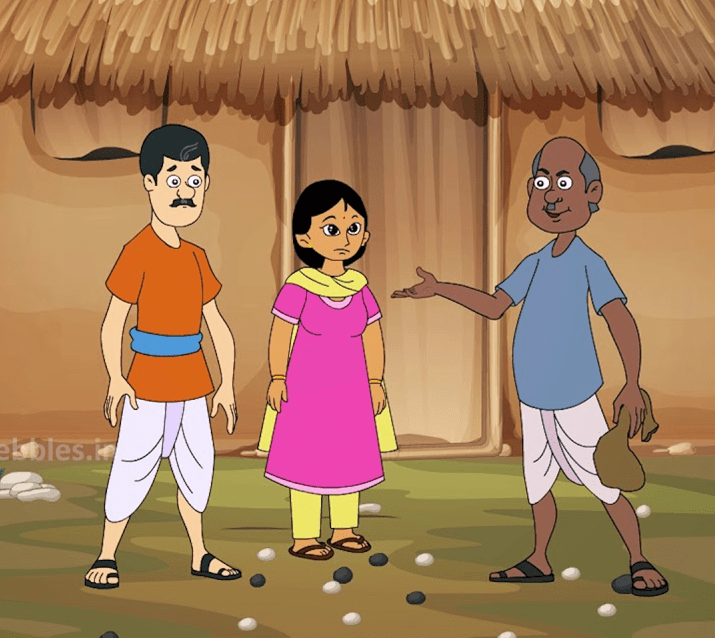
Rohan was not at all good looking and was ill minded, so the merchant was in dilemma. Rohan proposed a new condition. There was a mix of black and white pebbles on the ground where they were standing. He will take two pebbles on both the hands, one will be white and the other will be black.

If the daughter correctly chooses the white pebble, then Rohan will write off all the debt and leave the marriage proposal too. But if she chooses the black pebble, he will write off the debt but will marry the daughter.

Rohan bent down to pick the pebbles from the ground and the daughter noticed that he took black pebbles on both hands.

The girl had three choices- to notify the same to her father which may provoke Rohan, take the black pebble and sacrifice her life or simply refuse to take the pebble which might land her father into trouble. But what she did totally surprise Rohan.

She took the pebble from his hand and ‘accidentally’ the pebble fell off from her hand to ground. She then asked Rohan to see which color pebble was left in his hand to identify the color she picked. Rohan had no other choice but to show the black color pebble in his hand and set them both free.

Moral

Sometimes, life offers a person a situations which not only demands hard work and perseverance but some creative thinking and presence of mind which saves the situation.

STORY: TRANSFORMATION

Brief About Story

The story named “Transformation” depicts how a person can completely transform himself/herself by self introspection. There is just a need of firm determination and everything will become possible.

Characters of the Story

Rohan- The Protagonist

Raman- Friend of Protagonist

TRANSFORMATION

Rohan, an employee in a company was a hard working asset for the organisation but he usually struggled in expressing his views. One of his friend named Raman possessing good influential skills took an initiative to help him to overcome the challenges. After some interactions he suggested Rohan to self-introspect himself and try to understand and summaries his drawbacks and work on them with a positive thinking. Rohan acted as per advice and started concentrating on getting over his weaknesses with a fighting spirit.

Raman was always co-operative and was available at each movement. His co-ordination and leadership skills helped Rohan in improving his vocabulary, body language, expressiveness, communication Skills, presentation Skills that helped him to showcase himself and his thoughts in a hesitant free manner.

SELF REALIZATION

Self Realization refers to the process of interacting with one inner self for figuring out the answers like drawbacks, strengths, weaknesses, interest areas, goals, opportunities etc for the purpose of self assessment.

It helps in understanding and summarizing one self and take required measures and actions to eradicate barriers of growth and development and working on improving strengths .

Abraham Maslow understood the importance of self interaction and placed Self Actualization as the final stage of his Motivation Theory which too is linked to the concept of Self Realization and interaction with internal self.

Self Realization | IKTAR

Importance of Self Realization

1.Higher Confidence

2.Increases Patience

3.Sharper Focus

4.Not being Controlled by Emotions

5.Acceptance

6.Helps in understanding the real clinches  of an issue

This image has an empty alt attribute; its file name is image-278.png