An academic degree is a college or university diploma, often associated with a title and sometimes associated with an academic position, which is usually awarded in recognition of the recipient having either satisfactorily completed a prescribed course of study or having conducted a scholarly endeavour deemed worthy of his or her admission to the degree. It is a qualification awarded to students upon successful completion of a course of study in higher education, usually at a college or university. These institutions commonly offer degrees at various levels, usually including bachelor’s, master’s and doctorates, often alongside other academic certificates and professional degrees. The most common degrees awarded today are associate, bachelor’s, master’s, and doctoral degrees.
Some of the popular academic degrees pursued in India are:
Bachelor of Arts (BA)
A BA represents the completion of an undergraduate program that focuses on a discipline in the arts or humanities. What distinguishes a BA from other types of bachelor’s degrees is that it tends to emphasize each student’s exploration of a given subject.
Bachelor of Commerce(B.Com)
B.Com stands for Bachelor of Commerce which is a three year undergraduate program. B Com subjects impart Analytical skills, Financial Literacy, Business Acumen, Business Laws, Taxation knowledge etc, with aim to make the student job ready in the field of Banking, Accounting, Insurance and Finance.
Bachelor of Technology (B.Tech)
B.Tech or Bachelor of Technology is one of the prestigious and most popular courses opted by science students. It is a 4-year full-time undergraduate course and is offered in various disciplines such as Computer Science, Civil, Mechanical, Electronics, and Information Technology.
Master of Business Administration (MBA)
The Master of Business Administration (MBA) is an internationally-recognized graduate-level degree that develops the skills required for careers in business and management. The value of the MBA, however, is not limited strictly to the business world. An MBA can also be useful for those pursuing a managerial career in the public sector, as well as government and the nonprofit sectors.
Bachelor of Science(BSc)
BSc or Bachelor of Science is an undergraduate degree of three years duration which is universally offered across institutes and universities across India. BSc is one of the most popular courses opted by students who have a flair for scientific aptitude and zeal for research-oriented and calculative approaches based on a proven systematic method. Science is all about experimentation, research and discovery. A BSc degree is a culmination of both theoretical and practical ways of learning.
There are many habits that destroy your mental peace, happiness and mostly you. Some of them are usually with different addictions or because of people but what destroys you as a person depends on how you view things and people around you. Your environment is what shapes you but to be different, you have to do it by yourself.
The most common habits have become common because we are more focused elsewhere than ourselves. To be a better version of yourself, you need to view your flaws and work on them.
Spotlight Effect: We overestimate how much attention people give to our words and appearance. Imagine you said something but it felt wrong after it came out. In reality, everyone only remembers it for the moment and immediately moves to the next topic. We ponder over it for days, forgetting that others don’t care as much as we do about it.
Example: “The red shoes don’t match the outfit at all! I guess the guys are laughing because of it”
*Red shoes matched the outfit better than you imagined*
Truth: No one cares about you as much as your loved ones do. Everyone is just a temporary traveler in your life and you have to be okay with it. Dress how you want and be how you want to be.
Status Quo Bias: We prefer for things to be the same; usually change is viewed as a negative aspect of life. If you adopt a new habit that cuts out something from your life, you immediately feel guilty of not being able to manage it, so you quit your new habit for the old one because it feels more comfortable.
Example: “I like to paint, but the classes are on Friday, I won’t be able to party! I can always paint later so let’s party now!”
*Proceeds to miss out on an amazing experience*
Truth: Change is hard. To adapt to a new routine and new place is always difficult and your mind is stuck on the old routine, but only then do you learn more about yourself. You may like to paint now, but when you explore it, you may not want to put the brush down! You need to explore that change for a while to know more about yourself.
Zeigarnik Effect: We focus more on the incomplete tasks than the ones that have been completed. Sometimes, we forget to see that we have accomplished many things on the way, and we focus on the ones that we have not accomplished yet. It pushes you to feel bad that you are not able to do anything.
Example: “Bro I lost the Table-Tennis Pan-India Semi-finals! I feel so like I can’t do it anymore”
*Came so far by winning championships and tournaments*
Truth: You have to see where you are today. Look behind you and see the different hurdles you had to come across. You didn’t cross them just to go back did you? It does feel bad to not achieve something the first time you try it, but when you achieve it, after toiling for some time, the fruit is incomparable.
Pessimism Bias: We tend to overestimate the possibility of negative outcomes. We always have a small part of your mind that searches for a negative outcome. What you see and ask for, is what you get and have. You will increase the chance of losing the opportunity if all you see is losing it.
Example: “I feel like I will lose this chance to be head of department, there are so many others who are way more qualified.”
*Loses opportunity because it messed with your confidence and screwed your interview*
Truth: What energy you put out, is what you usually get. Sometimes, you lose opportunities, but don’t dwell on the wrong aspects. You may not have the necessary qualifications but the way you portray yourself is what gets you opportunities.
Sunken-Cost Fallacy: We invest more in things that have cost us something, even if we have negative outcomes. We feel that if we invest more, the difference can be recovered with just a little gain.
Example: “My portfolio is down by 25%! I will invest 50% of it so with a 25% gain, I can recover the loss”
*Proceeds to lose more because the stock market is in a bear phase*
Self-serving Bias: Our failures are situational but our success is our hardwork’s result. We view that our failures are determined by external factors and our success is because of us. It is also difficult to ascertain what caused success or failure on the spot so we divide it based on the result.
Example: “I lost the game because the opponent was too strong. I got the best player of the match because I practiced well”
*Opponent won because of your overconfidence in your practice*
“The eyes sees only what the mind is prepared to comprehend.”
~Robertson Davies
Sometimes, we see these habits recurring but we don’t want to change because we feel it will make others dislike us. By changing, you are not making your friends feel bad but giving them a chance to understand that it’s time to improve. It’s time to make yourself the person you always wanted to be. Everyday is a learning step and only then can you improve. These habits of biasing situations have a lot of effect on where you are and where you want to be.
As a parent, it’s sometimes hard to be away from your kids. But it’s an indescribable, heartwarming feeling when you return – their smiles, the running to you with open arms, their tiny arms squeezing your neck. Whether you’ve been gone ten minutes or two days, that moment, this sweet reward, is everything.But what if reunions aren’t possible because the goodbyes are too much for your child to bear? If goodbyes are full of tears and fits, your little one might have separation anxiety.
Separation anxiety is a normal part of development that occurs when toddlers begin to grow more aware and develop stronger relationships with their caregivers. This awareness can make them more apprehensive and possibly feel unsafe without their parent or caregiver.Whether it’s dropping your child off at day-care or leaving your child at home as you head out to work, farewells can be difficult. Your child may understand that mommy and daddy didn’t vanish, but they might not know for how long. All they know is that they feel safest when you’re around.
When does it begin?
Separation anxiety typically develops before age 1 and peters out around age 3, but it can be experienced by older children and young adults as well—particularly during major life changes like transitioning to high school or leaving for college. Certain life stressors can trigger feelings of anxiety about being separated, such as divorce, loss of a pet, new caregiver, a new sibling, a new school or moving to a new place.
Separation anxiety can be normal and temporary. Although it can be difficult for your child, and for you as their parent, remember this indicates a strong attachment between you and your child.However, if you notice your child’s anxiety starts affecting their daily life and academics, talk to their doctor. Things like stomach aches, vomiting, headaches, constant worry about losing you or a loved one to a disease or illness or a reluctance to sleep away from you may be a sign of a more serious emotional problem called separation anxiety disorder (SAD. The main difference between the two is that with SAD their fears keep them from normal activities. Adult separation anxiety can have an onset in childhood or adulthood. Similar to other anxiety disorders, adult separation anxiety can affect your quality of life, but the condition can be managed with treatment. Talk to a medical professional if you suspect you or someone you love is living with this disorder.
Common causes of separation anxiety disorder
Separation anxiety disorder occurs because a child feels unsafe in some way. Take a look at anything that may have thrown your child’s world off balance, made them feel threatened, or upset their normal routine. If you can pinpoint the root cause—or causes—you’ll be one step closer to helping your child through their struggles.Common causes of separation anxiety disorder in children include:
Change in environment. Changes in surroundings, such as a new house, school, or day care situation, can trigger separation anxiety disorder.
Stress. Stressful situations like switching schools, divorce, or the loss of a loved one—including a pet—can trigger separation anxiety problems.
Insecure attachment. The attachment bond is the emotional connection formed between an infant and their primary caretaker. While a secure attachment bond ensures that your child will feel secure, understood and calm enough for optimal development, an insecure attachment bond can contribute to childhood problems such as separation anxiety.
Tips to reduce separation anxiety
Separation anxiety may come and go, but there’s plenty you can do to help ease your child’s symptoms. These tips can help them through this difficult period.
Talk to your child in a calm, positive tone. Let your child know what will happen while you are gone, who they will be with and all the fun things they get to do. Even if you feel your child is too young to understand, your positive tone and attitude will send a reassuring message. It may even be helpful to find and read picture books that talk about separation and that goodbyes aren’t forever.
Practice separating. Practice leaving your child at home with a caregiver for a short period of time. As time goes on, you can extend the time you are away before returning home.
Ease the separation. Leave your child with their favorite stuffed animal or toy.
Prepare an activity. Engage your child in a fun activity when the caregiver arrives or ask the daycare teacher to have an activity ready as soon as you drop your child off.
Make your goodbye short. Whenever you leave your child or drop them off, keep the goodbye brief. If you act anxious or keep returning for just one more hug or kiss, you may unnecessarily worry your child
Follow through on your promise. It’s important that you return when you promised to return as this helps your child build confidence and trust.
Aim for consistency. Kids like consistency, so try to schedule the same caregiver whenever possible, so your child feels more comfortable when you leave. Develop a brief, consistent routine for when you leave to create a familiar transition from being with you to being without you.
Attention: When separating, give your child full attention, be loving, and provide affection. Then say good-bye quickly despite their antics or cries for you to stay.
Additional tips for older children
Although separation anxiety tends to lower during adolescence, teens can experience it too. it is necessary to make sure an older child still feels safe and emotionally well to start being independent or it can resurface in untimely situations. . Here are some additional tips to help your adolescent child:
Acknowledge their fears. Let them know you’re there for them and that uneasy feelings are natural parts of adolescence.
Praise them for doing something they are anxious about.
Gently encourage, don’t force, them to do things that make them anxious.
Wait until your child is anxious before stepping in to help.
Remind your child of times when they were initially afraid but still managed to do something.
Practicing yoga for even a few minutes a day can help you gain more awareness of your body. This will help you notice where you’re holding tension and where you have imbalances. You can use this awareness to bring yourself into balance and alignment. We hardly sit with a straight back or take any effort to improve our body posture. This imbalance in the alignment results in back pain. Sedentary lifestyle and lack of exercise are other reasons for a back ache but it’s not too late. You can get rid of back ache with yoga asanas.
Adho mukha svanasana (Downward facing dog)
Adho mukha svanasana or the downward dog position is one of the best known yoga poses. This asana is for your entire body. It boosts your metabolism, clears your mind, stretches your ankles and calves, strengthens your bones and is an excellent pose to get relief from back pain.
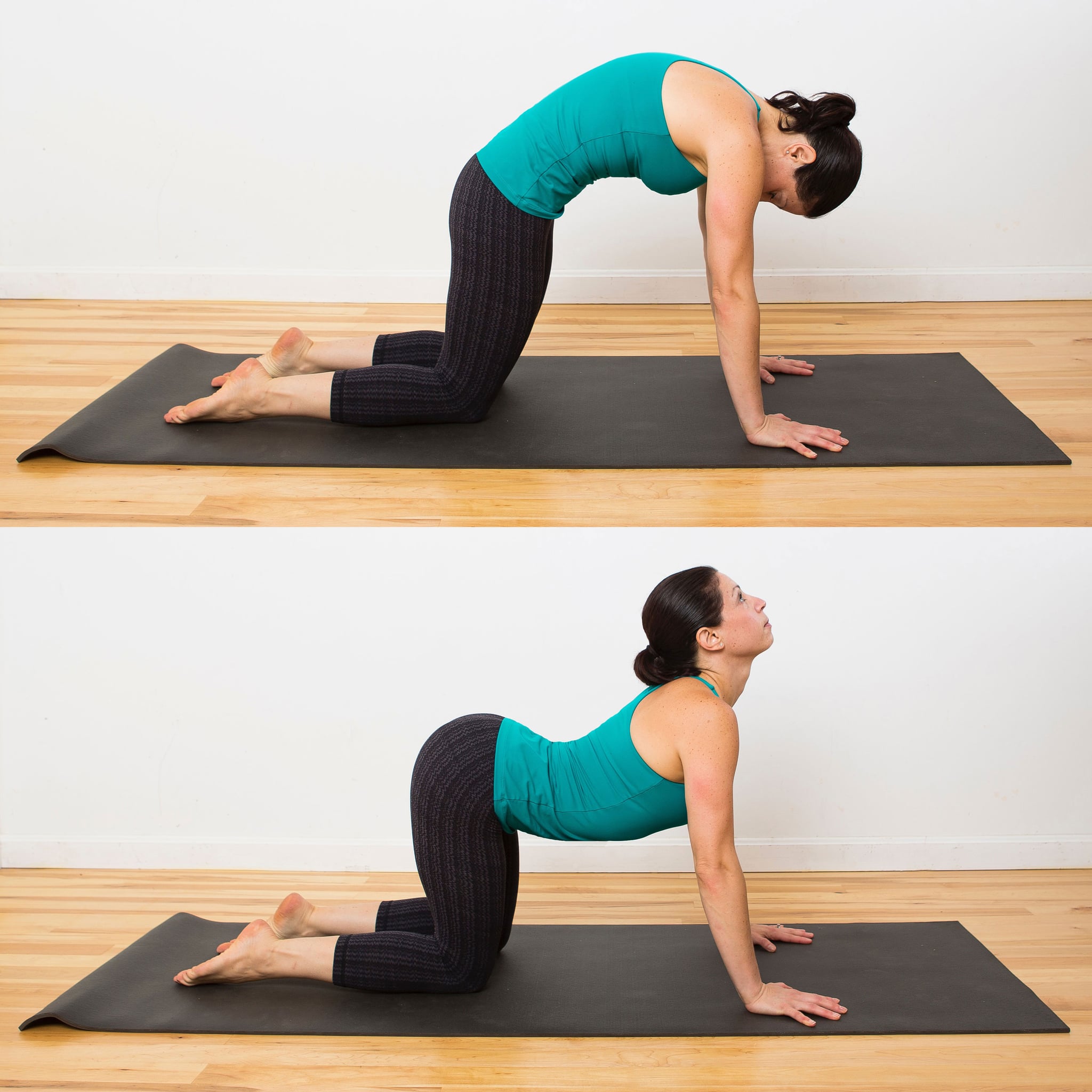
Marjaryasana (cat/cow pose)
Cat/cow pose massages your spine and relieve the stress. This pose keeps your back healthy and limber. It is also effective in improving your mental stability. It allows for a nice flexion and extension of the spine, promotes mobility, and it also helps to just relieve any tension in the lower back.Cat/cow also helps you get familiar with what your neutral spine is—not too arched and not too rounded—which can help improve posture.
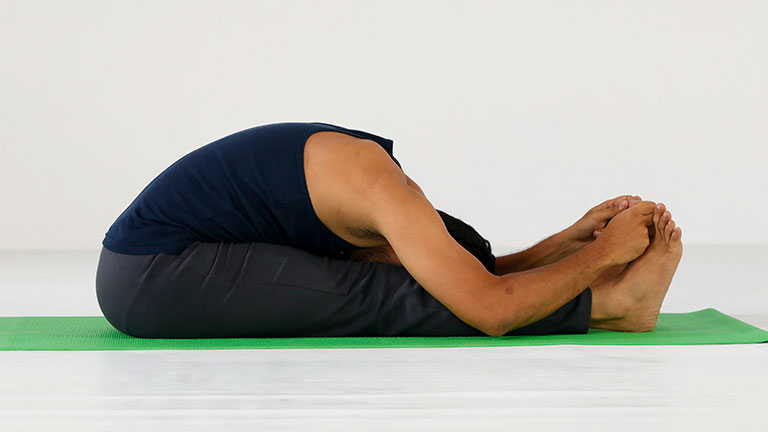
Paschimottanasana (Seated forward bend)
The seated forward bend or paschimottanasana stretches your spine and eases lower back pain. It provides relief from neck pain and stiffness, eases PMS symptoms, stimulates liver, improves digestion and reduces fatigue
Salabhasana (Locust Pose)
Locust pose or salabhasana improves your core strength, stretches your spine and strengthens your legs. It will open your chest, improve your digestion and stimulates kidneys. Do not do this if you suffered an injury to your shoulders, arms or back recently
Trikonasana (Triangle Pose)
The triangle pose or trikonasana strengthens your spine, legs, shoulders and chest. It also improves your body alignment and stretches your hamstrings and calves.
Bhujangasana(Upward-Facing Dog)
If you experience back pain when bending forward, this is an especially helpful move since it stretches your low back. This also works to activate the muscles around the spine, which better supports painful areas
Shashankasana (Child’s Pose)
This gentle forward fold is the perfect way to relax and release tension in your neck and back. Your spine is lengthened and stretched. Child’s Pose also stretches your hips, thighs, and ankles. Practicing this pose can help relieve stress and fatigue.
Yoga is such an efficient way to help your body and mental health. It is also very easy, but make sure you follow instructions and try out increate asana to avoid pulling a muscle! You can start a home practice with as little as 10 minutes per day. You can use books, articles, and online classes to guide your practice. Once you learn the basics, you can intuitively create your own sessions.
For decades, filmmakers have tackled the sensitive and emotionally-driven theme of World War II in an array of noteworthy and poignant pictures. These moving and oftentimes brutal depictions of the horrors, shocking realities, and devastating impacts of the violent war seem to deeply touch audiences across the world. Production studios continuously harness tales of this frightening and monumental period of history with gripping and heartbreaking stories, and moviegoers can’t help but be drawn to them. The most shocking stories are showed in light, reminding us that world wars were truly the most horrifying times, a person could live through. Some of Hollywood’s most talented and esteemed visionaries have ventured into the touching and difficult subject, crafting memorable and thought-provoking results, and frequently winning Best Picture Oscars as a result. Here is a list of brilliantly made war movies you mustn’t miss out on
The Pianist
The Pianist is based on the Holocaust memoir of Polish-Jewish pianist and composer Władysław Szpilman, depicting his struggles to survive the destruction of the Warsaw ghetto of World War II. The emotionally-moving picture has a deep connection with Polanski, as he escaped from the Kraków Ghetto after the death of his mother and ended up living in a Polish farmer’s barn until the war’s end.
Hacksaw Ridge
Hacksaw Ridge focuses on the World War II experiences of pacifist combat medic Desmond Doss who, as a Seventh-day Adventist Christian refused to use or carry a weapon or firearm of any kind. The film was based on the 2004 documentary The Conscientious Objector, and after initially turning down the project twice, Gibson finally agreed and was tasked with creating a concoction of violence and faith. Andrew Garfield powerfully portrays Doss, and the biopic features the additional talents of stars like Sam Worthington, Teresa Palmer and Vince Vaughn. Upon reading the screenplay for the first time, Garfield revealed he was moved to tears. The Oscar-nominated drama garnered universal acclaim upon its release, earning praise for both Gibson’s directing and Garfield’s moving performance.
Schindler’s List
Spielberg’s deeply personal masterpiece is perhaps the most moving war film ever made. All the more so with the knowledge that it was based on the true story of Oskar Schindler, who originally set out to make his fortune by exploiting cheap Jewish labour in Krakow.However, as Schindler witnesses the unfolding horror of the Holocaust, his motivation changes and he bribes Nazi leaders to keep his employees out of the extermination camps, saving more than 1,100 lives. The winner of seven Oscars, Schindler’s List does full justice to Thomas Keneally’s source novel and remains just as powerful and relevant today.. Liam Neeson delivers the performance of a lifetime as Schindler, and appears alongside the gifted Ralph Fiennes and Ben Kingsley.
Dunkirk
Dunkirk, which depicts the Dunkirk evacuation of World War II through the perspectives of the land, sea, and air. The outstanding ensemble cast features some of cinema’s finest performers like Kenneth Branagh, Cillian Murphy, and Tom Hardy, and the drama was portrayed with very little dialogue, as Nolan wanted to create suspense with the stunning cinematography and music. The filmmaker conceived the premise of the war flick in the mid-1990s, when he and his wife sailed across the English Channel, following the path of many small boats in the Dunkirk evacuation.
Saving Private Ryan,
Saving Private Ryan, which is set during the Invasion of Normandy and follows a group of U.S. soldiers who go behind enemy lines to retrieve a paratrooper whose brothers have been killed in action. The gripping film stars a myriad of distinguished leads including Tom Hanks, Edward Burns and Matt Damon and was partially inspired by the Niland brothers, four American brothers from New York who served in WWII, with only two surviving. On why he repeatedly returns to the subject, Spielberg revealed, “I think that World War II is the most significant event of the last 100 years; the fate of the Baby Boomers and even Generation X was linked to the outcome. Beyond that, I’ve just always been interested in World War II.” The Oscar-winning Saving Private Ryan is frequently cited as influential in the war and action film genre, and is credited with renewing World War II interest in the media.
Casablanca
Classic Hollywood movie is considered one of the finest films ever created. The 1942 romantic drama Casablanca famously features Hollywood icons Humphrey Bogart and Ingrid Bergman, centring on a cynical American expatriate who must decide whether he wants to help his former lover and her fugitive boyfriend escape the Nazis in French Morocco. The iconic picture was based on an original play by writer Murray Burnett, who drew inspiration after traveling to Vienna in 1938.Since Casablanca’s premiere, its popularity has only continued to grow, with Burnett once calling it, “true yesterday, true today, true tomorrow.”
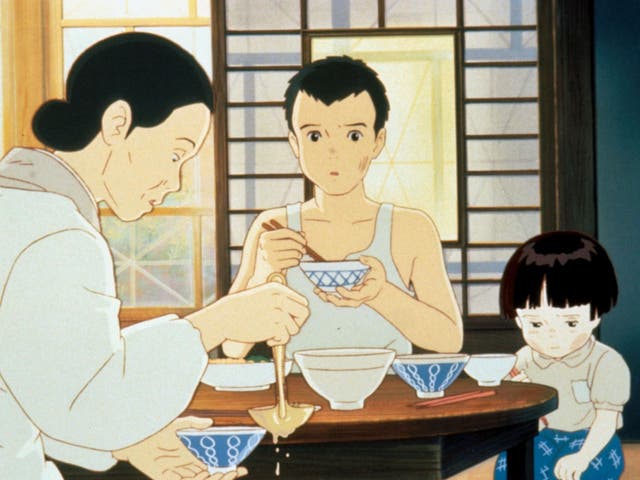
Grave of the Fireflies
Heartbreaking and thought-provoking anime from Studio Ghibli about brother and sister Japanese orphans desperately trying to survive in the dying days of the war. A haunting anti-war statement almost without peer, adapted from the story by Akiyuki Nosaka and based on his own experiences in the firebombed city of Kobe.
Inglourious Basterds,
Inglourious Basterds, telling an alternate history story of two plots to assassinate Nazi Germany’s leadership: one planned by a group of Jewish U.S. soldiers and the other by a French Jewish theater owner. Tarantino spent over a decade creating the script, and viewed the project as his masterpiece-in-the making and his best work thus far. He described the men of the picture as “not your normal hero types that are thrown into a big deal in the Second World War.” The famed director wanted the character of Hans Landa portrayed by a native German-speaking actor and cast Austrian Christoph. Tarantino was worried the part was unplayable, but Waltz delivered an Oscar-winning knockout performance as the ruthless SS officer
Letters From Iwo Jima
A companion piece to Eastwood’s Flags of Our Fathers, which told the story of the battle for Iwo Jima from the American perspective, this is the better of the two films, told from the viewpoint of the Japanese. The film marks the culmination of Eastwood’s growth as an artist, as he eloquently and movingly humanises the Japanese soldiers fighting against near impossible odds.Letters from Iwo Jima is stunning, depicting a group of soldiers even more bound by tradition and honour than their American counterparts, trapped in an unwinnable war and dreaming only of home.
There are endless varieties of indoor plants to choose from, and if you’ve never cared for a plant before, you might have no idea which one to choose. Factor in that some plants are much harder to care for and require a lot of attention, and it’s even more of a challenge. If you want to spruce up your home with a little greenery but you’re new to plant parenthood and want to stick to plants that are more forgiving and low-maintenance, here’s what you need to know, from which plants to buy to how to keep them alive and happy
You don’t need a ton of time, space or even light to grow your own indoor garden, either. In fact, some plants prefer a low level of light and infrequent watering. If you live in an apartment or home with little natural light or just want something a bit more low maintenance, there are many houseplants for you to choose from.
Jade Plant
Succulents are always an indoor houseplant go-to thanks to their sturdiness and ability to survive with little to no water. This one has a defined look with plush oval leaves and a substantial height In fact; a jade plant can grow to be 3-6 feet tall. It’s a slow grower, though, so this won’t happen overnight. Like many succulents, jade plants need a lot of bright, indirect sunlight.
Aloe
As long as it gets a lot of really bright light, the Hedgehog Aloe is pretty resilient. Aloe plants grow in nutrient-poor conditions, so they’re very good at assimilating and holding onto their nutrients.Aloe is happiest in the brightest windows, so stick it in a space that faces the sunset.
Snake Plant
snake plants are tall, dark, and handsome. In addition to being able to withstand pretty much any living conditions, snake plants are also really powerful air purifiers.they can pretty much take whatever you throw at them, so they’ll be fine in slightly darker and more humid rooms.
Parlor Palm
Bright filtered light is best for this lush palm plant, but it can adapt to low light if necessary. In terms of watering, make sure you avoid over-watering your parlor palm. Keep it in a warmer spot and give it the occasional misting for good measure.
Bamboo
Like air plants, that can actually grow without soil. Simply place the stalks in a vase full of water with pebbles or marbles at the bottom. And if your bamboo starts to get too big for its container, just upgrade to a new one with a similar set-up—no actual reporting required.
Snacking refers to the intake of foods during the day other than your main meals. Snacks typically consist of smaller food portions distributed between meals. While research on whether snacking aids weight loss is mixed, some evidence suggests that increasing your meal frequency through snacking may help manage hunger and improve blood sugar regulation. By planning ahead and focusing on nutrient-rich foods, snacks may support your weight management goals by managing hunger and keeping you satisfied between meals. Think of a healthy snack as a mini-meal. It should be more than just a handful of popcorn or a bag of chips. Like a meal, it should contain some protein, carbs, and healthy fats. Bonus points for fibre, as that helps fill us up and slows digestion leaving you feeling fuller longer. Here are some options for healthy snacking you can switch to-
1. Mixed nuts
Nuts are an ideal nutritious snack, providing the perfect balance of healthy fats, protein, and fiber.Aside from being tasty; they’re linked to numerous health benefits and very filling. There are plenty of nuts you can choose from, including walnuts, almonds, Brazil nuts, hazelnuts, pine nuts, macadamia nuts, cashews, and pistachios. Because they don’t require refrigeration, they’re a great choice for snacking on the go.
2. Kale chips
Kale is incredibly healthy, as it’s loaded with fiber and antioxidants like beta carotene, lutein.It’s also a good source of minerals, such as calcium and phosphorus. It has a lower level of oxalic acid, an anti-nutrient that impairs calcium absorption, than many other leafy greens .Pairing kale with olive oil not only makes more delicious and crispy chips but also a more balanced and filling snack.
3. Protein smoothie
A protein smoothie can be a filling snack for when you need something substantial until your next meal.They’re an easy and convenient way to increase your protein intake. You can add just about any other ingredient to the mix, from fruits and veggies to healthy fats like avocado, nut butter, or chia seeds, for a nutrient-rich snack.
4. Oatmeal
Oatmeal is a truly versatile snack that you can enjoy hot or cold — at home or on the go. Oats are a nutritious whole grain that provides a good amount of fiber and higher protein content compared with other cereals.What’s more, you can satisfy your sweet tooth with oatmeal topped with fruit, cinnamon, cocoa powder, and chocolate chips, or go for a savory version by adding eggs, avocado, and veggies like mushrooms or tomatoes.
5. Cucumber slices with hummus
Cucumber’s fresh flavour and crunchy texture go very well with the rich creaminess of hummus. Hummus is typically made from chickpeas, tahini, olive oil, and garlic. Thus, it provides a mix of plant-based protein, fibre, and heart-healthy fats. You can also pair them with some whole grain crackers or pretzel sticks for a heartier snack.
When your next craving hits, aim for whole foods that add nutrition to your day instead of highly processed, less nutritious options.Having some healthy choices in reach can help you stay satisfied, add more nutrients to your diet, and support weight management. Healthy snacking can be benifically in all aspects of life , so start making choices of what you intake.
Doodles are a common means of expression in today’s world. From Google’s daily doodles to Instagrammers’ daily posts, it is hard to pass an internet day without seeing a single doodle. Also, we all would have drawn a doodle at least once, while attending a bore lecture or during a uninteresting seminar. More than those cartoons we see there are several other dimensions for a doodle. For some it is a stress buster and for some others it is a means of earnings. In this post, let us read more about doodles.
What is doodle?
A doodle is a drawing made while a person’s attention is otherwise occupied. Doodles are simple drawings that can have concrete representational meaning or may just be composed of random and abstract lines, generally without ever lifting the drawing device from the paper, in which case it is usually called a scribble.
It is generally associated with toddlers and as a means of increasing hand coordination. Typical examples of doodling are found in school notebooks, often in the margins, drawn by students daydreaming or losing interest during class.
Impacts of doodle
Effects on memory
According to a study published in the scientific journal Applied Cognitive Psychology, doodling can aid a person’s memory by expending just enough energy to keep one from daydreaming, which demands a lot of the brain’s processing power, as well as from not paying attention. Thus, it acts as a mediator between the spectrum of thinking too much or thinking too little and helps focus on the current situation. The study was done by Professor Jackie Andrade, of the School of Psychology at the University of Plymouth, who reported that doodlers in her experiment recalled 7.5 pieces of information (out of 16 total) on average, 29% more than the average of 5.8 recalled by the control group made of non-doodlers.
Comprehension skills
Doodling has positive effects on human comprehension as well. Creating visual depictions of information allows for a deeper understanding of material being learned. When doodling, a person is engaging neurological pathways in ways that allow for effective and efficient sifting and processing of information. For these reasons, doodling is used as an effective study tool and memory device.
As a therapeutic device
Doodling can be used as a stress relieving technique. This is similar to other motor activities such as fidgeting or pacing that are also used to alleviate mental stress. According to a review of over 9,000 submitted doodles, nearly 2/3 of respondents recalled doodling when in a “tense or restless state” as a means to reduce those feelings. Scientists believe that doodling’s stress relieving properties arise from the way that the act of doodling engages with the brain’s default mode network.
Types of doodling:
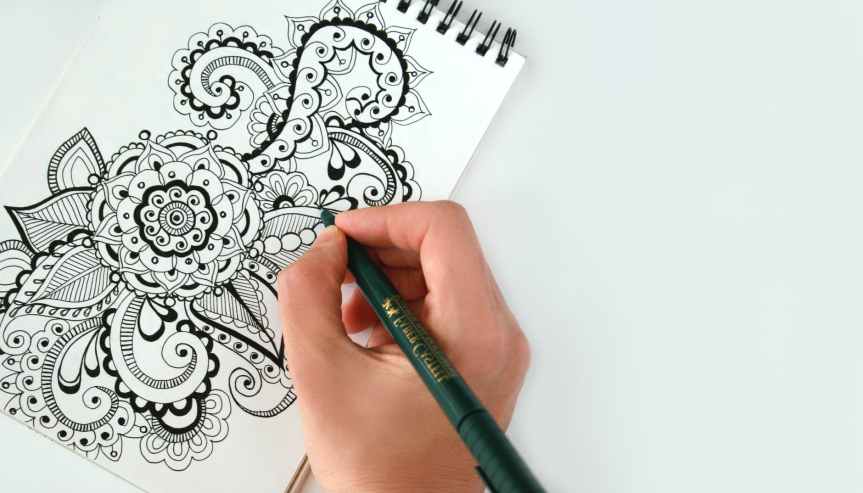
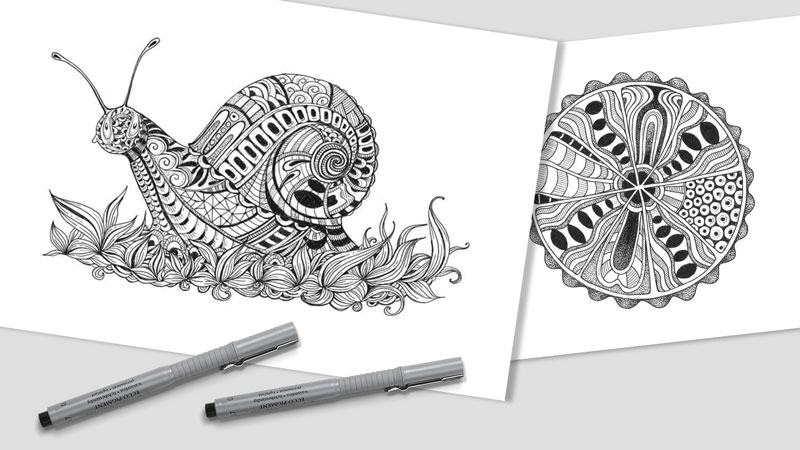
Zentangle
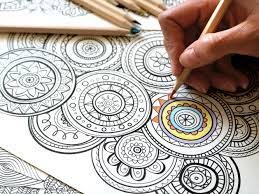
The Zentangle Method is an easy-to-learn, relaxing, and fun way to create beautiful images by drawing structured patterns. We call these patterns, tangles. You create tangles with combinations of dots, lines, simple curves, S-curves and orbs. These simple shapes are the “Elemental Strokes” in all Zentangle art.
Mandala
Mandala painting is a symbolic picture of the universe, the circle that represents wholeness, totality, infinity, timelessness, and unity. Mandala is famously known as a spiritual and ritual symbol in many Asian cultures.
Zendoodling
Zendoodling is the art of drawing designs using structured patterns or “Zentangle.” When you draw a Zen doodle, you’re creating a work of art, but you’re also deliberately creating a mood, focus, and state of mind.
The idea of living a simple life with less stuff sounds attractive to many but seems almost impossible to get rid of stuff you have. They begin to feel overwhelmed, anxious, and defeated around the idea of owning less. That’s too bad. Learning how to declutter your home and as a result, decluttering your life, doesn’t need to be as painful as some make it out to be. And the benefits are numerous.
The Benefits of Decluttering from time to time.
Less to clean. Cleaning is already enough of a chore, but having to clean around things you have zero emotional attachment to (or worse, actively dislike) makes cleaning the house much more stressful.
Less to organize. Finding things suddenly become easier. Things don’t just “disappear” anymore. You can actually move around your home and enjoy the space, instead of moving around things that are in the way. You start to find your tiny house more spacious.
Less stress. Looking around at the clutter is a nausea-inducing sight once your home becomes cluttered enough. Wouldn’t it be nice to be able to look around and see a home you love? You can also do cleaning leisurely and not make rigorous plans.
Less debt. Spending less time shopping for material possessions and adding to the clutter means your wallet and bank accounts remain fuller, your credit cards’ statements are lower, and your home doesn’t get filled with costly things you don’t need.
More financial freedom. Decluttering, paired with minimalism, will help you build up savings to keep you protected in case of unexpected emergencies. Or you can spend it on invisible items like crypto or travel.
More energy for your greatest passions. With less debt, more financial freedom, and a clean home, you can now focus your energy on the things you enjoy instead of worrying about “Keeping up with the Joneses.” This will ultimately make you happier.
If you’re struggling and need guidance on how to declutter, you’ll need to get creative with your plans. Here are several interesting decluttering tips to get you started on decluttering your home:
Start with 5 minutes at a time. If you’re new to decluttering, you can slowly build momentum with just five minutes a day.
Give one item away each day. This would remove 365 items every single year from your home. If you increased this to 2 per day, you would have given away 730 items you no longer needed. Increase this number once it gets too easy.
Donate clothes you never wear. To identify them, simply hang all your clothes with hangers in the reverse direction. After wearing an item, face the hanger in the correct direction. Discard the clothes you never touched after a few months.
Create a decluttering checklist. It’s a lot easier to declutter when you have a visual representation of where you need to get started. You can use our decluttering checklist.
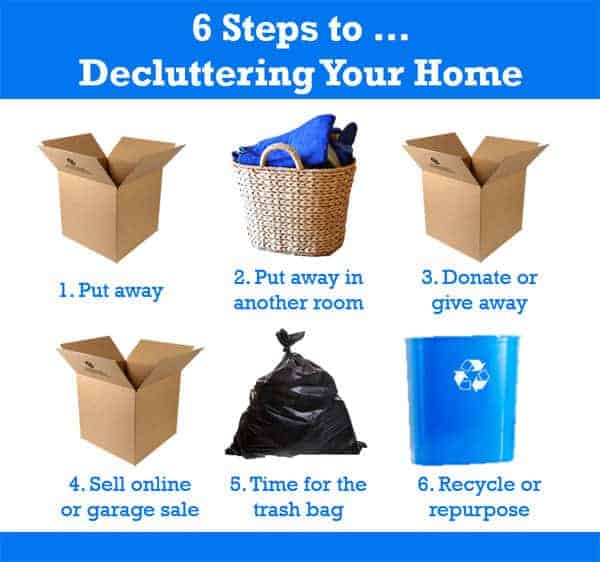
Take the 12-12-12 challenge. Locate 12 items to throw away, 12 to donate, and 12 to be returned to their proper home.
Take before and after photos of a small area. Choose one part of your home, like your kitchen counter, and take a photo of a small area. Quickly clean off the items in the photo and take an after photo. Once you see how your home could look, it becomes easier to start decluttering more of your home.
Get help from a friend. Have a friend or family member go through your home and suggest a handful of big items to throw away or give to someone else. If you defend the item and want to keep it, your friend has to agree with your reason. If they don’t agree, it’s time to get rid of it.
Use the Four-Box Method. Get four boxes and label them: trash, give away, keep, or re-locate. Enter any room in your home and place each item into one of the following boxes. Don’t skip a single item, no matter how insignificant you may think it is. This may take days, weeks, or months, but it will help you see how many items you really own and you’ll know exactly what to do with each item.
No matter which decluttering tip you choose to get started – whether it be one of these ten or one of countless others – the goal is to take your first step in decluttering your life with excitement behind it.
Removing clutter from our homes and our lives doesn’t need to be rushed or done in a single day. It’s something that can be done over time and may even need to be done on a semi-regular basis. As long as you start the process today, you’re further along than you were yesterday. Simple doesn’t mean sparse or boring. The opposite is true. With fewer mess and distractions, your home can become more peaceful. You can view your home as a space for rest and comfort, instead of a source of stress.
Once considered a niche diet, veganism has gone mainstream — so much so that the number of people following a vegan diet has increased by 350% in the last decade. By definition, veganism is a way of living in which people exclude, as much as possible, all forms of animal exploitation and cruelty.
At first glance, a vegan diet may seem complicated or overly restrictive. Many of my clients who are considering switching over to a vegan diet are initially worried about finding suitable vegan alternatives to their favourite meals. Yet, most find that once they get a few basics down, the transition is less difficult than they initially expected.
According to the Vegan Society, the term “vegan” was coined back in 1944 by a small group of vegetarians who broke away from the Leicester Vegetarian Society in England to form the Vegan Society. In addition to refraining from eating meat, they chose not to consume dairy, eggs, or any other products of animal origin The term “vegan” was chosen from the combination of the first and last letters of “vegetarian.” By 1949, the first definition of veganism had been born. It has changed slightly over the years to become what it is known as today. Many people use the term “vegan” to refer exclusively to diet. However, by this latest definition, veganism extends beyond eating a plant-based diet.
Those who identify as vegans typically aim to exclude animal exploitation or cruelty in all aspects of their lives, including the clothes they wear, the cosmetics they use, and the leisure activities they take part in .As a result, many vegans avoid purchasing wool coats, leather furniture, or down pillows and comforters. They may also opt to visit animal sanctuaries instead of going to zoos, the circus, or animal petting farms.
Reasons people go vegan
Health-Some people choose a vegan diet for its potential health benefits. Diets high in meat — especially red meat — have been linked to cancer, heart disease, and type 2 diabetes .On the other hand, plant-based diets have been linked to a lower risk of developing or prematurely dying from these diseases. Lowering your intake of animal products in favour of more plant-based options may also improve your digestion and reduce your risk of Alzheimer’s disease .A vegan diet can also help minimize the side effects linked to the antibiotics and hormones used in modern animal agriculture .Finally, vegan diets appear to be especially effective at helping people lose unwanted weight. Several studies link a vegan diet to a lower likelihood of obesity
Moral ideals-Ethical vegans strongly believe that all creatures have a right to life and freedom. They view all animals as conscious beings that, just like humans, wish to avoid pain and suffering .Because of this, ethical vegans are opposed to killing an animal in order to eat its flesh or wear its fur or skin. Vegans are also opposed to the psychological and physical stress that animals may endure as a result of modern farming practices — for instance, the small pens or cages that animals typically live in and rarely leave between their birth and slaughter.
Environment
People may also choose to avoid animal products in an attempt to limit their environmental impact. According to recent data, animal agriculture heavily contributes to greenhouse gas emissions (GHGEs), which cause climate change.Meat eaters are thought to be responsible for 2–2.5 times more GHGEs than people following a vegan diet. Ruminant animals, such as cattle, sheep, and goats, appear to emit the largest amount of greenhouse gases per gram of protein they deliver. Therefore, diets that reduce or totally eliminate dairy also produce significantly fewer GHGEs.
Foods that vegans eat
Avoiding animal products doesn’t restrict you to eating salads and tofu alone. There’s a wide variety of delicious foods you can eat on a vegan diet.
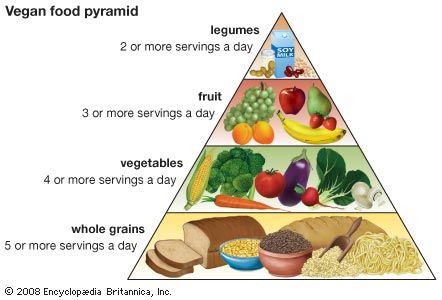
Beans, peas, and lentils: such as red, brown, or green lentils; chickpeas; split peas; black-eyed peas; black beans; white beans; and kidney beans
Soy products: such as fortified soy milk, soybeans, and products made from them, such as tofu, tempeh, and natto
Nuts: such as peanuts, almonds, cashews, and their butters
Seeds: such as sunflower seeds, sesame seeds, and their butters, as well as flaxseed, hemp seeds, and chia seeds
Whole grains: such as quinoa, whole wheat, whole oats, and whole grain brown or wild rice, as well as products made from these foods, such as whole grain bread, crackers, and pasta
Starchy vegetables: such as potatoes, sweet potatoes, corn, squash, beets, and turnips
Nonstarchy vegetables: such as broccoli, cabbage, asparagus, radishes, and leafy greens; these may be raw, frozen, canned, dried, or pureed
Fruit: such as apples, pears, bananas, berries, mango, pineapple, oranges, and tangerines; these may be purchased fresh, frozen, canned, dried, or pureed
Other plant-based foods: such as algae, nutritional yeast, fortified plant milks and yogurts, and maple syrup
There’s a good chance that many of the dishes you currently enjoy either already are vegan or can be made vegan with a few simple adjustments.For instance, you can swap meat-based main dishes for meals containing beans, peas, lentils, tofu, tempeh, nuts, or seeds.
Transitioning to a vegan diet is easier than most people think. That said, it does require a little additional nutrition knowledge.So if you’re interested in making the switch, consider seeking advice from a registered dietitian specializing in plant-based diets to make sure you’ve got your basics covered.Depending on your knowledge, budget, and culinary skills, you may also want to consider taking certain supplements to ensure you’re providing your body with all the nutrients it need
Getting bored in the summer heat? Or you simply want to catch a break from a monotonous life? Well, its summer time and there is no better season to pick up some new hobbies and skills to add to the feathers in your cap. Here are 5 things you can do this summer to feel productive-
Learn to swim
Swimming is a very handy skill and you are never too old to learn to swim. It’s great if you already know to swim too, take a dip in the pool and refine those strokes. Swimming keeps one physically fit, healthy and energised. It also tones your muscles and give you that tan you’ve been wanting.
2.Learn a foreign language
It could be the tongue native to a country you hope to visit someday or a language you’ve always wanted to learn just because you find it so beautiful. Learning the basics of a new language makes the world feel a little smaller, and numerous studies have indicated that being bilingual can give your brain a boost. There are so many free apps and videos that you can refer to at least get some basics of a language.
3.Make your own jewellery
Arts and crafts have always been at the tip-top of popular summer hobbies but have you tried making your own jewellery yet? Capture your own design aesthetic in wearable pieces that you can make from the comfort of your own home. Make them for yourself, gift them to a friend, sell them on Etsy… the possibilities are endless. There are some awesome kits, books, and Youtube videos (essential techniques, supplies to purchase, and of course, hacks) that will make getting started a whole lot easier. Redecorate your room with it or spruce up your collection of gems with some DIY jewellery making.
4. Develop a green thumb
Summertime is the perfect time for gardening: there’s loads of sunlight and the right temperature to grow an entire range of vegetables like tomatoes and cucumbers, or even some herbs and flowers. Gardening can be a nice, rewarding hobby to take up in the summertime. Starting a garden can be an intimidating task but thankfully, there are plenty of resources out there to help you get your green thumb on.
5. Go Camping
Camping is a favourite pastime for many during the summer days and can also be very inexpensive . This is a fantastic low-cost hobby for adventure and nature lovers who want to disconnect from the Wi-Fi and real around a campfire. However, you shouldn’t set out without preparation, so go through this guide to make sure you’re well-prepared! It is a fun way to meet up for some outdoor time with friends and loved ones! It doesn’t have to been in the complete wilderness , just set a tent in your back yard and gaze at those stars.
We all need sleep, get most of us take it for granted by staying up for long hours at night watching a screen or blocking the brain with caffeine and other harmful drugs . Many people do not get enough quality sleep, and this can affect their health, well-being, and ability to do everyday activities.
You may think nothing is happening when you sleep. But parts of your brain are quite active during sleep. And enough sleep (or lack of it) affects your physical and mental health. When you sleep, your body has a chance to rest and restore energy. A good night’s sleep can help you cope with stress, solve problems or recover from illness. Not getting enough sleep can lead to many health concerns, affecting how you think and feel.
How much sleep do I need?
Many factors affect how much sleep you need. Age is a big factor:
Infants need about 16 hours a day.
Toddlers and preschoolers need about 12 hours.
Teenagers need about nine hours.
Adults need seven to eight (though some are fine with five and others need closer to 10).
Pregnant people often need more sleep during the first trimester.
If you haven’t slept well or long enough for a few days, you might create a sleep debt. Once your debt builds up, you may feel physically and mentally exhausted. Try to make sure you get enough sleep every night to avoid creating this debt. You can’t necessarily make up your debt by sleeping a lot on the weekends. It’s best to get enough sleep all week long. A person who is getting too little quality sleep may experience a range of symptoms including: fatigue, irritability, mood changes, difficulty focusing and remembering, reduced sex drive
In1965 , an experiment was conducted where a high school boy stayed up for 264 hours or 11 days. He slowly lost focus of the eye, became moody and irritable, he stopped sensing stimuli and could not concentrate or retain memories. We grow sleep due to signals from our body hormones like melatonin and adenosine that send us into a deep doze.
During the night, you cycle through two types of sleep: non-rapid eye movement (non-REM) sleep and rapid eye movement (REM) sleep. Your brain and body act differently during these different phases. During non-REM stages, your body-Builds bone and muscle, Repairs and regenerates tissues, Strengthens the immune system. When you enter REM sleep, brain activity increases again, meaning sleep is not as deep. The activity levels are like when you’re awake. That’s why REM sleep is the stage where you’ll have intense dreams. Usually, REM sleep arrives about an hour and a half after you go to sleep. The first REM period lasts about 10 minutes. Each REM stage that follows gets longer and longer.
Sleeplessness may result in inflammations, hallucinations, high blood pressure and is also related to obesity and diabetes and obesity along with impairment in memory mood, reaction time etc.
How does sleep deprivation cause such immense effects?
Our brain collects a lot of unwanted information during the day that can be proceed as useful and waste while we sleep. Our brain uses a lot of energy source that leads to build up of adenosine, which increases the urge to sleep and caffeine blocks the pathway of this that causes us to be awake. Waste products if not cleared away overload the brain leading to the negative symptoms of sleep deprivation. A glymphatic system is present in all which acts as a clean-up machine that removes this build up and is active mostly when we are asleep. hence if the brain doesn’t get its sufficient recharge it could lead to dire consequences like insomnia and other fatal disorders that a person can develop. For now, we can be sure that slipping into slumber is a necessity to maintain our health and sanity.
Takeaway
Sleep deprivation can harm a person’s mental and physical health, their performance at school or work, and their overall quality of life. Also, a persistent lack of sleep can lead to complications or indicate an underlying health problem, such as sleep apnea or anxiety. Anyone who is concerned about a lack of sleep should contact a medical professional.
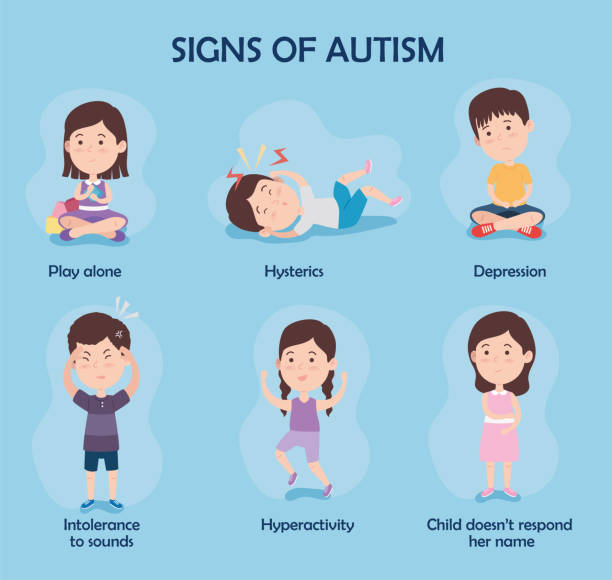
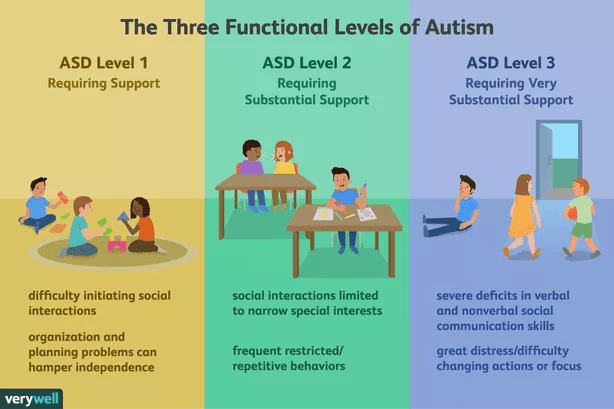
There are many people around us of different age groups that are either diagnosed or have underlying symptoms of autism. Autism is a neurodevelopmental disorder characterized by challenges with social communication, and by restricted and repetitive behaviours. is now considered part of the wider autism spectrum. People with autism have trouble with communication. They have trouble understanding what other people think and feel. This makes it hard for them to express themselves, either with words or through gestures, facial expressions, and touch. People with autism might have problems with learning. Their skills might develop unevenly. For example, they could have trouble communicating but be unusually good at art, music, math, or memory. Because of this, they might do especially well on tests of analysis or problem-solving. More children are diagnosed with autism now than ever before. But the latest numbers could be higher because of changes in how it’s diagnosed, not because more children have a disorder.
Autism is known to affect every one in every 60 individuals and boys are said to have more risk of developing it than girls. It can be hard to get a definite diagnosis of autism. Your doctor will focus on behaviour and development.
A developmental screening will tell the doctor whether a child is on track with basic skills like learning, speaking, behavior, and moving. If a child shows signs of a problem on these screenings, they’ll need a more complete evaluation. This might include hearing and vision tests or genetic tests. Your doctor might want to bring in someone who specializes in autism disorders, like a developmental paediatrician or a child psychologist. Some psychologists can also give a test called the Autism Diagnostic Observation Schedule (ADOS).parents can also find some symptoms and unusual behaviour
Common symptoms of autism include:
A lack of eye contact
A narrow range of interests or intense interest in certain topics
Doing something over and over, like repeating words or phrases, rocking back and forth, or flipping a lever
High sensitivity to sounds, touches, smells, or sights that seem ordinary to other people
Not looking at or listening to other people
Not looking at things when another person points at them
Not wanting to be held or cuddled
Problems understanding or using speech, gestures, facial expressions, or tone of voice
Talking in a sing-song, flat, or robotic voice
Trouble adapting to changes in routine
What Are the Types of Autism Spectrum Disorders?
These types were once thought to be separate conditions. Now, they fall under the range of autism spectrum disorders including:
Asperger’s syndrome. These children don’t have a problem with language; in fact, they tend to score in the average or above-average range on intelligence tests. But they have social problems and a narrow scope of interests.
Autistic disorder. This is what most people think of when they hear the word “autism.” It refers to problems with social interactions, communication, and play in children younger than 3 years.
Childhood disintegrative disorder. These children have typical development for at least 2 years and then lose some or most of their communication and social skills.
Pervasive developmental disorder (PDD or atypical autism). Your doctor might use this term if your child has some autistic behavior, like delays in social and communications skills, but doesn’t fit into another category.
What Causes Autism?
Exactly why autism happens isn’t clear. It could stem from problems in parts of your brain that interpret sensory input and process language.. It can happen in people of any race, ethnicity, or social background. Family income, lifestyle, or educational level doesn’t affect a child’s risk of autism. Autism runs in families, so certain combinations of genes may increase a child’s risk. A child with an older parent has a higher risk of autism. Pregnant women who are exposed to certain drugs or chemicals, like alcohol or anti-seizure medications, are more likely to have autistic children. Other risk factors include maternal metabolic conditions such as diabetes and obesity. Research has also linked autism to untreated phenylketonuria (also called PKU, a metabolic disorder caused by the absence of an enzyme) and rubella (German measles).There is no evidence that vaccinations cause autism.
How Is Autism Treated?
There’s no cure for autism. But early treatment can make a big difference in development for a child with autism. If you think your child shows symptoms of ASD, tell your doctor as soon as possible.What works for one person might not work for another. Your doctor should tailor treatment for you or your child. The two main types of treatments are:
Behavioral and communication therapy to help with structure and organization. Applied behavior analysis (ABA) is one of these treatments; it promotes positive behavior and discourages negative behavior. Occupational therapy can help with life skills like dressing, eating, and relating to people. Sensory integration therapy might help someone who has problems with being touched or with sights or sounds. Speech therapy improves communication skills.
Medications to help with symptoms of ASD, like attention problems, hyperactivity, or anxiety.
Complementary treatments may help boost learning and communication skills in some people with autism. Complementary therapies include music, art, or animal therapy, like horseback riding and even swimming with dolphins.
It is high time that people start to embrace autism and not ostracize such individuals but give more support and kindness. Young children must be taught about it and it’s not a topic to shy away from but accept and cherish that its ok to be different because that way you are special.
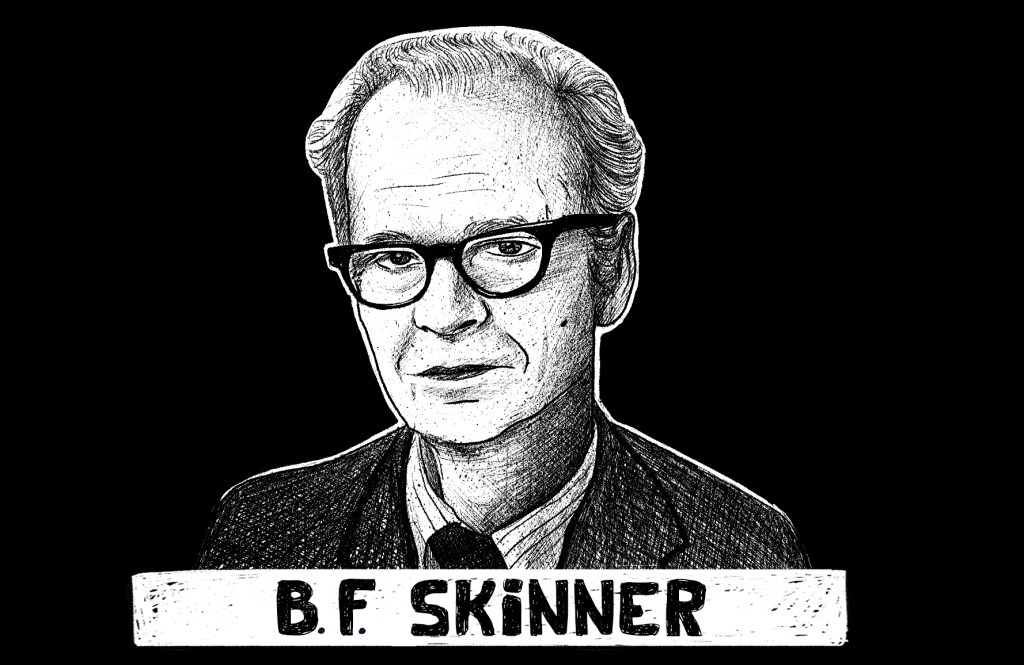
B.F Skinner is considered one of the most influential psychologist of this era. He studied human aspects and behaviourism of the day to day life that most of us fail to observe and put it into theory .His discovery are used till date to treat, diagnose and find solution to psychological problems. B. F. Skinner was an American psychologist best-known for his influence on behaviourism.
Early life
Burrhus Frederic Skinner was born and raised in the small town of Susquehanna, Pennsylvania. His father was a lawyer and his mother a homemaker. During high school, Skinner started to develop an interest in scientific reasoning from his extensive study of the works of Francis Bacon. After earning his undergraduate degree he decided to become a writer, a period of his life that he would later refer to as the “dark year. He wrote short newspaper articles and receiving some encouragement and mentorship from the famed poet Robert Frost. While working as a clerk at a bookstore, Skinner happened upon the works of Pavlov and Watson, which became a turning point in his life and career. Inspired by these works, Skinner decided to abandon his career as a novelist and entered the psychology graduate program at Harvard University.
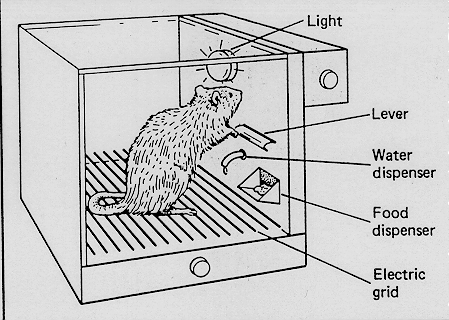
He Best Known for Operant conditioning, Schedules of Reinforcement, Skinner Box Cumulative Recorder, Radical Behaviourism. Among his many discoveries, inventions, and accomplishments were the creation of the operant conditioning chamber (aka the Skinner Box), his research on schedules of reinforcement, the introduction of response rates as a dependent variable in research, and the creation of the cumulative recorder to track these response rates. Skinner’s operant conditioning process, an operant referred to any behaviour that acts on the environment and leads to consequences. He contrasted operant behaviours (the actions under our control) with respondent behaviours, which he described as anything that occurs reflexively or automatically such as jerking your finger back when you accidentally touch a hot pan.
Operant conditioning and experiments
Skinner identified reinforcement as any event that strengthens the behaviour it follows. The two types of reinforcement he identified were positive reinforcement (favorable outcomes such as reward or praise) and negative reinforcement (the removal of unfavourable outcomes).Punishment can also play a role in the operant conditioning process.
Skinner distinguishes between two types of behaviour respondent and operant. Respondent behaviour is directly under the control of a stimulus. Operant behaviour appears to be spontaneous rather than a response to specific stimulus .Stimulus that may influence operant behaviour is called discriminative stimulus the word operant derived from the fact that operant behaviour of the rates and the environment to produce some effect. Thus, the telephone rings going to where it is and receiving our operant acts that lead to a telephonic conversation. To demonstrate operant conditioning in the laboratory, a rat is placed in a box called the skinner box that is deprived of food for some specified period and so was assumed to be motivated by hunger drive inside the Skinner box there is a protruding bar with the food dish beneath that small light bulb above the bar can be lit at the experimenters discretion. Left alone in the box, the rat move absolutely restlessly and by chance occasionally presses the bar. The rate at which it first pushes the bar defines the preconditioned of operant level of bar pressing after establishing the opponent level the experimental attaches the food dispenser so that every time the rat presses the bar, a palette of food falls into the dish. The rat eats and soon presses the bar again. The food reinforces by pressing and the rate of pressing increases dramatically. If the food dispenser is disconnected and pressing the bad no longer no longer delivers would the rate of bar pressing will diminish .Experimenter can set up a discrimination by presenting food if the bar is pressed while the light is on and not giving these reinforcement if the response is made in the dark. Selective reinforcement leads to the rats pressing the bar only in the presence of light operant conditioning refers to the increase in the probability of response in a particular stimulus environment by following the response with reinforcement. Usually reinforcement is something that can satisfy a basic drive like food to satisfy your hunger. Operant behaviour is consequences that lead to change in voluntary behaviour person.
Operant conditioning is not just something that takes place in experimental settings while training lab animals. It also plays a powerful role in everyday learning. Reinforcement and punishment take place in natural settings all the time, as well as in more structured settings such as classrooms or therapy sessions. Examples in real life include- Homework Completion-A student tends to complete his/her homework daily; because he/she knows that he/she will be rewarded with a candy (action) or praise (behaviour). Incentives and Bonus-Workers are often offered with the incentives and bonus in return of completing their targets in time or for regular attendance. It makes the workers to perform better, so that, they can continuously get those incentives and bonus.
The Information Technology sector in India has built its reputation by providing cost-effective solutions and providing employment to millions of people in the process. However, the full-time research workforce in India was estimated to be just 2,00,000 in 2015 by UNESCO. Are we, as a nation, adequately promoting careers in Science, Technology, Engineering, and Mathematics (STEM) subjects, and are we even able to generate enough talent for our own demand? Are we losing some of our best minds to other countries because of a lack of support and opportunities?
What is STEM?
STEM, in full science, technology, engineering, and mathematics, field, and curriculum centered on education in the disciplines of science, technology, engineering, and mathematics (STEM). The STEM acronym was introduced in 2001 by scientific administrators at the U.S. National Science Foundation (NSF). The organization previously used the acronym SMET when referring to the career fields in those disciplines or a curriculum that integrated knowledge and skills from those fields. In 2001, however, American biologist Judith Ramaley, then assistant director of education and human resources at NSF, rearranged the words to form the STEM acronym.
Women in STEM
Under-representation of women and gender pay gaps are well-recognized global challenges in STEM sectors. While Indian Technology firms can still boast of a relatively better female-to-male ratio, according to UNESCO estimates, only 14 percent of the researchers in India are women. Even engineering colleges have skewed gender ratio in favor of male students, and according to a Kelly Global Workforce Insights (KGWI) survey, 81 percent of the women in STEM fields in India have perceived a gender bias during performance evaluation. The annual ‘Girls in Tech’ MasterCard research indicates that while interest in STEM careers is increasing gradually, women are still less likely than men to pursue a STEM career and less likely to remain in the field for their entire career owing to male dominance in the fields.
STEM Sector in India
The focus on building the scientific prowess of the masses, and bet on specialized educational institutions to do the same, institutions like the Indian Institute of Technology (IIT), Indian Institute of Science (IISc), and All India Institute of Medical Science (AIIMS) was founded and promoted to develop the country’s scientific and technical manpower, and in the process help the society and economy prosper. However, with time, these institutes have largely been reduced to stepping stones for a well-paying career. Especially in the last two decades, the relentless quest of students, and their parents, to ensure admission to such premier institutes has given rise to an astronomical coaching classes industry as well. A particular blow to STEM education came when the All India Council for Technical Education (AICTE) liberally allowed the setting up of engineering institutes across the country a few years ago. The move was undertaken in anticipation of a huge demand for engineering studies. However, this not only eroded the value conferred on an engineering degree but also compromised the quality of education and training provided on a fundamental level.
Making STEM a Priority
The first step towards fixing what’s broken is the identification and acknowledgment of the present challenges and understanding the context in which they arise. In other words, the government and the private education sector must make a genuine attempt at understanding their shortcomings, and reflect on why so few Indian institutes are recognized for quality STEM education and training. Establishing global partnerships with countries that have built sophisticated STEM expertise is critical to paving the way for knowledge exchange and skill development. While American and European universities are known for their focus on STEM education, countries in the networks of BRICS and ASEAN could also prove to be beneficial partners. This also needs to be backed by healthy funding to develop independent institutes that focus on research, pure sciences, and other derivatives of STEM subjects. The Indeed survey showed that job seekers in the age group of 21-25 were 12 percent more inclined towards jobs in STEM sectors than in others. Inculcating innovation and creativity in young minds and encouraging them to pursue dedicated courses right from the moment they stepped into the formal education system is essential. However, in the present system, STEM studies might simply be added as an additional layer to the existing curriculum and would increase pressure on students and teachers alike.














-5.jpg?q=50&fit=crop&w=750&dpr=1.5)















 Eduindex
You must be logged in to post a comment.