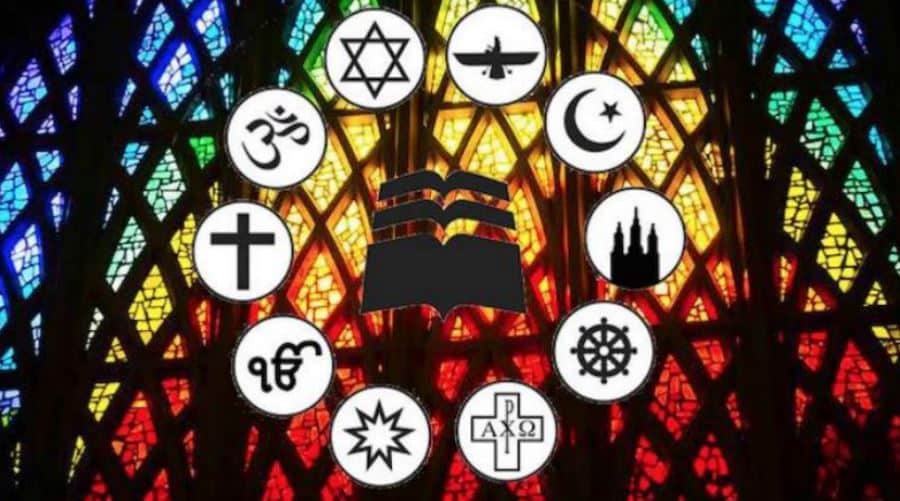
The Christian is not to become a Hindu or a Buddhist, nor a Hindu or a Buddhist to become a Christian. But each must assimilate the spirit of the others and yet preserve his individuality and grow according to his own law of growth.…SWAMI VIVEKANANDA
HOW DIABOLICAL!
The most glorious tradition of the Indian civilization is the basic unity among the people in spite of the various diversities that exist in our life. There are different religions in India and in matters of food, dress, language and manners and custom, we are distinctly different. But in spite of all these, we are Indians from the very beginning, birth to death and we are proud of this unity.
OUR COUNTRY HAS TRACKED ITS PASSAGE
But such divisive forces as communalism, linguism and religious feeling often plague our country. Communalism is the greatest evil. It is responsible for the division of India. The British fanned the communal feelings of the Muslims and the latter wanted a separate State for themselves. Thus, Pakistan was created. Now we suffer the consequences of the partition of India. Had we lived together, many problems such as population, food and shelter could not have been so acute. Moreover, our long- standing disputes over the borders would not have poisoned our relationship.
SOCIETY AND ITS PEACE ARE ON TARGET
Communal feelings are often whipped up in India by interested people and parties. There are often quarrels between two communities in States like Bihar and Uttar Pradesh and they often culminate in murders. Different religious sects or linguistic minorities raise their voice for separate States. Such fanaticism will lead to the division of India into many parts. India will be weakened and foreign powers will take advantage of the weakness of India. India to-day has to deal with the Punjab problem, Gorkha problem in Darjeeling, Jharkhand problem, the problem of tribals in Tripura, Boro problem in Assam and many other communal problems. Some politicians are responsible for whipping up casteism for their self-interest. This is very unfortunate. There are people of different regions and languages, casts and creeds but there is basic unity in India’s culture and religion.
MAKE PEACE…..NO WAR
So, it is necessary to combat the evils of communalism. India is one and indivisible. United India can hold its own and play a significant part in the international world. Communal harmony is the need of the time. Fanaticism must be checked so that India’s unity is not damaged.
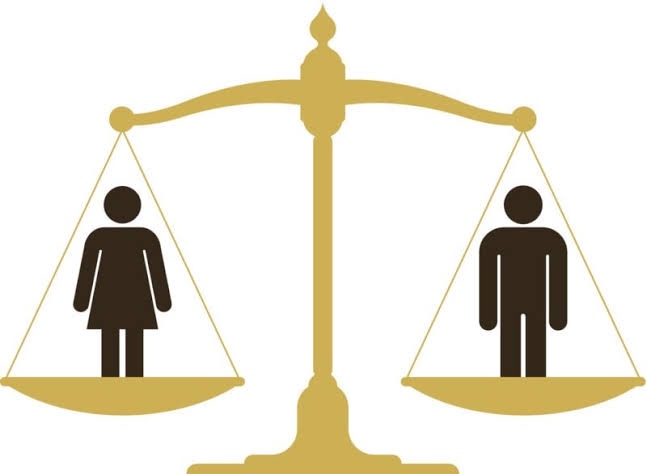
We must have heard from our relatives and people from our older generation that a good woman or a good wife is the one who knows how to ‘adjust’. We also must have come across conversations where patriarchs have often said things like “to maintain a good relationship, a woman must adjust” or “till the time things don’t go worse a woman should learn to adjust and shouldn’t go for judicial recourse”.
Photo Credits: First Post
These casual patriarchal phrases raise many important questions: do women need to face the worse to get justice? Do women need to tolerate abuse from their partners till the time abuse doesn’t go extremely physical or sexual in nature? Do only women need to give up on their dreams and just look after their families?
Patriarchy apologists, however appraise some women in our society and they are only those women who unwillingly or willingly give up on their dreams and career in order to maintain a ‘happy’ family or women who stay with their ‘cruel’ in laws. This proves that the more a woman sacrifices or the more a woman tolerates abuse, the more she is loved and the more she is considered as an “ideal woman”.
But the moment a woman stands up for herself, the moment she focuses on her dreams and career instead of caring about maintaining a family, the moment she stops adjusting, the same patriarchy apologists start slut shamming her or shamming her simply. In this case, she becomes a “bad example” for all other women just for standing up for her simple basic rights.
This also reminds us about how society has taught us that a mother only becomes “a true mother” when she is sacrificial. In India, people question a mother’s identity even if she chooses to wear a western outfit. Do women now even have to sacrifice on their preferred clothes? Women wearing western are seen “incapable “of raising a child? How does a simple piece of fabric decides a woman’s worth? Mothers are also judged by our patriarchal world for being into a particular profession, for example, those engaged in beauty and wellness or into travelling. How does a mother’s profession makes her “less of a mother”?
Photo Credits: Clipart Library.
It’s high time we stop romanticising women who suffer because of internalized patriarchy. The only thing our patriarchal society has to understand is that a woman’s personal choices are her own fundamental rights and she can exercise them as and when she wants.
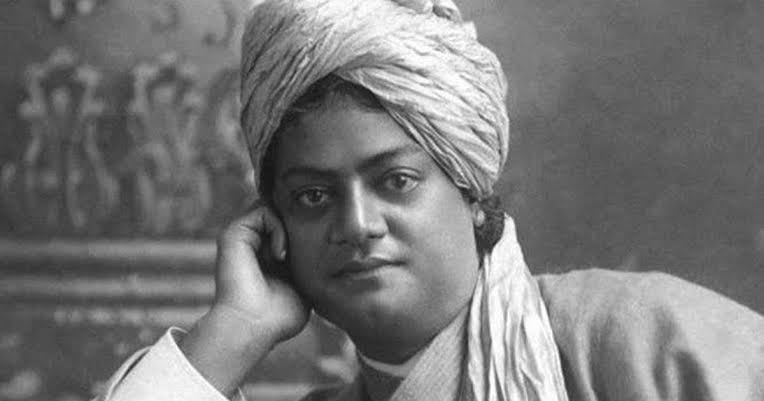
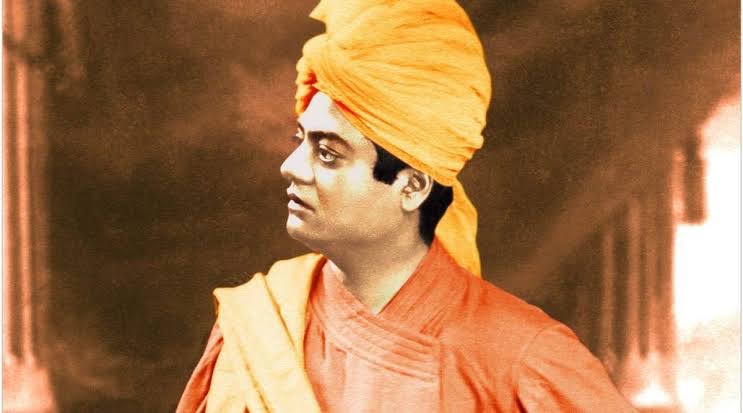
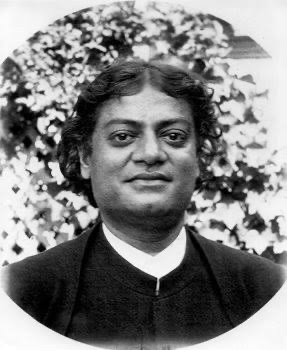
Swami Vivekananda as we all know was born on January 12, 1863 in Calcutta (present day Kolkata). Swami Vivekananda was never religious in his early life but was always interested in spirituality and meditation from young age.
Swami Vivekananda got educated from Calcutta University and had keen interest in subjects like history, religion, social science, philosophy and like. Today, July 4 is his death anniversary and us know five important incidents from his life.
1) Swami Vivekananda at Parliament of World Religions, 1893.
Photo Credits: India TV
Swami Vivekananda became extremely popular when he went to Chicago in 1893 for Parliament of World Religions where he represented India and Hinduism. He addressed Americans as “Sisters and Brothers of America” in his speech which led to widespread appreciation. In this event, he spoke about how the land of Vedas, Yoga and Saints has taught tolerance and universal acceptance to the world.
2) First meet of Swami Vivekananda and Ramkrishna Dev.
Photo Credits: Navbharat Times.
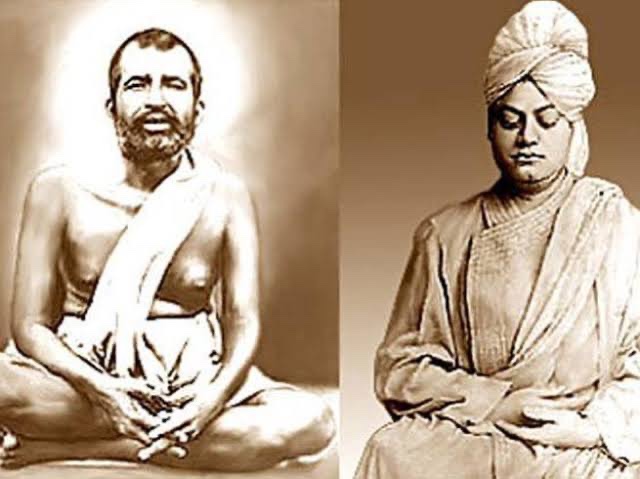
Swami Vivekananda met his mentor Ramkrishna Dev first in Dakshineswar Temple in Kolkata where Ramkrishna Dev used to reside but their relationship began when they met at the house of Surendra Nath Mitra. Ramkrishna Dev asked Swami Vivekananda to sing and impressed by his singing talent Ramkrishna Dev invited Swami Vivekananda to Dakshineswar.
3) Life in Dakshineswar, Kolkata.
Photo Credits: Scroll.
Swami Vivekananda’s constant meetings with Ramkrishna Dev became important and life changing moments for him. Initially, Swami Vivekananda was amused and nervous when he first interacted with Ramkrishna Dev. After giving many tests, Swami Vivekananda finally accepted Ramkrishna Dev as his spiritual teacher in 1882. He remained there until Ramkrishna Dev’s death in 1886.
4) Enlightenment of Swami Vivekananda.
Photo Credits: The Indian Express
Swami Vivekananda once asked Ramkrishna Dev whether there’s any God or not (as Ramkrishna used to keep telling him about God ), to which Ramkrishna Dev replied “I am the proof that God exists”. After three days, Swami Vivekananda retuned to him and asked whether Ramkrishna Dev can show him God or not. Ramkrishna Dev asked a counter question that whether Swami Vivekananda has the courage to see God or not to which Swami Vivekananda replied “Yes”. After this, Ramkrishna Dev placed his foot on Swami Vivekananda’s chest and Swami Vivekananda lost his consciousness after that. He restored his consciousness after twelve hours but he was totally changed by then.
5) Establishment of Ramkrishna Mission and relationship with Sharada Devi.
Photo Credits: Old Indian Photos.
Swami Vivekananda founded The Ramkrishna Mission on May 1, 1897 to honour and recognise the efforts and teachings of Ramkrishna Dev. Swami Vivekananda also had a very respectful and loving approach with Sarada Devi as he went to Chicago in 1893 only after taking her blessings.
At the end let’s apply Swami Vivekananda’s words in real life and as Indians, we should always move towards social equality and individual freedom which were his primary teachings.
India is a largely populated country with many different kinds of people. There are variations in culture, traditions, language, food, etc. But more importantly, there are people with different origins and roots. Some such people are the ‘Adivasis’ who we more commonly refer to as the ‘Tribes’ or ‘Tribal People’ of India. The word Adivasi comes from the Sanskrit term meaning ‘original inhabitants’ (Adi= original/from the beginning, Vasi= inhabitant/resident). Therefore, when we use the term Adivasi or categorize a group as Adivasis, it is generally understood to mean that they are the inhabitants of that area from the very beginning. It is a blanket term used to refer to the indigenous people and groups of India, and helps forge a sense of identity for them. Sometimes you may hear the term ‘Scheduled Tribes’ being used in a legal or constitutional sense, but this differs from State to State and may exclude some groups which may be considered indigenous.
Background
Adivasis make up a substantial minority of the Indian population, comprising about 8% of the total population. They are of great numbers especially in the states like Maharashtra, Madhya Pradesh, Jharkhand, Odisha and Andhra Pradesh. They are said to have arrived in India during the great human migration from Africa, and are believed to have been living in India from as early as 2000 BCE. As the name suggest, their presence pre-dates even the Dravidians and Aryans in our country, and they were the original hunter-gatherer, foragers and agriculturists of these lands. But today, they hold little to no political power and most of them are below the poverty line. They have seen a relegation of their status in the country, with a loss of land, wealth and political presence and representation. The Adivasis have been conferred a classification of tribes or tribal communities under Article 366 (25) of the Indian constitution, the criteria for this being ‘geographical isolation, backwardness, and having a distinct culture, religion and ‘shyness of contact’.
Examples of Adivasis or tribes in India are communities like the Bhil, Chenchu, Korwa, Lodha, and Bonda. Perhaps the most well-known tribes are those of the Andaman and Nicobar Islands, like the Jarawa, Onge and Sentinels, who have remained mostly untouched by modern civilization and continue to live like primitive tribes.
Modern Day Situation
Most of us today when we hear the word ‘Adivasi’ do not think of the people who first populated Indian territories and who possess ancient cultures and traditions tied to these lands. Instead, we think of those people living in rural and underdeveloped areas, living in poverty and struggling to make ends meet. While larger and more prominent tribal groups may survive as result of numbers, the destruction of their environmental and economic base will not allow them to continue their traditional way of life and may result in their cultural extinction. The primary reason for the Adivasis socioeconomic problems is that they have gradually been displaced from all their land and are constantly being denied land ownership. Today they are in a constant battle just to retain their economic and social identity. Today’s India is all about modernization and progress, and even government schemes only aim at integrating these tribes into normal society rather than allowing them to continue living by their distinctive way of life. Attempt are constantly being made to bring these tribes into mainstream Indian culture and integrate them into the national identity, disregarding their own unique and age-old cultures. Although they have been given schemes for reservation, the impact of the quota system upon Adivasis has remained negligible up until now. Also, many smaller tribal groups are quite sensitive to ecological degradation caused by modernization, and so government policies on forest reservation have also affected Adivasis profoundly. The 2006 Forest Rights Act (FRA) was enacted to secure the rights of Adivasis to their customary lands and forests, but they are still subject to encroachments on forest area.
Conclusion
It can be concluded that the Adivasis or tribal people of India represent an important cultural group of our country, but their modern-day situation is not good and not respected. The tribes in India are now under the impact of ‘mobility and change’. They have been subject to things like the caste system, and religions like Christianity and Hinduism which have transformed them completely. They have basically joined the ranks of peasantry in modern times, and have become wage-laborer’s in industries, plantations and mining. Hence, they are at the lowest point of the socioeconomic indicator, and are also subject to prejudice and oppression in mainstream Indian society. Furthermore, their issues are generally under reported, neglected or trivialized. We must try to change this situation for their betterment, and we as citizens must educate ourselves on who these people are and what they represent.
Typically, in an Indian household when a child grows up, Indian parents expect them to be doctors or engineers. But do we respect and love the same children when they actually become our life savers?
July 1, every year, is celebrated as National Doctors Day in India as this date marks both birth and death anniversary of prominent Doctor Bidhan Chandra Roy who was also the Chief Minister of West Bengal in early years of post independent India.
In 1991, Government of India established National Doctor’s Day to recognise the contributions of Dr. Bidhan Chandra Roy and also honour the Doctors nationwide.
Currently, the doctor-patient ratio in India is 1:1445 which is lower than WHO’s prescribed ratio of 1:1000. Doctors work day and night for their patients’ well being and this even increased since March 2020 due to COVID-19. But how much we as citizens give them in return?
India has suffered because of acute shortage of Doctors since the beginning as they never got the remuneration they deserve. This has always led to brain-drain in India as Doctors shift to other developed countries for better career prospects as they receive better salary and opportunities there.
Since the beginning of COVID-19, the only hope to get out of this deadly pandemic were Doctors and health care workers. Whenever our loved ones contract the virus, we immediately look towards our doctors with a helpless eyes, and Doctors without caring about themselves tirelessly give their life and time for us.
Some incidents in the recent past haven’t been so fruitful though. Doctors and other healthcare workers were brutally assaulted during the entire first and second wave and this is another downfall our country has witnessed.
Even on eve of Doctors day, two doctors were assaulted in Delhi yesterday after having a heated argument with two fellows. From an assault in June 2020 in Hyderabad to several such incidents in all parts of the country like Madhya Pradesh, Maharashtra, Assam and many more shows that we as citizens have failed our doctors.
Citizens have to understand by doing such acts of violence, their loves ones whom they lost won’t return. Yes, if any citizen feels their loved ones faced hospital casualties, they’ve a right to protest and they can take the legal procedures but they must not come into emotions and act violently.
Indian Medical Association has held several protests to voice for the rights of doctors. Nearly, 3000 Doctors resigned last month in Madhya Pradesh after High Court declared their strike as “illegal”. Several more prominent as well as junior Doctors in the country have vowed to not serve India as they feel citizens do not treat them with dignity.
If this goes on, India would have a vast decline in doctors per thousand people ratio and all the lives of Indian citizens will be at stake because private hospitals charge a lot and most Indians won’t be able to afford them due to mediocre and low income.
India would face a dangerous phase just like it faced in the second wave of pandemic if things continue like this till the upcoming third wave which will probably hit India by the end of 2021 as predicted by health experts. Stricter parliamentary laws against anyone who assaults doctors and moral policing of citizens can improve the doctor-citizen relationships however.
From the beginning to this day, women have always been oppressed be it by men in their family or by the state that was and is still highly patriarchal. Earlier, the private (households) and the public (political, business world) were strictly kept separate. State had no roles in what was happening in the private sphere. And the major factor of this separation was that public was controlled by males and private appeared to be in control of females.
The separation between private (home) and public (work) made a significant difference in the lives of males and females, and of course, it was negative for women. For example, males were expected to work out and hence they dominated the outside world while females were expected to stay at home and decide the household decisions and thus they happened to be the controllers of the households.
However, the above situation was far away from reality. In most cases, as public was controlled by males it used to have a direct influence on the private sphere. And therefore, the then feminists and scholars labelled this distinction as baseless and started demanding for political rights of females like voting rights, reproductive rights and like. It was through the second wave of feminism in 1960s, feminists began to bring up more such marginalised communities and issues into the picture.
Earlier only a “white heterosexual male” normative was followed in the world and especially in western civilisations. Feminists have rejected the public-private boundary as an acceptable rationale for legal action or inaction. A feminist argument is that such a separation disadvantages women of their rights and advantages privileged groups like white heterosexual males.
Three major arguments that were brought by feminists which aimed to challenge the public-private distinction are, first, politics and society, both had ignored the domestic sphere, second, public-private distinction is deeply gendered and sexist as its assigns roles to people based on their biological characteristics and because of this women become the most affected underprivileged group, third, calling “family” a private sphere was an attempt to hide domination and abuse in the relationships in families from legal discourse.
To put an end to all of this ignorance, women activists fought against the injustices and demanded the states to intervene in household matters like laws against domestic violence, divorce rights to women, abortion rights and other rights to choose. Along with these domestic protection rights, many other rights on the public sphere were also demanded.
Feminists from the second feminist wave asked for equal representation in politics, law-making and other decision making procedures which were of both public and private significance.
Examples:
1) Paid Work:
Even though working environment has changed nowadays as compared to earlier times, females suffer from hard labour but less payment. From corporate houses to films and television everywhere females are paid less than their male counterparts even though all of them do the same work. At times, female actors do more work as they have dance sequences in addition in the movies but still get paid less for the work. This has witnessed a change in recent times where female actors have begun to charge lump sum amount.
2) Patriarchal State:
States can be extremely patriarchal to women in terms of legal and political rights. This can happen in two ways- one by creating patriarchal and misogynist laws for women, two by not doing anything progressive for women (because not interfering into women’s rights is also equal to creating misogynist laws for women). Over the past few decades, this has also witnessed a change where we have seen governments making women friendly laws like reservations and special commissions for women or anti dowry and anti-domestic violence rights.
3) Male Violence:
This can mean anything that happens both in public and private sphere. Sexual harassment at workplaces is at peak all over the world. Thanks to social activists and NGOs in India who all fought for implementation of sexual harassment act back in 1990s when a social worker was brutally sexually assaulted for stopping a child marriage in the Indian state of Rajasthan.
At the end, we all as a society collectively need to understand that opposite of patriarchy is gender equality, that is, feminism, nothing else.
‘Women belong to the weaker elements of the community,’ some remark. As a result, men dominate women and, at times, exploit women for their own amusement. Women are subjected to a wide range of forms of harassment. Sexual harassment is a widespread form of harassment in many regions of the world. Harassment of women in public areas by known and unknown individuals is referred to as eve teasing in India. Eve teasing literally means to bother or disturb women. It is defined as the act of harassing women, whether intentionally or unintentionally, physically or psychologically, in order to amuse, irritate, provoke, annoy, or embarrass them by words, statements, gestures, jokes, physical contact, and taunts. It is a distinct and euphemistic word for South Asia, particularly India. It is not used in the United Kingdom or other European countries.
More and more female students, women, and others are attending educational institutions, workplaces, and other places, and their safety is critical in a civilised and cultured society. The experiences of women and girls in overcrowded buses, metros, and trains are harrowing and terrible. Women now have positions of leadership in practically every industry, but eve teasing remains a social issue. Women are physically, psychologically, and socially impacted. They are embarrassed and would wish to forget the occurrence. Those who are impacted by eve teasing never question the man or resist the behaviour; instead, they play a subservient and tolerant attitude because they believe it will further tarnish their reputation.
FACTS AND FIGURES- According to the NCRB 2019(National Crime Record Bureau) report, a total of 4,05,861 occurrences of crime against women were registered in 2019, representing a 7.3 percent increase over 2018. (3,78,236 cases). The majority of instances under IPC crime against women were reported under ‘cruelty by spouse or his family’ (30.9), followed by ‘assault on women with purpose to violate her modesty’ (21.8%), ‘kidnapping & abduction of women’ (17.9%), and ‘rape’ (17.9%). (7.9 percent ). According to the NCRB study, the crime rate per lakh women population in 2019 is 62.4, up from 58.8 in 2018. Sections 354 and 509 of the Indian Penal Code deal with eve-teasing cases, which show a 13.05 percent increase in assault or criminal force against a woman with the intent to outrage her modesty, and an 18.9 percent decrease in incidents of insulting a woman’s modesty, respectively, from 2015 to 2016. As a deterrent, a growing number of college-aged women riding Delhi’s public transportation have resorted to carrying pins, pen blades, and even daggers. Others have enrolled in self-defense classes.
According to a recent survey, over 90% of college women in New Delhi had experienced sexual harassment in some form or another. Despite this, it is believed that only approximately 1 in 10000 cases of eve teasing are reported to the p olice.98 percent of women say sexual harassment on the road has harmed their personal or academic growth in some way.These facts may appear to be false and horrific, but they clearly demonstrate the predicament of women in India. Every day, the situation worsens.
HOW TO PREVENT– Many psychologists feel that sex, love, and enjoyment are not the main reasons why men engage in this behaviour. The patriarchal worldview of the Indian male is intimately linked to Eve teasing. Men are socialised to feel that they are more physically and emotionally powerful than women. They believe they are doing nothing wrong by simply having fun. It is also regarded as a growing social issue. This is due to many societal changes such as urbanisation, the influence of Western culture, modernization, and changes in the status of women’s roles, women’s freedom, and democratic changes. Eve teasing is perceived by society as a social deviance at the macro level and at individual micro level as a behaviour problem. Technology has ensured that the globe contracts and restricts itself within the confines of the internet. Technology can be one of the most effective means of putting an end to eve teasing. Set up SOS numbers for your loved ones. Keep the police help lines on speed dial and your GPS tracker turned on at all times. Download safety apps, learn how to use them correctly, and register on connected websites. This ensures that when you are in need, your close and dear ones will be able to reach you quickly. Being self-reliant means being able to defend yourself without the assistance of others. Self-reliance also entails cultivating an attitude and confidence such that a person thinks several times before even being around you, let alone touching or misbehaving. You can always learn martial arts or karate for this. Tae-Kwan-Do will also be used to settle the dispute. Be brave enough to ensure your own safety even if it means sacrificing your dignity.
Conclusion– Eve teasing is a violation of a woman’s honour, dignity, and self-respect. It is excruciatingly painful for her. It should be handled as a separate offence. To regulate it, we need rigorous laws and restrictions. There is an urgent need to address this rapidly rising issue. Eve-teasing may appear to be a less serious crime, but it can quickly escalate into a serious offence if not prevented in its early stages. In a country like India, where women are worshipped alongside the Gods, such behaviour toward women is unjust, unfair, and Hippocratic. We owe it to women to be respectful. Only then would we be on the path to happiness, prosperity, and success.
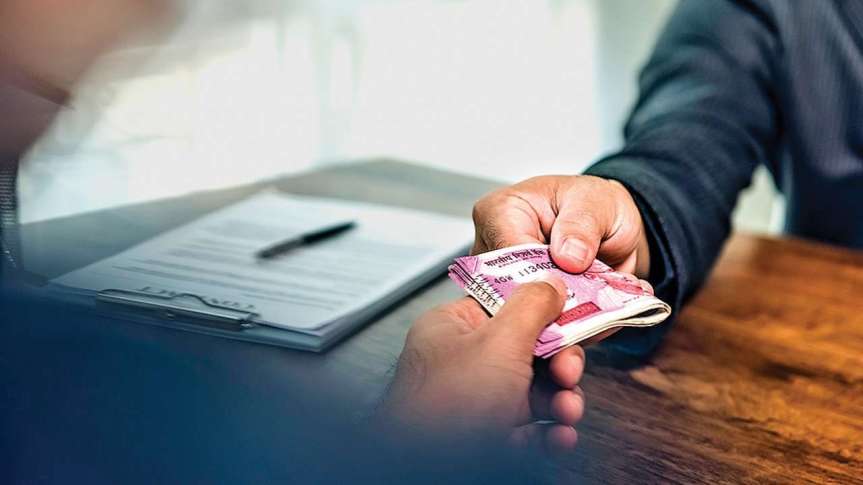
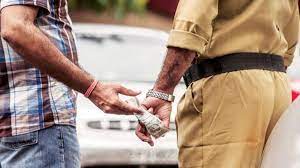
Corruption has been in Indian society in some shape or another since time immemorial. Our opportunistic politicians, who have already done more harm to our country, are at the root of corruption. People who labour on the basis of correct ideals are acknowledged and seen as silly in today’s culture. Corruption in India is caused by the collaboration of bureaucrats, politicians, and criminals. Previously, bribes were paid to have the wrong things done, but now bribes are paid to get the right things done at the appropriate time. Furthermore, because respected individuals are participating in it, corruption has become something respectable in India. Social corruption such as under-weighing of products, adulteration in culinary items, and different types of bribery have persisted in society.
In today’s world, if a person wants a government job, he must pay lakhs of rupees to higher officials, even if he meets all of the eligibility criteria. In any office, one must either offer money to the employee in question or arrange for work to be done through other means. Adulteration and duplicate weighing of products occur in the food and civil supply departments by unethical workers who defraud consumers by jeopardising people’s health and life. Officers charge money in property tax assessments even if the house is built properly according to government norms and regulations.
In India, political corruption is at its highest. The primary source of concern is that corruption is weakening the political body and undermining the supremacy of the law that governs society. Politics is now solely for criminals, and criminals are designed to be in politics. Elections in several sections of the country have become connected with a slew of illicit activity. Threatening voters to vote for a specific candidate or physically preventing voters from entering polling booths – particularly weaker sectors of society such as tribals, Dalits, and rural women – occurs often in numerous parts of the country. The government has boosted the compensation of M.P.s from Rs.16, 000 to Rs.50, 000, a 300 percent increase over the previous salary. However, many of them are dissatisfied with the raise and want the government to increase the wage to a much greater amount. This clearly demonstrates how politicians are always out for monetary gain and are unconcerned about the wellbeing of the people. One of the most common types of corruption is tax evasion. It is usually practised by government officials and politicians, resulting in the buildup of black money, which lowers people’s morale.
MAJOR REASONS RESPONSIBLE FOR CORRUPTION-The nature of the human being is the most significant component. People in general have an insatiable desire for luxury and comforts, and as a result, they become involved in any dishonest activity that results in monetary or material gain. Moral and spiritual qualities are not prioritised in the educational system, which is largely to blame for the degeneration of society. Employees are paid extremely little, and as a result, they are obliged to generate money in illicit ways. The penalties placed on criminals are insufficient. Political leaders have absolutely ruined society. They live a lavish lifestyle and are unconcerned about society. The people of India have not been woken or enlightened. They are afraid to speak out against anti-social elements in society.
MEASURES– The Right to Information Act (RTI) provides all necessary information about the government, such as what the government does with our tax payments. This act gives you the right to ask the government about any problem you’re having. The Central Vigilance Commission is another effective anti-corruption tool (CVC). The Government established it to advise and guide Central Government entities in the areas of vigilance. If there are any instances of corruption or complaints about them, they can be filed to the CVC. CVC also bears the obligation of raising public awareness about the dangers of bribery and corruption. The establishment of special courts for expedited justice can be a tremendous benefit. There should not be a long period of time between the filing of a case and the delivering of a verdict. Strong and strict rules must be adopted, leaving no room for the guilty to flee. In many circumstances, personnel choose corrupt methods out of necessity rather than choice. Some people believe that the earnings they are paid are insufficient to feed their families. They would not be forced to accept bribes if they were paid more. The one thing that must be ensured is the correct, fair, and unbiased application of numerous anti-social legislation in order to take strong, deterrent, and prompt legal action against offenders, regardless of their political influence or financial strength. To combat the threat, firm and decisive efforts must be taken, and an environment must be established in which decent, patriotic intellectuals can come forward to serve the country with pride, virtue, and honesty for the benefit of the people of India.
According to United Nations, about 1 billion people all over the world come under the category of “disabled” and that is 15% of the global population. Now, the question is, shall we as a society neglect 15% people in the world just because they happen to be in minority?
Media being one of the crucial facets of society has a major role to play when it comes to disseminating information and making people aware about significant and ignored issues. Now, let us go through what media has done to represent people with disabilities and their issue since the beginning of the pandemic.
1) Disability and Broadcast Media
A Look: Public Broadcasters of various countries
In 2020, the World Federation of the Deaf noted that 80 governments in the world have been providing sign language interpretations while Covid-19 press briefings.
For example, in order to curb Covid-19 pandemic, South Korean government aimed to strengthen the ways disabled people could be informed during the pandemic and other related disasters. The country’s public broadcaster KBS during the pandemic announced that it would work to expand the reach of information in its disaster countries. During the pandemic, the public radio in the country had continued to provide programmes dedicated to disabled community with daily news and health updates and general life advice.
When it comes to India’s public television broadcaster Doordarshan and public radio-All India Radio, very minimal representation of disabled community took place during the pandemic. Even though the objective of the these broadcasters is social welfare, disabled community was one of the most ignored ones as “no special programmes” were held for this community, nor was their issue highlighted specifically anywhere. News Bulletins with sign language were held for the disabled community though. More has to be done to ensure social inclusion of all communities including the disabled ones.
Private Broadcasters: nothing matters, but profits!
Media all over the world, including the Indian ones either portray disabled people as “nothing” or “everything” and both of them are dangerous. In 2019, Ministry of Information and Broadcasting in India directed the private channels to include special schemes for disabled community. Although some channels have started news bulletins for disable people but there was almost equal to zero representation of the disabled community during the pandemic.
There should be open space for the disabled community such as they should be invited for panel discussions and debates relating to different happenings in the world from politics to entertainment and like.
Digital Media: A hope in every way!
This is probably the best when it comes to serving and representing the disabled community during the pandemic. Digital and online media were the perfect mediums through which disabled people got proper spaces to talk about the issues they were facing during the pandemic.
One of the online apps called “News Hook” became increasingly popular among the disabled audience which used sign language specifically for the audience with hearing impairment. It covered headlines relating to technology, politics, entertainment, business and sports during the pandemic. It should also be noted that 65% of the staff here were from the disabled community.
Moreover, web portals of Indian Newspapers like The Indian Express and The Business Standards and many more gave enough of space to the disabled people so that they can talk freely about the issues they faced during the lockdowns.
The same above mentioned media channels also used platforms like YouTube to sensitise the audiences regarding the hindrances faced by the disabled community. Some reporters and even famous YouTube personalities covered the terrible times disabled people in India went through during the pandemic.
It should also be noted that online media was comfortable for disabled people as well as the medium is now more easily accessible with good quality content and also because of its low price rates.
Media, especially the mainstream media should be more responsible and sensitive in dealing with issues relating to the disabled community. More representation about the disabled community should take place in the mainstream media. Disabled people “aren’t incapable” and therefore they should be given proper employment in the media. They should be engaged and involved in live discussions and debates. Together, as society which includes the media we should create an environment which is inclusive, anti- discriminatory and diverse.
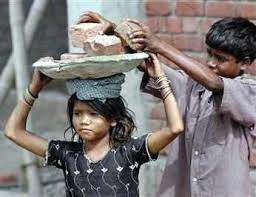
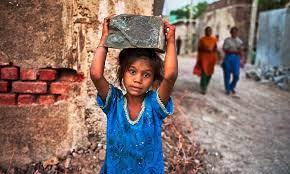
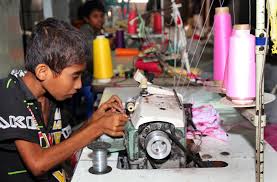
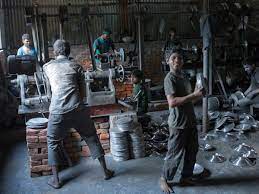
Child Labour refers to the practise of using young children in factories, but it is increasingly used to refer to the employment of minors in general, particularly in jobs that may interfere with their education or threaten their health. Children have always worked alongside their parents in the fields, the marketplace, and around the home as soon as they were old enough to accomplish simple tasks. Child labour is not a new occurrence, nor is it limited to a single state.
Facts and myth about child labour– Employers are thought to obligate children by hiring them. However, the fact is that employers are simply concerned with profit, and child labour can be exploited at no cost to them. Many industries rely significantly on child labour because children are willing to work for little or no pay and for extended periods of time without complaining. Industries such as bead manufacturing, glass manufacturing, carpet manufacturing, gem and stone polishing, matches, and fireworks have grown solely on the power of young labour. There is a vested interest in the recruitment of underage labourers since it benefits them. The main cause is low salaries. Which employer prefers a child above an adult. Poverty is NOT an option. These statistics reveal that the vast majority of children employed in these businesses are from Scheduled Castes, Scheduled Tribes, or Other Backward Castes.
Second, while it is true that child labourers come from impoverished families, it should be noted that child labour also perpetuates poverty because the child labourer who survives the harsh conditions becomes an unskilled adult who is not employed even in the industry that previously exploited him or her. Furthermore, child employees are paid a pittance or receive no pay at all. Child labour also lowers adult salaries and keeps adults out of work. Third, some people believe that if youngsters labour, they will be equipped with skills for the future. When we look at the facts, we can see that the activities assigned to child labourers, such as labelling, filling, and transporting, are simple and repetitive. By doing these exercises, youngsters are not so much learning a skill as they are being subjected to gruelling, monotonous work. Furthermore, the job done by young labourers jeopardises their prospects. Children’s health is harmed by exposure to the elements, dust, harmful gases, and chemical solutions, which shortens their lives. Some people believe that children work faster and have nimble fingers, which are required for certain types of work, particularly knotting carpets, but it is a myth that child labour is necessary and that children are capable of weaving better carpets than adults, but children were allegedly employed in simple tasks for which they had a special aptitude lost to adults. Adults were not only employed in all of these enterprises, but they outnumbered children in the studied units. Furthermore, their pace of physical production was higher than that of children.
Child labour is an International Problem– Child labour is still a major issue in many regions of the world in the early twenty-first century. According to research conducted during the International Year of the Child in 1979, more than 50 million children under the age of 15 were working in a variety of vocations, many of which were dangerous. Many of these youngsters reside in impoverished nations, where their living conditions are deplorable and their educational opportunities are limited. These families frequently lack the necessities of life, such as proper food, clothing, and shelter, as well as water for bathing. 20,000 children in India, for example, work 16-hour days in match factories. Child labour issues are not restricted to developing countries. They occur everywhere poverty exists in Europe and the United States. The most important efforts to reduce child labour abuses around the world are led by the INTERNATIONAL LABOUR ORGANIZATION (ILO), which was created in 1919 and is now a special agency of the United Nations. Among its members, the organisation has implemented various child-labor conventions, including a minimum age of 16 years for admittance to all work, a higher minimum age for specialised categories of employment, mandatory medical examinations, and night work control. Slavery, prostitution, debt bondage, and forced military service were added to the list of the worst types of child labour by the ILO in the late twentieth century.
CONCLUSION– It is possible to infer that The Child Labour (Prohibition and Regulation) Act is an Act that was passed in order to adopt all of the international standards against child labour that have been adopted by the United Nations. Furthermore, the Supreme Court’s explanation and analysis, as well as those of other courts, have made the Act a significant piece of legislation that has contributed to reducing the scourge of child labour to a bare minimum. Although a lot of laws have been enacted to prevent child labour, no law will be effective in eradicating the evil of child labour unless the laws are properly enforced and unless each and every individual does something to help in eradicating the problem aside from the application of the law.
The above statement may appear intriguing to some, but that’s what we need to do, at least in 2021. Even today, majority of the world population is not aware about the distinction between ‘sex’ and ‘gender’.
Gender is something that is most often thrown and forced upon us according to the sex we received at birth. We are told to act, dress and behave in a certain way. In more simple words, ‘sex’ is what nature has given us at birth, for example, ‘female’ and ‘gender’ is something that we identify ourselves with as we grow up, for example, ‘woman’.
In this way, we can say that gender is a social construct, that is, gender is a human made concept while sex is a naturally grown system we have on our respective bodies since our birth.
It is also important to note that gender is variant and we would be doing injustice to the gender minorities like agender, non- binary and gender fluid people if we overlook them.
Moreover, we should also keep in mind that, lack of awareness regarding the difference between ‘sex’ and ‘gender’ is one of the main reasons of patriarchy. As mentioned above, since our birth we are expected to behave in a certain way. For example, when a male child is born, we expect them to be tough and physically strong and compare them with wild tigers and lions while when a female child is born we expect them to be soft and pleasant like an angel.
Another example could be, male toddlers are gifted guns and cars whereas female toddlers are gifted doll houses and ‘kitchen sets’, because from the beginning only we have this sexist notion ingrained in us that the male child will grow up and ‘earn’ the bread while the female child will ‘bake’ the bread.
‘Sex’ and ‘gender’ are most often used interchangeably and this also contributes to patriarchy, in fact it shows how patriarchy is deeply ingrained in us. Some of us indulge in patriarchy without even knowing it.
Patriarchy may favour males but it is beneficial to no genders in the world. In global context, gender expressions like ‘feminine’ stereotypically means one needs to be loving and caring and ‘masculine’ stereotypically means one needs to be daring and challenging. Now here comes the problem- for example- a male who has ‘loving’ and ‘caring’ characteristics and identifies himself as a ‘man’ suffers due to these socially constructed ideas of being ‘masculine’. Similarly, a female who has ‘daring’ and ‘challenging’ characteristics and identifies herself as a ‘woman’ has to suffer due to the culturally made concepts of being ‘feminine’.
Another interesting thing is to note that if a man identifying male has some stereotypically feminine characteristics like caring, being soft and submissive, they are trolled and if a woman identifying female has some stereotypically masculine characteristics like daring, being loud and dominant, they are praised. This proves that the patriarchal world we live in hates femininity and just loves masculinity.
If a man celebrates his masculinity, he is praised but if a woman celebrates her femininity, then she becomes inauspicious for the society. It is important for us to note that femininity and masculinity is subjective and depends on person to person.
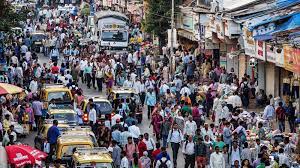
India is a over-populated country. It is the second most populated country in the world, after China. However, researchers say that India is all set to surpass China in population density by 2024. That means India is about to become the country with the highest population density across the world.
The population of India is increasing at an alarming rate. India is not the country with the highest number of people. There are countries which has more number of people than India like Russia. But they are not overpopulated. Those countries have enough space to fit in the number of people. India has more people than the country could fit in. The number of people residing in per unit square of land in India is much higher than that of other countries. This makes India an over-crowded country.
The huge population of India makes a lot of people live in poverty. The country’s economy is not enough to sustain its population. Adding to the problem, the country’s wealth is not equally distributed. The economic gap between the rich and the poor is widening. The major chunk of the country’s wealth is held by the rich and the powerful who are quite few in number compared to the country’s huge population. A large chunk of the population live below poverty line who do not have enough money to afford their meals thrice a day.
Also, the country does not have enough employment opportunities for all its citizens. This leads to unemployment, economic distress, stress and mental health problems. Unemployment increases the amount of crimes, theft and illegal business practices.
Along with wealth and job opportunities, India’s natural resources are also limited and not enough for its huge population. Over-consumption of natural resources would exhaust them and leave none for our future generations. Overpopulation is also a threat to our environment. The air and water bodies are becoming more and more polluted day by day. Too much burning of fossil fuels, congested roads and too many vehicles are releasing toxic gases in the air.
Accommodation is also a problem in India. Thousands of people live in slums which are over-crowded with unhealthy living conditions. More houses and buildings are being constructed which leaves no place for plants and nature. Forests are cut down to make room for construction projects. The cutting down of trees leads to increase in the level of carbon dioxide in the atmosphere.
Population explosion is a serious problem which needs to be addressed at any cost. The Indian population should be controlled to improve the lives of the people. Awareness drives and contraceptive alternatives should be adopted with immediate effect.
Since the beginning of rebellious movements against the oppressive British regime in 19th century, women have played an integral part in freedom struggle in India. From Rani Lakshmibai in 1857 to Mantangini Hazra in 1942, women have always upheld the patriotism and love for their nation.
Sarojini Naidu, an Indian political activist, joined Indian Independence movement back in 1905 and later became the Governor of Uttar Pradesh in Independent India, making her India’s first female Governor.
In the post independent India, prominent freedom fighter Sucheta Kriplani became the first female Chief Minister of India for Indian State Uttar Pradesh. In 1966, Indira Gandhi became the first female Prime Minister of India.
But if women participated in Indian politics and independence movements so actively at a time when women weren’t even allowed to walk out freely, why do we see a sudden decrease in participation of women in Indian Politics in 21st Century?
In 1990s, there were about 6 sitting female Chief Ministers in India and in 2021, there is only one sitting female Chief Minister in India, that is, Mamata Banerjee in West Bengal. Let us see the reasons behind lack of participation of females in Indian politics.
Assault on Indian female politicians:
India holds a bad history of torture, discrimination and hostility towards female politicians. From Ms. Jayalalitha who was brutally assaulted in late 1980s to Ms.Mayawati and Ms. Mamata Banerjee who were assaulted ruthlessly in mid-1990s proves that Indian Politics has never been safe for women. These female politicians were assaulted especially by male chauvinists to intimidate them for being a woman and raising voice in politics. These assaults discourage women in India to join politics.
Indian Political Parties are Male-dominated:
Unless a political party is formed by a female, all other political parties be it left, right or centre are by nature male-dominated in India. Females are not given powerful positions in these parties which further lower their self-esteem and this influences other women negatively to not join politics.
Systematic Sexism in Politics:
Even if women are given political positions, they are mostly given those positions that are stereotypically considered “womanly”. Women holding positions are also often harassed by male politicians. Women who want to hold more prominent positions thus get discouraged. Although some things have changed in recent years where we have seen women holding powerful positions in Defence and Finance Ministry, still a lot more has to be done.
Patriarchal Society:
This is a bitter reality that our male-dominated society doesn’t love “dominant female leaders”. For instance, when in 2019, two Female MPs from West Bengal wore a shirt and jeans, they were criticised and shammed for wearing western whereas so many male members in Parliament wearing jeans wasn’t an issue. The fear of getting judged by the society also discourages women to join politics.
What can be done to improve the situation?
First and foremost, we should make a safe political environment for women and listen to the issues they face in politics. Second, society and the government must have a feminist approach so that women come out and lead political movements. And lastly, although India has women friendly laws, these laws aren’t implemented and thus proper implementation of these laws must be done, for example, taking strict action against male politicians who make misogynistic statements, abuse women and like.
Today, June 23, is a very important day for one of the most neglected sections of our society, and they are none other than the widows. International Widows Day was firstly established by The Loomba Foundation to increase awareness about the tyrannies faced by widows all across the world. June 23 was especially adopted by the Loomba Foundation because it was on this day in 1954 the mother of foundation’s owner became a widow. Later on in 2010, this date was officially adopted by United Nations to focus on issues of widowhood.
Widowhood in India: A brief History.
During ancient times, after the death of a man, their wives were expected to live an execrable and damnable life. Widows were made to wear only white clothes, shave their heads and had limited options for having food of their choice. Untouchability and ostracism of widows were at peak. At some places widows were forced to undergo the Sati practice in which widows had to sacrifice themselves by sitting atop their deceased husband’s funeral pyre. These practices came from the patriarchal idea that if a husband’s life is over, his wife’s life is also over.
Ban of Sati Practice: Prominent Social Reformer Raja Rammohan Roy led the movement against the evil practice of Sati in India and finally on December 4, 1829, Bengal Sati Regulation was passed by Lord William Bentinck.
Widow Remarriage: A significant change!
Indian Social Reformer Ishwar Chandra Vidyasagar from Bengal was one of the major leaders who advocated in favour of remarriage of widows in India. He received support from several dignitaries of that time including Rani Rashmoni of Kolkata to many other government officials in East India Company.
Finally, Hindu Widows’ Remarriage Act, 1856, was drafted by Lord Dalhousie and passed by Lord Canning for remarriage of Hindu Widows in all jurisdictions of India under East India Company.
Did the lives of widows change after the progressive law?
The simple answer to the question above is “no”. Although things have improved in well-read and educated families where widows don’t have to go through the same amount of brutality as before, however things have not changed for millions of widows in India.
Abandonment: A newer problem!
Widows, even in 21st century have to face massive amount of torture from confinement to lack of care in many Indian families who have a patriarchal and out-dated approach.
Most women in India are not financially independent and are dependent on their husbands for daily needs. And thus, when the husband passes away widows become financially vulnerable. Children of the widows do not take the responsibility of their well-being and abandon them. With no options left, widows take shelter in old age homes or take the path of spiritual life and settle in ashrams of holy cities like Varanasi and Vrindavan. There are also some NGOs and private bodies in these holy cities who take care about the wellbeing of the widows including their medical and food expenses. Widows are also encouraged to engage themselves in some relatively easy jobs like stitching and sewing by these NGOs to have financial stability.
There are more than 50 million widows in India and its high time that we as a society and government must step up to protect their rights and make a discrimination free environment for them.
Even after years of development and advancement misogyny still prevails in society. And this issue prevails because of the existence of social evils. Even in the 21st century, many people find girls as a burden on the family and not capable of achieving anything, but doing household chores. The stigma still exists mostly because of the dowry culture. As still having a girl child means giving hefty dowry for their marriage. Other than that, ‘preference of son over daughter as for old age security’, and the thought that ‘daughters can only be only involved in domestic work as they are ultimately going to be married off, and thus there is no need of education for them’, and more such narrow-minded thoughts exist in the society. All such thoughts and beliefs result in female feticide.
What is Female Feticide?
Female feticide the process of identifying the sex or gender of the fetus or the unborn child still in the mother’s womb, and aborting it if found out to be a girl. The sex of the fetus is determined through prenatal diagnostic tests. Sex-selective abortion results in the murder of a female fetus.
India Government’s Take on the Matter
Female foeticide hampered the child sex ratio. Some parts of India have a critically low child sex ratio. As per the 2011 census, the number of girl child in the age group of 0 – 6 years is 75,837,152 out of 158,789,287 which accumulates to 47.8%, and the number of girl child in the age group of 7 years and above is 540,772,113 which accumulates to 48.6% of the total number of children in this age group, which is 1,051,404,135. Even the literacy rate is low in girls. The literacy rate of male children stands at 80.9% whereas the literacy rate in girls stands at 64.6%, as per the 2011 census data. It is even seen that the rate of dropping out of school and higher education is more for girls.
‘Pre – Conception and Pre – Natal Diagnostics Techniques Act, 1994 (PC & PNDT), was enacted by the Parliament of India to put a curb on female foeticides. The act banned prenatal sex determination and regulates the pre-natal diagnostic techniques that are capable of determining the sex of the fetus, only for detecting any abnormalities.
Beti Bachao, Beti Padhao Scheme – Beti Bachao Beti Padhao Scheme (BBBP) was launched on 22nd January 2015 at Panipat, Haryana by Prime Minister Narendra Modi. An initial fund of Rs 100 crore was accumulated for the implementation of this scheme. It mainly targets Uttar Pradesh, Uttarakhand, Haryana, Bihar, Punjab, and Delhi, where the child sex ratio is critically low.
The scheme involves enforcement of ‘Pre – Conception, and Pre – Natal Diagnostics Techniques Act, 1994 (PC & PNDT) and spreading nationwide awareness and multi-sector action focused on 100 districts throughout the country in its first phase where the child sex ratio is specifically low. Pre – Conception and Pre – Natal Diagnostics Techniques Act, 1994 (PC & PNDT) was enacted to stop the practice of female feticide.
The scheme aimed at eradicating the practice of female feticide which is the reason for the declining child sex ratio (CSR) as the practice of abortion of female fetus and murder of girl child is done as the girl child is seen as a liability on the family.
Today, the world collectively talks about equality and where women are performing at par with the men; where women are stepping on the moon; marking excellence in the field of science, technology, and inventions, still is divided by a society that believes in killing a child which has not seen the world just because it is a female, and is believed to be of no good and a burden because of the social evils they created themselves.
Female feticide is a crime and also threatens the human right of ‘right to life’. It is important not just to literate but educate and aware the society about such social stigmas existing in the society.








 Eduindex
You must be logged in to post a comment.