TAKE A STRESS REDUCTION BREAK ! DO THIS…

” Don’t stress the could haves , if it should have , it would have “

Above thought is the thing which we all understand & will praise & will say that it is right . BUT , what happens to us when we have to apply this above thought ? We as a human being are much concerned about the could haves , the could haves which are not even certain , their uncertainty gives us stress . Why we don’t understand that taking stress for things which are not even certain in our lives would affect out health . And because of this we can suffer from health issues that would result severe in their future lives .

Every one wants to get relief from stress , but very few work on reducing stress . Let me tell you the fast & quick way to relive from your stress

MEDITATION IS THAT WAY !
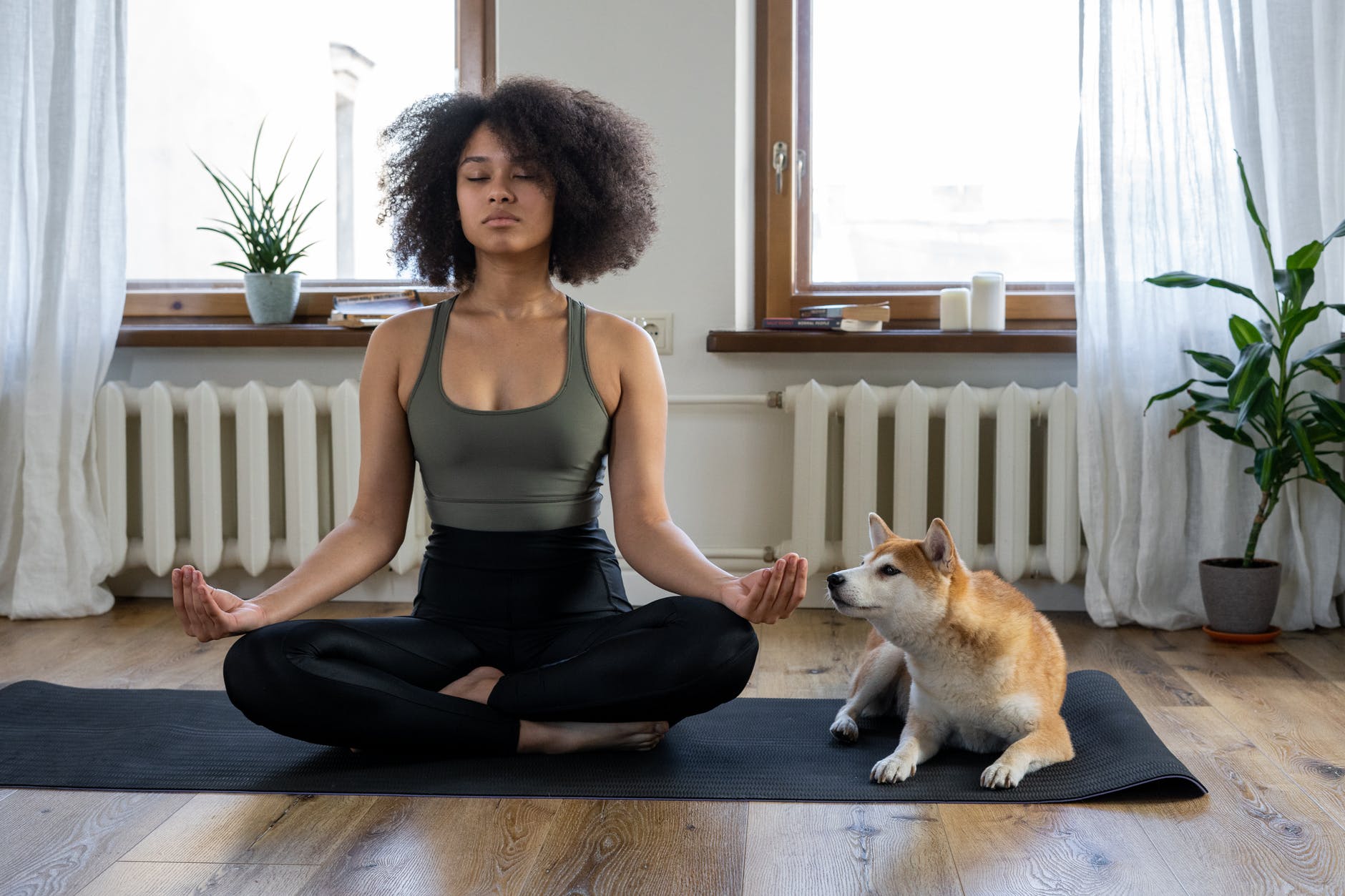
If stress has you anxious, tense and worried, consider trying meditation. Spending even a few minutes in meditation can restore your calm and inner peace. Anyone can practice meditation. It’s simple and inexpensive, and it doesn’t require any special equipment. And you can practice meditation wherever you are — whether you’re out for a walk, riding the bus, waiting at the doctor’s office or even in the middle of a difficult business meeting, or while studying .

During meditation you have to be n full attention , close your eyes & should try to concentrate , it will work out best when you will do it with Chinese flute . It will fill your eyes , ears & mind with relaxation , & hence you will forget all your stress . Doing such meditation for just 10 mins in a day will fill you with energy & enthusiasm & also you will feel relief from your stress . Meditation can give you a sense of calm, peace and balance that can benefit both your emotional well-being and your overall health. And these benefits don’t end when your meditation session ends. Meditation can help carry you more calmly through your day and may help you manage symptoms of certain medical conditions. Meditation might also be useful if you have a medical condition, especially one that may be worsened by stress.

While a growing body of scientific research supports the health benefits of meditation, some researchers believe it’s not yet possible to draw conclusions about the possible benefits of meditation. With that in mind, some research suggests that meditation may help people manage symptoms of conditions such as: anxiety, asthma , cancer ,chronic pain , depression, high blood pressure , sleep problems , tension headaches , etc. Don’t let the thought of meditating the “right” way add to your stress. If you choose to, you can attend special meditation centers or group classes led by trained instructors. But you can also practice meditation easily on your own. And you can make meditation as formal or informal as you like, however it suits your lifestyle and situation. Some people build meditation into their daily routine. For example, they may start and end each day with an hour of meditation. But all you really need is a few minutes of quality time for meditation.

As we always says , ” its not the quantity but the quality that matters . Hence you should spend the quality time doing mediation , & give you body a boost instead of stress .
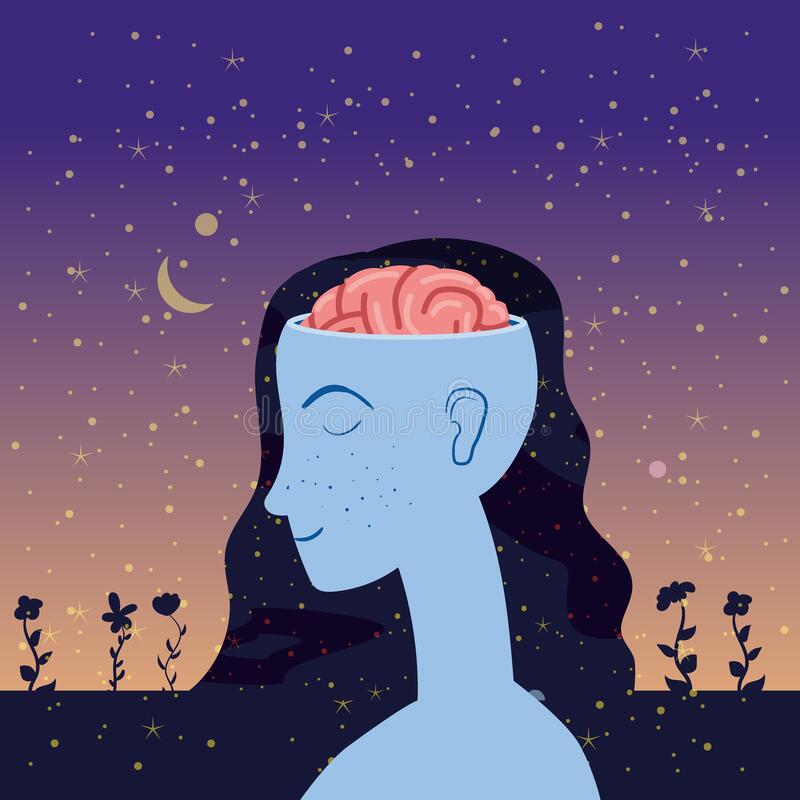
Ways to Manage Stress

Stress is part of being human, and it can help motivate you to get things done. Even high stress from serious illness, job loss, a death in the family, or a painful life event can be a natural part of life. You may feel down or anxious, and that’s normal too for a while. Talk to your doctor if you feel down or anxious for more than several weeks or if it starts to interfere with your home or work life. Therapy, medication, and other strategies can help. In the meantime, there are things you can learn to manage stress before it gets to be too much. Consider these suggestions:

Exercise : To start with, physical activity can help improve your sleep.  And better sleep means better stress management. Doctors don’t yet know exactly why, but people who exercise more tend to get better deep “slow wave” sleep that helps renew the brain and the body. Just take care not to exercise too close to bedtime, which disrupts sleep for some people. Exercise also seems to help mood. Part of the reason may be that it stimulates your body to release a number of hormones like endorphins and endocannabinoids that help block pain,  improve sleep, and sedate you. Some of them (endocannabinoids) may be responsible for the euphoric feeling, or “runner’s high,” that some people report after long runs. People who exercise also tend to feel less anxious and more positive about themselves. When your body feels good, your mind often follows. Get a dose of stress relief with these exercises: running, swimming, dancing, cycling, aerobics.

Diet : The benefits of eating health foods extend beyond your waistline to your mental health. A healthy diet can lessen the effects of stress, build up your immune system,  level your mood, and lower your blood pressure. Lots of added sugar and fat can have the opposite effect. And junk food can seem even more appealing when you’re under a lot of stress. To stay healthy and on an even keel, look for complex carbohydrates, lean protiens, and fatty acids found in fish, meat, eggs and nuts. Antioxidants help too. They protect your cells against damage that chronic stress can cause. You can find them in a huge variety of foods like beans, fruits, berries, vegetables, and spices such as ginger. Stick to a healthy diet with a few simple tips. Make a shopping list. Carry healthy snacks with you when you leave the house. Stay away from processed foods, and try not to eat mindlessly. Scientists have pinpointed some nutrients that seem to help lessen the effects of stress on the body and mind. Be sure to get enough these as part of a balanced diet: Vitamin C, Magnesium, Omega-3 fatty acids.

Sleep : A common side effect of stress is that you may struggle to fall asleep. If this happens three times a week for at least 3 months, you may have insomnia, an inability to fall and stay asleep. Lack of sleep can also add to your stress level and cause a cycle of stress and sleeplessness. Better sleep habits can help. This includes both your daily routine and the way you set up your bedroom. Habits that may help include: Exercise regularly, Get out in the sunlight, Drink less alcohol and caffeine close to bedtime, Set a sleep schedule, Don’t look at your electronics 30-60 minutes before bed, try meditation or other forms of relaxation at bedtime. The role of your bedroom in good sleep hygiene also is important. In general, your room should be dark, quiet, and cool — 60-65 degrees is thought to be an ideal temperature to stay asleep. Your bed also plays an important role. Your mattress should provide support, space and most of all, comfort.

Meditation : It has been around for over 5,000 years for a reason. Meditation works well for many people and has many benefits. It can lower stress, anxiety, and chronic pain as well as improve sleep, energy levels, and mood. To meditate, you will need to: Find a quiet place, Get comfortable (sitting or lying down), Focus your attention on a word, phrase, object, or even your breath, Let your thoughts come and go and do not judge them.

Deep breathing: When you practice deep breathing, you turn on your body’s natural ability to relax. This creates a state of deep rest that can change how your body responds to stress. It sends more oxygen to your brain and calms the part of your nervous system that handles your ability to relax. Try belly breathing. Get comfortable, close your eyes, and place one hand on your stomach and the other on your chest. Take a deep breath in through your nose. You should feel your belly rise more than your chest. Now, exhale through your nose and pay close attention to how your body relaxes. Repeat.

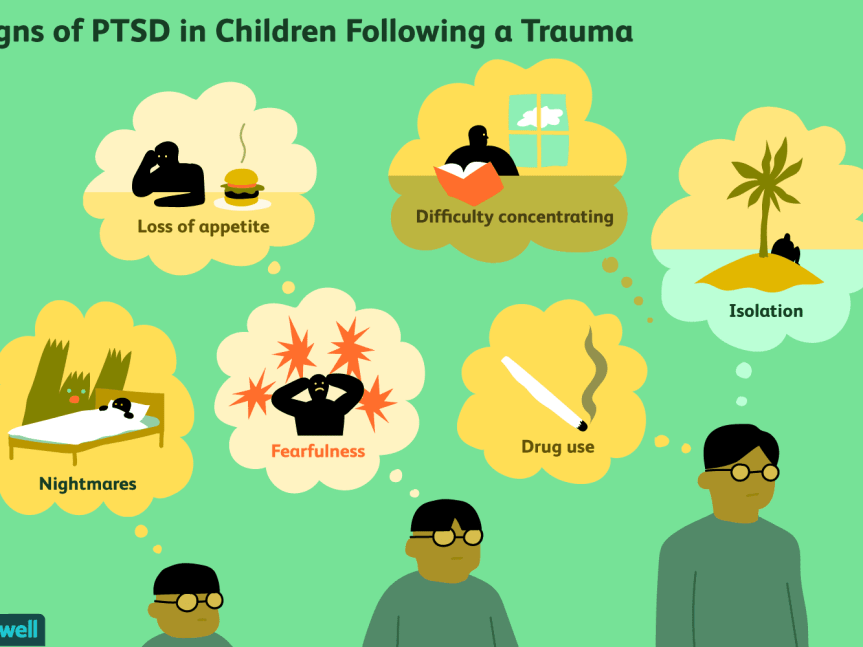
AWARENESS OF PTSD

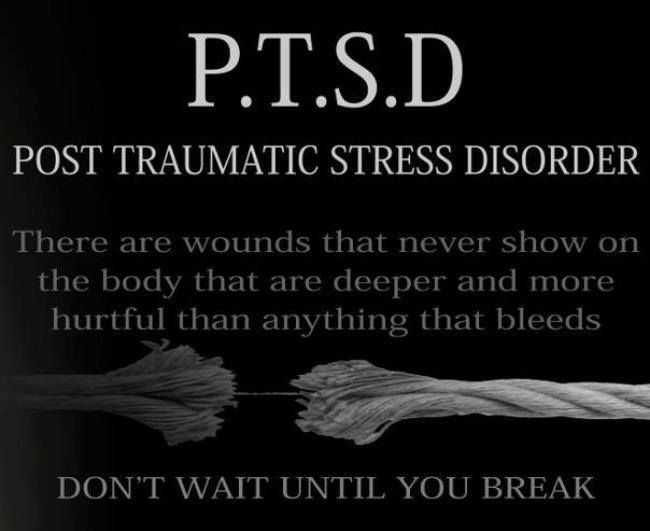
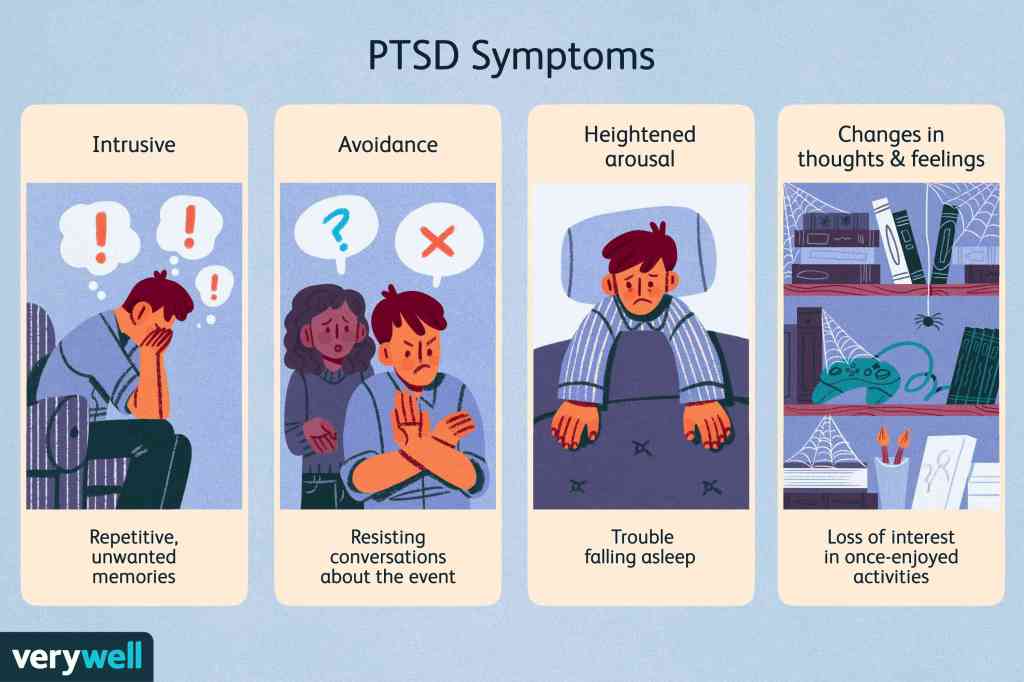
                         POST-TRAUMATIC STRESS DISORDER (PTSD)

This kind of disorder arises when we are ­­­­­­­affected by situations that cannot be accepted so easily associated or experienced or witnessing of events in life. Those unforgettable moments always haunt us as nightmares and memories making us to regret for a lifelong period.

It is not an easy task to make them vanish from our life but feeling to overcome from it is a worse kind struggle between heart and soul.

It reflects that one-fourth of the people gets affected by this kind of deep emotion and as life goes by sacrifice those hinderances and move on. The more affected gender falls on mostly women as they are more emotional and trust worthy then men.

“IT’S NOT THE PERSON REFUSING TO LET GO OF THE PAST, BUT THE PAST REFUSING TO GO OF THE PERSON”

It is clear that people at several ages have experienced this disorder being in a state to console themselves, to come out of it and to forget the certain thing happened.

This disorder is affected if the affected one unable to move out of that trauma. About 10 percent have experienced this kind of situation out of 100. But the worse part is the trauma became advanced for 2 percent which they were out of control without treatment.

 There are different levels for this disorder where each level will affect our mental ability badly and make us weaker. The stages of this effect will last till six months until for life period of one person.

Reducing the pressure and engaging on with multiple tasks at the same time makes us concentrate on the work to relieve us for some time. “Unexpected things happen but humans are a part of it to accept the fact of life”.

“Thing can’t be undone unless or until you come out of it”.

Go back

Your message has been sent

Warning
Warning
Please rate our website(required)

Warning
Warning
Warning.

Stress

Stress is the response of an individual towards an event which is beyond his/her ability to cope. When faced with a challenging or threatening situation, an individual undergoes stress. Stress is not necessarily bad, in fact term eustress is used to describe the stress that is good for an individual. This is the least level of stress which actually helps a person to achieve peak performance and managing problems. If however, this stress starts growing inside, it causes body’s wear and tear. It is called distress and it is this stress that is unhealthy for an individual.
Stress is caused by external events. These events are called stressors. Some examples of stressors are: crowding, examination pressure, bad relationships etc.
Individuals responses towards a stressor varies from one another. It largely depends on perceived events and how they are interpreted. Past experiences often help in dealing with stress. If an individual has handled a similar stressful situation well in the past, he/she is more likely to do the same in the present. The opposite also stands true. An individual who beliefs that he/she is in control of the situation, often experience less stress than those who have no such sense of personal control. Self confidence is a key in overcoming stress.
When faced with stress, our body produce a stress reaction. It can be physical, emotional or behavioural or a mixture of all. The first reaction is usually the physiological one, wherein adrenal glands release hormones responsible for fight or flight response. During stress, a hormone named cortisol is also released in our body which provides energy. Emotional reactions may include negative feelings like fear, anger, anxiety or depression. Behavioural reactions however depend on individuals that whether they choose flight response (forget everything and run) or fight response (face everything and rise).
How an individual responds to a stressor aslo depends on the nature of stress. The intensity and complexity of a stressor as well as whether it is predictable or not influences the nature of response it induces. It has been observed that stress which is intense, prolonged, complex and unpredictable have a more negative effect on people in comparison to the stress which is less intense, short lived and predictable.
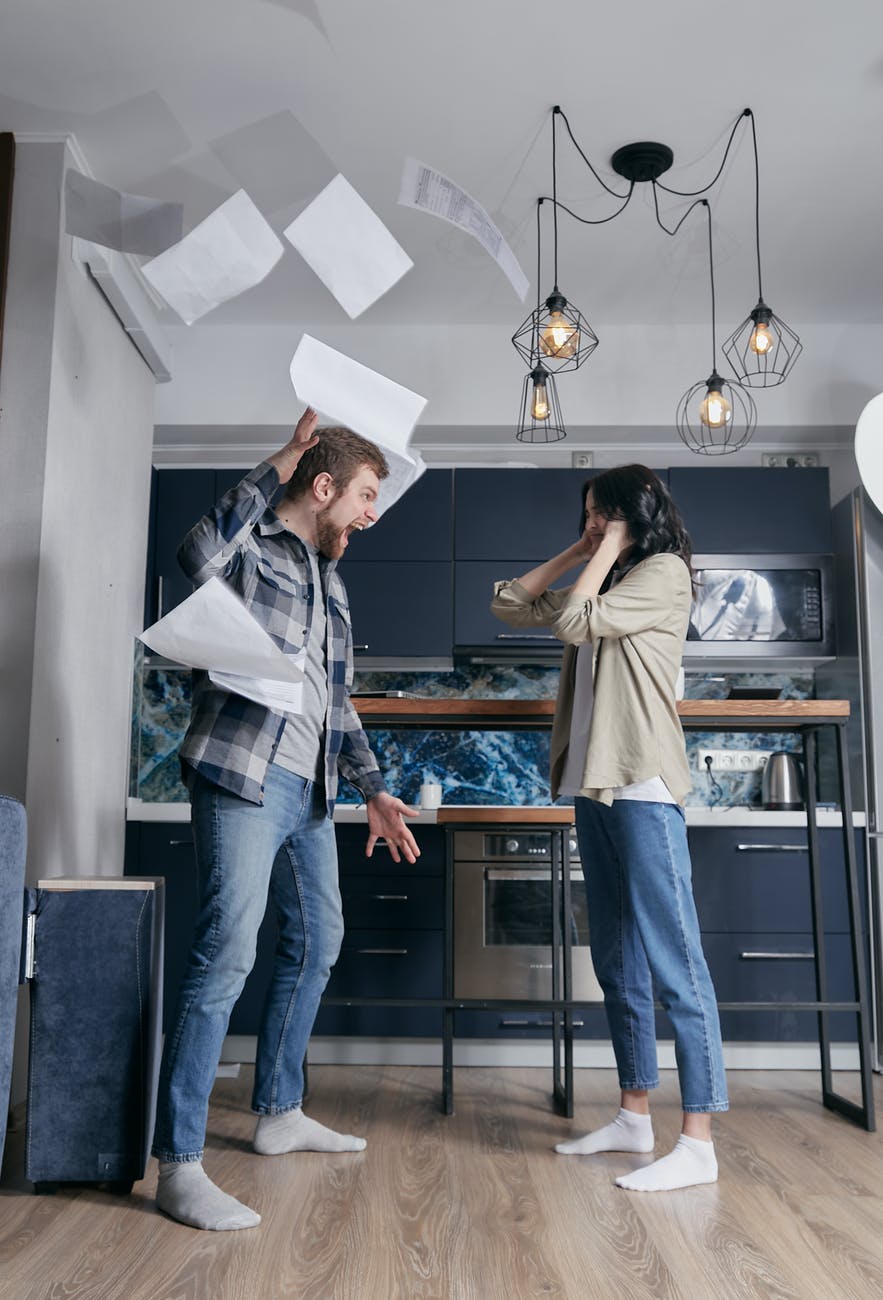
There are various types of stress. Physical stress relates to the stress that is related to our body. It is much easier to deal with than the psychological stress which generates in our minds. This psychological stress is very subjective and unique to the person experiencing it. It includes frustration and internal conflicts. Social pressure, life events and daily hassles or experience of traumatic events also contribute to psychological stress.
Stress has various adverse effects on an individual. Emotional effects like mood swings, anxiety, depression, increasing tension, decreasing confidence are very common. Physiological effects include increased heart rate, slow digestion, hypertension etc. People may even suffer from mental overload and loose their ability to make sound decisions. Poor concentration, disrupted sleep patterns, reduced work performance are some other effects of stress.