Ways to Manage Stress

Stress is part of being human, and it can help motivate you to get things done. Even high stress from serious illness, job loss, a death in the family, or a painful life event can be a natural part of life. You may feel down or anxious, and that’s normal too for a while. Talk to your doctor if you feel down or anxious for more than several weeks or if it starts to interfere with your home or work life. Therapy, medication, and other strategies can help. In the meantime, there are things you can learn to manage stress before it gets to be too much. Consider these suggestions:

Exercise : To start with, physical activity can help improve your sleep.  And better sleep means better stress management. Doctors don’t yet know exactly why, but people who exercise more tend to get better deep “slow wave” sleep that helps renew the brain and the body. Just take care not to exercise too close to bedtime, which disrupts sleep for some people. Exercise also seems to help mood. Part of the reason may be that it stimulates your body to release a number of hormones like endorphins and endocannabinoids that help block pain,  improve sleep, and sedate you. Some of them (endocannabinoids) may be responsible for the euphoric feeling, or “runner’s high,” that some people report after long runs. People who exercise also tend to feel less anxious and more positive about themselves. When your body feels good, your mind often follows. Get a dose of stress relief with these exercises: running, swimming, dancing, cycling, aerobics.

Diet : The benefits of eating health foods extend beyond your waistline to your mental health. A healthy diet can lessen the effects of stress, build up your immune system,  level your mood, and lower your blood pressure. Lots of added sugar and fat can have the opposite effect. And junk food can seem even more appealing when you’re under a lot of stress. To stay healthy and on an even keel, look for complex carbohydrates, lean protiens, and fatty acids found in fish, meat, eggs and nuts. Antioxidants help too. They protect your cells against damage that chronic stress can cause. You can find them in a huge variety of foods like beans, fruits, berries, vegetables, and spices such as ginger. Stick to a healthy diet with a few simple tips. Make a shopping list. Carry healthy snacks with you when you leave the house. Stay away from processed foods, and try not to eat mindlessly. Scientists have pinpointed some nutrients that seem to help lessen the effects of stress on the body and mind. Be sure to get enough these as part of a balanced diet: Vitamin C, Magnesium, Omega-3 fatty acids.

Sleep : A common side effect of stress is that you may struggle to fall asleep. If this happens three times a week for at least 3 months, you may have insomnia, an inability to fall and stay asleep. Lack of sleep can also add to your stress level and cause a cycle of stress and sleeplessness. Better sleep habits can help. This includes both your daily routine and the way you set up your bedroom. Habits that may help include: Exercise regularly, Get out in the sunlight, Drink less alcohol and caffeine close to bedtime, Set a sleep schedule, Don’t look at your electronics 30-60 minutes before bed, try meditation or other forms of relaxation at bedtime. The role of your bedroom in good sleep hygiene also is important. In general, your room should be dark, quiet, and cool — 60-65 degrees is thought to be an ideal temperature to stay asleep. Your bed also plays an important role. Your mattress should provide support, space and most of all, comfort.

Meditation : It has been around for over 5,000 years for a reason. Meditation works well for many people and has many benefits. It can lower stress, anxiety, and chronic pain as well as improve sleep, energy levels, and mood. To meditate, you will need to: Find a quiet place, Get comfortable (sitting or lying down), Focus your attention on a word, phrase, object, or even your breath, Let your thoughts come and go and do not judge them.

Deep breathing: When you practice deep breathing, you turn on your body’s natural ability to relax. This creates a state of deep rest that can change how your body responds to stress. It sends more oxygen to your brain and calms the part of your nervous system that handles your ability to relax. Try belly breathing. Get comfortable, close your eyes, and place one hand on your stomach and the other on your chest. Take a deep breath in through your nose. You should feel your belly rise more than your chest. Now, exhale through your nose and pay close attention to how your body relaxes. Repeat.

Best air purifying plants for bedroom

Insomnia is one of the common problems faced by many people today. It could be due to stress or unfavourable conditions in the bedroom such as uncomfortable temperature or humidity. According to doctors, the body should have healthy oxygen saturation levels, around 96% to 98%, to stay active and healthy.

Plants play a key role in keeping the environment favourable around. They help to purify air indoors so that you can stay healthier and away from toxins inside the house.

Best plants for Bedroom, which purifies air and induces good sleep.

1.Aloe vera plant

We all know that aloe vera plant has medicinal value. But do you know it also has the ability to eliminate toxins like benzene and aldehyde from the atmosphere and produces Oxygen. It can be the perfect plant for your bedroom.

2.Snake Plant

 This is a low-maintenance plant that has this unique feature to increase oxygen level during the night. Snake plant also removes toxic gases in the house like benzene and formaldehyde.  

3. Tulsi plant

Now a days also we can see a lot of people keep tulsi at homes and even worship it. It produces good amount of oxygen at night and has the power to absorb upto 90% of dust particles from the indoor atmosphere. The fragrance of tulsi plant induces good sleep.  

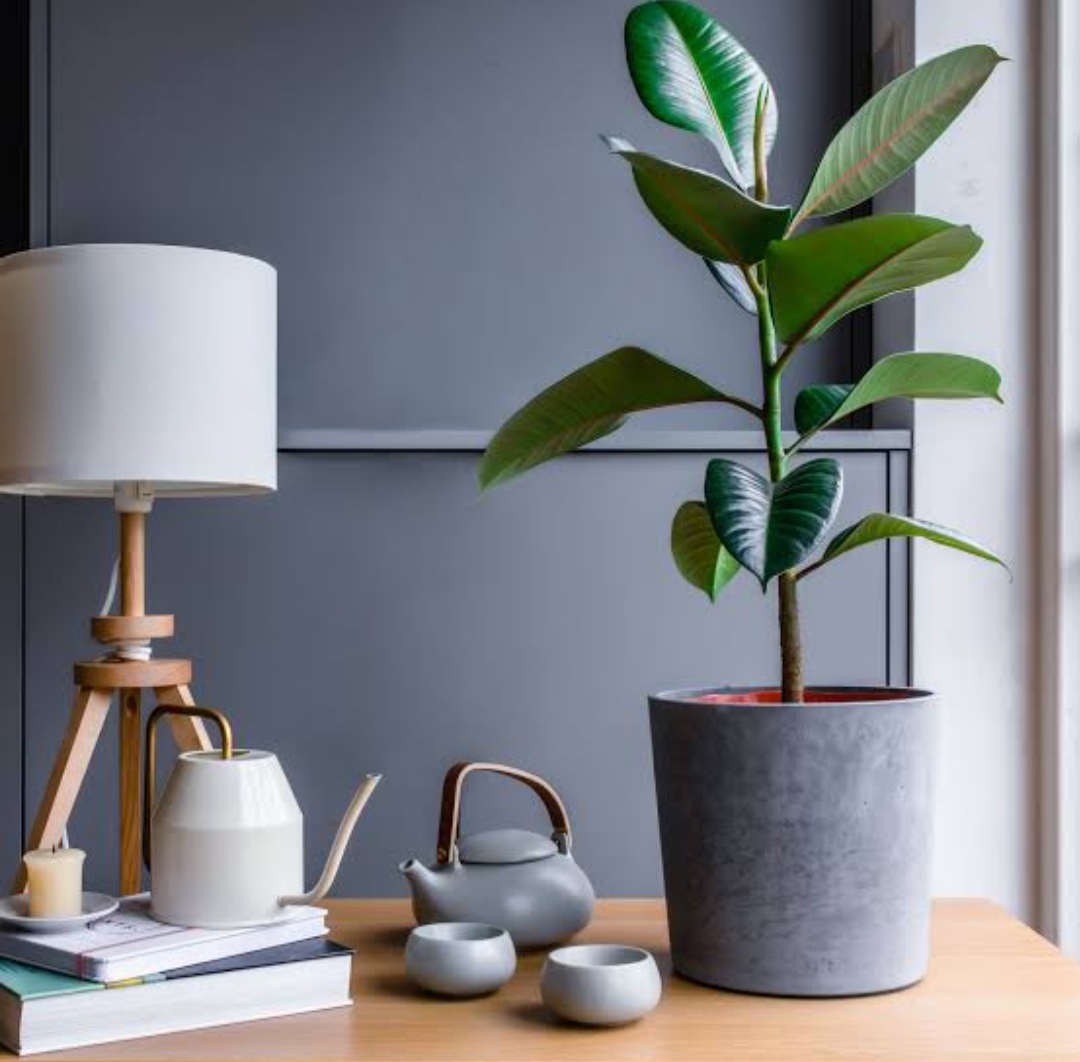
4.Rubber Plant

This is one of the most popular plants for the bedroom, as it effectively removes formaldehyde, mold spores, and bacteria present in the air. You can expect this plant to purify air upto 70%. It is also a low maintenance required plant. Its glossy leaves look gorgeous.  

The Art of Meditation

Meditation is a very important tool to manage stress and reducing anxiety and depression. It is a conscious effort of allowing your anxieties, fears, and anger to calm down so that one can order their own mind , eliminate the stressful thoughts and enhances physical and emotional well-being. It helps us in attaining peace of mind and soul and also helps us tune into a positive mindset.

Meditation can give us a sense of calm, peace and balance that benefits both your emotional well-being and your overall health. They also lead us to a state of self realization, where our mind is away from the anxieties of the past and the anticipations about the future. With emotional stability and calmness, one ends up feeling more confident and is able to face life. It makes people empathetic and thus able to understand others’ emotions, actions, and behaviors. It also improve our physical health by reducing strain on the heart, lowering blood pressure, improved blood circulation, less perspiration , improved data retention and focus , improved sleep patterns and deeper relaxation.

Types of meditation and relaxation techniques include:

1. Mindfulness

Mindfulness meditation practices require you to concentrate in your present. It ensures stability and control of the present state without getting disturbed by what comes or goes. We establish an embodied presence and learn to see clearly and feel fully the changing flow of sensations, feelings of both pleasantness and unpleasantness, emotions and sounds. For example : close your eyes and start breathing, neither long breaths nor too short ones. Breathe like you naturally do. Just that you are conscious about it, not controlling it in any manner. While you do so, you are sure to feel multiple sensations. What we want you to do is to just feel them, coming and going, not attracting any neither repelling one. You just rest and relax, without any judgement. When you practice this discipline of mindfulness meditation, and while you are onto exercising the breathing routine, your thoughts start mingling and flowing in the process. The intention is not to get involved with the thoughts or to judge them, but simply to be aware of each mental note as it arises.

2. Transcendental Meditation

This is a technique of detaching oneself and promoting harmony and self realization. It involves sitting up with your back straight. In this method, we use a mantra such as a word , sound or phrase repeatedly silently to narrow your conscious awareness and eliminate all thoughts from your mind. We focus exclusively on your mantra to achieve a state of perfect stillness and consciousness. It curbs insomnia, gives more power to our body and mind and increases productivity.

3. Walking Meditation

In this meditation, practitioners move slowly and continuously while staying aware of the body and mind. It encourages us to focus on each footstep in order to be fully present.  We must take deep breaths , use good posture , take deep breaths, and experience the motions of the body. This allows us to cultivate a a sense of mind- body awareness by focusing on your body’s posture.

4. Mantra Meditation

In this type of meditation, we silently repeat a calming word , thought or phrase to prevent distracting thoughts and helps us concentrate on that one particular sound. In every moment that we pay full attention to the mantra, we are not disturbed by any other thoughts, memories, or sensations. This helps reduce stress and improves our concentration and well-being.

Meditation is a simple strategy that can help obtain better health and a happier life. It takes time to learn to meditate but the more we practice , the quicker we learn and the more benefits we get and hence this will certainly have a big difference in our life.