Congratulatory Messages on the Launch of Mission LiFE from Heads of States/Governments

 Prime Minister Shri Narendra Modi today launched Mission LiFE (Lifestyle for Environment), in the presence of the UN Secretary General António Guterres, at the Statue of Unity, Ekta Nagar, Gujarat. First proposed by the Prime Minister at COP 26, Mission LiFE is envisioned as an India-led global mass movement that will nudge individual and collective action to protect and preserve the environment.

As many as 10 heads of states, including France President Emmanuel Macron, UK Prime Minister Mary Truss, Guyana President Irfan Ali, Argentina President Alberto Fernandez, Mauritius Prime Minister Pravind Jugnauth, Madagascar President Andry Rajoelina, Nepal Prime Minister Sher Bahadure Deuba, Maldives President Ibrahim Mohamed Solih, Georgia Prime Minister Irakli Garibashvili and Estonia Prime Minister Kaja Kallas extended support to the LiFE movement.

Argentina:
Mr. Alberto Fernandez, President of Argentina

Good afternoon, ladies and gentlemen,

I am here in Buenos Aires but I didn’t want to be absent from this meeting convened by PM Modi. The world is experiencing unusual times. Times marked not only by a pandemic but also by a profound inequality. An inequality that results in concentration of wealth among a few while hunger spreads among millions of the world’s inhabitants. The world is also suffering from a crisis because of the use and wastage of non-renewable resources, which undoubtedly have detrimental effects upon the environment. It is also true that this concentration and the ongoing war has led to a problem of food security around the world that should draw the attention of all the countries and the international community. We must take a look at how to face this reality and that is why I think this initiative, LiFE, can be very helpful for us to find a way—because one of the ways is to ensure that governments and the civil society achieve the necessary consensus so that we can slowly emerge out of the crisis we are enduring. We must ensure that the world develops, that poverty reduces, that social equality is achieved and in order to accomplish that, we should aim at sustainable, innovative and above all environment-friendly production. Knowing that the leading democracy in the world, India, has undertaken the task of seeking a way out, I feel more at ease. And I would be remiss if my country didn’t join this initiative, this pursuit. Here we are supporting the LiFE initiative, so the objectives of Sustainability for Development 2030 can be made possible by everyone, by each inhabitant of this world.

Thank you

Watch the speech here:

Estonia:
Ms. Kaja Kallas, Prime Minister of Estonia

Dear Friends,

Namaste,

The need for collective response to address climate change and biodiversity loss is stronger than ever. We are grateful to Prime Minister Modi for his leadership, together with the UN Secretary General, in launching Mission LiFE. The power of change lies in working together towards a common goal and engaging all the people and communities on the planet. An excellent example of this is World Cleanup Day. It is an extensive one-day action that started in Estonia and has spread to 191 countries. At COP 27, we will call for even more countries to join us. By the way, India has been very active in World Cleanup Day. Last year, an amazing 1.2 million people took part in this initiative in India. That is impressive, thank you! Russia’s war against Ukraine has triggered global energy crises. This further underlines the need to move towards renewable energy and sustainability. We can achieve even more if we combine the green transition with the digital one. We have digitized the energy network in Estonia and see the potential this has for energy savings as well as innovation. It is time for profound change in our lifestyles; we need to place sustainability front and centre. I am glad that climate action is one of India’s G20 presidential priorities and I wish you successful presidency.

Watch the speech here:

France:
Mr. Emmanuel Macron, President of France

I wish I could be with you for this very special moment. The time when our world is subject to increasing geo-political tensions, we have no choice but to choose cooperation over division, for one single reason: No one can address global challenges, and especially climate change, on their own. The LiFE initiative is part of this agenda for stronger cooperation. I want to say a few words to wish you great success in its implementation. At the current pace, the global population will reach 9.6 billion by 2050. The equivalent of almost three planets could be required to provide natural resources needed to sustain current lifestyles. Governments, businesses, people, we must therefore all cooperate in rethinking our models and behaviours. Sustainable consumption is all about doing more—better is less. We are already on that track. The current surge in energy prices is leading many countries in Europe to take the path of sobriety. In France, we will reduce our energy consumption by 10% acting all over the board in transportation, housing, industries and other sectors. We need to meet this challenge together. But this would not be a temporary response before going back to our old ways. What we are talking about is a paradigm shift, because we will not reach Net Zero by 2050 if we don’t act on the demand side and substantially reduce our energy consumption. Beyond the current climate crisis, as the effects of climate change are already unfolding, every citizen should now be aware that it’s no longer possible to use natural resources such as water as if they were inexhaustible. We need to meet this challenge together by promoting ambitious public policies in all sectors, by launching coalitions of the willing. I am pleased, in that regard, that France and India agreed on leading a global initiative on the end of single-use plastic, and by fostering a common partnership between citizens committed to changing their lifestyles and therefore the world. With the LiFE initiative, Prime Minister Modi will give us this opportunity. France looks forward to working with India to make this initiative a success, including in the perspective of the Indian Presidency of the G20 next year. Thank you for this initiative and thank you for your attention and your commitment.

Watch the speech here:

Georgia:
Mr. Irakli Garibashvili, Prime Minister of Georgia

Excellency Shri Narendra Modi, Honourable Prime Minister of India,

Dear ladies and gentlemen and dear friends,

I am honoured and pleased to address this distinguish audience at today’s remarkable event and to congratulate India for taking the lead to launch this extraordinary mission in the beautiful city of Kevadia in India. Georgia welcomes and fully supports this global initiative timely introduced by his Excellency Narendra Modi. We promote an environmentally conscious lifestyle that focuses on the principle of mindful and deliberate utilization. In this regard we have taken significant steps to fulfill our international commitments as well as obligations under the EU-Georgia association agreement. To strengthen environment-related governance in the system, Georgia has improved its environmental-assessment systems and introduced more active public-participation mechanisms at the earliest possible stage of the environmental decision-making process. Major reforms have been carried out recently in the ambient air-protection field to improve air quality throughout the country. Georgia is one of the few countries worldwide where national forests are genuinely high-level national priorities, embedded in national policies and strategies. National forests, what Georgia has experienced, have significant increased. [. . .] 40 percent of my country’s territory is covered by forests, therefore, sustainable forest management is an important priority for our Government. We implement sustainable forest management that will support the ecological stability of forest ecosystems, enhance the socio-economic benefits for the public and reduce the pressure on forests. In order to address the negative consequences of climate change, Georgia in accordance with the Paris Agreement has updated its Nationally Determined Contributions’ document. We set a new 2030 climate-change strategy and an action plan for mitigation measures. I am proud to state that our country stays committed to intensive reforms for the better protection of the environment, biodiversity, and national and international climate goals. I strongly believe that together we can achieve a common goal and save our planet.

Thank You.Watch the speech here:

Guyana:
Mr. Irfaan Ali, President of Guyana

Our planet is under threat, where 75% of earth’s land has substantially degraded. [. . .] Collective action is the need to protect our environment. Here in Guyana, we have started—our forest is the size of England, storing 19.5 gigatons of carbon; we have one of the lowest deforestation rates in the world. So we are leading by example and we are building Guyana on a low carbon development strategy 2030. Those not only look at the environmental value of what we have but also look at how we can improve livelihood options, create new livelihood options for forest and communities and help people to become prosperous and at the same time safeguarding our environment. I wish to extend my best wishes to the Prime Minister of India, Narendra Modi, on the launching of the Mission LiFE logo and document, which seek to mobilize one billion Indians to become Pro Planet People by 2027, who will practice simple environment- and climate-friendly behaviours in their daily lives. Congratulations, India, for taking the lead and pioneering this movement. Guyana is committed to protecting and promoting green economic activity through actions that support the Sustainable Development Goals. Simple actions taken every day by citizens across the globe will help to harness the full potential of this collective action. We must do everything within our power, to protect and preserve the environment by making the necessary lifestyle changes. All of us have an individual and collective responsibility, as a family of humanity, to do our part for protecting and safeguarding our environment, so that future generation can enjoy the beauty of world we live in.

Thank You.Watch the speech here:

Madagascar:
Mr. Andry Rajoelina, President of Madagascar

Your Excellency, Mr. Prime Minister of India, Mr Secretary-General of United Nations,

Ladies and Gentlemen,

Climate change and the preservation and protection of environment are subjects that are particularly close to my heart. As I announced at the 77th United Nations General Assembly, the solutions must come from each nation, each leader and each citizen. But above all, the emitting countries must keep their commitments. This requires a common effort from each country to preserve our planet. We all know that forests are often called the “lungs of the planet”. However, the use of charcoal and firewood remains a common practice throughout the African continent in general, and in Madagascar in particular.

In my country, the use of charcoal for cooking impacts the destruction of 1ha of forest per year. This is devastating. This is why we are launching a fight against deforestation with the promotion of “clean cooking” to drastically reducing the use of charcoal. To do this, we will promote the use of bioethanol stoves as an alternative in every home. It is by changing practices and mentalities that we can change things. I am convinced that LiFE could become one of the turning points in our fight against the climate crisis. I thank India, through its Prime Minister, who is an inspiring leader in environmental protection, for bringing us together for this cause. It is with hope and conviction that I join you in this Mission. Together, let’s commit ourselves to sustainable development, for a better world for our children.

Ladies and gentlemen, it is time to transform our speeches into concrete actions! Thank you for your attention.

Watch the speech here:

Maldives:
Mr. Ibrahim Mohamed Solih, President of Maldives

Greetings,

One of the greatest breakthroughs we have made in recent years is to recognize that a clean, healthy and sustainable environment is a fundamental human right. [. . .] It is time we unpack the lessons left behind by our ancestors. They taught us that love and respect for our natural heritage are essential for a sustainable future. [. . .] Prime Minister Modi’s Mission LiFE couldn’t have come at a more crucial juncture. The ill effects of the climate crisis come at us with full force. [. . .] This ambitious initiative is a call for action. Let’s not end here. You see the best chances of our survival are in our own hands, together, let’s reflect on our lifestyles and make swift changes towards eco-friendly habits. Simple things in our everyday lives such as choosing to walk more on instead of driving, or planting trees wherever we can, can redress environmental degradation. Individual actions may appear insignificant on their own but when pooled together they have the power to spur transformative effects. [. . .] We will do our part to make sure the health and wealth of our planet survive to benefit tomorrow’s generations.

Watch the speech here:

Mauritius:
Mr. Pravind Jugnauth, Prime Minister of Mauritius

Governments are joining hands with businesses around the world to address environmental issues. However, policy reforms and economic initiatives are not enough to save our planet. Lifestyle changes at the individual level and behavioral changes at the community level are needed to reduce the strain on the environment. I, therefore, strongly support the movement launched by Prime Minister Narendra Modi to build on good practices at the level of individuals, communities and institutions in order to accelerate the transition to the most sustainable future. If human activities continue at the present pace, by 2050 we will need free planets to sustain our lives. Business is as usual no longer an option. Allow me to end with a quote of Mahatma Gandhi: “The world has enough for everyone’s needs but not for everyone’s greed.”

Watch the speech here:

Nepal:
Mr. Sher Bahadur Deuba, Prime Minister of Nepal

I congratulate Prime Minister Narendra Modi and the Government of India for advancing the idea for Lifestyle for Environment. This is a pioneering movement that can help in fighting climate change and achieve SDGs. To build on the idea that positive changes, individual actions and behaviors are the key parts of the climate solutions that world urgently needs, I thank the organizer for giving Nepal an opportunity to express our support for the pioneering movement such as LiFE. And express the need to collectively save our planet, for a better future for our people.

Thank you very much.

Watch the speech here:

UK:
Ms. Elizabeth Truss, Prime Minister of the UK

Last year, the world came together to UK to sign the Glasgow Climate Change Pact. It was a landmark deal—it showed that governments are ready to take decisive action on climate change and we must all keep increasing our ambition. Now the energy crises are showing once again that we need to go further and faster. As democracies, we must work together to secure energy independence and protect our economies. That’s why we are turbo-charging our rush to renewables; we are investing with partners like India to help build vital climate infrastructure. And we are working together to turn our Net-Zero commitments into actions. It’s a real pleasure to join Prime Minister Modi in launching their LiFE initiative today and I commend India’s leadership. This is all about helping people make greener choices and live more sustainable lives. So let’s keep making this long-term choices, let’s keep leading the way and let’s take another big step to move forward together. We shall meet next month with India’s G20 presidency next year.

Watch the speech here:

***
Bureau of Indian Standards celebrates World Standards Day

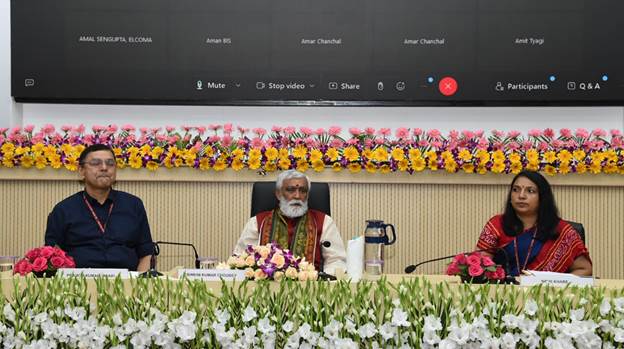
 Standards are the new patents and those who control standards, control markets, prices, processes, manufacturing and innovations, said Shri Piyush Goyal, Union Minister of Consumer Affairs, Food & Public Distribution, Textiles and Commerce & Industry, said in his message on World Standards Day celebration organized at Bureau of Indian Standards (BIS) headquarters here today.

The Union Minister said that under the leadership of Prime Minister, standards are considered as a key pillar of growth. He mentioned that Hon’ble Prime Minister gave the world the mantra of LIFE i.e ‘Lifestyle for Environment’. When a nation sets benchmark for standards, it’s a reflection upon its strong foundation and potential he added.

He said that BIS should become a benchmark for quality control, quality assessment and quality assurance.  He further said that BIS, as the National Standards Body should act as a facilitator for the industry by formulating Standards that support Zero defect, Zero effect and should emerge as a global player and pioneer in the field of standardization. He encouraged all concerned to pledge to make India a quality conscious nation and make Indian quality a matter of pride for every Indian.

He mentioned that the theme of the World Standards Day shares India’s vision for a better world with focus on standards and sustainable development, as the country is also striving to become a quality conscious nation with an emphasis on sustainability.

Shri Goyal said that with the mantra of quality and sustainability, India can create brand value for Indian products across the world. He opined that BIS must revise and add sustainability in the existing standards for the new standards they create as a part of National Action Plan.

He asked BIS to facilitate businesses and industries by ensuring safety, quality and cost competitiveness and liability of products. BIS should aim to be pioneer in the global world and beat out foreign and non-standard products, Shri Goyal added. In his message on further improvement in the functioning of BIS, the Minister said that BIS must look at the analysis and setup additional labs across the country and modernize the existing labs. He said that such mapping of labs has been done in past and he is confident that in next few months, BIS will ensure high quality modern labs for both the industry and consumers.

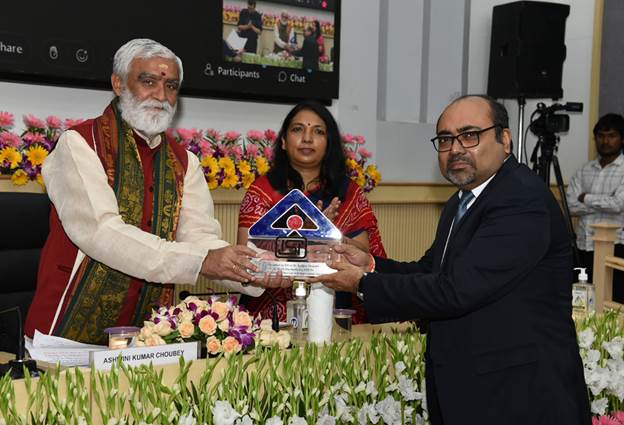
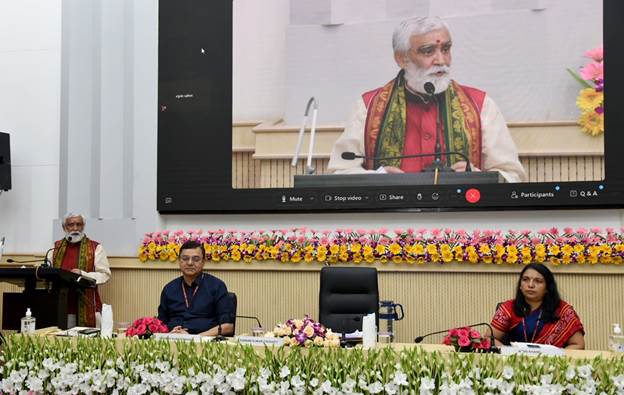
The inaugural function was presided over by Shri Ashwini Kumar Choubey, Hon’ble Minister of State, Ministry of Consumer Affairs, Food & Public Distribution & Environment, Forest & Climate Change wherein he appreciated  the efforts made by BIS to involve stakeholders from government, industry, standard developers, academia, consumer groups etc in framing the comprehensive strategy document on national standardization i.e. Standards National Action Plan (SNAP) 2022-27 which is an action plan identifying emerging areas of standardization that support Government’s initiatives in the fields of  Digital India, Smart Agriculture, Smart cities etc. He expressed hope that SNAP 2022-27 would have a forced multiplier effect on the national growth.

World Standards Day was celebrated in the Headquarters as well as in the 5 regional and 41 branch offices by organizing various activities such as Manak Manthan, Quality Walk and Quality Connect programmes, targeted to reach out to more than one lakh households with the message of quality consciousness. To commemorate the special occasion, BIS offices across the country were lit up in vibrant colours of the National Flag.

During the programme, insights on SNAP 2022-27 were shared by some eminent industry representatives. Further, representatives of eminent Educational Institutions such deliberated on the importance of standards in technical education. Technical Experts were also felicitated for their contribution in the field of standardization.

The theme for this year’s World Standards Day is ‘Shared Vision for a Better World’ with reference to the Sustainable Development Goals.  Technical sessions on Standards for Sustainable Communities were held in the afternoon wherein presentations were made by experts and eminent personalities on topics of Circular Economy, Recycling of Plastics and Bio-degradable Plastic, Green Mobility, AYUSH Systems for good Health and Well-Being, Sustainable Cities and Communities, Sustainable Agricultural Practices, Sustainable Cooling and Affordable and Clean Energy.

************
United Nations World Geospatial Information Congress (UNWGIC 2022)

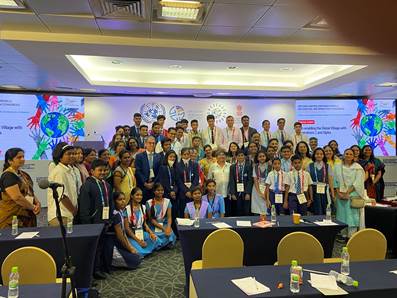
 Students from 18 schools across the country presented new ideas on how geospatial technologies can be embedded to address local challenges like protecting the heritage, soil fertility, crop diversity, clean city, water management, women empowerment, waste management, digital India, clean energy, climate change and so on to achieve sustainable development goals (SDGs).

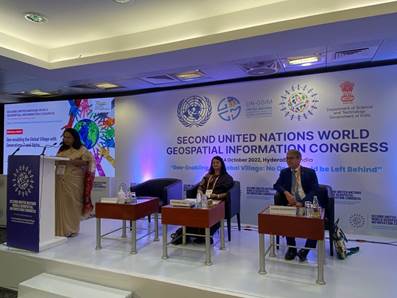
Teams from 18 urban and rural schools across India showcased the use of geospatial information and technology in understanding local issues and its use in planning and implementing at a special event titled ‘Geo-enabling the global village with Generation Z and Alpha’ of the Second United Nations World Geospatial Information Congress today (UNWGIC).

Efforts in mapping chemical fertilizer use in farms, as well as their production against organic fertilizer usage along with their production, were showcased. Students also highlighted initiatives of mapping rural biodiversity loss over time, as well as mapping of local recyclable products to source them effectively and increase their usage.

The young teams focused on SDGs of zero hunger, gender equality, decent work and economic growth, sustainable cities and communities, responsible consumption and production, climate action, and life on land. The event could show the way to localize the implementation of the SDGs through geospatial thinking.

In his address, Stefan Schweinfest, Director UN Statistics Division, said that SDGs is not just a document but it is a proper action plan to engage with each other, work together and bring solutions for a better world. “All the projects are truly incredible and great examples for localising the SDGs. Rather than competition, the purpose of this session is to interact with each other, make friends and discuss how to take the ideas forward in the future so that you can be a UN representative for SDGs,” he added.

 Dr. Subha Pandey, Scientist, Department of Science and Technology (DST), who chaired the session, elaborated on the DSTs activities and emphasized on geospatial technology use at school and community levels to localize SDGs.

The Second United Nations World Geospatial Information Congress (UNWGIC 2022) is being held at Hyderabad International Convention Centre (HICC), India, from 10 to 14 October 2022 with the theme ‘Geo-Enabling the Global Village: No one should be left behind. It has been convened by the United Nations Committee of Experts on Global Geospatial Information Management (UN-GGIM) and organized by the Department of Economic and Social Affairs of the United Nations and hosted by the Department of Science & Technology (DST) – Ministry of Science and Technology, Government of India.


SNC/RR

What is sustainable development?

With the advancements in technology and the rapid development of our
goals, our natural systems are unable to provide resources at scale and as a
result, our resources are depleting faster than they can be replenished. Finding
the right balance to ensure growth that is sustainable for years to come is the
basis of sustainable development. Some steps can be taken today that would have
a huge impact on society’s well-being and environment. Sustainable Development
is defined as the practice of setting goals and guidelines to use natural and
non-renewable resources responsibly and save energy to create new development
projects and maintain old projects.

Importance of sustainable development

1. Provides Essential Human Needs

People will have to compete for scarce resources including food,
shelter, and water due to the population growth. A long-lasting infrastructure
is nearly totally necessary for the adequate provision of these fundamental
needs.

2. Agricultural Requirement

Agriculture must keep up with an increasing population. It can be really
difficult to find solutions to feed more than 3 billion people. The focus of
sustainable development is on agricultural practices that increase yields while
preserving the health of the soil, which provides food for a big population,
such as efficient seeding methods and crop rotation.


3. Manage Climate Change


Sustainable development methods can
reduce climate change. The goal of sustainable development techniques is to
consume fewer fossil fuels, such as coal, natural gas, and oil. Fossil fuel
energy sources are unsustainable since they will run out in the future and
cause greenhouse gas emissions.


4. Financial Stability

Global economies can become more
financially sustainable by implementing sustainable development strategies.
Renewable energy sources can be used by developing nations without access to
fossil resources to power their economy.

5. Sustain Biodiversity

Overconsumption and unsustainable
development have a significant negative influence on biodiversity. The ecology
of life is set up so that species are dependent on one another to survive. For
example, plants create the oxygen that is necessary for human respiration.

Using organic farming methods and
renewable energy sources that don’t release greenhouse gases into the
atmosphere are encouraged by sustainable development techniques.


Goals of sustainable development


1. Eradication of poverty across the
world

These organizations typically target the poorest and least developed
nations in the world.

By extending social protection programs like school meals, cash
transfers, targeted food aid, etc., they want to abolish poverty on a global
scale.


2. The promotion of wellbeing and
health

At every stage of life, this sustainable development objective aims to
promote everyone’s health and well-being. The objective takes into account all
of the top health goals, including reproductive, maternal, and child health.

Additionally, it promotes better health financing, and more research and
development, and enhances each nation’s capacity for health risk management and
prevention.

3. Provision of Quality Education for
All

These organizations are aware that the number of children dropping out
of school is at an all-time high. Even as worldwide communities struggle to
assure quality and equity in the education sector, this gap must be overcome to
ensure sustainable future development.

4. Provision of Clean Water and
Sanitation

Regarding sustainable development, water and sanitation are at the top
of the list. They are essential for the planet’s and humanity’s survival. The
quality and sustainability of water resources around the world, as well as
issues with sanitation, hygiene, and drinking water, are all addressed in this
goal.

5. Building up Strong Infrastructure, Supporting
Inclusive and Sustainable Industrialization, and Incubating Innovation

Industrialization, infrastructure, and innovation are three components
of sustainable development that are considered in this objective.
Infrastructure is important because it provides the fundamental framework
required to facilitate the seamless operation of business and society as a
whole.

Industrialization promotes economic growth and creates employment
possibilities, which lowers poverty rates. Industrial sectors’ technological
capabilities are improved by innovation, which also sparks the growth of
innovative skills.

6. Making Affordable and Clean Energy
More Accessible


For most sustainable development objectives, energy is the most
important resource. Through improvements in industrialization, education, water
supply, health, and combating climate change, energy plays a crucial role in
reducing poverty.

The growth and expansion of renewable energy sources like solar, wind,
hydropower, liquid and solid biofuels, biogas, and geothermal are the main
objectives of this sustainable development aim.

These clean, renewable energy sources are best for the environment and
people’s health because they don’t release greenhouse gases into the
atmosphere.


Challenges faced in achieving
sustainable development


Two significant problems stand in the way of sustainable growth.

The first is that employing sustainable techniques and materials can be
costly in many development-related areas. Although sustainability does prove to
be less expensive in the long run than conventional development, developing a
sustainable project may be much more expensive in the beginning.

The lack of a universally acknowledged need for sustainable development
is the second significant problem. The solution to this problem in schooling
could take many years.

When projects are more expensive to start, contractors and investors
cannot see the value in them. It can be quite challenging to create a long-term
vision necessary to comprehend the significance of sustainability when the goal
is to make money in the near term.

To achieve this goal, new governmental rules and incentive
schemes have been implemented to make sustainable development a more alluring
choice for program and project managers.

SUSTAINABLE DEVELOPMENT

 Sustainable Development

Sustainable development means not having problems in the world for the future generation and it can help people leave in a peaceful environment. Sustainable Development Goals (SDG)s are also known as Global goals to protect the people and promote a better life. By 2030 they aimed to end poverty, get educated and have enjoyed and leave a happy and healthy life.

These 5 components of sustainable development. They are –

* Peace
* Planet

* Poverty

* Partnership

* Planet 

Sustainable development is important for us to conserve the sources and change how we use the resources. Every country should have all the basic unlimited resources for them to use if there is an emergency. They should have the resources like food, water, employment, energy and sanitation. We should make our surroundings clean and keep our environment green. This is our priority for keeping our planet green and safe.

What is the need for sustainability?

What does it Mean?

Sustainability is the ability to exist and develop without depleting natural resources for the future.

The United Nations defined sustainable development in the Brundtland Report as development that meets the needs of the present without compromising the ability of future generations to meet their own needs. It assumes that resources are finite, and so should be used conservatively and carefully to ensure that there is enough for future generations, without decreasing present quality of life. A sustainable society must be socially responsible, focussing on environmental protection and dynamic equilibrium in human and natural systems.

Why is Sustainability Important?

There are many benefits to sustainability, both short-term and long-term. We cannot maintain our Earth’s ecosystems or continue to function as we do if more sustainable choices are not made. If harmful processes are maintained with no change, it is likely that we will run out of fossil fuels, huge numbers of animal species will become extinct, and the atmosphere will be irreparably damaged. Clean air and nontoxic atmospheric conditions, growth of resources that can be relied upon, and water quality and cleanliness, are all benefits of sustainability.

What is Sustainability

What are the 3 Pillars of Sustainability?

The concept of sustainability is composed of three pillars: environmental, social and economic—also known informally as profits, planet, and people. These are in particular relevant to corporate sustainability, and efforts made by companies.

  1. Environmental protection is the most frequently discussed element. It is concerned with the reduction of carbon footprints, water usage, non-decomposable packaging, and wasteful processes as part of a supply chain. These processes can often be cost-effective, and financially useful as well as important for environmental sustainability.
  2. Social development is about treating employees fairly and ensuring responsible, ethical, and sustainable treatment of employees, stakeholders, and the community in which a business operates. This may be achieved through more responsive benefits, like better maternity and paternity benefits, flexible scheduling, and learning and development opportunities. For example, business should operate using sustainable labour, which involves fairly-paid, adult employees who can operate in a safe environment.
  3. Economic development is probably the simplest form of sustainability. To be economically sustainable, a business must be profitable and produce enough revenues to be continued into the future. The challenge with this form of sustainability is achieving an equilibrium. Rather than making money at any cost, companies should attempt to generate profit in accordance with other elements of sustainability.

Focussing on social and environmental sustainability in addition to economic performance is an approach frequently referred to as the Triple Bottom Line.

What are the Primary Goals?

Recently, the UN issued The Sustainable Development Goals as its main aims for the successful achievement of a better and more sustainable future. They address global challenges to sustainability. The 17 Goals include sustainable economic growth, no poverty, zero hunger, clean water and sanitation, affordable and clean energy, and responsible consumption and production, and it is hoped that they will be reached by 2030.

How can it be Measured?

Sustainability is measured by assessing performance of the three main principles altogether, in particular a balanced treatment of all three. These three key principles of the Triple Bottom Line do not provide a measurement system of themselves, but recent methods of measuring sustainability have attempted to measure sustainability through them. Though no official universal measurement of sustainability exists, many organisations are developing industry-specific tools and practices to judge how social, environmental and economic principles function as part of a company.

How Does Sustainability Affect Business?

The Triple Bottom Line approach to operating a company is useful for businesses in a number of ways. Not only is it ethical and important to meet UN standards of environmental sustainability, it is also economical and allows a stronger business model. Additionally, sustainability enables an organisation to attract employees, shareholders and customers who are invested in the goals of sustainability and share these values. The impact of sustainability can therefore be positive for a business’ image as well as revenue.

Can it be Achieved?

In 2018, the EU Commission released six key transformations to be made. If properly implemented, these steps will allow better sustainability to be achieved by the current goal of 2050.

  1. Sustainable development is a societal challenge, not simply an environmental one – improvements of education and healthcare are therefore required to achieve higher income and better environmental decisions
  2. Responsible consumption and production, and the importance of doing more with fewer resources, are important to adopt a circular economy and reduce demand
  3. Decarbonisation of the energy industry, through clean energy resources and renewable processes, will be necessary to provide clean and affordable energy for all
  4. There should be food and clean water for all while protecting the biosphere and the oceans, which will require efficient and sustainable food systems, achievable through the increasing of agricultural productivity and reduction of meat consumption
  5. Smart cities: Settlement patterns should be transformed for the good of the population and the environment, which may be done through ‘smart’ infrastructure and internet connectivity
  6. A digital revolution in science, technology, and innovation would be required to support sustainable development, as it is hoped that the world will use the development of Information Technology to facilitate sustainability

The Future

With the climate crisis, there is a current movement towards sustainability as a more appealing priority for businesses, as people begin to live more sustainable lives. It is likely that, in the future, positive impact on climate over the whole value chain, improved impact on the environment, people, and atmosphere, and productive input on society, will be expectations for businesses. Companies will be held accountable for all aspects of industry, and any environmental damage or harmful emissions should be limited or removed from productive processes.

It is also expected that resources will be reused to suit the global increase in population in what is commonly referred to as a ‘circular economy’. This change would allow one person’s waste to be another’s resource, in a process that would greatly reduce waste and create a more efficient supply chain.

Sustainable Development

 Substainable Development 

What is Substainable Development

Sustainable development can be defined as an approach to the economic development of a country without compromising with the quality of the environment for future generations. In the name of economic development, the price of environmental damage is paid in the form of land degradation, soil erosion, air and water pollution, deforestation, etc. This damage may surpass the advantages of having more quality output of goods and services.

Examples of Sustainable Development 

1. Wind energy

2. Solar energy

3. Crop rotation

4. Sustainable construction

5. Efficient water fixtures

6. Green space

7. Sustainable forestry

The concept of ‘needs’, in particular, the essential needs of the world’s poor, to which overriding priority should be given; and


Types of sustainable development 

The three types of sustainable development are:

1. Economic viability
2. Environmental protection
3. Social equity

1. Economic viability –

Economic sustainability refers to practices that support long-term economic growth without negatively impacting social, environmental, and cultural aspects of the community.

2. Environmental protection –

Environmental protection is aimed at maintaining (and recovering when necessary) a healthy natural environment. Sustainable development embraces environmental, social and economic objectives, to deliver long-term equitable growth which benefits current and future generations.

3. Social equity –

Social equity is the orphaned element of sustainable development. The President’s Council on Sustainable Development (1996) defined social equity as “equal opportunity, in a safe and healthy environment.” Social equity is the least defined and least understood element of the triad that is sustainable development yet is integral in creating sustainability—balancing economic, environmental, and social equity. 

Sustainable development goals

According to the UN, The Sustainable Development Goals (SDGs) are the world’s shared plan to end severe poverty, reduce inequality, and protect the planet by 2030.
1. Eliminate Poverty
2. Erase Hunger
3. Establish Good Health and Well-Being
4. Provide Quality Education
5. Enforce Gender Equality
6. Improve Clean Water and Sanitation
7. Grow Affordable and Clean Energy
8. Create Decent Work and Economic Growth
9. Increase Industry, Innovation, and Infrastructure
10. Reduce Inequality
11. Mobilize Sustainable Cities and Communities
12. Influence Responsible Consumption and Production
13. Organize Climate Action
14. Develop Life below Water
15. Advance Life on Land
16. Guarantee Peace, Justice, and Strong Institutions
17. Build Partnerships for the Goals

Objectives of sustainable development –

The four objectives of sustainable development are :

• Stable economic growth- The eradication of poverty and hunger to ensuring a healthy life.

• Conservation of natural resources – Achieve universal access to basic services such as water, sanitation, and sustainable energy.

• Social progress and equality – Reduce inequalities in the world, especially gender inequalities. Supporting the generation by the development of opportunities through inclusive education and decent work. Foster innovation and resilient infrastructures by creating communities and cities capable of producing and consuming sustainably.

• Environmental protection – Caring for the environment by combating climate change and protecting oceans and terrestrial ecosystems.


How to Achieve Sustainable Development Goals

1. SIGN THE W.A.S.H. PLEDGEImage Source: W.A.S.H Pledge
Businesses can be some of the biggest offenders in the wastage of water, so when they take the lead in water conservation, they can make a huge impact on awareness in their communities.
Support SDG 6 – Clean Water and Sanitation by committing your business to a WASH (water, sanitation, and hygiene) pledge to “[implement] access to safe water, sanitation, and hygiene at the workplace”. This will not only help keep your community clean but set a standard and expectation for others to follow – including your competitors!
And if you could, go one step further and ensure the same thing happens in a community in remote areas of the world too. Discover some of the water and sanitation projects here.
2. PROVIDE A HEALTHY WORKPLACE
Most people spend about one-third of their adult lives in a workplace environment.
It is essential to ensure that people have a workplace conducive to maintaining good health. Businesses are thus the key drivers for SDG 3 – Good Health and Well-being and SDG 8 – Decent Work and Economic Growth. Emphasize safe practices in the workplace through frequent training and refreshers. Implement health and fitness programs for your team. Also, consider carefully selecting your suppliers and other B2B partners based on how they regard the health of their own employees.
3. REVIEW YOUR SUPPLY CHAIN AND IMPLEMENT SUSTAINABLE PRACTICES
Businesses are often the endpoint in a long supply chain that begins with basic materials and supplies taken from the very land on which we live.
Review your supply chain from top to bottom to make sure that all of the stages uphold human and labor rights, promote and adopt sustainable environmental practices and work against corruption in all its forms. If you’re unsure how to start, check out this guide from the UN.
4. GIVE TO PROJECTS THAT SUPPORT THE SDGS
Expand the reach of your impact by giving to projects that support the SDGs. You can choose to give to multiple projects or focus on one – that’s entirely up to you. Some projects may support multiple SDGs at the same time.
If you don’t have time to consider different projects and do your own vetting, consider partnering up with a third-party organization that helps you do so.
5. INVEST IN RENEWABLE ENERGY
More and more people are packing into urban areas each year. The sustainability of cities is vital to the future of humanity, but they are eating up our consumable natural resources. Being big consumers of energy, businesses can help by taking the lead on SDG 11 – Sustainable Cities and Communities. Invest in renewable energy resources such as solar, wind, and biofuel. By joining initiatives such as the UN Global Compact, you can be one of the businesses to lead the charge toward a more sustainable future.
6. ENCOURAGE ‘REDUCE, REUSE, RECYCLE’
The usage of single-use plastic bags, plastic bottles, and other containers puts great pressure on our Earth.
Your business can support SDG 13 – Life on Land and SDG 14 – Life below Water by doing your part to reduce the amount of plastic waste produced by your business activities.
Do you have a business that provides plastic bags for customers?
Start switching to polypropylene bags (green reusable bags) if you have not already. Then, encourage your customers to reuse those bags. (Fun fact: these bags should be reused 35 times before being used as a bin liner or discarded to minimize their impact on the environment). You could even implement a reward system for customers who brought their own bags.
Another change you can adopt is to have a water fountain or cooler instead of a vending machine that distributes plastic drink bottles in office. Remember, every small change makes a huge impact in the long run.
7. SUPPORT EDUCATION OF THE FUTURE GENERATION – LOCALLY OR GLOBALLY
Education is the pathway out of poverty and the foundation for a better future. There is no dispute on that.
Sponsor local school scholarships or give to causes that build schools, supply books and train teachers in remote areas of the world. By helping remove some of the barriers to education, you’re not just enriching their individual lives and leveling the playing field – you’re also adding talent to the workforce. Who knows? You could be helping to educate a future employee!
8. THE $2 – A-DAY CHALLENGE
Could you survive on $2 a day?
It’s an interesting hypothetical for some, but a cold reality for too many others. Sometimes it takes putting ourselves in someone else’s shoes to catalyze our empathy and energize us to do good. In support of SDG 1 – No Poverty, try living on just $2 by having “$2 days”. Encourage your employees, partners, clients, even your friends and family to do the same. Can you give up the things that you love by living this way? What trade-offs do you have to make? Knowing that millions live on this much or less is an eye-opener and a potent motivator.
9. GIVE PAID VOLUNTEER DAYS
We can all agree that nobody should go hungry in such an affluent world, but our own communities are where we can actually do something about it.
SDG 2 – Zero Hunger shows us a pathway to change the world by feeding our needy neighbors. Businesses can make a big impact by providing paid days off for employees to volunteer in hunger-related activities. Soup kitchens, food banks, and home food delivery programs for the needy and elderly are always in need of eager volunteers. There’s typically a greater need during the holiday season.
10. REWARD RESPONSIBLE BEHAVIORS
“Employee of the Month” recognitions are typically reserved for workers with the most sales or best productivity – the ones bringing the most money for the company. But what if employees were recognized for moving the company toward better environmental practices?
To support SDG 12 – Responsible Consumption and Production, consider offering bonuses or award luncheons for your more environmentally conscious team members – especially those who move your business closer to more responsible practices.
11. TAKE IT TO THE NEXT LEVEL THROUGH PARTNERSHIPS WITH OTHER BUSINESSES
SDG 17 – Partnerships For The Goals encourages businesses to become part of partnerships for responsible action in pursuit of any and all of the global goals.
By combining their enthusiasm for certain goals, partnerships become greater than the sum of their parts. You don’t have to stop at implementing sustainable programs at your workplace. Participate in changemaker events like sustainability education programs or retreats that let you see the effects of change. Network with like-minded business leaders and see what more you can do!
12. CHOOSE TO GIVE TO CAUSES THAT YOU CARE ABOUT THE MOST
When it comes to giving, we always recommend starting with causes that are close to your heart, be it education, environment, health or human rights. In this case, simply start with the SDG that you feel most strongly about and give towards causes that support it.

Quality Education- Part of Sustainable Development Goal

Quality Education- Part of Sustainable Development Goal


Sustainable development goals are actions to create a just, fair, and equitable world ensuring no one is left behind. In 2015, all member states of the United Nations adopted the 2030 Agenda for Sustainable Development. This agenda is comprised of 17 sustainable development goals (SDGs) that provide a shared blueprint for a more peaceful, prosperous, and sustainable future for all.

Quality education

Ensure inclusive and equitable quality education and promote lifelong learning opportunities for all. Education is a key to escaping poverty. Over the past decade, major progress was made towards increasing access to education and school enrolment rates at all levels, particularly for girls.

More than half of all children and adolescents worldwide are not meeting minimum proficiency standards in reading and mathematics. In 2020, as the COVID-19 pandemic spread across the globe, a majority of countries announced the temporary closure of schools, which affect the education of children worldwide.

The covid-19 has created a great education crisis. Most education systems in the world have been affected by education disruptions and have faced unprecedented challenges. School closures brought on by the pandemic have a great effect on children’s learning and well-being. It is estimated that 147 million children missed more than half of their in-class instruction over the past two years. This generation of children could lose a combined total of $17 trillion in lifetime earnings at present value. School closures have affected girls, children from disadvantaged backgrounds, those living in rural areas, children with disabilities, and children from ethnic minorities more than their peers.

Early indications from low-income countries based on phone surveys point to a small decline in attendance upon a return to school but a larger increase in repetition, which may increase dropout rates in coming years. The participation rate in organized learning one year before the official primary entry age rose steadily in the years before the COVID-19 pandemic, from 69 percent in 2010 to 75 percent in 2020. In most countries, early education facilities and schools were partially or fully closed for more than a full school year.

Insufficient skills are often mentioned as an impediment to effective information and communications technology use. Only 10 percent of countries could more than 70 percent of individuals carry out one of the activities that compose basic skills.

Gender inequalities remain for many indicators. Basic school infrastructure is far from universal. In 2020, approximately one-quarter of primary schools globally did not have access to basic services such as electricity, drinking water, and basic sanitation facilities.

Shares among least developed countries tend to be substantially lower. During the pandemic, schools in comparatively disadvantaged areas were less equipped to keep children and staff safe. In 2020, there were about 12 million pre-primary school teachers, 33 million primary school teachers, and 38 million secondary school teachers working in classrooms around the world, and 83 percent of primary and secondary school teachers were trained.

Thus, this sustainable goal aims to improve the education facility worldwide and provide good quality education which can lead to removing poverty.

What are Sustainable Development Goals explain?

The Sustainable Development Goals (SDGs), also known as the Global Goals, were adopted by the United Nations in 2015 as a universal call to action to end poverty, protect the planet, and ensure that by 2030 all people enjoy peace and prosperity.

The 17 SDGs are integrated—they recognize that action in one area will affect outcomes in others, and that development must balance social, economic and environmental sustainability.

Countries have committed to prioritize progress for those who’re furthest behind. The SDGs are designed to end poverty, hunger, AIDS, and discrimination against women and girls.

The creativity, knowhow, technology and financial resources from all of society is necessary to achieve the SDGs in every context.

1

NO POVERTY

2

ZERO HUNGER

3

GOOD HEALTH AND WELL-BEING

4

QUALITY EDUCATION

5

GENDER EQUALITY

6

CLEAN WATER AND SANITATION

7

AFFORDABLE AND CLEAN ENERGY

8

DECENT WORK AND ECONOMIC GROWTH

9

INDUSTRY, INNOVATION AND INFRASTRUCTURE

10

REDUCED INEQUALITIES

11

SUSTAINABLE CITIES AND COMMUNITIES

12

RESPONSIBLE CONSUMPTION AND PRODUCTION

13

CLIMATE ACTION

14

LIFE BELOW WATER

15

LIFE ON LAND

16

PEACE, JUSTICE AND STRONG INSTITUTIONS

17

PARTNERSHIPS FOR THE GOALS

What is Vulnerability Analysis for Environment

Vulnerability assessments are used to ascertain the susceptibility of a natural or human system to sustaining damage (or benefiting) from climate change. Vulnerability is a function of exposure, sensitivity, and adaptive capacity. Vulnerability assessments differ from impact assessments in that they more fully consider adaptive management or policy responses that may lessen negative impacts (or enhance positive impacts) of climate change. Where vulnerability assessments are used to guide management or conservation actions, they are often most informative when they are “place-based” and designed to address a particular resource or system of interest. However, in the climate change literature, there are multiple definitions of vulnerability and there is no single universal assessment framework. The assessments included below focus on various exposure units, are applied at different spatial scales, and are relevant to different locations

Planning adaptation at the local level requires an understanding of the current and projected climate hazards as well as an understanding of the vulnerable sectors of the city. These two factors are combined in a risk and vulnerability assessment. There are a multitude of methods that can be applied to conduct risk and vulnerability assessments in urban areas. Knowledge about the different types of methods and their outputs is important for the selection of the most efficient and effective method to be applied in accordance with the capacities of the local authorities.

Climate change risks in a city or town should be characterised from the point of view of several aspects: the climate threat (projected climatic conditions); context of the geographic location (e.g. coastal area, mountain region, etc.); and affected sectors and systems (e.g. human health, infrastructure, transport, ports, energy, water, social well-being, etc.) including the impacts on the most vulnerable groups (e.g. the elderly, he homeless, those at risk of poverty, etc.).
Signatory cities to develop their Risk and Vulnerability Assessment (RVA). Under the Covenant of Mayors reporting framework, the Risk and Vulnerability Assessment incorporates data on climate hazards, vulnerable sectors, adaptive capacity and vulnerable population groups. In terms of climate hazards, signatory cities are requested to define the probability and impact of the most relevant hazards, their expected change in intensity and frequency, as well as timescales. This is done via a defined indication of the level of confidence. For each identified climate hazard, the vulnerable sectors and their vulnerability level is defined. Further, an assessment of the adaptive capacity at the sectoral level is defined, using positive adaptive capacity categories, such as access to services, governmental and institutional capacity, physical and environmental capacity, knowledge and innovation. It is also possible to assign indicators for the identified vulnerable sectors and adaptive capacity. 
Risk assessments focus primarily on the projected changes in climatic conditions, inventory of potentially impacted assets, the likelihood of the impact happening and the resulting consequences. Vulnerability assessments emphasise exposure, sensitivity and adaptive capacity of systems, assets and populations. Integrated risk and vulnerability assessments address both the vulnerability to and the impacts of climatic hazards.
The methods designed for risk and vulnerability assessments can be divided into top-down methods, which are usually based on quantitative data (e.g. census data, downscaled climate models) and use mapping; and bottom-up methods that often employ local knowledge to identify risks and are generally qualitative in nature.
Indicator-based vulnerability assessments use sets of pre-defined indicators that can be both quantitative and qualitative and can be assessed both through modelling or stakeholder consultation.
A quick risk screening method, which is based on existing knowledge, can be employed first-hand to have a clearer understanding of the needs for an in-depth assessment.
Regardless of the method applied, the assessment should, at minimum, take the following elements into consideration:Trends of various climate variables (e.g. average and extreme temperature, number of days with extreme heat, intensive rainfall events, snow cover), ideally based on a range of different climate scenarios;
Expected (direct and indirect) impacts (threats and opportunities) by identifying the most relevant hazards as well as the areas of the city that are at most risk given an overlay of the spatial distribution of the total population, vulnerable populations, economic activities and economic values;
Timescale, such as short, medium (e.g. 2050s) or long-term (e.g. end of century);
An indication on the level of confidence (e.g. high, medium, low) for such impacts, with a view of facilitating the decision-making process given the degree of uncertainty attached to the results.
Climate Change Vulnerability is defined by the IPCC as the susceptibility of a species, system or resource to the negative effects of climate change and other stressors, and includes three components: exposure, sensitivity, and adaptive capacity:Exposure is the amount and rate of change that a species or system experiences from the direct (e.g., temperature, precipitation changes) or indirect (e.g., habitat shifts due to changing vegetation composition) impacts of climate change;
Sensitivity refers to characteristics of a species or system that are dependent on specific environmental conditions, and the degree to which it will likely be affected by climate change (e.g., temperature or hydrological requirements); and
Adaptive capacity is the ability of a species to cope and persist under changing conditions through local or regional acclimation, dispersal or migration, adaptation (e.g., behavioral shifts), and/or evolution.
What are Climate Change Vulnerability Assessments?
Climate Change Vulnerability Assessments (CCVAs) are emerging tools that can be used as an initial step in the adaptation planning process. A CCVA focuses on species, habitats, or systems of interest, and helps identify the greatest risks to them from climate change impacts. A CCVA identifies factors that contribute to vulnerability, which can include both the direct and indirect effects of climate change, as well as non-climate stressors (e.g., land use change, habitat fragmentation, pollution, and invasive species?).
The process of completing a CCVA includes the synthesis of existing information about the target species or system, confidence levels in those data, and identification of knowledge gaps. A CCVA combines this background information with climate projections to identify the specific elements of exposure, sensitivity, and adaptive capacity that contribute to the overall vulnerability of the species or system.
Figure adapted from Glick et al. 2011
There is no standard method or framework to conduct a CCVA, and a variety of methods are being implemented at government, institutional, and organizational levels. Because of this, interpretation of CCVA results should carefully consider whether and how each of the three components of vulnerability (exposure, sensitivity, and adaptive capacity) were evaluated, if non-climate stressors were included in the assessment, how uncertainty is presented, the geographic location covered by the assessment, and whether the entire life cycle of a target species was evaluated, particularly for those that are migratory. Generally, the approach chosen should be based on the goals of practitioners, confidence in existing data and information, and the resources available (e.g., financial, personnel).
Some of the most common frameworks applied regionally are:NatureServe Climate Change Vulnerability Index (CCVI) – A quantitative assessment based on the traits of fish, wildlife, and habitats that might make them more vulnerable to climate change. The CCVI is suitable for assessing large numbers of species and comparing results across taxa. It is based in Microsoft Excel, relatively easy to use, and includes factors related to direct and indirect exposure, species-specific sensitivity, and documented or modeled responses to climate change.
Climate Change Response Framework (CCRF) – A collaborative, cross-boundary approach among scientists, managers, and landowners designed to assess the vulnerability of forested habitats. The assessment incorporates downscaled climate projections into tree species distribution models to determine future habitat suitability. Experts conduct a literature review to summarize the effects of climate change, as well as non-climate stressors, and consider all three components of vulnerability to come to a consensus on a vulnerability ranking and level of confidence.
Northeast Association of Fish and Wildlife Agencies (NEAFWA) Habitat Vulnerability Model – An approach created to consistently evaluate the vulnerability of all non-tidal habitats across thirteen Northeastern US states. This method is based on an expert-panel approach, and is made up of 4 sections, or modules, based in Microsoft Excel. The modules score vulnerability based on climate sensitivity factors (adaptive capacity is also partially addressed) and non-climate stressors to produce vulnerability rankings and confidence scores. Experts use these scores to construct descriptive paragraphs explaining the results for each species or habitat evaluated. These narratives help to ensure transparency, evaluate consistency, and clarify underlying assumptions. The National Park Service, the U.S. Forest Service, and several states have used this model successfully to assess habitat vulnerability.
Expert opinion workshops and surveys – These are often qualitative (or mixed qualitative/quantitative), and have been used by a number of states including a report on habitat vulnerability in Massachusetts. These assessments are usually developed independently, and are typically not based on a standardized framework. This allows greater flexibility for the institution conducting the CCVA; however, it is more difficult to make direct comparisons across assessment results since the specific factors evaluated may vary.
Outputs from the CCVAs outlined above compare the relative vulnerability among species or systems and identify major factors contributing to the vulnerability, confidence in the factors assessed, and remaining knowledge gaps. This information can inform adaptation strategies and actions by identifying the areas where additional monitoring and research is needed, and helping to prioritize management and policy decisions.
How are CCVAs presented in the Massachusetts Wildlife Climate Action Tool?
The CCVAs presented in this tool are drawn from assessments completed throughout the Northeast United States, as well as the Midwest and Mid-Atlantic regions. The NatureServe Climate Change Vulnerability Index was the most common method of assessing species vulnerability, though other methods were also included (see descriptions above). The Massachusetts Climate Action Tool presents a summary of CCVA results for individual species and forest habitats; in cases where more than one CCVA result is offered, studies come from various locations and may have used different assessment methodologies. Users should consult the original source for a complete understanding of how vulnerability was assessed and detailed results.
We present multiple Climate Change Vulnerability Assessment (CCVA) results because not all species were assessed specifically in Massachusetts. For example, an assessment may have included Massachusetts, but been regional in scope. Because species’ ranges and life histories extend beyond state boundaries, assessments conducted in other areas may provide a more comprehensive understanding of their vulnerability. We suggest starting with CCVAs that include Massachusetts (e.g., North Atlantic LCC, North Atlantic coast), and then comparing results from nearby states. We also suggest considering the life history and migration patterns of species to determine what factors might be most influential as the species moves in or out of Massachusetts. In some cases, CCVA rankings may vary for the same species because of unique factors within a given area, or because different methodologies were used in different studies. It is important to read the expert opinions supporting ranking to understand why a ranking differs from one state to another.
In the Massachusetts Climate Action Tool, the following information is presented for each species assessed:
Ranking: The vulnerability ranking categories refer to the predicted extent that the assessed species will be impacted by climate change. Because the ranking category names and definitions vary across reports, similar rankings have been grouped and are presented in a standardized format. See Table 1 (next page) to compare these with the original ranking categories and definitions used by the CCVAs cited in this tool.
Confidence: This category describes how confident the authors are in the vulnerability ranking assigned to each species in the assessment. Confidence scores refer to the amount and quality of the available background information on that species, and do not necessarily include the uncertainty associated with the projected climate data used for rankings.
Emission Scenarios: Emissions scenarios describe future releases of greenhouse gases, aerosols, and other pollutants into the atmosphere, and are based on expected changes in human populations and technology. See climate change page for more information on emission scenarios and climate models.
Time Period: Vulnerability for each species is considered for a specific time period. Many vulnerability assessments consider the current and future impacts that a species may experience through the years 2050, 2080, or 2100.
Location: This field refers to the geographic region considered in the vulnerability assessment. CCVAs can be conducted on local, regional, state, and national levels.
Simplified vulnerability ranking categories as presented in the Massachusetts Wildlife Climate Action Tool, cross-referenced with the original vulnerability ranking categories and definitions used in the assessment reports cited in this tool.
Additional Resources on CCVAs
Climate Registry for the Assessment of Vulnerability (CRAVe): The Climate Registry for the Assessment of Vulnerability (CRAVe) is a searchable, public registry on CCVAs. The purpose of CRAVe is to make information about ongoing and completed vulnerability assessments readily accessible. CRAVe is hosted in two locations: 1) USGS National Climate Change and Wildlife Science Center and 2) the EcoAdapt Climate Adaptation Knowledge Exchange. The assessments in CRAVe include studies on species and ecosystems, built environments and infrastructure, cultural resources, and socioeconomic systems. Users can access CRAVe to conduct searches across all vulnerability assessments to find the information necessary for decision making.
Vulnerability Assessment Trainings: The U.S. Fish and Wildlife Service’s National Conservation Training Center (NCTC) offers training courses to guide conservation and resource management practitioners in the theory, design, interpretation, and implementation of CCVAs. Participants also gain a perspective of how CCVAs fit into the broader context of adaptation planning. Courses follow the guidelines established in Scanning the Conservation Horizon – A Guide to Climate Change Vulnerability Assessment.
References
Adaptation Subcommittee to the Governor’s Steering Committee on Climate Change. 2010. The impacts of climate change on Connecticut agriculture, infrastructure, natural resources, and public health.
Brandt, L., et al. 2014. Central Hardwoods ecosystem vulnerability assessment and synthesis: a report from the Central Hardwoods Climate Change Response Framework project. Gen. Tech. Rep. NRS-124. U.S. Department of Agriculture, Forest Service, Northern Research Station, Newtown Square, PA.
Butler, P., et al. 2015. Central Appalachians forest ecosystem vulnerability assessment and synthesis: a report from the Central Appalachians Climate Change Response Framework. Gen. Tech. Rep. NRS-146. U.S. Department of Agriculture, Forest Service, Northern Research Station, Newtown Square, PA.
Byers, E., and S. Norris. 2011. Climate change vulnerability assessment of species of concern in West Virginia. West Virginia Division of Natural Resources, Elkins, West Virginia.
Cullen, E., E. Yerger, S. Stoleson, and T. Nuttle. 2013. Climate change impacts on Pennsylvania forest songbirds against the backdrop of gas development and historical deer browsing. Pennsylvania Department of Conversation and Natural Resources, Wild Resource Conservation Program (WRCP-010376), Harrisburg, PA.
Dawson, T. P., S. T. Jackson, J. I. House, I. C. Prentice, G. M. Mace. 2011. Beyond predictions: biodiversity conservation in a changing climate. Science 332: 664-664.
Furedi, M., B. Leppo, M. Kowalski, T. Davis, and B. Eichelberger. 2011. Identifying species in Pennsylvania potentially vulnerable to climate change. Pennsylvania Natural Heritage Program, Western Pennsylvania Conservancy, Pittsburgh, PA.
Galbraith H., DesRochers DW, Brown S, Reed JM (2014) Predicting vulnerabilities of North American shorebirds to climate change. PLoS ONE 9(9): e108899.
Glick P., B. A. Stein, and N. Edelson, editors. 2011. Scanning the conservation horizon: a guide to climate change vulnerability assessment. National Wildlife Federation, Washington, DC.
Handler, S., et al. 2014. Michigan forest ecosystem vulnerability assessment and synthesis: a report from the Northwoods Climate Change Response Framework. Gen. Tech. Rep. NRS-129. U.S. Department of Agriculture, Forest Service, Northern Research Station, Newtown Square, PA.
Handler, S., et al. 2014. Minnesota forest ecosystem vulnerability assessment and synthesis: a report from the Northwoods Climate Change Response Framework. Gen. Tech. Rep. NRS-133. U.S. Department of Agriculture, Forest Service, Northern Research Station, Newtown Square, PA.
Hoving, C.L., Y.M. Lee, P.J. Badra, and B.J. Klatt. 2013. Changing climate, changing wildlife: a vulnerability assessment of 400 Species of Greatest Conservation Need and game species in Michigan. Wildlife Division Report No. 3564. Michigan Department of Natural Resources, Lansing, MI.
Intergovernmental Panel on Climate Change (IPCC). 2007. Climate change 2007: impacts, adaptation, and vulnerability. Contribution of Working Group II to the Fourth Assessment Report of the Intergovernmental Panel on Climate Change. M. L. Parry, O. F. Canziani, J. P. Palutikof, P. J. van der Linden, and C. E. Hanson (eds.). Cambridge University Press, Cambridge, UK.
Intergovernmental Panel on Climate Change (IPCC). 2014. Climate change 2014: impacts, adaptation, and vulnerability. Part A: Global and sectoral aspects. Contribution of Working Group II to the Fifth Assessment Report of the Intergovernmental Panel on Climate Change Field, C. B., V. R. Barros, D. J. Dokken, K. J. Mach, M. D. Mastrandrea, T. E. Bilir, M. Chatterjee, K. L. Ebi, Y. O. Estrada, R. C. Genova, B. Girma, E. S. Kissel, A. N. Levy, S. MacCracken, P. R. Mastrandrea, and L. L. White (eds.). Cambridge University Press, Cambridge, UK.
Janowiak, M., et al. In preparation. New England forest ecosystem vulnerability assessment and synthesis: a report from the New England Climate Change Response Framework. U.S. Department of Agriculture, Forest Service, Northern Research Station.
Janowiak, M.K., et al. 2014. Forest ecosystem vulnerability assessment and synthesis for northern Wisconsin and western Upper Michigan: a report from the Northwoods Climate Change Response Framework. Gen. Tech. Rep. NRS-136. U.S. Department of Agriculture, Forest Service, Northern Research Station, Newtown Square, PA.
Manomet Center for Conservation Science (Manomet) and Massachusetts Division of Fisheries and Wildlife (MA DFW). 2010. Climate change and Massachusetts fish and wildlife: Volume 2 habitat and species vulnerability. Massachusetts Division of Fisheries and Wildlife, Westborough, MA.
Manomet Center for Conservation Science (Manomet) and National Wildlife Federation (NWF). 2013. The vulnerabilities of fish and wildlife habitats in the Northeast to climate change. Manomet Center for Conservation Sciences, Plymouth, MA.
Schlesinger, M.D., J.D. Corser, K.A. Perkins, and E.L. White. 2011. Vulnerability of at-risk species to climate change in New York. New York Natural Heritage Program, Albany, NY.
Small-Lorenz, S., L. A. Culp, T. B. Ryder, T. C. Will, and P. P. Marra. 2013. A blind spot in climate change vulnerability assessments. Nature Climate Change 3:91–93.
Sneddon, L. A., and G. Hammerson. 2014. Climate change vulnerability assessments of selected species in the North Atlantic LCC Region. NatureServe, Arlington, VA.
Tetratech, Inc. 2013. Vermont Agency of Natural Resources climate change adaptation framework. Vermont Agency of Natural Resources, Waterbury, VT.
Whitman, A., A. Cutko, P. DeMaynadier, S. Walker, B. Vickery, S. Stockwell, and R. Houston. 2013. Climate change and biodiversity in Maine: vulnerability of habitats and priority species. Report SEI-2013-03. Manomet Center for Conservation Sciences (in collaboration with Maine Beginning with Habitat Climate Change Working Group), Brunswick, ME.
Young, B. E., E. Byers, K. Gravuer, K. Hall, G. Hammerson, A. Redder, J. Cordeiro, and K. Szabo. 2011. Guidelines for using the NatureServe Climate Change Vulnerability Index, version 2.1. NatureServe, Arlington, VA.

SUSTAINABLE DEVELOPMENT

Sustainable Development has been the buzzword for a while now. People are constantly asking what it looks like and how to implement it. There have been many differing opinions on what sustainable development actually is, however some key principles remain:

  • The concept of sustainable development is about making sure that you live in a world where people are able to stay self-sufficient and thrive indefinitely.
  • Sustainable development does not need to take the form of major changes, but rather building upon what we already have.
  • A major component of any successful Sustainable Development project is social-justice based thinking.

The Principles of a Sustainable Development Project:

A sustainable development project is one that will allow you to reach the following principles:
-Managing resources efficiently.
-Responsible consumption.
-Treating others with respect and dignity.
These four principles are what make up an overall healthy and productive society. The management of resources, responsible consumption, and treating others with respect and dignity can be applied to almost anything we do; whether it is being environmentally conscious, being respectful of your parents, or being a good soccer player. The real issue here is that these principles go hand in hand. If we constantly abuse a resource and consume in a way that hurts the environment, we are not being respectful of the Earth. If we are being very selfish in our consumption, then we are not being respectful of our fellow human beings. Lastly, if we do not treat people with respect and dignity, then they will not be treated with respect and dignity by their neighbors.

These four principles allow us to have a healthy society. This can be seen clearly in the following quote by E. F. Schumacher: “The great first commandment is to love the Earth and that means loving it enough to take care of it for the sake of future generations”.

The way we approach development affects everyone. The decisions that we make also impacts the society, and has very real consequences for people’s lives. Poor planning of communities, for example, reduces the quality of life for the people who live in them.

Sustainable development provides an approach to making better decisions on the issues that affect all of our lives. By incorporating health plans into the planning of new communities, for instance, we can ensure that residents have easy access to healthcare and other facilities.

Sustainable development should provide a solution in terms of meeting basic human
needs, integrating environmental development and protection, achieving equality,
ensuring social self-determination and cultural diversity, and maintaining ecological
integrity. Although the concept of sustainable development has undergone certain
changes during the past, its fundamental principles and goals have contributed to a
more conscious behaviour adapted to the limitations of the environment. This is the
reason of adopting the concept in different areas of human activities. Numerous international organizations have been involved in implementation of the concept, while
it has found positive implementation locally, but it did not produce significant results
on a global scale. This fact proves environmental problems which, 30 years after the
introduction of the concept, are still ongoing. Contemporary understanding of the
concept of sustainable development is considered through the United Nations Millennium Development Goals focused on a complex global situation, such as population
growth, hunger and poverty, wars and political instability, and further degradation
of the environment. There is a huge gap between developed and underdeveloped country and many of the countries are not even close to sustainable development. Fundamental constraints of the implementation of the concept of sustainable development are the degree of socio-economic development that many countries have not yet achieved, associated with a lack of financial resources and technology, but also the diversity of political and economic goals on a global scale.

Source: https://www.unesco.org/en/education/sustainable-development

Organic Farming in India: The Future of Sustainable Agriculture

Organic Farming Produce

Introduction

The term ‘organic’ was first coined by Northbourne, in 1940, in his book entitled ‘Look to the Land’. In recent years, organic farming as a cultivation process is gaining increasing popularity . Organically grown foods have become one of the best choices for both consumers and farmers. Organically grown foods are part of go green lifestyle.

Farmers showing their Organic Harvest

Why Being Preferred These Days: The Importance of Organic Farming

Food quality and safety are two vital factors that have attained constant attention in common people. Growing environmental awareness and several food hazards (e.g. dioxins, bovine spongiform encephalopathy, and bacterial contamination) have substantially decreased the consumer’s trust towards food quality in the last decades. Intensive conventional farming can add contamination to the food chain. For these reasons, consumers are quested for safer and better foods that are produced through more ecologically and authentically by local systems. Organically grown food and food products are believed to meet these demands.

Organic Farming Processes

Organic Farming Process

Organic farming and food processing practices are wide-ranging and necessitate the development of socially, ecologically, and economically sustainable food production system. The International Federation of Organic Agriculture Movements (IFOAM) has suggested the basic four principles of organic farming, i.e. the principle of health, ecology, fairness, and care . The main principles and practices of organic food production are to inspire and enhance biological cycles in the farming system, keep and enhance deep-rooted soil fertility, reduce all types of pollution, evade the application of pesticides and synthetic fertilizers, conserve genetic diversity in food, consider the vast socio-ecological impact of food production, and produce high-quality food in sufficient quantity.

Principles of Organic Farming  

According to the National Organic Programme implemented by USDA Organic Food Production Act (OFPA, 1990), agriculture needs specific prerequisites for both crop cultivation and animal husbandry. To be acceptable as organic, crops should be cultivated in lands without any synthetic pesticides, chemical fertilizers, and herbicides for 3 years before harvesting with enough buffer zone to lower contamination from the adjacent farms. Genetically engineered products, sewage sludge, and ionizing radiation are strictly prohibited. Fertility and nutrient content of soil are managed primarily by farming practices, with crop rotation, and using cover crops that are boosted with animal and plant waste manures. Pests, diseases, and weeds are mainly controlled with the adaptation of physical and biological control systems without using herbicides and synthetic pesticides. Organic livestock should be reared devoid of scheduled application of growth hormones or antibiotics and they should be provided with enough access to the outdoor. Preventive health practices such as routine vaccination, vitamins and minerals supplementation are also needed.

Principles of Organic Farming

Types of Organic Farming

Organic Farming are of two types. Here are the two types of Organic Farming being performed in India.

(a) Pure Organic Farming – pure organic farming, there is avoiding every unnatural chemical. In the process of pure farming, fertilizer and pesticides obtain from natural sources. It is called a pure form of organic farming. Pure organic farming is the best for high productivity. 

(b) Integrated Organic Farming – Integrated organic farming consists of integrated nutrients management and integrated pest management.

Organic Farming in India

Organic farming is in a nascent stage in India. About 2.78 million hectare of farmland was under organic cultivation as of March 2020, according to the Union Ministry of Agriculture and Farmers’ Welfare. This is two per cent of the 140.1 million net sown area in the country. A few states have taken the lead in improving organic farming coverage, as a major part of this area is concentrated only in a handful of states. Madhya Pradesh tops the list with 0.76 million of area under organic cultivation — that is over 27 per cent of India’s total organic cultivation area. The top three states — Madhya Pradesh, Rajasthan and Maharashtra — account for about half the area under organic cultivation. The top 10 states account for about 80 per cent of the total area under organic cultivation. Sikkim is the only Indian state to have become fully organic so far. Even though India has very small organic area under cultivation, in terms of number of organic farmers it is being ranked first. India has over 1.9 million farmers as of March 2020, which is 1.3 per cent of 146 million agricultural landholders.

Advantages and Disadvantages of Organic Farming

Advantages of Organic Farming

Organic farming in India is very economical, it uses no expensive fertilizers, pesticides, HYV seeds for the plantation of crops. It has no expenses. 

With the use of cheaper and local inputs, a farmer can earn a good return on investment. This is one of the most important benefits of organic farming in India. 

There is a huge demand for organic products in India and worldwide and can earn more income through export.

Organic products are more nutritional, tasty, and good for health to chemical and fertilizer utilized products. 

Organic farming in India is very environment friendly, it does not use fertilizers and chemicals. 

Disadvantages of Organic Farming

Organic farming in India has fewer choices, and off-season crops are limited.

Organic agricultural products are low in the early years. Farmers find it difficult to accommodate mass production.

The main disadvantage of organic farming is the lack of marketing of the products and Inadequate infrastructure.

Organic Farming in India

Future of Organic Farming in India

India is an agriculture-based country with 67% of its population and 55% of manpower depending on farming and related activities. Agriculture fulfils the basic needs of India’s fastest-growing population accounted for 30% of total income. Organic farming has been found to be an indigenous practice of India that practised in countless rural and farming communities over the millennium. The arrival of modern techniques and increased burden of population led to a propensity towards conventional farming that involves the use of synthetic fertilizer, chemical pesticides, application of genetic modification techniques, etc.

Organic Farming leads to Sustainability and Holistic Growth

Even in developing countries like India, the demand for organically grown produce is more as people are more aware now about the safety and quality of food, and the organic process has a massive influence on soil health, which devoid of chemical pesticides. Organic cultivation has an immense prospect of income generation too. The soil in India is bestowed with various types of naturally available organic nutrient resources that aid in organic farming.

As per data collected from Government of India

Conclusion

India is a country with a concrete traditional farming system, ingenious farmers, extensive drylands, and nominal use of chemical fertilizers and pesticides. Moreover, adequate rainfall in north-east hilly regions of the country where few negligible chemicals are employed for a long period of time, come to fruition as naturally organic lands. Organic farming yields more nutritious and safe food. The popularity of organic food is growing dramatically as consumer seeks the organic foods that are thought to be healthier and safer. Thus, organic food perhaps ensures food safety from farm to plate. The organic farming process is more eco-friendly than conventional farming. Organic farming keeps soil healthy and maintains environment integrity thereby, promoting the health of consumers. Moreover, the organic produce market is now the fastest growing market all over the world including India. Organic agriculture promotes the health of consumers of a nation, the ecological health of a nation, and the economic growth of a nation by income generation holistically. India, at present, is the world’s largest organic producers and with this vision, we can conclude that encouraging organic farming in India can build a nutritionally, ecologically, and economically healthy nation in near future.

Khadi: The Sustainable Fashion of India

Khadi, India‘s own versatile clothing material for ages

Introduction

Khadi, also known as Khaddar ,which started as a symbol of the Swadeshi Movement led by Mahatma Gandhi 100 years ago, is now a fashion statement in India and is gradually getting popular across the globe. Not only as an affordable and comfortable fabric for daily-wears, but also Khadi is now being considered as a Style Statement for its sustainability and eco-friendliness.

Khadi production

Nature of The Khadi Material

Khadi is a textile fabric made by hand-spun and hand-woven cotton, silk, wool or a mixture of these fibres. It is a traditional way of textile manufacturing and is generally produced by rural artisans. The method of manual spinning and weaving makes the fabric structure somewhat rugged and imparts a unique appearance and makes it soft and comfortable to wear. The spinning is carried out on a traditional wooden frame called charkha, while the weaving is done on a handloom. The specific fabric construction helps in circulation of air within the threads and imparts unique property of keeping the wearer warm in winter as well as cool in summer.

Weaving of Khadi

History of Khadi : Role in India’s Freedom Movement

India has an ancient heritage of cloth making based on the availability of natural fibrous raw material such as -agricultural cotton owing to the clement climatic conditions and fertile land, varieties of silk from different sericulture and wool from domestically reared sheep. The textile coloration was carried out using abundantly available natural dyes, derived from various plant and animal extracts. Such flourishing textile base was one of the major attractions for the Western world. After mechanised industrialisation, the situation changed and the basic raw material was exported from India, converted into mill-processed finished cloth and the imported fabric was brought back. This led to the demolition of traditional textile manufacturing in India and eventually the art and craft of fabric making diminished.

During the initial phase of the freedom movement, national leaders like Dadabhai Naoroji and Lokmanya Tilak initiated the Swadeshi Movement to promote Indian-made products. However, it was Mahatma Gandhi who in 1918 brought the focus of India’s freedom struggle to khadi by promoting that as a Swadeshi symbol.

Under the leadership of Mahatma Gandhi, khadi-making regained momentum and became a symbol of revolution and resistance. It also provided employment to the vast rural population of India and achieved distinct identity as a common man’s cloth. As everybody could wear the same form of clothing without any distinctions of class, creed or religion, they could demonstrate solidarity in freedom struggle. Wearing khadi became a matter of national pride and united the population of India by surpassing the divisive system of the region, language, religion, caste, age and gender. It reflected our country’s legacy of sustainable living and self-reliance. The Indian national flag is also made from khadi material.

Khadi making with Charkha, during India‘s Freedom Movement

Government Initiatives After India’s Independence

The Khadi and Village Industries Commission (KVIC) is the Indian government body that promotes khadi, whose production and sale comes under the small scale industry sector. KVIC was created by a parliament act after which many KVIC outlets were opened across the country. These shops sell khadi fabrics and apparel. Every year between October to January, all Khadi Gramodyog Bhavans offer discounts on their products. KVIC also organises exhibitions and trade fairs in the country and abroad to promote khadi.

An estimated 15 lakh people are now engaged in producing over 12 crore metres of khadi. KVIC is taking further steps to enhance its production as the market demand for such products is much more than the supply. A new programme is expected to establish the ‘Khadi Mark’ and a logo to indicate the genuineness of the product. The financial support provided and the political will exerted by the present government and the special emphasis from Prime Minister Narendra Modi has helped boost employment in the manufacturing and promotion of khadi products. Leading film artists, sports personalities and fashion designers have come forward to promote this unique ‘Made in India’ fabric in the global arena.

Khadi used in sustainable fashion

Contribution of Khadi in World Fashion

Considering khadi‘s eco-friendly and natural origin, it has become a focal point of global fashion owing to growing consumer awareness and the consistent demand for sustainability. Fashion designers have acknowledged the aesthetic appeal and comfort attributes of khadi and experimented it in blending with many other stuff to synergistically enhance the fashion appeal and outlook of products. Khadi is now used in denims, jackets, shirts, dress material, stoles, home furnishings and apparel accessories like handbags. Khadi, once considered as the fabric for political leaders and the rural folk, has entered the wardrobe of the fashion-conscious urban population. Wearing khadi now symbolises affluence as it offers a distinguished look. The ecological aspect and ethnic looks of khadi have caught the fancy of global brands and leading fashion designers have started including khadi material in their collections.

Global acceptance of the Khadi in fashion

Conclusion

Incorporating Khadi in our daily life may also pave the way for a simple spiritual living exuded by our clothing and home décor items. Khadi being such a versatile fabric can be easily incorporated, by changing the warp and weft, in a home decor and clothing lines. This will make us come closer to nature and add a touch of earthiness in our lifestyle.

A Need for Safe and Inclusive Green Space

The concept of space is diverse and is used across different disciplines. However, the article focuses on the everyday meaning of space i.e., physical landscape occupied by animate and inanimate objects alike. With the ever-increasing population and limited land resources ultimately gives way to struggle for space or to find solutions to increase the space. The pursuit to increase space has led to shrinking of green spaces, destruction of habitats among many others. A very unsustainable solution had been adopted by the governments and people to incorporate the beings on the stagnant resource.

The coming up of new cities – new households have also roped in new modern-day problems degrading the quality of living the cities – making the lower income families susceptible to harsh effects of diseases and disasters. Keeping this in mind, UNESCO has come up with 17 Sustainable Development Goals (SDGs). One of the SDGs is Sustainable Cities and Communities (SDGs 11) which is further broken in many different parts. Safe and Inclusive Green Spaces is one of them – the subject of the article.

Why do we need ‘Safe’ and ‘Inclusive’ ‘Green Spaces’?  Let’s start with the need for green spaces. It has been estimated that by 2050, 68% of the global population will come to reside in urban areas. Asia and Africa will see the influx of people to urban areas more than ever. However, the quality of living can never be assured. Study suggests that nine million people die every year due to the direct effects of air pollution.

One of the major problems that the urban areas face is the frequent appearances of ‘urban heat island’. Urban Heat Island refers to trapping of heat in between the built-up areas. The presence of built-up areas in close proximity and lack of green spaces disable the proper air circulation – trapping of heat – increasing the temperature by many folds – leading to the severe cases of heat stroke during the summer peak. Studies have confirmed that green spaces can easily mitigate the harsh effect of urban heat island. Other than this, green spaces will allow proper infiltration of rainwater – preventing water logging. It also filters the harmful particles – increasing the longevity of life. Green Spaces is a step towards the creation of harsh climate resilience cities.

The ‘Safe’ and ‘Inclusive’ component of the same is quite self-explanatory and can be interpreted in different ways as well. The article interprets these component as non-discriminatory measures. The cities are not only becoming the hub of crime rates but also of the subtle ways of exclusivity. The Spaces need to be constructed in such a way that it looks approachable for all the genders across all the sections. It should not scare one away and accepts the other. The need for safe and inclusive green spaces is because of the issues that surrounds us – crime rates; the harboring of hate for certain section sections and most important for the sustainable way of living – without fear, with quality.

If we focus on India, urbanization in India has followed quite the same path as other developing countries or some of the developed ones – concentration of population in certain cities of the country. Though the country does not have any primate states, it has primate cities at the regional level such as Ahmedabad, Patna, Mumbai, Delhi. The growing concentration in only certain parts of the country has also led to environmental degradation. Moreover, the paucity of space has led to evolution of cramped houses and walls on the fringes of the cities. The cities are also severely affected by various natural disasters – heatwaves, floods among many other extremes. The frequent changing course of the river in Bihar has been its major cause of worry. The drowning of Mumbai due to few hours of heavy rain yet again points to our lack of sustainable of planning. The death of over 1334 people in Ahmedabad in 2010 due to heat waves should drag our attention to the harsh effect of environmental degradation.

The governments across countries are formulating plans to survive the changing climate – the need of the hour also calls for individual and community level participation. Individually, people can partake in activities such as terrace gardening – contributing to the making of green spaces. Community can come together for the building of green parks, for taking up the work of cleaning alongside each other. An important role can be played by youth – to spread awareness and to bring in practice against littering, against wastage, towards sustainability.  

Image Credit: Google