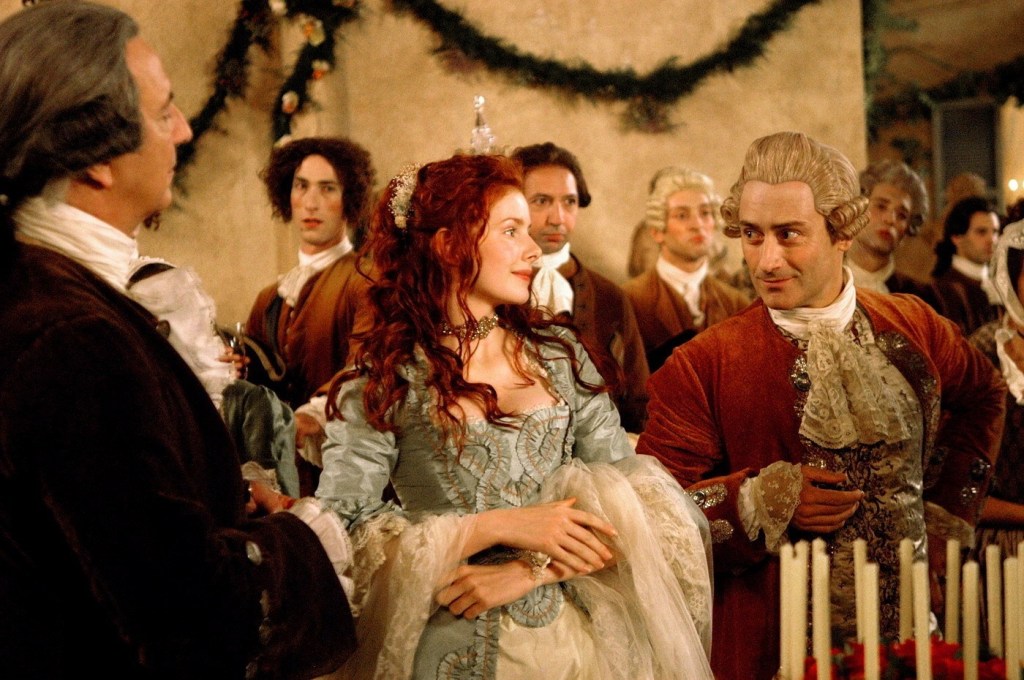
10 Animes to watch

The term anime is a Japanese colloquialism used as an abbreviation for the term “animation.” Generally in Japan, the word anime (written アニメ) is synonymous with animation of any kind from anywhere. Internationally, however, anime is typically referred to as animation that is produced from Japan. The distinction between anime and cartoons is more cultural than it is technical.

Anime itself dates back over a hundred years. The first confirmed example was produced in 1917 titled Namakura Gatana with a run time of only four minutes.

Here is a list of 10 animes you will enjoy watching

1. Death Note

Genres: ♟️ Psychological, 🔮 Supernatural, 🕵️ Mystery, 🤯 Thriller
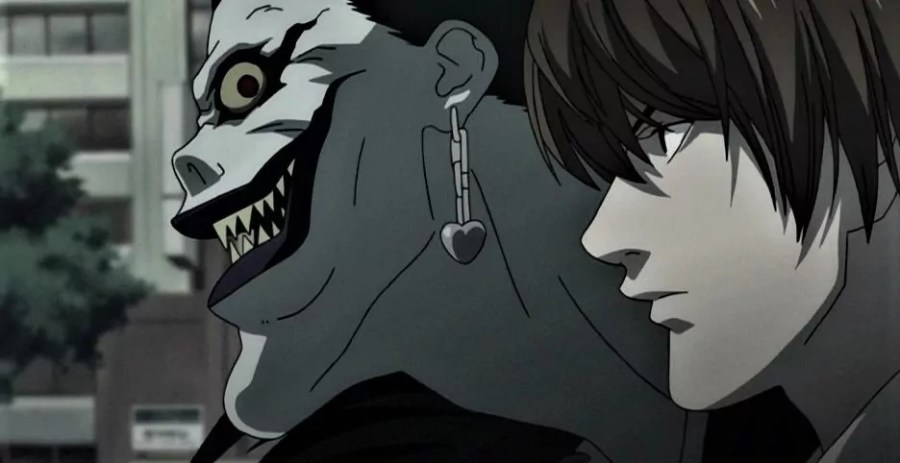
The story follows Light Yagami, a high school student who stumbles across a mysterious otherworldly notebook: the “Death Note”, which belonged to the Shinigami Ryuk, and grants its user the power to kill anyone whose name and face he knows. The series centers around Light’s subsequent attempts to use the Death Note to change the world into a utopian society without crime and the subsequent efforts of L, a reclusive international criminal profiler, to apprehend him and end his reign of terror.

2. Attack on Titan : Shingeki no Kyojin

Genres: 👊 Action, 🎭 Drama, 🧞 Fantasy, 🕵️ Mystery

Attack on Titan is set in a world where humanity lives inside cities surrounded by enormous Walls that protect them from Titans, gigantic humanoid creatures who devour humans seemingly without reason. The story centres around Eren Jaeger and his childhood friends Mikasa Ackermann and Armin Arlelt whose lives are changed forever after the appearance of a Colossal Titan, which brings about the destruction of their home town. Vowing revenge and to reclaim the world from the Titans, Eren, Mikasa, and Armin join the Scout Regiment, an elite group of soldiers who fight Titans outside the Walls.

3. My Hero Academia

Genres: 🐵 Animation, Action, 🌋 Adventure, 🤣 Comedy, ✨ Fantasy, 🤖 Sci-Fi

The story follows Izuku Midoriya, a boy born without superpowers in a world where they are the norm, but who still dreams of becoming a superhero himself. He is scouted by the world’s greatest hero, who shares his powers with Izuku after recognizing his value and later enrolls him in a high school for heroes in training.

4. Bleach

Genres: 👊 Action 👒 Adventure 🔮 Supernatural

High school student Kurosaki Ichigo is unlike any ordinary kid. Why? Because he can see ghosts. Ever since a young age, he’s been able to see spirits from the afterlife. Ichigo’s life completely changes one day when he and his two sisters are attacked by an evil, hungry and tormented spirit known as a Hollow.

5. Fullmetal Alchemist : Brotherhood

Genres: 👊 Action, 👒 Adventure, 🤣 Comedy, 🎭 Drama, 🧞 Fantasy

Abandoned by their father as kids, two young brothers, Edward and Alphonse Elric lived with their mother in a small town called Resembool. After losing their mother to a terminal illness, they try to resurrect her using alchemy – a science which allows you to transform physical matter from one form to another.

6. Demon Slayer

Genres: 👊 Action 👒 Adventure 🎭 Drama 🧞 Fantasy 🔮 Supernatural

Demon Slayer’s plot follows the epic saga of Tanjirou Kamado, a kind-hearted teen who, upon returning home one day, finds his entire family slaughtered by invading demons. Worst of all, he finds that his sister, Nezuko, has been turned into a bloodthirsty demon herself.

7. Tokyo Revengers

Genres: 👊 Action, 🎭 Drama, 💕 Romance,🔮 Supernatural

Hanagaki Takemichi lives an unsatisfying life right up until his death. Waking up 12 years in the past, he reckons with the eventual fate of his friends and tries to prevent an unfortunate future.

8. Odd Taxi

Genres: 🎭 Drama 🕵️ Mystery ♟️ Psychological
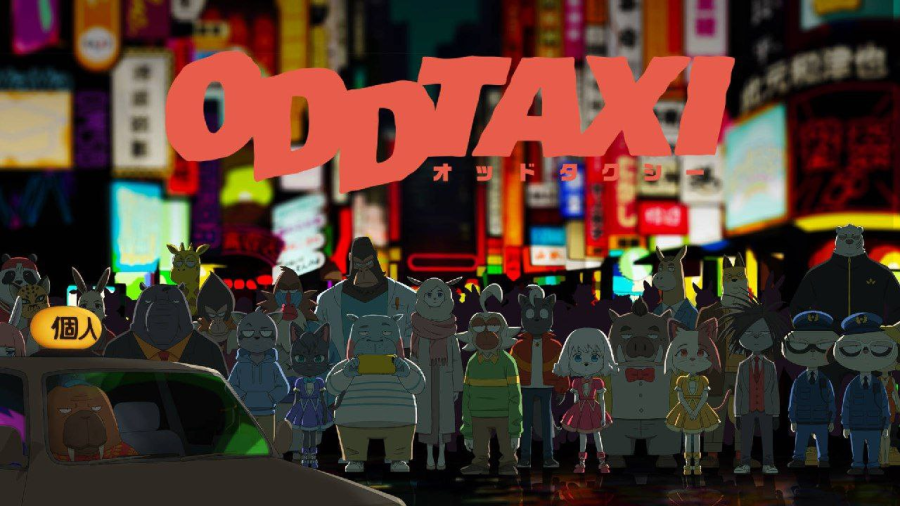
‌In a city which should be familiar, there is the feeling of something a little different. Kotokawa is a taxi driver who lives an ordinary life, taxing some quirky customers around. A slightly eccentric stranger who has no relatives nor any relations with other people, Kotokawa’s hobby is to listen to Rakugo on the radio before going to bed. For the time being, the only people he can consider as friends are his family doctor Gouriki, and his high school classmate Kakihana. Kabasawa, a college student who wants a buzz, Shirakawa, a nurse who’s hiding something, comedian group Homo Sapiens, who isn’t selling well, the city hoodlum Dobu, and the rookie idol group Mystery Kiss—the conversations with these people, which should not have meant much, lead to a girl who disappeared.

9. Haikyuu

Genres: 🤣 Comedy, 🎭 Drama, 🏀 Sport

Hinata Shouyou, a short middle school student, gained a sudden love of volleyball after watching a national championship match on TV. Determined to become like the championship’s star player, a short boy nicknamed “the small giant”, Shouyou joined his school’s volleyball club.

10. Jujutsu Kaisen

Genres: 👊 Action 🤣 Comedy 🎭 Drama 🔮 Supernatural

The story follows high school student Yuji Itadori as he joins a secret organization of Jujutsu Sorcerers in order to kill a powerful Curse named Ryomen Sukuna, of whom Yuji becomes the host.
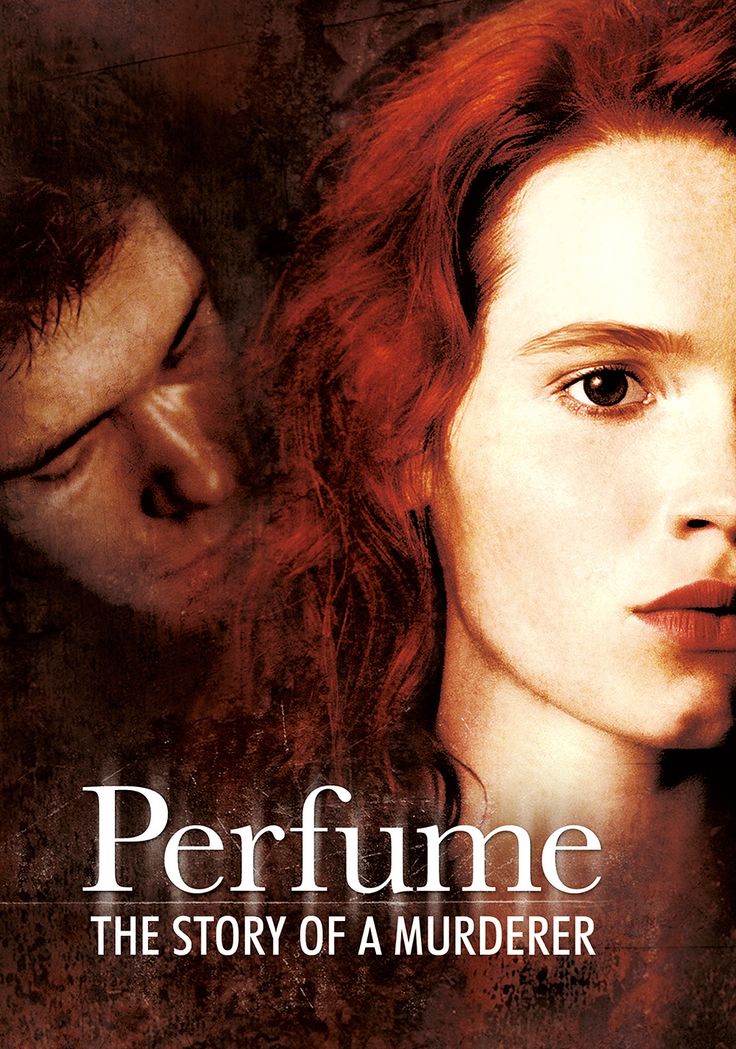
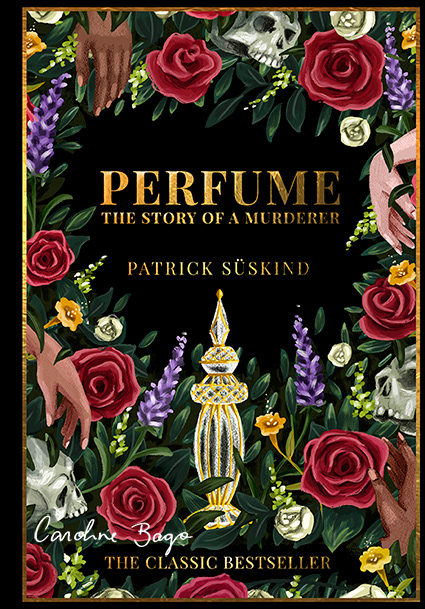
Perfume: The Story of A Murderer Book Review

Cover of Perfume: The Story of A Murderer (1985)

Introduction

 Perfume: The Story of a Murderer (German: Das Parfum: Die Geschichte eines Mörders ) is a 1985 literary historical  fantasy novel by German writer Patrick Süskind. The novel explores the sense of smell and its relationship with the emotional meanings that scents may have. An acclaimed bestseller and international sensation, Patrick Suskind‘s classic novel provokes a terrifying examination of what happens when one man’s indulgence in his greatest passion – his sense of smell – leads to murder. This novel was later adapted into a famous movie in 2006 with the same name, starring Ben Whishaw, Alan Rickman, Karolina Herfurth and others.

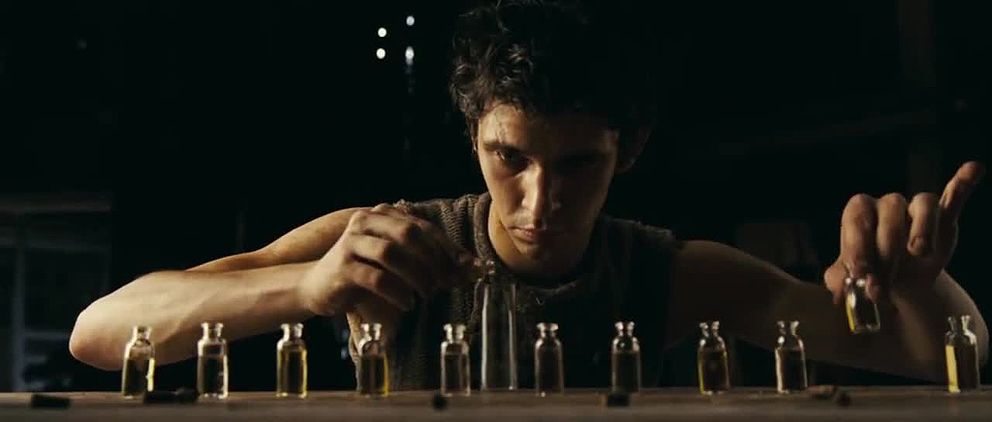
Ben Whishaw as Grenouille in Perfume: The Story of A Murderer (2006)

About The Author

Patrick Süskind ( born 26 March 1949) is a German writer and screenwriter, known best for his novel Perfume: The Story of a Murderer, first published in 1985. Süskind lives as a recluse in Munich, in Seeheim , and in France at Montolieu. After spending the 1970s writing what he has characterized as “short unpublished prose pieces and longer un-produced screenplays”, Patrick Süskind was catapulted to fame in the 1980s by the monodrama Der Kontrabass [The Double Bass, 1981:], which became an instant success and a favourite of the German stage. In 1985 his status as literary wunderkind was confirmed with the publication of the novel Das Parfüm. Die Geschichte eines Mörders [Perfume. The Story of a Murderer], which quickly topped the European best-seller list and eventually sold millions of copies worldwide.The public knows little about him; he has withdrawn from literary society and does not grant interviews or allow himself to be photographed.

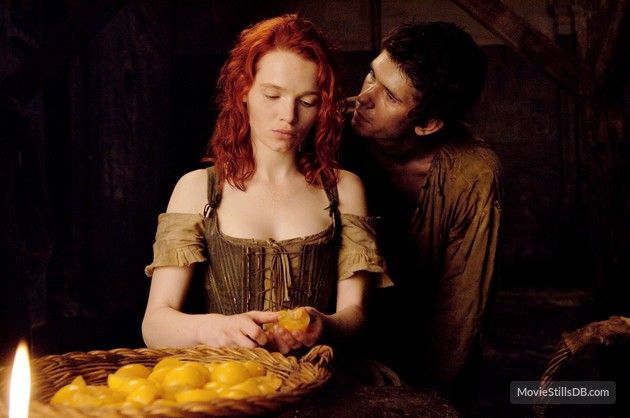
Ben Whishaw as Grenouille and Karolina Herfurth as Girl with Plums in Perfume: The Story of A Murderer (2006)

Storyline of The Novel

The novel is set in Paris in the 1700’s and follows the life of a man named Jean-Baptiste Grenouille who is born with an incredibly strong sense of smell. His nose is so keen that he is able to smell people coming, can locate lost items simply by their scent, and can catalogue smells in his mind. Whilst his sense of smell may be keen, his heart is empty and he seems to be completely unrestrained by everyday emotions. As a young lad, Grenouille encounters the irresistible smell of a young girl entering puberty. He promptly murders her and sniffs every inch of her body to catalogue the unique scent. Believing it is his destiny to bottle such a scent, Grenouille decides to pursue a career as a master perfumer, he works as an apprentice where his unique skills quickly make him the best perfumers in France. The story then follows Grenouille as he becomes a famed perfumer and experiments in scents that allow him to either go unnoticed or incite various emotions among those who smell it. His obsession with scents goes on to reaches a head with extreme consequences for all.

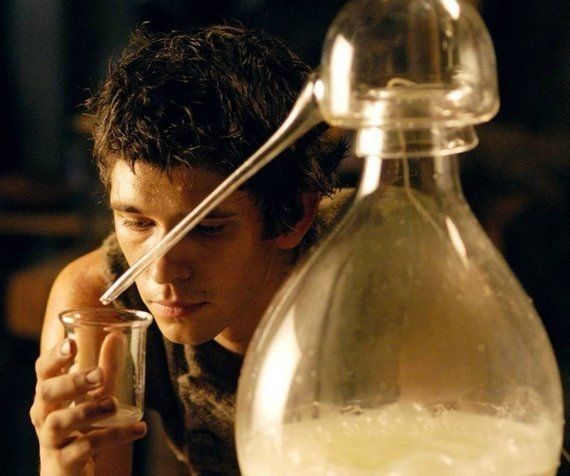
Ben Whishaw as Grenouille in Perfume: The Story of A Murderer (2006)

Analysis of The Storyline

A book about the sense of smell could have been a dull affair, were it not for the excellent way it is written by Suskind. His use of language is beautiful and his descriptions make even some with a dull nose like mine feel like they can smell the essences on the page. It’s not hard to see why this book has become such a modern classic given how excellent Suskind’s prose is. I challenge anyone not to read this and not then start using their nose a little more.

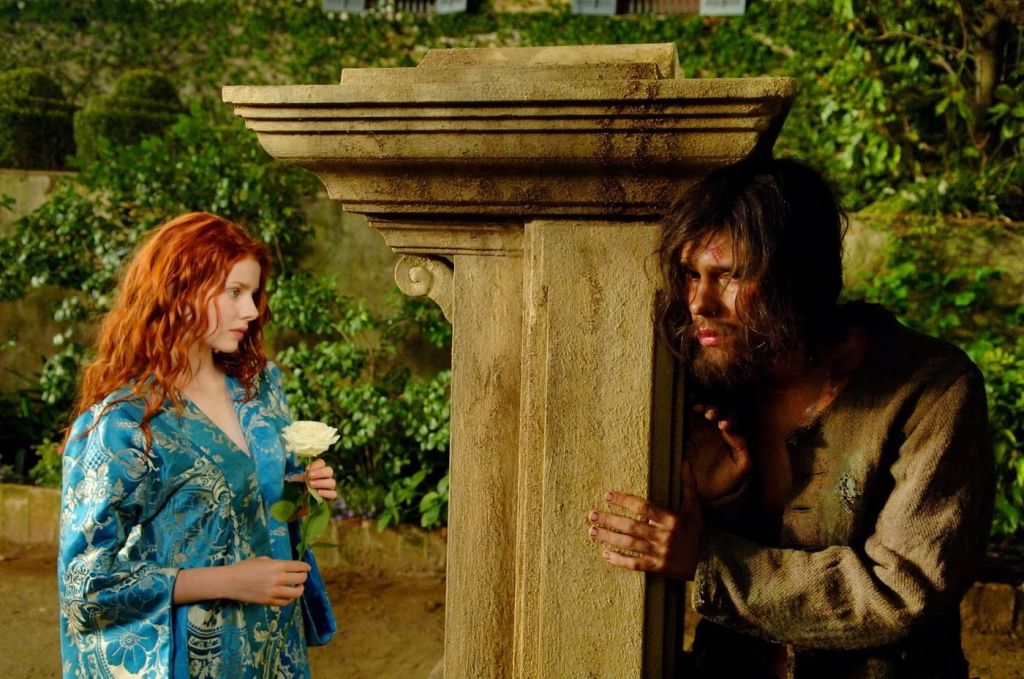
Scene from Perfume:The Story of A Murderer (2006)

The character of Grenouille is both fascinating, sympathetic, and yet also repulsive. In early life he is beat down at every corner and one can’t help but root for the character as he tries to rise above his terrible beginnings. As he becomes more in control of his life, Grenouille quickly becomes insidious and deceptive and there’s something very creepy in the way he is described as living like a tick. Grenouille does indeed live like a parasite, taking whatever he needs from people. As he becomes more unstable, eventually resorting to killing a young virgin, Grenouille turns into a monster, but a compelling one nonetheless. Like Humbert Humbert from Lolita, he’s a character you feel bad for sympathising with, though Grenouille may be a little more redeemable.

Scene from Perfume: The Story of A Murderer (2006)

Criticism of The Storyline

this is in every sense an olfactory novel gives a striking sensory immediacy to the fiction itself. ”Perfume” is a historical novel but one in which the sheer physicality of its theme lends it an honorary present tense. And if Grenouille is the hero of the novel, his obsessions are also its informing presence. Just as he has difficulty with words ”designating non-smelling objects, with abstract ideas and the like,” so the novel itself creates an elemental world in which such abstract matters are only of token significance. The nose is defined here by a priest as ”the primitive organ of smell, the basest of the senses,” with its powers springing from ”the darkest days of paganism”; but it flourishes in Grenouille, even in an age of ”enlightenment,” and the unspoken message of ”Perfume” is that it flourishes still. The point about genuine historical fiction is that it is primarily concerned with the contemporary world. This is not a historical romance, full of ”Prithees!” and strange objects known as poniards, but a meditation on the nature of death, desire and decay.

Scene from Perfume: The Story of A Murderer (2006)

Conclusion

The story of perfume made us really re-evaluate the importance of scents and how certain smells can influence us on a subconscious level. It makes one wonder how much of our everyday lives are dictated by scents without us even realising it. Throughout the book, you get the feeling pressure is mounting and it ends in a finale that sees an orgy of scents come together in one hell of an ending that isn’t likely to leave you any time soon.

Analyzing Alfred Hitchcock: The Psychological Genius Mind

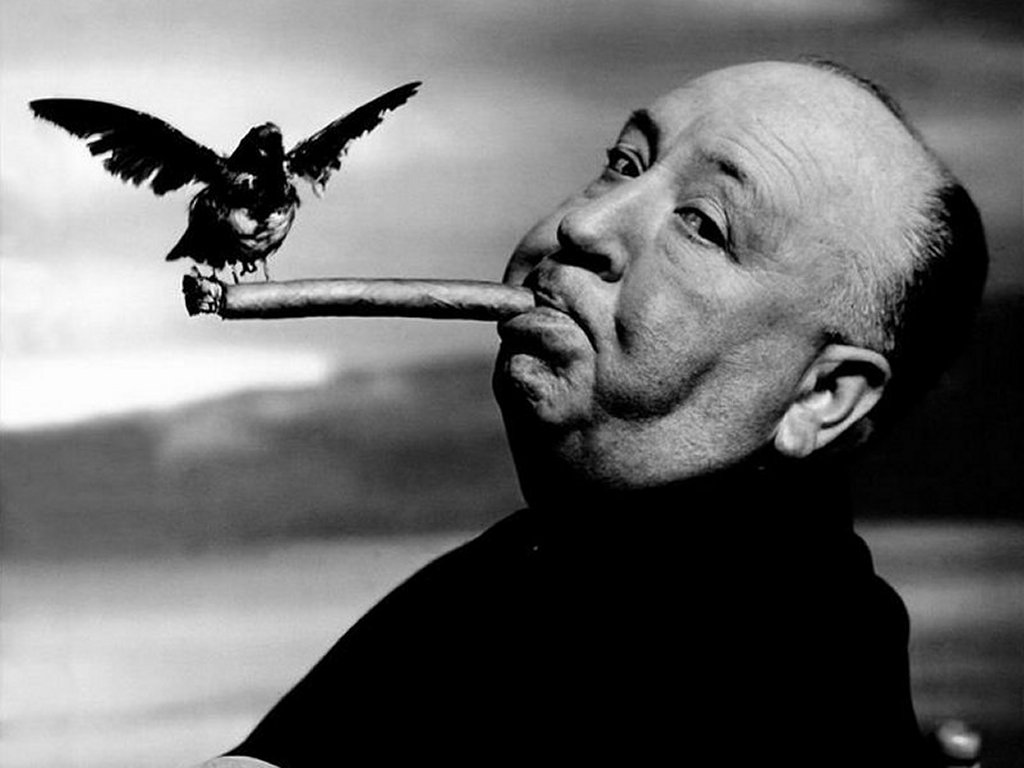
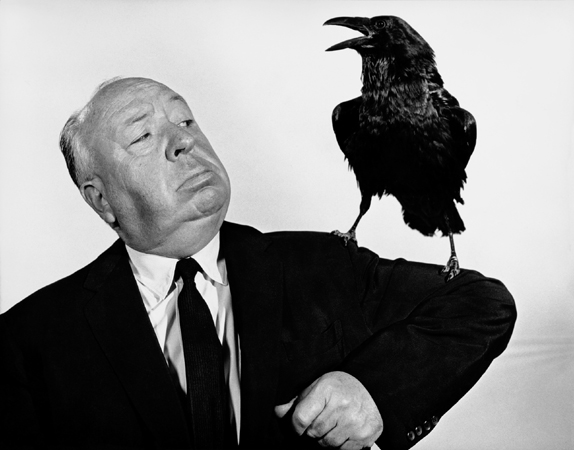
Sir Alfred Hitchcock

Introduction

The movies of Alfred Hitchcock, seem to have a permanent place in both American and Global Cinematic history. He is a common topic to turn when discussing auteur directors, film history,  suspense and psychoanalysis. His visual style is very distinct, the close-ups, subjective camerawork, unusual camera angles and the list goes on. Today, in this article, we intend to analysis the visual choices of Hitchcock’s most well known works including Vertigo, Rear Window and Psycho.

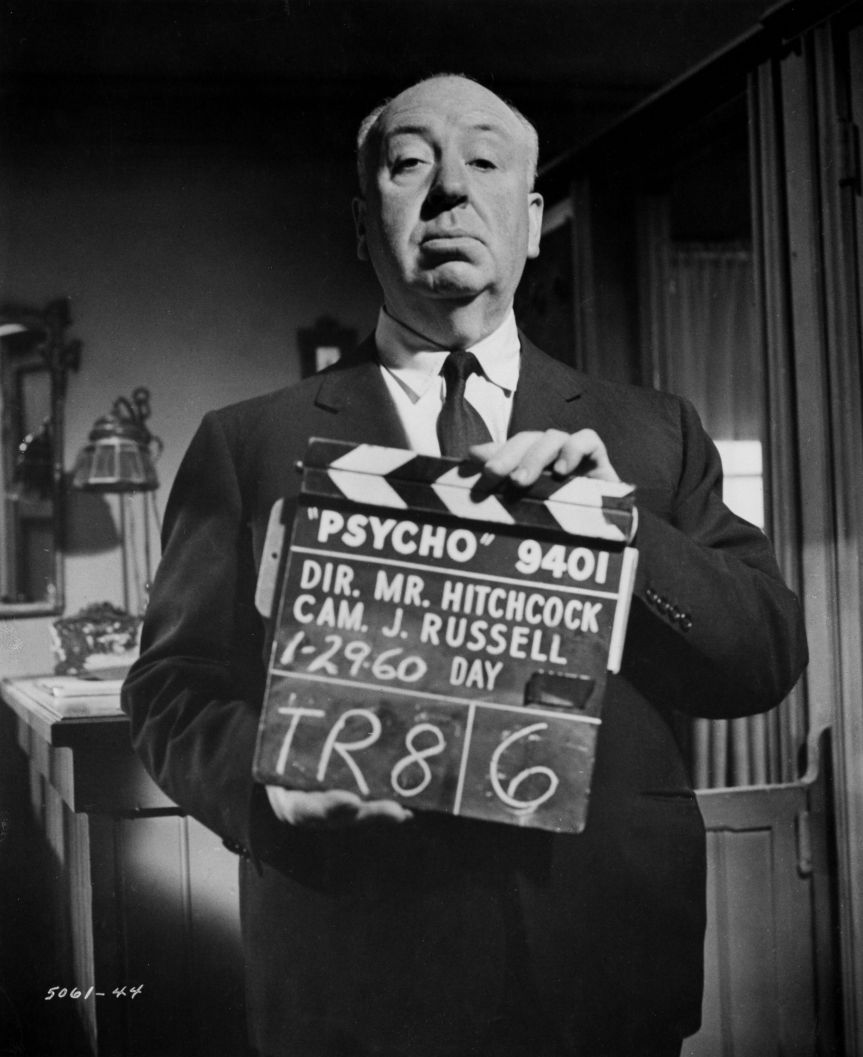
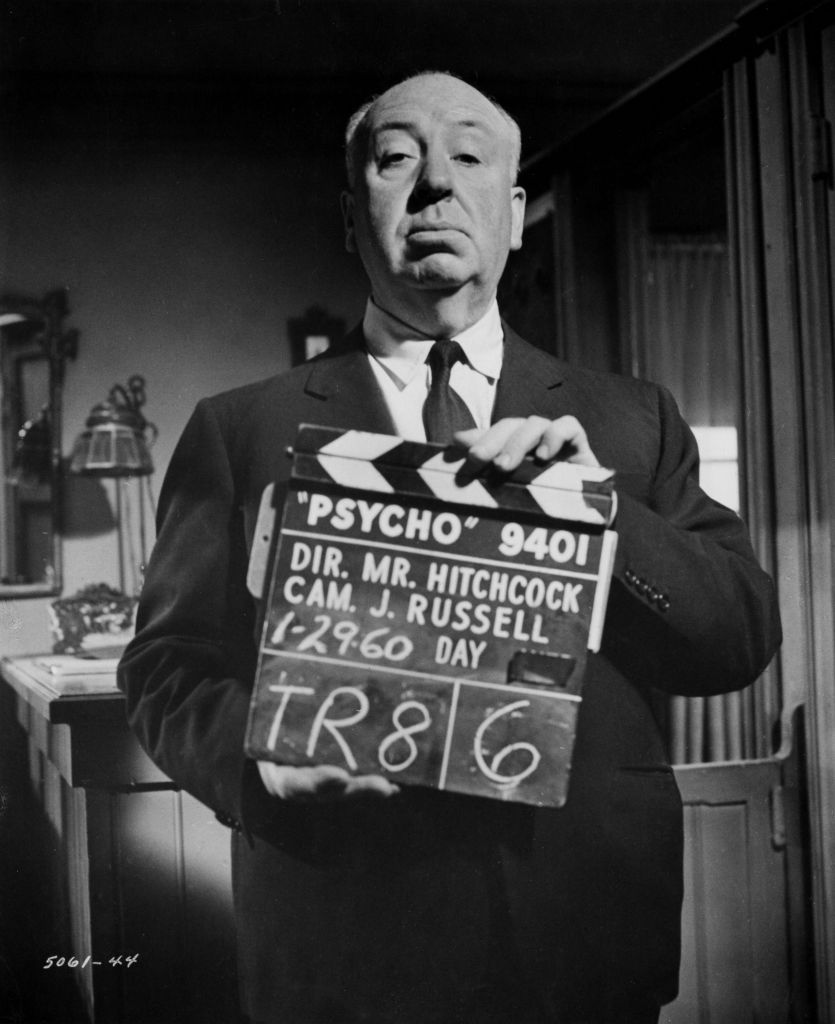
Sir Hitchcock before the shooting for Psycho (1960)

About Alfred Hitchcock

Sir Alfred Joseph Hitchcock  (13 August 1899 – 29 April 1980) was an English filmmaker who was one of the most influential figures in the history of cinema. In a career spanning six decades, he directed over 50 feature films, many of which are still widely watched and studied today. Known as the “Master of Suspense“, he became as well known as any of his actors thanks to his many interviews, his cameo roles  in most of his films, and his hosting and producing the television anthology Alfred Hitchcock Presents  (1955–65). His films garnered 46 Academy Awards nominations, including six wins, although he never won the award for Best Director despite five nominations.

Sir Hitchcock

Techniques and Methodology of Hitchcock’s Works

Alfred Hitchcock’s attention to detail in his films is one of the many things that makes him one of the most recognized film auteurs of all time. He was very particular what about he wanted seen on screen and how he wanted to get those shots. From camera movements to the things found in the mise-en-scène, Hitchcock was very precise about every little thing that is seen in his on screen worlds. He would strategically place objects throughout the mise-en-scène and have characters wear certain clothing. By doing this, Hitchcock is able to let the audience know things about the characters and the plot without it having to be said on camera. Hitchcock once said that “If it’s a good movie, the sound could go off and the audience would still have a perfectly clear idea of what was going on” . To Hitchcock, the conversations in his films were not important.  Visuals were of the utmost importance.  He loved point of view shots, which showed a shot of the actor and then cut to a shot of what the actor was looking at in order to convey what the actor is looking at; pretty much, the Kuleshov effect.

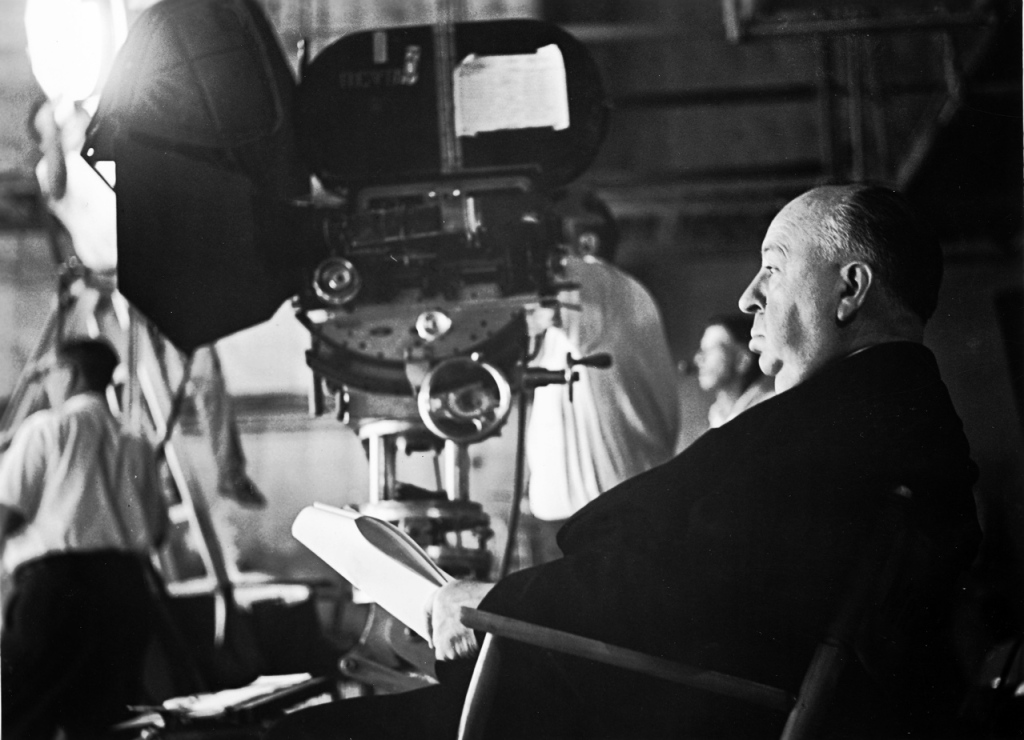
Sir Alfred Hitchcock on the set of one of his movies

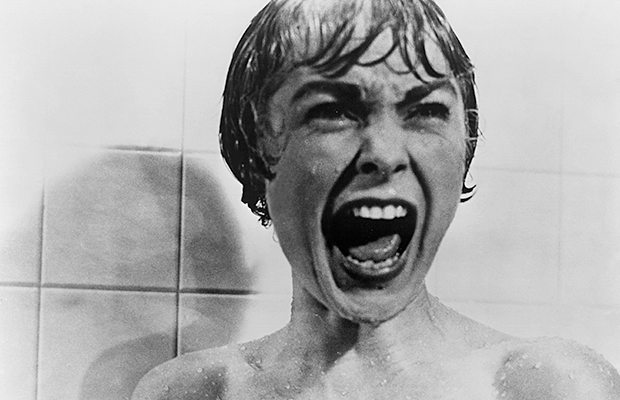
The soundtrack was extremely important to Alfred Hitchcock, as he managed to sync the music with the actions of the scenes.  His most famous scene would be the shower scene in Psycho, where the orchestra is perfectly correlated with the murder.  In his famous film, Hitchcock also incorporated the use of shot/reverse shot, a standard shot pattern that directors use to film conversations between two characters. In general, the actors avoid speaking directly to the viewer, because doing so acknowledges the audience’s presence and destroys the illusion of a naturally unfolding story. From panning shots, to tracking shots Alfred Hitchcock used his techniques in filming and editing in order to create great products that continue to intrigue audiences to this day.

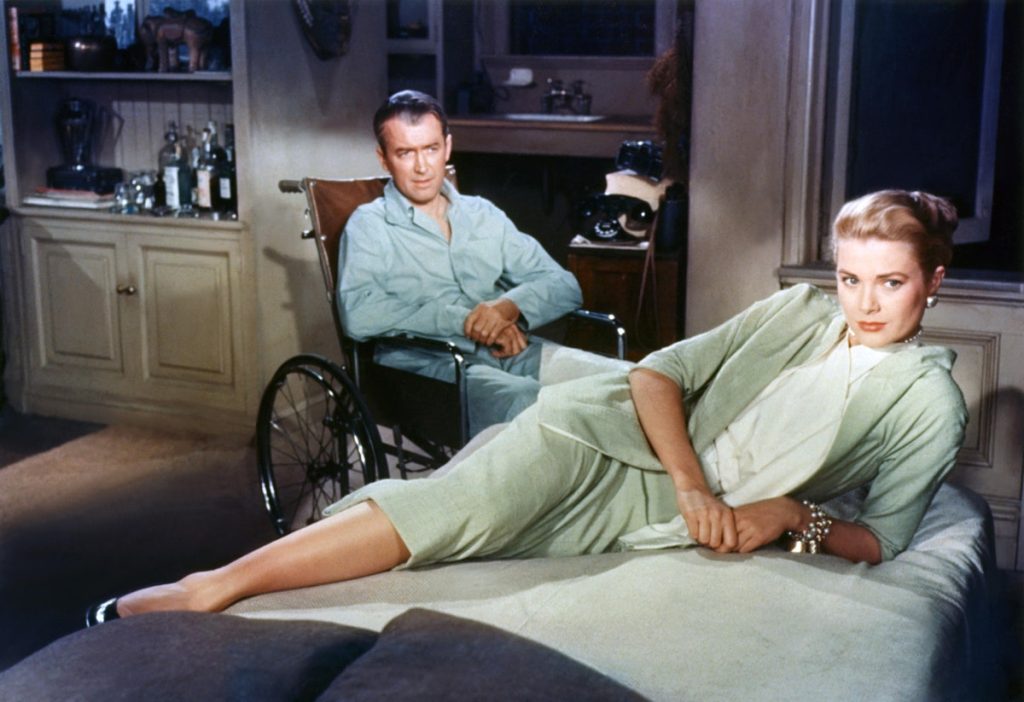
James Stewart as Jeff and Grace Kelly as Lisa Carol in Hitchcock’s Rear Window (1954) movie

Analysis of The Film “Rear Window” (1954)

The cinematography of Rear Window mainly focuses on the use of lighting and shadows. With the darkness and mystery of the film, Alfred Hitchcock was able to use his lighting to his best advantage. The light always is picking up on important symbols or messages in the scene. Such as the scene when the salesman finally comes into Jeff‘s room, the light only picks up on Jeff’s most valuable senses; his hands and eyes. Along with the lighting, the interesting angles are very common.  Not only did it create suspense, it creates confusion and the viewer wants to see more. Mise en Scene was very important in this film, as all of the scenes happened in the same group of apartments. In the city of New York, everything is very tight because of the huge population. The use of the differently decorated rooms also created personality and character for the roles who didn’t even speak

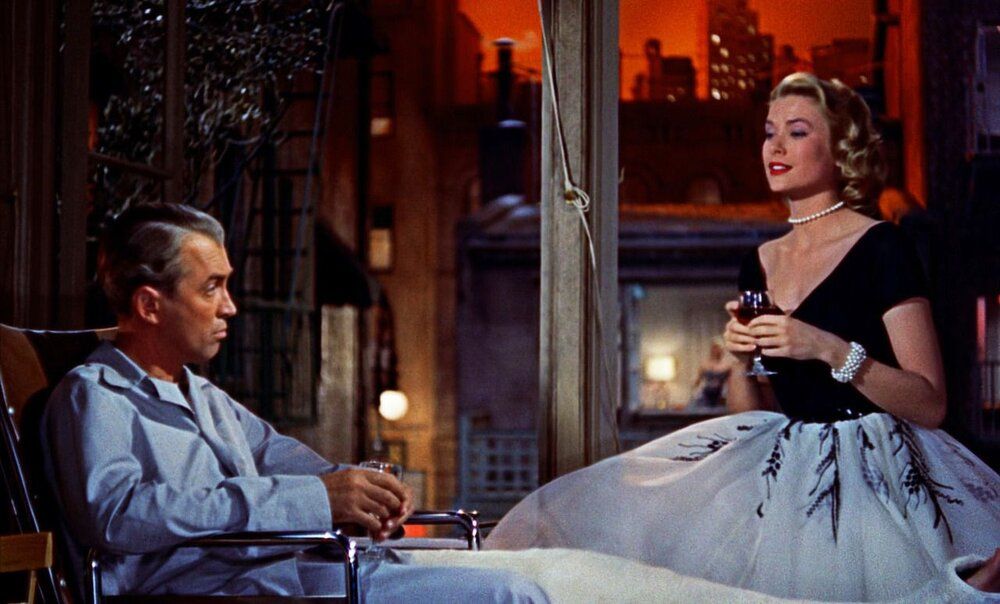
Scene from Hitchcock’s Rear Window (1954) movie

Although sound and music weren’t always in the film, it was there when it needed to be. The traffic and sounds of the city were placed delicately to remind the viewer of the area. The mix of piano from the songwriter in one apartment, from the screeching violins during nail-biting moments, created emotions for the viewer. Editing was evident everywhere, especially during a fight scene, or used very consciously during high suspense. The fades were apparent from day to day, which helped the viewer better understand the passage of time.

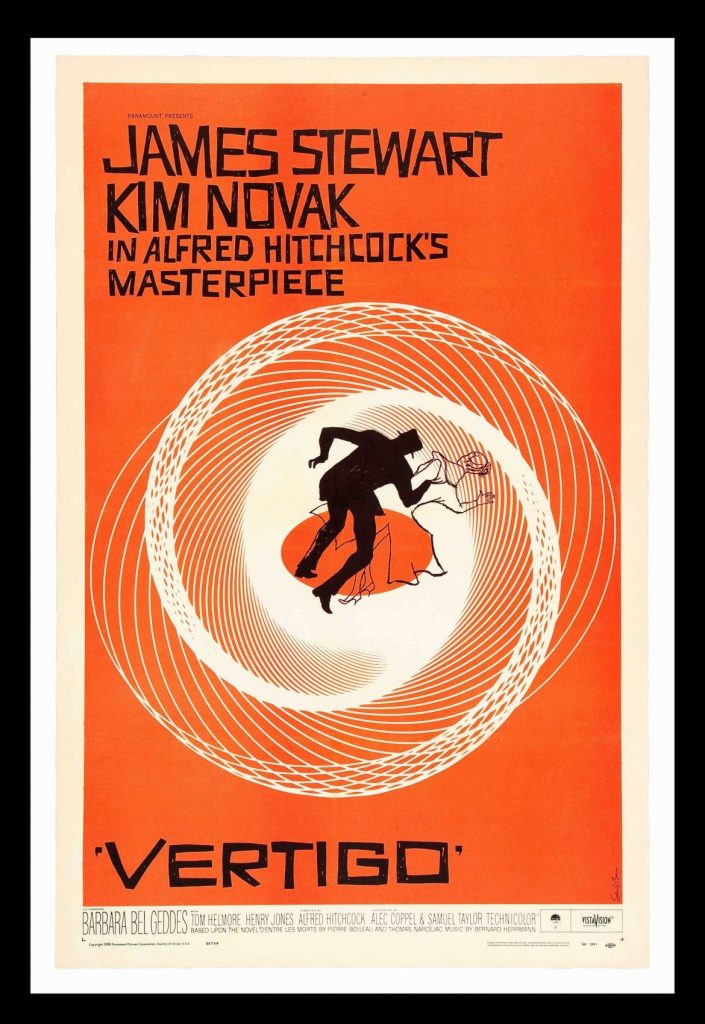
Poster of Hitchcock’s Vertigo (1958) movie

Analysis of The Film “Vertigo” (1958)

Vertigo is a 1958 suspense thriller directed by Alfred Hitchcock, written by Alec Coppel and Samuel Taylor and based upon the 1954 novel ‘D’entre Les Morts’ by Pierre Boileau and Thomas Narcejac. Starring James Stewart, Kim Novak and co-starring Barbara Bel Geddes.

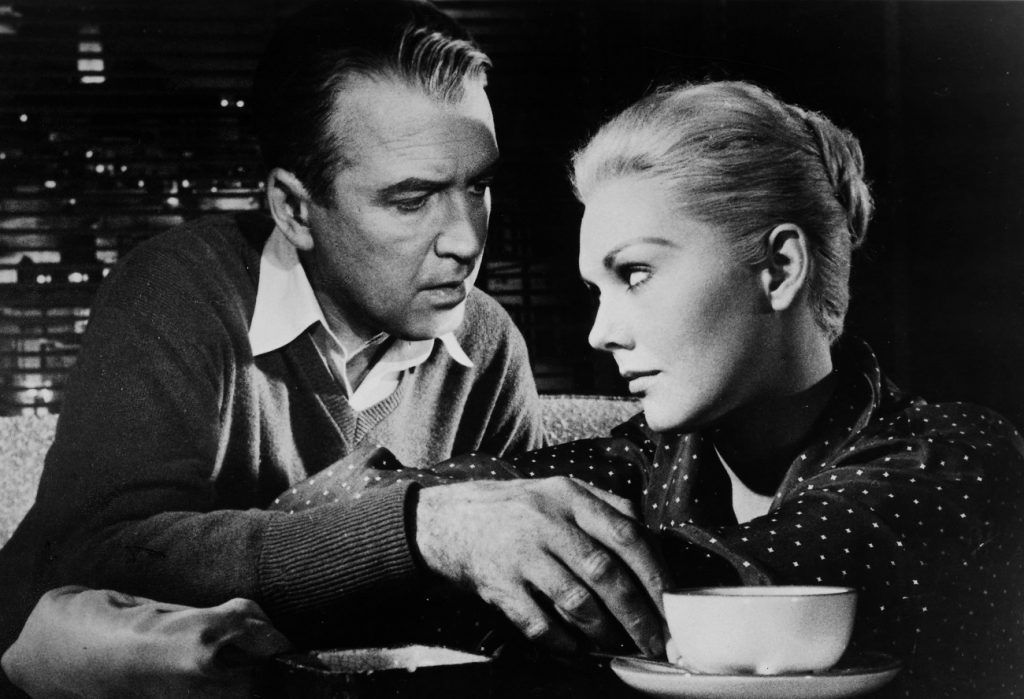
James Stewart as John Ferguson and Kim Novak as Madeleine in Hitchcock’s Vertigo (1958) movie

Vertigo is a film which functions on multiple levels simultaneously. On literal level it’s a mystery suspense story of a man hoodwinked into acting as an accomplice in a murder, his discovery of a hoax, and the unravelling of the threads of the murder plot. On a Psychological level, the film traces the twisted , circuitous routes of a psyche burdened down with guilt, desperately searching for an object on which to concentrate its repressed energy. Finally, on an allegorical or figurative level, it is a retelling of a immemorial tale of a man who has lost his love to the death and in hope of redeeming her descends into the underworld,  the most famous of these stories being that of Orpheus and Eurydice in Greek Mythology. Vertigo’s complexity however does not end with this multilevel approach to its tale, the film also succeeds in blurring the already fine line between objectivity and subjectivity . It takes the viewers so far into the mind of its main characters ( Scottie, played by Hitchcock veteran James Stewart), that audiences’ own objectivity, at least initially, is lost and replaced by complete identification with Scottie’s fantasies and obsessions.

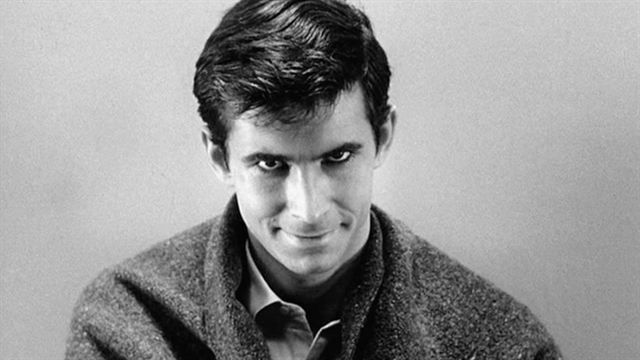
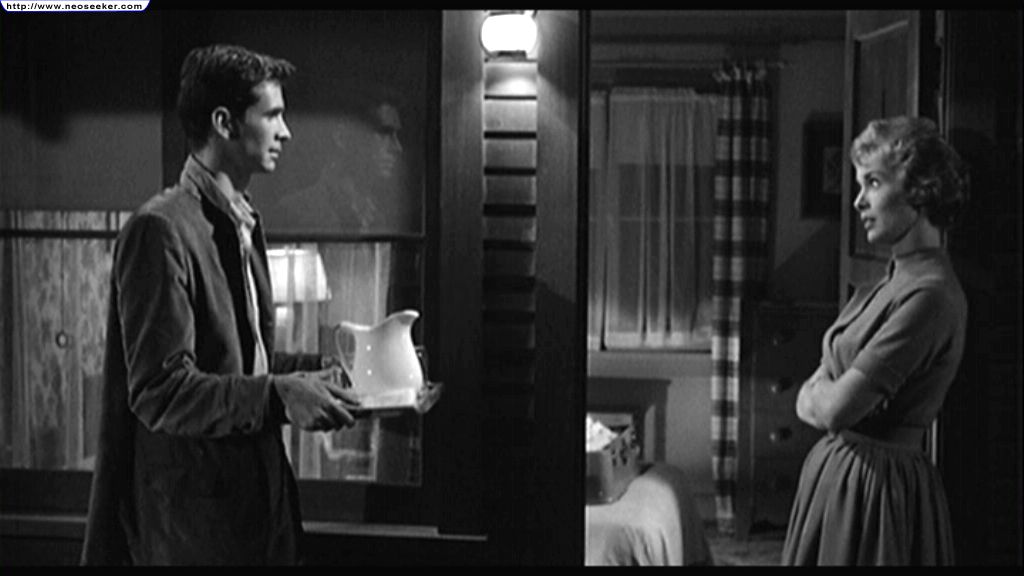
Anthony Perkins as Norman Bates in Hitchcock’s Psycho (1960) movie

Analysis of The Film “Psycho” (1960)

Hitchcock’s Psycho has been commended for forming the archetypical basis of all horror films that followed its 1960 release. The mass appeal that Psycho has maintained for over three decades can undoubtedly be attributed to its universality.

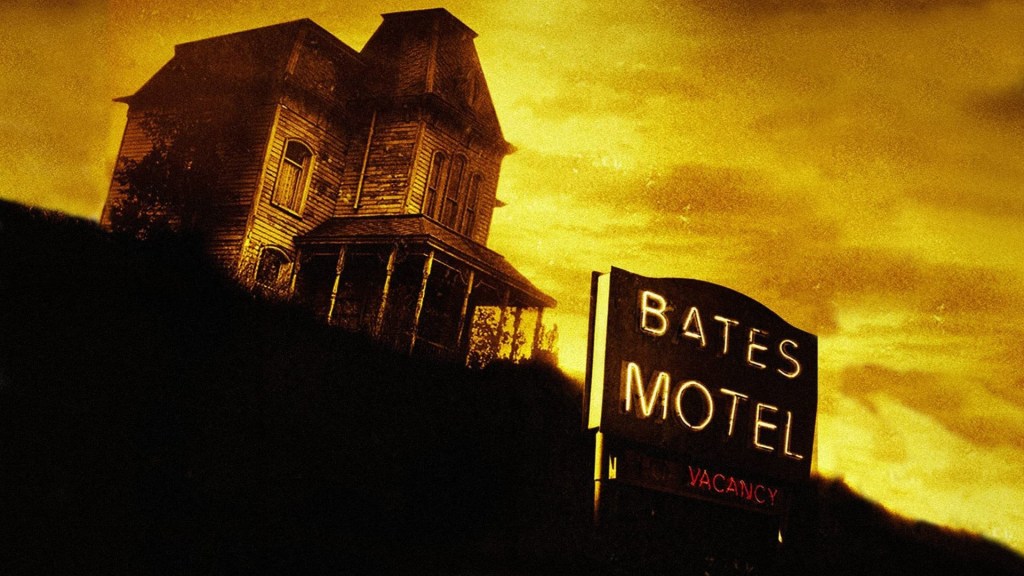
Scene from Hitchcock’s Psycho (1960) movie

In Psycho, Hitchcock allows the audience to become a subjective character within the plot to enhance the film’s psychological effects for an audience that is forced to recognize its own neurosis and psychological inadequacies as it is compelled to identify, for varying lengths of time, with the contrasting personalities of the film’s main characters. Hitchcock conveys an intensifying theme in Psycho, that bases itself on the unending subconscious battle between good and evil that exists in everyone through the audience’s subjective participation and implicit character parallels. The initial confrontation between Marion and Norman Bates is used by Hitchcock to subtly and slowly sway the audience’s sympathy from Marion to Norman. Hitchcock compels the audience to identify with the quiet and shy character whose devotion to his invalid mother has cost him his own identity. Upon the introduction of Norman, Hitchcock introduces the first of several character parallels within Psycho. The clash between Marion and Norman, although not apparent to the audience until the end of the film, is one of neurosis versus psychosis.

Anthony Perkins as Norman Bates and Janet Leigh as Marion Crane in Hitchcock’s Psycho (1960) movie

The fear that Psycho creates for the audience does not arise from the brutality of the murders but from the subconscious identification with the film’s characters who all reflect one side of a collective character. Hitchcock enforces the idea that all the basic emotions and sentiments derived from the film can be felt by anyone as the unending battle between good and evil exists in all aspects of life.The effective use of character parallels and the creation of the audience’s subjective role in the plot allows Hitchcock to entice terror and convey a lingering sense of anxiety within the audience through a progressively intensifying theme. Hitchcock’s brilliance as a director has consolidated Psycho’s place among the most reputable and profound horror films ever made.

Scene from Hitchcock’s Psycho (1960) movie

Conclusion

Alfred Hitchcock who has been entitled to the master of apprehension, suspense and fear, entices the audience to discern his unknown inner in a simulation over cinema curtain. Human, sets back his instincts for years; withholds sex and anger and wrap it in his inner depths where even is impenetrable for himself. But there is always probability of arising it in the society as a coarse event. Eruption of anger from sub-consciousness of Hitchcock’s characters brings along murder, crime and often imagination, tragic psychic disturbances. Anyone might be involved with the condition of these characters in real world. Most of Hitchcock’s movies create suspense in very first minutes of the show. The propensity to know arouses in him. He limits and draws attention of the audience to the film.Dark spaces, long and fearsome roads, deserted places and empty of habitat, are signs and symbols which sometimes refers to unaware and its inner events. Making use of sharp-pointed lines and thorn-shaped edges in locations and shades, which are taken from Gothic style, makes the movies horror and terror. Hitchcock through increasing vigilance, guides the audience toward making a powerful “ego” against incidents which mostly indicates determinism.

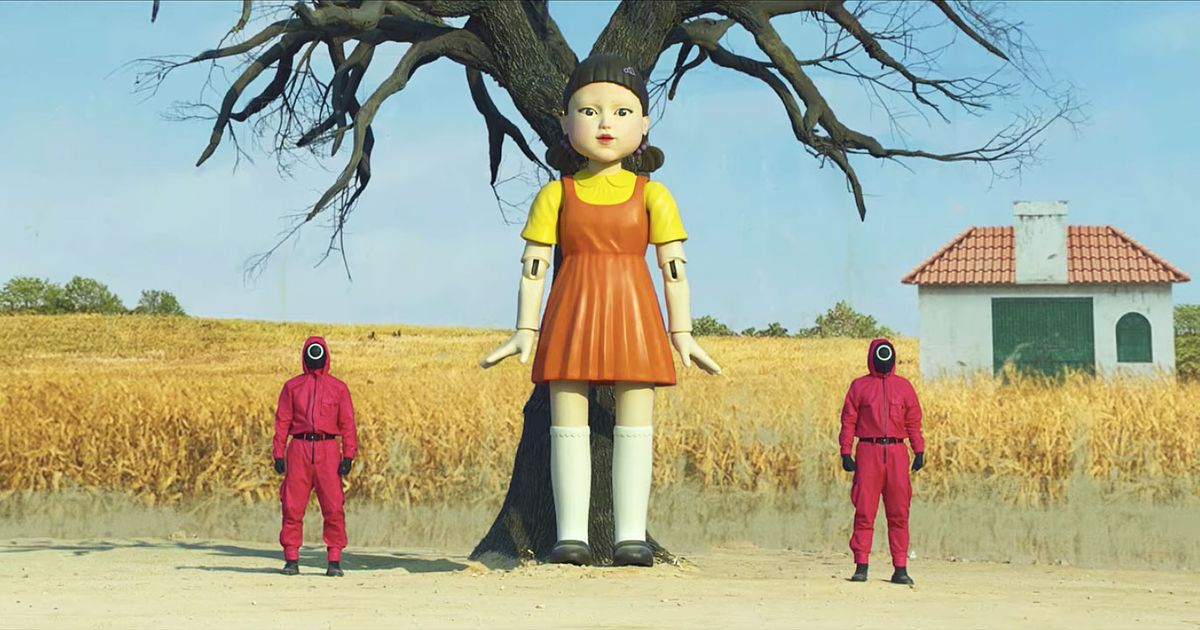
Squid Game (2021)

Squid Game is a highly bingeable nine-episode show that can be described as a variation of the Hunger Games series (albeit better, less generic, and even more brutal). It is a dystopian flick that nobody wanted until everybody did—with this ruthless South Korean hit trending as on Netflix. I can’t say that it is one of my all-time favorite shows, nor would I necessarily consider it to be “high art” per se. But I do recommend it. To me, it seems that there are two main types of popular television: the cheesy shows that consist mostly of instant gratification, and the anomalies that not only generate insane traffic but are also well-done. Moreover, the show features some scintillating social commentary on the rich vs. the poor. This—combined with equally striking action—renders a scrumptious blockbuster.


The pilot episode takes a while to draw viewers in, with some backstory that dragged at times. But once you’re in, you will remain on the edge of your seat. The central plot is as follows: 456 people (particularly people facing insurmountable debt) are lured into an elaborate game on a secret island with a prize of nearly $40 million. The rules are simple. 1. Contestants play children’s games. 2. There are six rounds, each containing its own game. 3. Each round, those who lose will be eliminated until only one winner emerges from the final round. The assumption is that losers will simply leave. Little did they know that “elimination” entails something far more nefarious: death, which they don’t discover until over 200 people are killed in cold blood. Another interesting facet is the guards. They too are moved around like cannon fodder by the elites who run this sick, elaborate spectacle.


Squid Game has plenty of redeeming factors. The quality of the acting, which I found too histrionic in the beginning, is ultimately believable. The screenwriting is as sharp as it is creative. The cinematography paints a surreal, colorful world that feels like the backdrop of a video game, all exaggerated shapes, sizes, and harsh edges. Also, the characters are compelling; you find yourself rooting for some to win triumphantly and others to fail dramatically. Many of them undergo enormous trauma and transformation, and the actors rise to the challenge of portraying believable emotions in an unbelievable setting. To be fair, this show will not go down in my head as a “classic,” but it was enough to lure me into devouring all nine episodes in less than 24 hours. Granted, Squid Game is too graphic for even some of you who tolerated the Hunger Games series. Otherwise, this is truly an immersive and stupendous experience with some crazy twists that will leave you shocked.

Rating: 10/10

Written by : Ananya Kaushal

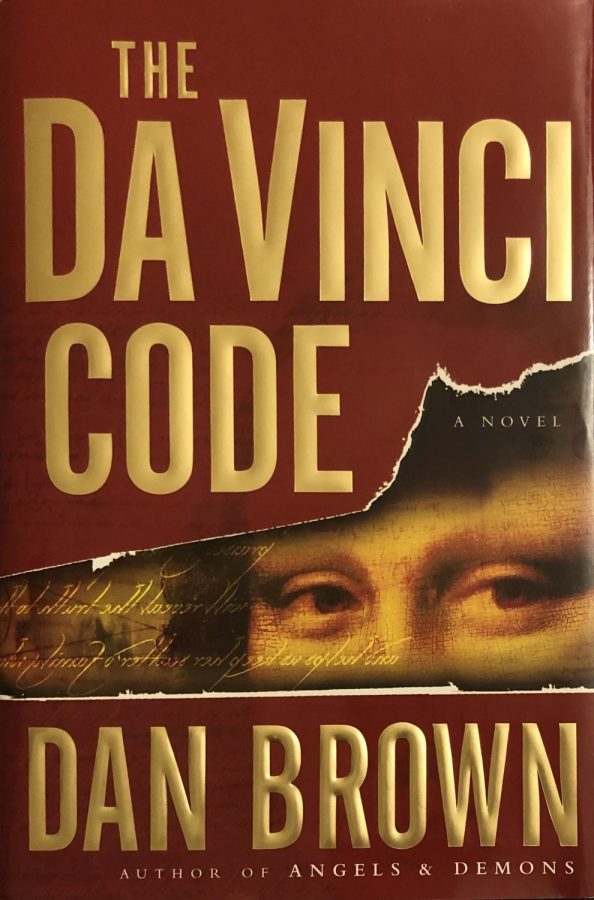
The Da Vinci Code – book review

About the book

Author : Dan Brown
Publication date : April 2003
Pages : 689 (U.S. hardback)
489 (U.S. paperback)


The novel explores an alternative religious history, whose central plot point is that the Merovingian kings of France were descended from the bloodline of Jesus Christ and Mary Magdalene, ideas derived from Clive Prince’s The Templar Revelation (1997) and books by Margaret Starbird. The book also refers to The Holy Blood and the Holy Grail (1982) though Dan Brown has stated that it was not used as research material.

Characters

Robert Langdon: A professor of symbology at Harvard University and the protagonist of the novel.

Jacques Saunière: The grandmaster of priory of Sion, Curator of Louvre Museum and primary antogonist of the novel.

Sophie Neveu: A Cryptologist of French police and granddaughter of Saunière.

Bezu Fache: A member of Opus dei and a French police.

Silas The monk: A member of Opus dei who murders Saunière.

Manuel Aringarosa: A bishop of Vatican and member of Opus dei.

Sister Sandrine: A Seneschal of priory of Sion and sister of St. Sulpice.

André Vernet: A guard of Zurich bank.

Sir Leigh Teabing The Teacher: A Grail scholar, living in Paris and secondary antogonist of the novel.

Rémy Legaludec: A maid who assist Teabing.

Jérôme Collet: A French police.

Marie Chauvel Saint-Clair: Sophie’s grandmother and Saunière’s wife.

Summary


In the Louvre, a monk of Opus Dei named Silas apprehends Jacques Saunière, the museum’s curator, and demands to know where the Holy Grail is. After Saunière tells him, Silas shoots him and leaves him to die. However, Saunière has lied to Silas about the Grail’s location. Realizing that he has only a few minutes to live and that he must pass on his important secret, Saunière paints a pentacle on his stomach with his own blood, draws a circle with his blood, and drags himself into the center of the circle, re-creating the position of Da Vinci’s Vitruvian Man. He also leaves a code, a line of numbers, and two lines of text on the ground in invisible ink.

A police detective, Jerome Collet, calls Robert Langdon, the story’s protagonist and a professor of symbology, and asks him to come to the Louvre to try to interpret the scene. Langdon does not yet realize that he himself is suspected of the murder.

After murdering Saunière, Silas calls the “Teacher” and tells him that, according to Saunière, the keystone is in the Church of Saint-Sulpice in Paris. The Teacher sends Silas there. Silas follows Saunière’s clues to the keystone’s location and discovers that he has been tricked. In a fit of rage, he kills Sister Sandrine Bieil, the church’s keeper and a sentry for the Priory of Sion. At the Louvre, Langdon meets Jerome Collet and Bezu Fache, the police captain, and realizes that the two policemen suspect him of the murder.

Sophie Neveu, an agent of the department of cryptology and Saunière’s granddaughter, arrives at the crime scene and tells Langdon that he must call the embassy. When Langdon calls the number Sophie gave him, he reaches her answering service. The message warns Langdon that he is in danger and should meet Sophie in the bathroom at the Louvre.


In the bathroom, Sophie shows Langdon that Fache is noting his movements with a tracking device. She throws the device out the window onto a passing truck, tricking the police into thinking that Langdon has escaped from the Louvre.

Sophie also tells Langdon that the last line in the secret message, “P.S. Find Robert Langdon,” was her grandfather’s way of alerting her: P.S. are the initials of her grandfather’s nickname for her, Princesse Sophie. Langdon thinks that P.S. might stand for Priory of Sion, an ancient brotherhood devoted to the preservation of the pagan goddess worship tradition, and to the maintenance of the secret that Saunière died protecting.

Langdon decodes the second and third lines in Saunière’s message: “Leonardo Da Vinci! The Mona Lisa!” Sophie returns to the paintings to look for another clue. The police have returned to the Louvre as well, and they arrest Langdon. Sophie finds a key behind the Madonna of the Rocks. By using the painting as a hostage, she manages to disarm the police officer and get herself and Langdon out of the building.

As Sophie and Langdon drive toward the Swiss bank identified on the back of the key, Langdon explains the history of the Priory of Sion and their armed force, the Knights Templar. He reveals that the Priory protects secret documents known as the Sangreal, or the Holy Grail. Langdon’s latest manuscript is about this very subject.

When Sophie and Langdon enter the bank, an unnamed security guard realizes that they are fugitives and calls the police, but André Vernet, the bank’s manager and a friend of Saunière’s, recognizes Sophie and helps her and Langdon escape. Sophie and Langdon figure out that the number left near Saunière’s body must be the account number that will open the vault. When they open the vault they find a cryptex, a message delivery device designed by Da Vinci and crafted by Saunière. The cryptex can only be opened with a password.

Vernet successfully smuggles Sophie and Langdon past Collet in the back of a locked armored car. Vernet turns on them, but they manage to get away with the cryptex, which Langdon realizes is actually the Priory keystone—that is, the key to all of the secrets the Priory holds about the location of the Holy Grail.

Langdon and Sophie go to the house of Sir Leigh Teabing, a historian, to ask for his help opening the box. Teabing tells them the legend of the Grail, starting with the historical evidence that the Bible didn’t come straight from God but was compiled by Emperor Constantine. He also cites evidence that Jesus’ divinity was decided by a vote at Nicaea, and that Jesus was married to Mary Magdalene, who was of royal blood, and had children by her. Teabing shows them the hidden symbols in The Last Supper and the painted representation of the Magdalene. He tells them that the Holy Grail is actually Mary Magdalene’s body and the documents that prove Mary’s blood line is related to Jesus. He says he thinks Saunière and the others may have been killed because the Church suspected that the Priory was about to unveil this secret.

As Langdon is showing off the cryptex, Silas appears and hits him over the head. Silas holds Sophie and Teabing at gunpoint and demands the keystone, but Teabing attacks Silas, hitting him on the thigh where his punishment belt is located, and Sophie finishes him off by kicking him in the face. They tie Silas up.

Collet arrives at the castle, but Sophie, Langdon, the bound Silas, Teabing, and his servant, Rémy, escape and board Teabing’s private plane to England. Sophie realizes that the writing on the cryptex is decipherable if viewed in a mirror. They come to understand the poem, which refers to “a headstone praised by Templars” and the “Atbash cipher,” which will help them arrive at the password. Langdon remembers that the Knights Templar supposedly worshipped the god Baphomet, who is sometimes represented by a large stone head. The word, unscrambled by the Atbash Cipher, is Sofia. When they open the cryptex, however, they find only another cryptex, this one with a clue about a tomb where a knight was buried by a pope. They must find the orb that should have been on the knight’s tomb.

Fache realizes that Teabing and the rest of them are in the jet. He calls the British police and asks them to surround the airfield, but Teabing tricks the police into believing that there is nobody inside the plane but himself. Then he goes with Sophie, Langdon, Rémy, and Silas to the Temple Church in London, the burial site of knights that the Pope had killed.

Rémy frees Silas and reveals that he, too, follows the Teacher. Silas goes to the church to get the keystone, but when he tries to force Langdon to give it up, Langdon threatens to break it. Rémy intervenes, taking Teabing hostage and thus forcing Langdon to give up the cryptex.

Meanwhile, Collet and his men look through Teabing’s house and become suspicious when they find that he has been monitoring Saunière. Over the phone, the Teacher instructs Silas to let Rémy deliver the cryptex. The Teacher meets Rémy in the park and kills him. The Teacher calls the police and turns Silas in to the authorities. As Silas tries to escape, he is shot, and he accidentally shoots his idol, Bishop Aringarosa.

Silas takes Bishop Aringarosa to the hospital and staggers into a park, where he dies. In the hospital the next day, Aringarosa bitterly reflects that Teabing tricked him into helping with his murderous plan by claiming that if the Bishop delivered the Grail to him, he would help the Opus Dei regain favor with the Church.

Sophie’s and Langdon’s research leads them to the discovery that Sir Isaac Newton is the knight they are looking for, the one buried by a Pope, because they learn he was buried by Alexander Pope. They go to Westminster Abbey, where Newton is buried. There, the Teacher lures them to the garden with a note saying he has Teabing. They go there only to discover that Teabing himself is the Teacher. Teabing suspected that Saunière had decided not to release the secret of the Priory of Sion, because the Church threatened to kill Sophie if the secret was released. Wanting the secret to be public knowledge, he had decided to find the Grail himself.

Teabing gives Langdon the cryptex and asks Langdon and Sophie to help him open it. Langdon figures out that the password is apple—the orb missing from Newton’s tomb. He opens the cryptex and secretly takes out the papyrus. Then he throws the empty cryptex in the air, causing Teabing to drop his pistol as he attempts to catch it and prevent the map inside from being destroyed. Suddenly, Fache bursts into the room and arrests Teabing.

The papyrus inside the second cryptex directs Sophie and Langdon to Scotland, where Sophie finds her brother and her grandmother. During the reunion, she discovers that her family is, indeed, of the bloodline of Jesus and Mary Magdalene. Sophie and Langdon part, promising to meet in Florence in a month. Back in Paris, Langdon comprehends the poem, which leads him to the small pyramid built into the ground in the Louvre, where he is sure the Grail must be hidden

Review

The Da Vinci Code by Dan Brown was a wonderful book. At several points in the book I found myself wondering what the next twist would be. The Da Vinci Code is about a symbologist named Robert Langdon.

I enjoyed how the author tied symbology into his novel. I learned things that I was not expecting to in a way that did not feel like I was in a class. I also feel that the action-packed novel kept me engaged with the characters. I often found myself sitting on the edge of my seat waiting for the next piece of the puzzle to be revealed. I highly recommend The Da Vinci Code to any who love mysteries or even to those looking for an adventure.

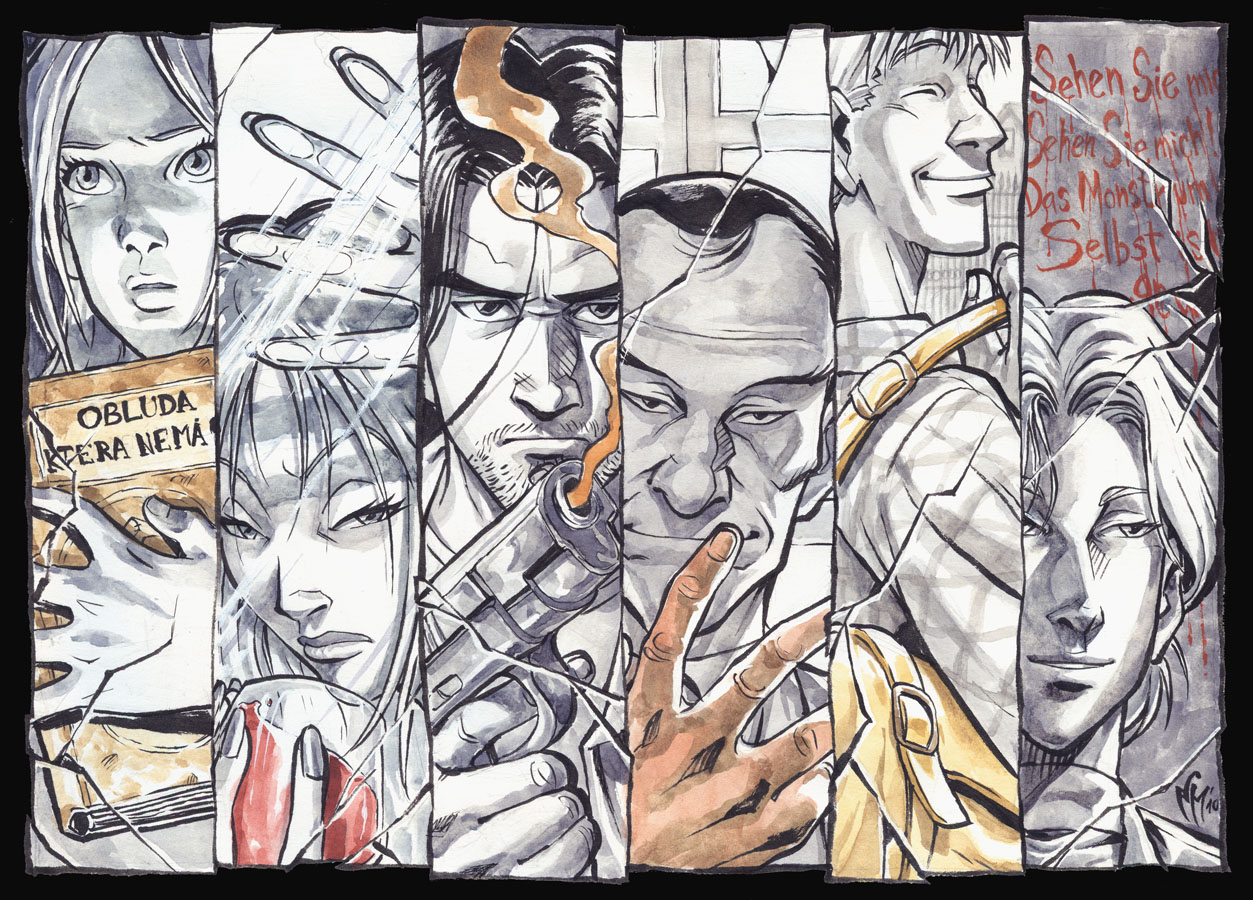
Why you should watch/read MONSTER?

MONSTER is the magnum opus of mangaka Naoki Urasawa and a Cold War psychological thriller – it is a seinen manga manga also adapted into an anime following the whole story exactly. It follows a Japanese neurosurgeon, Dr. Kenzo Tenma, who has residence in Germany to work at Eisler Memorial. Engaged to his boss’ daughter and with optimistic prospects in his medical career, Tenma’s values soon hijacks any stable life as a darkly dramatic irony – he was only trying to do the right decision(s) morally: a tragic statement that ‘right’ doesn’t entail the best results. His life is sidetracked into revolutionary conspiracies from the Soviet bloc, violent machinations of a criminal underworld and a boy, Johan, who’s a nihilistic catalyst of chaos; all these intense affairs are to the backdrop of relatively ordinary existence as a shocking duality showcasing the thin veil between horror and normalcy as is also applicable to our own nature. Stylishly European in every day as an atmospheric overture, with the location rife for intrigue as close to the Iron Curtain, MONSTER is an incisive examination of human nature – the cause of ‘evil’, why and who is truly responsible; the whole work, too, acts as a character study in conscientiously designed personalities who’re palpable as representations to the human condition.

A difficult choice

Dr. Kenzo Tenma sacrifices his career to save Johan as a child in a dilemma of choosing a patient for his expertise – the town’s mayor or an innocent boy shot in the head – and although demanded to save the mayor for financial reasons, he opts for Johan as he arrived first in the staunch belief ‘all lives are equal’. These philosophical and moral systems are the root of MONSTER – how these inform and challenge one’s life choices to the darkness we may encounter as aberrant of all we thought as usual; beliefs are easier in a vacuum of a solitary life or with a confirmation bias. Tenma’s choice would have unforeseen, destructive ramifications for which he takes responsibility, too, for which no attitude could prepare him – he had saved a boy who would evolve into a ruthless, charismatic leader of mass destruction. If he knew of the outcome, would he still have performed his duty as a doctor and thought of Johan as ‘equal’ – this is the central concept that tests Tenma’s view on the worth of lives, his right, too, to intervene and act. As he’s demoted for his failure with the mayor, and his lover leaves him as no longer financially secure, the senior staff at the hospital responsible for his punishment all coincidentally die in a poisoning while the boy, Johan, disappears.

The investigation leads to nowhere and Tenma is restored in his role, he subsequently becomes the Chief of Surgery at the hospital nine years later. Destiny would have him reencounter Johan who’s an adult, however, who callously executes a patient as a clear reality the boy he rescued was indeed evil. This refocuses the old investigation onto Dr. Kenzo Tenma who benefited the most – a detective, Inspector Lunge, of a federal agency is convinced Tenma is behind all these crimes, ‘Johan’ a mere persona of his. Escaping from his normal life as the police seek to frame him, and determined to resolve his responsibility of ‘Johan’, Tenma embarks on a tenacious journey as a fugitive.

Excellent Characters

Supported with a vast cast, who are each developed in an immaculate fashion, and each embroiled into extensive subplots concerning these, MONSTER is a ‘coup de maître’ as a psychologically intimate drama with an array of emotions from these characters as an expository fiction of humanity – powerful from the complex dilemmas and philosophical challenges we see engage them throughout the voluminous narrative. Deliberately meticulous in characterization, contemplative in tone and purposeful in each plot point, MONSTER is a crafted tale sure to resonate with audiences for a long time at a fundamental level – it indulges in themes perpetually inherent to society, no matter the current state. Patience is rewarded in appreciation of the story as an emotive tale crafted into an intricate character study.

Themes

The plot structure is a slow-burn of side plots and miscellaneous errands to establish a vibrant world consisting of of various personalities, agendas and their interactions: no man is the same – each one has their own history – and valid perspective along with sympathetic emotions. The characters and situations are also not limited to the overpowering arc of a showdown between Johan and Tenma – people have their own multifaceted lives to not merely be props for the plot. As a result, Naoki Urasawa’s depicted world is tangibly immersive, both in the depth and also sober art, which explores darkness in a manner that’s not crudely exploitative, it is innocently inquisitive: a treatise of our morals in conflict to the worst of humans.

MONSTER accomplishes itself as a darkly philosophical work on society, people and their beliefs – it is the finest psychological horror, mystery drama and crime thriller in the history of manga as a comprehensive feat; it is a multi-layered narrative – little contrived or for some cheap ulterior purpose – with equally compelling characters. The setting of Eastern Europe in the throes of the oppressive Iron Curtain is unique an aesthetic that feels authentic – a dangerous regime where the authorities are unreliable and a sense of overbearing danger throughout from leadership which does not truly care for the people. I would rank MONSTER on level with Fyodor Dostoevsky’s ‘Crime and Punishment’ as a testament to the quality and feel only the medium, manga/anime, besets a prejudice on qualifying MONSTER to the canals of worthy artistic heritage.

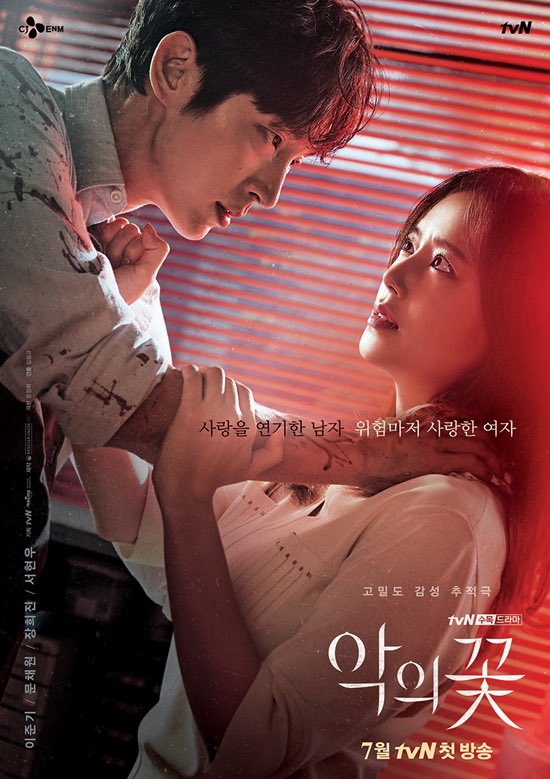
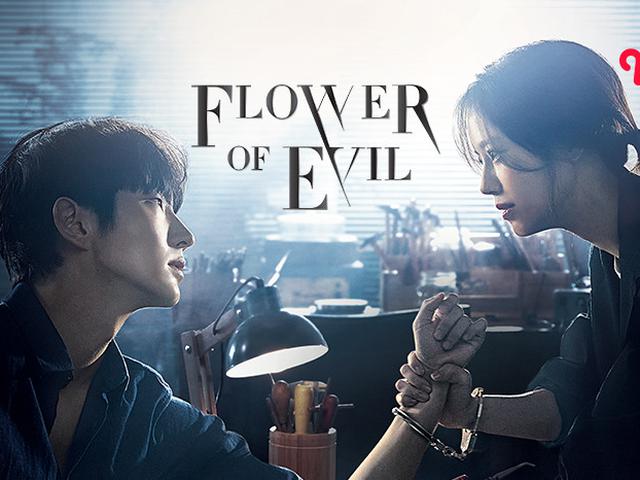
Flower of Evil – A Perfect Thriller Drama to watch right now!

One of the most recent areas in the field of entertainment which almost worlds widely popular is South Korean dramas which are gaining huge recognition by providing amazing plot structure, captivating cinematography, and unique themes which are mind blending and are creating crazy fandoms among the 33% of the population from the whole world.

The Fandom over Dramas has been seen since some recent years where people are keenly interested in Korean culture and their beautiful language which keeps them intriguing to know their culture in depth.

The specialty of k – dramas is that it can be watched by any age category of people and is not restricted to any particular language. Though Language is a barrier, language is the reason why people are widely connected and making an emotional bond with these dramas which makes them feel swoon-worthy!

“Flower of Evil”  – A Crime thriller  Drama which is Cathartic too!

 In general, it is observed that Thriller Genres are often very intense and have a serious environment in their background. But taking this particular drama, Flower of evil has broken the wall of the thriller genre and added the essence of Melodrama in it. The perfect blend of Emotions, thrill, suspense, elements of relationships, love story and nostalgia, and a little action make this drama a perfect 10/10 to watch.

As we can see that the ratings are 5.0 with lots of positive feedback, as this drama has certainly gotten a  place in the heart of many drama lovers.

Amazing Plot structure:

Many times we see that though the storyline is fascinating the plot structure spoils the whole sequence of the story and makes the whole drama boring. Although this is not in the case of Flower of Evil, as the plot structure is incredible due to the excellent chemistry between Baek Hee Sung ( performed by Lee Joon Gi ) and Cha Ji won ( performed by Moon Chae Won ).

The plot becomes more interesting as it contains lots of twists and turns and make the viewers in a state of awe as every minute of the plot is important to watch or else one can miss the important key of the story.

Brief Synopsis of the Drama:  

The storyline is about a man who has an anti-social disorder and changes his identity and lived as  Mr. Baek Hee Sung who is the Husband of Ms. Cha Ji Won who is an Intelligent Detective. This lovely couple lived a beautiful life until Ms. Cha started to doubt his husband as the murder suspect of the sudden serial killings around their area.

Mr. Baek was a perfect father and Husband but lived a fake life by hiding his cruel past in which he lost his father ( Do Min – Seok) because of his father, Mr. Do was falsely known as the son of a serial killer.

But due to her wife, Ms. Cha, who cherished love in his life and made him a different person. She even investigated the 20-year-old case and brought justice to his husband by making him innocent in the case.

Flashback and Glimpse of Nostalgia  – A  Key Element

This drama always shows a series of Flashbacks at the beginning of every episode of the love story and the past life of the couple which is very touching. These Flashbacks make the audience aware of the background of the character development.

The characters are often living with the feeling of nostalgia as for some the nostalgia is sweet whereas for some it’s their dark past that is unforgettable.

These flashbacks also raise many queries in the minds of the audience who is the real killer? as all the characters are suspicious in their behavior which makes the audience blown out when they found out the real murderer!

Flower of Evil – An Alluring  Title

When the scriptwriter ( Yoo Jung Hee ) of this Drama was interviewed she mentioned the unique quality of the title which is mesmerizing and also the key center of the whole drama.

“Flower of Evil”, has been taken from Charles Baudelaire’s  “Book of poetry” called – “Les Fleurs du mal” ( The Flowers of Evil in English ). His poems were about the chaos and anxiety that arises when societal values, which should be clear-cut and black-and-white, become ambiguous and borderline.

Both couples are a symbol of the Flower of evil, as Baek Hee Sung is a character which cannot be considered good or evil rather he is like a flower of evil which is neither black nor red it is colorless, like the personality which the protagonist had.

Baek Hee Sung changed his personality from Do Hyun Soo to escape from the tragedy that happened to him in his past and to save her sister ( Do Hae Soo) who was the real culprit of the murder which happened 20 years ago in his life. Mr. Do had an Anti-social disorder due to which he didn’t feel any emotions, but due to her wife, he finally felt every emotion as he was accepted by her wife the way he was.

On the other hand, Ms. Cha Ji won is also considered as the Flower of Evil as she overcomes all the barriers which she had between herself and her husband and loved him eternally, transparently without judging his past life.

Symbol of the Metal shop – “Where the Rising Star stays”

The story behind the title of the  Metal shop is moving for the audience when they watch this drama. The Metal Shop was the place where Mr. Baek was the Metal crafter and named his shop “Where the Rising Star stays” as the title denotes the story of Greek and Roman mythology, where there was a god of a blacksmith named Hephaestus who had a terrible anger issue, he had a wife whom he cherished very much and was named “Venus” in English and was known as “Morning star” which was nicknamed as “Rising star”  which was relatable to the situation of Mr. Baek who cherished her wife very much.

Similar to Hephaestus, Mr. Baek had a personality that was not liked by anyone and that was the reason for him being anxious towards the judgmental society.

This drama kept the audience in a sense of emotional attachment as many incidents were sentimental. The ending is quite satisfying as all the characters were justified according to their will and their dreams.

To find your real  self: Major Element of the drama

This drama also provides a moral message of finding your true self which sometimes hides due to certain circumstances created by life and in the end, the person goes back to their real self and wins all the obstacles made in my life.

Mr. Baek is one of them who proved that he was not a psychopath with fewer emotions rather he had the grief of not meeting her mother and hiding her sister’s murder and running from his real self.

This drama is a perfect bunch of all emotions and makes the story worth watching by the drama freaks!

“When Everyone else was becoming a demon, Only Hyun – so remained a Human Being”

The Flower of Evil, Drama.

The Dead Road : Reviewed

The final chapter in the Reviver series by the wonderful Seth Patrick lives up to the previous 2 titles “Reviver” and “Lost souls”. It bring this wonderful series to a close with grace. The Reviver series takes place in a world quite similar to ours, the only difference being that there are a few special people that can bring the dead back to life for short periods of time. This ability is used by law enforcement to get a testimony of the deceased and is widely accepted in the world. People with these abelites are known as revivers but they face opposition from a quasi religious organization know as the Afterlifers. The Afterlifers oppose revival as they think of it as disrespectful and unnatural.

Jonah Miller is a reviver with the Forensic Revival Service, its his job to bring the dead back to life long enough to get some answers. He’s one of the best at the job and also has special connection with force that facilitates the Revival. After facing a boat load of troubles in the previous parts and learning a lot of secrets about their society, he finds himself still on the run and confused about his role. He gains a new ability amidst all the commotion, he begins seeing shadows on people. Thinking it to be an after effect of all the trauma endured he brushes it off and continues to stay in the radio silent zone in the state of Virginia with his girlfriend Annabel. Annabel is a journalist who began investigating Michael Andreas after her fathers death. She uncovered secrets that put her into the crosshairs of Andreas.

The book picks up indirectly where it left off, with a warning Tess had warned Jonah that the Beast is coming. Jonah attributes this beast to be connected somehow to the entity masquerading as Michael Andreas. Michael Andreas was a dashing businessman with a shady past and shadier interests. He was one of initial funders and believers of the revival process with his organization know as Baseline. The organisation was a front for Andreas’s experiments getting in contact with an entity that promised peace and power.

Jonah’s new ability proves useful when the trio of Never, Annabel and himself come face to face with the looming threat. What he sees on the people are parasites that are connected to the Beast and are bound to do his bidding. This ability becomes useful when they are attacked by the followers of the beast. Jonah soon discovers that his ability to revive the dead which helps bring humans back can be used to send these parasites back where they belong. These parasites seem to have different levels of power and have an hierarchy. Frightening things begin to happen and a darkness fills the oceans and rivers taking anyone who stands in their path. Jonah decides to revive Kendrick a government agent with ties with Andreas to learn something more. He ends up finding out that he might be the only one who could stop the impending doom.

In conclusion Seth Patrick manages to twist and turn the story even more and makes sure the last leaves an impression in the readers mind. The entire series throws curveballs at you and keeps you on the edge of your seats. The ending seems a bit simple in comparison to the others but is pretty satisfying. The protagonists have to deal with after effects of the fight, they could be the only ones able to help humanity. It was a well rounded book that makes you think about the reality too. This was the final book in the series and would be my final review pertaining to this topic.

Lost Souls : Reviewed

A sequel to the brilliant thriller “Reviver” by Seth Patrick, Lost Souls picks up where it left off with a bang. It develops on the established conflict between the revivers and the antilifers in way that is not expected. After the clash between Jonah Miller the best reviver and the antagonist, Jonah thinks the clash is finally over but he’s soon proven wrong by a series of events. The Afterlifers have nearly doubled their efforts to stop revival with better funding and a stronger resolve, they’ve started to play to the publics fears and reel them in.

After the ordeal faced in the last novel thinking everything is dandy, Jonah gets back to his job as a forensic reviver. He talks to the recently deceased to get some answers and bring some closure to the ones they left behind. Jonah is called up for a revival that doesn’t go as planned. The victim seems to be the latest target of a serial killer, the mystery still remains as Jonah is not allowed to proceed with the revival as the afterlifers get their hands on the case and do everything in their hands to stop the revival. He begins to think if it’s the time to retire from the FRS and get into private revival. Jonah thinks about the mutilated series of corpses and has a feeling that everything’s not as it seems.

Annabel Harker is investigating Michael Andreas and trying to balance her new relationship with Jonah. She comes across some more secrets about Andreas and baseline. Jonah and Annabel are drifting apart due to her giving more importance to finding Andreas and less time to their own lives, Jonah the ever hopeful keeps trying to hold on but finds himself hurting more and more. Despite their differences they have to come together to each others aid when Michael Andreas seemingly back from the dead announces his arrival to the world. Jonah knows something is wrong, he knows Andreas is not who he claims to be. Jonah, Never and Annabel go on the run in an attempt to stay safe and find all they can about Andreas.

The trio of Jonah, Annabel and Never start to dig deeper even when on the run and come face to face with a series of revelations that point to an incoming apocalypse. They soon find out the depth to which Andreas and the afterlifers are rooted to. This makes it difficult for them to trust anyone but themselves, because one mistake could end up being their last. Having to deal with such situations on top of being practically marked for death makes them question the science and dive into the myths. The saying knowledge is power cannot be any more perfect, knowledge of what they are dealing with will be the tool they need in the fight. After countless hours of research they find out the true motives and identity of the entity masquerading as Michael Andreas. They have to fight to save the world.

In conclusion the thrilling novel “Lost Souls” lives up to its predecessor and ramps up the intrigue and action in the novel. Sure to keep you from putting the book down is its complex story that is sure to make you think. The character development from the first novel is amazing, it keeps the qualities that define the character and adds to it. The novel sets up the final part with a warning to our heroes and an incentive for the readers. For me this novel was a blast and would heartily recommend anyone fond of a good thriller. So, stay tuned for my review on the final part of this trilogy.

Reviver Reviewed

A question that has probably existed since the dawn of man himself “What happens after death ?”. This is question that Seth Patrick tries to address in his novel “Reviver”. It tells the tale of a world with special people that can temporary revive the dead and have a conversation with them. This process is even accepted by the law as the testimony of the recently departed it is a complete process where a licensed reviver asks questions to the departed about their demise and this entire conversation is recorded and presented in the court of law if required.

The story follows Jonah Miller a top reviver of the Forensic Revival Service on a seemingly normal day out to try and revive a murder victim Alice Decker. What seems to be a routine revival turns out to be a complex one as the deceased is scared of something and nothing Jonah does helps calm her down. After coaxing allice to answer his questions he lets her go but not before receiving an ominous message “Someone’s Coming” he lets her go immediately. When he’s just about to leave the corpse seemingly speaks only to him in a malicious voice “We See You..”. As this isn’t witnessed by anyone but Jonah it’s chalked up to stress and fatigue but Jonah has a feeling this isn’t all it seems.

A new day rolls around and with it sadly a new murder. A little girl is murdered and Jonah is called up to do the revival and get some answers to the cops and closure to the family. Though anxious Jonah completes the revival with no issues at all and the girl even gets to say goodbye to her distraught parents. Satisfied about a job well done Jonah leaves the girls house but is suddenly washed over with feelings of anger towards a man he feels like he knows, he then proceeds to attack the man saying “you killed me” and passes out. This is again chalked up to stress and Jonah being overworked as revivers have a rest period and he is one of the revivers with the smallest tail as it was termed.

Then Daniel Harker the man credited with the discovery of a reviver is found dead and to solve the mystery of his death FRS calls upon their finest reviver Jonah again. The reason for calling upon Jonah is simple Harker is a complex case and another top reviver Pru Dryden failed at the revival. Jonah starts the long revival attempt feeling all the pain Harker felt while dying of thirst he almost fails but still manages to establish a connection with Harker. He has a conversation with Harker and is able to get enough answers out of him but sadly isn’t able to let Harker have a last conversation with his daughter Annabel. After the revival Jonah starts seeing Harker who seemingly let go of his own body but didn’t let go Jonah.

The revival points the police to a group know as Afterlifers who oppose revival on predominantly religious beliefs. Jonah still coming to terms with having Harker in his head decides to investigate the murder himself and bring justice to Harker. He works with Annabel and his best friend Never Geary to try and solve the mystery but is sucked into a whirlpool of mysteries and ends up with having to search his own past for the answers. He slowly discovers the reality of the defunct organisation known as Baseline which experimented and promoted revivers funded by the aging business tycoon Michael Andreas.

In conclusion the novel heavily leans on the fact that being right or wrong differs from the perspective from which its being viewed from. It is a really great novel that is part of a trilogy which is really intriguing and amazing to read. It really is gripping story that has elements of both Sci-Fi and horror. The novel plays on the concept of the world facing utter annihilation or conservation depending on who you ask. Stay tuned for a review on the next 2 parts of the trilogy too.

SERVANT- HORROR AND THRILLER AT IT’S BEST

There’s much to admire in “Servant” — for instance, the show’s painterly compositions, if at times underlit, isolate Free’s character in the far background, as if to say that her soft-spoken, perhaps malignant caretaker character has the ability to literally blend into the background. Ambrose, a welcome presence underseen on big-ticket television since the “Six Feet Under” finale in 2005, makes big and risky choices in constructing her character. She combines brittleness with a bitter sense of humor such that our understanding of Dorothy evolves over the series’s run. As we learn more about her and Sean’s marriage (one in which he, a chef, is often physically absent and yet more frequently disengaged), we shift, eventually, from seeing her as the source of tension to someone bearing its brunt.

And yet for all this, and for all that “Servant” is the most watchable show yet in Apple’s vexed rollout, the series’ somewhat loopy pacing is punishing. Leanne seems as the show runs on to represent far less than meets the eye; episode after episode unfolds without her doing much of anything but seeming threatening in her inaction. (We know she’s going to have to do something eventually, but the wait grows less tantalizing than stultifying.) And to get to a new understanding of Dorothy, one has to trudge fairly deep into the series’s run, long after some viewers may have written her off. And Sean’s willingness to keep her in the dark comes to read less as benevolence than a somewhat uninteresting, uncomplicated sort of villainy. Their behavior raises the question of whether these two can have credibly loved one another in the first place — a twist this story can’t bear. If they are content to torment each other and themselves unremittingly — if, in other words, they truly do not care about each other — then why should we? “Servant” is fascinating to look at and, at first, contemplate. But its slithering, reversing structure elides the fact that it must move the plot forward only infinitesimally each episode in order to conserve it, and that this is a shortish feature in the costume of a ten-episode drama. That’s its biggest, and least welcome, twist of all.

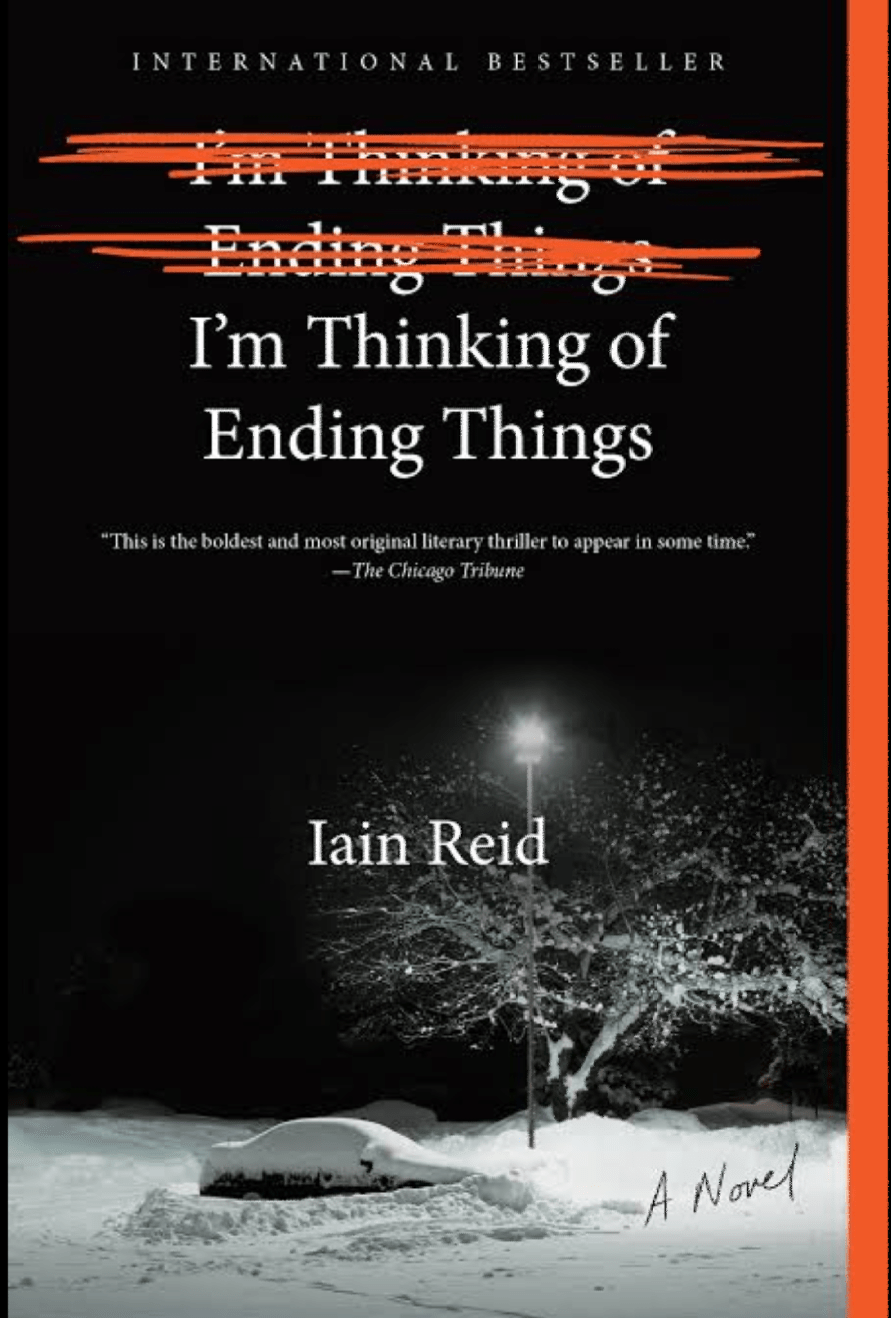
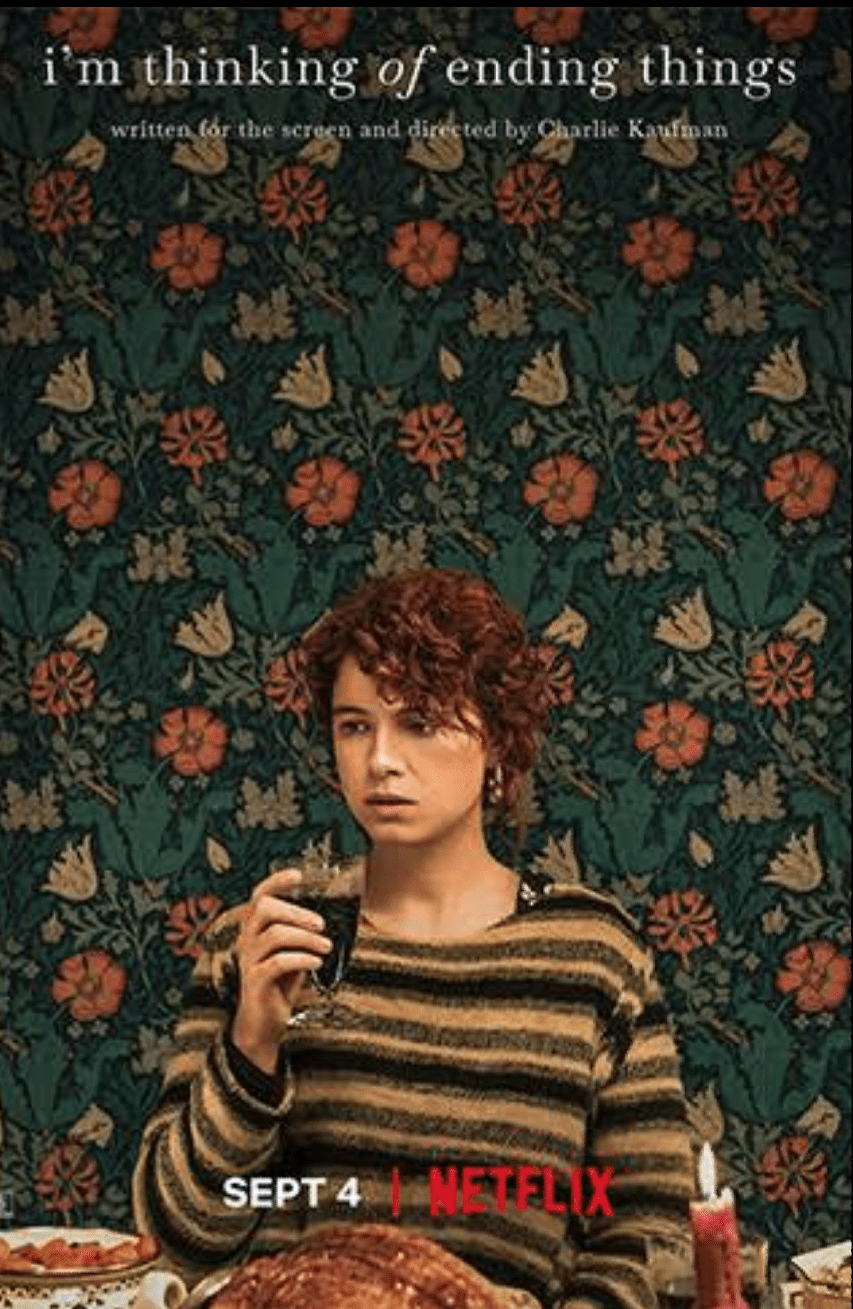
I’m thinking of ending things…

Author – Iain Reid

Page count – 224 (hardback) 130 (eBook)

Genre – Suspense, psychological thriller

The story is about a young woman and her boyfriend. A girl has no name (high five if you GoT (again) that reference). Jake is her boyfriend. We find them driving to his parents house in the country and then back home. Its just that. But you won’t believe how much happens in that time frame. The conversation between the couple makes you think. They have these deep talk about childhood and other stuff.

The name of the book is such because the girl keeps thinking of ending things with this boyfriend all this time and this is important.

Recently made into a Netflix movie this book is what I wish I had heard about earlier. I strongly recommend thriller novel fans to give it a read. Moreover it’s short. You could finish it within a day or two. Haven’t seen the movie yet but I will check it out after I finish writing this. I really want to see the difference between how I pictured it and how the movie is portrayed. I do that with every book based movie.

It’s been a while since a read a good book. This one kept me hooked. One of those un-put-downable. The suspense it creates. You know there’s something wrong about it but you cannot pin point what it is. There’s this one crazy page and the next page is normal but you turn to the next page and it’s crazier than the first. You’ll make yourself comfortable with the surrounding, the character and the scene changes out of the blue. The last few pages are so confusing makes you feel anxious unless you read it all.

It has a 3.5/5 rating on Goodreads. I would rate it 4/5.

P.s. Suggest me some good thriller novels please.

Thank you for reading. Have a nice day!

Hunger Games of the government…

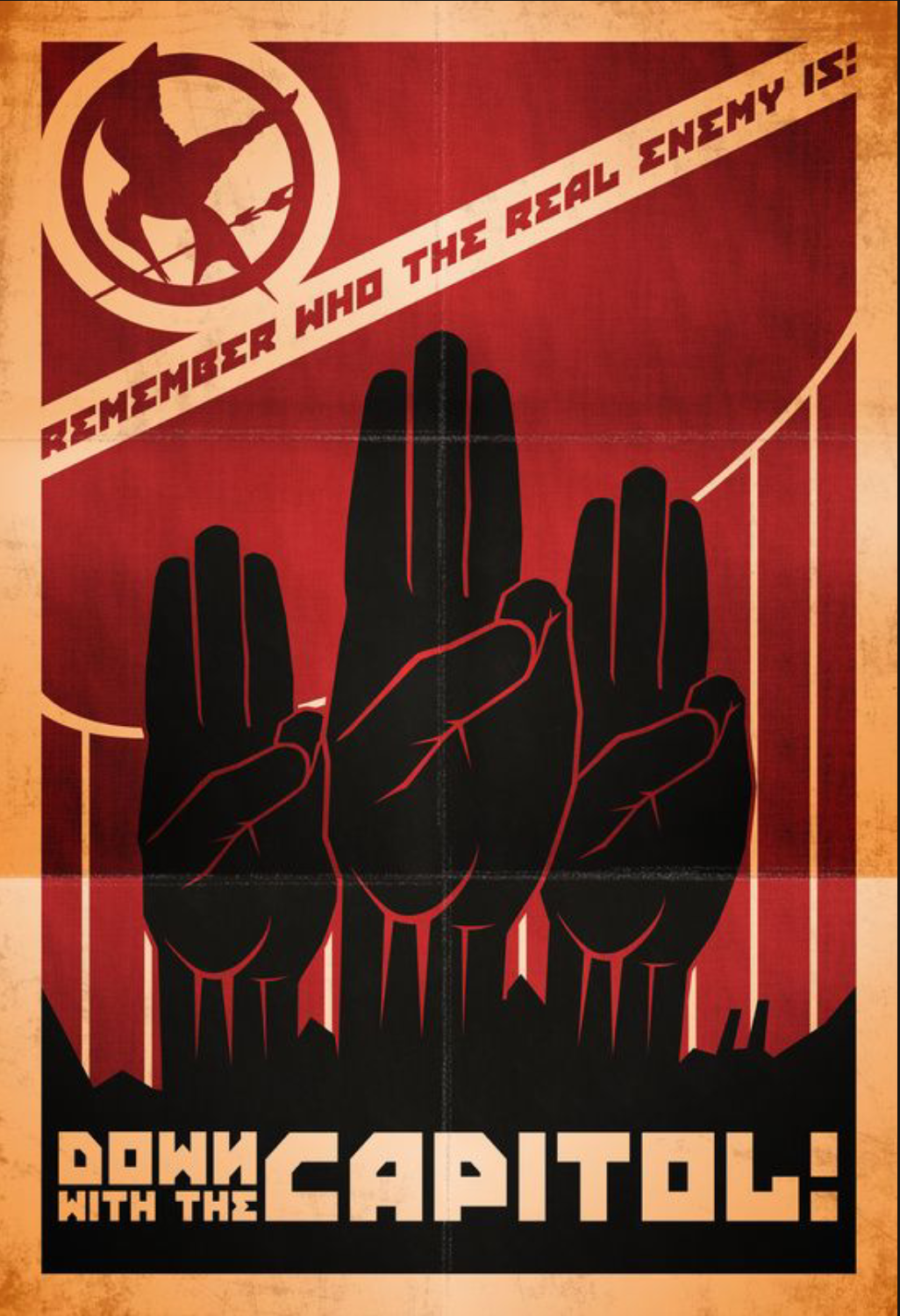
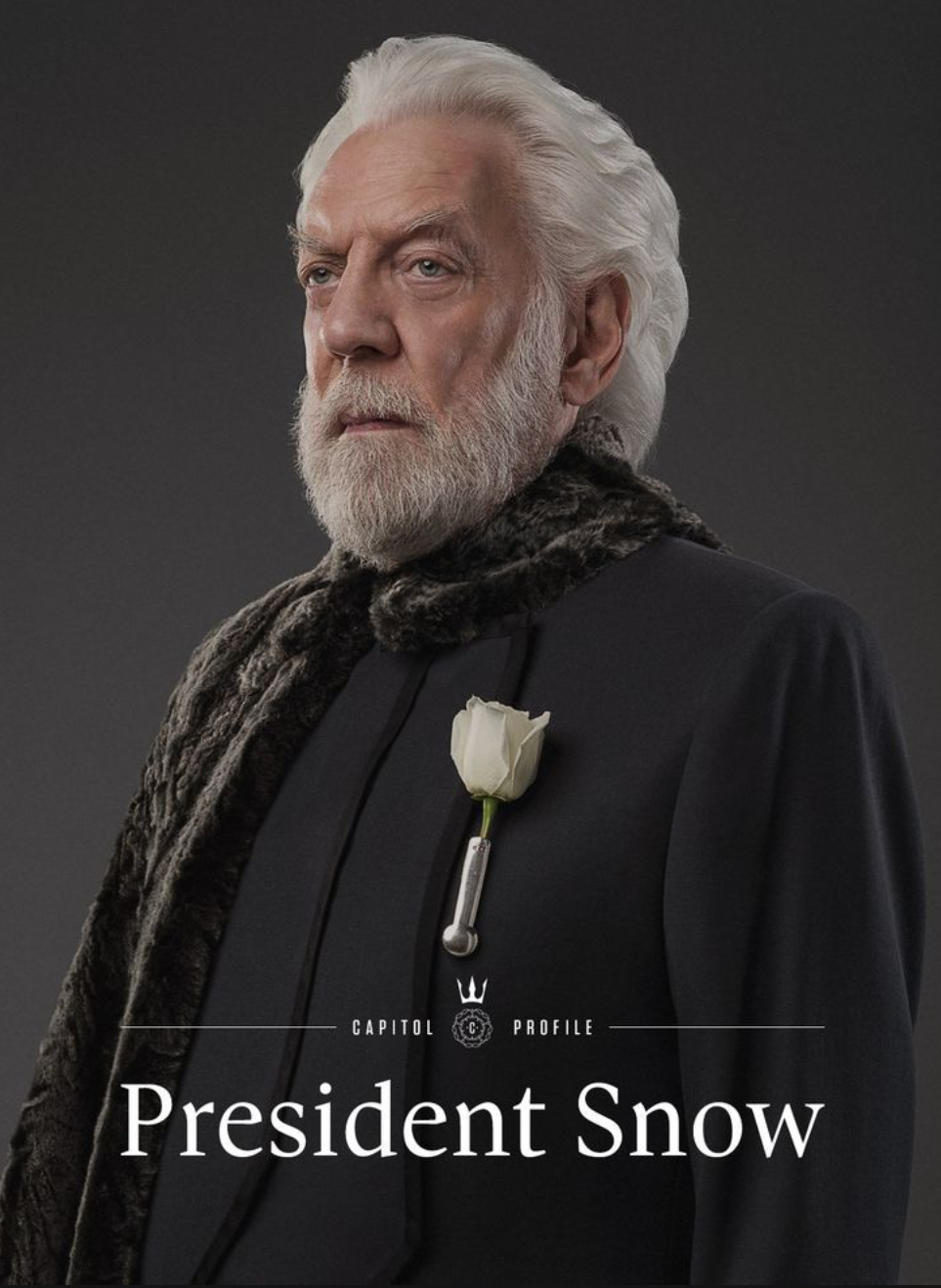
The government holds too much power. This is very well portrayed in the Hunger Games a book trilogy written by American author Suzanne Collins later made into a science fiction dystopian film series. The story is basically how the government has too much power over the lives of common man, how and why it is so wrong. The story is takes place in the fictional country that goes by the name of Panem. It consists of 12 districts that have been assigned various disciplines under which the people of the district work. Naming a few, district 3 specializes in technology, district 11 in agriculture, district 12 in coal mining. District 12 being the smallest and the poorest. All these districts are forced to produce the assigned goods and no have no freedom. The Capitol is the government who enjoy all the riches and luxury while the other districts starve to death. The Capitol, for the sole purpose of entertainment, organises this game annually where two teenagers- a male and a female are forced to participate, locked in an area and have to fight each other to death. The one who survives is declared the winner.

On the big screen we may find it interesting but more interestingly the series is the best depiction of communism. We know that our government always wants to suppress us and gain full control over our lives. Hence this book or the movie series is a good way to give us some lesson in an entertaining manner.

The government’s control over the goods production in a district and no freedom of their own reminds us of the real world example of North and South Korea. Everyone is aware of the situation here. People in North Korea have no freedom it is only the governmental control over their lives and henceforth people are starving. On the contrary, South Korea is thriving. Former Soviet Union couldn’t find a permanent position due to the same reasons. It had too much control over the people and the people suffered. A government cannot work without the cooperation of its people. History holds records of how such controlling government led to their own decline. Panem government violates its people’s basic rights resulting in poverty and starvation and later a rebellion.

The Hunger Games also shows how the upper class lives in luxury in contrast to the middle class lives. It shows how the people of district 1 enjoy all the facilities and live a posh life. They do not have to wait in lines for hours to manage some food for the family. This demonstrates real life situation where the rich are getting richer and the poor even poorer. The government might show us false hope but it is the lower class people who are the fools. The horrors of communism in this book/movie is a good way to let the younger generation realise the truth about the world. Also teach us lessons to be smarter.

Thank you for reading. Have a nice day!