Creating a Pandemic-proof Infrastructure

During the last few years, the world saw a crisis that shook every aspect of human life. A crisis that comes once in many decades. Almost every country experienced a complete lockdown at some point in time. Many countries with previously thought-to-be world-class health-care systems have also been tried, pushed to the limit, and in some respects found wanting. The pandemic took all countries by surprise and the discussion on appropriate national and global strategies is very diverse. The COVID-19 epidemic has demonstrated what is at risk, upending the lives of families worldwide. Millions of people have died, and a generation of kids has experienced a learning catastrophe.

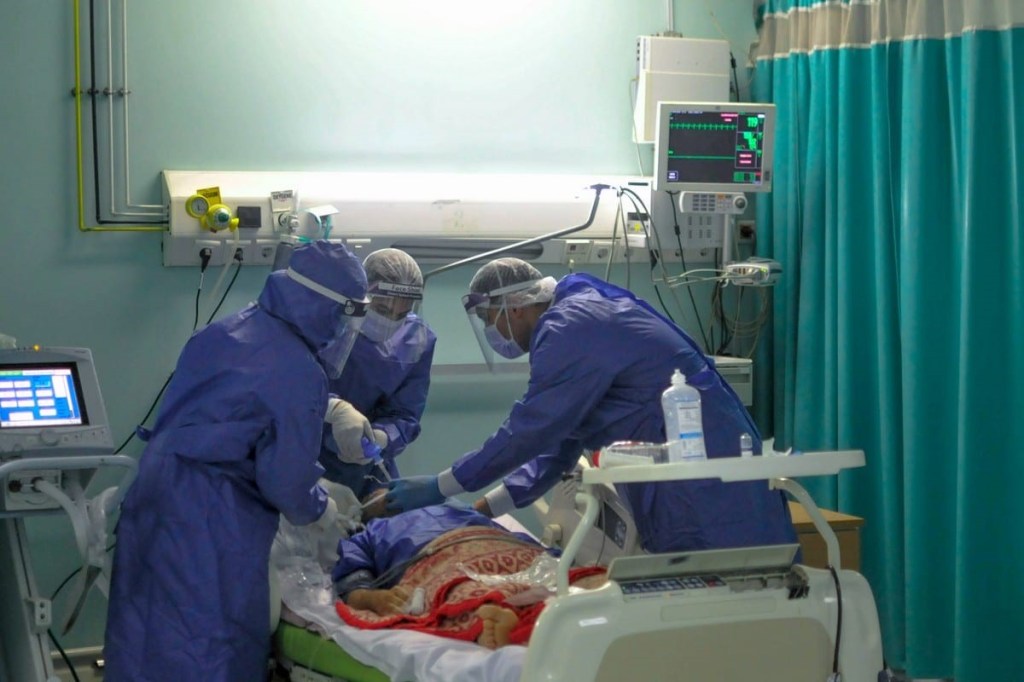
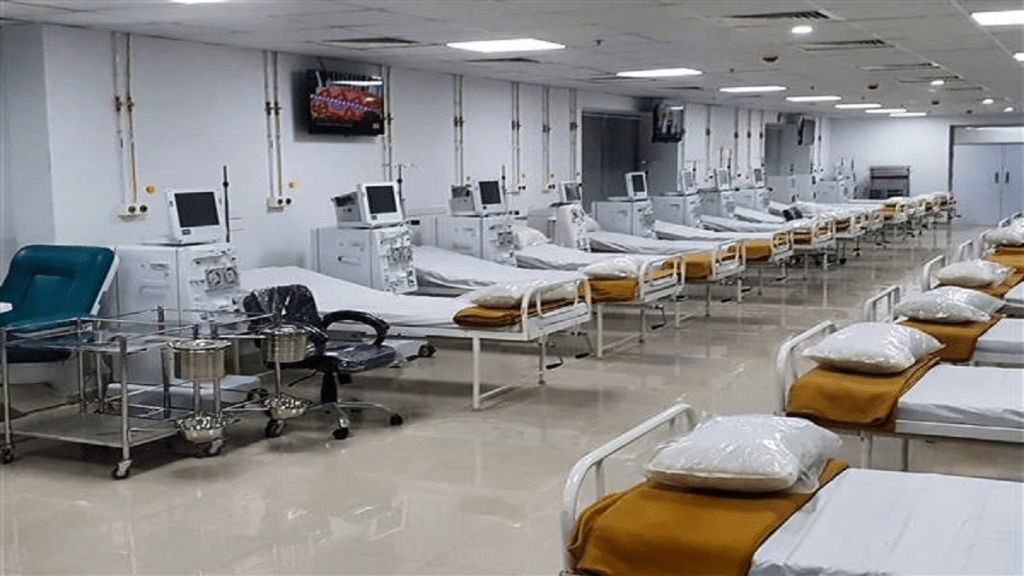
The two years of the pandemic highlighted the current inadequacies of our healthcare delivery system and the need for urgent improvisation. The two years have seen us go through harrowing times—patients died for want of hospital beds and oxygen; the ventilator supply ran dry; high infections led to a severe manpower crunch at hospitals; there were not enough vaccines available then. Our healthcare system had crumbled under pressure, and our frontline workers, both in public and private hospitals, had burned themselves out. And now with cases rising, there is fear of a return to the past among healthcare workers.

Although the pandemic has eased, the virus is still alive and mutating and more pandemics are expected to follow. In the wake of this scenario, it is important for the world community to better equip ourselves to tackle such situations in the future. It is the moment that we realise the importance and need to strengthen healthcare infrastructure globally. It is time to work on making a pandemic-proof healthcare system for the future. Below are the areas that need to be focused on:

  • ·         Curative services – there is a need for the expansion of telemedicine from triage, diagnosis, and follow-up services covering all conditions (acute to chronic). Making institutions adapt and become centres of knowledge dissemination- telemedicine and all possibilities of e- and m-health and provide knowledge to people at home, on what symptoms to look out for, where to test, how to self-care, etc for not only Covid-19 but for other conditions too.
  • ·         Improve primary health care – Better primary health care will help us protect against future pandemics. Improving primary health care includes recruiting, training, and prioritising healthcare workers, and establishing effective surveillance and response systems, building confidence in health services through community outreach.
  • ·         Improve logistics and supply – There are a lot of logistics that are needed in a healthcare system. Some examples include masks, gloves, PPEs, disinfectants, etc. Apart from there’s also the supply of syringes and the cold chain storage that’s been necessary to make sure that the vaccines are stored at the proper temperature and don’t go to waste.  Increased investments in this type of infrastructure will assist to guarantee that communities obtain the immunizations they require while also protecting them from future outbreaks.
  • ·         Promotive and preventive healthcare services – The pandemic has demonstrated that having an underlying condition like diabetes, hypertension or obesity predisposes one to complications, long hospital stays, and mortality. Because of all these reasons, COVID-19 has been categorised as a syndemic rather than a pandemic. It is necessary to provide preventive and promotive health services like boosting one’s immune system through diet, exercise, and supplements, in different formats, online, face-to-face, or through home visits.
  • ·         Mental health services – Mental health issues during the pandemic are threatening to become the next pandemic. Stress and mental health issues related to lockdowns affect everyone but tend to affect the weaker segments of society more severely. It is necessary to create awareness about mental health and make mental health services available, accessible, and affordable to all.

It is true that we need to build pandemic-proof health infrastructure. But does Covid-19 expose our health sector only or show us the reality of other aspects also? Working only on health will not be sufficient. We also need to improve our social, educational and political infrastructure. The world saw a huge dropout of students because of online classes during pandemic. Some of the major reasons given for dropping are fairly obvious: technology problems, lack of support, poorly designed courses, and technologically inexperienced educators. This demands due consideration and commitment. The epidemic has impacted numerous nations’ governmental and political systems, resulting in declarations of emergency, suspensions of legislative activity, isolation or death of multiple lawmakers, and postponing of elections owing to worries of viral transmission.Furthermore, in certain areas, the epidemic has posed various problems to democracy, causing it to be weakened and harmed. Hence, building a pandemic-proof political infrastructure will not only ensure an efficient response to tackle the crisis but also provide basic institutional support to the nation and to the world as a whole.

This is a unique moment where we have an opportunity to learn from this pandemic and prevent others in the future. The legacy of COVID-19 mustn’t be one of disruption and disparity, but instead a moment of monumental change.

Creating a Pandemic-proof Infrastructure

During the last few years, the world saw a crisis that shook every aspect of human life. A crisis that comes once in many decades. Almost every country experienced a complete lockdown at some point in time. Many countries with previously thought-to-be world-class health-care systems have also been tried, pushed to the limit, and in some respects found wanting. The pandemic took all countries by surprise and the discussion on appropriate national and global strategies is very diverse. The COVID-19 epidemic has demonstrated what is at risk, upending the lives of families worldwide. Millions of people have died, and a generation of kids has experienced a learning catastrophe.

The two years of the pandemic highlighted the current inadequacies of our healthcare delivery system and the need for urgent improvisation. The two years have seen us go through harrowing times—patients died for want of hospital beds and oxygen; the ventilator supply ran dry; high infections led to a severe manpower crunch at hospitals; there were not enough vaccines available then. Our healthcare system had crumbled under pressure, and our frontline workers, both in public and private hospitals, had burned themselves out. And now with cases rising, there is fear of a return to the past among healthcare workers.

Although the pandemic has eased, the virus is still alive and mutating and more pandemics are expected to follow. In the wake of this scenario, it is important for the world community to better equip ourselves to tackle such situations in the future. It is the moment that we realise the importance and need to strengthen healthcare infrastructure globally. It is time to work on making a pandemic-proof healthcare system for the future. Below are the areas that need to be focused on:

  • ·         Curative services – there is a need for the expansion of telemedicine from triage, diagnosis, and follow-up services covering all conditions (acute to chronic). Making institutions adapt and become centres of knowledge dissemination- telemedicine and all possibilities of e- and m-health and provide knowledge to people at home, on what symptoms to look out for, where to test, how to self-care, etc for not only Covid-19 but for other conditions too.
  • ·         Improve primary health care – Better primary health care will help us protect against future pandemics. Improving primary health care includes recruiting, training, and prioritising healthcare workers, and establishing effective surveillance and response systems, building confidence in health services through community outreach.
  • ·         Improve logistics and supply – There are a lot of logistics that are needed in a healthcare system. Some examples include masks, gloves, PPEs, disinfectants, etc. Apart from there’s also the supply of syringes and the cold chain storage that’s been necessary to make sure that the vaccines are stored at the proper temperature and don’t go to waste.  Increased investments in this type of infrastructure will assist to guarantee that communities obtain the immunizations they require while also protecting them from future outbreaks.
  • ·         Promotive and preventive healthcare services – The pandemic has demonstrated that having an underlying condition like diabetes, hypertension or obesity predisposes one to complications, long hospital stays, and mortality. Because of all these reasons, COVID-19 has been categorised as a syndemic rather than a pandemic. It is necessary to provide preventive and promotive health services like boosting one’s immune system through diet, exercise, and supplements, in different formats, online, face-to-face, or through home visits.
  • ·         Mental health services – Mental health issues during the pandemic are threatening to become the next pandemic. Stress and mental health issues related to lockdowns affect everyone but tend to affect the weaker segments of society more severely. It is necessary to create awareness about mental health and make mental health services available, accessible, and affordable to all.

It is true that we need to build pandemic-proof health infrastructure. But does Covid-19 expose our health sector only or show us the reality of other aspects also? Working only on health will not be sufficient. We also need to improve our social, educational and political infrastructure. The world saw a huge dropout of students because of online classes during pandemic. Some of the major reasons given for dropping are fairly obvious: technology problems, lack of support, poorly designed courses, and technologically inexperienced educators. This demands due consideration and commitment. The epidemic has impacted numerous nations’ governmental and political systems, resulting in declarations of emergency, suspensions of legislative activity, isolation or death of multiple lawmakers, and postponing of elections owing to worries of viral transmission.Furthermore, in certain areas, the epidemic has posed various problems to democracy, causing it to be weakened and harmed. Hence, building a pandemic-proof political infrastructure will not only ensure an efficient response to tackle the crisis but also provide basic institutional support to the nation and to the world as a whole.

This is a unique moment where we have an opportunity to learn from this pandemic and prevent others in the future. The legacy of COVID-19 mustn’t be one of disruption and disparity, but instead a moment of monumental change.

Medical Experts suggests of second covid booster dose amid rising concern.

In a meeting with Union Health Minister Mansukh Mandaviya, doctors of the Indian Medical Association (IMA) suggested allowing people to take another booster dose of the COVID-19 vaccine. If approved, this would be the second booster dose, with the first one having been approved in early 2022. The meeting was held virtually between doctors, health experts, and the Union Health Minister on 26th dec to discuss preparedness as the apprehension of another COVID-19 wave seeps through the country.

In the meeting, the doctors stressed on the fact that despite the many efforts by the health system, only a small proportion of the population got their booster dose. Dr. Sahajanand Prashad Singh, President of IMA, said that only 30 percent of the population is covered with booster doses. He urged the Health Minister to take the necessary actions to vaccinate the maximum population with booster doses.

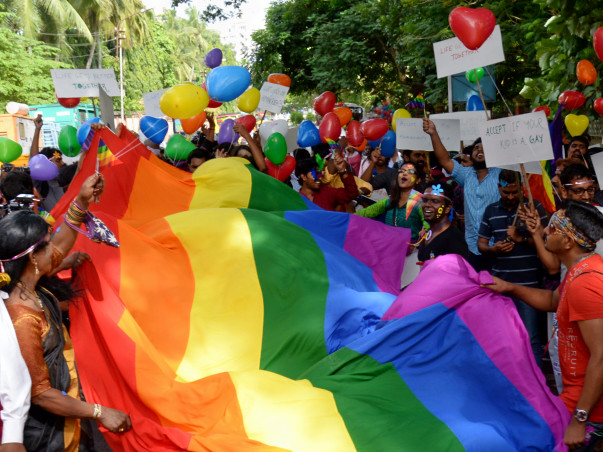
COVID-19 and its impact on LGBTQ+

The world came to a standstill with the spreading of the infectious coronavirus in 2020. In March 2020, the WHO declared the COVID-19 as a pandemic. Hence, the governments all around the world imposed (and are still imposing) nationwide/partial lockdown and curfew timings, as a measure to contain the spread of the virus.

With the imposition of lockdown came different sets of difficulties. The COVID-19 pandemic has had adverse impact on the world economy, and the impact is expected to be visible in the coming times as well. However, not just the economy but the social impact of the virus can be felt on different genders groups as well. Gender and sexual minorities are the one most prone to face the social impact of the virus.

COVID-19 and its discrimination towards LGBTQA+

The gender and sexual minorities (SGM) are especially vulnerable to the experiences of COVID-19. The SGM people collectively includes Lesbian, Gay, Bisexual, Transgender, Two-Spirit, Queer, Intersex, and Asexual (LGBT2SQIA+) people.  Hankivsky & Kapilashrami in their work ‘Beyond sex and gender analysis: An intersectional view of the COVID-19 pandemic outbreak and response’ (2020), mention that, While COVID-19 was initially framed as an illness that does not discriminate COVID-19, but like other biocultural health crises, it does in fact discriminate, and it does so in ways that mirror the discriminations that are fundamental to contemporary society.

It is not an uncommon fact for SGM people to face discrimination on a daily basis. Now in times of COVID and the past nation-wide lockdowns and state lockdowns, along with the mass hysteria of not-knowingness, their chances of facing discrimination is clearly higher than the usual.

In the work ‘Sexual and Gender Minority Health Vulnerabilities During the COVID‐19 Health Crisis’ (2020) by Gibb et al, they mention, the heteronormative structures of power, inequality and marginalisation have shaped the understanding of economic, social and political inequalities experienced by SGM people. The stigma, systemic discrimination and other forms of structural inequalities faced by SGM people’s reduces their access to vital resources such as basic healthcare, educational and employment opportunities, housing, wealth, social support and political power related to heterosexual cisgender people. Like other marginalised communities SGM people face the risk of behavioural and environmental inequalities linked to social and economic marginalisation. In the crisis of the COVID-19 pandemic, SGM people are being subjugated to the atrocities from the hysteria created by the public.

COVID-19 and mental health of LGBTQ+

With the imposition of nation-wide lockdowns and/or curfew timings, the livelihood of people came to a pause. This also meant that people had to return to their homes of safety. But, this option was not entirely available for people of SGM because of their past social unacceptance of their sexuality by their family and others. And hence, they had to take abode in unsafe neighbourhoods.

Gibb et al in their ‘Sexual and Gender Minority Health Vulnerabilities During the COVID‐19 Health Crisis’ (2020) further mention that, public health measures, such as social distancing and self-isolation, to protect the public from the pandemic may have unintended consequences for SGM people’s physical and mental health. Social distancing and isolation may lead SGM people to take shelter in dangerous places, and fall prey to experience violence and abuse. Such experiences also lead to cases of  anxiety and depression, increasing risks of suicide, self-harm and controlled substance dependence among the SGM people.

In worst case scenario when a LGBTQ+ person contacts the virus, the absence of love and care from loved ones can be damaging to their mental health. The emotional support from family could help them deal with the recovery process as they have someone to look forward to.

SGM and COVID-19 vaccination

The greater challenges faced by the LGBTQ+ was/is for getting the vaccination. There have been instances where members of the trans community were getting left out of the vaccination drive. One of the main reason for such exclusion is that it first requires the access to the web portal, which includes navigating through the sites, further demanding the need for identification to book a slot for the vaccine. This process can be quite complicated and not everyone has the access to the internet or other related means of access to it, thus creating a digital divide.

Apart from the challenge of booking a slot, there has been speculation regarding the efficacy of the vaccination and the possible side effects, which further limited the chances of them being vaccinated. However, different aid organisations are working towards especially vaccinating the LGBTQ+ community. Their efforts are yielding slow but visible results in vaccinating the community.

                         It can be regarded that the LGBTQ+ community members experienced the COVID-19 pandemic differently. These differences and discriminations always existed and will continue to do so. However, the pandemic has further exaggerated these already existing discriminations. Nevertheless, it is hopeful to anticipate that these discriminations would be reduced someday with collective efforts.

VACCINE TECHNOLOGY

BY DAKSHITA NAITHANI

ABSTRACT

The immune system is a system that operates 24 hours a day, seven days a week to keep assaults at bay and diseases at bay. The whole system is made up of organs, tissues, and a variety of cell types that work together to defend the body. Immune cells must be able to tell the difference between native and non-native cells and proteins. Microbial cells have antigens that serve as identifiers. Antigens can induce an immune response in the human body. Each species has its own set of characteristics. Vaccines function by inducing an antibody memory response in the body without producing illness. As a result, you build immunity without becoming sick. It must include at least one antigen from the target species to trigger a response.

INTRODUCTION TO VACCINE TECHNOLOGY

A vaccination, often known as an immunisation, is a biological substance that protects people from disease-causing microorganisms. They make advantage of our immune system’s built-in ability to fight infection.

They’re produced from the same pathogens that cause the disease. They have, however, been destroyed or reduced to the point that they are no longer a source of it. Certain medicines just contain a part of the microorganism.

This is why they work so well as medications. They don’t treat or cure diseases like conventional medications; instead, they prevent them. They deceive the immune system that it has been invaded by a real intruder. When real germs enter our bodies, the same thing happens, but you don’t become ill. If you ever come into touch with a pathogen, your immune system will remember it and eradicate it before it can damage you.

TYPES

Vaccines are made using a number of techniques. Various vaccine types need different techniques to development. Antigens can be used in a variety of ways, including:

These can be delivered by a needle injected into the human skin, or ingested orally or through the nasal route.

LIVE (CHICKEN POX AND MMR)

Attenuated vaccines can be made in a variety of ways. All methods involving the transmission of a virus to a non-human host result in a virus that can be recognised by the immune system but cannot replicate in humans. When given to a human, the resulting will not be able to proliferate sufficiently to cause disease, but it will protect the individual from infection in the future. Its protection outlasts that of a dead or inactivated vaccination in most cases.

INACTIVATED (POLIO VIRUS)

A pathogen is inactivated using heat or chemicals to create this sort of vaccination. Because destroyed viruses are unable to replicate, they cannot revert to a more virulent form capable of causing disease. They are, however, less effective than live vaccines and are more likely to require renewals in order to acquire long-term protection.

RECOMBINANT (HPV)

They have been genetically modified in a lab. This method may be used to duplicate a certain gene. The HPV vaccine may be tailored to protect against strains that cause cervical cancer.

SUBUNIT (INFLUENZA AND ACELLULAR PERTUSSIS) AND CONJUGATE VACCINES (HAVING ONLY PIECES OF THE PATHOGEN)

Subunit vaccines use only a fraction of a target pathogen to elicit a response. This can be accomplished by isolating and administering a specific pathogen protein as a stand-alone antigen.

Conjugate vaccines, like recombinant vaccines, are made up of two different components. The “piece” of microbe being supplied would not typically elicit a substantial reaction on its own, but the carrier protein would. The bacterium is not the sole cause of the disease, but when combined with a carrier protein, it can render a person resistant to subsequent infections.

TOXOIDS (DIPHTHERIA AND TETANUS)

Some diseases are caused by a toxin produced by bacterium rather than by the bacterium themselves. Toxoids are inactivated toxoids that are used in vaccinations. Toxoids are classed as killed vaccines, although they are sometimes given their own category to emphasise the fact that they include an inactivated toxin.

DEVELOPMENT AND PRODUCTION

Vaccine development is a lengthy process that involves both public and private parties and takes almost a decade. Millions of individuals receive them each year, and the most of them have been in use for decades. Before being included in a country’s vaccination programme, they must undergo extensive testing to ensure their safety. Each vaccine in development must first go through screenings and evaluations to determine which antigen should be utilised to elicit a reaction. This step is completed without the use of humans. Animals are used to assess the safety and disease-prevention potential of experimental vaccinations.

STAGE 1

It takes around 2-4 years to produce and necessitates some fundamental research. Antigens, whether natural or synthetic, are identified by scientists and may help in disease prevention or therapy. Antigens might be virus-like particles, attenuated viruses or bacteria, weakened bacterial toxins, or other pathogen-derived substances.

STAGE 2

Using tissue or cell-culture techniques and animal testing, studies assess the candidate vaccine’s safety or ability to elicit an immune response. Animal topics include fish, monkeys, and mice. These studies give an idea of what to expect in terms of cellular responses in people. This period often lasts 1-2 years.

PHASE I TRIALS

The vaccine is administered to a small number of volunteers to determine its safety, confirm that it induces a reaction, and determine the optimum dosage. This round of testing is carried out on young, healthy adult participants. The goals are to determine the type and number of reactions generated by the candidate vaccine, as well as to assess the candidate vaccine’s safety.

PHASE II TRIALS

The vaccine is then given to several hundred participants to assess its safety and ability to elicit a response. Participants in this phase share the same traits as the vaccine’s intended recipients. Several studies are often undertaken during this phase to test various age groups and vaccination formulations. In most studies, a non-vaccinated group is included as a comparison group to check if the changes in the vaccinated group were due to chance or medicine.

PHASE III TRIALS

The goal is to assess vaccine safety in a large group of patients. Certain rare side effects may not have showed themselves in the low numbers of people tested in the first phase. Thousands of volunteers are given the vaccination compared to a similar number of individuals who did not receive the injection but received a comparator product to assess the vaccine’s efficacy against the illness. It is meant to protect against and to examine its safety in a much bigger group of people. To guarantee that the performance findings are applicable to a wide variety of persons, the bulk of phase three trials are conducted across various countries and different sites within a country.

PHASE IV TRIALS

Firms may conduct optional studies following the launch of a vaccine. The producer may do additional testing to determine the vaccine’s safety, efficacy, and other potential applications.

REVERSE VACCINOLOGY

Reverse vaccinology is the use of genetic information combined with technology to make vaccines without the use of microorganisms. It assists in the study of an organism’s genome for the purpose of identifying novel antigens and epitopes that may be utilised as prospective candidates. This method has been around for at least a decade. By unravelling the entire genomic sequence, it is possible to determine what molecules make up the genomic sequence. Without needing to grow the pathogen for a longer amount of time, candidate antigens can be discovered.

Reverse vaccinology has been used to create vaccines for meningococcal and staphylococcal diseases all over the world. Infections are caused by Staphylococcus bacteria, which can be found on the skin or in the nose of even healthy persons. The bacteria Neisseria meningitidis causes a serious infection of the thin covering of the brain and spinal cord.

PRODUCTION QUALITY CONTROL AND COMMERCIALIZATION

Vaccines are biological compounds that are frequently hybridised and complex to understand. They are made through a succession of manufacturing and formulation steps, with the finished product often containing a large number of component items. As a result, unlike a tiny molecule medicine, the finished product is impossible to classify. This needs a highly controlled production system as well as a personnel capable of performing such processes on a continual basis. Control testing takes over two years and occupies more than half of the time in the subsequent manufacturing process.

 STEP 1- PRODUCTION

Following clinical trials, when a vaccine reaches the pre-approval stage, it is evaluated by the applicable regulatory authority for quality, safety requirements.

STEP -2 MAKING

Businesses will create development plans for a vaccine on their own. Once a vaccine is approved, production begins to pace up. The antigen has been rendered inactive. All of the components are mixed to make the final product. The entire process, from testing to manufacturing, can take a lengthy time to complete.

STEP- 3 PACKAGING

It is then bottled in glass vials and packed for safe cold storage and transportation once it is produced in bulk. It must be able to resist severe temperatures as well as the dangers associated with international shipping. As a result, glass is the most often used material for vials since it is robust and can keep its integrity under severe extrinsic factors.

 STEP- 4 STORAGE

When it is excessively hot or cold, it loses its effectiveness and may even become inert. Vaccinations can be destroyed or rendered dangerous to use if kept at the improper temperature. Most vaccinations must be kept chilled between 2 and 8 degrees Celsius, necessitating the use of specialist medical freezers.

STEP-5 SHIPPING

They are transported out using particular equipment so as to maintain its integrity. Lorries deliver them from the airport to the warehouse cool room after supplies arrive in the market. New innovations have resulted in the development of portable devices that can keep vaccines cold for several days without the need of power.

QUALITY CONTROL

Once they are given out, authorities continuously check for – and assess the severity of – any potential side effects and responses from the recipients. Safety is a top priority, with frequent reviews and post-approval clinical trials reporting on its effectiveness and safety.

CAREER SCOPE

There are several prospects in vaccine research and development, clinical trials, vaccine manufacturing, and public distribution. These jobs are available at universities, companies, government laboratories and agencies, hospitals, and on the front lines of vaccine distribution all around the world. When different components of a project are handled by different groups at the same time in industry, greater teamwork is usually required, whereas a scientist in an academic lab may be a lone worker overseeing all parts of a project.

The balance between creative science and all of the business administration that comes with securing money, maintaining a budget, and overseeing other scientists or assistants is the most challenging aspect.

 Research allows scientists to work on a project that has the potential to have a direct influence on public health, whether it’s on a lab bench, a production line, or to support a clinical trial.


WHAT REALLY ARE VACCINES?

BY: VAIBHAVI MENON

A vaccine is a biological preparation that provides active acquired immunity to a particular infectious disease. A vaccine typically contains an agent that resembles a disease-causing microorganism and is often made from weakened or killed forms of the microbe, its toxins, or one of its surface proteins. The agent stimulates the body’s immune system to recognize the agent as a threat, destroy it, and to further recognize and destroy any of the microorganisms associated with that agent that it may encounter in the future. Vaccines can be prophylactic (to prevent or ameliorate the effects of a future infection by a natural or “wild” pathogen), or therapeutic (to fight a disease that has already occurred, such as cancer).

The administration of vaccines is called vaccination. Vaccination is the most effective method of preventing infectious diseases; widespread immunity due to vaccination is largely responsible for the worldwide eradication of smallpox and the restriction of diseases such as polio, measles, and tetanus from much of the world. The effectiveness of vaccination has been widely studied and verified; for example, vaccines that have proven effective include the influenza vaccine, the HPV vaccine, and the chicken pox vaccine. The World Health Organization (WHO) reports that licensed vaccines are currently available for twenty-five different preventable infections. The terms vaccine and vaccination are derived from Variolae vaccinae (smallpox of the cow), the term devised by Edward Jenner (who both developed the concept of vaccines and created the first vaccine) to denote cowpox. He used the phrase in 1798 for the long title of his Inquiry into the Variolae vaccinae Known as the Cow Pox, in which he described the protective effect of cowpox against smallpox. In 1881, to honor Jenner, Louis Pasteur proposed that the terms should be extended to cover the new protective inoculations then being developed. The science of vaccine development and production is termed vaccinology. There is overwhelming scientific consensus that vaccines are a very safe and effective way to fight and eradicate infectious diseases. The immune system recognizes vaccine agents as foreign, destroys them, and “remembers” them. When the virulent version of an agent is encountered, the body recognizes the protein coat on the virus, and thus is prepared to respond, by first neutralizing the target agent before it can enter cells, and secondly by recognizing and destroying infected cells before that agent can multiply to vast numbers. Limitations to their effectiveness, nevertheless, exist. Sometimes, protection fails because of vaccine-related failure such as failures in vaccine attenuation, vaccination regimes or administration or host-related failure due to host’s immune system simply does not respond adequately or at all. Lack of response commonly results from genetics, immune status, age, health or nutritional status. It also might fail for genetic reasons if the host’s immune system includes no strains of B cells that can generate antibodies suited to reacting effectively and binding to the antigens associated with the pathogen.

Even if the host does develop antibodies, protection might not be adequate; immunity might develop too slowly to be effective in time, the antibodies might not disable the pathogen completely, or there might be multiple strains of the pathogen, not all of which are equally susceptible to the immune reaction. However, even a partial, late, or weak immunity, such as a one resulting from cross-immunity to a strain other than the target strain, may mitigate an infection, resulting in a lower mortality rate, lower morbidity, and faster recovery. Adjuvants commonly are used to boost immune response, particularly for older people whose immune response to a simple vaccine may have weakened.

Why is vaccination important?

COVID-19’s catastrophic second wave left India crippled. Shortage of oxygen, hospitals on the brink, unbridled Covid deaths, rampant Covid cases, people in agony pretty much sums up the second wave.

The virus evolves as it spreads. India is coping with the UK version, South African variant, Double mutant, Kappa variant, and Delta variant- to name a few.

When will COVID-19 come to an end?

Some of the viruses responsible for previous pandemics, such as the H1N1 swine flu virus, continue to spread today, so does H3N2.

And, the bitter truth is, this may also be the case with COVID-19. COVID-19 is far more difficult to eradicate since it may spread from animals to humans and from humans to humans.

“The virus sticks around, but once people develop some immunity to it — either through natural infection or vaccination — they won’t come down with severe symptoms. The virus would become a foe first encountered in early childhood, when it typically causes mild infection or none at all,” quoted Jennie Lavine, an infectious-disease researcher at Emory University in Atlanta, Georgia.

Eradication, on the other hand, isn’t the sole option. We’ve previously controlled and confined Ebola, hepatitis B, measles, and SARS, all of which were similar to the current COVID-19.

“The end of the pandemic is not the end of this virus — it’s the end of an unsustainable impact on health systems,” ANDREW J POLLARD, FRCPCH PhD FMedSci, is Professor of Pediatric Infection and Immunity at the University of Oxford said. “If we can convert it into something more innocuous, then we’ll have the end of the pandemic in sight.”

COVID-19 can also be contained and controlled with vaccination. Covishield has a 90% efficacy rate, while Covaxin has an 81 percent efficacy rate. Russia’s Sputnik V has a 91.6 percent efficacy rate. It’s time to get vaccinated for your own and your family’s protection, as vaccination is the only way out of this pandemic.

Post-vaccination symptoms & why they are good?

After taking the vaccination, one may experience some side effects like pain at the injection site, joint pain, redness, headache, chills, swelling at the injection site, fever, nausea, or fatigue.

But it’s perfectly normal and, in fact, beneficial. Side effects are the immune system’s response to the vaccine & a sign that the vaccine is working.

The good news on our part is that a brisk response equals an effective response,” Dr. Mark Loafman, chair of family and community medicine for Cook County Health in Illinois, told NBC 5. “It tells us that the vaccine is working. Our body’s forming a robust immune response and we feel that that’s a positive thing. So, we tend to see the vaccines that have a higher efficacy rate also have more of the so-called side effects or the symptoms because they work so well.”

Vaccines are designed to give you immunity without the dangers of getting the disease. Common and mild or moderate side effects are a good thing: they show us that the vaccine is working. Experiencing no side effects doesn’t mean the vaccine is ineffective. It means everybody responds differently. 

Vaccination drive could save lives

The corona virus pandemic hits all of us so hard; it has impacted the lives and livelihoods of the people around the world. Second wave was a warning sign with thousands of death reported due to covid.

Image : FDA

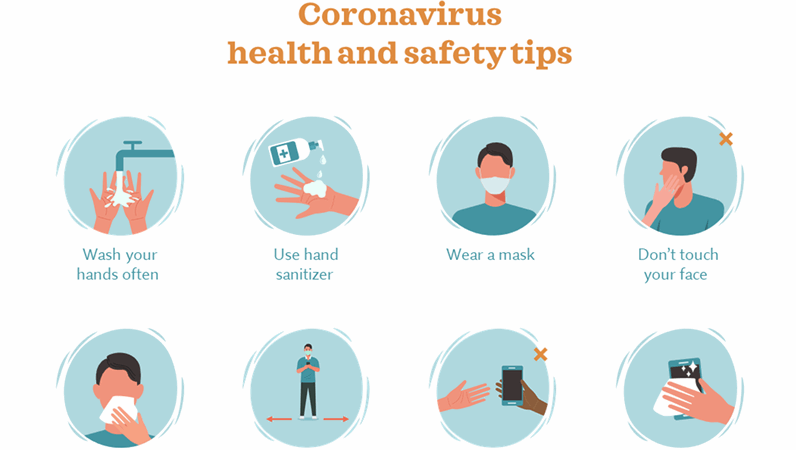
Although, during first wave India have managed well by following norms and guidelines issued by our government.  People followed social distancing, hand washing and masking along with other preventive measures. The whole country was under lockdown to break the chain of transmission but had a devastating impact on the country’s economy.

However, we should thankful for the advances made in the field of medical technology and research for the discovery of covid-19 vaccination. This will strengthen our fight against corona virus. Even after vaccination it is important to follow the covid appropriate behavior.

Image: Microsoft templates

As extraordinary situations required extra ordinary measures, mandatory vaccination for all could help us to achieve herd immunity. This will help us to increase the capacity of healthcare system. 

Why the need and demand increases with time?

High Time – This is the high time to make vaccination mandatory to protect the lives of people, protecting the vulnerable and preventing the devastating effect of lock down.

Public Safety – Clinical trials and ongoing researches have shown vaccinated people are at lower risk of developing severe diseases than the unvaccinated ones. Mortality is rare for fully vaccinated ones, researchers and scientists have developed vaccines which have negligible side effects and higher efficacy rates.

Continuous Supply – As per the current situation it is important to maintain the pace of vaccination drives to break the chain of transmission and to achieve herd immunity. The central and state governments should work in collaboration to make the vaccination drive successful by ensuring proper supply.

Healthcare System – Healthcare workers or frontline warriors should be fully vaccinated along with their family members. So, that everyone could be safe because they are the ones who are taking care of the patients in this time of emergency. Their safety should come first to strengthen healthcare infrastructure.

Image: India Tv

Is India ready for the third wave of Covid-19?

We’ve been through this pandemic since 2019. It’s only in January 2020 we came to know about it, too late to take any precautions as such. The nation started to witness a huge number deaths and got to understand the severity of this virus. The only option left for the government was a nationwide lock down. On the evening of March 24, 2020, the government of India under Prime Minister Narendra Modi, announced a nationwide lockdown for 21 days, i.e till 14th April 2020, but was extended further for months.

This affected the nation in a drastic manner with the downfall in the economy of the country, rise in unemployment, poverty, theft and robbery. Everything brought into the nation a complete chaos. It not only affected the country economically but also the mental health of the people. The suicide rate during the pandemic has increased drastically. We humans need companions. Maintaining social distance and not to talk and meet anyone in person is really difficult for a normal human. It’s just that we are not use to, though it has become a new normal now.

The education system collapsed completely during this pandemic. Online mode of education can never replace the offline mode, no matter how much technically capable we become. Never in the history had matriculation and intermediate examination be cancelled. Now as it has, students have taken things so lightly that examination don’t fear them anymore. Children now, are the future of our country. What will these students grow up and do? How will our country develop further? Will our country be safe in their hands? We don’t have an answer to these. This pandemic no matter how soon we wish to end, is going to have a long term effect on everybody’s life.

‘COVID third wave to hit India in August’

A research report has predicted that India may witness the third wave of COVID-19 in mid-August 2021, raising the alarm bells for policymakers and citizens. The research claims that the COVID third wave peak will arrive in the month of September 2021. According to the SBI report, the global data shows that on average, peak COVID-19 cases reached during the third wave are nearly twice or 1.7 times those from the second wave of the pandemic.

Are we ready for the next wave to hit? Everything that’s happening to happen once again?

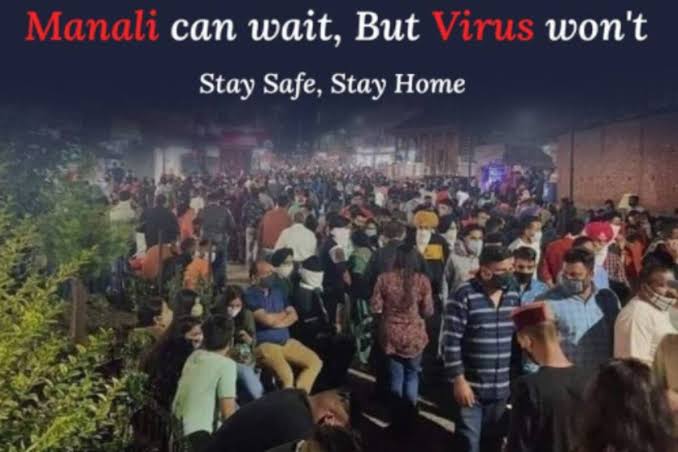
No, right? The people of our country are not at all, though the government is arranging for beds, oxygen and all other necessities. The people on the other hand are planning trips and vacations. Just a month ago, people were struggling to get oxygen and a bed at the hospital. Now the same people are struggling to get rooms at a resort in Manali.

India registered 43,393 new COVID-19 cases today from peak of 4 lakhs in the 3rd week of May. 44,459 recoveries, and 911 deaths in the last 24 hours, as per the latest update by the Health Ministry this morning. As per the data shared by the Ministry of Health and Family Welfare (MoHFW), there has been been a slowdown in the downward trend of daily COVID infections and a slight increase in the positivity rate. Yet, third wave is knocking the door. Beware!

Vaccination

The only way you can be a little safe during the third wave is through vaccination. Though it’s very difficult to get your slots booked, try and vaccinate yourself as soon as possible. Vaccination too cannot protect you from the virus completely. Go out only if necessary and wear masks properly. It’s better to stay away from crowded places to avoid being caught by the virus.

Get yourself vaccinated and stay home!

Pregnant womens eligible for COVID- 19 vaccination

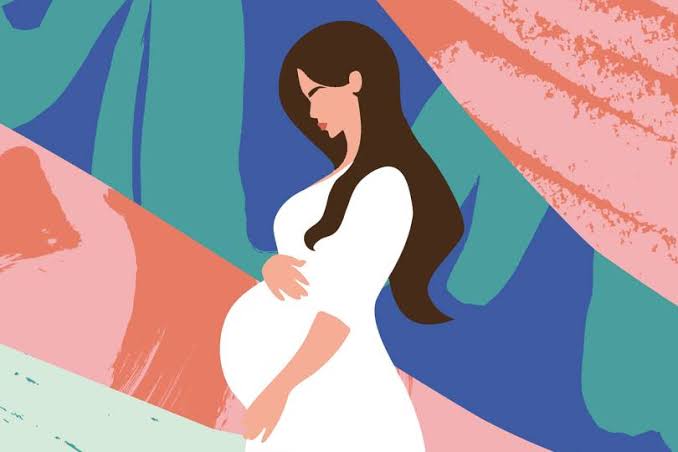
The pregnant womens are now eligible for COVID 19 vaccination after the recommendation of NITAG (National Immunisation Technical Advisory Group) which is an advisory committee responsible for providing information related to vaccine to the national government of different country, as they follow evidence based work approach and play significant role in the whole pandemic situation. The decision got approved by the Union Health Ministry.


The centre has issued operational guidelines for the vaccination of pregnant women and the healthcare professionals who are responsible for the process. There is high risk of COVID 19 infection in case of pregnant women, which can impact the health of both the mother and the baby. The priority is to inform all such women about the risk, benefit, side effect and then get vaccinated. After most of the people getting vaccinated the centre’s decision on vaccination of pregnant women will surely strengthen the vaccination drive. Now they can register themselves on COVIN or directly visit the vaccination centre.

India and vaccination drive
India started with its vaccination drive in January 2021. It started when two indigenous vaccine Covisheild by Serum institute of India and Covaxin by Bharat biotech passed the trials and got approval. It is India’s first ever adult vaccination drive.
In the first phase of Vaccination drive, all the Frontline workers and healthcare staff got vaccinated and gradually, dividing the population into the category of 45+ and 18+ the vaccination drive begin for the public as well. Apart from this vaccination trials were performed on children as it is forecasted that the third wave is likely to affect children more than adults.


The challenges and progress
India is one of the largest and most populated country in the world. The government of India is running the biggest vaccination drive while they face many challenges which include-

  • Lack of participation
  • Wastage of vaccine
  • Lack of awareness
    While these are some of the most common yet the most difficult obstacles that made it difficult to run the vaccination process and to reach a greater number of people specially the illiterate and rural population of the country. The government planned the strategy from local to national level and made tremendous offers towards making the drive successful by –
  • Eliminating vaccine hesitation
  • Ensuring COVID protocols are followed including mandatory vaccination.
  • Encouraging participation in the vaccine drive

Conclusion
A smooth functioning of the vaccination drive is necessary in order to make sure that maximum number of people get benefited. India has already gone through the worst condition in the second wave where the nation witnessed oxygen shortage, no beds in hospital and medicines running out of stock. Not only this the but, the financial loss and shortage of resources, loss of livelihood in the time of pandemic left the common man shattered.
The pandemic also showed us the reality of our healthcare system and faulty administration. The medical infrastructure is still not well equipped with some of the most basic facility which is a matter of concern.