9 World war movies that are a must watch

For decades, filmmakers have tackled the sensitive and emotionally-driven theme of World War II in an array of noteworthy and poignant pictures. These moving and oftentimes brutal depictions of the horrors, shocking realities, and devastating impacts of the violent war seem to deeply touch audiences across the world. Production studios continuously harness tales of this frightening and monumental period of history with gripping and heartbreaking stories, and moviegoers can’t help but be drawn to them. The most shocking stories are showed in light, reminding us that world wars were truly the most horrifying times, a person could live through.  Some of Hollywood’s most talented and esteemed visionaries have ventured into the touching and difficult subject, crafting memorable and thought-provoking results, and frequently winning Best Picture Oscars as a result. Here is a list of brilliantly made war movies you mustn’t miss out on

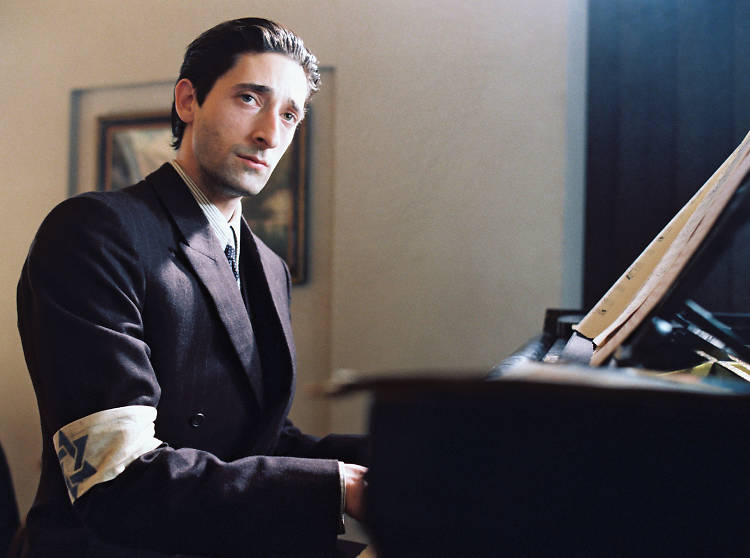
The Pianist

The Pianist is based on the Holocaust memoir of Polish-Jewish pianist and composer Władysław Szpilman, depicting his struggles to survive the destruction of the Warsaw ghetto of World War II. The emotionally-moving picture has a deep connection with Polanski, as he escaped from the Kraków Ghetto after the death of his mother and ended up living in a Polish farmer’s barn until the war’s end.
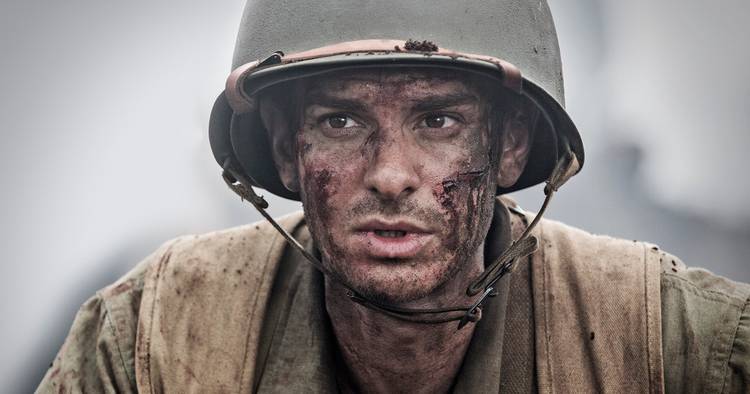
Hacksaw Ridge

Hacksaw Ridge focuses on the World War II experiences of pacifist combat medic Desmond Doss who, as a Seventh-day Adventist Christian refused to use or carry a weapon or firearm of any kind. The film was based on the 2004 documentary The Conscientious Objector, and after initially turning down the project twice, Gibson finally agreed and was tasked with creating a concoction of violence and faith. Andrew Garfield powerfully portrays Doss, and the biopic features the additional talents of stars like Sam Worthington, Teresa Palmer and Vince Vaughn. Upon reading the screenplay for the first time, Garfield revealed he was moved to tears. The Oscar-nominated drama garnered universal acclaim upon its release, earning praise for both Gibson’s directing and Garfield’s moving performance.
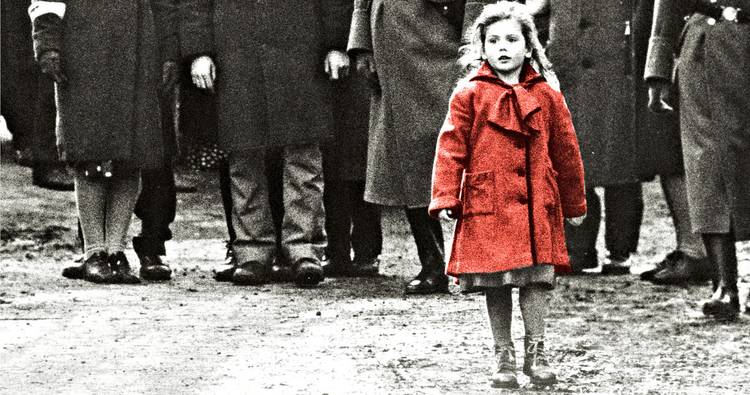
Schindler’s List

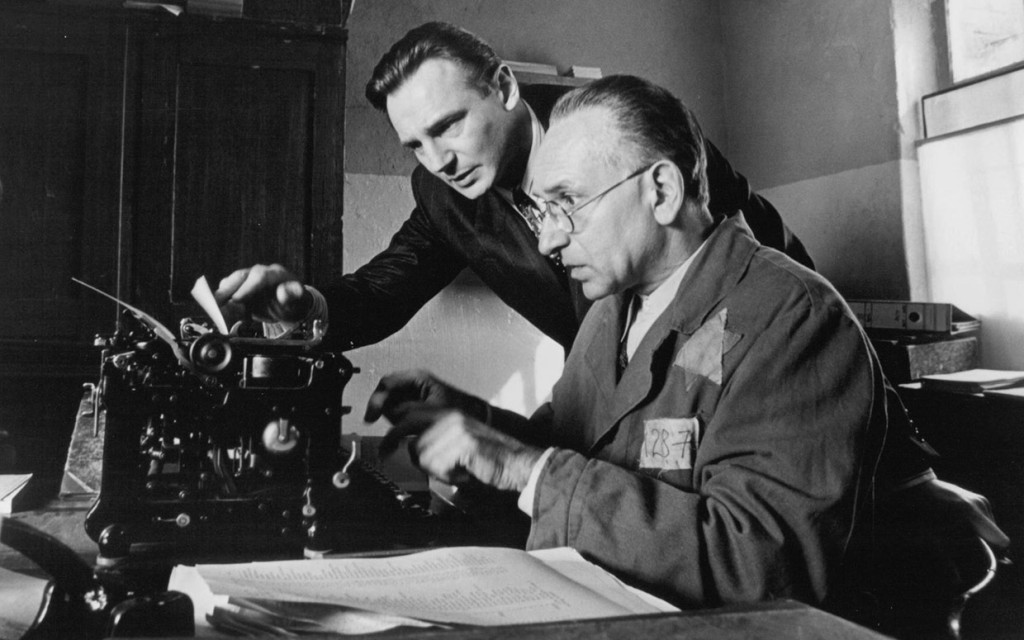
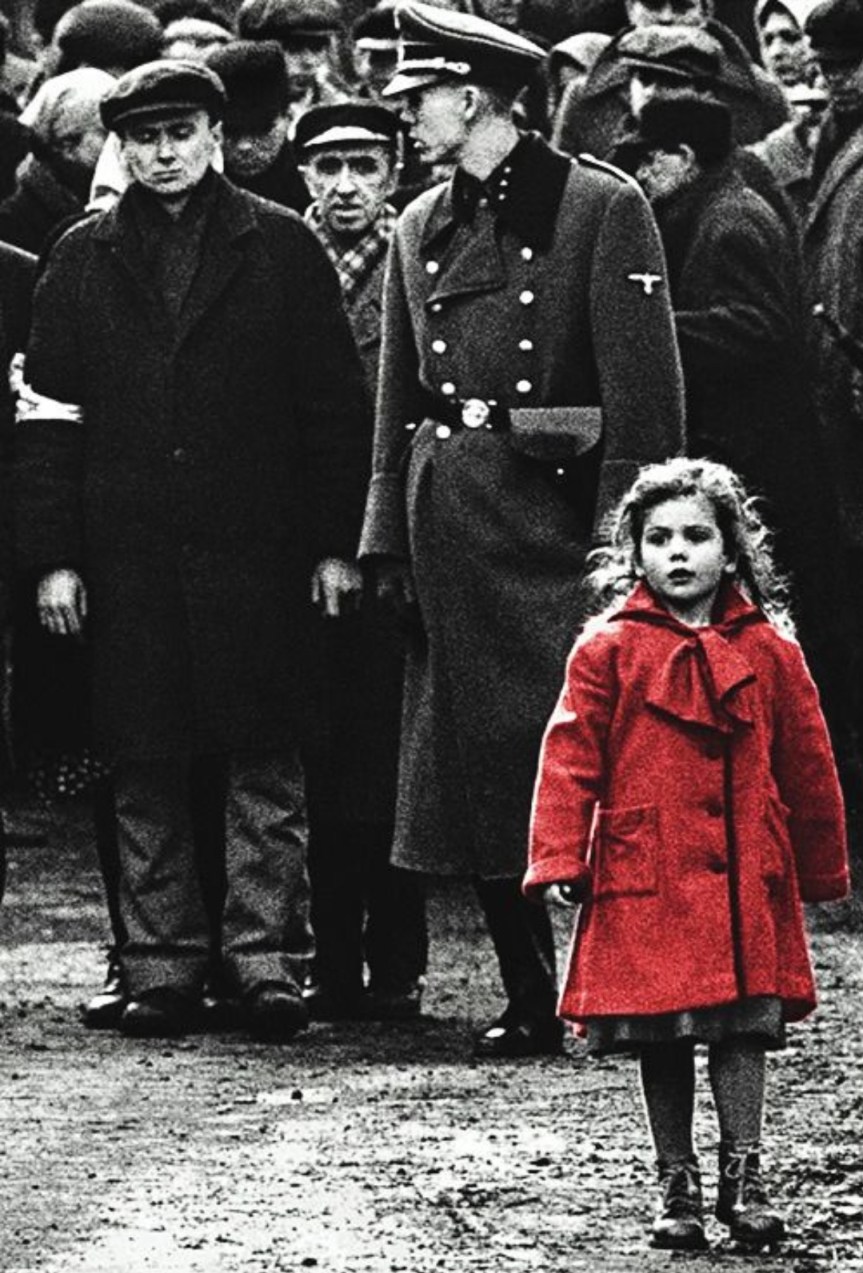
Spielberg’s deeply personal masterpiece is perhaps the most moving war film ever made. All the more so with the knowledge that it was based on the true story of Oskar Schindler, who originally set out to make his fortune by exploiting cheap Jewish labour in Krakow.However, as Schindler witnesses the unfolding horror of the Holocaust, his motivation changes and he bribes Nazi leaders to keep his employees out of the extermination camps, saving more than 1,100 lives. The winner of seven Oscars, Schindler’s List does full justice to Thomas Keneally’s source novel and remains just as powerful and relevant today.. Liam Neeson delivers the performance of a lifetime as Schindler, and appears alongside the gifted Ralph Fiennes and Ben Kingsley.
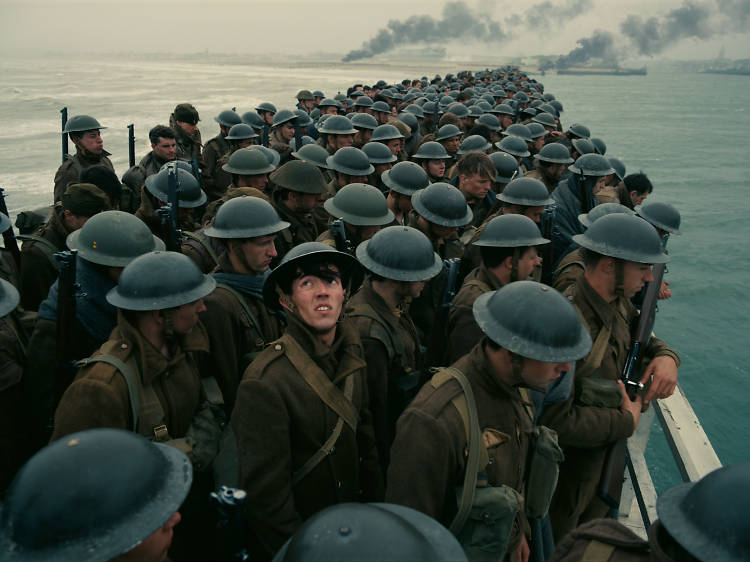
Dunkirk

Dunkirk, which depicts the Dunkirk evacuation of World War II through the perspectives of the land, sea, and air. The outstanding ensemble cast features some of cinema’s finest performers like Kenneth Branagh, Cillian Murphy, and Tom Hardy, and the drama was portrayed with very little dialogue, as Nolan wanted to create suspense with the stunning cinematography and music. The filmmaker conceived the premise of the war flick in the mid-1990s, when he and his wife sailed across the English Channel, following the path of many small boats in the Dunkirk evacuation.
Saving Private Ryan,

 Saving Private Ryan, which is set during the Invasion of Normandy and follows a group of U.S. soldiers who go behind enemy lines to retrieve a paratrooper whose brothers have been killed in action. The gripping film stars a myriad of distinguished leads including Tom Hanks, Edward Burns and Matt Damon and was partially inspired by the Niland brothers, four American brothers from New York who served in WWII, with only two surviving. On why he repeatedly returns to the subject, Spielberg revealed, “I think that World War II is the most significant event of the last 100 years; the fate of the Baby Boomers and even Generation X was linked to the outcome. Beyond that, I’ve just always been interested in World War II.” The Oscar-winning Saving Private Ryan is frequently cited as influential in the war and action film genre, and is credited with renewing World War II interest in the media.

Casablanca

Classic Hollywood movie is considered one of the finest films ever created. The 1942 romantic drama Casablanca famously features Hollywood icons Humphrey Bogart and Ingrid Bergman, centring on a cynical American expatriate who must decide whether he wants to help his former lover and her fugitive boyfriend escape the Nazis in French Morocco. The iconic picture was based on an original play by writer Murray Burnett, who drew inspiration after traveling to Vienna in 1938.Since Casablanca’s premiere, its popularity has only continued to grow, with Burnett once calling it, “true yesterday, true today, true tomorrow.”

Grave of the Fireflies

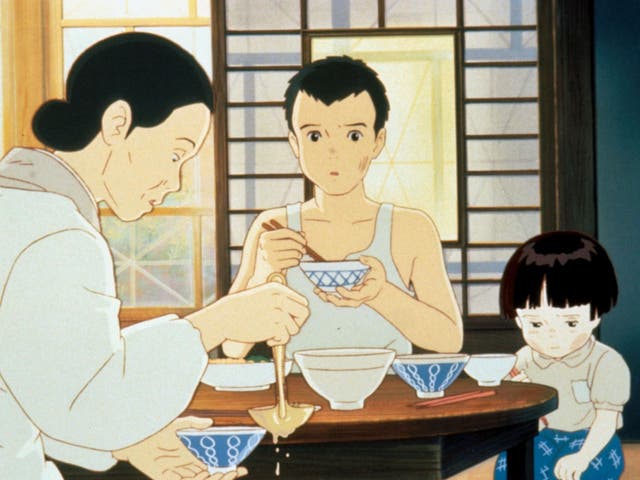
Heartbreaking and thought-provoking anime from Studio Ghibli about brother and sister Japanese orphans desperately trying to survive in the dying days of the war. A haunting anti-war statement almost without peer, adapted from the story by Akiyuki Nosaka and based on his own experiences in the firebombed city of Kobe.
Inglourious Basterds,

Inglourious Basterds, telling an alternate history story of two plots to assassinate Nazi Germany’s leadership: one planned by a group of Jewish U.S. soldiers and the other by a French Jewish theater owner. Tarantino spent over a decade creating the script, and viewed the project as his masterpiece-in-the making and his best work thus far. He described the men of the picture as “not your normal hero types that are thrown into a big deal in the Second World War.” The famed director wanted the character of Hans Landa portrayed by a native German-speaking actor and cast Austrian Christoph. Tarantino was worried the part was unplayable, but Waltz delivered an Oscar-winning knockout performance as the ruthless SS officer

Letters From Iwo Jima

A companion piece to Eastwood’s Flags of Our Fathers, which told the story of the battle for Iwo Jima from the American perspective, this is the better of the two films, told from the viewpoint of the Japanese. The film marks the culmination of Eastwood’s growth as an artist, as he eloquently and movingly humanises the Japanese soldiers fighting against near impossible odds.Letters from Iwo Jima is stunning, depicting a group of soldiers even more bound by tradition and honour than their American counterparts, trapped in an unwinnable war and dreaming only of home.

9 World war movies that are a must watch

For decades, filmmakers have tackled the sensitive and emotionally-driven theme of World War II in an array of noteworthy and poignant pictures. These moving and oftentimes brutal depictions of the horrors, shocking realities, and devastating impacts of the violent war seem to deeply touch audiences across the world. Production studios continuously harness tales of this frightening and monumental period of history with gripping and heartbreaking stories, and moviegoers can’t help but be drawn to them. The most shocking stories are showed in light, reminding us that world wars were truly the most horrifying times, a person could live through.  Some of Hollywood’s most talented and esteemed visionaries have ventured into the touching and difficult subject, crafting memorable and thought-provoking results, and frequently winning Best Picture Oscars as a result. Here is a list of brilliantly made war movies you mustn’t miss out on

The Pianist

The Pianist is based on the Holocaust memoir of Polish-Jewish pianist and composer Władysław Szpilman, depicting his struggles to survive the destruction of the Warsaw ghetto of World War II. The emotionally-moving picture has a deep connection with Polanski, as he escaped from the Kraków Ghetto after the death of his mother and ended up living in a Polish farmer’s barn until the war’s end.

Hacksaw Ridge

Hacksaw Ridge focuses on the World War II experiences of pacifist combat medic Desmond Doss who, as a Seventh-day Adventist Christian refused to use or carry a weapon or firearm of any kind. The film was based on the 2004 documentary The Conscientious Objector, and after initially turning down the project twice, Gibson finally agreed and was tasked with creating a concoction of violence and faith. Andrew Garfield powerfully portrays Doss, and the biopic features the additional talents of stars like Sam Worthington, Teresa Palmer and Vince Vaughn. Upon reading the screenplay for the first time, Garfield revealed he was moved to tears. The Oscar-nominated drama garnered universal acclaim upon its release, earning praise for both Gibson’s directing and Garfield’s moving performance.

Schindler’s List

Spielberg’s deeply personal masterpiece is perhaps the most moving war film ever made. All the more so with the knowledge that it was based on the true story of Oskar Schindler, who originally set out to make his fortune by exploiting cheap Jewish labour in Krakow.However, as Schindler witnesses the unfolding horror of the Holocaust, his motivation changes and he bribes Nazi leaders to keep his employees out of the extermination camps, saving more than 1,100 lives. The winner of seven Oscars, Schindler’s List does full justice to Thomas Keneally’s source novel and remains just as powerful and relevant today.. Liam Neeson delivers the performance of a lifetime as Schindler, and appears alongside the gifted Ralph Fiennes and Ben Kingsley.

Dunkirk

Dunkirk, which depicts the Dunkirk evacuation of World War II through the perspectives of the land, sea, and air. The outstanding ensemble cast features some of cinema’s finest performers like Kenneth Branagh, Cillian Murphy, and Tom Hardy, and the drama was portrayed with very little dialogue, as Nolan wanted to create suspense with the stunning cinematography and music. The filmmaker conceived the premise of the war flick in the mid-1990s, when he and his wife sailed across the English Channel, following the path of many small boats in the Dunkirk evacuation.

Saving Private Ryan,

 Saving Private Ryan, which is set during the Invasion of Normandy and follows a group of U.S. soldiers who go behind enemy lines to retrieve a paratrooper whose brothers have been killed in action. The gripping film stars a myriad of distinguished leads including Tom Hanks, Edward Burns and Matt Damon and was partially inspired by the Niland brothers, four American brothers from New York who served in WWII, with only two surviving. On why he repeatedly returns to the subject, Spielberg revealed, “I think that World War II is the most significant event of the last 100 years; the fate of the Baby Boomers and even Generation X was linked to the outcome. Beyond that, I’ve just always been interested in World War II.” The Oscar-winning Saving Private Ryan is frequently cited as influential in the war and action film genre, and is credited with renewing World War II interest in the media.

Casablanca

Classic Hollywood movie is considered one of the finest films ever created. The 1942 romantic drama Casablanca famously features Hollywood icons Humphrey Bogart and Ingrid Bergman, centring on a cynical American expatriate who must decide whether he wants to help his former lover and her fugitive boyfriend escape the Nazis in French Morocco. The iconic picture was based on an original play by writer Murray Burnett, who drew inspiration after traveling to Vienna in 1938.Since Casablanca’s premiere, its popularity has only continued to grow, with Burnett once calling it, “true yesterday, true today, true tomorrow.”

Grave of the Fireflies

Heartbreaking and thought-provoking anime from Studio Ghibli about brother and sister Japanese orphans desperately trying to survive in the dying days of the war. A haunting anti-war statement almost without peer, adapted from the story by Akiyuki Nosaka and based on his own experiences in the firebombed city of Kobe.

Inglourious Basterds,

Inglourious Basterds, telling an alternate history story of two plots to assassinate Nazi Germany’s leadership: one planned by a group of Jewish U.S. soldiers and the other by a French Jewish theater owner. Tarantino spent over a decade creating the script, and viewed the project as his masterpiece-in-the making and his best work thus far. He described the men of the picture as “not your normal hero types that are thrown into a big deal in the Second World War.” The famed director wanted the character of Hans Landa portrayed by a native German-speaking actor and cast Austrian Christoph. Tarantino was worried the part was unplayable, but Waltz delivered an Oscar-winning knockout performance as the ruthless SS officer

Letters From Iwo Jima

A companion piece to Eastwood’s Flags of Our Fathers, which told the story of the battle for Iwo Jima from the American perspective, this is the better of the two films, told from the viewpoint of the Japanese. The film marks the culmination of Eastwood’s growth as an artist, as he eloquently and movingly humanises the Japanese soldiers fighting against near impossible odds.Letters from Iwo Jima is stunning, depicting a group of soldiers even more bound by tradition and honour than their American counterparts, trapped in an unwinnable war and dreaming only of home.
Schindler’s Ark: The Book Review

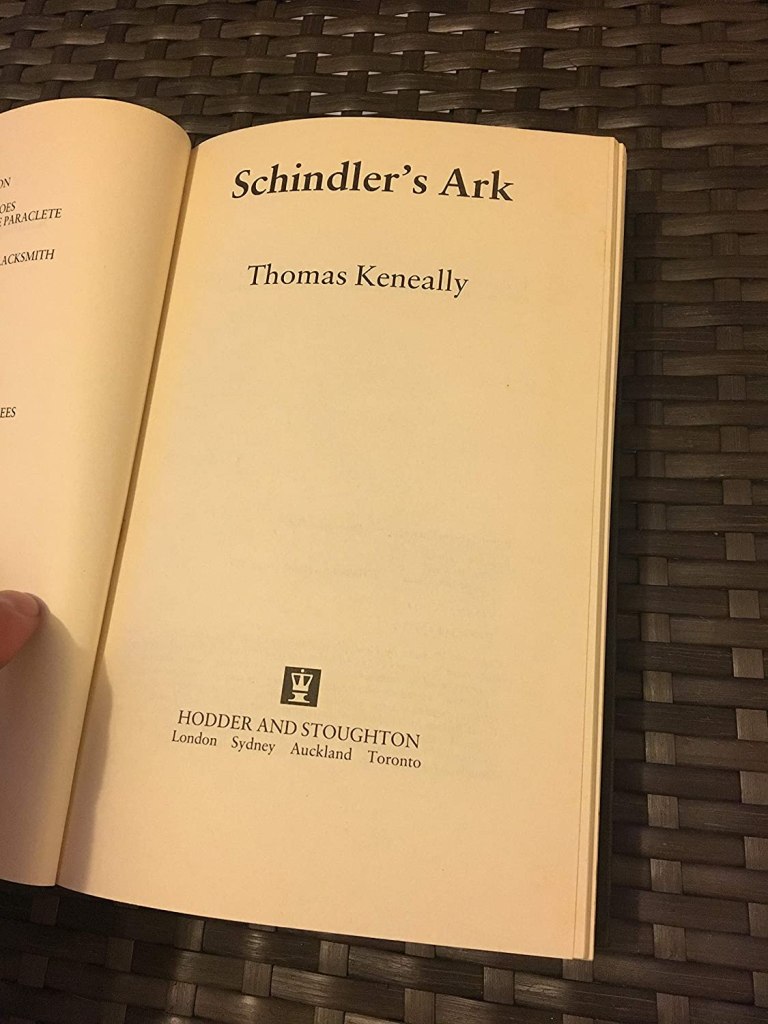
First Printed Edition of Schindler’s Ark

Introduction

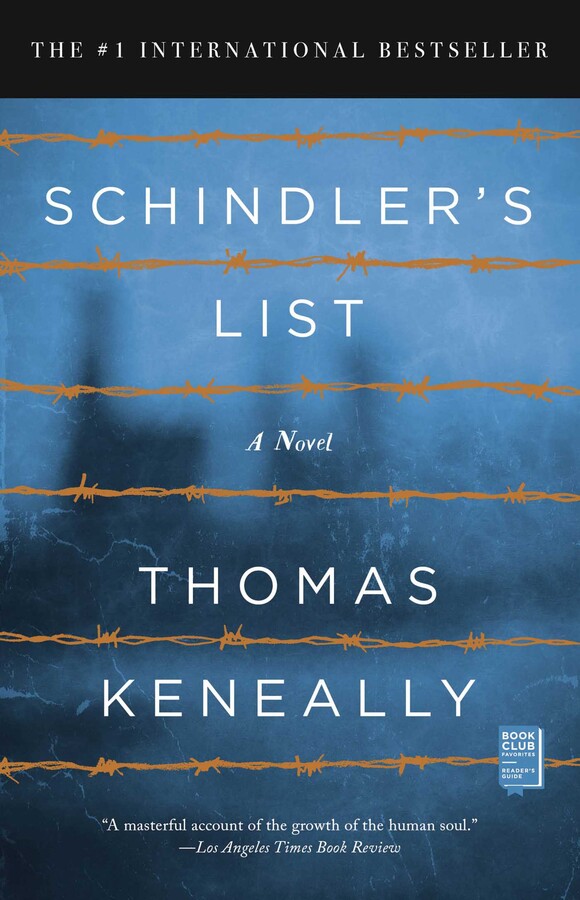
Australian author Thomas Keneally‘s novel first “Schindler’s Ark” (later republished as Schindler’s List) brought the story of Oskar Schindler’s rescue of Jewish people during the Nazi Holocaust, to international attention in 1982, when it won the Booker Prize. It was made by Steven Spielberg into the Oscar-winning film Schindler’s Listin 1993, the year Schindler and his wife were named Righteous Among the Nations.

Schindler’s Ark later republished as Schindler’s List

About The Author

Thomas Michael Keneally, (born 7 October 1935) is an Australian novelist, playwright, essayist  and actor.  Keneally’s first story was published in The Bulletin  magazine in 1962 under the pseudonym Bernard Coyle. By February 2014, he had written over 50 books, including 30 novels. He is particularly famed for his Schindler’s Ark  (1982) (later republished as Schindler’s List), the first novel by an Australian to win the Booker Prize and is the basis of the film Schindler’s List. He had already been shortlisted for the Booker three times prior to that: 1972 for The Chant of Jimmie Blacksmith, 1975 for Gossip from the Forest, and 1979 for Confederates. Many of his novels are reworkings of historical material, although modern in their psychology and style.

Thomas Keneally

Storyline of The Novel

The story of the novel is based on true events, on account of the Nazi Holocaust during World War II. Oskar Schindler, (born April 28, 1908, Svitavy [Zwittau], MoraviaAustria-Hungary  [now in the Czech Republic]—died October 9, 1974, Hildesheim, West Germany), German industrialist who, aided by his wife and staff, sheltered approximately 1,100 Jews from the Nazis  by employing them in his factories, which supplied the German army during World War II.

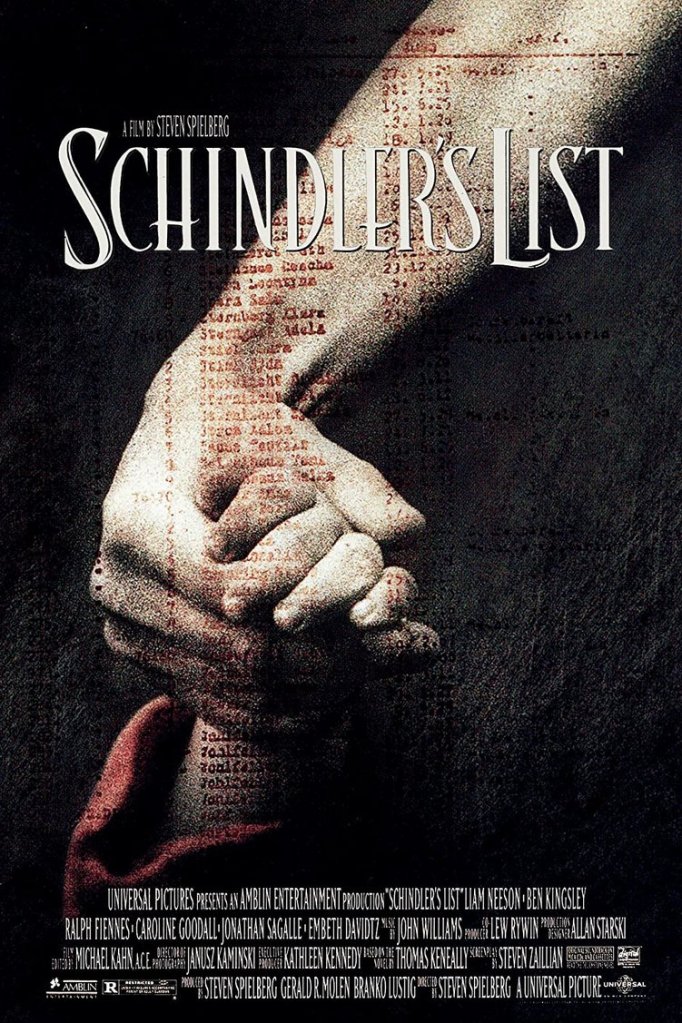
Poster of Steven Spielberg‘s movie Schindler’s List (1993)

In the shadow of Auschwitz, a flamboyant German industrialist grew into a living legend to the Jews of Kraków. He was a womaniser, a heavy-drinker and a bon viveur, but to them he became a saviour. This is the extraordinary story of Oskar Schindler, who risked his life to protect Jews in Nazi-occupied Poland and who was transformed by the war into a man with a mission, a compassionate angel of mercy.

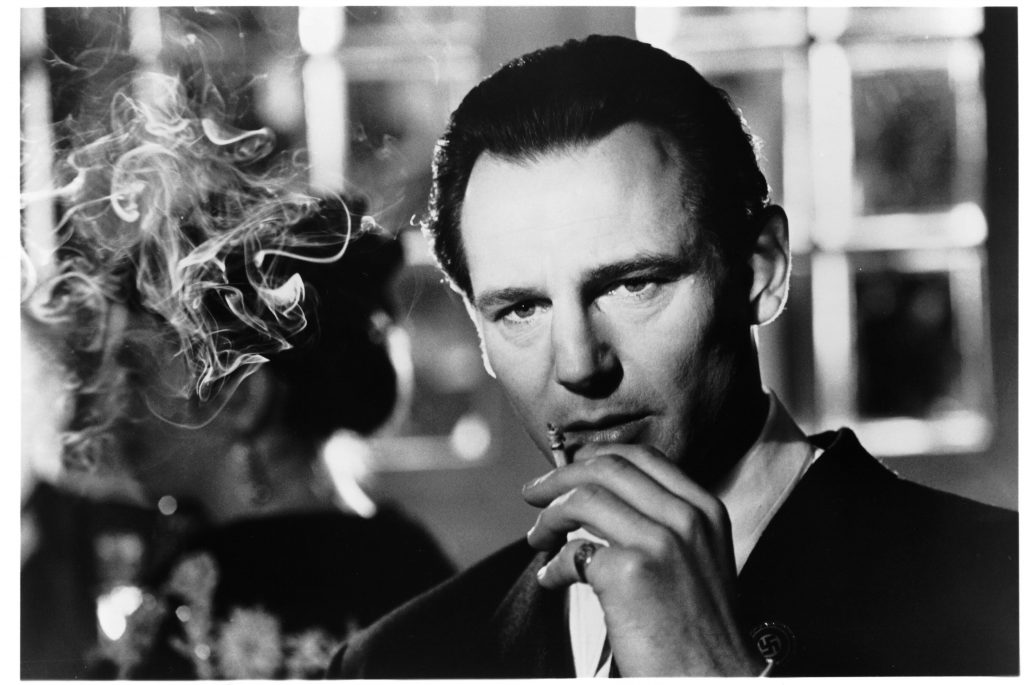
Liam Neeson as Oskar Schindler in Schindler’s List (1993)

Analysis of The Storyline

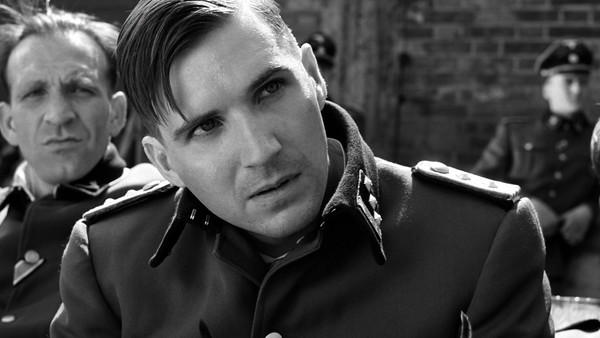
The novel introduced a vast and diverse cast of characters. However, the focus of the narrative was between Oskar Schindler and Amon Goeth. In the story, there was a dichotomy between what is essentially good and what is evil, that was personified by these two primary characters. Goeth represented everything evil. The war churned out a selfish and heartless sadist who found delight in inflicting pain on the Jews. Ironically, he lusted after his Jewish maid. Schindler, on the other hand, was portrayed as the Good German. He didn’t believe everything that the Nazi regime was saying against the Jews. He was, however, a man of contradictions. Despite being depicted as the epitome of goodness, he lived a self-indulgent lifestyle, which included proclivity towards the bottle and women. His infidelities have been a constant source of pain for his wife, Emilie. He also uses his connections to gain the upper hand in negotiations; it would also be a seminal part of his campaign to save the Jews.  

Ralph Fiennes as Amon Goeth in Schindler’s List (1993)

Criticism of The Storyline

The amount of research poured to recreate the story of Oskar Schindler was astounding. And the starting point to this is as interesting as the novel itself. As noted in the Author’s Note, a chance encounter in 1980 led to the novel. Schindler’s motivation for protecting his workers was rarely ever clear, especially at the start. Questions still hound his true intentions. He, after all, brazenly took advantage of the cheap labour the Jews offered at the start of his enterprise. Is Schindler an anti-hero? The answer can be found in Keneally’s extensive research. Through interviews with surviving Schindlerjuden and different Second World War archives, he managed to identify the point in which Schindler decided to protect the Jews. While horseback riding on the hills surrounding Kraków, he witnessed an SS Aktion unfold on the Jewish ghetto below. The Jews were forcefully taken out of their houses. Those who resisted were shot dead, even in the presence of children. Witnessing the atrocious acts firsthand turned Schindler’s stomach. It was then that he resolved to save as many Jews as he can.

Scene from Schindler’s List (1993)

Overall, what didn’t work was the manner in which Keneally related the story of Oskar Schindler. As the story moved forward, it became clearer that Keneally was unsure of how to deliver the story. His resolve to remain loyal to Oskar’s story was commendable. He endeavored to do just that but it never fully came across. The result was an amalgamation of fiction and historical textbook. The strange mix muddled the story and the result was a perplexing work of historical fiction. It is without a doubt that one of the darkest phases of contemporary human history is the Second World War. Nobody expected that the meteoric ascent of Der Führer, Adolf Hitler, in the German political ladder would lead to a devastation of global scale. As the Axis forces march towards and beyond their boundaries, they would leave death and destruction in their wake, stretching from Europe, to the Pacific, and to the Far East. The consequences of the war would resonate well beyond its time. With genocides, concentration camps, and slave labour commonplace, the war was a reflection of the human conditions. Its peak, the Holocaust, exhibited the extent of the darkest shades of the human spirit. It was a grim portrait.

Indeed, the Second World War brought out the worst in humanity. However, in times of darkness, there are those among us who rise to the occasion. One of them is Oskar Schindler whose story was related by Thomas Keneally in his nonfiction novel, Schindler’s List (1982).

Conclusion

While Keneally‘s dramatization of this great man’s exploits is lacking in novelistic shape or depth, the brutality and heroism are satisfyingly, meticulously presented–as plain, impressive, historical record; and if admirers of Keneally’s more imaginative work may be disappointed, others will find this a worthy volume to place beside one of the several Wallenberg biographies.

Intricacies of war and the way it is normalized in the 21st century

Photo by Pixabay on Pexels.com

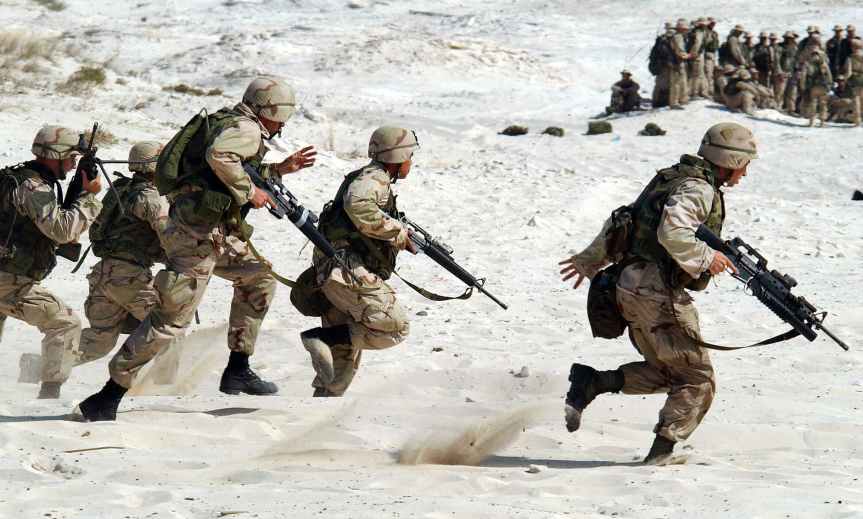
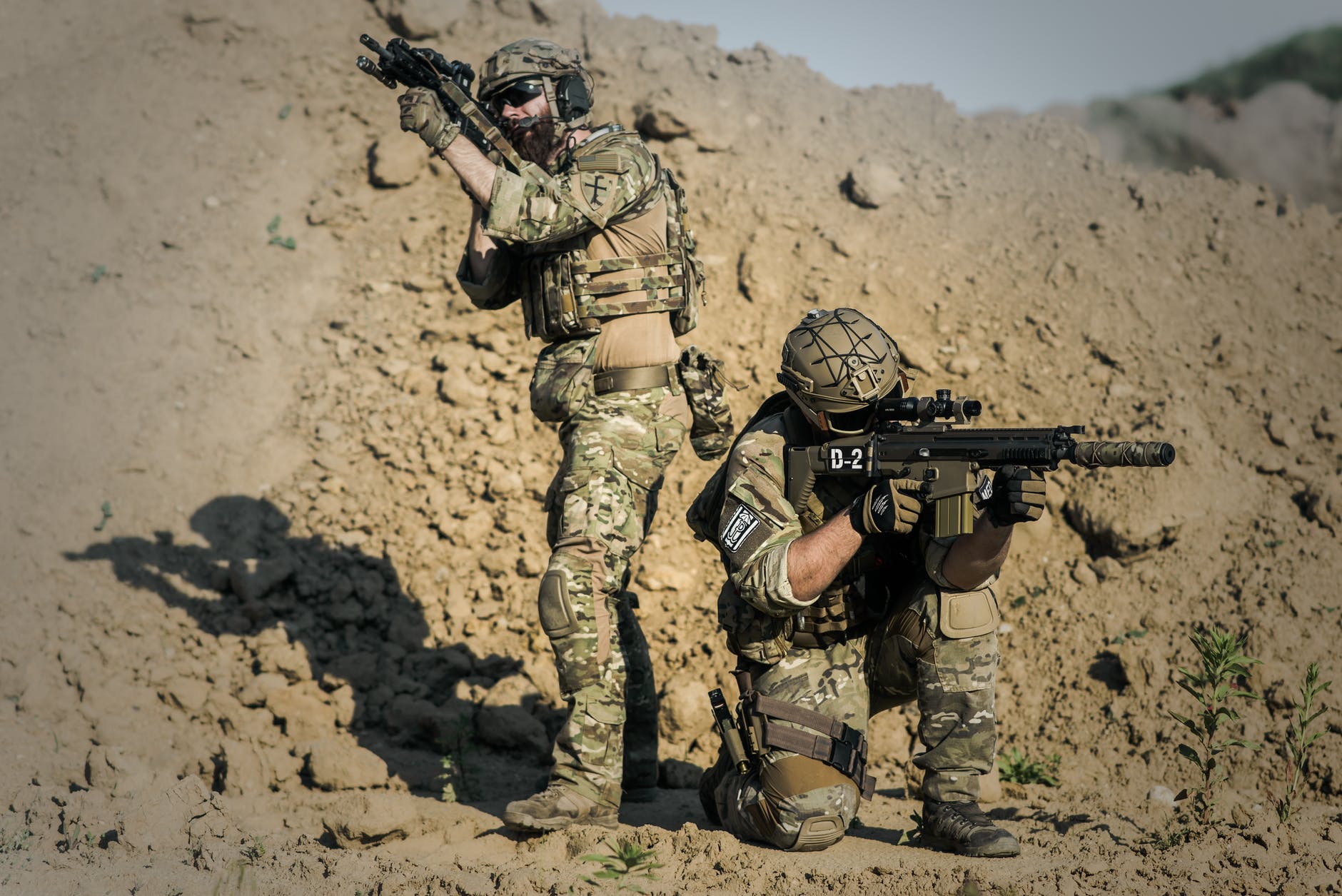
War is not completely about the action, in fact, to execute the fight, there is a vast economical, logistical factor and many budget constrans. Management plays a key role in such situation more than a day to day business, as every decision a person makes is associated with many lives and there is many stakeholder bodies to answer to.

                                         People usually never fail to respect people in the navy, especially social media has been favoring them for their effort, but it is sad that their life in camps and other navy office workers is not completely transparent which leads to many false assumptions which usually underestimates their work portfolio and the work load, this leads to a lot misunderstanding from the reality. Let’s discuss some reality of War, 

                           People die, not as obvious as its sounds, not on a bed or a hospital but in a survival situation where you either die or cut your hurt arm with a Swiss knife slowly feeling your own bone for the first time to live. Soldiers in action experience practical Paranoia, war never happens often but when it happens lot of trainees will on the field facing foreign men trying to kill by all means and act just as higher officials say who would let you die if it is necessary. There will be a lot of confusion despite the training, if you put your head over the barrier will you be seen or shot? Where are the enemy? Are they  behind you? As you are fighting hand to hand, what are the odds you dying instead of him?

The Hiroshima Day

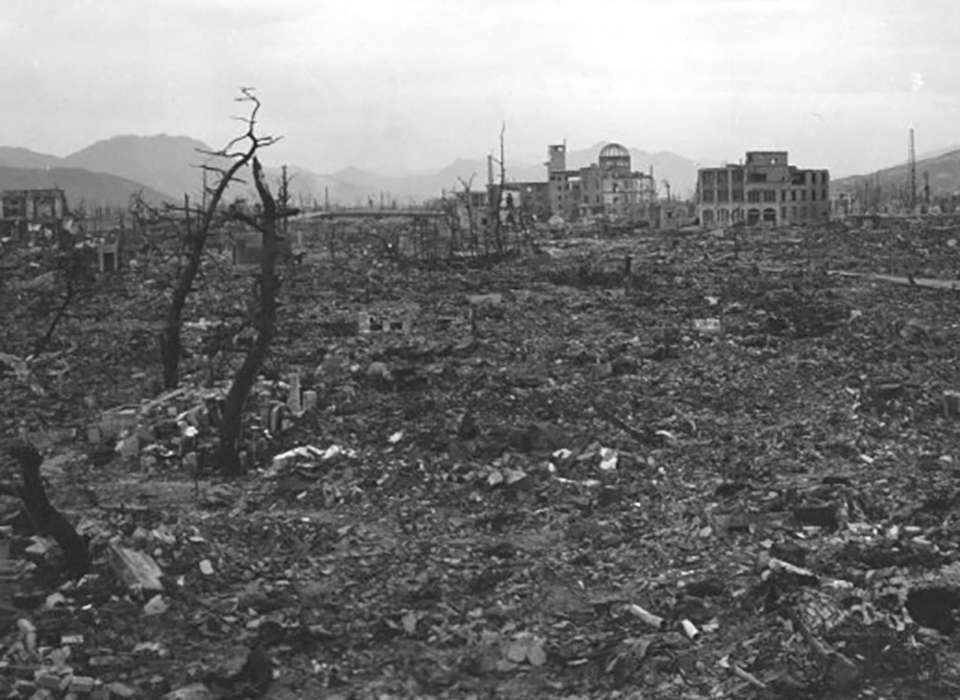
6th August 1945. Imperial Japan had refused to surrender even though all the other Axis powers had. Hitler and Mussolini were dead – the Second world war in Europe had come to an end as far as conflicts were concerned (A long age of a partitioned Germany and the Nuremberg trials would happen later). Roosevelt had overseen the construction of secret weapon and Truman, who came to power in the April of that year, ordered for its use.

Atomic Bomb Dropped on Hiroshima - HISTORY
Hiroshima was the first city in history to suffer a nuclear detonation.

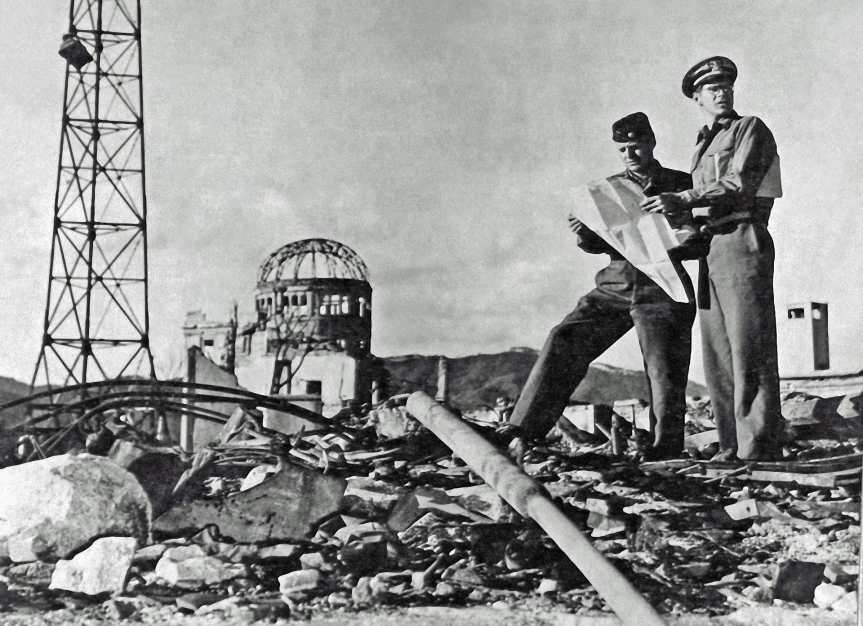
The city of Hiroshima was bombed on the 6th of August 1945 – the first ever atomic bomb attack in human history. 3 days later, another Japanese city – Nagasaki was bombed with the nuclear weapon – forcing Japan to surrender unconditionally and bring the second world war to a decisive end in the favour of the Allied forces. But Truman and most Americans shall never know what it is to be bombed with the weapon. Hiroshima and Nagasaki mark the only instances of atomic bombing recorded. The Allied had failed to bring Japan to its knees and sought the Atom bomb as a quick and effective way. But this quick way, which was a joint plan by the US and its allies – as required by the Quebec Agreement killed a 150,000 people – a 120,000 of them being civilians in Hiroshima alone. And this might have been one of the deadliest attacks on a civilian city by any country involved in a conventional warfare – let alone the US that was trying top be the leader of human rights and civilian liberties.

The Most Fearsome Sight: The Atomic Bombing of Hiroshima | The National  WWII Museum | New Orleans
A 120,000 people and 50sq km of area were eradicated in a matter of seconds.

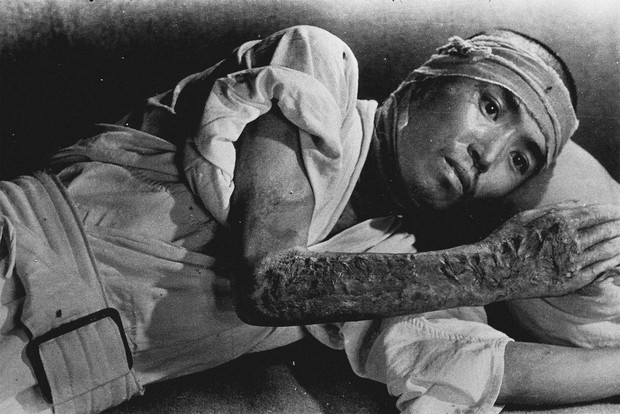
To the Allies, the bomb meant an end to warfare and a sign of American supremacy for the next 5 decades. But to Japan, it meant deaths of 200,000 people in both cities and several decades of nuclear poisoning, radiation induced mutations and cancers that spanned several generations and in some families continue even today.

The University of Texas created a photobook to let the average American – who allegedly yields more pride than sympathy toward the incident – to know of the plight of a nuclear warfare. And people across the world – may it be Chinese, Indian, Pakistani, American, Russian, Israeli or North Korean(if they could read this) would agree that the rhetoric of a nuclear warfare is so blatant in these societies that a bunch of stupid people in the government can lead to a humanitarian and environmental crisis unprecedented in history.

University of Texas photo book aims to show realities of Hiroshima,  Nagasaki blasts to US - The Mainichi
Raditation poisoning killed about 20,000 more people in the later months.

The Hiroshima Day is a reminder of the powers of nature that man has been able to harness and the fact that these powers mean only more responsible behaviour is needed in all of us.

Hiroshima Peace Memorial Park Hiroshima Tickets & Tours - Book Now
The Hiroshima Memorial Park stands as a testimony to those people who bore the brunt of war between two groups who sought nothing but a global supremacy in trade and diplomacy.

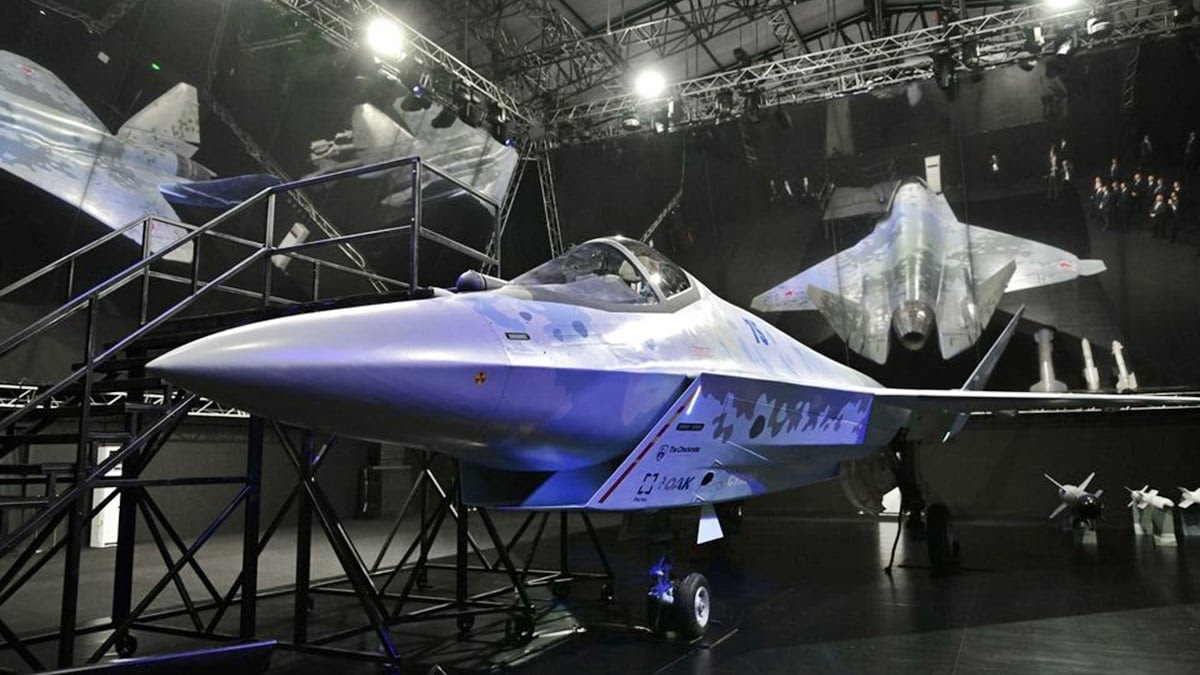
Can Russia ‘Checkmate’ US in global market,with its new fighter jet SU-75 (checkmate)?

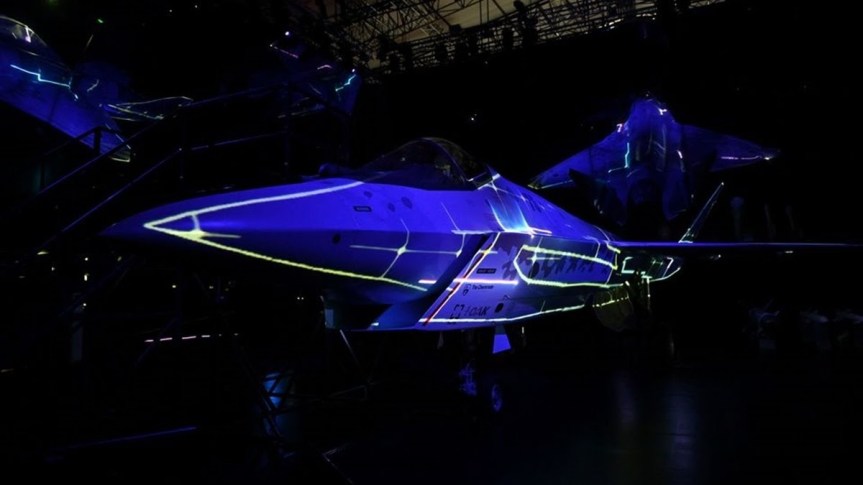
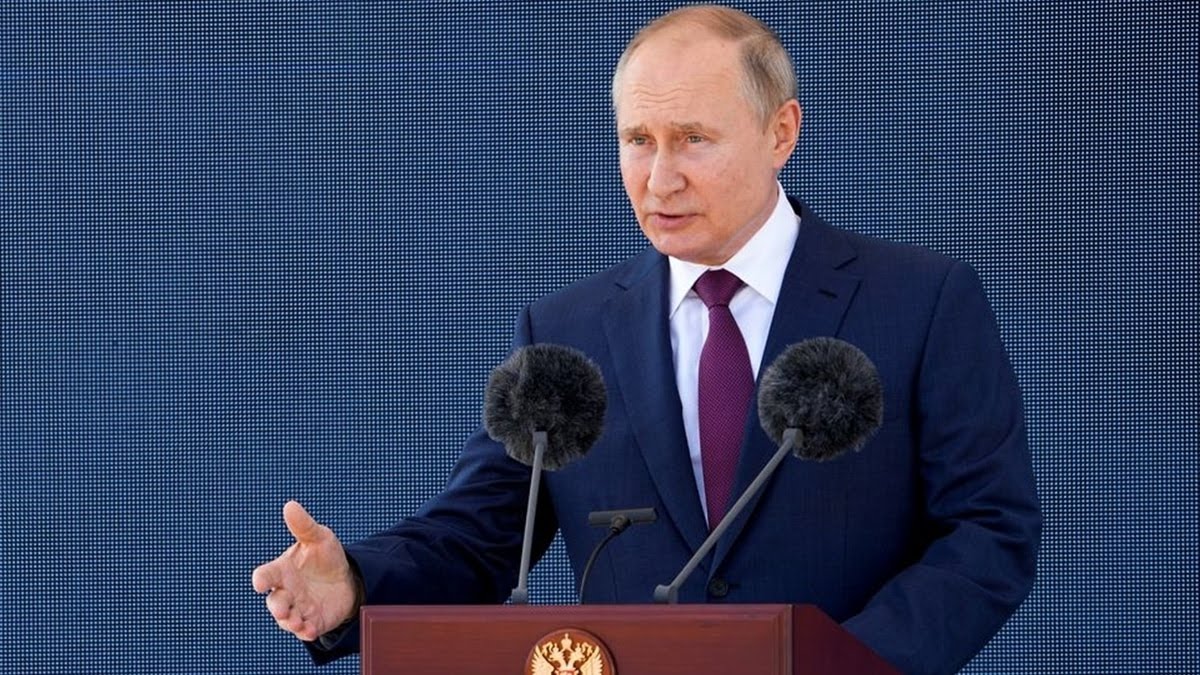
On Saturday, last week in MAKS-2021 arms show, a new fighter jet nicknamed ‘Checkmate’ was unveiled in Moscow, in presence of Russian president Vladimir Putin.This MAKS arms show is a chance for Russian industry to introduce the public to the next generations of its flagship vehicles, as well as for smaller players to pitch their prototypes and concepts to prospective buyers.

SU-75 (Checkmate) Specifications

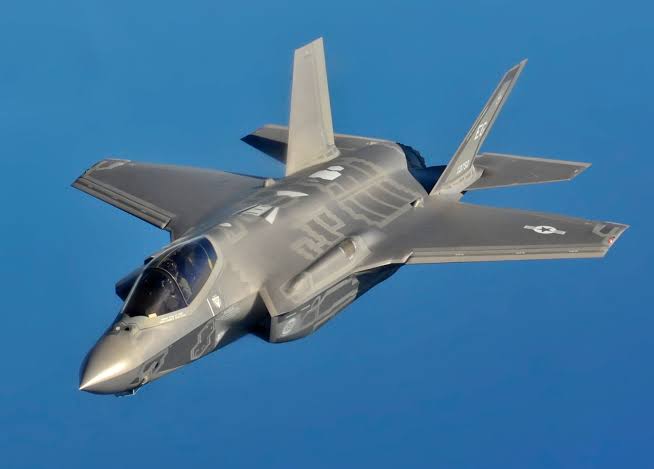
This jet by Rostec subsidiary United Aircraft Corporation comes With split angled tails, a narrow fuselage suggesting presence of one engine, and diamond shaped wings, it looks similiar to f-35. This jet can fly up to 1,500 kilometers in a single sortie, while loaded with weapons and payload. It is Capable of continuous supersonic flight at the speed of 1,180 miles per hour and can share data with other fighters in the air and it’s also hinted that it might have AI abilities and drone control abilities. It can engage upto 6 targets simultaneously on land,sea or air.

Cost

This aircraft would cost between $25 million to $30 million and Moscow expects demand from the Middle East, Asia Pacific region and Latin America. The cost is extremely low as compared to F-35, which comes at a price of over $75 million.

Competition

It will compete with likes of Swedish JAS-39E/F Gripen,the Dassault Rafale, the Lockheed Martin F-35. and the Shenyang J-35. This jet is expected to take to the skies in 2023, with first batch expected in 2026. Moscow plans to produce 300 units of the aircraft over 15 years once the production begins.

Road ahead for this jet

Russia is known for its fighter jets like Mikoyan-Gurevich MiG-21 (F-16 killer), Mikoyan-Gurevich MiG-25 foxbat,
Mikoyan MiG-29 (Fulcrum),Sukhoi SU-30. Countries like China, India, Egypt, Algeria,are the major buyers of Russian fighter jets. Russian jets are known for their ruggidity as compared with their US counterparts. Cold war is over long ago,but rivalry between Russia and US is still there and even in weapon market. Let’s see how many buyers this new hyped jet will attract in the global market.

8 pieces of clinching evidence that show how IAF’s Abhinandan shot down a Pakistani F-16

Human rights and armed conflict

Armed conflicts

Numerous armed conflicts are currently taking place around the globe, cost of which goes beyond the numbers deaths but it also includes the victims of the consequences of war.The number of indirect victims of armed conflicts is much higher than that of direct deaths.  Indirect death is mainly caused by some preventable infectious diseases, undernourishment , and pregnancy-related conditions. In addition to deaths, armed conflicts also lead to undernourishment, increased infant mortality rates, forced migration, refugees, destruction of infrastructure.

International armed conflict, internationalized armed conflict, and non-international armed conflict are the three types of conflicts recognized by International humanitarian law.

Human rights

“Human rights” can be defined as rights of all human beings, regardless of nationality, residence, gender, ethnic origin, race, religion, language or any other status. Everyone is equally entitled to their human rights without any discrimination. This belief is fairly new and it stems from an evolution of the reflection of human dignity over the past centuries.

After World War II, stronger ideas of human rights emerged . People wanted to make sure that they never again be unjustly denied freedom, food, and shelter. The calls for human rights standards to protect citizens from abuses by their governments, came from different parts of the world. These voices played an important role in the San Francisco meeting that drafted the United Nations Charter in 1945. United Nations was then established with the primary goal of maintaining international peace and preventing conflict.

International humanitarian law

Human rights during armed conflicts are infringed upon the most. Therefore, over the years, there has been much focus on the formulation of mechanism aimed at alleviating human suffering armed conflicts. International law of armed conflicts, of which humanitarian law is a part, tries to provide protection to victims of war and crimes.

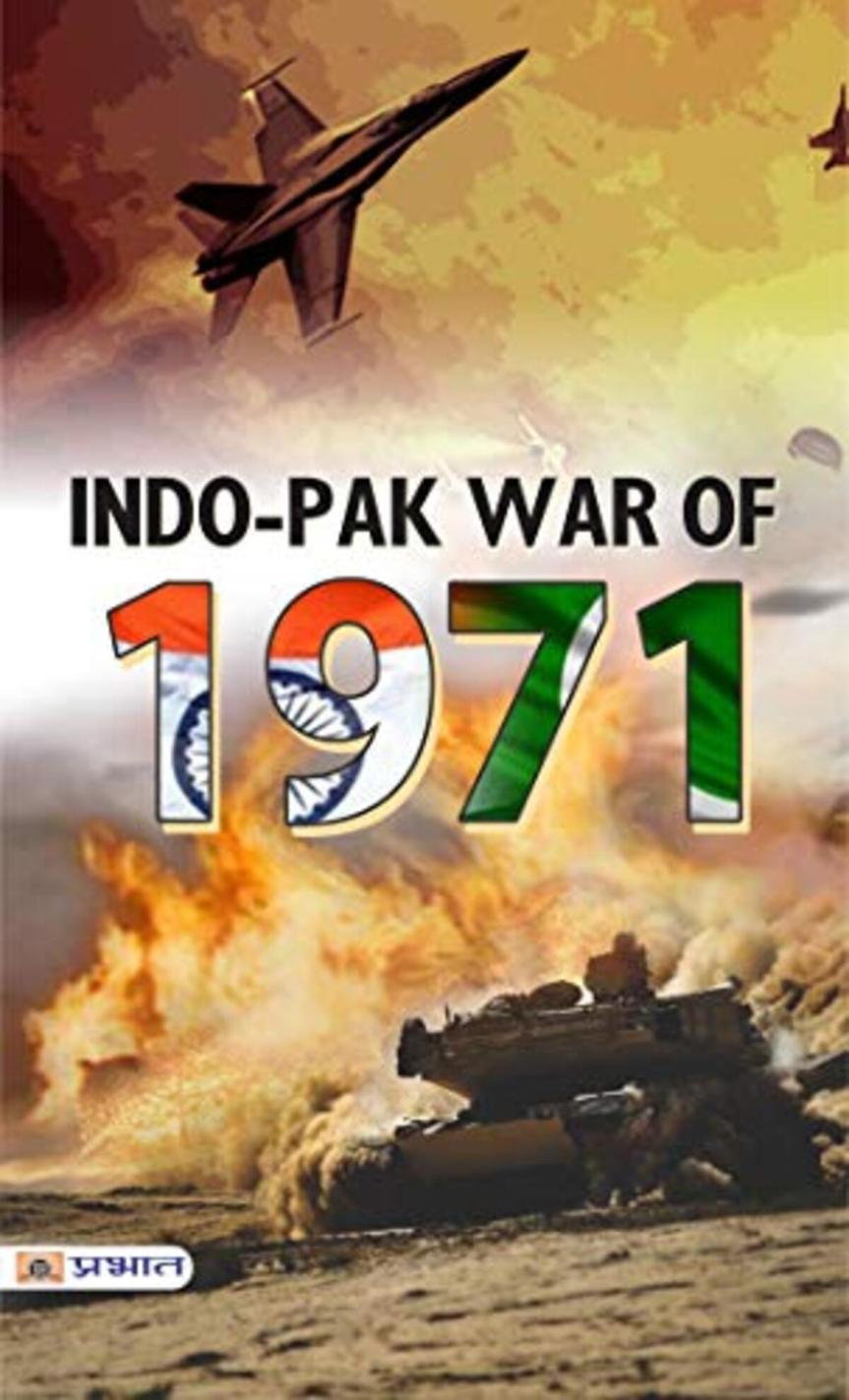
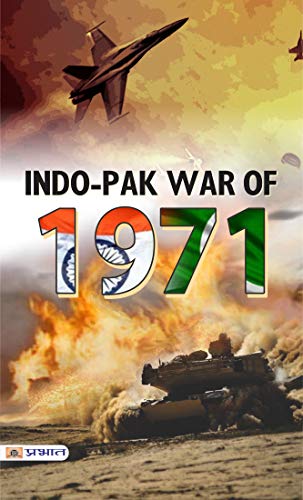
INDO-PAKISTANI WAR OF 1971

Ajay Devgan’s latest film BHUJ: The pride of India trailer was released on Monday. It’s basically based on the Indo-Pakistani war of 1971. The Indo-Pakistan war is one of the most glorious moments in Indian history.
The Indo-Pakistan war bears witness to the bravery and courage of the Indian army and the Indian civilians who helped them in so many ways.
So, let’s take an overview of those proudest moments.

INDO-PAKISTAN WAR 1971

BRIEF OF INDO-PAKISTAN WAR of 1971:-
The 1971 Indo-Pakistani war was a military confrontation between the Indian and Pakistani army during the Bangladesh Liberation War. It is one of the shortest wars in history, lasting only 13 days. During the war, the Indian and Pakistan armies clashed simultaneously in the eastern and western areas. The confrontation started when the Pakistani army launched its “CHENGIZ KHAN” operation and carried out air strikes on 11 Indian air stations.

CASUALITIES AND LOSSES:-
India had lost between 2500 and 3843 soldiers and between 9851 and 12000 soldiers had been wounded during the confrontation. Naval planes, frigates and several aerodromes in West India were also damaged during the war.
While up to 9,000 Pakistani soldiers were killed, 25,000 soldiers were violently wounded and 93,000 civilians, Razarks and soldiers were captured. India also destroyed the two destroyers of Pakistan, a minesweeper, a submarine, three patrol ships and seven gunboats. The main Pakistani port facilities in Karachi and various airfields were also destroyed during the clashes. A part of all these about 3 lakh to 3 crore civilians of Bangladesh was killed by Pakistani military and razarks.

RESULT OF THE WAR:-
The war ended when the eastern command of the Pakistani army signed the instrument of surrender with the Indian army on 16 December 1971 in Dhaka. As a result, the eastern Pakistan was declared as an independent nation named Bangladesh. But due to the brutality of the Pakistani army and Razakars, approximately 8 to 10 million people from Bangladesh fled and became a safe haven in India.

AWARDS AND HONOURS:-
The courageous Indian soldiers who fought valiantly on the battlefield were honored by the “PADAM VIR CHAKRA”.
PADAM VIR CHAKRA award recipients as follows:-

  1. Lance Naik Albert Ekka (Posthumously)
  2. Flying Officer Nirmal Jit Singh Sekhon (Posthumously)
  3. Major Hoshiar Singh
  4. Second Lieutenant Arun Khetarpal (Posthumously)

    Former Indian Prime Minister Indira Gandhi was also honored by the Bangladeshi government by posthumously awarding Bangladesh Swadhinata Sammanona on 25 July 2011.

Each time we read and hear the stories of the Indo-Pakistani war, it is given like a grumble. The Indo-Pakistani war is one of the proudest moments in Indian history that demonstrates to the world that we are no less than anyone else. I hope you all feel equally proud reading this blog as I feel about writing and researching about it.
Finally greet all the soldiers that protect us without blinking.
Have a good day and Happy Reading.


[If there are some mistake and misinformation in the blog so sorry about it and tell us to comment. All the information is taken from trusted sources. Thank you]

Afghanistan- A war-torn nation

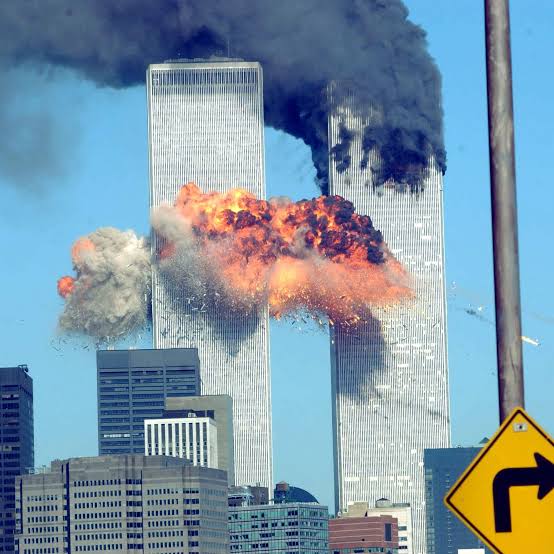
With Al-Qaeda militants carrying out coordinated attacks on American soil,also known as 9/11 Attacks and Taliban government refusing to hand over the main culprit behind these attacks ‘Osama Bin Laden’. A war was declared by US and it’s allies against terrorism and Afghanistan was invaded in 2001.

US tried it’s best to avoid the mistakes done by British & Russia (then USSR),it gained some success by driving out the Taliban government and killing the Terrorists. This whole operation have costed US more than $800 billions and more than 2300 soldiers lives. While on the other side, Afghan civilians had been caught in between this war and have suffered at the hands of both US & Terrorists (Al-Qaeda & Taliban) .

There is a popular saying about Afghanistan – ‘The Graveyard Of Empires’ for those who have tried to conquer it. Afghanistan is tough to rule, not only because of its terrain but also of the hostilities between the different tribes present there.

US Navy seals carried out a mission code-named ‘Operation Neptune Spear’ and killed Laden on 2nd May 2011 in Pakistan. US thought that by killing Laden they had achieved their goal but they were mistaken.

India aided in the overthrow of the Taliban-led government and has been the largest regional provider of humanitarian and reconstruction aid in the country. India have provided over $3 billion in assistance and every year it continues to do so.

Challenges ahead for Afghanistan and it’s neighbours

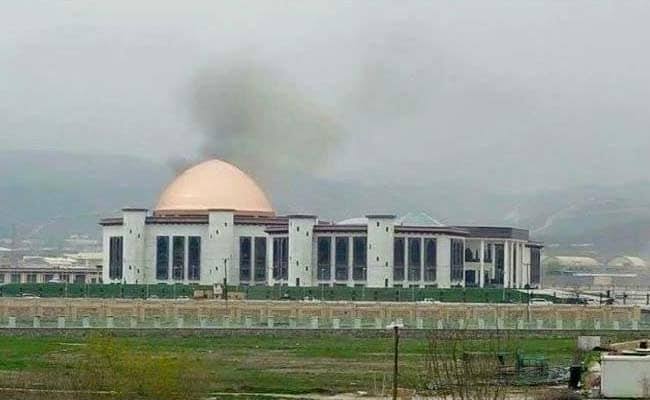
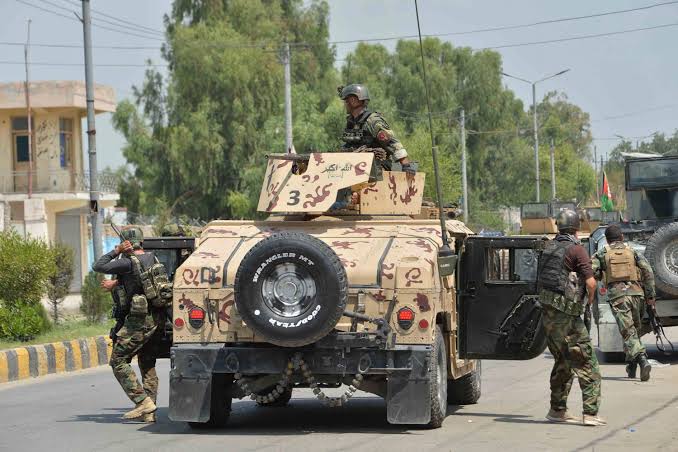
Taliban is slowly gaining pace and have formed alliance with other terror outfits to overthrow the present government. Civil war is not far, after US withdrawal. Fight is going on between Afghan security forces supported by civilians against the Taliban.

There’s little hope that Taliban will agree on the terms mentioned in peace talks . War-torn Afghanistan is now at the same stage before US invasion and onus now is on China,india,pakistan,Iran to maintain peace and provide stability in the Afghanistan.

Is the war in Afghanistan finally coming to an end?

Recently we witnessed the withdrawal of the final group of the troops of the United States from Afghanistan. A Taliban group is utilizing this situation over the past few years generating profit from these battlefield casualties and weaponry. The locals are now scared that the war might become more violent and claim more lives after the foreign troops have been evacuated. The States and its alliances will finally receive back the war material and troops that were placed in the east for over 20 years. It has also been saying the United States will still have control to defend the Afghans from the Taliban until the end of September. The Sates have the authority to plan strikes from the warplanes present in the outskirts of the war-torn nation.

The war initially began in 2001 with an intention of the States and its allies to drive out the Taliban and to deny Al-Qaeda a safe base for operations. After the initial objectives were successfully carried out a coalition was made with over 40 countries to eradicate terrorism from Afghanistan. The main reason behind the US invading the Afghans was Osama Bin Laden. The man, who was responsible for the attacks in September 2001, was living in hiding in Afghanistan with support from the Taliban. Followed by the attacks the States ask the Taliban to hand over the man accused in their case. The Taliban requested evidence supporting the crimes Bin Laden had committed, which the authorities refused to share.

On the night of 7th October 2001, the United States along with the United Kingdom launched an operation code-named Operation Enduring Freedom. Post the invasion from the west the Taliban and its allies were defeated. By the end of 2001, the Taliban no longer had control over the nation and the Al-Qaeda was almost deceased. The nation suffered for a while until a solid political reform was put into place. According to a report the number of casualties amounted to around 150,000 civilians who had to succumb to the conflicts between organizations.

Some argue that this war has made the nation suffer but on the other hand when we take a look into the healthcare of the nation the numbers are quite surprising. Since the start of the war, life expectancy has increased from 56 to 61. Also, the mortality has immensely decreased to about half of the initial rate. Now about 90% of the citizens reside in the cities and have access to clean drinking water and other basic amenities. But the sad part is the number of people that have been displaced due to this war. The United Nations estimated that over 8 million rushed out of the nation when the invasion began, of which around 5 million returned after the situation improved in the war-afflicted zone. But to date, over 2 million remain dispersed throughout the world and some live in the refugee camps located at borders.

Once, Donald Trump came into power things finally began to settle between the Taliban and the States, providing hope to the residents of the country. The current scenario as it lies; the war may be finally coming to an end. Biden recently ordered the Pentagon to evacuate its troops present in Afghanistan by the end of 2021. So to answer the question; the war is finally at its climax and the Afghan nationals can see a brighter future.

Peace is everybody’s desire, But violence never disappeared-Why?

Before getting into the topic, let us learn what is violence. Violence, as described by the WHO is the ” intentional use of physical force or power, threatened or actual, against oneself, another person, or against a group or community, that either results in or has a high likelihood of resulting in injury, death, psychological harm, maldevelopment or deprivation”. I believe simplifying this definition will make us loose out on something important. Developing such a strong definition for an act shows how it is affecting the humanity without any doubt.

WRVH DIVIDES VIOLENCE INTO THREE TYPES:

SELF DIRECTED VIOLENCE: The violence which is directed to harm one`s self. These include the forms of self harm such as suicide attempts, either successful or not, or even thinking about it. Attempts to injure or destruct body parts without conscious intention of suicide also included in this.

INTERPERSONAL VIOLENCE: Violence that occurs between family members or partners or individuals who may not know each other is included in this category. For example abuse of elders or children.

COLLECTIVE VIOLENCE: This is mainly what we see in public, I mean violence by group of people who identify themselves under a group against another group. This includes genocides, abuses of human rights etc.

Regardless of what type of violence is happening, its impact is always negative. Even witnessing a act of violence leaves a mark. Many people suffer from psychological disorders as the result of violence. Children who are victims of violence may develop insecurities, anxiety, antisocial behavior, anger issues etc.

Having witnessed or experienced violence, people always talk about having peace. There are so many measures explained over internet. But we don’t see any hope of getting rid of it any soon. Why is it so?

  • Preaching is easier than practicing: It`s easy to talk about anything and everything until you have to practice it. Asking for peace is not wrong, its the best thing to do. But only asking to have peace will not be sufficient. One should practice act of peace before preaching.
  • Peace is defined differently according to different perceptions people have: Peace is just the absence of war for somebody and for somebody its peace of mind. Some people think peace is present in what they believe according to their religion or some may describe it as absence of difference.
  • Increase in stress and pressure by various things: It is like a loop. Violence increases stress which may again result in violence. Its like a mother abusing children because of the harassment she faces in the family. Or stress can be induced by other things also which may result in violence. Like a person who is so stressed out in work may abuse family members as a way to vent out his/her frustration.
  • Sometimes, nobody cares: People don’t take violent behaviors seriously until someone they love or themselves face it. Thinking about violence as some other persons problem until it knocks your door is slowing down peace in the race.
  • Increasing materialism: We may not see the direct impact of materialism on violence. But greed of power, money, supremacy and many more other things blurs out peace from the frame.

Then what is the thing that brings peace in a real sense and brings it effectively? nobody knows. That doesn’t mean you should not hope for it. But one thing is sure that it should start from the individual level but definition should be universal. Whatever may be our beliefs, peace should be the ultimate goal.

Before you vanish off the face of earth read these books.

If you are a regular know-all-the-famous-books voracious reader you have already read most of these so you may skip I won’t mind. But for those of you who want to show off that you “read” here’s a bunch of books you could actually read and not get bored and maybe magically fall in love with books.

I am not mentioning Harry Potter or Twilight or The Hunger Games and so because these are some books that shape you as a teenager and the books call the readers themselves I need not do it.

Note: This is not a ranked I listed my favourites. Let’s first go through the fiction section…

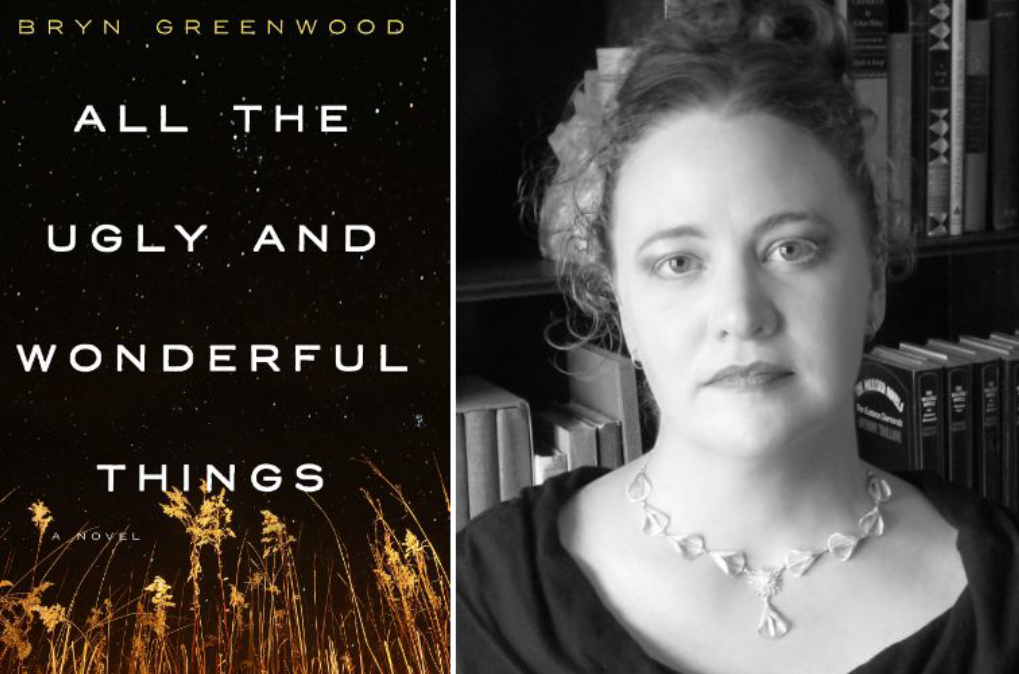
1. “All the ugly and wonderful things”

Author- Bryn Greenwood Page count-432

An unusual and disturbing love story but somehow you want this couple to be together. The story is messed up but trust me it will leave a mark on your mind.

2. “A walk to remember”

Author – Nicholas Sparks Page count – 240

http://eduindexnews.com/2020/09/06/a-walk-to-remember-book-review/

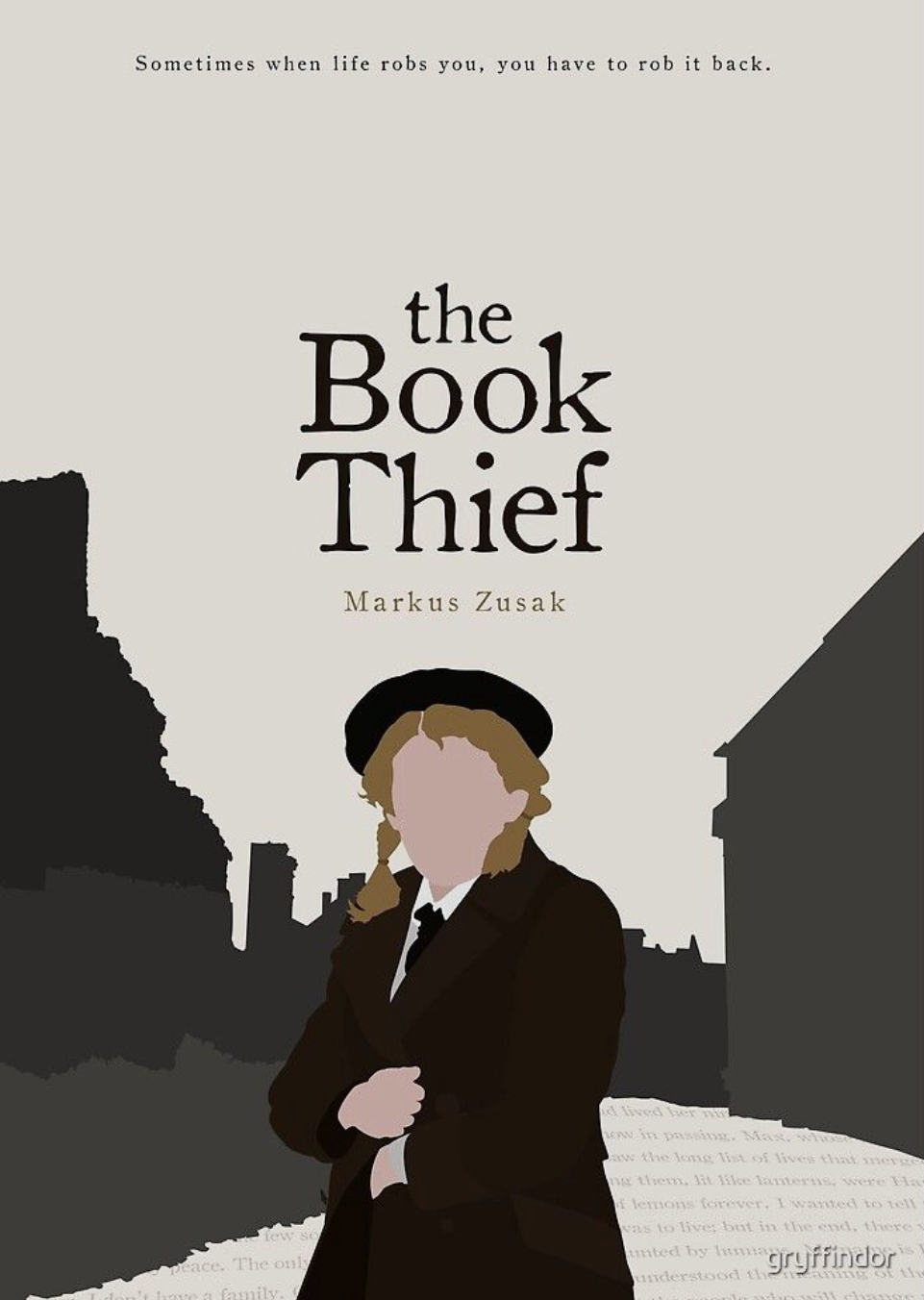
3. “The book thief”

Author- Markus Zusak Page count – 584

A historical novel narrated by Death. It’s about a little girl finding solace in books. The war makes things happen.

4. “Tell me your dreams”

Author- Sidney Sheldon Page count- 363

An absolute best thriller on Dissociative Identity Disorder or Split personality.

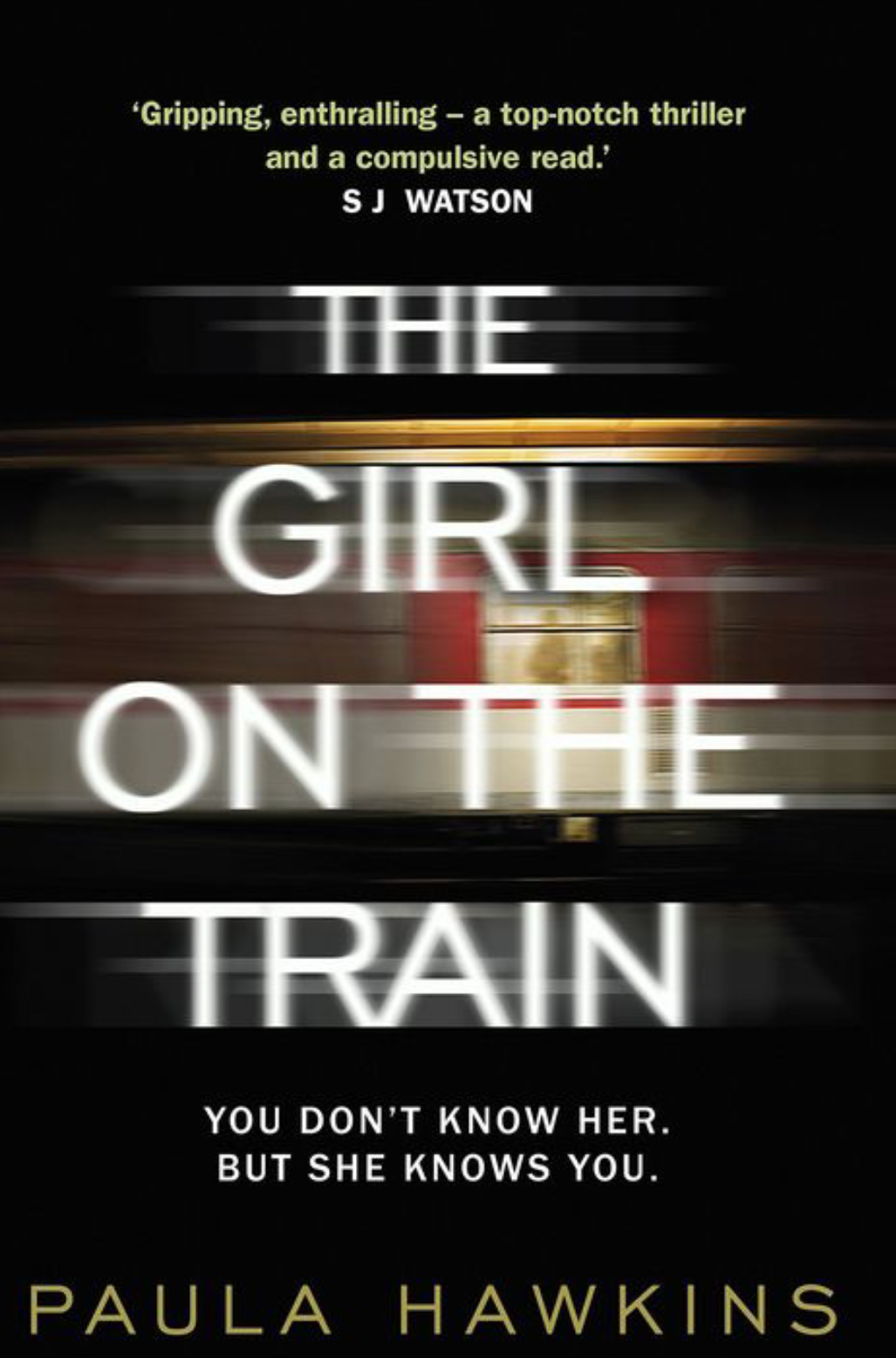
5. “The girl on the train”

Author- Paula Hawkins Page count – 317

Another great thriller. All about the title literally. Take my word for it you’ll love it.

6. “A thousand splendid suns”

Author- Khaled Hosseini Page count – 384

http://eduindexnews.com/2020/09/06/a-thousand-splendid-suns-book-review/

7. “Angels and demons”

Author- Dan Brown Page count -664

First of the Robert Langdon series. Though it’s a thick book you’ll want in read it all in one sitting.

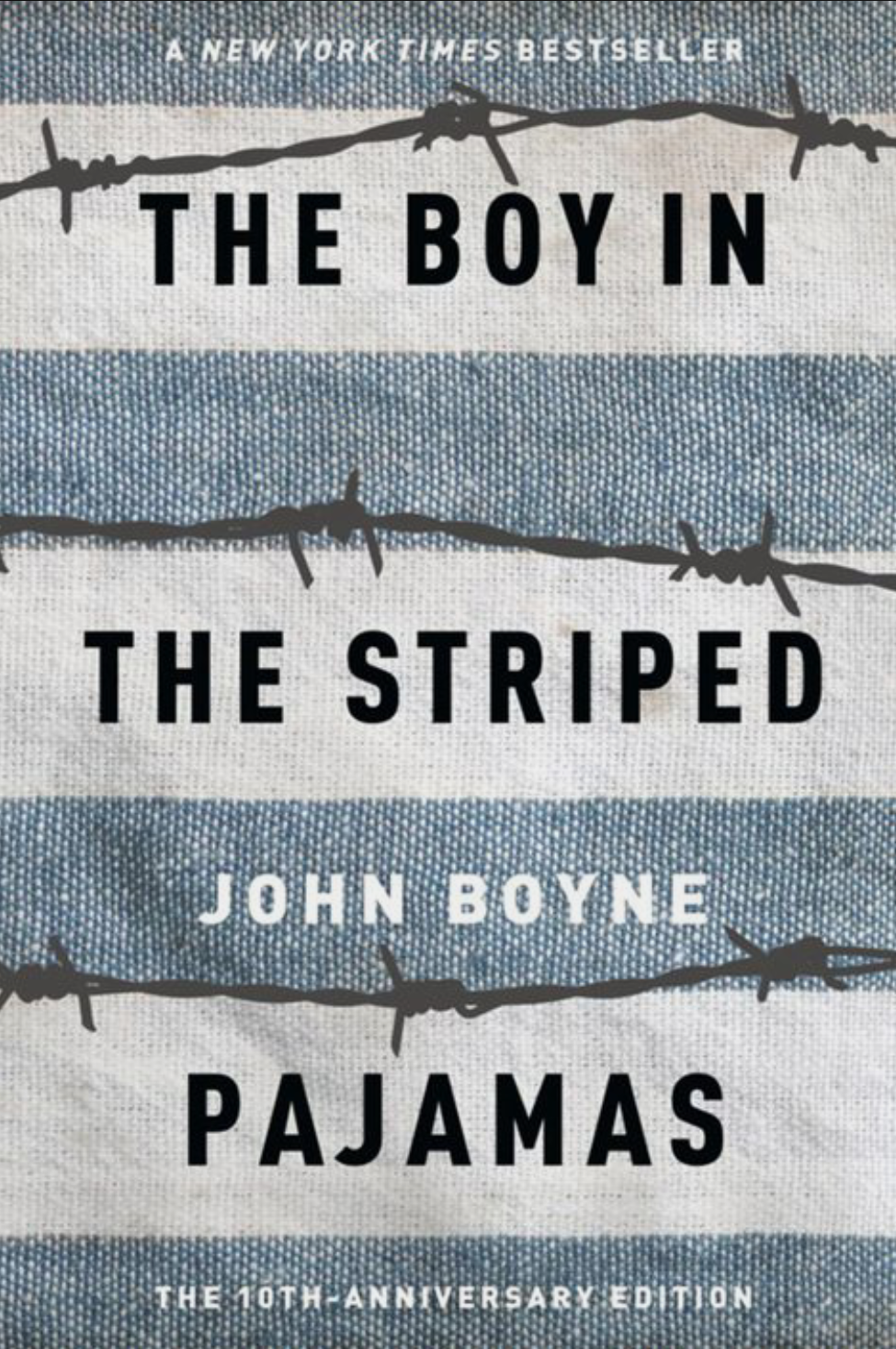
8. “The boy in striped pyjamas”

Author- John Boyne Page count -216

Written from the perspective of a nine-year old boy. You won’t believe how and when this innocent narrative turns into a powerful holocaust story.

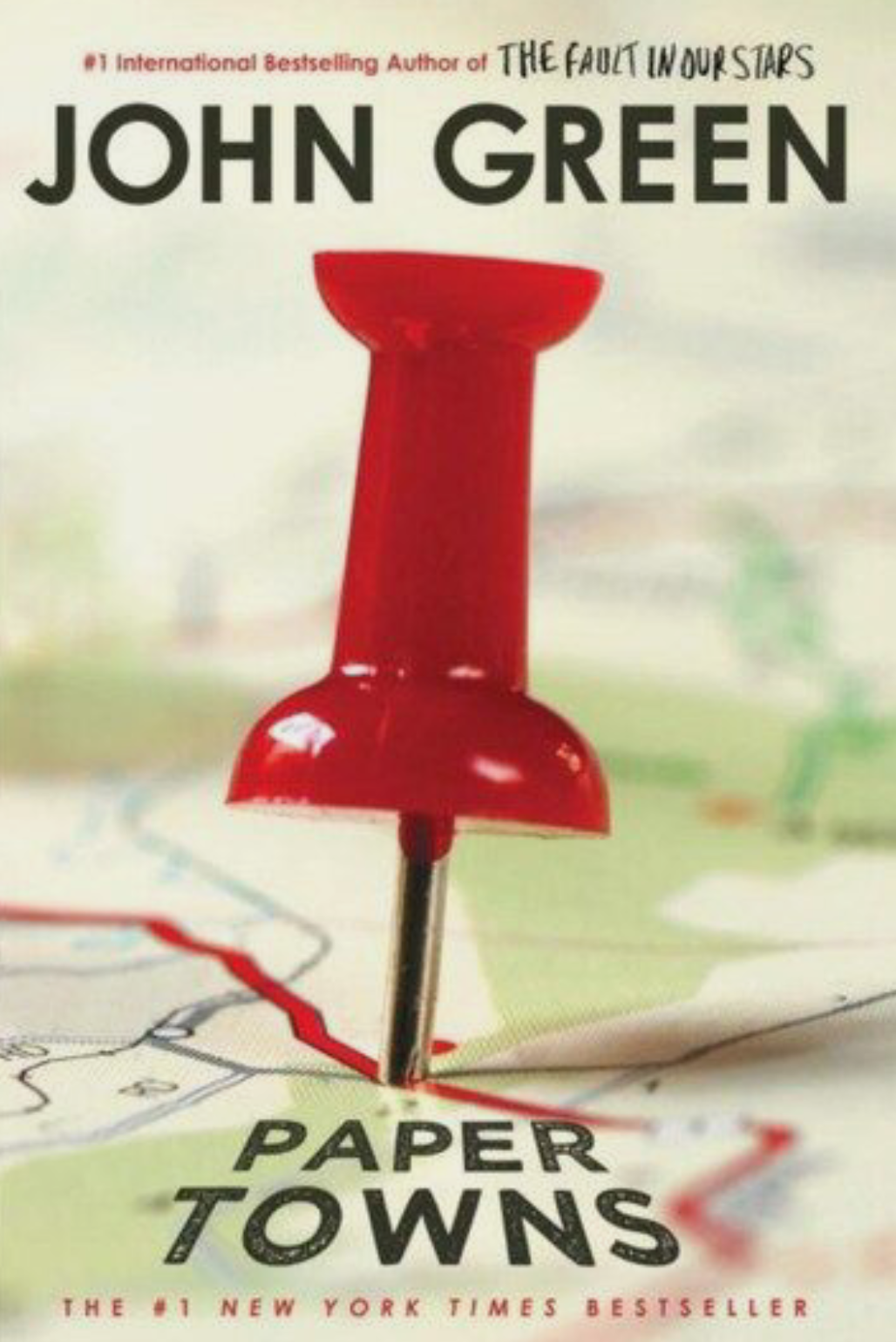
9. “Paper towns”

Author- John Green

Page count -305

A young adult about a group of friends finding out secrets about a mysterious girl. Dialogues and quotes are brilliant.

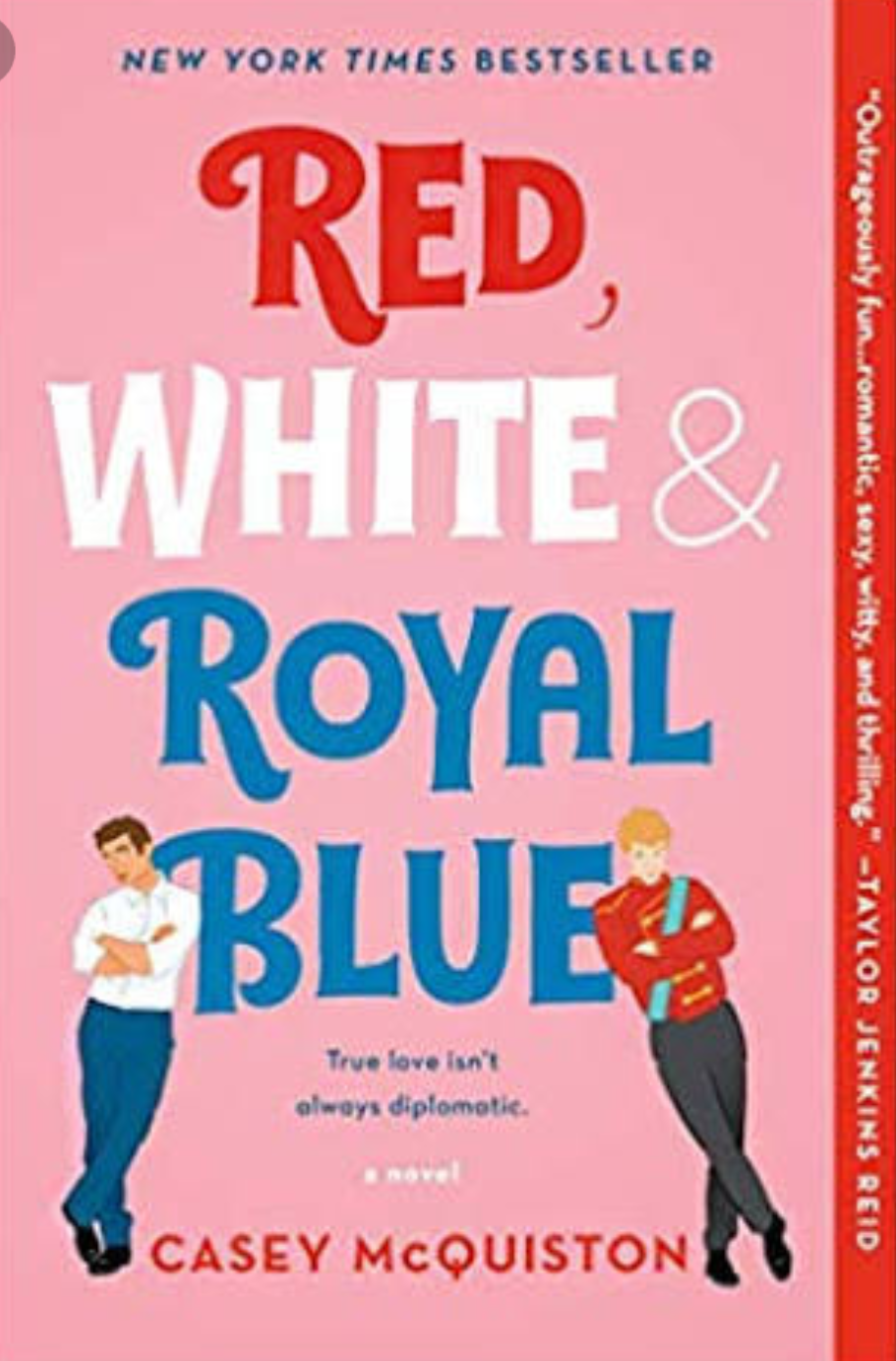
10. “Red, white and royal blue”

Author – Casey McQuiston Page count- 432 LGBT romance novel. It’s so so good needs no explanation.

Non-fiction…

11. “The diary of a young girl”

Author- Anne Frank Page count -352

12. A brief history of time”

Author- Stephen Hawking Page count – 256 13. “Into the wild”

Author- John Krakauer Page count -224

14. “Wild: from lost to found on the Pacific crest trail”

Author- Cheryl Strayed Page count-336

15. “Ikigai”

Author-Albert Liebermann and Hector Garcia Page count -208

Thank you for reading. Have a nice day!

China vs Japan

China always had a thirst to expand its country. The communist country created problems to many of the neighbouring countries which includes the encounter of Japan islands this April. China sent 67 ships to island named Senkaku which is located in the territory of East China sea.

China claims the island to be its own. No one knows what China could do by expanding its geographical area. The island is uninhabited and worthless and still China is intrested and claiming it’s authority. Interestingly island has two names in two countries. It is called a Senkaku in Japan and Diaoyus in China. If Japan reacts then it would lead to a greatest battle that earth had ever witnessed. Washington is obligated to protect Japan and it’s territories due to a treaty between both the countries. The play will become far more worse with the involvement of United States.

East China sea has wide range of marketing expansion and China wanted a use of it and trying to claim the position in order to obtain it. Japan had rights over the island since 1972 and the island has been a part of Japan. Now China tries to claim it and has sent 67 ships. Japan coast guard found Chinese government ships in Eas China sea and it created a huge tension across the globe with already existing tension.

‘The Senkaku Islands are under our control and are unquestionably our territory historically and under international law. It is extremely serious that these activities continue. We will respond to the Chinese side firmly and calmly,” Yoshihide Suga, Japan’s chief cabinet secretary, said on Wednesday (June 17).

“The Chinese Foreign Ministry said similar sentiments about the islands “The Diaoyu Island and its affiliated islands are an inherent part of China’s territory, and it is our inherent right to carry out patrols and law enforcement activities in these waters.”

Tensions over the rocky chain, 1,200 miles (1,900 kilometers) southwest of Tokyo, have simmered for years, and with claims over them dating back hundreds of years, neither Japan nor China is likely to back down over territory considered a national birthright in both capitals. If China declares a war, then it’s a war with America, and again apparently, its a war with all those European nations who are allied with the Americans under the North Atlantic Treaty Organisation (the NATO). Yes, China is a damn strong country, but being factored by the United States of America having the strongest military, and the other Western European countries having their military powers among the top ten (like Britain and France alone), would be a bummer for China.

On the contrary, Chinese has more options and even some major defeats will not totally destroy them, means they can afford to lose. Such advantage might turn out as an disadvantage at war. They has no experience at naval war and modern warfare. Even at the land, they more rely on their numbers. I can’t imagine how can Chinese land force able to defeat same number of Japanese land force.It is not hard to imagine, Japan able to bring major below to Chinese army at sea and even at land. But China could drag Japan into an endless conflict

One more attack = Indo-China WAR!!!

The relation between Indian and Chinese army are now being worse. India holds a record of never attacking any of the army first till date. Many near by countries think that India is weak and cannot attack first, but this is our spirituality and religion to avoid any fight, but when the things get worse there need to be done something. India never approach any army for fight it always keep the things calm and to solve the problem with words and not the wars. India always gave a extraordinary action in case of any mischief done by the opponents, India carried out many operations like:

  • Operation Vijay
  • Operation Meghdut
  • Operation Surya Hope
  • Operation Brasstackes
  • Operation Cactus and many more to list…

India also gave a very strong answer of the Pulwama attack. India has the strongest army and technology support from Russia and US.

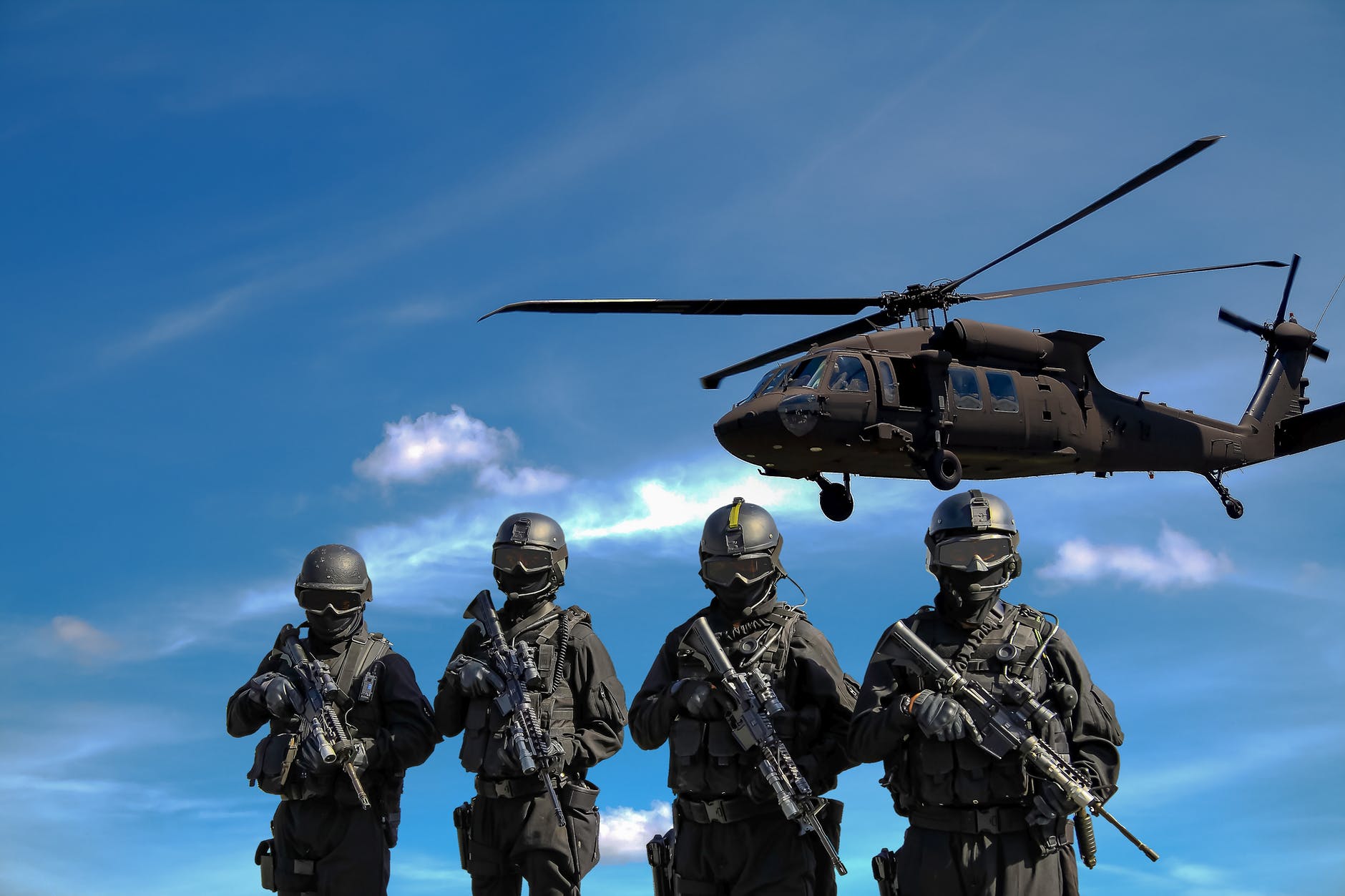
police army commando special task force
Photo by Somchai Kongkamsri on Pexels.com

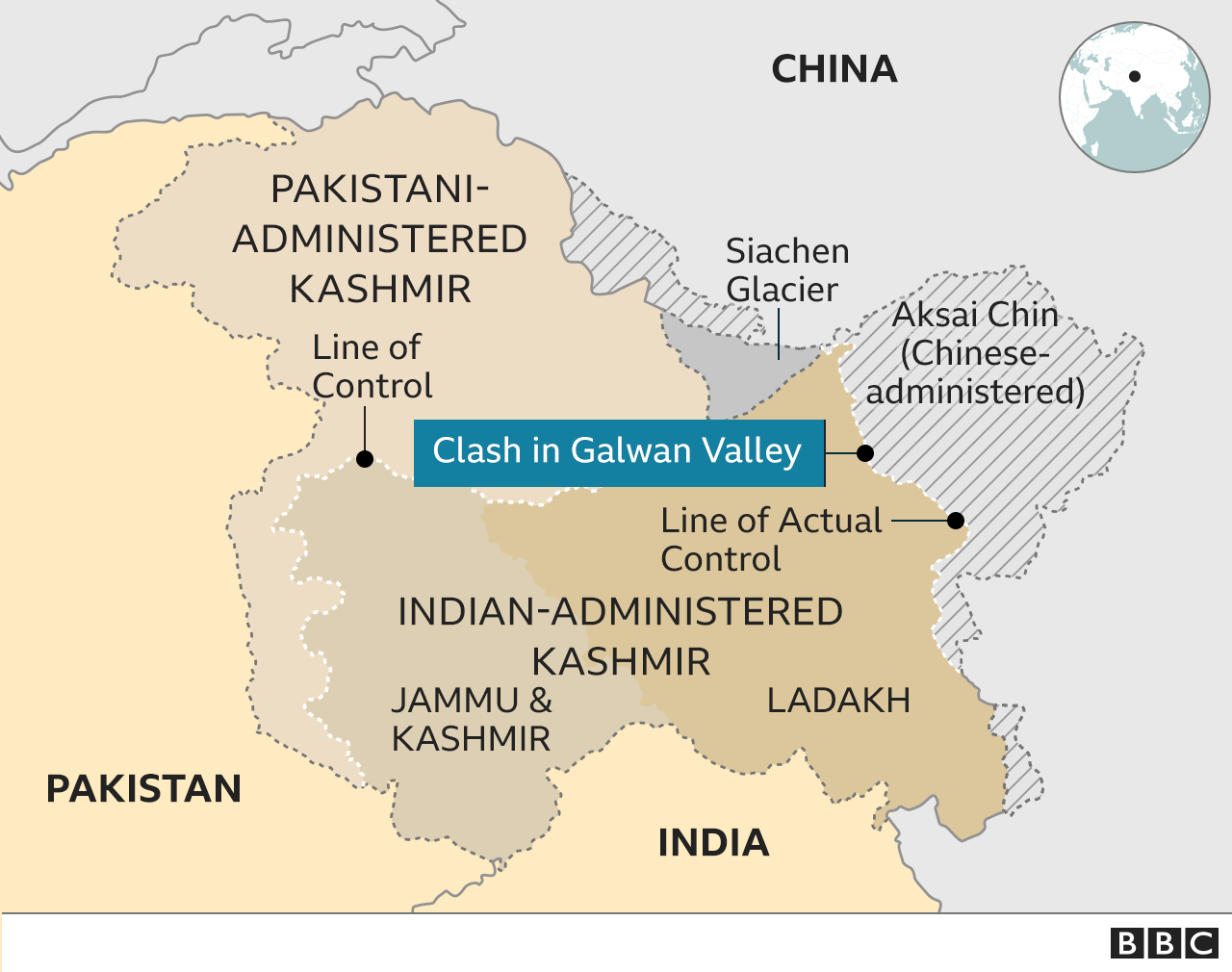
Recantly, India was betrayed by dragons during a normal peace talk Chinese army betrayed Indian army by sudden attack on our prestigious soldiers. In this betrayal our 20 soldiers lost theirs lives for India:


  1.  Col B Santosh Babu
  2.  Nb Sub Nuduram Soren
  3.  Nb Sub Mandeep Singjh
  4.  Nb Sub Satnam Singh
  5.  Hav K Palani
  6.  Hav Sunil Kuma
  7.  Hav Bipul Roy
  8.  Nk Deepak Kumar
  9.  Sep Rajesh Orang
  10.  Sep Kundan Kumar Ojha
  11.  Sep Ganesh Ram
  12.  Sep Chandrakanta Pradhan
  13.  Sep Ankush
  14.  Sep Gurbinder
  15.  Sep Gurtej Singh
  16.  Sep Chandan Kumar
  17.  Sep Kundan Kumar
  18.  Sep Aman Kumar
  19.  Sep Jai Kishore Singh
  20.  Sep Ganesh Hansda

_112919157_kashmir_military_clash_x2_640-nc

Image source: BBCnews

In return Indian army gave an dangerous answer with their 35 troops by killing. PM Modi gave freedom, if in near future again this type of activities are done by Dragons than Indian army can do anything without any upper orders. Indian army are ready with thier backpacks and loaded arms and waiting for activities by dragons and it will be close to WAR.

download (1)

Image source: Navbharatimes.com