WOMEN SAFETY

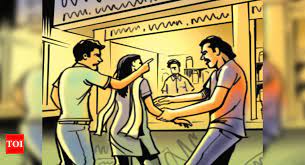
IN THE CURRENT TIMES, MAJORITY OF THE NEWS WE READ OF ARE ABOUT, VIOLANCE AGAINST WOMEN. WOMEN SAFETY IS AN ISSUE THAT PEOPLE TAKE LIGHTLY. FOR ANY VOILENCE AGAINST WOMENT THE ONLY PERSON WHO IS BLAMED IS THE WOMEN ITSELF. NEGLECTANCE TOWARDS SUCH ACTS GIVES IMPETUS ANTI SOCIAL HOOLIGANS TO CONTINUE DOING SUCH SHAMEFUL ACTS. THE DRAKONIAN ACT WHICH TOOK PLACE ON 16TH DECEMBER, WHERE A GIRL WAS RAPED IN A MOVING BUS, SHOOK THE ENTIRE HUMANITY.

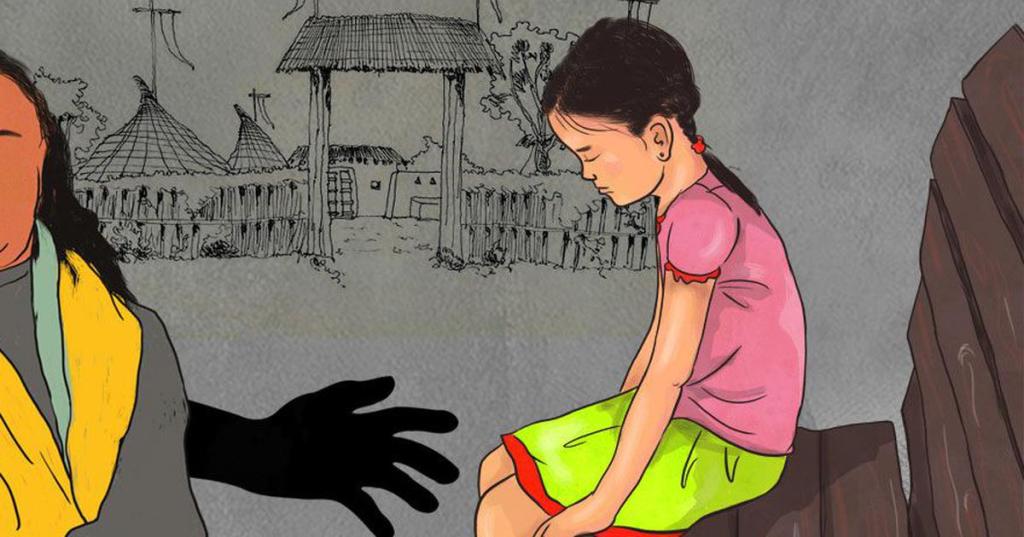
EVERY WOMEN, OR HUMANS IN GENERAL SHOULD BE TAUGHT TO DIFFERENCIATE BETWEEN GOOD TOUCH AND BAD TOUCH. EVERY INSTITUTION AND ORGANISATION SHOULD CONDUCT WORKSHOPS TO EDUCATE PEOPLE ABOUT WOMEN SAFETY.

THERE AINT A WOMEN IN THIS WORLD WHO HAS NOT BEEN A SUBJECT TO SUCH INSENSATIVE AND SHAMEFUL ACTS. SUCH ACTS LEAVE A SCAR IN THE MIND OF THE VICTIM. TO PREVENT THEIR FAMILY MEMBERS FROM SUCH TRAUMATISING AND AFFLICTING ACTS , THE FAMILY OF WOMEN, CONFINE HER IN THE BOUNDARY OF THEIR HOMES.THIS FURTHUS STOPS HER FROM FULFILLING HER DREAMS AND IS UNABLE TO LIVE HER LIFE THE WAY SHE WANTS.

ANY SUCH ACTS SHOULD BE IMMEDIATELY REPORTED TO THE POLICE. EVERY WOMEN SHOULD HAVE THE WOMENS HELPLINE NUMBER IN HER CALL FEED, SO THAT SHE CAN HELP HERSELF OR OTHERS AT THE TIME OF NEED.

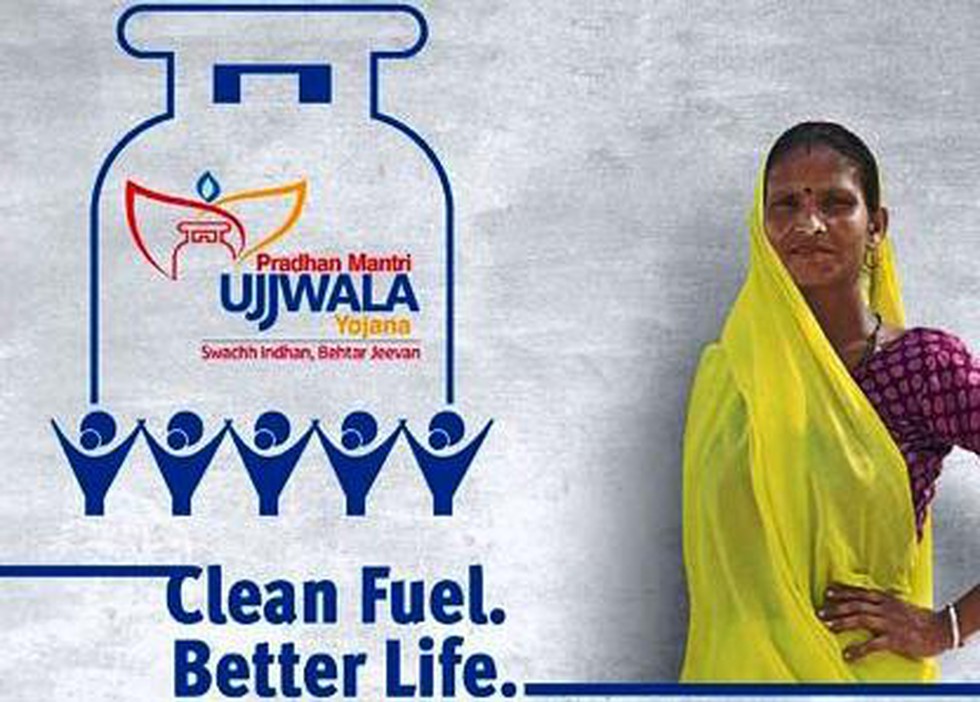
PRADHAN MANTRI UJJWALA YOJANA

In India, around 10 crore households out of more than 24 crore households lack LPG connections and so use coal, firewood, cow dung cakes and other such fuels as primary fuels for cooking. The emission from these are extremely harmful for the human body. To save the women and children from the health risk the PMUY scheme was released.

Pradhan Mantri Ujjwala Yojana was launched on 1st May 2016, by honorable Prime Minister Narendra Modi, in Ballia, Uttar Pradesh. The scheme aims at providing safe cooking fuel- LPG. 5 crore LPG connections will be provided to the families belonging to Below Poverty Line (BPL) with a financial support which is an interest free loan for each connection, for the purchase of gas stove and refill to be provided in next 3 years. The government would bare a cost of 1600 per connection for the purchase of other support items for LPG connection such as a cylinder, regulator, safety hose, booklet, etc.

According to report of WHO, smoke generation from the burning of unclean fuel for cooking such as wood, coal, cow dung cakes, and other such unclean fuel is equally toxic to burning 400 cigarettes in an hour. Inhalation of such unclean fuel smoke affects the health adversely. WHO estimates 5 lakh deaths in India take place because of inhalation of such toxic smoke from household pollution causing several pulmonary, heart and lung diseases to the women and children.

The Pradhan Mantri Ujjwala Yojana was formulated keeping in mind the health of the women and children and to keep them away from the toil of collection firewood from unsafe areas. This scheme also took to the empowerment of women, especially the women in rural areas, by providing LPG connections in the name of the women of the household. An amount of Rs 8000 crore was allocated for this scheme, for The BPL families identified on the basis of the Socio-Economic Caste Census Data.

The Pradhan Mantri Ujjwala Yojana not only empowers the women of the rural areas and safeguard the health of women and children, but also provides business opportunity of at least Rs 10000 by providing employment to around 1 lakh people. It provided a boost in the ‘Make in India’ project as all the gas stoves, LPG cylinders, gas hose and regulators are manufactured domestically for the implementation and fulfilment of this scheme.

Impact

714 districts have been covered under this scheme an 7,19,06,812 PMUY connections have been released, as per the records of ‘pmuy.gov.in’, the official website of government of India for Pradhan Mantri Ujjwala Yojana. Against the target of 15 million for the first year of launch, 22 million connections were provided. 30 million connections were provided by 23rd October 2017. 44% of these connections were provided to the Scheduled Castes and Scheduled Tribes families. In 2018 included 80 million poor households to provide them with LPG connections. An increase of 56% in 2019 was achieved as compared to 2014. This scheme provided the women for prevention against respiratory diseases because of unclean cooking fuel and also provided for the upliftment of social status of women by making it mandatory to take LPG connection on the name of the women of the family.

WHY MENSTRUAL CUPS ARE A NEED OF THE DAY?

Menstruation is one of the most natural and healthy affairs of a woman’s life. Though we live in a modern society, menstruation is still considered as a taboo and menstrual hygiene is of great concern. Majority of the women have been depending on menstrual products like sanitary pads, tampons etc for decades without knowing the health hazards behind their use. 

Sanitary napkin is one of the most widely used feminine hygiene products due to its convenience in usage and availability at an affordable cost. This ‘easy to use’ product is not only a potential threat to the environment but also causes severe health problems. These sanitary pads are made up of 90 per cent plastic that is non-biodegradable and non-recyclable which makes it difficult to be disposed of. The chemicals that are added for increasing absorption and reducing the odour can cause significant impacts on one’s health. Over time, the BPA present in the sanitary napkins and tampons along with other chemicals can enter one’s body and increase the risk of cancer in reproductive organs. The deodorants and fragrances directly enter the bloodstream and interfere with the embryonic development thus affecting one’s fertility.

Tampons are equally or more dangerous than sanitary napkins. The strings and applicators of tampons are made from polyethylene and polypropylene which makes them non-biodegradable. Studies have shown that longtime use of highly absorbent tampons can cause bacterial infections leading to fatal conditions like toxic shock syndrome. The disposal of the sanitary wastes is a big crisis as an average person who menstruates throws away up to 200 kg of menstrual products in their lifetime and they end up in landfills, on beaches or polluting our oceans for decades.

Menstrual cups come as an alternative for various problems generated by sanitary napkins and tampons. Unlike other products which absorb the menstrual blood, menstrual cups instead collect the discharge. They are made of medical-grade silicone or rubber which makes them easy to clean and durable for more than 5 years. This reusability of the menstrual cup itself is its major advantage which enables it to be cost beneficiary and eco-friendly. The proper use of a menstrual cup can reduce the chances of period hassles, rashes, skin infections and allows more physical movements without leakage. It can collect almost double the amount of blood than any other method making it more convenient to be used while travelling. Menstrual cups are getting more popular in western countries accounting its reusability and comfort. Proper practice and maintenance of hygiene can reduce the chances of risk caused by menstrual cups. The benefits of menstrual cups over other products makes it clear that they are a sustainable alternative barring certain drawbacks.

Sanitary Napkins: Saviour Of The Day, But Not In The Long Run

Menstruation can be very bothersome all by themselves. Period (No pun intended!). More for some people than others. And any conversation about menstruation is bound to include the topic of menstrual products. And for a large chunk of the female population, their go-to menstrual products are the sanitary napkins. Or as more commonly known, pads. Pads provide binding experience amongst the ladies. No kidding there. So many advantages of pads, doesn’t it seem too good to be true? Well, there is some news for you. Pads can be harmful too!

Under The Surface

Sanitary napkins, or more specifically the synthetic pads, are made up of components which are far from organic. Also, the organic compounds are not fool proof safe either. Going through these components, we have:

  • Dioxin: Contrary to the popular belief, the pure white colour of the pads are not due to cotton. Rather, the extra shine white is the final product of chlorine bleached fibres. A byproduct of this process, dioxin, has been pinpointed as a substantially damaging toxin for the human body, if in contact for a long period of time. The pelvic region has a quite sensitive skin, which has a higher absorption rate in comparison to the other regions. This makes the body more susceptible to absorbing dioxin, which also happens to be a carcinogen. Yup, cancer alerts! Substantial buildup of dioxin in the body increases the probability of having various forms of cancer. Another mention worthy fact is that dioxin stays in the body via fats and may remain upto 20 years. Apart from cancer, it is also the cause of pelvic inflammation, hormone dysfunction and some other problems.
  • Pesticides: Now, the first question that might pop in your head might be, where would pesticides be used in making pads? Well, the answer is, no, it is not used in the actual manufacturing process. But the cotton used to fill the pads sometimes has a substantial amount of synthetic pesticides in them, which unfortunately, is not totally removed during the making of sanitary napkins. Needless to say, they have their own set of adverse effects on the body, especially on the internal organs. On the gynaecological front, it may cause thyroid, hormonal malfunction, endometriosis or diabetes.
  • Plastic: The main purpose of using plastic is to make the pads leakproof and able to withstand a heavy blood flow. But sealing up the pad doesnt let the moisture escape, and combined with the body heat, it makes an ideal place for growth and multiplication of various microorganisms, most common of them being some bacterias and yeast. This in turn, leads to cases of vaginal allergies or infections. Apart from that, plastic is the main cause of period rashes and chafing.
  • Artificial fragrance enhancers: Blood in itself can be a gory sight. Adding unpleasant odour to this equation is a sure formula to have a bad mood through one’s menses. So, producers add odour neutralisers or artificial perfumes to the pads to provide a feeling of freshness. But at the end of the day, they too are harmful for the body. Apart from causing rashes, soreness or chaffing in the pelvic region, it can seriously interfere with one’s fertility, as for they are found to interfere with the foetal development.

All the components, by themselves and together, are also a threat to the environment. Every year, a sizable chunk of plastic pollution is contributed by the used pads. 

Tampons too, have some similar environmental and health effects. Apart from that, tampon use increases the risk of Toxic Shock Syndrome (TSS), which happens to be a rare but serious complication, caused by some particular bacterial infections.

The Alternate End

Obviously, all this information may distraught anyone who swore by these products. Now the next big question is, if not this, then what other options are there? To answer that, at present, menstrual cups, organic pads and reusable cloth pads are some alternatives available, to save the day! 

Padmavathy Bandopadhyay: The Embodiment of Passion, Success and ‘Firsts’

Celebrating achievements and positive changes is a necessity. And celebrating individuals who make these possible, is even more important. Because we never know, whose story will inspire whom, and will lead onto a new story. India, with its developing and evolving social structure, has many such stories. Especially of women, who tread their way into different spheres that were once thought to be off limits for them. One such story is of Padmavathy Bandopadhyay, first female Air Marshal of Indian Air Force (IAF), and second female officer of Indian Armed Force to have been promoted to the three star rank.

Starting of the journey

Born on 4th November 1944, her birth name was Padmavathy Swaminathan. She was born to Mr. V. Swaminathan and Mrs. Alamelu, at Tirupati, Andhra Pradesh. With her mother being in hospital most of the time, these experiences drove Padma to take up medicine, so that she could help those who needed medical expertise.

She did her pre-medical studies from Kirori Mal College, Delhi and stood first in the course. Then she went ahead and cleared the entrance test for the first batch of then established Armed Forces Medical College, Pune. But, due to her family’s reluctance to send her away for such a long period to study medicine, she, unfortunately, could not join the first batch. But she didn’t bow down to this challenge and after convincing her parents, she finally joined the second batch of AFMC in 1963.  With an extraordinary overall record, she graduated in 1968, having opted for Indian Air Force and doing her internship in Air Force Hospital, Bangalore.

Flying to the success

She was inducted into IAF in1968. Sadly, some complications regarding her eyesight cut her dream short to become a pilot. But she took that in stride and went ahead to pursue specialization in aviation medicine. With the completion of her specialization in 1975, she became the first female officer to become an aviation medicine specialist.

She married Flt Lt. S. N. Bandopadhyay, whom she met at Air Force Hospital. They became the first husband-wife team to be awarded the  Vishisht Seva Medal (VSM) by the President in the same defence ceremony, due to their contribution to the 1971 Indo-Pakistani War. They were posted together in the Halwara air base,  Punjab.

During her posting in Defence Institute of Physiology & Allied Science (DIPAS) as a Wing Commander , she did commendable research work about high altitude. With her expertise, she contributed in the development of a new acclimatization schedule for Indian Soldiers at high altitudes and also directed the preventive measures to complications like High Altitude Pulmonary Oedema and High Altitude Cerebral Oedema.

She also happens to be the first woman Armed Force Officer to complete the Defence Service Staff College course, with her completing it in 1978. With her promotion to Group Captain rank, she was handed over the responsibility for the post of Deputy Principal Medical Officer of Westren Air Command, IAF. She went down into history when she became the first Lady Air Commodore of IAF, on 26th June, 2000. Along with this rank, she got the honour to command the prestigious IAF Medical Unit – Air Force Central Medical Establishment. For her impeccable performance in all the posts held by her and utmost dedication towards her duty, she was awarded with the prestigious Ati Vishisht Seva Medal (AVSM) on 26th January, 2002.

She was then promoted to the rank of Air Vice Marshal, and with that became the first lady to hold this post, not only in IAF, but across all the Air Forces in the world. Following this achievement, she took over the post of Additional Director General Armed Forces Medical Services. She handled this post with great success, which led to her promotion to the highest rank in the medical branch, Air Marshal, which happens to be a three star rank and the second highest active post in IAF. This momentous occurrence took place on 1st October, 2004. With that, she became the first Lady Air MArshal in the whole world, and also attained the honour of being the first Lady Director General Medical Services of the forces.

Apart from achievements in the Armed forces, she also holds the illustrious achievements of being the member of Indian Society of Aerospace Medicines (again being the first woman to do so!), International Medical Society and New York Academy of Sciences. She also took part in a research expenditure in the North Pole, and dedicated four months (November 1989 and February 1990) to this, being the first Indian woman to do so. She was also awarded the Indira Priyadarshini Award for all her glorious accomplishments, and was the first lady in uniform to get this honour. She also happens to be the first lady who is the Honorary Surgeon of the President of India.

She served the Indian Air Force until 2005 and was awarded the Param Vishist Seva Medal in January 2006. In 2020, she was awarded the Padma Shree for her contribution to the medical field.

With an exhaustive list of ‘firsts’ and achievements, Air Marshal Padma Bandopadhyay is truly an ultimate inspiration, who has excelled in everything she has ever set her mind to, against all the odds. Her memoir is titled as The Lady in Blue.

Website References:

http://www.anusandhan.net/women/suc_padma.htm

https://en.wikipedia.org/wiki/Padma_Bandopadhyay#cite_note-7

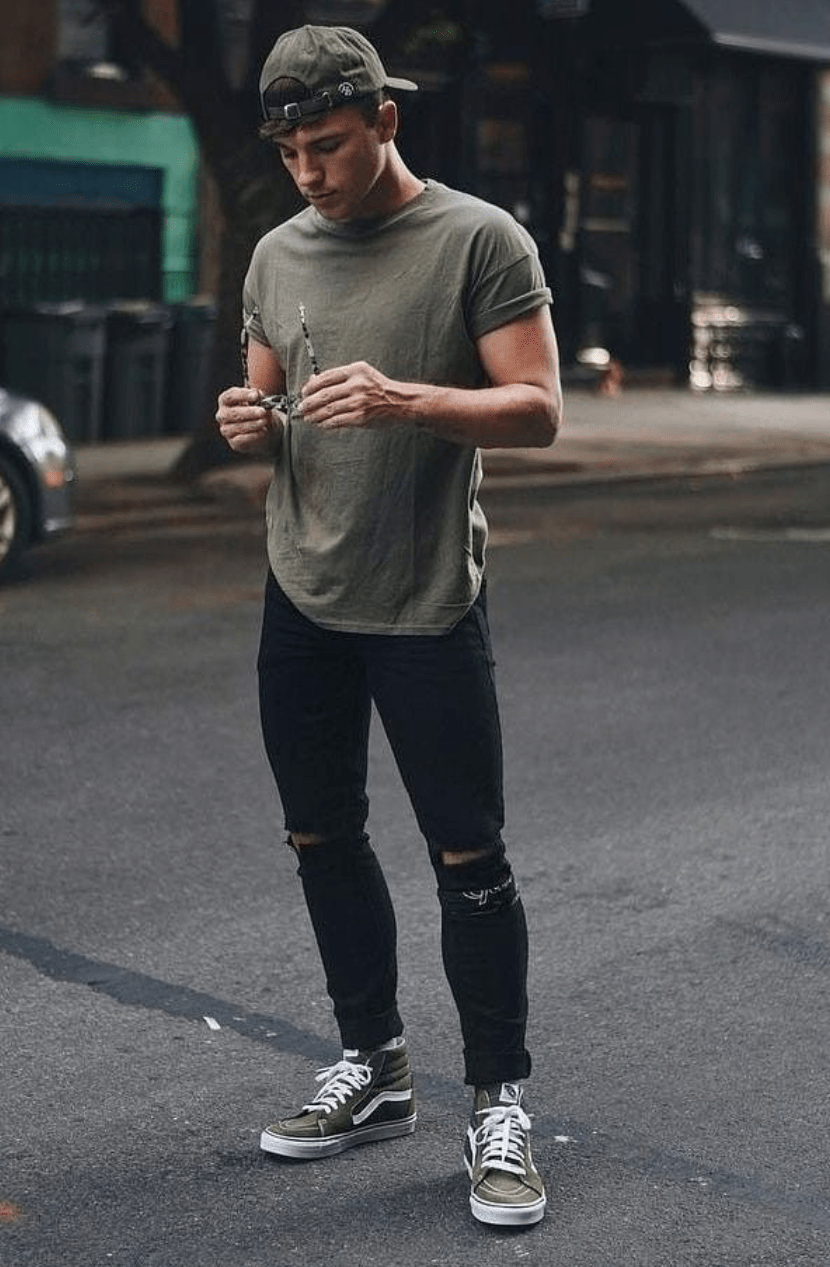
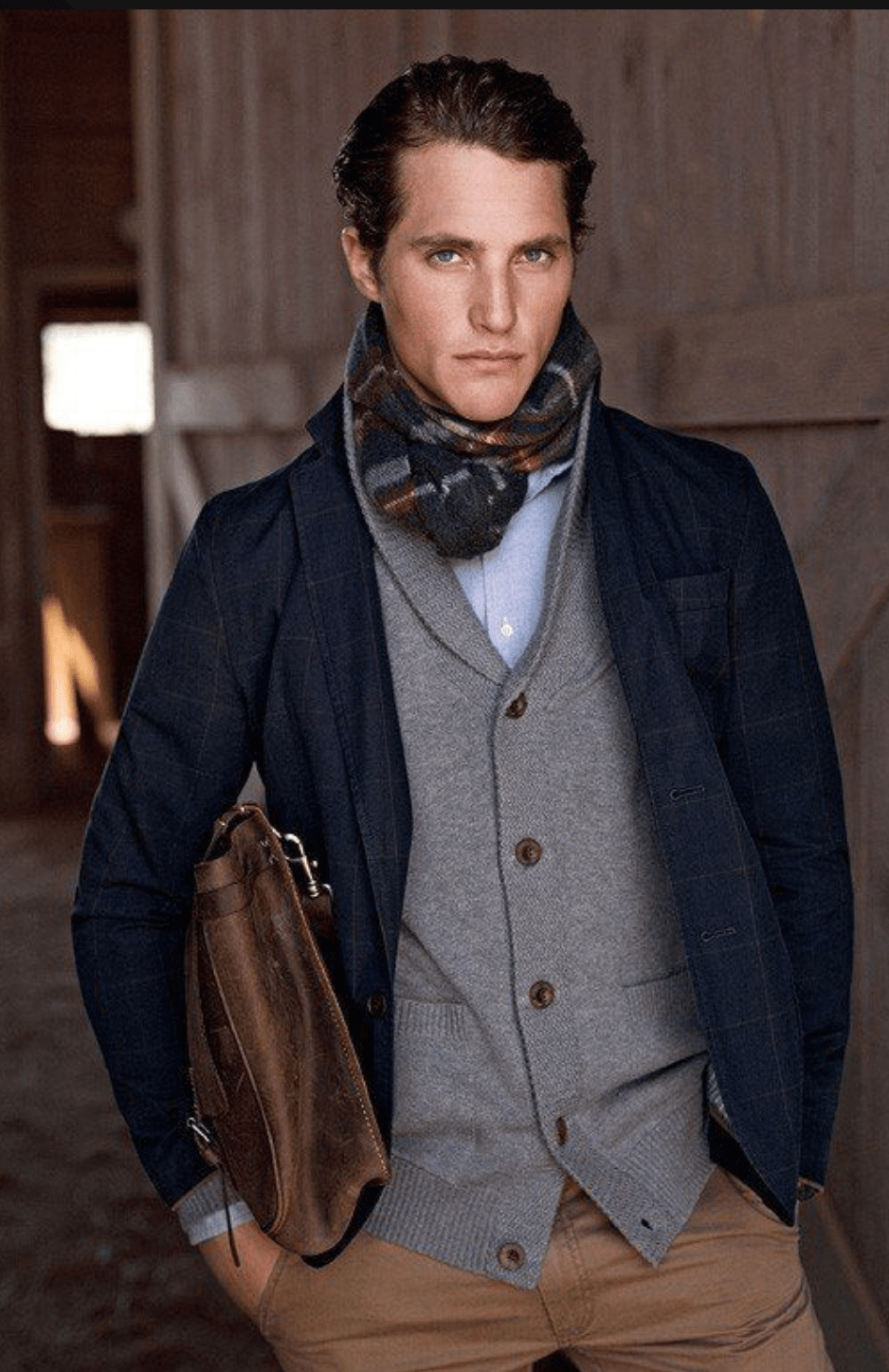
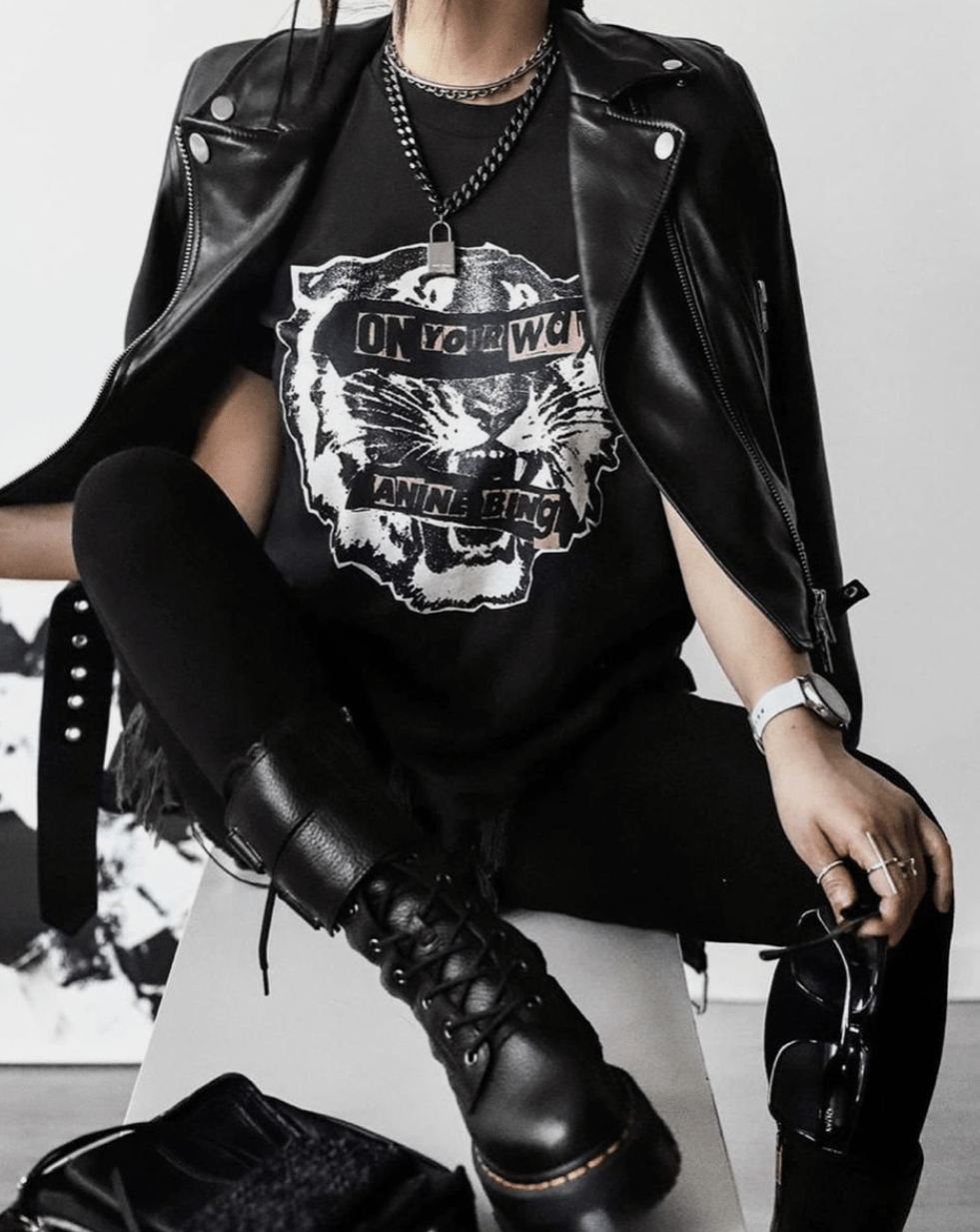
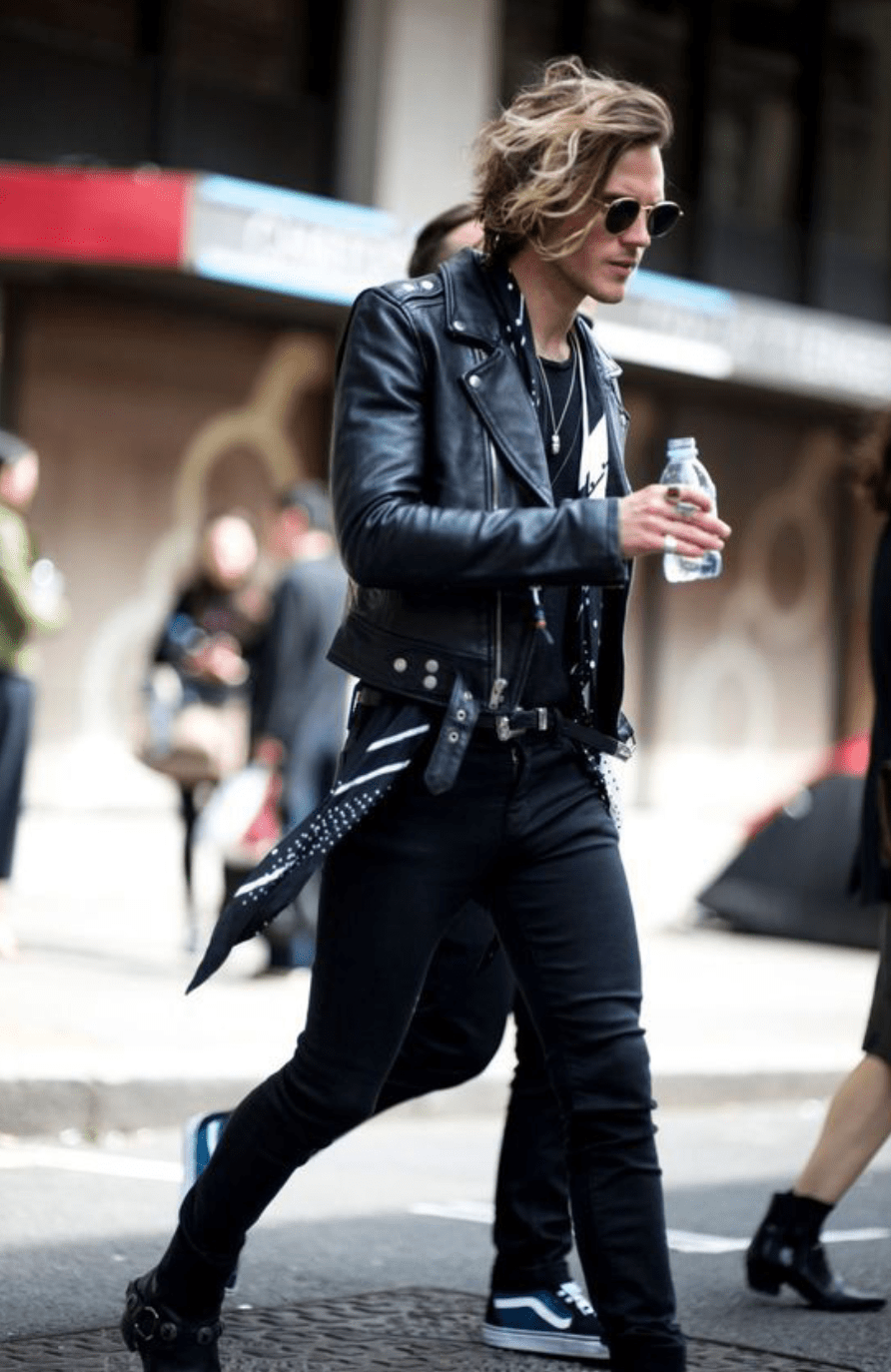
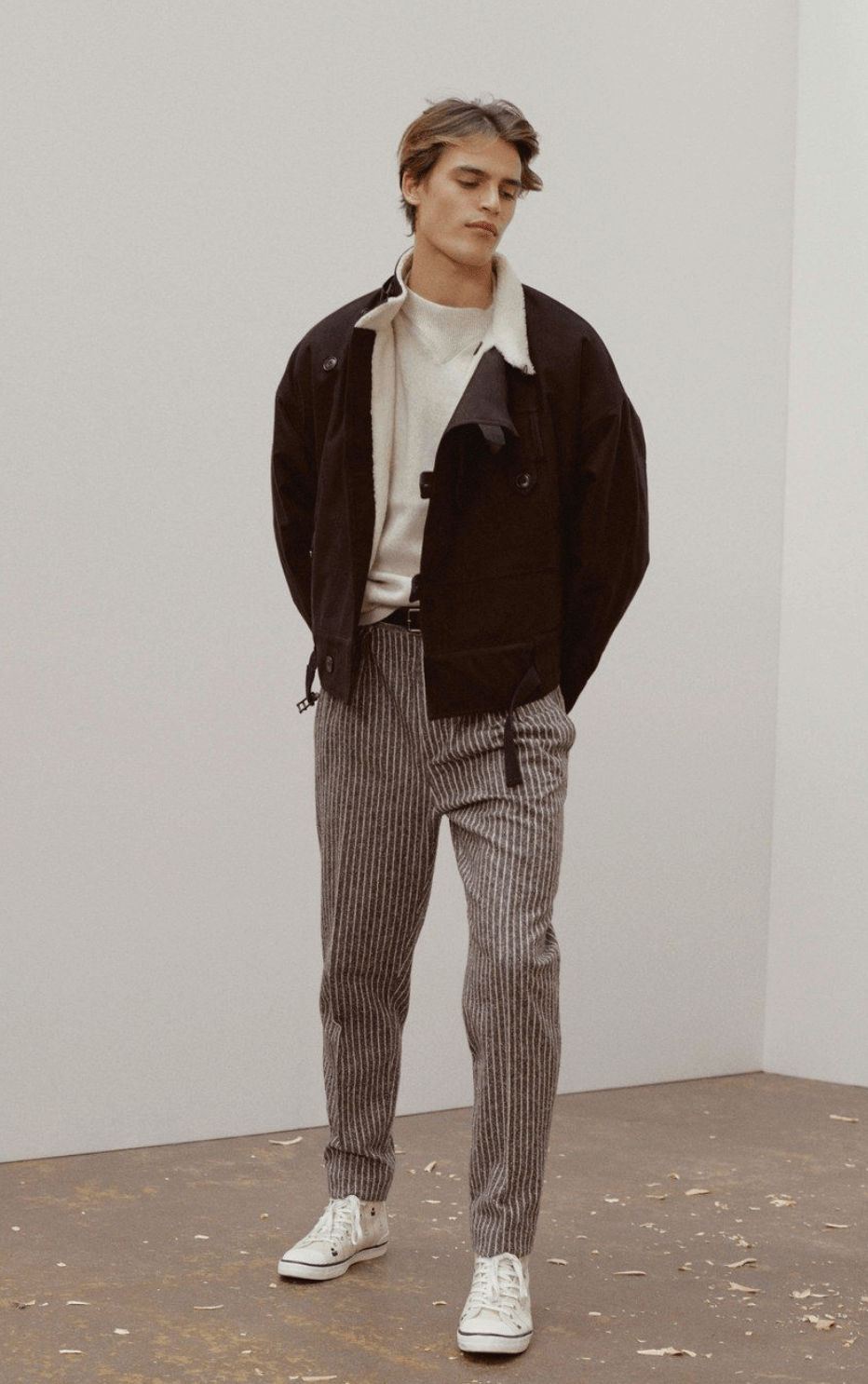
If you like it, wear it.

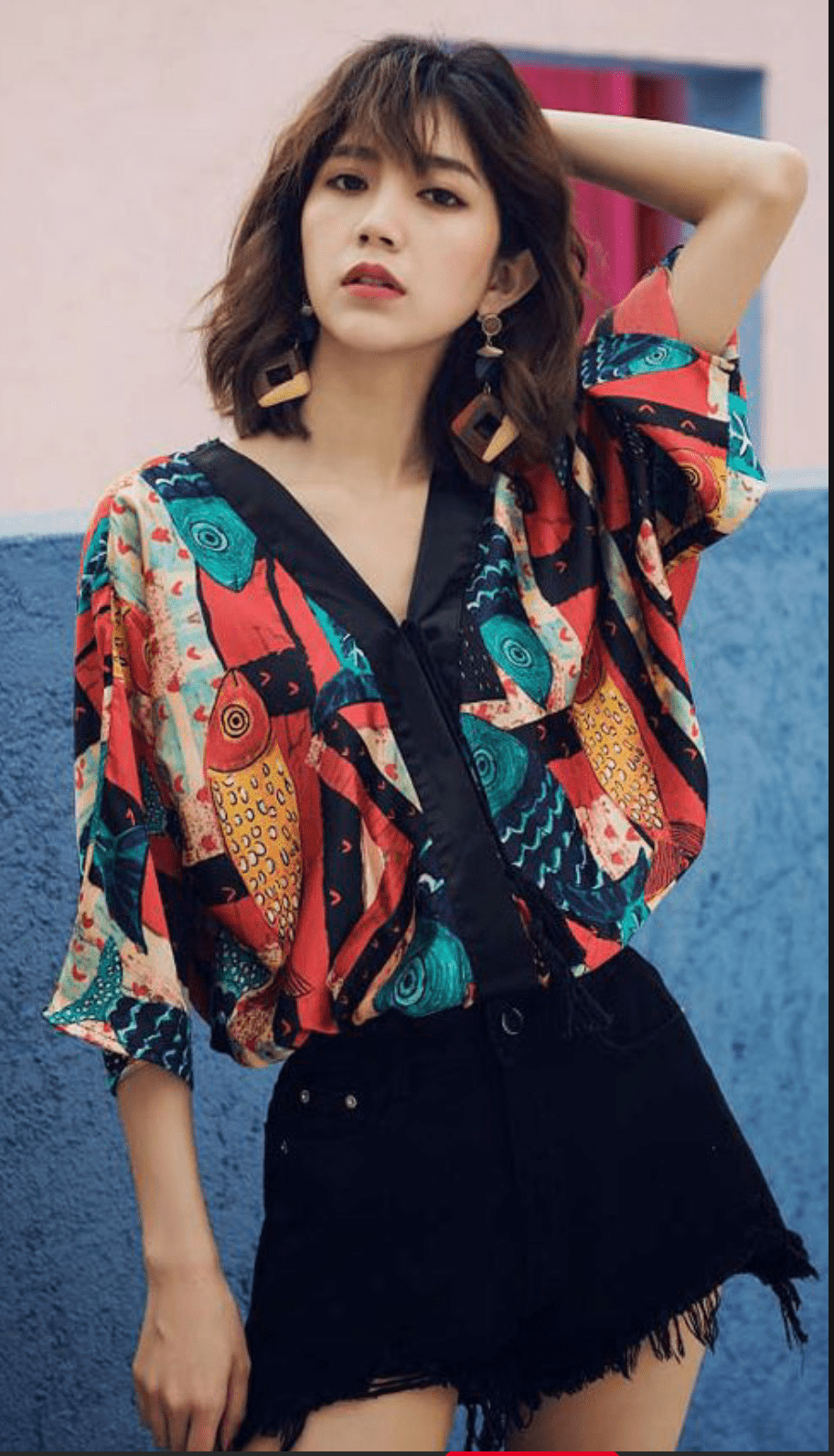
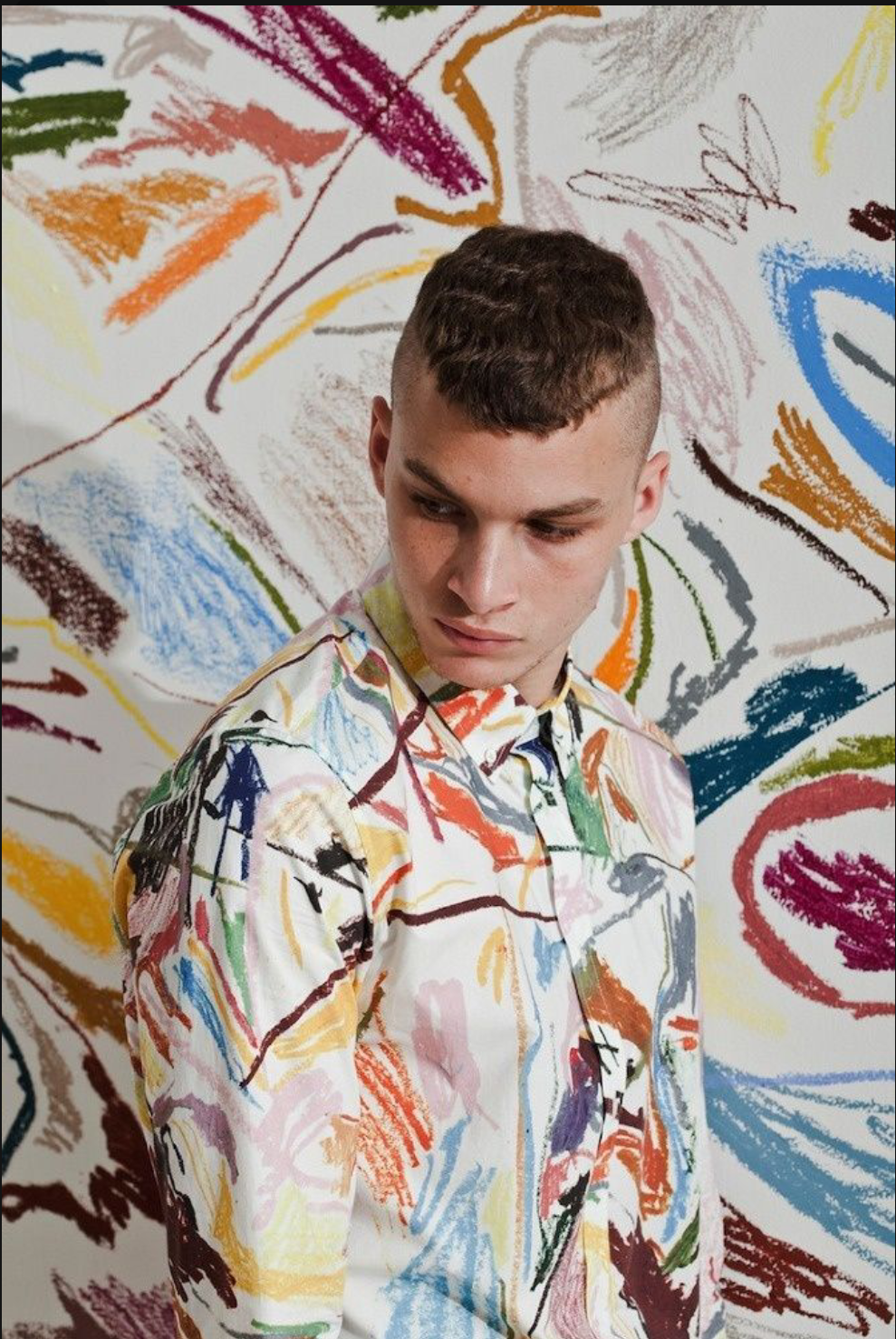
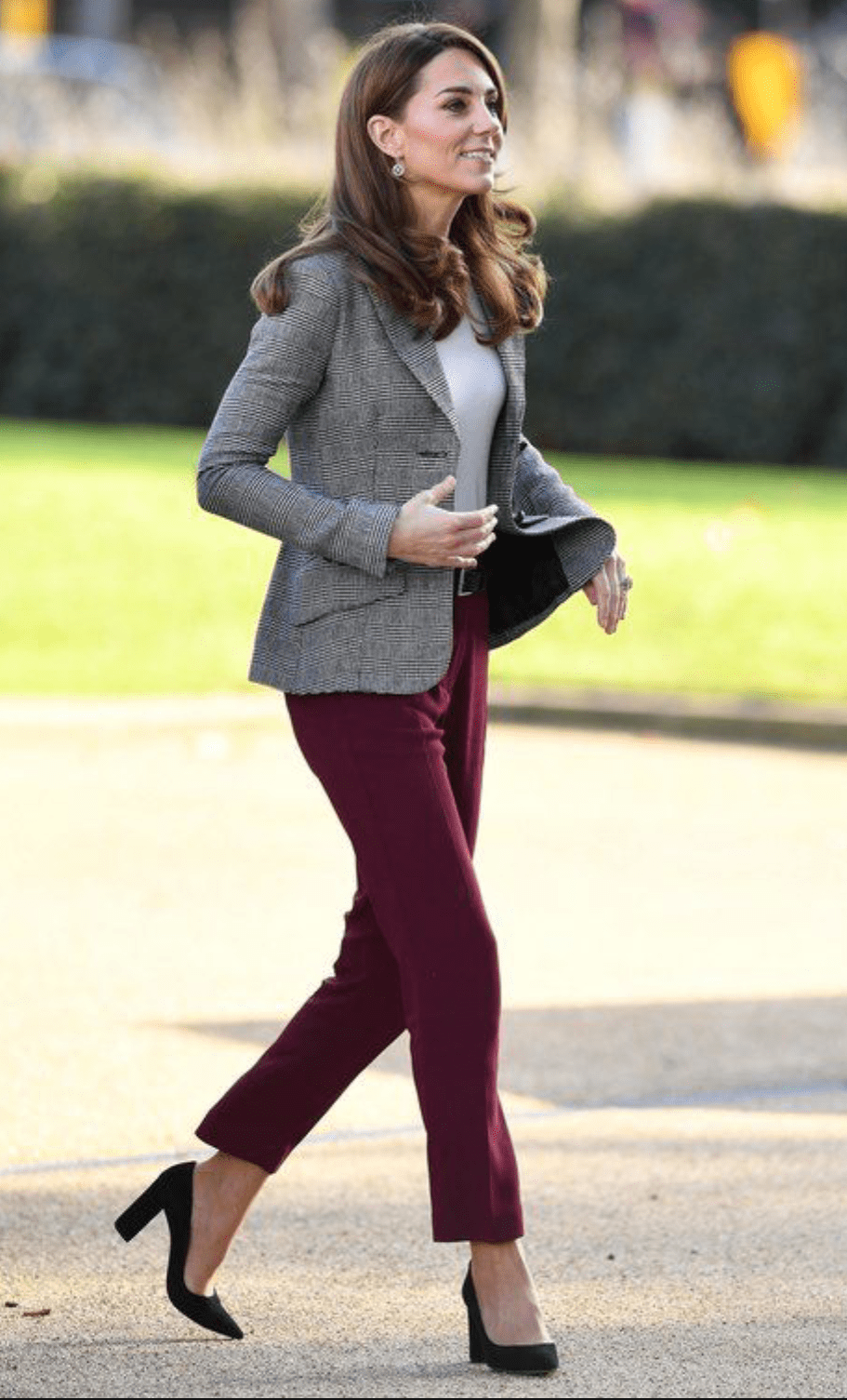
Fashion styles

Artsy

Colourful and vibrant kind of style. Creative.


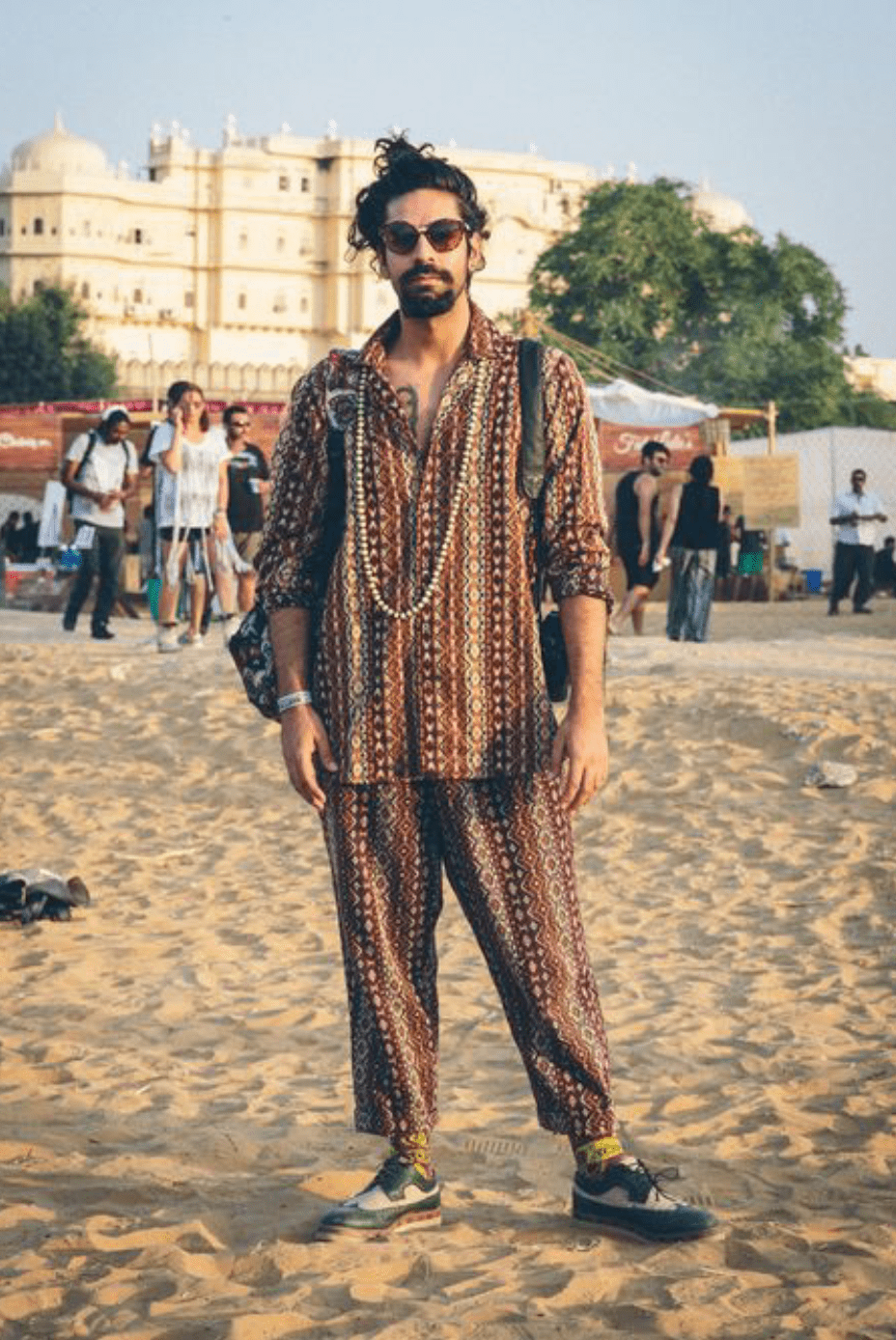
Bohemian

Personal favourite. Also known as Hippie fashion. With a modern touch to it looks fabulous on anyone.


Casual

The I-don’t-care-I-feel-comfortable type of style. The simplest of clothes in your wardrobe.


Chic

The girls night out or a date night look where you actually put some effort in choosing the dress and makeup.


#5 Preppy

Basically classic but with bold and clean colours with a structured silhouette.


#6 Rocker

Mostly a leather jacket amd pants. Ripped jeans. Don’t-mess-with-me kind of look.


#7 Sophisticated/classic

Classic.


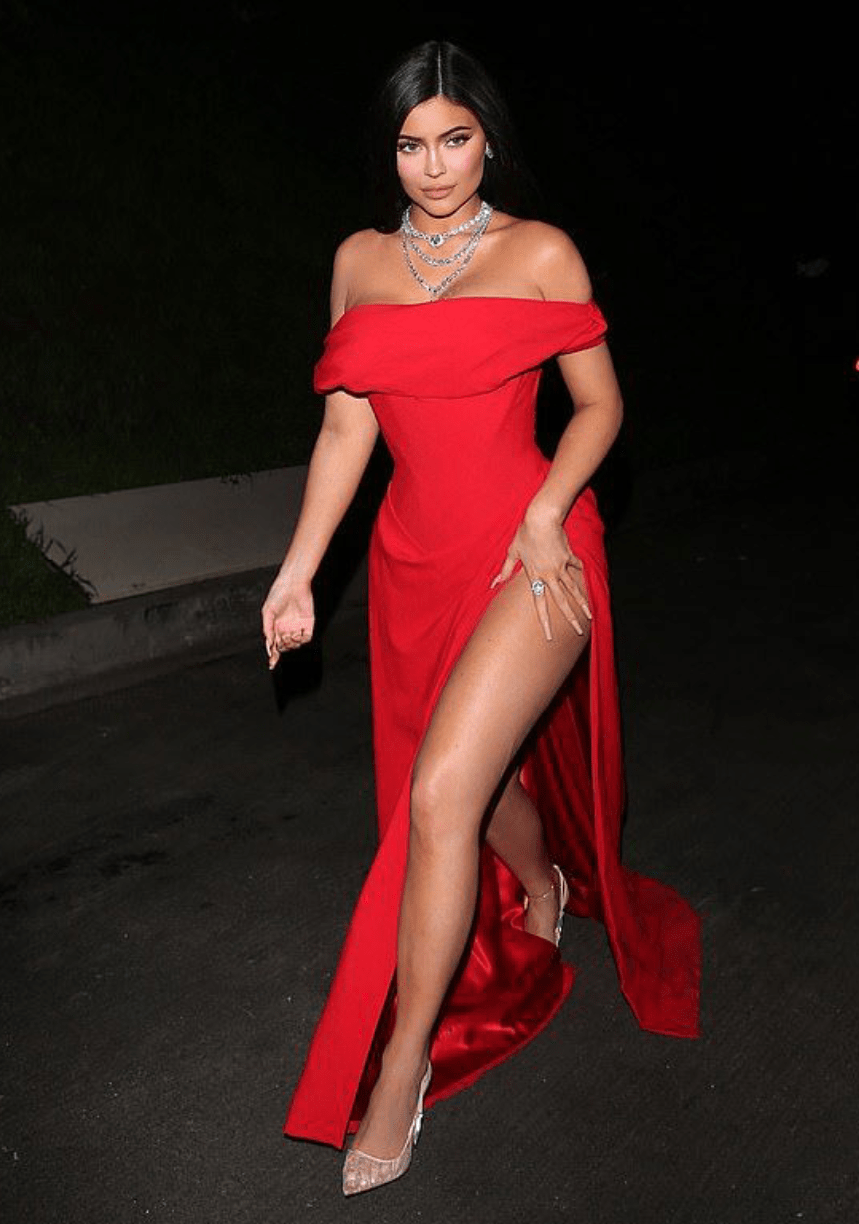
#8 Sexy

Especially for parties. Outgoing type.


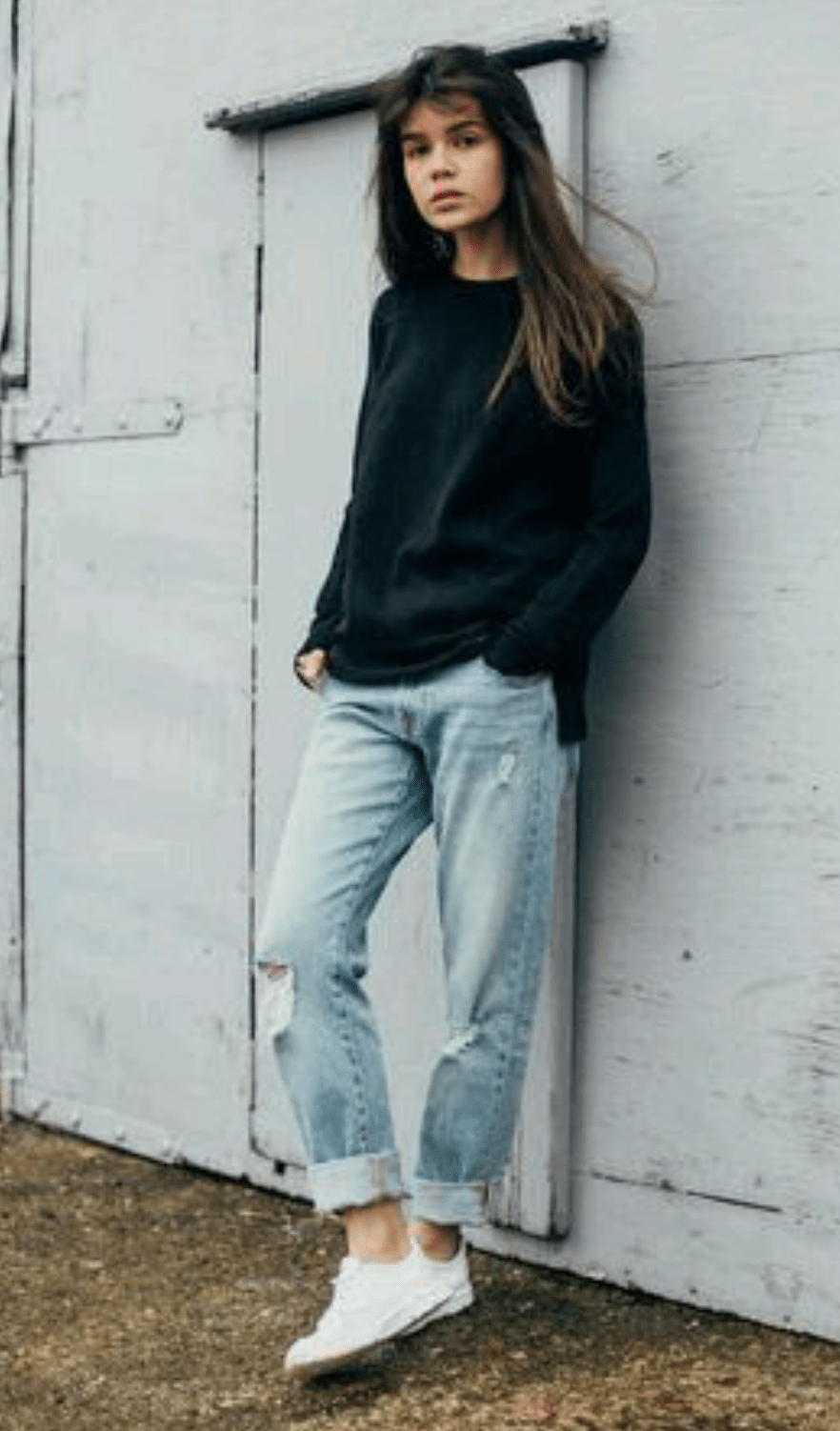
#9 Tomboy

Mostly loose clothes. Boyish, carefree. Billie Eilish’s iconic style.


#10 Vintage

Looks cute. Never goes out of style. Comfortable.

Thank you for reading. Have a nice day!

Book Review-‘Bananas, Beaches and Bases’

Cynthia Enloe’s Book ‘Bananas, Beaches and Bases’ has been, and continues to be widely read by scholars and students of International Relations. What makes her work stand out from other works in the discipline, is her usage of a gendered lens to analyse the world of International Politics. Where are the women in International Politics? Who put them there? and who benefits from them being there? These, Enloe believes, are crucial to a thorough analysis of International Politics but have hitherto been ignored and overlooked. Another crucial question that Enloe wants us to ask is that what does the woman who is put in a particular position think about being there? How would she interpret her position? These questions would hint at what Enloe attempts to do and that is, to view International Politics from the vantage point of women.

An essential point that Enloe makes is that what’s more important is to ask questions of the existing system rather than having ready-made answers. The reason behind this is the very fact that the existing system does not put forth a wholesome picture as it doesn’t include the experiences of women.  Enloe believed that the absence of women in IR was far from natural, in fact, it is constructed. This is because the existing structure is marked by manipulation by and domination of masculine culture and politics. The position of women is constructed by men and thus, for women to feature in such a system, they have to become like men. This implies that in doing so, they devalue femininity and acknowledge that the masculine traits are superior.

Typically, when people wrote in IR their focus was on making links between political and international without accounting for gender. Enloe is assertive when she points out such an understanding is far from complete. The reason behind this, she highlights in the key phrase of ‘The personal is international, the international is personal’.

 For Enloe, feminist informed investigation of international politics yields valuable insights into the complex politics of masculinity. The international is much broader than mainstream experts assume and the political is well beyond the public square. In this book she focused on aspects that are not thought of as ‘consumer goods’ i.e. tropical beaches, women’s sexuality, the service of flight attendants to name a few. Enloe views women in third world countries as global political actors.

Enloe takes the case of The League of Nations to cite as an example. At the face of it, in conventional works of IR, one would think of it as a site for preventing war post the wreckage caused by the First World War. But thinking of it from the premise of women brings in a hitherto overlooked aspect of The League of Nations i.e. as a site for promoting social justice as some women emerged as international civil servants because of the same. It is important to applaud Enloe’s work for its positive impact. It has enabled an area for dialogue where many more women have now joined the conversation. These women add their experiences and findings to the conversation. The coming together of women enables a genuine exchange of ideas. Therefore, the doors to reinterpret international politics using a gendered prism has been thrown wide open to us.

Issues Faced by Women in India

Every woman, independent of class, caste and creed, has faced some level of difficulty because of their gender. These difficulties are not new, the female gender has faced them for a very long period of time all over the world. Even today, women are far from being recognised as equal which is not because of their capabilities but rather because of the social, political and economic discrimination and oppression that they have faced. This is reflected by India’s 122nd (out of 162) rank in Gender Inequality Index published by the United Nations Development Programme as per 2019. 

About a hundred years ago, women had to battle a completely different and more severe set of problems. This included female infanticide (deliberately killing a newborn girl) which is still practised in some rural areas across the country. Child marriage was also widely popular which also led to many teenage pregnancies. It was in 1929 that child marriage was banned by law which was revised in 2006 to extend women’s age of marriage from 14 to 18. Dowry, even though no longer permitted by law, was and still remains prevalent in India. Other practices which are no longer widespread are the Sati Pratha (widow, willingly or forcefully, burning to death in her husband’s pyre), honour killings, no inheritance or property rights, et cetera. 

In rural as well as urban areas, women do not have the position they deserve. This is due to multiple problems, some of these problems that demand immediate eradication for the growth of women in the society are:

-Patriarchy 

The root of discrimination against women, patriarchy poses the toughest obstacle to overcome. The belief that men are superior to women is not only accepted by most men but some women have also internalised this mentality. Men, not wanting to give up their privilege, have continuously oppressed and prevented women from obtaining the position they deserve in their homes and society.

-Violence and other crimes against women

Apart from being seen as inferior beings, women also face safety related issues. Physical violence is quite common in India, the rate of domestic violence (violent behaviour towards women typically by the male members of the household) is as high as 33.5% for the age group of 15 to 49. Emotional violence has an equally negative impact as it affects the mental health of women. According to various reports, psychological abuse is as common as physical abuse. Crime rates against women are soaring. Sexual violence, murder, rape threats, dowry-related abuse and other crimes have become so common that women feel threatened even in their own homes.

-Lack of freedom

In today’s world, freedom and independence hold extreme importance. It is unwise to be financially dependent on others after a certain age. But the societal constraints do not let women escape from the ongoing circle of subjugation towards social or financial empowerment. Upon reaching a ‘proper’ age, women are often forced into arranged marriage, regarded as ‘paraya dhan’ (estranged asset) by their parents, burdened with the responsibility of taking care of their in-laws and husband, forced to leave their jobs for bearing a child and, then, cursed if it’s a girl. At their male-dominated workplace, they may be sexually assaulted, given lower pay than men, discouraged by family members from working, feel unsafe at work or while travelling to work, face difficulty in getting maternity leaves, have no period leaves, along with many other serious issues. 

These are just a few injustices that women face in their lives. It is high-time to rise and demand practice of equality and empowerment of women. 

As Kofi Annan once said, “There is no tool for development more effective that the empowerment of women.” 

Women participation in equity markets grows during Covid-19 pandemic

Women participation in equity markets has surged during the pandemic and experts believe the growing need to share household expenses with rampant pay cuts and lay-offs has brought them to trading.Additionally,women are looking for alternatives to the decreasing bank’s fixed deposit (FD) rates, they added.Interestingly, most of such women are first time investors and a large number of them are housewives.”As retail participation has grown during the lockdown, this has been true for women as well. In line with the overall investors population, women are looking for alternatives to decreasing FD rates,” said Shankar Vailaya – Director, Sharekhan by BNP Paribas.”Lockdown has just been an accelerator allowing women to deepen their capital market knowledge via digital solutions,”Vailaya added.Online brokerage house Upstox said it has witnessed a growth of 32 per cent in account opening by women from April to June 2020, compared to the preceding three months.Of these, 70 percent of women are first time investors. Additionally, more than 35 per cent of the brokerage house’s women customers are housewives.According to Upstox, around 74 per cent of female customers are from Tier 2 and Tier 3 cities like Visakhapatnam, Jaipur, Surat, Ranga Reddy, Nagpur, Nashik, Guntur, among others.Out of the overall number of active female customers, 55 per cent are traders, whereas 45 per cent are investors (those that invest in equity delivery).It has seen a jump in active female customers by 53 per cent from April to June 2020, as compared to preceding three months. Nikhil Kamath, who co-founded Zerodha and True Beacon, said they have added 11 lakh clients since March 1, 2020. Of these, women clients are 1.8 lakh. He further said the average age of such women is 33 years.Tejas Khoday, co-founder and CEO, of FYERS, said in the last four months the stock broking fintech startup acquired over 20,000 new customers, of which 10 per cent were women traders.But, the overall traffic online includes 15 20 per cent women traders. Moreover, they are more inclined to invest than trade.In terms of expectations, Khoday said women want high profits in a very short period of time without too many entry/exits. But this could also be because most of them are first-time investors.

Women in Politics

Compared to the past, we now witness that there has been strengthening of women’s participation in all spheres of life as a major discourse of economic and social development in the last few decades. Many international and bilateral development agencies have proclaimed policies to integrate women better into social and economic processes. However, in spite of this, we see that they share a low presence in elected political bodies. This points to the fact that the universal adult franchise is inadequate to overcome the overwhelming structural constraints that impede female presence in political office. Some reasons for this include the traditional recruiting practices of political parties, the differential time budget of women, furthermore, in developing countries women have lower educational achievements due to social norms that restrict their freedom of movement.

A range of thinkers have opined that quotas for women have proved to be viable to overcome such structural obstacles. Countries that managed to enlarge the number of female representatives is because of the reservation of seats either through self-imposed party regulations or through legal action by the state. But there are critics who say that quotas are discriminatory in nature and it is also criticized by those who don’t view women as the political category in themselves.

India has a women’s quota of 33% at the local level. This happened via the 73rd Amendment to the Indian Constitution. It laid down new rules for the establishment and design of rural local government i.e. Panchayati Raj. This stipulates that at least 33% of seats and positions have to be filled by women. The proponents believe this quota will lead to their empowerment but critics claim that women will act merely as proxies for influential men and they also say that women in rural India lack basic qualifications that are required for such positions of power. What becomes important in this regard is that power defines politics and power is needed for the empowerment of women who have been marginalized historically and hence, proponents assume that through quotas women would transform politics by introducing new issues and different ways of doing politics.

Political Scientist Evelin Hust conducted a field research in Balipatna Block of Khordha district and Block Gania in Nayagarh district in Odisha where she identified a couple of problems. One such issue that she identified was that the female legislators may or may not work for the benefit of women. Therefore, quotas can be an enabling condition for women empowerment but it is not sufficient by itself. Another issue being that by and large women lacked knowledge about politics due to being less educated. Moreover, the dominant discourse is still opposed to women’s political role in rural politics. Women also lacked actual political presence of the representatives as it was noted that women signed up for the panchayat records at home while it was their husbands who participated in such meetings. 

However, there are also many positive gains in regard to the process of empowerment of the female representatives. They gained new knowledge about politics and local issues. Women have achieved higher visibility in village community which is a very important development for rural India. But women empowerment cannot be guaranteed by quotas alone, we need additional strategies in place to promote self-reliance of women as well as remove the structural obstacles.

Period Leaves: Necessity For A Faction

Zomato, a restaurant aggregator and food delivery company, has been dominating the headlines of the tabloids since August. The reason? A landmark decision of introducing ‘period leaves’ for their women and transgender employees. On an annual basis, 10 leaves can be availed under this category. Regardless to say, this has stirred a full blown debate on and off the screens.

Though most of the people on Twitter have expressed support and elation over this progressive move, a faction of people have opposed the whole idea. The most common arguments that one will hear from the ‘against’ camp are about how women managed these with their sick/casual leaves. Or how the employers would be less inclined to include more female staff in the workforce, or consider them for an important position. Or, how there is a scope for the female employees to abuse these leaves and get an easy way out of commitments. 

Managing periods with casual leaves is a very ungrounded argument, for the labour policies vary drastically across different Indian states.  Under the Shops and Establishment Act, an employee working in Maharashtra has no sick leaves per say, and can avail a paid leave of upto 5 days for every 60 working days. On the other hand, an individual working in Assam can avail 12 sick leaves annually and has 16 earned leaves after 12 months of continuous service. This shows the glaring irregularity in the leave policies, which makes it very difficult for female employees of various regions to take menstrual leaves. Corporate sector needs to consider this, and seriously! Meanwhile, the government needs to find a ubiquitous solution too. As, this affects a significant working population of the public and private sector. The Menstruation Benefit Bill, introduced by Ninong Ering, a MP of Arunachal Pradesh in 2017, though didn’t see the light of the day, opened up the large avenue for consideration for the government. Bihar government has set an example here, by availing leaves of two days per month categorized ‘for biological reason’ since 1992.

We, as a society, have a flawed understanding about menstruation. As a result, most of the men, and sometimes women, consciously or otherwise, fail to acknowledge that menstrual conditions are far from universal. Each female experiences different kinds of pain and/or discomfort during their menstruation phase. Individuals with medical conditions endometriosis,dysmenorrhea, PCOS etc. suffer the worst brunt. Sometimes, even the travel to work elevates the pain and makes it unbearable. And trying to justify the gender bias on the basis of biological processes is a matter of regressive judgement. Now, a question might be possessed, is it constitutional? Especially when our Constitution stresses on equality. The answer is an undebated yes. Article 42 of the Constitution mandates “provision for just and humane conditions of work and maternity relief.” As a mid way solution, some companies have the provision of work from home, for those who have the desk jobs. This allows the female employees to work comfortably at their own convenience. Also, with the technological support available, attending meetings are also a possibility and in many companies, a reality. A bit of co-operation can go a long way for inclusivity of all the employees without any compromise on their health and well being. 

The naysayers made a special point regarding the field jobs, for it is more demanding and requires being in action all the time. Regarding this, journalist Barkha Dutt has argued how female employees have to work double hard in certain fields to prove their merit than their male counterparts. And the introduction of ‘period leave’ might leave them with an obvious disadvantage. While this is a valid concern and hence needs further discussion and deliberation, the moot point boils down to how this leave is an OPTION for those who are in dire need of it, and hence does not account for the blatant generalization that is being made.

At present, open conversation and sensitization about menstruation is a requirement. Because, the stigma attached with the leave prevents many women from availing it. With the taboo about menstruation in India, many women actually choose pain over the shame and embarrassment! The de-stigmatisation also creates an understanding and sense of empathy in the male counterparts. At the very least, individuals availing the leave deserve a ‘benefit of doubt’. Also, not everyone has the same pain threshold, so it is upon the females alone to decide if the pain is overbearing enough to avail the leaves. 

It is high time that menstruation is viewed just as a biological process, shedding all the social taboos attached to it. Then only, proper and inclusive discussions can be held regarding the validity of these leaves, where women from all spheres of economic development have their contribution.

Website referred:

https://paycheck.in/labour-law-india/leave-and-holidays/state-wise-leave-provision

Femicide in Turkey

A social evil infesting our harmonious society
19 years old university student, Ozgecan Aslan was killed 5 years ago, by a minibus driver who attempted to rape her on her way home. Following Aslan’s death, a petition demanding an end to reduce sentences for perpetrators of gender-based violence gathered more than 1 million signatures. Despite the protests and petitions, there was a considerable surge in femicides. The “we will end femicide platform”, a women’s rights group, said almost 2000 women have been killed since February 2015, often by husbands or boyfriends. In 2019, 474 women were stain in turkey. Women’s rights activists said the necessary legal tools for the protection of women against violence already exist. Turkey was the first country to ratify the council called the ” Istanbul Convention”. This council focused on Preventing and Combating Violence Against Women and Domestic Violence. In 2011, a treaty was introduced specifically targeting violence against women. Law number 6248 which was passed to Protect the Family and Prevent Violence Against Women and introduced gender equality policies.
However, the problem is with the implementation of existing laws. The general attitude in society has not changed. Women are still urged to stay at home to serve and obey. In some cases, violence against women is still acceptable.” Ekin also mentioned that many kinds of violence against women weren’t even taken in consideration which includes psychological abuse or some different kind of degrading treatment. Measures stipulated by the Istanbul Convention, such as the provision of enough women’s shelters and rape crisis centres, were not being met, Ekin said. During a speech at an international women’s rights summit in 2014, Erdogan said women were not equal to men and that manual labour was not suitable for women because of their “delicate nature.” He has criticised women who chose work over having children as “half-persons” and equated abortion to “murder.” Numerous women’s rights NGOs were closed by emergency decree following the 2016 coup attempt. Despite mounting difficulties, the resolve of Turkey’s women’s rights activists has grown stronger and Ekin stressed that this yielded important successes. Due to close monitoring of femicide court cases by activists, courts rarely hand down reduced sentences for “unjust provocation,” a widespread practice until a few years ago. This is the result of our struggle and we will continue to fight for justice for women,” Ekin said.

Title – Being Women

Introduction –
‘It has never been a good time to be a woman.’ Shackled at home, deprived of rights in society, and subjected to gender bias at the workplace, women have borne the brunt of being the weaker sex all through history. Though the skew in rights and treatment haven’t quite corrected itself, women are possibly in a better place today than ever before. This is because of rising awareness, availability of global forums, and social media to voice their anguish and angst, changes in laws to empower them, and proactive governments to implement gender-neutral law. Still, there are many areas that can do with a nudge to empower them, one being the succession, inheritance laws, Marriage, Divorce (especially in Muslim law), Maintenance, Protection, Equal rights, and freedom. The share of inheritance of a woman is half that of a man. Since upon marriage, a woman receives mahr and maintenance from the husband, as well as inheritance, while a man only has the inherited property, it is generally considered that the woman should have a lesser share in the inherited property.
When all these things get over, there comes lack of freedom to choose what to wear, whom to marry, Pursuing career is war-like situation for a woman and when she fights with all this taboo she fears walking on the road with a sense of Security. She faces Eve Teasing, Assault, Violence, Rape, Trafficking, and whatnot. She even needs to prove to the law that she doesn’t bleed by choice, but that’s natural and sanitary napkins, taprooms are not luxurious but essential commodities. 

Though there are multiple amendments as of 2019 for women’s wellbeing still there is wide scope for development in the following fields – 
1 – Right to Education and pursue  job to make them self-reliant
2 – Equal Share in Inheritance Property 
3 – Protection against Unconstitutional way of divorce.
4 – Gender Equality 
5 – Protection against men doing four Nikhas (marriage) and get entitlement under uniform civil code and such act shall get published under bigamy or polygamy as the case may be. 
6 – Freedom to choose a life partner from other caste as well, as India is Secular country hence prohibiting adults to choose a partner to get married from same cast shall be offense. 7 – Age of puberty shall not be same as Age of maturity hence At least till women attain age of 18 she shall not be forced to get married as she should be given chance to develop mentally and physically for becoming part of married life and having sexual intercourse or say conceiving child.(under Muslim Law) 

Article 44 of Indian Constitution – Uniform Civil Code v. Women’s Right – 
Because none of the politician want to loosen their vote banks, they never actually give a try for uniform civil code for all citizens irrespective of Gender or Caste. But unfortunately Womans specially Muslim Sisters are suffering alot to get justice because of their own septate Muslim Act (not being against their Act but raising voice for equal opportunity and justice for both gender) I feel it’s peak time to make uniform law in practicality and end this controversy of applicability of Article 44.

“Women don’t need special treatment they just need protected environment with equal opportunity to develop as a human and enjoy Right to Life and Personal liberty provide under Article 21 of Constitution.”

#woman #Article44 #Article21 #righttobleed #righttosafety

                                                                                                                       By Sonu Chaturvedi 

Why Australia is least affected by recession!!!

America’s economy is approaching a big milestone. If it keeps humming until July 2019, it’ll be the longest expansion in U.S. history. It would be exactly one decade and one month old by then. But there’s another country with an even more impressive run It’s even called the ‘lucky country’ Three big lessons from Australia.

  1. Be smart.
  2. Be organized.
  3. Be lucky.

So, if I’ve got any advice for other countries, it’s try and be as lucky as Australia That luck has to do with Australia’s treasure trove of natural resources. You know Australia is on the other side of the world and sitting on tremendously valuable minerals right at the point where the Chinese economy is just around the corner and exploding. Australia and every one its natural resources were within the right geographic neighborhood even as the Chinese economy began to begin . And it just so happens that China did a big fiscal stimulus in 2008 and spent a great deal of money building new cities. So all of these resources were drawn from places like Australia. So that also served as a huge tailwind at a time when developed markets were in a whole lot of trouble.

What Currency Is Used In Australia | Australian Dollar : Compare ...

The year 2008 was a time of economic turmoil The Global Financial Crisis hit and markets crumbled around the world. But as it turns out this was also a year for Australia’s economic management to really show off At the time the government had a very helpful and very low level of debt. One reason? Pension reform in the 1990s. Australia set up a compulsory retirement system called the superannuation system. It requires employers put money into its employees’ retirement savings.

Since companies and citizens have to build up retirement savings, some of the financial burden to pay off pensions was taken off of Australia’s government As other economies reeled in the wake of the 2008 crisis, the Australian Government was then able to put money directly into people’s bank accounts This boosted consumer spending in order to stimulate growth In 2008, the Australian Government unlike some other developed market governments actually jumped in very quickly with fiscal stimulus, so that helped to kind of minimize the effect of the crisis The country’s numbers continued to look sluggish after the financial crisis. But they never quite dipped low enough or for long enough to satisfy the definition of a recession. It takes two quarters of negative growth to fall into a recession. Australia’s economy did post a couple of negative quarters since 2008, but no country’s perfect. Overall Australia’s economy has been managed pretty much in recent years partly due to a robust and stable financial institution.

Reserve Bank of Australia – Australia's LGBTQ Inclusive Employers

Australia has an independent financial institution and it is a very well-run financial institution . It also has a floating exchange rate and the exchange rate helped it adjust to international shocks. Australia’s economic reforms gave it flexibility in times of hardship. For example, floating the Australian dollar In 1983, Australia’s government moved the dollar onto a floating exchange rate This meant that the dollar would be valued by supply and demand instead of being subject to influence from its government or its central bank It allows the economy to react to shocks as well Typically when an economy is hit by some sort of negative shock. The currency will adjust. It will depreciate and that helps promote exports. Another reason behind Australia’s economic diary lies in its immigration policy. Since the late 1990s, Australia has seen growth in temporary migration, many arriving to the country on student or temporary work visas. The number of temporary migrants peaked in the year 2000. However a recent change to immigration law in 2018 gave visa applicants more hurdles to get through if they wanted to come to the country Even when our GDP per capital average incomes aren’t rising by much because the number of people continues to rise that means the total GDP continues to rise at even more rapid pace Part of that’s underpinned by much faster population growth Most experts think Australia’s economy remains strong in 2019, but it’s not without risks.

Australia’s suffering at the instant from pretty weak wage growth. That’s worrying a lot of people. There’s a lot of fear right now that China is hitting a wall. That will hit demand for Australian products. The good news is to the extent that the Chinese are buying commodities hopefully will find buyers from overseas for many of those commodities if the Chinese are not there The bad news is the rest of the world economy is not doing that well.

Australian economic growth slows, enters per capita recession ...

‘Not all men’ vicious – Pseudo Feminism

If you pick up a dictionary, the definition you’ll find for the word ‘feminism’. In simple terms, there shouldn’t be any injustice met out to either sex. They should be treated equally. But, off late, a new type of feminism is developing which is rightly called as pseudo feminism. Pseudo feminists hold a strong resolve to correct all the injustices done to women, mostly by lashing out at men and demeaning them. What they forget is the basic essence of feminism movement: equality. Another form of pseudo feminism, according to me, is the feminism of convenience. The biggest example being: men paying for dates. If we’re as equal as women proclaim to be, why can’t a restaurant bill be split between the two? The reason is simple-men are too egoistic to let a woman pay, and for a few women it miraculously becomes a man’s job to pay for the date. Where, I ask these feminists, does the feminism vanish then?

Feminism is now a muddied term. Difficult to say what it means today. We often don’t realise it, but pseudo feminism is all around us, hiding behind feminism in clandestine. We’re the women shouting for equal rights everywhere, but don’t waste a single minute asking a guy sitting on a Ladies Reserved seat to vacate it. Why do we need reservations in general coaches? Since we’re able bodied, strong, grown-up women of strength, can’t we stand in a general coach? Men doing 9-5 jobs, burning their hours toiling hard to earn, are as tired as we are. It is just a very preposterous notion. Like it’s correctly said, two wrongs don’t make a right.

Although they are in the minority, it’s a crystal clear truth there are men who too are subjected to sexual crimes. The numbers of cases reported to the police are on the lower side, because most of the men don’t report such crime for the fear of being ridiculed at, not being believed and instead facing the charges themselves. Men are mostly kidnapped and abducted for illegal sexual intercourse, forced marriages, prostitution, etc. The number of such victims is really low but it’s a fact we cannot ignore. When we are talking of rising violence against women, we shouldn’t neglect the fact that somewhere out there are men also being subjected to same brutalities.

Board results are a few months away, but a boy has passed with flying colors by refusing to be part of a plan to rape a girl, hatched by the girl herself, who was pretending to be a boy. The boy passed but, many say, feminism failed. They have been saying that for years now. They are not too off the mark though. While it may not have failed, it sure has taken a huge hit.

Fake accounts, false allegations and fraudulent charges have harmed men and their reputations. They are also building a case against women’s right to stay in the fight for justice.
Part of the problem is the fact that the odds are heavily stacked against women. But another part of the problem is the way women used social media to fight this battle.

Each true story helps build credibility. Each false story is turned into a weapon against the fight for gender justice. The girl, who faked herself as a boy, is not part of the Bois Locker Room chats, but the story is now all about this one girl who faked her identity.

So what should women do?

I will answer with what they should not.

One, do not shoot and scoot. Don’t get into it if you cannot stay in it. Weigh in before you jump in. This is for the long haul. There is a lot of mudslinging that happens. You can’t escape the splashes.

Two, do not use fake accounts to bring down men. It’s easy to prove. The consequences are for everyone – the man, the movement and also you. Take care of You. Take care of the fight that is for us to stand equal to men with no biases in workplaces, no casual sexism, no acid attacks, no rapes and no honor killings.

If true feminism was followed, then we would treat all the victims equally. Victims would cease to be women or men, but just victims of abuse. But sadly, that is not the case. Pseudo feminism shouts out loudly that men can’t be raped, men can’t be tormented, and men claiming to have been put under such atrocities are lying cheats. It’s most likely that I would be branded ‘anti-feminist’ by pseudo feminists all around, but I don’t mind. I don’t mind because I know how to stand up for my fellow sisters when they actually need it.

When a woman is put on fire, when she is raped, is brutalized, is stripped naked on the streets, forced to quit her studies to marry a man three times her senior in age, when she is blamed if she is raped, or teased, when a woman is beaten repeatedly for refusing to pressurize her parents into paying dowry, when she is considered inferior to her male counterparts, that is when I need to give voice to my anger and lash out at the people responsible for it. If I am a true feminist, I will do the same if it were a man being stoned on the streets, being raped, being accused of a fake rape, being doubted over just because he is a man. As Gloria Steinem rightly said, a feminist is anyone who recognizes the equality and full humanity of women and men.

Not all men do it, but all women suffer through it.

This is serious. Take it seriously.