Youth Parliament Program

 The Youth Parliament Program is run with a view to strengthen the roots of democracy, inculcate health habits of discipline, develop tolerance of divergent views and to familiarize the student community about the working and functioning of Parliament. The Youth Parliament Program is organized in 2 modes:-

    1. Youth Parliament Competition (YPC):

   The following YPCs were organized this year: –

  1. Group Level Competition of the 16th National Youth Parliament Competition (NYPC), 2019-20 for Universities / Colleges wherein 35 institutions participated
  2. 33rd NYPC, 2022-23 for Kendriya Vidyalayas wherein 150 institutions participated
  3. Regional Level Competition of 24th NYPC, 2022-23 for Jawahar Navodaya Vidyalayas wherein 80 institutions participated
  4. 55th YPC for schools under Directorate of Education, Govt. of NCT of Delhi and NDMC wherein 39 institutions participated

2) Web-portal of National Youth Parliament Scheme (NYPS):

The web-portal of the NYPS was launched on 26th November, 2019 to increase the outreach of the youth parliament program to every nook and corner of the country. The registration on the first edition of NYPS was closed on 31st July, 2022. 8317 registrations and 373 event completion reports were received on the portal. The registration for the second edition of NYPS was opened on 1st August, 2022. Till 30th November 2022, 1702 successful registrations and 367 event completion reports have been received on the portal. The last date for registering for the second edition is 31st December, 2022.

Consultative Committees:

The Ministry constitutes Consultative Committees of Members of Parliament and makes arrangements for holding their meetings during session and inter session periods. After the constitution of 17th Lok Sabha, 37 Consultative Committees had been constituted for various Ministries/Departments. 38th Consultative Committee in respect of the Ministry of Labour and Empowerment was constituted on 28th July, 2020. The following activities were undertaken during the year 2022: –

  • One Consultative Committee for the Ministry of Law and Justice (39th) was constituted on 20th April, 2022.
  • 60 meetings of the Consultative Committees were held till November, 2022.
  • 73 Members of Parliament (Lok Sabha & Rajya Sabha) were nominated on various Committees/Councils/boards etc. set up by the Government of India.
  • Deletion of membership of 69 MPs were done from the various Consultative Committees due to their resignation/ retirement/ demise etc.

Web series is the new favorite entertainment source among Indian youth.

The OTT platforms and web series are getting increasingly popular among the youth especially during the COVID -19 lockdown and also post pandemic too. Many research points out that the OTT platforms are a much more customized medium than television and the youth can more relate to the content of the new breed of web series. The recent breed of Indian web series is causing a paradigm shift from traditional television viewing among millennials. It’s a further shift of a traditional audience of a film from 70mm theatre screen and 40 inches television to ultimately in 6 inches mobile screen.

A web series is a series of scripted or non-scripted online videos, generally in episodic form, released on the Internet and part of the web television medium”.  To put it simply, a web series is a series of video episodes that are released over time to tell a story, over the internet.

A survey conducted by Adamas University stated that.

Netflix is the most popular platform with 62.8% followed by Amazon Prime with 53.1% and Hotstar (51.3%). However, MX Player and Hoichoi are not far behind. Some not so popular names include TVF, Addatimes, Popcorn, Viu, Zee5, etc. Voot is being watched by 21% of the respondents.

The survey also found out that the comedy genre was preferred by 82% of the respondents whereas as many as 75% said they also like romance genre. The other popular genres which the audience desired are action, crime, and drama. A small portion of the audience said they should bring out more content based on sci-fi and horror stories. So, we also have viewership for and space for such content and it also provides a scope for profits. But, the comedy and romance genre dominates. So, while making web series, the producers can focus on diverse content to attract a larger audience.

Some of the most popular among the respondents are Sacred games, Byomkesh, Kota factory, Little things, Girl in the City, Mirzapur, Stories by Tagore, A Family man, Ghost stories, etc. So, we can say that the youth are not only consuming international content but also Indian content.

Appeals to the people, especially youth, to unite & fight against drug addiction

 Raksha Mantri Shri Rajnath Singh has appealed to the Nation, especially the youth, to unite and fight against drug addiction, terming the menace as one of the stumbling blocks for India to achieve its full potential. He was interacting with National Cadet Corps (NCC) cadets and youth at a function ‘An Interaction with NCC cadets and Pledge Against Drug Abuse’, organised by Ministry of Social Justice & Empowerment in New Delhi on September 12, 2022. Cadets from all 17 State Directorates and youth from different parts of the country joined the event through video conferencing. The Raksha Mantri urged them to fight and eliminate drug addiction on the same scale as the country’s revolutionaries fought for the freedom struggle and ensured independence.

“India is moving forward in the direction of becoming one of the superpowers of the world. But, there are some limitations which are preventing us from achieving our true potential. Drug addiction is one such limitation. Despite having all qualities, our country has not yet been able to stand in the line of developed countries, as there are many people, especially the youth, who are in the grip of drugs. Youth are the future of the country. They are the cornerstones of the nation. If their present is intoxicated, their future can be easily guessed. We need to wedge a fight against drugs like we did for our Independence,” Shri Rajnath Singh said.

Elaborating more on the ill-effects of the drugs, the Raksha Mantri stated that it not only adversely affects the maintenance of law and order in society, but also gives rise to terrorist activities at national and international levels. He added that many international organisations accept that the money earned from illegal drug trade is used to aid terrorist organisations, which threaten the defence and security of many countries. There is an urgent need to work together and get rid of the menace from all sections of society, he said.

Shri Rajnath Singh urged the NCC cadets to form a group of 3-4 cadets and try to reach out to the youth addicted to drugs, informing them about the ill-effects of drug use. He exhorted them to first gain knowledge about the harmful effects of drug use as well as the how to easily approach de-addiction centres set up by the Government at various places. Through this, the cadets will be able to help those who wish to free themselves from the clutches of drugs. ‘Our NCC cadets are in a way another avatar of our armed forces. If our forces are protecting the country from external enemies, then our NCC cadets can protect the country from internal enemies like drugs’, he said.

The Raksha Mantri exuded confidence that the Nation will be free from the menace of drugs in ‘Amrit Kaal’ through the concerted efforts from all sections of society.

The interaction event was jointly presided over by Minister for Social Justice & Empowerment Dr Virendra Kumar. The Department of Social Justice & Empowerment is the Nodal Department in the Government of India for Drug Demand Reduction. To create awareness among youth, children and community, Nasha Mukt Bharat Abhiyaan (NMBA) was launched by the government on August 15, 2020 in 272 identified districts. So far, more than eight crore people, including three crore youths, two crore women and 1.59 lakh educational institutions have become a part of NMBA.

With active involvement of NCC Cadets, the Department of Social Justice & Empowerment is expected to take this Abhiyaan to newer heights and achieve its objective of Nasha Mukt Bharat.

Present Educational Policy

Introduction

Under the Indian Constitution, Article 21-A states that free and compulsory education upto to an age of fourteen years is the fundamental right of every individual born in India. Therefore, education plays a vital role in shaping an individual’s personality. Till date three policies in the sector of education has been introduced, National Educational Policy 1968, National Educational Policy 1986 and National Educational Policy 2020. The former policies mainly dealt with the educational approach issues, thus in order to resolve the drawbacks, the new policy was introduced keeping in mind the requirements and needs of the near future that would result in the development of education in schools as well as in higher institutions. The National Educational Policy was approved by the Indian government in light to achieve development of the nation and promote equality in the society. In 2020, the Ministry of Human resource Development was also renamed as Ministry of Education.

Aim

The New Educational Policy is an altered or revised system of education along with some new outline measures. The policy aims at establishing a zestful and lively environment of education as well as making the student skilled in their work and receptive to its surrounding. The objective of the New National Policy is to make India a powerful nation world wide in the field of knowledge. The purpose of NEP has changed to ‘How to Think’ from ‘What to Think’.

Advantages:

The unified advancement of the learner is the main objective of the learner. Providing the schooling experience at an early stage by replacing the system of 10+2 with 5+3+3+4 measure with pre-schooling of 3 years and schooling of 12 years. The students will be provided two attempts for clearing board exams by scheduling them twice a year. The programmes at under-graduate level are envisaged with an approach of integration and multi-disciplinary manner. A common entrance test would be conducted by NTA in order to secure admissions in universities all over the nation. The rate of GDP is believed to rise by 6% by higher public investments as a result of joint working of the government of centre and state. The main focus of the policy is to replace the pressure of books by amplifying the practical learning. The students would have complete freedom to opt any courses of their choice and desire. The NEP would help in the development of skills and create a comfortable environment for group discussion, learning and reasoning in a better way.

Disadvantages or Challenges:

In the current scenario of education at elementary level, there is paucity of skilled teachers. Thus, under the National Educational Policy 2020, practical execution of the education system at elementary level is still observed as a problem unresolved. The admission in universities abroad is also predicted to be comparatively expensive under the National Educational Policy.

Conclusion

The approval of the National Educational Policy 2020 by the Indian government is a significant action to be brought up. The need for education is beneficial and necessary for both the nation and the society as a whole, thus implementation of such policies is required by the country to meet up the needs. However, the new education policy’s progress is solely dependent on its application. It can be concluded that the future of India will rest on the making of education of high quality available to the young generation of the nation as India is a country with the population of young people.

“It’s heartening that the National Educational Policy hasn’t raised concerns of bias. Every country reforms its education system according to its national values and goals. The end goal is to make sure its youth is future ready.”

– PM Narendra Modi

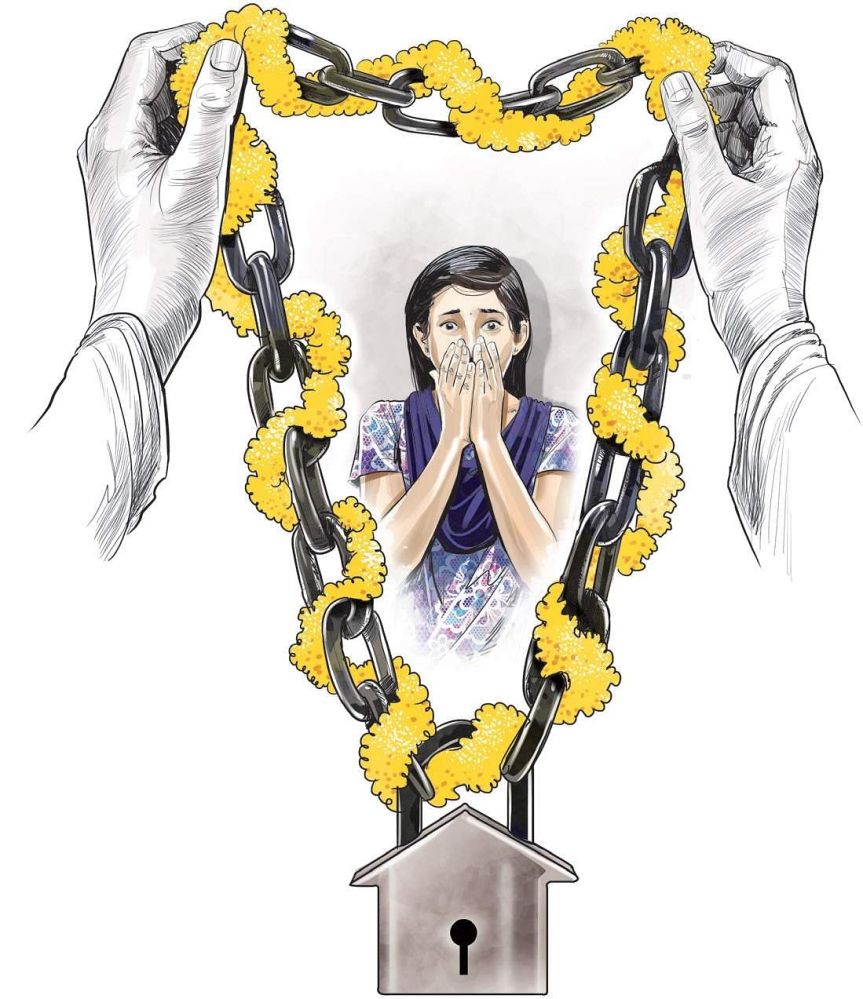
Child Marriages in India – Two Steps Backward!

It is in common knowledge that the legal age of marriage for girls is 18 years and 21 years for boys. However, social factors and circumstances, age-old prejudices cloud the judgement – leading to child marriage as a solution to one thing or other. Child marriages are not confined to a single country but happens across the world – barring the girls from being empowered and at times, the boys too. Keeping this in mind, the Sustainable Development Goal 5, which focuses on ‘Gender Equality’ has set a target to stop child marriages entirely by 2030.

According to UNICEF report, about one in three of the world’s child brides live in India and about 102 million were married before turning 15 and were pregnant even before reaching adolescents. Among the states in India, 36 billion child brides have been reported to be in Uttar Pradesh. Other states with large population of child brides are Bihar, West Bengal, Maharashtra and Madhya Pradesh. Among the Southern states, Andhra Pradesh with 13 million tops the list followed by Tamil Nadu with 11 million. It has also been reported that about 60 % of the child brides who were married before turning 15 went through pregnancy before completing the adolescent period. Whereas those married after the age of 15 but before age 18, about 20% of them went through pregnancy before completing adolescent period. Those married before turning 15 tend to contribute to larger families. During the trying COVID-19 times when the entire focus of the world was on healthcare system, the child marriages saw a spike. United Nations Population Fund has estimated that COVID-19 will result in 13 million additional child marriages globally. Women Development and Child Welfare, India has reported that child marriages saw a rise of 27%. While rural areas are the hub of reports against child marriages, interestingly, “more than 25 percentage of child marriages in 2011 happened in urban districts. In other words, one out of five girls aged between 10-17 was married in urban districts in the ear 2011”, IANS reports (yourstory, 2017).

Even with the coming of Child Marriage Prevention Act, 2006, one of the reasons for its so not grand success can be the poor implementation and also the fact that people always find ways to try and tamper with the acts and laws. What actually force them to do so? What actually compels them to do – send off their buds away, forcing them to marriage? One of the reasons is being orphaned. COVID-19 has taken lives of many people, parents of many rendering the children orphan (Jejeebhoy, 2021). The lack of parents or unwilling relatives to take care of the orphaned, thus marriage. Financial constraints are another compelling factor. Families tend to marry all the girls together (if there is more than one girl and the family is drowning in poverty) in a single place to save money. It is sort of passing off the so-called burden.

It is important to bring back the focus of the world to the atrocities happening. While there are cases where girls have escaped, seeking help and prevention of child marriage, there are still alarming cases of ‘being stuck’ in the unlawful marriage. At this point of time, youth volunteers can be a powerful force. Bringing in more volunteers to spread awareness as well as for on ground action to prevent marriages from happening can be a helpful approach. The schemes of the government seem to fail to trickle down, more maybe because of the lack of effort in the lower vertical ladder. Bringing in the community in action can help to keep in check the local government and vice-versa.

Image Credit: Google

Reflecting on a quote

“Education is the most powerful weapon which you can use to change the world.” – Nelson Mandela

If we turn the pages of history it will be vivid that the root of every revolution – be it French Revolution or India’s struggle for freedom – lies in the vision that was bestowed on the leaders through education. Raja Rammohan Roy, known as the Father of Modern India was one of the pioneers of socio-religious movements in 19th Century. Having been educated in modern sciences, literature, he chose the path of modernization and not the westernisation of natives. B.R Ambedkar was not just bluffing or rambling around when he wanted people belonging to the so-called, “lower castes” to be educated which would lead to their ultimate emancipation. Mahatma Gandhi who led many mass movements is the best manifestation of how powerful this weapon is!

Now, let’s not confuse between a literate and an educated one, doing so will make you look so not educated and so literate! Back then in the 19th Century, many elite and middle class were literate but only educated visionaries took a stand for what they thought would lead to the ultimate well-being of the people – be it Dayanand Saraswati’s “Back to Vedas” or Narayan Guru’s effort towards the upliftment of the lower sections of society or even Greta Thunberg’s “Friday for Future.”

The youth anywhere have that caged, powerful energy within them and the lack of proper channelization of energy is the sole reason for high crime rates, for escalating crisis in the world. If only it was imparted education on how to put to use that powerful flow of energy we wouldn’t have to read about heinous crimes, about devastating effect of environmental degradation, about all those taboos prevailing in the society taking its toll on people’s lives every day.

The reason that we are in the midst of such a grave crisis, which seems like every good thing is retreating from our life, from our world is because the ones who are literate did not actually turn out to be educated. They have actually let everything slide away, being so keen on getting a degree, a job in this ever-competitive world and meeting their aspirations; but these aspirations might turn out to be futile in the long run if the knowledge we possess has never been used to bring a change in ourselves nor in others while the world still continues to wait for someone to come to its rescue. It’s time that we become that “someone”.

It’s high time that we use education, the weapon that we possess to fight against the evils and to change the mind-set of people. It is not a work that would be done overnight like an assignment but it will be a long one which might go on for years. However, the important concern is that it needs to be started with oneself, bringing changes at micro level, moving towards the greater goal. After all, it’s those “little drops of water that makes the mighty ocean.”

It is equally necessary that people in every corner are aware about things happening around them. Governments need to focus on seriously implementing all those policies meant for imparting quality education to all girls and boys alike – channelizing their potential energy and enabling them to be a part of the process of emancipation of the world in crisis for it is not a hidden truth anymore that political freedom will be rendered redundant and futile if people are devoid of social freedom.

Education is the basic and a natural right that every individual should have as it is the only way for the world to escape the devastation that awaits – or why not say the devastation which has already started.

Image Credit: Google

YOUNG MINDS – BIG REVOLUTIONS

It is rightly said, there is no age bar to make a difference in the world. It just needs an ignition and the willingness to do something different, for the betterment of the society. One might feel, it is a daunting task to initiate alone and make amendments, but a single person with grit and determination is sufficient enough to make the world a a better place. Mother Teresa states, “I cannot alone change the world, but I can cast a stone across the waters to create many ripples.” There are many such youth personalities, who came forward to make a difference.

Malala Yousafzai

Female education activist and Nobel Peace Prize awardee, Malala Yousafzai was born in a family where education to girl child was encouraged. Gaining inspiration from her father’s humanitarian work, she decided to get into female education activism. The terrorist group, Tehrik-i-Taliban, was agitated by the her attempts to encourage education for the women. Malala, along with two other girls were shot by gunmen from the same terrorist organization to retaliate against her activism. Even after facing such a violent attack at a tender age of just 15, she did not halt her deeds. She started a fund raising organisation with her own name after recovery. She was then featured in the Times Magazine as one of the Most Influential People in the world and was asked to address the House of Commons at Canada.

Isra Hisri

Isra Hisri, the daughter of Ilhan Omar (U.S Congresswoman), is an American Environmental Activist. She began gaining awareness bout concepts related to the environment in her freshman year when she became a part of her High School’s Environmental Club. In the Club, she was the only girl who had a dark complexion, hence she would feel left out amongst the whites. She played her part in co-ordination of student led strikes related to environmental protection in spite of being neglected by many of her fellow mates. Hisri has made it her goal to use her advocacy in environmental and anti-racial matters since the age of 16. She co-founded and served the Youth Climate Strike and has been awarded the Brower Youth Award.

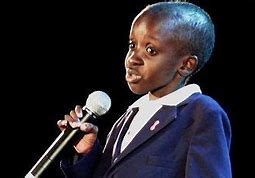
Nkosi Johnson

Nkosi Johnson, hailing from South Africa was born with HIV-AIDS. He was adopted by another woman, as his mother could no longer nurture him since she herself was suffering from the disease. He lost his mother when he had begun with his schooling years. His school did not permit him to secure admission and attend classes when they became aware of what he was suffering from. Nkosi addressed at the International Aids Conference, encouraging Aids patients to be outspoken about the disease and seek medical aid. Nkosi’s Haven, a refuge for HIV Positive mothers and children was founded by him with the help of his adoptive mother. He lost his life in the year 2001 due to brain damage complications. He was declared as the awardee of International Children’s Peace Prize. His refuge was donated with USD 1,00,000 by Kids Right Foundation. Author, Jim Wooten, wrote a book on Nkosi’s journey of life and named it as We Are All The Same.

“BE THE CHANGE, YOU WANT TO SEE IN THE WORLD” – M.K Gandhi

There are several other youth personalities such as Greta Thunberg, Jaylen Arnold, Param Jaggi, Marley Dias and many more. The youth is not just the leaders of tomorrow but can be the leaders of today as well. Developing and nurturing social values is what the youth must try to contribute in today’s times. Young minds do have the energy and coherent ideas to bring about a change in society, therefore must strive for it. It is time for all the budding minds to realise their eureka moment and create a revolutionary change across the seven seas.

Is Bollywood distracting Indian Youth

what is the first thing that comes to your mind when you hear the word Bollywood? An Item number or a random song which is having no meaning. Nowadays most of the Bollywood movies are just filled with item number, a lot of songs with no specific meaning and a repeating storyline. To just be specific, I am not talking about all the movies, I am taking about most of the movies. There are meaningful movies too like Dangal, Neerja, Hichki, Mary Kom etc, that makes sense and gives motivation to the youth for good things.

The Bollywood is actually started decreasing the quality of story, they are just focusing on the songs and weird sense. Without even thinking that what message do they give to the youth who are following them. Most of the movies that are being made now are love story with actually giving no meaning or motivation to the youth.

the youth after watching such movies gets distracted as they feel that they should follow their idols. The actors for the producers should realise their responsibility as they are the role model for many who are following them. They should make movies which have good impact on the youth and increases them to do hard work to achieve their goals.

And the youth too should understand and know to whom to follow and what to watch and not randomly follow anybody. So pick up everything very carefully with the what to watch and whom to follow.

An Electoral System That Neglects The Youth?

Since the inception of democracy in 507 B.C, the axiom that the people of a nation play a pivotal role in upholding it has stood firm through the test of time. While the question of which members of society would play this role has historically been a contentious issue in many countries, it was never a major problem in India. The Constituent Assembly ensured that universal adult franchise was provided for in the Constitution from the very beginning. While there was some opposition to universal adult franchise, based on concerns that the right to vote was being given too early, the possibility of inadequate education, knowledge, patriotism towards the country amongst the voters, a majority of members supported it. This meant that, once a citizen of India reached a certain age, they would be entitled to vote irrespective of their gender, religion, caste, education, income, or any other factor.

The provision of adult franchise has become more inclusive over time. When it was first written, article 326 of the Constitution allowed citizens who were 21 years of age or above, to vote in their local, state Legislative Assembly and national Lok Sabha elections. The age limit was reduced to 18 years of age or above after the Sixty-first Amendment Act, 1988. However, this seemingly innocuous provision contains a major problem. Article 326 gives the appropriate legislature the ability to set a date before which a citizen must turn 18 years of age, in order to be eligible to vote. 

According to the Election Commission of India (ECI), attaining the age of 18 years on or before the qualifying date of the year of revision of the electoral roll is a requirement to register in the electoral roll. According to Article 14 (b) of the Representation of the People Act, 1950, the qualifying date is “The 1st day of January”. This is a significant impediment to the participation of youth in the electoral process as it means that a citizen turning 18 years of age on or after the 2nd of January in the year of an election, is ineligible to vote in that election, even if they turn 18 years of age before any of the elections are actually held. This means that there are a very large number of 18 year olds who will get to vote in a major election only after 5 years, which is a very long time after they have technically reached the correct age to vote. 

In May 2016, D. V. Sadananda Gowda, the Minister of Law and Justice at the time stated that the government had plans to add more than one qualifying date in a year before which a citizen may be eligible to vote. Furthermore, the ECI has suggested the elimination of the qualifying date and allowing citizens to be eligible to vote as soon as they turn 18. While having only one qualifying date made sense in the past as electoral rolls were updated manually, it makes absolutely no sense now as online voter registration is an established process. Despite this, no action has been taken to remove this blatant hindrance to the participation of youth voters in a critical democratic process. 

Let’s take a look at the participation of “young voters” in recent elections. An Indian citizen aged 18-19 years and voting for the first time is considered a young voter. According to data from the ECI, approximately 15 million young voters participated in the 2019 national elections. However, this ostensibly large number is sadly only about 30% of the estimated population of young voters (48.5 million). It is also a lower number than the 23 million young voters that participated in the 2014 national elections, which contradicts the fact that the total electorate increased from about 815 million in 2014 to about 900 million in 2019. The percentage of young voters that actually voted is abysmal, especially when India has the largest youth population in the world, according to the UN (356 million). 

There could be a variety of reasons for this ignominious participation of youth in the electoral process. Without a doubt, the youth do consider voting in general as well as their vote to be important. However, many do not apply for a voter ID, either because they don’t know how to, or because they don’t prioritize it over other things important to them, such as college applications and driver licences. This problem is being addressed by the various grassroot level and large scale campaigns to increase awareness on the importance of participating in the electoral process organised by various NGOs as well as the ECI. Nowadays, political parties use special tactics to enlarge their youth voter base. Although a quixotic change in the near future, the introduction of online voting systems would significantly increase the participation of youth in the electoral process.

Another impediment to youth participation in the electoral process is the obnoxious amount of influence that money and corruption have in an election. The youth are more interested in policies that would improve their quality of life, their education and their job opportunities rather than flashy and expensive election campaigns carried out by an inaccessible pantheon. Besides this, the lack of candidates that reflect the aspirations of the youth makes them avoid the electoral process. While article 84 (b) of the Constitution states that a citizen above the age of 25 can contest in the Lok Sabha election, the youngest MP is 27 years old and there are only 4 MPs between the ages of 27 and 30. This is equivalent to about 0.75% of the 536 sitting members of the Lok Sabha, which is incongruously unrepresentative of the age demographics of India. In response to a Public Interest Litigation that called for the reduction of the age limit for contesting an election to 21 years of age, the Supreme Court of India chose to stress on experience rather than representation, by stating that citizens must have a certain amount of experience before they can contest an election. Furthermore, in 2018 the Supreme Court responded to a PIL that called for the reduction of the age limit for contesting an election to 18 years of age by stating that parliament must deliberate and make a decision. 

There seems to be some light at the end of the tunnel. For instance, in the recent Tamil Nadu legislative assembly elections, 21.86% of the total electorate were between the ages of 18 and 29, accentuating the growing importance of youth in politics. While making their voices heard by casting their vote is not the only step, it is nevertheless a crucial one in moving towards a country in which the youth are adequately represented in state and national leadership. With citizens aged below 25 comprising more than half of our total population, it is time that the youth is at the helm of decision making that has an impact on their future. It is also time for ancient laws, such as the qualifying date, to be modified, so that we can begin to change this behemoth of an electoral system that neglects the youth. 

Empathy vs. Covid-19

The Covid-19 pandemic has affected everyone disproportionately and unfairly. Health care workers face the harsh realities of the virus head-on. Teachers have had to adapt their years of experience gained from conventional teaching to suit online classes. Millions face the harsh reality of poverty and hunger everyday. Millions have lost their hard-earned jobs. Businesses have been forced to shut down. Hate crimes against groups of society that are baselessly and cruelly accused of spreading the virus have drastically increased. Mental health issues have risen and fueled by isolation, anxiety, uncertainty, and fear. More than 150 million people have gone and continue to battle with this invincible enemy. More than 3 million people have lost their lives because of this virus. Families have lost their loved ones and the world has lost countless dreamers. This virus cossets no one.  

Early notions such as the pandemic would be ephemeral and infections were punitive for those who flouted the necessary precautions and rules have diminished during the ongoing second wave of the Covid-19 pandemic. In my opinion, this is due to a rise in empathy amongst the people of India. Simply put, empathy is the ability of a living being to understand and share the feelings of another living being. Colloquially, it is referred to as “putting oneself in someone else’s shoes” 

The Government of India has had no shortage of opportunities to show empathy and alleviate the suffering of Indians. The Government has neglected its duty to serve the country and as Arundhati Roy put it, has committed a crime against humanity. The government has failed on many fronts. I would like to highlight a few that showcase an egregious lack of empathy. 

Firstly, the poorly planned nationwide lockdown, which was imposed with a mere 4 hours of notice, left thousands of migrant workers helpless, stranded, and vulnerable. With no help from the government, these migrant workers bravely decided to walk back to their villages. This lockdown was stained by police brutality and hate crimes against people that just wanted to survive. The lack of condemnation and apology by the government showcases a lack of empathy. 

Secondly, in an attempt to alleviate the suffering of Indians, the government launched the risibly named PM CARES (Citizens Assistance and Relief in Emergency Situations) fund and its primary objective was “to deal with any kind of emergency or distress situation, like posed by the COVID-19 pandemic and to provide relief to the affected”. The fact that a government that has never shied away from repeatedly putting their plans such as “Make in India”, “Swachh Bharat”, “Beti Bachao Beti Padhao”, etc on the highest possible pedestal has created such an opaque and inaccessible fund shows a lack of empathy. 

Thirdly, the government’s actions before the second wave hit can be described as complacent, incompetent, and overconfident. On the 21st of February 2021, a resolution was passed in the BJP National Office Bearers meeting that “unequivocally hails its leadership for introducing India to the world as a proud and victorious nation in the fight against Covid”. Additionally, the government decided to export vaccines to other countries without ensuring adequate supply was available for Indian citizens. This not only leaves Indian citizens in danger but also betrays all the countries that depended on “the pharmacy of the world” as vaccine exports were abruptly stopped. None of this would’ve happened if the government showed empathy towards the people of India and established appropriate contingent plans.

Fourthly, while the second wave virulently spread and claimed thousands of lives, the government showed no empathy. While a strong case can be made to prohibit sitting union ministers from campaigning in elections that they are not contesting during a crisis, a complete stop to the democratic process would have been detrimental. The occurrence of huge rallies during a pandemic is untenable and all politicians are guilty of this. The myopic and unsympathetic nature of the government is accentuated by the needless comments that they have made throughout the pandemic.  

Finally, the iniquitous lack of cooperation between the centre and states to fight this pandemic showcases a pathetic lack of empathy. The failure to come up with a comprehensive and transparent plan for the distribution and supply of oxygen and vaccines has caused unimaginable suffering to the people of India. Any attempt by the government to set aside pride and partisanship, as leaders have done before when facing a crisis, and listen to good advice and imploration would be a sign of empathy. No such attempt has been made. Their lack of action and belated action have had fatal effects, but the government has not shown a sign of remorse or empathy.    

But all is not lost. There have been instances in which the government has shown empathy. Most states have decided to offer a Covid-19 vaccine for free for different age groups. The central government also has plans to allow final-year MBBS students to join Covid duty before completing the NEET exam. This will drastically reduce the strain faced by health care workers taking care of Covid patients. The government of Karnataka also announced that it would form a team of 15,000 civil defence volunteers in Bengaluru for tracking and tracing Covid-19 patients. This is a significantly more empathetic and humane approach to managing the crisis than the sadistic and vicious approach used last year that made victims of Covid-19 feel like criminals.

However, none of these actions are as consequential and empathetic as the profound empathy amongst the ordinary people of India. Early displays of empathy were seen when people started taking care of stray animals during the lockdown. Furthermore, countless rations and donations were given to the stranded migrant workers to help them cope with the dire situation they faced. From providing meals, oxygen, assistance to the elderly and handling cremations, Gurudwaras around the country have been the perfect embodiment of empathy. Conspicuously, the empathy and equanimity shown by the youth of India has truly been remarkable. With the help of social media, the relentless youth are constantly doing their part by helping those in need. 

Empathy also provides a strong basis for our everyday fight against Covid-19. Precautions like wearing a mask, staying indoors as much as possible, social distancing when outside, and getting vaccinated as soon as possible would not be flouted if people were more empathetic. For those of us who have not been directly affected by the virus yet, empathy goes a long way in helping and caring about those who have. 

Perhaps, the most optimistic and quixotic change that we can hope for during this precarious and seemingly inexorable situation is the crippling of traditional barriers that have separated us before. If we, as ordinary citizens of India, continue to disregard gender, caste, religion, wealth, age, ethnicity, language, political ideology, and other barriers when helping those affected by this pandemic, we could truly be united in this fight against the invisible enemy. Together, we shall overcome.  

Health Issues in Youngster.

Around 1 in 6 persons in the world is an adolescent: that is 1.2 billion people aged 10 to 19.

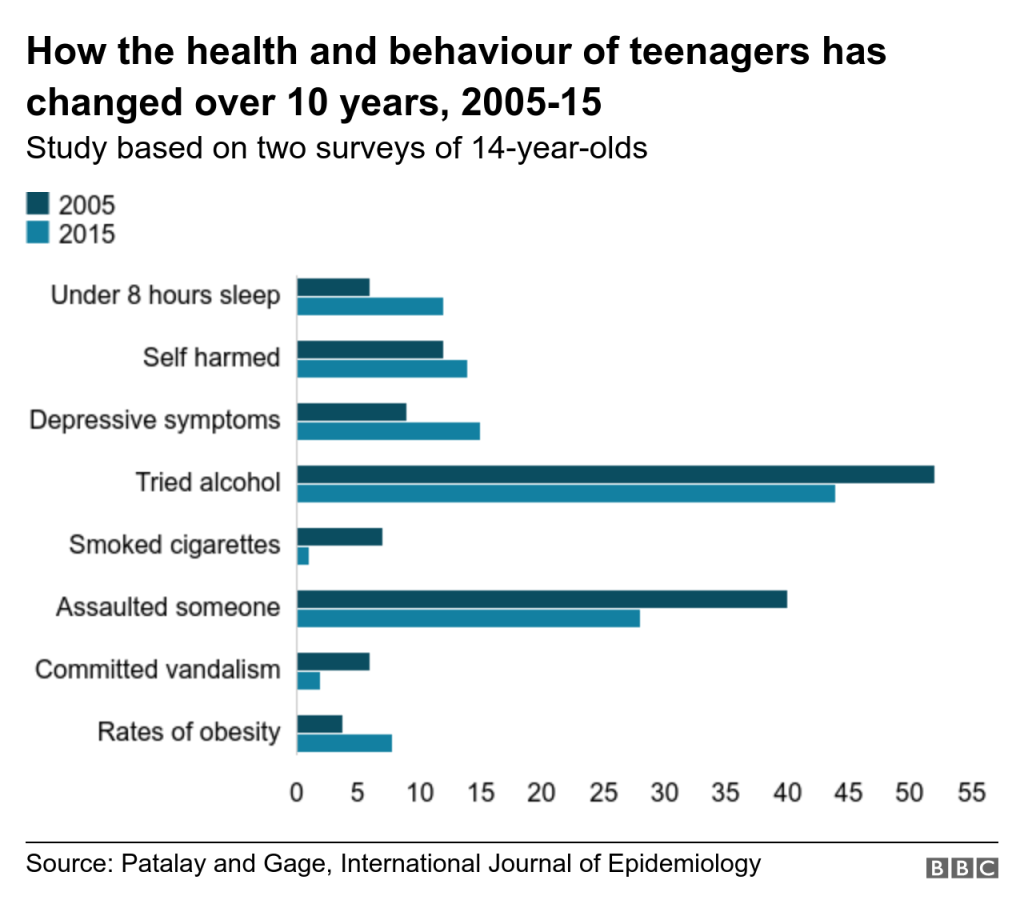
Most are healthy, but there is still significant death, illness and diseases among adolescents. Illnesses can hinder their ability to grow and develop to their full potential. Alcohol or tobacco use, lack of physical activity, unprotected sex and/or exposure to violence can jeopardize not only their current health, but often their health for years to come.

Promoting healthy practices during adolescence, and taking steps to better protect young people from health risks are critical for the prevention of health problems in adulthood, and for countries’ future health and social infrastructure.

Mental health
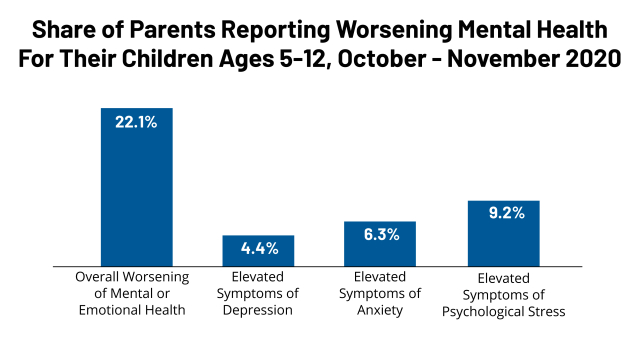
Depression is the top cause of illness and disability among adolescents and suicide is the third cause of death. Violence, poverty, humiliation and feeling devalued can increase the risk of developing mental health problems.

Building life skills in children and adolescents and providing them with psychosocial support in schools and other community settings can help promote good mental health. Programmes to help strengthen ties between adolescents and their families are also important. If problems arise, they should be detected and managed by competent and caring health workers.

Malnutrition and obesity
Many boys and girls in developing countries enter adolescence undernourished, making them more vulnerable to disease and early death. The number of adolescents who are overweight or obese is increasing in both low- and high-income countries.

Exercise and nutrition
Available survey data indicate that fewer than 1 in every 4 adolescents meets the recommended guidelines for physical activity – 60 minutes of moderate to vigorous physical activity daily.

Anaemia resulting from a lack of iron affects girls and boys, and is the third cause of years lost to death and disability. Iron and folic acid supplements help to promote health before adolescents become parents.

References:

https://www.ncbi.nlm.nih.gov/pmc/articles/PMC4216492/

https://www.betterhealth.vic.gov.au/health/healthyliving/teenage-health

https://www.verywellhealth.com/the-7-biggest-health-risks-teens-face-2611248

THE YOUTH OPPORTUNITY


THE YOUTH OPPORTUNITY

BETWEEN THE NECESSITY THERE LIES THE OPPORTUNITY

India is a country where we have nearly 28% of the youth population in contrast to 37 in China and 45 in Western Europe. This says about the enormous growth opportunity that India will have as the highest number of people in the workforce. In some other words, we could say that the India’s non working population would be out numbered by the working population leading to the demographic dividend which is to be in favor.

Climatic effects

The increased use of non-degradable plastics, bio-medical waste have created climatic deterioration. The pandemic had paved the way for the increased use of plastics and also we have no other go to end up without being safe. This effects leads to the increased landfilling which would cost fisheries, tourism and maritime transport and service industries with an additional billion dollars according to the report given by the UN Environmental Program.

The changes

Though the population of youth in India with the high level of unemployment is high, still there is chance of silver line beyond it. By concentrating on the demographic dividend, this leads to the increase in labour force, which in turn leads to the productive outcome. This accelerates the industrial growth. As the purchasing power of the population is high, there is no doubt in the increased domestic growth and increasing opportunities. By analyzing all these factors into the current situation, India will become the third largest country by 2030.

The younger the people the more conscious they are. They are much more of the climatic changes and impact of the land population which affects the sustainability of their growth. The natural disasters and less number of natural resources are even known to the children as it affects climate badly. The UN report also tells us that nearly half a million of the youth generation are taking action against the polluted lands through small initiatives they can make around their schools, colleges, surroundings and other communities.

The future

Sustainable future, socio-economic progress with the flourishing economies need a gradual vibrant to be empowered for the best future of the great version. India’s youth are interested in the green job as they have a great belief that healing the environment is the sustainable way to move forward. India is often in the forefront of bringing the change but there are issues like inequality which still goes in the Environment. Although the UN government has set up various employment programmes, the dominance of the informal economy still makes it difficult to reap profits.

The rising youth young population provides India with a great opportunity for growth. The labour intensive sectors needed to more skillful for the better job creation. Ensuring the components of the life skills along with the technical skills makes one to get the better satisfaction in the life.

Role of youths in nation

we cannot always build the future for our youth, but we can built our youth for our future

17+ Youth Leadership Quotes | Youth quotes, Leadership quotes, Good  leadership quotes

It is a well-known fact that the youth of any country is a great asset. They are indeed the future of the country and represent it at every level. The role of youths in nation-building is more important than you might think. In other words, the intelligence and work of the youth will take the country on the pathway of success. As every citizen is equally responsible, the youth is too. They are the building blocks of a country.

Role of Youth

The youth is important because they will be our future. Today they might be our partners, tomorrow they will go on to become leaders. The youths are very energetic and enthusiastic. They have the ability to learn and adapt to the environment. Similarly, they are willing to learn and act on it as well to achieve their goals.

Our youth can bring social reform and improvement in society. We cannot make do without the youth of a country. Furthermore, the nation requires their participation to achieve the goals and help in taking the country towards progress.

National Youth Day 2021: 10 inspirational and powerful quotes by Swami  Vivekananda

Likewise, we see how the development of any country requires active participation from the youth. It does not matter which field we want to progress in, whether it is the technical field or sports field, youth is needed. It is up to us how to help the youth in playing this role properly. We must make all the youth aware of their power and the role they have to play in nation-building.

Ways to Help the Youth

There are many ways in which we can help the youth of our country to achieve their potential. For that, the government must introduce programs that will help in fighting off issues like unemployment, poor education institutes and more to help them prosper without any hindrance.

Similarly, citizens must make sure to encourage our youth to do better in every field. When we constantly discourage our youth and don’t believe in them, they will lose their spark. We all must make sure that they should be given the wind beneath their wings to fly high instead of bringing them down by tying chains to their wings.

Furthermore, equal opportunities must be provided for all irrespective of caste, creed, gender, race, religion and more. There are various issues of nepotism and favoritism that is eating away the actual talent of the country. This must be done away with as soon as possible. We must make sure that every youth has the chance to prove themselves worthy and that must be offered equally to all.

Quote of the Week: Daisaku Ikeda on the power of youth. - World Tribune

In short, our youth has the power to build a nation so we must give them the opportunity. They are the future and they have the perspective which the older generations lack. Their zeal and enthusiasm must be channelized properly to help a nation prosper and flourish.

Conclusion

Thus, youths play a significant role in the progress and development of the nation. They can bring rapid change and development with sincere efforts. They have fire in them to fly high and chase the sky. So, if the power of youth is used wisely and optimally then it can surely lead to the national development.

a youth who doesn’t work hard,will be begging will he is old “

International Youth Day

 Nelson Mandela once said “The youth of today are the leaders of tomorrow”. August 12th is celebrated as the International Youth Day. The Youth Day was declared by the UN in 1999, to recognise and shed some light upon  the issues faced by the youth of different countries. 

International Youth Day is celebrated with the help of awareness campaigns, community concerts and events in the youth club, etc. to bring into attention the difficulties faced by the youth. The UN decides a theme for Youth Day every year. “Transforming Food Systems: Youth Innovation for Human and Planetary Health” is the theme for this year. According to the UN, it aims to highlight the need for “inclusive support mechanisms that ensure that the youth continue to amplify efforts collectively and individually to restore the planet and protect life while integrating biodiversity in the transformation of the food system.”

The theme also includes discussion around the topics of poverty reduction, social inclusion, health care, biodiversity conservation and climate change. The ECOSOC Youth Forum highlighted the concerns of youth regarding the impact of Covid-19 pandemic. They emphasized the need for a more equitable food system and awareness about the healthiest and sustainable food options. The Youth Lead Innovation festival will be held to encourage the fresh and innovative approach of youth to find solutions to the ongoing problems. This year, events for the Youth Day will be held virtually. 


Problems faced by the Youth

The youth has always been an active part of the society. India has the highest youth population in the world. As per the Census of 2011, one-fifth of the population in India is its youth population. The youth have been a helping hand in the tough times of Pandemic, especially for those from the vulnerable age group. But the pandemic has affected the youth in terms of education and employment

The number of young people involved in the field of education or training and employment has gone down in the last fifteen years. Right now, 30% women and 13% male are not involved in these activities. In this highly competitive world, lack of job and educational opportunities is a major problem. Frustration and chaos builds up in their minds when they remain idle. It is extremely important to utilize their energy for the betterment. Training in skill based or vocational courses should be provided. Skills such as Leadership, Communication, Scientific Temperament should be developed among the youngsters. 

Youth is filled with immense energy and ambitions which should not be wasted. The youth of a country plays a key role in building a better future. Therefore it is important to provide them proper education and opportunities, so that they can pave the way for development.


International Youth Day- 12th August 2021

Theme 2021, why do we celebrate this day? Importance to speak up for the coming youth. Movies for youth, what else is celebrated today!

 Theme: “Transforming Food Systems: Youth Innovation for Human and Planetary Health

The main aim is to highlight that every action which needs to be taken for the better of life on Earth, cannot be achieved at a global level without the contribution of the youth. With, Increasing population the need for not only a larger volume of healthier food more sustainably will not ensure human and planetary wellbeing but also poverty reduction, social inclusion, health care, biodiversity conservation, and climate change mitigation.

 The United Nations in 1999 after a recommendation was made by the World Conference of Ministers Responsible for Youth. Then the first International Youth Day took place in the summer of 2000.

 It is mainly to empower young people to participate in public life so that they can have opportunities to contribute to society’s development across the world and be heard completely. It is not just to protect them, but to incorporate them in the development of communities regardless of their ethnicity, background, and status. It honors the traits of young people and acknowledges the challenges that today’s ferocious youth face.

Youth with the support and wisdom of old are the torch-bearers of this world.

Examples:

In partnership with UNDP, Bibliothèque sans frontières (Libraries Without Borders) young staff travel across Burundi, are disturbing knowledge through e-books, paperbacks, educational games, internet-ready mobile devices and so on.

Mercy and Shetuuka, sibling farmers working to reduce hunger. Also, create jobs in Namibia through eco-friendly farming.

In Egypt, a group of tiny activists has been traveling village to village, determined to end female genital mutilation in their country.

One of UNDP’s 600 transportation projects to promote economic development in rural Afghanistan, encouraging more boys and girls enrolling in primary school, while addressing safety concerns on the village’s main road.

The list is endless and we need support, we need to be heard, and taken seriously irrespective of our age. Youth brings many issues which violate basic human rights to surface and fight for them.

https://undp.medium.com/17-ways-youth-are-changing-the-world-505a489e91dc

 Movies putting forward importance of youth participation and their situation:

Into the Wild (2007,Must see)

The Perks of Being a Wallflower (2012).

The Edge of seventeen.(2016)

Moxie.(2021)

Love, Simon. (2018)

Quotes:

Older men declare war. But it is the youth that must fight and die. —Herbert Hoover

The duty of youth is to challenge corruption. —Kurt Cobain

“The surest way to corrupt a youth is to instruct him to hold in higher esteem those who think alike than those who think differently.”
—Friedrich Nietzsche

“In youth, it was a way I had,
To do my best to please.
And change, with every passing lad
To suit his theories.

But now I know the things I know
And do the things I do,
And if you do not like me so,
To hell, my love, with you.”


― Dorothy Parker, The Complete Poems of Dorothy Parker

Other Days Celebrated Today:

Black Womens Equal Pay – United States

World Elephant Day – Canada, United Kingdom, United States & South Africa