The Outbreak of Stress and Depression

Source: http://www.impactafya.com/stress-anxiety-depression-guardian-24102017/

“A healthy mind breeds a healthy body” – Zig Ziglar

When my friend recalled how her family reacted to the news of her anxious and depressive state of mind, it lead me to think that among many other things, Depression is still considered a taboo among many middle class Indian families. Coming from one, I could relate how and why her parents were more concerned about “what people will say?” rather than how to help their child. They further aggravated the situation by questioning how could she “get” such a thing when no one else did? It was a slap in the face for me as well, when on asking my family as to what their view were on depression, they responded by saying-” It’s all nonsense, you kids suffer from a little stress, and you name it as depression. We’ve seen tougher times than you, yet we never faced such an issue. You need to learn to be strong”. What my parents, and several other people fail to realize is that those suffering from depression, anxiety or stress, are not the victims, but fighters, who try to reason out with themselves that today is not the day to Quit.

World Health Organization defines depression as a common illness related to severe mental health issues, affecting approximately 264 million people, and resulting in the deaths of roughly 8,00,000 people every year due to suicide. Despite the presence of several effective treatments, most people in middle and low income countries do not receive or seek help for their disorders. The root cause of this problem has been linked to multiple factors, psychological, social or biological- surrounding the individual. The recent being the Covid-19 pandemic and its resultant effects on people from across the world. Millions lost their jobs while helplessly watching their savings dwindling away while being isolated from any social interaction. Those who lost their loved ones to this disease, lost their peace of mind as well. The result? – rise in cases of problems related to mental health.

In one of the surveys conducted by Sangath – an NGO dedicated to mental well being, surge in levels of stress and depression due to Corona virus were reported. This pandemic has caused a mayhem not only in terms of physical health issues, but also increased psychological trauma in many. Though it is understandable as to why anxiety levels are escalating, the growing cases are still of concern. Nearly half of American citizens complained of increased mental health related problems, with 43% Indians suffering from similar issues. The mere fact that people are losing interests in hobbies and are experiencing continuous drop in energy levels, indicate that work load or our fast paced lives, are not always responsible for depression.

The current scenario has forced the medical facilities to prepare themselves for not only the Covid pandemic,but also the behavioral issues associated with the mind. Instead of regarding it as a stigma, the need of the hour is to focus on solutions for this major problem. A mental disorder leaves a deep gash in the mind of the sufferers, leading to life long a impact. If we fail to do anything about this now, we will fail to control it in the future.

Achieving a balanced life


One’s life is said to be balanced when you find time for doing the things you have to do as well as finding time for the things you like to do the most. Balancing your life depends upon how well you manage your time. A balanced life would give you a sense of fulfillment, bringing in peace, joy and harmony to your life.
Some of the suggestions to help you find balance in life are as follows-
1) Productive mornings- to start your day with positivity and motivation, grab a piece of paper, write down three things you want to get done everyday. No more,no less! After you have accomplished those three things, give yourself permission to consider your day successful and that anything else you do is a bonus! Taking an hour every morning to write down your daily goals would set your day right and would help you stay motivated the entire day. This is the best way to kick start your day!
2) Practice meditation- inculcating the habit of practising meditation in the morning, into your daily routine would help in clearing your mind, boosting you to stay productive and focused on your work. Meditation also helps achieving peace. An early morning meditation is thus a great way to start your day with positive energy.
3) Letting go- recognise that there’s nothing wrong in letting go of people who show no concern for you. Break your ties from every negative person alive in your life. If you can’t completely break ties with them then at least do yourself a favour by not frequently being in touch with them. Avoid toxic people as much as possible, to focus on the right things in life. Stay close to those who help you grow as a person in life.
4) Self-care- Make self-care a part of your routine. It shouldn’t be something you do on a special occasion. You should show yourself and the world that you care about yourself everyday! Moreover, remember to accept yourself as who you are while knowing that you deserve better,can actually help you eradicate energy- sucking people and situations out of your life like no other!
5) Find time for yourself- don’t forget to live your life while always being on work. Take a break when needed. Go out  for a walk in nature. Spend time with yourself. Keep your phone aside and do the activities you have always loved doing.  So, better set clear boundaries from when you want to zone out. Your life isn’t dedicated to giving your devices  attention every time their screens light up.
   Finding balance in life is thus all about keeping your heart and mind happy.Being at peace with yourself is what matters the most. So go ahead and try to put your life together by achieving the much needed  balance in your life!

New Tool Can Identify Endangered Corals

X-Ray Mag | Red Sea coral resilient to climate change
Retrieved from xray-mag.com

There has been good news in the area of coral conservation as a newly developed genotyping chip has been launched which is the first in its kind and has the potential to save corals by identifying them genetically.

The chip can differentiate between corals and the symbiotic algae which lives in corals, thus providing researchers in stepping towards restoration of genetic diversity of coral reefs. It will further help in extracting DNA and analysing the data from the corals. A paper which describes all about the chip in the Journal Scientific Reports.

It is also known as micro-array uses more than 30,000 single nucleotide polymorphisms which are locations present in a coral genome. A single letter in the DNA alphabet can vary among distinct corals. It was designed using Caribbean corals which can also be used to analyse Pacific species. The scientists are very enthusiastic with the arrival of the chip and are looking towards it as a game changer in the field of coral restoration. 

Demerits of Blood Donation

Retrieved from popsci.com

We all know that donating blood is one of the most noble causes on this earth and it helps in saving lives. According to American Red Cross, a single donation can save three lives. But blood donation also has some cons, which include:

Bruising, continued bleeding, dizziness, light- headedness, nausea, pain and physical weakness has been noticed in some of the cases. Though it is a safe process, there are some points which should be kept in mind before donation. Now, we will look from a closer perspective at how blood donation can negatively affect those who are donating.

The first point is bruising, there is a fair amount of chance that a donor can get bruised during insertion of a needle, which ranges from yellow to purple to blue. Where normal bruises are okay and we should not worry about and can treat it with ice packs but if the bruise changes its colour, then we should definitely go to visit the doctor.

The second demerit is continued bleeding which may happen in some cases after the removal of the bandage which is applied by the nurse at the hospital after s/he removes the needle. We are told to keep the bandage for four to five hours as bleeding stops in some time. But in some cases, bleeding continues even after five hours then it is suggested to keep the bandage for a longer duration. And even after that, bleeding doesn’t stop then it is the time you go to see the doctor.

In some cases, dizziness, light-headedness and nausea was observed in donors after donation. After blood donation, the donors are told to sit and have energizing snacks and juices to not feel any after effect of donation to give their body rest. The feeling subsides in some hours but in some cases, it continues and in such cases the donors should call their centres and go to see the doctor.

Then comes pain. We all know that donating blood is not painless as a needle is inserted to take out the blood and removed when the process completes. Though the pain is not of high level but in case of bruising it aggravates, then it is suggested by the doctor to take some pain reliever medicines to alleviate the pain.

In some of the cases physical weakness was also experienced by the donors especially in the arm in which the needle was inserted. It is the reason; the nurses tell donors not do any heavy activity five-six hours after the donation.

But we should never forget how blood donation is necessary for humanity and how it has the ability to save a dying person. It is an act of humanity and can do a lot of good and save millions of hopes. As one blood donation can not only save only one life but it can save up to approximately three lives. It is totally up to a person to donate or not but if you are ready to donate then analyze pros and cons and whatever you are comfortable with, you can go for that.  

The revolt of 1857

The Indian Rebellion in 1857 represented an important, but eventually unsuccessful, revolt in India between 1857 and 1858 against the British East India Company, a sovereign power in the name of the British Crown. In the garrison town of Meerut, 40 mi (64 km) northwest of Delhi (now old Delhi), rebellion began on the 10th of May 1857 as a mutiny of corporate army troops. It then broke out in other rebellions, mainly in the upper Gangetic plains and central India, although there were also more northern and east incidents. In that area, the rebellion posed an extensive threat to the British power and was only contained in Gwalior ‘s defeat on 20 June 1858. The British gave amnesty on 1 November 1858 to all non-assassinated rebels, even though they did not formalize their hostilities until 8 July 1859. His name is disputed, defined in different ways as Sepoy Mutiny, Indian Mutiny, the Great Rebellion, the 1857 Rebellion, the American Rebellion, the First War of Independence.

Indian rebellion was nurtured by resentments emerging from diverse perceptions, including intrusive social reforms of the British type, harsh taxes on land, a gradual withdrawal by rich landowners and princes, and uncertainty about improving British rule. However, many Indians fought also for the British and most of them tended to be in line with the British law. On both sides, British officers and civilians, including women and children, were targeted by rebels and their allies, including sometimes whole towns, on terror, sometimes betraying unprecedented brutality, by British.

Following the outbreak at the Meerut mutiny, the rebels soon arrived at Delhi, which was proclaimed emperor Hindustan by its 81-year-old Mughal ruler Bahadur Shah Zafar. Eventually, large tracts of the North-West and Awadh provinces were occupied by the rebels. The response of the East India Company also came quickly. Kanpur and Delhi were recovered by the middle of July 1857 with the aid of reinforcements. It took the rest of 1857 and the best part of 1858 for Jhansi, Lucknow, and particularly the landscape of Awadh to suppress the rebellion. Other corporate managed regions in India — Bengal, Bombay, and Madras — have largely remained calm. In the Punjab, the Sikh princes supported the UK decisively by supporting and supplying troops. In the words of Governor-General Lord Canning, the large princely nations, Hyderabad, Mysore and Kashmir, and the smaller Rajputana, did not join the uprising, serving the British as “breakers in a storm.”

The revolt took on the characteristics of a patriot revolt against the British oppression in certain regions, especially Awadh. The rebels, however, did not declare articles of faith for a new constitutional structure. However, the rebellion proved a significant pillar in the history of the Indian and British empires. It caused the East India Company to split and compelled the British, in the passage of the Government of India Act 1858, to reorganise the army, the financial system and administration in India. The British government directly administered India in the emerging British Raj thereafter. Queen Victoria released a declaration on 1 November 1845 to the Indians, who promised equal rights to other British subjects, though lacking the legitimacy of a constitutional clause. Over the next decades, the Indians had to make strong reference to the Queen’s proclamation with the admissions of a new nationalism, when they were not always admitted to such privileges.

Mental Health is not a taboo

Mental Health needs a great deal of attention. It’s the final taboo and it needs to be faced and dealt with -Adam Ant

Mental Health is important for all of us just as Physical Health. How we feel and think is central to the way we live our lives. Just like our physical health, our mental health can have ups and downs. It is not only about psychological illness or mental disorders this is just one part of a bigger frame. It’s good to think about mental health as being on a continuum rather than people being either mentally ill or mentally well. People with mental health conditions deserve just as much support and compassion as people with physical health conditions. We are all on the continuance and we move up and down according to factors such as our genetic makeup and upbringing our life circumstances and the stresses we are under but one end of the perpetuity we develops mental disorders like anxiety, depression and at the other end, we have state of constructive mental health when we are thriving the contempt and fulfilled the aim of mental health interventions is to move people up the continuum so that they are able to reach the full potential and live satisfying lives. The World Health Organization mentioned mental health as a state of well-being in which every individual realizes his or her own potential, can cope with the normal processes of existence, can work efficiently and usefully and can make a contribution to his or her society. Being psychologically well means being strong and able to cope with difficult situations. Very few people with mental disorders access existing treatment services due to the prevailing stigma attached to seeking help, lack of understanding mental health problems, the uncertainty of how to get help or fear of disclosing mental health problems. 

There is lack of awareness for Mental issues:

• Suicide was decriminalised only in 2017, but section 309 of IPC still exists.

• This section penalises attempted suicide, unless the person can prove severe stress

• Stigma and taboo are still widely attached to mental health illnesses.

From all these factors, stigma remains the biggest factor preventing people from seeking help early for their mental health problems and getting the appropriate support they need. Stigma and discrimination prevent people with mental health problems from getting housing, jobs, and education as well as prevent people from seeking needed help. Myth is that the people with mental illness are violent and dangerous. The truth is that, as a group mentally ill people are no more violent than any other group. In fact, they are far more likely to be the victims of violence than to be violent themselves. Mental health is necessary to handle the natural ups and downs of life and to develop positive and sustainable coping mechanisms. It is important to acknowledge that we all have mental health and have a personal responsibility to learn how we can improve our well being in order to live meaningful and satisfying lives.

How to learn effectively and efficiently

 Imagine studying so hard for a test and ending up getting lesser marks than expected, that’s quite disappointing right? Each and every time we learn something new, it is important to learn it in an effective way. Focusing on the right points and methods can make us all memorize things very easily. It will also become easier for us to score more marks too.

Methods of studying can vary from student to student but the most common and reliable methods are mentioned below.

  • Learn at your own pace

Learning capacity for every single person is different from each other. Some people have the ability to memorize much more than others can possibly do. But don’t be afraid of that. Always take your time in learning but make sure to not waste your time too. Learn as much as your brain can take and do not stress over it because if you do there are higher chances that you might not recall what you have learned.  Learning Is a process that requires a lot of brain power, so never exhaust yourself in the process.

  • Make a time table

Always make a time table for your course of study so that you will be regular at it, it can be exhausting to follow a time table but if you really try, you would fall into pace very easily in a week or two’s time. When a time table is made, your brain functions accordingly, the body also knows that it is your time study. Studying then will become a habit and much easier too.

  • Getting proper sleep

A very important aspect of learning is getting proper sleep, students must make sure to sleep at least 7-8 hours a day to lead a healthy life. Proper sleep and food makes your body function properly, this way it will become easier for you to learn too.

  • Making notes

When attending a lecture, always make notes of what is taught in the class. When you listen to the teacher and write notes, it gets registered in your brain so that it will become easier to recall when you are revising.

  • Short notes

When reading a book or a study material, make short notes, use highlighters, little pop ups so as to learn easily. Making eye catching notes will make it easier for the brain to learn. Also in the process of making it we all also be revising. Carry this short note always with you, so that you can read through it whenever you are free.

  • Taking breaks

Taking breaks between studying makes studying more effective. It will make our brain function properly. It helps the brain cells arrange the important information and filter out what’s needed to be studied and not.

  • Always drink water and eat healthy food

During the times of exam or when your studying make sure to drink water regularly. Eating healthy food should be made a habit. When during exams avoid eating food from outside, so as to avoid any kind of food poisoning of any sorts.

  • Practice

Just like the quote ‘ practice makes a man perfect’, it is to be made a habit of practicing and writing down what is learnt every day. When you are regular at it, memorizing will be an easier.

  • Learning by experience.

Learning something by experience makes sure that we do not forget it, it is always better than simply memorizing it in our minds. When you experience something there are higher chances you might not forget it.

PUBG banned in India.

You may think its an action shooter game………no its much more.

PUBG

PUBG Mobile has been the center of the gaming news in India ever since the ban on September 2, 2020. As previously noted, ever since the ban, Google and Apple have removed the game from their app stores. In fact, Android and iOS smartphone gamers can only install the game if they had previously installed the game. Previous game installs mean that the game is still associated with their Google or Apple ID. This ban came just weeks after PUBG Corp teased the launch of its major 1.0 version. It is also worth noting that PUBG Mobile players can still play the game in India.

For tens of millions of gamers in India, Tencent’s PlayerUnknown’s Battlegrounds (PUBG) video game was a welcome distraction from the coronavirus pandemic. Then the government said it was pulling the plug.

Its not only shocking to all gamers in India but all over the world. Ban against Chinese apps are trending world wide.According to the information available online, Indian players can still play the popular Battle Royale game. However, this is only temporary before the game developer shuts down its Indian game servers. We are unsure about the timeline of the server shut down. However, the company behind the game has already revealed that it will work with authorities to resolve things. In the meantime, some players are either shifting to other Battle Royale games in the market or the PC version.

Some PUBG players in India have spent thousands of rupees to buy so-called Royal Passes, a way to earn quick rewards and have access to special missions in the game. Some took to Twitter to appeal the ban making #PUBG a top trend across India this week.

The ban is a blow for Tencent in India whose PUBG is a smash-hit in the country. India is PUBG’s biggest market by users, and according to analytics firm Sensor Tower, accounts for 29 percent of the apps total downloads. Still, Sensor Tower says PUBG’s revenue hit will be marginal as India only contributed about 2.5 percent of its lifetime revenue.

India first banned 59 Chinese apps, including ByteDance’s popular video-sharing app TikTok, Tencent’s WeChat and Alibaba’s UC Browser, in June.

PUBG is still available on PC, PS4 as well as Xbox. This is because the game was initially introduced for Windows PCs by PUBG Corporation, which is owned by BlueHole, located in Korea. The same firm is responsible for the PS4 and Xbox One versions of the game. 

When it comes to the mobile version of the game, the Korea-based company was approached by China’s Tencent Games to license out the game. Then, the Chinese company launched the game for both Android and iOS platforms. 

Given the connections of PUBG Mobile with China, the Indian government had to ban it over security and privacy concerns. However, if you are a fan of the game, you can still play it on a PC or a console. Do note that the change of device and the difference of mechanics will make you feel like a noob at start. But once you get the hang of it, you should be able to play with extreme confidence.

A Case of COVID Reinfection Reported in Bengaluru.

Fortis, a private hospital released a statement about 27-year-old woman who tested positive for the virus again which appears to be a scary situation of the recurrence of such devastating virus.

The woman was tested positive in July for the first time after she got symptoms fever of cough, she was fit after treatment and tested negative. Her symptoms were also not a severe one. After being discharged from the hospital, her symptoms of COVID erupted again in one month.

In an interview Dr Pratik Patil, Consultant, Infectious Diseases, Fortis Hospital, Bannerghatta Road mentioned, “In the first week of July, the patient was symptomatic (fever, cough and sore throat) and was tested positive. She was admitted to the hospital and recovered well. A repeat test was conducted on her, which turned out to be negative, post which she was discharged on July 24. However, nearly after a month, in the last week of August, she developed mild symptoms again and has tested positive again. Both times she did not have any severe disease. This is possibly the first reported case of COVID reinfection in Bangalore.”

He further added, “’Usually, in case of infection, the COVID Immunoglobulin G antibody is tested positive after two to three weeks of infection. However, in this patient, the antibody has tested negative, which means she did not develop immunity after infection. There is second assumption to this that the IgG antibodies disappeared in nearly one month, leaving her susceptible for reinfection. Reinfection in someone means that antibodies may not be produced by every individual or if they do develop, they may not last long enough, and therefore, allowing the virus to enter the body and cause the disease again.”

Badminton – The Underrated Racket Sport


https://in.pinterest.com/

Have you ever compared the ratio of the number of spectators binging on cricket or football to that of badminton? I bet most of you already know the answer to this. The inclination is more towards the prior two than the latter. 

  The society still claims badminton to be predominantly a female sport. It originated way back in India during the British colonization. Due to facts like the shuttlecock is made out of light & soft feathers & the sport doesn’t require a lot of strength to play it got tagged so. But even though the sport was mainly attended by the men, in the beginning, it later gradually got favoured more by the females more.

    But as we see modern society breaks off the stereotypes by proving themselves with some serious actions on-board. As we see Saina Nehwal shares no less spotlight than Srikanth Kidambi in the sports world. 

    So if you’re a beginner, this is all you need to note into your mind before beginning the game :

  •  ‌Warm-up before the game 

 Prepare your body with some good warm-up exercises. Ideally, you could start with a gentle jog around the court or some skipping. Once your pulse is raised and your body is feeling warmer. As the game involves a lot of stamina & reflex movements. So one might end up cramping themselves without proper warm-up exercises. 

  •  ‌Check the racket grip & shuttlecock flight

 So rackets of 85-90 gms are considered as lightweight and recommended for beginners. This helps one in quick reflex strokes and recovery & easy on your wrists and shoulders, reducing the chances of injury. Poor quality or faulty and should be avoided as it may reflect the improper projectile motion of the shuttlecock. 

  •  ‌Keep a central base position

 By positioning yourself in the middle of your area of play you are more likely to focus & reach over the whole area. 

  •  ‌Be prepared for any outcome

 As badminton is a fast-paced, unpredictable game you must be prepared to move in any direction at any given time. So it is important to know your body’s limitations. 

  •  ‌Game planning

 Strategize your game. This needs psychological make-up before playing. When starting out with minimal skill, try to understand your opponent’s psychology and use their weakness to your advantage and catch them out.

     As in any sport, choosing the right shot is essential to excel in Badminton. If you are a beginner, then you need to know the five essential badminton shots – Clear, Drive, Drop, Smash, Net – to step up your game. 

   Every game should be treated sportingly. It is the golden rule in sport. Don’t hype up upon victory neither feel depressed upon losing. The spirit of a true player lies upon learning from every experience they face. Take an account your weaknesses & tackle them accordingly. Build a strong profile by indulging in practice sessions if you want to seek it as your career. 

Issues Faced by Women in India

Every woman, independent of class, caste and creed, has faced some level of difficulty because of their gender. These difficulties are not new, the female gender has faced them for a very long period of time all over the world. Even today, women are far from being recognised as equal which is not because of their capabilities but rather because of the social, political and economic discrimination and oppression that they have faced. This is reflected by India’s 122nd (out of 162) rank in Gender Inequality Index published by the United Nations Development Programme as per 2019. 

About a hundred years ago, women had to battle a completely different and more severe set of problems. This included female infanticide (deliberately killing a newborn girl) which is still practised in some rural areas across the country. Child marriage was also widely popular which also led to many teenage pregnancies. It was in 1929 that child marriage was banned by law which was revised in 2006 to extend women’s age of marriage from 14 to 18. Dowry, even though no longer permitted by law, was and still remains prevalent in India. Other practices which are no longer widespread are the Sati Pratha (widow, willingly or forcefully, burning to death in her husband’s pyre), honour killings, no inheritance or property rights, et cetera. 

In rural as well as urban areas, women do not have the position they deserve. This is due to multiple problems, some of these problems that demand immediate eradication for the growth of women in the society are:

-Patriarchy 

The root of discrimination against women, patriarchy poses the toughest obstacle to overcome. The belief that men are superior to women is not only accepted by most men but some women have also internalised this mentality. Men, not wanting to give up their privilege, have continuously oppressed and prevented women from obtaining the position they deserve in their homes and society.

-Violence and other crimes against women

Apart from being seen as inferior beings, women also face safety related issues. Physical violence is quite common in India, the rate of domestic violence (violent behaviour towards women typically by the male members of the household) is as high as 33.5% for the age group of 15 to 49. Emotional violence has an equally negative impact as it affects the mental health of women. According to various reports, psychological abuse is as common as physical abuse. Crime rates against women are soaring. Sexual violence, murder, rape threats, dowry-related abuse and other crimes have become so common that women feel threatened even in their own homes.

-Lack of freedom

In today’s world, freedom and independence hold extreme importance. It is unwise to be financially dependent on others after a certain age. But the societal constraints do not let women escape from the ongoing circle of subjugation towards social or financial empowerment. Upon reaching a ‘proper’ age, women are often forced into arranged marriage, regarded as ‘paraya dhan’ (estranged asset) by their parents, burdened with the responsibility of taking care of their in-laws and husband, forced to leave their jobs for bearing a child and, then, cursed if it’s a girl. At their male-dominated workplace, they may be sexually assaulted, given lower pay than men, discouraged by family members from working, feel unsafe at work or while travelling to work, face difficulty in getting maternity leaves, have no period leaves, along with many other serious issues. 

These are just a few injustices that women face in their lives. It is high-time to rise and demand practice of equality and empowerment of women. 

As Kofi Annan once said, “There is no tool for development more effective that the empowerment of women.” 

“AGRIOTA” opportunity for Indian farmers

AGRIOTA is an ecommerce platform to connect the agro traders and Indian farmers. The geographical and environmental conditions of UAE are not suitable for growing crops with in the country so it is completely dependent on import. Whereas India is a one of the largest producer of agricultural products. AGRIOTA is a recently launched portal which connects farmers and traders of UAE without any intermediate or agent. It is a very good opportunity for Indian farmers to do business and have good income.

Shopping trends are changing rapidly everything is shifting to digital sellers and buyers are getting connected directly. Not only AGRIOTA but also many other e commerce platformso like Amazon ,JIO mart ,flipkart and groffers are there which can be a good marketplace for agro products. This will not only improve the economy of the country but also improve the social lifestyle of Indian farmers they will be able to afford good medical facilities and their children will get good education and will contribute towards nation.

The Indian government should run awareness campaign to educate Indian farmers about the opportunities in digital selling and ecommerce and provide adequate aid and facility to the farmers so that can produce agro products in good quality and quantity. In the recent GDP report of first quarter Agriculture was the only sector to show positive growth rate. Agricultural sector have full potential to make India one of the strongest economy in the world.

A Walk to Remember book review

This was my first Nicholas Sparks and surely this one compelled me to read more of his works. Being a rapacious reader I can say he is one of the best romance novelist.
“A walk to remember” is a 1999 release by famous American author Nicholas Sparks. It has a page count of 240. It was later turned into a 2002 movie of the same name.

The story is narrated by the protagonist, Landon Carter. He is 57 years old and is reflecting on events from his past.
“Love is like the wind, you can’t see it but you can feel it.”
Nicholas Sparks

The book is all about the unexpected love story that happens between the two teenagers Jamie Sullivan and Landon Carter. So there is this guy all egoistic and the type that goes around bullying around his fellow schoolmates and then there is this sweet cheerful girl, daughter of the church minister. Love seems unlikely but you know opposites attract and henceforth the story begins.
Landon was supposed to act in a play so he asked Jamie to help. They spent a lot of time together and ended up falling for each other when they did not want to. Everything is fine but one fine day Jamie tells Landon a bitter secret about herself. This very plot twist tests their love for each other. They stick together till the end making this one of the sweetest love stories
According to me if one loves to read romance then this ones got to be on your list.
“First you will smile, and then you will cry — don’t say you haven’t been warned.”
Nicholas Sparks

Thank you for reading. Have a nice day!
Health Issues Based on World Health Organisation’s Publication

Last few months I have completed, six courses launched by World Health Organisation (WHO) and thus I have received few videos, materials, links etc. from WHO.  Based on ‘World Health Statistics 2020: A visual summary’ published by WHO, few important points are presented here for the benefit of readers, academicians and scholars. Since this article is based on international publication so researchers can use for further research.  

   Before starting of the discussion, it is pertinent to mention that, all human beings desire to survive with healthy life. Long ago, Gurudev Rabindranath Tagore wrote a beautiful Bengali poem and from there one line I am quoting in English alphabet “Morite chahi na ami sundor bhubone…Manober majhe ami bachibare chai” (meaning in general is ‘in this beautiful world I don’t like to die, rather would like to survive among the human beings’). For leading a healthy life, all the Governments in the world have been trying their best for their citizens by spending a good amount from Gross Domestic Product (GDP) on health. In addition, World Health Organisation (WHO) has been doing excellent work in this area as we know its role during COVID19 crisis.

    In 2005 a new concept has been developed by the World Health Organisation known as the International Health Regulations (IHR, 2005), an agreement between 196 countries and territories to work together for global health security. They are a commitment to develop and improve public health capacities that make the world ready to respond to emerging public health emergencies. And for this purpose, 13 indicators have been prepared and for the benefit of readers I am presenting all:  Legislation and financing, Coordination and focal point, Zoonotic events, Food safety, Laboratory, Surveillance, Human resources, Health emergency framework, Health service provision, Risk communication, Points of entry, Chemical events and Radio nuclear emergencies. The IHR scoring system exists to measure a country’s ability to prepare for and respond to these health emergencies. Anyway, according to World Health Organisation, “the global outbreak of COVID-19 will have an unprecedented – and as yet unknown – effect on our work towards a healthier world”. “This year’s World Health Statistics report makes clear that the global efforts in recent decades have been fetching good result”.

 According to me first important point from the publication is concept of Healthy Life Expectancy (HALE).  Life expectancy gives an indication of how long a population is expected to live on average. But Healthy Life Expectancy (HALE) reveals the true health of a person. It’s about both length of life and quality of life. Not just the number of years the average person lives, but the number of years they can expect to live in good health. And the inspiring news is that, “between 2000 and 2016, HALE increased globally by 8% from 59 years to 63”.

Since 2000, the risk of a child dying before their fifth birthday has halved in the African region. This is due, in part, to gains made in vaccination coverage for specific diseases. From 2000 to 2018, global coverage of DTP3 (Diphtheria-tetanus-pertussis) immunization has increased from 72 percent to 86 percent. During the same period, MCV2 (Measles-containing-vaccine second-dose) immunization coverage has gone up from 18 percent to 69 percent. Also from 2008 to 2018, PCV3 (Pneumococcal conjugate 3rd dose) immunization coverage has scaled up from 4 percent to 47 percent.  But according to the publication under-5 mortality remains a major problem in Africa, where the rate is more than eight times higher than the European countries (in 2018). Another point is about the maternal death. The death of women as a result of complications during or following pregnancy and childbirth reflects the global inequalities in access to quality health care.  In the world, between 2014 and 2019, 81 percent of births were attended by skilled health personnel. The issue lies with African countries as Africa’s data is 525 maternal deaths per 100,000 live births which is seven times greater than the target.

Further, according to the publication, incidences of HIV, TB and malaria have decreased globally since 2000, yet they still pose a major threat. Indeed, progress in the fight against malaria has stalled in most regions since 2014 but HIV has increased in Europe and Eastern Mediterranean compared with 2000.

   Before conclusion, I wish to mention that, “the COVID-19 pandemic has underscored the need for global cooperation to improve population health. In order to achieve the health targets of the Sustainable Development Goals (SDGs), it is critical that we monitor progress on all fronts to reduce inequalities, address climate change and strengthen health systems, so that no one is left behind”.

Dr Shankar Chatterjee, Hyderabad

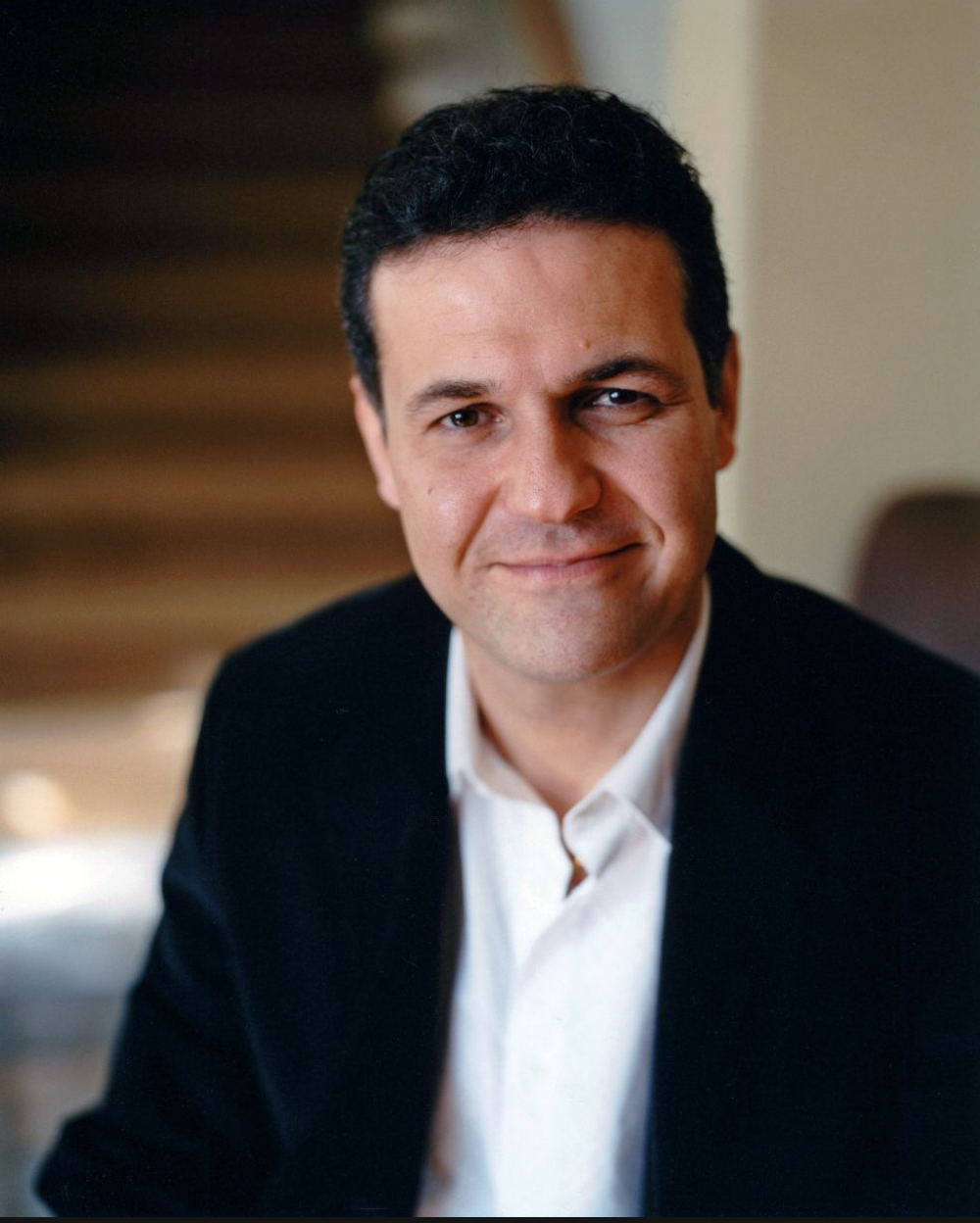
A Thousand Splendid Suns book review.

“One could not count the moons that shimmer on her roofs, Or the thousand splendid suns that hide behind her walls.”
A thousand splendid suns is a fiction by Khaled Hosseini. The book has approximately 380 pages(hardcover) published in 2007.


Read this book if and only if you can tolerate extreme sadness.
It is a story about women of Afghanistan. It follows the life of two women Laila and Mariam. Mariam is the daughter of a wealthy business man, Jalil. She lives in a small cottage with her mother and is sent to her father when her mother commits suicide. She is soon married off to an old shoemaker Rasheed.
“Marriage can wait, education cannot.”
Khaled Hosseini.

On the other side Laila is a girl born on the night the Soviets take over Afghanistan. Life is normal. She attends school and dreams about marrying her best friend cum crush, Tariq. Tariq’s family decides to move to Pakistan since it’s all a chaos and cruelty in here. They go away. Laila’s family is supposed to go too but some stray rocket kills her parents. She is taken care by Rasheed and Mariam. Laila comes to know that Tariq is dead. Rasheed being obsessed with Laila asks her to marry him. Guess what… she agrees(because she is pregnant with Tariq’s child). She plans to escape the hell hole anyways. At first Mariam looks at her as a rival but then both befriend each other through Laila’s daughter Aziza and joins them in their escape mission. Sadly they fail.


Laila later has a son with Rasheed named Zalmai. Due to financial crisis Laila had to send Aziza to an orphanage. One day when she came back after visiting her she finds Tariq waiting for her. She is surprised to see him alive. They talk about all that has happened ever since he left.
Rasheed finds out and beats up Laila.(well that was his pass time!) Women supporting women, Mariam kills Rasheed and saves Laila.
Laila along with Tariq and the kids move to Murree and Mariam stays in Kabul to take the blame of Rasheed’s death and be hanged by the Taliban. At the end of the book we find out Laila is pregnant with another child and plans to name the baby Mariam if it is a girl.

“One could not count the moons that shimmer on her roofs,
Or the thousand splendid suns that hide behind her walls.”
Khaled Hosseini.

Thank you for reading. Have a nice day!