Allegations Cannot Continue If Exoneration in Departmental Proceedings is on Merits

In a latest, landmark and laudable judgment titled Ashoo Surendranath Tiwari vs Deputy Superintendent Of Police, EOW, CBI & Anr. in Criminal Appeal No. 575 of 2020 (arising out of SLP (Crl.) No. 5422 of 2015), the Supreme Court has held explicitly, effectively and elegantly that in a case of exoneration in departmental proceedings on merits and where the allegation is found to be not sustainable at all and the person is held innocent then criminal prosecution on the same set of facts and circumstances cannot be allowed to continue. The three Judge Bench headed by Justice RF Nariman observed clearly, categorically and cogently that standard of proof in a departmental proceeding being based on preponderance of probability is somewhat lower than the standard of proof in a criminal proceeding where the case has to be proved beyond reasonable doubt. Very rightly so! 

                          To start with, the ball is set rolling in para 2 of this notable judgment authored by Justice RF Nariman for himself, Justice Navin Sinha and Justice Indira Banerjee wherein it is observed that, “We have heard Mr Subhash Jha, learned counsel appearing for the appellant and Mr Vikramjit Banerjee, learned ASG appearing on behalf of the respondent.”

                While narrating the facts of the case, it is then stated in para 3 that, “This case arises out of an FIR that was registered on 09.12.2009 as regards a MSME Receivable Finance Scheme operated by the Small Industries Development Bank of India (SIDBI). It was found that since some vendors were complaining of delay in getting their payments, SIDBI in consultation with Tata Motors Limited, advised the vendors of Tata Motors Limited to furnish RTGS details for remittance of funds. It was found that for making payments in RTGS for various purchases made by Tata Motors Limited from one Ranflex India Pvt. Ltd. (hereinafter referred to as “vendor”), 12 payments amounting to Rs. 1,64,17,551/- (Rupees one crore sixty four lakhs seventeen thousand five hundred fifty one only) were made through RTGS by SIDBI in the vendor’s account with Federal Bank, Thriupporur. Ultimately, SIDBI was informed by the vendor that it has an account with Central Bank, Bangalore and not with Federal Bank, Thriupporur. On account of this diversion of funds, an FIR was lodged in which a number of accused persons were arrested. We are concerned with the role of the appellant who is Accused no. 9 in the aforesaid FIR.” 

                        While continuing in the same vein, it is then brought out in para 4 that, “A charge-sheet was then filed on 26.07.2011 in the Court of Special Judge, CBI cases in which it was alleged that the appellant had received an email on 25.05.2009 containing the RTGS details for the account with Federal Bank, Thrippour, which he then forwarded to Accused No. 5 (Muthukumar) who is said to be the kingpin involved in this crime and is since absconding. Apparently, based on Muthukumar’s approval, the appellant then signed various cheques which were forwarded to other accounts.” 

                To be sure, it is then further brought out in para 5 that, “By an order dated 27.06.2012 passed by the learned Special Judge, CBI (ACB), Pune, it was found that since no sanction was taken under the Prevention of Corruption Act, offences under that Act cannot, therefore, be proceeded with against this accused and he was discharged to that extent. So far as sanction under Section 197 of the Cr.P.C. is concerned, the Special Judge came to the conclusion that there was no need for sanction in the facts of this case. Finding that there was a prima facie case made out against the appellant, the Special Judge refused to discharge the appellant from the offences under the IPC.” 

             Briefly stated, it is then disclosed in para 6 that, “By the impugned judgment dated 11.07.2014, the High Court agreed with the learned Special Judge that there was no need for sanction under Section 197 Cr.P.C. The High Court then considered an Order of the Central Vigilance Commission (CVC) dated 22.12.2011 which went into the facts of the case in great detail and concurrent with the Competent Authority that on merit no sanction ought to be accorded and no offence under the Penal Code was in fact made out.” It is further pointed out in this same para that though this report was heavily relied upon before the High Court, the High Court had brushed it aside.

                             Needless to say, it is then further pointed out in this same para 6 that, “A reading of this Report shows that, at the highest, the appellant may be negligent without any criminal culpability. In fact, the positive finding of the CVC that the appellant appears to be a victim of Muthukumar’s plot is of some importance.”

                        Most significantly, the key point that is then mentioned in para 7 is that, “A number of judgments have held that the standard of proof in a departmental proceeding, being based on preponderance of probability is somewhat lower than the standard of proof in a criminal proceeding where the case has to be proved beyond reasonable doubt.” The relevant case law cited in para 7 first is that of P.S. Rajya vs State of Bihar, (1996) 9 SCC 1. The other relevant case law cited is that of Radheshyam Kejriwal vs State of West Bengal and Another (2011) 3 SCC 581. It is then pointed out that, “After referring to various judgments, this Court then culled out the ratio of those decisions in paragraph 38 as follows:-

‘38. The ratio which can be culled out from these decisions can broadly be stated as follows:-

(i)                         Adjudication proceedings and criminal prosecution can be launched simultaneously;

(ii)                      Decision in adjudication proceedings is not necessary before initiating criminal prosecution;

(iii)                   Adjudication proceedings and criminal proceedings are independent in nature to each other;

(iv)                   The finding against the person facing prosecution in the adjudication proceedings is not binding on the proceeding for criminal prosecution;

(v)                      Adjudication proceedings by the Enforcement Directorate is not prosecution by a competent court of law to attract the provisions of Article 20(2) of the Constitution or Section 300 of the Code of Criminal Procedure;

(vi)                   The finding in the adjudication proceedings in favour of the person facing trial for identical violation will depend upon the nature of binding. If the exoneration in adjudication proceedings is on technical ground and not on merit, prosecution may continue; and 

(vii)                In case of exoneration, however, on merits where the allegation is found to be not sustainable at all and the person held innocent, criminal prosecution on the same set of facts and circumstances cannot be allowed to continue, the underlying principle being the higher standard of proof in criminal cases.’

             Finally, the last important point made in para 7 is that it is pointed out in simple and straight language that, “From our point of view, para 38(vii) is important and if the High Court had bothered to apply this parameter, then on a reading of the CVC report on the same facts, the appellant should have been exonerated.”

                    Now regarding this latest, landmark and laudable judgment, it is then held in the last relevant para 8 that, “Applying the aforesaid judgments to the facts of this case, it is clear that in view of the detailed CVC order dated 22.12.2011, the chances of conviction in a criminal trial involving the same facts appear to be bleak. We, therefore, set aside the judgment of the High Court and that of the Special Judge and discharge the appellant from the offences under the Penal Code.”   

         To conclude, the three-Judge Bench of the Apex Court set aside the judgment of the High Court and that of the Special Judge and gave reasons also which we have already discussed above citing the relevant case laws. Para 38(vii) is very important and sums up the essence of this latest ruling which has been discussed threadbare already above! There can be no denying or disputing it!   

Sanjeev Sirohi, Advocate,

s/o Col BPS Sirohi,

A 82, Defence Enclave,

Sardhana Road, Kankerkhera,

Meerut – 250001, Uttar Pradesh

Future Guidelines For Maintaining Rape Victim Anonymity

In a fresh and significant development, the Kerala High Court has just recently on September 9, 2020 in a latest, landmark and extremely laudable judgment titled X vs State of Kerala in Case No. : Crl. MC No. 3463 of 2020 issued some future guidelines for maintaining rape victim’s anonymity in the matters instituted before it. Justice PB Suresh Kumar who authored this recent, remarkable and righteous judgment while considering a petition arising out of a bail order passed by POCSO Court had observed that in several matters instituted before the High Court the identity of the victim is disclosed directly or indirectly. In some matters, identity is disclosed in the pleadings and in some others, identity is disclosed in the documents produced along with the pleadings. This most condemnable and dangerous tendency has to be reined in and this is exactly what this brilliant, bold and balanced judgment seeks to do!

Photo by Jeffrey Czum on Pexels.com

                         To start with, the ball is set rolling first and foremost in the introductory part as mentioned in para 1 which states that, “This is a proceedings challenging Annexure-4 order passed by the Special Court for Trial of Offences under the Protection of Children from Sexual Offences Act, Thalassery, in terms of which the sole accused in Crime No. 94 of 2020 of Panoor Police Station renumbered as Crime No. 33 of 2020 of CBCID, Kasaragode was enlarged on bail.” 

            While dwelling on the facts of the case, it is then enjoined upon in para 2 that, “The petitioner is the mother of the victim in the case. The victim is aged about 10 years. The second respondent who is the accused in the case is a teacher in the school where the victim is pursuing her studies. The accusation in the case is that the accused committed sexual assault on the victim girl on several occasions in between 15.01.2020 and 02.02.2020 at the bathroom of the school. The case was, therefore, registered for offences punishable under Sections 376(2)(f), 376AB and 354B of the Indian Penal Code (the IPC) and Sections 5(f), 5(l) and 5(m) read with Section 6 of the Protection of Children from Sexual Offences Act, 2012 (the POCSO Act).”

                         Moving on, it is then illustrated in para 3 that, “The accused, on his arrest, moved the Special Court for bail on a few occasions and all the applications preferred by him in this regard have been dismissed. The accused, thereupon, moved this court for bail, and this court also declined bail to the accused in terms of Annexure – 3 order. Later, since the final report in the case has not been filed despite the accused being in custody for 90 days, the accused filed Crl.M.C.No.890 of 2020 before the Special Court for bail under Section 167(2) of the Code of Criminal Procedure (the Code). When the said application was pending, the final report in the case has been filed alleging commission of offences punishable under Sections 323 and 324 of the IPC and Sections 75 and 82 of the Juvenile Justice (Care and Protection of Children) Act, 2015. Annexure – 6 is the final report. It is, however, stated in Annexure – 6 final report that the investigation in the case as regards the remaining offences is yet to be completed, and as and when the investigation is completed, supplemental final report would be filed in the matter. When the final report was filed, the accused filed Crl.M.C.No.1559 of 2020 in the pending proceedings, praying for orders to treat the proceedings as one instituted under Section 439 of the Code. In the meanwhile, the investigating officer in the case filed an application seeking permission of the court for conducting further investigation in the matter under Section 173(8) of the Code and the Special Court allowed the said application. The Special Court took the view that insofar as the investigation in the case has not been completed despite the accused being in custody for 90 days, the accused is entitled to bail, and accordingly he was enlarged on bail in terms of Annexure – 4 order. As noted, the petitioner is aggrieved by Annexure – 4 order.”    

                 But the petitioner’s arguments failed to impress the Kerala High Court.  The accused was found to be entitled to bail under Section 167(2) of the Code. The Criminal M.C. was found to be without merits and the same was accordingly dismissed!

                  Most significantly and most remarkably, the Kerala High Court in its final order without mincing any words goes on to observe that, “It is observed that in several matters instituted before this court where victim anonymity is to be maintained, the identity of the victim is disclosed directly or indirectly. In some matters, identity is disclosed in the pleadings and in some others, identity is disclosed in the documents produced along with the pleadings. It is also observed that though documents revealing the identity of the victim are produced in sealed covers in the light of the decision of the Apex Court in Nipun Saxena and another v. Union of India and others, (2019) 2 SCC 703, there is no system in place to maintain victim anonymity, once the sealed covers are opened by the court. In the case on hand, it is observed that the opened cover containing the documents were sent back to the section and brought back from the section to the court on the subsequent hearing dates. It is also observed that there is no system in place for disposal of the documents produced in sealed covers, after the final disposal of the case. Similarly, it is observed that the registry is insisting copies of the documents revealing the identity of the victims to be given to the opposite parties in the matter. There is no system in place to maintain victim anonymity in such situations. Needless to say, the procedure in place to maintain victim anonymity is against the spirit of Section 228A of the Indian Penal Code, Sections 24(5), 33(7) and 37 of the Protection of Children from Sexual Offences Act, 2012, and the decision of the Apex Court in Nipun Saxena. In the circumstances, the following directions are issued for future guidelines for maintaining victim anonymity in the matters instituted before this court:  

1.  The criteria for deciding the identity of the victim shall include the identity of the family of the victim, the school/college of the victim, the place of work of the victim, the relatives of the victim, the neighbourhood of the victim and all other information from which the identity of the victim would be revealed. 

2.  In all proceedings instituted by or on behalf of the victim and against them, documents in which the identity of the victim is disclosed, either required in terms of the rules of the court or produced by the parties concerned to substantiate their case, shall be insisted to be filed in a sealed cover.

3.  The registry shall designate an officer for the proper custody of documents produced in, sealed covers in cases where victim anonymity is to be maintained and shall provide to that officer necessary infrastructure for keeping custody of the documents. Such officer shall be bound by the highest standards of confidentiality.

4.  After the matter is numbered, registry shall forward the documents received in sealed covers in a self-sealing bag/envelope of appropriate size preferably one having a provision for tamper proof seal as well, or in other similar tamper proof bag/envelope, after affixing on it a label indicating the particulars of the case under the signature of the Filing Scrutiny Officer concerned to the designated officer for custody and that officer shall ensure that the documents are made available to the court as and when the matters are listed for hearing. 

5.  If the self-sealing bag/envelope in which the documents are kept is opened by the court for perusal of the documents, after the purposes of the court, the same shall be kept in a fresh self-sealing bag/envelope and returned to the designated officer, after affixing on the same a new label indicating the particulars of the case under the signature of the Court Officer concerned. If the self-sealing bag/envelope is opened subsequently by the court, the same procedure directed herein-above shall be repeated. 

6.  The parties producing documents disclosing the identity of the victims need not have to keep or give copies of the same to the opposite parties and they need only refer to such documents in their pleadings.

7.  If the lawyers appearing against the victims require/need to peruse the documents in the sealed covers, they shall peruse the same with the permission of the court and if they are permitted by the court to peruse the documents, the documents shall be preserved in the same manner indicated in the preceding directions.

8.  These directions shall be in force until replaced by the Honourable the Chief Justice by appropriate practice instructions.

                         To sum up, the key point of this well-articulated, well-reasoned and well-drafted judgment are the various guidelines that have been just enumerated above that are imperative for maintaining the rape victim anonymity in cases filed before it. All these guidelines must be followed sincerely and strictly by all the concerned courts in letter and spirit. It brooks just no argument and no delay anymore now!  

Sanjeev Sirohi, Advocate,

s/o Col BPS Sirohi,

A 82, Defence Enclave,

Sardhana Road, Kankerkhera,

Meerut – 250001, Uttar Pradesh

Yoga : Morning breakfast and Evening supper to the Body and the Soul

Article by – Shishir Tripathi

Intern at Hariyali Foundation
In collaboration with
Educational News

In the present times, everyone is just running all the time. Whether the person works in an office, or he or she is a home maker or a student too, everyone is so busy in their daily schedule that hardly few people extract time for their physical and mental self. Along with advancements in the field of technology, there are advancements in the diseases too. New diseases are taking birth and troubling the humans.


Individuals post on social media and say ‘Back to Basics’, without even knowing its true meaning. People think that being back to basics means that living a life in a remote area and eating the forest products. But returning to basics in true sense means living in the same surroundings and adopting the good techniques in life to make it disease free and simple too.


For the Indian people, from the ancient times ‘Yoga’ was a very good way to explore the inner self and finding peace of mind. But, the mentality of the people is just going to an air conditioned gym and spending huge amount of money on gym and the protein supplements. Whereas, Yoga is such a simpler exercise that anyone can do it at their place just with a mat beneath them and some time.


Yoga evolves from the Yoga Sutras which were written by Patanjali. Patanjali was a sage in India who is the author of many Sanskrit works including the most important, The Yoga Sutras. The Yoga Sutras of Patanjali are a collection of 196 Sanskrit sutras (aphorisms) on the theory and practice of Yoga. The Yoga Sutras were compiled sometime between 500 BCE and 400 CE by Patanjali in India who synthesized and organized knowledge about yoga from much older traditions.


Swami Vivekananda was the first person to promote and encourage Yoga at the global level. He published a book called ‘Raja Yoga’ in America in 1985 where he wrote about the productivity and the benefits of yoga for an individual. He took references from the Patanjali Yoga Sutras and told the world about the physical, mental and spiritual influence of Yoga in an individual’s life.


Doing Yoga practices early in the morning at the time of sunrise or after it and in the evening too is so beneficial for the body. Asanas in Yoga helps to cure Vata, Pitta and Kapha defects of the Human body. In the physical body, Vata is the subtle energy of movement, Pitta the energy of digestion and metabolism, and Kapha the energy that forms the body’s structure.
The most beneficial Yoga Asana is the Surya Namaskar (Sun Salutation). Under this asana, different other asanas like Pranamasana, Hasta Uttanasana, Hasta Padasana, Ashwa Sanchalanasa, Chaturanga Dandasana, Ashtanga Namaskara, and Bhujangasana. Various other Asana in yoga like Kapaalbhati, Anulom-Vilom, Brahmari,etc which are so helpful for the body.


There are various videos of Yoga teachers teaching Yoga Asanas on Youtube and there are students too pursuing graduation and post graduation in yoga who teach it to others around them. Practicing Yoga and doing it daily afterwards all by self will help an individual to get rid of different types of physical and mental disorders. There is OM chanting too in which the Yogi (person doing Yoga) chants OM, in which there is a practice of breathing along with acquiring spiritual peace at the same time.


At present, the most influential promoter and the best instructor of Yoga is Swami Ramdev. Swami Ramdev is instructing people Yoga in India and all across the globe since 2002. He is the co-founder of the Patanjali brand producing different Ayurvedic products that are useful for the Human body.


Yoga is being practiced by children right from the age of 3, and also by the elderly people of age 65-70 and even more. It is a symbol of Indian culture as it evolved from India. Indians should necessarily know that what Yoga is and how it is performed. It is the reason behind the sharp mind and a healthy body. Not only children, middle aged people and elderly people but the younger generation which is contributing each day a lot in the economy, should practice Yoga each day so that they can tell this precious art to the future generations.

For a sound body, sound mind and a sound nation, Yoga is the only solution”

REPERCUSSIONS OF OBESITY.

Being healthy or chubby is a particular individual’s personal choice. But is it good for your health? Not really because obesity causes a lot of problems for your body. Obesity is a complex syndrome involving an excessive volume of body fat. It is a medical problem that doubles your danger of other ailments and health problems, such as heart condition, diabetes, high blood pressure, etc. Although there are hereditary, behavioral, metabolic, and hormonal impacts on body mass, obesity occurs while you take in added calories than you burn throughout the exercise and usual daily activities. The body accumulates these extra calories as fat. People with obesity might consume more calories even after they are full, feel starved sooner, or eat more due to tension or worry.

Diseases such as Respiratory Disorders: People with obesity have decreased lung function. They have a larger chance of having respiratory infections. Liver Disease: Obesity is the cause of fatty liver and non-alcoholic fatty liver disease. Fatty liver disease can create scarring of the liver, occurring in worsened liver capacity, and this can lead to liver cirrhosis and liver failure. Stroke: Obesity puts pressure on your entire circulatory system. This pressure raises your risk of stroke. Obesity can lead to other stroke risk circumstances such as heart disease, hypertension, etc.  Sleep apnea: People with obesity are more likely to have sleep apnea, a possibly serious ailment in which breathing frequently stops and starts during sleep. Liquid calorie: People can drink many calories without feeling full, especially calories from alcohol. Other high-calorie beverages, such as soda drinks, can contribute to significant weight increase. Unhealthy diet: A diet that’s huge in calories, lacking in fruits and vegetables, fast food loaded with high-calorie drinks, large servings contribute to weight gain, etc. Inactivity: If an individual has a stationary lifestyle, undoubtedly take in more calories every day than they burn through exercise and usual activities. Working on computers, tablets, and phone screens or involved in sitting activity for too long. The estimate of hours an individual spends sitting with electronics is associated with weight gain. Obesity can diminish the overall condition of living. The person may shun away from people and public places. People with obesity may even face prejudice and other problems such as Depression Disabilities, Lower work achievement, etc.

Obesity can be prevented by losing or maintaining a healthy weight by following certain measures.The intake of fruit and vegetable is 5 to 9 portions every day for adults. Loading your meal with protein and fiber-containing food can help keep calories moderate and decrease the chance of overeating. Avoid oily food and restrict sweets and alcohol. Eat three proper meals a day with restricted snacking.At least get 150 minutes of moderate-intensity exercise a week to prevent weight gain. Slightly intense physical activities include fast walking and swimming.WHO recommends weight training that involves all your major muscles at least two times per week.Adhering to a healthy-weight plan as much as possible increases your chances of long-term success.

Like Mr.Joseph Pilates quoted “Physical fitness is the first requisite of happiness.” 

WHAT ARE THE CONTEMPORARY TRENDS IN THE VOTING BEHAVIOR OF THE INDIAN ELECTORATE

Studying about the voting pattern and election pattern of the world’s largest democracy is a challenge. India has seen a tremendous change in the voting pattern since the first elections of 1952. Election during that time was solely based on the leader and there was principal focus on only one political party but now the situations have changed. India has grown through the 21st century to see a lot of changes within the political system. Starting from the changes during the time of independence till today.

The voting pattern has seen considerable changes lately. During the time of independence the pattern of voting was solely based on the legacy of the nationalist movement. This was because people only voted for the single largest party at that time and that is the Indian National Congress. INC was people’s first choice since it had the legacy of the Independence struggle as well as it had an all India background which accommodated people from all kinds of religion and caste unlike other political parties which had its ground on only a single community of people.

While Today’s political system is quite complicated. The voting pattern has also become quite complex unlike earlier times. These days people’s voting pattern and behaviour have changed a lot. There are many factors for this change. It is quite a complex study where we have to unravel things from the core. For this we have to take a look from where this change in voting period has started from.

       Till the 1977 elections congress party ruled India. The INC consecutively won the elections till 1977. Only to be defeated by the Janata Party. In 1989 INC was again defeated for the second time due to the unpopular rule of the congress and the lack of representation of the regional parties, lower or backward castes, minorities etc. 1989 put an end to the rule of single party system and welcomed in the multi-party coalition system in India.

Most striking trend in the Indian politics is the political competition between the Indian Political Parties that have grown past these years. This rise in the number of the political parties in India is due to the lack of representation of the various regionalities and communities. There has been a constant competition between various communities in the country for power. People are being voted mainly because they belong to a particular community or religion. This pattern of politics emerged only very recently within the country.      

The behaviour of a voter in India is defined by the various factors

  • Religion
  • Caste
  • Performance of the party in power
  • Money
  • Policy

The political parties make use of these factors to attract more voters. Although no party can convince a person to vote for them in the name of religion and caste, this is an important factor

In the elections. Since India is a secular country the political parties nor the government cannot have a tilt towards a single religion. Even still political parties use religion and caste to catch the polls.

RELIGION is one of the main factors which affect the voting behaviour these days in our country. People are more interested to elect for candidates to more or less belong to their same religion or community since they feel that then only they can identify themselves with the leader. Despite India being a secular country and the fact that no religious affiliations can be used in the election matters we can still see that people use the religious sentiments of the people to make use of their vote. Political campaigning’s are also done for the same. For an example the Bharatiya Janata Party (BJP) is the leading political party of India which is said to have the ideology of Hindutva. The party has a tilt towards the Hindu religion. Another example of a political party is the Indian Muslim League which is as the name says a Muslim political party.

The establishment of a secular state along with the freedom of religion – that is to choose to practise, profess and propagate any religion of our choice, treating all religions equally and not putting any religion one above the other , the political parties have failed to keep their word. Even after all these laws the use of religion in politics hasn’t come to and end and it seems like it never will according to the recent political activities and trends. The continued existence of political parties which are one way or the other linked with a religion is the main reason why religion cannot be put away from politics. The very existence of these religious acts as a black hole to the act of secularism in our country. The existence of religious pluralism affects the political system. The selection of a candidate is sometimes solely based on religions preferences. The religionization of socio- political issues by the political parties is one of the methods by which they continue to get the voters in their consideration.

CASTE is yet another important factor in determining the voting behaviour of the people. Caste has always had its root in all kinds of problems in India. Caste is an important determinant in the politics of India. It constitutes an important basis for social relations in the country. Despite the various measure taken stop the discrimination,  caste still continues to an important basis for election. Politics in caste and caste in politics are very common in the Indian political scenario as we all know. Sometimes for the elections to various constituencies people are selected on the basis of their caste. Also while formulating various policies, election strategies and programme caste is taken as a major factor in the backdrop.  Caste system has had its roots for years and so it will take a lot of time for people to weed out these roots even from the political scenario. Votes are brought in the name of caste by the candidates.

Caste is an important determinant for the selection of candidate for the rural population. Despite the various laws and the adoption of secularism, uneducated people mostly living in the rural India choose to vote for people who belong to their own caste. The candidates despite the laws in the country make use of their sentiments to seek vote for them. Although recently this trend has been changing at least in the urban households since as you go up the social ladder caste tends to be invisible. While in the rural areas caste tends to be an important factor in the selection of their leader.

PERFROMANCE OF THE PARTY IN POWER. The performance of the party already ruling is also another important determinant. Each political party comes into power with a election manifesto and various promises. After the elections it is their duty to fulfil all of this and meet the various aspirations of the people. And so the performance of the party during the time it rules is an important factor in determining whether the people should elect for the party next time too.

Improper ruling of the party during its tenure can result in it being not chosen for the next time. The way the party rules influences the people in a big way. We can see an example of this by looking at the example of the elections during 1989. The parties which got elected only stayed in power for a short period of time due to their political instability and the lack of a charismatic leader during the time of ruling. Their unpopular rule with the lack of ideology since it was a coalition lead the people to choose another political party.

MONEY influences people in different ways. Usually people with money and power tend to stay in high positions and rule the people according to their wishes. India is a developing country and most of people live under the poverty line. And so the people having money and power tend to rise to the top. Without other factors like political wave getting involved usually it’s the people with money and power who wins the elections. Rich and the powerful throw around the money to catch the ballot. But this is not always true though because in the 1989 elections congress used a lot of money and power but it couldn’t win the elections. BJP won the elections.

POLICY. Various policies taken by the government or the political parties stand out as an important deciding factor in elections by a common man. When a party announces its political manifesto the policies it takes for the people is an important determinant in voting. A person who doesn’t know much about politics and party tends to take a look at the policies of the party or what it has done in the past years. And so creating a policy that attract the crowd and implementing it in a proper way is important for any party.

These are the various trends which are seen across the country during the election time. The voters turnout has consistently increased from the time of independence till today. People has started to see election as an important way of choosing their leaders. As people are getting educated they started to look into the doings of the party and make a proper decision when it comes to who to vote for. Voting behavior is a form of electoral behavior and understanding it can help us understand how and why people choose to vote for certain people. And the above study was about voting behavior and its determinants.

Some facts about Jagannath Temple

The Shree Jagannath Temple of Puri is an important Hindu temple dedicated to Jagannath, a form of Vishnu, in Puri in the state of Odisha on the eastern coast of India. The present temple was rebuilt from the 10th century onwards, on the site of an earlier temple, and begun by King Anantavarman Chodaganga Deva, first of the Eastern Ganga dynasty.

The Puri temple is famous for its annual Ratha yatra, or chariot festival, in which the three principal deities are pulled on huge and elaborately decorated temple cars. These gave their name to the English term Juggernaut. Unlike the stone and metal icons found in most Hindu temples, the image of Jagannath is made of wood and is ceremoniously replaced every twelve or nineteen years by an exact replica.It is one of the Char Dham.

The temple is sacred to all Hindus and especially in those of the Vaishnava traditions. Many great saints, such as Ramananda and Ramanuja, were closely associated with the temple. Ramanuja established the Emar Mutt near the temple and Adi Shankaracharya established the Govardhana Mutt, which is the seat of one of the four Shankaracharyas. It is also of particular significance to the followers of the Gaudiya Vaishnavism whose founder Chaitanya Mahaprabhu, was attracted to the deity, Jagannath, and lived in Puri for many years.

Some facts about Jagannath Temple is here:–

1. Defying Nature’s Code of Conduct

Even a child knows any piece of cloth is dominated by the wind to fly according to its course. The same principle has numerous applications; from the giant sails on your ship to a small flag in your hand all follow the same code. But it looks like the flag mounted on the top of the Jagannath Temple is a unique exception to the principle. This particular flag flows in the opposite direction to the wind’s course without any scientific background to back it up.

2. The Climb

Every day a priest scrambles the walls of the temple with a height equivalent to that of a 45 storey building, to change the flag atop the temple dome. This ritual dates far back to the day the temple was built. The practice is done with bare hands without any protective gear. It’s believed if the ritual is skipped one day from the calendar, the temple will be shut down for a long 18 years. This might make the professional climbers jealous.

3. A light with no darkness

A necessary detail while sketching anything is shading. Shading happens when sunlight glows one part of the subject leaving a shadow on the other, which ultimately triggers shade. But, what if something has no shadow?
The temple is reported to have no shadow at all, at any time of the day from any directions possible. 

4. The Food Is Never Futile Here

In Hindu mythology, wasting food is considered a bad sign; the Temple crew follows the same.  A total number of people visiting the temple varies between 2,000 to 2, 00,000 people every day. Miraculously, the Parsadam prepared every day is never wasted, not even a bite. 

The cooking technique of prasadam

Pots are actually used to cook this special delicacy using firewood. 7 pots are used for this and they are placed one on top of another. Interesting to note here is that the contents of the topmost pot gets cooked first, followed by the bottom pots

5. Mute Water

Seconds, after you put the first step inside the temple from Singha Dwara entrance, the audibility to the ocean waves is entirely lost. This phenomenon is more prominent in the evening time. Again, no scientific explanation adds up to this fact. The sound returns when you leave the temple.
According to the local lore, it was the will of the Subhadra Mayi, the sister of the two lords who wished for serenity within the temple gates. Hence her will was duly fulfilled.

6. Reverse gear of the Breeze

Take any place on Earth, on daytime the breeze from sea comes to land and the opposite happens in the evening. But, in Puri, the breeze has a tendency to contradict and opt for the exact opposite direction. In the daytime, the breeze blows from land to sea and the opposite in the evening happens.

The flag attached to the top of the temple, for some weird reason, always floats in the opposite direction of the wind. This is something definitely beyond the reach of science.There is a Chakra atop the temple. It weighs a ton and is located at a height of 20 feet. Its positioning is such that no matter where you are in Puri, you will find the Chakra facing towards you. There may be some engineering mystery behind this but that is unknown yet.The site of the Jagannath temple has never been declared as a no-fly zone. Still, for some strange reason, no birds or plane fly above the temple. Some attribute this phenomenon to the divine force.

Jagannath Temple Puri is one of the most miraculous establishments in existence. The happenings associated with it are out of human imagination. If you understand the story then the theory of life and the existence of Lord Jagannath will hover around your mind in an unbelievable way! The temple architecture is still a mystery for modern science. The increasing weight of god’s wooden idols, while carrying temples to the chariot (rath) at the time of Puri Jagannath still a magical mystery for all.

Mythology says that the once King Indradimna – ruler of Puri had a dream and immediately he followed the instructions of the dream. He then found the heart of Lord Krishna floating in the sea. Since then it is believed that the heart rests in the wooden idol of Lord Jagannath. It is taken out for a duration of 12 years which is known as “NABAKALEBARA” – When the idol of the Lord is changed as well.

There are more facts that are still unsolved of our great Jagannath Temple.

Keep calm and go win it!…

I woke up in the morning. On my mobile, I saw local news saying the market will be open as NEET exam is scheduled today. It reminded me of my best friend’s younger brother. He is a NEET aspirant. He is a repeater and has been preparing for 3 years. A few moments later, I received a text from my best friend. He told me, his brother’s exam today. I said yes I know, wish him luck from me. Then he told me that’s the issue. He told me that his brother didn’t sleep for the whole night and only thinking about exam. He was scared and under stress. When he woke up in the morning, he was feeling anxious. He felt his heart beating fast. They called the doctor home. She told them he’s under stress and need some rest. Then he slept for a while and went for the exam.
I know every one of you must have gone through this phase for once in your life. We work hard, try to give our best shot but when the day of the exam arrives, we feel the fear and anxiety. We get stuck in iffs and what iffs. After working hard, we feel anxious thinking about the future. We think about what will happen if we fail. Our mind keep on burdening ourselves under our own expectations or others’.
Every one of us run behind the success, how to win, how to make money, how to be rich, how to earn fame and much more. But no one of thinks or plans about what if it doesn’t work, what should we do then. This is why we struggle when failures give a hug cause we don’t know how to deal with it. We ignored smartly this side of life. But life is harsh, it eventually brings you in rough road. This sudden impact on our old mindset put us in shock and we fall prey to mental problems. I’m not saying we should discourage someone with the fear of failure. But we should make them aware of this fact. This too can happen and you have to be ready for it. From childhood, we keep children away from this darker side of success. When they grow up, they struggle of their own and face this harsh reality all of a sudden. Some couldn’t take it easy and some manage it well.
All I want to say is failures should not be a taboo. We are humans, we make mistakes. Sometimes even after all the efforts, we couldn’t make it. And it is completely okay. It cannot be the end of life. People walk, fall, rise again. This cycle continues forever. It is a never ending loop. We should always remember that god don’t create garbage. If he closes a door for us even after we gave our best then definitely he must be planning something more precious for you. All you need to do is accept failures with calm mind and be ready to rise again. We can rise only if we fall, so take it as a first step towards your rise!…

Are Gandhian principles relevant today?

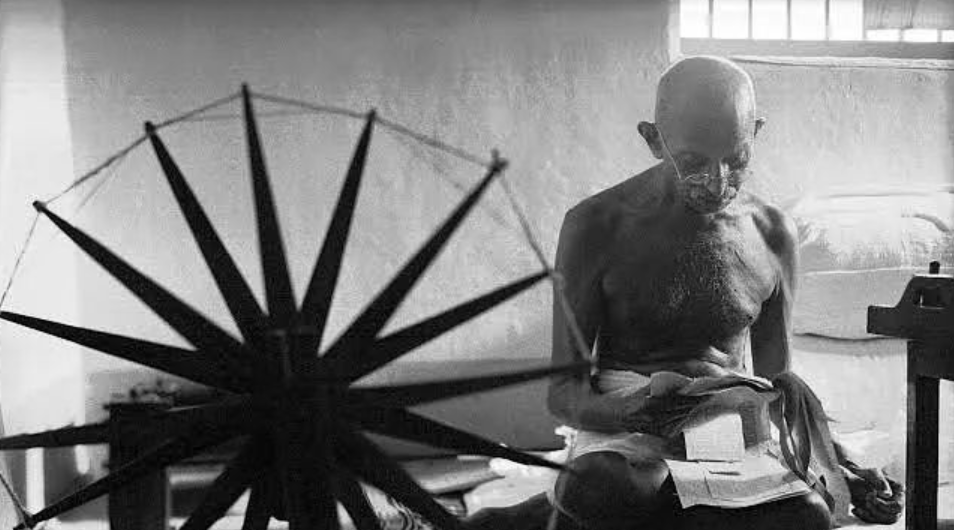
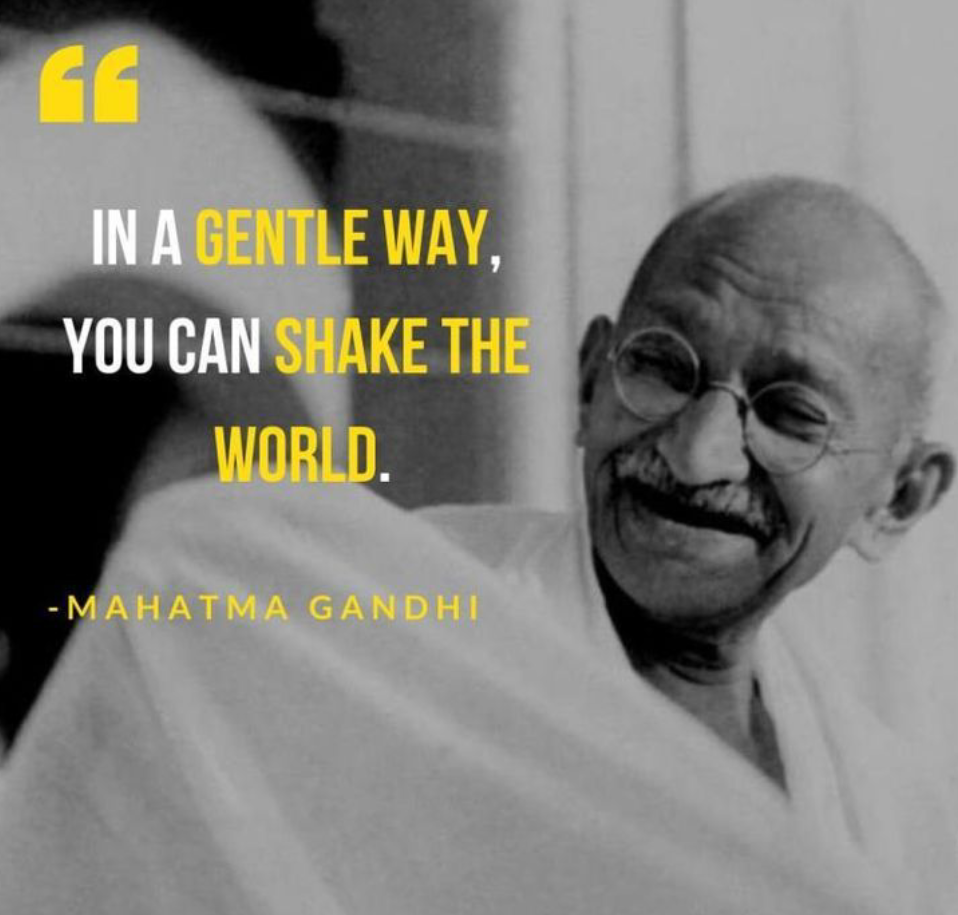
Gandhiji was a national leader of India who forced the Britishers to leave India without resorting to violence. He is regarded both as a transformational leader and a leader of the masses. Every year on 2nd October, we celebrate Mahatma Gandhi’s birth anniversary and recall his principles and philosophies. It is a fact that Gandhiji adhered to his principles of non violence, truth and satyagraha with utmost sincerity to achieve his goals. Many people argue that all his principles hold good in today’s world. We all have moved years ahead with lots of changes in lives, innovations in science and technology, vivid variety of lifestyles. Here the point is if the principles and ideologies of Gandhi are still relevant or practical in modern world or not.

YES

•Gandhiji’s principle are valid and everlasting His principles are based on truth and non-violence are the base of civilized human society. He practically proved to the whole world that a war can be fought without indulging in violence. In modern world violence is increasing rapidly. Nuclear weapons and terrorism are becoming common these days. More and more People are resorting to violence and divided into religious and ethnic compartments. We need guidance and the direction to save the world from this desperate situation.

• Gandhiji is an inspiration to international leaders also.

Gandhian principles are followed not only by national leaders but also by some eminent foreign leaders like Dalai Lama, Barack Obama, Martin Luther King Jr, Nelson Mandela etc.

• Gandhi’s principles of economic independence valid even today

Even today, our Prime minister has launched a programme ‘Make in India’ which very much reflects Gandhiji’s principles of spinning Khadi and giving employment to thousands of poor people.

NO

• Violence multiplies on being non-violent

In today’s era, violence can best be answered by violence. Those who remain silent when treated with violence suffer even worse if they do not fire back in the same way.

• Modern culture outplays Gandhian swawlambi philosophy

In today’s modern world, trends and fashion have taken a new shape and so people wear trendy outfits and by no means they are restricted to use self made khadi clothes as part of ‘Swawlambi’ philosophy of Gandhiji.

• Principle of truth not valid today

In a world where money is the most important part of life, big business houses and capitalists thrive on lies to make huge profits. Advertising agencies most of the time try to cheat people by projecting false claims. Today values and meaning of the success are far more different from the values of Gandhiji.

To conclude we can say that some of Gandhian principles are relevant even today, though some of them have become outdated and irrelevant. The principle of non violence cannot be ignored. Gandhiji’s vision cannot be ignored as they form the very base on which a new generation of decision makers must adapt in order to compete on the global level. If the energy of the youth can receive honest and selfless motivation and direction from the experienced then India can surely progress. Gandhi’s vision should not be lost in religious, political and emotional fervours. It must be reorganized and reconstructed for a brighter and logical future.

Thank you for reading. Have a nice day! 🌼

Virtual Assistants have also started understanding Hindi

Virtual Interaction means Artificial Intelligence is gradually strengthening its place in our lives, whether you realize it or not. It is not only affecting our working practices but also changing them- whether we work in Hindi or English. A great example of this is the change in the way computers, mobiles and other digital devices interact. Traditionally, we used to rely on a keyboard, mouse and monitor or screen to make input and to know output in these devices. This method of communication and conversation has changed with the advent of Artificial Intelligence. An interesting change has come in our interaction with virtual assistants, for whom Hindi is no longer unknown at all. Today, the world of computers and mobiles is dominated by four virtual assistants. These are Amazon’s  Alexa, Google’s Google Assistant, Microsoft’s Cortana and Apple’s Siri. The first three of these virtual assistants have been introduced to Hindi in some way, while Hindi has been used with Apple’s Siri and it is expected that this relationship will soon be seen as a reality beyond experiments.
Google Assistant: Google Assistant is now able to execute dozens of instructions in Hindi and can go much further than searching the Internet or answering questions. For example, it also has the ability to access many other Google applications. You can do it with text as well as for instructions through sound. If you have converted it into a smart home using the Internet of Things in your home, then it can control many things in the house. If Google Assistant is not present in your smartphone, then download it from Play Store. After installing you have to make two settings. First, activate voice input in Hindi on your Android phone and second, go to Settings and add Hindi in search language as well. Google Assistant is not only available in Android smartphones, but it works in many devices controlled by Android.

Cortana:  Microsoft’s Cortana also helps you as an application. It is available in Windows 10. It is also able to access your computer like other virtual assistants. Able to open applications, software etc. within it. It can also do typing for you and do an internet search and all kinds of calculations. Although Hindi support in Cortona is limited, it does have the ability to translate, write, and speak Hindi.

Amazon’s Alexa: Alexa is a hardware tool capable of communicating in Hindi that comes in two forms. The first smart speaker is the Amazon Echo and the second is the combined Echo Show with a display screen. The way the user communicates with both is the same. You give him some spoken instructions and Alexa follows up what you said. It can fetch you anything from the Internet, you can listen to the news and music on your request. For video calling also you can use its display version.

WILDFIRES : The “Burning” issue

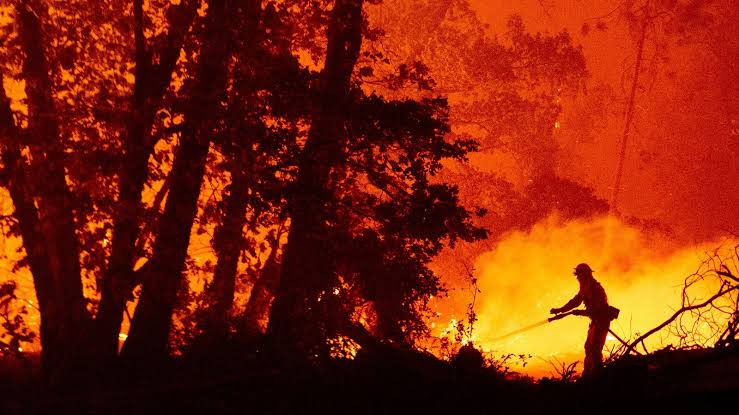
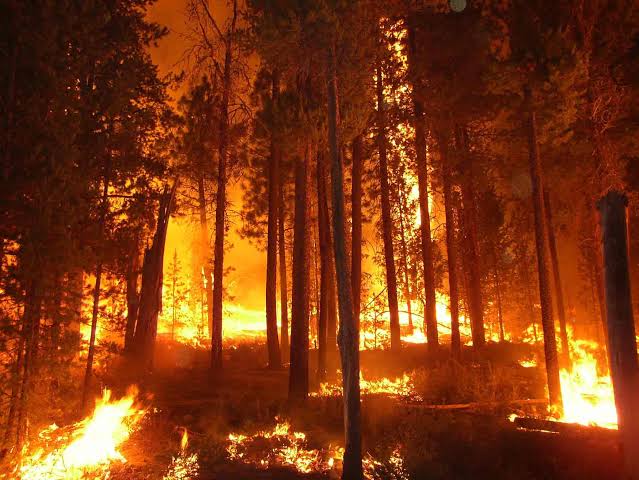
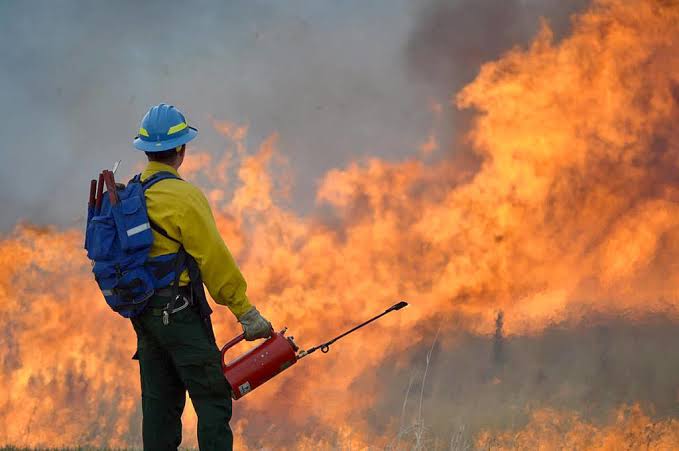
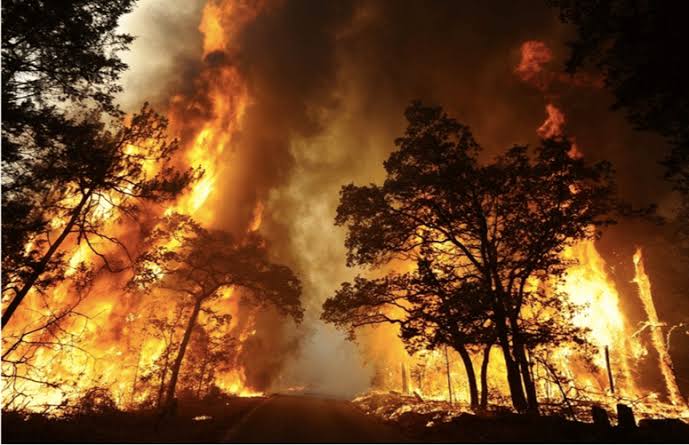
A wildfire is an unplanned fire that burns in a natural area such as a forest, grassland or a prairie. Fossil Charcoal indicates that wildfires began soon after the appearance of terrestrial plants about 420 million years ago. Earth is an intrinsically flammable planet owing to its cover of carbon-rich vegetation, seasonally dry climates, atmospheric oxygen, and widespread lightning and volcanic ignitions.

Depending on the type of plants present, a wildfire can also be classified more specifically as a forest fire, bush fire, desert fire, grass fire, hill fire, prairie fire, vegetation fire or a veld fire. Wildfires can be characterized in terms of the cause of ignition,their physical properties, the combustible material present and the effect of weather on the fire.

The causes of these wildfires may be natural or due to the involvement of human activity. The natural factors include dry climate, lightning, volcanic eruption. The most common direct human causes of wildfire ignition includes fire bombing, discarded cigarettes and sparks from equipment. They can also be started in communities experiencing shifting cultivation, where land is cleared quickly and farmed until the soil loses its fertility, and slash and burn clearing. However, the most common cause of wildfires varies throughout the world.

The spread of wildfires varies based on the flammable material present, its vertical arrangement and moisture content, and weather conditions. Fuel arrangement and density is governed in part by topography, as land shape determines factors such as available sunlight and water for plant growth.

Plants in wildfire-prone ecosystems often survive through adaptations to their local fire regime. Such adaptations include physical protection against heat, increased growth after a fire event, and flammable materials that encourage fire and may eliminate competition. Dense bark, shedding lower branches and high water content in external structures may also protect trees from rising temperatures. Fire-resistant seeds and reserve shoots that sprout after a fire encourage species preservation, as embodied by pioneer species.

Some animals do die in the flames of wildfires, mostly the elderly and very young animals who can’t escape. However, the majority of the wildfire mortalities came after the fire is out, due to the loss of important habitat and food sources burned in the fire. The burns create a new type of habitat, usually open areas where dense forests used to be that are quickly colonized by grasses and shrubs. This creates an opportunity for invasive species to move in before native species get the chance, which can have harmful impacts on the landscape.

Chinchaga Fire – 1950

The Chinchaga fire, also known as the Wisp fire, Chinchaga River fire and Fire 19, was a forest fire that burned in northern British Columbia and Alberta in the summer and early fall of 1950. With a final size of between 35,00,000 acres and 42,00,000 acres, it is the single largest recorded fire in North American history. The fire was allowed to burn freely, a result of local forest management policy and the lack of settlements in the region. The Chinchaga fire produced large amounts of smoke, creating the “1950 Great Smoke Pall”, observed across eastern North America and Europe. As the existence of the massive fire was not well-publicized, and the smoke was mostly in the upper atmosphere and could not be smelled, there was much speculation about the atmospheric haze and its provenance. The Chinchaga firestorm’s “historic smoke pall” caused”observations of blue suns and moons in the United States and Europe”. It was the biggest firestorm documented in North America created the world’s largest smoke layer in the atmosphere.

Black Saturday Bushfires – 2009

The Black Saturday bushfires were a series of bushfires that either ignited or were already burning that either ignited or were already burning across the Australian state of Victoria on and around Saturday, 7 February 2009, and were among Australia’s all-time worst bushfire disasters. The fires occurred during extreme bushfire weather conditions and resulted in Australia’s highest ever loss of human life from a bushfire, with 173 fatalities. Many people were left homeless as a result. As many as 400 individuals fires were recorded on Saturday 7 February ; the day has become widely referred to in Australia as Black Saturday.

California Wildfires – 2020

The 2020 California Wildfire season is a series of ongoing wildfires that are burning across the state of California. As of September 11, 2020, a total of 7,718 fires have burned 33,54,234 acres, more than 3 percent of the state’s roughly 100 million acres of land, making 2020 the largest wildfire season recorded in California history, according to the California Department of Forestry and Fire Protection.

The latest fire that has occurred in California is named as the ‘Willow Fire’. It started on 9th September, 2020 at 6:04am. The location of this wildfire is Neptune Lane and Willow Glen Road, North of Smartville. It burned 1,311 acres leaving 41 structures destroyed and 10 structures damaged.

Why are Hornets dangerous?

Not many of us know  much about insects. All we know is mostly about bees. More specifically, honey bees. But did you know that there exist some insects, more vastly different and dreadful insects in nature? Let’s get to know them!

  • Hornets classification

First, let’s understand the classification of this organism in the biotic world. Naturally,the species belong to the kingdom Animalia ( animals) out of the five kingdom classification. They belong to the Phylum Arthropoda . The Class is Insects .There Family is  vespidae  and the Gene is  Vespa.

• What Are Hornets?

Hornets are basically classified as insects. How are honey bees different from hornets? If you notice, honey bees have a kind of fuzzy fur like structure. Whereas hornets are hairless. But then….how are Hornets different from wasps? Actually,hornets are one of the wasps but with a special condition. Meaning, all hornets come under the domain of wasps,but hornets have a special feature but not all wasps are hornets. (Confusing much? Oh I know!).  The special feature a hornet has is,they are much larger. Some even go somewhere around 5 cm!( maybe small for you but big enough  for them).Some of the features are similar, for example: They live in nests in a colony, they have a queen who can produce about 1000 eggs, they even have female worker hornets but she sadly cannot lay eggs because she is infertile. A larva of a hornet comes out of the eggs and slowly develops and evolves.

Hornets were actually, accidentally introduced in the 19th century.

  • Then…they are not dangerous…..right?

Hornets have killer stingers which they use to defend their nests from predators. Now these stingers are even more harmful to humans. Why? Because, these are not bees,who die after stinging their predator. Why do bees die after pricking you is because the stinger separates from their body, making them die. Unlike them, hornets can sting continuously because their stingers are very fine and do not get separated after stinging, making them prick you multiple times and trust me, that would not be a good experience. But…Why is the venom of a hornet harmful? Well,a single sting of a hornet is similar to any other wasp sting but,hornets usually, do not sting only once. Seriously,their main target is to just sting you to death. Which is why they continue to sting you even after you’ve died ,till they think that you’re no longer a threat to  their nests . The toxicity varies from different species of hornet, but as  they are going to sting you repeatedly, it’s equally fatal.They practically inject the venom into your body. Most commonly,hornet venom consists of about 5 percent acetylcholine. Acetylcholine is a drug which targets your brain, skeletal muscles etc. Not only these, but it is estimated that the murder hornets( Giant Asian hornets) which are the biggest hornets in the world.They contain a neurotoxin called Mandara toxin which, if comes in contact with your bloodstream, initially destroys your RBCs. Though, if a single hornet stings you, you might necessarily not die but can get some minor or major allergic reactions.Doctors usually use epinephrine/adrenaline(http://eduindexnews.com/2020/09/12/what-exactly-is-adrenaline/)  for the treatment of these stings. The average death rate in Japan is about 30 to 50. 

Source:  Pinterest

  • But why do they sting

Now, you can’t completely blame them for thinking you as an intruder because they can’t help it. When you pass their nests, pheromones (hormones or hornets,you could say) are released inside the body of the hornets, which triggers the hornet to not let the intrude near the nest. Hornets prefer nests in burrows or somewhere near land. We all know sound transmits faster in solids. This makes pheromones trigger before you are inside the radius of their nest. They are extremely possessive about their nests and larvae and they get mobilized at once and then, they start to chase after the intruder. Even if a single hornet comes to chase you and let’s say, you even manage to swat it, probably with a stick, the insect will release pheromones which will attract the hornets towards you and they will not be in a good mood. No matter if it’s honeybees, or even their own Vespa species. They have active chemical inside them which increases their aggression. Hornets are not usually truculent at all. Infact they are naturally shy , peaceful creatures and avoid interaction.

They just can’t help but be protective about their nests when it comes to their nests. 

•What do they feed on?

Hornets basically love three things to eat. Firstly,anything which is sugary. Anything that contains any kind of sugars will attract hornets and eat them. They, sometimes even subside into an overripe fruit, when accidentally picked up by someone can again lead to hornet attacking. Secondly, they love saps of trees. They often make holes in the trees and sometimes, actually live in it. Usually they nibble on oak trees and some wild trees as well. Thirdly, they love protein. Proteins are said to be the building blocks for they help in building muscles. So even hornets love proteinecious foods. The includes everything that has proteins. Everything.

Photo by Petr Ganaj

  • Why are they harmful to honey bees?

As said before, hornets love sugary things,sap of the trees and protein sources. Honeybees have two of the sources which hornets love. One, the honey bees contain a a sugar called fructose. In fact, fructose is the most sweet sugar.  And two, they have a lot of proteins in their flesh. So ultimately, hornets invade the bee colonies quite often to satisfy their hunger. But bees are smart alright. There survival instinct is to vibrate in group. Now you might think that ‘Wait,they are going to be killed and the only thing that they can think of is vibrating!!!!??? The thing is, when these bees vibrate, it causes ‘quivering of their fiber muscles which is converted into heat energy. Now, you might be wondering, ‘Wait, what exactly is their intensions? Do the bees want to give the hornets an experience of sauna??!!!’  No. They actually use this as their survival tactic, because, hornets cannot survive.   And bees use this to kill them. Bees literally roast the hornets by vibrating in groups.

Hey!Anyone would be protective about their nests. Don’t blame them. They can’t even help it!

Fact:  Murder hornets(Giant Asian hornets can fly with a speed of 40 km/hr !!!!!

Better Sleep

Sleep is a vital, often neglected, component of every person’s overall health and well-being. Sleep is important because it enables the body to repair and be fit and ready for another day.There were several studies that scientists did in the early 2000s that looked at the effects of sleep deprivation.
Getting adequate rest may also help prevent excess weight gain, heart disease, and increased illness duration.A lack of sleep may affect a person’s desire or ability to maintain a healthful lifestyle, but it may or may not be a direct contributor to weight gain.

Man is the only mammal that willingly delays sleep.In general, exercising regularly makes it easier to fall asleep and contributes to sounder sleep. However, exercising sporadically or right before going to bed will make falling asleep more difficult.There are individual differences in the need to nap. Some adults and children need to nap. However, the majority of teenagers probably nap in the afternoon because they are not sleeping enough at night.Studies have found a relationship between the quantity and quality of one’s sleep and many health problems.Rates of insomnia increase as a function of age, but most often the sleep disturbance is attributable to some other medical condition.The body rests during sleep, however, the brain remains active, gets “recharged,” and still controls many body functions including breathing


According to research-
12% of people dream entirely in black and white
Before colour television was introduced, only 15% of people dreamt in colour. Older people dream in black and white more often than younger people.
Snoring is a common problem, especially among men, but it isn’t harmful.
Although snoring may be harmless for most people, it can be a symptom of a life threatening sleep disorder called sleep apnea, especially if it is accompanied by severe daytime sleepiness. Sleep apnea is characterized by pauses in breathing that prevent air from flowing into or out of a sleeping person’s airways. 
A giraffe only needs 1.9 hours of sleep a day, whereas a brown bat needs 19.9 hours a day.

Within 5 minutes of waking up, 50% of your dream is forgotten
After an additional 5 minutes, 90% of recollection is gone. Sigmund Freud believed this was because dreams represent our repressed thoughts and so our brain wants to get rid of them quickly. However, it’s much more likely due to our brains simply being used much more as soon as we’re awake and so we forget much of what we’ve dreamed about.
Fear is said not to be the main emotion in nightmares
Instead, researchers have found that it’s most often feelings of sadness, guilt and confusion.

Ram Mohan Roy and Swami Vivekananda

Raja Ram Mohan Roy and Swami Vivekananda are two of the most important thinkers of the Indian political thought. Their works have, for centuries, provided a foundation that helps to study the Indian society from two different perspectives. While Ram Mohan Roy was more of a modern thinker who believed that social reform is possible only by following the west, Swami Vivekananda on the other hand was a conservative who believed change must not be inflicted by others but rather should come from within.

Roy, who is often called ‘father of modern India’ and the inaugurator of enlightenment and liberal reforms, was critically against the ideal Hindu worship, evident in his major work ‘Tuhfat-ul Muwahhiddin’. He believed the traditional practices like purity and impurity, hardships, auspiciousness and in-auspiciousness, and beliefs to be corrupt and irrational as they deprived the people of comforts and lead them to self-destruction.

According to Roy, an ideal society would be the one where there is emancipation of people and this could be possible on when the monopoly of the orthodox Brahmins over the sacred texts were undermined. In other words, religious reformation was a pre-requisite for an ideal society as religious reforms also meant social reformation and political modernisation.

In terms of economic and political thought, Ram Mohan Roy’s attitude portrays ambivalence between liberal capitalists and feudal aristocratic values and also between colonial and post-colonial societies. Roy advocated for the liberating and growth promoting forces on the basis of which he supported the British rule in India. His economic ideas were mainly shaped due to measures like the permanent settlement of 1793 and the agency houses of private British trade with India. According to him the settlement was advantageous to the British rulers and the Indian landlords. Though he was also aware of the injustice the system bought to the ryots and peasants who were exploited by these zamindars, for whom he pleaded the British government to follow the standards of justice, he was nevertheless criticised for not giving due importance to these exploited classes.

In contrast Vivekananda valued the power and effectiveness of organization but was wary of its tyrannical rule. Moreover, he wanted change to come from below that is from the people themselves and not inflicted by enthusiasts who had little understandings of the problem concerned. He believed social reform could be extremely sensitive in nature and thus required careful handling. In terms of political thought, he believed social reforms would leave lasting effects only when founded on popular will and not when it was affected through state legislation. Therefore, he was also against the tyrannical rule of the British. Although he is believed to have supported injustices against women, he also provided progressive solutions for their upliftment. For this upliftment, he considered education to be an important tool which would ultimately create great personalities among women just as it had in the case of men.

The two thinkers have quite differing views. While one favored British rule and believed social reform will come about only with the help of modern education, the other opposed such a rule and believed it to be ineffective.

NEET Exam: Today

Priya Yadav,

The National Eligibility cum Entrance Test (NEET) will be conducted across the country on 13 September i.e. today for admission to medical courses. States have also relaxed transport with corona virus restrictions in the wake of NEET exams. The conduct of the NEET exam in the midst of the Corona epidemic was challenged by some students and opposition-ruled states. He had said that the life of students would be put in danger by conducting these exams at this time. A petition to defer the NEET and JEE examination was filed in the Supreme Court last month. However, the court said that the examination can be conducted strictly following the rules of social distancing.

This time around 16 lakh students have registered for NEET exam. The NTA has changed the examination centers of some candidates due to the corona virus epidemic. Candidates whose examination centers have been changed keeping in mind the safety and convenience have been informed through message, email or phone. NEET exam will be held from 2 pm to 5 pm.
Security arrangements have been completed by the NTA to ensure the NEET exam 2020 in the midst of the Covid-19 epidemic. In view of social distancing, the number of examination centers has been increased from 2,846 to 3,843 by NTA.
Candidates for NEET examination have started arriving at the examination centers. According to news agency ANI, ‘Neet is just a test. There is nothing to fear. If Neet is not successful in the exam this time, he will give the exam again next year.

9.25 AM- Special train for NEET candidates today

For the convenience of the candidates who take part in the Medical Entrance Examination (NEET), Railway Examination will run a special train. Tickets for the journey in special trains will meet the machine installed on the platform.
The candidates have to show the admit card before taking the ticket. Family will also be allowed to travel with the examinee. Train number 04304 will leave Bareilly at 04:15 am on Sunday and reach Lucknow at 8:45 am. In return, train number 04303 will leave Lucknow at 19:30 pm and reach Bareilly at 00.25 pm via Sandila, Balamau, Hardoi, Shahabad, Shahjahanpur, Tilhar, Pitambarpur.


8.50 AM-NEET 2020: Ministry gave these guidelines

The Ministry of Health and Family Welfare has made the rule of social distancing of masks and six feet mandatory for NEET examination. The university and exam conducting bodies are required to give masks and sanitizers to students and staff at exam centers.

8.30 AM- NEET 2020: Maharashtra government allows students to travel by local train.

The Maharashtra government has allowed all students to travel in local trains. Students going to take the exam will have to show their ID and admit card to travel on special trains.

8.05 AM-NEET 2020: Self Declaration Certificate

There will be “isolation rooms” for candidates whose body temperature exceeds the prescribed limit. The NTA has also asked the candidates being part of NEET exam to show self declaration certificate in the exam center. In which it is said that the candidate does not have Covid-19 symptoms and he has not come in contact with any infected person.

New information on atmospheric turbulence parameters of Himalaya region can help weather prediction

Weather predictions becoming more certainand help in preventing air traffic disasters may now be easier and, especially in the Himalaya region. Thanks to certain atmospheric turbulence parameters specific to the Himalaya region that scientists have calculated.

Scientists at the Aryabhatta Research Institute of Observational Sciences (ARIES), an autonomous institute under the Department of Science & Technology (DST), Govt. of India, have estimated turbulence parameters in the lower troposphere over the central Himalayan region for the first time.

The researchers have calculated the magnitude of refractive index structure (Cn2), a constant that represents the strength of the atmospheric turbulence using observation from their Stratosphere Troposphere Radar (S T Radar). In the study published in Radio Science journal led by Aditya Jaiswal, a Ph.D. student at ARIES Nainital and ARIES faculties D.V. Phani Kumar, S. Bhattacharjee, and Manish Naja have found that the refractive index structure constant (Cn2) is as large as 10-14 m-2/3. Such large values at the lower altitudes are due to the mountain wave activities and presence of low-level clouds.

Proper and timely information of the higher values of the atmospheric turbulence parameters and understanding of time and space distribution of turbulence structure in the troposphere could help improve performance of numerical weather prediction and climate models.

While the turbulence parameters for southern India were known earlier, the same were not known over the Himalayan region. Thus some approximate values were used by modelers for calculation. They have now been found to be much higher over the Himalayan region. Now modelers will be able to update these values in their existing models. This will help in improving weather predictions. Also, precise knowledge on turbulence over this region will help in safe air traffic movements.

It is also important to model clear-air turbulence as that would aid in limiting the air traffic disasters, particularly over the complex mountainous regions. Low levels of cloud are generated in a mountainous region with complex topography. Because of this, stable air in this region is set into oscillations known as mountain waves and lee waves. Characterization of turbulence in the mountainous region is vital to understand the dynamics of mountain induced wave disturbances and other related phenomena, which has crucial role in modulating the general circulation wind patterns.

Talking about the SERB, DST funded indigenously developed ST Radar used in the study, DST Secretary Professor Ashutosh Sharma said, “Development of such radar at 206.5 MHz, within the country, will further strengthen our efforts to better understand the regional changes in weather and climate, particularly in the Himalayan region, which is having complex topography.”