Peer pressure and teenagers

Q. What is a Peer Pressure?

Peer Pressure occurs when a peer group exerts direct or indirect pressure to do certain actions. If you’re with friends who are doing something that you typically would not do and they convince you to do what they are doing, that is an example of peer pressure.

Q. What are the effects of peer pressure?

The effects of peer pressure can manifest differently in each person. Peer pressure can play on certain strengths or challenges that an adolescent already faces. For example, a teen with low confidence and few close friends may be more susceptible to the effects of negative peer pressure, while a confident, extroverted teen may be more likely to give and receive positive peer pressure.

Negative peer pressure can encourage teenagers to participate in negative behaviors and habits, such as stealing, cheating, bullying and skipping class. Negative peer pressure can also decrease self-confidence and lead to poor academic performance, distancing from family members and friends, or an increase in depression and anxiety.

On the other hand peer pressure can have positive effects on teens as well. Positive effects of peer pressure can include pressure to become a leader of a school group, develop leadership qualities, excel academically, participate in extracurricular activities and volunteer for a good cause.

Q. What are the causes of peer pressure?

1. Fear of rejection: This fear of rejection is a powerful reason for pack behavior and the development of peer pressure. Many people in our society are also quite fearful of rejection and are therefore afraid to have their own opinion.

2.Weak personality: Peer pressure is quite effective on people who have not developed a stable personality yet. The weaker the personality, the easier it is for groups to influence individuals to behave in certain ways. Thus, the weaker the personality, the higher the chance that people get affected by peer pressure.

3.Bad parenting: Parents have a huge influence on the mental development of their children. If parents install self-esteem in their children from an early age on, chances are less vulnerable to peer pressure since they may have developed a strong enough character to value their own opinion more than the opinion of others.

4.Mental issues: Mental health issues may also make people vulnerable to peer pressure. If people suffer from mental issues, they may be easy to influence and those people may commit actions or crimes due to peer pressure which they otherwise wouldn’t have committed.

5.Hormonal reasons: Especially for teenagers, there might also be hormonal issues when it comes to peer pressure. The hormone system of teenagers is quite complex and hormone levels change frequently. Thus, this makes teenagers quite vulnerable to peer pressure since their hormones may weaken their ability to judge actions correctly.

Q. What are the solutions to deal with Peer Pressure?

1.Support children to find their passion: Powerful way to protect your kids from the negative effects of peer pressure is to support them in finding their passion.

2.Parents should observe changes in their kids behavior: In order to fight the negative effects of peer pressure, it is also crucial that parents observe their kids behavioral changes. Those changes may indicate that kids are affected by peer pressure.

3.Communicate with your children: It is important for

parents to encourage open communication and help their child prepare for situations of negative peer pressure.

4.Increase of tolerance in our society: It is also crucial that we increase the overall level of tolerance in our society. By doing so, the negative effects of peer pressure may be reduced since more groups of people may act more tolerant towards others and crime related to intolerance could be lowered to a certain extent.

Conclusion: Peer pressure is quite common in our society. Especially for teenagers, peer pressure can be significant danger since it is associated with several adverse consequences.

Therefore, parents should take a close look at how peer pressure may affect the behavior of their children in order to be able to take suitable measures in time if necessary.
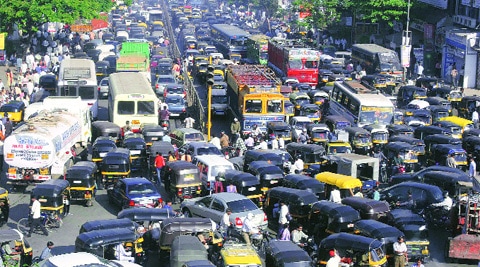
increasing chaos of traffic.

A recent survey predicts that every human in a day waste at least 2 hours in traffic jams, delaying their important processes.

A man sitting for minutes and hours in a car, is no less than a human bomb, increasing the cases of road rage, impatience, anger, stress etc. which is an eye opening and gravest issue for the population of metropolitan cities.
Chaos rules the city roads | Cities News,The Indian Express
Chaos rules the city roads.

According to the people, commuting in metropolitan cities, at least two accidents take place every day showing the startling truth of the psychology of human mind, which is short tempered and lacks patience with pace of modernization. The instances of a bullet shot when way is not given or traffic police person killed by a school boy cannot be ignored in the history of road accidents, predicting the unsafe environment to everybody. The basic question is that why man is losing the basic ethics of patience and wit. Rage, abuse and impatience is never the solution for any problem or delay.

Also, the traffic police department is also to be blamed for the chaos of not operating traffic lights properly and for improper sign boards, which leads to menace. Only the challans or fines are not solution for jumping the signal or breaking of traffic rules. No other stone should be left unturned for failure of themselves.

Some of the solutions can be pondered upon, which can hinder the process of rage i.e., one should be prepared to avoid jam before 10 minutes, honking should be done by self and awaring others also.

Moreover, joining stress and anger management session can prove fruitful. Therefore, solution lies within oneself. It is WE, the aware and responsible citizens who can curb the root of road accidents.

EFFECT OF POVERTY IN INDIA

INTRODUCTION:-
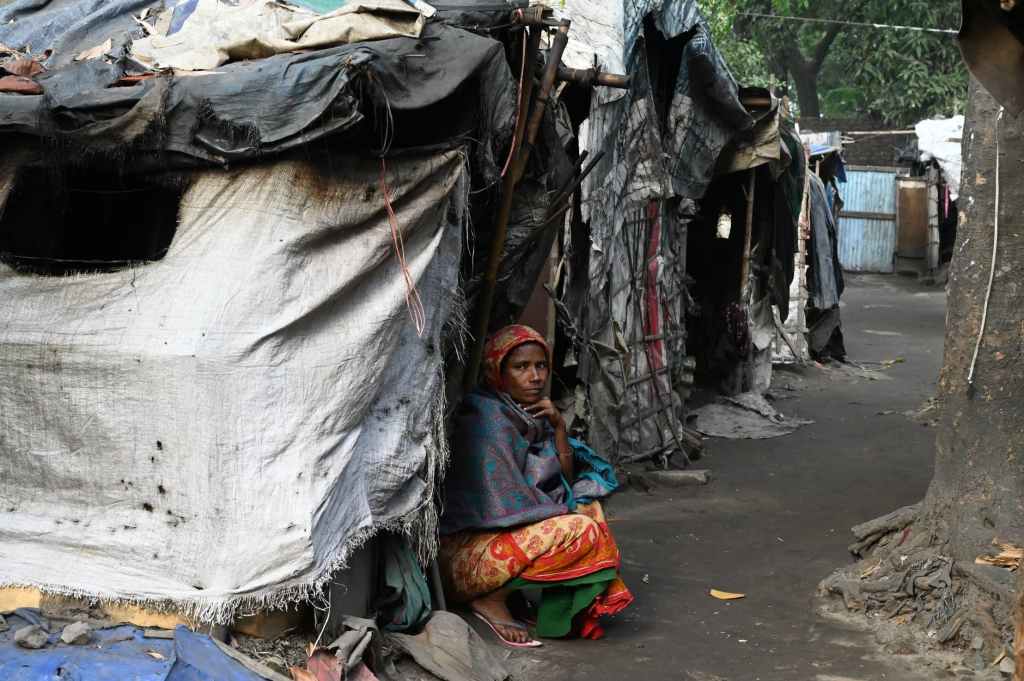
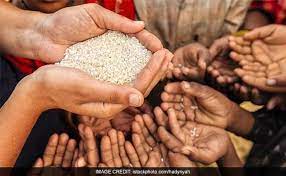
The situation in which a person remains underprivileged from the basic necessities of life is called poverty. The person does not have an adequate supply of food to eat, shelter to stay, and clothes to wear. Most of the people in India are suffering from poverty. They cannot afford to pay even for a single meal a day. They sleep on the roadside and wear dirty clothes. They do not get healthy and nutritious food. They don’t get any medicine and other necessary things either.

POVERTY IN INDIA:-
CAUSES OF POVERTY
The rate of poverty in India is increasing because urbanisation is increasing everyday. The people from rural areas are migrating to cities to find better employment. To provide the necessary needs of the family these people end up getting an underpaid job or an activity that pays only for their food. Most importantly, around crores of urban people are below the poverty line and many of the people are on the borderline of poverty.

Maximum people who are suffering in these poverty live in low-lying areas or slums. Most of the people are illiterate and for this reason in spite of efforts their condition remains the same and there is no satisfactory result.

There are many more reasons which can be said as the major causes of poverty in India. These causes include corruption, growing population, poor agriculture, the wide gap between rich and poor, old customs, illiteracy, unemployment and many more. Many people are engaged in an agricultural activity but in comparison to the earnings of other employees they get paid very less.

The more the population is, the more need of food ,houses and money. The deficiency in these needs results in the high growth of poverty. Thus as a result the difference and gaps between the extra rich and extra poor keeps on increasing.

The rich are growing richer and the poor are getting poorer resulting in the formation of an economic gap that is difficult to fill up.

EFFECTS Of POVERTY:-
Poverty affects the lives of people in many ways. It has various effects like illiteracy, reduced nutrition and diet, poor housing, child labor, unemployment, poor hygiene and lifestyle, and feminization of poverty, etc. These poor people are unable to afford a healthy and balanced diet, nice clothes, proper education, a stable and clean house, etc. because all these facilities require money and they don’t even have money to feed two meals a day.

EFFECTS OF POVERTY ON CHILDREN:-
Poverty in India impacts children, families and individuals in a variety of different ways through:

High infant mortality
Malnutrition
Child labour
Lack of education
High infant mortality
Every year at least 1.4 million children die in India before their fifth birthday. In addition to Nigeria, Pakistan, the Democratic Republic of the Congo and China, India is one of the countries with the highest child mortality rates. Most frequent causes of death of children are Pneumonia, malaria and diarrheal diseases as well as chronic malnutrition.

Malnutrition
India is one of the world’s top countries when it comes to malnutrition. In India most of the people cannot afford to pay for even one meal. More than 200 million people don’t get adequate quantities of food among which 61million are children. 7.8 million infants were found to have a birth weight of less than 2.5 kilograms.

Child labour – no time to play and learn
As we all know, in India child labour for children under the age of 14 is prohibited by law, 12.5 million children between the ages of 5 and 14 are working. In reality, there are more than 65 million children between 6 and 14 years old who do not go to school. Instead, for the sake of their family and to secure survival it is believed that Indian children contribute to the livelihood of their families; they work in the field, in factories, in quarries, in private households and in prostitution.

Lack of education – no opportunities without education
According to UNICEF, about 25% of children in India cannot afford education. The number of children excluded from school is higher among girls than boys. Under Indian law, women and men are treated equally but in the lower social caste girls and women are considered inferior. They are dominated by their fathers, brothers and husbands. The chances of finding a living wage from employment in India is virtually hopeless without education.

Due to poverty, many parents encourage early marriages for their daughters in hopes of better lives for them.

THE SOLUTIONS FOR ENDING POVERTY:-
For solving the problem of poverty it is necessary for us to act quickly and correctly. Some of the ways of solving these problems are to provide proper facilities to farmers. So that they can make profit from agriculture and do not have to migrate to urban cities in search of employment.

Illiterate people can live a better life if they are provided with required training. Everyone should follow family planning to check the rise in population.
We should take measures to end corruption, so that we can deal with the gap between rich and poor.

CONCLUSION:-
Poverty is not the problem of a single person but also of the whole nation.. We should deal with it on an urgent basis by taking effective measures. Eradication of poverty has become necessary for the sustainable and inclusive growth of people, society, country, and economy. @track2traininginstitute

Autistic pride day

Autistic Pride Day is celebrated on June 18 around the globe, this day is dedicated to people who are suffering from Autism Spectrum Disorder(ASD) . Autism is a development disorder that affects a person’s ability to interact and communicate, it has direct impact on one’s emotional as well as physical health . Autistic Pride Day was initially celebrated by Aspies for freedom in 2005, the main moto behind this day is to make autistic people take part in the event and share their experiences , have a day to celebrate their identities demonstrating their ability to advocate for themselves.

According to the World Health Organization (WHO), one in 160 children have Autism Spectrum Disorder. People with autism are often subjected to human rights violations and stigma. So, this day is marked to stop this discrimination and raise awareness among people. WHO encourages families to have an environment, which supports children with autism. Treating them as equals and engaging them in routine activities like cooking, shopping and cleaning will give them a happy life. Autistic Pride Day is represented by the rainbow infinity symbol. This symbol is intended to represent the diversity of autistic people and the infinite possibilities and variations within the autistic community.

The other major factor because of which Autistic pride day is to spread awareness. While some of us are aware of Autism there are many others who are still unaware. Many parents think the reason behind the child’s abnormal behavior is the rudeness of the child but it’s our responsibility to know that every behavior has its back story and we need to be cautious about it. It is essential that we realize that the child might be suffering from ASD and provide him all the support and help he needs. Anyone from a child to an adult person can have Autism Spectrum Disorder. Autism people are more sensitive and even simple things like light being too bright can cause them to have a meltdown, so it is necessary for others to treat them with patience and politeness.

It is important for everyone to know that people suffering from autism are not diseased but different . They don’t require any treatment or cure. All autistic people are needed to be given an equal importance , it should be ensured that there is no violation of their basic human rights. Studies shows that they have unique positive traits and have the potential to do something which others can’t. Dr. Temple Grandin was diagnosed with autism as a young child and was eventually able to speak. Finding her voice, she went on to publish Emergence: Labeled Autistic, a ground-breaking book which is widely regarded as the first real insight into the life and thoughts of someone with autism. She inspired millions of people and in 2010 Time Magazine named her one of the 100 most influential people in the world.

Each one of us is special and beautiful in our own way so rather than discriminating autistic people let’s take a stand for their pride and support them. Happy Autistic Pride Day.

What is the answer to your solution? PART 1

We all come through various obstacle in our life of which we are not aware; they come to our life without any warning which are either unexpected or we try to take them as unxpected. We human beings whenever are in any such kind of situation we looses our control and the stability of our mind It happens!

And we know this too that what people can say, they can never feel at a moment!

If a lie is for a good sake, then than lie is a good lie.

 Every lie is not a bad one. We must lie in our life for various reasons. The purpose of this is explained below let in form of a story

      There was a vast river which had many streams which is one of the oldest in the earth. Due to water need of people living in that area they blocked various streams of that  river and made various dams for the purpose. They have been utilizing it and extracting the natural resources available in the deepest depth of the river for years and misusing it. After years of human being using the river  and extracting its resources the dam suddenly broke and the force of water was such huge that resulted in the complete vanish of the town and death of many people.

                  Whose fault was it?

  • People who wanted water and blocked the streams of river for their purpose.
  • People who extracted the natural resources indeed.
  • Or the dam which broke suddenly resulted in the death of many people .

Can you guess?

It is not the fault of people who always wanted water for their livelihood, or people who extracted  natural resource or damn which broke.

  • It is fault of people who broke the streams of water rather than taking water flowing from that streams only.
  • It is the fault of people who extracted natural resources over their need.

It is the fault.

As we know that it is destiny which governs everything

The destiny of people was to go and take required amount of water to their need.

The destiny of river streams which flows a way.

The destiny of water force because whenever something is been captured when releases generated tremendous amount of force.

“The world has enough for everyone’s need, but not enough for everyone’s greed.”

Mahatma Gandhi

“The world has enough for everyone’s need, but not enough for everyone’s greed.”

Mahatma Gandhi

So whenever we are in any such situation, where we know we are in need of it, do not let this overcome our self because we’re are never in need of anything to completely let it vanish we are capable of making ourself let us complete our need according to he availability of our need.

Try to understand everything around yourself and take the moves forward carefully  with our full control and stability of mind try not let it overcome yourself.

Cheques and its types

A cheque is a piece of document/paper which orders the bank to transfer money from the bank account of an individual or an organization to another bank account.

TYPES:

Bearer Cheque- The bearer cheque is a type of cheque in which the bearer is authorized to get the cheque en-cashed that is the person who carries the cheque to the bank has the authority to ask the bank for encashment.

Order Cheque- This type of cheque cannot be endorsed, i.e., only the payee, whose name has been mentioned in the cheque is liable to get cash for that amount.

Crossed Cheque- In this type of cheque, no cash withdrawal can be done. The amount can only be transferred from the drawer’s account to the payee’s account. Any third party can visit the bank to submit the cheque.

Account Payee Cheque- This is the same as the account payee cheque but no third party involvement is required. The amount shall be transferred directly to the payee’s account number.

Stale Cheque- In India, any cheque is valid only until 3 months from the date of issue. So if a payee moves to the bank to get withdrawal for a cheque which was signed 3 months ago, the cheque shall be declared a stale cheque.

Apart from it there are some other types of cheques too. Like the post dated cheque,self cheques,blank cheque and multinated cheques.

Being an LGBTQIA+ ally

LGBTQIA+  is an acronym for lesbian, gay, bisexual, transgender, queer, or questioning, The “plus” represents other sexual identities including pansexual and Two-Spirit or any other sexual identity not included in the acronym. A stands for asexual and ally. today we’ll be focusing on the latter.

First, let’s understand what is the meaning of an ally. 

An ally, straight ally, or heterosexual ally is a heterosexual and cisgender person who supports equal civil rights, gender equality, and LGBT social movements, challenging homophobia, biphobia, and transphobia.

We don’t have proper sex education in our schools or at homes, as a matter of fact, it’s considered a taboo and a violation of our deeply held religious values.

but Traditional Hindu literary sources do speak of homosexuality even though indirectly, changes of sex, homoerotic encounters, and intersex or third gender characters are often found both in traditional religious narratives such as the Vedas, Mahabharata, Ramayana, and Puranas as well as in regional folklore.

Homophobic memes and slurs that have been normalized in our daily life further increase and normalise the existing homophobia, and even after knowing the right facts people do not want to unlearn their previously learnt bad belief systems.

Today’s article will be about unlearning these wrong belief systems and deciphering the ultimate guide to be an ally.

Step 1 is to gather up the courage and to start talking about the things that are considered taboo in your friend circle and with your friends. yes, This can be really uncomfortable and awkward. But the fact that you are uncomfortable can be a good thing. That discomfort can be a sign that you are growing and changing as you learn. Trust it.

Step 2 is to listen, It is not uncommon for lesbian, gay, bisexual or transgender (LGBT) young people to spend years working up the courage to come out to their parents, family and friends. LGBT youth tend to fear rejection by those closest to them and feel isolated as if they are the only ones who feel the way they do. They often fear being “discovered” at school by saying the wrong thing or dressing a certain way. And they feel pressure to fit in by laughing at homophobic jokes even when it hurts their sentiments deeply. Being an ally you should be there for your friends who belong to the LGBT community. listening to them talk about their experiences can be difficult. It can be emotionally intense to hear people talk about the hurt and suffering they experience. There are very few places and groups in India where people can talk freely about their sexual identity and not having a space to talk about things that are going on in your mind can make anyone feel overwhelmed, by listening you can reduce that feeling of being closeted and overwhelmed.

Listening as an ally requires that you make space for others to talk and that you trust and believe what they tell you. and Remember: just because you can’t see the evidence for something right away doesn’t mean it’s not happening.

Step 3 is learning from people who experience oppressions is important, but it’s not fair to expect them to teach you everything you need to know about it. As an ally, it’s your responsibility to spend your own time and energy learning more. Reliable resources tend to be ones created by people who are knowledgeable on the issues, either through research or lived experience Learning about social injustice can be complicated and difficult. Most of the learning that you do as an ally is about letting go of what you thought was true. Often times this is called “unlearning” because it involves questioning and rejecting oppressive beliefs that you may have held for a long time. Family, friends, media, and community beliefs are the sources of some of your most deeply held knowledge about the world, but they can also be the places where you learn prejudiced and oppressive things too. When unlearning, dig deep and be honest with yourself about what you believe and how it informs your actions. As you learn about your privilege as a non-oppressed person, try to be honest with yourself about how that privilege has affected your life and who you are. It can be really uncomfortable to realize that stuff and that’s ok. Again, trust your struggle.

Step 4 is speaking up when you hear people say things that are wrong or prejudiced is another way to act as an ally. Having social power or privilege means that you have a social responsibility to use and acknowledge that power in ways that are for the good of others. The ability to stay silent and not acknowledge oppression or speak out about it is one of the stolen advantages that you inherit as privileged people.

Sometimes it can help by starting to say even just a few words in response to an oppressive or disrespectful comment. You can try saying things like, “That’s not cool,” “That’s disrespectful,” or “Why’d you say that?” to try and let people know that their actions are oppressive/prejudiced/disrespectful/wrong and that you noticed. Applying your knowledge in real-life situations is going to take practice. Not everyone is comfortable speaking up in all situations with everyone. It can take time to learn how to say things in the way that you want them to be heard. The more comfortable you get at speaking out, the closer you might get to teaching others about oppression and social justice which is an important part of being an ally.

Step 5 is educating Others as an ally, it’s your responsibility to use what you’ve learned to educate others in your own privileged communities (e.g., think straight people educating straight people, men educating other men, etc.). You have the power to stop resist prejudiced and oppressive beliefs in your family, friends, communities, and the media. Information is often better received when it’s peer to peer, and being a member of a privileged group means that your voice and opinion are more often heard when you speak on an issue. Basically, when people see you as part of their community they’re more likely to listen to you! You can use that advantage to speak about what you believe is right; challenge others when they say something oppressive or take the time to teach others what they may not know about oppression.

In conclusion, being an ally is not always easy, but it’s always worth it. Using social privilege to oppress others is one of many terrible injustices of our world, but just having privilege doesn’t make you a terrible person; it’s all about how you use it. Allyship is a journey. It never really stops or ends, but continues as a constant opportunity for growth and learning in your life. Being an ally is really about nurturing a sense of humility within yourself. Allowing yourself to be a learner can be a fulfilling role. Being an ally is about showing love and recognizing a sense of community. Knowing you made the world a more loving or accepting place is worth it in the end.

Art and culture

As we know India in famous for its culture and traditions. India is a land where there are full diverse cultures. Even geographically the cultures and tradition are suitable to India. The physical of India is so much matched with its cultures and tradition that I became forced to talk about the geographic region of India. Well, Indian art can be defined as the theological, hieratic or is the best of all as traditional. As India is a multi religious country so each religious has its own kind of arts and paintings. I would like to talk about some kinds of paintings in India. Mughal Paintings, Heena paintings, Acrylic paintings and painting texture. If there is a quality, richness, and innovativeness then Mughal paintings are highly admired. I liked Mughal paintings because of its style and unique.
Art & Culture plays an important role in the development of any nation. It represents a set of shared attitudes, values, goals and practices. Culture and creativity manifest themselves in almost all economic, social and other activities. A country as diverse as India is symbolized by the plurality of its culture.
India has one of the world’s largest collections of songs, music, dance, theatre, folk traditions, performing arts, rites and rituals, paintings and writings that are known, as the ‘Intangible Cultural Heritage’ (ICH) of humanity. In order to preserve these elements, the Ministry of Culture implements a number of schemes and programmes aimed at providing financial support to individuals, groups and cultural organizations engaged in performing, visual and literary arts etc.

Keeping It Clean- The Garbage Man

Sanitation and a clean environment are every human being’s right. The ones who keep the environment clean for us are often not recognized. The sanitation workers or the garbage man collect the garbage generated by us just so that we can have a tidy and healthy surroundings.


Imagine living in a stinky and littered world. It won’t be just gross but unhealthy too; breeding ground for so many germs, viruses, and diseases. Fortunately, we have sanitation workers who are dedicated and available to regularly collect and dispose of the garbage generated by us.

The garbage men play a vital role in maintaining a hygienic civilization. Not just garbage from homes, but different sectors generate different sorts of waste or garbage. These waste products can be hazardous. To safely get rid of it and to maintain public health the garbage men step ahead to collect and dispose of such waste products. However, these people are not always appreciated for the tenacious work that they do for their local community.

History of Garbage Man Day

The owner of JDA (special waste management and sanitation firm), John D. Arwood first recognized the exceptional work of his waste disposal staff and celebrated Garbage Man Day. It was initially celebrated nationally, and John D. Arwood in 2011, funded the first Garbage Man Day. Since then, every year 17th June is recognized as Global Garbage Man Day to recognize the efforts and appreciate the work of sanitation workers.

The day got renamed officially in 2019, as Waste & Recycling Workers Week as sanitation workers don’t just consist of garbage men but many other people, like the waste recyclers.

Why Garbage Man Day?

The garbage men work in a hazardous environment. The garbage or waste they deal with has many elements that can cause them physical harm. The surroundings are also odorous which can make them fall sick, and inhaling foreign particles can even cause respiratory issues.

Medical wastes can be very harmful. Broken glass bottles can not only cause injury but the chemicals or bleaches pouring out or a little bit left in those bottles can cause burns or injuries if came to skin contact. Garbage collection and disposal are not easy tasks. Severe injuries often lead the workers to end up in hospitals, in some cases causing disabilities and even death due to severe injuries or infections.

The day should not just be celebrated to appreciate the extraordinary work of the sanitary workers but also to spread awareness about the risk and severity of the job. Every job has its importance and need. Every job and the one doing it should be applauded for their efforts and dedication.

Globally more and more organizations, companies, and communities are coming together to recognize the efforts of the sanitization workers. Even as individuals we can celebrate this day to appreciate them and contribute to keeping the environment clean by not littering in our surroundings. Participation can be marked in various awareness programs, educating the public about the sanitation workers’ work, and awarding the workers in whatever way possible.

SOLID WASTE MANAGEMENT: A problem

Solid waste refers to unwanted materials generated as a result of human activities. It is basically everything that goes out in trash. It can be domestic, industrial or commercial based on its source of origin.
As the human population is increasing, so is the waste produced by them. Solid wastes have a lot of problems attached to them. Not only they result in pollution of varried forms but also cause many diseases by being the breeding grounds for vectors.
It is therefore very important to dispose solid wastes safely. Solid waste management deals with the process of treating solid wastes. Different methods are applied to treat different sorts of solid wastes.
Municipal solid wastes refers to the waste produced at offices, schools, homes etc. It usually comprises of paper, food waste, plastic, metal, glass etc. It is usually collected by the municipality and taken for their treatment.
One way of doing so is burning. This reduces the volume of the waste but this method causes air pollution of course. A substitute for this method is sanitary landfills wherein wastes are dumped in a trench and covered with dirt everyday. This method is less polluting than the former but has its own flaws. It is very effective for biodegradable wastes but when it comes to wastes like plastic, metals or glass, i.e.. non biodegradable wastes, this method can do more bad than good. So separation of wastes before putting them in a sanitary landfill is a must or else there will be soil pollution.
The disposal of biodegradable wastes is quite easy, so the actual problem is non biodegradable wastes. This can be further divided as wastes which can be recycled and the ones which cannot. The most effective solution can be reducing the use of non biodegradable products, as it is their disposal procedure which takes a lot of time and resources.

Another source of solid wastes is hospital. The use of chemicals and disinfectants make the solid wastes produced by hospitals more hazardous than others. It also contains pathogenic microbes. The disposal of such wastes has to be carried out very carefully. These wastes are usually incinerated. Incinerators are furnaces used for burning wastes. It involves combustion of solid, liquid and gaseous wastes. Incinerators, however produce harmful gases which possess a threat to health of workers and nearby community.
Electronic wastes are also difficult to dispose off. Irreparable parts of electronic gadgets are known as e-wastes. In its process of disposal, first metals like iron, copper, silicon etc are recovered and the rest of the junk is incinerated. This procedure usually involves manual participation and therefore possess a risk to human health. The works can be exposed to toxic substances present in the e- wastes or the harmful by-products of incinerators.
The most difficult waste to dispose is radioactive waste. The radiations emitted by nuclear wastes is very harmful for living organisms as it causes mutations which can lead to problems like cancer. Another problem is the fear of accidental leakage. Radioactive waste is usually pre-treated and then buried deep underground inside shielded containers.

As it can be seen that every solid waste disposal method has its own flaws. There is no perfect method for management of solid wastes. Reduction in waste generation should be our prime concern.

poverty in india

INTRODUCTION– Living a life free of poverty and hunger is a basic human right. One of the paradoxes of our swiftly rising and increasingly progressive world is that poverty remains prevalent and rampant, and the disadvantaged population appears to be becoming increasingly vulnerable. The number of underprivileged and oppressed people in India is a source of great worry for policymakers and scholars. Poverty in India is mostly caused by a lack of adequate government policies and the upper class’s exploitation of the financially weaker part. India has one of the world’s largest economies, with a gross domestic product (GDP) of $1,644 billion US dollars. However, only a small portion of India’s population has benefited from the country’s amazing economic success thus far, with the bulk of the population still living in abysmal poverty. Two-thirds of the Indian population is impoverished: 68.8 percent of the Indian population lives on less than $2 per day. Over 30 percent live on less than $1.25 a day, classifying them as extremely poor. As a result, the Indian subcontinent is one of the poorest countries in the world, with women and children bearing the brunt of the burden.

MAIN REASONS– The population has grown at a staggering rate of 2.2 percent per year during the last 45 years. Every year, around 17 million individuals are added to the population, significantly increasing demand for consumer products, which is followed by low productivity in agriculture due to lack of capital, subdivided and fragmented holdings, use of traditional methods of cultivation, illiteracy, etc. Low productivity results in an increase in price rise and the poor becoming poorer. The price rise benefits a smaller section of people and persons with lower income find it difficult to fulfill their basic requirements. In India, there is chronic unemployment and underemployment as a result of the country’s ongoing population growth. Rather than an increase in work prospects, the number of job seekers is expanding at a faster rate. There are two types of unemployment: educated unemployment and disguised unemployment. Poverty is simply a symptom of unemployment. Our country’s social structure is very backward in comparison to the rest of the world, and it is not conducive to faster progress. The caste system, inheritance law, inflexible traditions, and customs are impeding speedier progress and exacerbating the poverty problem. From the outset of our independence, our development plans have been influenced by political objectives.

NATIONAL RURAL LIVELIHOOD MISSION
AAJEEVIKA

STEPS TAKEN AND WHAT CAN BE DONE– Since India’s independence government has taken various steps to eradicate poverty. This includes programs to provide subsidy, bank credit, employment, food security, housing, good economic infrastructure, and pensions. But a numerous more steps can be taken to make India poverty free. Goovernment should reduce inequality of income and keep a check on concentration of wealth followed by monetary policies. The present Public Distribution Systems(PDS) should be reorganised and extended to rural parts of country, Government should offer special discounts to attract private capital investment to backwards region. The government should take care of basic requirements like healthy food, clean water, primary medical facilities of the poor. Public sector should make expenditure on uplifting the weaker section. With this goverment should focus more on providing education, generating employment, and uplifting the agriculture sector as majority of population is dependent on agriculture.

CONCLUSION-Many initiatives have been developed by the Indian government.
schemes/programs to improve the lives of those who
falls into the BPL category However, the situation remains the same, with the poverty rate increasing year after year. India’s government
has to pay more attention to the poorer members of society
across the country in order to identify human fundamentals
right and a higher quality of life.

Men’s Health

Heart Health:

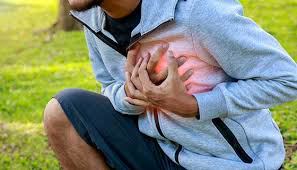
Heart disease comes in many forms. All of its forms can lead to serious, fatal complications if undetected. More than one in three adult men have some form of cardiovascular disease.Stroke targets more than 3 million men. High blood pressure is common in males under the age of 45.Routine checkups can help keep that heart beating.

Your doctor can calculate your risk for cardiovascular disease based on several risk factors, including your cholesterol, blood pressure, and smoking habits.

COPD and other respiratory diseases:

Many respiratory diseases start with an innocent “smoker’s cough.” Over time, that cough can lead to life-threatening conditions, such as lung cancer, emphysema, or COPD. All of these conditions interfere with your ability to breathe.each year more men are diagnosed with and develop lung cancer than in years past. African-American men have a higher risk of dying from the disease compared to other racial or ethnic groups. While exposure to occupational hazards like asbestos increases your risk, smoking remains the leading cause of lung cancer.

If you have smoked for more than 30 years, a low-dose CT scan maybe prudent to screen for lung cancer.

Alcohol: Friend or foe?

Men face higher rates of alcohol-related deaths and hospitalizations than women do. Men binge drink twice as much as women. They are also prone to increased aggression and sexual assault against women. Alcohol consumption increases your risk for cancer of the mouth, throat, esophagus, liver, and colon. Alcohol also interferes with testicular function and hormone production. This can result in impotence and infertility. men are more likely than women to commit suicide. They also are more likely to have been drinking prior to doing so.

Depression and suicide:

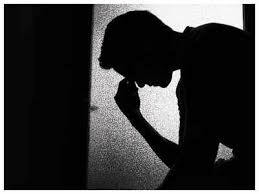
Researchers at The National Institute of Mental Health (NIMH) estimate that at least 6 million men suffer from depressive disorders,including suicidal thoughts, annually.

Some ways to combat depression include:

1.Getting regular exercise, even just going for routine walks around your neighborhood

2. Journaling or writing down your thoughts, communicating openly with friends and family

3.Seeking professional help

Guidelines for suicide prevention

If you think someone is at immediate risk of self-harm or hurting another person:

• Call 911 or your local emergency number.

• Stay with the person until help arrives.

• Remove any guns, knives, medications, or other things that may cause harm.

• Listen, but don’t judge, argue, threaten, or yell.

Unintentional injuries and accidents:

Unintentional injury is a leading cause of death for men in 2006. This includes drowning, traumatic brain injuries, and fireworks-related mishaps.

Motor vehicle death rates for male drivers and passengers ages 15 to 19 were almost twice that of females in 2006. Male workers incurred 92 percent of the 5,524 total reported fatal occupational injuries. Remember, safety first.

Liver disease:

Your liver is the size of a football. It helps you digest food and absorb nutrients. It also rids your body of toxic substances. Liver disease includes conditions such as:

Viral hepatitis

Autoimmune or genetic liver diseases

Vile duct cancer

Liver cancer

Alcoholic liver disease 

Diabetes:

If left untreated, diabetes can lead to nerve and kidney damage, heart disease and stroke, and even vision problems or blindness. Men with diabetes face a risk of lower testosterone levels and sexual impotence. This can lead to increased depression or anxiety. The best way to control your diabetes is to eat healthy and exercise. If you have a family history of diabetes, it is important to see your doctor to have periodic screenings for diabetes.

Influenza and pneumonia:

Influenza and pneumococcal infection are two leading health risks for men. Men who have compromised immune systems due to COPD, diabetes, congestive heart failure, sickle cell anemia, AIDS, or cancer are more susceptible to these illnesses. Men are about 25 percent more likely to die from these diseases than women. To prevent against influenza and pneumonia, it is recommended to get vaccination.

Skin cancer:

According to the Skin Cancer Foundation,two-thirds of melanoma deaths in 2013 were men. This is more than twice the rate of women. Sixty percent of all melanoma deaths were white men over the age of 50. You can help protect against skin cancer by wearing long sleeves and pants, hats with wide brims, sunglasses, and sunscreen when outdoors. You can also lower your risk of skin cancer by avoiding exposure to UV light sources, such as tanning beds or sunlamps.

Become proactive:

Now that you know about the top 10 health risks that affect men, the next step is to change your habits and become proactive about your health.

Addressing your health can be scary, but avoiding it altogether can be deadly. The many organizations cited in this slideshow offer information, resources, and support if you are experiencing any symptoms, feel you may have a condition, or just want to get a checkup.

YOUR FOOD GUIDE TO FIGHT COVID-19

The second wave of COVID-19 pandemic has made us susceptible to the life-threatening effects of the corona virus and such is its effect that people are focusing more on building immunity and strengthen body’s immune system to fight the deadly virus. Well it’s not that easy however, if one takes the right steps at the right time it can be instrumental for faster recovery from COVID-19.   According to experts the key to faster recovery is by modifying the diet and adding healthy and nutritious foods which can help in improving the slackening immunity.

“Good nutrition helps your battered body build up its energy levels as fast as possible “says Dr Kavitha Fenn Arunkumar who is a Madurai based psychiatrist. Moreover, she recommends the intake of easy to digest food frequently rather than taking three big elaborate meals.

So what are the things which are essential for the recovery from COVID-19?

1.Say yes to protein rich foods

Protein helps in building muscles and repairs cell damage, which further helps in boosting your immunity. The reason why experts suggest increasing the intake of protein rich foods is because it helps in healing the cell damage caused due to COVID-19.

Adding protein rich foods like fish, lean meat, nuts and seeds, legumes and pulses to your diet during or post COVID-19 helps in replenishing the lost nutrition. These protein rich foods are also a great source of omega 3 fatty acids that help in boosting metabolism thereby improving gut health.

2. Vitamins should be your best friend

 Adding fresh  fruits and veggies help in faster recovery, this is the reason why experts suggest to include them in the diet during any recovery. Adding fresh fruits and veggies rich in vitamins and antioxidants help in strengthening the body’s resistance to combat deadly virus attacks like COVID-19. The addition of Vitamin C and multivitamin rich fruits like oranges, mango, pineapple, lemons help in reviving lost nutrients, hydrates the body and helps in boosting respiratory system.

3. Add soya to your diet

The addition of protein rich soy in your daily diet can help in healing and faster recovery post COVID-19. As per the Food Safety and Standards Authority of India, it has been suggested that adding high protein soy based foods can help in boosting immunity naturally. Also going for a nutrient dense vegetarian diet can improve overall health and immunity, post COVID-19.

4. Keep check on sugar intake

 Apart from adding these healthy foods to your daily diet, you must keep a check on the intake of sugar and salt as they may lead to a spike in sugar levels or blood pressure levels, which eventually slows down the recovery process

5. Hydrate yourself

During any sort of illness, dehydration and its associated challenges remain a major risk to our body. During such times, it becomes imperative to prioritize basic self-care, including drinking adequate fluids. One can also add lassi, coconut water or ORS during their COVID-19 recovery phase.

Youth must get what they deserve.

In today’s world, the youth has its contribution in almost every field like politics, research, sports. etc but they have the most important role in not getting the things they deserve 

Let me clear this with an example aj ki date me boht km hi aisa hota h ki youth politics me dekhe vrna humesha koi aged ya experienced hi hota h .Agr koi young ldka ya ldki politics me jana chahta h to use ye bolkr hta diya jata h ki tum abhi bche ho abhi experience nhi h tumhe is field ka . Aur jb uski age ho jati hand  tb agr vo ata h to tb  uske pass experience hi nhi hoga kyuki jb uska experience lene ka time tha tb use ane nhi diya ab jb age ho gyi hai to uske pass experience hi nhi h. Aur isi tarah wo kabhi politics me aa hi nahi sakta. Taking another instance Agr koi kam hai koi bhi kam to usme automatically youth age aa jayega by the society ki yeh ladka ya ladki jawan h ye sare kam kr degi , tb hum automatically bde ho jate h. Mtlb jaha advantage lene ka chance h vha youth ko training period me dal dete h aur bad me experiance nhi h bolkr hta dete h aur jaha kam ki bari ayegi tb youth ko age kardenge kyuki vo jawan h aur sb kam kr skta h. This means ki ye kahte h ki humne duniya nahi dekhi h aur dusri taraf ye hume duniya dekhne bhi nhi dete h. So basically Is cheez me sabse important role h youth ka to hold his or her emotions. Vo kbhi show nhi krte h ki vo andar se depressed h ya mentally disturbed h kyuki vo apne elders ya parents ko pareshan nahi karna chahte h ya unke samne nahi rona chahte h aur isi vjh se vo sari preshani apne andar hi rakh lete h and that’s the reason youth have an role to sacrifice his /her emotions for not letting their families and elders worried and sad, either they have job problems or problems in their love lives or being trolled or bully by any reason or not get any attention from the one you want or don’t have any friends any many more uncountable reasons, And this is definitely an important issue every teenager or student or young men and women can relate.