Why delta is variant of concern?

A major concern right now is Delta, a highly contagious SARS-CoV-2 virus strain, which was first identified in India in December. This strain spread rapidly, soon becoming the dominant strain of the virus in both India and then Great Britain. 

The delta variant, which has further mutated into the delta plus, has 60% higher transmissibility rate than the original alpha variant. Delta has now spread to 92 countries. This is one of the mutations that contributed to the loss of response to some antibodies, including those produced by the vaccines. Delta is less sensitive than alpha to antibodies.

With the rapid spread of the delta variant in the United States, coronavirus cases are spiking in parts of the country, especially in areas with low COVID-19 vaccination rates. Almost all COVID-19 deaths in the United States are now among the unvaccinated people’s.

The two doses of vaccine provide much better protection than one dose against the delta variant. Children under 18 years old are not yet eligible for vaccination, which leaves them at risk. Anyone who is unvaccinated and not practicing preventive strategies is at risk for infection by the new variant, the doctors say.

The real risk is when you consider the broader population, where many people are either unvaccinated or only have one dose of the vaccine, combined with delta’s higher transmissibility and disease severity. The delta has high levels of transmission combined with a partially vaccinated population which increases the risk of more people catching the virus and increase the risk of further mutations.

The highly contagious delta variant is the fastest and fittest coronavirus strain yet, and it will “pick off” the most vulnerable people, especially in places with low Covid-19 vaccination rates, WHO said. Many mutations do nothing or actually hinder the virus.

Delta, first identified in India, has the potential “to be more lethal because it’s more efficient in the way it transmits between humans and it will eventually find those vulnerable individuals who will become severely ill, have to be hospitalized and potentially die,” Dr. Mike Ryan, executive director of the WHO’s said during a news conference.

The most important thing you can do to protect yourself from Delta is to get fully vaccinated.
SCIENCE


Meetali
The science of today is the technology of tomorrow……

WHAT IS SCIENCE ?
The word “science” probably brings to mind many different pictures. Science has played a major role in the development of our society. Science has made our lives easier and carefree. As we look back in our ancient times we see so much development in the world.

Science has got many changes in our lives. With the help of Science it now easier to travel long distances. Various high-speed vehicles are available these days.Science upgraded steam engines to electric engines. In earier times people were traveling with cycles. But now everybody travels on motorcycles and cars. This saves time and effort. And this is all possible with the help of Science.


SCIENCE AS A SUBJECT…..
I just want to recall your past memories when you are in school and college . Science taught us about everything .we cannot deny that Science helps us in shaping our future. But not only it tells us about our future, but it also tells us about our past. Physics taught us about the machines. Chemistry is a subject that deals with an element found inside the earth. Even more, it helps in making various products. Products like medicine and cosmetics etc. result in human benefits. Biology is a subject that teaches us about our Human body.

ADVANTAGES OF SCIENCE…..
The process of science is a way of building knowledge about the universe — constructing new ideas that illuminate the world around us……
i. It will make our life easier.
ii.It helps us organize our daily activities.
iii.This helps our work can be done faster.
iv.It helps us to communicate more easily with others.
v.This helps us to better know and understand other cultures and societies.


DISADVANTAGES OF SCIENCE……
Machines have led to unemployment. They have polluted water and atmosphere. They have caused noise pollution.
i. It can be easily handled by irresponsible people.
ii.We will be too dependent on that. …
iii.Sometimes it affects our health and our lifestyles (we will be complacent and lazy.) …
iv.It destroys our simple and healthy life (the traditional lifestyle I miss).
v.This helps us to better know and unterstand about other culture and societies .

CONCLUSION………
SCIENCE IS JUST A BOON FOR US…. It plays a very important role in our life. We are too much connected with science. Science brings so many changes in our life . Science has made our lives easier and carefree. Science saves time and effort. we cannot deny that Science helps us in shaping our future. The process of science is a way of building knowledge about the universe — constructing new ideas that illuminate the world around us .Science and technology inventions and discoveries, including the theory of the origin of the universe, the theory of evolution, and the discovery of genes. Science has been greatly successful at explaining natural processes, and this has led not only to increased understanding of the universe but also to major improvements in technology and public health and welfare.
Thanks for reading……

THE ANCIENT INDIAN GREAT PHYSICIAN- JIVAKA

Jivaka Komarabhacca was a renowned legendary physician of ancient Indian and the personal physician of lord Buddha. Jivaka was lived in Rajagrha of the Magadha empire in 5th century BCE. He was the son of king Bimbisara and half brother of king Ajatasatru. Some sources say that jivaka was born for a courtesan who was called as amrapali but she discarded unwanted newborn baby in garbage dump outside the city of Ratnagiri in the kingdom of magadha. Fortunately, king bimbisara found the new born baby as live even in the harsh circumstences and named him as “JIVAKA” which means life.

Once as a teenager jivaka got to know about his birth secret and he felt ashamed of himself, later he decided to make money independently to repay for his adoptive father for his upbringing. The ayurveda medication forms has fascinated him a lot and he went to the greatest university of those times “TAKSASILA” to learn traditional medicine. He proved his excellence under the great guru of that time Atreya punarvasu. After completing his education jivaka became as a court physician to serve the king bimbisara of the magadha dynasty.

Jivaka was the most celebrated physician in India during the buddha time. Including king bimbisra himself sought for help from jivaka to cure his fistula problem and in some texts he is also depicted as a great surgeonist who performed many complex surgeries like brain surgery and surgery for volvulus etc… When buddha’s foot was injured because of the rock splinter, Jivaka helped him as a physician to cure the injury.

Later, he felt great pleasure to be as a physician to lord buddha and as he influenced by the teachings of buddha he showed interest in building monasteries for the monks. There is a saying that buddha did not accepted him as a monk but he accepted him as his lay disciple because buddha want him to remain free to help the sick people.

Even todays Thai massage therapy was also developed by Jivaka. His all medical techniques were stored in the form of jivaka sutras. Jivaka was an early physician than Bodhi dharma. His texts were even now stored in the chinese old buddhist libraries. Thailand people used to call him as father of doctors. He is also known as shivago kompara in Thailand.

CONCLUSION:

Jivaka is such a great Indian physician and a great surgeonist but he is not that much well known to our Indians when compared with Thailand people and chinese. Thailand citizens constructed a gaint statue of jivaka for his traditional medication techniques but we as Indians, we forgotted about our great ancient personalties and today we are in a situation to seek help from abroad countries for small problems also. Finally, Jivaka always believed that prevention is more important than directly going for treatment.

” THE MORE YOU LEARN FROM THE PAST THE BETTER YOU CAN PREPARE FOR THE FUTURE”

World Sports Journalist Day: a tribute to those who make Sports beautiful!

Sports be it soccer, cricket or baseball or any other has some or the other time played a role in some of our lives. But sometimes we just overlook those who make our sports look more spicy and enthusiastic before us.

Significance:

In 1994, International Sports Press Association established July 2 as “World Sports Journalist Day” as the organisation was found on July 2, 1924 and this was an effort made to honour sports journalists all over the world.

Sports Journalists do a lot of work before, dyeing and after sports matches, all of which are often overlooked. They’ve always played an integral part in transferring the information pertaining to sports to their ever loving audiences.

History of Sports Journalism.

Sports Journalism started in early 1800s when sports was beginning to get itself presented as a separate section in Western Newspapers. In early 1800s only elites could afford newspapers and as a result information relating to sports were restricted to horse riding or boxing , that is, the sports that were typically meant for elites.

In 20th century, New York Herald and New York World were two of the world’s first newspapers to cover sports journalism separately and have a complete full time sports department.

Slowly, the need and love for sports started to increase among the masses and that is why there was the demand for all together separate sports channels in television like ESPN and sports magazines like Sports Illustrated.
Digital Era and Sports Journalism.

Online Sports Journalism started when ESPN created its first ever sports website in the world in 1995. During initial years, only broad topics relating to sports were covered in Digital Sports but as internet expanded all over the world, many big and small bloggers, internet channels, web portals began covering all single and minutest topics relating to sports.

A majority of big and small websites are completely dedicated to sports and they also at times charge subscription fee from their readers. Search Engines like Google or Bing also provide information relating to sports during those days which are important for a particular sport.

Issues faced by Sports Journalists.

1) Deadline Pressures:

Sports journalists face deadline pressures than any other beat reporters as sports matches generally happen in late noon or in the evening and as a result reporters who’re covering sports or writers who’re into sports have to manage completion of work in shortest time possible.

2) Political Pressures

There has been an interlinking of sports and politics in the past. And if this is so, how can the media be kept away? Sports Journalists face lots of threats by certain sports associations that expect the journalists to cover sport matches in their own way and they also expect journalists to shape the public opinion.

3) Accusations of low objectivity:

Sports Journalists have also been accused of favouring or promoting their own favourite teams or players in the past. Some have also been accused of giving more preference to their home teams and this is one more challenge they face in the sports world.

In any way, Sports Journalists do a lot for their audiences to make the sport matches more interesting and entertainment their viewers or readers throughout and even after the matches. It’s important for us to celebrate them and honour them genuinely.

Understanding your Mental state during the Pandemic

Introduction

The second wave of COVID-19 started from the middle of March 2021 and peaked in April with a shortage of oxygen cylinders and hospital beds. Now when the numbers have gone down again, people will start venturing outside and the reason for this eagerness is understandable because of the impact this pandemic has had on all of us, we just need ways to cope with it. Although mental health has been discussed a lot since the beginning of the pandemic and the lockdown, it is important to understand what changes we have been experiencing and how we can cope with them.

Impact on Mental Health

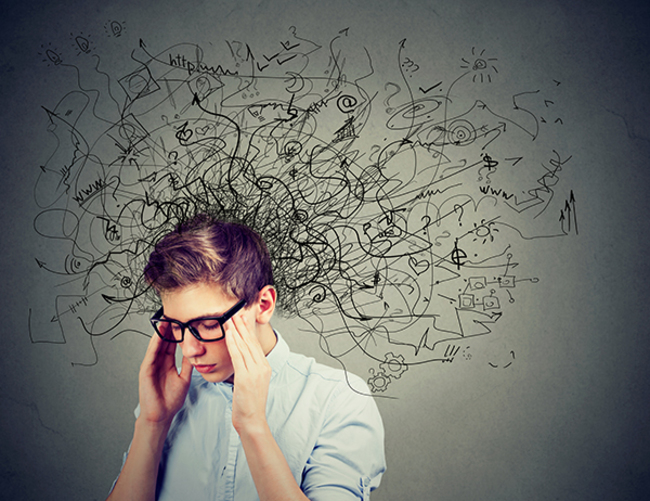
As we know, this pandemic created an economic crisis but along with that it also negatively impacted the mental health of people all across the world. People have been facing trouble with sleeping, eating, and alcohol consumption also went up. But the major mental health issues that are identified are stress, anxiety, depressive symptoms, insomnia, denial, anger, and fear. And the people with existing mental disorders became more sensitive to their symptoms. The rate of suicide also increased, a suspected Covid-19 patient committed suicide in fear of the result of his test, and later it was found that he tested negative. Adding to that the level of concentration has drastically gone down.

On a normal day if you search for symptoms, you might be experiencing during the pandemic, it would lead to the diagnosis of depression but don’t get confused between depression and the COVID-19 blues. The symptoms of COVID-19 blues include:

  • Feeling of sadness, emptiness, and hopelessness
  • Restlessness
  • Guilt
  • More than normal anger and irritability
  • Withdrawal from things you normally enjoy
  • Avoiding talking to friends and family
  • Change in sleep pattern
  • Change in appetite.

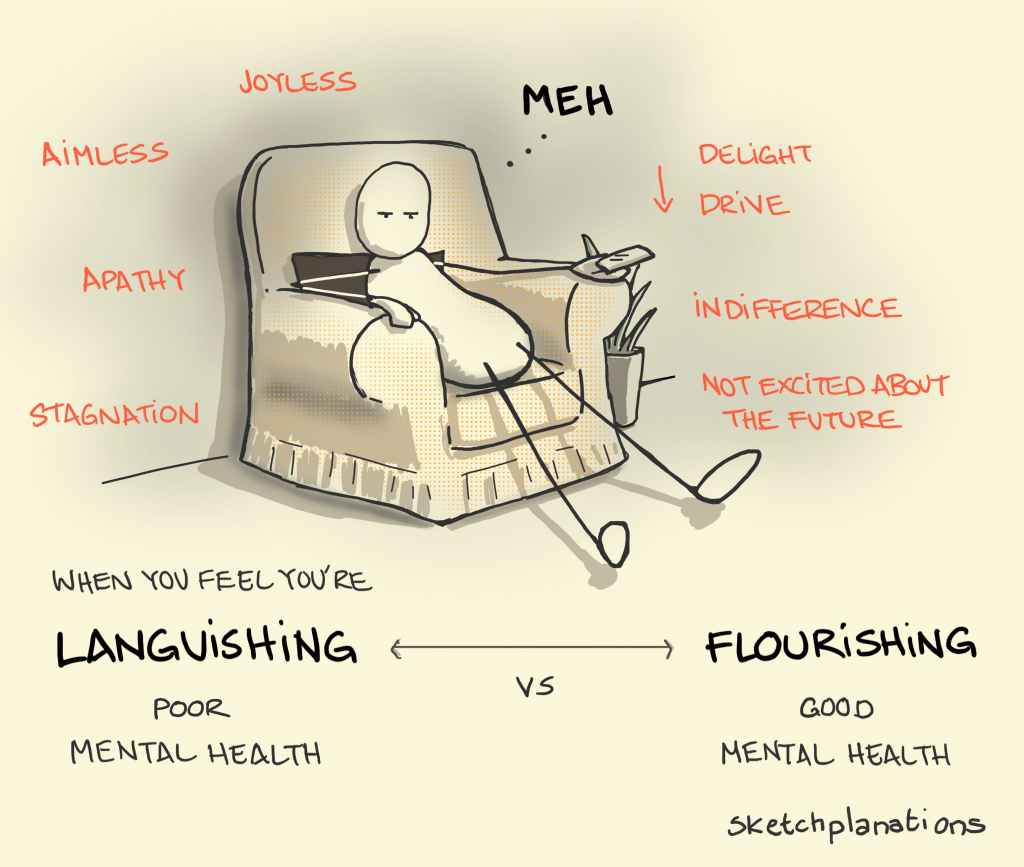
This is not the only thing, the feeling of eternal aimlessness that has started ever since the pandemic is known as languishing, and remember that you are not alone in this, even the practiced psychologists feel the same way. Languishing can be defined as a state of stagnation when you feel like the days are just passing by but you are not doing anything, you are just living through it. Not being able to focus on things is also a symptom of this.

Issues with Online

While most of the things have been shifted to the online forum and the work is being done in this new way, there are still side-effects of this change. The college students who started the online semesters with motivation have lost all of it as they can no longer focus or pay attention to the lectures, it all feels like background noise to them at this point. They cannot connect with their peers in the same way anymore. The distinction between personal and work time has disappeared, this isn’t just for college students but also adults working from home, everyone is working at any time and the expectation to get work done has increased using the reason “you are at home, you have time”. No one feels any kind of connection with their colleagues which brings troubles in the workflow. Moreover, people have lost any sense of time.

Solution

Here are some solutions to deal with this feeling:

  • Create a routine, divide your time for housework and job-related work. A routine will help you maintain a sense of normalcy. It will also help you from feeling lost because of too many things to do at the same time.
  • Try an at-home exercise routine to keep up with your physical health.
  • Declutter your home, it will help you in feeling productive and in control.
  • Set small daily goals, even small achievements count.

There is a concept of flow which means the state of absorption. The people who are immersed in some project avoid languishing, solutions for this are:

  • Even a Netflix binge helps as you connect with the characters of the show and your focus shifts to that.
  • Keep a goal of setting uninterrupted time for yourself, remove all kinds of distractions and focus on the one work you need to finish. There are applications that make sure you don’t use your phone for how much ever time you fill in.

Conclusion

This has been a very hard time for people all across the world, being scared for physical health was one thing but on the path to that our mental health is in danger and we need to take care of it. Remember to not blame yourself for feeling this way, take things slowly, do things that bring you peace. There is no need to hesitate from consulting a psychologist, if you think you are facing symptoms of depression, consult a psychologist to stay on top of your mental health.

References

CLIMATE CHANGE AND PLANT SCIENCE

When prevention of climate change is uncertain, preparation is necessary .

CLIMATE CHANGE

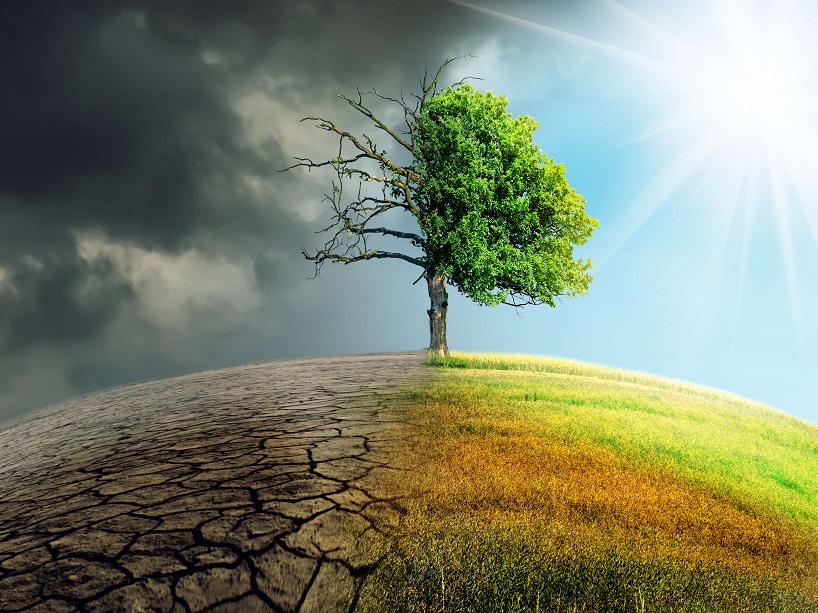
Climate change continues to cause unusual and unpredictable weather around the world.
Longer drought, flooding, major stroke, snowfall, temperature extreme will increase earth’s temp upto 3-4 ‘C.

Rising CO² level and warmer earth means plant will grow bigger (more surface area of leaves) and thus plant consume more water.
Thus, we face water scarcity.

Smog contain Ozone particles and causes various problems – asthma, heart disease, skin cancer etc.

Plant sciences is the study of plants in all their forms and interactions using a scientific approach.

California’s Almond Orchard:-

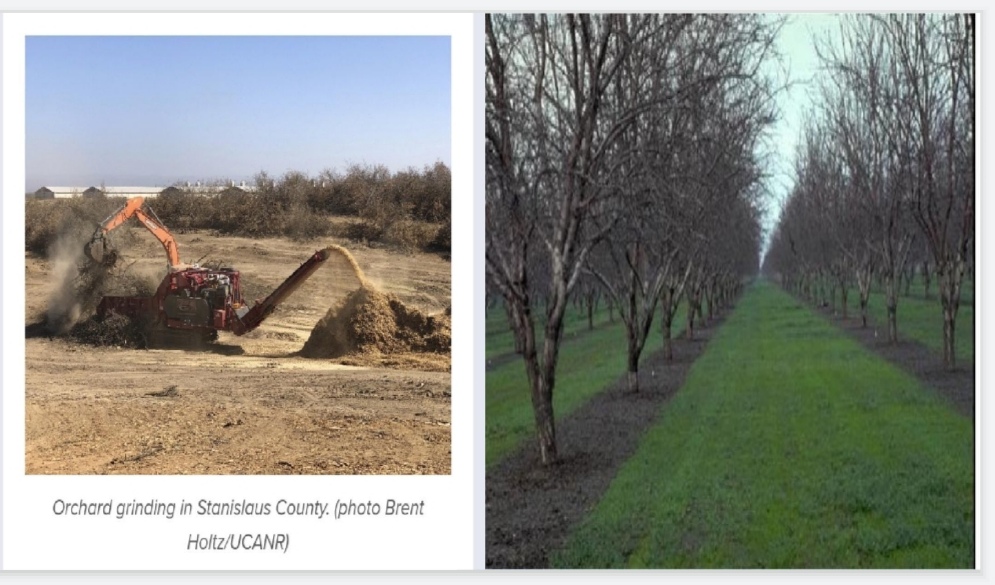
In the past, for removing and disposing of the old trees we burn them in the field. But now Old trees are ground, chipped and turned back into soil before New almond tress are planted.
It help almond orchard to be more sustainable and resilient to drought and also increasing carbon content in soil.

Whole orchard recycling result compare to burned treatment :
1) Sequester 5 tons of carbon per hectare.
2) Increase water-use efficiency by 20 percent.
3) Increase crop yields by 19 percent.

scientists from the BBSRC managed to breed a new fast-growing broccoli that no longer relies on a period of cold weather to flower, and goes from seed to harvest in only 8-10 weeks. This discovery is especially relevant for broccoli, as it is flower buds that we eat.

Many terrestrial, freshwater, and marine species have shifted their geographic ranges, seasonal activities, migration patterns, abundances, and species interactions in response to ongo­ing climate change.

Increased carbon dioxide tends to suppress photo-respiration in plants. 

  • C⁴ plant adapt better for high CO² Concentration and photorespiration. 
  • It make 4 C sugar (OAA) thus fix more CO² and produce high amount of energy. 
  • It suited for hot dry climate.
  • C4 plants include such low-latitude crops as maize, sorghum, sugar-cane, and millet, plus many pasture and forage grasses. 
  •  Better adapt for photo oxidation. Prevent photooxidation due to kranz anatomy.

THE CLIMATE CRISIS HAS ALREADY BEEN SOLVED. WE ALREADY HAVE A FACTS AND SOLUTIONS . ALL WE HAVE TO DO IS WAKE-UP AND CHANGE                     – Greta Thunburg

Land Reforms in India

Land reforms refer to the efforts made by the government to reform the ownership and regulation of land. Land reforms play a great role in the rural agrarian economy.
During the pre independence period, there were three types of land tenure systems in India.

  1. The Zamindari System– This system was created by the East India Company as a result of the permanent settlement between Lord Cornwallis and landlords. In this system revenue was collected from farmers by the zamindars or the landlords.
  2. The Mahalwari System– This system was introduced by William Bentinck in Oudh and Agra and was latter extended to Madhya Pradesh. In this system the revenue was collected by village headman on behalf of whole village and here whole village was treated as a unit.
  3. The Ryotwari System– This system was introduced in Tamil Nadu and was extended to Maharashtra, East Punjab, Assam, Coorg and Baar. In this system the land revenue was collected was paid directly by the farmers to the state.

In all three systems, there was exploitation and deprivation. Zamindari system created a class of zamindars who did not work and took away surplus from the cultivators. The lives of tenants and sub tenants was miserable. In the post independent India, land reforms were introduced to stop the exploitation that had been prevailing in the land tenure systems.
https://www.indiaagronet.com/indiaagronet/agri_economics/CONTENTS/Land%20Tenure.htm
The first and foremost step in doing so was abolition of intermediaries. The main reason of exploitation was zamindars. The Zamindari Abolition Act took four and a half years to become a law. Official documents state that zamindari has been abolished now and zamindars are now the big landowners. This has lead to a decline in the exploitation of tenants and the feudal rural structure has crumbled down.
Another step taken was the tenancy reforms. Under this, regulation of rent was done. Security of tenure was provided as well. This was done to protect tenants and grant them permanent rights in land. Ownership rights for tenants were also given.
Reorganisation of Agriculture was another land reform. Here ceilings on agricultural holdings were provided. Ceiling refers to the legal limit on the amount of land which an individual can hold. However, in rural India, implementing ceiling laws is rather difficult because of the balance of power is weighted against the landless.

Another land reform was the consolidation of holdings. This reform was done to solve the problem of fragmented land holdings. In this method one consolidated holding is provided equal to the total of scattered plots. The problem that arises in this reform is the fertility and location of the new land which is provided.
Cooperative farming is another land reform which has been advocated to solve the problems created by subdivision of holdings. In this method, farmers who have small land holdings work together for cultivation. It has many advantages. Expensive implements can be bought by clubbing money together. Market surplus of food grain can be obtained more easily. It also encourage the spirit of cooperation.
https://www.rauias.com/daily-current-affairs-for-upsc-ias/land-reforms-in-india-an-analysis-upsc/

Why China Wants To Choose The Next Dalai Lama

Tenzin Gyatso, the 14th Dalai Lama and Tibet’s spiritual leader, will turn 86 years old on July 6, 2021. As the Tibetan spiritual leader becomes older, doubts about his succession resurface. China recently released a white paper demanding that the next Dalai Lama be chosen with Chinese official permission, claiming historical practices.

The Dalai Lama, one of Buddhism’s most known faces, is a significant aspect in disseminating Buddhist teachings to the international population. Senior monastic disciples have historically recognised the Dalai Lama’s successor, relying on spiritual indications and visions. However, the Chinese foreign ministry announced in 2011 that only the Chinese government can choose the next Dalai Lama, and that no other candidate ought to be acknowledged.

CHINESE OPPRESSION AND TIBETAN UNREST

Even after six decades of occupation in Tibet, the Chinese government has failed terribly in its attempts to win the hearts and minds of Tibetans. Tibetans have never used violence in the course of their resistance, no matter what they’ve done.  The selection procedure for the next Dalai Lama is now in limbo. China’s communist regime annexed Tibet in 1950, claiming that it has always belonged to China. The Dalai Lama escaped in 1959 and established an exile administration.

Presently, the Central Tibetan Administration (CTA) is one of the world’s most well-established democratic exile governments. Many refer to it as a “bonsai democracy.” In reality, such an exile setup isn’t really a low-hanging fruit. It was envisaged by Tibet’s Dalai Lama and yielded fruition after six decades.

When he was six years old, the Chinese government arrested the Dalai Lama’s candidate for the 10th Panchen Lama’s successor, Gendun Choeki Nyima, in the year 1995. China has remained tight-lipped regarding his location since then. When the freshly elected 11th Panchen Lama was arrested, the Tibetan people revolted. In response, the Chinese government appointed its own Panchen Lama, the son of a Chinese security officer. Historically, the panchen lamas and dalai lamas have played important roles in identifying each other’s upcoming incarnations.

OPTIONS FOR THE FUTURE

Because of the Chinese threat, the 14th Dalai Lama has made a series of remarks that would make a Chinese-appointed 15th Dalai Lama difficult to regard as genuine.

For instance, he has said that the institution of the Dalai Lama may no longer be required. However, he has also stated that it is up to the people to preserve this part of Tibetan Buddhism and the Dalai Lama lineage. Another possibility offered by the Dalai Lama is to announce his future reincarnation before he dies. In this situation, the Dalai Lama will pass on his spiritual enlightenment to the next Dalai Lama.

Tenzin Gyatso has also stated that if he dies outside of Tibet and the Panchen Lama remains absent, his reincarnation would be found elsewhere, probably in India.Lastly, he has suggested the idea of reincarnating as a woman — although he added in 2015 and 2019 interviews that he’d have to be an extremely attractive lady. After this remark drew considerable criticism in 2019, his staff issued an apology and expression of remorse for the harm he had caused.

The Dalai Lama is certain that no one would accept the Chinese government’s choice. As he has stated, the Tibetan population will never recognize a Chinese-appointed Dalai Lama.

INDIA’S STAKES IN TIBET

The Tibetan elite tended to view the  world through the lens of India, and thousands of Tibetans fled to India as refugees in 1959. Today, India is home to the world’s biggest Tibetan community, with over 75,000 individuals.

Today, India’s land boundaries with China are largely those which exist between India and Tibet. China’s views on India are impacted in many ways by its Tibet policy. If a puppet Dalai Lama emerges from China, India could face significant geopolitical issues. Not only India, but also the entire Himalayan area. It is very likely that China would utilise the ‘Dalai Lama Institution’ as a political tool to encroach on these areas. China is skilled at fabricating tales that even history cannot follow. 

To discourage China’s politicisation of the Dalai Lama and leadership in Buddhism, New Delhi must give the  Dalai Lama more realistic attention, similar to US legislation on Tibet, which explicitly says that China must not intervene in the selection of the next Dalai Lama. So far, India has opted not to intervene in the matter.

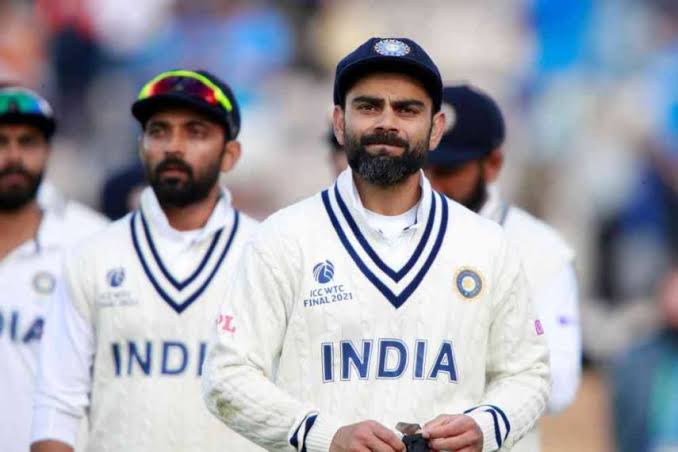
Is the defeat in wtc acceptable? Questions arises over virat’s captaincy.

The final of the WTC(2019-2021) was played from 18 to 23 June 2021 at the Rose Bowl Southampton, England, between India and New Zealand. It was initially scheduled for five days, but time lost during the game to rain interruptions so there was a sixth day reserved for outcome of results. And as expected  the planned reserve day was used .New Zealand won the match by eight wickets to be crowned as the winners of the ICC World Test Championship                                           

After the defeat of the Indian team, the captain comes first on target . The news about the outraged  Indian fans , annoyed cricket expert and WhatsApp memes start circulating over the internet. The netizens and twitterati starts demanding that the captain should leave the capticancy. But the question arises that is it right time to take back his captaincy? Or if he is removed from the captaincy then do we have any good option for his replacement? But before making any conclusions , let’s have a look over virat’s captaincy record.

Virat has captained 61 test with a winning percentage of 59.01% , which includes 36 wins ,15 losses and 10draws . He is having second best winning percentage as a captain among all current playing captains. When talked about oneday cricked , virat has a win percentage of about 70% , which includes 65 wins. His win percentage in T20 cricket is 65.1% which includes 27 wins. It’s just unfortunate that virat has lost couple of icc trophies even with sach a fantastic record in mordern day cricket .

What’s the experts view?

“The decision of making and removing someone from captaincy cannot be taken emotionally. If someone asks to remove virat from captaincy then can we remove him on the basis of single match? When talked about the record, virat has won 36 matches . I personally feel that just because of loosing single match we should not overreact. There was our mistakes, batting mistake , team management mistake . If we actually talk about the captaincy debate then it is quite clear that it will happen in T20 cricket. But even it’s not right time to discuss over T20 cricket now because world cup commencing and if we continue these debate then cricket would be harmed the most. I feel that virat is captain and the world cup plan is designed with him . If the india looses the World cup then it’s sure that Rohit would be made captain of T20 format.” Said the cricketing expert Vikrant Gupta.

“Do we have any alternative for captaincy? Is there any better option for virat’s replacement? Is there anyone who can score runs consistently and can do captiancy like him in a pressure situation. I don’t think that it’s right time to remove him from his captiancy.” Said the indian sport journalist vijay Lokapally.

☝️Visit these link to know about other cricketing expert view on wtc final.

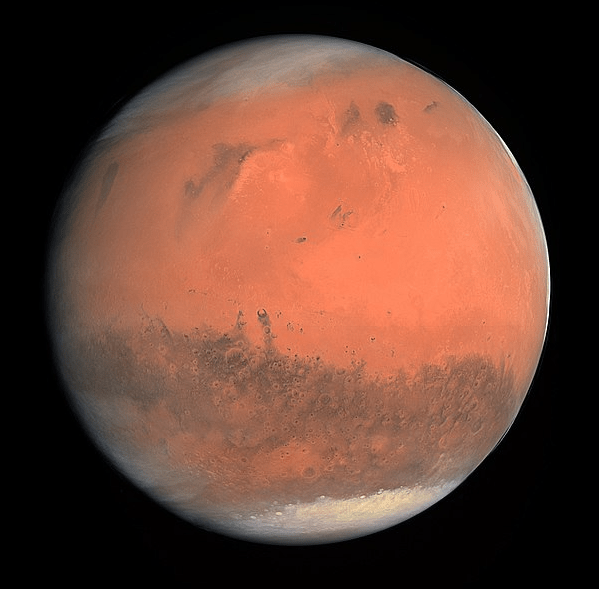
Mars- The Red Planet

Mars is the fourth planet from the Sun and the second-smallest planet in the Solar System, being larger than only Mercury. Mars is often referred to as the “Red Planet ”, which refers to the effect of the iron oxide prevalent on Mars’s surface, which gives it a reddish appearance distinctive among the objects visible to the naked eye.Its apparent magnitude reaches −2.94, which is surpassed only by Venus, the Moon and the Sun.

Some facts about Mars

Diameter-  6,780km

Orbital period-  1.88yrs

Length of a Day-   24hr, 37min

Axis tilt-  25 degrees

Distance from the Sun- 228 million kilometer ( 1.52AU )

Moons- Phobos and deimos

Special features

 Mars is a terrestrial planet with a thin atmosphere, with surface features reminiscent of the impact craters of the Moon and the valleys, deserts and polar ice caps of Earth. The days and seasons are comparable to those of Earth, because the rotational period as well as the tilt of the rotational axis relative to the ecliptic plane are similar. Mars is the site of Olympus Mons, the largest volcano and highest known mountain on any planet in the Solar System, and of Valles Marineris, one of the largest canyons in the Solar System. The smooth Borealis basin in the Northern Hemisphere covers 40% of the planet and may be a giant impact feature. Mars has two moons, Phobos and Deimos, which are small and irregularly shaped. 

Exploration

Mars has been explored by several uncrewed spacecraft. Mariner 4 was the first spacecraft to visit Mars; launched by NASA on 28 November 1964, it made its closest approach to the planet on 15 July 1965. The Soviet Mars 3 mission included a lander, which achieved a soft landing in December 1971; however, contact was lost seconds after touchdown. On 20 July 1976, Viking 1 performed the first successful landing on the Martian surface. On 4 July 1997, the Mars Pathfinder spacecraft landed on Mars and on 5 July released its rover, Sojourner, the first robotic rover to operate on Mars. The Mars Express orbiter, the first European Space Agency (ESA) spacecraft to visit Mars, arrived in orbit on 25 December 2003. In January 2004, NASA’s Mars Exploration Rovers, named Spirit and Opportunity, both landed on Mars. NASA landed its Curiosity rover on August 6, 2012, as a part of its Mars Science Laboratory (MSL) mission to investigate Martian climate and geology. On 24 September 2014, the Indian Space Research Organisation (ISRO) became the fourth space agency to visit Mars when its maiden interplanetary mission, the Mars Orbiter Mission spacecraft, arrived in orbit.  China National Space Administration (CNSA)’s Tianwen-1 spacecraft arrived in Martian orbit on 10 February 2021. NASA’s Perseverance rover and Ingenuity helicopter successfully landed on Mars on 18 February 2021. On 14 May 2021, CNSA’s Tianwen-1 lander and Zhurong rover successfully landed on Mars. The Zhurong rover was successfully deployed on 22 May 2021, which makes China the second country to successfully deploy a rover on Mars, after the United States. 

Phobos and Deimos

Phobos has a diameter of 22.2 km (13.8 mi) and a mass of 1.08×10¹⁶ kg, while Deimos measures 12.6 km (7.8 mi) across, with a mass of 2.0×10¹⁵ kg. Phobos orbits closer to Mars, with a semi-major axis of 9,377 km (5,827 mi) and an orbital period of 7.66 hours; the semi-major axis of Deimos’s orbit is 23,460 km (14,580 mi), with an orbital period of 30.35 hours.

Atmosphere

Mars lost its magnetosphere 4 billion years ago, possibly because of numerous asteroid strikes, so the solar wind interacts directly with the Martian ionosphere, lowering the atmospheric density by stripping away atoms from the outer layer. The atmosphere of Mars consists of about 96% carbon dioxide, 1.93% argon and 1.89% nitrogen along with traces of oxygen and water. The atmosphere is quite dusty, containing particulates about 1.5 µm in diameter which give the Martian sky a tawny color when seen from the surface. It may take on a pink hue due to iron oxide particles suspended in it.

See the source image

Structure

Mars has a dense core at its center between 930 and 1,300 miles (1,500 to 2,100 kilometers) in radius. It’s made of iron, nickel, and sulfur. Surrounding the core is a rocky mantle between 770 and 1,170 miles (1,240 to 1,880 kilometers) thick, and above that, a crust made of iron, magnesium, aluminum, calcium, and potassium.

Mars – Wikipedia
In Depth | Mars – NASA Solar System Exploration

DOCTOR’S DAY

See the source image

The shield to our Health, the protector of our families, we grandly celebrate  Doctors Day in India to honor every doctor’s relentless hard work in securing our nation in every possible way. We graciously thank all the doctors, physicians for their dedicated hours in contributing to our country. The difficult times amid COVID-19 have once again reminded us about the contributions and sacrifices made by doctors and the healthcare staff around the globe daily. In honor of this noble profession, Doctor’s Day is celebrated on different dates across the world. This year is once again dedicated to all those doctors and healthcare professionals who are serving in these trying times by risking their lives either in primary as well as secondary care setups or in dedicated COVID care facilities.

Doctor’s Day in India

Doctors Day in India is celebrated on July 1st every year.  The aim of observing National Doctor’s Day is to draw attention to the role and duties of medical professionals in saving lives. The purpose of the day is to recognize their roles and responsibilities. During the Covid-19 outbreak, when the number of cases rose tremendously, doctors have been working around the clock, risking their lives in order to save as many lives as possible. Instead of worrying about their own and their families safety, they decided to serve the country. They worked tirelessly in the hour of crisis.

History

National Doctors’ Day is celebrated on July 1, in India, to mark the birth and honor the contributions of renowned physician and former West Bengal chief minister Dr Bidhan Chandra Roy. The first National Doctors’ Day was celebrated in the year 1991. He was instrumental in establishing institutions like Chittaranjan Cancer Hospital, Chittaranjan Seva Sadan, among others. He was awarded with the Bharat Ratna on February 4, 1961.

Doctor’s Day 2021

The Doctors Day 2021 will be all about the critical role of health care professionals in combating pandemics together. We are looking to celebrate this venerable day with zeal and embrace the success in fighting the COVID-19 till now. In his ‘Mann ki Baat’ address on the last Sunday of June 27th, Prime Minister Narendra Modi reminded the nation of the contributions made by doctors and corona warriors during the Coronavirus pandemic. He said that the nation “must pay its tributes to the the doctors who ensured that India did not succumb to the challenges posed by Covid-19.”Prime Minister Narendra Modi tweeted, “On Doctors Day, my greetings to all doctors. India’s strides in the world of medicine are commendable and have contributed to making our planet healthier.” PM Modi, in his Mann Ki Baat address on Sunday, remembered Dr BC Roy and said, “We must pay tribute to our doctors who ensured that India did not succumb to the challenges posed by Covid-19.”

For all of us, the current pandemic that the world is undergoing is perhaps the most difficult time we are ever facing in our lives. It is even more difficult for the doctors who are working tirelessly to ensure that all those that are infected are provided with proper medical facilities. Their contributions and hard work deserve our gratitude each and every day and not only on any particular day. Their contribution to the healthcare industry is incomparable.

IMPACT OF COVID-19 ON CARBON EMISSIONS

The unprecedented global disruption caused by the coronavirus pandemic is likely causing a sharp, brief drop in carbon emissions. 

  • Due to global lockdown ‘s impact on transport, demand for oil has fallen at an unprecedented scale. 
  • Gas demand falls less than oil or coal. 
  • The country’s CO² emission fell down by 15% during March and fell 30%in April. 
  • According to Daily data from the national grid. Coal – fired power generation fell 15% in March and 31% in April. 
  • Renewable energy generation increased by 6.4% in March. 
  • Due to reduced power generation, Industrial activity and transport volume. Thus, it has reduced fossil – related and cement – induced CO² emission. 

China is  the first country where the virus’s impact on carbon emissions  became visible

Carbon dioxide emission in China

According to China Emissions Accounts and Datasets(CEADs) :

  • Reduction of 257.7 Mt. (11%) over Q1 2019
  • Secondary industry contributed 186.8Mt.(72.5%) CO² to the total reduction (largely due to lower coal consumption and cement production). 
  • Hubei contributed 40.6Mt. reduction (due to decrease of 48.2%in secondary industry).
  • Transportation significantly contributes 65.1Mt. With a change of – 22.3% in freight transport and – 59.1% in passenger transport compared with Q1 2019.

      Globally :

  • Aviation decreased by 75%.
  • Surface Transport by 50%.
  • Power generation by 15%.
  • Industry – uncertain but~35%.
  • Small increase in residential buildings of 5%.

     Fossil Fuel:

  • Drop 8% in 3 month and peak drop 17% unprecedented 
  • Emissions in individual countries decreased by ~27%.
  • Emission from surface transport accounted for 43% of decrease, industry and power together accounted 43% and aviation. 
  • Drop in CO² Emissions had no detectable impact on atmospheric CO² or Climate change 
  • It is extremely small compared to the emission accumulated. 

Carbon dioxide emissions in India 

  • As lower power demand growth and competition from renewables weakened the demand for thermal power generation through the last 1 year. 
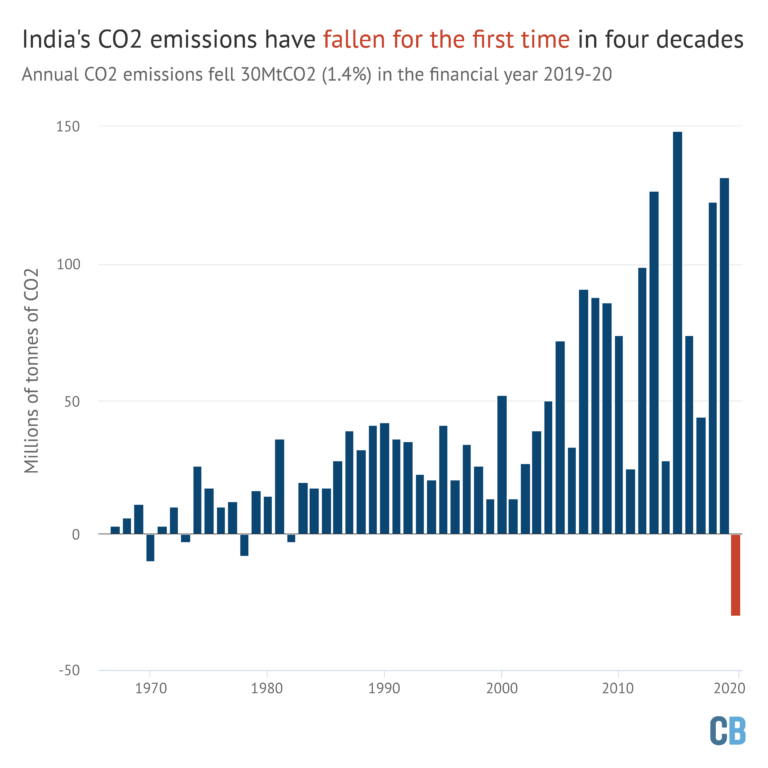
  • CO² emission fell by an estimated 15% during March and 30% in April. 
  • The fiscal year ending March, coal sales by main coal producer Coal India Ltd. Fell by 4.3%.

Coal import increased by3.2%

Total coal delivery fell by 2%

  • In March, coal output increased 6.5%. 

     Oil Demand :

  • Oil consumption slow down since early 2019.
  • During national lockdown, oil consumption fell 18% on March 2020.
  • Crude oil production in India decrease 5.9% compared to last financial year.

Thus, CO² emissions fell by 30mt.(1.4%) in fiscal year ending March. 

Environmental health due to Carbon Emission during Global lockdown

  • The positive effect of lockdown is to decrease the CO2 emission by −17% (−11 to −25%) by 7th April 2020 with respect to the mean level of emission in 2019.
  •  Air quality index (AQI) is the assessment of air quality. The lower the AQI value, the better is the air. The normal air quality index range is (100−200) and presently it is in the satisfactory range (50–100) category as reported by Gurfam being a scientist at SAFAR. 
  • Zambrano-Monserrate et al. (2020) reported that the air quality index (AQI) has decreased by 44%, 33%, 29%, 15% and 32% in north, south, east, central and western India respectively. 
  • The same study also shows that from March 16th to April 14th, 2020, 22 cities of India show the reduction of PM10 (Particulate matter), PM2.5, CO, NO2, by 43, 31, 10 and 18%. During the quarantine period in COVID-19, the amount of NO2 was decreased by 22.8 μg/m3 and 12.9 μg/m3 in Wuhan and China respectively. 
  • In 367 cities, the PM2.5 fell by 18.9 μg/m3. As per the report of CAMS 2020 reduction of 20–30% of PM2.5 is observed in a wide area of China.
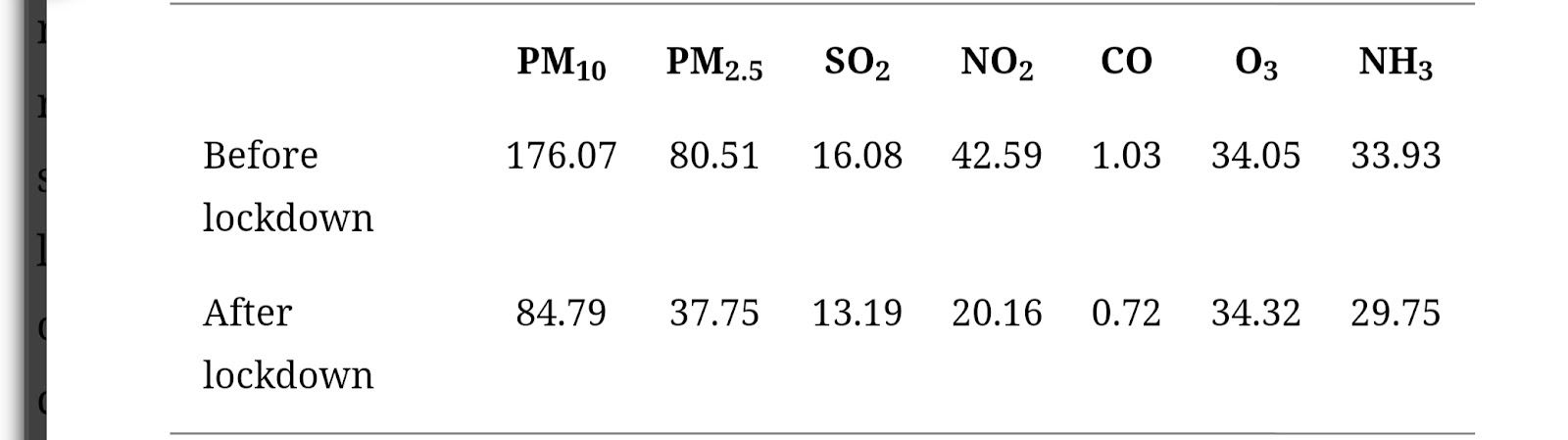
  •  Mahato et al.investigated that after three weeks of lockdown period from 24th March 2020, pollution of the Delhi, India, has experienced a noticeable reduction of different air pollution causing materials in the following Table

Comparison between different pollutants present in air before and after lockdown.

Reduction in carbon emission also lead to Ozone layer recovery over Antarctica:

  • The ozone layer is found in the upper atmosphere called the stratosphere between 10 and 50 km from the earth. 
  • The ozone layer acts as a natural sunscreen and plays a very important function by absorbing the harmful U—V rays from the sun. 
  • Ozone-depleting substances (ODS) are gases such as chlorine and/or bromine which breaks the ozone layer in the stratosphere. Various ODS are present in the environment are chlorofluorocarbon (CFCs), hydrochlorofluorocarbon (HCFCs), Methyl chloride and various halones.
  •  By the reaction with UV sunlight, these gases form chlorine and bromine and they are responsible for the depletion of the ozone layer. 
  • The international community signed the Montreal Protocol on substances about the depletion of the ozone layer, 30 years ago.
    •  According to the protocol, the consumption and production of ozone-depleting compounds should be regulated.
    •  By banning chlorine-containing synthetic compounds the rate of depletion declined and scientists expect to recover back to the 1980 level up to 2070.
    •  As per the scientific data of 2018, the stratosphere recovered at the rate of 1–3% per decade since 2000.
  •  After the lockdown began on Jan 23, the particulate matter pollution decreased by an average of 35% and NO2 decreased by an average of 60%. 
  • At the same period, scientists found the average surface ozone concentration increased by a factor of 1.5–2. 
  • Emission of ozone-depleting substances is also natural or man-made.
  •  All man-made emission is controlled because of lockdown during COVID-19. 
  • Production and consumption of ODS are also reduced. The World meteorological Organization (WMO) states that economic activity has been limited during COVID-19 which results in a decline in CO2 emission.
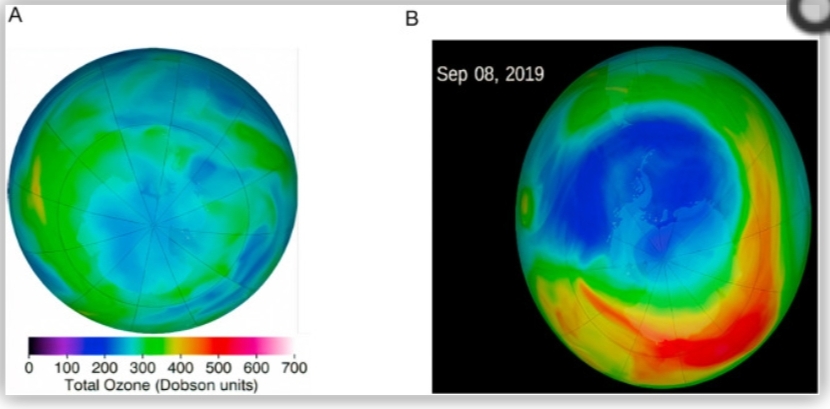
  •  In 2019, As per NASA and NOAA reported that the south pole region of Antarctica has warm temperature in the upper atmosphere which caused a small ozone hole since it was first seen in 1982 . 
  • On 23rd April 2020 Copernicus, atmospheric monitoring services (CAMS) announced that the largest hole was ever seen in the ozone layer over the arctic has been closed.
  •  Although lockdown is surely showing the prominent sign of nature, balance restoration of the ozone layer .
The map of holes in the ozone layer over Antarctica (a) 23rd May, 2020  (b) September 08, 2019

Impact of COVID 19 on Energy resources

The breakout of the Coronavirus Disease (COVID-19) toward the end of 2019 and its culminating transformation into a global pandemic sent shockwaves across the nations. Not only people lost their lives to it, but also numerous industries and governments as a whole succumbed to its impacts. To prevent the spread of the disease, many countries have resorted to observing country-wide lockdowns, damaging the normalcy of their economy. The world economy has seen new lows by trillions of dollars during this period, giving rise to times of constant anxiety about the future. The renewable energy sector, which has always been one of the leading areas to promote sustainability in terms of the environment, too is not spared from being affected by the pandemic. An amalgamation of the effects of the pandemic on the global economy and fluctuating oil prices resulting from country-wide lockdowns across the world further triggered its impact on the renewable energy industry. This work highlights the extensive impacts of COVID-19 on the renewable energy sector of India, a country that has proved itself to be proactive and progressive when it comes to solutions toward sustainable development. It showcases the present impacts of the pandemic on the sector and highlights future projections of the way it may continue to affect this sector as the world continues to struggle with the pandemic. The authors have brought up a set of their opined regulations that the administration and policymakers of the renewable energy sector of India can adopt to avert or reduce the extensivity of the impact of COVID-19 on their sector.

SHIVA TRILOGY BY AMISH TRIPATHI

“WHOLE UNIVERSE BOWS TO LORD SHIVA, I BOWS TO LORD SHIVA”

BOOK 1: THE IMMORTALS OF MELUHA- One of the most fascinating book when it comes to read through mythological genre. The dream to see Shiva as a human comes into reality. A mixture of thriller, romance, action, and comedy. An complete package to know deeply the cultural roots of India. Exploring and defining the minute details to paint the most imaginative of landscapes, structures and people gives him the upper hand over the contemporary writings in India. he language used makes certain that the story could reach to the average Indian and besides a few instances, there is very little that you’ll have to concentrate hard on to understand. It proves to be the best starting of journey closer to Lord Shiva.

BOOK 2: THE SECRETS OF NAGAS- It reveals many mystries still some are left, the entry of Ganesh and Kali, the real faces of nagas are discovered. The journey of Kartik growing up, much secrets of pasts everything seems to fit as a perfect piece on the puzzle. The secrets of secrets is exposed! Many thrillers and suspense are beautifully presented. More curiosity had risen in minds of people. The book will definitely fulfill your expectations of the sequel book. It’s also the acceptance of the books, which nonetheless invades the privacy of religious monotone scriptures, but at the same time, shines a torch on it, proves the plot strength of our religious books and shows the readiness of people to help grow the literary scene of our country.

BOOK 3: THE OATH OF VAYUPUTRAS- Amish had done a great sum up of the story. The evil is exposed and many hidden secrets had come into light. Shiva takes it upon himself to fight against the fiercest of warriors, thereby leading the people away from what they believed to be good. And then, well, you can guess how it all ends! The journey is well depicted even at the end. Ending is not marked as great as one expect but it shows the real life destiny of one’s life. Indeed the book proved to be a nice conclusive one. It also brings to light certain key topics like loyalty, companionship and the battle to banish evil from our minds.

OBSESSIVE COMPULSIVE DISORDER(OCD)

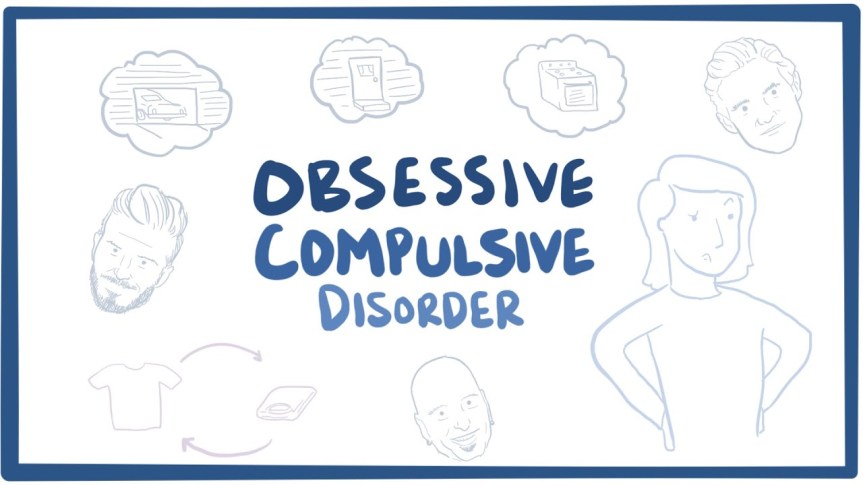
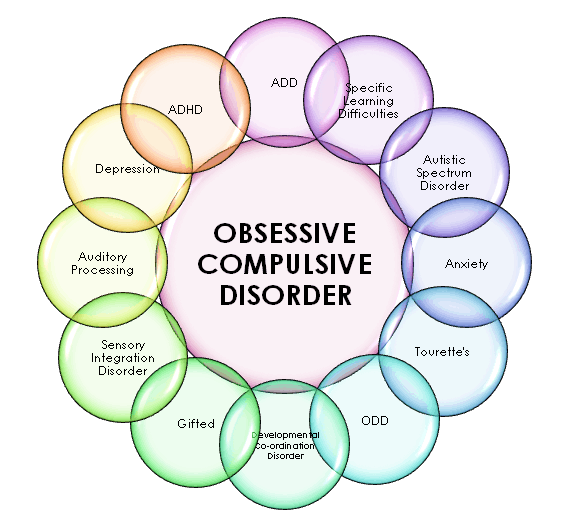
Diagram chart of Obsessive Compulsive Disorder .

Obsessive compulsive disorder is a mental health disorder that affects people of all ages and walks of life . It occurs when an individual gets caught in a cycle of obsessions and compulsions . It can be said that person with OCD are plagued by constant thoughts of fears that cause them to perform rituals or routines . The disturbing thoughts are called obsessions and rituals are called compulsions .

In simple words , OCD is a type of mental of disorder that causes repeated unwanted thoughts . To get rid of the unwanted thoughts , he/she performs the same task/activity again and again . For example, a person may fear that everything he/she touches has germs on it . So , to get rid of that fear he/she washes his/her hands again and again . Persons suffering from OCD might understand that their obsessions are unreasonable , but trying to stop or ignore them causes anxiety and stress . There are some symptoms of OCD , which may range from mild to severe . Some of the obsession and compulsions are mentioned below.

Main obsessions

  • A fear of harm to yourself or loved one .
  • A fear of contamination by germs .
  • A forceful or driving need to perform things perfectly or correctly .
  • Having excessive doubt on any individual .
  • A fear of being embarrassed .
  • A fear of getting dirty .
  • A fear of making mistakes.

Main compulsions

  • Repeating things or always moving items to keep them in exact order .
  • Bathing or washing hands several times.
  • Checking things over and over again.
  • Repeating specific words.
  • Hoarding .
  • Constant praying.

Causes of OCD

The exact cause of obsessive compulsive disorder is still unknown . Research studies suggest that there may be a problem with the way one part of the brain sends information to another part . Serotonin is the chemical in the brain that sends messages from one part to another . Insufficiency of serotonin may help in causing OCD . Stress and anxiety do not cause OCD but they may worsen the symptoms of OCD.

Recent studies have indicated that there may be considerable genetic basis for OCD. Depression is also thought to be the cause of OCD but the experts’ opinion is split .

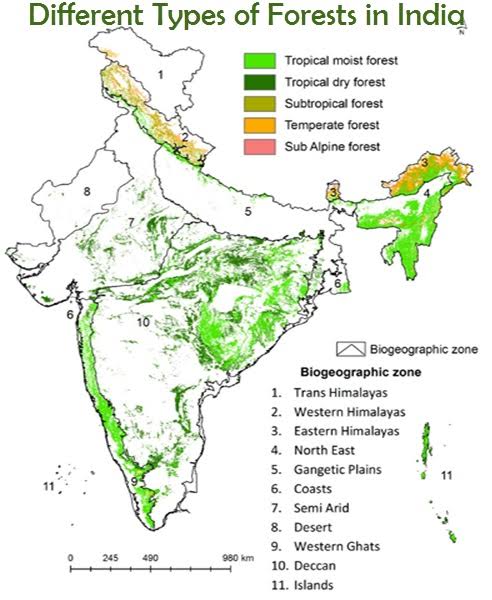
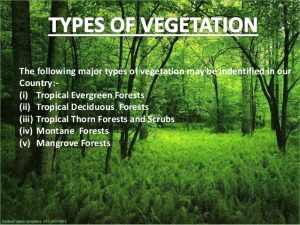
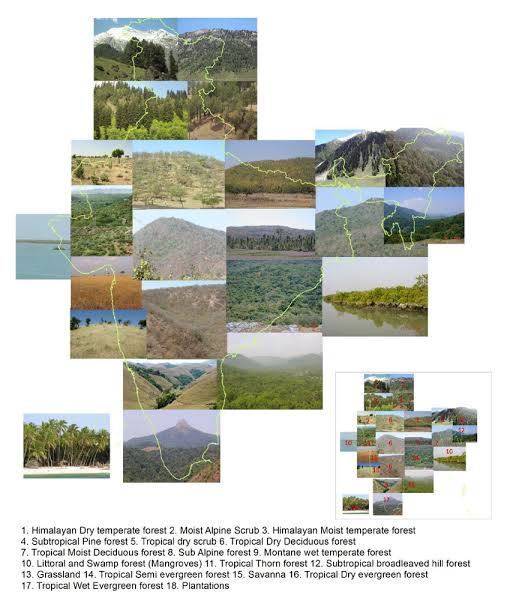
🌳Forests of India🌳:

Natural Evergreen Forest🌳:

Natural vegetation refers to a plant community un affected by man either directly or indirectly.

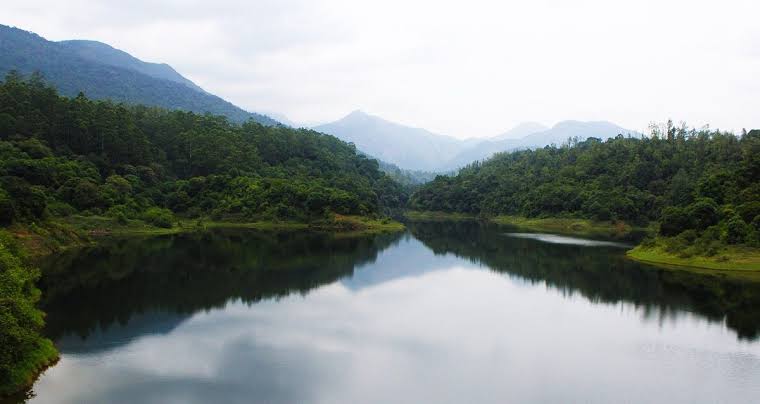
Topic Evergreen Forest 🌳:

🌟These Forests are found in areas with 200 cm or more annual rainfall.
🌟The annual temperature is more than 22°C and the advantage annual humidity exceeds 70 percent.
🌟Western Ghats in Maharashtra, Karnataka Kerala,Andhaman-Nicobar Islands, Assam, West Bengal,Nagaland, Tripura, Mizoram, Manipur and Meghalaya states have this type of Forest.
🌟The most important tress are rubber, mahogany, ebony rosewood etc.,

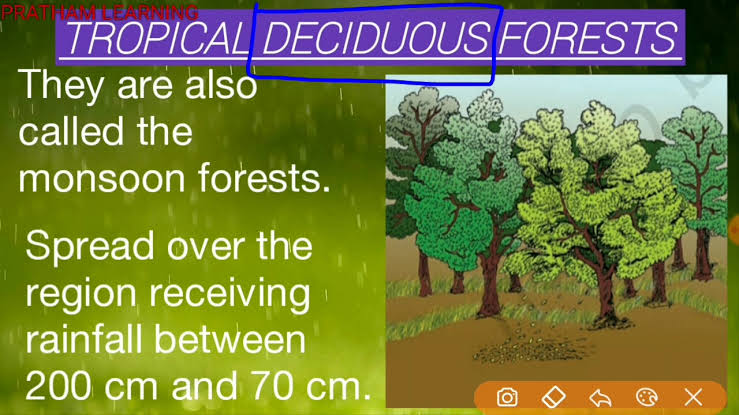
Tropical Deciduous Forest🌳 :

🌟These are found in the areas with 100 to 200 cm annual rainfall. These are called “Monsoon Forests “.
🌟The meann annual temperature of this region is about 27°C and the average annual relative humidity is 60 to 70 percent.
🌟Teak and sal are the most important tress.
🌟Sandalwood, rosewood, Kasum etc ., are trees of economic importance.
🌟They provide fragrant oil vanish,sandal oil and perfumes.

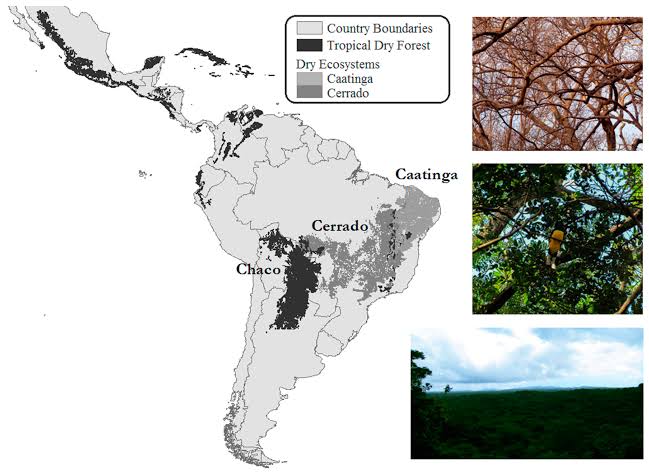
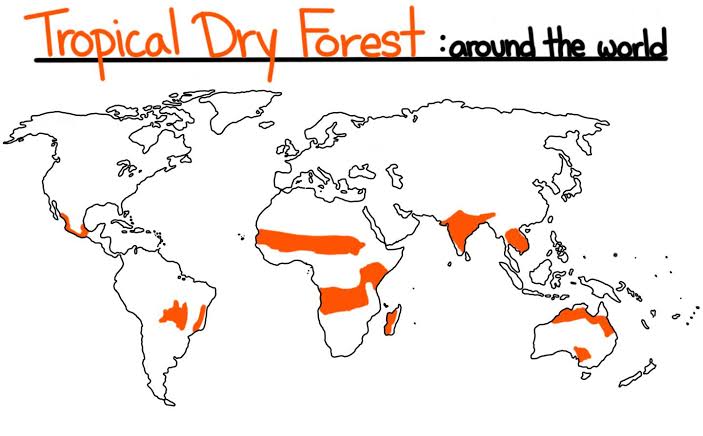
Tropical Dry Forest🌳 :

🌟These are found in the areas with 50 to 100 cm annual rainfall.
🌟Mahua, banyan ,amaltas,palas,haldu,kikar,bamboo, babool,khair etc., are the important species.
🌟These are also called as “Tropical thron forests”. These are found in the areas having annual rainfall of less than 50 cm.
🌟They have low humidity and high temperature.

Mountain or Motane Forest🌳 :

These Forests are classified on the basic of altitude and amount of rainfall. Accordingly two different type of Forests namely
i. Eastern Himalayas Forest
ii. Western Himalayas Forest.

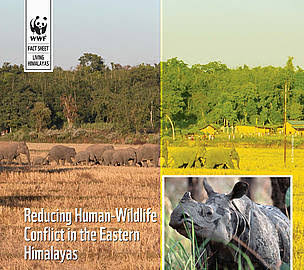
i. Eastern Himalayas Forests🌳:

🌟 These are found on the slopes of mountains in north-east states.
🌟These Forests receive rainfall of more than 200 cm.
🌟The vegetation is of Evergreen type.
🌟The Altitude between 1200-2400m found in this type of Forest.
🌟Sal ,oak , Laura, amura, chestnut,cinnamon are the main areas.

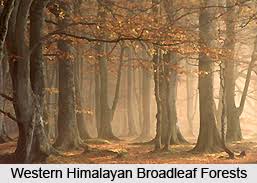
ii. Western Himalayas Forest🌳:

🌟These Forests are found in the states of jammed and Kashmir, Himachal Pradesh and Uttarakhand.
🌟Upto 900 m Altitude semi desert vegetation is found and it is known for bushes and small tress.
🌟 In Altitude from 900 to 1800 m, chir tree is the most common tree.

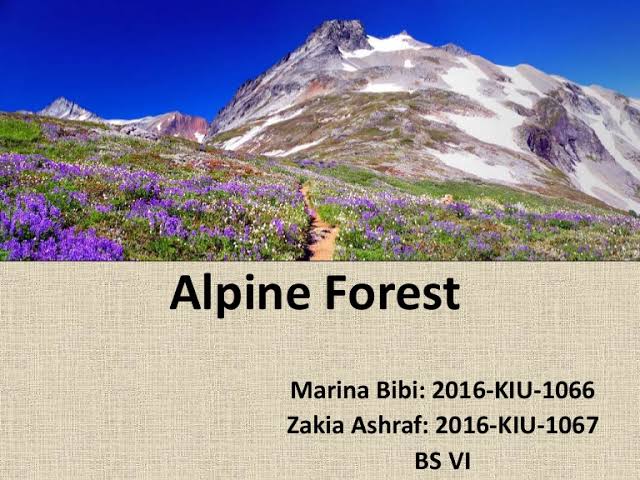
Alpine Forest 🌳:

🌟 It occurs all along the Himalayas with above 2400m Altitude.
🌟These are purely having coniferous trees.
🌟Oak,silver fir,pine and juniper are the main trees of these Forests.
🌟The Eastern parts of Himalayas has large extent of these Forests.

Tital Forest 🌳:

🌟These Forests occur in and around the deltas ,estuaries and creeks prone to tidal influence and as such are also known as delta or swamp Forests.
🌟The delta of the Ganga – Brahmaputra has the largest tidal Forest.
🌟The deltas of Mahanadi ,Godavari and Krishna rivers are also known for tidal Forests.
🌟These are also known as mangrove Forest.

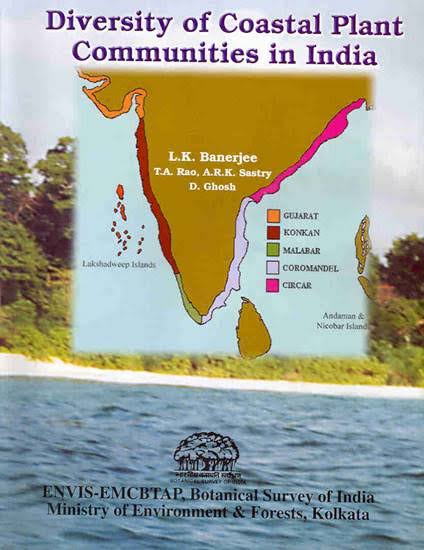
Coastal Forests 🌳:

🌟There are littoral Forests.
🌟Causing,palm and coconut are the dominant trees.
🌟Both the Eastern and western coasts have this type of Forests.
🌟The coast of Kerala and Goa are known for this type.

Riverine Forest 🌳:

🌟These Forests are found along the rivers on Khadar areas.
🌟These are known for tamarisk and tamarind trees.
🌟The Rivers of Great plains are more prominent for this type of natural vegetation