Have you guys ever heard about warli painting?even if you don’t know it’s name I think many of you can recognise the paintings ,they are present almost on any design,dress,wall art.
Still you haven’t got a clue? No problem .Have you ever seen stick figures on brown walls ,or on any dresses,they are called warli paintings.
From pinterest
Warli painting’s originated from maharastra.The name warli came into light because of the tribe warli in Maharashtra.Warli paintings showcase their drawings on mud walls,brown walls and now recently it is even used as design on dresses.
Warli painting’s have simple structure that is they mostly draw with circles,squares,and rectangles,they put emphasis on the story they are delivering through the painting.
Mostly it’s about their lifestyle,that is farming,dancing,singing,working.
On special occasions they draw these things with the white pigment.
These paintings garnered attention for their simplicity,and raw feel that these drawings show. These paintings are very popular and they are available on many online sites ,people love to decorate their homes with these paintings.
Even the small figures when painted on the walls they recieve so much attention ,they are pleasing to the eyes. The dancers take a long turn in the audience and try to encircle them for entertainment. The circle formation of the dancers is also said to resemble the circle of life.people are doing their own activities and enjoying their time.The huts depict,their homes,the trees.
Every thing is depicted in those basic geometric shapes becoming its own speciality and oozes uniqueness,and sense of familarity.
I remember we had an activity where we had to draw over walls and the topic was warli paintings ,it was very fun to draw those things on the walls.
These paintings depict their culture, lifestyle,and their essence is the depicting small things in our life in a beautiful way.
Trade cycle or business cycle refers to cyclical fluctuations in economic activities like employment, income, prices etc. It is a characteristic feature of capitalist system. In a trade cycle, there are alternating waves of expansion and contraction. These waves recur frequently and in similar patterns. It comprises of a period of good trade wherein the prices are high and unemployment is low and a period of bad trade wherein the prices are low and unemployment is high. A business cycle usually consists of four phases. These phases do not have a definite time intervals or periodicity. The four phases are: recovery, prosperity, recession and depression. Recovery is the first phase in the trade cycle. It is the revival period. Here entrepreneurs increase the level of investment. This in turn leads to increased employment and income. A increased income level means more purchasing power in the hands of people which leads to more demand for consumer goods. This leads to increase in prices for commodities and eventually leads to profit generation Business expectations improve and optimism prevails. Prosperity is the second phase in the trade cycle. In this stage, demand, output, employment and income are at the peak levels. Increased profits lead to increased stock market values. There is expansion in economic activities. Demand and prices go up. The production level is very high and known as boom. The economy surpasses the level of full employment to reach the level of over full employment. This leads to inflation and is a sign of end of prosperity. Recession is the third phase of the trade cycle. It starts when there is a downward descend from the peak. The level of investment declines and consequently the demand for raw materials decline as well. Liquidity preference rises in the economy. The margin of profit declines and a wave of pessimism spreads in the business. Recession can be mild or severe. Depression is the fourth phase of the trade cycle. It’s characteristic feature is the general fall in all economic activities. Production, employment, income decline. This general decline in economic activities lead to fall in bank deposits. Credit creation declines and bank rate falls. Distribution of national income change and margin of profit declines.
There are several factors responsible for the existence of fluctuations and trade cycles. External factors like political events, growth rate of population, migrations, discoveries, innovations etc are responsible for the cyclical fluctuations in the economy. As far as internal factors are concerned, mechanisms within the economy give rise to repetitive fluctuations. Over investment is one such factor. It is the credit availability by the banks which leads to over investment in capital goods rather than consumer goods. This eventually brings depression in the economy. Competition may be another reason for fluctuations. The profit motive causes firms to anticipate demand and subsequently do excess production. For this, firms hire more workforce and cost of production increases. This raises the prices of the commodities and decline in the demand for them. This ultimately leads to depression.
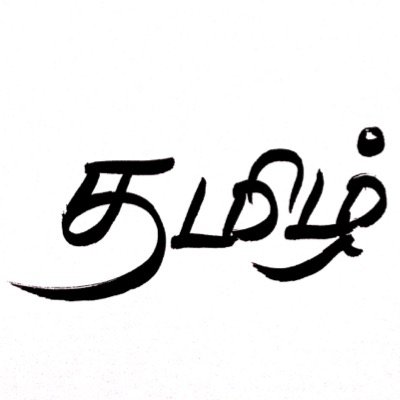
Tamil Chair Inc. is a non-profit organization registered in the state of Maryland (USA) that is currently working on fund raising for Harvard Tamil Chair
6m $ is required to establish it
Tamil is one of the very few languages of the world with a classical past and a robust literary tradition that has continued to this day. Despite many foreign occupations of the Tamil country and other outside influences, this noble language has always shined, producing vibrant literature for over 2 thousand years.
In addition to the literature, there have been numerous grammar books, commentaries, religious works, didactic books, secular literature and works from many other genres.
This is what the Tamil chair of Harvard university states about tamil
What is the need for a Tamil Chair?
Tamil language has one of the oldest written traditions in all of Asia and boasts a rich body of literary work dating back 2,500 years. Tamil has been accorded with a prestigious recognition as one of the seven classic languages (Greek, Sanskrit, Latin, Hebrew, Persian, Tamil and Chinese), and it is one of the very few that has survived all the way through to the modern world since its beginning.
Currently, Tamil is the 20th most commonly-spoken language (by 80 million people) in the world, with vibrant literatures for over 2 thousand years. Literature represents the culture and tradition of a language or people, and it provides a kind of blueprint of human civilization.
Thus far the global reach of Tamil literature is so limited, and for its ancient and Classic standing, Tamil literature deserves to be critically looked from new and diverse perspectives and the resulting knowledge needs to be shared across other cultures for mutual benefits.
So the purpose of this chair is multifold. First, it is a matter of great prestige for Tamils to have our language taught at the world’s most prestigious university which attracts brilliant students from all over the world.
There is also a need for research in ancient classical Tamil literature. Harvard will produce Tamil scholars who will be trained in research methodologies.
IMPORTANCE OF TAMIL CHAIR IN HARVARD UNIVERSITY AND THE WAY IT ENRICHES THE LANGUAGE
Helps building History
History can be written on the basis of outputs from researching a language.
Research about a language is a step to build a history.
Ex: In recent, historians of India use vedic texts of sanskrit to build the own history.
They build Indian history with vedas as base.
If more outputs from researching tamil comes out it will help build Indian History which may be seen from view of tamil literature.
2. Helps developing the language
In India Hindi and sanskrit are given importance by central government for promoting and developing them. These types of actions from Indian government limits Tamil as a regional language and major funding is deprieved.
Promoting through a reputed university will ensure good amount of funding for research.
It will help explore the Tamil studies on a much deeper level through a rigorous approach executing formal academic research processes to bring out the traditions, the cultural, intellectual, and social practices of the Sangam period that are barely explored as of now. This will elicit Tamil’s long tenured literary tradition to the peer academic communities and establish it’s much deserved recognition as a Classic language.
3. Competition with Sanskrit and other classical languages
Indian goverment in name of Hindu Nationalism promotes only sanskrit.
For all other Classic and widely spoken languages like Sanskrit, Greek etc , there is so much research and progressive work that is done at various international academic centers. It is quite urgent and highly imperative that the same world class effort is put forth for Tamil to expand its stature and reach. It will enhance not only the chances for continual use but also the newly embraced recognition from the global populace.
4. Intensive Research and development
Any developments on language of Tamil is stopped by Indian government . Without funds researchers are suffering. Even if someone come out with good research it is deemed valued by Hindutuvas/Hindi Nationalist Indian government
Independent research in a foreign country will only enrich it for good without influence by Indian Government.
5. Gets world wide interest and new learners
Developing the language in a well known University will gather world wide interest for the language and gather new learners.
May revoke intersets in researchers to resume archaelogical excavations a, Keezhadi, Poombukar, Adhichanallur which were currently banned by Indian government for excavating. Because they provide excessive proofs to Independent tamil culture in Sangam period, so that it will affect sanskrit’s claim on Tamil.
Assures Tamil language’s legacy to survive and grow.
This endeavour will cerainly increase the horizon of Tamil
What we eat doesn’t simply influence our physical health: it could also influence our mental health and wellbeing.
The relation between food and mood originates from the direct connection between your brain and your gastrointestinal tract, which is sometimes referred to as the “second brain.” Billions of bacteria live in your GI tract, influencing the creation of neurotransmitters, which are chemical compounds that continually transport messages from the stomach to the brain. (Two common examples are dopamine and serotonin.)
Eating nutritious foods encourages the growth of “good” bacteria, which has a favourable effect on neurotransmitter synthesis. A consistent diet of junk food, on the other hand, might promote inflammation, which can stifle output. When your brain’s neurotransmitter production is in excellent health, it gets these positive messages loud and clear, and your emotions reflect it.
A Mediterranean-style diet (rich in vegetables, seafood, fresh herbs, garlic, olive oil, cereal, and grains) combined with fish oil helps alleviate depressive symptoms. On the other hand, there are two types of foods that are harmful to the brain: those that trick the brain into releasing chemicals that we may be missing, temporarily influencing our mood (for example, caffeine and chocolate), and those that discourage the conversion of other foods into nutrients which the brain requires (for example, saturated fat such as butter, lard and palm oil).
THREE WAYS YOUR DIET AFFECTS YOUR MENTAL HEALTH
It is essential for brain development – When we eat healthy food, it transforms into protein-building blocks, enzymes, brain tissue, and neurotransmitters, which transport information and impulses across different regions of the brain and body.
It shifts the brain into growth mode – Some nutrients and dietary habits are associated with alterations in a brain protein that aids in the formation of new synapses between brain cells. A diet high in omega-3 fatty acids and zinc raises levels of this chemical. A diet heavy in saturated fats and refined carbohydrates, on the other hand, has a significant detrimental influence on brain proteins.
It fills up the gut with beneficial bacteria – The gut contains trillions of beneficial microorganisms. They keep harmful bacteria at bay and your immune system in check, which means they assist to control inflammation in the body. Some gut bacteria even aid in the production of brain-boosting B vitamins.
FOODS THAT PROMOTE GOOD HEALTH
Whole foods – Preservatives, food colouring, and other chemicals have been linked to hyperactivity and depression in certain studies. So, if you only remember one thing, remember to consume real food, which is food which has been minimally processed and has a few nutritious components. Consider eating fresh fruits and veggies.
Fiber – Plant-based meals are high in fibre, which helps your body digest glucose – or food sugars – more slowly, avoiding sugar highs and lows. Fruits and vegetables, as well as nutrient-dense carbohydrates like whole grains and legumes, are high in fibre.
Antioxidants – These anti-inflammatory compounds are abundant in berries, leafy green vegetables, turmeric, and foods high in Omega-3 fatty acids, such as salmon and black chia seeds. Dark chocolate contains antioxidants as well.
Vitamin D – Vitamin D aids in the synthesis of serotonin and is often obtained by exposure to sunshine. However, mushrooms, particularly reishi, cordycep, and maitake, are an excellent source. If you are vitamin D deficient, your doctor may also advise you to take a supplement.
Magnesium – This important mineral aids in everything from nerve and muscle function to maintaining a regular pulse. However, it is also critical to the food-mood relation: A mineral shortage can harm your gut microbes and produce anxiety-like symptoms. Natural sources include dark chocolate, cacao nibs, almonds, and cashews, spinach and other dark leafy greens, bananas, and beans.
Fermented foods – Fermented foods are high in probiotics, which are living microorganisms that are beneficial to the digestive tract. Sauerkraut, kimchi, miso, tempeh, and the fermented drink kombucha are a few examples. These items are also rich in sodium, so eat them in limit or avoid them entirely if you have hypertension.
Begin to pay attention to how different meals make you feel – not only in the moment, but also the day after. For two to three weeks, try eating a “healthy” diet, which includes avoiding all refined carbohydrates and sweets. Take note of how you feel. Then, one by one, gradually reintroduce items into your diet to observe how you feel. When some individuals “go clean,” they can’t believe how much healthier they feel, both mentally and physically, and how much worse they feel when they reintroduce items known to increase inflammation.
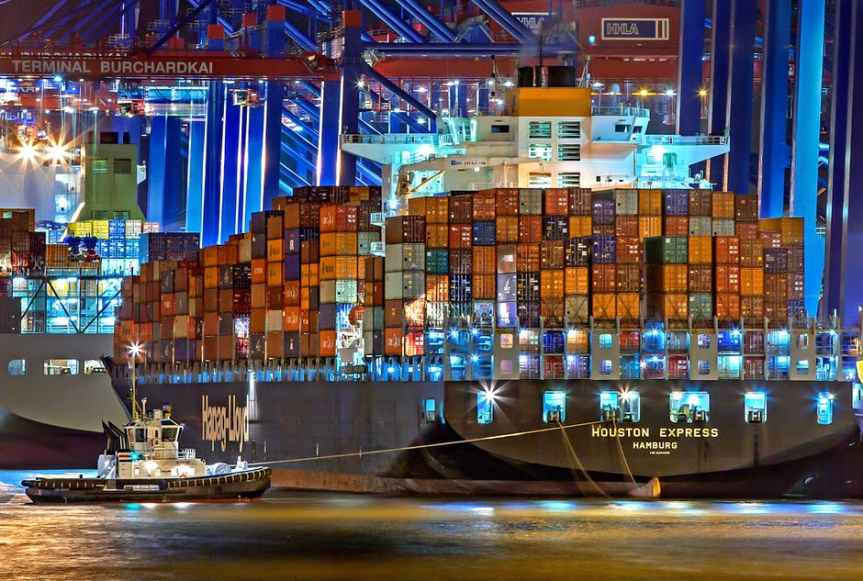
The clauses of the Indian Constitution concerning freedom of trade, commerce, and intercourse were taken from the Australian Constitution. The Australian Constitution states that there should be freedom of trade, commerce, and intercourse, which can be carried out via ocean shipping or internal conveyance.
While India borrowed this clause, it also ensured that the free flow of products is allowed not only between states, but also within a single state. As a result, both inter-state and intra-state trade is permitted in India under the Indian Constitution. Intercourse, trade, and commerce According to Article 301 of the Indian Constitution, all trade, commerce, and interaction in the country should be free. Trade involves the exchange of commodities and services between a buyer and a seller, as well as the transportation of such goods. The factor of products transmission, as well as that of men and animals, is more prominent in commerce. As a result, profit isn’t the most important consideration in business.
Article 301’s purpose Article 301 of the Constitution was added to ensure that the nation’s unity is preserved by erasing geographical boundaries that exist throughout the country. Furthermore, it ensures the free flow of commodities throughout the country by removing any limits that may be imposed.
As a result, the primary goal of this provision is to instil in all Indians a sense of belonging to a single nation, which may be difficult to do if economic operations are hindered by several barriers, as they already are owing to regionalism and language barriers.
Commerce and taxation freedom are two important aspects of freedom of trade. While Article 301’s goal is to allow for the free movement of products, this does not preclude the government from regulating some areas of trade. The state has the right to regulate trade, so if taxes are levied on goods, they do not automatically become a restriction on freedom of trade. There is a criterion that is used to determine whether or not a tax levied on goods is a violation of Article 301.
It is not possible to have complete freedom of trade, commerce, or intercourse. Despite the fact that Article 301 states that trade, commerce, and intercourse shall be free across India, this freedom is not absolute. This means that limited limitations on this right can be placed without violating Article 301’s stipulations. Part XIII of the constitution mentions these constraints, and even Article 301 states that this freedom is subject to the provisions of this section.. Article 302 of the Indian Constitution gives Parliament the ability to put some limits on the free movement of products, but this power is subject to the provisions of Article 303.
Conclusion Part XIII of the Indian Constitution contains provisions for freedom of trade, commerce, and intercourse in India. While trade freedom exists, it is not absolute in nature, and various constraints can be imposed on it. As a result of these provisions, the freedom of trade, commerce, and intercourse is granted Constitutional standing, which is important to ensure that geographical barriers and arbitrary limitations on the free flow of trade can be overcome.
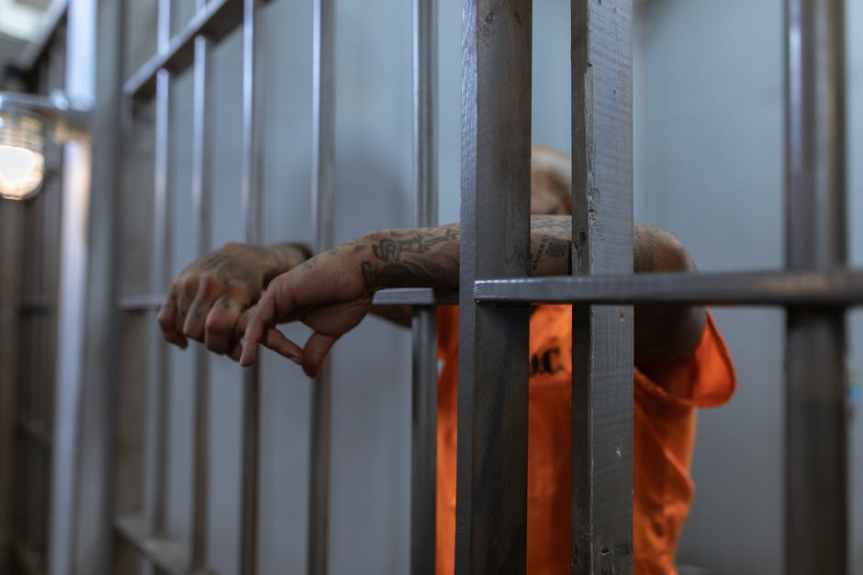
More than 10.2 million people are imprisoned over the world. A jail is a place where lawbreakers who commit horrible crimes are imprisoned and held captive. People have a misconception that criminals are sent to prison for a reason other than punishment. People have a typical perception that when a prisoner is incarcerated, he has lost his rights to liberty since he is compelled to live in a closed, constrained environment. According to the most recent numbers available for India (verified by World Prison Brief), the country has 4,78,600 inmates (including pre-trial detainees). The majority of Indian convicts are uneducated, poor, and belong to a marginalised social group with insufficient awareness of their health and lifestyle practises. As a result, they form a unique and vulnerable health population that necessitates specific treatment. The problem of hygiene in India has been exacerbated by overcrowding. Conditions are deplorable in many jails. Even minimal amenities are not available in tehsil-level jails. In India, inmates are not even screened for certain infectious diseases, despite the fact that all prisoners are given a medical assessment when they start serving their sentence. At the national level, there have been no research on the prevalence of viral illnesses among inmates. Prisoners suspected of possessing contagious diseases are segregated according to Indian jail guidelines. A few jails have formed informal partnerships with medical and social service organisations to provide convicts with counselling in order to reduce illness spread.
There are numerous reasons for violence in prisons.
Conflicts can be sparked by ethnic tensions or rivalries between clans or gangs. Hostility among detainees is exacerbated by the cramped, frequently severely overcrowded housing circumstances. The monotonous jail atmosphere, a lack of mental and physical stimulation, and plain boredom all contribute to a build-up of frustration and anxiety. This setting encourages high-risk behaviours such as drug usage and male-on-male sex. Some people engage in these activities in order to avoid boredom. Others, on the other hand, are compelled to participate in them in order to earn power or money.
Inmates and communicable diseases Overcrowding in India has increased the problem of sanitation. Many prisons have horrible conditions. At the tehsil level, even basic facilities are not available. Despite the fact that all detainees are given a medical check when they begin serving their sentence, inmates in India are not even examined for certain infectious diseases. Inmates are known to be susceptible to sexually transmitted infections (STIs), HIV/AIDS, Hepatitis B, and Hepatitis C. Detainees’ hostility is heightened by their confined, usually highly overcrowded living conditions.
Mental illness and suicide in Indian prisons Another major public health concern is mental illness, which affects a large number of prisoners. It is crucial to detect and treat people with mental health illnesses for the sake of justice and to ensure the protection of basic human rights, which is a cornerstone of the Indian constitution and society. Mental diseases are three times more common in jails than in the general population, according to studies conducted around the world.
Conclusion To test Indian medical students’ comprehension of prisoners’ health rights, a pilot survey was undertaken. According to the statistics, 91.8 percent of the students had received less than an hour of prisoner health education. This data only reinforces the need for the government and medical institutions to develop specialised training that is sensitive to the needs of inmates and the prison environment.
In our life’s we all have one or many such persons to whom we admire some may be Idol, actor actresses doctor teacher and many.
We get attracted by one such thing into them that from that moment we start admiring them, the reason may be silly, but it drives you towards your future and shape the choices you have made or the choices you will make from then.
Sometimes we do not know what has inspired us or motivated us towards them that has driven us hence.
Now what is motivation? It is just like a simple fuel that will keep you going but once you have burned down all your fuel which kept you motivated you will not be motivated to do that more and even if you try you will feel bored and will ultimately quit doing such thing. I am sure this must have happened to you also after trying so hard after sometimes you will leave that thing and try something new.
Why does this happen?
How to keep you going
Were you not motivated enough to complete it till the very end? No, the answer to this question.
It is because you took the very first step the biggest one that is you skipped many in between. This happens because the eagerness to do more. Once you set small goals in your life and time to time when you will complete that goal or reach to that goal you be motivated to reach another level. Without skipping the steps.
The power of basics
What does basics have to do with this?
Basics have to do with everything you want, you do or achieve your goal in life. Suppose you want to learn how to do one difficult yoga pose so the first thing you will have to learn is all the basics of yoga, every pose to get to that pose you wanted to perform.
Always learn the basics the very first step.
Change you reel goal to a real goal.
When we people are to inspire by someone you are like I want to be like that person I want to have everything she/he has. And when you dig into that you will find out that it is not what they do you wanted to become it is what one thing is that you wanted to achieve, or you enjoy by watching them who inspired you.
Example: – It is a time of new year; you want to lose weight so that you can get into that dress which you wanted to wear to achieve that goal you started going to the gym. Happily, you got into that dress in New year and did not went to the gym from. Again, after some time you gains weight.
What was to reel goal= It was lose weight to get into that dress.
What is the real goal= To get fit to feel healthy and get into any dress any time?
So whatever reason you got inspired think more and select the way to achieve it. Many people give up on their dreams because of social pressure around them and much more. These are only some ways according to me which may help you not giving up.
On becoming King, Edward I rebuilt the status of the monarchy, restoring and extending key castle had fallen into despair. During the 1340s the black that arrived in England. The losses from the epidemic and the recurring plague that followed it, significantly affected events in England for many years.
Black Death The black death was the second disaster affecting Europe during the late middle age ( the first one being the great famine of 1315-1317) and is estimated to have killed 30% to 60% of the European population. In total, the plague may have reduced the world’s population from an estimate of 475 million in the 14th century. Over the next century, English forces what many campaigns in the long-running conflict that became known as 100 years’ War. The hundred years’ war was a series of conflicts in western Europe from 1337 to 1453, waged between the house of Plantagenet and the house of Lancaster, rulers of the kingdom of France. It was one of the most notable conflicts of the Middle Age, in which five generations of Kings from two rival dynasties fought for the throne of the largest Kingdom in western Europe.
Peasants Revolt The peasant revolt broke out across the south of England in 1381. There were various causes of the revolt, including the socio-economic and political tensions generated by the Black Death pandemic in the 1340s. The high taxes resulting from the conflict with France during the 100 years’ war and instability within the local leadership of London. This war is also named Wat Tyler’s rebellion or the great Rising.
War of Roses A sequence of bloody civil wars later termed the war of the roses finally broke out in 1455, spurred on by an economic crisis and a widespread feeling of poor government. The war of roses where a series of English wars for control of the throne of England fought between supporters of two Revival cadet branches of the royal house of the Plantagenet and the house of Lancaster. The conflict lasted through many periodic episodes between 1455 and 1487, but there was related fighting before and after this period between parties. The power struggle ignited around the social and financial troubles following the 100 years war stirred with the mental infirmity and weak rule of Henry VI which revived interest in the house of York claims to the throne by Richard of York.
The sun is also a star Author —- Nicola Yoon Stars -5 stars
This story is about Natasha and Daniel who meet each other in such a way that Daniel believes is destiny and Natasha believes coincidence. Natasha and her family are going to be deported to Jamaica as they are illegal immigrants . Daniel convinces Natasha to give him an our and he will make fall in love with him. This is how both of their lives turn around in just a day
I really loved the book . @nicolayoon has written this book beautifully and I fell in love with characters . I especially liked the part that the author told the backstory of each character . This book really made me believe in destiny as well as reality both at the same time . This one of the book that I would want to read again . This love story is the best love novel I have read so far
I would recommend this book to all the readers you won’t regret picking this book for a read . I am definitely adding this my favourite book of all times.
By Ishita Pillay Email- ishitapillay2004@gmail.com
The story takes place 200 yrs after Cinderella story took place . It’s revolves around Sophia who is a lesbian and tries to rebel against the cruel king . The king has made rules that each year a ball will be held and the men will choose the women they want to marry through the ball , even if the women disagres she has to get married no matter what . Sophia doesn’t want to attend by the ball as she likes someone else. The story continues as Sophia tries to reveal the real story of Cinderella and Stop the reign of the king
I first thought this book was about Cinderella but it turned out different . I was disappointed with the way the book was written because I thought it became boring at points but it was a very different story and I liked it’s uniqueness. Even though the nature of Prince Charming’s characters was shown cruel which I don’t like. I really had q nice time reading it but definitely could have a lot more better
Spoiler alert
The fact that Fairy godmother was Charming’s mother was something I really do dint like along with the weird ending . The killing scene of king manford could have been more interesting .I liked the part that the stepsisters were shown as good characters
I would not completely recommend this book but if you are willing to try a new kind of story then this is a good read
Food is infomative carrying detailed information for every gene and every cell of your body, helping them to repair ,renew and heal or to be harmed and debilitated , depending on what you eat. Its clearly mentioned on cigarette packets that smoking is injurious to health but still people smokes.its shocking that people doubt to take vaccine but smokes even its mention there its injurious to health. India has 12 crores of tabacco users ( including tabacco chewers and smokers).One oerson dies every six seconds due to tabacco.Each cigarette shortens a smokers life by 11 minutes.Cigarette smoke contains 4800 chemicals ,69 of which are known to cause cancer. Its the need of an hour to educate our young ones about harmful effects of smoking. All the suffering, stress and addiction comes from not realizing you already are what you are looking for.You don’t need cigarettes to be complete. All the happiness, comfort and peace you seek, is already inside you. Quit smoking
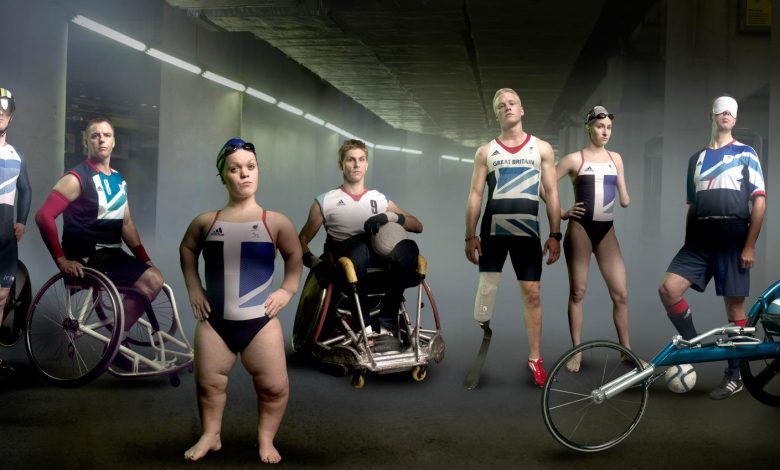
The Paralympic Games, also known as the Paralympics, are a series of international multi-sport events that feature athletes with a variety of disabilities, such as impaired muscle power, impaired passive range of motion, limb deficiency (e.g. amputation or dysmelia), leg length difference, hypertonia, ataxia, athetosis, vision impairment, and intellectual impairment. George Eyser, a German American gymnast, was the first athlete to compete in the Olympic Games prior to the establishment of the Paralympics in 1904. In both the 1948 and 1952 Summer Olympics, Hungarian Karoly Takacs competed in shooting events. He was a left-handed shooter with a right-arm amputation. The first organized athletic event for disabled athletes that coincided with the Olympic Games took place on the day of the opening of the 1948 Summer Olympics in London, United Kingdom. Dr. Ludwig Guttmann hosted a sports competition for British World War II veteran patients with spinal cord injuries. The games were held again at the same location in 1952, and Dutch and Israeli veterans took part alongside the British, making it the first international competition of its own kind.
Ceremonies
The opening ceremony of the Paralympic Games is framed by different components, as stipulated by the Paralympic Charter. The majority of these customs were established at the Antwerp Summer Olympics in 1920.The event usually begins with the host country’s flag being raised and the national anthem being performed. Unlike the Olympic Games, the athletes parade into the stadium following the national anthem, grouped by country. The nations have entered the stadium alphabetically according to the host country’s chosen language since the 1988 Summer Paralympics, with the host country’s athletes being the last to enter. The host nation has presented creative exhibits of music, singing, dancing, and theatre that are indicative of its culture since the 1988 Summer Paralympics. Speeches are delivered to officially start the games. Finally, the Paralympic torch is carried into the stadium and passed on until it reaches the last torch bearer, who is usually a paralympic athlete from the host country, who lights the flame in the stadium’s cauldron.
After all sports events have finished, the Paralympic Games culminate with a closing ceremony. Each participating country’s flag bearers are the first to enter, followed by the athletes, who all enter together, regardless of nationality.The Paralympic flag is hoisted for the last time. With a few exceptions, the national flag of the country hosting the following Summer or Winter Paralympic Games has been hoisted while the appropriate national song has been performed since the 1988 Winter Paralympics. The Paralympic Games have come to an end, and the Paralympic torch has been extinguished.Following these mandatory aspects, the following host nation gives a brief introduction to their culture through creative exhibitions of dance and theatre.
Following the end of each Paralympic event, a medals ceremony is conducted. When an IPC member presents the winner, second, and third-place athletes or teams with their medals, they stand on top of a three-tiered rostrum.The medalists’ national flags are then raised as the gold medalist’s national anthem is performed. During the medal ceremonies, volunteers from the host country assist the authorities who give the medals and serve as flag-bearers, acting as hosts. The medal ceremony for each Paralympic event takes place one day following the event’s conclusion.
Categories
Physical, visual, and intellectual impairment are among the 10 disability categories defined by the IPC. Athletes with one of these impairments are eligible to compete in the Paralympics, however not all sports allow for all disability categories. Both the Summer and Winter Paralympics fall into these categories.
Physical Disability – Physical impairment may be divided into eight categories:
Impaired muscular power — Muscles such as those in one leg, one side of the body, or the lower half of the body create less force when they are impaired in this category (e.g. spinal cord injury, spina bifida, post-polio syndrome).
Impaired passive range of motion – The range of motion in one or more joints is gradually decreased. Acute illnesses, such as arthritis, are excluded.
Loss of limb or limb deficiency – A whole or partial loss of bones or joints as a result of disease, accident, or congenital limb deficiency (e.g. dysmelia).
Leg-length difference — A congenital defect or trauma causes significant bone shortening in one leg.
Short stature – Due to a musculoskeletal shortage of bone or cartilage structures, standing height is reduced due to shorter legs, arms, and trunk. Achondroplasia, growth hormone insufficiency, and osteogenesis imperfecta are just a few examples.
Hypertonia – Is characterised by an abnormal increase in muscular tension and a reduction in a muscle’s capacity to stretch. Hypertonia can be caused by an accident, an illness, or a condition that affects the central nervous system (e.g. cerebral palsy).
Ataxia – Ataxia is a condition in which muscle movements are not coordinated (e.g., cerebral palsy, Friedreich’s ataxia, multiple sclerosis).
Athetosis – Is characterised by unbalanced, uncontrollable movements and the inability to maintain a symmetrical posture (e.g. cerebral palsy, choreoathetosis).
Visual Impairment– Athletes have varying degrees of vision impairment, ranging from legal blindness to complete blindness. One or more components of the visual system may be impaired (eye structure, receptors, optic nerve pathway, and visual cortex).Sighted guides for athletes with vision impairments are such an important and integral component of the sport that the athlete and the guide are considered a team. Since 2012, these guides (together with sighted goalkeepers in 5-a-side football) have been eligible for their own medals.
Intellectual Disability– Athletes with substantial cognitive impairments and corresponding limits in adaptive behavior. The IPC primarily supports athletes with physical impairments, although past Paralympic Games have included the disability category Intellectual Disability. Only top athletes diagnosed with intellectual impairments before the age of 18 are eligible. The Special Olympics World Games, which are sanctioned by the International Olympic Committee, are available to all persons with intellectual impairments.
Minimalism is defined as a design or style in which the simplest and fewest elements are used to create the maximum effect. Minimalism had its origins in the arts—with the artwork featuring simple lines, only a few colors, and careful placement of those lines and colors. More recently, it has become representative of a lifestyle that aims to remove clutter from all facets of life.
Minimalism is all about owning only what adds value and meaning to your life (as well as the lives of the people you care about) and removing the rest. It’s about removing the clutter and using your time and energy for the things that remain. We only have a certain amount of energy, time, and space in our lives. In order to make the most of it, we must be intentional about how we’re living each day.
There are many different approaches to minimalism, but it’s really just a tool to help you prioritize what’s important in your life.
Joshua Becker of Becoming Minimalist offers this definition: “Minimalism is the intentional promotion of the things that bring you joy and the removal of those that do not.” It might be called simple living, tiny living, intentional living, and a myriad of other things—but there is at least one common thread: the idea of curating the things we own to best reflect our priorities and vision for our lives.
If the idea of minimalism sounds intimidating to you or if you’ve seen some images and thought, “that’s a nice idea, but I’d never want to live like that,” don’t worry. You can benefit from applying minimalism in your life whether you live in a tiny home, suburban house, or a mansion. You can use minimalism as a guiding philosophy and customize based on what works best for you.
Common Misconceptions of Minimalism
Contrary to what some people think, there aren’t any actual rules to minimalism. There’s no official board of minimalism to determine whether or not you’re doing minimalism right. Minimalism truly looks different for everyone.
You don’t have to own below a certain number of items. You can still have nice things, and no, you don’t need to get rid of your favorite collection—whether it’s books, shoes, or music. Minimalism doesn’t have to look like white-walled, modern and sparse homes you’ve probably seen in magazines and videos, a common minimalism mistake. Minimalism is also not a one and done project. It is a a continual practice to ensure everything in our lives is working for us in our vision, not against us. Its used over the years to make substantial changes in our careers, home, lifestyle, buying behaviors, etc.
Everyone can benefit from applying the principles of minimalism to their lives. It’s a process of removing distractions and things that no longer add value to our lives.
Why Minimalism Is An Effective Tool For Living An Intentional Life?
In the end, minimalism is less about owning fewer items and more about actively making choices on what kind of things truly matter to you.
We exist in a society that creates false value on owning more stuff and having no time to use them much. The constant pursuit of bigger and better is an endless cycle. There will always be a nicer car to buy, a bigger boat, a larger home, and or a faster private jet. Did you know that there’s a website for billionaires to shop? Yeah. It never ends.
It may seem like an overwhelming challenge at first, but as you untangle the life you built around owning more things, you’ll find the stress disappearing and the world starting to slow down. Those choices you make will begin to build a muscle that will fundamentally change the way you live your life.
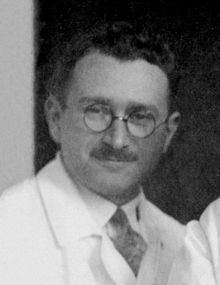
Sir Ludwig Guttmann born on 3rd July 1899 was a German- British neurologist . he was the one who established stokes Mandeville games , the sporting event for disabled which later evolved into Paralympics in England .he was a Jewish doctor, who had fled Nazi Germany just before the start of the Second World War, he is considered to be one of the founding fathers of organized physical activities for people with disabilities. By 1952, more than 130 international competitors had entered the Stoke Mandeville Games. As the annual event continued to grow, the ethos and efforts by all those involved started to impress the organisers of the Olympic Games and members of the international community. In September 1943, the British government asked Guttmann to establish the National Spinal Injuries Centre at Stoke Mandeville Hospital in Buckinghamshire Guttmann became a naturalized British citizen in 1945.[18] He organized the first Stoke Mandeville Games for disabled war veterans, which was held at the hospital on 29 July 1948, the same day as the opening of the London Olympics. All participants had spinal cord injuries and competed in wheelchairs.[17] In an effort to encourage his patients to take part in national events, Guttmann used the term Paraplegic Games. At the 1956 Stoke Mandeville Games, Guttmann was awarded the Sir Thomas Fernley Cup by the International Olympic Committee (IOC) for his meritorious achievement in service to the Olympic movement through the social and human value derived from wheelchair sports. He was also awarded with Fellow of the Royal society award.
In 1961, Guttmann founded the International Medical Society of Paraplegia, now the International Spinal Cord Society He was the inaugural president of the society, a position that he held until 1970.[20] He became the first editor of the journal, Paraplegia (now named Spinal Cord).[21] He retired from clinical work in 1966 but continued his involvement with sport.
Guttmann suffered a heart attack in October 1979, and died on 18 March 1980 at the age of 80.
Today on 3rd of July 2021 we are celebrating 122nd birthday of sir Ludwig Guttmann









 Eduindex News
You must be logged in to post a comment.