ICT and Education During Covid-19 in India

When the whole world is facing a pandemic situation and it affected every single sector of the world. And it has impacted the educational sector tremendously. Every single educational institutions is closed and we don’t have a choice. As a result globally, over 1.2 billion children were out of the classroom. In India, according to a UNICEF report, “School closures have impacted 247 million children enrolled in elementary and secondary education and 28 million children enrolled in pre-schools and Anganwadi centers. This is in addition to the more than 6 million girls and boys who were already out of school before the COVID-19 crisis”, the report mentioned. ICT appears as a bridge to break the distance and survive the learning i.e, the gap which was created by lockdown between teachers and learners has been filled with the help of ICT.

Due to this Covid-19, every educational institution and pandemic forced the sector to shift to a virtual and blended mode of learning. Because this was the only way to continue the education. Initially some problems were faced by students as well as teachers. Because suddenly they have to shift in a totally different situation than earlier and many teachers and institutions were not trained and equipped adequately to shift to online teaching. Hence, they give their best and learn new skills in such difficult times. And gradually they adopted and teaching-learning process continued.

ICT initiatives for continuing the Learning Process

In the era of digitalization ICT is necessary in every aspects of life. It stands for Information, Communication and Technology. These three words have different meaning but collectively ICT becomes a part and parcel of human being. With the help of ICT Educational Institutions have been using various platforms like Google Classrooms, Microsoft Team, Zoom, Google Meeting and many more to continue the process of learning for students amid pandemics. Techers also provide e-content to students for better learning.

National level ICT initiatives

To address the challenges of learning, the Ministry of Education has undertaken several initiatives to assist students and educators. Some initiatives used which already exists digital platform like DIKSHA(Digital Infrastructure for Knowledge Sharing), e-Pathshala, NROER(National Repository of Open Educational Resources). These were used extensively for supporting the learners and teachers across the country with educational resources and relevant trainings. ICT tools like T.V( Swayam Prabha TV channels), Radio(All India Radio) helped the government to reach a larger number of target audiences. Various states also adapted initiatives to provide the necessary resources. For example

Chhattisgarh’ Education at Your Doorstep(Padhai Tuhar Duar) Initiative:– It is a portal to tackle the impact of the Covid-19 crisis in the education sector. It aimed to provide the platform to connect the teachers and learners by providing access to good quality educational content from comfort of their homes. It has a mix resources like Live classes, Offline Video Lectures, Animations, Podcasts etc.

Kerala- KITE Initiatives:- The state government launched virtual classes through Kerala Infrastructure and Technology for Education which was launched in 2005. During the difficult times of Covid-19, the state has been effectively using technology to ensure continuous learning and embodied their slogans “Physical Distance and Social Utility into Practice.” and many more initiatives by central and state government.

Individual Initiatives

Initiatives by various profit, non-profit organizations, and individuals have been incredible force behind the effort to use technology to make learning possible to many learners. Some initiatives in India like Smarter ED Platform(it is an initiative by Lenevo in collaboration with Vidayalaya(a non-profit organization) that connects volunteer teachers and learners.) and Digital Daan. Individual efforts of teacher to reach every student to continue their learning has been also incredible during this pandemic situation. One such teacher is Ritika Tomar from Sonbhadra ,UP has come up with the solution to provide necessary information to her students. she divides her students into two groups one having smartphones and other having simple cell phones. she used WhatsApp and message services to reach out tob both groups respectively. Her efforts helped the available ICT iniciatives to reach her students in the best possible way. Few teachers in rural areas teaches their students following the protocols of social distancing using Loudspeakers. In this way lot of teachers have explored and used ICT tools to teach their students in the pandemic.

Thus it can be said that ICT has proved itself as a boon to education in the pandemic situation . Education sector has been impacted tremendously especially in India. technological innovation in the sector have made it possible to overcome the situation due to the crisis. The importance of e-learning has been realized and it has been acknowledged by educational communities. We can say that the era of e-learning has been started due to this pandemic. In post pandemic world to this ICT can be used in blended mode of learning.
Internship : is it really important?

Internship is compulsory in about every colleges out there. But the most important question is why it is so important that our teachers keep telling us to do an internship and also what we will learn from this? During the college years, students are extremely busy with their academical activities and doing an internship after all that is like a headache. But trust me, there are so many benefits of doing an internship like you can increase your communication skills, interactive skills, leadership skills, and many more. Some students will say why waste time, money and energy on this, one should just focus on academics but I would like to tell them that a successful paid or unpaid internship is similar to earning good grades in college. The experience that they gained during their internship will genuinely help them to get a good job. It will help you to boost your confidence, your creative thinking and most important is your team work because after your studies you will look for a full time jobs where these thinks are really vital.
Its not really important that students are bound to do internships in the respective field, you can choose any field of your interest and just focus on learning new things.

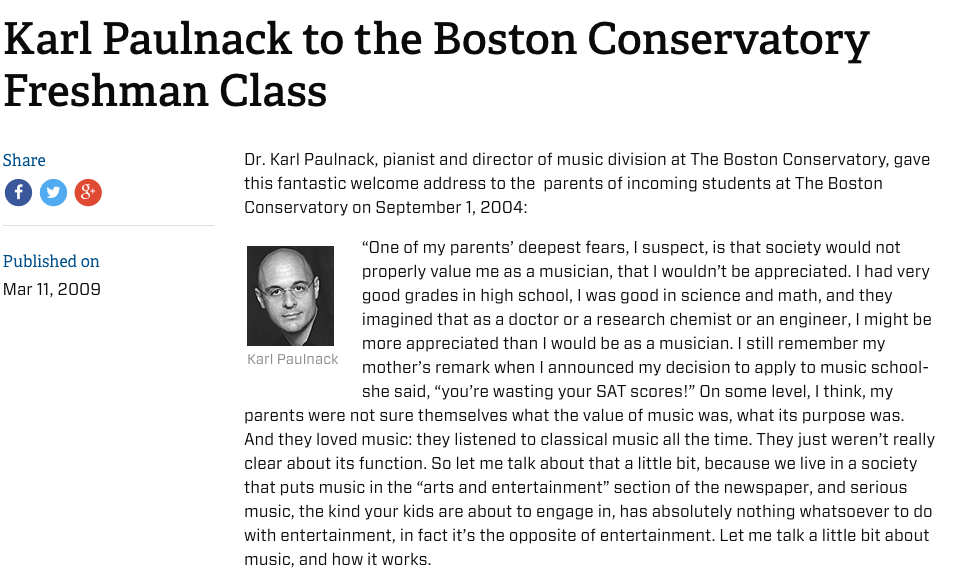
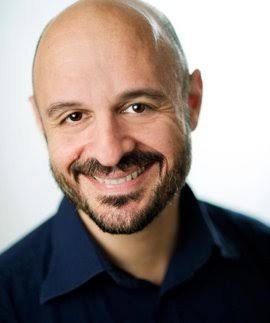
Dr. KARL PAULNACK :

🎵🎼🎵Hailed by the Roston Globe as “a firecracker of a pianist” and “master of his instrument” Karl paulnack has partnered vocal and instrumental soloists, chamber groups,orchestras, conductors and opera companies in nearly a thousand concerts throughout North America, Bulgaria, Estonia, France, Macedonia, Norway, Romania and Russia. Engagements of recent and current seasons include the festivals of Bard College, Madeline Island, Round Top, Royaumont, Sonic Boom and Tangle wood, as well as the Bridge, Noe Valley, Stillwater, Walker Museum, Williams College, UC Davis, UT Austin and University of Oregon concert series. He has appeared in concert at Alice Tully, CAMI, Carnegie, Merkin and Weil recital halls, and also at Tangle Wood’s Ozawa Hall,the Library of Congress and the Hollywood Bowl. His regular recital partners include violinist Jorja Fleezanis, soprano Lucy Shelton and numerous chamber ensemble. A frequent performer of new music, Paulnack has been privileged to work closely with many of the important composers of our time including John Adams ,Elliott Carter George crumb ,Karel Husa, steva Reich and Joan Tower in preparating performance s of their works. In describing the Tangle wood premiere of Elliott Carter’s “of Of Challenge and of Love” with Lucy Shelton,the Boston Globe’s Richard Dyar cited Paulnack’s “commanding” performance as “a standard to aspire to”. Paulnack has appeared as a featured guest on such public radio programs a St. Paul Sunday, Performance Today, and Morning Pro Musica ,as well as on Minnesota Public Radio and BBC Television.

🎵🎼🎵Recording of his performance may be found on the Koch, Seamus, Innova and Capstone Labels. Early in his career, Paulnack served as rehearsal pianist and musical assistant to conductors Sir Charles Grove, Christopher Hogwood, Kurt Masur, Sriji Ozawa, Otto Werner Mueller and Michael Tilson Thomas. With the Los Angeles Opera Theater, he was assistant/cover conductor for his mentor Henry Holt, and served on the opera coaching and conducting staff of University of Southern California (USC) and the los Angeles Philiharmonic Institute. His work in opera includes conduction and coaching position at several universities as well as the Tangle wood Music Center,Where he was a member of the team responsible for the historic 50th anniversary performance of Peter Grimes, an event marking Tangle Wood’s renewed commitment to opera in it’s Fellowship programs. Committed to a diverse comprehensive practice of collaborative musicianship as an artist teacher for more than two decades, Paulnack has served as music division director of The Boston Conservatory since 2002. He also serves as music director and conductor of the contemporary opera Lab of Winnipeg and chef de chant of the Orchestra de Picardie in Amiens, France. He co-chaired the highly acclaimed accompanying and coaching department of the University of Southern California, Ithaca College and Music Academy of the West. He holds an undergraduate degree in solo piano from Eastman and completed theM.M. and D.M.A. degree at USC , where his teachers included Gwendolyn Kolofsky and Brooks Smith.

🎵🎼🎵As an advocate for music and the arts, Dr. Paulnack is increasingly in demand as keynote speaker and lecture. His speech “Why Music Matters” ,has been translated into six languages and appeared on nearly 50,000 web pages, in print publications such as the Christian Science Monitor, and in the program books of numerous symphony orchestras and concerts series around the world. In spring 2009, Linda Ronstadt quoted his speech during her official testimony to the United States Congress on behalf of funding for the arts.

Religion in 21st Century: Survival or Revival

Ever Since the history of mankind religion existed although their purposes differ in many ways. The first religion that came into existence as of known today is the Hinduism, we understand this from different Vedas which were said to existent from around the 5th CE. From the very beginning of religion, there was a structured system keeping different people at different levels giving them no space to breath or escape. This system was widely prevalent and as communications and technologies grew more people started to adopt it, keeping the structure rigid to cross. Not just Hinduism but religions such as Islamism, Christianity, Judaism and the list is exhaustive in terms of their structural and rigid norms which only favors a certain category of people. 

The question here we have to ask is that, what has changed so much in religion that now everyone and anyone is following it? How the human beings who believed in Science could believe in religion after all these decades? The answers to these questions are very simple and unbelievable. “Not much” is the best answer to the first question. Religion has remained the same across times, across thousands of years even when human beings evolved and became better and best versions of themselves. Even when human beings could fly, they choose to believe in religion, Why?

Answering these questions would need us to go through lots of facts and understanding of not just how religion have adapted and changed mankind but also about human behaviors too. Human beings are creatures with a mind which cannot always be rational. Even though we outsmart the whole animal kingdom with our brain, it is the very thing which makes us lose our rational and believe in things which might not even have any sources or valid resources to back with. 

Human beings simply were taught to believe in a divine power which will save them through prayers, donations and disturbing sacrifices. These people were groomed from a very young age to believe in it, that even when we don’t know we unintentionally call out god’s name, like it was stuck to our tongues. Dogmatic beings wrote scriptures which have no valid evidence or sustainable outcome to begin with, and these were forced upon children from a very young age, not giving them the choice of becoming who they want to be devoid of their religious identity so much that even before someone could find their own selves, they learn their religious identity completely nullifying who we actually are. 

People chose to believe in lies when truths are bitter, this can be deciphering the fact that people need someone to always save them, to always cry for help, to always turn for beliefs and if one day someone argues that this is not real with evidence or facts resonating their statements, human beings won’t believe it as such or their rationality won’t be a match to their savior who they haven’t seen or which science have no answer too. 

These patterns in human behavior’s make it impossible for religion to fade away from peoples lives. Although this cannot be said for everyone. Recently there has been a decline in the number of people actively following religion, people have come to grasps with certain loopholes in them and calling them out for more people to come out of the trances they were forced to believe in. Most of who are actively calling them out are women who were forced into always being the submissive gender throughout all the religions across the world. The sufferers were always women, wailing women depicted across pictures stereotyping their roles as potential nurturers and never letting them out of their cycle. Women were forced into crowd control actively pursued by these religions, always putting the burden on women. 

Different Feminist movements took into terms these issues and addressed them in various waves, making people and specifically women of their rights. This led to a downfall in the religious followers of many religions across the globe. Added to this was the problem with many religions believing in law of the nature and condemning homosexual relations. This put many religions at a potential risk of losing their followers. Religion wasn’t ready to let their walls down and accommodate people and factions into them. They held their walls so high that it choked its own people and these people turned against each other, questioning the viability of the religion.

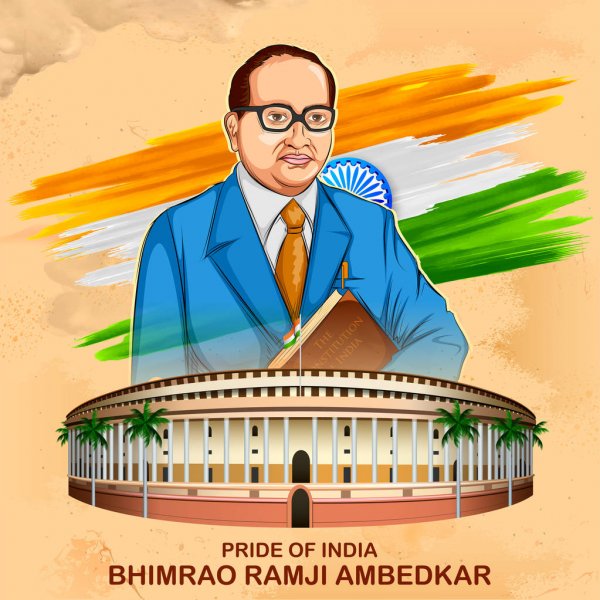
DR B R AMBEDKAR- FATHER OF THE INDIAN CONSTITUTION

Dr. Babasaheb Ambedkar was born on April 14, 1891 in Mhow, Madhya Pradesh. His childhood name was Bhimrao. His fathers’ name was Ramji Sakpal and his mothers’ name was Bhimabai Sakpal. His father was a Subhedar in the British Army. In those days the government ensured that all the Army Personel and their children were educated and they ran special schools for this purpose. Born in a Dalit family in those times, when the Dalits were considered to be the “untouchables” and were denied from almost everything, Dr. B R Ambedkar was lucky to get good education from the Army Personel Schools.

After his retirement, Bhimrao’s father settled in Satara, Maharashtra where Bhimrao was enrolled in a local school. He was an intelligent and hardworking student but there he had to face a lot of caste discrimination because he was born as “Shudras” meaning “untouchables”. In school he had to sit on the floor in one corner of the classroom. He was always made fun of by his classmates and even discriminated by his teachers who would not touch his notebooks. Upper caste students would not talk, study or even play with him. He was not even allowed to drink water from the vessel used by the upper caste students. Despite all the humiliations and difficulties he faced, young Bhimrao never lost his faith. By the quality of his hard work, determination and commitment he earned several scholarships to support his education. His teachers gave him the surname “Ambedkar” in school records.

In 1906, when he was just 15 years old got married to Ramabai who was just 9 years old at that time. Bhimrao continued his studies and passed his matriculation exam from Bombay University with flying colors in 1908. He joined the Elphistone College for further education. In 1912, he graduated in Political Science and Economics from Bombay University and got a job in Baroda. During a public ceremony, Dada Keluskar gifted him Biography of Buddha. In 1913, Bhimrao Ambedkar lost his father. In the same year Maharaja of Baroda awarded him a scholarship and sent him to America for his further studies. Bhimrao reached New York in July 1913. For the first time in his life, Bhimrao was not demeaned for being a Mahar. This kept him motivated to bring a change in the society for the way Dalits were being treated and so he immersed himself in studies and received a degree in Master of Arts and a Doctorate in Philosophy from Columbia University in 1916 for his thesis “National Dividend for India: A Historical and Analytical study”. On his returning back to India, The Maharaja of Baroda appointed Dr. Ambedkar as his political secretary. Unfortunately, no one took orders from him because he was a Mahar, saying that a lower caste person cannot give orders to the upper caste ones. Bhimrao Ambedkar returned to Bombay in November 1917. With the help of Shahu Maharaj of Kolhapur he started a fortnightly newspaper- The “MOOKNAYAK” on January 31,1920. The Maharaja also organized many meetings and conferences of the “untouchables” which was addressed by Bhimrao.

In September 1920, after accumulating sufficient funds Ambedkar went back to London to complete his studies. He became a Barrister and got a Doctorate in science while practicing law in the Bombay High court he tried to promote education to “untouchables” and uplift them. In 1927, Babasaheb Ambedkar decided to launch active movements against untouchability- to open up public drinking water resources, that led to a Satyagrah in Mahad. He attended all the three round table conferences in London and argued for the welfare of the “untouchables”. In 1937, Dr. Ambedkar introduced a bill to abolish the “KHOTI” system of land tenure in Konkan region and the Mahar “WATAN” system of working for the government as slaves. In 1947, when India became independent the first Prime Minister Pandit Jawaharlal Nehru invited him, as he had been elected as a member of the Constituent Assembly from Bengal to join his Cabinet as a Law Minister. He was appointed as the chairman of the constitution drafting committee.

PANGONG LAKE

Pangong Lake also known as Pangong Tso is a beautiful endorheic lake situated in the Himalayas and is 134 km long, extending from India to China. Pangong Lake is situated at a height of 4350 m and is one of the biggest tourist attractions of the country. The beauty and allure of this lake has attracted people from all over the country and beyond. The lake is said to be in the process of being identified as a wetland with international significance under the Ramsar Convention and if everything goes as expected then the Pangong Lake will be the first in South Asia to be a trans-boundary wetland and that too under this convention.

The one factor that makes this Lake so popular is the fact that it keeps changing colors. Situated in the Himalayan range it is approximately 140 km from Leh in Jammu and Kashmir. The name of the lake Pangong was got from a Tibetan word Banggong Co that means a narrow and enchanted lake. And now you know that the lake has got its name rightfully. You will know this when you visit the beautiful lake of Pangong. You are sure to be enchanted by the charm. And because the lake is a long stretch, one third area of the lake lies within our country and the other two third portion lies with Tibet and is controlled by China.

What is Body Positivity?

Hardly, anyone can say these days they love themselves the way they are or they love their bodies. Everyone now wants a flawless body. Every time a woman saw another woman walking on the street back then, she would walk away. But now ever time a woman sees another woman, all they notice is whether she is slim or fat. Realizing a woman has slimmer body, you question your size and beauty because that’s what society thinks is an acceptable size for a woman. This idea of being socially accepted through disregard for overweight bodies is what lead to body shaming, also known as Fat Shaming. This action of humiliating not only one’s appearance but other people’s appearance as well resulted in damaging people’s perception about self-love irrespective of size, shape or color. Sadly, women are not the only victims of body shaming. Men go through this emotional trauma as well.

Over the years, people have been emotionally struggling. They have been too hard on themselves to look perfect. They thought the only way they could be accepted by the society is if they lose weight and maintain unrealistic body standards. To challenge this society’s view on bodies and promotion of acceptance of all body sizes, Body Positivity had emanated.

The history of Body Positivity dates back to 1960’s. It emerged with the Fat Rights Movement. A man from New York was unhappy with the way people treated his wife because she was overweight. He handed out copies of an article he had right about a man who had been going through the same problem. Soon, he gathered people and created an association for fat Americans. It’s focus was to address the culture of people discriminating on the basis of their size and shape. In 2012, Body Positivity had gained . But, this time it was supported by people across the world through social media. The message of this movement now focused on ‘all bodies are beautiful’.

Social media played a pivotal role in increasing the popularity of body positivity. It helped people from various parts of the world to share their stories and be part of this movement. The concept of body positivity was foreign to most of the people. There were people who were severely affected by the constant criticism. Body Positivity Movement gave them a voice they were looking for.

However, body positivity has always been misunderstood by the people. It is limited to not one definition. It can mean accepting yourself they way you are or loving and feeling confident in your body. Though, body positivity strives to change people’s perspective about certain bodies, it focuses on self-acceptance and self-love. Embrace your flaws and love yourself unconditionally.

How do I a start journey of self-love?

  1. Think positively about your body. Do not let anybody tell you are fat. Speak for yourself.

2. Exercise not to be thin but to adopt a healthy lifestyle. It is not about the size, but about your mental and physical health.

3. Be around positive people. The more you are with negative people, the more negative vibes you get. Avoid negative self-talk.

4. Focus on yourself. Think about the things you love and are passionate about.

5. Always love yourself and embrace your true beauty.

Rowlatt act

Rowlatt Acts, (February 1919), legislation passed by the Imperial Legislative Council, the legislature of British India. The acts allowed certain political cases to be tried without juries and permitted internment of suspects without trial. Their object was to replace the repressive provisions of the wartime Defence of India Act (1915) by a permanent law. They were based on the report of Justice S.A.T. Rowlatt’s committee of 1918.

The Rowlatt Acts were much resented by an aroused Indian public. All nonofficial Indian members of the council (i.e., those who were not officials in the colonial government) voted against the acts. Mahatma Gandhi organized a protest movement that led directly to the Massacre of Amritsar (April 1919) and subsequently to his noncooperation movement (1920–22). The acts were never actually implemented.

The purpose of bringing this Act in effect was to abolish revolt and remove any conspiracy theories against the British from India. Under this act, people who indulged in rebellion against the British could be sent to jail for up to 2 years without trial. Any suspect could be nabbed without a warrant and could be detained for an extended period. The act also gave the government power to muzzle the press’s voice if they wanted to probe the reasons behind it with the evidence.

Consequently, they prohibited public gatherings of any cultural or religious sort. To revoke this act, Mahatma Gandhi and the other leaders called for a Hartal (suspended all activities) to make them view the rejection by Indians with this rule. Many freedom fighters and nationalists were arrested after protesting against it.

The Imperial Legislative Council cleared the Anarchical and Revolutionary Crimes Act (the official name of the Rowlatt Act) irrespective of the united opposition from the Indian members of the council. All of them resigned while the protest was on. The bills were called “black laws”.These consisted of Mohammed Ali Jinnah, Madan Mohan Malviya and Mazhar Ul Haq. Two prominent Congress leaders Satya Pal and Saifuddin Kitchlew were arrested on April 10. The protest was grisly when the government implemented the act, and the army was called in Punjab to control the situation.Gandhiji called for a nationwide hartal on April 6 in response to the act. It was known as the Rowlatt Satyagraha. Many places such as Bombay, Ahmadabad, Nadiad, and Punjab saw an ugly turn leading to riots and violence. The movement was suspended by Gandhiji when the rioting took place in some provinces, especially in Punjab, where the situation was not acceptable.

Without Natural resources life itself is impossible

Man lives in nature and depends on the resources of nature.The progress of mankind depends upon the exploitation of different resources.The utilization of soil,water,coal, electricity,oil,gas and nuclear energy is very important for the development of a Nation.These resources have changed the living standards of man.

The world is facing an ecological crisis and is degrading her natural resources day by day,due to over exploitation.Food, shelter and clothing are the primary requirements of man.Early human society has used natural resources, relatively in much less quantity to cover it’s wants.

Natural resources

The word ‘resource’ means a source of supply or support that is generally held in reserve.The natural resources are the components of lithosphere, hydrosphere and atmosphere.They include energy,air,water,soil,minerals,plant and animals.For man resources are those materials and sources of energy which are needed for survival and comforts.The nature of resources varies from society to society.

Types of natural resources

Natural resources are classified in different ways.i.e.,on the basis of chemical composition, availability and distribution.

⭐ Natural resources are of three types on the basis of their chemical composition

1) Inorganic resources.eg.air,water and minerals

2) Organic resources.eg.plants, animals, microorganisms and fossil fuels

3) Mixture of inorganic and organic resources.eg.soil

⭐ Natural resources are of two types depending upon their availability and abundance.

1) Inexhaustible resources

They are not likely to be exhausted by man’s use.They are air,clay,sand,tidal energy etc., Although the air is available in exhaustible quantity,it can be degraded,if it’s pollution is not checked.

2) Exhaustible resources

They are likely to be exhausted by human use.They are further of two types-renewable and non-renewable.

a) Renewable resources

They have inherent capacity to reappear or replenish themselves by quick recycling,reproduction and replacement within a reasonable time.Soil and living organisms are the main renewable resources.

b) Non-renewable resources

They lack the ability for recycling and replacement.The substances with a very long recycling time are also regarded as non renewable resources e.g.fossil fuels like coal, petroleum and Natural gas and minerals.

It is important to note that underground water,forests and wild life are regarded renewable resources but become non-renewable,if they are not properly.

KOLKATA:THE CITY OF JOY

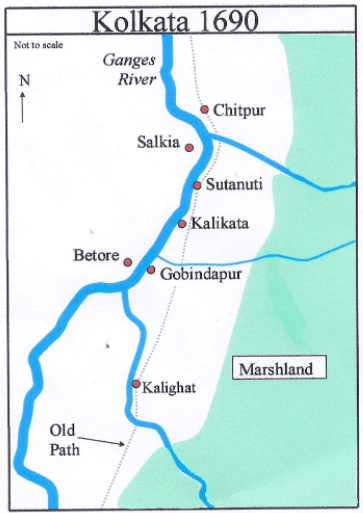
Kolkata previously Calcutta (the official name until 2001) is the capital of the Indian state of West Bengal. Located on the eastern bank of the Hooghly River, the city is approximately 80 kilometres (50 mi) west of the border with Bangladesh .It is the primary business, commercial, and financial hub of Eastern India and the main port of communication for North-East India. According to the 2011 Indian census, Kolkata is the seventh-most populous city in India, with a population of 1.49 crores. Spread roughly north–south along the east bank of the Hooghly River, Kolkata sits within the lower Ganges Delta of eastern India approximately 75 km (47 mi) west of the international border with Bangladesh; the city’s elevation is 1.5–9 m (5–30 ft).Much of the city was originally a wetland that was reclaimed over the decades to accommodate a burgeoning population .The remaining undeveloped areas, known as the East Kolkata Wetlands, were designated a “wetland of international importance” by the Ramsar Convention (1975). As with most of the Indo-Gangetic Plain, the soil and water are predominantly alluvial in origin. Kolkata is located over the “Bengal basin”, a pericratonic tertiary basin. Bengal basin comprises three structural units: shelf or platform in the west; central hinge or shelf/slope break; and deep basinal part in the east and southeast. Kolkata is located atop the western part of the hinge zone which is about 25 km (16 mi) wide at a depth of about 45,000 m (148,000 ft) below the surface. The shelf and hinge zones have many faults, among them some are active. Total thickness of sediment below Kolkata is nearly 7,500 m (24,600 ft) above the crystalline basement; of these the top 350–450 m (1,150–1,480 ft) is Quaternary, followed by 4,500–5,500 m (14,760–18,040 ft) of Tertiary sediments, 500–700 m (1,640–2,300 ft) trap wash of Cretaceous trap and 600–800 m (1,970–2,620 ft) Permian-Carboniferous Gondwana rocks. The quaternary sediments consist of clay, silt and several grades of sand and gravel. These sediments are sandwiched between two clay beds: the lower one at a depth of 250–650 m (820–2,130 ft); the upper one 10–40 m (30–130 ft) in thickness. According to the Bureau of Indian Standards, on a scale ranging from I to V in order of increasing susceptibility to earthquakes, the city lies inside seismic zone III.

ORIGIN

The word Kolkata is derives from Kalikata/ Kolikata,the Bengali name of one of three villages that predated the arrival of the British, in the area where the city was eventually established; the other two villages were Sutanuti and Govindapur.

In the late 17th century, the three villages that predated Calcutta were ruled by the Nawab of Bengal under Mughal suzerainty. After the Nawab granted the East India Company a trading licence in 1690,the area was developed by the Company into an increasingly fortified trading post. Nawab Siraj ud-Daulah occupied Calcutta in 1756, and the East India Company retook it the following year. In 1793 the East India company was strong enough to abolish rule, and assumed full sovereignty of the region. Under the company rule and later under the British Raj, Calcutta served as the capital of British-held territories in India until 1911, when its perceived geographical disadvantages, combined with growing nationalism in Bengal, led to a shift of the capital to New Delhi. Calcutta was the centre for the Indian independence movement. Following independence in 1947, Kolkata, which was once the centre of Indian commerce, culture, and politics, suffered many decades of political violence and economic stagnation.

A demographically diverse city, the culture of Kolkata features idiosyncrasies that include distinctively close-knit neighbourhoods (paras) and freestyle conversations (adda). Kolkata is home to West Bengal’s film industry Tollywood, and cultural institutions, such as the Academy of Fine Arts, the Victoria Memorial, the Asiatic Society, the Indian Museum and the National Library of India. Among scientific institutions, Kolkata hosts the Agri Horticultural Society of India, the Geological Survey of India, the Botanical Survey of India, the Calcutta Mathematical Society, the Indian Science Congress Association, the Zoological Survey of India, the Institution of Engineers, the Anthropological Survey of India and the Indian Public Health Association. Four Nobel laureates and two Nobel Memorial Prize winners are associated with the city.Though home to major cricketing venues and franchises, Kolkata differs from other Indian cities by focusing on association football and other sports.

WANT TO KNOW HOW BILL GATES NEGOTIATES ?

1. Be Less Emotional:-

Once Gates told he is successful in negotiations when the other party is emotional because he is “kind of less emotional.” The fact that Gates said he is less emotional rather than unemotional reveals an important distinction. “He obviously knows that feelings are important when dealing with other people, especially in a negotiation

How to Improve Your Emotional Intelligence for Business

2. Listen, then give your  perspective:-

Gates is known for his negotiation skills , which years ago he showed off during a tense encounter with Apple Founder Steve Jobs. Just before launching Windows, Jobs and Gates were butting heads. Jobs claimed Windows was a copy of Apple’s operating system. The wrinkle though was that Apple had “liberally borrowed” programming from Xerox.

The two founders needed to come to an understanding about the provenance of their competing operating systems. Gates went to Apple’s headquarters and Jobs lambasted him in front of Apple executives. In one of his infamous emotional outbursts, Jobs yelled, “You’re ripping us off. I trusted you, and now you’re stealing from us!”

That’s when Gates grabbed the upper hand. Instead of screaming back at Jobs, Gates gave his perspective in a tranquil manner: “I think it’s more like we both had this rich neighbor named Xerox, and I broke into his house to steal the TV set and found out you had already stolen it,” he said.

Gates tapped into a key tenet of emotional intelligence: He stayed poised in a high pressure situation. His calm demeanour helped to placate Jobs, and the two men hashed things out.

Why Diet Pills, Fat Burners, And Herbal Tea Harm Are Harmful To Our Health?

Excessive weight gain is known for causing a great deal of stress in so many individuals. It restricts your capacity to appreciate life’s joys in the same manner which others do. Excess weight restricts breathing and movement, increases tiredness, and is very harmful to the heart.

There’s also the difficulty of getting clothing that fits you properly. To maintain the body in shape, health specialists recommend a healthy weight control regimen. They advise you to consume less portions of specific foods and to exercise to burn calories and extra body fat. And when this isn’t possible through diet and exercise, many people turn to diet pills, fat burners and herbal tea to help them lose weight. 

Weight loss pills are frequently labelled as ‘organic’ or ‘herbal.’ It doesn’t mean they’re safe to consume in large quantities. Furthermore, nutritional supplements and weight reduction medications are not required to go through stringent quality and safety review processes by appropriate regulatory bodies.

These products can be easily sold despite the fact that they lack solid scientific data from well-designed clinical control studies to demonstrate its efficacy and safety. Herbal slimming tea, detox juices, morning smoothies, and meal replacements are all common weight loss aids.

According to Allied Market Research, the weight loss and weight management diet market was valued at $192.2 billion in 2019 and is expected to touch $295 billion by 2027.

What exactly do these supplements consist of?

Meal replacement smoothies, fat burners, diet pills, processed soups, weight loss tea, and other weight reduction products are made by mixing several ‘natural’ substances. These are especially popular with young people who are health enthusiasts, busy corporate professionals, and many others who might not have the time to prepare meals, eat healthily, or exercise.

Meal replacement shakes, among the most common weight reduction products, contain heavily processed ingredients like protein isolates, sweeteners, and artificial flavours. Artificial sweeteners account for around 40% of the calories for each portion of these smoothies. 

Major health issues you should look out for

These fat burners and weight reduction pills have been linked to a variety of side effects, including liver damage, hypertension, and anxiousness. There have been numerous instances of persons taking weight reduction pills suffering from immediate, clinically obvious liver damage.

A 2007 Israeli research identified 12 incidences of liver damage in individuals who used a ‘herbal’ dietary supplement, including one case each of stage I primary biliary cirrhosis and hepatitis B. Another 2010 research looked into three instances from Canada and the United States who used two popular weight loss pills. According to the investigators, all three patients’ liver biopsies revealed results consistent with drug-induced acute liver damage. All of these are red flags. Often, a temporary fix might result in long-term harm.

Many of the chemicals in fat burner tablets or powders have been linked to increased hypertension. Substances that stimulate the central nervous system (CNS) to regulate hunger, such as phenylpropanolamine, fenfluramine, and ephedrine, can raise blood pressure. Bitter orange extract, caffeine, and yohimbe supplements can cause a headache as well as anxiety.

Caffeine is a prevalent component in many  fat burners and is frequently present in high concentrations. Caffeine in excess might have a negative impact on your heart. If you have a history of cardiac problems, it is best to avoid highly caffeinated fat burners.

Many weight-loss medications/pills suppress hunger by generating an anorectic effect on the human body, which can lead to distress and diarrhoea. Nausea and vomiting may occur while using fat burners including guar gum, carnitine, green tea extract, chromium, or chitosan.

It is important to consult a healthcare expert before beginning any dietary supplement to reduce weight. Individuals who have high blood pressure, diabetes, heart disease, liver disease, or other medical problems should be especially cautious. It is always better to attempt to lose weight healthily and gradually by including a calorie-restricted diet, regular exercise, yoga, meditation, 7 to 8 hours of good rest, and good mental health into your life.

How continuous sleep loss can impact on our mental and physical health..?

Recently a new study took place to see what will happen if we sleep less than 6 hours a day and if it is continued for 8 days, what type of consequences we will face.

The results of a recent study suggest that, all it takes is three consecutive nights of sleep loss to cause our mental and physical wellbeing to greatly deteriorate.

Scientists said that minimum eight hours of sleep is necessary for an adult to main physical and mental health.

“”Many of us think that we can pay our sleep debt on weekends and be more productive on weekdays.””

“However, results from this study show that having just one night of sleep loss can significantly effects our daily functioning.”

After the study, experts said that we will experience symptoms like angry, nervous, lonely, irritable and frustrated feelings as a result of sleep loss. We will also experience more physical symptoms, such as upper respiratory issues, aches, gastrointestinal problems and other health concerns.

It is necessary and important to balance both the health and work. Take enough rest , stay healthy both physically and mentally.

GLOWING REASONS BEHIND INDIAN WEDDINGS

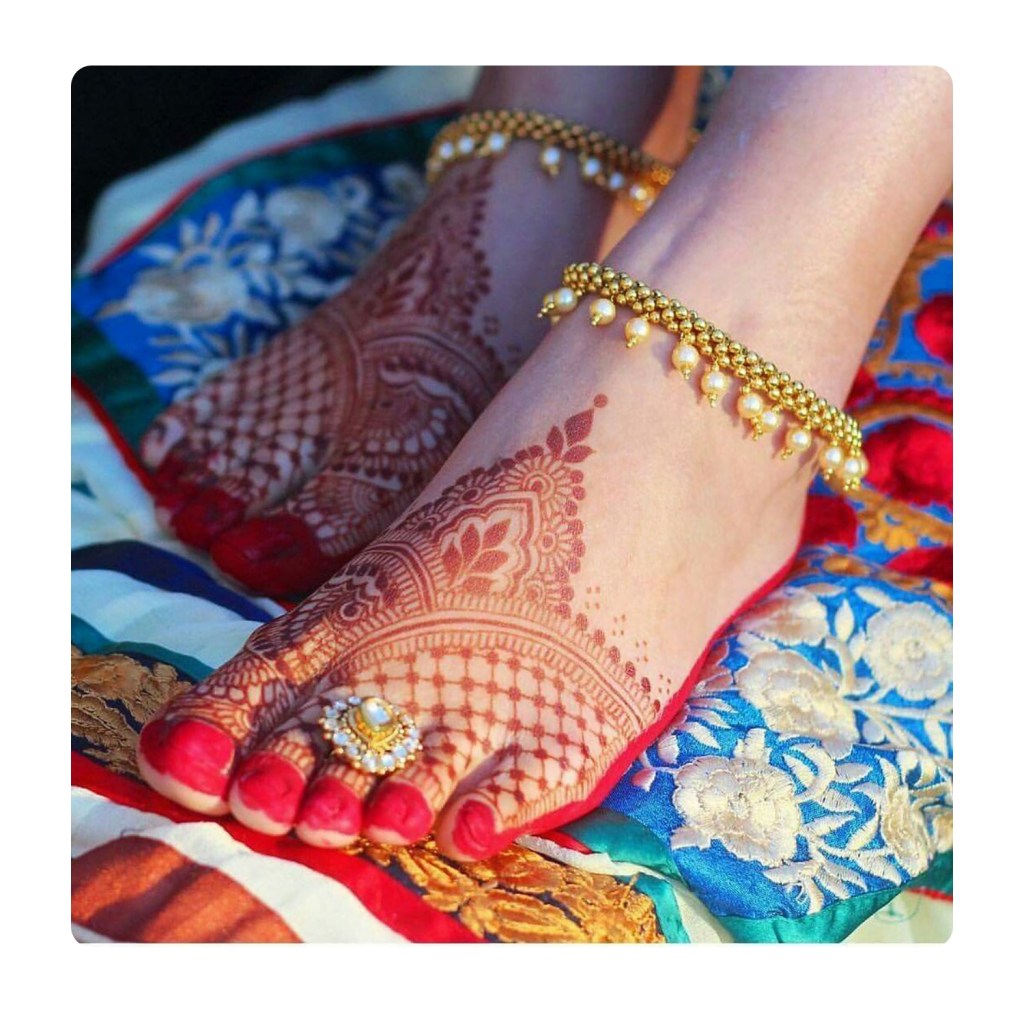
1 ) MEHANDI APPILICATION :

HOW : An Indian Bride apply Mehendi Designs on her both hands.

GLOW: Henna has Antiseptic properties and cooling effect helps bride to relieve from Stress, Body pain and even Fever.

MEHANDI

2)TURMERIC APPLICATION:

HOW: Turmeric paste is appilied on bride and groom faces, hands and legs.

GLOW: Turmeric paste helps to bring natural shine to face and also through its medicinal properties keeps bacteria at bay from skin.

HALDI

3)WEARING BANGLES:

HOW: More number of bangles are worn by Bride on Wrists.

GLOW: It gives hand an Astonishing look and also the Acupressure points pressed by bangles Improves Blood circulation.

BANGLES

4) WEARING TOE RINGS:

HOW: Silver Toe Rings are weared on the second toe of married bride.

GLOW: Toe rings connects Heart passing through Uterus stronger and regulates the menstrual cycle.

TOE RINGS

UNEMPLOYMENT

Unemployment occurs when a person who is actively searching for employment is unable to find work. Unemployment is often used as a measure of the health of the economy. The most frequent measure of unemployment rate, which is the number of unemployed people divided by the number of people in the labour force.

Definitions:

The state of being without any work yet looking for work is called Unemployment. Unemployment is the key for the economic indicator because it signals the ability of workers to readily obtain gainful work to contribute to the productive output of the economy. High unemployment indicate the lower output of social economy.

Types Of Unemployment:

We can divide unemployment into four types

1.Classical Unemployment: Classical, or real-wage, unemployment, occurs when real wages for a job are set above the market-clearing level, causing the number of job-seekers to exceed the number of vacancies. On the other hand, most economists argue that as wages fall below a livable wage, many choose to drop out of the labor market and no longer seek employment. That is especially true in countries in which low-income families are supported through public welfare systems. In such cases, wages would have to be high enough to motivate people to choose employment over what they receive through public welfare. Wages below a livable wage are likely to result in lower labor market participation in the above-stated scenario.

2. Cyclical Unemployment: Cyclical unemployment is the variation in the number of unemployed workers over the course of economic upturns and downturns, such as those related to changes in oil price. Unemployment rises during recessionary periods and declines during periods of economic growth. Preventing and alleviating cyclical unemployment during recessions is one of the key reasons for the study of economics and the purpose of the various policy tool that governments employ on the downside of business cycles to stimulate the economy.

3. Structural Unemployment: structural Unemployment comes about through technological change in the structure of the economy in which labor markets operate. Technological changes—such as the replacement of horse-drawn transport by automobiles or the automation of manufacturing—lead to unemployment among workers displaced from jobs that are no longer needed. Retraining these workers can be difficult, costly, and time-consuming, and displaced workers often end up either unemployed for extended periods or leaving the labor force entirely.

4. Frictional Unemployment: Frictional Unemployment occurs as a result of people voluntary changing job within an economy. After a person leaves a company, it naturally takes time to find another job. Similarly, graduates just entering the workforce add to frictional unemployment. Usually, this type of unemployment is short-lived. It is also the least problematic from an economic standpoint. Frictional unemployment is a natural result of the fact that market processes take time and information can be costly. Searching for a new job, recruiting new workers, and matching the right workers to the right jobs all take time and effort, resulting in frictional unemployment.

Measurement:

Though many people care about the number of unemployed individuals, economists typically focus on the unemployment rate, which corrects for the normal increase in the number of people employed caused by increases in population and increases in the labour force relative to the population. The unemployment rate is expressed as a percentage and calculated as follows:

Text Box: *100