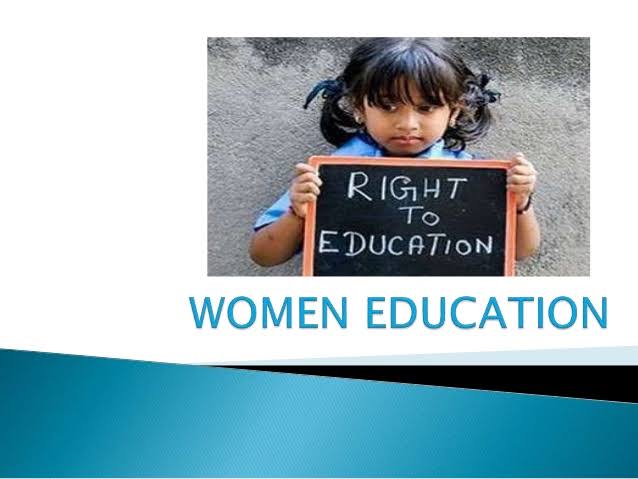
WOMEN EDUCATION

GIRLS’ EDUCATION:

Every day, girls face barriers to education caused by poverty, cultural norms and practices, poor infrastructure, violence and fragility.

Girls’ education goes beyond getting girls into school. It is also about ensuring that girls learn and feel safe while in school; have the opportunity to complete all levels of education acquiring the knowledge and skills to compete in the labor market; learn the socio-emotional and life skills necessary to navigate and adapt to a changing world; make decisions about their own lives; and contribute to their communities and the world.

Girls’ education is a strategic development priority. Better educated women tend to be more informed about nutrition and healthcare, have fewer children, marry at a later age, and their children are usually healthier, should they choose to become mothers. They are more likely to participate in the formal labor market and earn higher incomes. All these factors combined can help lift households, communities, and countries out of poverty.

According to UNESCO estimates, around the world, 132 million girls are out of school, including 34.3 million of primary school age, 30 million of lower-secondary school age, and 67.4 million of upper-secondary school age. In countries affected by conflict, girls are more than twice as likely to be out of school than girls living in non-affected countries. And in many countries, among girls who do enter primary school, only a small portion will reach and far fewer will complete secondary school.

There are multiple barriers to girls’ access to and completion of education:

Poverty is one of the most important factors for determining whether a girl can access and complete her education. Poor households lack resources to pay for schooling and associated costs (e.g., for textbooks, uniforms, school supplies, and transportation). Poor households with multiple children may choose to invest in boys’ education rather than that of girls while also relying on girls to help with household chores and care for younger siblings and other family members. Studies consistently show that girls who face multiple disadvantages — such as low family income, living in remote or underserved locations or who have a disability or belong to a minority ethno-linguistic group — are farthest behind in terms of access to and completion of education.

Violence also prevents girls from accessing and completing education – often girls are forced to walk long distances to school placing them at an increased risk of gender-based violence (GBV) including sexual exploitation and abuse and sexual harassment (SEA/SH) and many experience violence while at school. In addition to having serious consequences for their mental and physical health and overall well-being – this leads to lower attendance and higher dropout rates among them. Adolescent pregnancies can be a result of sexual violence or sexual exploitation. Girls who become pregnant often face significant stigma, and even discrimination, from their communities. The burden of stigma, compounded by unequal gender norms, can lead girls to drop out of school early and not return.

Child marriage is also a critical challenge. Girls who marry young are much more likely to drop out of school, complete fewer years of education than their peers who marry later. They are also more likely to have children at a young age and are exposed to higher levels of violence perpetrated by their partner. In turn, this affects the education and health of their children, as well as their ability to earn a living. Indeed, girls with secondary schooling are up to six times less likely to marry as those children with little or no education. According to a 2017 report,[LSM1] more than 41,000 girls under the age of 18 marry every day.

Lack of schools, inadequate infrastructure and unsafe environments: In addition to an insufficient number of schools to meet education demand (particularly in rural areas) – many schools lack water, sanitation and hygiene (WASH) facilities including separate toilets for boys and girls and a water source. Further, many schools lack basic features to promote a safe and inclusive environment – for example, they lack perimeter fences, well-lit pathways and do not use universal design. The lack of an adequate environment can act as an important barrier to girls’ regular attendance in school.

Limitations in teacher training and teaching and learning materials which reinforce gender biases: In many settings, curricula and teaching pedagogy is not sensitive to the specific needs of girls. Further, teachers may not have had sufficient training or support in reducing gender biases in the classroom. They may not be trained or feel comfortable in responding to GBV and other issues girls may face in school. Additionally, teaching and learning materials and curricula may reinforce negative stereotypes about girls and women.

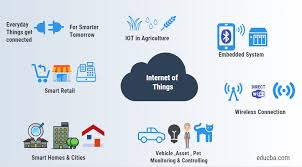
IOT (INTERNET OF THINGS)

The Internet of things (IoT) describes the network of physical objects that are embedded with sensors, software, and other technologies that is used for the purpose of connecting and exchanging data with other devices and systems over the internet.

One such example is smart phone. Without even human intervention it is possible to access things through IOT. It can easily transfer data over a network through Internet Protocol (IP) address.

HOW IT WORKS?

IOT is a web-enabled smart devices that use embedded systems to collect, send and act on data they receive. They collect it through an IOT gateway. They can also communicate with other related devices. The device does not need human-to-human or human-to-computer interaction. It also uses artificial intelligence to collect data .

WHY IS IT IMPORTANT?

In such a hectic and busy world IOT helps people by simplifying their lives. It provides businesses with a real-time look and offers smart devices to automate homes. It helps individual to gain complete control of their lives.

BENEFITS OF IOT:

IOT provides multiple benefits in business and multiple industries. Some include

  • Helps make  better business decisions.
  • Saves time and money.
  • Helps generate more revenue.
  • It cuts down on waste and improves service delivery.
  • Easy accessibility.

CONS OF IOT:

Every coin has 2 sides. Likewise, it also comes with its own disadvantages.

  • If there’s a bug in the system, the device gets corrupted.
  • When the number of connected devices increases then the potential that a hacker could steal information also increases.
  •  It’s difficult for devices from different manufacturers to communicate with each other

In this weird world where humans have no time for themselves, IOT place an important role in millions of people’s life. A new era has now entered our lives where a man is a slave of technology which is ironically developed the for making human’s work simpler and that’s what IOT exactly does.

BIO GEO CHEMICAL CYCLE


 BIO GEO CHEMICAL CYCLE

We live in the environment where there are both biotic and abiotic components. Abiotic components are the air, water, light and temperature. Biotic is the living components which include human beings. This kind of ecological complex is called as the ecosystem. It deals with the relationships between the organisms and ecology. Thus, the interaction is both dependent on the ecology.


WATER CYCLE

Water is the important source of all living beings. Oceans are the biggest storehouses of water as they evaporate for the formation of clouds. The evaporation process is also due by rivers, lakes and ponds. Condensation is a process in which the watervapour converts to rain. Now the rain water flows and fills all the water resources. 

A huge amount of water is recycled directly without the involvement of biotic components. The sun’s heat and wind movement help to evaporate water from the exposed surface of the oceans. So, the rivers and lakes act as a reservoir here, which finally collects water to the oceans.


NITROGEN CYCLE

Living organism requires both proteins and nucleic acids for their survival. The atmosphere consists of 78 percent of ammonia and plants and animals can only use in the form of ammonia, nitrates or amino acids. This conversion is called the nitrogen cycle. 

The steps involve Nitrogen fixation, assimilation, Ammonification, Nitrification and Denitrification.

Nitrogen fixation is done by Nitrogen fixing bacteria and algae that converts ammonia into nitrates. Nitrogen Assimilation is done by Nitrates that are absorbed by plants are utilized for making organic matter such as proteins and nucleic acids. The process of urea, uric acid, which is released by amines and ammonia is released by the action of bacteria or fungi and it is called ammonification. Ammonia is then converted to nitrites, it is called as Nitrification and then denitrification occurs by reducing nitrate ions into gaseous nitrogen which returns to the atmosphere.


CARBON CYCLE

All living organisms are made up of carbon. The atmospheric carbon dioxide enters into the living world followed by photosynthesis and the carbon is passed. Carbon dioxide is returned back to the atmosphere through the decomposition of dead organic materials and volcanic activities.


OXYGEN CYCLE

Oxygen is important for respiration which contributes 20% of the air in the atmosphere. Enters into the living world through respiration and produces energy. 


Now-a-days we get climatic changes quickly due to the change in one of these cycles. Burning fossil fuels, using limestone for making concrete and more things. If any one of the cycle is disrupted it would be really difficult for the humans. It is purely our responsibility to save the nature!


Some Myths about Solar Energy

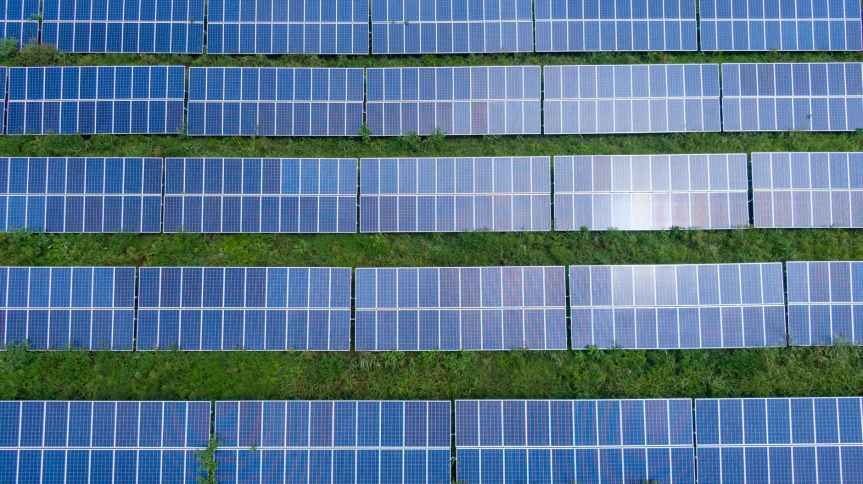
The sun is the source of the solar power which converts into other form of power for utilization .Today’s Solar Energy is the most popular & most needed renewable energy .But with its popularity here comes some myths which create misbelieve among people & prevent the consumption of solar energy in great dimension .There are some of the myths about solar energy are discussed below .

1. Manufacturing Energy of Solar Panels are Greater than Produced Energy by Solar Panels :                                                                                                                                              It is a baseless conception about solar panels .National Renewable Energy Laboratory proved with their experiments that all types of solar panels pay back energy positively within 4 years .Retaliation Period for Mono- crystalline panels ,Poly-crystalline panels & Thin film panels are 2 years , 1-1.5 years & 1 year respectively .

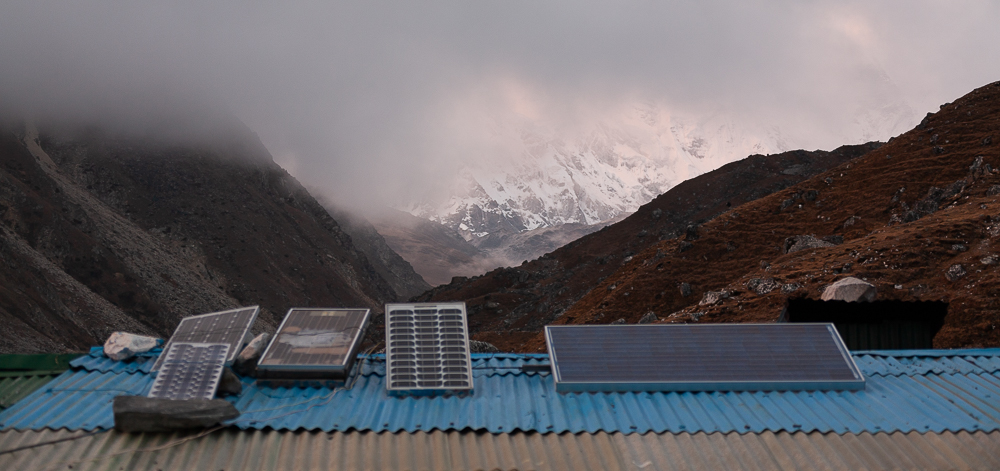
Manufacturing of solar panels
Solar power measuring of solar panels

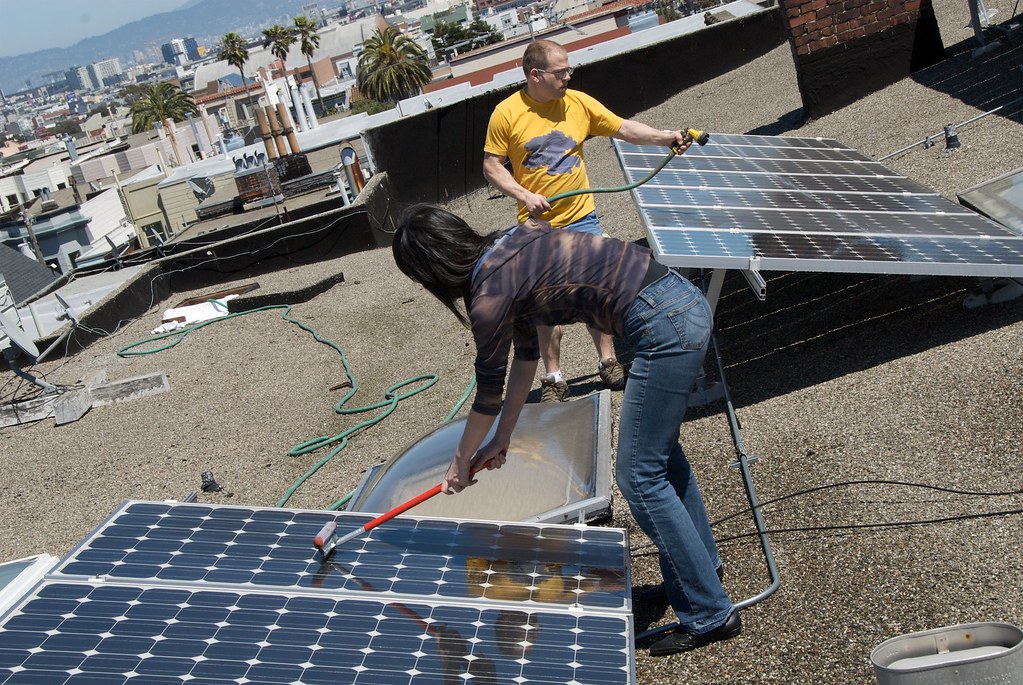
2. Daily Maintenance is Necessary for Solar Panels :                                                                Solar panels loss only 5-10% efficiency without it’s cleaning maintenance .So it is not a necessary requirement .Only off grid solar panels need some maintenances in battery but not in majority .

Maintenance of solar panel
solar panel cleaning

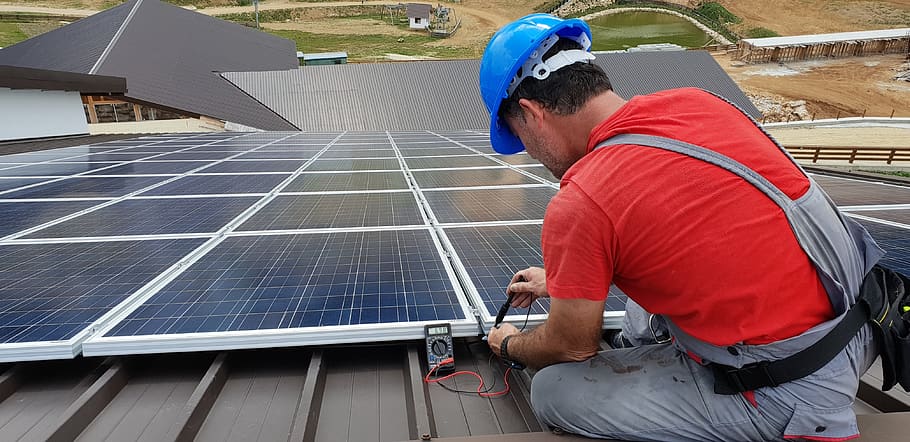
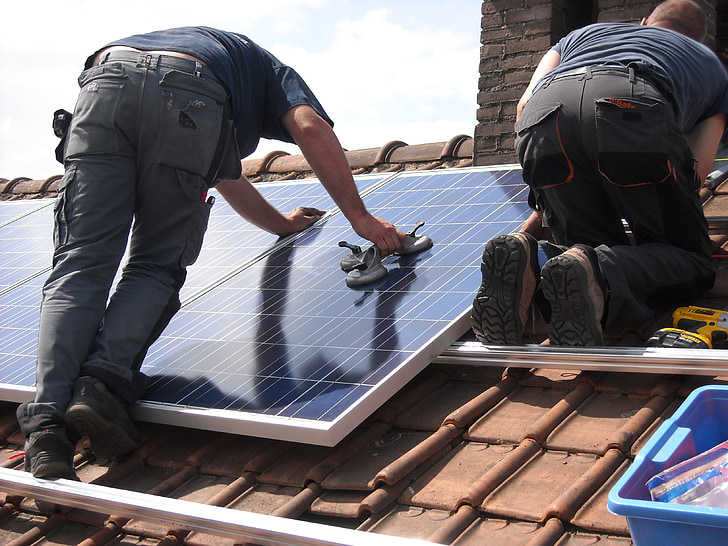
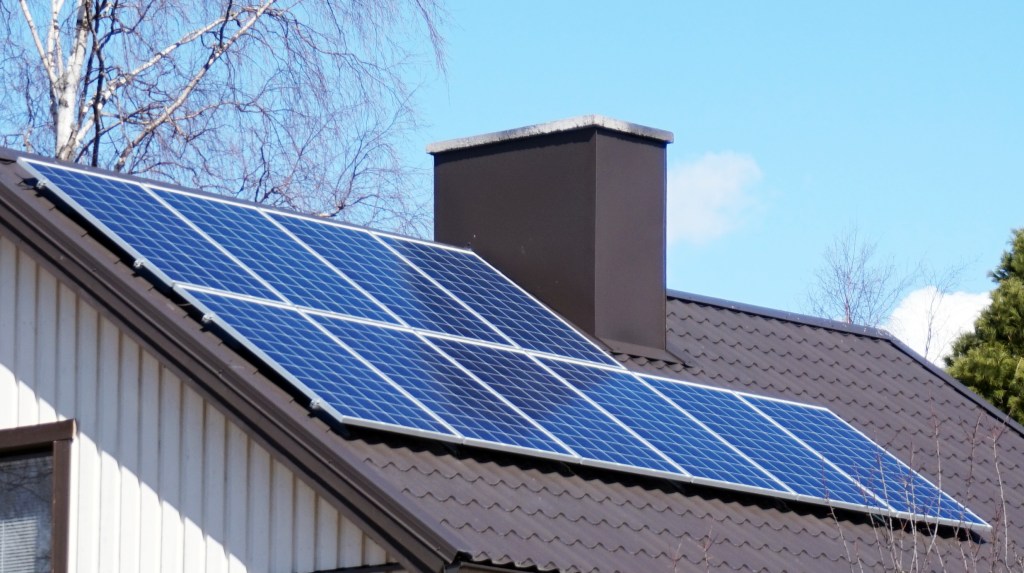
3. Solar Panels will Wreck the Roof of House:                                                                              The Roof-attached Solar panels are not attached to the roof directly .Solar panels are sited on a rack which is actually attached to the rooftop .So solar panels can’t harm a roof of the house.

solar panel fitting in rooftop
solar panel on rooftop

4. Solar Power Systems are Costly :                                                                                                  It is one of the popular misbelieve  about solar energy .It was true at the innovation time of solar panels around 1970 but in recent days solar panels are not expensive compared to other technological innovation . For recent advanced technology ,solar system becomes reachable in cost .

solar system are not coastly

5. Solar Panels are Invalid in Cloudy Days :                                                                                            It is the biggest wrong information about solar panels .People think that as solar panels use solar light & heat to generate current so rainy days are  not suitable for absence of light & heat .In fact solar panels can generate current in cloudy days but in less amount than the sunny days for efficiency reduction . Minimum 10-25% of usual current can be produced in rainy days by panels .

solar energy in cloudy weather
solar panel are working in rainy day

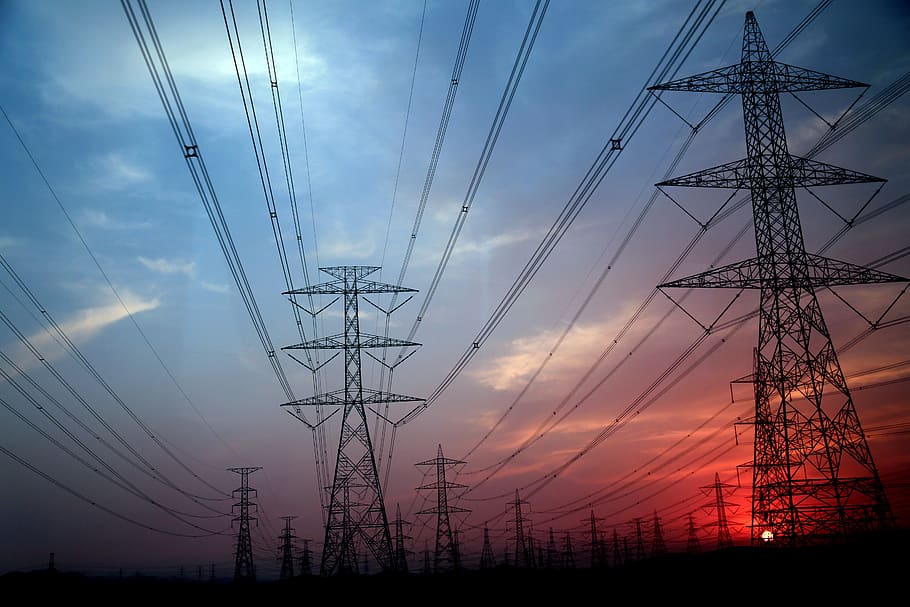
6. Solar System Keeps Working Even at the Time of Power-cut :                                                     It is a misconception to think that solar systems are able to work if power goes out .For Grid-connected system ,it will be invalid to work & for Hybrid system ,they only able to work in daytime .Only when the solar battery storage are coupled with solar system ,it can work during outage

power cut

 7. Warm Weather is Better for Solar Power Production :                                                       It is a conventional misapprehension among people that warm climate helps to generate much power .The actual fact is solar panel use sun light to produce power rather than heat .On the contrary ,high temperature  reduced efficiency of solar system .       

solar energy in warm weather
solar panels in sunny day

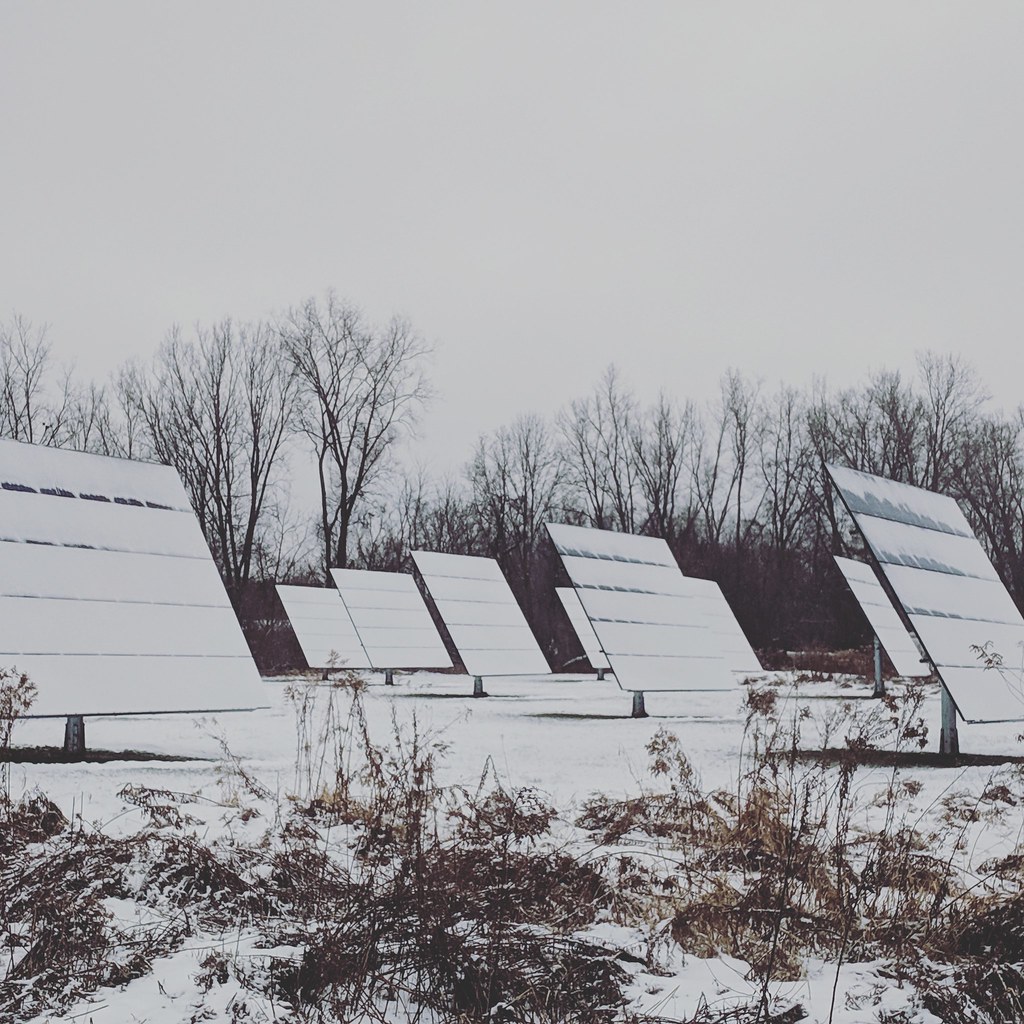
 8. Solar Panels Don’t Work on Cold Climate :                                                            With advanced technology ,solar panels can induce energy in every types of climate even in snowy or cold days .In fact cold weather helps to increase efficiency of solar system .      

solar panels in cold days
solar system in cold weather

  9. Solar Panels , Which finished Their Life-time, are Environmentally Greave :                                            It is a fallacy that time span finished solar panels is harmful for environment . The life time limitation for a solar panels are usually 25 years .The parts of solar systems can be recycled again for reuse after its lifetime .So in no way the parts of the solar system damage the nature .     

solar panels are recyclable

 10. Electric Bill will be Cheaper by the Installation of Solar System :

It is not actually true statement . The electric bill in fact depends on the way of using produced energy . Electric bill can be cheap by using produced excess energy or using electric appliances (which needed much electric) in less electricity using time (evening or night time).

Electric bill of solar energy
electric bill

There are more myths about solar energy other than these 10 —                                                               ~Heavy current loaded appliances are unable to run in Solar Energy .                                                   ~Solar panels are easily damageable by wind , birds .                                                                     ~Installation of solar panel are complicated .

These are the usual myths .But one have to remember that these are all myths .These statements doesn’t hold the complete truth about solar energy .So we should search about the complete truth before believing these conceptions about solar power .


Avocado

The avocado (or alligator pear) is a fruit with green flesh that gets softer as it ripens. It surrounds a large pit (the seed), which must be cut around and removed. The pebble-textured outer skin changes from a lighter yellow-green to dark green (almost black) as it ripens. This can vary by variety, however, so firmness rather than skin color is the best way to judge ripeness.

avocado

The avocado grows in tropical climates on tall trees. Most come from Mexico, California, Florida, and Hawaii, and the peak season is late winter into early spring. This is when you’ll find the cheapest and best ones of the year. At other times of the year and during shortages, a single avocado can be expensive. The avocado can also vary in size, ranging from the small, 1-ounce “avocadito” to the massive, 5-pound queen avocado. The majority, however, are palm-sized and, like the popular Hass variety, weigh about 6 ounces.

How to Cook With Avocado

Avocado can be eaten raw and scooped straight out of the skin with a spoon. The fresh fruit is often diced or sliced and included in salads, wraps, and as a sandwich topping. Avocado is also pureed for use in dips, smoothies, and soups, and it’s easy to mash by hand. Additionally, avocado can help transform favorite desserts like brownies into vegan-friendly treats.

Since the skin is generally bitter tasting, most of the time it is discarded, though it is edible. In order to get to the flesh inside, work the knife lengthwise all the way around the pit, cutting the fruit into two equal halves. With gentle pressure, twist the two halves in opposite directions to pull them apart. The pit should stay firmly in one side and can easily be removed with a spoon. Use the spoon to separate the avocado meat from the skin, then cut it up as needed.

What Does It Taste Like?

The taste of avocado will depend on its ripeness and variety. In general, avocado has a rich, buttery taste that is simultaneously mellow and uniquely avocado. It’s the creamy texture that makes it a favorite for many people.

Some facts about Avocado

  • Avocados, native to Central and South America, have been cultivated in these regions since 8000 B.C.
  • The major commercial producers of avocados are the United States, Mexico, the Dominican Republic, Brazil and Colombia.
  • California produces 95 percent of all avocados grown in the United States.
  • The avocado is colloquially known as the alligator pear because of its shape and the leatherlike appearance of its skin.
  • There are dozens of varieties of avocados, including the Hass, Fuerto, Zutano and Bacon varieties.
  • The Hass variety is the most popular type of avocado in the United States. The average California Hass avocado weighs about 6 ounces (170 grams) and has a pebbled, dark green or black skin.
  • The Fuerte avocado, usually available during winter months, has smoother, brighter green skin.
  • The word “avocado” is derived from the Aztec word “ahuacatl,” meaning testicle.
  • Avocados vary in weight from 8 ounces to 3 lbs. (226 grams to 1.3 kilograms), depending upon the variety.
  • An avocado is ripe and ready to eat when it is slightly soft, but it should not have dark sunken spots or cracks. An avocado with a slight neck, rather than a rounded top, was probably tree-ripened and will have better flavor.

The Sonnet

The Sonnet is the lyric in fourteen lines in iambic pentameter governed by certain prescribed rules in general and in the arrangement of The rhymes. It aims at concentrated expression, but a fairly complex development of a single theme also is possible.

Origin of sonnet:

It derives its name from the Italian “sonnetto”which means “A little song” or sound sung to the strain of music. It has only one leading thought or emotion as in Milton’s ‘On his blindness’ or Keats’s ‘On first looking into chapman’s Homer’.

Sonnets were first written in Italy in the latter half of the thirteenth century. The form of composition is associated with the name of petrarch, through the form had been used even by Dante before him.

Composition of the sonnets:

A petrarchan sonnet is composed of two parts, the octave compressing the first eight lines and the sestet compressing the last six lines. The octave two has rhymes ‘a’ and ‘b’ are arranged in the a b a b a b a b scheme. The sestet has three rhymes arranged in various forms as cde, cde or cde, dcd or cde, dce. The octave may be divided into two stanzas of four lines each called quatrains and sestet into two of three lines is called the tercets. At the end of the eight lines, there is a pause called caesura followed by a turn of thought called volta. Milton wrote some of his sonnets in this manner.

Some of the earliest writers of sonnet:

The sonnet was introduced in England by wyatt and Surrey in the 16th century. They discarded the Italian form and adapted a new rhyme sheme. Surrey wrote his sonnets in three quatrains in alternate rhymes followed by a concluding couplet.- a b a b, c d c d, e f e f, g g . This form was later used by Shakespeare with the marvelous success in his series of sonnet dedicated to Mr WH. so it came to be known as the shakespearean sonnet. romantic poets like Wordsworth and keat’s followed the shakespearean pattern. Spenser adopted a slightly altered form of the shakespearean sonnet. He used an intermixture of rhyme to connect each of the quatrains making it a b a b, b c b c, c d c d, e e.

The theme of the sonnets:

The common theme of a sonnet is love as the sonnets of Shakespeare, Philip Sidney and Elizabeth Barrett Browning. However several poets have used other themes also in their sonnets. Milton’s sonnet ‘On his blindness’, wordsworth’s sonnet addressed to Milton, Keats’s sonnet ‘On first looking into chapman’s Homer’ and Arnold’s Sonnet on Shakespeare are examples.

Some of the famous sonnets are:

  • Sir Thomas Wyatt, ‘Whoso List to Hunt’.
  • Sir Philip Sidney, Sonnet 1 from Astrophil and Stella.
  • William Shakespeare, Sonnet 29.
  • John Donne, ‘Death, Be Not Proud’.
  • William Wordsworth, ‘Composed upon Westminster Bridge’.
  • John Keats, ‘On First Looking into Chapman’s Homer’.

Conclusion:

Sonnet is one of the literary forms that used in majorly writing poems. It will contain fourteen lines and has a lot of poetical devices like, metaphor, allitration, personalification etc.

The Farce

Bookish Terms

MOB LYNCHING:

Mob lynching is a term used to describe the acts of violence targeted by a large group of people. Lynching, a form of violence in which a mob, under the pretext of administering justice , executes a presumed offender, often after inflicting torture.

Lynch law refers to self-constituted court that imposes sentence on a person without correct order of law. Mob lynching is basically a large group of people attacking on a fewer people.

STATS:

Reports indicate that, between 1882 and 1951 in United States, 4,730 persons were lynched, of whom 1,293 were white and 3,437 were black. Lynching was a part of US during the 1950s and ’60s, when civil workers and advocates were threatened and some were even killed by mobs.

CAUSES:

While there are so many reasons associated with it the main reason of it being

  • Lack of being about the consequences.
  • Lack of action taken by police and judicial system makes the mob take the right on their hand and us it accoring to their will.
  • Many mob lynching incidents occur because of cow vigilantism. 
  • Indirect support from government is another reason why still lynching exists.

HOW TO OVERCOME?

As of 2017, several people started protesting against mob lynching’s. Many movements started which also included “Not in my name” movement. Other movement named MASUKA (Manav Suraksha Kanoon) also started in 2017 to show protest against mob lynching. Later on 2018, Indian government appointed two committees to draft law on Mob lynching’s.

But, all these aren’t enough to overcome the mob lynching happening around the world. As individuals one should come forward and rise their voice against the injustice happening to their fellow brotherman.

SECTION 304:

If a mob killed some person, it will not be called a murder. It literally means if a single person kills someone, he’ll be liable for murder, but if the same crime is committed by a mob, the people be convicted under Section 304.

Section 304 – Punishment for culpable homicide not amounting to murder. If an individual commits culpable homicide not amounting to murder, then he shall be punished with 1 or imprisonment which may extend to ten years and shall also be liable to fine.

Humanity is tested every time an unruly mob kills an innocent person. Whatever the reason is, crime is a crime and it is in the hands of each and every individual to differentiate what’s right and what’s wrong and act accordingly.

International Tiger day

International Tiger day is celebrated every year on July 29,to raise awareness among people for tiger conservation.It was created in 2010,at the Saint Petersburg Tiger Summit.

Tiger are the largest member of cat family and one of the endangered species.Tiger population have fallen around 95% in last decade, their surviving rate in only 40%.

Amur is the largest tiger species in the world.They are also known as Siberian Manchurian,Ussurian,or Northeast- china. The male Amur can grow up to 3.3 m and weight upto 660 pounds. However,females can only grow upto 2.6 m and weight upto 330 pounds.Moreover , they are pale orange in colour and have brown stripes.They white chest and bellies.

India is the home for largest tigers in World with an estimated population of around 2500 to 3750 tigers .The most numerous tiger ,Bengal found in India.

Tiger reservation is the need of an hour .Its important to aware people about tiger reservation,before they become exist.

Yoga- Benefits and its use to increase immunity against Covid.

If you thought that yoga was all about bending and twisting your body in odd shapes, it’s time to rethink. Yoga is much more. In very simple words, giving care to your body, mind and breath is yoga. Derived from the Sanskrit word ‘yuj’ which means ‘to unite or integrate’, yoga is a 5,000-year-old Indian body of knowledge. Yoga is all about harmonizing the body with the mind and breath through the means of various breathing exercises, yoga poses (asanas) and meditation.

  • Yoga improves strength, balance and flexibility.
  • Yoga helps with back pain relief.
  • Yoga can ease arthritis symptoms.
  • Yoga benefits heart health.
  • Yoga relaxes you, to help you sleep better.
  • Yoga can mean more energy and brighter moods.
  • Yoga helps you manage stress.

Yoga for Mental Health:

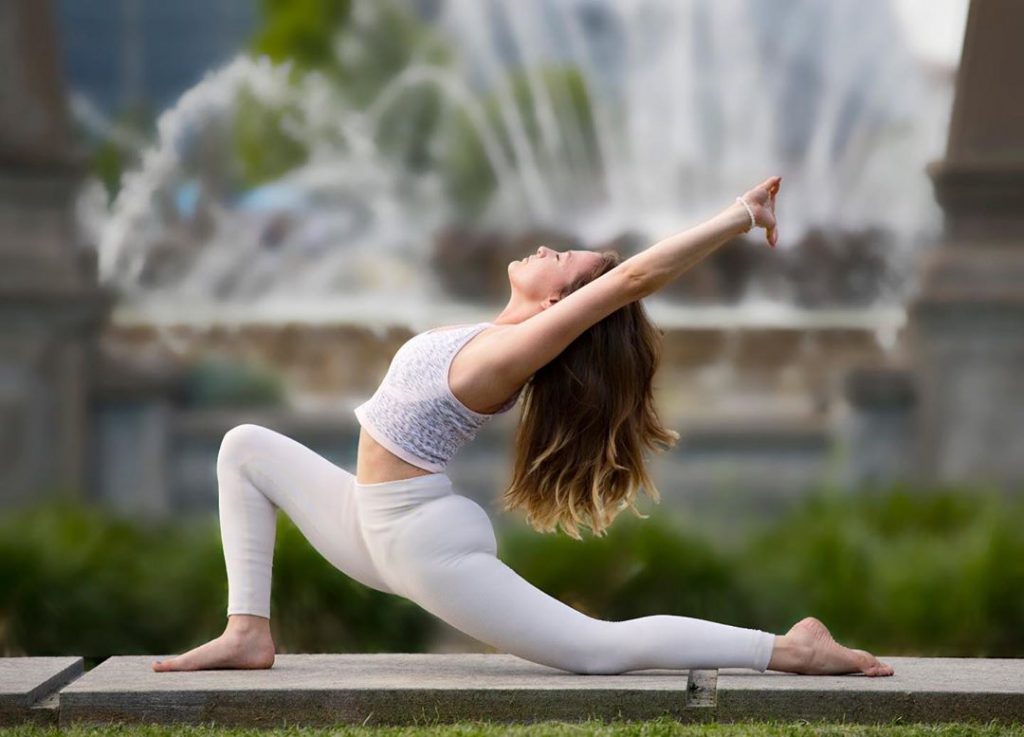
  1. Anjaneyasana

This pose is also known as “the high lunge”. Doing the crescent variation of this exercise is known to help improve your blood flow, calm your mind.

Steps:

  • While standing, lunge one leg forward.
  • Bend the front knee, make sure your knee is in line with your ankle, stretch your back leg.
  • Press your ankle flat against the ground on both ankles.
  • Raise your arms to the sky and connect your palms.
  • Breathe in deeply and breathe out in an even flow.
  • Repeat 5 times per leg.

2. Garudasana.

This pose is known commonly as the eagle pose. This pose requires you to breathe while holding your body in balance. It helps prevent anxiety attacks while improving your focus. Steps are as follows:

  • Breathe in deep, shift the weight of your body onto one leg.
  • Slowly wrap one leg around the other.
  • Sink your hips and gently bend your knees.
  • Keep your ankle flat on the ground.
  • Keep your breathing even and slow.
  • Wrap one arm around the other at the elbows and wrists.

3. Natarajasana

Commonly referred to as “the dancer’s pose”, this asana is great for mood balancing. It can be beneficial for those who are fighting depression and anxiety.

How to Do It:

  • With both legs planted on the ground, bend one knee back; using your arm, grip the ankle.
  • Slowly keeping a steady posture, lean forward and lift your ankle towards the sky.
  • Extend your free hand in front of you.
  • Take 5 deep and even breaths.

Yoga to increase immunity against Covid:

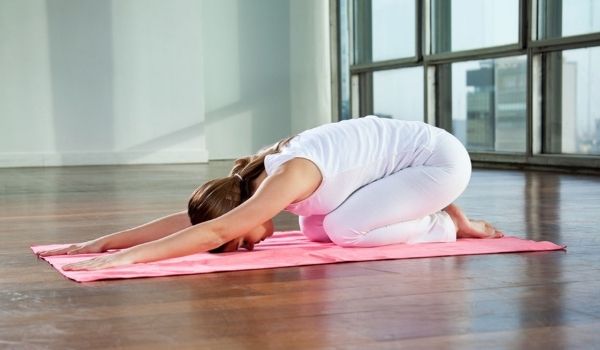
1. Shishuasana:

  • Sit on your heels. Keeping your hips on the heels, bend forward, and lower your forehead to the floor.
  • Keep the arms alongside your body with hands on the floor, palms facing up. (If this is not comfortable, you can place one fist on top of another and rest your forehead on them.)
  • Gently press your chest on the thighs.
  • Hold.
  • Slowly come up to sit on the heels, uncurling vertebra by vertebra and relax.

Shishuasana is an excellent pose to decongest the chest and relax the mind.

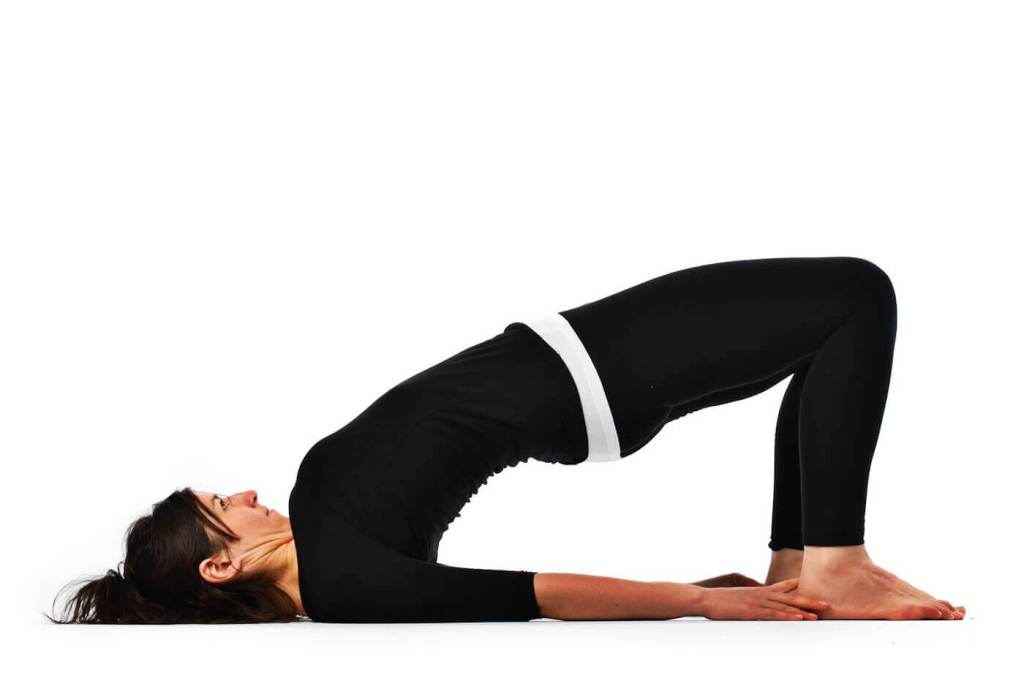
2.Setu Bandhasana:

  • To begin, lie on your back.
  • Fold your knees and keep your feet hip distance apart on the floor, 10-12 inches from your pelvis, with knees and ankles in a straight line.
  • Keep your arms beside your body, palms facing down.
  • Inhaling, slowly lift your lower back, middle back and upper back off the floor; gently roll in the shoulders; touch the chest to the chin without bringing the chin down, supporting your weight with your shoulders, arms and feet. Feel your bottom firm up in this pose. Both the thighs are parallel to each other and to the floor.
  • If you wish, you could interlace the fingers and push the hands on the floor to lift the torso a little more up, or you could support your back with your palms.
  • Keep breathing easily.
  • Hold the posture for a minute or two and exhale as you gently release the pose.

Setu Bandhasana opens the heart and improves blood circulation, increasing energy in the body.

3.Dhanurasana:

  • Lie on your stomach with your feet hip-width apart and your arms by the side of your body.
  • Fold your knees and hold your ankles.
  • Breathing in, lift your chest off the ground and pull your legs up and back.
  • Look straight ahead with a smile on your face. Curve your lips to match the curve of your body!
  • Keep the pose stable while paying attention to your breath. Your body is now taut as a bow.
  • Continue to take long deep breaths as you relax in this pose. But don’t get carried away! Do not overdo the stretch.
  • After 15 -20 seconds, as you exhale, gently bring your legs and chest to the ground. Release the ankles and relax.
  •  

Yoga’s incorporation of meditation and breathing can help improve a person’s mental well-being. “Regular yoga practice creates mental clarity and calmness; increases body awareness; relieves chronic stress patterns; relaxes the mind; centers attention; and sharpens concentration.

Is Social Media Marketing a good choice ?

Side Effects relating to Social Media Marketing and solution

It has become a trend to promote businesses on social media platforms since they provide a large customer base by widening the reach. It is an economical way and less time-consuming than the traditional method of advertising which used posters, banners, direct selling and other such methods. Therefore it is a good way to attract customers all across the world and communicate the brand in an interesting and unique way keeping in mind the competition on the platform.

This has led to emergence of a variety of ideas to promote businesses especially startups in an innovative and much appealing way. Social media often comes out with new tricks and techniques which are used by people as per their interests and need. However this is leading to an increase in content on media day by day and people are observed to keep scrolling through them on a higher rate.

It is good to use such platforms to promote an idea or business but it’s prolonged usage is affecting the lifestyles of the common population. Social media is gaining importance day by day, increasing the number of users and content shared across. Those unwilling to be a part of it have to use it due to impositions by their organisations. Some use it to remain updated about what’s going around while some use it for information and knowledge purpose. But it is becoming difficult to come out of the web of social media platforms once a person gets stuck in it. This directs to the problem of addiction among the users. Once they start the use, the mind automatically diverts to the less-useful content shared across which doesn’t require attention by the person.

This is a major problem among the youth, distracting them and attracting towards easier paths in life to earn money through social media which is practically not a satisfying decision for young people. They should be more inclined towards hard work and innovations. There is a need for all of us to live the reality without being immersed in the beauty of the virtual world which is actually not everyone’s cup of tea to lean on and adopt in order to earn money.

Photo by Lisa on Pexels.com

Social media marketing is bringing more attention towards them. It influences people to buy the products and services using unique ideas of selling through social media. This platform is chosen as there are a wide range of active users who are targeted as customers easily. Business gets easy this way. But it is also advocating more usage of such platforms thus leading us to a virtual reality world where contact is real but medium is virtual. These kind of practices have long term effects on physical as well as mental health of a person. A person interested in products or services of a brand will have to join the social platforms to get in touch with them and gradually he/she would get attracted to useless content and creations, thereby increasing usage (in vain) and lowering the person’s productivity.

Moving to a digital world is a step towards modernization but it must be in check with health. Alternative ways to promote growth of one’s business should be developed in order to bring notice towards physical participation as well. It would be a better idea if people are involved physically to advertise and gain customers. Techniques can be developed for fun activities and methods where the common beings are involved; in order to attract them towards the brand and communicate the necessary information. This way, we can move ahead and out of the virtual world, interacting and contacting directly.

Why is wildfire smoke potentially worse than other pollutants in the air?

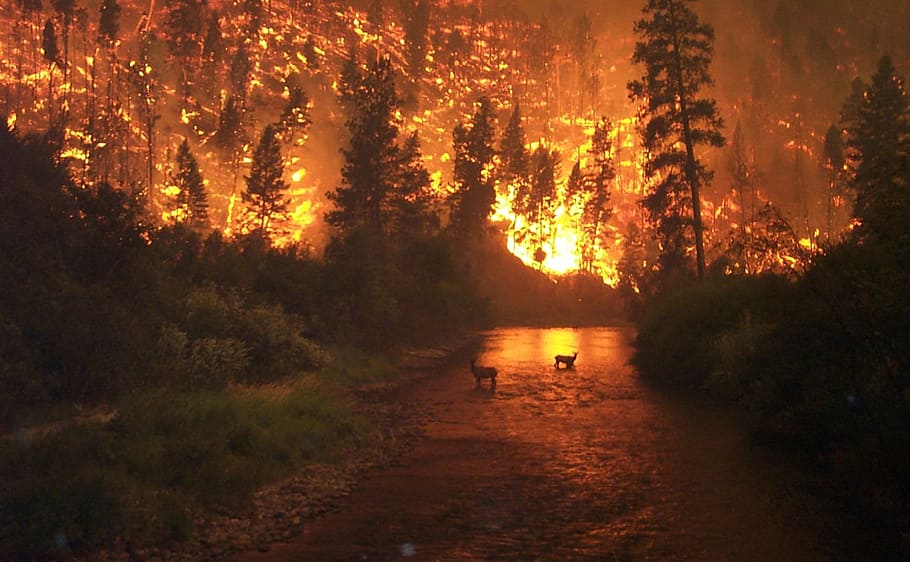
Wildfires in the Western United States have spread smoke across the landscape, posing a rising hazard to public health. The 2020 fire season was so terrible, because of climate change, that it nearly quadrupled the previous record for acres burned in California, and at-home monitoring of the smoke’s impact on air quality became practically ubiquitous. This year’s season is off to a disastrous start, with smoke from West Coast wildfires already darkening skies on the East Coast.

Smoke isn’t your typical form of pollution. According to studies published in the journal Nature earlier this year, the small particles present in smoke can be up to ten times more hazardous to human health than soot from other sources such as tailpipes and factories.

Fine particles, also known as PM2.5, are 30 times smaller than the diameter of a human hair follicle and were studied by researchers. When a fuel, whether it’s gas or plant, burns, tiny particles are released into the air and occasionally into our bodies. According to the study, fine particles from wildfire smoke resulted in 10% more respiratory hospitalizations than they would have been without the smoke. While pollution from other sources is also hazardous, it only increased hospitalizations by around 1%.

Rosana Aguilera, the study’s primary author and a postdoctoral researcher at the University of California, San Diego, spoke in an interview. She explained what she and other academics are doing to learn more about the effects of wildfire smoke on human health.

The interview was slightly altered for clarity.

What are “fine particles,” and why are they a concern?

Fine particles were investigated by the research group I work in since they are one of the primary components of wildfire smoke. These particles are distinct from others. Their chemical makeup varies depending on the items being burned. There are a variety of chemicals that may be found in wildfire smoke and fine particles, including carbon and heavy metals.

We’re concentrating on these small particles found in wildfire smoke right now because wildfire smoke is becoming increasingly prevalent as a source of emissions in various parts of the United States and the world. It’s one form of air pollution in California that appears to be on the rise in the foreseeable future. Some articles support the notion that wildfire smoke will be one of the primary sources of fine particulate matter in areas such as the Western United States.

What kind of impact may such tiny particles have on people’s health?

Because it’s tiny enough to infiltrate our respiratory system and reach deep into the lungs, it’s one of the air pollutants to be concerned about. It might enter the circulation and spread to other organs from there. It can make breathing difficult. It can irritate the skin and aggravate illnesses such as asthma and other respiratory and cardiopulmonary problems.

We mostly deal with acute impacts, which are the reactions that occur after being exposed to wildfire smoke for a few days. My study group isn’t focusing on long-term impacts right now, but I believe it’s an issue that needs to be explored more. Long-term exposure is more difficult to study since it requires following individuals who have been exposed to several wildfires.

So, how does wildfire smoke compare to other sources of pollution like vehicles, trucks, and industry?

When comparing wildfire smoke to non-smoke fine particles, we discovered that wildfire smoke is more hazardous in terms of increased hospitalizations.

The mix of traffic emissions and wildfire smoke may be extremely different. We haven’t looked at the chemical makeup of these tiny particles concerning their origins. However, several toxicological studies have delved into this further and shown that wildfire smoke toxicity may be enhanced. If it passes through a structure, it may pick up pollutants from homes and other structures.

What do you want to achieve with your research?

We’d like to investigate these differential effects of fine particles concerning emission sources, as well as try to learn more about the chemical makeup of various wildfires.

If wildfire smoke has a higher impact, and if it will be one of the primary sources of this sort of pollution in the future — or if it currently is — we need to learn more about why it is more damaging. Then, what kind of long-term impact can we expect?

Auto analyzer

The autoanalyzer is an automated analyzer using a flow technique called continuous flow analysis, the first applications were for clinical analysis, but methods for industrial analysis soon followed. The design is based on separating a continuously flowing streaks with air bubbles.

An automated analyzer is a medical laboratory instrument designed to measure different chemicals and other characteristics in a number of biological samples quickly, with minimal human assistance.

These measured properties of blood and other fluids may be useful in the diagnosis of disease.

Photometry is the most common method for testing the amount of a specific analyte in a sample. In this technique, the sample undergoes a reaction to produce a color change.

Then, a photometer measures the absorbance of the sample to indirectly measure the concentration of analyte present in the sample. The use of an Ion selective electrode is another common analytical method that specifically measures ion concentrations.

This typically measures the concentration of sodium, calcium or potassium present in the sample. There are various methods of introducing samples into the analyzer.

Test tube of sample are often loaded into racks. These racks can be inserted directly into some analyzer or, in large labs, moved along an automated track. More manual methods include inserting tubes directly into circular carousels that rotate to make the sample available.

Some analyzer require samples to be transferred to sample cups. However, the need to protect the health and safety of laboratory staff has prompted many manufactures to develop analyzers that features closed tube sampling, preventing workers from direct exposure to samples.

Samples can be processed singly, in batches, or continuously. The automation of laboratory testing does not remove the need for need for human expertise results must still be evaluated by medical technologists and other qualified clinical laboratory professionals, but it does ease concerns about error reduction, staffing concerns, and safety.

Autoanalyzer uses air segmentation to separates flowing stream into numerous discrete segments to establish a long train of individual samples moving through a flow channel, FIA systems separate each sample from subsequent sample with a carrier reagent.

The Heart

The heart is a muscular organ about the size of a fist, located just behind and slightly left of the breastbone. The heart pumps blood through the network of arteries and veins called the cardiovascular system.

The heart has four chambers:

  • The right atrium receives blood from the veins and pumps it to the right ventricle.
  • The right ventricle receives blood from the right atrium and pumps it to the lungs, where it is loaded with oxygen.

  • The left atrium receives oxygenated blood from the lungs and pumps it to the left ventricle.
  • The left ventricle (the strongest chamber) pumps oxygen-rich blood to the rest of the body. The left ventricle’s vigorous contractions create our blood pressure.

Some Heart Conditions

  • Coronary artery disease: Over the years, cholesterol plaques can narrow the arteries supplying blood to the heart. The narrowed arteries are at higher risk for  complete blockage from a sudden blood clot (this blockage is called a heart attack).
  • Stable angina pectoris: Narrowed coronary arteries cause predictable chest pain or discomfort with exertion. The blockages prevent the heart from receiving the extra oxygen needed for strenuous activity. Symptoms typically get better with rest.
  • Unstable angina pectoris: Chest pain or discomfort that is new, worsening, or occurs at rest. This is an emergency situation as it can precede a heart attack, serious abnormal heart rhythm, or cardiac arrest.
  • Myocardial infarction (heart attack): A coronary artery is suddenly blocked. Starved of oxygen, part of the heart muscle dies.

What is the History of Buddhism and Buddha?

In this article we will look at things like the origin of Buddhism and the biography of the Buddha.

Biography of the Buddha


The Buddha’s given name was Siddhartha. He lived during the time when the Mahavira lived. Siddhartha was born in the Lumbini forest near Kapilvastu in Nepal born in BC 563. His father was Suddhodana, the leader who ruled Kapilvastu. His mother Mahamaya died when Siddhartha was seven days old. He was raised rich by his nephew. His father wanted his son to be king to rule the world. But the astrologers predicted that Siddhartha would become a monk if he happened to see an old man, a sick man, a dead man and a monk. So Siddhartha’s father started packing so that he could leave the palace. 

Siddhartha grew up happily in the palace for many years enjoying all the comforts unknown to the outside world. He was raised to protect the sufferings of the world from his eyes. At the age of 16, he married his cousin Yasodhara. He was happily married and had a child, Rahula. After that, as predicted, Siddhartha saw an old man, a sick man, a dead man and a monk. Seeing them, Siddhartha began to think deeply about the cause of the world’s problems. Wanting to realize the truth of the monk, he left his wife and child one night at the age of 29 and left the palace without telling anyone.

 Dressed in saffron, he wandered in the forest to learn a lesson from the sages. All the sages said that wisdom can be attained only by grieving their body and performing severe penance. Hearing this, Siddhartha mourned his body for many years. He gradually reduced his diet and eventually ate only one bite of rice a day. The body became bone and skin. But he felt that it was not the way to reach the truth because his body was exhausted and his brain was exhausted by such austerities. He started eating again. All five of his disciples, seeing that he had begun to eat regularly, lost faith in him and left him. 

But he began to spend long hours in solitude thinking hard to find the facts he was looking for. One day while meditating under a fig tree, Siddhartha  realized that his questions had been answered. He was 35 years old when he attained enlightenment. After that he was called Buddha. The place where he attained enlightenment is called Bihar Bodhgaya. 

For the next 45 years he traveled throughout northern India and taught the truths he realized. Buddhists call their teachings the Four Truths.  

  • The first truth human life is inherently miserable. 

  • The second truth is that the cause of that suffering is    selfishness and desire. 

  • The third truth is that man can suppress selfishness and desire. 

  • The fourth true man has 8 types of path to escape   from selfishness. 

These eight paths are,

 1. honest opinion

 2. honest thought

 3. honest speech

 4. honest action

 5. honest life

 6. honest effort

 7. honest will

 8. honest meditation. 

The Buddha performed his first teaching at Sarnath, near Varanasi. His teachings were not written during his lifetime, nor were they written until centuries after his disappearance. That is one of the main reasons why there are so many branches of Buddhism. 

There are currently two major divisions in Buddhism.

1. One is the Theravada faction. It flourished in Southeast Asia. 

2. The second division is the Mahayana. The division prospered in Tibet, China and North Asia. 

Desire is the cause of suffering. The basic teaching of the Buddha is that ignorance and caste divisions are the cause of all suffering. A man should be measured by virtue and not by birth. No one is born superior or inferior. The Buddha insisted that it should be determined by what he did. The Buddha lived for almost 80 years and taught many things. He died in BC 483 at Kushi Nagar in Uttar Pradesh. The Buddha was born, attained enlightenment, and swam this worldly life in a single day. That is, historical records say that May is the day of the full moon. That is why Vesak Day is best celebrated by Buddhists. All religions and denominations teach pure love.